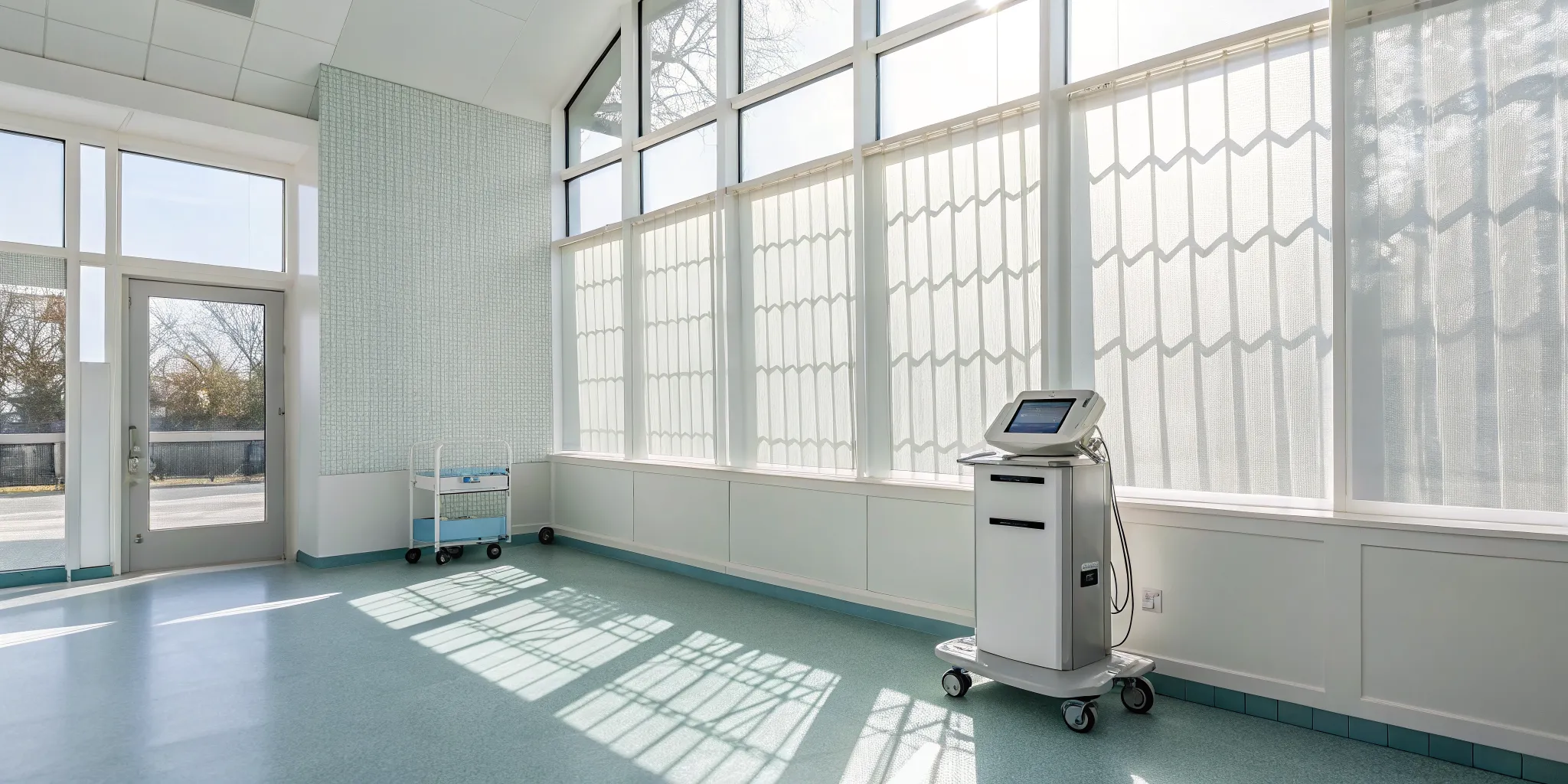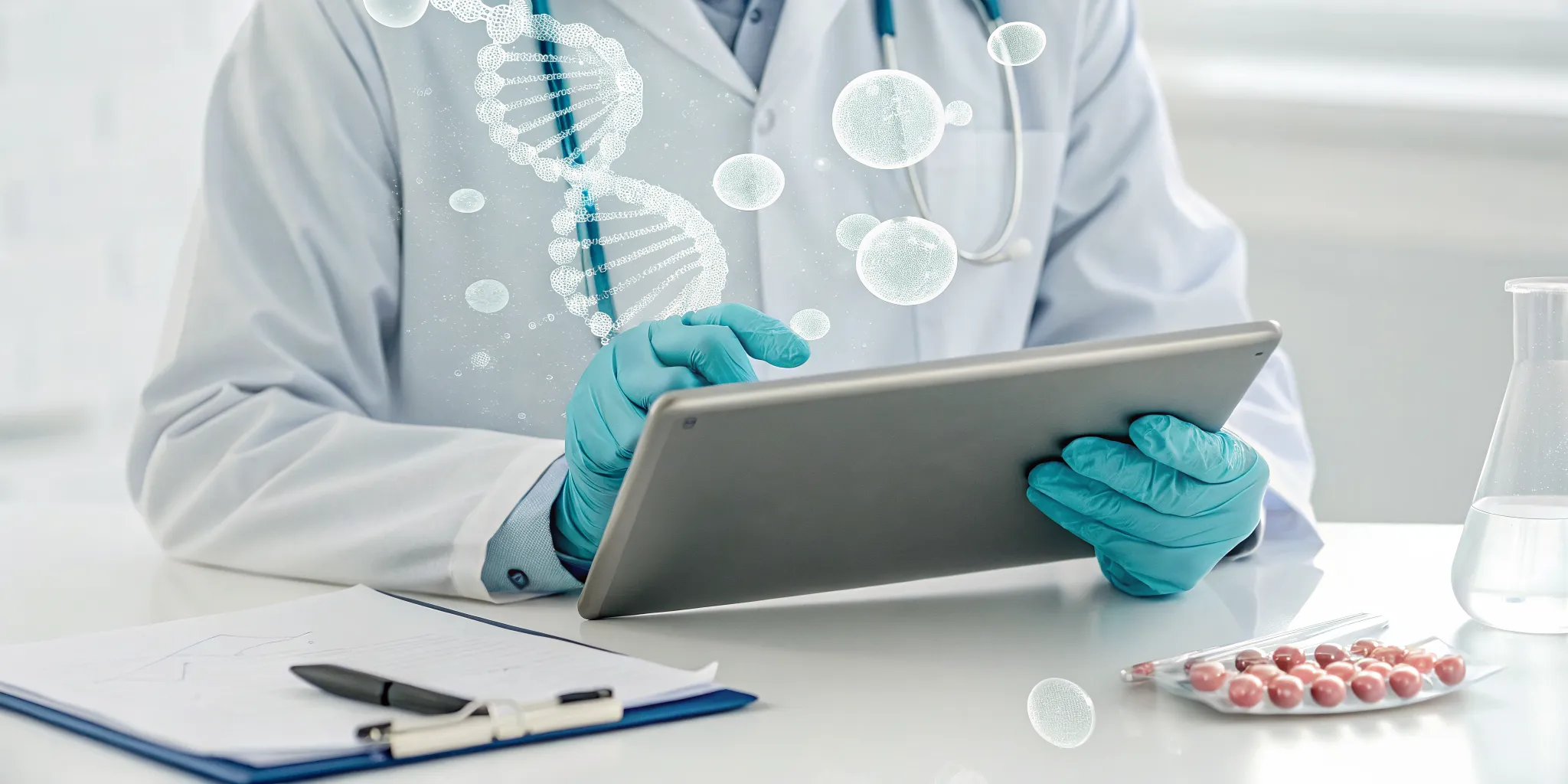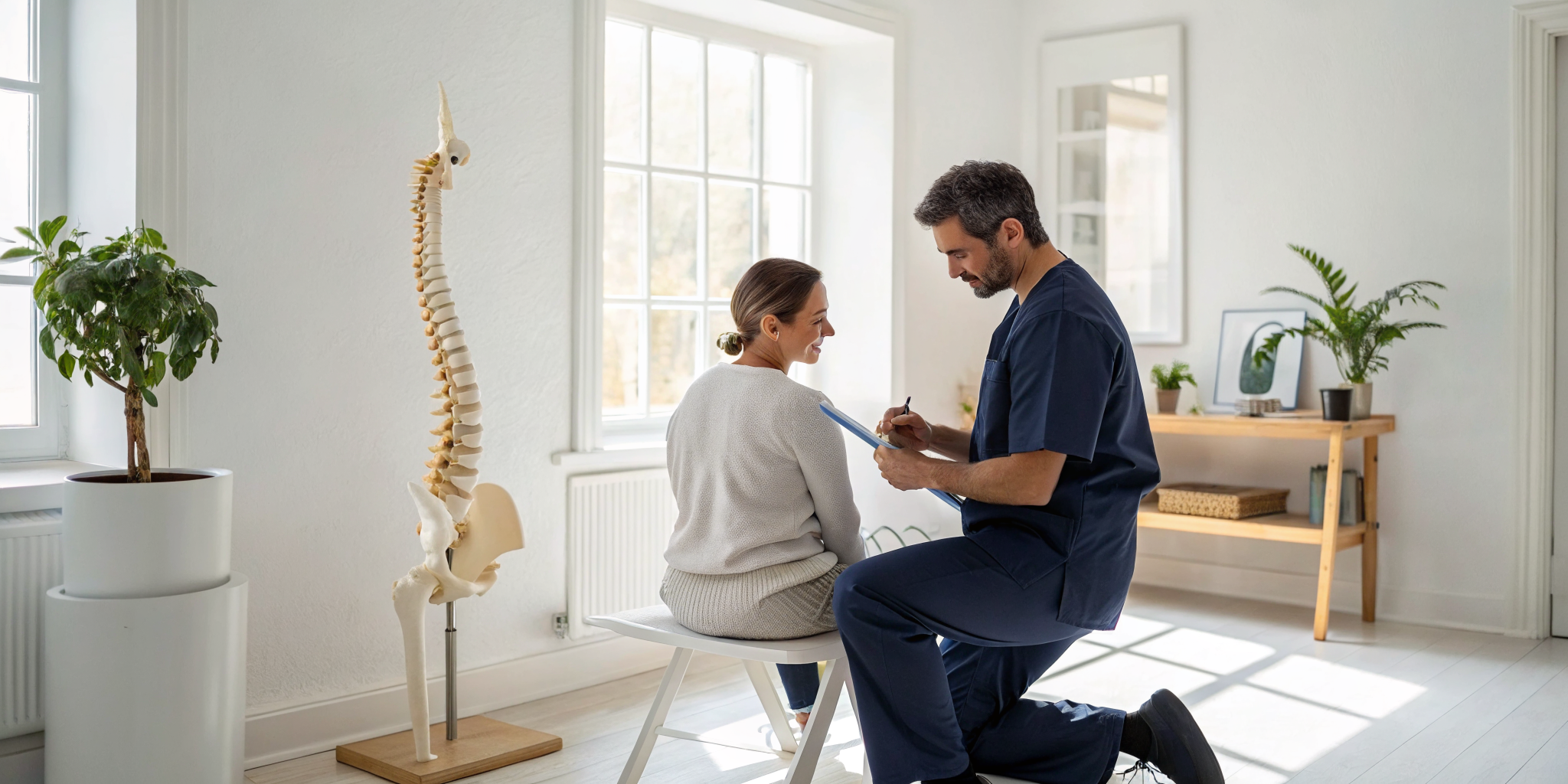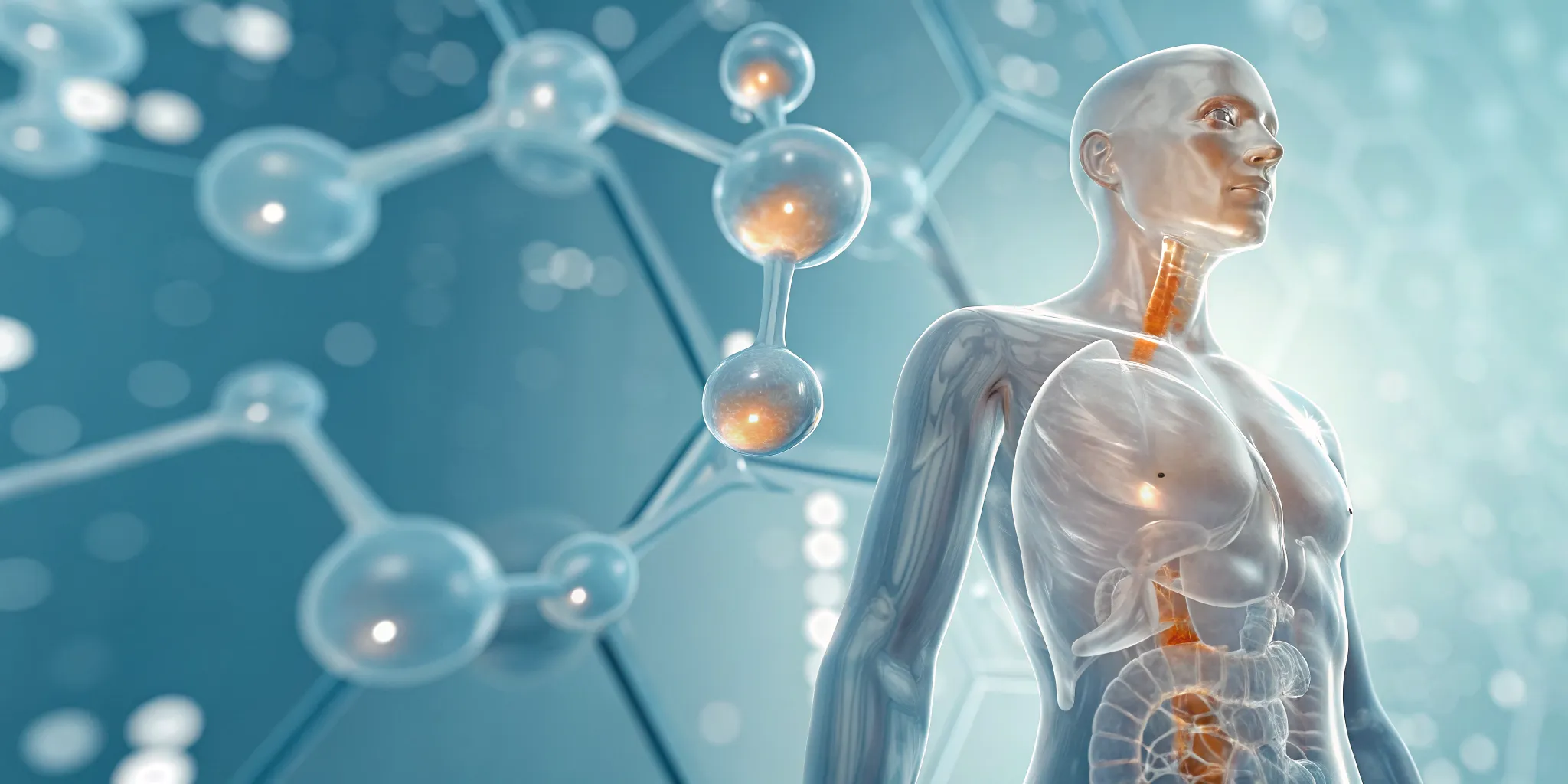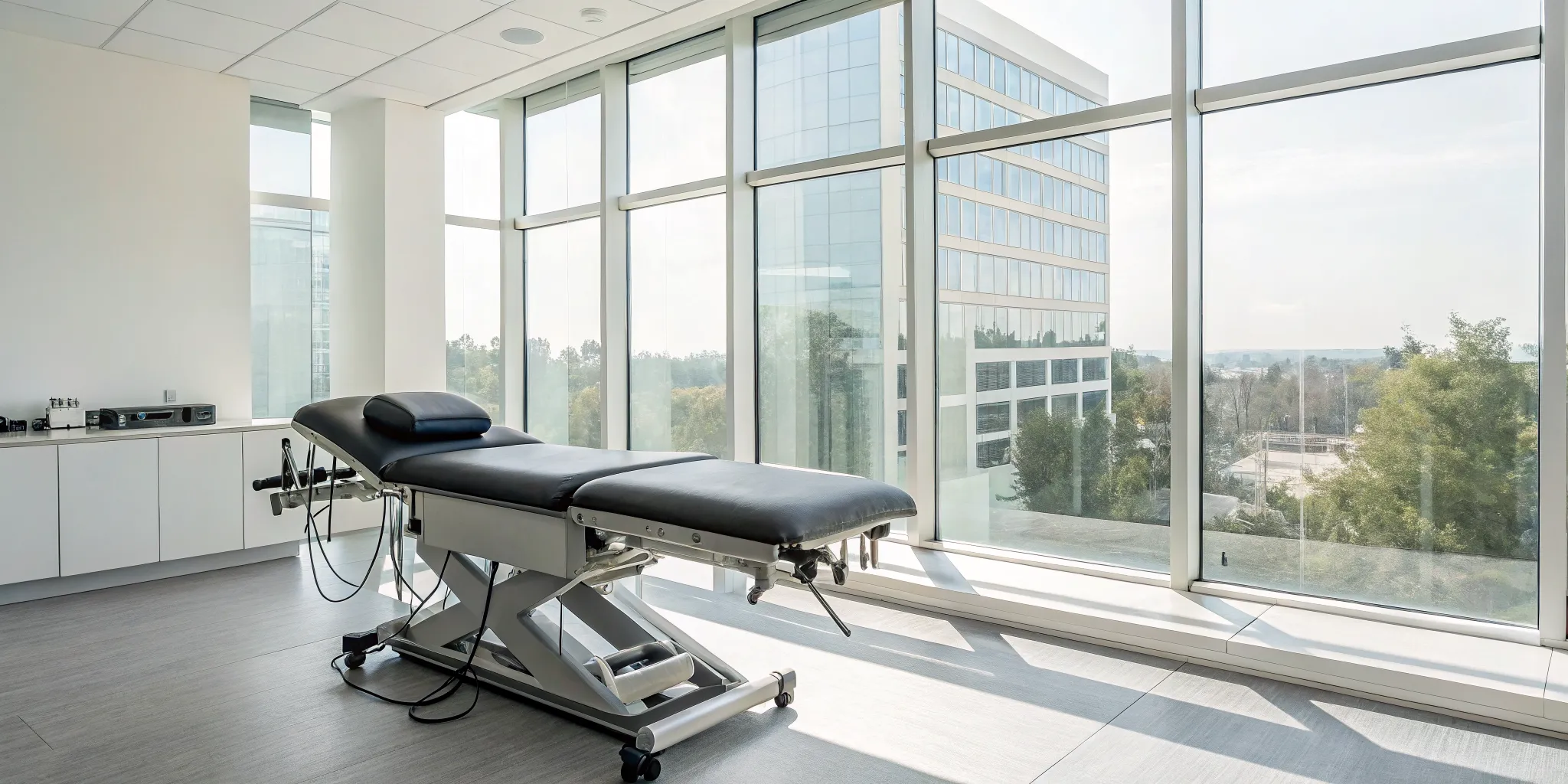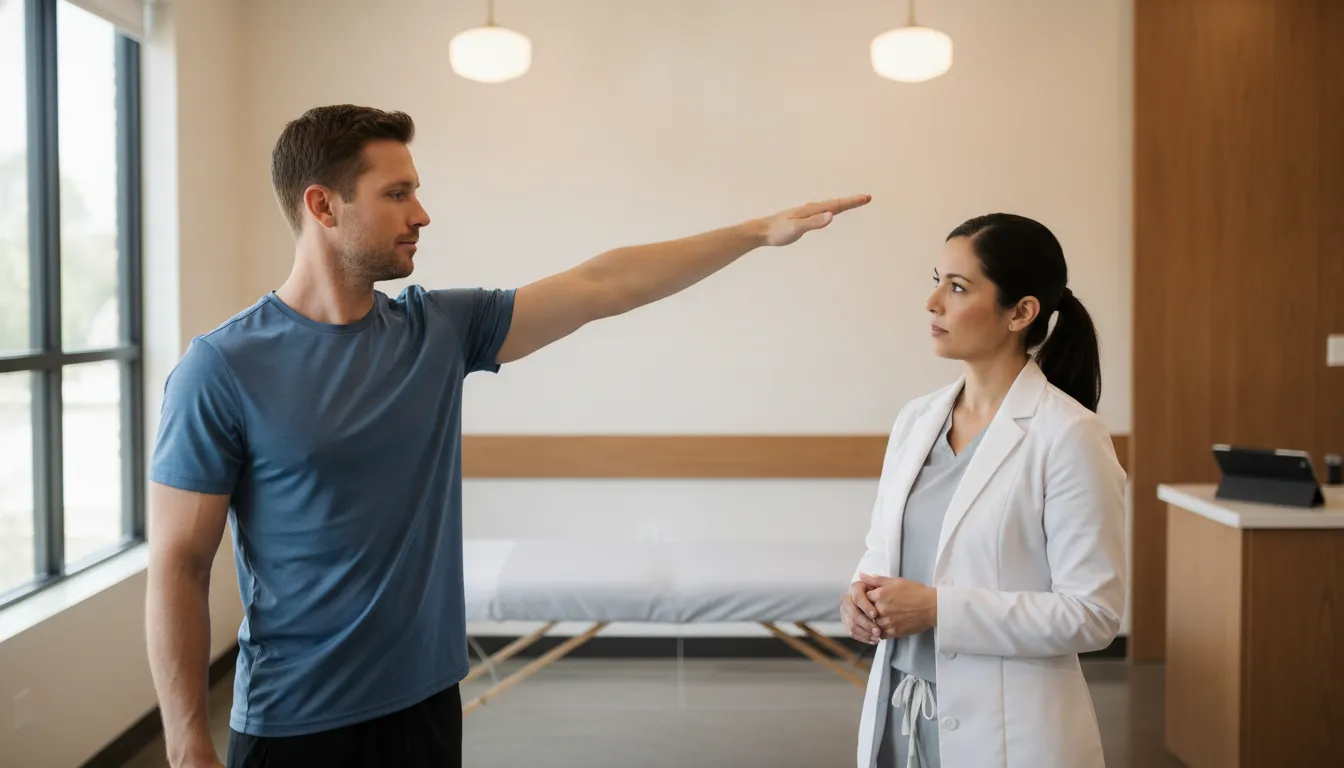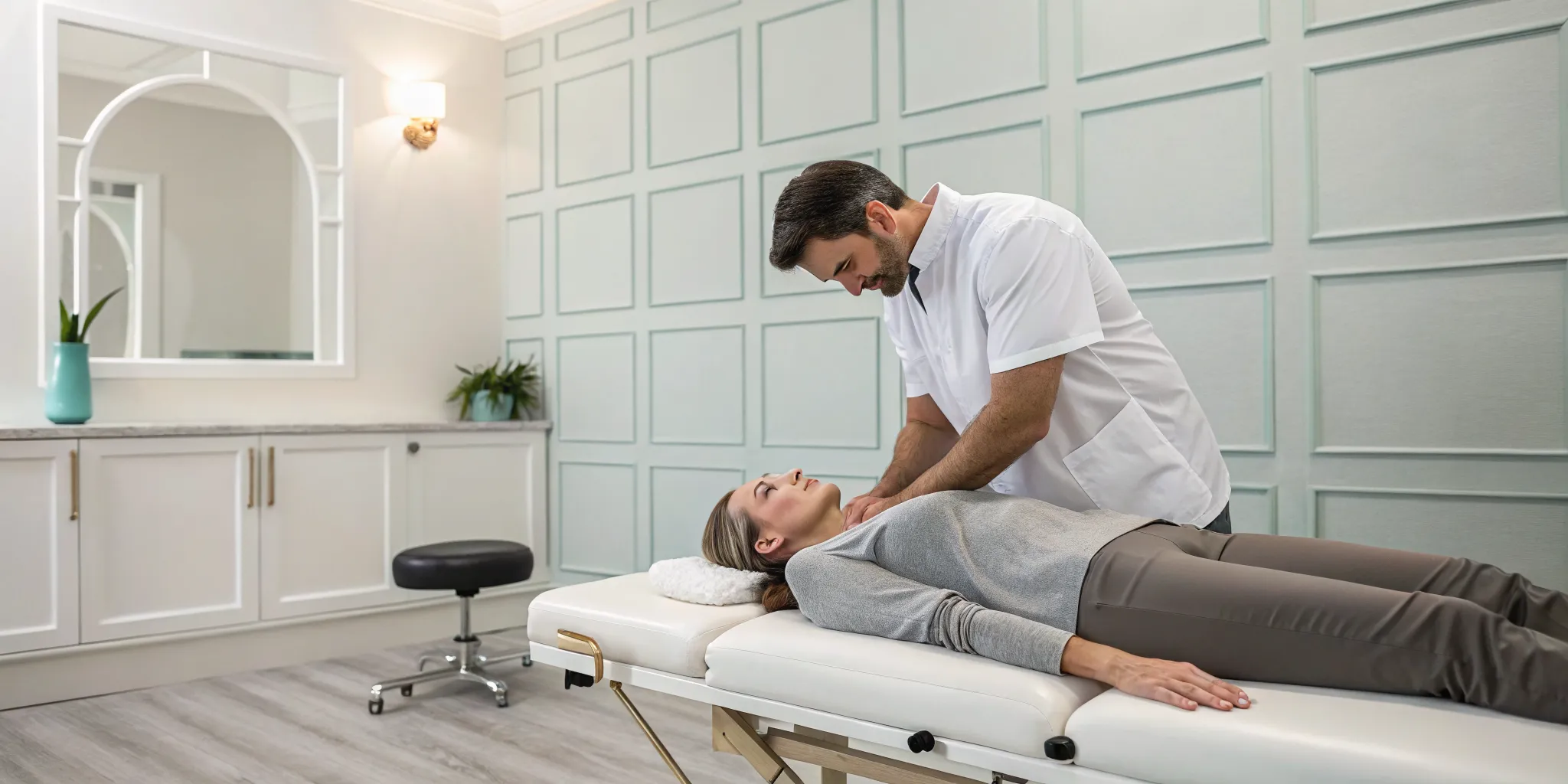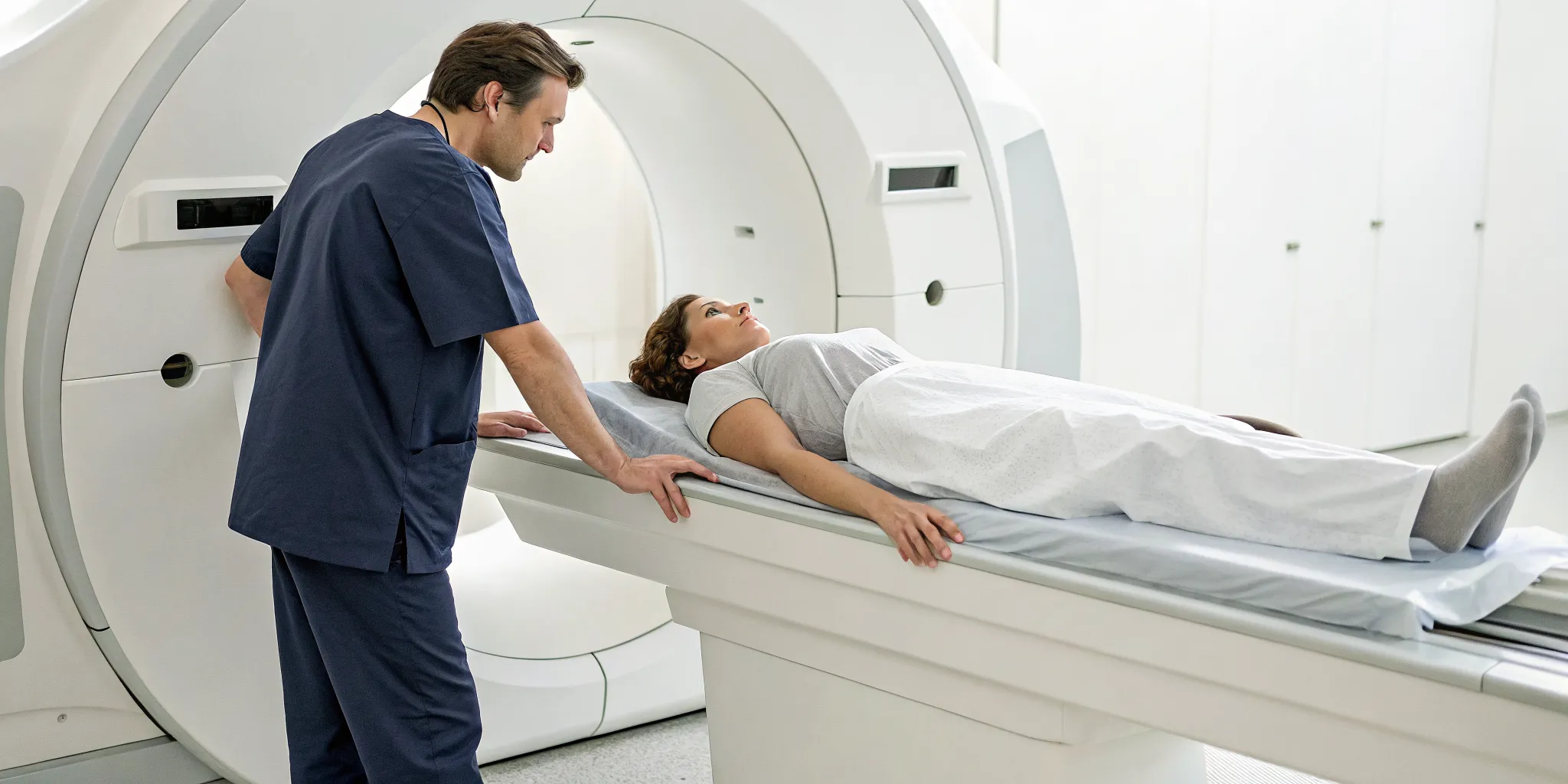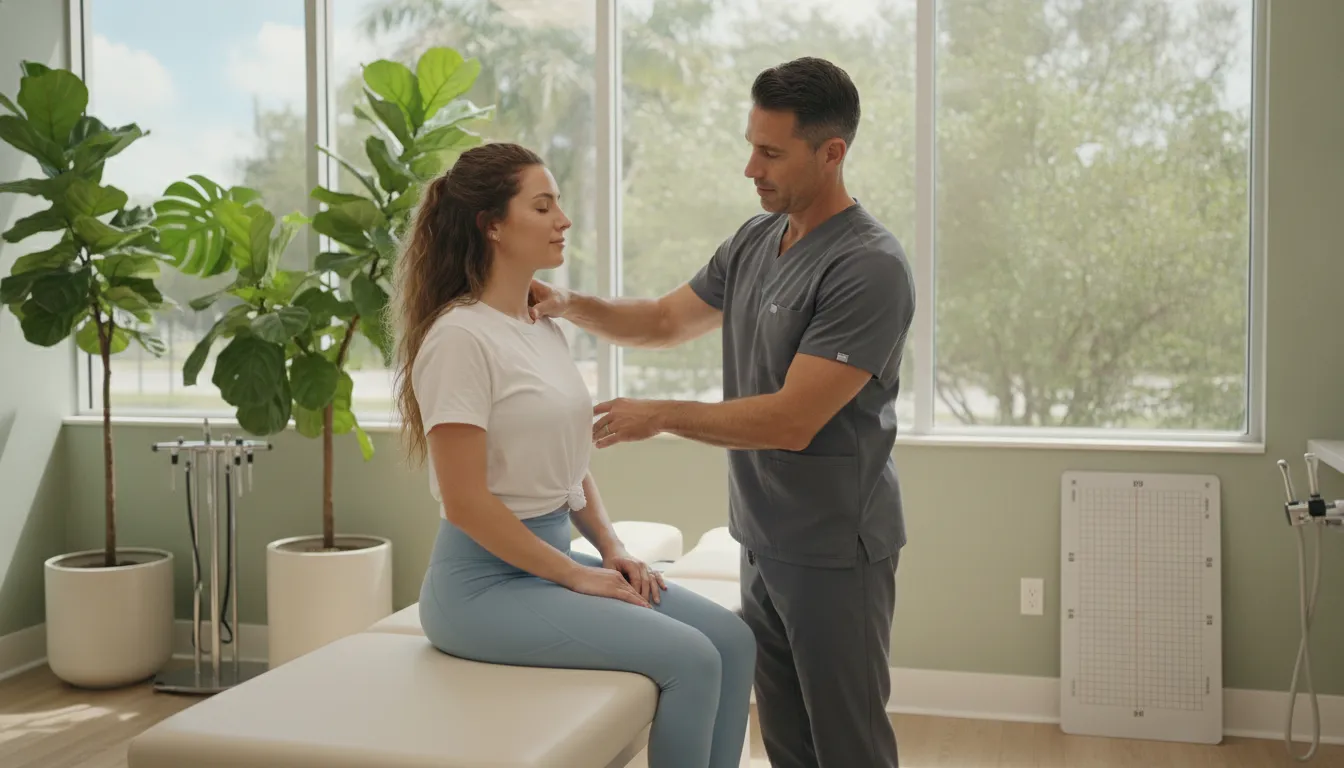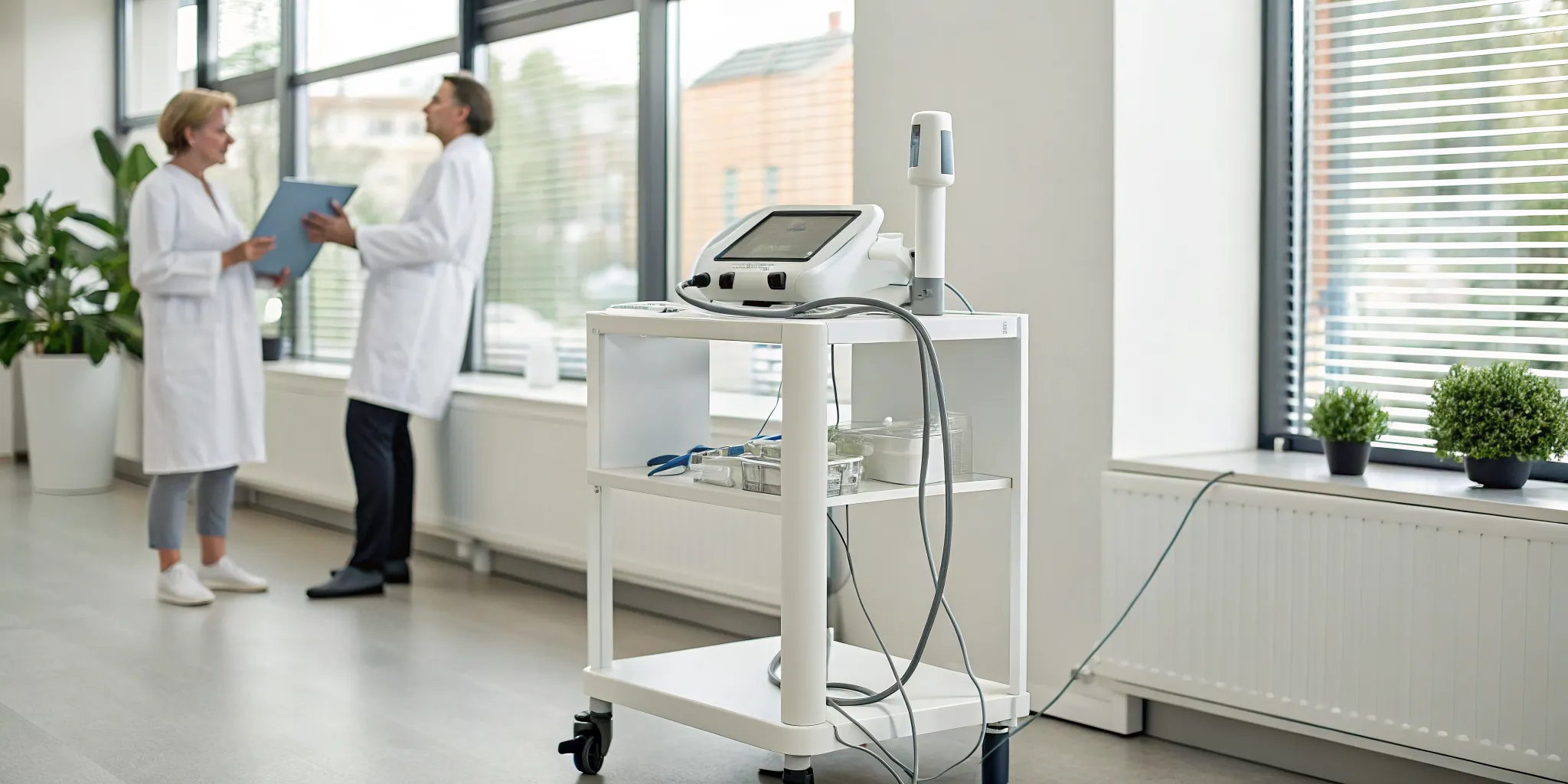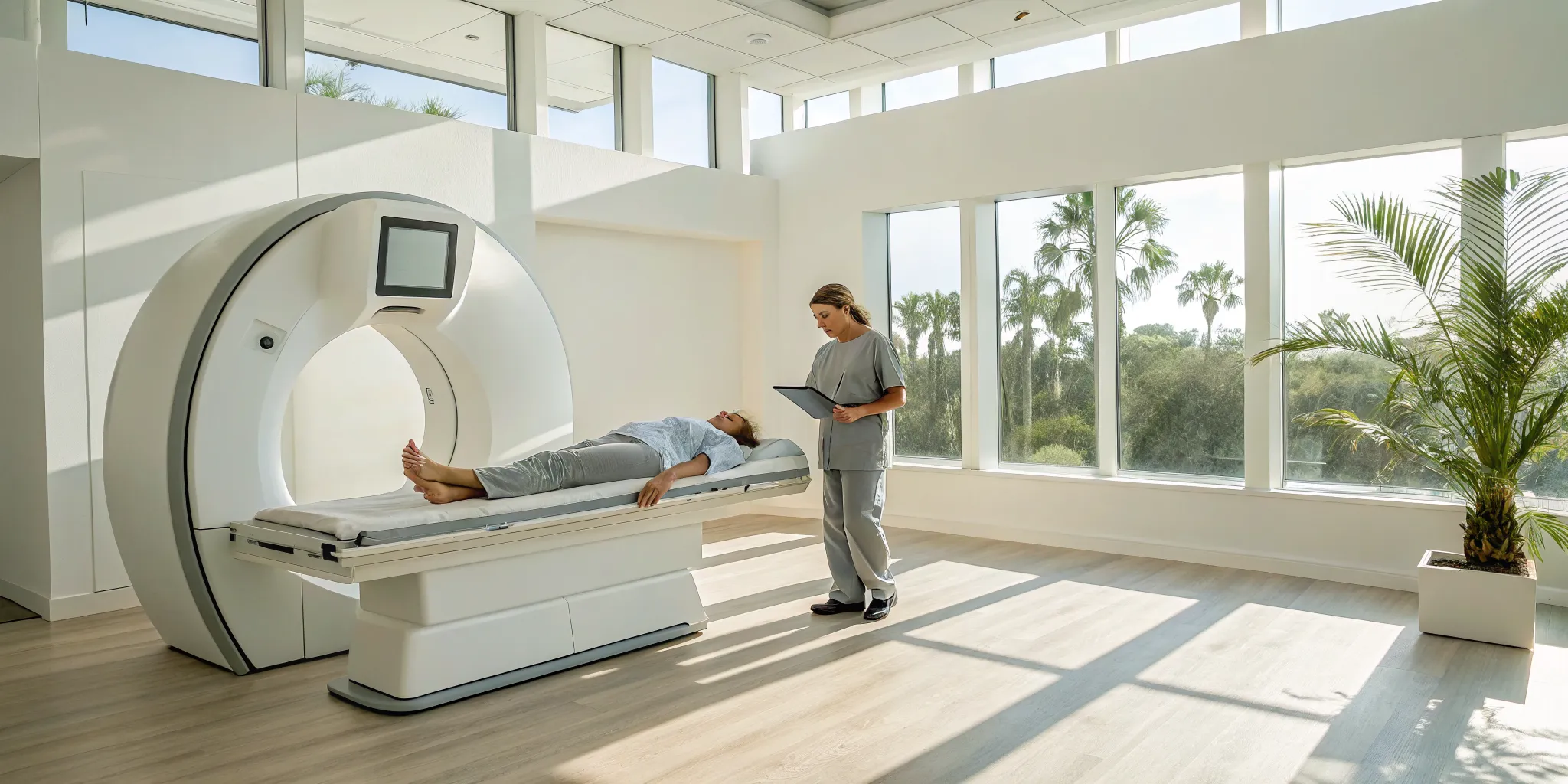
Have you ever wondered how your body heals itself? It’s a remarkable process, but sometimes, chronic injuries need a little encouragement to get back on track. SoftWave therapy provides that nudge. It’s a non-invasive treatment that uses gentle, unfocused sound waves to stimulate your body’s natural repair mechanisms deep within your tissues. This technology helps increase blood flow, calm chronic irritation, and most importantly, activates your own stem cells to regenerate the damaged area. Using SoftWave therapy for inflammation is like sending a specialized construction crew to the site of an old injury, giving your body the resources it needs to finally rebuild stronger, healthier tissue from the inside out.
Key Takeaways
- Focus on True Healing, Not Just Symptoms: SoftWave therapy prompts your body’s own repair mechanisms, using sound waves to activate stem cells and improve circulation for genuine tissue regeneration.
- Get Effective Relief Without the Downtime: This non-invasive treatment is ideal for chronic issues like tendonitis and joint pain, featuring quick 10 to 15 minute sessions that let you return to your day immediately.
- Integrate It for a Complete Solution: SoftWave therapy is most powerful when combined with other care, such as chiropractic and functional medicine, to create a holistic plan that addresses your health from every angle.
What Is SoftWave Therapy?
When you're dealing with persistent pain, finding a solution that gets to the root of the problem can feel like a huge challenge. That's where SoftWave Therapy comes in. It’s a modern, non-invasive treatment that uses sound waves to help your body heal itself from the inside out. You might also hear it called Extracorporeal Shockwave Therapy (ESWT). Instead of just masking symptoms, this approach uses patented technology to send gentle, unfocused sound waves deep into your muscles, tendons, and joints.
This process is designed to trigger your body’s own repair mechanisms. It’s a way of communicating with your cells, telling them it’s time to get to work on healing damaged tissue. The goal is to reduce inflammation, improve circulation, and activate your own stem cells to regenerate the area. Because it’s non-invasive, it doesn’t involve any needles, incisions, or lengthy recovery periods. It’s simply a tool that helps your body do what it’s designed to do: heal. At Ascend Functional Health, we incorporate this kind of innovative care into our Physical Medicine protocols because we believe in supporting your body’s innate ability to recover and thrive. It’s a key part of how we help people in Tampa find lasting relief from chronic discomfort.
How It Uses Sound Waves to Heal
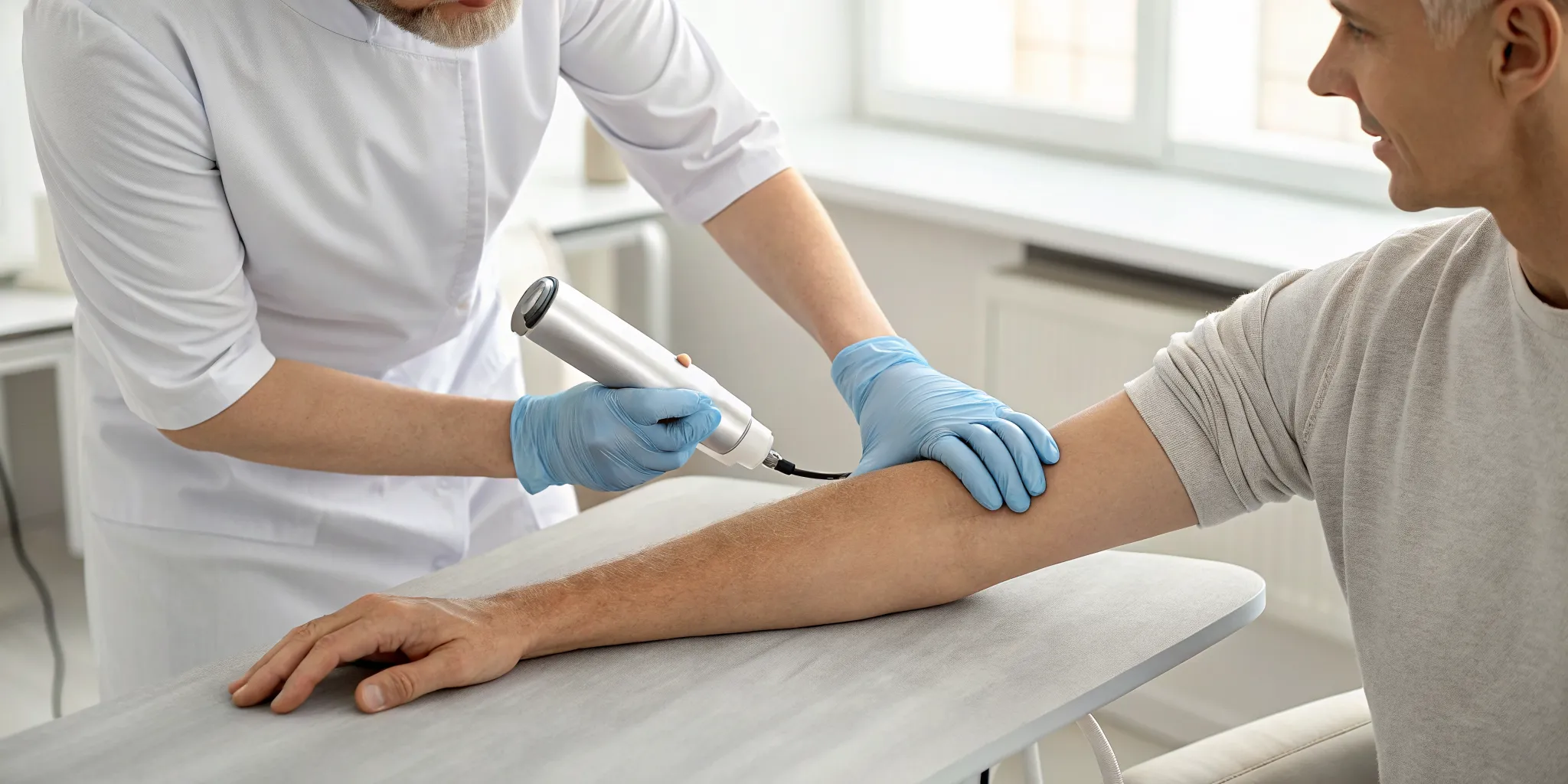
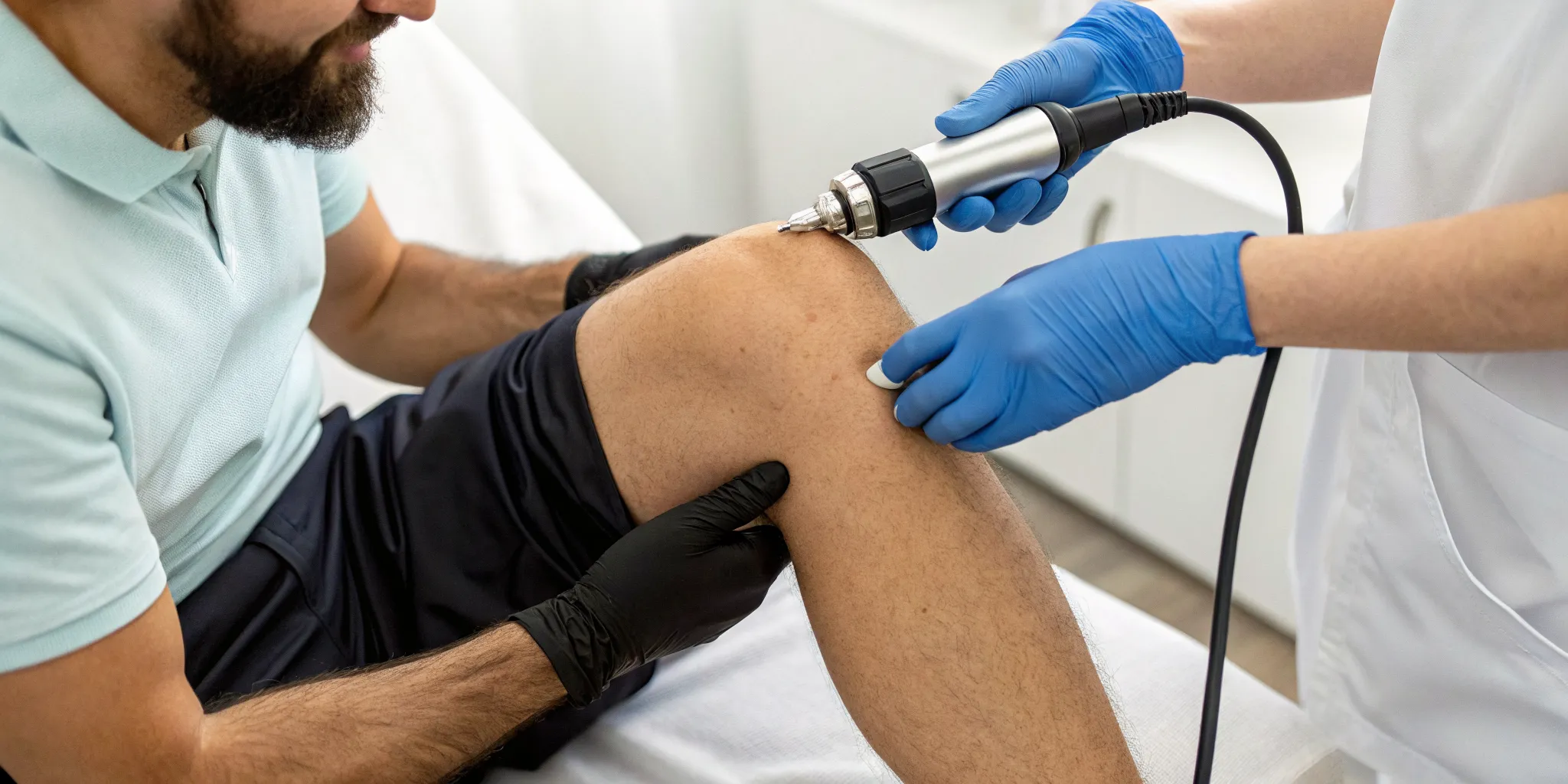
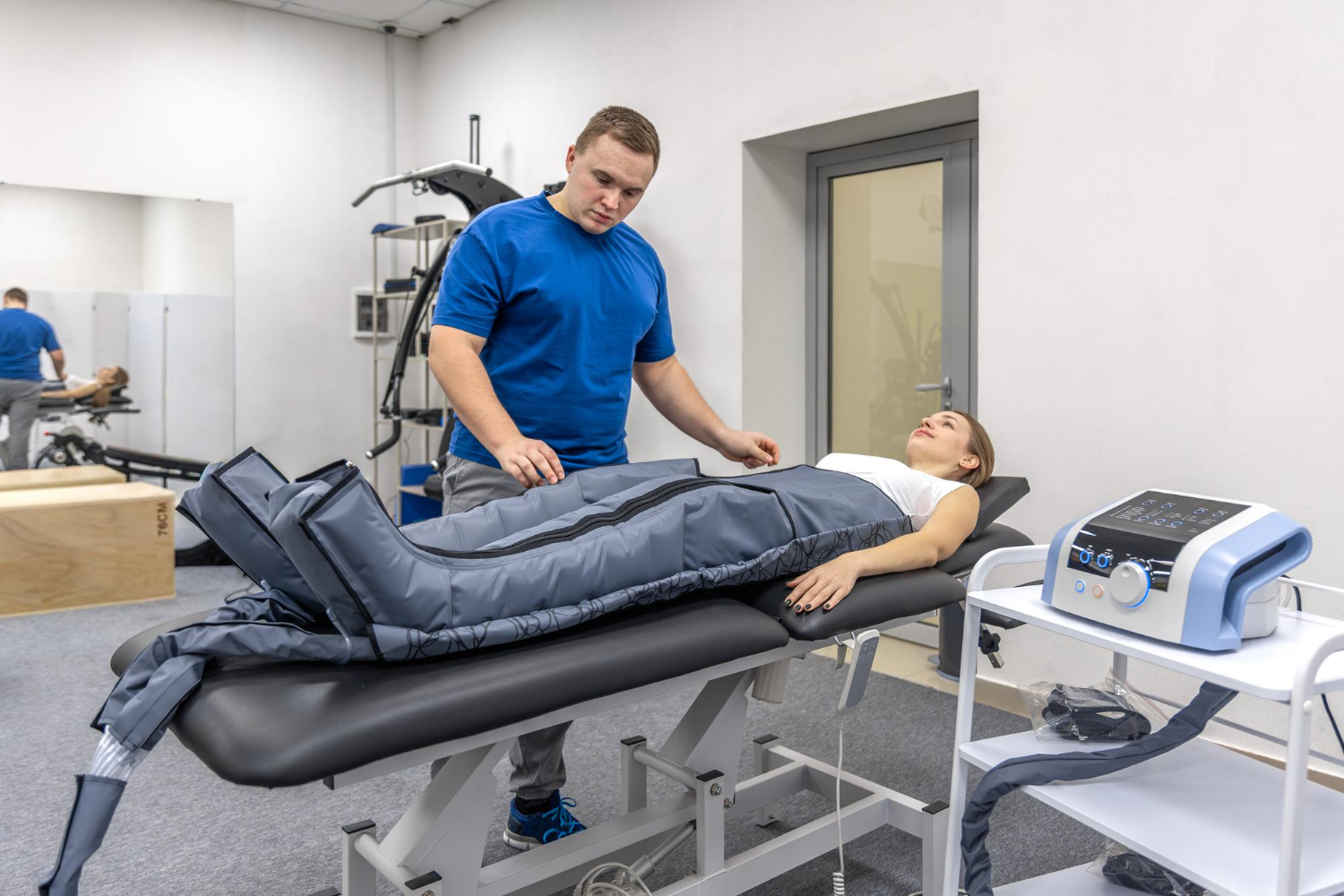
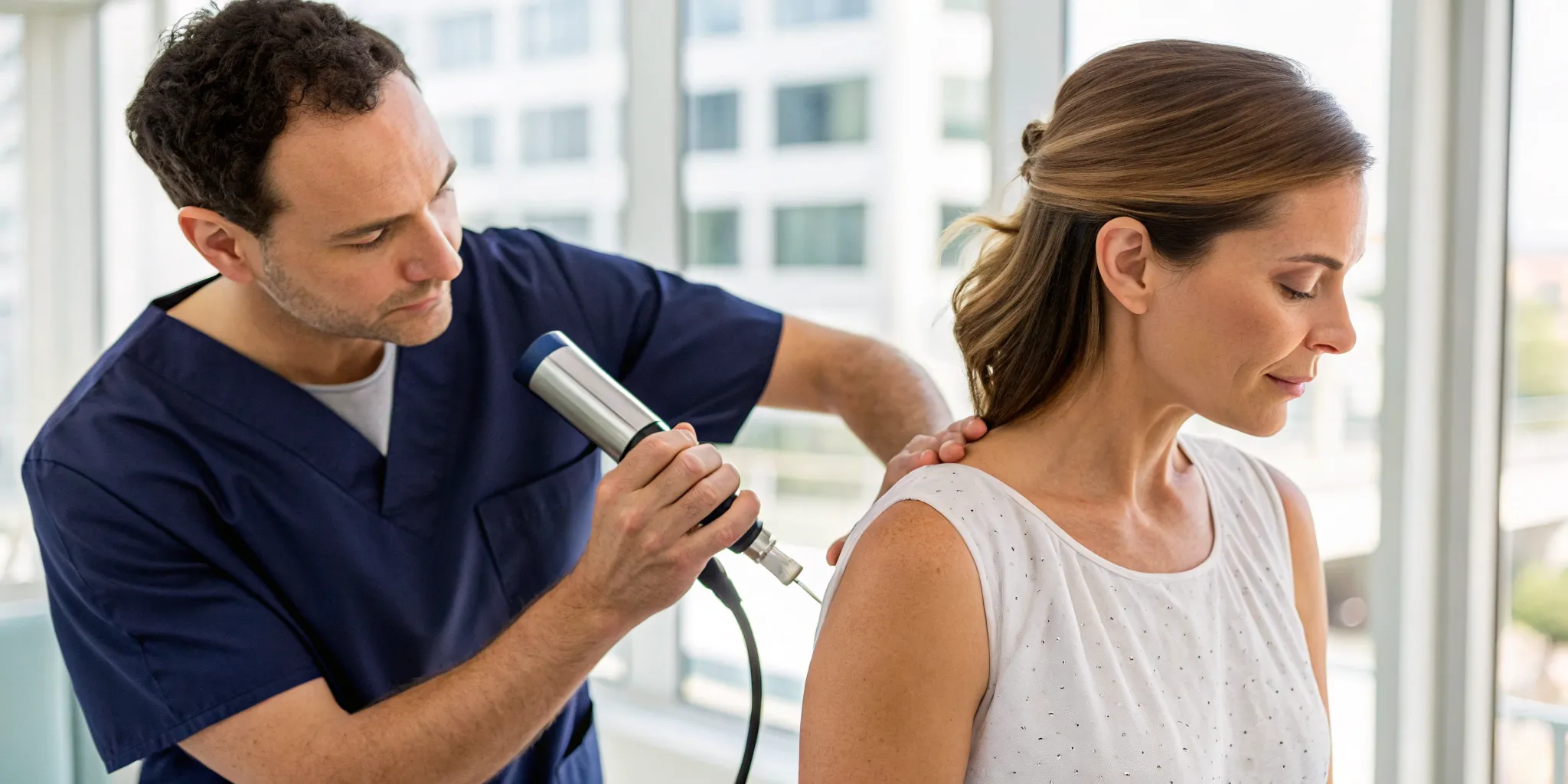
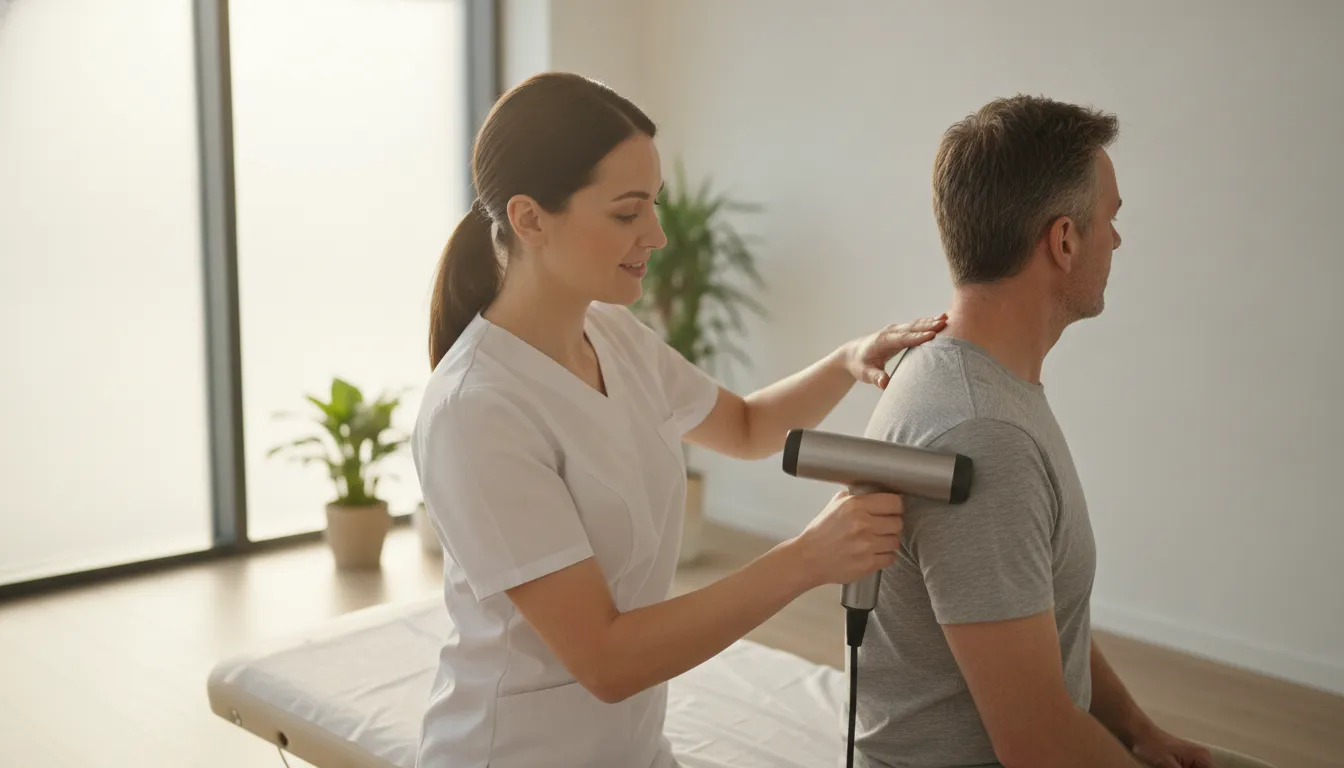
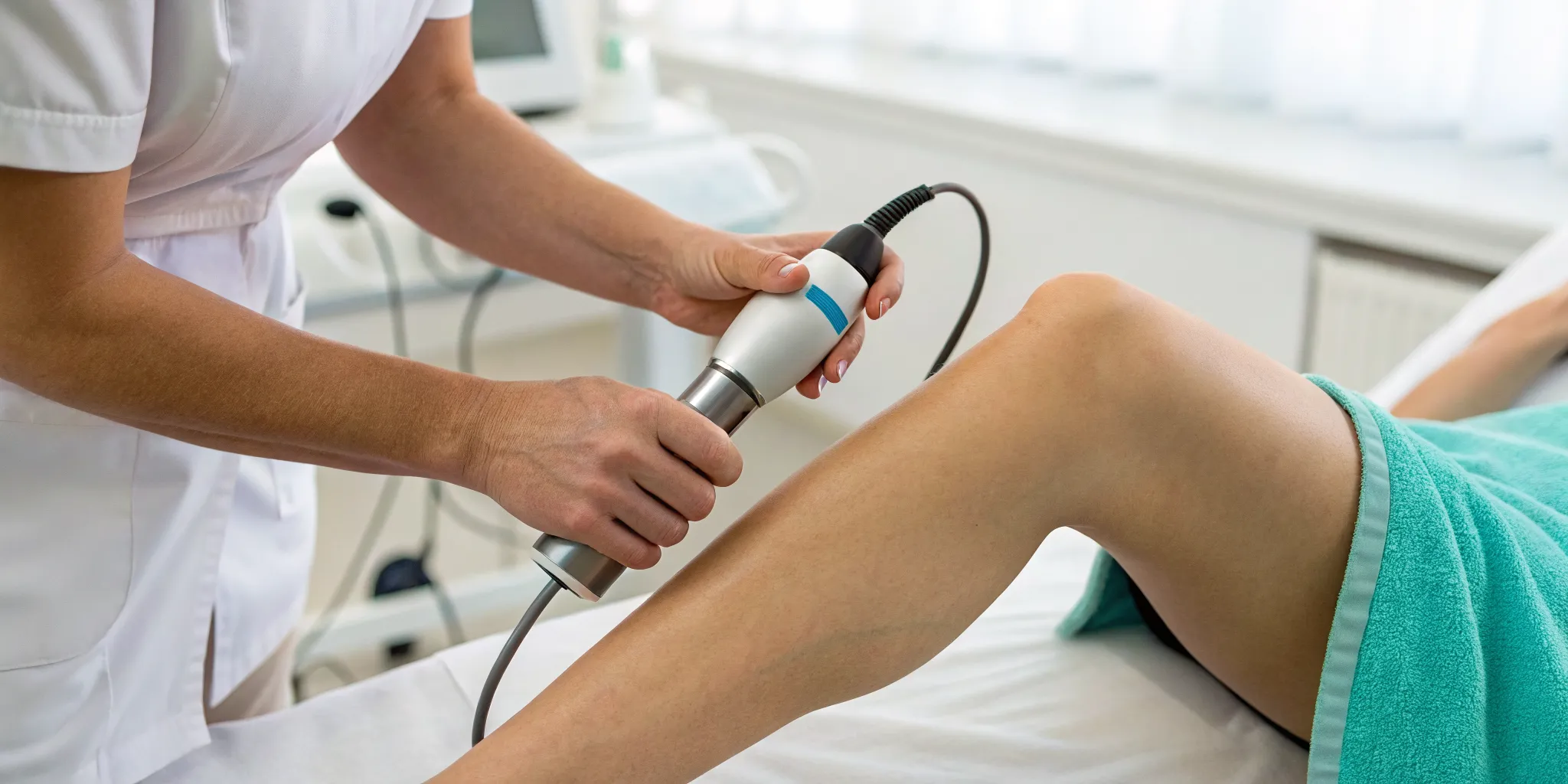
So, how exactly do sound waves promote healing? During a session, a team member uses a handheld device that sends gentle acoustic waves into the injured part of your body. These waves create a mild mechanical stress on the cells, which sets off a cascade of positive biological responses. First, they significantly increase blood flow to the area, bringing essential oxygen and nutrients needed for repair. At the same time, they help calm inflammation and swelling, which is often a major source of pain. Most importantly, this process wakes up and recruits your body’s own stem cells to the site of injury. These powerful cells are critical for regenerating and repairing damaged tissue, helping you build stronger, healthier tissue from within.
SoftWave vs. Other Pain Relief Methods
Unlike treatments that temporarily mask pain, SoftWave Therapy aims to address the underlying cause of your discomfort. Many conventional methods rely on injections or pills that can come with unwanted side effects. SoftWave offers a different path. It’s a completely external procedure, meaning there are no incisions, needles, or anesthesia involved. The device delivers mechanical acoustic energy, not heat or electrical pulses, making it a gentle yet effective option. This is a key part of our comprehensive services, as it allows you to support your body’s healing process without the downtime or risks associated with more invasive procedures. You can get back to your day right after a session, all while your body is hard at work repairing itself.
How SoftWave Reduces Inflammation
So, how exactly does a treatment that uses sound waves fight inflammation? It’s a great question. SoftWave Therapy doesn’t just cover up your symptoms. Instead, it works directly with your body’s own healing abilities to address the problem at its source. By stimulating key biological responses, this technology helps reduce inflammation and repair damaged tissue from the inside out. Let's break down the three main ways it accomplishes this.
Improves Blood Flow to Injured Areas
Think of an injury like a construction site that’s run out of supplies. To get work done, you need a delivery of materials. SoftWave Therapy acts like the project manager, signaling for more deliveries. The patented sound waves create a response in the body that widens blood vessels and improves circulation to the targeted area. This increased blood flow brings a fresh supply of oxygen and vital nutrients, which are the essential building blocks your tissues need to start the repair process. It’s a foundational part of our physical medicine approach and the first step in kicking your body’s healing into high gear.
Calms Swelling and Triggers Natural Healing
Inflammation is your body’s natural response to injury, but when it becomes chronic, it can cause persistent pain, swelling, and stiffness. SoftWave Therapy helps to modulate this response, calming the excessive inflammation without shutting down the healing process. The acoustic waves send signals that help reduce swelling and pain, creating a better environment for your body to do its repair work. This process supports long-term tissue repair and improves circulation, which helps with a wide variety of conditions we treat. By calming the storm of inflammation, SoftWave allows your body to move from a state of defense to a state of active, productive healing.
Activates Stem Cells for Tissue Repair
This is where the magic of true regeneration happens. Your body has its own team of master repair workers called stem cells, but they can be dormant or slow to respond in areas of chronic injury. SoftWave’s electrohydraulic sound waves act as a powerful wake-up call. They stimulate the migration of your body’s own stem cells to the injured site. Once activated, these remarkable cells get to work rebuilding the specific types of tissue needed for repair, whether it’s tendon, muscle, or other soft tissue. This cellular-level regeneration is one of the most exciting services we offer because it helps create lasting results by rebuilding stronger, healthier tissue.
What Conditions Can SoftWave Therapy Address?
SoftWave therapy is a versatile tool for addressing a wide range of musculoskeletal problems, especially chronic conditions that haven't improved with conventional approaches. Because it works by stimulating your body’s own healing mechanisms, it can be applied to many different areas where pain and inflammation are present. If you're dealing with a nagging injury or persistent discomfort, this therapy could be the missing piece in your recovery puzzle. It’s particularly effective for issues involving tendons, ligaments, and joints that cause daily frustration and limit your activities. By targeting the underlying cause of inflammation and tissue damage, SoftWave helps you find lasting relief.
At Ascend Functional Health, we use this technology to address many of the conditions we treat that cause our patients pain. Below are some of the most common problems that respond well to SoftWave therapy.
Tendonitis (Achilles, Rotator Cuff, etc.)
Tendonitis is a stubborn issue. Whether it’s a sharp pain in your heel from Achilles tendonitis or a dull ache in your shoulder from a rotator cuff injury, inflamed tendons can make simple movements feel impossible. SoftWave therapy is especially helpful for these types of overuse injuries. The acoustic waves penetrate deep into the tissue, increasing blood flow and signaling your body to begin the repair process. This isn't just a temporary fix; it promotes true healing of the damaged tendon. By calming the chronic inflammation and stimulating cellular repair, SoftWave can help you get back to your favorite activities without that familiar, nagging pain.
Plantar Fasciitis and Bursitis
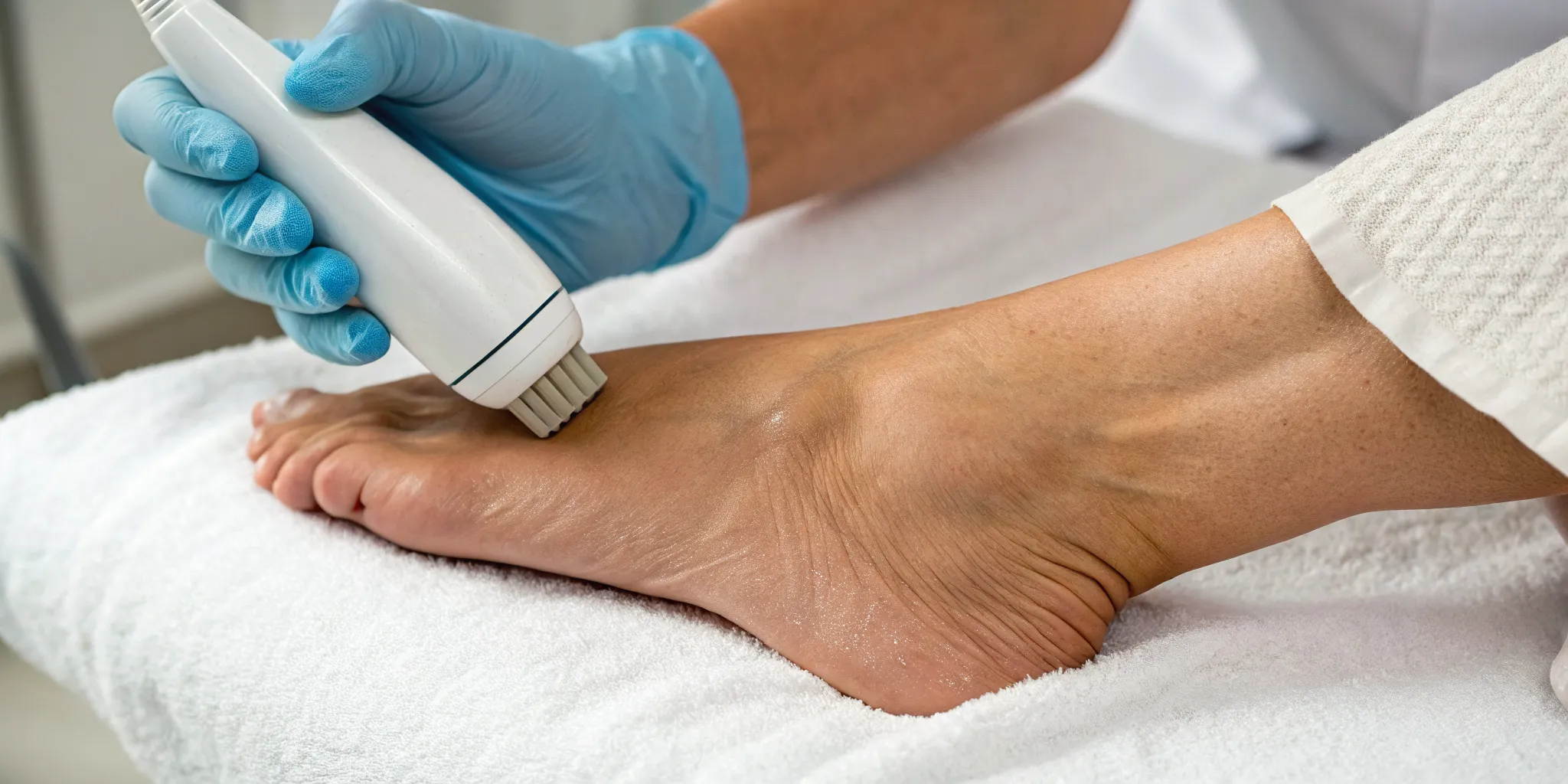
If you’ve ever felt that stabbing pain in your heel with your first step out of bed, you know how disruptive plantar fasciitis can be. Similarly, bursitis, which is inflammation of the small, fluid-filled sacs that cushion your joints, can cause persistent pain in your hips, shoulders, or elbows. SoftWave therapy offers a powerful, non-invasive solution for both. It targets the inflamed fascia or bursa, breaking up scar tissue and reducing swelling. The therapy encourages your body to rebuild healthy tissue, addressing the root of the problem so you can walk, stand, and move with greater comfort and ease.
Chronic Joint and Lower Back Pain
Living with chronic joint or lower back pain can feel exhausting, affecting everything from your mood to your ability to enjoy life. SoftWave therapy is an excellent option for persistent discomfort in the knees, hips, shoulders, and lower back. It works by stimulating your body’s natural healing agents, including stem cells, to repair damaged tissue and reduce inflammation from the inside out. This approach aligns perfectly with functional medicine, as it focuses on helping the body heal itself rather than just masking symptoms. For many, it provides significant relief and improved function where other methods have fallen short.
Knee Pain and Other Soft Tissue Injuries
Knee pain is one of the most common complaints we see, often stemming from soft tissue injuries to ligaments and tendons. SoftWave therapy can effectively address these issues, along with other injuries like sprains and strains that have become chronic. The gentle acoustic waves stimulate circulation and activate repair processes at a cellular level, helping to restore strength and flexibility to the injured area. Our approach to physical medicine often includes SoftWave because it supports long-term healing without the need for invasive procedures. It’s a way to help your body rebuild and recover more efficiently.
Key Benefits of SoftWave Therapy
When you're dealing with persistent pain, you want a solution that does more than just get you through the day. You want lasting relief. SoftWave therapy stands out because it’s designed to support your body’s long-term healing. It offers a path toward recovery that is effective, gentle, and fits into your life. Let’s look at a few of the key benefits that make this treatment a game-changer for so many people.
Addresses the Root Cause, Not Just the Symptoms
Many pain relief methods offer a temporary fix, masking the discomfort without ever solving the underlying issue. SoftWave therapy is different. Instead of just silencing the pain signals, it gets to the heart of the problem by stimulating your body’s own repair mechanisms. This approach aligns perfectly with our philosophy of addressing the root cause of health concerns. By promoting circulation and activating stem cells in the affected area, SoftWave encourages genuine tissue repair. This means you’re not just feeling better for a few hours; you’re actually healing the injury from the inside out, leading to more sustainable and meaningful relief.
Gentle, Non-Invasive Treatment
The idea of any medical procedure can be intimidating, but SoftWave therapy is a remarkably gentle process. It’s completely non-invasive, meaning there are no needles, incisions, or lengthy recovery periods involved. The technology uses soft pressure waves to stimulate healing without causing additional trauma to your tissues. Most people describe the sensation as a mild tapping, and any discomfort typically lessens as the area begins to heal. This makes it a great option for a wide range of individuals, including those with sensitive conditions. It’s one of the many powerful physical medicine tools we use to help your body heal naturally and comfortably.
Quick Sessions with No Downtime
Your life is busy, and finding time for appointments can be a challenge. One of the most practical benefits of SoftWave therapy is how seamlessly it fits into your schedule. A typical session lasts only about 10 to 15 minutes, making it easy to fit into a lunch break or an afternoon errand. Best of all, there is no downtime required afterward. You can walk out of your appointment and get right back to your daily activities without missing a beat. This convenience makes it much easier to stick with your treatment plan and achieve the results you’re looking for without disrupting your entire life.
What to Expect During Your SoftWave Session
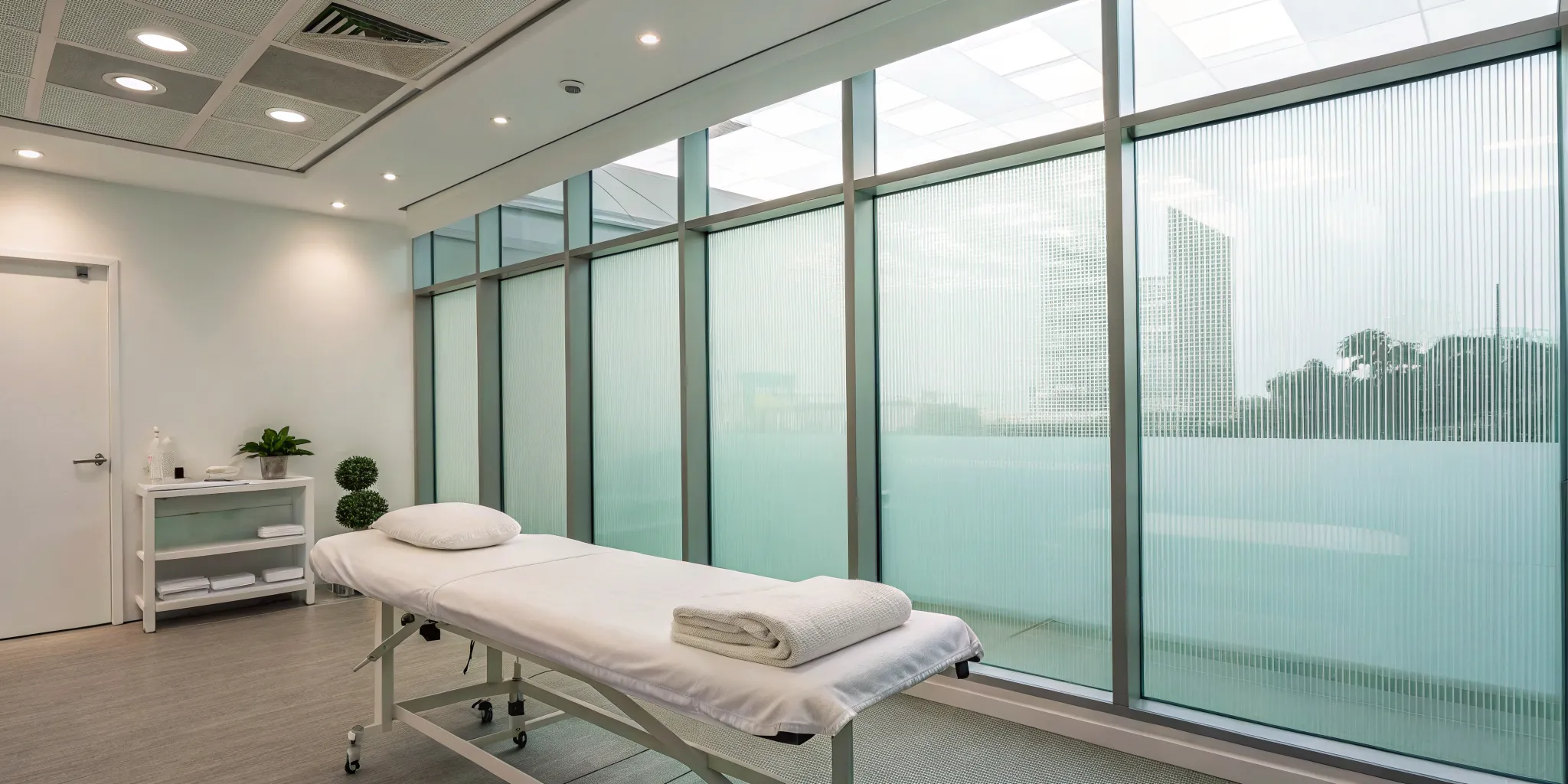
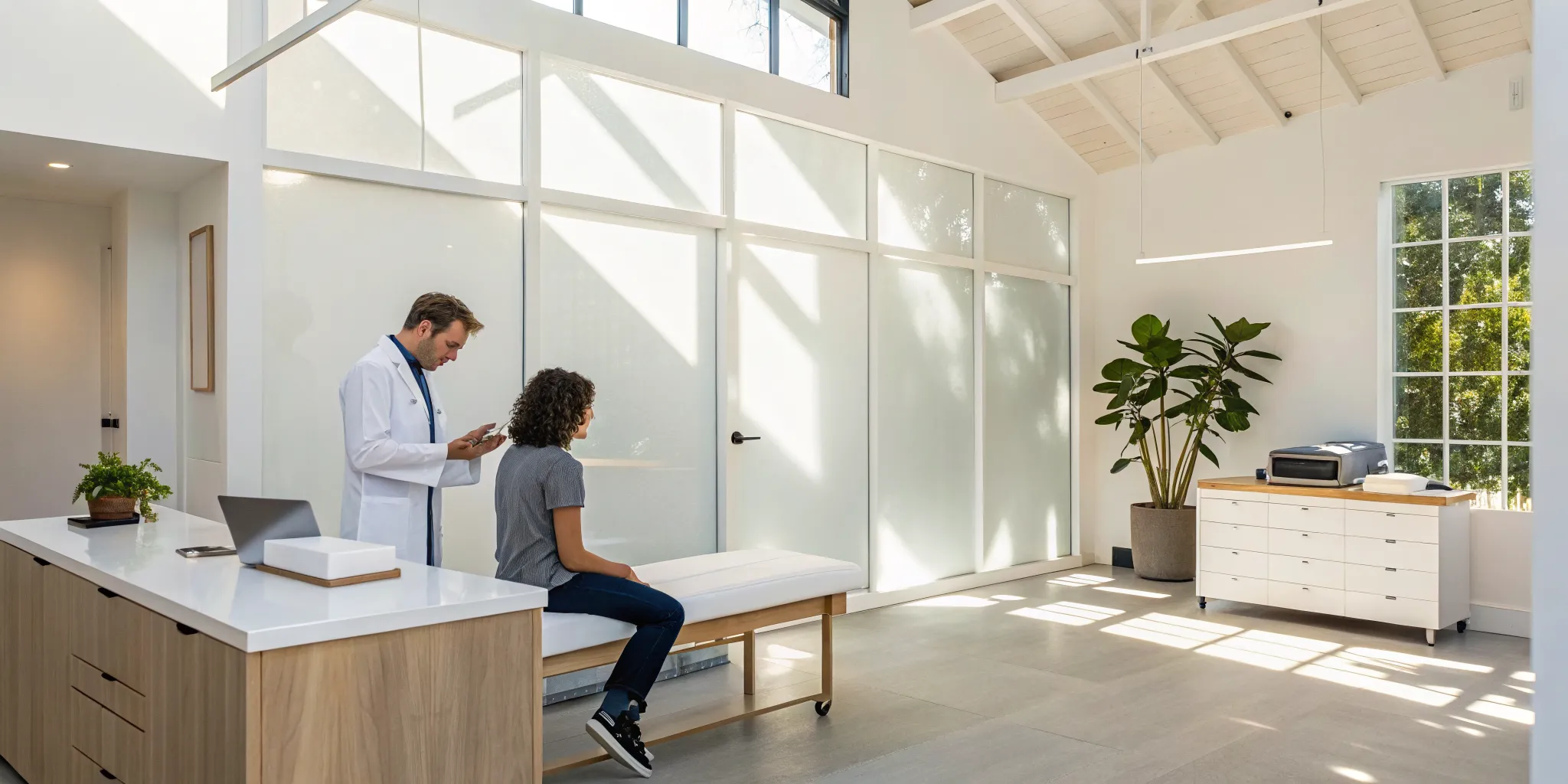
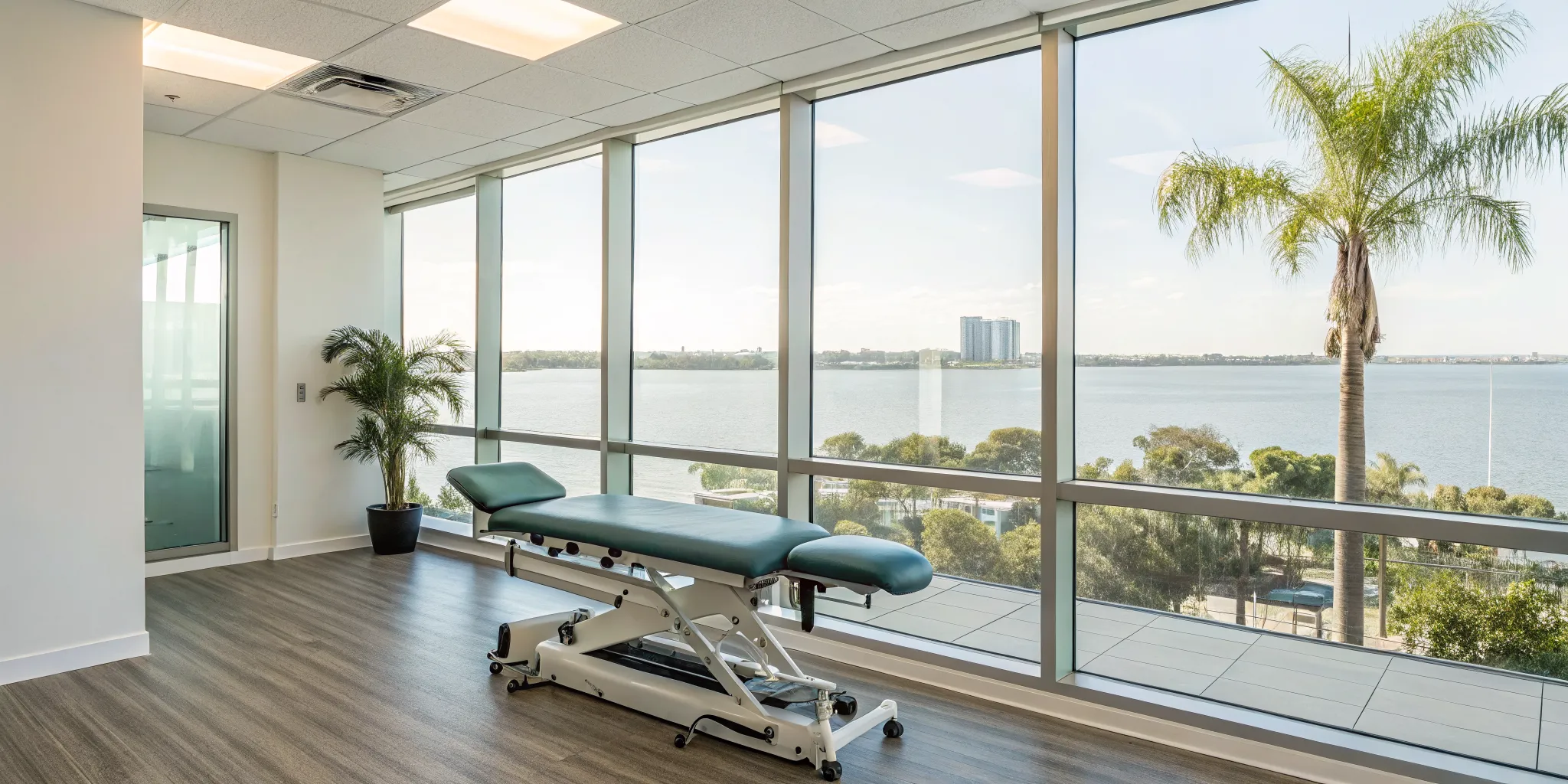
Deciding to try a new therapy can feel like a big step, but knowing what the process involves can make it much easier. SoftWave therapy is a straightforward and simple treatment. From the length of the session to the sensations you’ll feel, here’s a clear picture of what your appointment will look like at our Tampa clinic. Our goal is to make you feel comfortable and informed every step of the way.
What It Feels Like and How Long It Takes
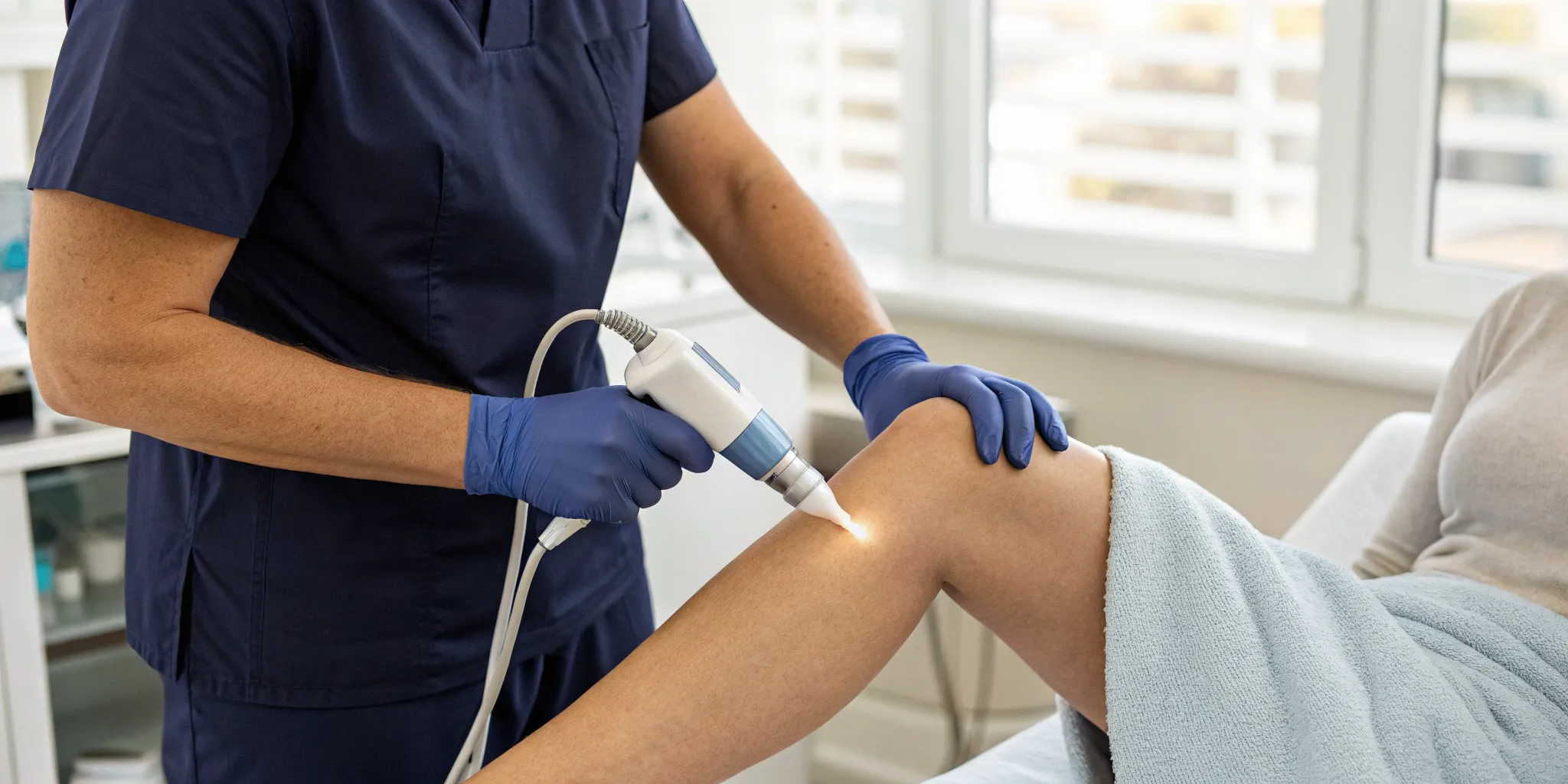
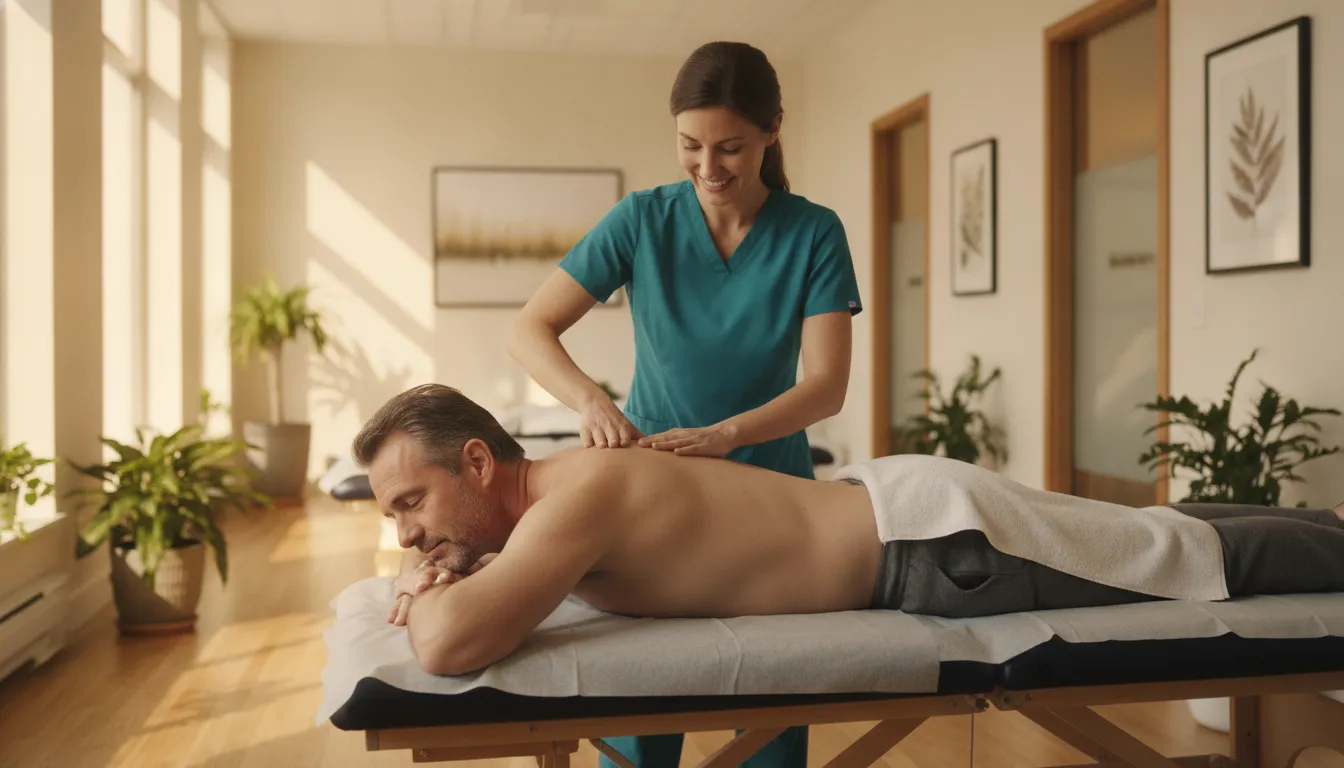
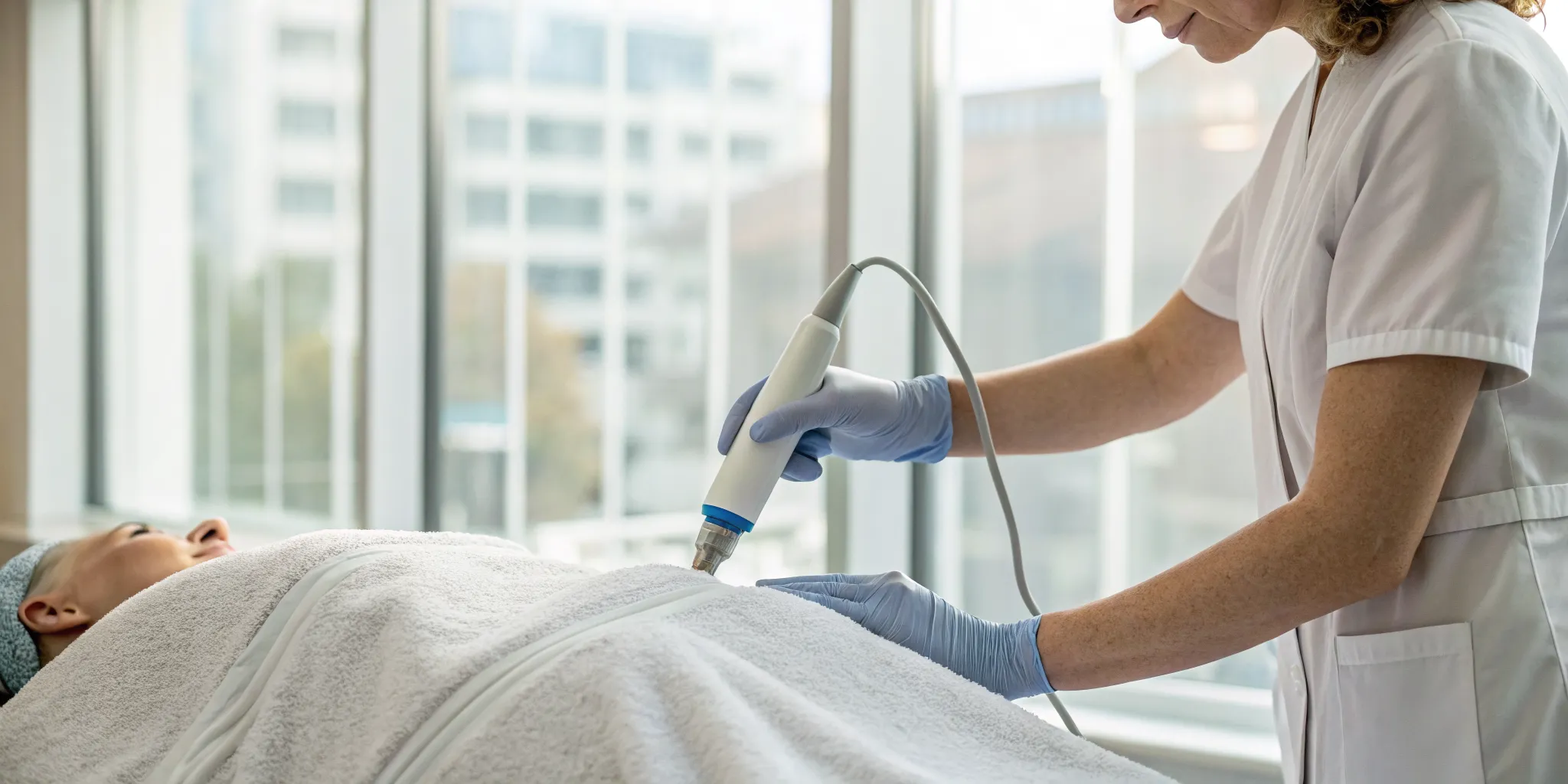
Your SoftWave session will be surprisingly quick, typically lasting only 10 to 15 minutes. When you come in, one of our trained providers will apply a gel to the skin over the area being treated. Then, they will use a handheld applicator to deliver the sound waves. Most people describe the feeling as a light tapping or pulsing sensation. While you might feel some mild discomfort, especially in areas with more inflammation, the feeling usually lessens as the tissue begins to respond and heal.
How Many Sessions Will You Need?
True healing is a process, not a one-time event. While some people feel better after just one session, most conditions require a series of treatments to achieve lasting results. A typical treatment plan involves three to six sessions scheduled over several weeks. The exact number of appointments you’ll need depends on your specific condition, how long you’ve had it, and how your body responds. We create personalized physical medicine protocols because we know that real regeneration takes time and consistency.
Preparing for Your First Appointment
There isn’t much you need to do to prepare for your SoftWave session. We recommend wearing comfortable, loose-fitting clothing that allows for easy access to the treatment area. After your appointment, you might feel a little sore, similar to how you’d feel after a good workout, but this usually fades quickly. The best way to prepare is to have a conversation with us. An initial consultation allows us to determine if SoftWave therapy is the right approach for your health goals and to answer any questions you may have before you contact us to begin.
Are There Any Side Effects?
One of the most common questions we get about any new therapy is, "What are the side effects?" It’s a great question to ask, and we believe in being completely transparent. The good news is that because SoftWave therapy is non-invasive, the side effects are typically very minor and short-lived. Most people find the treatment quite manageable and feel it’s a small price to pay for the lasting relief it can provide.
SoftWave is a safe and effective option for many individuals dealing with chronic pain and inflammation. However, like any therapeutic procedure, it’s important to understand what you might experience during and after your session, and to know if it’s the right fit for your specific health profile. We’ll walk through the common, minor reactions you can expect and outline who should have a more detailed conversation with a provider before starting treatment. Our goal is always to create a personalized plan that puts your health and safety first, which is a core part of our holistic approach.
Minor Reactions to Expect
During your SoftWave session, you’ll likely feel quick, pulsing or "thumping" sensations on your skin as the device moves over the treatment area. For most people, this isn't painful, but it can feel a bit strange or momentarily uncomfortable, especially over a particularly sensitive spot. Think of it as the device locating the exact areas that need healing.
After your appointment, it’s common to experience some mild soreness or tenderness in the treated area. This typically feels like the kind of ache you might have after a good workout and usually fades within a day or two. This is a positive sign that the therapy has stimulated your body’s natural healing and repair processes.
Who Should Speak with a Provider First?
While SoftWave is safe for most people, there are a few situations where it’s not recommended or requires a careful discussion with your provider. We always conduct a thorough health history to ensure any treatment we offer is right for you. It's important to let us know if you are pregnant, as the effects of this therapy on a developing baby are unknown.
You should also speak with your provider if you have a bleeding disorder or are taking blood-thinning medications, as the therapy could increase the risk of bruising or bleeding. Additionally, individuals with active cancer should not receive SoftWave therapy directly over a tumor. Our team is here to help you explore all your options for the conditions we treat and find the safest path to feeling better.
Common SoftWave Therapy Myths, Busted
When you’re exploring new ways to manage pain and inflammation, it’s easy to come across conflicting information. SoftWave Therapy is a powerful tool for healing, but a few common misunderstandings can cause confusion. Let's clear up some of the biggest myths so you can feel confident about whether this treatment is the right step for you. We'll look at what the experience is really like and who can benefit from it.
Myth: The Treatment Is Painful
Many people hear "wave therapy" and immediately think it must be an intense or painful procedure. The truth is, most patients report little to no pain. The technology is designed to stimulate your body’s natural healing response without creating new tissue damage. You might feel mild discomfort over the affected area, but this sensation often lessens as the tissue begins to heal. This gentle approach makes it a suitable option for a wide range of people, even those with sensitive conditions. Our goal with physical medicine is always to support your body's recovery, not add to your discomfort.
Myth: You'll See Results Instantly
While some patients feel a difference after their first session, SoftWave Therapy is not a one-and-done solution. True, lasting healing happens over time. The acoustic waves are triggering a complex regenerative process at the cellular level, including the activation of stem cells and improved blood flow. This process requires a full treatment protocol to achieve real, sustainable results. Think of it as laying the foundation for long-term repair rather than just patching over symptoms. Lasting relief from the conditions we treat often requires a consistent, root-cause approach, and SoftWave is a key part of that journey.
Myth: It’s Only for Professional Athletes
It’s true that many elite athletes use SoftWave to recover from injuries and improve performance, but this therapy is for everyone. We see patients from all walks of life who are simply looking to get back to their daily activities without pain. Whether you’re a weekend warrior, a busy parent, or someone dealing with chronic joint discomfort, SoftWave can help. The therapy is effective for anyone wanting to address the root cause of soft tissue pain and inflammation. Our patient testimonials feature people from many different backgrounds who have found relief and improved their quality of life.
Myth: It's the Same as Ultrasound
SoftWave Therapy and therapeutic ultrasound both use sound waves, but that's where the similarity ends. Ultrasound therapy primarily uses waves to generate heat deep in the tissues. In contrast, SoftWave uses high-energy acoustic waves that are delivered mechanically to the affected area. These powerful waves create a response in the body that stimulates circulation, reduces inflammation, and activates your own stem cells to regenerate damaged tissue. It’s a different mechanism aimed at triggering a much more profound healing response, which is why it's one of our core services for addressing chronic pain.
SoftWave Therapy in a Holistic Health Plan
While SoftWave therapy is a fantastic tool on its own, its true power shines when it's part of a complete health plan. Think of it less as a single solution and more as a key player on your wellness team. At Ascend Functional Health, our goal is to see your whole health story, not just one chapter. We integrate treatments like SoftWave into a broader strategy that addresses your body from multiple angles, ensuring we're not just chasing symptoms but creating lasting change. This comprehensive view is what helps you get back to feeling your best and stay that way.
Combining SoftWave with Chiropractic and Functional Medicine
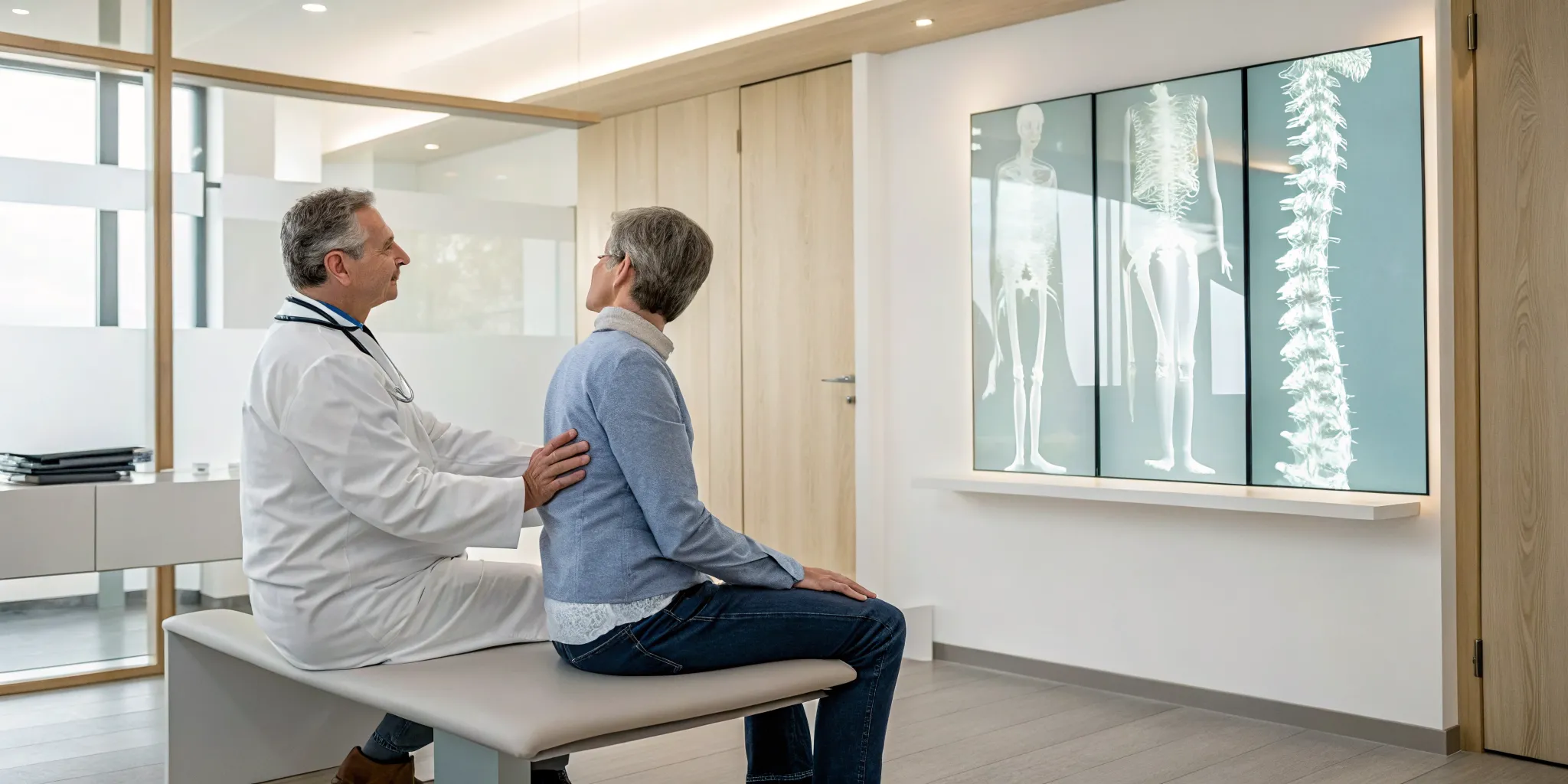
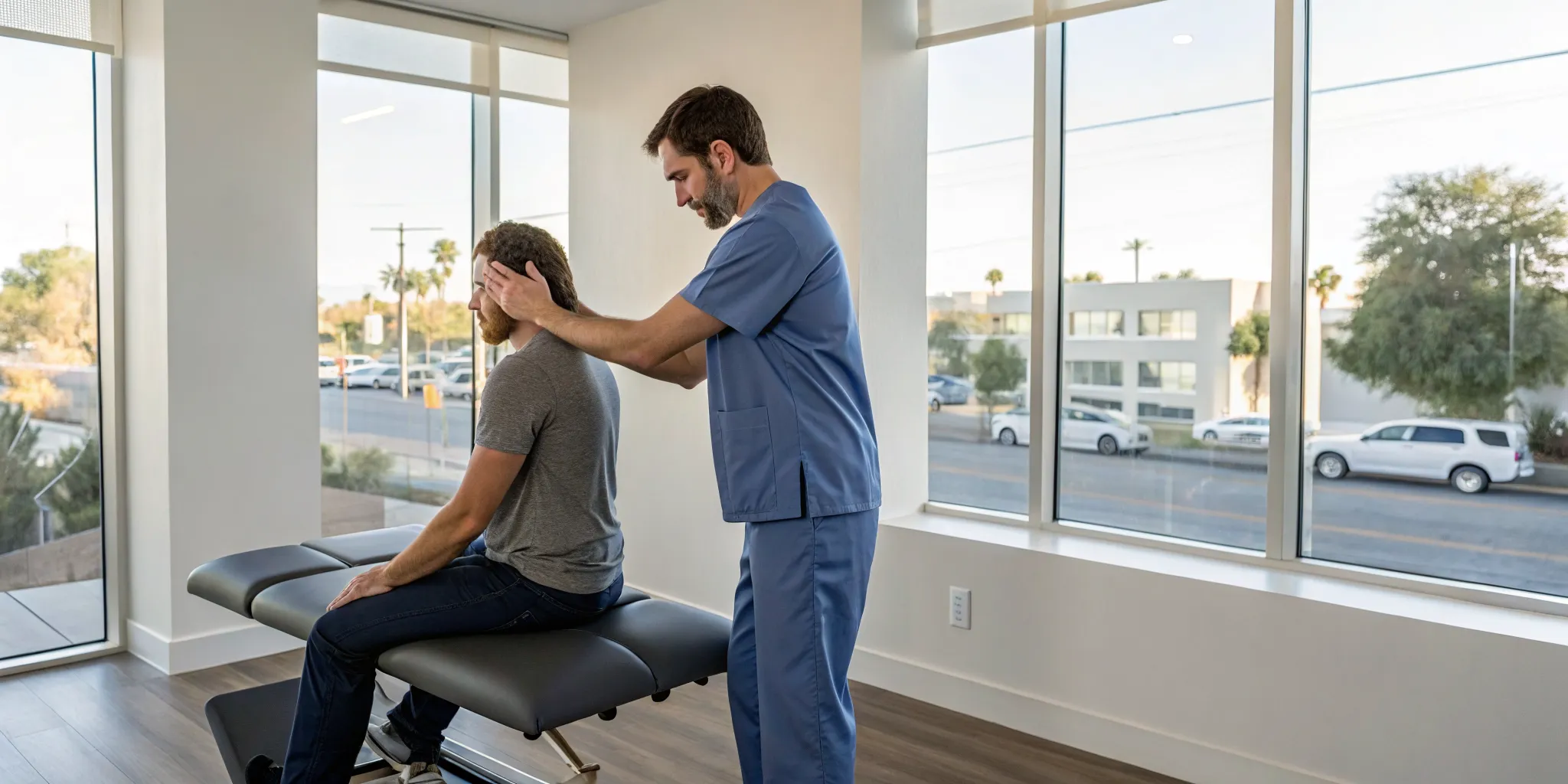
Imagine your body is a complex system. SoftWave therapy works on the soft tissues, reducing pain and inflammation directly at the source. This makes it a perfect partner for chiropractic care. By calming inflamed muscles and ligaments, SoftWave can make spinal adjustments smoother and more effective. It’s a two-part approach: we address the soft tissue with SoftWave and the structural alignment with chiropractic. We also look deeper with functional medicine, investigating internal triggers for inflammation, like gut imbalances or hormonal issues. By combining these approaches, we tackle your pain from every possible angle for more complete healing.
Why a Root-Cause Approach Is Key for Lasting Relief
Getting rid of pain is one thing; making sure it doesn't come back is another. That’s why we focus on the root cause of your discomfort. Treatments that only mask symptoms are like putting a piece of tape over your car's check engine light. SoftWave therapy aligns perfectly with our root-cause philosophy because it doesn't just cover up pain. Instead, it prompts your body’s own healing processes by increasing blood flow and activating stem cells to repair damaged tissue from within. This method is central to how we address health concerns, as it empowers your body to heal itself. This leads to genuine, long-term relief, not just a temporary break from the pain.
Could SoftWave Therapy Be Your Solution?
If you're dealing with persistent inflammation and looking for a treatment that works with your body, not against it, SoftWave Therapy is an option worth exploring. This innovative approach uses mechanical acoustic waves to stimulate your body’s natural healing processes without creating new trauma to the tissue. Unlike other methods that might rely on heat or electrical pulses, SoftWave focuses on promoting recovery through gentle, targeted stimulation. It’s a non-invasive therapy designed to get to the heart of the problem.
Many people find the treatment quite manageable. You might feel some mild discomfort during the session, but this feeling often lessens as the healing process gets underway. The therapy is designed to support tissue repair, reduce inflammation, and improve circulation in the affected area. By addressing these underlying factors, SoftWave helps manage the issues that contribute to chronic inflammation and discomfort, rather than just masking the symptoms.
For anyone seeking a non-invasive way to handle ongoing inflammation, SoftWave can be a powerful component of your health plan. Of course, every person's body and health journey is unique. The best way to know if this therapy aligns with your specific needs is to consult with a healthcare professional who can assess your condition and create a personalized protocol for you. A thorough evaluation will help determine if you are a good candidate for this effective treatment.
Related Articles
- SoftWave Tissue Regeneration Therapy in Tampa | Alessi Functional Health
- SoftWave TRT Therapy in Tampa, FL - Alessi Functional Health
- Regenerative Medicine for Pain Recovery | Ascend Functional Health
- What Is Soft Tissue Therapy? A Complete Guide
- Pain Free Future | Alessi Functional Health
Frequently Asked Questions
Is SoftWave therapy painful, or will it make my injury feel worse? Most people describe the sensation as a light tapping or pulsing on the skin rather than pain. You might feel some mild discomfort, especially over areas with significant inflammation, but this is often a sign that the therapy is targeting the exact tissue that needs repair. Any soreness you feel after the session is temporary, similar to how you might feel after a workout, and it’s a positive signal that your body’s healing process has been activated.
How soon can I expect to feel better after starting SoftWave therapy? While some people report feeling a reduction in pain after just one or two sessions, the most significant and lasting results come from completing your full treatment plan. True healing happens at a cellular level, and regenerating tissue takes time. Think of it as your body rebuilding from the inside out. The goal is to create strong, healthy tissue for long-term relief, which is a gradual process that unfolds over several weeks.
Who is the ideal candidate for SoftWave therapy? This therapy is a great fit for anyone dealing with chronic soft tissue pain or inflammation that hasn't responded well to other treatments. It’s particularly effective for conditions like plantar fasciitis, tendonitis, and persistent joint pain. The ideal person is looking for a solution that addresses the underlying cause of their discomfort, not just a temporary patch, and is ready to take an active role in their body’s healing journey.
Can I go back to my normal activities, like working out, right after a session? Yes, one of the best parts about SoftWave is that there is no required downtime. You can return to work and your usual daily routine immediately after your appointment. However, since the therapy initiates a healing response, we generally advise listening to your body. If you feel a bit sore, it might be wise to take a day off from intense exercise to allow the repair process to work effectively.
Why is it recommended to combine SoftWave with other treatments like chiropractic care? We often combine therapies because it creates more comprehensive and lasting results. SoftWave is excellent for reducing inflammation and preparing the soft tissues for healing. When you pair that with chiropractic care, which addresses structural alignment, you are tackling the problem from two critical angles. This integrated approach helps ensure that your body is in the best possible state to heal correctly and helps prevent the issue from returning.