A car accident doesn't just affect your bones and muscles; it triggers a cascade of stress and inflammation throughout your entire body. This systemic response can slow down your recovery and contribute to feelings of fatigue and persistent pain that seem unrelated to the initial impact. A truly holistic recovery plan acknowledges this connection. By integrating physical treatments that correct structural alignment with support for your body's internal healing mechanisms, you can achieve a more profound level of wellness. This is why chiropractic care for car accident injuries is so effective: it addresses both the physical damage and the body’s response, paving the way for a stronger, more complete recovery.
Key Takeaways
- Seek Care Promptly, Even Without Pain: Adrenaline from an accident can hide injuries, so an evaluation within two weeks is crucial. This allows a chiropractor to identify and address underlying issues like whiplash or spinal misalignments before they develop into chronic pain.
- Address the Root Cause, Not Just Symptoms: Chiropractic care provides lasting relief by correcting the source of your pain. Targeted adjustments and therapies fix structural problems caused by the accident, which helps your body heal correctly instead of just covering up discomfort.
- Commit to Your Personalized Recovery Plan: A chiropractor creates a unique plan with adjustments, therapies, and exercises to restore your mobility and strength. Following through with this consistent care is essential for a full recovery and provides the necessary documentation to support a personal injury claim.
Car Accident Injuries a Chiropractor Can Address
A car accident can jolt your body in ways that cause a wide range of issues, some of which don't show up right away. Even a seemingly minor fender-bender can lead to underlying problems in your spine and soft tissues. Chiropractic care is specifically designed to address these types of musculoskeletal injuries. By focusing on the body's structure and nervous system, a chiropractor can help identify and manage many common post-accident conditions, supporting your body's natural healing process from the very beginning. Let's look at some of the most frequent injuries we see and treat in our Tampa practice.
Whiplash and Neck Pain
This is probably the most well-known car accident injury, and for good reason. Whiplash happens when your head is suddenly thrown forward and then backward, straining the muscles and ligaments in your neck. This can lead to pain, stiffness, and a frustrating loss of motion that makes simple tasks like checking your blind spot feel impossible. A chiropractor can assess the extent of the injury and use gentle adjustments to restore proper alignment and movement in the neck vertebrae. Addressing whiplash early is key to preventing the development of chronic neck pain and related issues down the road. Our approach to physical medicine focuses on correcting these structural problems to provide lasting relief.
Back, Spine, and Disc Injuries
The force from a collision can travel right through your car seat and into your spine, causing significant problems for your back. This impact can shift vertebrae out of alignment, bulge or herniate the discs that cushion them, and strain the surrounding muscles. You might feel this as sharp lower back pain, a dull ache, or even pain that radiates down your legs. Chiropractic care is an excellent way to address these injuries because it focuses on the source of the problem. Through targeted adjustments, we can help realign the spine, which can relieve pressure on discs and nerves and allow your body to heal itself properly.
Soft Tissue Damage and Pinched Nerves
It’s not just your bones that take a hit in an accident; your soft tissues, like muscles, ligaments, and tendons, are also vulnerable. These tissues can get stretched or torn, leading to inflammation, soreness, and stiffness. Sometimes, a spinal misalignment caused by the accident can put pressure on a nerve, resulting in a "pinched nerve." This can cause tingling, numbness, or shooting pains in your arms or legs. Chiropractic care helps by restoring proper joint function, which reduces strain on soft tissues and can relieve the pressure causing a pinched nerve. This approach helps reduce inflammation and supports the healing of these crucial tissues.
Headaches and Migraines
If you're experiencing more headaches or even migraines after your accident, you're not alone. These are often a direct result of trauma to the neck and upper back. Tension in the muscles at the base of your skull or a misalignment in your neck vertebrae (from whiplash, for example) can trigger persistent headaches. Instead of just managing the pain, chiropractic adjustments aim to correct the underlying structural issue that’s causing the headaches in the first place. By relieving the tension and restoring proper alignment, we can often reduce both the frequency and intensity of post-traumatic headaches, helping you feel more like yourself again.
When Should You See a Chiropractor After an Accident?
After a car accident, your first thought probably isn't about chiropractic care. You're dealing with the immediate aftermath, exchanging information, and just trying to process what happened. But the timeline for seeking care is more important than you might think. Even if you walk away feeling fine, underlying injuries can surface days or even weeks later. Understanding when to get checked out can make all the difference in your recovery, helping you avoid long-term issues before they start.
Why You Might Not Feel Pain Right Away
In the moments following a car accident, your body’s survival instincts kick in. You experience a rush of adrenaline that can completely mask pain and injury. This is why you might feel surprisingly okay at the scene, even if your body has sustained damage. Injuries like whiplash, micro-tears in your muscles, or even subtle shifts in your spine don't always announce themselves with immediate, sharp pain. It’s often not until the adrenaline wears off, hours or days later, that you start to feel the stiffness, soreness, and discomfort that signal a problem. Don't mistake a lack of immediate pain for a lack of injury.
The Critical Two-Week Recovery Window
So, if you can't rely on pain to be your guide, when should you see a chiropractor? Ideally, you should schedule an evaluation within two weeks of the accident. This timeframe is crucial because it allows a professional to assess your spine and soft tissues before your body starts its own, often incorrect, healing process. During this window, we can identify and address misalignments and inflammation before they lead to scar tissue and chronic problems. Getting a chiropractic evaluation early on provides the best opportunity for a smoother, faster, and more complete recovery, helping you get back to feeling like yourself again.
The Long-Term Consequences of Waiting
Waiting too long to seek care can turn a manageable injury into a long-term problem. When the small misalignments and tissue damage from an accident are left untreated, your body tries to compensate. This can lead to chronic pain, persistent headaches, and reduced range of motion that can affect your quality of life for years. What could have been corrected with early intervention may eventually require more extensive treatment. Our goal is to help you avoid that outcome by addressing the conditions we treat at their source, right after they occur, so you can heal properly and prevent future complications.
Chiropractic Treatments for Accident Recovery
After a car accident, your body needs a specific, targeted approach to heal correctly. A chiropractor doesn't just use one technique; they create a personalized recovery plan using a combination of treatments. This multi-faceted approach is designed to address your unique injuries, from spinal misalignments to soft tissue damage. The goal is to not only relieve your immediate pain but also to restore your body's function and prevent long-term issues. At Ascend, our physical medicine services are built around this principle. We combine hands-on therapies with rehabilitative exercises to guide your body through each stage of healing, ensuring a thorough and lasting recovery. Let's look at some of the core treatments you might experience.
Spinal Adjustments and Manipulation
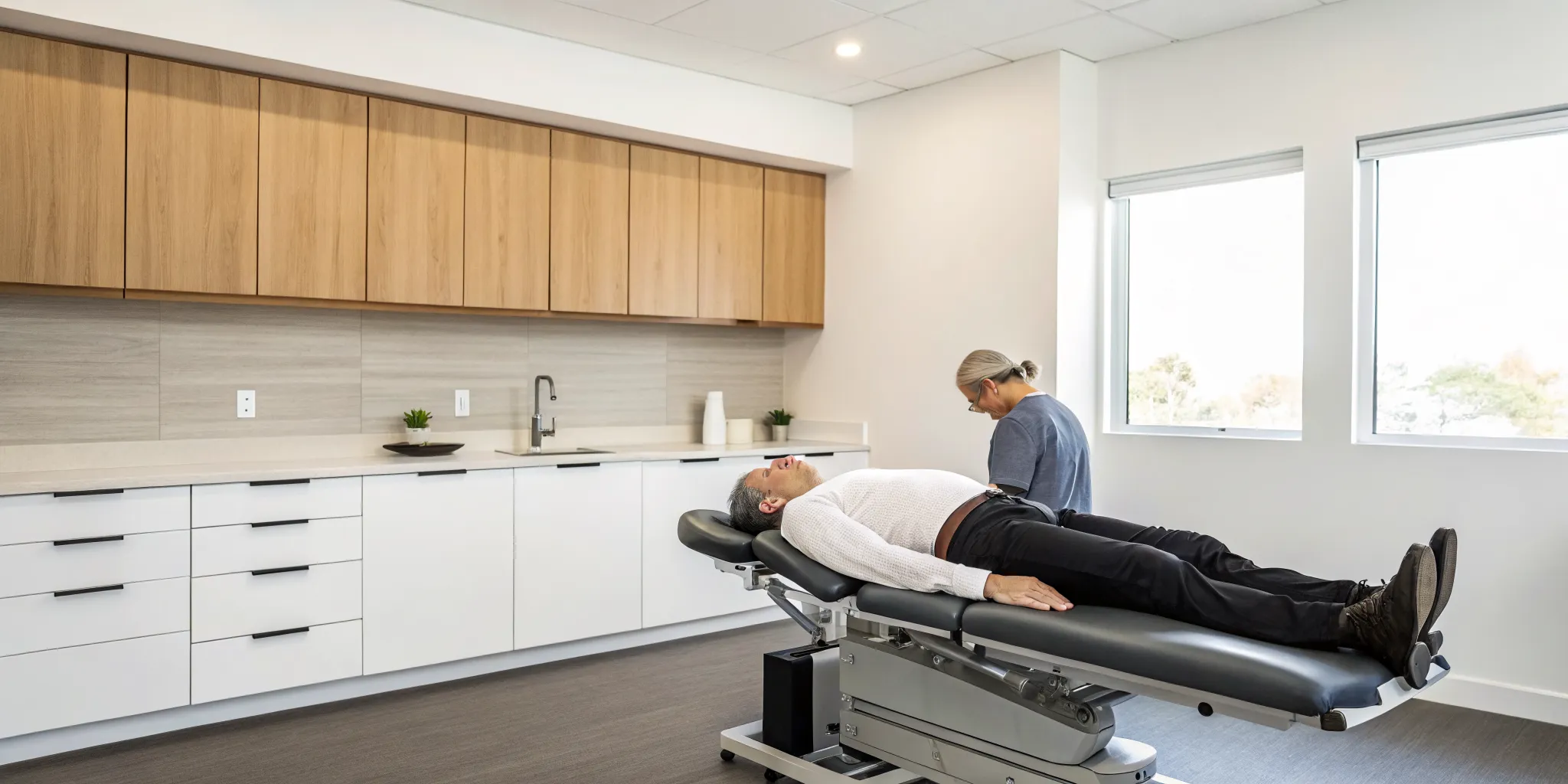
Spinal adjustments are a cornerstone of chiropractic care, especially after the jarring force of a car accident. During an adjustment, your chiropractor applies controlled, precise force to a spinal joint that has lost its normal position or motion. This helps realign your vertebrae, taking pressure off nerves and allowing your entire nervous system to function better. The goal is to fix joint problems, reduce damage to soft tissues, and lower swelling to ease your pain. By restoring proper alignment, adjustments can significantly speed up your recovery, helping your body heal itself more efficiently. This foundational treatment addresses the structural source of your pain, providing a solid base for the rest of your recovery plan.
Spinal Decompression Therapy
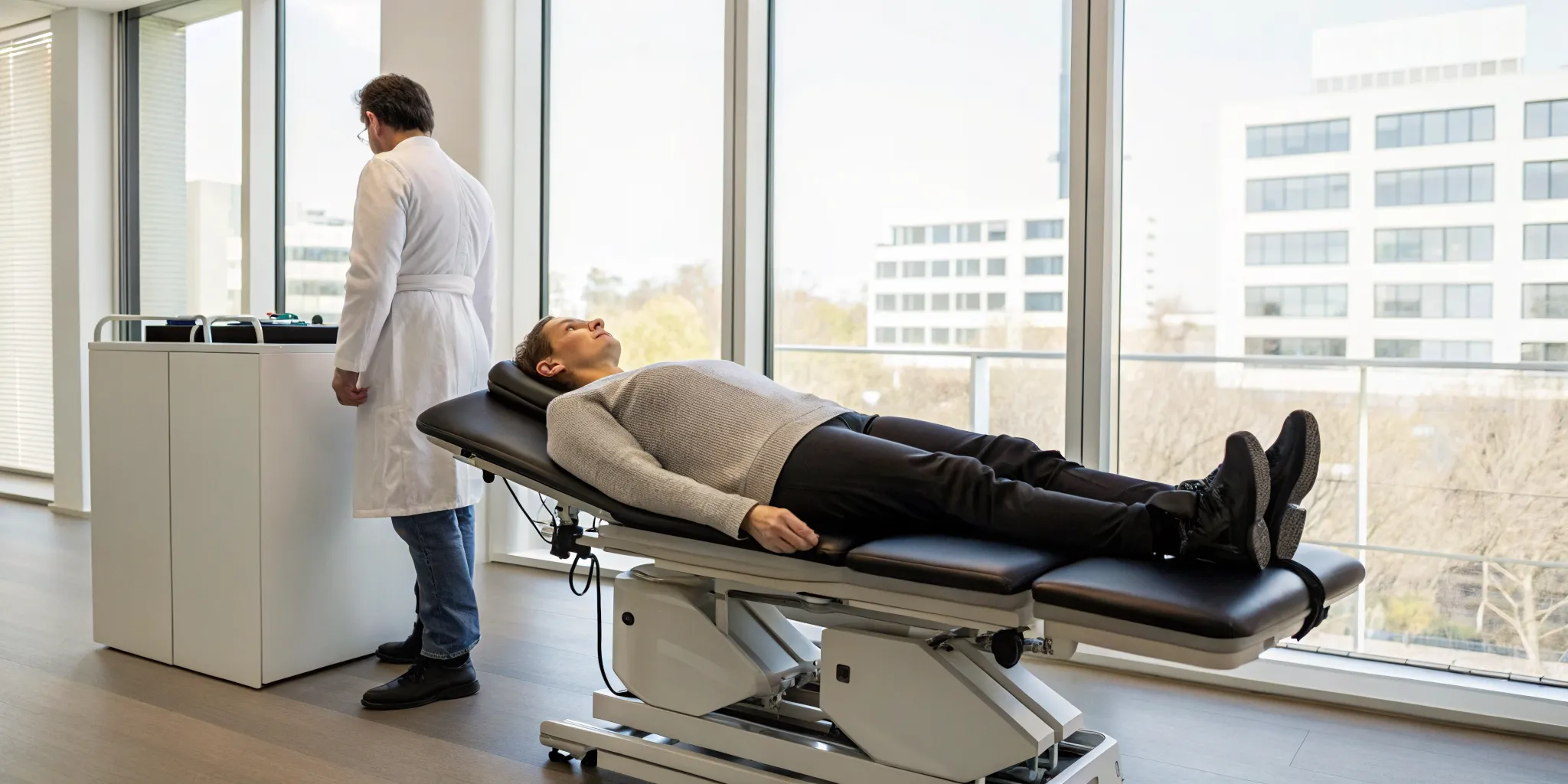
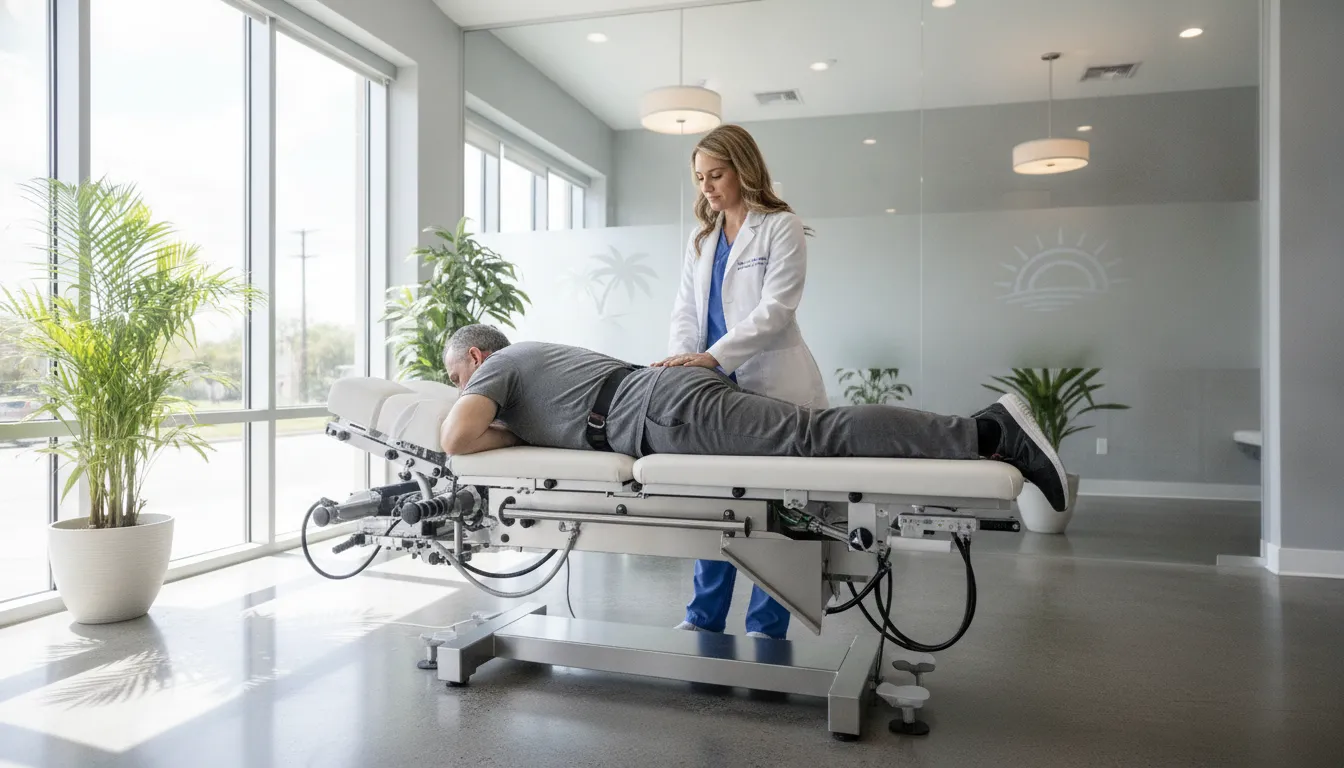
If your accident caused a herniated or bulging disc, spinal decompression can be a game-changer. This gentle, non-invasive therapy works by carefully stretching the spine. Think of it as creating a tiny bit of space between your vertebrae. This process creates negative pressure within the disc, which can help retract the bulging or herniated material. It also creates an environment that allows water, oxygen, and nutrient-rich fluids to move into the discs so they can heal. According to experts, this therapy uses gentle pulling to reduce pressure on damaged discs, offering relief without invasive procedures. It’s a key part of our approach to treating disc injuries and sciatica-like symptoms that often follow a collision.
Soft Tissue and Massage Therapies
Car accident injuries go beyond the spine; they also affect the muscles, ligaments, and tendons that support it. This is where soft tissue and massage therapies come in. These treatments focus on the muscular component of your injury, helping to reduce painful muscle spasms, improve blood flow to the injured area, and break down scar tissue. By addressing the soft tissues, we can relieve tension, decrease inflammation, and improve your flexibility. This not only feels good but is also crucial for restoring your full range of motion. Combining soft tissue work with spinal adjustments ensures we are treating your body as a complete, interconnected system for more effective healing.
Corrective and Rehabilitative Exercises
As your pain begins to subside, the next step is to strengthen your body to prevent future problems. We’ll guide you through a series of corrective and rehabilitative exercises designed specifically for your injuries. These aren't your typical gym workouts; they are targeted movements that help strengthen the muscles supporting your spine, improve your posture, and restore your full range of motion. This active part of your care is essential for long-term stability and resilience. By rebuilding strength and function, you’re not just recovering from the accident, you’re building a stronger foundation to protect your body from future injuries and chronic pain.
Why Choose Chiropractic Care After a Car Accident?
After a car accident, your first instinct might be to wait and see if the pain goes away on its own. However, seeking prompt chiropractic care can be one of the most important steps you take for your long-term health. It’s a proactive approach that focuses on healing the source of your pain, not just masking the symptoms. By addressing underlying injuries to your spine and soft tissues, chiropractic care helps you recover more completely and avoid chronic issues down the road. It’s about getting you back to feeling like yourself again, safely and effectively.
Find Relief Without Relying on Medication
While pain medication can offer temporary relief, it doesn’t fix the underlying cause of your discomfort. Chiropractic care provides a path to healing that doesn’t involve drugs. Instead of just silencing pain signals, our goal is to address the root of the problem, whether it’s a spinal misalignment, nerve irritation, or muscle damage. Through targeted adjustments and therapies, we help your body’s innate healing abilities take over. This approach allows you to find lasting relief without the potential side effects or dependency that can come with long-term medication use. Our physical medicine services are designed to facilitate this natural healing process.
Reduce Inflammation and Swelling
Inflammation is your body’s natural response to injury, but after the trauma of a car accident, it can become excessive. This leads to pain, stiffness, and a slower recovery. Chiropractic adjustments can help reduce the production of inflammatory chemicals in the body, calming this response and easing discomfort. By restoring proper alignment and motion to the spine, we can also improve circulation, which helps flush out waste products and deliver healing nutrients to injured tissues. Managing inflammation effectively is a key step in reducing your pain and accelerating your body’s recovery timeline.
Restore Your Full Range of Motion
One of the most common complaints after an accident is stiffness. You might find it difficult to turn your head, bend over, or move as freely as you used to. This loss of mobility happens when joints in your spine become misaligned or when surrounding muscles and ligaments are damaged. Chiropractic adjustments are specifically designed to restore proper movement to these restricted joints. By gently correcting misalignments, we can help decrease stiffness, improve your flexibility, and get you back to your daily activities without that feeling of being "stuck." Addressing these joint and muscle conditions early is crucial for a full recovery.
Prevent Long-Term Chronic Pain
It’s a mistake to ignore even minor aches and pains after an accident. These seemingly small issues can be signs of underlying damage that, if left untreated, may develop into chronic problems years later. Whiplash, for example, can lead to persistent headaches, neck pain, and even arthritis if the spinal injury isn’t properly addressed. By seeking chiropractic care soon after your accident, you are taking a crucial step toward preventing long-term pain. We identify and correct these hidden injuries before they have a chance to become a permanent part of your life, protecting your future health and well-being.
Improve Posture and Spinal Alignment
The force from a car accident can easily knock your spine out of its proper alignment and damage the muscles that support it. This can lead to changes in your posture, causing you to hunch or lean in ways that put even more strain on your body. Poor posture can contribute to chronic pain, headaches, and fatigue. As part of your recovery, we focus on correcting these spinal misalignments to re-establish a strong, stable foundation. Our holistic approach ensures we not only treat the injury but also help you build better postural habits for lasting health.
What to Expect at Your First Visit
Walking into a new doctor’s office can feel a little intimidating, especially when you’re already dealing with the stress of a car accident. We get it. That’s why we’ve designed our first visit to be as clear, comfortable, and supportive as possible. The entire goal of this initial appointment is to listen to your story, conduct a thorough evaluation to understand the extent of your injuries, and explain exactly how we can help you get back to feeling like yourself. It’s the first and most important step on your road to recovery, and we’re here to guide you through it.
Your Initial Consultation and Exam
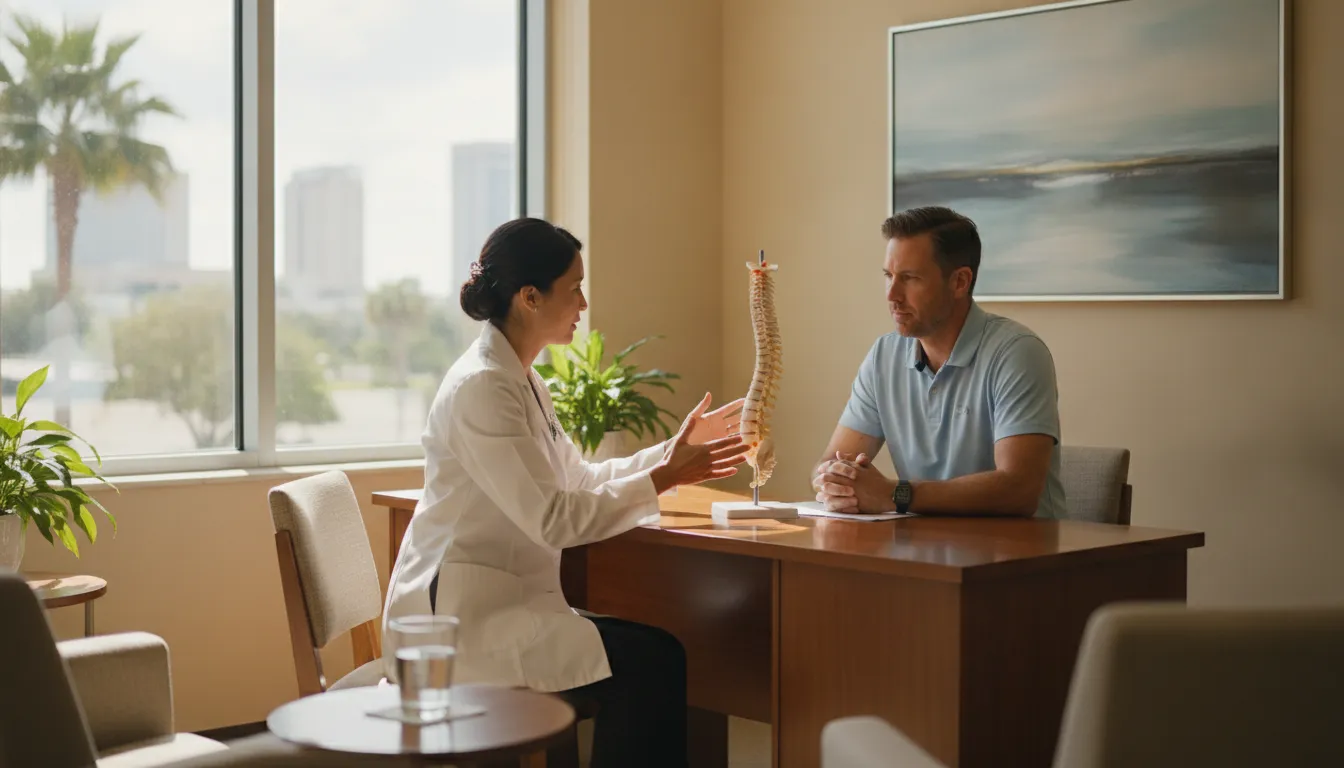
Your first visit starts with a conversation. We’ll sit down with you to discuss the details of the accident, your health history, and the specific symptoms you’re experiencing. This is your time to share what’s been going on, from nagging neck stiffness to sharp lower back pain. After our chat, we’ll perform a comprehensive physical exam. This hands-on assessment helps us pinpoint the exact source of your pain by checking your posture, range of motion, and any joint or muscle tenderness. It’s a detailed process that allows us to understand the unique ways the accident has affected your body and what conditions we treat that may be related to your injuries.
Diagnostic Imaging and Next Steps
Depending on what we find during your exam, we may recommend diagnostic imaging, like X-rays. This isn’t always necessary, but it can give us a valuable look at the underlying structures of your spine and joints. Seeing a clear picture helps us rule out more serious issues and confirm the precise nature of your injuries. This step ensures we aren’t just guessing; we’re creating a treatment plan based on concrete information. Our approach to physical medicine is built on this kind of precision, allowing us to tailor your care directly to what your body needs to heal properly and effectively.
Creating Your Personalized Recovery Plan
Once we have a complete picture of your health, we’ll create your personalized recovery plan. This is not a one-size-fits-all solution. It’s a roadmap designed specifically for you, based on your exam findings, any imaging results, and your personal health goals. Your plan will outline the specific therapies we recommend to reduce inflammation, restore joint function, and relieve pain. We believe in a collaborative approach, so we’ll walk you through every step of the plan, explaining what to expect and how each treatment contributes to your healing. Our team is dedicated to a philosophy of patient-centered care, which you can learn more about us and our mission.
The Three Phases of Chiropractic Healing
Your recovery will typically move through three distinct phases. First is the acute phase, where our main focus is on reducing your pain and inflammation to make you more comfortable. Next, you’ll enter the rehabilitation phase. Here, we work on strengthening the muscles that support your spine and improving your flexibility and mobility to help your body heal correctly. The final stage is the maintenance or wellness phase. The goal here is to maintain your progress, prevent future injuries, and keep your body functioning at its best long after your initial symptoms have disappeared. Our complete range of services supports you through every phase of this journey.
A Holistic Approach to Accident Recovery
Recovering from a car accident is about more than just waiting for the pain to go away. True healing happens when you address the source of the problem, not just the symptoms. A holistic approach recognizes that your body is an interconnected system. The impact of an accident can create a ripple effect, causing issues that might not seem related at first. The physical jolt of a collision can lead to subtle misalignments and inflammation that affect your entire body, sometimes in ways you wouldn't expect, like digestive upset or persistent fatigue.
Instead of simply masking discomfort, our goal is to understand the full picture of your health. We combine different healing methods to support your body’s natural recovery process from every angle. By looking at both the structural damage from the impact and your body’s internal response to the trauma, we can create a plan that promotes lasting wellness. This comprehensive strategy ensures that all aspects of your well-being are considered, helping you feel like yourself again and paving the way for a more complete and resilient recovery. It’s about getting you back on your feet and ensuring your body is stronger and more balanced than before.
Addressing the Root Cause of Your Pain
Pain is your body’s alarm system, signaling that something is wrong. While it’s tempting to just turn off the alarm, that doesn’t solve the underlying issue. Chiropractic care focuses on finding and fixing the root cause of your pain. An accident can shift your spine out of alignment, cause damage to soft tissues, and put pressure on nerves, leading to everything from neck pain and headaches to radiating discomfort in your limbs.
Our practitioners are trained to find and treat these core problems. Through careful examination and targeted adjustments, we work to correct joint issues, reduce inflammation, and relieve nerve irritation. This allows your body to heal the way it’s supposed to, providing genuine relief and preventing the injury from turning into a chronic problem.
How Physical and Functional Medicine Work Together
At Ascend, we integrate physical and functional medicine to give you the most comprehensive care possible. Physical medicine, including chiropractic care, directly addresses the structural and mechanical injuries from your accident. It’s essential for realigning your spine, correcting posture, and restoring mobility. But the trauma of an accident isn’t just physical; it also triggers a significant stress response and systemic inflammation inside your body.
This is where functional medicine comes in. We look at how the accident has impacted your internal health, from your stress hormones to your gut function. By supporting your body with the right nutrients and lifestyle adjustments, we can help manage inflammation and give your system the resources it needs to repair itself effectively. This combined approach ensures we’re supporting your recovery from the inside out.
How Chiropractic Care Can Support Your Personal Injury Claim
After a car accident, your primary focus is on healing. But dealing with the aftermath often involves a personal injury claim, and this is where chiropractic care plays a dual role. Beyond providing effective, non-invasive treatments, a chiropractor creates a detailed and credible record of your injuries and recovery process. This documentation is incredibly valuable. Having a clear, professional medical history from a specialist in musculoskeletal injuries can make a significant difference in substantiating your claim. It provides objective evidence of the extent of your injuries and the necessity of your treatment plan.
At Ascend Functional Health, we understand you're managing a lot after an accident. Our approach to physical medicine is designed not only to help you recover but also to provide the clear, thorough documentation you need. We focus on creating a comprehensive record of your journey back to health, giving you one less thing to worry about. By tracking your progress from the initial assessment through every phase of your recovery, we help build a complete picture of your experience.
The Importance of Documenting Your Injuries
It’s essential to see a chiropractor as soon as possible after an accident, even if you don't feel immediate pain. Some injuries, like whiplash or micro-tears in your muscles, can take days or even weeks to present symptoms. Seeking prompt care allows a chiropractor to identify and diagnose these underlying issues right away. This early evaluation creates a direct link between the accident and your injuries, which is a critical component of any personal injury claim. Ignoring these problems can lead to chronic pain and other long-term health issues, so getting checked out is a win for both your health and your records.
Strengthen Your Claim with Consistent Care
Following through with your recommended treatment plan is just as important as your initial visit. Consistent chiropractic care demonstrates a commitment to your recovery and provides an ongoing record of the injury's impact on your life. For many people, recovery isn't a one-visit fix; a significant number of patients require ongoing treatment to manage lasting pain from an accident. Regular appointments for conditions like headaches or low back pain create a paper trail that validates the severity of your injuries. This consistent record of care is powerful evidence that your injuries have required sustained medical attention to resolve.
Using Chiropractic Records to Support Your Case
Your chiropractic records are a cornerstone of your personal injury claim. Chiropractors provide detailed reports that outline your specific injuries, the treatments you’ve received, and your progress over time. These official documents serve as objective proof to support your case. At Ascend Functional Health, our team is experienced in creating the meticulous documentation needed for these situations. We handle the paperwork with care, ensuring your treatment plan and recovery milestones are clearly recorded. This helps you focus on what truly matters: feeling better and getting your life back on track. If you have questions, please contact our office to learn how we can help.
Ready to Start Healing?
If you've been in a car accident, your main focus should be on your health and recovery. It’s common for the full extent of an injury not to be felt immediately. The adrenaline from the accident can mask symptoms for days or even weeks, but underlying issues like whiplash and soft tissue damage can lead to long-term pain and complications if left unaddressed. Even a seemingly minor fender bender can cause significant stress on your joints and spine.
Choosing a treatment path that supports your body’s innate ability to heal is key. Chiropractic care offers a powerful, non-invasive approach focused on restoring proper function. Rather than just covering up symptoms, chiropractic adjustments aim to correct joint issues, reduce inflammation, and improve nerve communication throughout your body. This helps alleviate pain at its source and promotes a more complete and lasting recovery.
Taking a proactive step toward your well-being after an accident is one of the best things you can do for your future health. By addressing potential injuries early, you can prevent acute pain from settling in and becoming a chronic issue. Our team at Ascend Functional Health is dedicated to understanding the root cause of your discomfort and creating a personalized plan to help you get back to living your life fully. If you are in the Tampa area and ready to begin your recovery journey, we invite you to schedule a consultation with our team.
Related Articles
Frequently Asked Questions
I was in a minor accident and feel fine. Do I really need to see a chiropractor? It's a great idea to get checked out even if you don't feel pain right away. The adrenaline from an accident can mask injuries for days or even weeks. A chiropractor can perform a thorough evaluation to find and address subtle misalignments or soft tissue strain before they have a chance to become more serious, long-term problems.
What makes chiropractic care different from just taking pain relievers? Pain medication can certainly help you feel more comfortable, but it doesn't address the source of the problem. Chiropractic care focuses on finding and correcting the underlying cause of your pain, such as a spinal misalignment or nerve pressure from the accident. By restoring proper function, we help your body heal itself for lasting relief, rather than just temporarily hiding the symptoms.
What does a typical recovery plan look like? Your recovery plan will be tailored specifically to you, but most people move through a few general phases. Initially, our focus is on reducing your pain and inflammation. As you start to feel better, we shift to rehabilitative care, which involves strengthening muscles and improving your flexibility. The final phase is about maintaining your progress to help you stay healthy and prevent future issues.
Are the adjustments themselves painful? This is a very common question. The adjustments are designed to be gentle and precise, with the goal of relieving pain, not causing it. You might hear a popping sound, which is just gas being released from the joint, similar to cracking your knuckles. Most patients find the process brings a sense of relief, though you might feel some mild soreness afterward, much like you would after a new workout.
How does this care help beyond just my back and neck? Because the spine is central to your nervous system, an injury there can affect your entire body. A misalignment in your neck, for example, is a common trigger for persistent headaches. By correcting the structural issues caused by an accident, we can also help resolve related symptoms like radiating pain into your arms or legs, stiffness, and even some types of headaches.