Chronic fatigue, persistent bloating, and stubborn brain fog can feel like separate, frustrating issues. But what if they’re all connected to the health of a single, hardworking organ? Your liver is responsible for processing everything you consume and encounter, and when it gets overwhelmed, the signs can show up all over your body. Instead of just managing symptoms, we can learn to trace them back to their source. This guide is designed to help you connect the dots between how you feel and your liver’s health, offering a clear path to understanding and improving your liver function for better energy, digestion, and vitality.
Key Takeaways
- Prioritize consistent habits over quick fixes: Your liver's health depends on daily choices, so focus on a diet rich in whole foods, regular physical activity, and limiting alcohol instead of relying on temporary cleanses.
- Recognize that your gut health impacts your liver: The gut-liver axis means digestive issues like bloating can signal liver stress; supporting your gut with fiber and probiotics directly helps your liver manage its workload.
- Seek a root-cause explanation for your symptoms: Abnormal lab results or persistent symptoms are clues, not final answers. A functional medicine approach uses comprehensive testing to create a personalized plan that addresses the underlying reason for liver imbalance.
What Does Your Liver Actually Do?
When you think about your liver, you might just picture it as your body's filter. While that’s true, it’s only a tiny part of the story. Your liver is one of the hardest-working organs you have, performing over 500 essential functions to keep you healthy and energized. It’s a true multitasker, involved in everything from your metabolism and digestion to your immune response. Think of it as the unsung hero working behind the scenes to keep your entire system running smoothly. From the moment you wake up to the time you go to sleep (and even while you're sleeping), your liver is busy processing nutrients, clearing out waste, and producing vital substances your body needs to thrive. It's a complex and powerful organ that deserves more credit than it often gets. Understanding what your liver does every day is the first step in learning how to give it the support it needs. When your liver is happy, you’ll feel the difference in your energy, digestion, and overall well-being. Let’s look at some of its most important jobs.
Powers Your Metabolism
Think of your liver as the central hub for your metabolism. After you eat, your digestive system breaks down food into nutrients, and your liver gets to work processing them. It converts carbohydrates into glucose for immediate energy or stores it as glycogen for later use. It also manages fats and proteins, making sure your body gets exactly what it needs to power through the day. This vital role in nutrient processing is why you might feel sluggish or fatigued when your liver isn’t functioning at its best. A healthy liver is key to maintaining stable energy levels and a healthy weight.
Filters Out Toxins
Your liver is your primary line of defense against toxins. It works around the clock to filter your blood, removing harmful substances like alcohol, chemicals from medications, and environmental pollutants. But its role as a filter is just one piece of the puzzle; the liver is also a key player in your digestion, immunity, and energy production. This detoxification process is crucial for preventing the buildup of waste that can make you feel sick and tired. By neutralizing these toxins, your liver protects every other organ in your body, keeping your internal environment clean and balanced.
Aids Digestion
If you’ve ever felt bloated or struggled with fatty foods, your liver might be sending you a signal. One of its key jobs is to produce bile, a substance that’s essential for breaking down fats in your small intestine. Without enough bile, your body can’t properly digest fats or absorb important fat-soluble vitamins like A, D, E, and K. This connection between your liver and gut is a cornerstone of functional medicine. A healthy liver ensures your digestive system runs smoothly, helping you get the most out of the food you eat and avoiding uncomfortable digestive symptoms.
Helps Your Blood Clot
Here’s a liver function you might not know about: it plays a critical role in helping your blood clot. Your liver produces most of the proteins, known as clotting factors, that are necessary to stop bleeding when you get a cut or injury. Without these essential proteins, even a small scrape could become a serious problem. This function highlights just how interconnected your body’s systems are. Proper liver function is vital for everything from healing a paper cut to recovering from surgery, ensuring your body can protect and repair itself effectively.
Stores Essential Nutrients
Your liver also acts as a nutrient storage warehouse. It holds onto important vitamins and minerals, releasing them into your bloodstream whenever your body needs them. It’s particularly good at storing fat-soluble vitamins (A, D, E, and K) as well as vitamin B12, iron, and copper. More than just storing them, the liver also helps convert these nutrients into forms your body can easily use. This ensures you have a steady supply of the building blocks you need for everything from strong bones and healthy vision to a robust immune system.
How Your Liver Cleanses Your Body
Your liver is your body’s master filtration system, working around the clock to process everything you consume and encounter. It’s a powerhouse organ, but we often forget it needs support to function well. The liver’s primary role in detoxification is to identify, neutralize, and remove harmful substances to keep you healthy. This isn't about a trendy juice cleanse; it's a sophisticated, two-phase biological process that happens every single day. This natural detoxification is essential for your overall well-being, influencing everything from your energy levels and skin clarity to your hormone balance and immune response. When this system functions smoothly, your body can efficiently manage toxins from food, medications, and the environment.
However, when the liver gets overwhelmed by a poor diet, stress, or environmental exposures, this process can slow down. This can lead to a buildup of toxins that contributes to fatigue, digestive issues, and other chronic health problems. Understanding how these two phases work helps you appreciate just how hard your liver works and what you can do to support it. A healthy liver is the foundation for a healthy body, and supporting its natural cleansing ability is one of the most effective ways to maintain long-term wellness. It's not about extreme diets or quick fixes; it's about consistently giving your body what it needs to perform its vital functions.
Phase I: The First Line of Defense
Phase I is your body’s initial response to a toxin. During this stage, a group of enzymes, known as the cytochrome P450 family, gets to work. Their job is to modify toxins through chemical reactions, essentially breaking them down into smaller, less harmful substances. This process makes the toxins water-soluble, which is the first step in preparing them for removal from the body. You can think of Phase I as the pre-wash cycle. It doesn’t eliminate the toxins completely, but it transforms them into a state that’s easier for Phase II to handle. This crucial first step is a core concept in functional medicine, as it sets the stage for complete detoxification.
Phase II: Neutralizing and Removing Toxins
After Phase I, the modified toxins move on to the second stage of the cleanup process. In Phase II, your liver attaches another substance to the toxin, a process called conjugation. This makes the toxin even more water-soluble and, most importantly, non-toxic. Once neutralized, these substances can be safely escorted out of your body. They are typically eliminated through urine via your kidneys or through bile, which is released into your digestive system. This phase is the final step that ensures harmful compounds don’t build up and cause problems. When both phases work in harmony, your body can effectively manage its toxic load and prevent many of the chronic health issues that arise from a sluggish system.
How to Support Your Liver's Natural Detox Process
You don’t need a trendy "cleanse" to help your liver; you just need to give it the right support to do its job effectively. Simple, consistent lifestyle choices make a huge difference. Start by eating a balanced diet full of antioxidant-rich foods like berries, leafy greens, and cruciferous vegetables (think broccoli and cauliflower). These foods provide the nutrients your liver needs for both detox phases. Reducing your alcohol intake gives your liver a much-needed break, while maintaining a healthy weight prevents fat from accumulating in the liver. Making these informed choices protects your liver from damage and helps it perform at its best. If you need guidance, our services are designed to help you create a personalized plan for optimal liver health.
Signs Your Liver Needs Support
Your body is great at sending signals when something is off, and your liver is no exception. Since it handles so many critical jobs, from filtering toxins to aiding digestion, the signs of trouble can show up in some surprising ways. Paying attention to these clues is the first step toward giving this hardworking organ the support it needs. It’s not always about dramatic symptoms; sometimes, the signs are subtle and can be easily mistaken for something else. Learning to recognize them can help you address potential issues before they become more serious.
Physical Symptoms to Look For
Your liver performs over 500 essential functions, so when it’s struggling, you can feel it all over. One of the most well-known signs is jaundice, a yellowing of the skin and eyes. Other physical clues include persistent pain in your upper right abdomen, dark-colored urine, or pale stool. You might also experience chronic fatigue that doesn’t improve with rest, unexplained nausea, or swelling in your legs and belly. Because these symptoms can be linked to various health issues, understanding them in the context of liver health is key. Many of the conditions we treat at Ascend Functional Health are connected to underlying imbalances that can manifest in these ways.
How Digestive Issues Signal a Problem
If you’re constantly dealing with bloating, gas, or other digestive discomfort, your liver might be sending an S.O.S. Your liver produces bile, which is essential for breaking down fats from your food. When liver function is compromised, bile production can slow down, making it difficult for your body to digest fats properly. This can lead to that heavy, bloated feeling after meals and changes in your bowel habits. Over time, poor liver function can also contribute to broader metabolic issues. Our approach to Functional Medicine focuses on the gut-liver connection to get to the bottom of these digestive complaints and restore balance.
When to See a Doctor
While it’s helpful to be aware of these signs, self-diagnosing is never the answer. If you experience symptoms like jaundice, severe or persistent abdominal pain, or significant changes in your digestion, it’s time to consult a healthcare provider. A professional can run the right tests, like bloodwork or imaging scans, to get a clear picture of your liver health. This allows for an accurate diagnosis and a personalized plan to address the root cause of your symptoms. Don’t wait for symptoms to become severe. Taking proactive steps and seeking expert guidance is the best way to support your long-term health. If you’re concerned, we invite you to contact our team to schedule a consultation.
How to Read a Liver Function Test
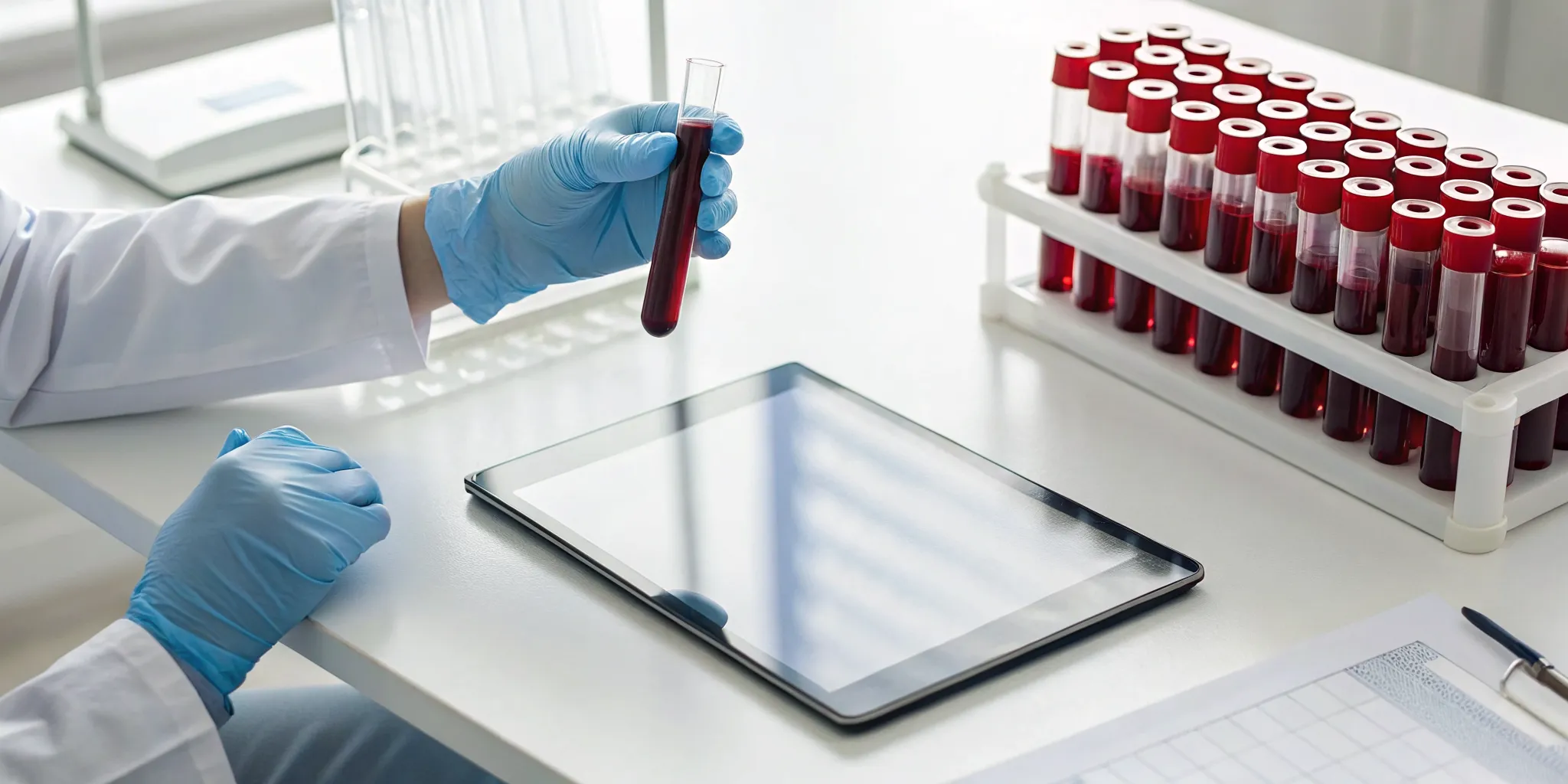
If your doctor suspects your liver needs support, they’ll likely order a blood test called a liver function test, or LFT. Think of it as a snapshot of how well your liver is performing its many jobs. This panel measures the levels of specific proteins and enzymes in your blood. While seeing a list of acronyms and numbers on your lab report can feel intimidating, understanding the basics can empower you to have a more productive conversation with your healthcare provider. Remember, these results are just one piece of the puzzle. A skilled practitioner will use them alongside your symptoms and health history to see the full picture of your health.
Key Markers on Your Lab Report
When you get your results, you’ll see a list of markers. The most common ones are enzymes like Alanine Transaminase (ALT) and Aspartate Transaminase (AST), which the liver releases when it’s damaged. Another is Alkaline Phosphatase (ALP), which can point to issues with your bile ducts. The test also measures proteins made by the liver, like Albumin, and a waste product called Bilirubin. Each lab has a standard reference range for what’s considered “normal,” but in functional medicine, we often look at a narrower, optimal range. Getting familiar with these key markers is the first step to understanding what your body is trying to tell you.
How to Interpret Your Results
Interpreting your results is more of an art than a science, as it’s all about the patterns. It’s not just about one number being high or low, but how the different markers relate to each other. For example, elevated ALT and AST levels often suggest that liver cells are inflamed or injured. On the other hand, if your ALP and bilirubin are high, it might signal a problem with bile flow. A provider trained in functional medicine will analyze these patterns to uncover the potential root cause of the imbalance, rather than just looking at a single out-of-range number. This comprehensive view is essential for creating an effective and personalized health plan.
What Do Abnormal Results Mean?
Abnormal results are a signal that your liver is under stress, but they don’t automatically mean you have a serious disease. They are simply clues that point your doctor in the right direction for further investigation. For instance, the ratio of AST to ALT can offer insights. An AST level that is significantly higher than the ALT level might suggest that alcohol is a contributing factor to the liver stress. Abnormal results are the starting point of a conversation, prompting a deeper look into the various conditions we treat that could be affecting your liver. This allows for a targeted approach to help your liver heal and function properly.
How Your Lifestyle Affects Your Liver
Your liver is incredibly resilient, but it’s not invincible. The choices you make every day, from the food you eat to the way you move your body, directly influence its ability to function properly. Think of your lifestyle as the foundation for your liver health. By understanding how your habits affect this vital organ, you can make informed decisions that support its hard work and contribute to your overall well-being. Let's look at the key lifestyle factors that have the biggest impact.
The Role of Your Diet
Everything you eat and drink passes through your liver. Its job is to process nutrients, turning them into substances your body can use while filtering out harmful ones. When your diet is full of processed foods, unhealthy fats, and sugar, you’re essentially making your liver work overtime. This constant stress can lead to inflammation and fat buildup. A whole-foods diet rich in fruits, vegetables, and lean proteins provides the vitamins and antioxidants your liver needs to protect itself and perform its essential functions. Our functional medicine approach often starts with nutrition to address the root cause of many chronic issues.
Why Movement Matters
Regular physical activity is one of the best things you can do for your liver. Exercise helps you maintain a healthy weight, which is crucial for preventing non-alcoholic fatty liver disease (NAFLD), a condition where excess fat builds up in the liver. Movement also improves your body's sensitivity to insulin, reducing strain on your liver and supporting your overall metabolic health. You don’t have to run a marathon; even consistent, moderate activity like brisk walking or cycling makes a significant difference. By staying active, you help your liver function more efficiently and reduce your risk of developing liver-related health conditions.
The Impact of Alcohol
It’s no secret that alcohol is tough on the liver. When you drink, your liver prioritizes metabolizing the alcohol over its other jobs. Consistent or excessive alcohol consumption can lead to serious problems, including inflammation (alcoholic hepatitis), fat accumulation (fatty liver), and permanent scarring (cirrhosis). While everyone’s tolerance is different, moderation is the key to protecting your liver from long-term damage. Giving your liver a break from alcohol allows it to repair itself and focus on its hundreds of other vital tasks that keep you healthy and feeling your best.
Medications and Environmental Toxins
Your liver is your body’s primary detoxification center, responsible for breaking down and eliminating everything from prescription medications to pollutants in the air we breathe. While it’s designed to handle these substances, it can become overwhelmed. Overuse of certain over-the-counter pain relievers or exposure to chemicals in cleaning supplies, pesticides, and plastics can place a heavy burden on your liver. Understanding these external factors is a core part of our philosophy at Ascend Functional Health. By identifying and reducing your exposure to these toxins, you can give your liver the support it needs to do its job effectively.
Eating for a Healthy Liver
What you eat directly impacts your liver. Since your liver processes everything you consume, the foods you choose can either support its hard work or add to its burden. Think of your diet as the most powerful tool you have for maintaining liver health. By focusing on whole, nutrient-dense foods, you give your liver the resources it needs to perform its hundreds of vital jobs, helping you feel your best.
Foods Your Liver Loves
To support your liver, fill your plate with colorful, antioxidant-rich foods. Cruciferous vegetables like broccoli and Brussels sprouts contain compounds that help with detoxification, while leafy greens like spinach are packed with chlorophyll. Berries offer powerful antioxidants called polyphenols that may help protect the liver from damage. Healthy fats from avocados, olive oil, and nuts are also beneficial. And don’t forget about garlic; its sulfur compounds can activate liver enzymes that help flush out toxins. Making these whole foods a regular part of your diet is a simple, effective step toward better liver function.
Key Nutrients for Liver Support
Beyond specific foods, certain nutrients are critical for your liver to function properly. Antioxidants like vitamins C and E help shield liver cells from damage. B vitamins are essential for the liver's detoxification process, helping it neutralize and remove harmful substances. Minerals like selenium and zinc also play a protective role. Choline, found in eggs, is vital for transporting fat out of the liver, which helps prevent fatty liver disease. A well-rounded diet is the best way to get these nutrients, but a functional medicine approach can help identify any specific deficiencies you may have.
Foods to Limit or Avoid
Just as some foods help your liver, others make its job much harder. Highly processed foods, sugary drinks, and refined carbohydrates can lead to fat buildup in the liver. Over time, this can contribute to non-alcoholic fatty liver disease (NAFLD), a condition that is becoming increasingly common. It’s also wise to limit foods high in saturated and trans fats, like fried foods and many packaged baked goods. Alcohol is particularly taxing on the liver, so minimizing your consumption is one of the best things you can do for its health. Making mindful choices significantly reduces your liver's workload.
Why Gut Health is Key to Liver Health
You might not think of your gut and liver as a team, but their health is deeply connected. What happens in your digestive system has a direct impact on your liver’s workload and overall function. When your gut is out of balance, your liver is one of the first organs to feel the strain. Understanding this relationship is a critical step in supporting your body’s natural detoxification systems and maintaining long-term wellness. By focusing on your digestive health, you’re also giving your liver the support it needs to do its job effectively.
Understanding the Gut-Liver Axis
Think of the gut-liver axis as a constant conversation between your digestive system and your liver. Everything you consume is first processed by your gut, where nutrients and toxins enter the bloodstream and head directly to the liver for filtering. This connection makes your liver the first line of defense against harmful substances from your gut. This pathway is essential for managing metabolism, immune responses, and detoxification. When the gut is unhealthy, it sends distress signals and an unmanageable load to the liver. This systems-based view is a core principle of functional medicine, which examines how different parts of the body influence one another.
How Poor Digestion Impacts Your Liver
When your digestion is off, it can create an imbalance in your gut bacteria. This can damage the intestinal lining, leading to what’s known as increased intestinal permeability, or "leaky gut." When this happens, toxins and undigested food particles can enter your bloodstream instead of being properly eliminated. These substances travel straight to your liver, forcing it to work overtime to filter the extra toxic load. This chronic burden can cause inflammation and contribute to serious health conditions like fatty liver disease. A struggling digestive system creates a much harder job for your liver.
How to Support Your Gut and Liver
The good news is you can support both organs at once with simple, consistent habits. Focus on a diet rich in fiber from whole foods like fruits, vegetables, and legumes, which feeds beneficial gut bacteria. Incorporate probiotic-rich foods like yogurt, kefir, and sauerkraut to maintain a healthy microbiome. Antioxidants, found in berries and leafy greens, help protect your liver cells from damage. Don’t forget the basics: staying well-hydrated helps both digestion and detoxification, while regular exercise improves circulation and metabolic function. These foundational steps create a healthy environment where both your gut and liver can thrive.
Common Myths About Liver Health
When it comes to liver health, there's a lot of information floating around, and not all of it is accurate. Misconceptions can keep you from giving your liver the support it truly needs. Let's clear up a few common myths so you can focus on what really matters for this hardworking organ. Understanding the truth is the first step toward making informed decisions about your health and well-being.
Misconceptions About Liver Disease
Many people think of liver disease as a sudden, catastrophic event. The reality is that it often develops quietly over time. Liver damage typically progresses through stages, starting with inflammation (hepatitis), then scarring (fibrosis), and potentially leading to severe scarring (cirrhosis) and even liver failure if left unaddressed. The good news is that this progression gives you opportunities to intervene. By identifying issues early through proper testing and lifestyle changes, you can often slow or even reverse damage. This is why it's so important to pay attention to subtle signs and work with a professional to understand the full picture of your health.
It's Not Just About Alcohol
While excessive alcohol consumption is a well-known cause of liver damage, it's far from the only one. In fact, one of the most common causes of liver disease today is non-alcoholic fatty liver disease (NAFLD), which is linked to diet, metabolism, and weight. Other factors that can harm your liver include viral infections like hepatitis, autoimmune conditions where the body attacks its own liver cells, and exposure to certain medications or environmental toxins. A functional medicine approach is designed to look beyond the obvious and identify the specific root causes contributing to your liver stress.
The Truth About "Liver Cleanses"
You’ve probably seen ads for "liver cleanses" or "detox teas" that promise to flush out toxins and reset your system. Here’s the truth: your liver is already an expert at detoxification. It’s a complex, powerful organ that works around the clock to filter your blood and neutralize harmful substances. Most commercial cleanses are not supported by science and can sometimes do more harm than good. Instead of searching for a quick fix, the best way to support your liver is through consistent, healthy habits. A nutrient-dense diet, regular movement, and minimizing your exposure to toxins are the real keys to keeping your liver functioning at its best.
A Functional Medicine Approach to Liver Health
When you’re not feeling your best, it’s easy to focus on the symptoms you can see and feel, like bloating or fatigue. A conventional approach might try to manage these symptoms individually. But functional medicine takes a different view. We see the body as an interconnected system and aim to understand the root cause of your health concerns. When it comes to liver health, this means we don’t just look at the liver in isolation. We investigate why it might be struggling and how its function impacts your entire body. This approach moves beyond temporary fixes. Instead, we focus on creating a clear path to long-term wellness by addressing the underlying imbalances that are putting stress on your system.
Finding the Root Cause of Liver Issues
Your liver’s health is a linchpin for your overall well-being, deeply connected to your digestion, immunity, and energy. If your liver is overburdened, you might experience issues that seem unrelated, like skin problems, brain fog, or hormonal imbalances. Instead of just treating these symptoms, our goal is to trace them back to their source. We ask the important questions: Is your diet creating inflammation? Is an unhealthy gut microbiome putting extra strain on your liver? By identifying the root cause, we can create a strategy that supports your body’s innate ability to heal. This is the foundation of the functional medicine approach.
Using Comprehensive Lab Testing
To get a clear picture of what’s happening inside your body, we rely on data. While standard lab tests can tell you if your liver enzymes are elevated, they don’t always show the full story of how your liver is functioning day-to-day. We use comprehensive lab testing to get a deeper look. These advanced tests can reveal how well your liver is performing its essential detoxification duties, converting toxins into forms your body can safely eliminate. This detailed information helps us identify subtle imbalances and potential issues long before they show up on a standard report, allowing us to be proactive with your health.
Creating Your Personalized Health Plan
Your body is unique, and your health plan should be too. Once we understand the root cause of your liver issues through comprehensive testing, we can create a personalized plan tailored to your specific needs. Your liver is the "metabolism hub" of your body, performing over 500 vital functions, so a one-size-fits-all protocol simply won’t work. Your plan will include targeted nutritional guidance, lifestyle recommendations, and specific supplements to reduce your liver’s workload and provide the nutrients it needs to function optimally. This personalized strategy is designed to restore your liver’s health and, in turn, improve your overall vitality. If you're ready to get started, you can contact our team today.
Start Improving Your Liver Health Today
Taking charge of your liver health doesn't have to feel overwhelming. Your liver is incredibly resilient, and even small, consistent changes can make a significant impact on its function and your overall well-being. The key is to start with simple, manageable steps that you can build upon over time. By focusing on nourishing your body and reducing its toxic load, you give your liver the support it needs to do its job effectively. Think of it as a partnership where your daily choices help this vital organ keep you feeling your best.
Simple Steps to Take Right Now
Your liver performs over 500 essential functions, so giving it a little support goes a long way. Start by focusing on your diet. Try swapping processed snacks for whole foods like apples, walnuts, or avocados. Staying hydrated is also crucial, so make water your go-to drink throughout the day. Another powerful step is to maintain a healthy weight, as this helps reduce fat accumulation in the liver and lowers the risk of non-alcoholic fatty liver disease (NAFLD). You don’t need to overhaul your life overnight. Just pick one or two of these simple actions to focus on this week.
How to Build Lasting Habits
Turning small actions into lasting habits is all about consistency. Poor liver health can affect your digestion, immunity, and energy levels, so remember that you’re investing in your long-term wellness. Try incorporating changes into your existing routine. For example, you could add a side of leafy greens to your dinner each night or schedule a 20-minute walk after lunch. Being mindful of your alcohol consumption is also a powerful habit. By making these adjustments a regular part of your day, you create a sustainable lifestyle that supports not just your liver, but your entire body.
When to Partner with a Professional
While lifestyle changes are foundational, sometimes you need a deeper level of support. If you’re experiencing persistent symptoms or simply want a clearer picture of your liver health, it might be time to work with a professional. A functional medicine approach goes beyond symptoms to find the root cause of any issues. Through comprehensive testing and a personalized plan, we can help you understand exactly what your body needs. This partnership allows you to move forward with confidence, knowing you have a clear, research-backed strategy to support your liver and achieve your health goals.
Related Articles
- What Does a Functional Nutritionist Do? A 2026 Guide
- What is Functional Medicine? A Simple Guide
- Food Sensitivity Lab Test: What Doctors Say
- Functional Medicine Page | Alessi Functional Health
- Functional Nutrition | Alessi Functional Health
Frequently Asked Questions
Do I need to do a special "liver cleanse" or "detox"? Your liver is already your body's master detoxification system, so you don't need a commercial cleanse. The most effective way to support it is through consistent, healthy habits. Focus on eating whole foods, staying hydrated, and reducing your alcohol intake. These daily choices give your liver the tools it needs to do its job without the need for extreme or temporary fixes.
Can my liver be struggling even if I don't have obvious symptoms? Yes, it's very possible. Liver issues often develop slowly over time, and the early signs can be subtle or easily mistaken for general fatigue or stress. This is why a proactive approach is so valuable. Comprehensive lab testing can reveal how your liver is functioning on a deeper level, helping to identify imbalances before they become more serious problems.
How long does it take to see improvements in liver health after changing my diet? Your liver is remarkably resilient and can begin to repair itself relatively quickly once you reduce its workload. While every person is different, many people start to feel better, with more energy and improved digestion, within a few weeks of making consistent dietary changes. The key is to focus on long-term habits rather than expecting an overnight transformation.
Why is my gut health so important for my liver? Your gut and liver are directly connected through a major blood vessel. This means everything absorbed through your gut, both nutrients and toxins, goes straight to the liver for processing. If your gut is unhealthy or "leaky," it can send a flood of inflammatory substances to your liver, forcing it to work much harder. Supporting your digestive health is one of the most direct ways to protect your liver.
What's the first step if I'm concerned about my liver health? The best first step is to consult with a healthcare professional who can look at your health from a holistic perspective. They can discuss your symptoms, review your health history, and recommend appropriate lab tests to get a clear picture of what's going on. This allows for a personalized plan that addresses the root cause of your concerns instead of just guessing.