It’s easy to treat symptoms as they appear. We take something for a headache, drink more coffee for fatigue, or blame a bad mood on a stressful day. While these solutions might offer temporary relief, they often miss the bigger picture. Many persistent health issues are not isolated problems but are connected to a deeper, underlying cause. More often than not, that cause is a disruption in your body's delicate endocrine system. True wellness comes from addressing the source, not just masking the effects. Restoring hormonal balance is a foundational step toward lasting health. This guide will help you move beyond symptom management to understand the root causes of imbalance and discover effective, personalized strategies for feeling whole again.
Key Takeaways
- Master the fundamentals first: Your hormonal health is directly influenced by your daily choices, so focus on a balanced diet, consistent exercise, quality sleep, and stress management before looking for a quick fix.
- Treat your symptoms as important clues: Things like fatigue, mood shifts, and irregular cycles are your body's way of communicating an imbalance, so pay close attention to these signals instead of dismissing them.
- Get a clear diagnosis to find the root cause: Self-diagnosing can lead to confusion, so working with a professional for comprehensive testing is the best way to understand your unique body and create an effective, personalized plan.
What Is Hormonal Balance and Why Does It Matter?
Think of your body as a complex orchestra. For the music to sound right, every instrument needs to play in tune and on time. Hormonal balance is just like that. It’s the state where your body has the right amount of each hormone, allowing all your systems to work together in harmony. Hormones are the chemical messengers that conduct this orchestra, controlling everything from your energy levels to your mood. When even one hormone is slightly off, it can throw the entire performance out of sync, leaving you feeling not quite like yourself. Understanding this balance is the first step toward taking control of your health.
What Do Hormones Actually Do?
So, what are these "chemical messengers" really doing? Hormones are produced by your endocrine glands and travel through your bloodstream, delivering instructions to your organs, muscles, and other tissues. They are the ultimate multitaskers, playing a vital role in nearly every bodily function. They regulate your metabolism, telling your body how to use energy from the food you eat. They manage your sleep-wake cycle, influence your mood and stress levels, and guide your growth and development. From your reproductive health to how you respond to a stressful day, our longevity medicine services recognize that hormones are always working behind the scenes to keep everything running smoothly.
Why You Need Hormonal Balance
When your hormones are balanced, you feel it. You have steady energy, a stable mood, and your body just works the way it's supposed to. But when they're out of balance, the effects can be widespread. You might experience persistent fatigue, unexplained weight gain, mood swings, or trouble sleeping. These aren't just minor annoyances; they're signals that your body's communication system is struggling. Over time, chronic hormonal imbalances can contribute to more significant health problems, including thyroid disorders, diabetes, and reproductive issues. Maintaining this delicate balance is essential for your long-term health and daily well-being.
What Causes Hormonal Imbalances?
If your hormones feel out of sync, you’re not alone. Think of your endocrine system as a complex communication network, with hormones acting as messengers that deliver instructions to nearly every cell in your body. When one signal gets crossed or a message isn't delivered correctly, it can create a ripple effect that impacts your mood, energy, metabolism, and so much more. Hormonal imbalances aren't random occurrences; they are your body’s way of telling you that something needs attention. The causes can almost always be traced back to a few key areas: underlying medical conditions, your daily lifestyle habits, and the natural biological shifts that happen throughout your life.
Understanding what’s behind your symptoms is the first step toward finding real, lasting relief. It’s not about just masking the issues with a quick fix that only addresses the surface. Instead, it’s about looking deeper to find the root cause of the disruption. Whether it’s a chronic health issue that needs to be properly diagnosed, a lifestyle factor you can change, or a life stage that requires extra support, identifying the source is crucial. By exploring these potential triggers, you can start to piece together your personal health puzzle and create a clear, actionable path forward to feeling like yourself again.
Medical Conditions That Affect Hormones
Sometimes, a hormonal imbalance is a sign of an underlying medical issue. Conditions like thyroid disease, diabetes, and polycystic ovary syndrome (PCOS) directly interfere with your body's ability to produce and regulate hormones. For example, an underactive or overactive thyroid can disrupt your metabolism, energy levels, and menstrual cycle. Autoimmune conditions, where the body mistakenly attacks its own tissues, can also damage hormone-producing glands. Our approach to functional medicine focuses on comprehensive testing to identify these root causes. By treating the underlying condition, we can help restore your body’s natural hormonal harmony and address the source of the problem, not just the symptoms.
How Lifestyle Impacts Hormone Production
Your daily habits have a profound effect on your hormonal health. Chronic stress is a major culprit, as it keeps your cortisol (the "stress hormone") levels consistently high, which can disrupt your reproductive hormones and blood sugar. The food you eat also plays a vital role. A diet lacking in essential nutrients can deprive your body of the building blocks it needs to create hormones. On the other hand, a diet high in sugar and processed foods can contribute to insulin resistance. Regular, moderate exercise is another key factor, as it helps regulate insulin and reduce stress. These lifestyle factors are powerful levers you can adjust to support your body’s natural balance.
Hormonal Shifts at Different Life Stages
Hormones naturally fluctuate throughout your life. These changes are expected during key transitions like puberty, pregnancy, postpartum, and perimenopause. During your monthly cycle, estrogen and progesterone ebb and flow to regulate menstruation. As women approach menopause, these hormone levels decline, leading to symptoms like hot flashes, mood swings, and sleep disturbances. While these shifts are a normal part of life, the symptoms don't have to be debilitating. Understanding what’s happening in your body can empower you to seek support. Our work in longevity medicine is designed to help you manage these transitions gracefully, so you can feel your best at every age and stage.
Are Your Hormones Out of Balance?
Hormones are your body’s chemical messengers, and when they’re in sync, everything runs smoothly. But when they get out of whack, it can feel like your body is sending you mixed signals. Recognizing the signs of a hormonal imbalance is the first step toward getting back to feeling like yourself. These symptoms can show up in your physical health, your mood, and even your reproductive cycle, so it’s important to pay attention to what your body is telling you.
Physical Symptoms to Look For
Your body often gives you physical clues when your hormones are off. You might notice your heart beating faster or slower than usual, or maybe you’ve gained or lost weight without changing your diet or exercise routine. Persistent fatigue that doesn’t go away with rest is another major red flag. Other signs can include digestive issues like constipation or diarrhea, numbness in your hands, or changes to your skin and hair. According to medical experts, these symptoms can vary widely depending on which hormones are affected. It’s easy to dismiss these signs as just part of a busy life, but they could be your body’s way of asking for help.
Emotional and Mental Health Signs
Hormonal imbalances don’t just affect you physically; they can have a huge impact on your mental and emotional state. If you’ve been feeling unusually anxious, irritable, or down, your hormones could be the culprit. Many people also experience brain fog, making it hard to concentrate, remember things, or make decisions. These are common signs of a hormonal imbalance that can seriously affect your quality of life. Trouble sleeping, including night sweats or difficulty staying asleep, is another classic sign. These mental shifts aren't just "in your head." They are real, physiological responses to hormonal changes.
Reproductive Health Warning Signs
For many women, the first sign of a hormonal issue appears in their reproductive health. Because hormones orchestrate the menstrual cycle, an imbalance can lead to irregular, missed, or unusually heavy periods. Conditions like PCOS are often linked to these irregularities. Beyond your cycle, you might notice a lower sex drive, experience pain during sex, or deal with vaginal dryness. These symptoms can be uncomfortable to talk about, but they are important indicators of your overall health. Addressing the root hormonal cause is key to not only resolving these specific issues but also supporting your long-term wellness. Our approach to longevity medicine focuses on restoring this balance for a healthier life.
How to Diagnose a Hormonal Imbalance
If you’re nodding along to the symptoms of a hormonal imbalance, your next question is probably, "What now?" While it’s tempting to self-diagnose, getting a clear and accurate picture requires professional testing. Guessing can lead you down the wrong path, so working with a practitioner is the best way to understand what’s truly happening inside your body.
A comprehensive diagnosis is about more than just a single lab result. It involves looking at your health history, lifestyle, and specific symptoms alongside targeted testing. At Ascend, our functional medicine approach focuses on piecing together this complete puzzle. We use advanced diagnostic tools to move beyond symptom management and identify the root cause of any imbalance. This allows us to create a personalized plan that addresses your unique physiology. The goal is to get objective data that confirms what your symptoms are telling us, so we can map out the most effective path forward.
Blood Tests and Hormone Panels
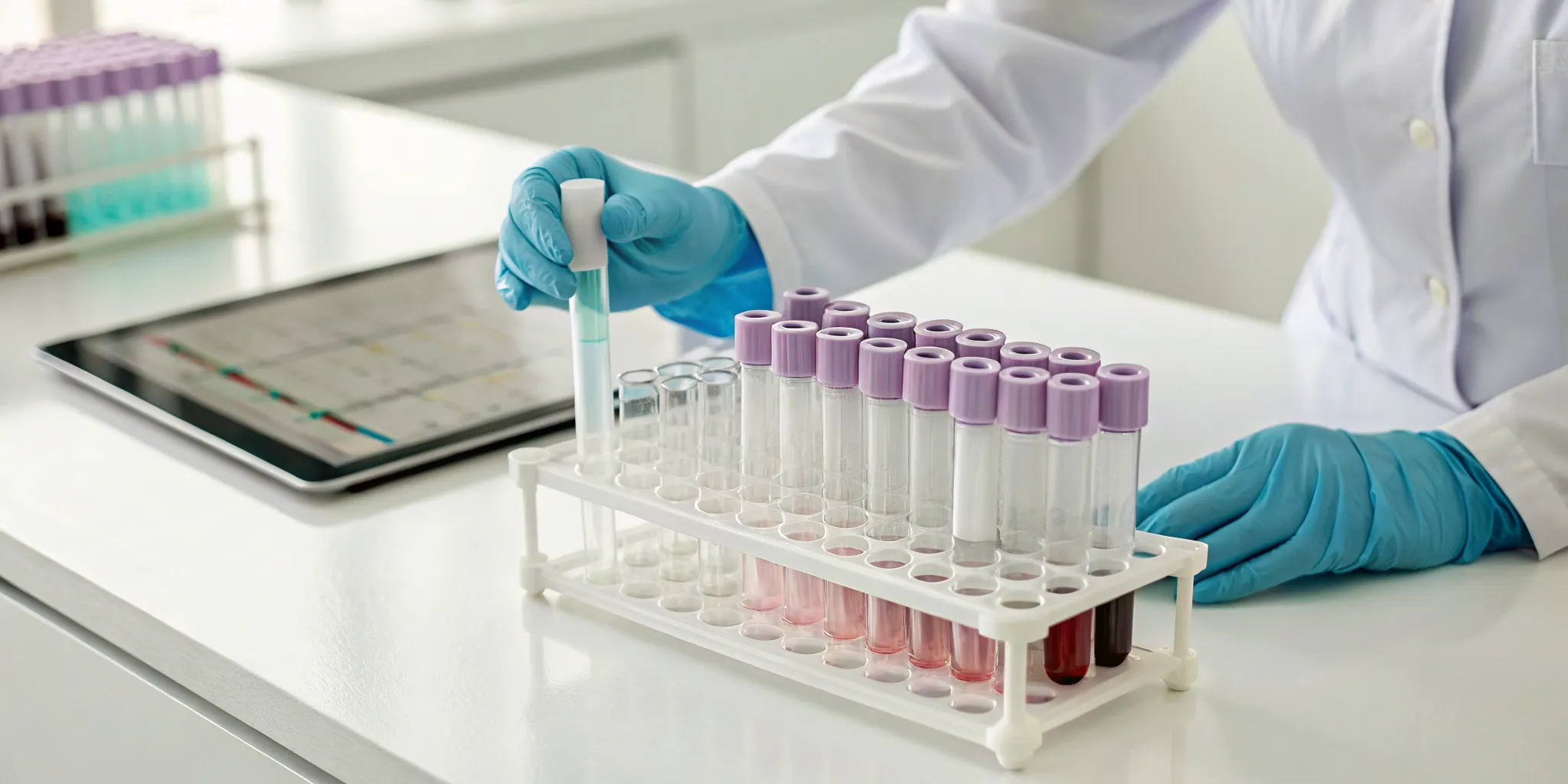
The most common starting point for diagnosing a hormonal imbalance is a blood test. It’s a straightforward and effective way to measure the levels of key hormones circulating in your bloodstream at a specific moment in time. Your doctor will likely order a comprehensive hormone panel, which isn’t just one test but a series of them that provide a snapshot of your endocrine system.
This panel might check your thyroid hormones (like TSH, Free T3, and Free T4), sex hormones (estrogen, progesterone, and testosterone), and stress hormones like cortisol. For women, the timing of the blood draw can be crucial, as hormone levels naturally fluctuate throughout the menstrual cycle. Your provider will give you specific instructions to ensure the results are as accurate as possible for the conditions we treat.
Urine and Saliva Testing
While blood tests are essential, they don’t always tell the whole story. That’s where urine and saliva testing come in. These methods can offer deeper insights, particularly into how your body uses and processes hormones over time. Saliva testing, for instance, is excellent for measuring cortisol levels. Since cortisol follows a daily rhythm, collecting several saliva samples throughout the day can map out your stress response curve and check for adrenal dysfunction.
Urine tests, like the DUTCH (Dried Urine Test for Comprehensive Hormones) test, go a step further. They not only show your hormone levels but also reveal their metabolites. This tells us how your body is breaking down hormones, which is critical information for understanding issues like estrogen dominance or why you might be feeling a certain way.
What to Expect During Your Evaluation
Your first evaluation is a deep dive into your health. It begins with a thorough conversation. Be prepared to talk about your symptoms in detail, as well as your medical history, family history, diet, exercise habits, sleep patterns, and stress levels. This conversation is just as important as any lab test because it provides the context for your results. Honesty and detail are your best friends here.
After discussing your history, your practitioner may perform a physical exam. Based on all this information, they will recommend the most appropriate lab tests for you. Once the results are in, you’ll review them together. The goal isn’t just to see if you’re “in range” but to understand what your specific levels mean for your health and how they connect to your symptoms. This collaborative process is the first step toward creating your personalized treatment plan. If you're ready to get started, you can contact our office to schedule a consultation.
How to Eat for Hormonal Balance
What you eat provides the essential building blocks your body needs to produce and regulate hormones. Think of food as information that tells your body how to function. By making thoughtful choices, you can directly support your endocrine system and work toward feeling your best. This isn’t about restrictive dieting or perfection; it’s about consistently nourishing your body with the right ingredients. A well-balanced plate is one of the most powerful tools you have for managing your hormonal health.
Our approach to functional medicine always considers nutrition a cornerstone of well-being. Focusing on whole, nutrient-dense foods can help manage insulin levels, support your thyroid, and balance stress and reproductive hormones. When your hormones are in sync, you might notice better energy, a more stable mood, clearer skin, and more regular cycles. But when they're out of balance, it can feel like your body is working against you. The good news is that nutrition offers a direct way to influence this delicate system. By understanding which foods help and which hinder, you can take an active role in your health journey. Let’s look at the specific foods that can help you achieve better balance, as well as a few you may want to limit.
Foods That Support Hormone Production
To create hormones, your body needs a steady supply of macronutrients: protein, healthy fats, and fiber. Aim to include at least 25 to 30 grams of protein with each meal from sources like eggs, chicken, lentils, and fish. Protein provides the amino acids necessary for hormone synthesis and helps manage hunger cues.
Healthy fats are also crucial. Foods rich in healthy fats, like avocados, nuts, seeds, and fatty fish, help reduce insulin resistance and keep you feeling full and satisfied. Finally, don’t forget fiber. High-fiber foods such as beans, avocados, and nuts support healthy insulin function and contribute to a balanced gut microbiome, which plays a key role in hormone regulation.
Key Nutrients for Endocrine Health
Beyond the basics, certain foods are packed with the vitamins and minerals your endocrine system thrives on. Berries, for example, are full of antioxidants that protect your cells from damage. Fatty fish like salmon provide omega-3 fatty acids, which are essential for cellular health and hormone function. Leafy greens and cruciferous vegetables, including broccoli and cauliflower, contain compounds that support healthy estrogen metabolism.
Creating a diet rich in these whole foods is a key part of a longevity medicine strategy. Instead of focusing on one "superfood," aim to eat a wide variety of colorful plants, quality proteins, and healthy fats to ensure you’re getting a full spectrum of nutrients.
Foods to Limit or Avoid
Just as some foods support hormonal harmony, others can disrupt it. Highly processed foods and added sugars are major culprits. Consuming too much sugar, especially from sugary drinks, can interfere with your body’s insulin signaling and contribute to inflammation. Over time, this can lead to insulin resistance and other health issues.
Try to be mindful of packaged foods, refined carbohydrates, and excessive caffeine. For some people, especially those experiencing perimenopause or menopause, spicy foods can also trigger hot flashes. Paying attention to how your body responds to certain foods can help you identify personal triggers and make adjustments that support your health goals and help manage many of the conditions we treat.
Lifestyle Changes for Hormonal Balance
While diet is a huge piece of the puzzle, your daily habits play an equally important role in keeping your hormones happy. Things like how you move, sleep, and handle stress can either support your endocrine system or send it into a tailspin. The good news is that you have a lot of control over these factors.
Making small, consistent changes in these areas can lead to significant improvements in your hormonal health. It’s not about a complete life overhaul overnight. Instead, focus on incorporating simple, sustainable practices into your routine. Think of it as building a strong foundation for your body to function at its best. Let’s look at the three biggest areas where you can make a real difference.
Regulate Hormones with Exercise and Movement
Regular physical activity is one of the best things you can do for your hormones. Exercise helps your body use insulin more effectively, which is crucial for maintaining stable blood sugar and energy levels. This can lower your risk of developing insulin resistance, a condition linked to several hormonal issues. You don’t have to spend hours in the gym, either. Any form of movement, from a brisk walk to strength training or yoga, can be beneficial. The key is consistency. Find an activity you genuinely enjoy, and aim to make it a regular part of your week. Your hormones will thank you for it.
Optimize Your Sleep
Never underestimate the power of a good night's sleep. While you’re resting, your body is hard at work regulating key hormones like cortisol, insulin, and growth hormone. When you don't get enough quality sleep, this delicate process gets disrupted, which can leave you feeling tired, foggy, and craving unhealthy foods. Aim for at least seven hours of uninterrupted sleep each night. You can improve your sleep quality by creating a relaxing bedtime routine, keeping your bedroom dark and cool, and avoiding screens an hour before you turn in. A consistent sleep schedule, even on weekends, helps anchor your body’s internal clock and supports overall hormonal harmony.
Manage Your Stress
Chronic stress is a major disruptor of hormonal balance. When you’re constantly stressed, your body produces an excess of cortisol. While cortisol is helpful in short bursts, consistently high levels can lead to increased appetite, weight gain (especially around the midsection), and disruptions in other hormones. Learning how to effectively manage your stress is essential. This doesn't have to be complicated. Spending just five to ten minutes a day on a relaxing activity like deep breathing, meditation, or gentle stretching can make a big impact. Finding a healthy outlet that works for you is a key part of a functional medicine approach to wellness.
Medical Treatments for Hormonal Imbalances
While diet and lifestyle are foundational for healthy hormones, sometimes they aren’t enough to resolve a significant imbalance. When that happens, medical treatments can provide the support your body needs to get back on track. The right approach depends entirely on your unique situation, including the specific hormones involved, the root cause of the imbalance, and your personal health goals. It's not a one-size-fits-all solution, and what works for one person might not be right for another.
Conventional medicine often turns to treatments designed to manage symptoms directly. These can be incredibly effective and life-changing for many people. Options range from hormone replacement therapy, which replenishes declining hormone levels during menopause, to medications like birth control that regulate cycles and ease related issues like acne or heavy periods. A functional medicine approach, however, works to understand why the imbalance occurred in the first place. We see symptoms as clues, not just problems to be suppressed. By combining advanced testing with a deep dive into your health history and lifestyle, a practitioner can create a more targeted and holistic treatment plan. This might include medical treatments alongside nutritional and lifestyle adjustments for more comprehensive, lasting results that address the core issue, rather than just masking it.
Hormone Replacement Therapy (HRT)
Hormone replacement therapy (HRT) is a treatment used to supplement your body with hormones when it isn't producing enough on its own. It’s most commonly associated with menopause, where it can be very effective at relieving symptoms like hot flashes, night sweats, and mood swings. The goal is to restore hormones like estrogen and progesterone to more youthful levels, helping you feel more like yourself. HRT isn't just for menopause, though. It's also a key part of longevity medicine and can be used to address imbalances in thyroid hormones or low testosterone in both men and women, helping to improve energy, mood, and overall vitality.
Targeted Medications and Treatments
Beyond HRT, several other medications can help manage hormonal imbalances. For women experiencing irregular periods, acne, or symptoms of conditions like PCOS, hormonal birth control is a common treatment. Methods like the pill, patch, or IUD release specific amounts of estrogen and progesterone to help regulate the menstrual cycle and reduce symptoms. Other targeted medications address specific endocrine issues. For example, thyroid medication can correct an underactive or overactive thyroid, while drugs like metformin can help manage insulin resistance, a common driver of hormonal problems. These treatments are typically focused on managing the direct symptoms of a hormonal condition.
How a Functional Medicine Practitioner Can Help
A functional medicine practitioner takes a "whole person" approach to your health. Instead of just treating your symptoms, we focus on identifying and addressing the root causes of your hormonal imbalance. We use comprehensive testing, including detailed blood, saliva, or urine panels, to get a complete picture of your hormone levels and how your body is processing them. This allows us to create a truly personalized plan. Your functional medicine protocol may include targeted nutritional changes, stress management techniques, and specific supplements. When needed, it can also incorporate bioidentical hormone replacement therapy, which is tailored to your body’s unique needs for a more precise and gentle approach.
Can You Balance Hormones Naturally?
The short answer is yes, you can absolutely influence your hormones through natural, everyday choices. Your diet, exercise routine, sleep schedule, and stress levels all play a huge role in your endocrine system's health. Making positive changes in these areas can create a powerful foundation for feeling your best. Many people find significant relief from symptoms like fatigue, mood swings, and bloating just by adopting healthier habits.
However, lifestyle changes aren't always enough on their own. Sometimes, an underlying medical condition or a significant life stage, like perimenopause, requires more targeted support. That’s where professional guidance becomes essential. The most effective approach combines dedicated self-care with expert medical insight. It’s also important to understand what "hormone balance" really means and to let go of some common myths that can send you down the wrong path. True hormonal health is about supporting your body's natural rhythms, not forcing it to meet an unrealistic standard.
The Impact of Lifestyle Changes
Think of your daily habits as the building blocks of hormonal health. Simple, consistent actions can have a profound effect. For instance, regular physical activity helps your body use hormones like insulin more efficiently, which is crucial for stable energy and can lower your risk of insulin resistance. Managing stress is another key piece of the puzzle. Chronic stress leads to high levels of cortisol, which can disrupt everything from your appetite to your sleep. Speaking of sleep, getting enough quality rest is non-negotiable. Poor sleep can throw off your body’s production of insulin, cortisol, and growth hormone, creating a cycle of imbalance that’s hard to break.
Knowing When to Seek Medical Help
If you’ve been focusing on healthy lifestyle changes but still feel like something is off, it’s time to talk to a professional. While at-home tests are available, they often don’t provide a complete picture. A physician can take a comprehensive look at your health history and symptoms to determine the right course of action. At Ascend, our functional medicine approach involves detailed testing, often through bloodwork, to get to the root cause of your symptoms. This allows us to create a personalized plan that addresses your body’s specific needs instead of just guessing what might work.
Common Myths About Hormone Balance
The conversation around hormones is often filled with misconceptions. One of the biggest myths is that hormonal imbalances only affect women. In reality, people of all genders experience hormonal shifts and issues throughout their lives. Another common misunderstanding is the idea of achieving a perfect, static "balance." Your hormones are not meant to be flatlined; they are designed to fluctuate daily and throughout your life. The goal isn't to force them into a rigid state but to support their natural, healthy rhythms. Understanding this helps you set realistic expectations and focus on sustainable wellness rather than a quick fix.
Should You Use Supplements for Hormone Health?
Walking down the supplement aisle can feel overwhelming, especially when you’re trying to support your hormonal health. While supplements can be a powerful tool, it’s important to see them as part of a bigger picture. They aren’t a quick fix, but when used correctly, they can provide targeted support that complements a healthy diet and lifestyle. The key is to be strategic and informed.
Think of supplements as helpers that can fill nutritional gaps or provide specific compounds that encourage your body’s natural hormone production and regulation. However, not all supplements are created equal, and what works for one person might not be right for you. That’s why a personalized approach is so important. Before you start adding new bottles to your medicine cabinet, it’s crucial to understand which supplements might help, when to use them, and how to do so safely.
Key Supplements for Hormonal Support
Certain vitamins, minerals, and herbs are well-known for their role in maintaining a healthy endocrine system. For instance, Vitamin D acts more like a hormone than a vitamin in the body, and maintaining adequate levels is essential for overall hormonal function. Magnesium is another crucial mineral involved in hundreds of bodily processes, including sleep and stress regulation, which are directly tied to hormone balance. Omega-3 fatty acids help form the building blocks of hormones and can reduce inflammation.
Beyond the basics, certain herbs can help balance hormones, particularly those that help your body adapt to stress. Ashwagandha, for example, is an adaptogen that can help moderate cortisol levels. Getting the right guidance on which supplements and dosages are appropriate for your specific needs is a core part of functional medicine.
When to Consider Natural Remedies
It’s best to build a strong foundation with lifestyle habits before turning to supplements. A nutrient-dense diet, consistent exercise, quality sleep, and stress management should always be your first line of defense. These are the most powerful levers you can pull for your hormonal health. If you’ve established these healthy habits but are still experiencing mild symptoms, or if you want to give your body extra support, that’s a good time to consider natural remedies.
However, if your symptoms are persistent, disruptive, or getting worse, it’s a sign that you need a more thorough evaluation. Self-prescribing supplements without understanding the root cause of your hormonal imbalance can be like guessing in the dark. A healthcare professional can help you identify the underlying issue and determine if supplementation is the right next step.
Understanding Supplement Safety and Interactions
Just because a supplement is labeled "natural" doesn't automatically mean it's safe for you. Supplements are potent substances that can have powerful effects on the body, and they can sometimes interact with prescription medications or other supplements. For example, some herbs can affect how your body metabolizes certain drugs, which could make them less effective or increase the risk of side effects.
This is why it’s so important to work with a healthcare provider who understands your full health history. A professional can recommend high-quality, reputable brands and ensure that any new supplement fits safely into your existing health plan. Instead of guessing, get personalized advice to create a safe and effective strategy tailored to your body’s unique needs.
Create Your Personalized Hormone Balance Plan
Taking charge of your hormonal health is one of the most empowering things you can do for your well-being. A personalized plan doesn't have to be complicated; it starts with small, consistent changes and knowing when to ask for help. By focusing on foundational health habits and listening to your body, you can create a strategy that works for you. This approach is about progress, not perfection, and every step you take is a move toward feeling your best.
Your First Steps
Balancing your hormones naturally can help you feel more energized and reduce your risk of long-term health issues. Start by focusing on a few key areas. Make sure you eat enough protein with each meal, aiming for at least 25–30 grams to help regulate hunger hormones. Regular physical activity is also crucial, as it helps your body use hormones like insulin more effectively. Even a daily walk can make a significant difference. Finally, find healthy ways to manage your stress. Chronic stress keeps cortisol levels high, which can disrupt your appetite and sleep, so prioritizing relaxation is non-negotiable.
How to Track Your Progress
As you implement these changes, it’s helpful to keep track of how you feel. You don’t need a complicated system; a simple journal can work wonders. Each day, jot down your energy levels, mood, sleep quality, and any physical symptoms you’re experiencing. This record will help you spot patterns and see what’s working. Over time, you should notice improvements. However, if you experience new symptoms that don't go away, it’s a clear sign to get professional guidance. Getting help early is the fastest way to feel better and find lasting solutions.
When to Call a Professional
While lifestyle adjustments are powerful, they sometimes aren't enough on their own. If you suspect a hormonal imbalance, it’s best to consult a professional. A practitioner can perform a physical exam and order the right lab tests, such as blood, urine, or saliva panels, to get a clear picture of what’s happening inside your body. Our Functional Medicine approach focuses on finding the root cause of your symptoms through comprehensive testing and a deep dive into your health history. This allows us to create a truly personalized treatment plan to help you regain balance and vitality.
Related Articles
- Hormone Optimization Therapy | Alessi Functional Health
- At-Home Hormone Testing for Women: A Full Guide
- The 5 Best At-Home Estrogen Tests Reviewed
Frequently Asked Questions
How can I tell if my fatigue and mood swings are from a hormonal imbalance or just a busy life? This is a common question because the symptoms often overlap. The key difference is persistence. While a stressful week can leave anyone feeling tired and irritable, hormonal fatigue often feels deep and doesn't improve with a good night's sleep. Similarly, hormonal mood swings might feel cyclical or appear without a clear trigger. If your symptoms are consistent and interfere with your daily life, it’s a strong signal that your body's internal communication system may need support, and it's worth looking into further.
What's the first thing I should do if I suspect a hormonal issue? Your first step should be to start tracking your symptoms. Keep a simple journal noting your energy levels, mood, sleep quality, and any physical changes you notice throughout your cycle or over a few weeks. This information will be incredibly valuable when you speak with a professional. The next step is to schedule a consultation with a practitioner who can take a comprehensive look at your health history and recommend the right diagnostic tests to get a clear picture of what's going on.
Can I really balance my hormones with just diet and lifestyle changes? For many people, yes. Nutrition, exercise, sleep, and stress management are the foundation of hormonal health, and making consistent improvements in these areas can resolve many symptoms. These habits provide your body with the resources it needs to function correctly. However, if there's an underlying medical condition or you're going through a major life transition like perimenopause, lifestyle changes alone may not be enough to restore balance. In those cases, they become a crucial part of a broader, professionally guided treatment plan.
How is the functional medicine approach to hormones different from what my primary care doctor might do? A conventional approach often focuses on identifying a specific disease and managing its symptoms, for example, prescribing birth control for irregular periods. A functional medicine practitioner looks at the bigger picture. We use comprehensive testing to understand the root cause of the imbalance, asking why your hormones are off in the first place. This allows us to create a highly personalized plan that might include targeted nutrition, supplements, and lifestyle adjustments alongside medical treatments to restore your body's natural harmony.
Is hormone replacement therapy my only option for treatment? Not at all. While hormone replacement therapy (HRT) is an effective and important option for many, especially during menopause, it is just one of many tools. A thorough evaluation will determine the best path for you. Your personalized plan could focus on nutritional strategies, specific supplements to support your body's own hormone production, stress management techniques, or other targeted medications. The goal is always to find the safest and most effective solution that aligns with your body's unique needs and your personal health goals.