Your bones are the foundation of your body. They support your every move, protect your vital organs, and allow you to live an active, engaged life. But just like the foundation of a house, you can’t see if it’s weakening over time without a proper inspection. A bone density test, or DEXA scan, is that essential inspection. It measures the strength and density of your bones, identifying potential issues long before they can impact your quality of life. This guide explains why this test is so important and how to find a trusted bone density test clinic for an accurate assessment.
Key Takeaways
- A DEXA scan provides a clear picture of your bone health: This quick, painless test measures your bone density, helping you understand your fracture risk and address potential bone loss before it progresses.
- Know your personal risk factors: Your age, gender, family history, and specific lifestyle choices all play a role in bone health, so discussing these with a provider can help determine if a scan is right for you.
- Your T-score is your roadmap for action: This key number tells you if your bone density is normal, low (osteopenia), or in the osteoporosis range, allowing you to create a personalized plan for your long-term health.
What Is a Bone Density Test and Why Is It Important?
When we think about our health, we often focus on things like heart rate or blood pressure. But what about the very framework that holds us up? Our bones are living tissues, and keeping them strong is essential for our long-term mobility and well-being. A bone density test is a simple, proactive step to understand the health of your bones. It gives you a clear picture of your bone strength, allowing you to address potential issues before they become serious problems. Think of it as a crucial piece of your personal health puzzle.
What Is a DEXA Scan?
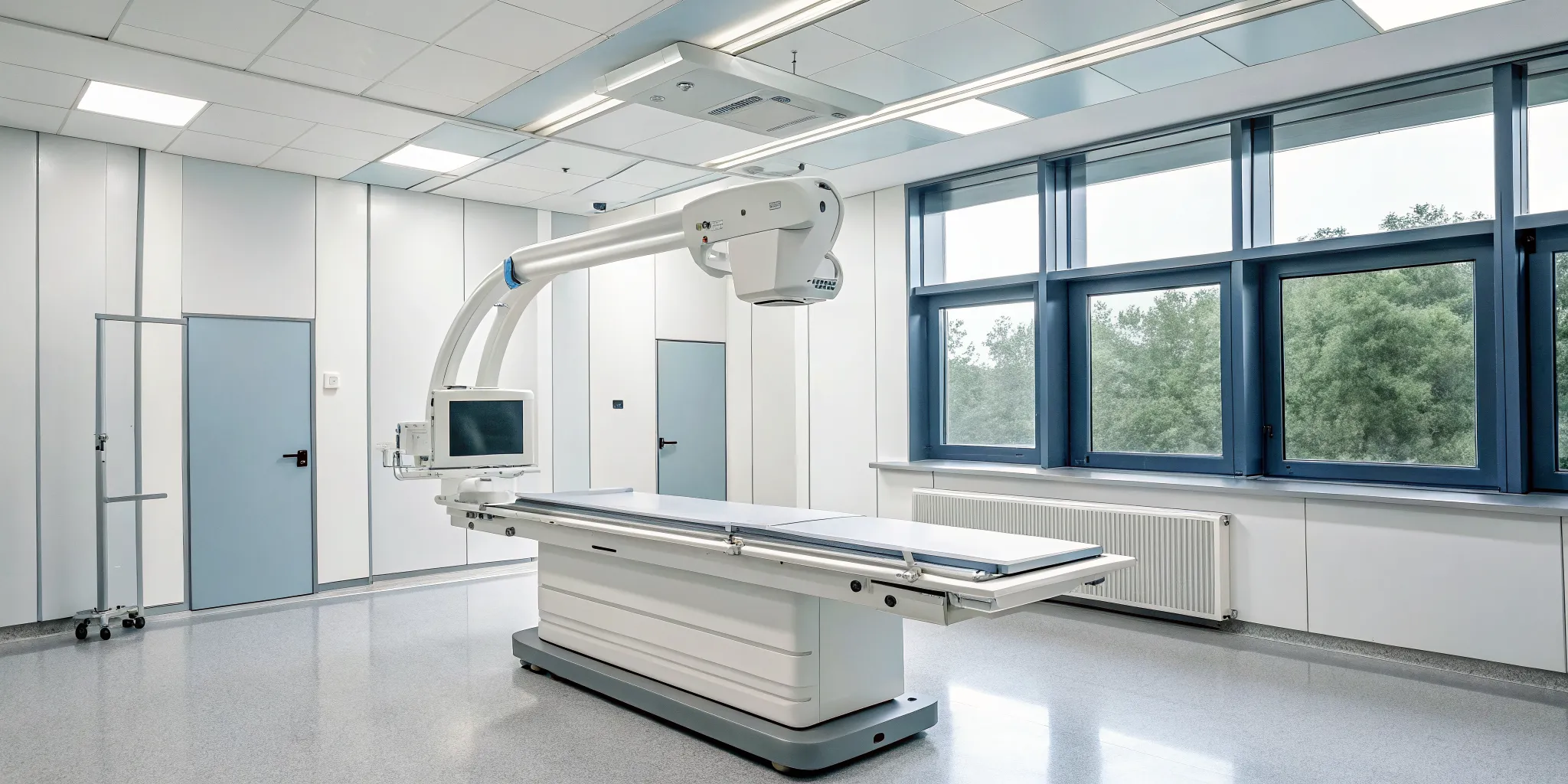
A bone density test, often called a DEXA scan, is the most accurate way to measure bone strength. DEXA stands for Dual-Energy X-ray Absorptiometry, which sounds complex, but the test is simple. It uses a very low dose of X-ray to measure minerals, like calcium, in your bones. The procedure is quick, non-invasive, and painless; you just lie on a table while a scanner passes over you. This scan provides a snapshot of your bone health, helping us identify your fracture risk and track changes over time. It’s a key tool in our functional medicine approach to proactive health.
How Bone Health Affects Your Overall Wellness
Strong bones are the foundation for an active life. They support your body, protect vital organs, and allow you to move freely. When bone density decreases, it can lead to osteoporosis, a condition that makes bones weak and more likely to break. It's often called the "silent disease" because many people don't know they have it until a minor fall causes a fracture. These injuries, especially in the hip or spine, can lead to chronic pain and a loss of independence. Maintaining good bone health is about more than avoiding breaks; it’s about preserving your quality of life.
Why Early Detection Is Key
The best way to manage bone health is to get ahead of any problems. A bone density test allows for early detection of low bone mass (osteopenia), a precursor to osteoporosis. Knowing your results helps you protect your bone health and reduce your chances of injury. When we catch bone loss early, we have a much better opportunity to slow its progression. With this information, we can create a personalized plan with dietary adjustments, exercises, or other treatments to help you maintain strong bones, a core part of our longevity medicine philosophy.
Who Should Get a Bone Density Test?
Deciding whether you need a bone density test can feel like another item on an already long health to-do list. The good news is, it’s not a test everyone needs immediately. However, for some people, it’s a crucial step in understanding and protecting their long-term health. Think of it as a proactive check-in for your body’s framework. Your risk isn't determined by a single factor but by a combination of your age, genetics, medical background, and daily habits. Understanding where you fall in these categories can help you and your doctor decide if a bone density test is the right next step for you.
Key Risk Factors: Age and Gender
Age and gender are two of the most significant factors when it comes to bone health. Generally, women should consider getting a bone density test at age 65, and men at age 70. The reason for the earlier screening for women is largely due to menopause. The drop in estrogen during this time can cause a period of rapid bone loss, making bones more vulnerable. For both men and women, bone density naturally decreases with age, so these guidelines serve as a great checkpoint. If you have other risk factors, your doctor might recommend getting a test even sooner to establish a baseline and monitor your hormone health and bone density over time.
How Your Medical History Plays a Role
Your personal health story provides important clues about your bone strength. A provider doesn't just look at your age; they consider your entire medical history to assess your risk. For example, if you've broken a bone after the age of 50, it could be a sign of underlying weakness. A family history of osteoporosis, particularly a parent who had a hip fracture, also increases your risk. Certain medical conditions, like rheumatoid arthritis, thyroid problems, or digestive diseases that affect nutrient absorption, can impact bone density. The same goes for long-term use of specific medications, such as steroids. Discussing these factors with your doctor helps create a complete picture of your overall health.
Lifestyle Choices and Health Conditions to Consider
Your daily habits have a direct impact on your skeleton. Certain lifestyle choices can accelerate bone loss over time, making a bone density test a smart idea. These include smoking, which can hinder your body's ability to absorb calcium, and excessive alcohol consumption, which interferes with the hormones that protect your bones. A diet low in calcium and vitamin D also leaves your bones without the essential building blocks they need to stay strong. Similarly, a sedentary lifestyle doesn't give your bones the weight-bearing exercise required to maintain density. Taking a functional medicine approach can help you identify and address these lifestyle factors to better support your bone health from the inside out.
What to Expect During Your Bone Density Test
If your doctor has recommended a bone density test, you might be wondering what the experience will be like. The good news is that the entire process is straightforward, quick, and completely painless. Knowing what’s ahead can help you feel more comfortable and confident walking into your appointment. We’ll walk through everything from how to prepare for the test to what happens during the scan, so you know exactly what to expect.
How to Prepare for Your Appointment
Getting ready for your bone density test is simple. The most important thing to remember is to avoid taking calcium supplements for at least 24 hours before your appointment, as they can interfere with the accuracy of the scan. On the day of the test, wear loose, comfortable clothing without any metal zippers, belts, or buttons. You may be asked to remove any jewelry or other metal objects. It’s also a good idea to let your technician know if you’ve recently had a barium exam or a CT scan that required a contrast dye, as this could also affect your results. Our team at Ascend is always here to answer any questions you have before your visit.
A Step-by-Step Look at the Procedure
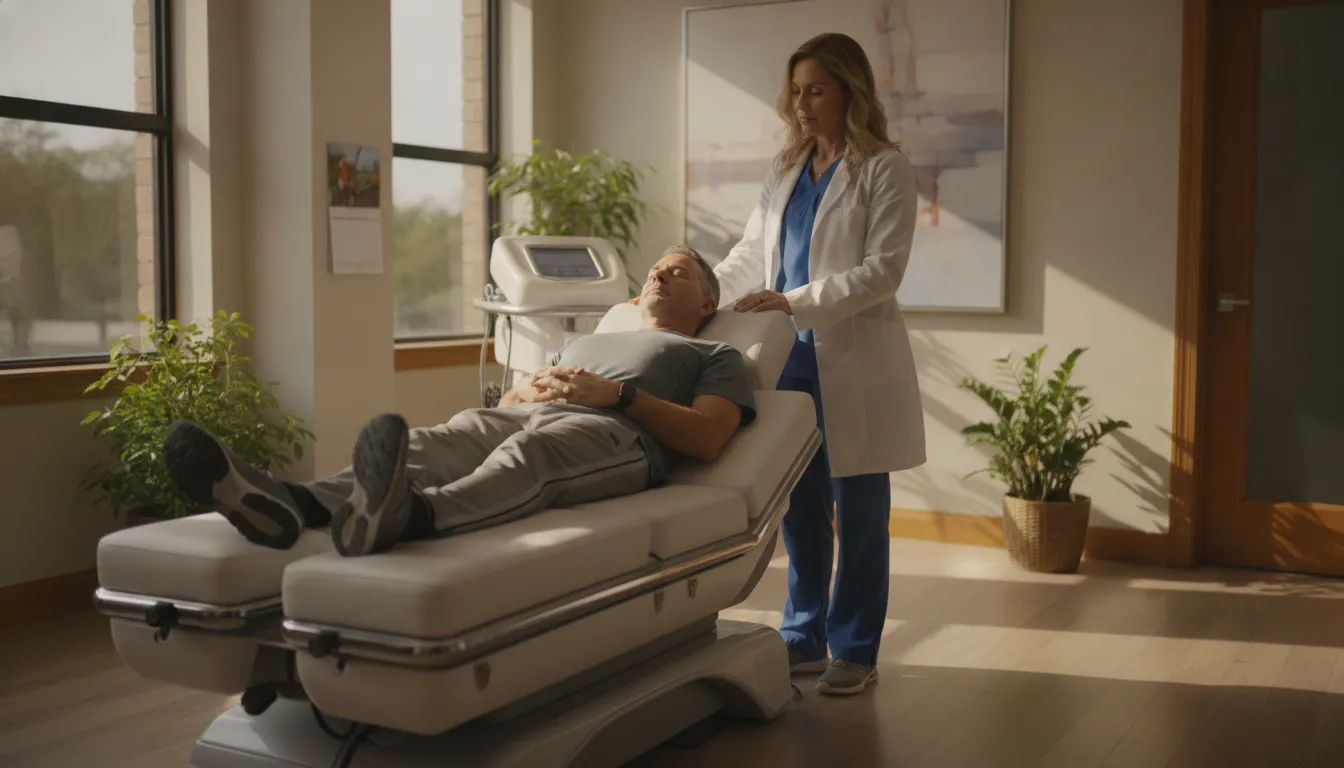
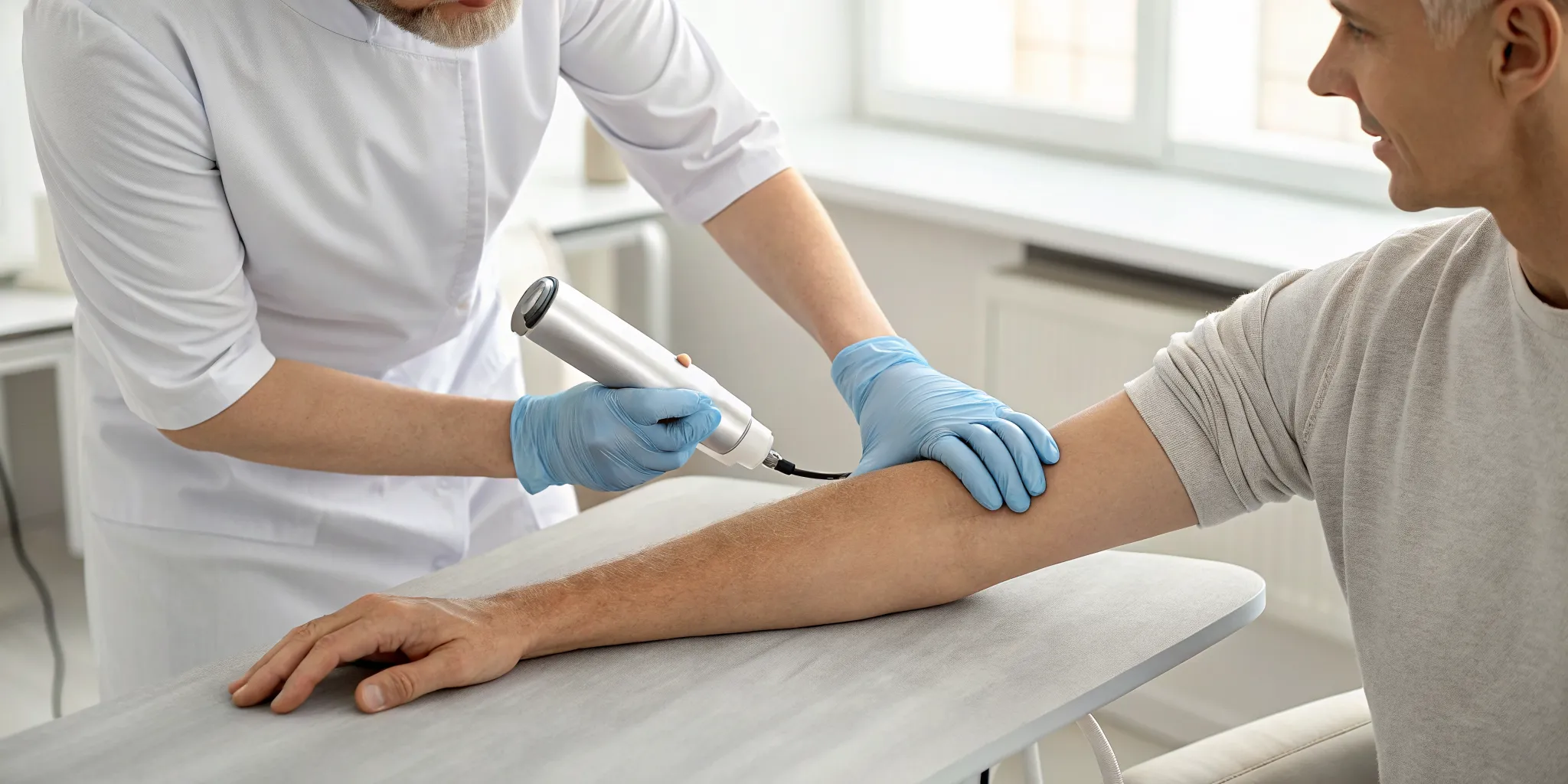
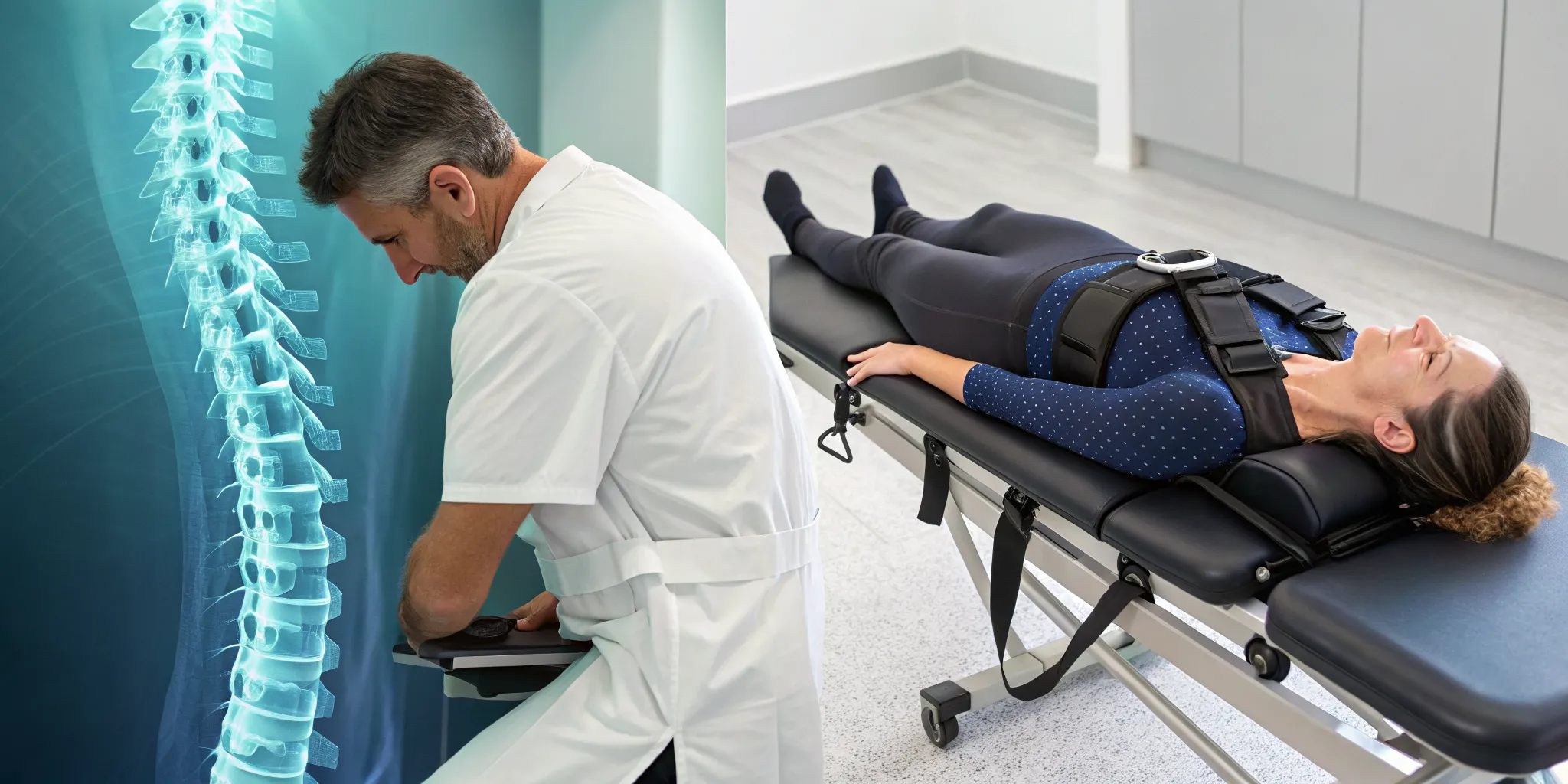
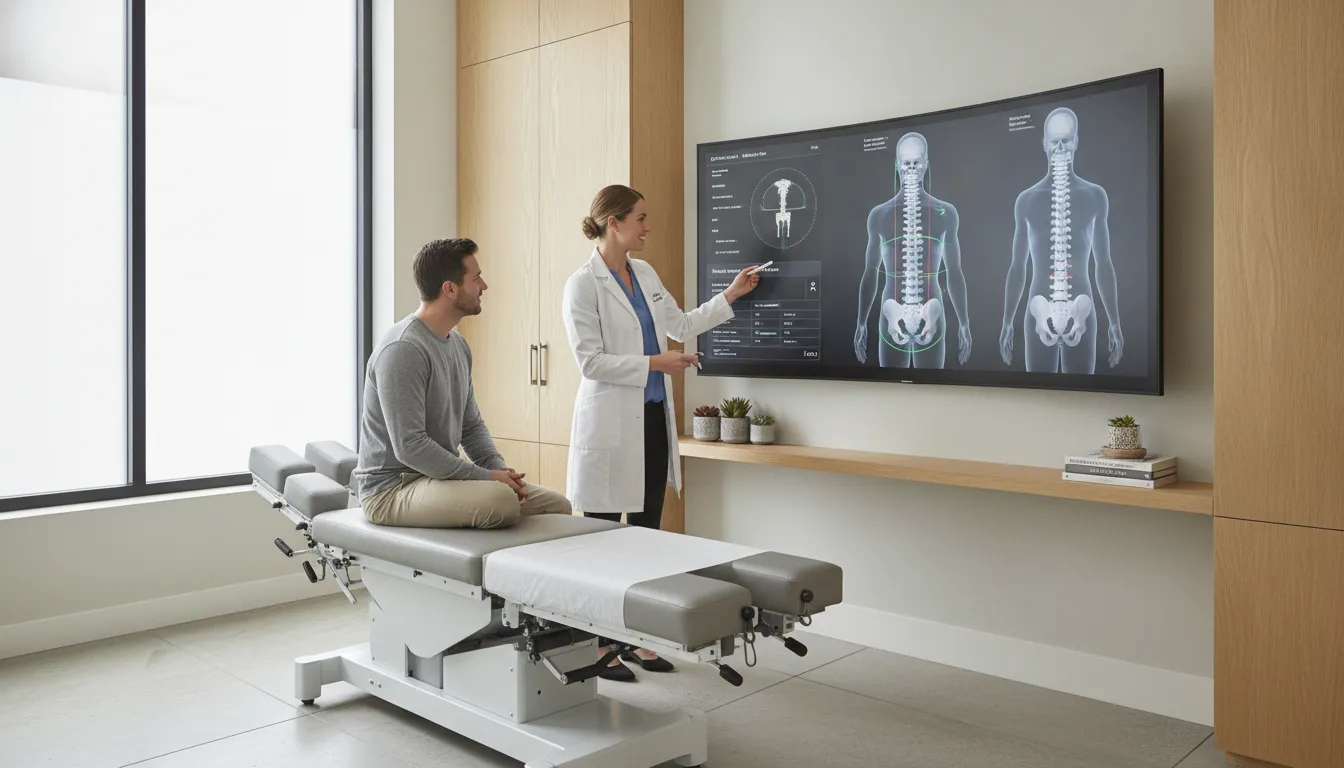
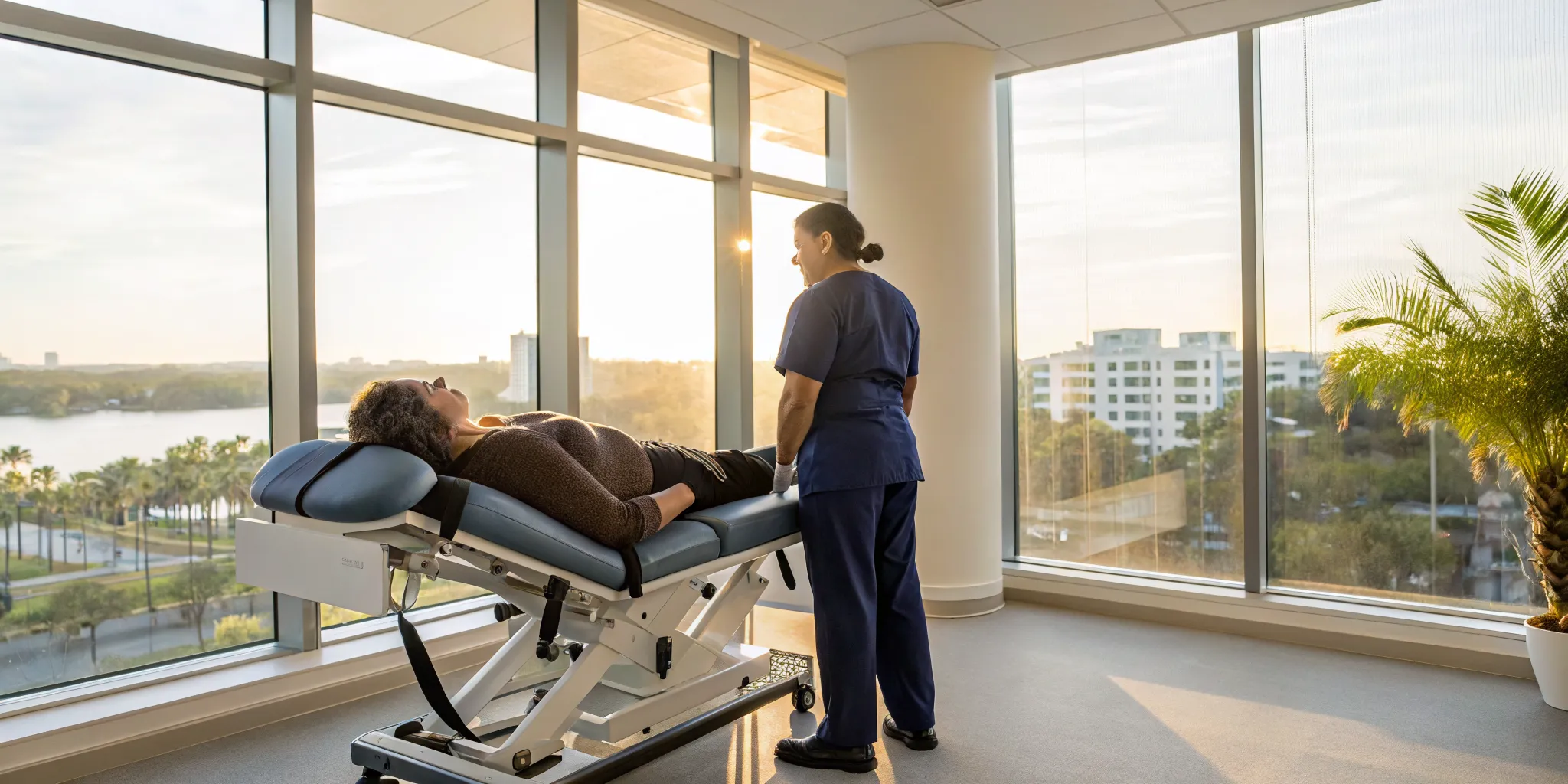
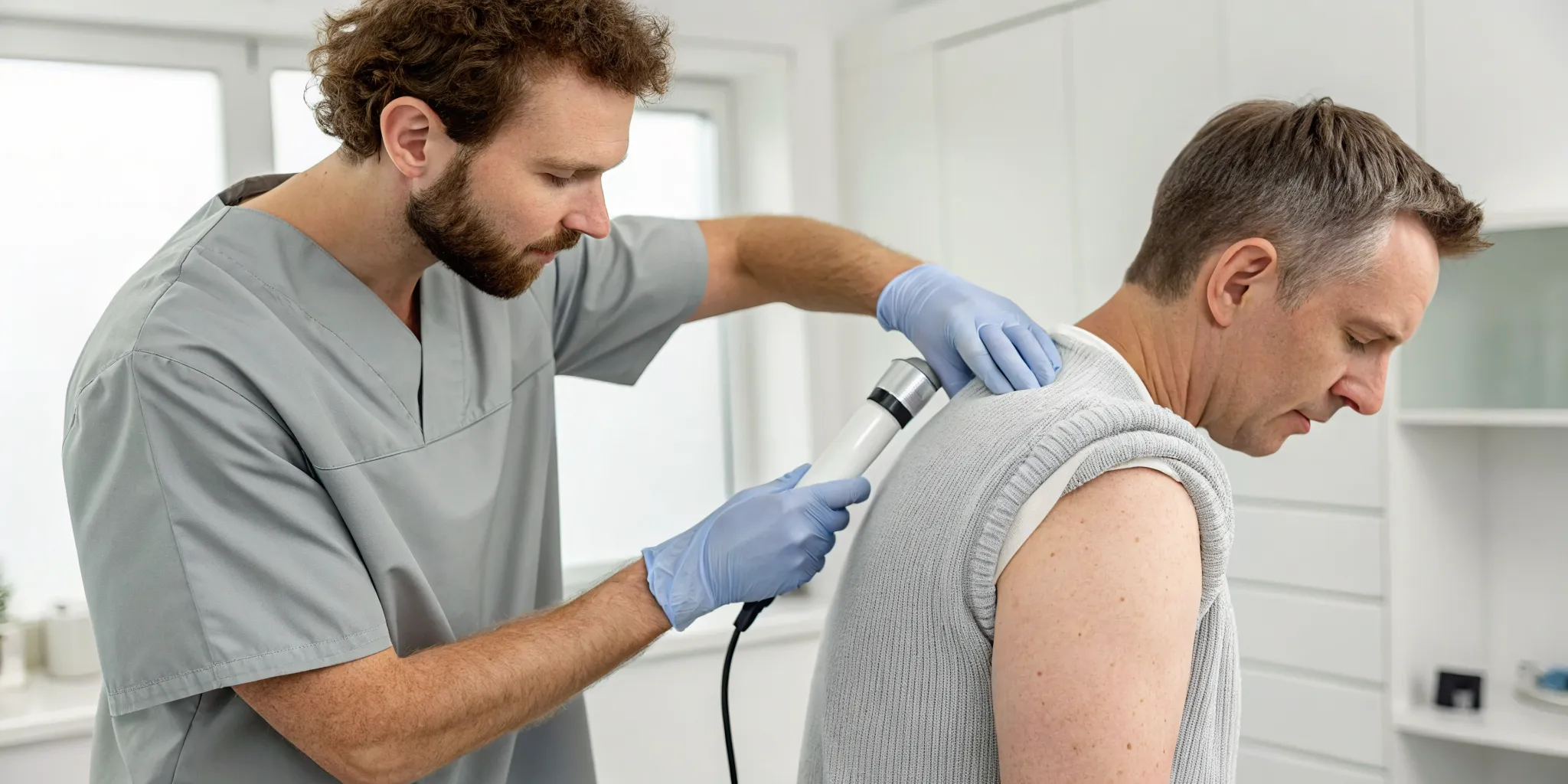
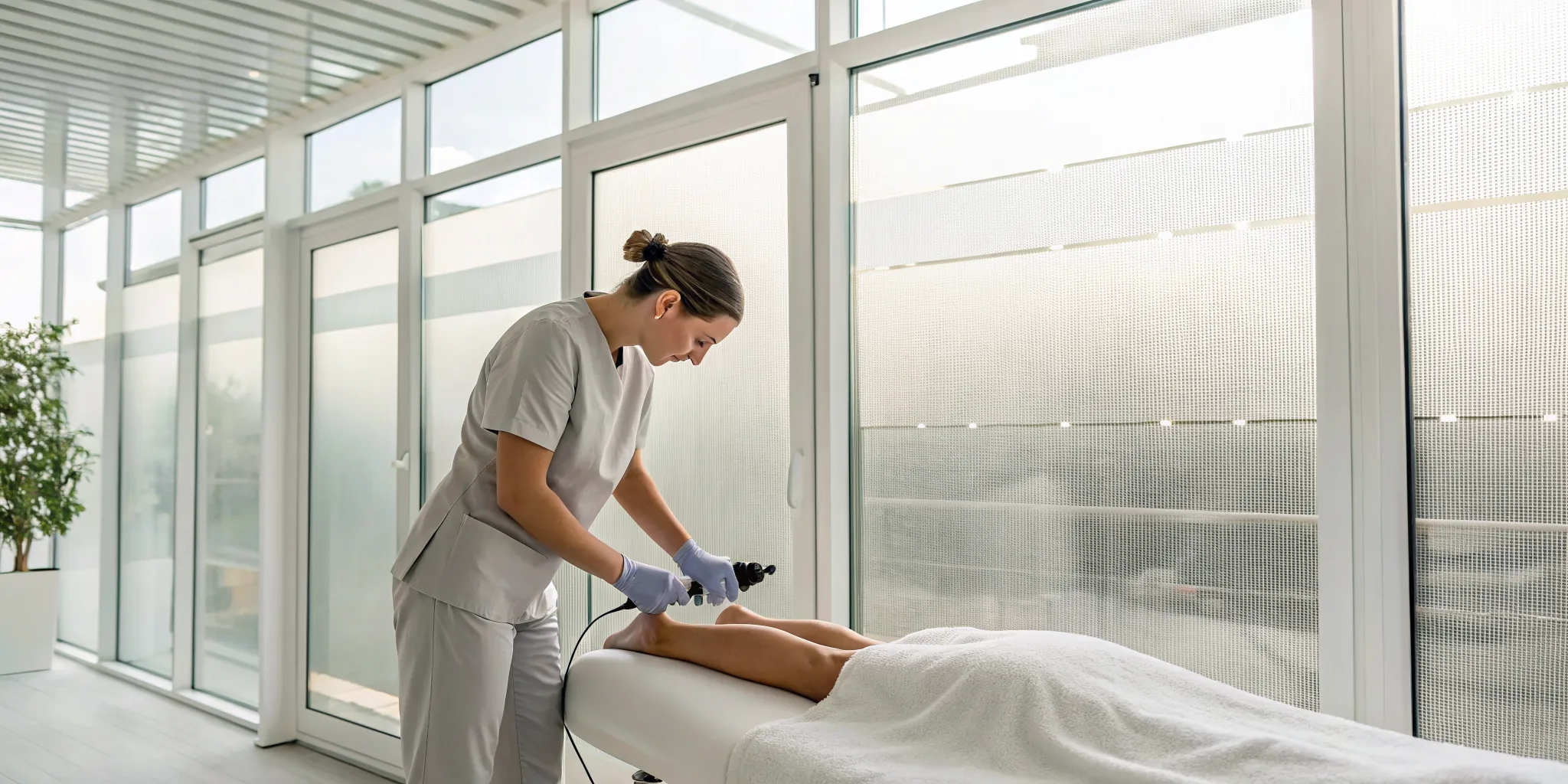
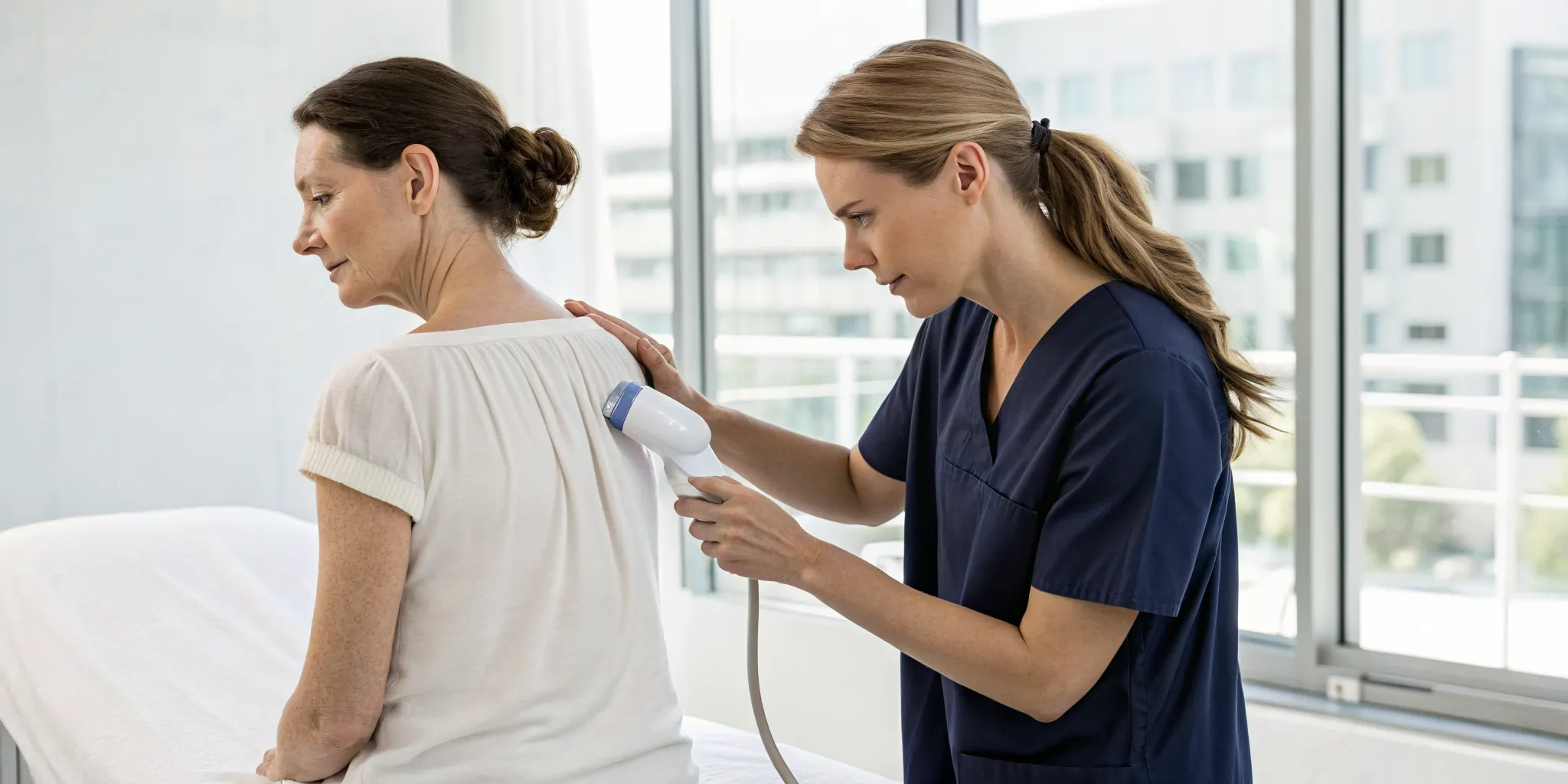
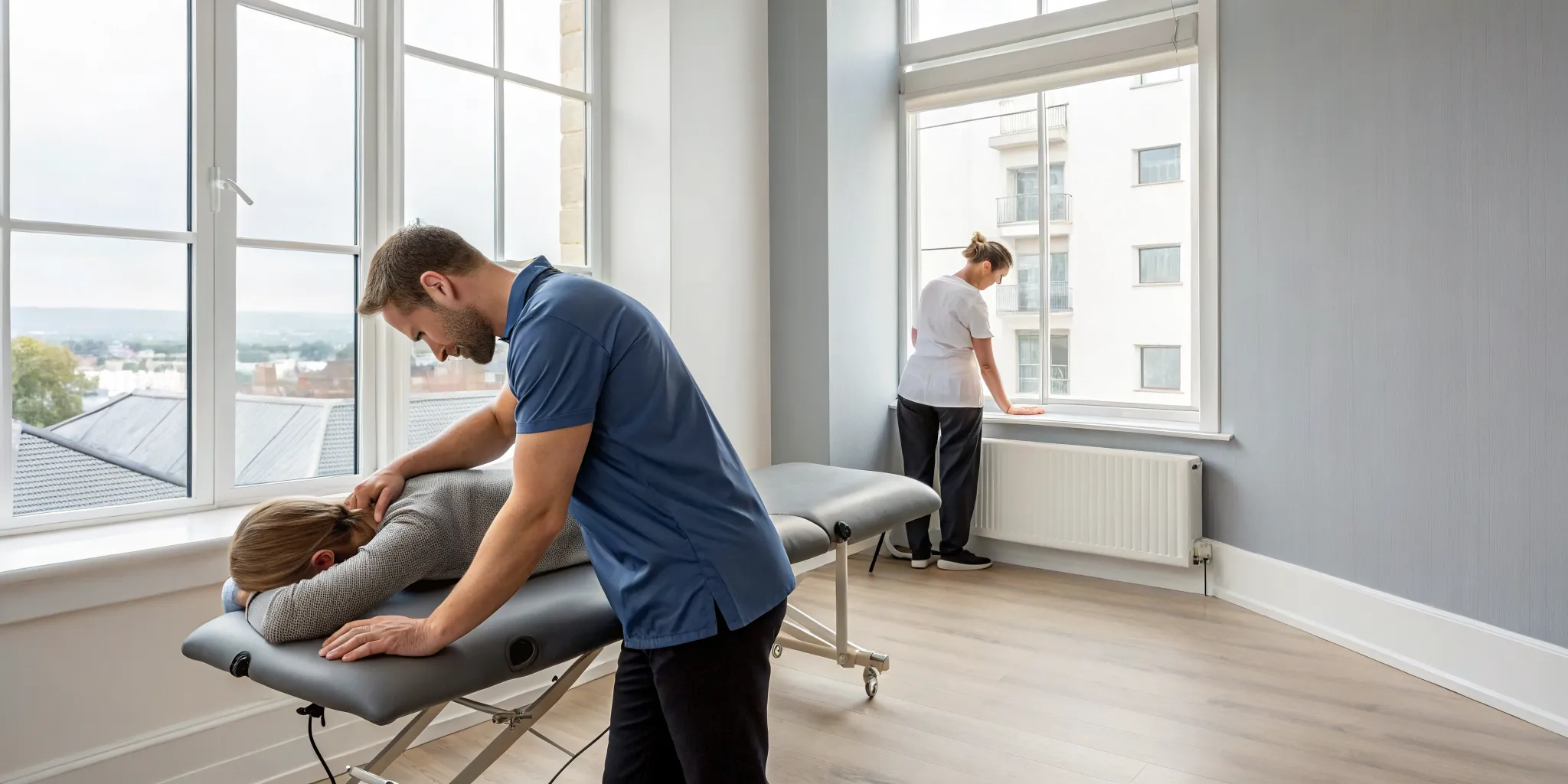
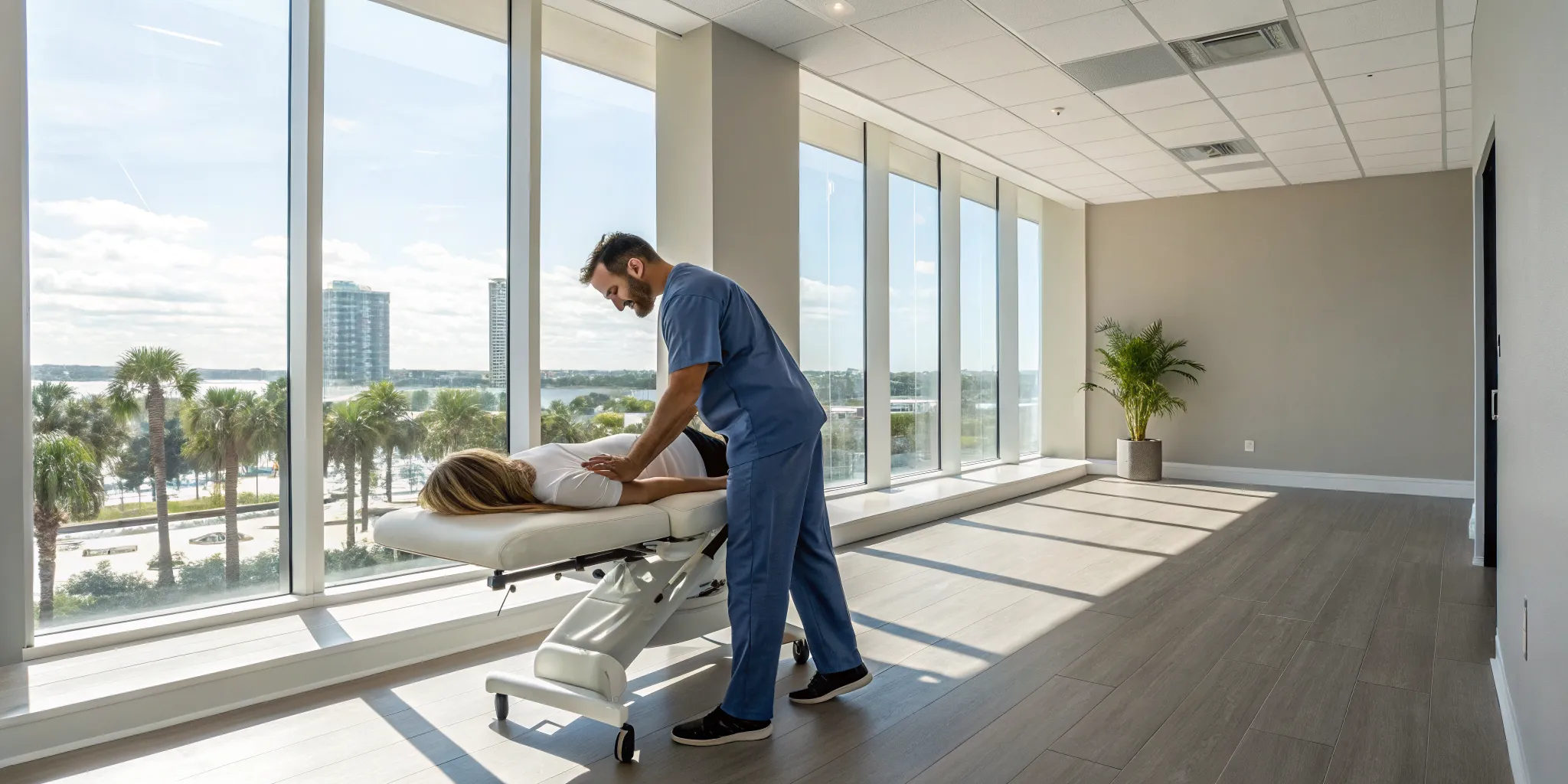
The bone density test, often called a DEXA scan, is a non-invasive imaging test. When you arrive, a technician will guide you to a padded table where you’ll lie on your back. An imaging arm will pass slowly over your body to capture images of specific bones. The test usually focuses on the bones in your lower spine and hip, as these are common areas where fractures occur due to bone loss. Sometimes, your forearm may be scanned as well. Your only job is to lie still and breathe normally while the machine does its work. The entire process is designed to be as comfortable as possible.
Answering Your Questions About Pain and Radiation
Two common questions people have about bone density tests are whether they hurt and if they are safe. You can rest easy knowing the test is completely painless. There are no needles or injections involved, and it doesn't require any surgery. As for safety, the scan uses a very low dose of radiation, even less than what you would be exposed to during a standard chest X-ray. This minimal exposure makes it a very safe diagnostic tool for assessing your bone health. Our approach to functional medicine prioritizes safe and effective methods to get to the root cause of your health concerns.
How Long the Test Takes
Your time is valuable, and a bone density test won't take up much of your day. The actual scanning process is surprisingly quick, typically lasting between 10 and 30 minutes. While the entire appointment may be slightly longer to account for check-in and getting positioned correctly on the table, the test itself is very efficient. In less than half an hour, you can gather crucial information about your bone health that will help guide your wellness journey for years to come. If you're ready to take the next step, you can contact our Tampa clinic to schedule your appointment.
How to Read Your Bone Density Test Results
Getting your test results can feel a little intimidating, especially when they’re full of numbers and medical terms. But understanding these results is the first step toward taking control of your bone health. Think of it as getting a clear snapshot of what’s happening inside your body so you can make informed decisions moving forward. Let’s break down what those numbers actually mean.
Decoding Your T-Score and Z-Score
After your DEXA scan, you’ll receive a report with two key numbers: a T-score and a Z-score. The most important one is your T-score. A T-score compares your bone mineral density (BMD) to that of a healthy young adult of the same gender. It’s the standard for diagnosing osteopenia or osteoporosis. Your Z-score, on the other hand, compares your BMD to the average for someone your own age, gender, and ethnicity. A Z-score can be helpful for identifying if there’s an underlying medical issue causing bone loss. Interpreting these scores is a key part of functional medicine, as it helps paint a complete picture of your health.
What Your Score Means: Normal, Osteopenia, or Osteoporosis
The numbers from your T-score fall into one of three categories. A T-score of -1.0 or above is considered normal bone density, which is great news. If your T-score is between -1.0 and -2.5, it indicates osteopenia. This means your bone density is lower than the optimal level, but it’s not yet at the stage of osteoporosis. Think of it as a warning sign. A T-score of -2.5 or lower indicates osteoporosis, a condition where bones have become weak and are more likely to fracture. Knowing where you stand helps you and your doctor create a proactive plan.
Your Next Steps After Getting Your Results
Receiving a result that shows low bone density isn’t a reason to panic; it’s a prompt to take action. Your results are the starting point for a conversation with your healthcare provider about protecting your bone health. Depending on your score, your next steps might include specific lifestyle changes. This could involve incorporating strength training into your fitness routine or adjusting your diet to include more calcium and vitamin D. At Ascend, we help patients understand the root cause of their health concerns and develop personalized protocols for the conditions we treat, including low bone density.
When to Schedule a Follow-Up Test
A bone density test isn’t usually a one-time event. It’s a tool to monitor your bone health over the long term. For many people, a follow-up bone density test is recommended every two years. This allows your doctor to track any changes in your bone density, see how well any treatments or lifestyle adjustments are working, and make new recommendations if needed. Regular testing ensures your bone health plan stays effective and aligned with your body’s needs as you age, keeping you strong and active for years to come.
How to Choose the Right Clinic for Your Test
Finding the right place for your bone density test is just as important as getting the test itself. You want a clinic that not only has the right equipment but also a team that can guide you through the process and help you understand your results. A little research upfront can make all the difference in feeling confident about your care and the accuracy of your scan. Think of it as choosing a partner in your health journey, one who is qualified, transparent, and supportive.
What to Look For in Staff and Equipment
When you’re looking at clinics, start with the people who will be performing your scan. The technologist should be certified in bone densitometry. This isn't just a nice-to-have; it's a professional certification that shows they have specialized training to conduct the test accurately. A Certified Bone Densitometry Technologist has met rigorous standards, ensuring you get reliable results. Don’t hesitate to ask about the staff's qualifications when you call. You should also look for a clinic that uses modern, well-maintained DEXA scanning equipment. Up-to-date technology provides the most precise measurements, which is exactly what you need for a clear picture of your bone health.
Considering Cost and Insurance Coverage
Next, let's talk about the practical side: cost and insurance. The price of a DEXA scan can vary from one facility to another, so it’s smart to do some homework. The good news is that most insurance plans cover bone density tests, especially if you have specific risk factors or are over a certain age. However, you’ll want to confirm your coverage before booking. Most clinics will require a referral from your healthcare provider to have the test covered by insurance. Call your insurance company and the clinic’s billing department to understand any potential out-of-pocket costs, like co-pays or deductibles.
Key Questions to Ask Before You Book
Before you commit to an appointment, arm yourself with a few key questions. This helps you gauge the clinic's expertise and approach to patient care.
Start with these:
- What are the qualifications of the technologist performing the scan?
- How will my results be shared with me?
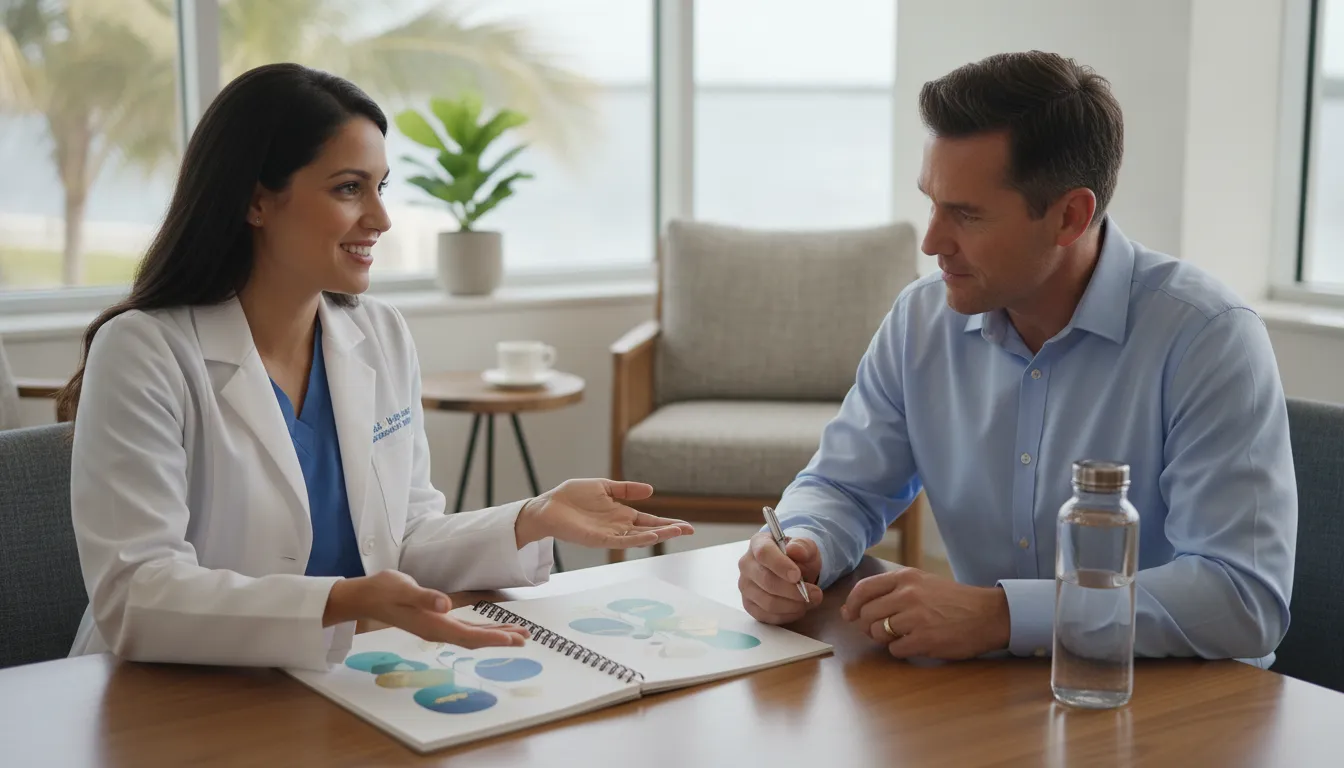
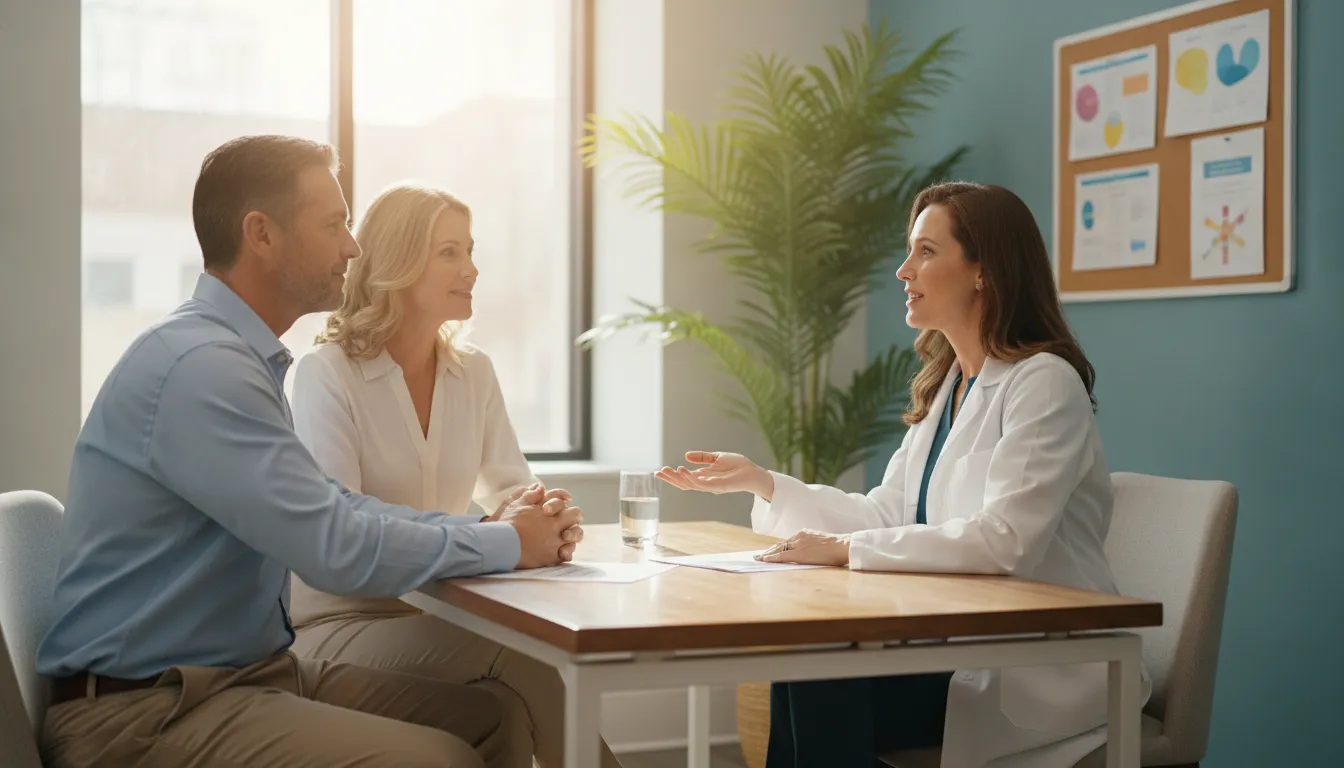
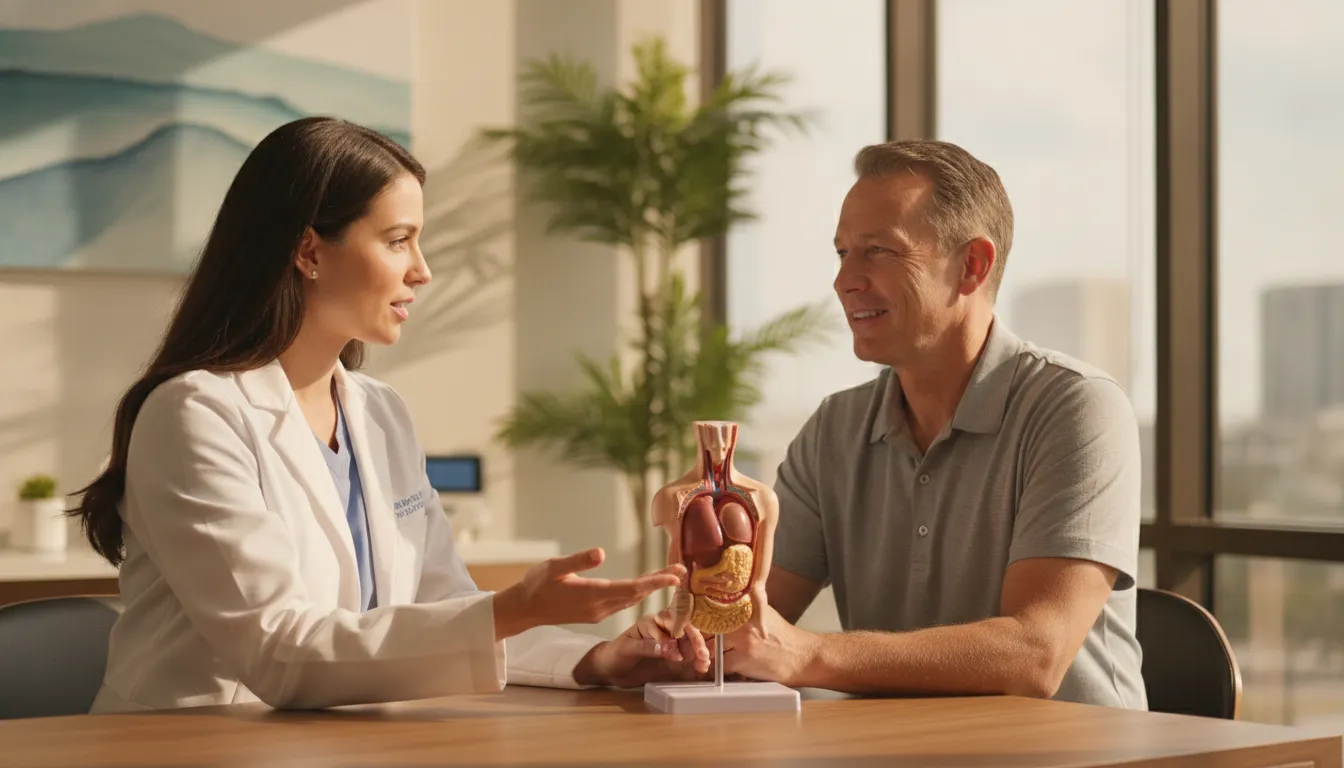
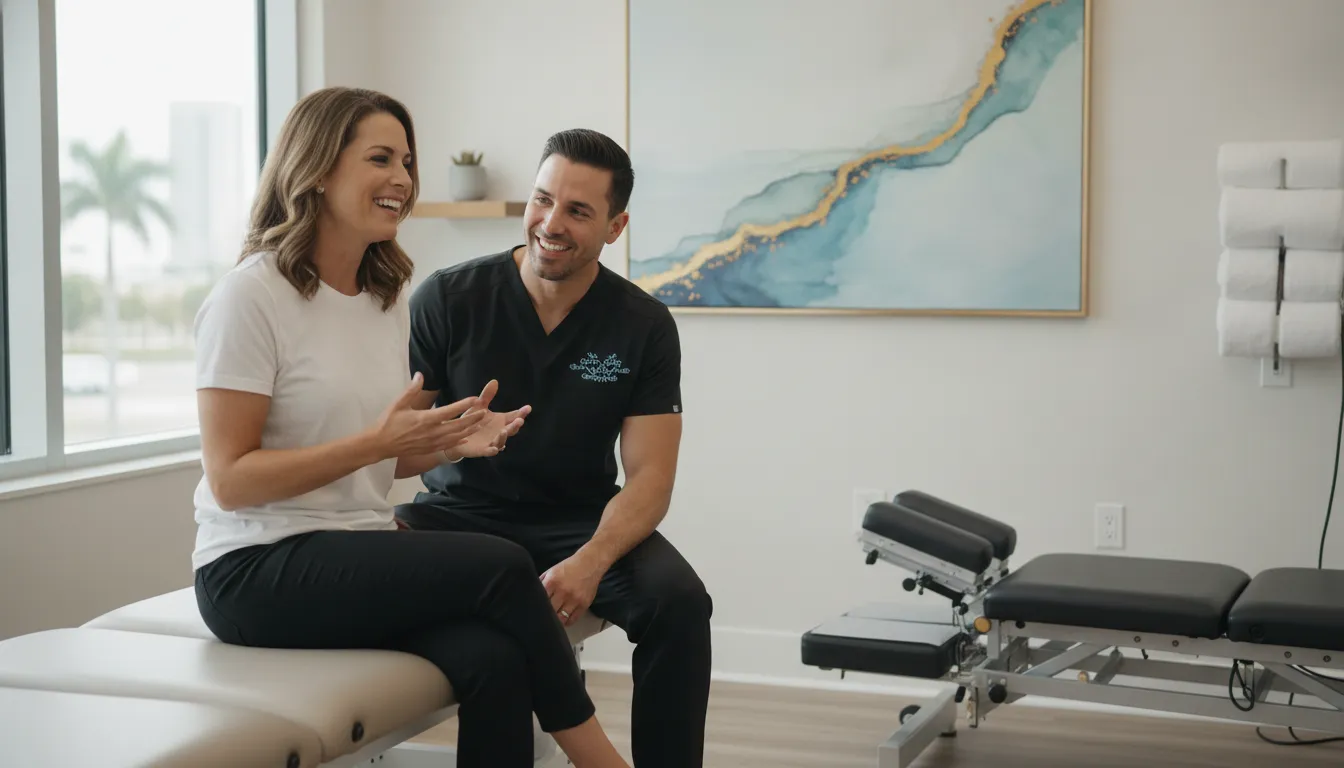
- Will a specialist sit down with me to explain what my bone density test results mean?
- What are the next steps if my results show low bone mass?
Asking these questions ensures there are no surprises and that you’ll receive the support you need to take action on your results. A great clinic will be happy to provide clear answers.
Related Articles
- Functional Movement Screening: A Complete Guide
- At Home Lab Tests | Alessi Functional Health
- Functional Medicine Page | Alessi Functional Health
- Comprehensive Blood Work | Alessi Functional Health
- Functional Medicine Doctor: A Patient's Guide
Frequently Asked Questions
My doctor hasn't mentioned a bone density test. Should I bring it up? Absolutely. You are your own best health advocate, and it's always a good idea to be proactive. If you have any of the risk factors we discussed, like a family history of osteoporosis or are nearing menopause, starting a conversation with your doctor is a great next step. They can help you review your personal health history and decide on the right timing for a baseline scan.
Is a bone density test the only way to check my bone health? While a DEXA scan is considered the most accurate way to measure your bone mineral density, it's one piece of a larger puzzle. A comprehensive evaluation of your bone health also includes a review of your medical history, lifestyle habits, and sometimes specific blood tests. The scan provides a crucial snapshot of your bone strength, but a functional medicine approach looks at all these factors together to create a complete picture.
I was diagnosed with osteopenia. Does this mean I'm going to get osteoporosis? Not necessarily. Think of an osteopenia diagnosis as an early alert, not a definite outcome. It gives you the valuable opportunity to take action to protect your bones for the future. By making targeted changes to your diet, incorporating weight-bearing exercise, and working with a provider on a personalized plan, you can effectively slow down bone loss and maintain your strength.
Can I improve my bone density naturally if my results are low? Yes, you have a lot of power to support your bone health through your daily choices. A functional medicine approach focuses on giving your body the tools it needs to build and maintain strong bones. This often involves a diet rich in calcium and vitamin D, consistent strength training, and addressing any underlying health issues, like hormone imbalances or poor gut health, that might interfere with nutrient absorption.
Why is it important to get follow-up scans at the same clinic? This is a fantastic question. Different DEXA machines can have minor variations in their calibration, which can affect the results. Sticking with the same clinic and, if possible, the same machine for your follow-up scans ensures your results are consistent. This gives your doctor the most accurate data to track any changes in your bone density and see how well your health plan is working over time.