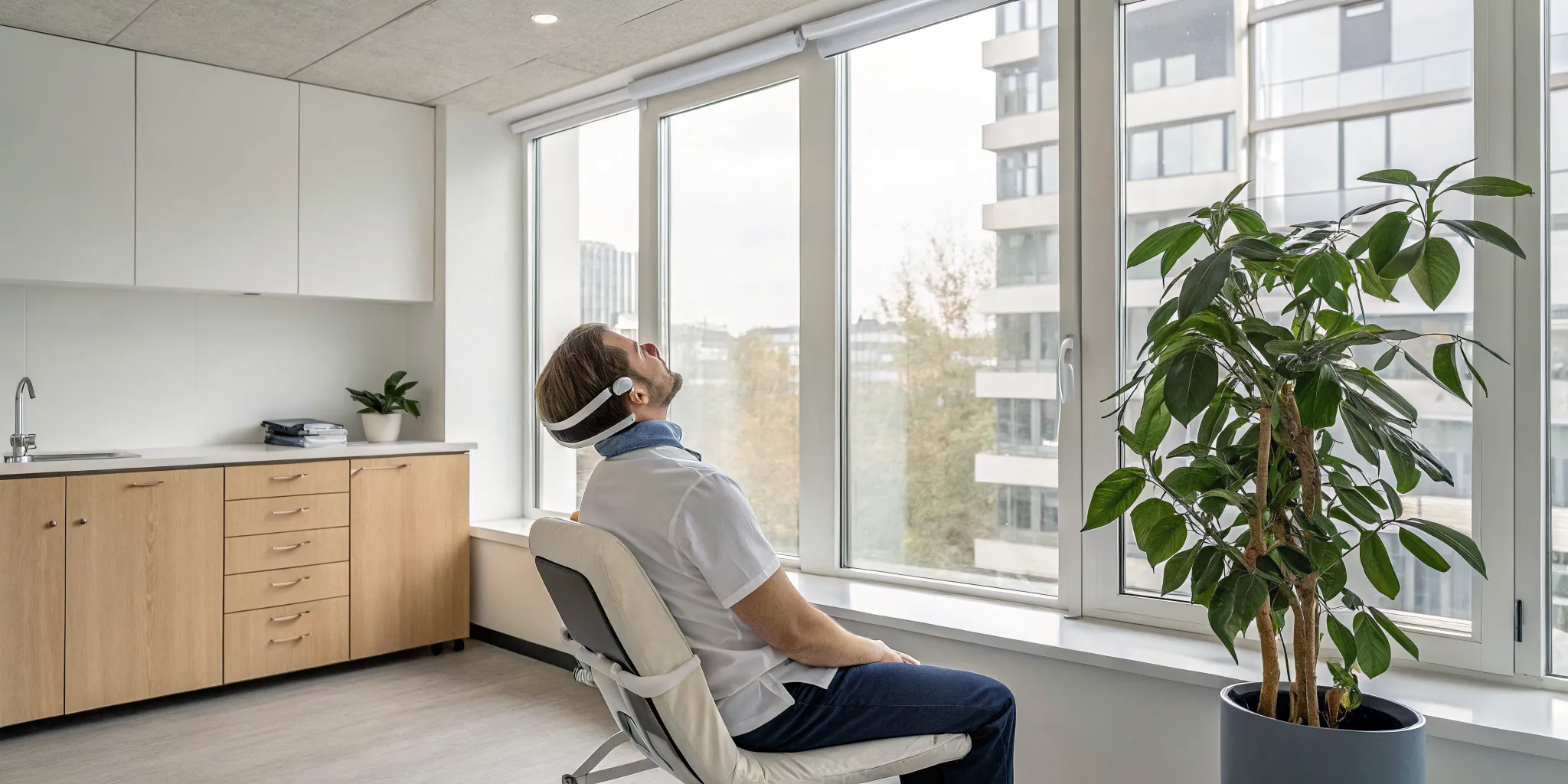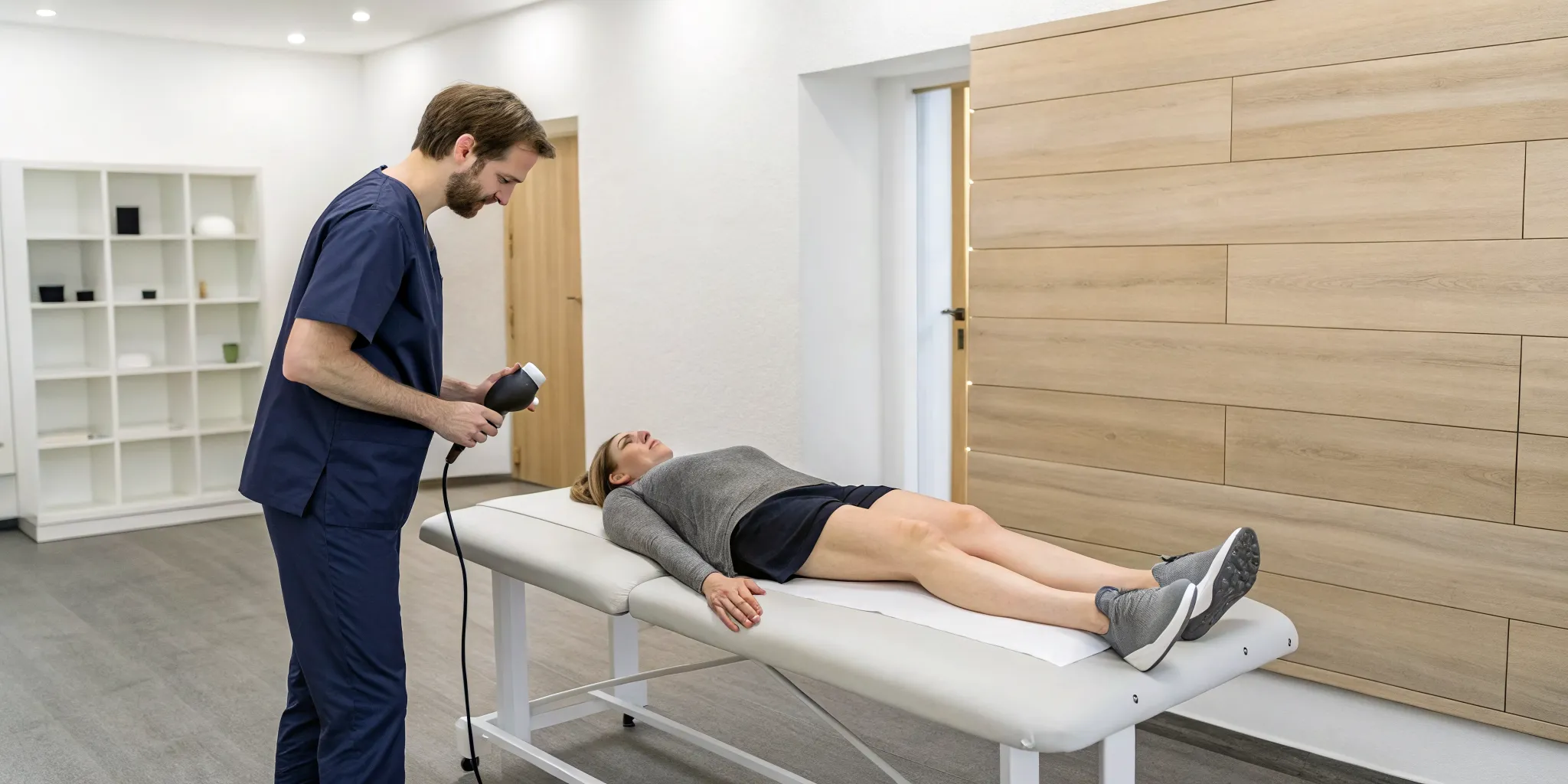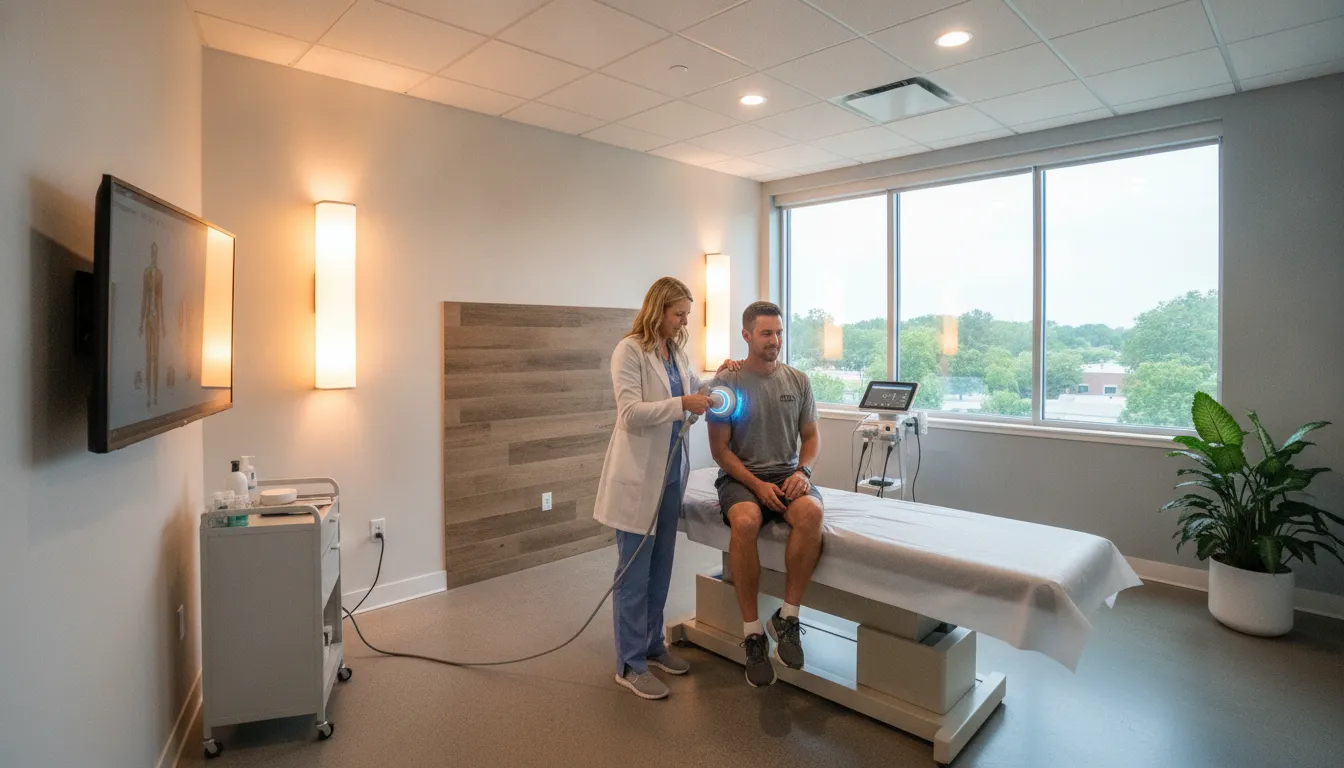
What if the source of your head pain isn't in your head at all? The connection between your spine and migraines is surprisingly direct. Think of your nervous system as the body's communication highway. When the vertebrae in your neck are out of alignment, it creates a traffic jam, irritating sensitive nerves and restricting blood flow to your head. This irritation is a common trigger for intense, throbbing migraines. Instead of just managing the pain, a chiropractic treatment for migraines focuses on clearing that traffic jam. By gently correcting spinal misalignments, we can relieve nerve pressure and get to the real source of the problem.
Key Takeaways
- Your spine is often the source of your head pain: Many migraines are linked to structural issues in the neck and upper back, where misalignments and muscle tension can irritate nerves and disrupt blood flow to your head.
- A personalized plan is key to lasting relief: Effective chiropractic care goes beyond spinal adjustments, incorporating soft tissue therapy for muscle tension and practical lifestyle advice on posture, stress, and nutrition to help you manage your triggers.
- Find relief without relying on medication: Chiropractic care offers a natural, drug-free approach to managing migraines by correcting the body's mechanics, which can reduce the frequency and severity of attacks over time.
What Really Happens During a Migraine?
If you’ve ever had a migraine, you know it’s so much more than just a bad headache. It’s a complex neurological event that can completely disrupt your day, or even several days, making it impossible to work, care for your family, or simply function. A migraine typically involves a severe, throbbing pain, often concentrated on just one side of your head. But the pain is only part of the story. It’s frequently accompanied by other debilitating symptoms like nausea, vomiting, and an extreme sensitivity to light and sound that can make you want to hide in a dark, quiet room.
Understanding that a migraine isn't just a random event is the first step toward managing it. These intense headaches often follow a predictable pattern and can be set off by specific, personal triggers. Unlike a tension headache that you might be able to push through, a migraine demands your full attention. By learning to recognize the phases of an attack and identify what might be causing them, you can start to take back control. This knowledge is key to finding effective, long-term relief that addresses the root cause of your pain instead of just masking the symptoms.
The Widespread Impact of Migraines
It’s one thing to understand what a migraine feels like, but it’s another to see just how many people are going through the same thing. When you’re stuck in a dark room, it’s easy to feel isolated, but migraines are an incredibly common condition with a ripple effect that extends far beyond the individual. They impact our ability to show up for our jobs, our families, and our lives, creating a significant personal and economic toll. Recognizing the scale of the problem helps us appreciate why finding a real, sustainable solution is so important—not just for our own well-being, but for the community as a whole.
Migraine Prevalence and Economic Cost
If you get migraines, you are far from alone. About 12% of Americans, or a staggering 40 million people, experience them regularly. This isn't just a niche health issue; it's a widespread condition that affects a huge portion of the population. The impact goes beyond personal suffering, too. Migraines are a major contributor to missed workdays and reduced productivity, costing the U.S. economy an estimated $25 billion each year. These numbers highlight a serious public health challenge, showing that the pain, nausea, and sensitivity you feel are part of a much larger story affecting millions of households and workplaces across the country.
Common Migraine Triggers
Migraines often feel like they come out of nowhere, but they are frequently set off by specific triggers. Identifying yours is a huge step in gaining some control. Stress is the most common culprit, with about 70% of people reporting it as a trigger. Other frequent causes include hormonal shifts (especially for women), poor sleep, certain foods and drinks like red wine, and even changes in the weather or exposure to strong smells. These attacks happen when blood vessels in your head expand, but the root cause can often be traced back to structural issues in your neck or spine, where tight muscles and irritated nerves create the perfect storm for head pain.
Do You Experience These 4 Migraine Phases?
A migraine attack can unfold over four distinct stages, though not everyone will experience all of them. Knowing these phases can help you anticipate and sometimes even lessen the severity of an attack.
- Prodrome: This "pre-headache" phase can start hours or even a day before the pain hits. You might notice subtle changes like mood swings, food cravings, neck stiffness, or fatigue.
- Aura: Experienced by about 20% of migraine sufferers, the aura phase involves temporary sensory disturbances. This can include seeing flashing lights or zig-zag lines, or feeling tingling or numbness in your face or hands.
- Headache: This is the main attack phase, characterized by moderate to severe throbbing pain that can last from a few hours to three days.
- Postdrome: Often called the "migraine hangover," this final phase can leave you feeling drained, confused, or mentally foggy for a day or two after the headache subsides.
Identifying Your Personal Migraine Triggers
Migraine triggers are highly individual, but some are more common than others. Pinpointing yours is a crucial part of any effective treatment plan. Many people find that keeping a simple journal of their daily activities, food, and stress levels can reveal surprising patterns.
Some of the most frequently reported triggers include:
- Stress: Emotional and physical stress is a major factor for many.
- Hormonal Changes: Fluctuations in estrogen can trigger migraines in women, especially around their menstrual cycle.
- Sleep Disruptions: Both too much and too little sleep can be a problem.
- Diet: Certain foods and drinks, like aged cheeses, processed foods, and red wine, are common culprits.
- Sensory Overload: Bright lights, loud noises, and strong smells can set off an attack.
- Weather Changes: Shifts in barometric pressure can be a trigger for some individuals.
Can a Chiropractor Really Help Your Migraines?
If you're tired of just managing migraine symptoms with medication, chiropractic care offers a different path. Instead of only addressing the pain once it starts, a chiropractor looks for the underlying cause of your migraines. For many people, the source of the problem isn't in their head at all; it's actually in their neck and spine. This is where the principles of holistic health really shine, by looking at the body as an interconnected system.
Our physical medicine services are built on the idea that your body's structure directly affects its overall function. When your spine is out of alignment or the muscles in your neck are chronically tight, it can create a chain reaction that leads to debilitating migraine attacks. Think of it like a kink in a garden hose; the misalignment disrupts the normal flow of nerve signals and blood, which can manifest as intense head pain. By addressing these structural issues directly, chiropractic care can help reduce the frequency and intensity of your migraines. This approach offers a path toward long-term relief rather than a temporary fix. It’s about restoring your body’s natural balance so it can function properly, without being held back by pain. We focus on getting to the root of the issue, so you can get back to living your life.
How Your Spine Affects Your Migraines
It might seem strange to think that your back could be causing your headaches, but the connection is surprisingly direct. Many migraines are linked to problems in the joints, ligaments, and muscles of your neck or spine. Think about how much time we spend hunched over desks or phones. This common posture puts a lot of strain on the cervical spine, which is the part of your spine in your neck. Over time, this strain can cause persistent muscle tension or irritate sensitive nerves. This irritation can then affect blood flow to your head and act as a trigger for a migraine attack. A chiropractor is trained to identify these specific problem areas and work to resolve them.
The Central Nervous System Connection
Your central nervous system is the master control system for your entire body, and your spine acts as its main information highway. When the vertebrae in your neck are out of alignment, it can create a traffic jam, putting pressure on the sensitive nerves that branch out to your head and face. This irritation disrupts the signals being sent between your brain and body and can restrict critical blood flow. For many people, this nerve interference is a direct trigger for the intense, throbbing pain of a migraine. The goal of physical medicine is to address these spinal problems and clear that pathway. A gentle adjustment can relieve the pressure on the nerves, restoring proper communication and helping to reduce the frequency and severity of your attacks. It’s about getting to the source of the problem within your body's core communication network.
How Spinal Adjustments Calm Irritated Nerves
When the vertebrae in your spine are not positioned correctly, it’s known as a spinal misalignment or subluxation. Even a minor misalignment, especially in the neck, can cause migraines by putting pressure on or bothering the surrounding nerves. These nerves are critical communication pathways between your brain and the rest of your body. When they're irritated, they can send distress signals that your brain interprets as pain, leading to a migraine. Chiropractors are trained to detect and correct these misalignments using gentle, precise adjustments. By restoring proper alignment, they can take the pressure off the nerves, which often provides significant relief from the conditions we treat, including chronic headaches.
Relieving Muscle Tension for Better Blood Flow
Chronic tension is a major contributor to many types of headaches, including migraines. The muscles in your neck, shoulders, and upper back can become incredibly tight from stress, poor posture, or an old injury. This constant tension can restrict blood flow and contribute to nerve irritation. Chiropractors offer natural ways to help with migraines by using techniques like neuromuscular massage to ease this muscle tension. These therapies help relax tight muscles, improve circulation to the head, and lower overall stress on your system. This approach not only helps during a migraine but can also prevent future attacks by keeping your muscles relaxed and your blood flowing freely.
Addressing Triggers like Teeth Grinding
Teeth grinding, or bruxism, is a common migraine trigger that often goes overlooked. When you clench or grind your teeth, especially at night, it creates immense tension in your jaw, neck, and upper shoulders. This chronic muscle tightness doesn't just stay in your jaw; it can pull the delicate vertebrae in your neck out of alignment. This misalignment can irritate the sensitive nerves that travel to your head, setting the stage for a migraine. Our approach to physical medicine directly addresses this by using targeted adjustments to restore proper spinal alignment and soft tissue therapies to release the built-up muscle tension. By correcting these underlying structural issues, we can help reduce the frequency of migraines caused by triggers like teeth grinding.
What Does Chiropractic Treatment for Migraines Involve?
When you think of a chiropractor, you probably picture someone making adjustments to the spine. While that’s a key part of what we do, our approach to migraine relief is much more comprehensive. We use a combination of techniques designed to address the specific triggers and underlying causes of your headaches. It’s not about a single quick fix; it’s about creating a personalized plan that helps your body heal and become more resilient against migraines.
Our goal is to reduce nerve irritation, ease muscle tension, and give you the tools to manage your health long-term. Let’s walk through some of the core methods we use to help patients find lasting relief.
Gentle Spinal Adjustments
One of the primary techniques for migraine relief is spinal adjustment, also known as spinal manipulation. This involves applying a gentle, targeted force to specific vertebrae in your spine, particularly in the upper neck or cervical region. Misalignments here can put pressure on the nerves that travel to your head, which can be a major contributor to migraine pain.
By carefully correcting these misalignments, we can help restore proper nerve function and reduce that irritation. Think of it as easing the stress on your body’s communication highway. This process can help decrease the intensity and frequency of your migraines, providing a foundation for lasting relief. Our physical medicine services focus on these precise adjustments to improve your body's overall function.
Specific Chiropractic Methods
Chiropractic care for migraines isn't a one-size-fits-all solution; it’s a combination of methods tailored to your specific needs. A core component is the spinal adjustment, where we apply gentle, precise force to correct misalignments in your neck and upper back that can irritate sensitive nerves. Beyond adjustments, we also incorporate soft tissue therapies, like neuromuscular massage, to release the chronic muscle tension in your neck and shoulders that often restricts blood flow and triggers headaches. Our approach at Ascend Functional Health is to build a comprehensive, personalized treatment plan that addresses the root causes of your pain, helping your body heal and become more resilient against future attacks.
Targeting Muscles with Soft Tissue Therapy
Migraines aren't just about what's happening in your spine; the muscles in your neck, shoulders, and head play a huge role, too. Chronic tension in these areas can act as a constant trigger for headaches. That’s where soft tissue therapy comes in. We use methods like therapeutic massage, trigger point therapy, and myofascial release to target tight, knotted muscles.
This helps release built-up tension, improve circulation, and reduce the pain signals being sent to your brain. For many people, the relief from loosening these chronically tight muscles is immediate and significant. It’s a crucial step in breaking the cycle of tension and pain that so often accompanies migraines.
Complementary Therapies for Enhanced Relief
To create a truly effective migraine treatment plan, we often combine spinal adjustments with other therapies that support your body’s healing process. These complementary approaches, part of our physical medicine services, help address different aspects of migraine pain, from muscle tension to nerve irritation. By layering these techniques, we can enhance the benefits of your chiropractic care and help you find more comprehensive relief. It’s about building a holistic strategy that gives your body multiple ways to heal and become more resilient against future attacks. Here are a few of the methods we find most effective for our patients.
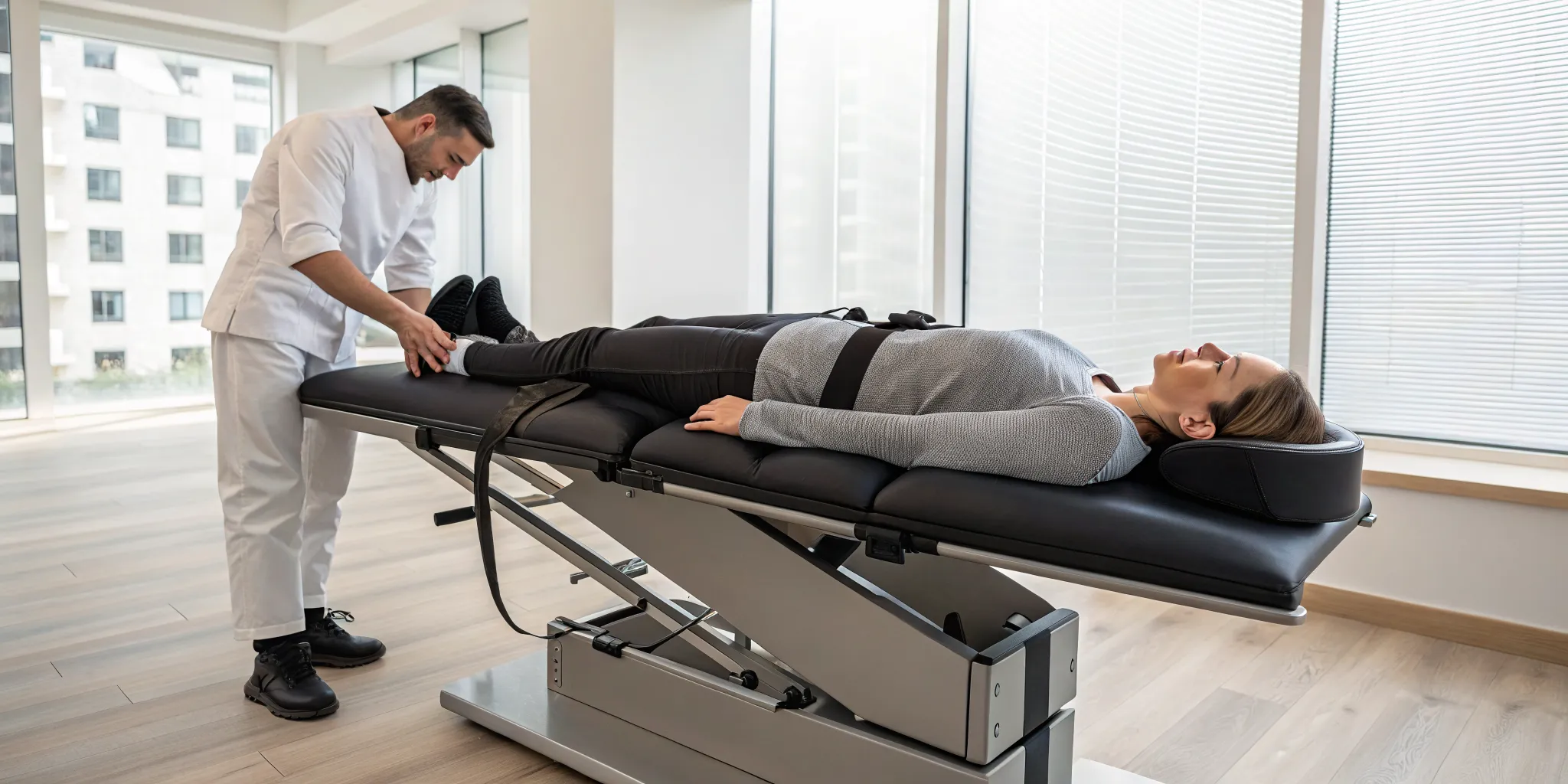
Traction Therapy
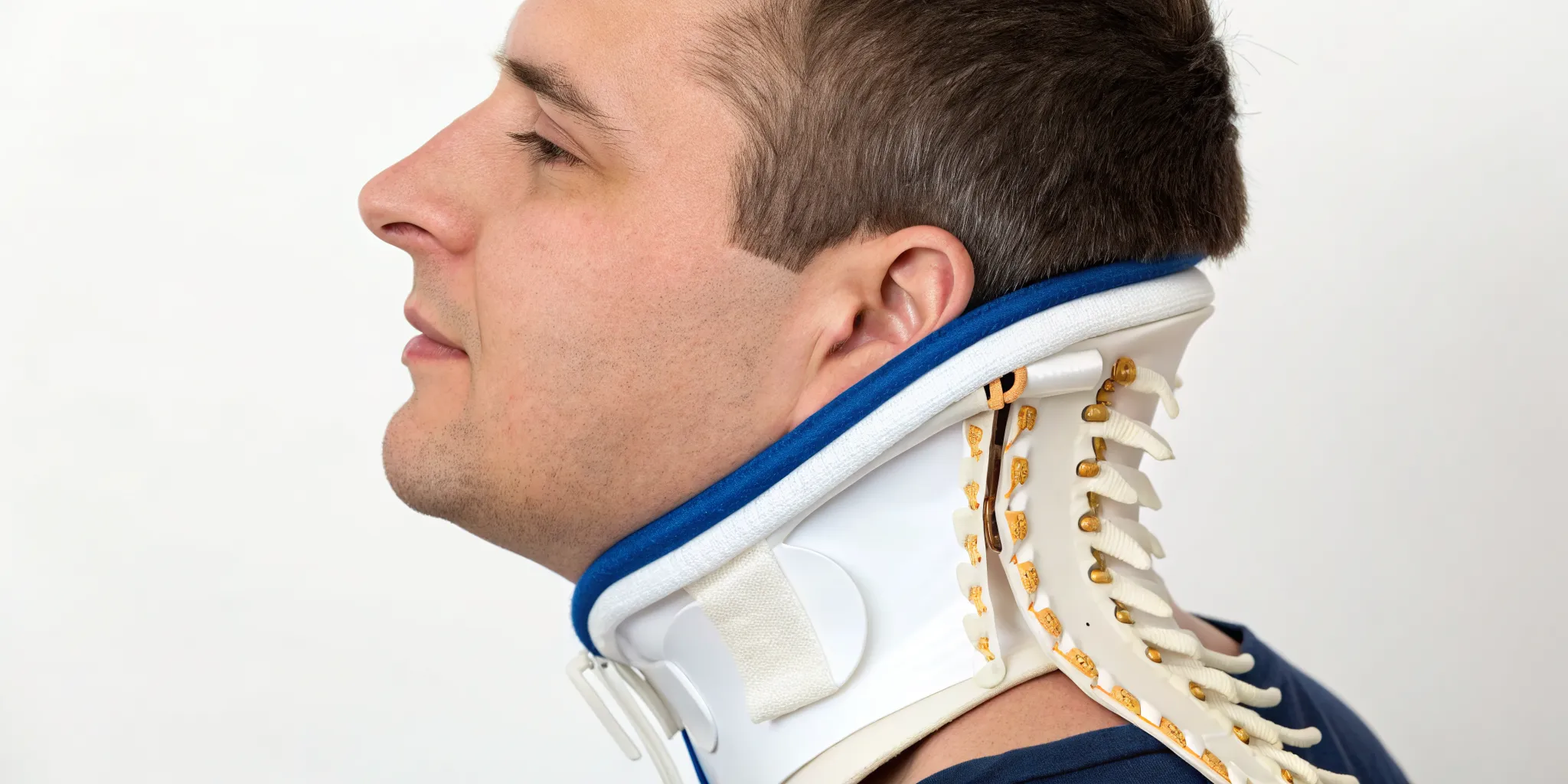
Imagine gently creating more space in your neck. That’s the basic idea behind traction therapy. This technique involves a careful, controlled stretch of the neck to relieve tension and take pressure off the nerves that can contribute to migraines. When your spinal alignment is improved, it can significantly reduce discomfort. It’s a gentle but powerful way to support the work of spinal adjustments, helping to calm the irritation that often triggers intense head pain and giving your body a better chance to heal. This method is particularly helpful for those who feel a lot of compression and stiffness in their neck from daily posture habits.
Acupuncture and Dry Needling
Acupuncture is an ancient practice that has shown remarkable effectiveness in managing migraines, sometimes even outperforming certain preventive medications. By inserting very thin needles into specific points on the body, acupuncture helps restore balance and can reduce the frequency of your attacks. It works by stimulating the nervous system to release pain-relieving chemicals and improve blood flow. This makes it an excellent partner to chiropractic care, as both therapies focus on helping the body regulate and heal itself naturally, providing a powerful, non-drug approach to long-term migraine management. It's a way to tap into your body's own healing capabilities.
Cold Therapy
Sometimes the simplest solutions can provide the most immediate relief. Cold therapy is a perfect example. Applying a cold pack to your neck, temples, or forehead during a migraine attack can help reduce inflammation, numb the area, and ease the throbbing pain. The cold constricts blood vessels and can help calm muscle spasms that contribute to the headache. It’s an easy, effective technique you can use at home to manage symptoms as they arise. We often recommend it as part of a complete care plan to give you an on-the-spot tool for managing pain between your appointments.
Beyond Adjustments: Lifestyle and Nutrition Guidance
True healing goes beyond the treatment room. As part of our functional medicine approach, we work with you to identify and address the unique lifestyle factors that may be triggering your migraines. This could involve anything from your posture at your desk to the foods you eat or how you manage stress.
We’ll provide personalized advice tailored to your life. This might include ergonomic tips for your workspace, specific stretches to do throughout the day, or guidance on an anti-inflammatory diet to identify potential food sensitivities. By empowering you with this knowledge, we help you take control of your health and reduce the likelihood of future migraine attacks.
Is Chiropractic Care for Migraines Backed by Science?
It’s completely understandable to want to see the evidence behind any treatment you’re considering. When it comes to chiropractic care for migraines, the research is encouraging and points to a strong connection between spinal health and head pain. The studies show that a hands-on, holistic approach can offer significant relief by addressing the underlying problems that trigger migraines in the first place, rather than just managing the pain after it starts.
What Studies Show About Chiropractic Migraine Treatment
The core idea behind chiropractic for migraines is that your body structure affects your body’s function. Research shows that misalignments in the spine, particularly in the neck, can irritate nerves and tighten muscles, which are common culprits behind migraine attacks. By using gentle spinal manipulation, a chiropractor can help restore proper motion and positioning to the vertebrae in your neck. This adjustment can relieve pressure on the nerves and improve blood flow. This approach, often combined with soft tissue therapy and lifestyle advice, helps reduce the frequency and intensity of migraines by getting to the source of the problem.
How Does It Compare to Migraine Medication?
Many people who suffer from migraines are looking for effective alternatives to long-term medication. Studies have found that chiropractic care can be as effective as some preventive medications in reducing the frequency and duration of migraines. While medication can be necessary and helpful, it often comes with side effects and typically works by masking symptoms. Chiropractic offers a different approach by focusing on treating the root cause of your pain. Instead of just covering up the pain signals, the goal is to correct the underlying structural and functional issues that are causing the migraines, leading to more sustainable, long-term relief.
Is Chiropractic Treatment for Migraines Right for You?
If you’re looking for a real, lasting solution to migraine pain, you’ve probably tried a lot of different remedies. It’s natural to wonder if chiropractic care is the missing piece of your wellness puzzle. For many people, it absolutely can be. Chiropractic offers a non-invasive, drug-free path toward managing migraine frequency and intensity by addressing underlying structural issues in the body that often contribute to headaches.
However, it’s not a one-size-fits-all solution. The effectiveness of chiropractic care depends on the type of headaches you experience and their root cause. Understanding who stands to benefit the most and being aware of the safety considerations is key to making an informed decision about your health. It’s about finding the right approach for your unique body and situation. Let’s walk through what you need to know to figure out if this is the right next step for you.
Are You a Good Candidate for Chiropractic Care?
Chiropractic care can be a game-changer for people who suffer from migraines, but its benefits don't stop there. It's also effective for other types of headaches, including tension, cluster, and cervicogenic headaches (the kind that stem from issues in your neck). If you experience a combination of headache types, you may find relief. A huge number of migraine sufferers, over 75% in fact, also deal with related neck pain, jaw problems, or muscle tension. Since chiropractic care directly addresses the musculoskeletal system, it’s uniquely positioned to help when these issues are contributing to your head pain.
Signs You Might Benefit from Chiropractic Care
So, how can you tell if your migraines might be stemming from a structural issue? There are a few key signs to look for. The most obvious one is neck pain or stiffness that happens before, during, or after a migraine attack. Many migraines are actually cervicogenic, meaning they originate from problems in your neck. Another major clue is chronic tension in your shoulders and upper back. If you constantly feel tight and knotted up from stress or poor posture, that tension can irritate nerves and restrict blood flow to your head. You might also notice symptoms like pain or tingling that travels from your neck down into your arm, which is a classic sign of nerve irritation. If any of these sound familiar, it’s a strong indication that your body’s alignment could be a primary trigger, and addressing these structural issues could provide significant relief.
Is Chiropractic Care for Migraines Safe?
It’s smart to consider the safety of any new treatment, and chiropractic care is no exception. It’s widely recognized as a safe and effective therapy, but it’s helpful to know what to expect. Some people experience mild, temporary side effects after an adjustment, like soreness or a brief headache. This is a normal response as your body adapts to the changes.
Serious complications are extremely rare. While you may have heard concerns about neck adjustments, major health organizations have stated that the link to any significant risk is not well-proven and is likely very low. The best way to ensure your safety is to choose a qualified and experienced practitioner. A thorough consultation with our team of experts will help determine if chiropractic is the right fit for your specific health needs.
Consulting Your Doctor First
Before starting any new treatment, it's always a good idea to talk with your primary doctor. If you're tired of just managing migraine symptoms with medication, chiropractic care offers a different path. Instead of only addressing the pain once it starts, a chiropractor looks for the underlying cause of your migraines. A quick conversation with your doctor ensures that everyone on your health team is on the same page and that a holistic approach is the right fit for you. This collaborative step helps create a comprehensive and safe plan tailored to your specific health needs, ensuring you get the most effective care possible.
Understanding Potential Risks and Warning Signs
It’s smart to consider the safety of any new treatment, and chiropractic care is no exception. It’s widely recognized as a safe and effective therapy, but it’s helpful to know what to expect. Some people experience mild, temporary side effects after an adjustment, like soreness or a brief headache. This is a normal response as your body adapts to the changes. Serious complications are extremely rare, and the best way to ensure your safety is to choose a qualified and experienced practitioner. A thorough consultation with our team of experts will help determine if chiropractic is the right fit for your specific health needs.
What to Expect at Your First Appointment
Walking into a new doctor's office can feel a little intimidating, especially when you've been dealing with chronic pain. We get it. That's why we make your first visit all about you: listening to your story, understanding your health goals, and figuring out the root cause of your migraines. Our goal is to create a clear path forward, so you leave feeling hopeful and confident. Here’s a step-by-step look at what your first appointment with us involves.
The First Step: Your Comprehensive Health Review
Your first visit starts with a conversation. We’ll go over your complete medical history, talk about your migraine symptoms in detail, and discuss what you’ve tried in the past. This isn't just about your head; it's about understanding your whole body. Next, we'll conduct a thorough physical and neurological exam. This includes checking your spine for misalignments, assessing your posture, and identifying areas of muscle tension in your neck and upper back. This comprehensive health assessment helps us pinpoint the underlying issues that could be contributing to your migraines, so we can get to the source of the problem.
Your Personalized Path to Migraine Relief
Once we have a clear picture of your health, we’ll create a treatment plan designed specifically for you. This isn't a generic handout; it's a personalized strategy to address the root causes we identified during your assessment. Your plan may include gentle spinal adjustments to correct misalignments and reduce nerve irritation, along with soft tissue therapy to ease muscle tension. We also provide practical advice on lifestyle factors that can influence migraines, such as ergonomic improvements for your workspace, targeted exercises, and nutritional guidance. Our approach to physical medicine is a partnership, and we’ll work together to find what brings you lasting relief.
How Chiropractic Differs from Traditional Treatments
When a migraine hits, your first instinct is probably to reach for a pain reliever. While traditional medicine offers many options for managing symptoms, chiropractic care takes a different path. Instead of just quieting the pain, we focus on understanding why it's happening in the first place. This fundamental difference in approach can be a game-changer for finding long-term relief. It’s about shifting from temporarily managing pain to building a foundation for lasting health and well-being.
A Natural Path vs. Relying on Medication
Traditional migraine treatments often rely on medications, from over-the-counter pain relievers to powerful prescription drugs. These can be helpful for getting through an attack, but they don't address what's causing the migraines and can come with unwanted side effects. Chiropractic care offers a natural, drug-free alternative. Through hands-on techniques like spinal adjustments and soft tissue therapy, we work to restore your body's proper function. The goal isn't just to mask the pain; it's to reduce the frequency and intensity of your migraines by helping your body heal itself. Our approach to physical medicine is all about finding gentle, effective ways to bring you lasting relief.
The Goal: Reducing Your Need for Medication
If you live with migraines, you know the routine: the pain starts, and you reach for a pill, hoping for relief. While medication can be a lifeline during an attack, relying on it can feel like you're always playing defense, just waiting for the next one to hit. Chiropractic care offers a different strategy—one that’s proactive rather than reactive. Instead of just covering up pain signals, our goal is to correct the underlying structural and functional issues that trigger your migraines. By focusing on the root cause, we can help make migraines happen less often, last for a shorter time, and feel less intense. This natural, drug-free approach to managing migraines aims to restore your body's natural balance, reducing your need for medication over time and giving you more control over your health.
Treating the Root Cause, Not Just the Symptoms
A key difference lies in how each approach views the problem. Traditional treatments often focus on the headache itself as the primary issue. Chiropractic care, on the other hand, sees the migraine as a signal that something else is off balance in the body. We look for the underlying triggers, which are often found in the spine and surrounding muscles. Misalignments in your neck can irritate nerves and restrict blood flow to your head, setting the stage for a migraine. By correcting these structural issues, we address the root of the problem. This functional medicine philosophy guides our process to create a personalized plan that goes beyond just managing symptoms.
Lifestyle Changes to Support Your Treatment
Your chiropractic adjustments are a powerful part of your healing, but the progress doesn't stop when you leave our office. The small choices you make every day can either support or work against your treatment. By making a few key lifestyle changes, you can help reduce the frequency and intensity of your migraines and get better, longer-lasting results from your care. Think of it as teamwork: we help align your body, and you help maintain that balance through your daily habits. These adjustments to your routine are a core part of a holistic approach to wellness.
Easy Fixes for Your Posture and Workspace
If you spend hours hunched over a computer or phone, you might be familiar with that nagging neck pain. This forward-head posture, often called “tech neck,” can tighten the muscles in your neck and at the base of your skull, a common trigger for migraines. Correcting your posture is one of the most effective things you can do to help. Start by creating an ergonomic workspace. Position your computer monitor at eye level so your head is in a neutral position. A supportive chair that encourages you to sit upright can also make a huge difference. Our approach to physical medicine includes personalized advice to help you build these healthy habits.
Simple Ways to Manage Stress and Move More
Stress is a major migraine trigger for many people. When you're stressed, your body tenses up, particularly in the shoulders and neck, which can lead directly to a headache. Finding healthy ways to manage stress is essential. This doesn't have to mean a complete life overhaul. Simple practices like deep breathing exercises, a short daily walk, or a few minutes of meditation can help calm your nervous system. Regular, gentle exercise like yoga or swimming can also reduce tension and improve blood flow. The key is consistency. Making these small changes a regular part of your routine can have a big impact on how you feel and supports the holistic goals of functional medicine.
Helpful Habits for Migraine Prevention
Beyond posture and stress management, a few other daily habits can make a significant difference in preventing migraines. These small, consistent efforts support the work we do together in the office, helping you build a more resilient system. By paying attention to your body’s unique patterns and needs, you can take an active role in your own healing journey and reduce the likelihood of future attacks. It’s about creating a lifestyle that promotes balance and stability, giving your body the best possible chance to thrive without pain.
Keep a Migraine Journal
Pinpointing your personal migraine triggers is a crucial part of any effective treatment plan. What sets off a migraine for one person might be completely harmless for another. This is why keeping a simple journal can be so insightful. By tracking your daily activities, food choices, sleep patterns, and stress levels, you can start to see surprising connections you might have otherwise missed. Note the weather, where you are in your menstrual cycle, and any unusual sensory experiences. This information is incredibly valuable for creating a targeted treatment plan and is a key part of our functional medicine approach, which focuses on identifying and addressing your body's unique needs.
Maintain Stable Blood Sugar
Have you ever noticed a headache creeping in when you’ve gone too long without eating? That’s no coincidence. Dips in blood sugar, or hypoglycemia, can be a powerful migraine trigger for many people. When your body's fuel source gets too low, it can set off a cascade of stress responses that lead to head pain. To avoid this, focus on eating regular, balanced meals throughout the day. Don’t skip breakfast, and consider keeping healthy snacks on hand—like a handful of almonds, an apple with peanut butter, or a protein bar—to keep your body consistently fueled and your blood sugar stable between meals.
Choose a Supportive Pillow
You spend about a third of your life sleeping, so your sleep setup matters—a lot. The wrong pillow can put your neck in an awkward position for hours, creating strain and undoing the benefits of your chiropractic adjustments. The goal is to use a pillow that keeps your neck and spine in a neutral, straight line while you sleep. For back sleepers, a thinner pillow that cradles the head is often best. Side sleepers typically need a firmer, thicker pillow to fill the space between their ear and shoulder. This simple change supports the work we do in our physical medicine treatments, helping you maintain proper alignment even while you rest.
How Soon Can You Expect Relief?
It’s the first question on everyone’s mind when they’re dealing with chronic pain: How soon will I feel better? While there’s no one-size-fits-all answer, many people experience relief from migraines much faster than they expect. Your journey to feeling better is unique, but we can look at what is typical for many patients.
Some people report a noticeable improvement after just a few chiropractic visits. Research has shown that patients can feel an immediate positive response after an adjustment, sometimes experiencing a significant drop in headache intensity right away. This initial relief often comes from easing muscle tension around the neck and shoulders and improving blood flow to the head.
While quick relief is a welcome benefit, the true goal of chiropractic care is to create lasting change. The most significant results build over time. Consistent treatment works to correct the underlying spinal misalignments and nerve irritation that contribute to your migraines. Over weeks and months, many patients find their migraines become less frequent, less severe, and don't last as long. It’s about addressing the root cause to give you long-term freedom from pain.
Your personal timeline for relief will depend on several factors, including the severity of your migraines, how long you’ve had them, and your overall health. At Ascend Functional Health, we start by understanding your complete health picture to create a custom treatment plan designed for your body’s specific needs. Our focus is on helping you find both immediate comfort and a sustainable solution.
A Typical Treatment Timeline
While everyone’s path to relief is unique, we often see a general pattern in the healing process. Many patients report feeling some initial improvement within the first few visits as muscle tension begins to release and nerve irritation calms down. As we continue with your personalized plan, you can typically expect to see more significant changes—like fewer migraines or less intense pain—within four to eight visits. The goal isn't just about feeling better in the short term; it's about creating lasting stability in your body. Consistent care helps correct the underlying structural issues that contribute to the chronic conditions we treat, which is why your timeline is tailored to your specific history and health needs.
Ready for Migraine Relief in Tampa?
If you live in the Tampa area and struggle with migraines, you know how much they can disrupt your life. Finding a solution that does more than just temporarily mask the pain can feel like a constant battle. This is where a different approach, one focused on the root cause of your headaches, can make all the difference. Chiropractic care offers a path to not only manage your symptoms but also reduce the frequency and intensity of your migraine attacks over time.
A chiropractor’s goal is to understand the "why" behind your pain. Instead of simply reacting to a migraine when it happens, we investigate the underlying issues. This often involves looking at spinal alignment, muscle tension in the neck and upper back, and nerve irritation that can trigger headaches. At Ascend Functional Health, our Physical Medicine services are built on this principle. We take a holistic view, considering how your daily habits, from diet and sleep to workplace ergonomics, might be contributing factors.
We believe that effective care is personalized care. Your treatment plan will be designed specifically for you, combining gentle, precise adjustments with lifestyle advice to support your body’s natural healing process. By addressing the structural and functional sources of your migraines, we help you build a foundation for long-term relief. If you’re ready to explore a natural and comprehensive solution for your migraines, our team is here to help you get started. You can schedule a consultation at our Tampa clinic to learn more about how we can support your health journey.
Related Articles
- Expert Treatment for Neck, Back, Joint Pain & More | Conditions We Treat - Alessi Functional Health
- Discover Expert Chiropractic Care in Tampa, FL for Pain Relief
- Chiropractic Care - A Holistic Approach to Functional Health
- Unlocking the Secrets of Chiropractic Spinal Corrective Care | Alessi Functional Health
- How to Choose the Right Neck Strain Doctor
Frequently Asked Questions
How is chiropractic care different from just getting a massage for my neck pain? While both can help with muscle tension, they work differently. A massage primarily focuses on relaxing tight muscles, which provides great relief. Chiropractic care goes a step further by also addressing the underlying structure of your spine. A chiropractor performs precise adjustments to correct misalignments that can irritate nerves and trigger migraines. We often combine these adjustments with soft tissue therapy, so you get the benefits of both approaches for a more complete and lasting solution.
Will the spinal adjustments be painful? It's a common concern, but the adjustments themselves are typically not painful. We use gentle and controlled techniques to restore proper motion to the joints in your neck and spine. You might hear a popping sound, which is just gas being released from the joint, similar to cracking your knuckles. Some people feel mild soreness afterward, like you might after a new workout, but this usually fades quickly as your body adapts.
How long will it take to see results for my migraines? This varies from person to person, as everyone's body responds differently. Some patients report feeling a sense of relief after their very first visit, especially if they have a lot of muscle tension. However, our main goal is long-term improvement. Lasting relief usually builds over a series of treatments as we correct the underlying structural issues. We'll create a personalized plan for you and discuss what you can realistically expect.
Can chiropractic care help with other types of headaches besides migraines? Absolutely. Many people who experience migraines also suffer from other types of headaches, like tension headaches or headaches that originate from neck problems, known as cervicogenic headaches. Since our approach focuses on improving spinal function and reducing muscle strain, it can be very effective for these related conditions. By addressing the root musculoskeletal issues, we can often reduce the frequency and severity of various headache types.
Do I need to change my diet or daily habits for this to work? Your treatment in our office is a key part of the process, but the choices you make every day play a huge role in your success. As part of our functional medicine approach, we provide personalized advice on lifestyle factors that can contribute to migraines. This might include simple ergonomic changes at your desk, stress management techniques, or nutritional guidance to identify potential food triggers. These changes support your adjustments and empower you to maintain your progress.