Hormone therapy for women can prompt questions about symptoms, testing, possible approaches, and ongoing review. For Tampa-area women considering hormone care, a useful first step is an individualized discussion of health history, goals, and the limits of available evidence.
Which concerns can prompt a conversation about hormone therapy?
Changes in sleep, energy, mood, menstrual patterns, temperature comfort, or sexual health may lead someone to ask whether hormones are relevant. A symptom by itself does not establish an imbalance or point to one treatment; several health and life factors can contribute.
Hormone patterns can shift at different life stages, including perimenopause and menopause. Thyroid function and other health factors may also be part of the picture. Rather than starting with a preferred treatment, describe what changed, when it began, how often it happens, and how it affects daily routines.
A brief symptom record can make the conversation more concrete. For two or three weeks, note the concern, its timing, and anything that seems to coincide with it. For example, record waking during the night, cycle changes, or afternoon fatigue. This is not a diagnostic tool; it is a way to share a clearer history.
- List the concerns that affect your day most and when each began.
- Note cycle timing or changes when relevant, without assuming they explain every symptom.
- Record sleep patterns, energy changes, and whether symptoms vary over time.
- Bring a current list of prescriptions, supplements, and previous hormone care.
- Write down your priorities and what a meaningful improvement would look like.
Keep the record simple. A few specific examples are usually more useful than documenting every detail. If concerns overlap, a broad health conversation may be more useful than interpreting one lab value alone.
How can an evaluation clarify the next step?
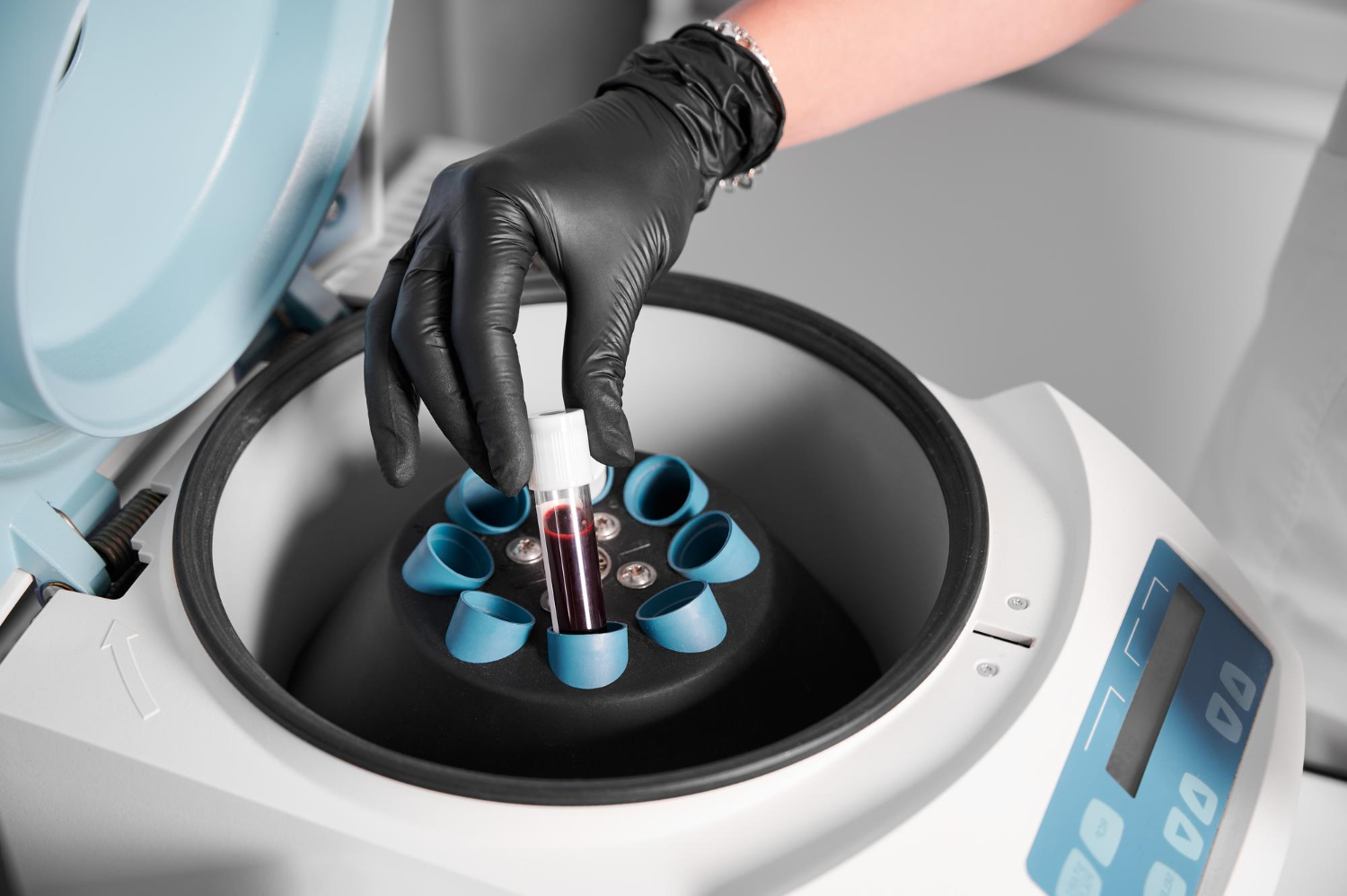
A personalized evaluation combines your history, symptoms, goals, examination, and appropriate testing. No single result should be treated as the whole story; findings need context and discussion of possible benefits, limits, and alternatives.
At Ascend, care is organized around Physical Medicine, Functional Medicine, and Regenerative Medicine. Hormone concerns are generally considered through Functional Medicine, which may include discussion of symptoms, health history, and relevant testing. Learn about Functional Medicine at Ascend and its bloodwork and biometric panels.
A clinician may ask about symptom timing, prior diagnoses, family history, sleep, nutrition, and other relevant factors. Testing should address a clinical question rather than act as a checklist without context. Depending on the person, further assessment may help; in other cases, a hormone-focused approach may not be the best next step.
Bring prior results if you have them. Ask which question a proposed test is meant to answer, how the result could affect a decision, and which uncertainties would remain. Ascend's practice overview describes its integrative approach. A careful evaluation should leave room to decide that no hormone treatment is appropriate.
For general information about federal oversight of health products, see the U.S. Food and Drug Administration. Regulatory oversight does not determine whether a particular approach suits an individual. That requires an informed discussion of the person's circumstances and the specific product or plan under consideration.
Which options might be discussed, and how do they differ?
Possible options depend on the evaluation, and hormone therapy is not appropriate for every person or concern. A clinician may discuss estrogen, progesterone, testosterone, thyroid health, non-hormonal approaches, or observation, based on the individual's needs.
The table is a discussion aid, not a recommendation. It can help you compare the purpose of a conversation and the questions to take to a clinician.
| Topic | Questions to ask | What follow-up may review |
|---|---|---|
| Estrogen | Which concern makes this relevant? Which personal factors affect potential benefits and risks? | Symptoms, tolerance, and any monitoring advised by the clinician. |
| Progesterone | Does my history make this worth discussing? How does it relate to other choices? | Response, unwanted effects, and whether the original reason has changed. |
| Testosterone | Is there a clear reason to assess this hormone? What are the limits and uncertainties? | Relevant symptoms and findings, tolerance, and the review plan. |
| Thyroid health | Could thyroid function relate to my concerns? Which tests or other factors matter? | Symptoms alongside relevant findings and any advised reassessment. |
| Non-hormonal care or observation | Are other explanations or approaches worth considering before starting hormone therapy? | Whether symptoms change and whether another assessment is warranted. |
These options are not interchangeable, and the table does not imply that any treatment is needed. Ask the clinician to explain the purpose of each proposed component in plain language, how it relates to your goals, and which alternatives are reasonable, including waiting.
Ascend describes hormone replacement and optimization as part of broader functional and regenerative care. Review the hormone replacement therapy service information, then ask how a proposed approach relates to your evaluation. You can also explore Ascend's health services to understand its wider care structure.
How can you weigh potential benefits, risks, and alternatives?
Weighing an option means understanding its intended purpose, uncertainty, possible unwanted effects, and alternatives for your situation. A decision should be shared with a qualified clinician who understands your history, not based on a general promise or another person's experience.
Start by asking which change the clinician hopes to address. If the goal is better sleep, clarify whether the proposed plan aims to address a symptom pattern, a test finding, or both. Then ask how progress will be assessed and when you will review whether the plan is helping.
Discuss personal history and circumstances that could affect the decision. Ask about known limitations, possible unwanted effects, and reasons a particular approach might not suit you. Find out what to do if a new concern develops and who to contact. These are reasonable questions before agreeing to a plan.
Compare the proposal with alternatives. Depending on the evaluation, those could include assessing another possible cause, addressing a non-hormonal factor, or observing symptoms before deciding. If a plan has several parts, ask what each is intended to do and whether you can review them separately.
Be cautious of claims that guarantee an outcome or imply that the same approach suits everyone. Personalized care should reflect an individual's history and include a clear way to reassess. Ascend's frequently asked questions page may help with general questions about the practice; clinical decisions still require a personal discussion.
How can follow-up make a care plan more useful?
Follow-up gives you and your clinician a chance to review symptoms, tolerance, and whether a plan still fits. It also creates a scheduled point to revisit your original goals rather than continuing without checking the plan's value.
Before a review, sort your notes into three groups: concerns that improved, concerns that stayed the same, and concerns that changed or became more disruptive. Include new symptoms, questions, and relevant changes in your routine or health. If testing was part of the evaluation, ask how findings relate to your experience.
- Which of my original goals should we review today?
- Do my symptoms and relevant findings point in the same direction?
- Which changes would lead you to adjust, pause, or reconsider the plan?
- When should we review progress again, and what should I track meanwhile?
- Could another factor be contributing to my concerns?
The appropriate review schedule depends on the person and the plan. Ask when to check in, which changes merit an earlier conversation, and whether monitoring is recommended. Request next steps in writing, including the purpose of tests and when results will be discussed.
Care can change as new information becomes available. A useful plan states what you are trying to address, what will be reviewed, and how decisions will be revisited. Ascend's payment information can help you prepare practical questions about care arrangements before deciding.
How can you prepare for a focused consultation?
A brief list of priorities can make a consultation more useful. Decide which concerns most affect daily life, what you hope to understand, and what information you already have. You do not need to arrive with a diagnosis or preferred treatment.
- Write down your top two or three concerns and when they began.
- Gather relevant prior results and a current list of therapies.
- Describe what you hope to improve, using practical examples from daily life.
- Ask which testing, if any, could clarify the picture and how results could guide a decision.
- Ask about possible benefits, limitations, risks, alternatives, and the review plan.
For example, instead of saying only “I feel different,” describe a pattern: “For several months I have been waking during the night, and it is affecting my daytime concentration.” Include what you have already tried or discussed, without assuming one explanation is correct. These details can help a clinician decide which assessment may be useful.
Bring your questions even if they feel basic. Ask for an explanation when a recommendation is unclear, and take time to consider it. A consultation helps determine fit and clarify next steps; it does not require you to begin a particular service. Ascend serves the Tampa Bay area and describes its approach across Physical Medicine, Functional Medicine, and Regenerative Medicine.
Women who want to ask whether the practice may fit their needs can review women's hormone care and bring questions to a conversation. The contact page is the place to discuss fit and next steps.
One practical example is a consultation where fatigue and disrupted sleep occur alongside cycle changes. Rather than assume one hormone explains all three, you can identify which concern is most disruptive, explain when each began, and ask what other factors might be relevant. If testing is proposed, write down the question it addresses; if a care option is discussed, ask what outcome would count as meaningful progress and how you will review it. This turns a broad concern into a sequence of decisions without forcing a conclusion in advance.
Another useful comparison is between starting a proposed approach immediately and first gathering more context. The appropriate choice depends on the evaluation and personal circumstances. Ask what information would change the recommendation, what uncertainties remain, and whether observation or another assessment is a reasonable alternative. A clear explanation should connect each step to your stated goals.
Discuss your questions with Ascend
Frequently Asked Questions
These answers provide general context, not an individual treatment recommendation. A clinician can interpret concerns in light of your health history.
Can hormone therapy address every symptom associated with menopause?
No. Symptoms can have different causes, and hormone therapy may not suit every person or concern. An evaluation can clarify possible contributors and whether a hormone-focused discussion is appropriate.
Do lab results alone determine whether therapy is appropriate?
No. Results need interpretation alongside symptoms, health history, and the reason testing was ordered. Ask how each result affects the options under discussion and which uncertainties remain.
Should I expect a particular plan at the first visit?
Not necessarily. The first conversation may focus on your history, goals, and whether testing or another assessment is useful. The clinician should explain the next step and its purpose before you decide how to proceed.
How often should a hormone care plan be reviewed?
Timing depends on the individual, the approach under consideration, and the clinician's recommendations. Ask when to check in, which changes to track, and which findings would prompt an earlier review.
How can I discuss hormone care with Ascend in Tampa?
Summarize your main concerns, when they began, and what you hope to understand. You can contact Ascend to ask about fit and next steps, then bring relevant health information and questions.
Request a hormone care consultation
This article is for educational purposes only and is not medical advice; consult your clinician before acting on health information or changing your care.