Changes in energy, recovery, sleep, or body composition can reflect more than lifestyle alone. Growth hormone health is connected to a broader hormonal system, so understanding the underlying pattern matters before considering any peptide therapy.
HGH peptides are amino-acid chains that may signal the pituitary to release more of the body's own growth hormone, rather than directly supplying synthetic HGH. Because responses and risks can vary, hgh peptides should be evaluated through appropriate testing and a provider-led clinical workup.
At Ascend Functional Health, this conversation fits within a functional and regenerative medicine approach. A Tampa Bay patient evaluation may consider symptoms, health history, hormone patterns, and relevant laboratory findings before a personalized plan is discussed. The goal is not a cosmetic or quick-fix treatment, but a clearer understanding of whether supporting the growth hormone pathway fits the individual's health needs.
Explore clinical peptide therapy services
That starts with understanding what these compounds are designed to do and how they interact with the body's natural signaling system.
What Are HGH Peptides and How Do They Work?
HGH peptides are short chains of amino acids that signal the pituitary gland to release the body's own growth hormone. Unlike synthetic HGH, they are designed to support endogenous hormone output through the body's existing signaling pathways, which makes their evaluation highly individual.
Growth hormone secretagogues, the broader category that includes several HGH peptides, stimulate growth hormone secretion from the anterior pituitary. Human growth hormone is produced by the pituitary and participates in processes related to growth, tissue repair, and metabolism. Rather than supplying the hormone directly, a secretagogue prompts the body to regulate its own release. A National Cancer Institute drug dictionary entry describes a growth hormone-releasing peptide as a compound that stimulates the release of growth hormone. And the broader class of secretagogues includes both peptide and non-peptide compounds that act on growth hormone signaling.
One important pathway involves the growth hormone secretagogue receptor, also known as the ghrelin receptor. When a compatible peptide interacts with this receptor, it can influence the signaling that helps regulate growth hormone release. Some growth hormone secretagogues are therefore described as ghrelin mimetics. Research also examines how these compounds interact with growth hormone-releasing hormone pathways, reflecting the complex way the body controls hormone pulses rather than functioning like a simple replacement.
That distinction matters when comparing HGH peptides with synthetic HGH. Synthetic HGH adds an externally produced hormone to the body. Peptides, by contrast, seek to encourage the pituitary to release endogenous growth hormone. The response depends on factors such as the specific compound, dose, duration, and individual health context. A mechanism that is appropriate for one patient may not be appropriate for another, and a theoretical pathway does not guarantee a particular symptom or performance outcome.
At Ascend Functional Health, peptide therapy is approached through a Regenerative Medicine and functional-health framework. Comprehensive lab work, including relevant hormone and nutrient panels, helps providers understand the patient's baseline before discussing whether a protocol may fit. The goal is to evaluate measurable health needs and the underlying factors that may influence hormone balance, not to promise a cosmetic transformation or an instant result.
Patients considering clinical peptide therapy services should receive clear information about the proposed compound, intended role, monitoring plan, and relevant safety considerations. Provider oversight is essential because growth hormone signaling affects interconnected systems, and ongoing health screening may guide whether a protocol should be continued, adjusted, or avoided.
What Is the Difference Between HGH and HGH Peptides?
Neither option is automatically better. HGH supplies growth hormone directly, while HGH peptides signal the pituitary to release more of the body's own hormone. The appropriate path depends on a qualified clinical evaluation, the individual's physiology, and the specific health goal.
Human growth hormone is produced by the pituitary gland and has roles in growth, cell repair, and metabolism, as explained by WebMD's overview of HGH physiology. HGH peptides are short chains of amino acids that act as secretagogues. Rather than providing HGH itself, they are intended to encourage endogenous release through the body's growth-hormone signaling pathways.
| Consideration | HGH | HGH peptides |
|---|---|---|
| What it is | Human growth hormone supplied directly from an external source. | Amino-acid chains designed to stimulate the release of natural growth hormone. |
| Primary mechanism | Adds growth hormone to the body's existing hormone environment. | Signals the pituitary and related pathways to release endogenous growth hormone. |
| Physiologic distinction | The hormone is introduced directly rather than produced in response to a secretagogue. | The body's own release mechanisms remain part of the process, although the response can vary. |
| Example | HGH refers to the hormone itself, not a peptide that prompts its release. | Ipamorelin is identified as a growth hormone-releasing peptide in a National Cancer Institute drug dictionary entry. |
This distinction matters because the two approaches are not interchangeable. A peptide response depends on factors such as the specific compound, dose, duration, and patient population. The body's baseline hormone signaling, overall health, and clinical findings also influence how a person may respond. A provider should therefore evaluate the full picture rather than selecting an option based on a marketing claim or a single symptom.
At Ascend Functional Health, the discussion is framed through Functional and Regenerative Medicine, not cosmetic or anti-aging treatment. Comprehensive lab work and root-cause analysis help providers determine whether peptide therapy is clinically appropriate and how outcomes should be monitored. That evidence-informed process keeps the focus on health, function, and measurable findings instead of promising a quick transformation.
Common Growth Hormone Releasing Peptides
Common growth hormone releasing peptides include sermorelin, ipamorelin, and CJC-1295, but they are not interchangeable options. Their role, suitability, and safety depend on the person's health history, laboratory findings, goals, and clinical evaluation.
Sermorelin is a growth hormone-releasing hormone analog. In educational terms, it is designed to support the signaling pathway that helps the pituitary release the body's own growth hormone. That makes it different from supplying growth hormone directly. The distinction matters because the body's hormone systems are interconnected. And changing one signal can influence other parts of the growth hormone and insulin-like growth factor 1, or IGF-1, axis.
Ipamorelin belongs to the growth hormone-releasing peptide class. The National Cancer Institute drug dictionary entry on ipamorelin describes it as a synthetic growth hormone-releasing peptide that stimulates the release of growth hormone. It is also discussed as a growth hormone secretagogue, which prompts the body's own release rather than acting as a direct replacement hormone.
Growth hormone secretagogues can work through signaling routes involving the growth hormone secretagogue receptor, also known as the ghrelin receptor, along with growth hormone-releasing hormone pathways. Peptide secretagogues such as ipamorelin are described as growth hormone-releasing peptides that can stimulate the release of growth hormone, as noted in a National Cancer Institute drug dictionary entry. Outcomes can vary according to the specific compound, dose, duration, and patient population, which is why a product name alone cannot determine whether a protocol is appropriate.
CJC-1295 is another compound frequently discussed in conversations about growth hormone signaling. It is often grouped with therapies intended to influence growth hormone release, but the relevant question is not which peptide is most popular. The more useful question is whether a person's symptoms, health history, hormone patterns, and broader metabolic picture support considering this type of therapy at all.
Selection should therefore remain provider-directed, not self-directed. A qualified clinician may review current prescriptions, relevant conditions, hormone and metabolic markers, sleep, recovery, and other factors before discussing a personalized approach. At Ascend, peptide therapy is positioned within Regenerative Medicine, with comprehensive lab-work and root-cause analysis guiding the conversation. This functional approach keeps the focus on measurable health outcomes rather than cosmetic or anti-aging promises.
How HGH Peptides Support Growth Hormone Health
HGH peptides may support growth hormone health by signaling the body's existing hormone pathways rather than supplying synthetic growth hormone directly. The goal is to evaluate whether supporting this system fits a person's health needs, then track measurable outcomes with appropriate clinical oversight.
Growth hormone works within a broader network known as the GH/IGF-1 axis. The pituitary releases growth hormone, which contributes to signals that influence insulin-like growth factor 1 (IGF-1) and related processes throughout the body. Growth hormone secretagogues can stimulate the pituitary through pathways associated with the ghrelin receptor. Peptide secretagogues such as ipamorelin are described as compounds that can stimulate the release of growth hormone, as noted in a National Cancer Institute drug dictionary entry. Outcomes can vary according to the specific compound, dose, duration, and individual.
Potential connections to energy and recovery
When growth hormone signaling is not working optimally, some people may notice concerns such as reduced energy, changes in exercise recovery, or difficulty maintaining healthy body composition. These symptoms are nonspecific, however, and can also relate to sleep, nutrition, thyroid function, stress, metabolic health, or other hormone changes. That is why symptoms alone are not enough to determine whether HGH peptides are appropriate.
With a complete evaluation, energy and recovery can be considered alongside relevant laboratory markers, sleep patterns, physical performance, and other health goals. This creates a more useful picture than treating one symptom in isolation. It also helps distinguish a growth hormone concern from another underlying factor that may need attention first.
What changes with age?
Natural growth hormone signaling can change over time. The GH/IGF-1 axis is important to adult body composition and metabolism, and its activity can decline with age. Clinical findings have connected changes in this axis with body-composition outcomes. But that does not mean every age-related change requires peptide therapy or that treatment will produce a predictable result.
The appropriate frame is health optimization, not cosmetic anti-aging. At Ascend, the discussion can include goals such as supporting energy, recovery, metabolic function, and body-composition measures while keeping expectations realistic. Hormone replacement and optimization may be relevant for some patients, while others may benefit from a different evaluation or no hormone-directed protocol. Patients exploring the topic can also review growth hormone optimization as a related resource.
Any plan should be based on a provider-led assessment and ongoing monitoring. HGH peptides are not a guaranteed solution, and measurable progress depends on the individual, the protocol, and the health factors being addressed.
How Ascend Evaluates HGH Peptides Clinically
Ascend evaluates HGH peptides through a provider-led clinical process, not as an over-the-counter product or self-directed supplement. The goal is to understand your health context, establish measurable baselines, and determine whether a peptide protocol is appropriate for your needs.
Begin with a comprehensive consultation
The process starts with a conversation about your health history, current concerns, goals, symptoms, lifestyle, and previous care. This initial consultation gives your provider context that a product label or isolated lab value cannot provide. It also creates time for patient education. Ascend ensures patients understand the clinical evaluation process before beginning any therapeutic protocol. Including what the assessment is designed to measure and what questions should be addressed before moving forward.
Establish a laboratory baseline
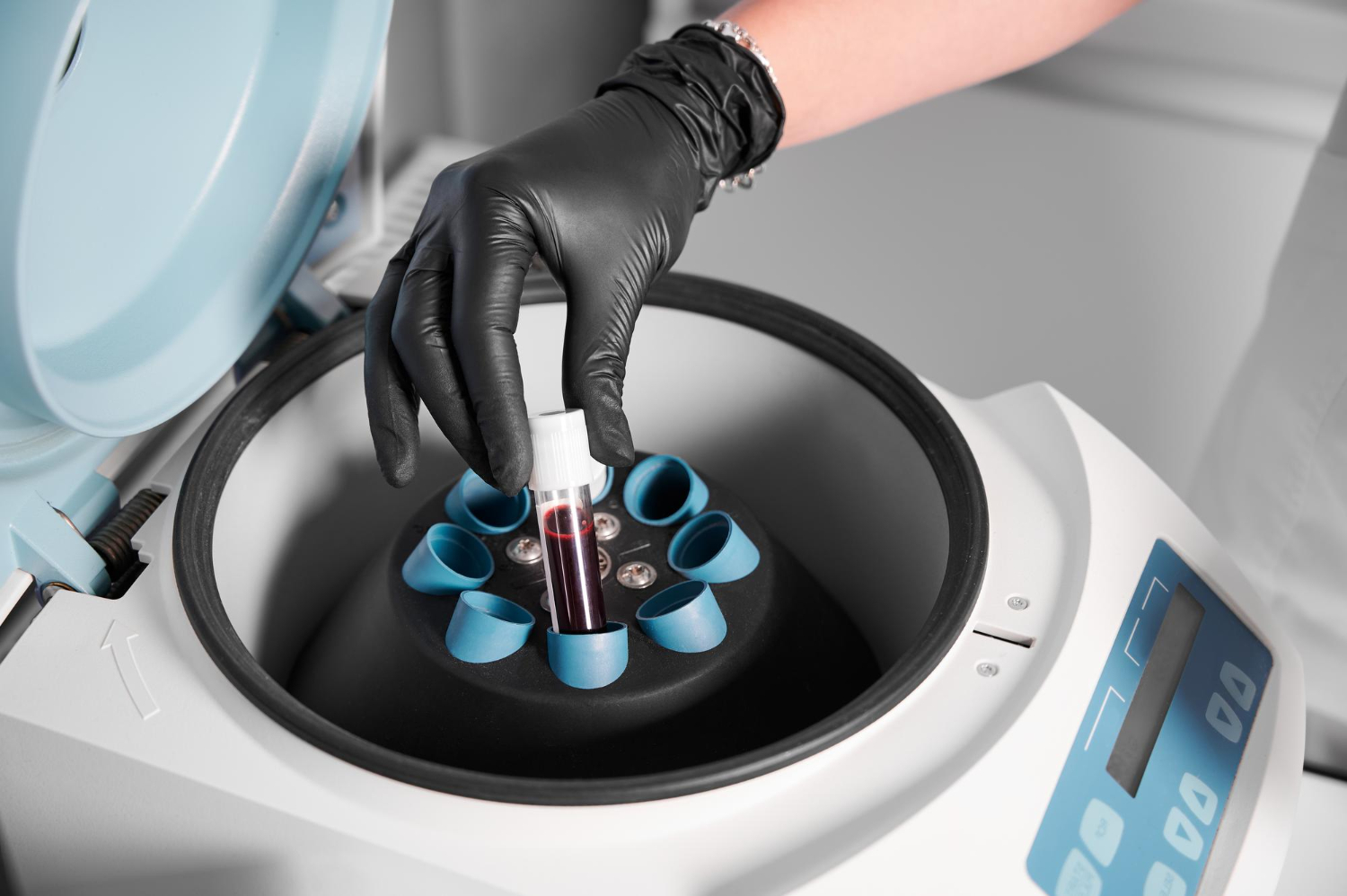
Comprehensive bloodwork and diagnostic testing provide the foundation for the evaluation. Depending on your individual situation, this may include hormone and nutrient panels alongside other standard laboratory assessments. Ascend uses this information to evaluate whether relevant hormone levels are within appropriate ranges for your specific health goals. Testing is not a formality. It helps the provider interpret symptoms in context and identify findings that may require attention before peptide therapy is considered.
Review root causes with a provider
Your results are reviewed as part of a broader workup rather than treated as a standalone scorecard. Ascend's approach looks for underlying contributors to health concerns instead of focusing only on surface symptoms. The provider considers the relationship between your findings, history, symptoms, and goals, then explains what the results may mean. This integrative approach aligns peptide evaluation with functional medicine testing and root-cause care.
Design a personalized protocol when appropriate
Peptide therapy protocols at Ascend are determined only after a thorough review of diagnostic testing, including hormone and nutrient panels. If the clinical evaluation supports moving forward, the provider develops a plan around your individual needs rather than applying a universal protocol. The plan includes education about the intended role of the therapy, the expected monitoring process, and any relevant considerations. Explore Ascend's clinical peptide therapy services to learn more about this provider-led model.
Monitor progress and reassess over time
Evaluation continues after a protocol begins. Ascend's practitioners oversee the therapy, track patient progress, and use recurring health screenings to guide future adjustments. Standard laboratory testing can help assess whether hormone levels remain aligned with the patient's specific health goals. This monitoring supports informed decisions and measurable outcomes, while recognizing that individual responses can differ. Ascend does not promise instant results or guaranteed outcomes. Instead, the process emphasizes patient safety, education, and thoughtful refinement as new information becomes available.
Do HGH Peptides Really Work?
HGH peptides can support growth-hormone signaling for some people, but results are not guaranteed. The response depends on factors such as underlying hormone status, the specific peptide, treatment duration, and appropriate provider oversight.
These therapies are not a universal solution for fatigue, changes in body composition, or slower recovery. Growth hormone secretagogues work through pathways involved in the body's own hormone regulation, including the growth hormone secretagogue receptor, also known as the ghrelin receptor. Peptide secretagogues are described as compounds that can stimulate the release of growth hormone. And safety and efficacy can vary according to the compound, dose, duration, and patient population, as reflected in a National Cancer Institute drug dictionary entry on ipamorelin.
Why individual response matters
A person with a documented hormone imbalance may have a different starting point and treatment response than someone whose symptoms stem from sleep disruption. Nutritional deficiencies, metabolic concerns, effects of current prescriptions, or another underlying issue. Increasing a signaling pathway without understanding the broader picture can miss the reason a person feels unwell.
The specific peptide also matters. Different compounds have different mechanisms, properties, and clinical evidence. A protocol should account for the patient's health history, current symptoms, laboratory findings, goals, and potential risks. That is why a responsible evaluation does not begin with a promise that one peptide is the "best" option for everyone.
Clinical therapy is different from over-the-counter supplements
Products marketed online as "peptide supplements" should not be treated as interchangeable with a provider-directed peptide protocol. Over-the-counter products may have different ingredients, quality controls, dosing directions, and intended uses. They may also encourage self-treatment without confirming whether growth-hormone support is appropriate.
Clinical evaluation places the focus on measurable health information. At Ascend Functional Health, peptide and hormone optimization is grounded in comprehensive lab work and root-cause analysis. Providers can review relevant hormone and nutrient panels, discuss the findings with the patient, and determine whether a personalized protocol fits the individual's needs. Monitoring is important because the plan may need to change as health data and symptoms evolve.
This approach also keeps expectations realistic. HGH peptides are not a quick fix, and they should not be framed as cosmetic or anti-aging treatments. The goal is to understand whether supporting hormone health may contribute to meaningful outcomes such as energy. Recovery, metabolism, or body composition, while recognizing that each outcome has multiple influences. Learn more about the clinical approach to growth hormone optimization, or discuss your health history and next steps with a qualified provider.
If you are ready to explore whether a provider-led evaluation of your hormone health makes sense, talk with the Ascend team about how a personalized approach may fit your goals.
Explore hormone replacement and optimization options
Frequently Asked Questions
Do HGH peptides really work?
HGH peptides may support the body's natural growth hormone signaling, but results vary by the individual, underlying health factors, and clinical approach. A provider-led evaluation is important because symptoms such as fatigue, poor recovery, or changes in body composition can have several possible causes. Ascend uses testing and ongoing monitoring to determine whether peptide therapy is appropriate and to assess measurable outcomes rather than promise a guaranteed result.
How are HGH peptides different from HGH?
HGH is a hormone produced by the pituitary gland, while many HGH peptides act as signals that encourage the body to release more of its own growth hormone. This distinction affects how each option is evaluated and monitored. A clinical overview of human growth hormone physiology provides additional background on HGH's role in the body.
Which HGH peptide is best?
There is no single best peptide for every person. Options such as ipamorelin, sermorelin, and CJC-1295 have different mechanisms and may be considered differently based on a patient's history, lab findings, goals, and overall hormone health. Ipamorelin is described as a growth hormone-releasing peptide in a National Cancer Institute drug dictionary entry. A qualified provider should determine whether any option fits your needs.
Who may be a candidate for peptide therapy?
Potential candidates are adults whose symptoms, health history, and laboratory findings support further evaluation of growth hormone health. The process typically begins with a consultation and comprehensive bloodwork, followed by a provider-led review and individualized plan. Peptide therapy is not appropriate for everyone, so discuss your medical history, current treatments, and goals with a qualified clinician before considering it.
Ready to Discuss Your Next Step?
A clinical conversation can help clarify whether a provider-led evaluation of HGH peptides fits your health goals, history, and broader hormone-health needs. Ascend Functional Health can help you understand the evaluation process and determine appropriate next steps without assuming one protocol is right for everyone.