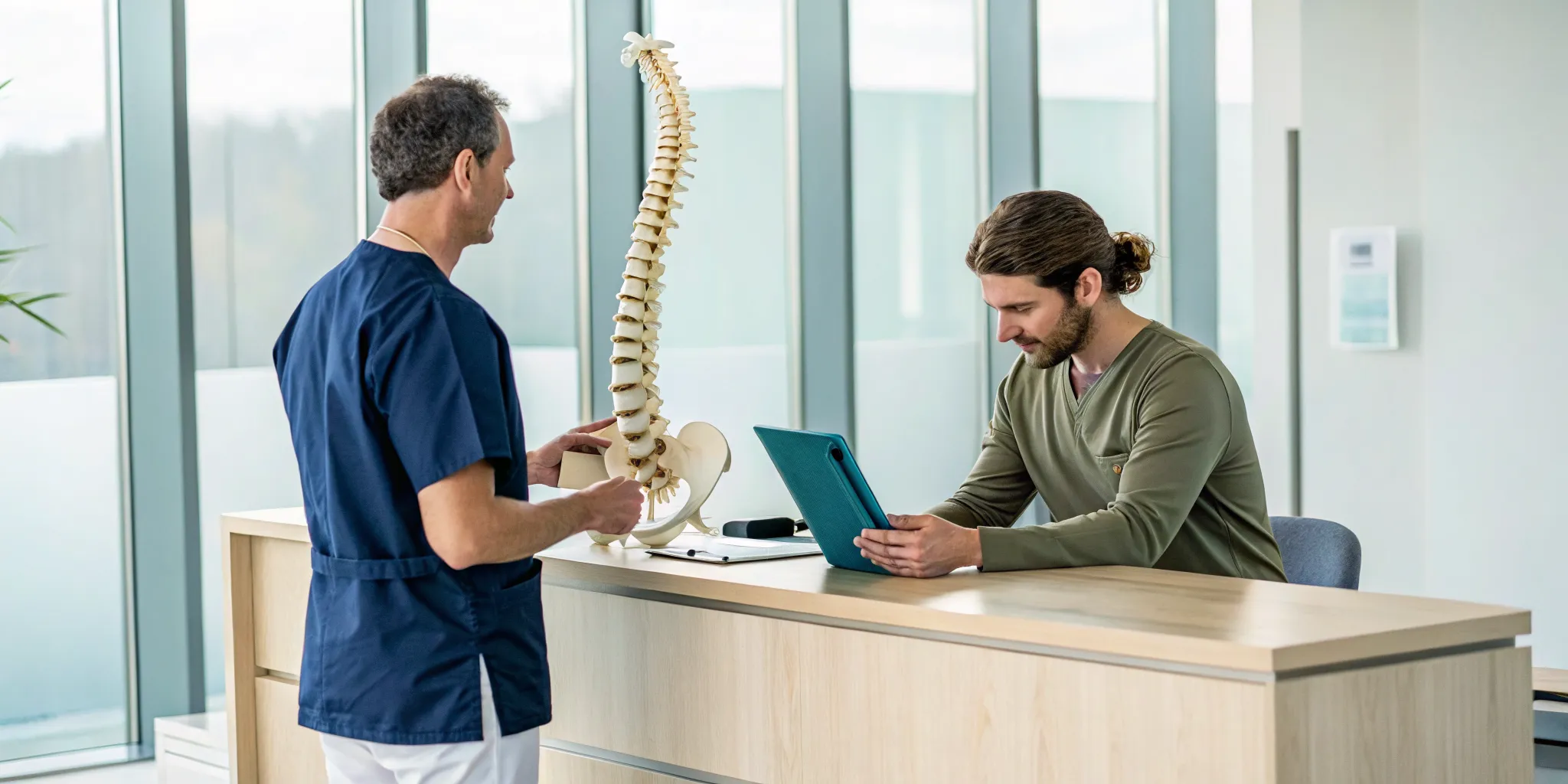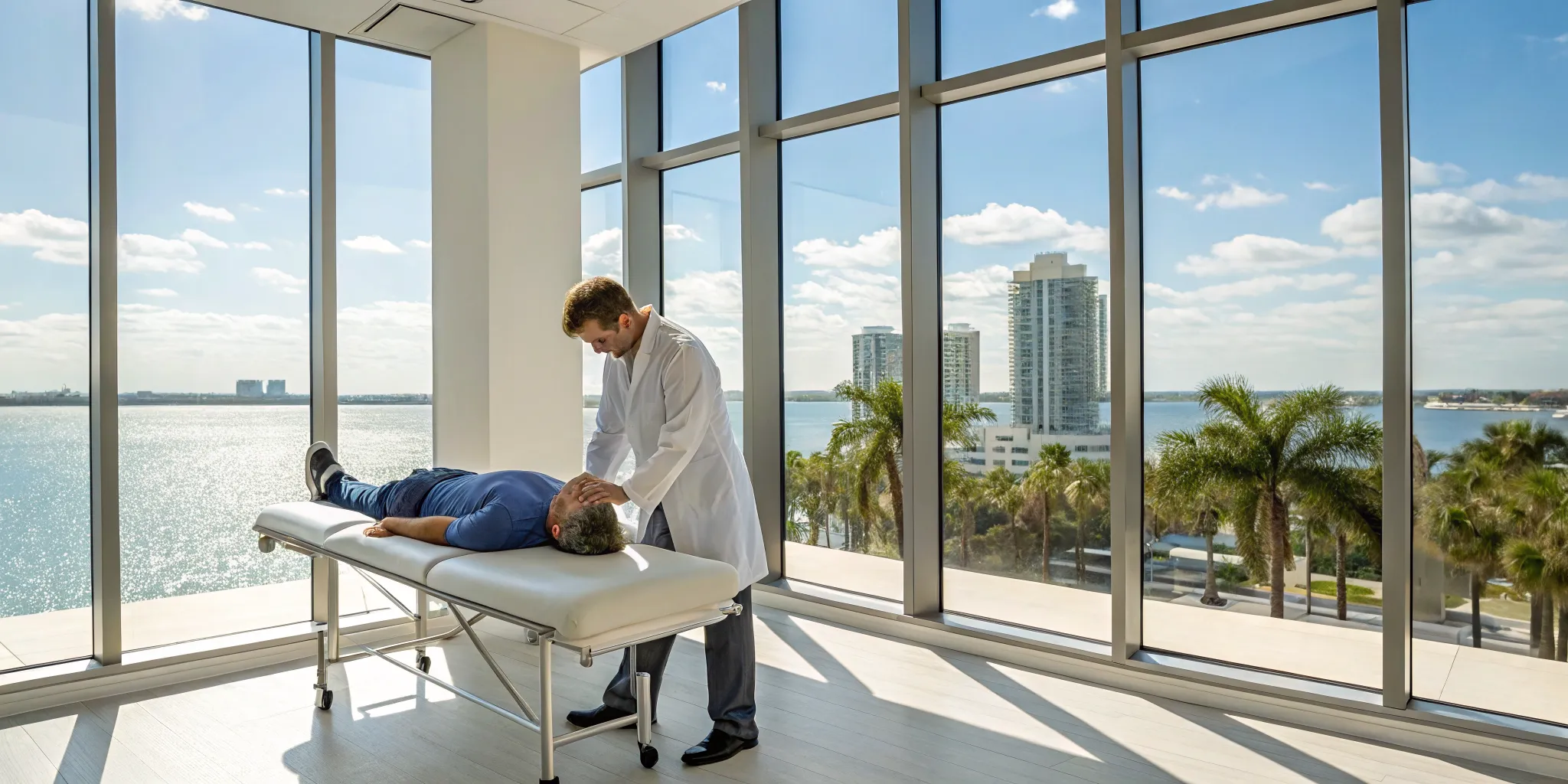
If you’ve been told your elbow pain is from a stubborn tendon injury, you might wonder why it isn’t healing on its own. Often, chronic injuries get "stuck" because of poor blood flow and persistent inflammation, which stalls your body's natural repair cycle. Instead of more aggressive options, shockwave therapy for elbow pain offers a way to kickstart that process. This treatment uses targeted acoustic waves to stimulate the damaged tissue, increasing circulation and signaling your body to send in the resources needed for repair. It’s not a quick fix but a true healing method that helps rebuild tissue from the inside out.
Key Takeaways
- Address the Root Cause of Pain: Shockwave therapy uses acoustic waves to restart your body's natural healing process. It helps repair damaged tendon tissue from the inside out, rather than just masking the symptoms of conditions like tennis and golfer's elbow.
- A Non-Invasive Path to Recovery: This treatment offers a powerful alternative to injections or surgery, with minimal downtime. You can typically return to your daily routine right after a session, making it a practical solution for busy lives.
- Best for Chronic, Stubborn Injuries: If you've had elbow pain for several months and haven't found relief with other methods, shockwave therapy may be the right next step. It is specifically designed to help resolve long-term issues that have stopped healing on their own.
How Does Shockwave Therapy Relieve Elbow Pain?
If you're dealing with persistent elbow pain, you know how frustrating it can be when rest and basic treatments don't bring relief. Shockwave therapy is a modern, non-invasive approach that gets to the heart of the problem. Instead of just covering up the pain, it works with your body to heal the injured tissue from the inside out. It uses targeted sound waves to stimulate your body’s own repair mechanisms, offering a path toward lasting relief. Let's look at exactly how this technology helps your body rebuild and recover.
Understanding the Power of Acoustic Waves
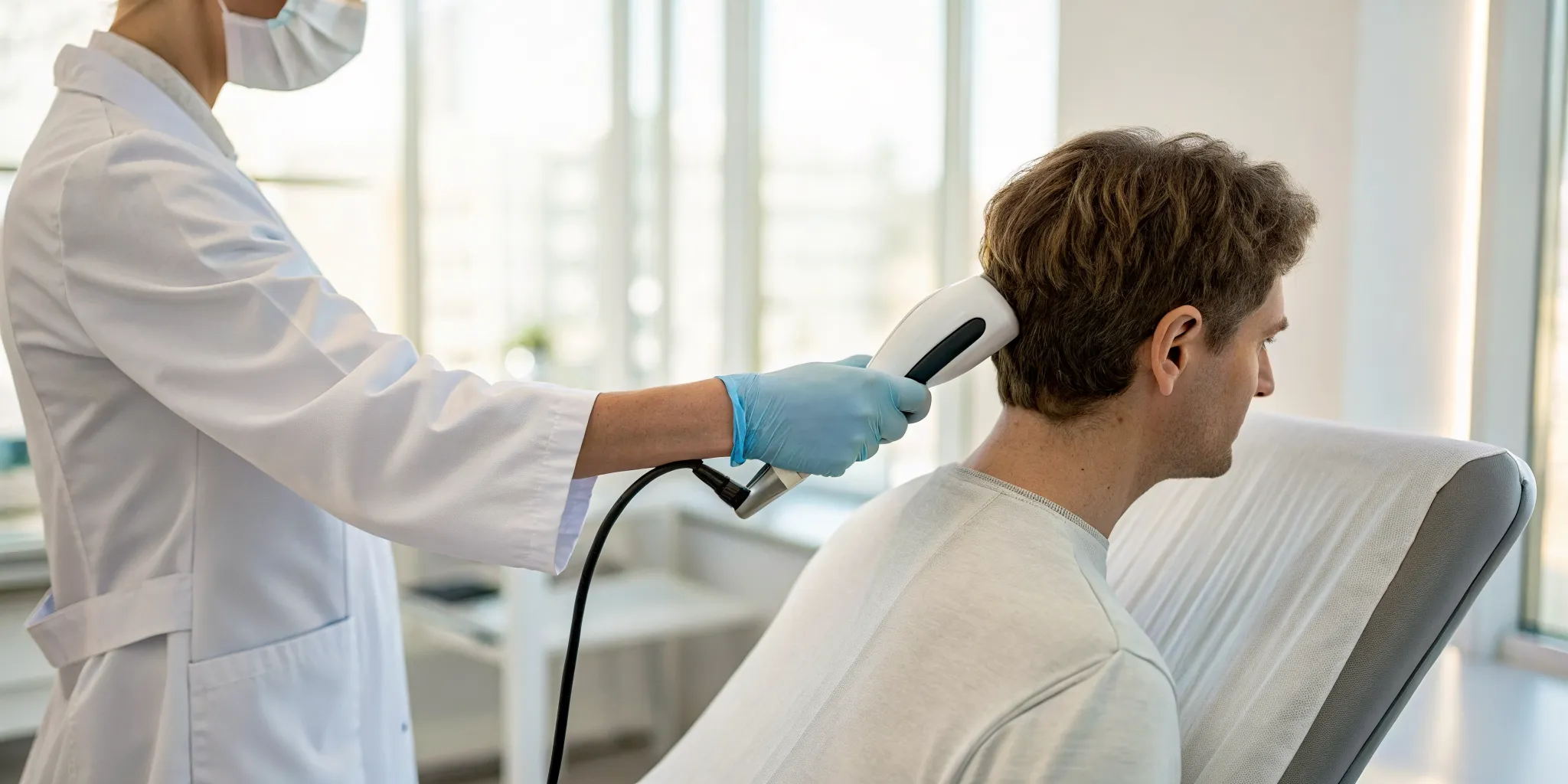
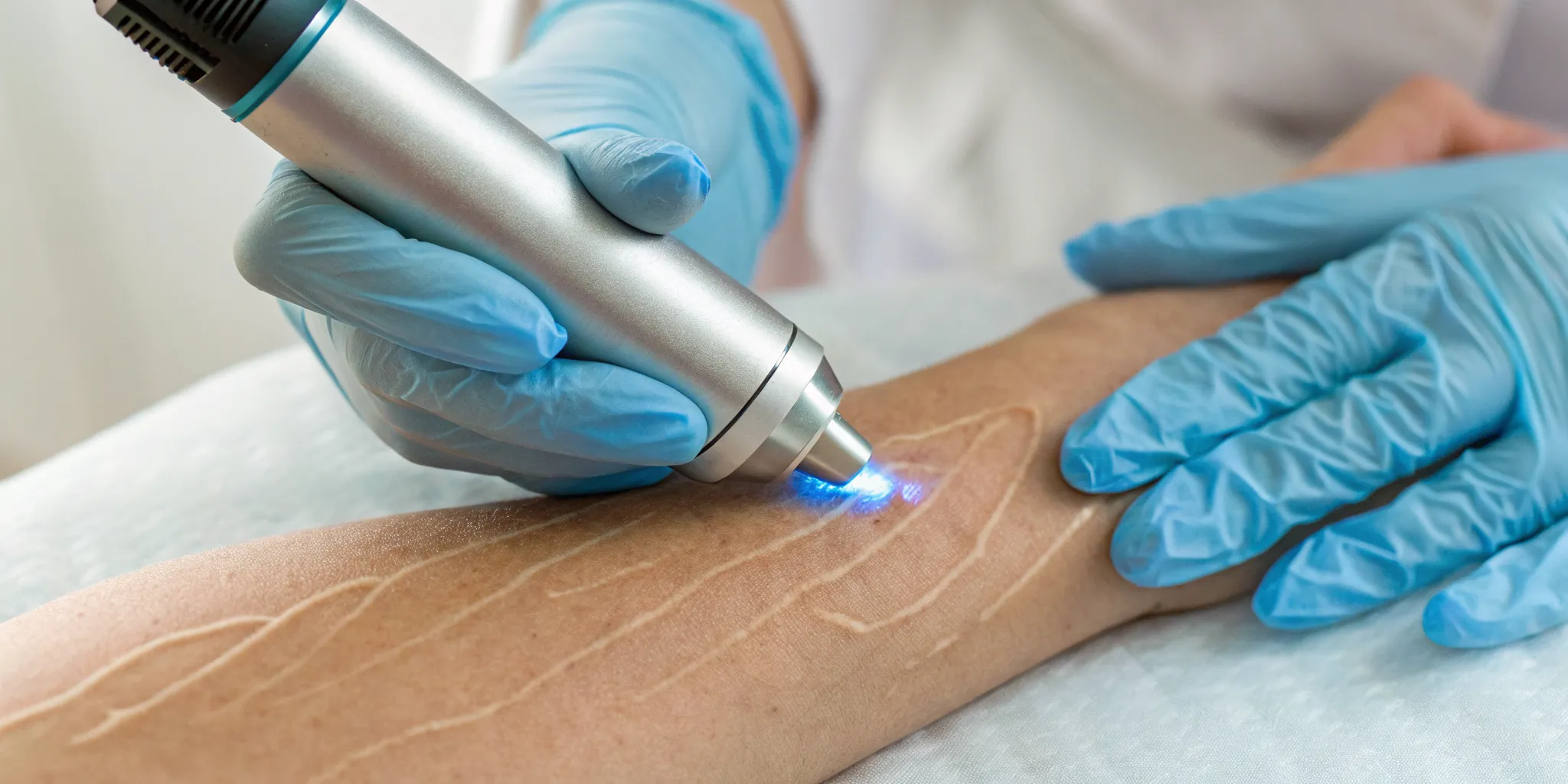
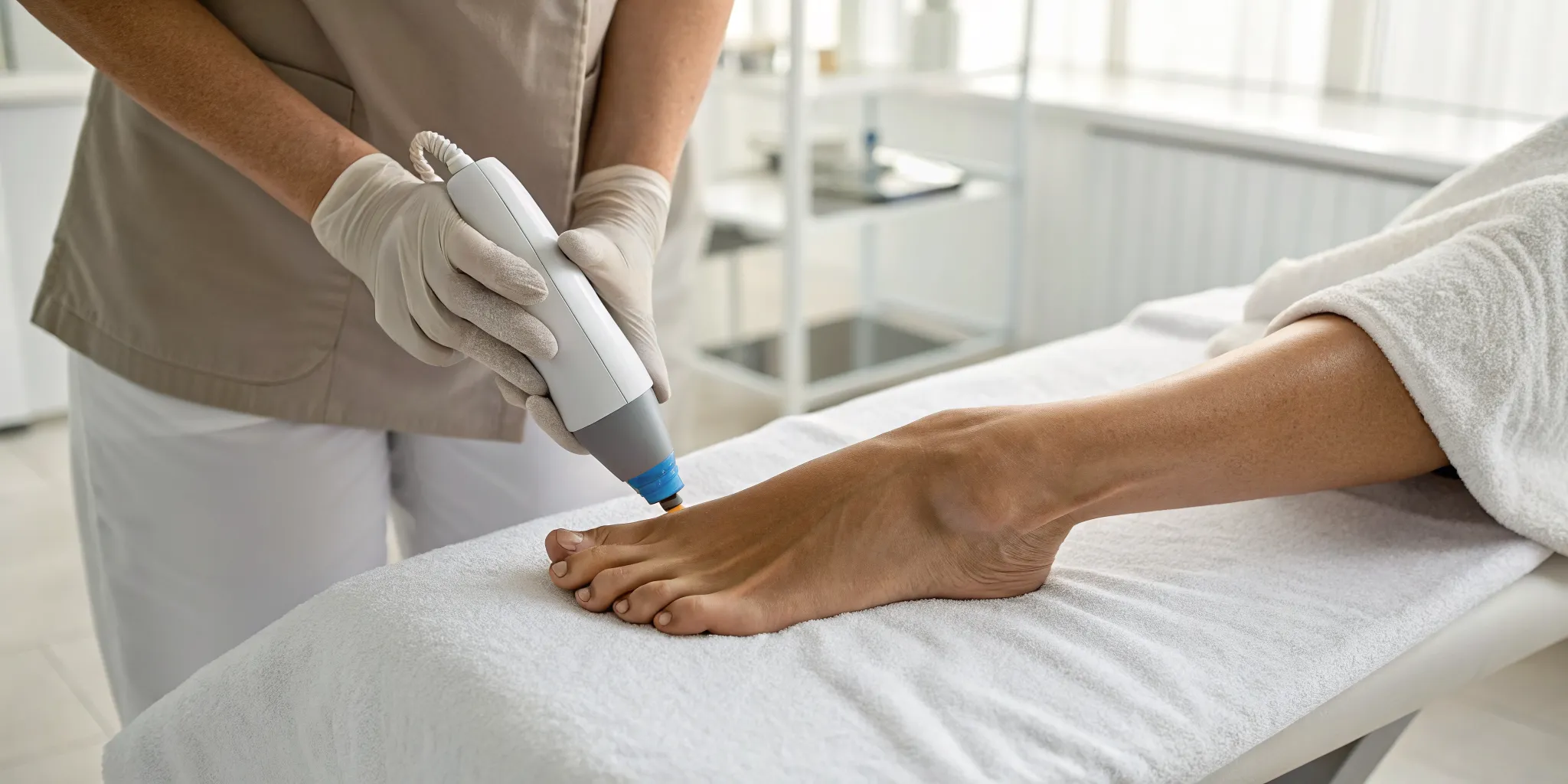
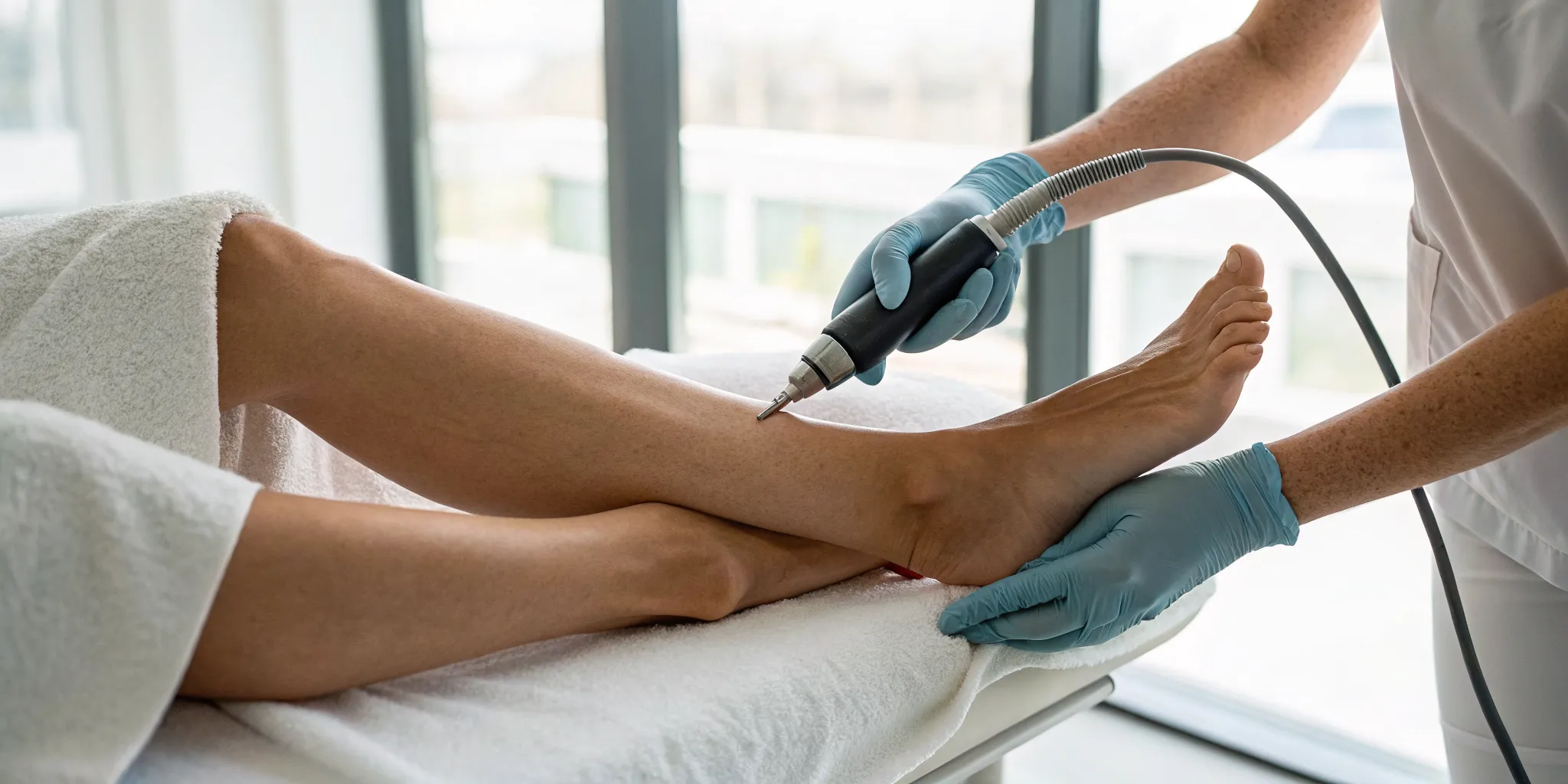
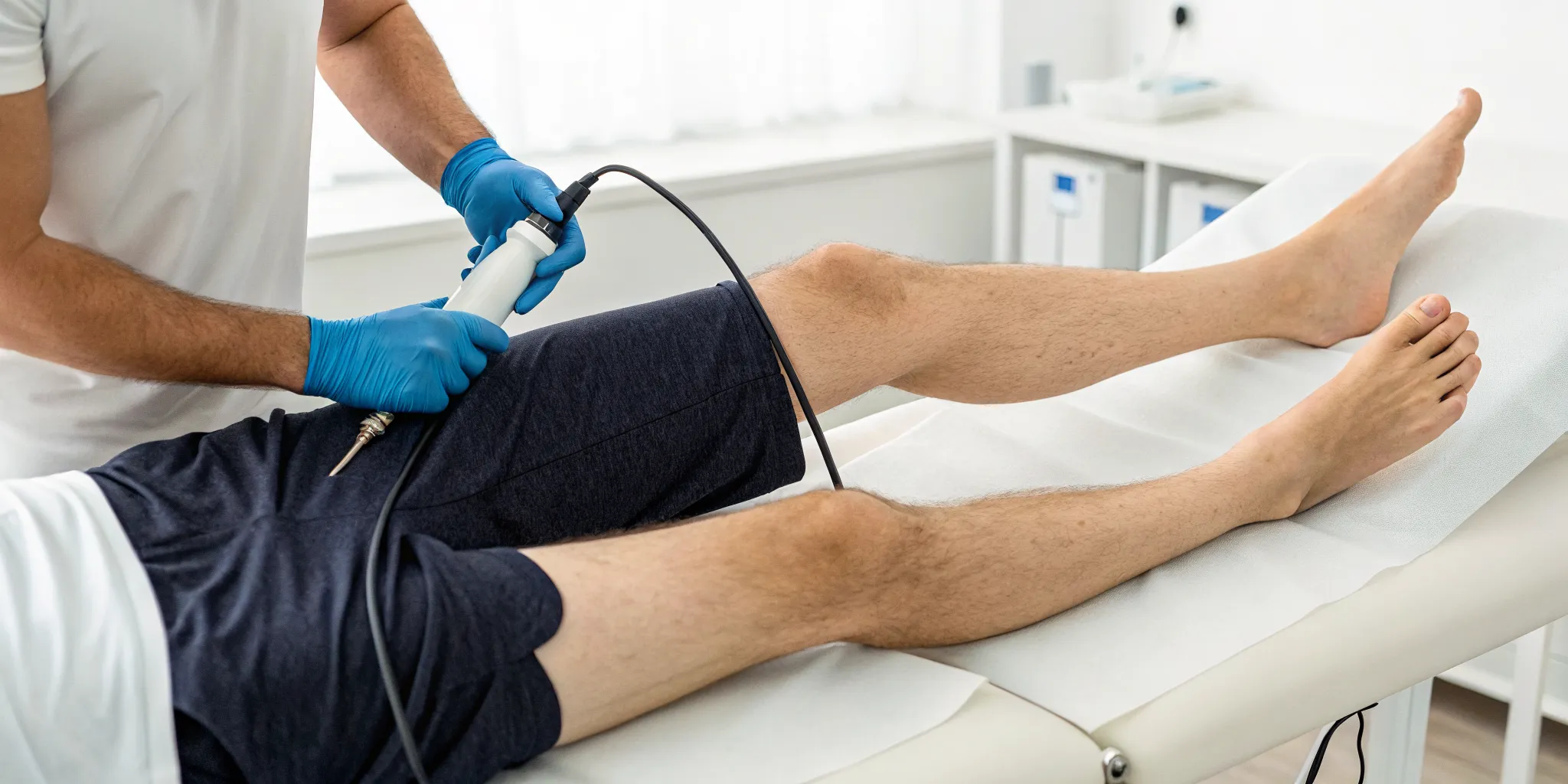
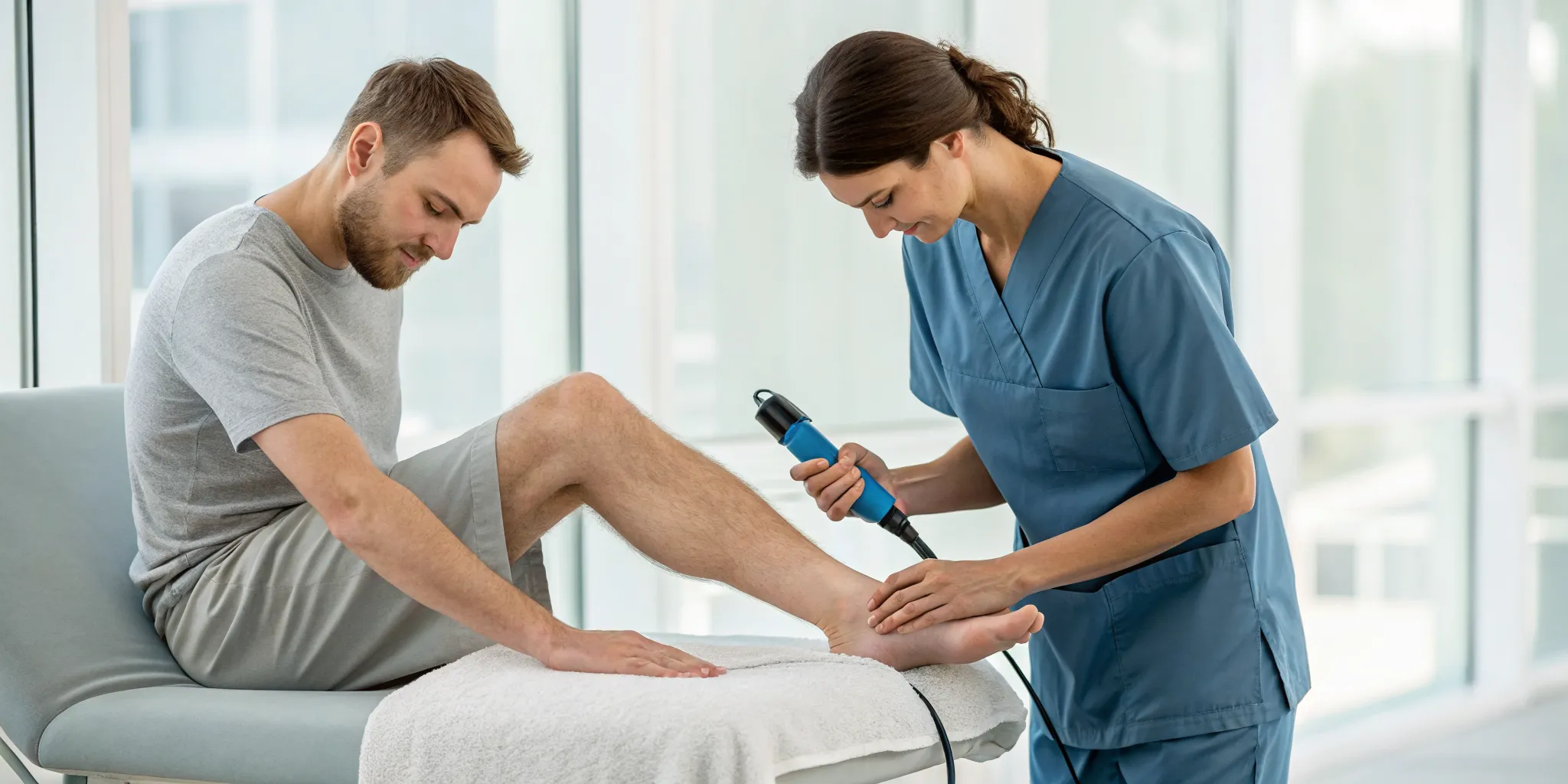
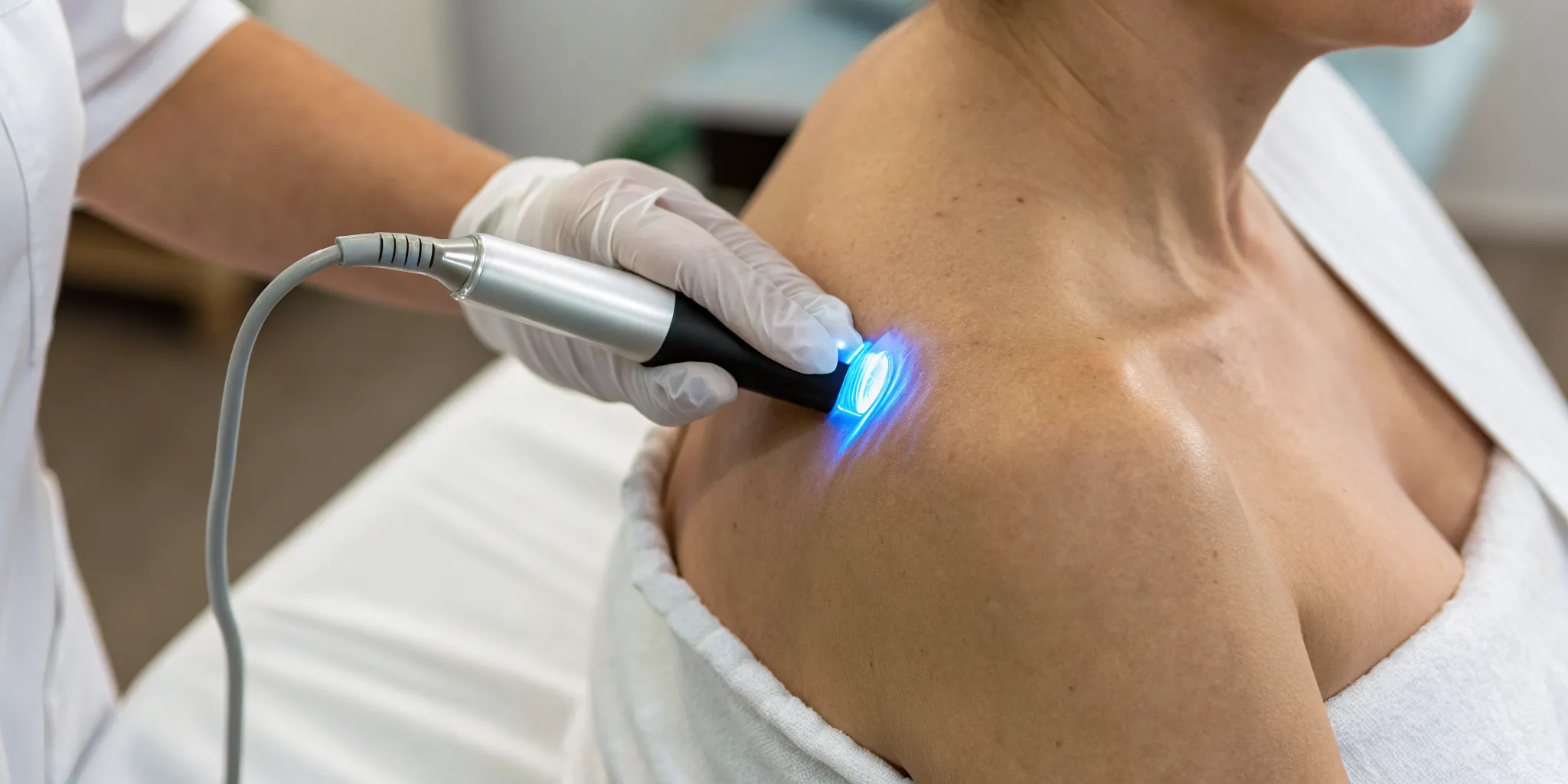
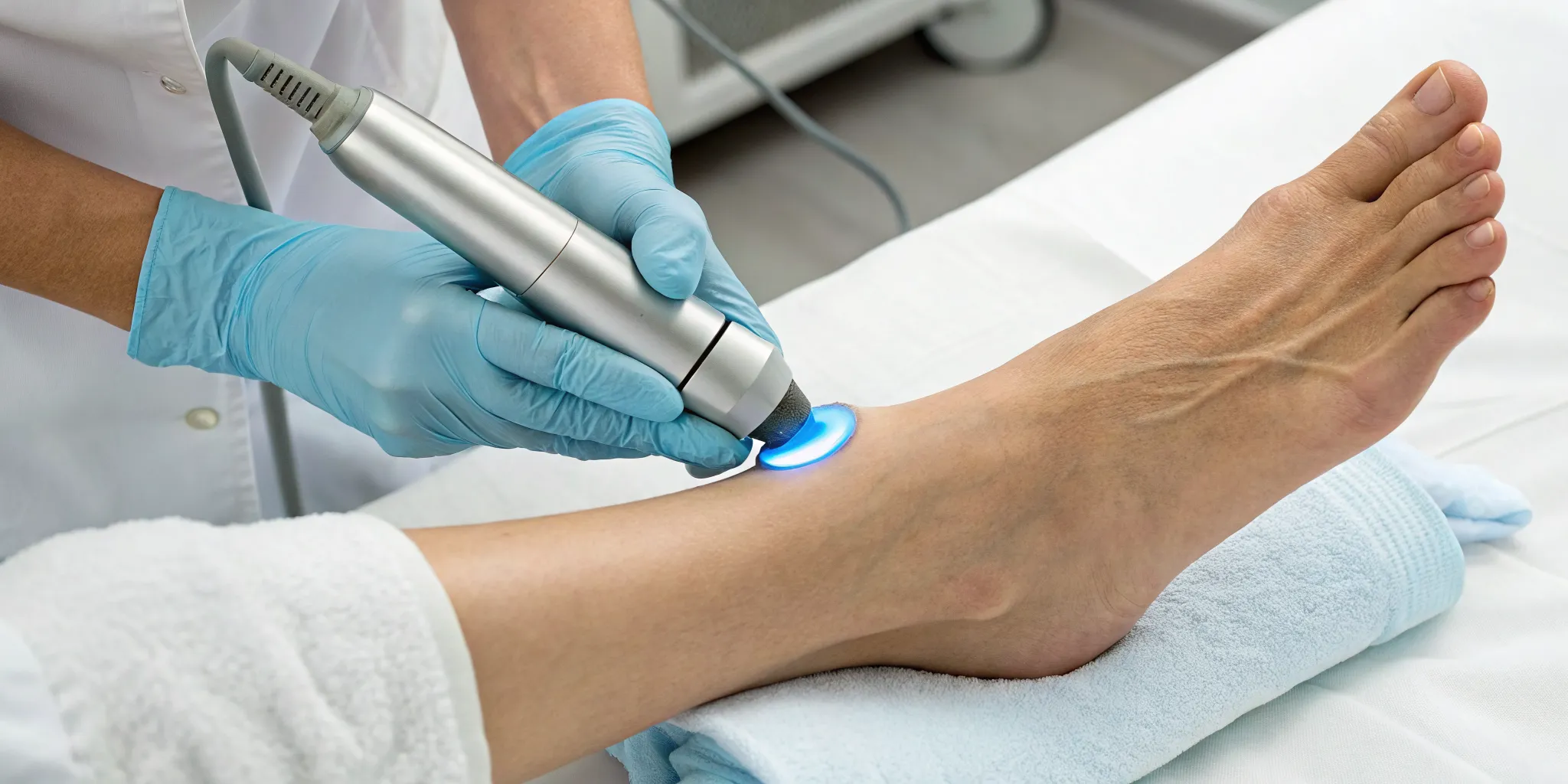
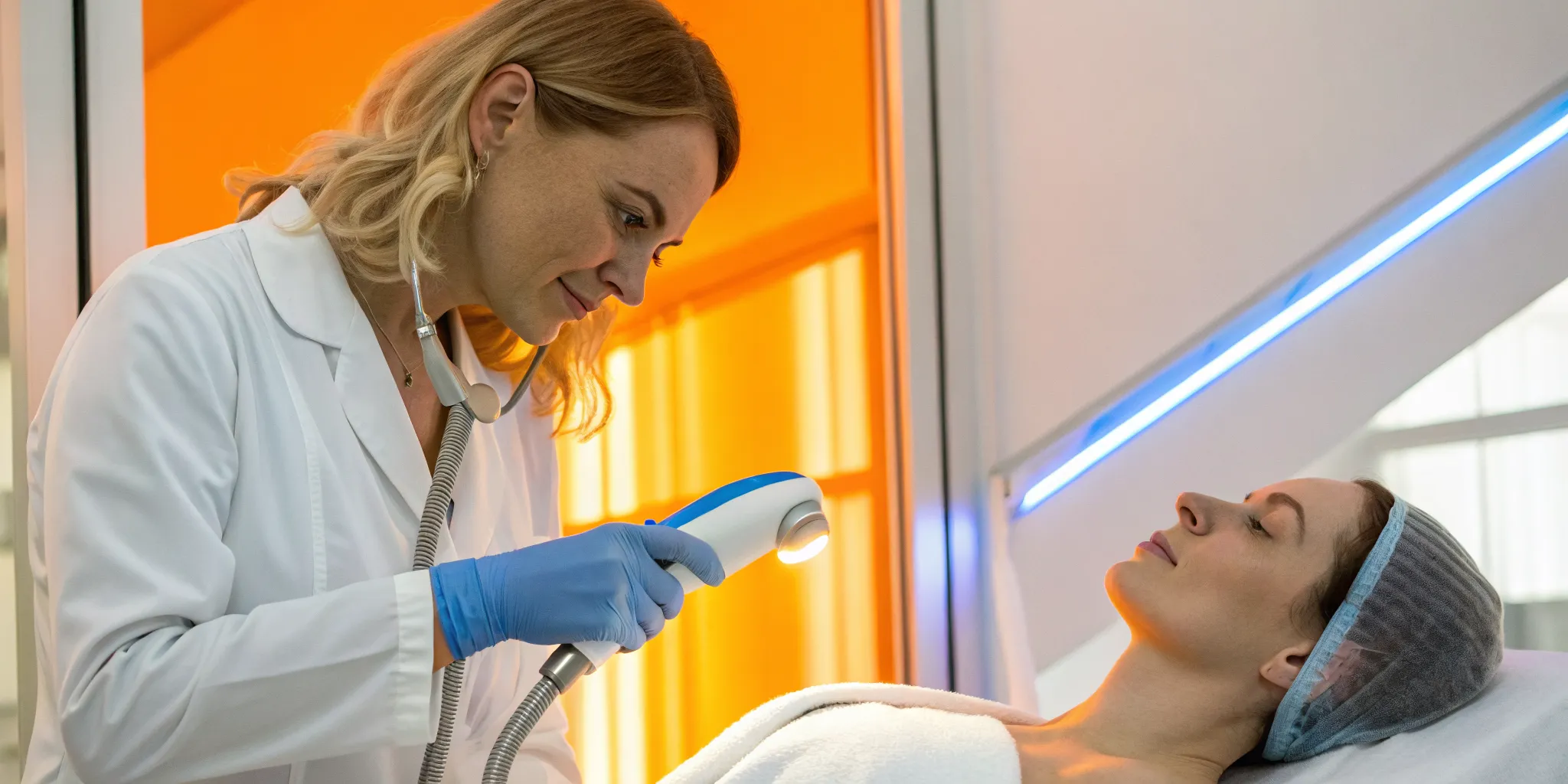
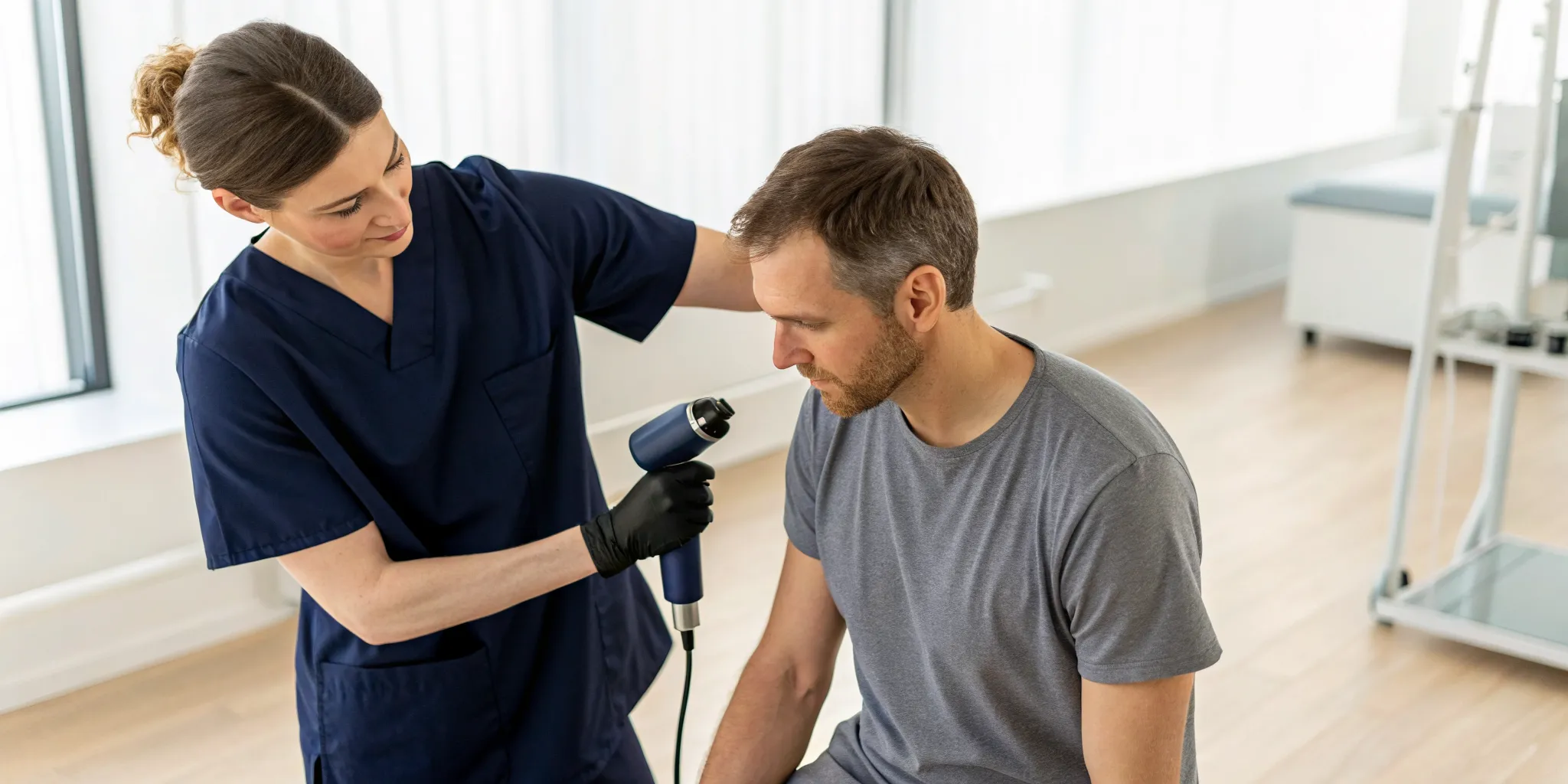
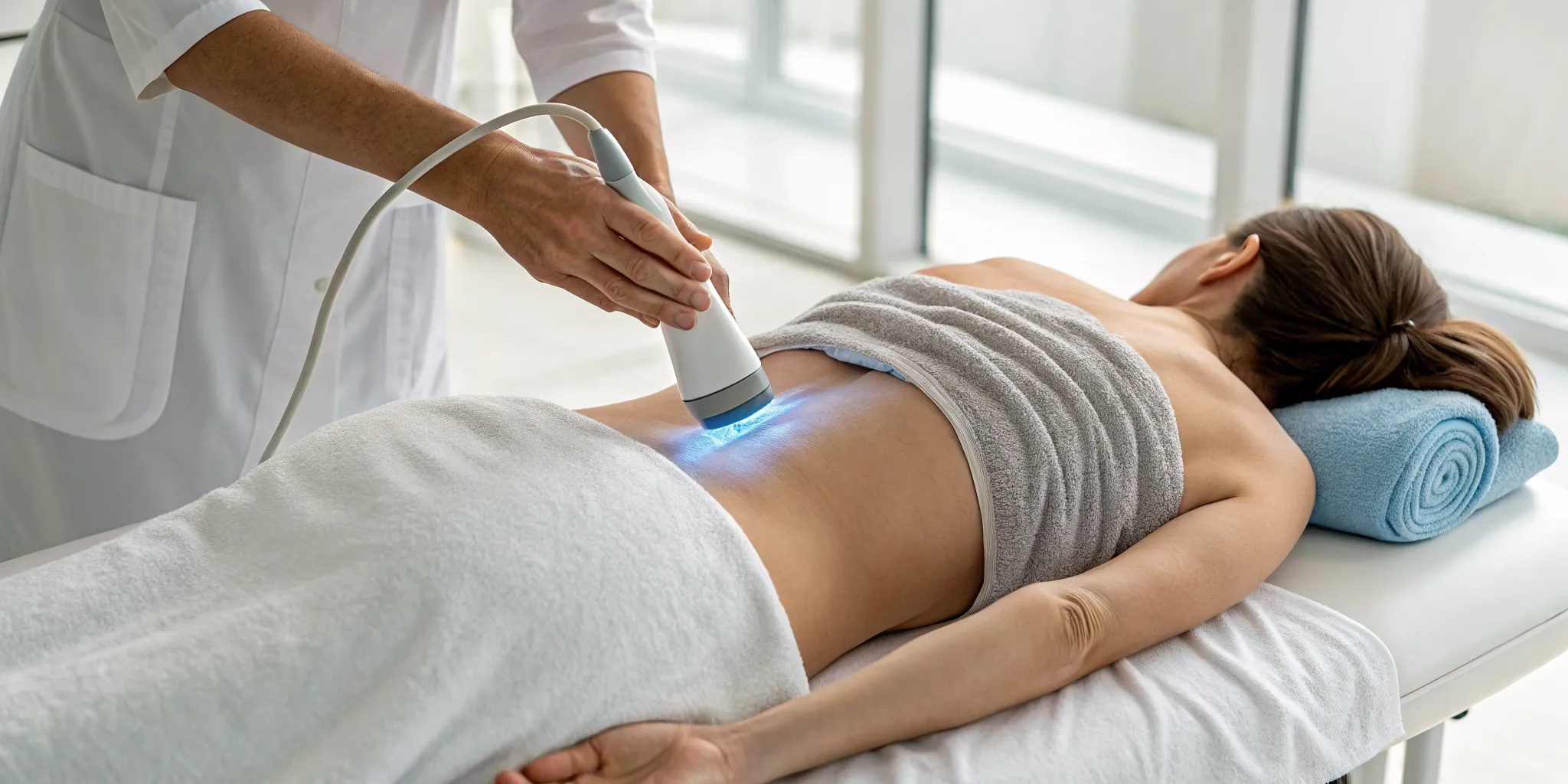
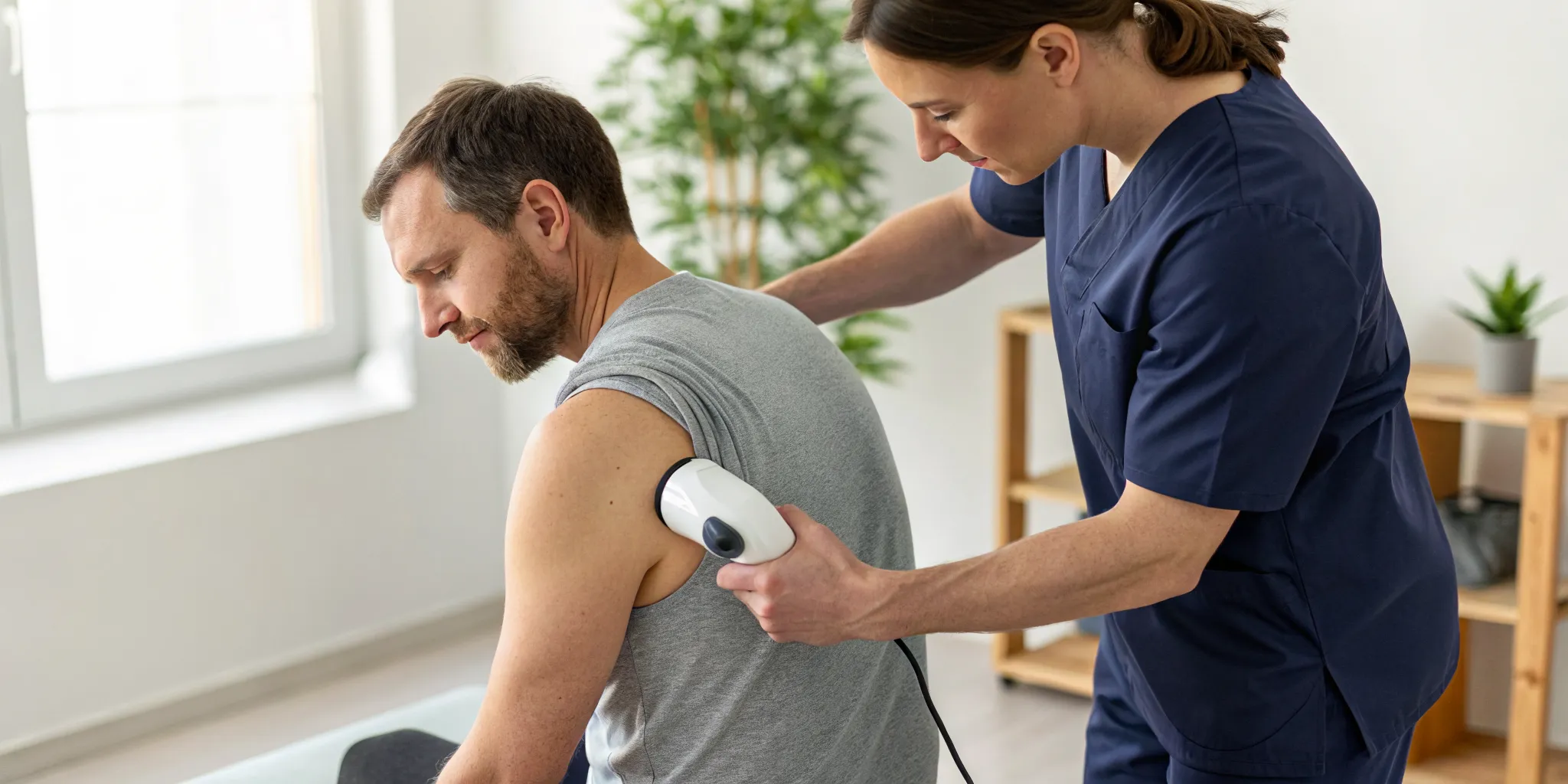
First, let's clear up a common misconception: shockwave therapy doesn't involve any electricity. The treatment, also known as Extracorporeal Shockwave Therapy (ESWT), uses focused acoustic (or sound) waves. During a session, a handheld device is placed on the skin over your painful elbow tendon. This device sends high-energy sound waves deep into the tissue. Think of it like a tiny, targeted jackhammer creating controlled micro-trauma in the exact area that needs to heal. This process is key because it essentially "wakes up" a chronic injury that your body may have stopped trying to fix, signaling that it's time to start the repair process again.
Sparking Your Body's Natural Healing Process
That controlled micro-trauma we just talked about is the catalyst for your body's incredible healing abilities. When the acoustic waves interact with the tissue, your body responds as if a new injury has occurred. It rushes healing resources to the site, including growth factors that are essential for cell regeneration. This response helps break down stubborn scar tissue and calcifications that often form in chronically injured tendons, which can limit movement and cause pain. By restarting this natural healing cascade, shockwave therapy encourages the growth of new, healthy tissue. It's a core component of our physical medicine approach, focusing on true healing rather than temporary fixes.
Improving Blood Flow to Repair Tendons
One of the most important effects of shockwave therapy is the creation of new blood vessels, a process called neovascularization. Healthy blood flow is everything when it comes to healing. Your blood carries the oxygen and nutrients that damaged tendons desperately need to repair themselves. For many chronic tendon issues, poor circulation is a major reason they fail to heal on their own. The sound waves stimulate blood flow to the area, which not only nourishes the tissue but also helps flush away waste products and inflammatory markers that contribute to pain. This improved circulation is fundamental to resolving the root cause of many conditions we treat, helping your elbow tendons finally get the resources they need to rebuild and become strong again.
What Elbow Conditions Does Shockwave Therapy Help?
If you’re dealing with persistent elbow pain, you know how frustrating it can be when simple rest doesn't solve the problem. Shockwave therapy is a targeted treatment that excels where other methods fall short, particularly for chronic conditions involving the tendons. It’s not a catch-all for every ache, but for specific overuse injuries, it can be a game-changer. This therapy uses acoustic waves to stimulate your body’s natural healing abilities right at the source of the pain.
Think of it as a way to restart a healing process that has stalled. It’s especially effective for tendinopathies, which are painful conditions that occur when a tendon is repeatedly strained. The most common of these that we see are tennis elbow and golfer's elbow. However, its benefits extend to other repetitive strain injuries that haven't responded to more conventional approaches. By addressing the root cause of the inflammation and tissue damage, shockwave therapy helps you find lasting relief and get back to your life. We see a wide variety of conditions we treat at our clinic, and elbow pain is one we successfully help patients resolve.
Tennis Elbow (Lateral Epicondylitis)
Tennis elbow is a classic repetitive strain injury that causes pain on the outside of the elbow. And no, you don't have to be a tennis player to get it. Any activity that involves repetitive gripping and wrist extension, from painting to carpentry to prolonged computer use, can cause it. This condition can be incredibly stubborn, but shockwave therapy offers a promising solution. Research shows that it can significantly reduce pain for people with tennis elbow, often helping them decrease their reliance on pain medication. By targeting the inflamed tendon with acoustic waves, the treatment promotes blood flow and tissue regeneration, helping your body finally heal the area. Our physical medicine approach integrates this therapy to help you recover function and strength.
Golfer's Elbow (Medial Epicondylitis)
On the flip side of tennis elbow is golfer's elbow, which causes pain on the inside of the elbow. It stems from repetitive wrist flexing or gripping motions, common in golfers, but also in weightlifters, carpenters, and anyone who frequently uses their hands and forearms. Like its counterpart, golfer's elbow can linger for months, making even simple tasks painful. Shockwave therapy is a non-invasive treatment method used to address this exact issue. It works by creating a micro-trauma in the affected tendon, which triggers your body's healing response. This process helps reduce inflammation and rebuild the damaged tissue, offering a path to relief without invasive procedures. It's one of the many services we offer to help you overcome chronic pain.
Chronic Tendon and Repetitive Strain Injuries
The power of shockwave therapy isn't limited to just tennis and golfer's elbow. It's a valuable tool for a range of chronic tendon injuries and repetitive strain issues that have become stuck in a cycle of pain and inflammation. When a tendon is injured and doesn't heal properly, blood flow to the area can become poor, stalling recovery. Shockwave therapy directly addresses this by stimulating the growth of new blood vessels. This increased circulation brings essential oxygen and nutrients to the damaged tissue, which is critical for repair. It helps your body heal itself from the inside out, making it an effective option for anyone suffering from persistent elbow pain caused by overuse. You can find more health insights on our blog.
Key Benefits of Shockwave Therapy
When you're dealing with persistent elbow pain, you want a solution that does more than just quiet the symptoms for a little while. You want to get to the root of the problem so you can find real, lasting relief. That’s where shockwave therapy shines. It’s a cornerstone of our physical medicine approach because it works with your body to promote genuine healing from the inside out. Instead of just masking the pain, this therapy helps repair the damaged tissue that’s causing it in the first place. Let's look at some of the key benefits that make it such a powerful option for conditions like tennis and golfer's elbow.
A Non-Invasive Approach with Little Downtime
One of the biggest advantages of shockwave therapy is that it's completely non-invasive. This means no incisions, no needles, and no lengthy recovery periods. The treatment is performed right in our office, and each session is relatively short. Unlike more aggressive procedures, you can typically get back to your daily routine almost immediately. This is a huge plus if you have a busy schedule and can't afford to put your life on hold. It’s a powerful treatment that helps your body heal from various injuries without the complications and downtime associated with surgery.
Find Lasting Relief from Pain
The goal of shockwave therapy isn't just temporary relief; it's to create lasting change. By stimulating blood flow and triggering your body's natural repair mechanisms, the therapy helps heal the underlying tendon injury. Research has shown that shockwave therapy can significantly reduce pain for people with chronic tennis elbow. Many of our patients find that as their elbow heals, their reliance on pain medication decreases, allowing them to get back to the activities they love without discomfort. This focus on true healing is central to how we address the conditions we treat at Ascend Functional Health.
A Safer Alternative to Other Options
For many people, shockwave therapy offers a safe and effective alternative to options like injections or surgery. It provides a middle ground when rest and physical therapy alone haven't been enough to resolve the issue. Because the treatment simply helps your body heal naturally, you avoid the risks that can come with more invasive procedures. It’s a way to support your body’s innate healing abilities without introducing foreign substances or making surgical alterations. This approach fits perfectly within a holistic plan that may include other services designed to restore your body's function and get you back to feeling your best.
Does Shockwave Therapy for Elbow Pain Really Work?
When you’re dealing with persistent elbow pain, you want a solution that delivers real, lasting results. It’s completely fair to ask if a treatment actually works before you commit your time and energy. The great news is that shockwave therapy has a strong track record, supported by clinical findings, for effectively treating chronic elbow conditions. It’s not a temporary patch; it’s a method designed to promote genuine healing from within.
This approach is a cornerstone of our physical medicine services because it aligns with the body’s own ability to repair itself. By addressing the underlying cause of the pain, rather than just silencing the symptoms, shockwave therapy helps you get back to your life with improved strength and function. Let’s look at the science and why this treatment is so successful for long-term issues.
A Look at the Science-Backed Results
Yes, the evidence points to significant success. Clinical trials have shown that shockwave therapy can substantially reduce pain and improve function for people suffering from conditions like tennis elbow. For example, one trial demonstrated that patients had notable pain reduction and could perform daily activities more easily just 30 to 60 days after their sessions. This shows the effects aren't just immediate but are also sustainable.
This non-invasive treatment uses acoustic waves to create a healing response in the affected tissue. The waves stimulate blood flow, encourage the growth of new cells, and help break down scar tissue. It’s a scientifically-backed way to prompt your body to repair the damage that’s causing your discomfort.
Why It's Effective for Chronic Conditions
Shockwave therapy is particularly powerful for chronic conditions because it essentially reawakens your body's natural healing process. Often, with long-term injuries, the healing process has stalled due to poor blood flow and inflammation. The targeted pressure waves from the treatment create a surge in circulation, bringing vital oxygen and nutrients directly to the injured tendons.
This renewed blood flow is crucial for tissue regeneration and repair. Instead of just masking the pain, the therapy helps resolve the underlying issue that caused it in the first place. By stimulating this deep healing response, shockwave therapy can finally provide relief for stubborn elbow pain that hasn't responded to other conventional methods, helping you achieve a more permanent solution.
How Shockwave Therapy Compares to Other Treatments
When you're dealing with persistent elbow pain, it’s natural to want to explore all your options. You’ve likely heard about everything from surgery to injections. Understanding how shockwave therapy fits into the picture can help you make an informed decision about your health. This treatment stands apart because it works with your body to create lasting change, rather than just masking symptoms or requiring invasive procedures. Let's look at how it stacks up against other common approaches for elbow pain.
Shockwave Therapy vs. Surgery
The thought of surgery can be daunting. It’s an invasive process that often comes with a long, and sometimes difficult, recovery period, not to mention potential complications. For many people with chronic elbow pain, surgery is considered a last resort. Shockwave therapy presents a powerful, non-invasive alternative. Instead of cutting into tissue, it uses acoustic waves to stimulate healing from the outside. This means you can avoid the risks associated with surgery and get back to your life with minimal downtime. Our approach to physical medicine prioritizes these kinds of effective, non-surgical solutions to help your body heal itself.
Shockwave Therapy vs. Injections
Injections are frequently offered to manage elbow pain, but they often provide only temporary relief. While they can reduce discomfort in the short term, they don't always address the underlying cause of the injury. Some types of injections can even carry risks, like weakening tendons or causing tissue damage over time. Shockwave therapy offers a different path. By stimulating blood flow and your body’s natural repair mechanisms, it helps to heal the injured tissue for more sustainable results. Research shows it can significantly improve both pain and function, making it a reliable alternative that supports your body’s long-term health.
Shockwave Therapy vs. Physical Therapy Alone
Physical therapy is a cornerstone of recovery for most elbow injuries, helping to restore strength, flexibility, and function. But it's not an "either/or" situation when it comes to shockwave therapy. In fact, they work best as a team. Think of shockwave therapy as the catalyst that prepares the tissue for healing. It reduces pain and inflammation, making it easier and more effective to perform your physical therapy exercises. By combining these two treatments, you can often accelerate your recovery. This integrated strategy is central to our holistic services, as it addresses the injury from multiple angles to help you achieve a complete and lasting recovery.
What to Expect During Your Shockwave Therapy Session
If you’re considering shockwave therapy, it’s helpful to know what the process looks like from start to finish. Understanding each step can make you feel more comfortable and confident in your treatment plan. The good news is that the sessions are straightforward and designed to fit into your life with minimal disruption. At Ascend Functional Health, we believe in a partnership approach to your well-being, which means we’ll walk you through every part of the process.
Our goal is to address the root cause of your elbow pain through our physical medicine services, and shockwave therapy is one of the effective tools we use. We tailor each treatment to your specific needs, ensuring the care you receive is as unique as you are. From the moment you walk in for your first session to your final appointment, our team is here to support you and answer any questions you have along the way.
How Long and How Often Are the Sessions?
One of the best parts of shockwave therapy is how efficient it is. Each session typically lasts only 15 to 20 minutes, making it easy to schedule without rearranging your entire day. Most people find that a series of treatments delivers the best results. While your specific plan will be personalized, a typical course involves three to five sessions, scheduled about once a week.
This weekly schedule gives your body time to respond to the treatment and begin its natural repair process between appointments. We will assess your progress at each visit and adjust the plan as needed. Our focus is on creating a sustainable path to healing, not just a temporary fix. We want to see you achieve lasting relief so you can get back to the activities you love.
What Does the Treatment Feel Like?
You might have heard that shockwave therapy is an uncomfortable experience, but that’s a common misconception. While you will feel the treatment working, it shouldn’t be painful. We use a device to deliver radial pressure waves to the affected area on your elbow, which may feel like a strong, tapping pulse. Your comfort is our top priority, and we encourage you to communicate with us throughout the session.
Our team can adjust the intensity of the waves to a level that is effective yet manageable for you. The goal is to stimulate healing, not to cause distress. We are committed to a patient-first philosophy, which you can learn more about on our About page. We’ll make sure you feel safe and supported during every moment of your care.
Your Recovery and Care Between Appointments
After a shockwave therapy session, most people can return to their normal daily activities right away. You might notice some mild soreness or tenderness in the treated area, but this is a normal response and a sign that your body is beginning to heal. This temporary discomfort usually fades within a day or two.
Your provider will give you specific guidance for care between appointments. Simple things, like applying an ice pack for 10 to 15 minutes if you experience any swelling, can be helpful. It’s also important to follow any recommendations for activity modification to give your elbow tendons the best chance to repair. This collaborative approach is central to how we handle the various conditions we treat and helps ensure you get the most out of your sessions.
Are There Any Risks or Side Effects?
It’s smart to ask about the safety of any new treatment you’re considering. The good news is that shockwave therapy is a well-regarded, non-invasive procedure with a strong safety profile. Most people go through their sessions with very few issues. However, like any effective therapy that stimulates a change in your body, there are a few things to be aware of. Think of it this way: the therapy is designed to wake up your body’s healing mechanisms, and that process can sometimes come with minor, temporary responses.
The most common effects are temporary and mild, usually resolving on their own within a day or two. We'll get into the specifics of those in a moment. It's also important to know that there are specific health conditions where shockwave therapy isn't the right choice. A thorough health assessment is a key part of our process at Ascend Functional Health to make sure this treatment is a safe and effective option for your specific needs. We believe in a personalized approach, and that starts with understanding your complete health picture. We'll walk through everything together before we begin, ensuring you feel confident and informed every step of the way.
Potential Temporary Side Effects
After a shockwave therapy session, it’s common to feel some mild discomfort or soreness in the treated elbow. Think of it as a sign that your body’s healing response has been activated. You might also notice some temporary redness, swelling, or even minor bruising around the area. These effects are typically short-lived and are a normal part of the process.
To manage any discomfort, you can apply an ice pack to your elbow for about 15 minutes at a time. This can help soothe the area and reduce swelling. Most people find that these side effects fade quickly, allowing them to return to their daily activities without significant interruption. Our approach to physical medicine always includes guiding you on post-treatment care.
Who Should Not Get Shockwave Therapy?
While shockwave therapy is safe for most people, it’s not suitable for everyone. Your safety is our top priority, so we avoid this treatment if certain conditions are present. For example, we would not perform shockwave therapy if you are pregnant, have a bleeding disorder, or have an active infection or tumor in the treatment area. It's also not recommended for areas with significant nerve issues or over metal plates or pins.
This is why a detailed consultation is so important. We take the time to understand your full health history to confirm you’re a great candidate for the treatment. If shockwave therapy isn't the best fit, we can explore other effective solutions for your elbow pain. Feel free to contact us to discuss your individual circumstances.
Could Shockwave Therapy Be Right for You?
Deciding on the right treatment for your elbow pain is a personal journey. While shockwave therapy offers incredible benefits for many people dealing with chronic tendon issues, it’s important to understand if it’s the right fit for your specific situation. At Ascend Functional Health, we take a personalized approach, starting with a thorough evaluation to determine the root cause of your pain and the best path forward. This helps us create a plan that aligns with your body’s needs and your health goals.
Our team is here to guide you through your options. We believe in empowering you with the information you need to make confident decisions about your health. Let’s explore what makes someone a good candidate for shockwave therapy and when another approach might be more suitable.
Signs You're a Good Candidate
If you feel like you’ve tried everything for your elbow pain without lasting success, you might be an ideal candidate for shockwave therapy. This treatment is often recommended for chronic conditions that haven't responded to other methods. For example, if you've had persistent elbow pain for more than six months despite trying rest, physical therapy, braces, or even injections, it could be time to explore a different approach.
Shockwave therapy is particularly effective for those whose pain stems from tendon issues like tennis or golfer's elbow. It’s designed to address the underlying cause of the pain, not just mask the symptoms. Our approach to physical medicine focuses on finding these root causes to help you achieve genuine, long-term healing.
How Long Should You Wait Before Trying It?
There isn't a magic number, but a good rule of thumb is to consider shockwave therapy when your elbow pain starts to significantly interfere with your life. If simple tasks like picking up a coffee cup, typing at your computer, or enjoying your favorite hobbies have become difficult or painful, it’s a clear sign that your current treatment plan isn't enough. You shouldn't have to put your life on hold because of persistent pain.
When other conservative treatments haven't provided the relief you need to function comfortably, it may be the right time to discuss shockwave therapy. By addressing the chronic conditions we treat, this therapy can help you get back to your daily activities without being held back by discomfort.
When Another Treatment Might Be a Better Fit
While shockwave therapy is a safe and effective option for many, it’s not suitable for everyone. We would not recommend this treatment if you are pregnant, have a bleeding disorder, or have certain health conditions like tumors or active infections in the treatment area. Your safety and well-being are our top priorities, and a comprehensive health assessment is the first step in any treatment plan.
Some people also worry that the treatment itself is painful. While you will feel the acoustic waves at work, your comfort is paramount. Our team will ensure the intensity is appropriate for you. If you have any concerns, the best step is to schedule a consultation so we can discuss your health history and determine if shockwave therapy is the right choice for you.
Our Holistic Approach to Resolving Elbow Pain
When you’re dealing with persistent elbow pain, the last thing you want is a temporary fix that just masks the symptoms. Our goal is to understand why you’re in pain and create a plan that supports your body’s ability to heal for good. We don’t just look at the elbow; we look at the whole picture of your health to find and address the root cause of the problem. This comprehensive method is central to how we approach all the conditions we treat.
A key part of our physical medicine toolkit for elbow pain is shockwave therapy. This non-invasive treatment uses acoustic waves to stimulate your body’s natural repair mechanisms right at the source of the injury. Think of it as a way to jumpstart the healing process. The shockwaves help increase blood flow to the damaged tendons, bringing a fresh supply of oxygen and nutrients needed for repair. This process encourages the growth of new, healthy cells and has been shown to significantly reduce pain, helping you get back to your daily activities with more ease.
But our approach doesn't stop there. We also use the principles of functional medicine to investigate other factors that could be contributing to your pain or slowing down your recovery. Chronic inflammation, nutrient deficiencies, or even gut health imbalances can all impact how well your body repairs tissue. By looking at these underlying issues, we can create a truly personalized protocol that supports your healing from the inside out, leading to more effective and lasting relief.
Related Articles
- SoftWave Tissue Regeneration Therapy in Tampa | Alessi Functional Health
- SoftWave TRT Therapy in Tampa, FL - Alessi Functional Health
- Pain Free Future | Alessi Functional Health
- What Is Graston Technique Therapy? A Beginner's Guide
- 4 Ways to Regrow Knee Cartilage Without Surgery
Frequently Asked Questions
What does shockwave therapy actually feel like? Is it painful? This is a great question, as the name can sound a little intense. The treatment itself is not painful, though you will definitely feel it working. Most people describe the sensation as a strong, tapping pulse against the skin right over the injured area. Your comfort is our priority, so we can adjust the intensity to a level that is both effective for healing and completely manageable for you. We'll communicate with you throughout the short session to make sure you feel comfortable.
How soon can I expect to feel relief from my elbow pain? Healing is a gradual process, so it's best to think of this as a cumulative effect rather than an instant fix. While some people notice a decrease in pain after just one or two sessions, the most significant and lasting results come from completing the full treatment plan. The therapy works by helping your body rebuild tissue, a process that continues for weeks even after your final session. The goal is true, sustainable healing, not just temporary relief.
Why would this work for me if physical therapy and rest haven't helped? This is a common scenario, and it's where shockwave therapy really excels. Often, with chronic injuries like tennis or golfer's elbow, the healing process has stalled because of poor blood flow and built-up scar tissue. Rest and exercise alone may not be enough to break that cycle. Shockwave therapy acts as a catalyst, using acoustic waves to stimulate new blood vessel growth and restart your body's natural repair mechanisms right at the source of the problem.
What are the activity restrictions after a session? Can I go right back to my routine? For the most part, yes. One of the best things about this treatment is the minimal downtime. You can typically return to your job and normal daily activities immediately after your appointment. However, we do recommend avoiding any strenuous activities that put a heavy strain on your elbow, like intense workouts or heavy lifting, for about 24 to 48 hours. This short break gives the treated area a chance to begin the healing process without added stress.
Is shockwave therapy the only thing I'll need to do to fix my elbow? While shockwave therapy is a powerful tool, we find it works best as part of a comprehensive plan tailored to you. We don't just treat the symptom; we look at the whole picture. Your personalized plan may also include specific corrective exercises to strengthen the supporting muscles, ergonomic advice to prevent re-injury, and functional medicine support to address any underlying issues like chronic inflammation. This integrated approach helps ensure your recovery is not only complete but also lasting.