Joint care for former athletes in Tampa often begins with a familiar question: how can you stay active when an old training pattern or recurring joint concern now affects daily life? A useful conversation looks beyond a single ache. It considers your sport history, current movement, goals, and changes you have noticed over time. For former athletes, connecting those details to the activities you want to keep doing can make the next discussion more focused.
Explore Physical Medicine care

How Can Your Athletic History Help Shape the Conversation?
Your athletic history can give a clinician useful context about movement demands, repeated loading, prior injuries, and earlier care. You do not need to decide on a cause before describing the pattern you have noticed.
Former athletes may have years of repetitive loading, abrupt changes in activity, or earlier injuries in their history. A review of former competitive athletes describes elevated musculoskeletal injury and osteoarthritis concerns in this population. That finding does not predict an individual outcome, but it supports sharing your history in context. Read the NIH-hosted review on midlife health in former competitive athletes.
Before an appointment, write down the sports and activities you did, how long you participated, and which movements were repeated most often. Note any earlier injury or evaluation, what care you received, and how your body responded. Add the activities you currently avoid or modify. These details are often more useful than trying to recall an entire athletic career during a short conversation.
- Which sports or activities did you do, and for how long?
- Which joints were repeatedly stressed, and did symptoms begin during or after a particular activity?
- What prior evaluation or care did you receive, and how did you respond?
- What currently brings on discomfort, stiffness, or reduced range of motion?
- What would you like to do again, such as walking comfortably, playing recreational sport, or managing ordinary tasks?
Describe what you can and cannot do now in plain terms. “I can walk for half an hour, but stairs make my knee feel stiff” gives a clearer starting point than “my knee is bad.” Track patterns over several days if they vary, but do not force a movement simply to demonstrate a symptom. If you have training logs or old notes, use them only as background; your present experience and goals matter too.
Which Details Should You Share About Your Current Joint Concern?
A useful description covers location, timing, change, and impact on function. Those four details can help guide a focused evaluation and make later comparisons more meaningful.
Consider whether the concern appears after prolonged sitting, during a particular movement, or later in the day. Say whether it is steady or intermittent, affects one or both sides, and has changed in intensity or frequency. Mention related health changes and relevant history, even when you are not sure they connect. A careful explanation should distinguish established findings from possibilities that still need evaluation.
Use a short record rather than relying on memory. A simple table can organize what you notice:
| What to record | Example detail | Why it helps the discussion |
|---|---|---|
| Activity | Walking, sitting, lifting a bag | Shows the setting in which symptoms arise |
| Timing | During activity or later that day | Clarifies the pattern over time |
| Function | Stairs feel harder than level walking | Connects symptoms with a practical task |
| Change | More stiffness over several weeks | Helps establish whether the concern is shifting |
| Goal | Return to a comfortable weekend walk | Gives the care conversation a meaningful direction |
Do not wait for a perfect log. A few observations can start the discussion. If symptoms are new, rapidly worsening, or accompanied by concerning changes, seek timely medical assessment rather than relying on a blog or a routine consultation. Bring a list of questions and share any uncertainty about the pattern; guessing at a diagnosis is not required.
What Might a Personalized Evaluation Include?
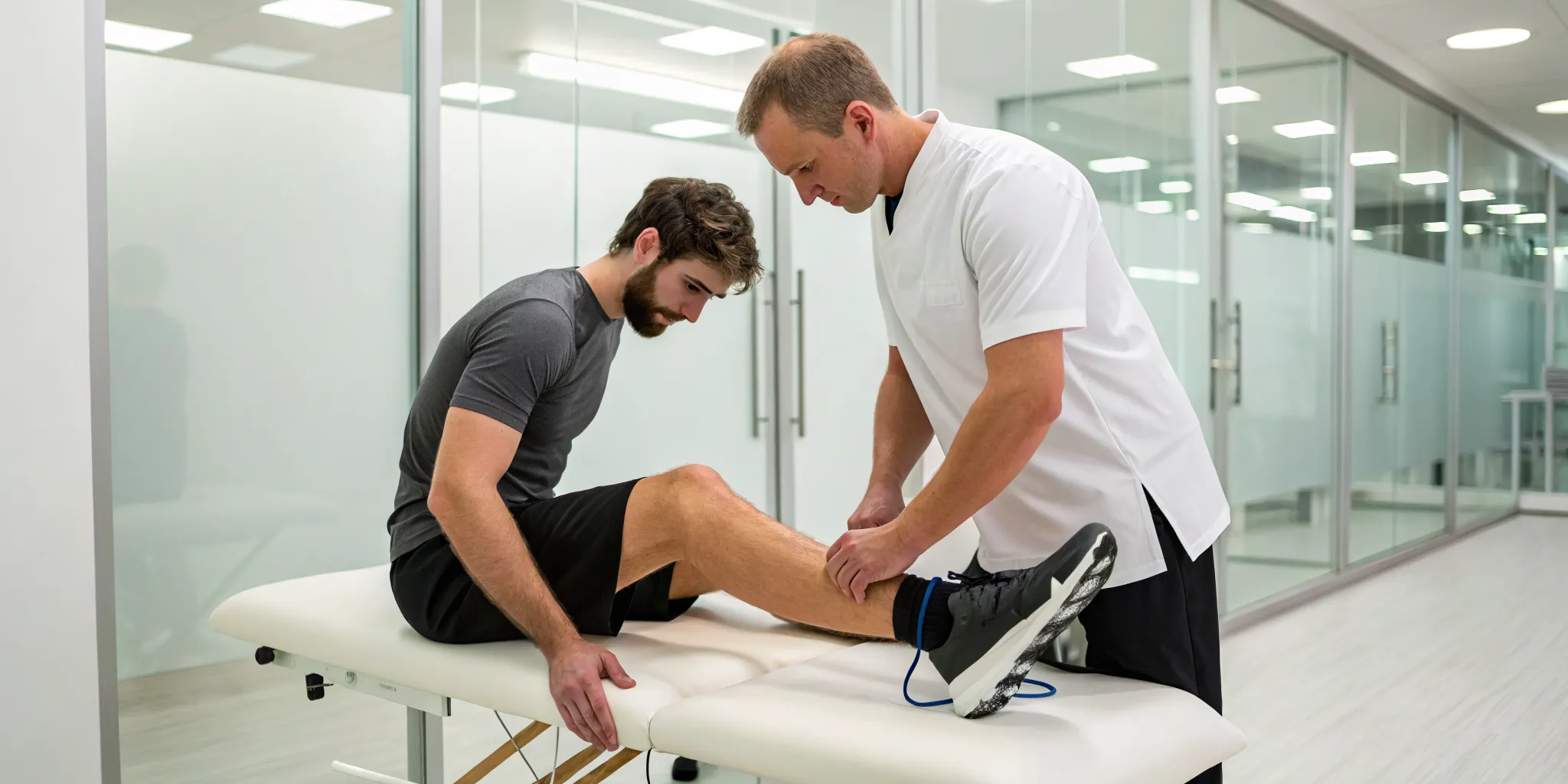
An evaluation may combine your health and activity history, a discussion of goals, and an examination of relevant movement and structure. The clinician can then explain possible options and whether further information may help.
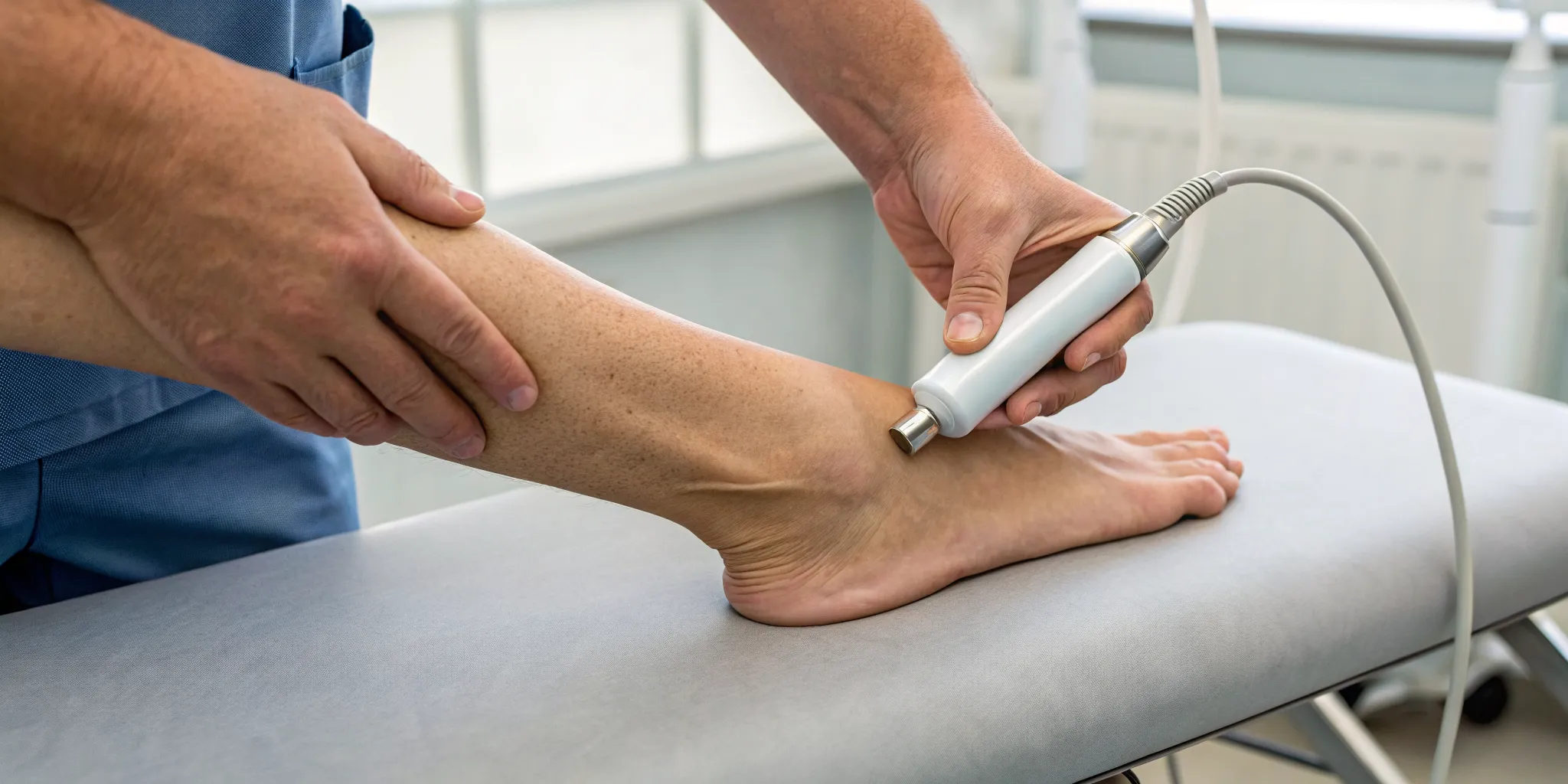
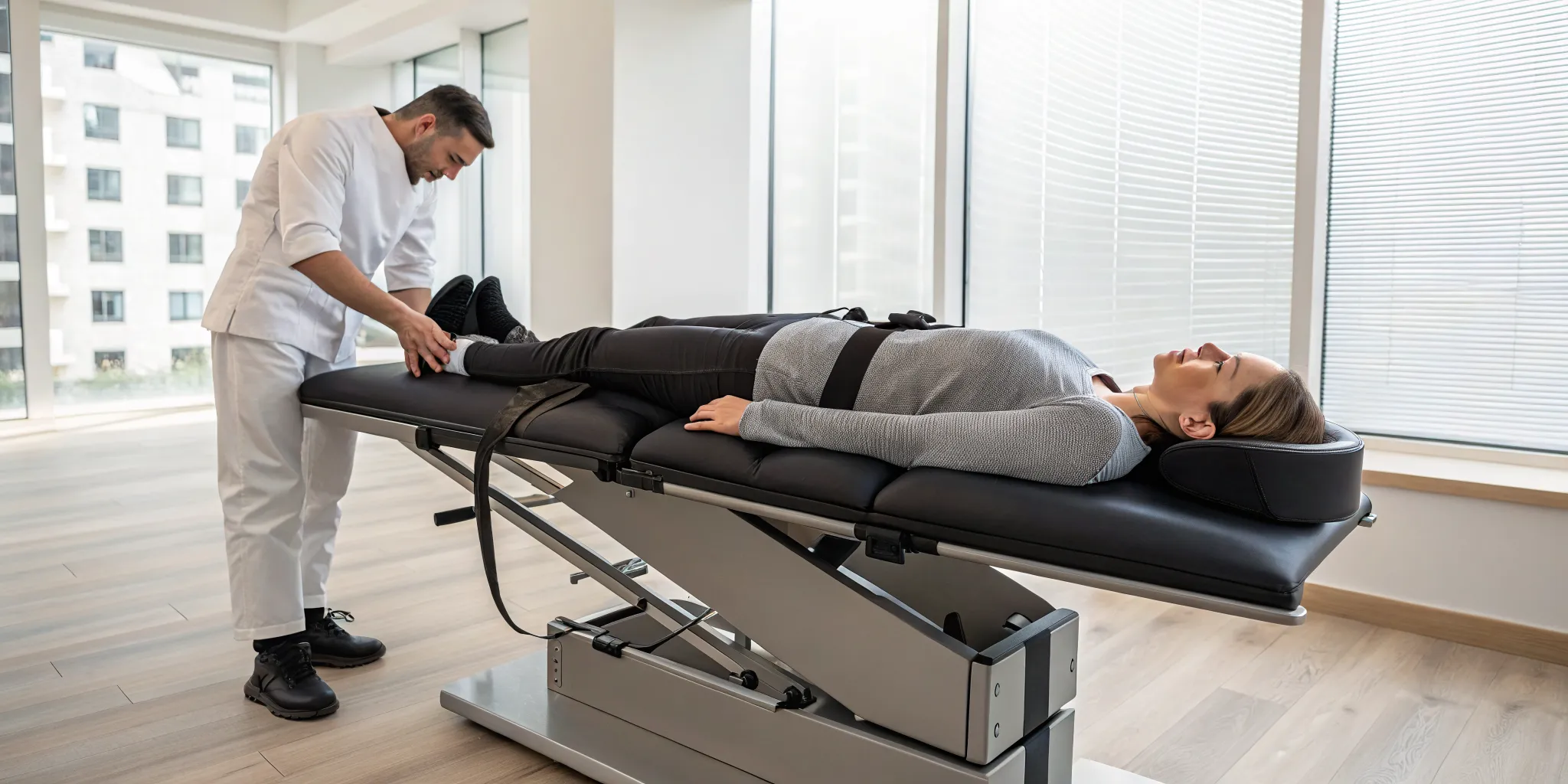
At Ascend Functional Health, Physical Medicine includes approaches such as chiropractic care, decompression, corrective care, lumbar care, and soft-tissue work. The appropriate discussion depends on your presentation; no single method suits every person. Learn more about Physical Medicine in Tampa.
It can help to ask how the evaluation will connect your history to a practical goal. For example, if stairs are difficult, ask which findings may relate to that task and how a proposed next step would be reviewed. If the examination does not explain the full pattern, ask what remains uncertain and whether a different type of assessment may be appropriate. The goal is a clear conversation, not a predetermined treatment.
Questions you can ask during an evaluation include:
- Which parts of my history seem most relevant to the current concern?
- What did you observe during the examination, and what remains uncertain?
- What reasonable options could we discuss, and what are their limits?
- How will we decide whether a plan is helping me meet a functional goal?
- When should I check back or seek a different kind of assessment?
You should understand the proposed next step, why it is being considered, and how progress will be reviewed. If a recommendation does not make sense, ask for an everyday-language explanation before deciding. You can also ask what the plan would look like if the first approach does not fit or does not change the activity you care about.
How Can Broader Health Context Affect Joint Care?
Joint concerns occur alongside the rest of your health, so relevant context may shape a more complete conversation. A broader review does not mean every person needs extensive testing or that it replaces a focused joint examination.
Sleep, energy, digestion, general activity, and other health changes may be worth mentioning when they affect your goals or recovery. Functional Medicine at Ascend may involve a review of health history and, when appropriate, bloodwork or stool testing. Testing should have a clear purpose and be considered in light of your individual situation. Explore Functional Medicine options if broader concerns are part of your picture.
To make a broader conversation practical, identify the concern that most affects your day and explain its timing. For example, fatigue that changes your activity tolerance is useful context; it does not by itself explain a joint symptom. Ask whether a proposed test could change a decision, what it can and cannot clarify, and how results would be discussed. This keeps the focus on your priorities rather than collecting information without a clear purpose.
Regenerative Medicine is another distinct pillar at the practice. Services such as PRP or peptide therapy require an individualized clinical workup and discussion; they are not automatic answers for joint symptoms. Ask what evidence, expected process, possible limitations, and follow-up would apply to your specific case. A personalized plan should reflect your priorities and clinical findings, not a promise of a guaranteed result. You can also ask how the option compares with other reasonable choices and what criteria would lead to reconsidering it.
How Can You Compare Care Discussions and Track Change?
Compare options by their purpose, the information they rely on, and the way progress will be assessed. A clear plan connects each step with a goal you can observe in daily life.
Use the comparison below as a discussion tool, not as a substitute for a clinician's recommendation:
| Discussion area | Questions to consider | Useful progress marker |
|---|---|---|
| Movement-focused care | Which movement or structural finding is being addressed? | Ease with a chosen everyday task |
| Broader health review | Would additional history or a test change the plan? | Changes in the concern and related health goals |
| Regenerative options | Why might this be considered, and what are its limits? | Clinician-defined reassessment at an agreed time |
| Monitoring | When will we review the plan and decide next steps? | Consistent notes on symptoms and function |
Choose one or two practical measures. You might note how long you can walk comfortably, how stairs feel, or whether a familiar activity causes symptoms later. Keep the measure consistent: compare similar tasks under similar circumstances rather than comparing a demanding day with a quiet one. If the plan changes, record when and why so the next review has useful context.
Progress may not be perfectly linear. A setback does not automatically mean a plan has failed, and one good day does not establish lasting change. Share both improvements and difficulties. A clinician can use that information to reconsider whether the approach still fits your needs. If a measure is too difficult to track or does not reflect your priorities, choose a more practical marker together.
It can be helpful to set a review point at the outset. Ask what time frame makes sense for the specific plan, what change would count as meaningful to you, and what to do if the concern worsens before that review. Agreeing on these details makes follow-up less dependent on memory or vague impressions. It also gives you a shared reference for deciding whether to continue, adjust, or explore another direction.
How Can Tampa Bay Former Athletes Prepare for a First Conversation?
A little preparation can make a first conversation more focused. Bring your observations, questions, and a realistic description of the activities you want to manage.
Before the visit, consider writing down:
- Your main concern in one sentence.
- When you first noticed it and what has changed since.
- Relevant sport, activity, and care history.
- Two or three tasks that are easier or harder now.
- Your most important question about evaluation or next steps.
Gather relevant records if you have them, but do not postpone a conversation because your notes are incomplete. A concise timeline can be enough: when the concern began, what changed, what you tried under professional guidance, and how it affected your routine. If you have questions about sharing previous records, ask the practice what would be useful. You can also write down terms or explanations you want clarified so they do not get lost during the visit.
Review the practice's frequently asked questions and information about available services. For practical planning details, see the financing information. If you are unsure which service fits, ask the practice rather than assuming a particular modality is appropriate. The practice background and patient stories can provide additional context about the organization, though neither can predict your individual experience.
Ascend Functional Health serves the greater Tampa Bay area and describes care through Physical Medicine, Functional Medicine, and Regenerative Medicine. For a focused overview of the practice's approach, visit its services page. If broader health questions are part of your picture, the Functional Medicine page describes that pillar. These resources can help you prepare questions, but a service page cannot determine which option fits your circumstances.
It may help to define your preferred outcome in everyday language. “I want to take a longer walk without changing my pace” is more actionable than a general wish to feel better. If your priority is returning to a sport, name the specific demands involved, such as direction changes or repeated overhead motion, and discuss them rather than testing them on your own. A thoughtful starting point respects both your goals and your current limits.
Contact the practice to discuss next steps
Frequently Asked Questions
Can former athletes seek care even if they stopped competing years ago?
Yes. You can discuss a current joint concern and relevant activity history regardless of when you stopped competing. The evaluation should focus on your present needs, health history, and goals.
Should I bring old imaging or treatment records?
If you have relevant records, ask the practice whether they would be useful and how to share them. Records may provide context, but a clinician will also consider your current symptoms and examination.
Does every joint concern need testing?
No. Whether testing is useful depends on the question being considered and whether its result could inform decisions. Ask why a test is proposed and how the result would affect the discussion.
How should I know whether a care plan is helping?
Agree on practical measures with your clinician, such as a daily activity or movement goal, and review them over time. Report both positive changes and difficulties so the plan can be reconsidered when needed.
For more background before your discussion, browse the practice insights or use the contact page to ask about a next step. Keep the focus on your current needs and the activities that matter to you.
Start a conversation about your joint care
This article is for educational purposes only and is not medical advice. Consult your clinician before acting on health information or making care decisions.