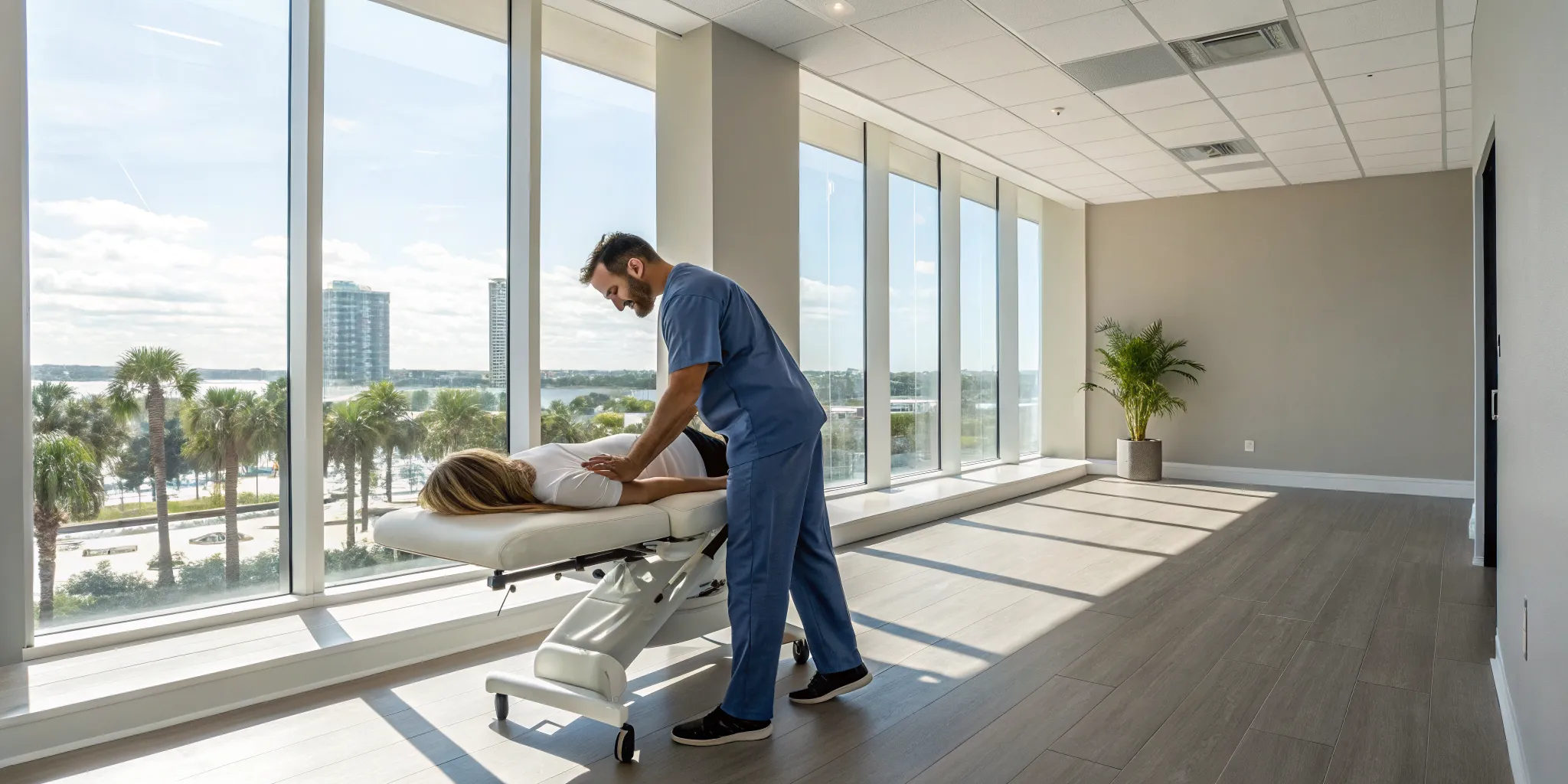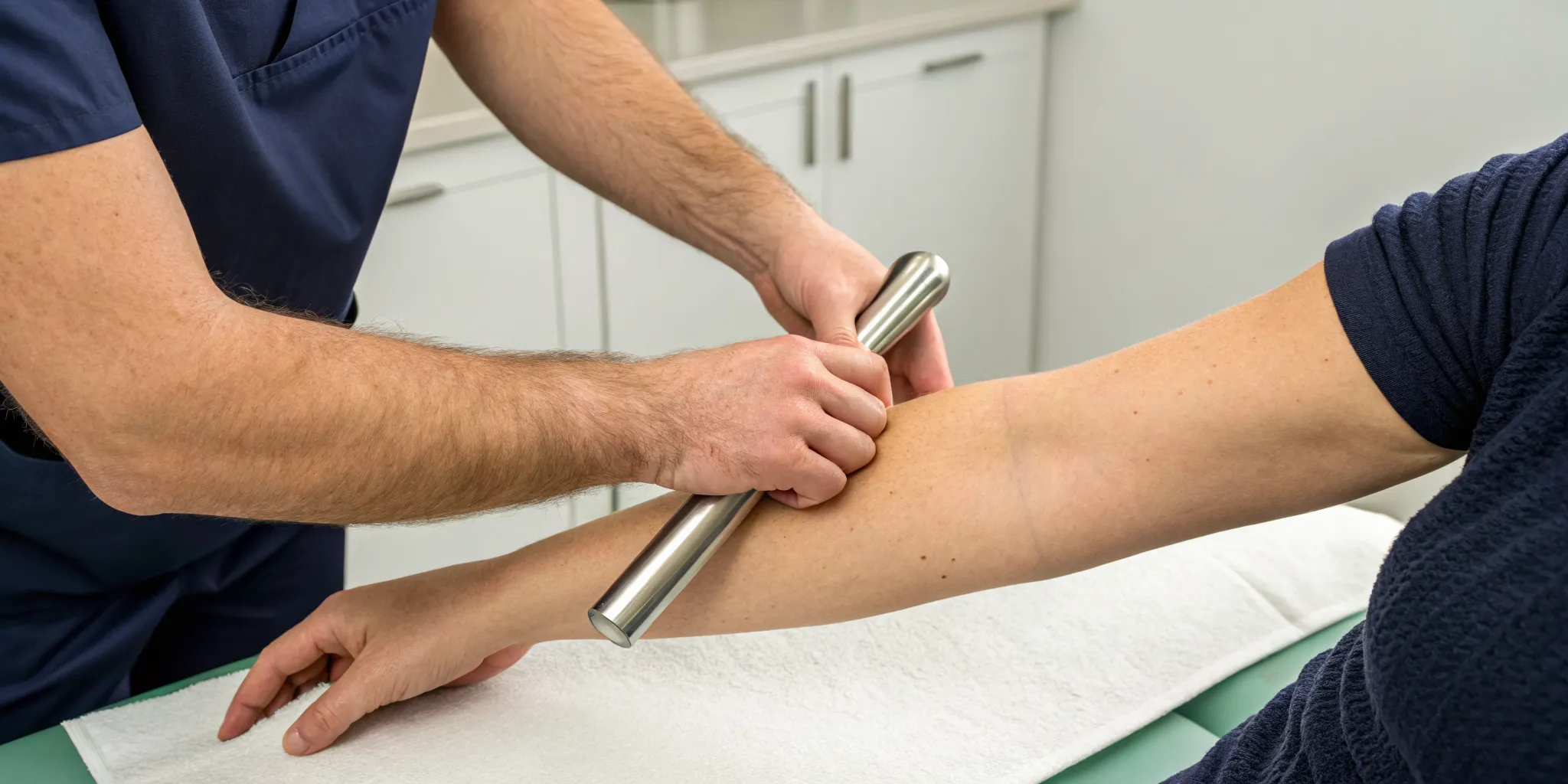
The idea that sound waves can help heal your body might seem like something from the future, but it’s a well-researched and effective reality. This is the science behind shockwave therapy, a non-surgical treatment that delivers powerful acoustic energy to injured soft tissues. Instead of just covering up your symptoms, this process kickstarts your body’s natural repair cycle right at the source of the pain. It increases circulation, breaks down scar tissue, and encourages the growth of new, healthy cells. As a key part of modern physical medicine, it offers a way to achieve lasting relief from chronic conditions without invasive procedures.
Key Takeaways
- It Promotes Your Body's Natural Healing: Shockwave therapy is a non-surgical treatment that uses sound waves to kickstart your body's repair process, addressing the root cause of pain by improving blood flow and helping to regenerate tissue.
- It's a Solution for Persistent Pain: This therapy is highly effective for chronic conditions that haven't responded to other treatments, offering a path to relief for issues like long-standing plantar fasciitis, tennis elbow, and shoulder pain.
- Patience is Part of the Process: While the sessions are quick and have minimal downtime, the most significant results appear over time; lasting relief develops in the weeks following your treatment as your body completes the healing cycle.
What Is Shockwave Therapy?
If you're dealing with persistent pain from an old injury or a chronic condition, you know how frustrating it can be when other treatments don't provide lasting relief. That's where shockwave therapy comes in. This innovative, non-surgical treatment uses powerful acoustic waves, or sound waves, to target pain deep within muscles, tendons, and other soft tissues. Think of it as a way to restart your body’s natural healing process right at the source of your discomfort.
As a key part of our physical medicine services, shockwave therapy aligns perfectly with our goal of addressing the root cause of your pain, not just masking the symptoms. It’s a well-researched method for helping your body repair itself without the need for invasive procedures. By applying these targeted sound waves, we can stimulate healing in a way that helps you get back to feeling your best.
How Acoustic Waves Promote Healing
So, how can sound waves actually heal your body? It sounds a bit like science fiction, but the principle is quite simple. The process is called mechanotransduction, which is just a technical way of saying the acoustic waves create a controlled, therapeutic response in your cells. This targeted energy increases circulation and metabolic activity around the painful area, which is essential for repair.
The waves help break down scar tissue and calcifications that can limit movement and cause pain. More importantly, they trigger your body to build new, healthy tissue and blood vessels. This comprehensive approach doesn't just offer temporary relief; it promotes long-term healing for many of the conditions we treat, from chronic tendon pain to plantar fasciitis.
Focused vs. Radial: What's the Difference?
Not all shockwave treatments are the same. You might hear about two types: focused and radial. Focused shockwave therapy uses a precise, targeted beam of energy to penetrate deep into a specific point, making it ideal for issues located further within the body. Think of it like a laser pointer hitting an exact spot. Radial shockwave therapy, on the other hand, disperses the energy over a wider, more superficial area, like the beam of a flashlight.
The right approach depends entirely on your unique situation and the condition being treated. Our experienced team understands these differences and will determine the most effective method for you. This commitment to personalized care is central to our philosophy, ensuring you receive a treatment plan tailored to your specific needs and health goals.
What Conditions Can Shockwave Therapy Address?
If you're dealing with chronic pain that just won't quit, you know how frustrating it can be when traditional treatments don't provide lasting relief. Shockwave therapy is an exciting, non-invasive technology that works by stimulating your body's own healing mechanisms. It’s a cornerstone of our physical medicine approach because it directly addresses the root cause of pain in muscles, tendons, and soft tissues. By delivering acoustic waves to the injured area, this treatment can increase blood flow, break down scar tissue, and regenerate healthy cells.
This therapy is incredibly versatile, offering hope for a wide range of stubborn issues. It’s not a temporary fix; it’s a way to promote genuine, long-term healing from within. Whether you're an athlete sidelined by a tendon injury, someone struggling with daily heel pain, or experiencing other chronic conditions, shockwave therapy might be the solution you’ve been searching for. We've seen it make a significant difference for many of the conditions we treat, helping people get back to their lives without discomfort. Below, we’ll explore some of the most common conditions that respond well to this innovative treatment.
Plantar Fasciitis and Heel Pain
Waking up to a sharp, stabbing pain in your heel is a terrible way to start the day. If this sounds familiar, you might be dealing with plantar fasciitis. This condition involves inflammation of the thick band of tissue that runs across the bottom of your foot. It can be incredibly persistent and disruptive to your daily life. The good news is that shockwave therapy has a long and successful track record here. In fact, a narrative review of musculoskeletal pain treatments shows it was one of the first conditions for which the therapy was approved. The acoustic waves target the inflamed fascia, stimulating blood flow and tissue repair to finally give you lasting relief.
Achilles Tendinopathy
The Achilles tendon is a powerhouse, connecting your calf muscle to your heel bone. When it becomes overworked, it can lead to Achilles tendinopathy, a painful condition characterized by stiffness and swelling at the back of the ankle. It’s especially common in runners and active individuals, but it can affect anyone. Instead of just masking the pain, shockwave therapy gets to the source of the problem. Research provides strong evidence for its effectiveness in treating this condition. By promoting the regeneration of damaged tendon fibers, it helps restore strength and flexibility, allowing you to move with confidence again.
Tennis Elbow and Golfer's Elbow
You don’t have to be a pro athlete to suffer from tennis elbow or golfer's elbow. These conditions are caused by repetitive strain on the tendons in your forearm, leading to pain on the outside (tennis elbow) or inside (golfer's elbow) of your elbow. Simple tasks like gripping a coffee cup or turning a doorknob can become painful. Shockwave therapy offers a powerful, non-surgical solution by breaking down scar tissue and stimulating a healing response in the affected tendons. This approach is backed by strong evidence, making it a reliable option for those seeking to regain pain-free function in their arm and wrist.
Calcific Shoulder Tendinopathy
Shoulder pain can be particularly debilitating, and calcific tendinopathy is one of the most painful culprits. This condition occurs when calcium deposits build up in the rotator cuff tendons, causing intense pain and severely limiting your range of motion. Fortunately, this is one of the areas where shockwave therapy truly shines. Research gives it the strongest evidence of effectiveness for this specific condition. The focused acoustic waves work to break apart these calcium deposits, which the body can then naturally absorb. This process reduces inflammation and helps restore normal, pain-free shoulder function.
Chronic Tendon and Soft Tissue Pain
Tendons are the tough, flexible bands that connect your muscles to your bones, and when they become chronically painful, it can impact your ability to enjoy life. Conditions like patellar tendonitis (jumper's knee) or rotator cuff issues can linger for months or even years. Shockwave therapy is an excellent option for these types of chronic tendon problems. It works by creating micro-trauma in the targeted area, which kickstarts a new healing cycle. This process increases blood supply and nutrient flow to the damaged tissue, helping your body finally repair the persistent injury and reduce the associated pain.
Erectile Dysfunction
Erectile dysfunction (ED) is a sensitive topic, but it's a common health concern that can significantly impact quality of life. While many treatments focus on symptoms, shockwave therapy addresses one of its primary root causes: poor blood flow. As part of a comprehensive approach to longevity medicine, this gentle treatment uses low-intensity sound waves to stimulate the growth of new blood vessels in penile tissue. This process, known as neovascularization, can improve blood flow naturally and restore function over time. It’s a promising, non-invasive option for men seeking a solution that promotes the body's own healing abilities.
The Benefits of a Non-Surgical Approach
When you’re dealing with persistent pain, the thought of surgery can be daunting. The long recovery times, potential complications, and disruption to your life are all valid concerns. That’s why exploring non-surgical treatments is such a critical step in your healing journey. Shockwave therapy stands out as a powerful option that works with your body, not against it, to achieve lasting relief without the need for invasive procedures. It’s a cornerstone of modern physical medicine, offering a path to recovery that avoids the operating room.
This approach aligns perfectly with a holistic view of health, where the goal is to address the root cause of your discomfort and support your body’s innate ability to repair itself. Instead of just masking symptoms, we aim to create true, sustainable healing from the inside out. By choosing a non-surgical path, you’re opting for a method that prioritizes your overall well-being, minimizes risk, and helps you get back to your life faster. It’s about empowering your body with the tools it needs to mend itself effectively. Let’s look at some of the key benefits you can expect from this innovative treatment.
Experience a Quicker Recovery
One of the most significant advantages of shockwave therapy is the minimal downtime. Unlike surgery, which can require weeks or even months of recovery, this treatment allows you to get back to your daily activities much sooner. The therapy uses targeted acoustic waves to stimulate blood flow and metabolic activity in the affected area. This process essentially gives your body’s natural healing mechanisms a major push, accelerating tissue repair and regeneration from within. What this means for you is less time spent on the sidelines and more time enjoying the life you want to live. Our approach to physical medicine focuses on these kinds of effective, low-impact solutions.
Reduce Your Risk of Complications
Any surgical procedure comes with a list of potential risks, from infection to adverse reactions to anesthesia. Because shockwave therapy is non-invasive, it sidesteps these concerns entirely. There are no incisions, no anesthesia, and the treatment is performed right in our office. It is widely regarded as a safe procedure with very few side effects, which are typically minor and temporary, like mild soreness in the treated area. Before beginning any treatment, our team conducts a thorough assessment to ensure it’s the right fit for your specific health profile. This careful, personalized process is central to how we care for our patients.
Find Relief When Other Treatments Haven't Worked
If you feel like you’ve tried everything for your chronic pain without success, shockwave therapy may offer the breakthrough you’ve been looking for. It is particularly effective for chronic conditions that have not responded to more conventional treatments. For issues like long-standing tendon pain or plantar fasciitis, the targeted waves can break up scar tissue and stimulate healing in tissues that have been “stuck” in a non-healing state. This makes it a valuable tool for addressing some of the most stubborn musculoskeletal problems. You can learn more about the specific conditions we treat and see if your symptoms align with those that respond well to this therapy.
What to Expect During Your Shockwave Therapy Session
If you're considering shockwave therapy, you might be wondering what the process actually looks like. It’s natural to have questions about a new treatment. The good news is that the entire experience is designed to be as straightforward and comfortable as possible. From preparing for your visit to the treatment itself, our team is here to support you. Let's walk through what a typical session involves so you can feel confident and prepared.
How to Prepare for Your Appointment
There isn't much you need to do to get ready for your shockwave therapy appointment. We recommend wearing comfortable, loose-fitting clothing that allows for easy access to the treatment area. Before your session, it's a good idea to have a light meal and stay hydrated, but there are no strict rules. The best part is that most people experience little to no downtime and can return to their normal activities the same day. You might notice some mild soreness or swelling afterward, but this is a positive sign that your body's healing process has begun and it typically fades within a few days. If you have any questions before you arrive, please don't hesitate to contact our office.
What Happens During the Treatment
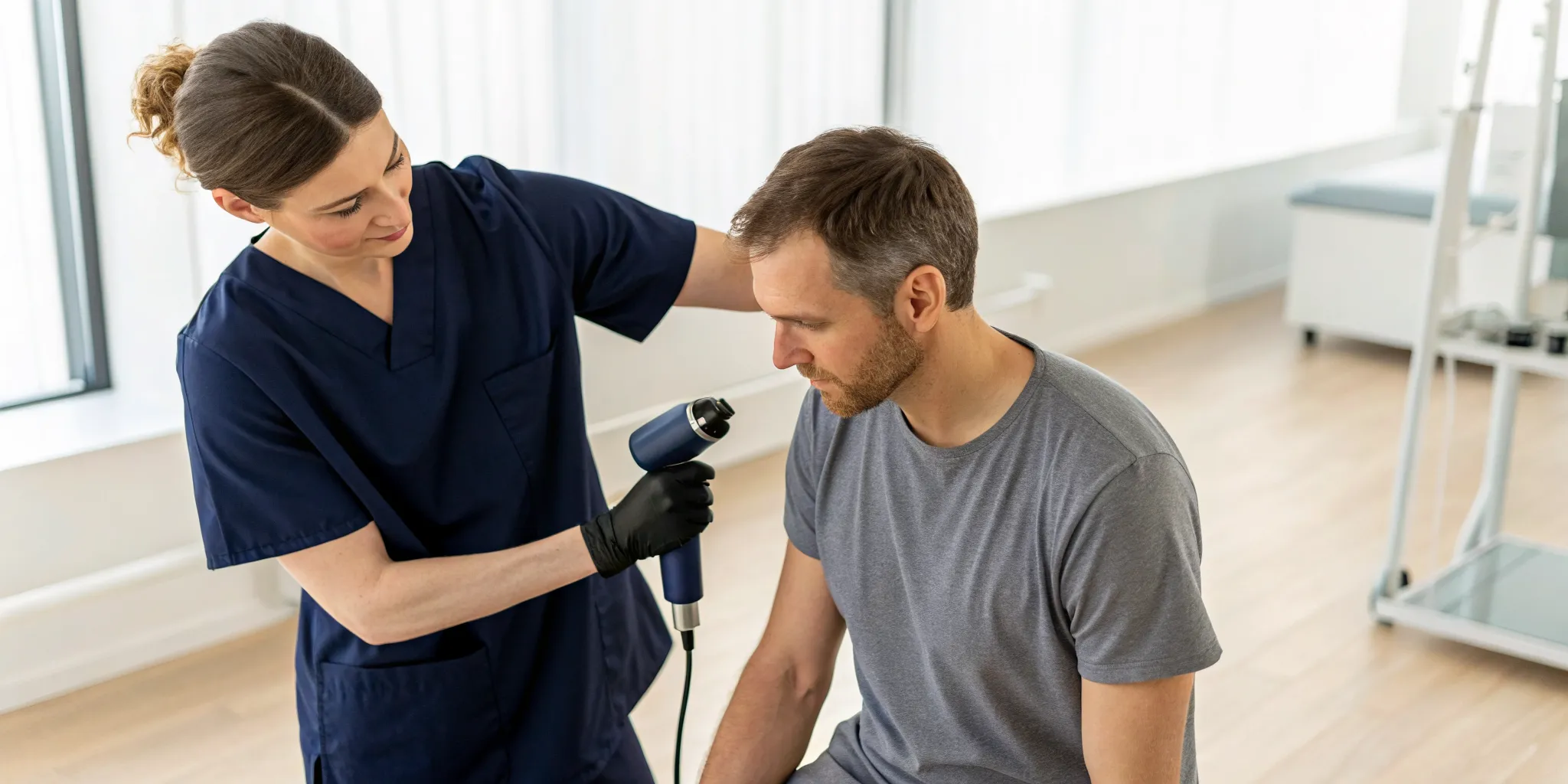
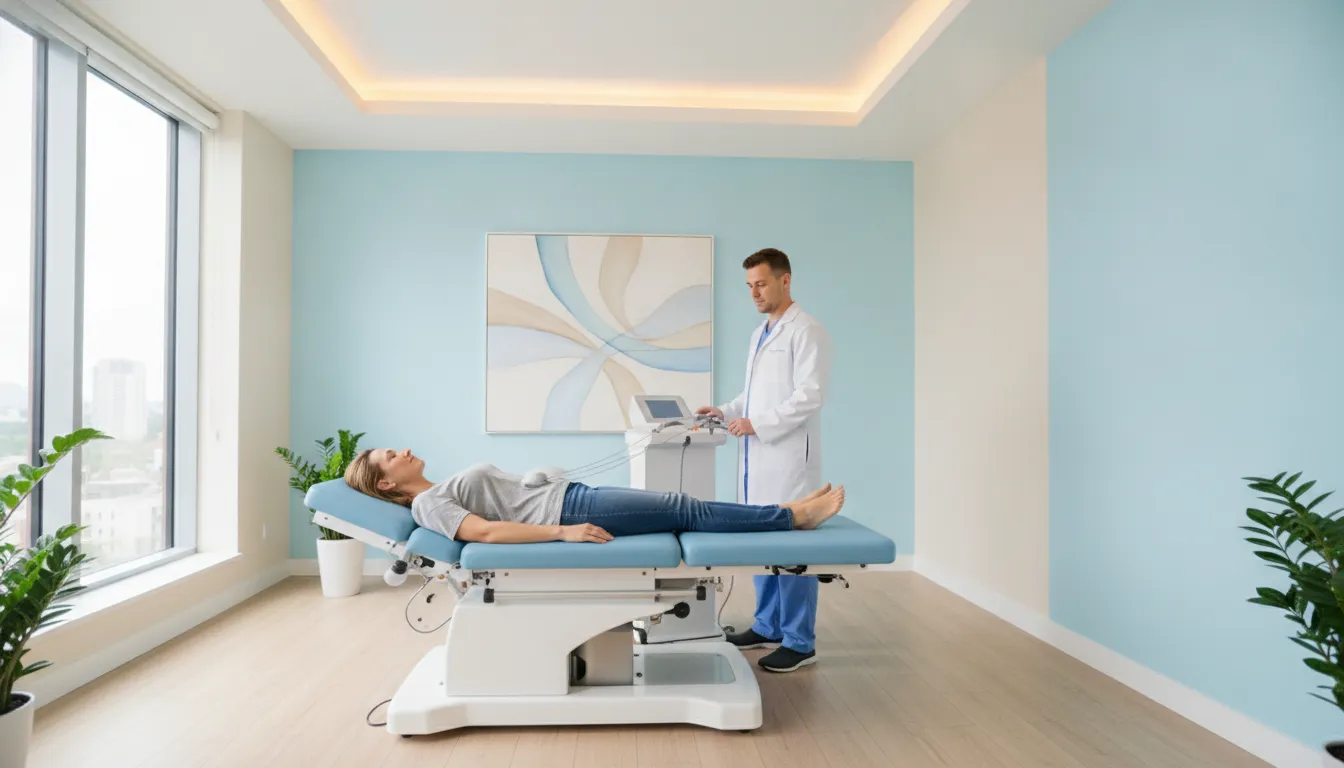
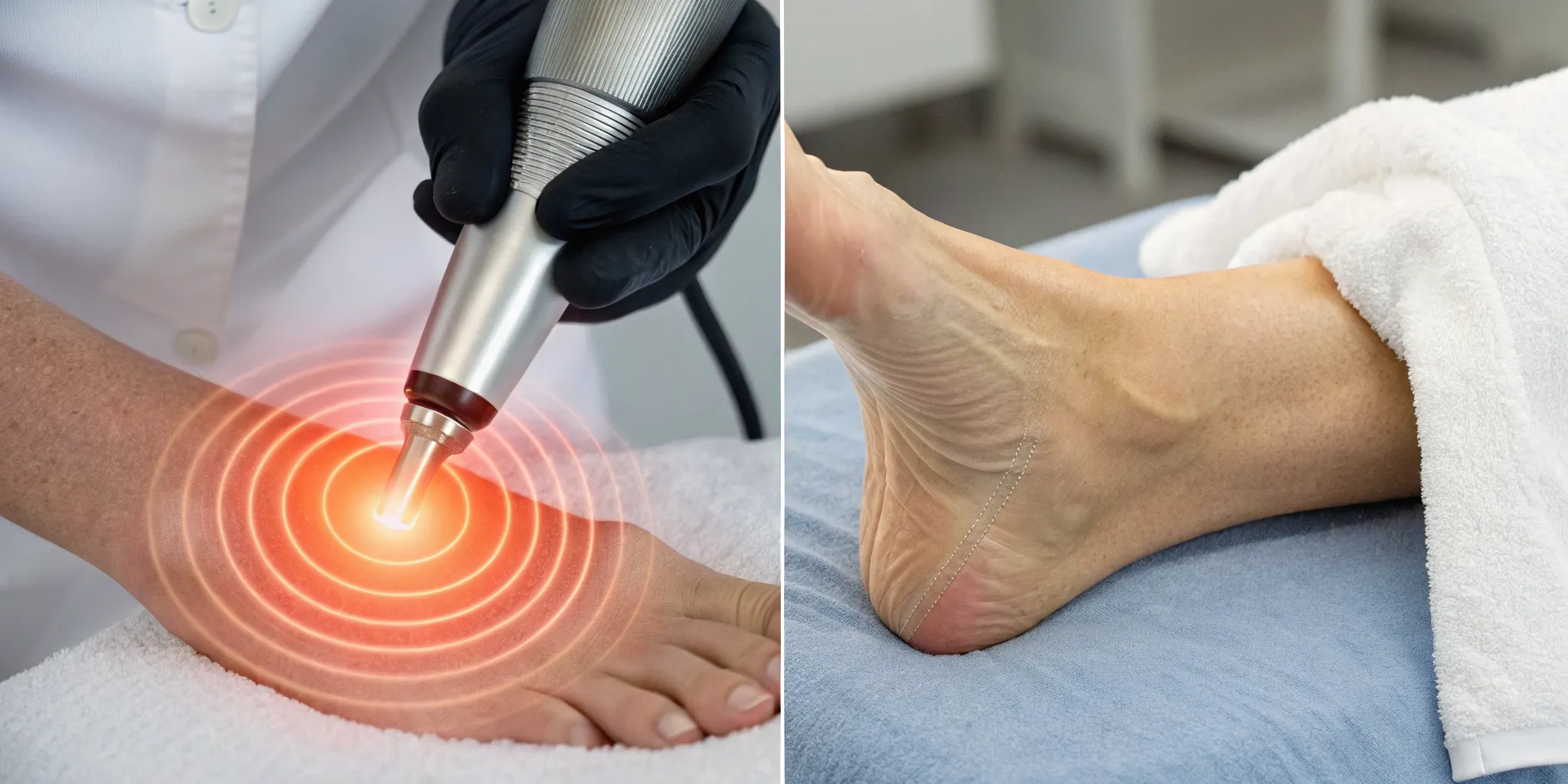
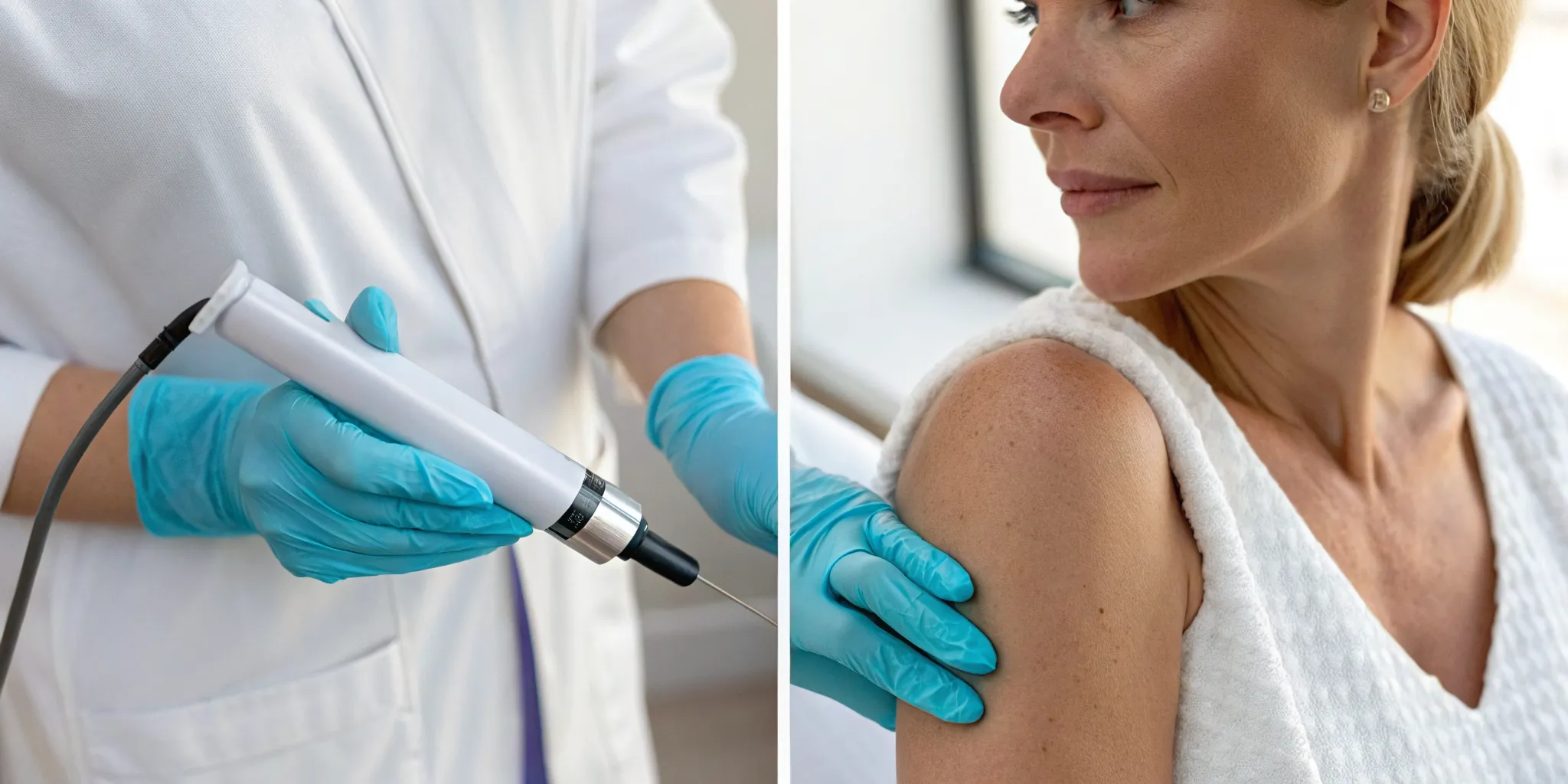
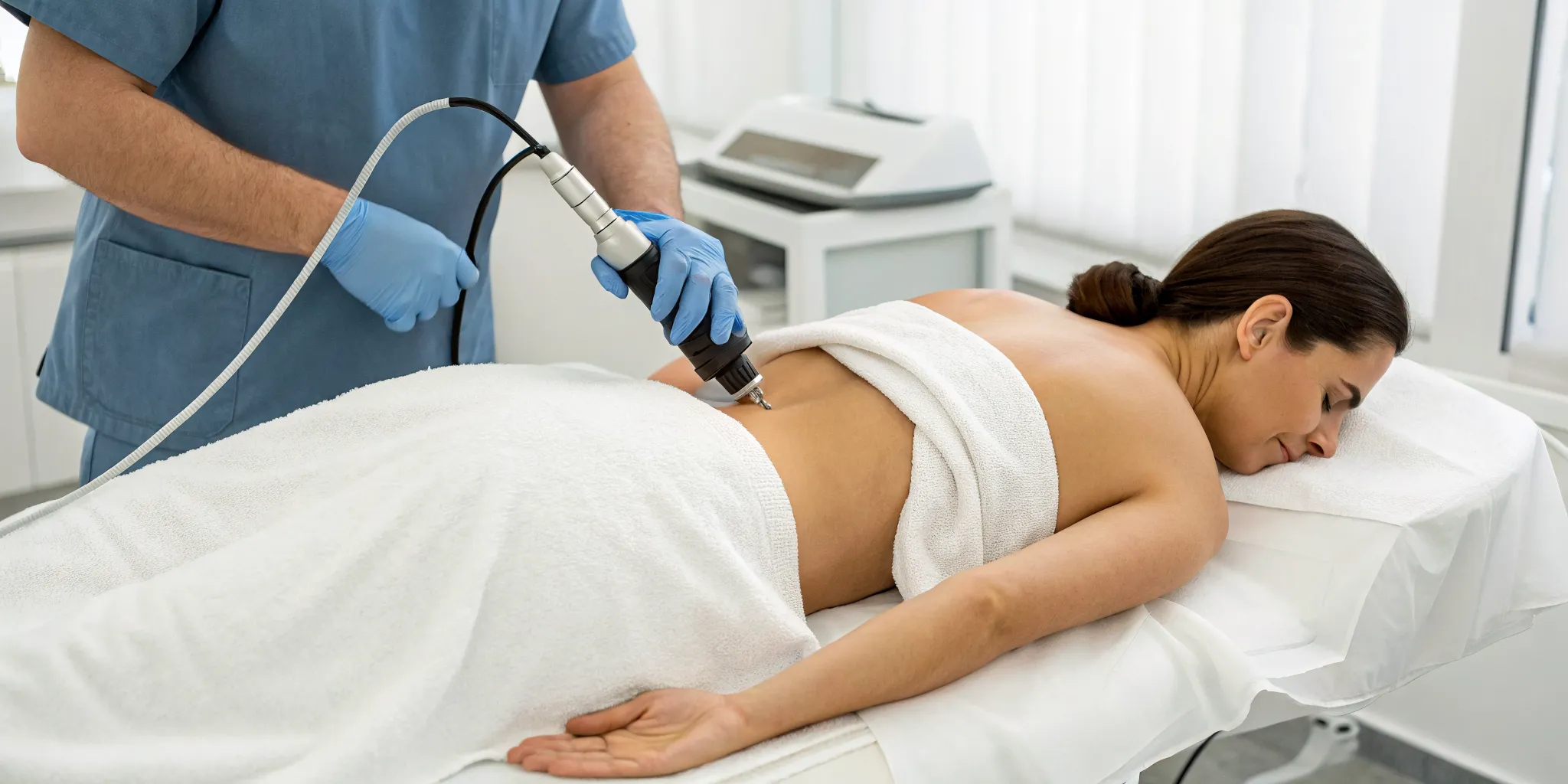
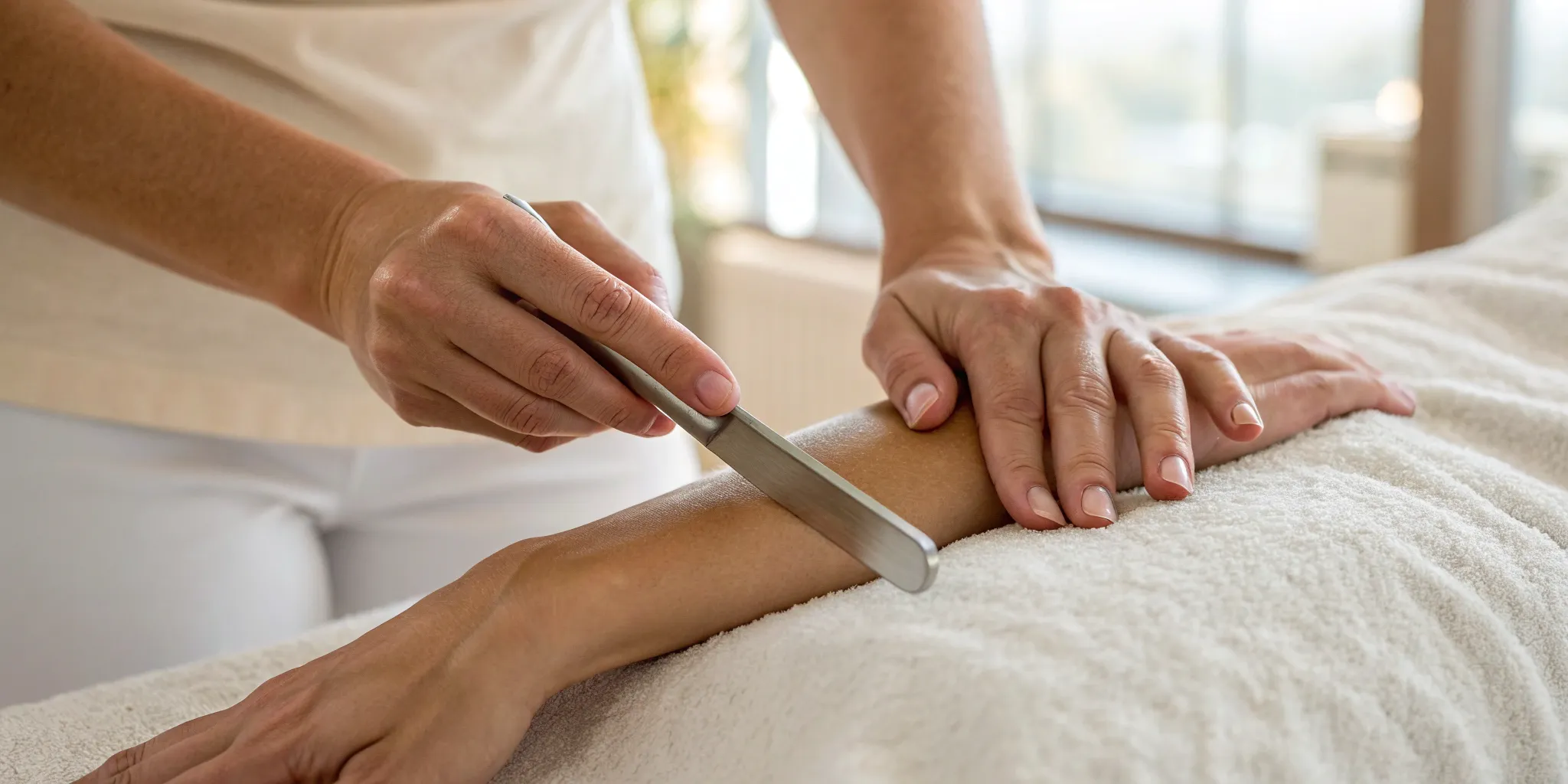
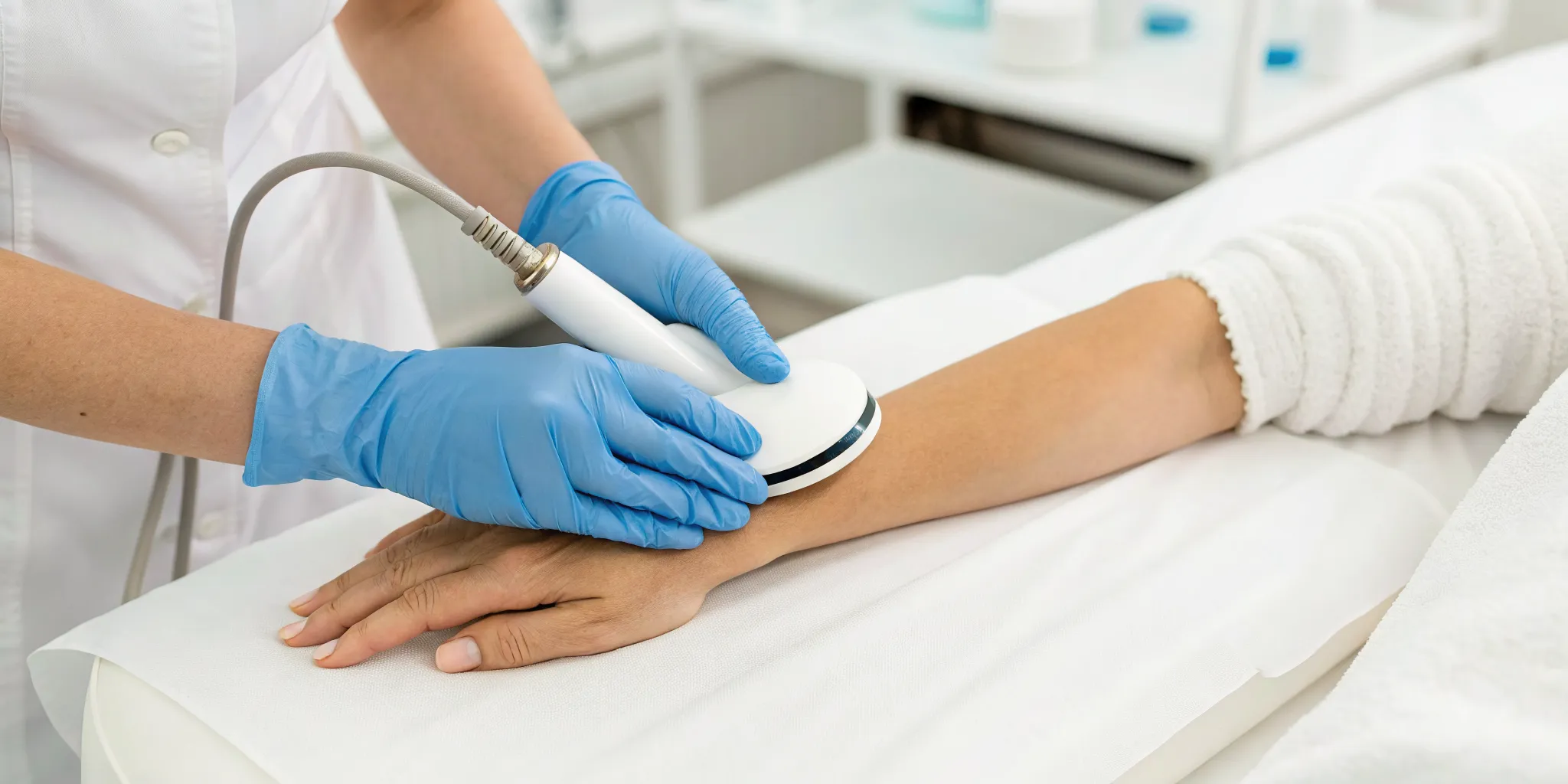
During your session, your practitioner will make you comfortable and apply a gel to the skin over the area being treated. This gel helps the acoustic waves travel more effectively into the tissue. Next, they will use a handheld device, placing it gently against your skin. As the device is activated, it sends sound waves into the targeted tissue. Many people describe the sensation as small, quick taps against the skin. The treatment is generally well-tolerated and doesn't require any numbing medicine. A single session is usually quite fast, often lasting only about 10 to 15 minutes, making it an easy addition to your day as part of your physical medicine plan.
How Many Sessions Will I Need?
While every person's healing journey is unique, a typical treatment plan involves a series of sessions to achieve the best results. Most treatment protocols consist of three to five sessions, scheduled about one week apart. This spacing gives your body the time it needs to respond to the treatment and begin the natural repair process. The number of sessions you need will depend on the specific conditions we treat and your body's individual response. During your initial consultation, we will develop a personalized plan tailored to your health goals, so you know exactly what to expect from start to finish.
Recovering After Shockwave Therapy
So, your session is complete. What comes next? Your recovery is a crucial part of the healing process, and knowing what to expect can help you get the best possible results. The good news is that recovery is typically straightforward, allowing you to get back to your routine with just a few simple guidelines. The goal is to support the natural healing response that the therapy has initiated in your body’s tissues.
This phase is all about giving your body the time and conditions it needs to repair itself effectively. Below, we’ll walk through your immediate post-treatment plan, what to avoid, and what kind of results you can anticipate in the short and long term.
Your Immediate Post-Treatment Plan
One of the biggest advantages of shockwave therapy is the minimal downtime. Most people can return to their normal, daily activities right after their appointment. You might feel some mild soreness or tenderness in the treated area, and some light swelling or bruising can occur. This is a normal reaction and a sign that your body is beginning its healing process. These effects usually fade on their own within a few days.
The most important thing you can do is listen to your body. While you don’t need to put your life on hold, it’s wise to take it easy for the rest of the day. This treatment is a key part of our physical medicine approach, designed to work with your body’s innate ability to heal, so giving it a little rest after a session is always a good idea.
What to Avoid for the First Few Days
To ensure the best outcome, there are a few things you should steer clear of for 48 to 72 hours after your session. Your main goal is to let your body’s natural healing mechanisms do their job without interference. First, avoid any strenuous or high-impact activities. This isn't the time to go for a long run or hit the weights hard. Gentle movement like walking is fine, but give your body a break from intense exercise.
It’s also critical to avoid taking anti-inflammatory medications (like ibuprofen or naproxen) and applying ice to the treated area. This might seem counterintuitive, but shockwave therapy works by creating a controlled inflammatory response, which is essential for tissue repair. Anti-inflammatories and ice can dampen this response and hinder your healing. If you have any questions about your recovery, don't hesitate to contact our team.
Understanding Short- and Long-Term Results
Patience is key when it comes to seeing the full benefits of shockwave therapy. While some people feel a bit of relief right away, the most significant improvements typically appear between 3 and 12 weeks after your treatment course is complete. This is because your body needs time to regenerate tissue, form new blood vessels, and complete the healing cycle that the acoustic waves have started.
Studies show that this therapy has a high success rate for many of the chronic conditions we treat, including plantar fasciitis and tennis elbow. Once the healing process is complete, the results are often long-lasting, with many people experiencing relief for up to two years. Following your post-treatment plan carefully gives you the best chance at achieving lasting pain reduction and improved function.
Is Shockwave Therapy Safe?
It’s smart to ask about the safety of any new treatment you’re considering. When it comes to shockwave therapy, the good news is that it has a strong safety record and is well-tolerated by most people. Because it’s non-invasive, it sidesteps many of the risks associated with more aggressive procedures. However, like any effective therapy, it’s important to understand the full picture, including potential side effects and who makes a good candidate. Our priority is always your well-being, which is why we start with a detailed assessment to make sure this is the right path for you. A comprehensive evaluation helps us determine if shockwave therapy aligns with your health needs and goals, ensuring a safe and effective treatment plan from the start.
Understanding Potential Side Effects
Most people find shockwave therapy to be a very manageable experience. The most common effects are temporary and mild, like some redness, slight swelling, or tenderness in the treated area right after a session. Think of it as your body’s initial response to the healing process kicking in. Serious side effects are very rare, especially when the treatment is performed by a trained professional. We are careful to avoid sensitive spots like major nerves and blood vessels. Our team is highly experienced in this type of physical medicine and knows how to apply the therapy for maximum benefit and safety, making your comfort and health our top concerns.
Who Might Not Be a Candidate?
While shockwave therapy is a fantastic option for many chronic pain conditions, it isn't the right fit for everyone. A thorough health history is key to ensuring your safety and the treatment's effectiveness. Generally, shockwave therapy is not recommended if you are pregnant, have an active infection or open wound in the treatment area, or have certain bleeding disorders. We also avoid applying it over areas with cancerous tumors, near air-filled organs like the lungs, or over the growth plates in children. The best way to know for sure if you're a candidate is to schedule a consultation so we can discuss your specific situation and health goals.
Is Shockwave Therapy Right for You?
Choosing a new treatment is a significant decision, and it’s smart to ask if shockwave therapy is the right move for your health journey. While it’s a powerful tool for many, it’s not a universal solution. The best candidates are often those who have been struggling with specific musculoskeletal conditions, like plantar fasciitis or tennis elbow, and haven't found lasting relief with other conservative approaches. If you're looking for a non-surgical option that encourages your body’s own healing mechanisms, this could be an excellent fit for you. It’s a minimally invasive procedure that allows you to get back to your daily life right away, making it a convenient choice for busy schedules.
This therapy is also a promising option for men experiencing mild erectile dysfunction who prefer to avoid medication or want to try a treatment that supports natural function. However, it's important to know that shockwave therapy isn't for everyone. We generally advise against it for individuals who are pregnant, have a history of bleeding problems, or have an active infection or open wound near the area that needs treatment. The best way to determine if you’re a good candidate is through a personalized assessment of your health history and specific concerns. A thorough consultation allows us to understand the root cause of your pain and confirm that this therapy aligns with your wellness goals.
Related Articles
- SoftWave Tissue Regeneration Therapy in Tampa | Alessi Functional Health
- SoftWave TRT Therapy in Tampa, FL - Alessi Functional Health
- Regenerative Medicine for Pain Recovery | Ascend Functional Health
- Root Cause Treatment for Chronic Pain | Ascend Functional Health
- What Is Soft Tissue Therapy? A Complete Guide
Frequently Asked Questions
Does shockwave therapy hurt? Most people find the treatment to be very manageable. You will feel a sensation of quick taps or pulses against your skin as the device works. While there can be some discomfort, especially over a particularly sensitive area, the sessions are very short, usually lasting only 10 to 15 minutes. We can also adjust the intensity to ensure you remain comfortable throughout the process.
Why can't I use ice or anti-inflammatory medicine after my session? This is a great question because the advice is the opposite of what we usually do for an injury. Shockwave therapy works by creating a controlled inflammatory response, which is your body’s natural signal to start repairing tissue. Using ice or taking anti-inflammatory medication can suppress this essential process, which would interfere with the healing that the treatment is designed to create.
How soon will I feel better after treatment? While some people report feeling a bit of relief right away, the most significant results build over time. The therapy initiates a healing process that involves regenerating tissue and forming new blood vessels, which doesn't happen overnight. You can expect to notice the most substantial and lasting improvements between 3 and 12 weeks after you have completed your full course of treatment.
Is this different from the therapeutic ultrasound I've had before? Yes, the two treatments are quite different. While both use sound waves, shockwave therapy uses much higher-energy acoustic pulses to actively break down scar tissue and trigger a strong regenerative response in your cells. Therapeutic ultrasound, on the other hand, uses lower-energy, continuous waves to create a gentle heating effect that promotes circulation, but it doesn't have the same powerful, restorative impact on chronic tissue problems.
How many treatments are usually needed? The exact number of sessions depends on your specific condition, its severity, and how your body responds. However, a typical treatment plan consists of three to five sessions, scheduled about a week apart. This schedule gives your body the necessary time to react to each treatment and begin the healing cascade. We will create a personalized plan for you during your initial consultation.