Guesswork has no place in your wellness plan. If you want to make real, sustainable progress, you need objective data about your body. A DEXA scan cuts through the noise, providing precise measurements of your bone, muscle, and fat. This information allows you to create a truly personalized nutrition and fitness strategy based on your unique composition, not generic advice. It’s the most accurate way to see how your body responds to your efforts. To get the most out of this technology, you need a provider you can trust. The best DEXA scan clinic won’t just give you numbers; they’ll help you understand them.
Key Takeaways
- Get a complete picture of your health: A DEXA scan measures your bone density, body fat, and lean muscle, giving you a precise baseline that a regular scale simply can't provide.
- Choose a provider who explains your results: A quality clinic uses modern equipment and certified staff, but the real value comes from a follow-up consultation where an expert helps you understand your scan and create an actionable plan.
- Make your scan more affordable with smart planning: While insurance may not cover wellness scans, you can often save money by asking about package deals, off-peak pricing, or using your HSA and FSA funds.
What is a DEXA Scan and Why Might You Need One?
If you’re serious about understanding your health from the inside out, the number on your bathroom scale only tells a tiny part of the story. A DEXA scan, which stands for Dual-Energy X-ray Absorptiometry, offers a much more detailed and accurate picture. Think of it as the gold standard for measuring your body composition. A DEXA scan uses special, low-dose X-rays to measure your bone density, or how strong your bones are. This is crucial for assessing your risk for osteoporosis and fractures as you age.
But its benefits don’t stop there. Beyond just bone health, a DEXA scan precisely measures your body fat percentage and lean muscle mass, breaking it down by region. This means you can see exactly where you’re storing fat and building muscle. This level of detail provides a clear baseline for tracking your progress, whether your goal is to build strength, lose fat, or simply optimize your long-term health. It’s a powerful tool that moves beyond weight to show you what your body is truly made of, supporting a proactive approach to longevity medicine.
How Does a DEXA Scan Work?
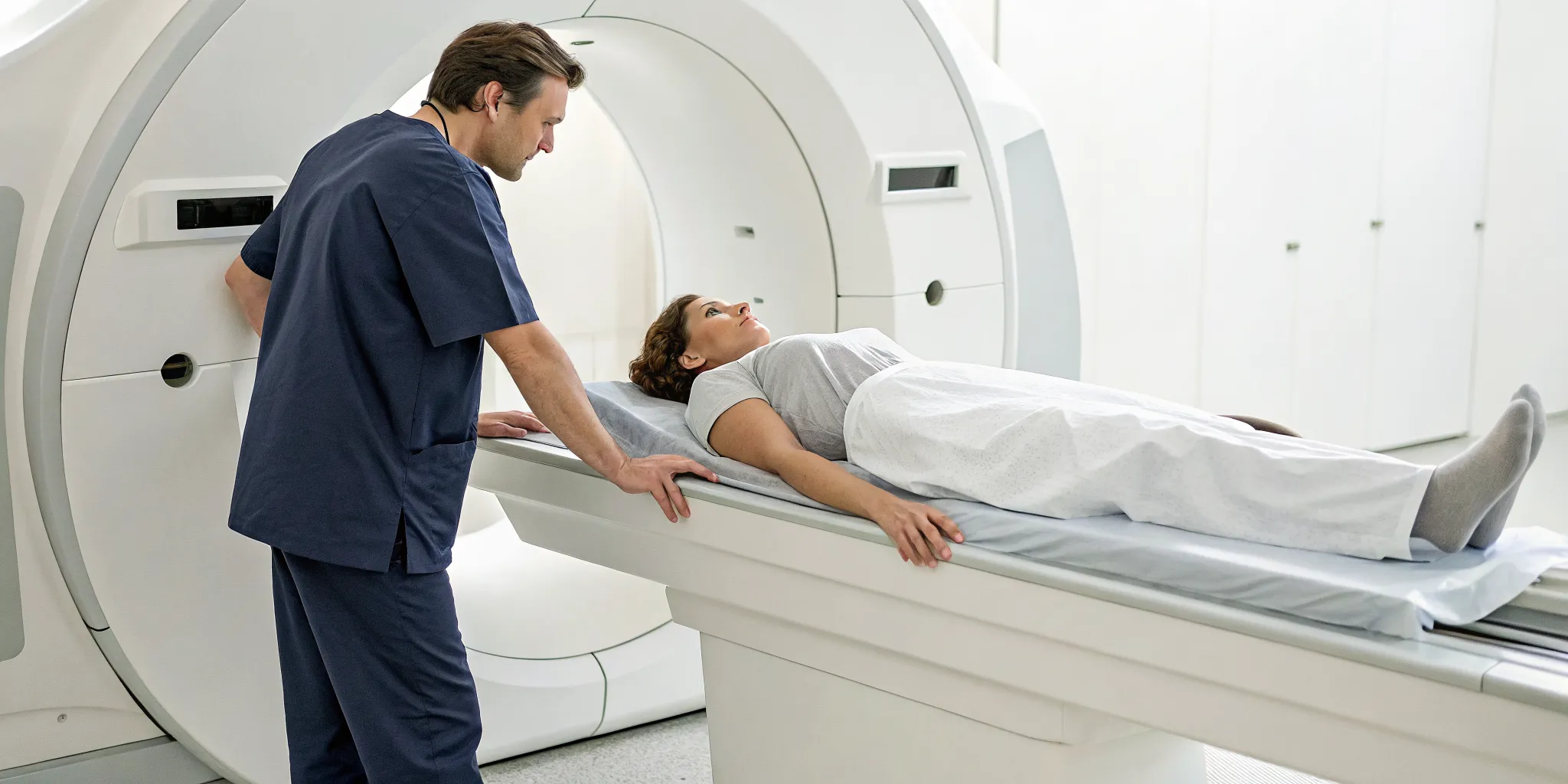
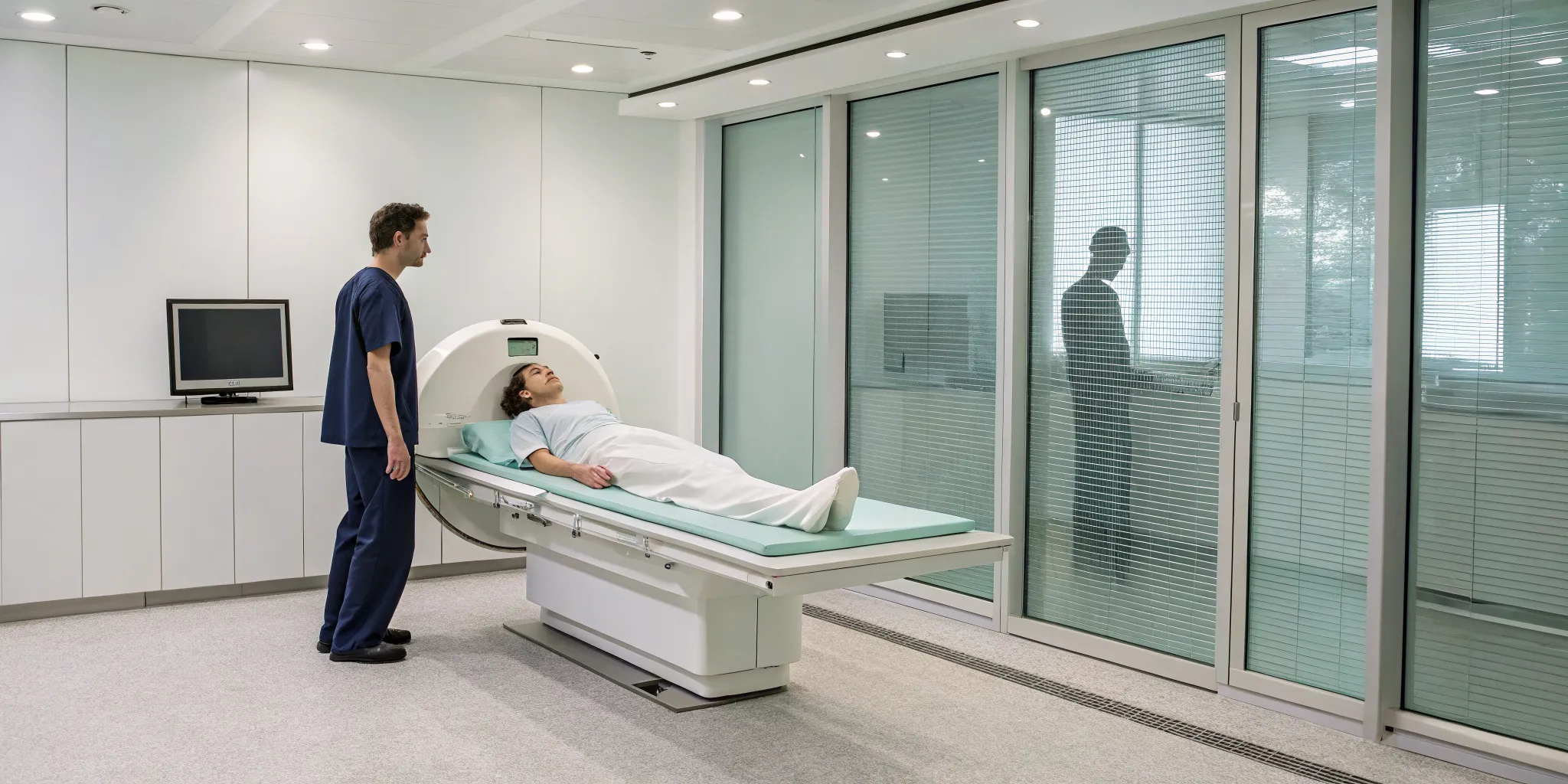
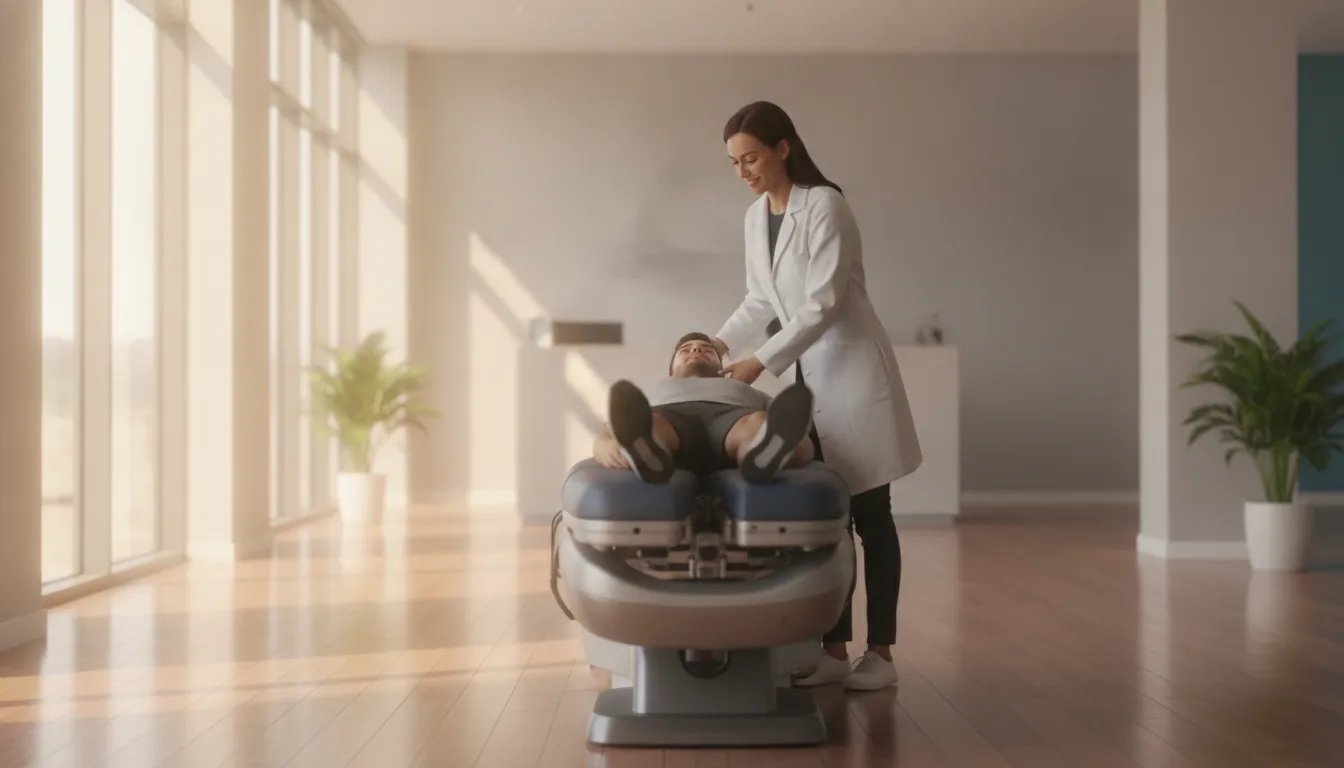
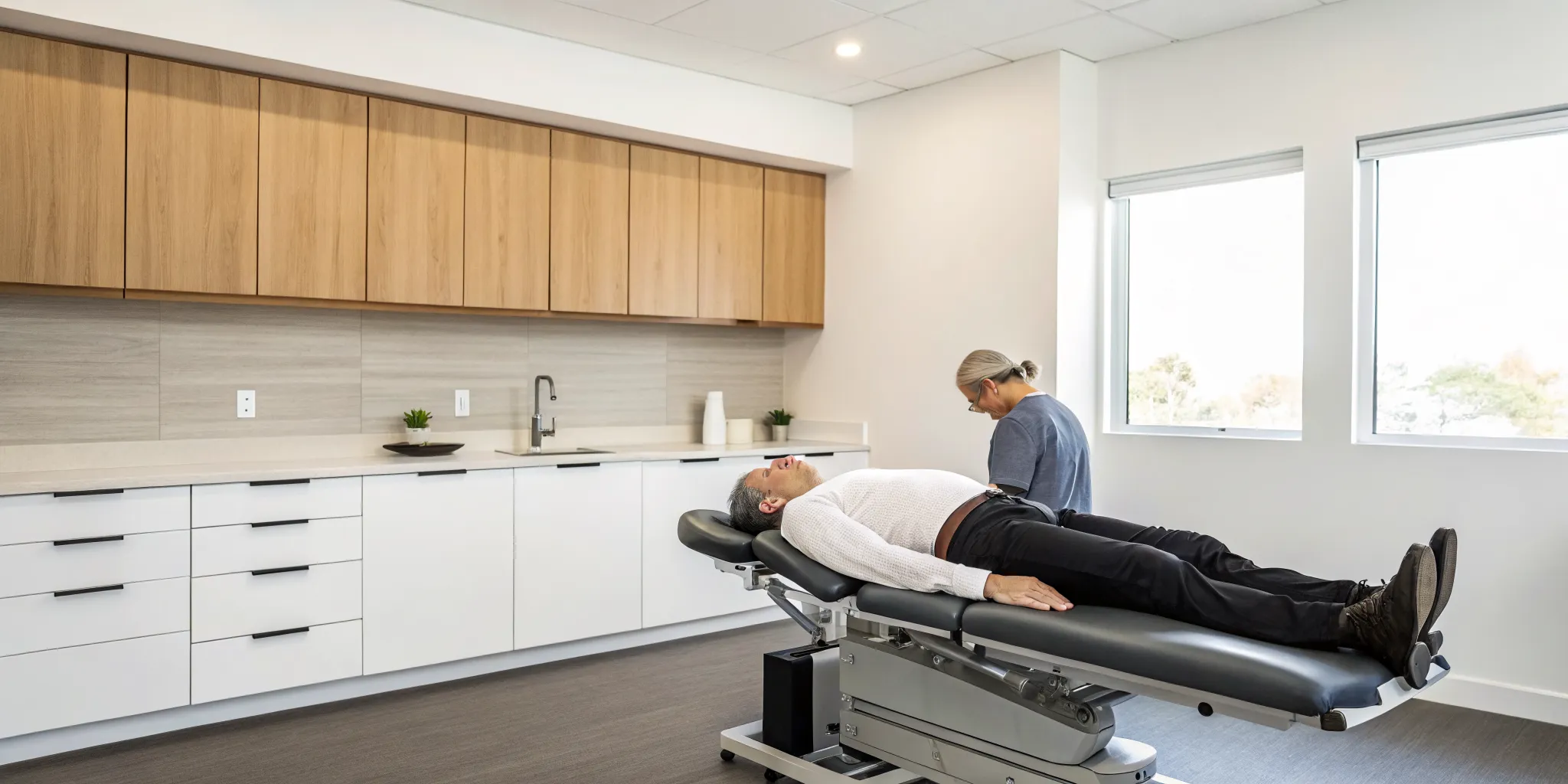
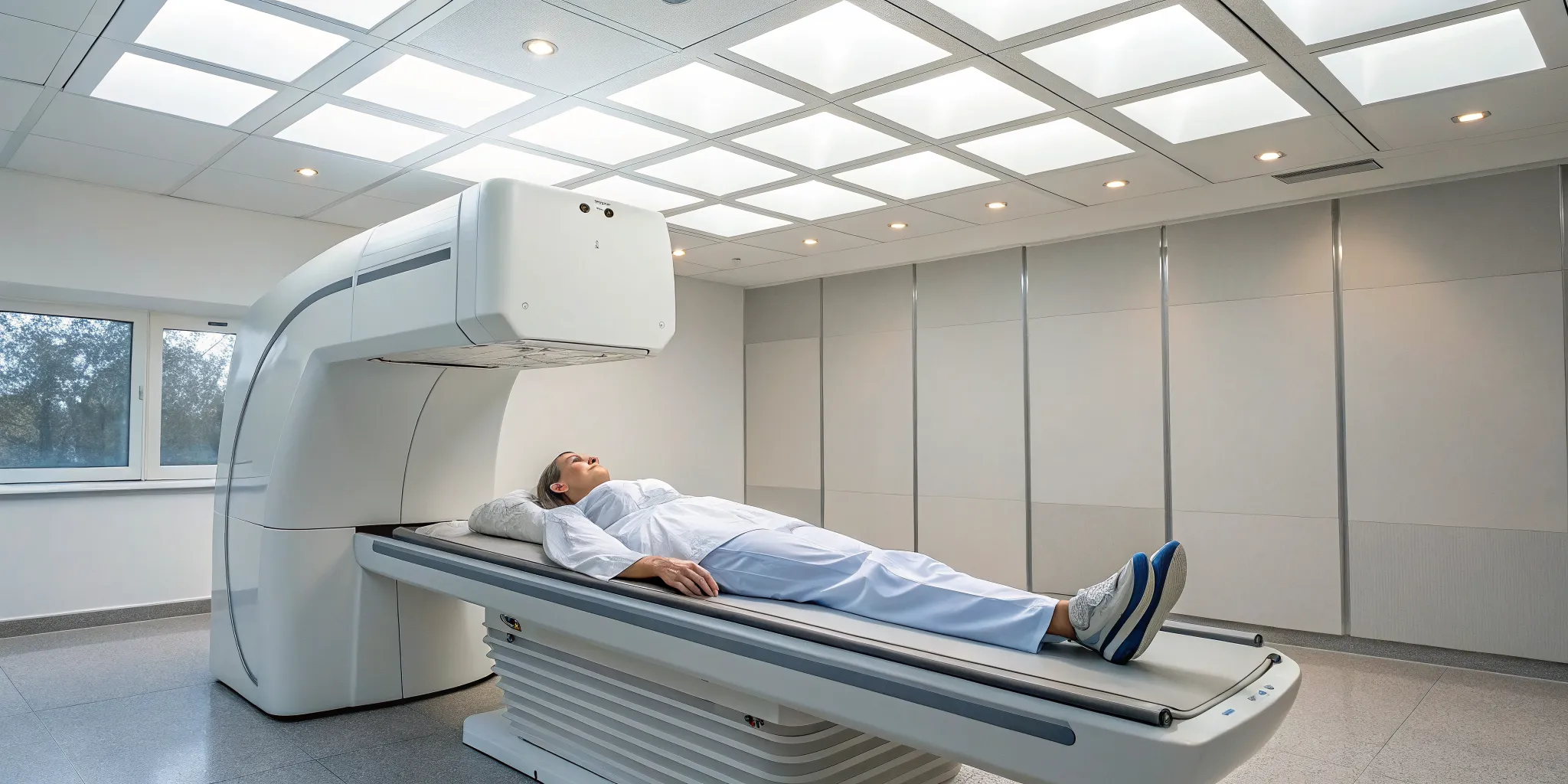
The process of getting a DEXA scan is surprisingly simple and straightforward. You’ll lie down comfortably on a padded table while a scanning arm passes over your body. The entire scan is quick, typically lasting only about 10 to 15 minutes, and it’s completely painless.
The machine uses two very low-dose X-ray beams to analyze your bone density, usually focusing on your lower spine and hips. These are key areas because they are often where signs of bone loss first appear. The technology is incredibly precise, allowing it to differentiate between bone, fat, and lean tissue. This gives you a comprehensive and accurate snapshot of your body composition and skeletal health, providing valuable information for your overall physical medicine plan.
The Health Benefits Beyond Bone Density
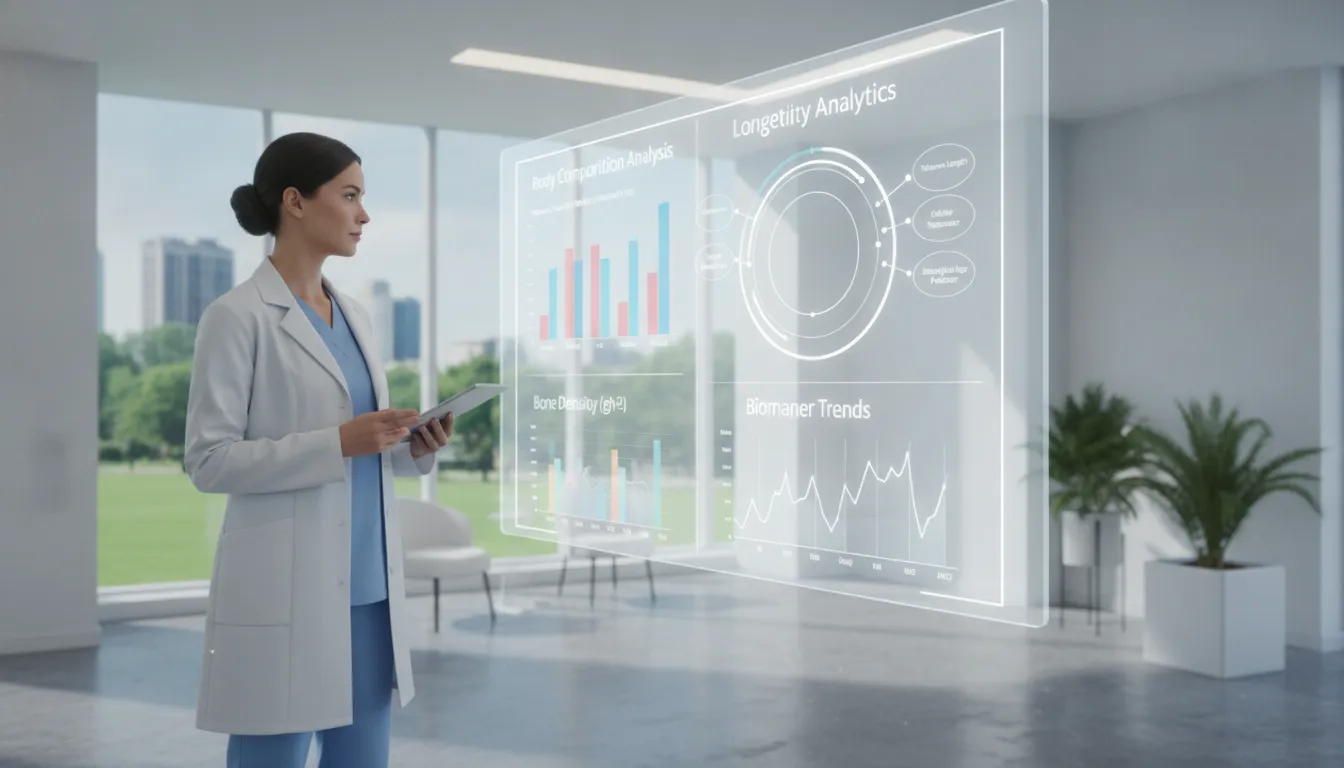
While knowing your bone density is vital, the detailed body composition analysis is where a DEXA scan truly shines. It gives you a much more insightful look at your health than a regular scale ever could. For example, you might be maintaining the same weight but actually losing fat and gaining muscle, a positive change that a scale would completely miss. A DEXA scan can show you this progress with precision.
This data is incredibly empowering. It helps you and your health provider make informed decisions about your nutrition and fitness plans. Understanding your exact body fat percentage and where you carry it can also reveal risks for metabolic conditions. This information is a cornerstone of functional medicine, as it helps identify underlying issues and track the effectiveness of your personalized health protocol.
Who Should Consider a DEXA Scan?
A DEXA scan isn't just for one type of person; it offers valuable insights for a wide range of individuals. Your doctor might recommend a scan if you have certain risk factors for bone loss. This is particularly relevant if you are a woman who has gone through menopause, have a family history of osteoporosis, or have experienced a significant drop in hormone levels.
However, you don’t need to have a specific risk factor to benefit. Athletes and anyone dedicated to a fitness program can use DEXA scans to accurately track muscle gain and fat loss. It’s also a fantastic tool for anyone who wants a clear baseline of their body composition to guide their wellness journey. Understanding these metrics is a key part of managing many of the conditions we treat and taking control of your health.
How to Choose the Right DEXA Scan Clinic
Finding the right clinic for your DEXA scan is just as important as getting the scan itself. You want a place that not only has the right technology but also a team that can help you make sense of the results. A little homework upfront can make a huge difference in your experience and the quality of information you receive. Think of it as choosing a partner for your health journey. You’re looking for expertise, quality care, and clear communication. A good clinic will feel like a supportive guide, helping you understand your body on a deeper level. They won't just give you numbers; they'll give you context and a path forward. When you're investing in your health, you deserve a provider who is equally invested in your success. From the equipment they use to the qualifications of their staff, every detail matters. This isn't just about getting a one-time measurement. It's about gathering precise data that can inform your wellness strategy for months or even years to come. Let's walk through the key things to look for so you can feel confident in your choice and get the most out of your scan.
Verify Accreditation and Professional Oversight
First things first, you need to ensure the clinic operates under proper medical supervision. A DEXA scan is a medical procedure, and having a qualified professional oversee the process is essential for both safety and accuracy. When you call or look at a clinic’s website, check that their scans are performed with medical oversight from a licensed doctor. This ensures that the procedure follows established protocols and that the results are handled professionally. A clinic that is transparent about its medical leadership and staff credentials, like our team at Ascend, is always a good sign.
Look for High-Quality, Modern Equipment
The technology used for your scan directly impacts the accuracy of your results. The best clinics invest in high-quality, modern DEXA machines from industry-leading brands like Hologic or GE. Outdated equipment can produce less reliable data, which isn’t helpful when you’re trying to make informed decisions about your health. Don’t be afraid to ask the clinic what type of machine they use and when it was last calibrated. A facility committed to providing accurate scans will be happy to share this information. This commitment to using advanced tools is a core part of providing effective physical medicine.
Confirm Staff Qualifications
Who is actually performing your scan? The technician operating the DEXA machine should be certified and experienced. Look for credentials from organizations like the International Society for Clinical Densitometry (ISCD). Beyond the technician, find out who will be interpreting your results. Ideally, a doctor or another qualified healthcare provider will review your scan. Having an expert, like a physician specializing in functional or obesity medicine, review your data ensures you receive an accurate and insightful interpretation. You can usually find information about a clinic's professional team on their website.
Ask About Reporting and Result Interpretation
Getting a printout of your body composition is one thing, but understanding what it means for your health is another. A great clinic won’t just hand you a report and send you on your way. Ask what their process is for delivering and explaining results. Do they offer a consultation to walk you through the findings? The goal is to leave with a clear, personalized plan. This approach aligns with the principles of functional medicine, where data is used to create actionable health strategies tailored specifically to you.
Understanding DEXA Scan Costs
Investing in your health with a DEXA scan is a big step, and it’s natural to wonder about the cost. Prices can vary quite a bit, so understanding the factors that influence the final price tag helps you make an informed decision without any surprises. Let's break down what you can expect to pay and how to handle the financial side of things.
What Factors Influence the Price?
The cost of a DEXA scan typically depends on what you’re measuring and where you go. A scan focused on body composition, often done at wellness centers for fitness tracking, is usually on the lower end of the price spectrum. In contrast, a bone density scan performed at a hospital to screen for osteoporosis tends to be more expensive. The location itself is a major factor; large hospitals often have higher overhead costs than independent clinics. At Ascend, we focus on providing clear, upfront pricing for all our functional medicine services so you know exactly what to expect from the start.
Will Insurance Cover Your Scan?
This is a common question, and the answer depends on the reason for the scan. If your doctor orders a DEXA scan to diagnose or monitor a medical condition like osteoporosis, your insurance plan will likely cover it. This is considered a medically necessary procedure. However, if you’re getting a scan to measure body composition for fitness or general wellness goals, insurance typically does not cover the cost. It’s always best to call your insurance provider beforehand to confirm your coverage details. This quick call can save you from unexpected bills and give you peace of mind before your appointment.
Clarify Payment Options and Potential Hidden Fees
To make your scan more affordable, you can often use funds from a Health Savings Account (HSA) or Flexible Spending Account (FSA), since this money is pre-tax. Before you book, it’s smart to ask about any potential extra charges. Some places might add a fee for a formal consultation to review your results or for a copy of your detailed report. To avoid surprises, simply ask for a full breakdown of costs when you schedule your appointment. We believe in transparency, so feel free to contact our Tampa office with any questions about our DEXA scan pricing and process.
Common DEXA Scan Myths vs. Facts
DEXA scans are becoming more popular for tracking health, but there's still a lot of confusing information out there. Let's clear up some of the most common myths so you can feel confident about what a DEXA scan can do for you.
The Myth About Age and Gender
Many people think DEXA scans are just for older women worried about osteoporosis. While it’s true that DEXA is the gold standard for measuring bone density, its benefits are for everyone. Athletes use these scans to fine-tune their training by tracking muscle mass and body fat percentage. If you're on a wellness journey, a DEXA scan provides a precise baseline and helps you see progress that the scale can't show you. It offers a detailed snapshot of your body composition, which is a key piece of your overall health puzzle. This data is valuable for anyone looking to optimize their well-being through functional medicine.
The Myth About Radiation Safety
The word "radiation" can sound alarming, but the dose from a DEXA scan is incredibly low. You're exposed to more radiation on a cross-country flight or even just from the natural environment over a few days. The technology uses a very small amount of X-ray to get its precise readings. Medical professionals agree that the benefit of gaining such detailed insight into your bone health and body composition far outweighs the minimal risk. It’s a safe, effective, and non-invasive tool that gives you and your doctor critical information to guide your health decisions.
The Myth About Equipment Reliability
You might worry that the accuracy of your scan depends on the age of the machine. While technology matters, what’s more important is the clinic’s commitment to quality and precision. Reputable clinics invest in modern equipment and, crucially, perform regular calibrations to ensure every scan is accurate. At a professional facility, you can trust that the team is trained to operate the equipment correctly and maintain it to the highest standards. When you choose a clinic that prioritizes patient care, like we do at Ascend, you can feel confident in the reliability of your results. You can learn more about our approach to health and our commitment to our patients.
The Myth About Scan Frequency
Waiting for symptoms to appear before getting a health screening is a reactive approach. A DEXA scan is a powerful tool for being proactive. You don’t need to have a specific problem to benefit from one. Getting a scan can establish your personal baseline, and follow-up scans can show you exactly how your body is responding to changes in your diet and fitness routine. Tracking these changes over time is a fantastic way to stay motivated and make informed adjustments. This proactive mindset is a cornerstone of longevity medicine, helping you build a healthier future instead of just reacting to problems as they arise.
How to Evaluate a Clinic's Quality and Patient Care
Finding the right clinic is about more than just booking a scan; it’s about finding a partner for your health journey. The quality of the clinic directly impacts the accuracy of your results and the value you get from them. A great facility will not only have the right equipment but also the right people and processes to support you. They should be transparent, professional, and focused on helping you understand what your results mean for your long-term wellness. Think of it this way: the scan provides the "what," but a great clinic provides the "so what" and the "what's next."
When you’re vetting potential clinics, pay close attention to the entire patient experience, from the first phone call to the follow-up consultation. This is your opportunity to gauge their commitment to patient care and see if their approach aligns with your health goals. Are they just a scanning service, or are they invested in your overall health? A clinic that sees you as a whole person, not just a set of data points, will provide a much more meaningful and beneficial experience. This evaluation step is crucial for ensuring you get the most out of your investment in your health.
Signs of a High-Quality Clinic
A top-tier clinic prioritizes accuracy and uses modern, well-maintained technology. Since a DEXA scan is the most precise way to measure body composition, the quality of the equipment matters. Look for clinics that are open about the technology they use and their calibration procedures. Beyond the hardware, a high-quality clinic has a clean, professional environment and a team that makes you feel comfortable. They should be able to clearly explain the procedure, answer your questions without hesitation, and provide detailed information about what you can expect during and after your scan.
Key Questions to Ask Before You Book
Before you commit to an appointment, have a few questions ready. This is a great way to test their knowledge and customer service. Start by asking about the qualifications of the technician who will be performing the scan. You can also inquire about the scan itself. For example, while the radiation exposure is very low, a good provider will be happy to discuss safety. They can explain how the benefits of finding bone loss or tracking body composition far outweigh the minimal risk. Also, ask practical questions: How long will the appointment take? What should I wear? Do I need to do anything to prepare?
Red Flags to Watch For
Be mindful of a few warning signs. If a clinic is vague about its pricing or tries to pressure you into buying expensive packages, take a step back. Transparency is key. While it’s a common misconception that all refurbished bone density machines are unreliable, a clinic should be able to confidently tell you about their equipment’s maintenance and certification. Be cautious if the staff seems rushed, dismissive of your questions, or unable to provide clear answers. Your comfort and confidence are important, so trust your gut if something feels off.
Check for Timely Results and Follow-Up Support
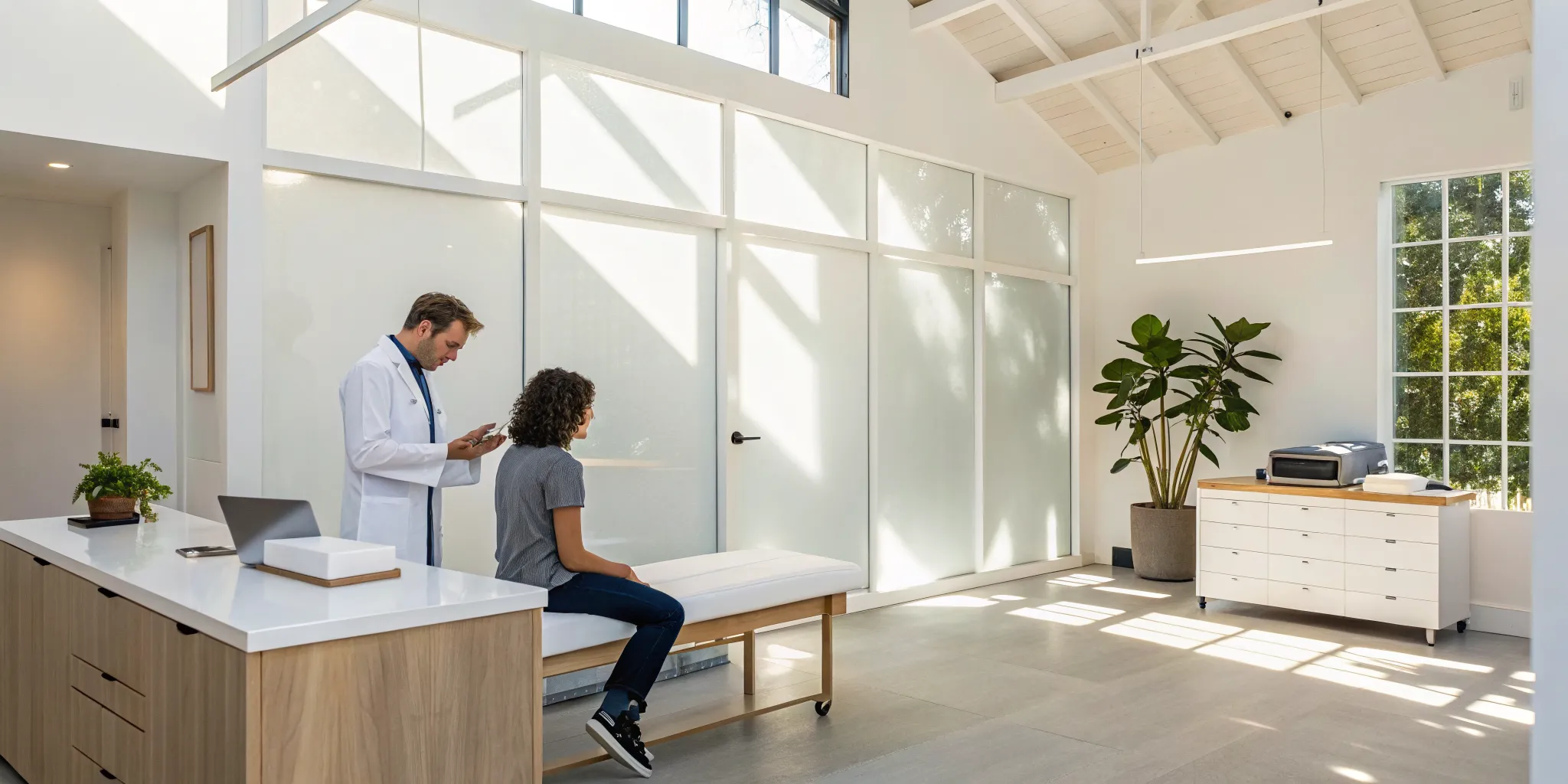
A DEXA scan provides valuable data, but the data is only useful with proper interpretation. A reputable clinic won’t just email you a report and call it a day. The best facilities have integrated this technology to truly improve patient care. They should offer a timely follow-up consultation with a qualified professional to walk you through your results. This person should explain what the numbers mean, answer your questions, and help you create a personalized health plan. This follow-up support is where the real value lies, turning a simple scan into a powerful tool for your health.
Can You Save Money on Your DEXA Scan?
Investing in your health with a DEXA scan is a powerful move, but it's also smart to be mindful of the cost. The good news is that you don't have to choose between quality and affordability. With a little planning, you can find ways to make this valuable health assessment fit your budget. High-quality care doesn't always have to come with the highest price tag. Here are a few practical strategies to consider before you book your appointment.
Find Promotional Offers and Package Deals
If you plan to use DEXA scans to track your progress over time, which is one of the best ways to use this technology, ask about package deals. Buying a package of multiple scans can often save you 20% to 40% per scan, making it a great option for anyone committed to a long-term health journey. This approach is ideal whether you're focused on building muscle, improving bone density, or adjusting your body composition. Also, keep an eye out for introductory offers for new clients or seasonal promotions that clinics may run.
Ask About Memberships or Group Discounts
Don't hesitate to ask about different pricing structures. Independent wellness centers are often more flexible with pricing than large hospitals and may offer memberships that bundle various services for a lower overall cost. If your workplace has a wellness program, see if they have a partnership with local clinics for group discounts. It never hurts to inquire directly about any available discounts when you call. The clinic's staff are usually happy to share how you can save and help you find the best option for your needs.
See if Timing Can Affect the Price
Your schedule might hold the key to a better price. Some clinics offer lower rates for appointments booked during off-peak hours, like weekday mornings or early afternoons when they are typically less busy. This is a common practice in many service industries, and it can apply to healthcare, too. When you're ready to schedule your scan, simply ask if they have different pricing based on the day or time of your appointment. A quick question on your call could lead to some easy savings. You can always reach out to a clinic via their contact page to ask about scheduling and pricing options.
Related Articles
- The 6 Best Peptides for Weight Loss Reviewed
- The Ultimate Male Hormone Test Panel Guide
- Is Lumbar Decompression Chiropractic for You?
- The 5 Best At-Home Estrogen Tests Reviewed
- At Home Lab Tests | Alessi Functional Health
Frequently Asked Questions
Is a DEXA scan safe? Yes, it is very safe. While the scan uses X-ray technology, the radiation dose is extremely low. To put it in perspective, you are exposed to more radiation during a cross-country flight than you are from a single DEXA scan. The detailed health information you gain from the scan is incredibly valuable and far outweighs the minimal exposure.
How often should I get a DEXA scan? This really depends on your personal health goals. If you're just looking for a solid baseline of your bone density and body composition, a single scan is a great starting point. However, if you are actively working on a fitness or nutrition plan, getting a follow-up scan every 6 to 12 months is a fantastic way to track your progress and see how your body is responding to your efforts.
Why is this better than just using my bathroom scale? A regular scale only tells you your total weight, which can be misleading. It doesn't differentiate between fat, muscle, and bone. A DEXA scan gives you the complete picture by precisely measuring your body fat percentage and lean muscle mass. This means you can see if you're successfully losing fat while gaining muscle, a positive change that a scale would never be able to show you.
What do I need to do to prepare for my appointment? Preparing for a DEXA scan is simple. The most important thing is to wear comfortable clothing without any metal, so think workout clothes instead of jeans with zippers or buttons. You should also avoid taking any calcium supplements on the morning of your scan, as they can interfere with the results. Otherwise, you can eat and drink normally before your appointment.
Will my insurance pay for a DEXA scan? Whether insurance covers your scan depends on the reason you're getting it. If your doctor orders the scan to screen for a medical condition like osteoporosis, your insurance plan will most likely cover it. If you're getting the scan for wellness purposes, such as tracking body composition for a fitness program, it is typically not covered. However, you can often use funds from an HSA or FSA to pay for it.