Feeling more tired, less driven, or slower to recover after 40 does not automatically mean you need testosterone treatment. These changes can reflect several overlapping factors, including sleep, thyroid function, metabolic health, inflammation, and shifts in more than one hormone.
For men in the Tampa area, hormone optimization men over 40 Tampa starts with a full evaluation. Testosterone, estradiol, thyroid markers, and related factors are all part of the picture. The goal is a personalized, measurable plan that supports energy, sexual health, strength, and long-term wellbeing.
Testosterone replacement therapy may be one option, but it is not the starting point for every patient. Understanding what changes naturally with age, what may signal an underlying concern, and how those patterns are confirmed through testing provides a clearer foundation for informed decisions.
Ready to stop guessing about your hormone health? Request your consultation at Ascend Functional Health and get a complete, lab-based evaluation before any protocol is considered.

What Actually Happens to Men's Hormones After 40?
After 40, testosterone usually changes gradually rather than disappearing suddenly. Total testosterone may decline, while rising sex hormone-binding globulin (SHBG) can reduce the testosterone available for tissues, so symptoms and lab results need to be considered together.
These shifts are part of why hormone optimization for Tampa men should begin with evaluation, not assumptions. A 2025 review notes that approximately 6% to 12% of men ages 40 to 49 have biochemically low testosterone. Although estimates vary based on study populations, testing methods, and diagnostic thresholds. The same review connects late-onset testosterone deficiency with obesity, metabolic syndrome, and sleep apnea. Read the research review.
Testosterone changes are gradual and individual
Testosterone circulates in more than one form. Some is bound to proteins such as SHBG, and some is available for the body to use. As SHBG rises, a man's total testosterone result may not fully reflect how much hormone is bioavailable. That is one reason two men with similar total testosterone levels can experience very different energy, libido, recovery, or mood patterns.
The change is not defined by age alone. Sleep quality, body composition, training, alcohol use, medications, thyroid function, and other health factors can influence hormone regulation. A single symptom or isolated lab result cannot establish the cause. It is more useful to look for a consistent pattern across symptoms, medical history, examination, and appropriately timed testing.
Other health conditions can affect the picture
Obesity and metabolic syndrome are associated with testosterone deficiency, and sleep apnea deserves particular attention because disrupted sleep can affect energy, mood, and normal hormone rhythms. These relationships can run in both directions. For example, low energy may make activity harder, while poor sleep or metabolic strain may contribute to worsening symptoms. That does not mean every concern is caused by low testosterone, but it does support looking beyond the hormone number.
Men may notice fatigue, reduced vitality, mood changes, joint discomfort, or difficulty maintaining muscle. Long-standing deficiency may also be associated with lower bone mineral density. These concerns overlap with many other conditions, so a thoughtful workup matters. Ascend's approach combines clinical evaluation with functional and regenerative medicine principles to identify contributing factors and create a plan based on measurable findings rather than a one-size-fits-all protocol.
How Do You Know Your Hormones Are Out of Balance?
Persistent changes in energy, sexual function, body composition, mood, or sleep can signal that your hormones deserve a closer look. These symptoms do not prove a hormone imbalance by themselves, so the clearest answer comes from considering your symptoms alongside appropriate laboratory testing.
For many men, the first signs are subtle rather than dramatic. You may feel tired even after a full night in bed, have less interest in sex. Or notice that workouts no longer produce the same strength and muscle response. Other possible signs include:
- Ongoing fatigue or reduced stamina.
- Lower libido or changes in sexual function.
- Loss of muscle mass or difficulty maintaining strength.
- Increased abdominal fat despite similar eating and exercise habits.
- Unusual irritability, low mood, or reduced motivation.
- Brain fog, difficulty concentrating, or reduced mental sharpness.
- Poor sleep or waking without feeling restored.
These concerns often overlap. Poor sleep can worsen fatigue and mood, while changes in body composition may affect confidence and activity levels. Digestive symptoms, including bloating or other gut health concerns, may also be part of a broader functional picture that influences overall hormone regulation. Fatigue that persists despite good sleep is a common reason men seek chronic fatigue treatment in Tampa. At Ascend, the goal is to understand how these patterns fit together rather than treating one symptom in isolation.
It is also easy to dismiss the changes as simply getting older. A demanding career, family responsibilities, stress, less consistent exercise, and years of disrupted sleep can all make feeling run down seem normal. Aging may change hormone levels, but persistent or progressive symptoms should not automatically be accepted as inevitable. Testosterone deficiency has been associated with changes in mood and energy, and some patients report improvement in these areas after successful, appropriately monitored treatment. Research on testosterone deficiency and treatment outcomes also underscores why clinical context matters.
The important distinction is between a symptom checklist and a diagnosis. Fatigue, low libido, muscle loss, mood changes, brain fog, sleep disruption, and increased belly fat can have many possible causes. Including thyroid concerns, metabolic health, medication effects, stress, nutritional issues, or insufficient recovery. A careful evaluation can help identify which factors may be contributing and which tests are appropriate. Symptoms provide the starting point, while labs and a detailed health history help guide a personalized plan.
Why Hormone Optimization for Men Over 40 in Tampa Starts with Comprehensive Lab Testing
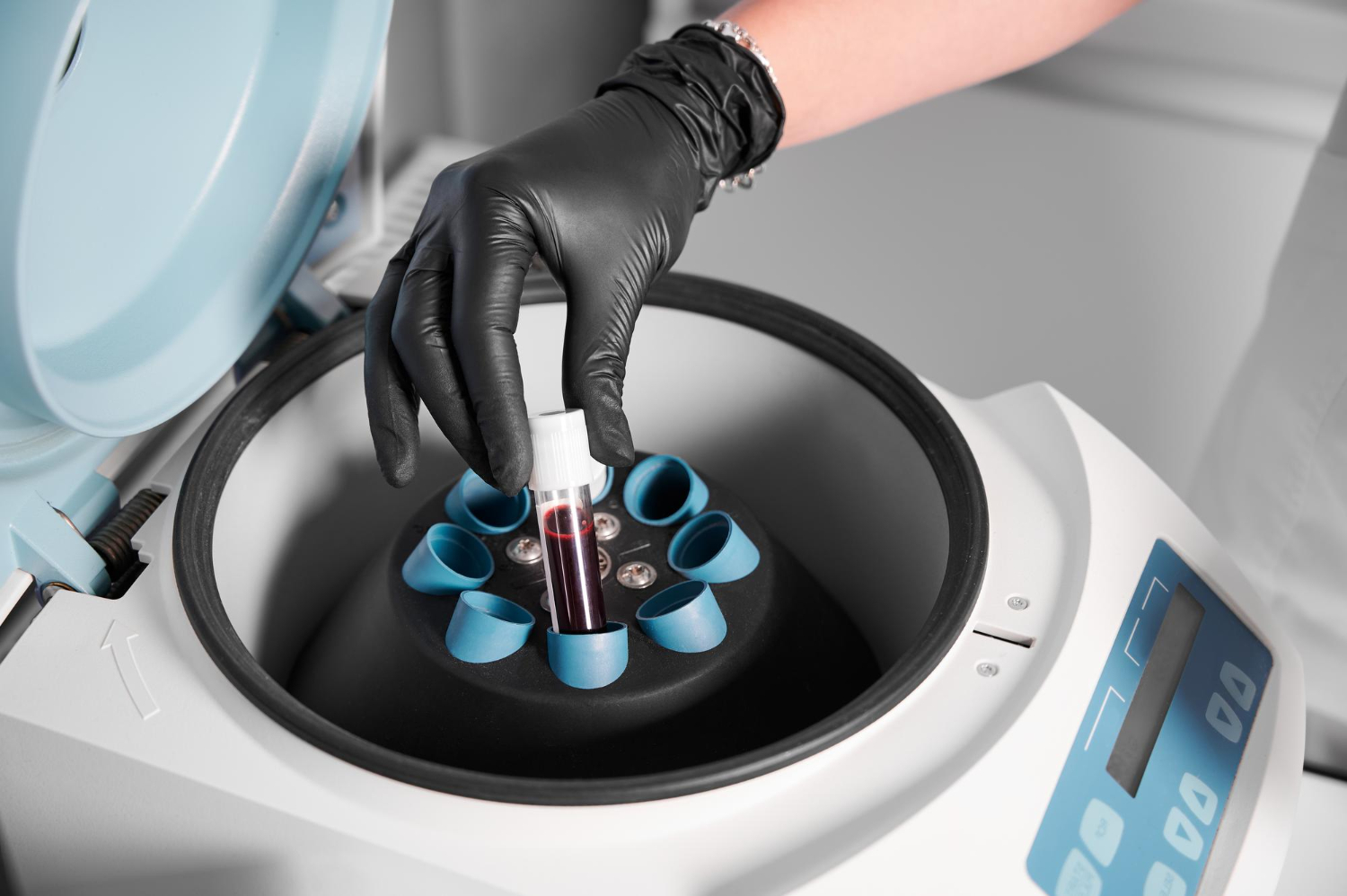
Comprehensive lab testing is the foundation of hormone optimization. Symptoms alone cannot show whether testosterone is low, how it is carried, or which systems affect balance, so a careful workup guides every decision.
Wondering whether your lab work covers the full hormone picture? Talk with Ascend about a comprehensive hormone panel designed around your history and symptoms.
Why one testosterone number is not enough
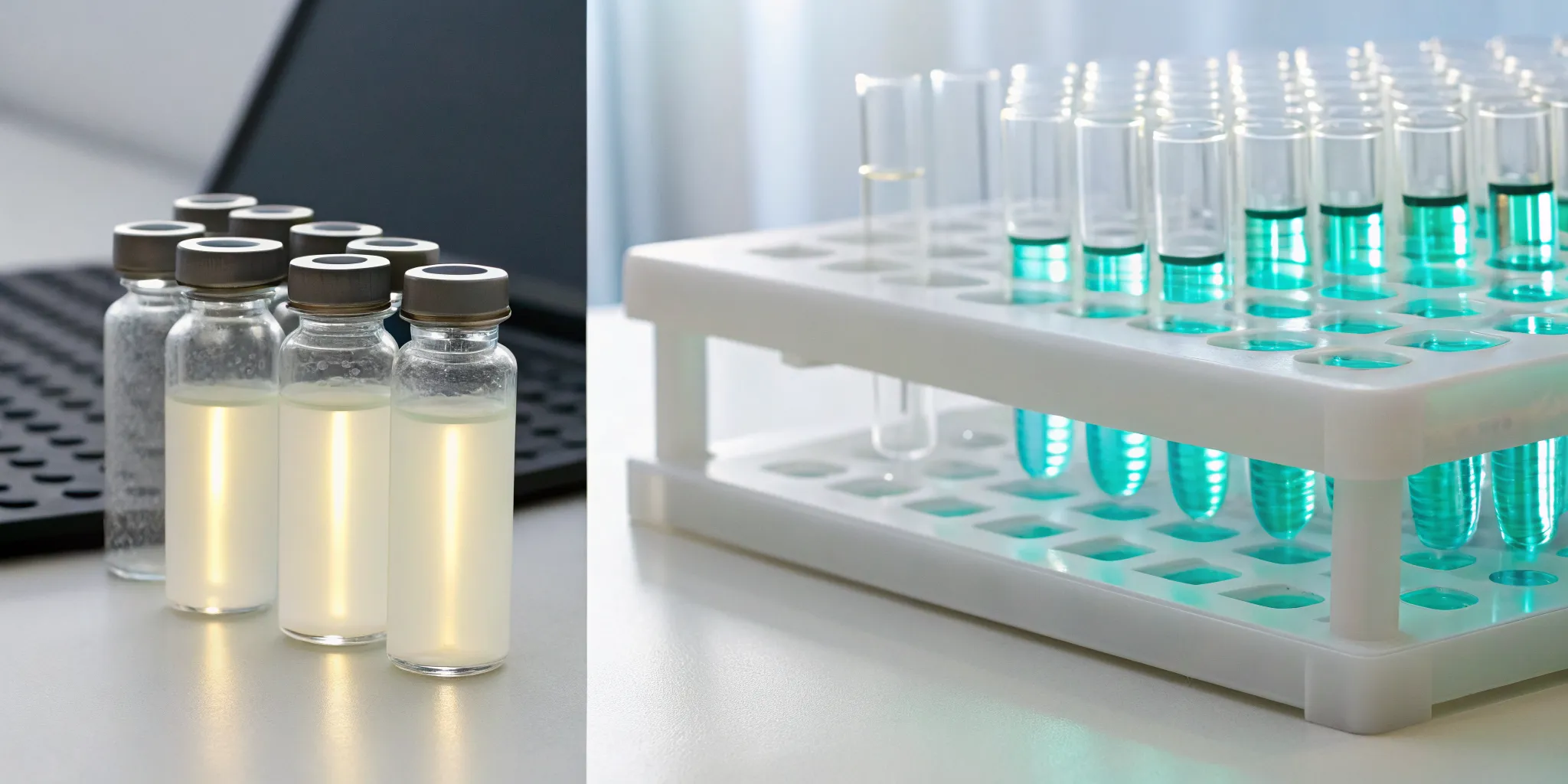
Total testosterone measures the amount circulating in the blood, but it does not show how much is available for tissues to use. A complete panel can include total and free testosterone, estradiol, and sex hormone-binding globulin (SHBG), along with luteinizing hormone (LH) and follicle-stimulating hormone (FSH). These results help distinguish reduced production from altered hormone binding or signaling.
Clinically, testosterone deficiency is typically defined as a total testosterone level below 300 ng/dL on at least two early-morning blood draws, interpreted alongside relevant symptoms and medical history. One result should not determine a long-term plan. The diagnostic threshold and its limitations are discussed in this academic review of testosterone deficiency.
What a comprehensive panel may include
Beyond testosterone and estradiol, testing may include a thyroid panel, cortisol, vitamin D, and other markers selected for your history. PSA and a lipid panel may also be appropriate based on age, risk factors, symptoms, and the treatment being considered. Vitamin D is not traditionally classified as a sex hormone, but measuring it alongside a broader panel can add context about systemic health.
Thyroid hormones interact with sex hormones and influence metabolism, so thyroid status matters when interpreting fatigue, changes in body composition, mood shifts, or reduced exercise tolerance. The goal is not to chase an arbitrary number. It is to understand your pattern and connect the results with your symptoms and health metrics.
Timing and root-cause context matter
Testosterone follows a daily circadian rhythm, which is why early-morning collection helps make results more comparable and clinically meaningful. Testing at inconsistent times can make interpretation more difficult. Your clinician may also consider sleep, medications, body composition, and cardiometabolic health when reviewing the results.
Inflammation and gut health can influence hormone regulation indirectly through broader metabolic and functional pathways. That is why a functional medicine evaluation may examine digestive symptoms, inflammation, bloodwork, and related contributors rather than treating a lab value in isolation. For a wider view of measurable health markers, see our guide to tracking your biological age, and explore how growth hormone optimization fits into an integrated approach to healthy aging.
How Testosterone Replacement Therapy Works When It Is Right for You
Testosterone replacement therapy is a clinical protocol for confirmed deficiency, not a cosmetic add-on. When a full workup supports treatment, the goal is to restore an appropriate physiologic range while tracking symptoms, laboratory markers, and overall health over time.
When TRT may be clinically indicated
TRT is considered after a patient has relevant symptoms and consistently low testosterone on appropriate testing. Evidence commonly defines biochemical deficiency as total testosterone below 300 ng/dL on at least two early-morning measurements, although interpretation also depends on the broader clinical picture. The evaluation may include free testosterone, SHBG, estradiol, thyroid markers, and other measures that help identify why levels are low rather than assuming testosterone is the only issue.
This distinction matters for men seeking hormone replacement therapy in Tampa. Fatigue, low mood, reduced sexual function, changes in body composition, and difficulty recovering can have overlapping causes. Ascend uses diagnostic information to determine whether TRT fits the patient's needs and whether another health factor should be addressed first.
What benefits can a well-designed protocol support?
In appropriately selected patients, documented benefits can include improved sexual function, increased lean mass. Reduced fat mass, and favorable changes in metabolic markers such as waist circumference and insulin sensitivity. Research also describes potential improvements in mood, energy, and cognition, but the response varies by person and should be assessed rather than promised. Lifestyle work makes the protocol more effective: consistent sleep, progressive resistance training, adequate nutrition, and management of metabolic health provide the foundation for meaningful, measurable progress.
That whole-person approach is especially important when hormone concerns coexist with sleep disruption, digestive symptoms, or other chronic issues. Testosterone therapy should support a broader health plan, not replace the habits and clinical care that influence hormone function.
How safety and progress are monitored
Follow-up is part of treatment, not an optional final step. Monitoring includes reviewing symptoms and repeat laboratory markers, watching for erythrocytosis, evaluating prostate health when appropriate, and discussing fertility because testosterone therapy can suppress sperm production. In appropriately selected men who are carefully monitored, available evidence has not shown a significant increase in major adverse cardiovascular events, but individual risk assessment remains essential. The protocol may be adjusted, continued, or reconsidered as the patient's response and health data evolve.
Ascend's regenerative and functional medicine framework keeps TRT grounded in a thorough workup, patient education, and measurable outcomes rather than a one-size-fits-all approach.

Why Estrogen Balance Matters for Men on Testosterone Therapy
Estradiol balance is a central part of safe testosterone therapy, not a secondary detail. Testosterone can be converted, or aromatized, into estradiol, and men need enough of this estrogen to support bone, brain, and cardiovascular function without allowing levels to become excessive.
Testosterone and estradiol work as a connected system. The goal is not to suppress estradiol automatically or chase a single laboratory number. Research on the testosterone-to-estradiol relationship and male estrogen physiology shows why both hormones should be interpreted together and in the context of symptoms. Medical history, and other lab findings. See the reviews in testosterone and estradiol balance and estrogen's role in male physiology.
| Estradiol status | Possible effects | What a clinician does |
|---|---|---|
| Balanced estradiol | Supports bone strength, brain function, cardiovascular health, sexual well-being, and overall hormonal stability. | Reviews symptoms, medication dose, timing, and related labs, then continues individualized monitoring rather than changing treatment reflexively. |
| Too low | May contribute to joint aches, lower mood, reduced bone density, and other symptoms that can be mistaken for inadequate testosterone. | Assesses whether testosterone dosing, aromatization, nutrition, or another health factor may be contributing before considering an adjustment. |
| Too high | Can be associated with water retention, mood irritability, breast tenderness, and other estrogen-related side effects. | Reviews dose, administration pattern, body composition, symptoms, and repeat testing. The response should address the underlying pattern, not simply eliminate estradiol. |
This balance matters because over-optimizing testosterone while ignoring estradiol can create new problems instead of improving health. Both very low and very high estradiol have been associated with concerns involving bone and cardiovascular health, so monitoring is part of responsible testosterone replacement therapy. A clinician may also consider thyroid function, metabolic health, liver function, and other contributors when symptoms or results do not align.
For men pursuing hormone optimization in Tampa, the practical takeaway is simple: estradiol should be measured and followed alongside testosterone, not treated as an afterthought. Decisions should be based on a complete clinical picture and trends over time, with adjustments made carefully when the evidence supports them.
What a Personalized Hormone Optimization Plan Looks Like at Ascend
A personalized hormone optimization plan at Ascend begins with a clinical evaluation, not a predetermined prescription. Your symptoms, medical history, laboratory findings, and health goals guide each decision, so the process can address possible root causes and track meaningful health measures over time.
The experience is designed as a partnership between you and your care team. Here is what that process typically includes:
Discovery and sit-down consultation
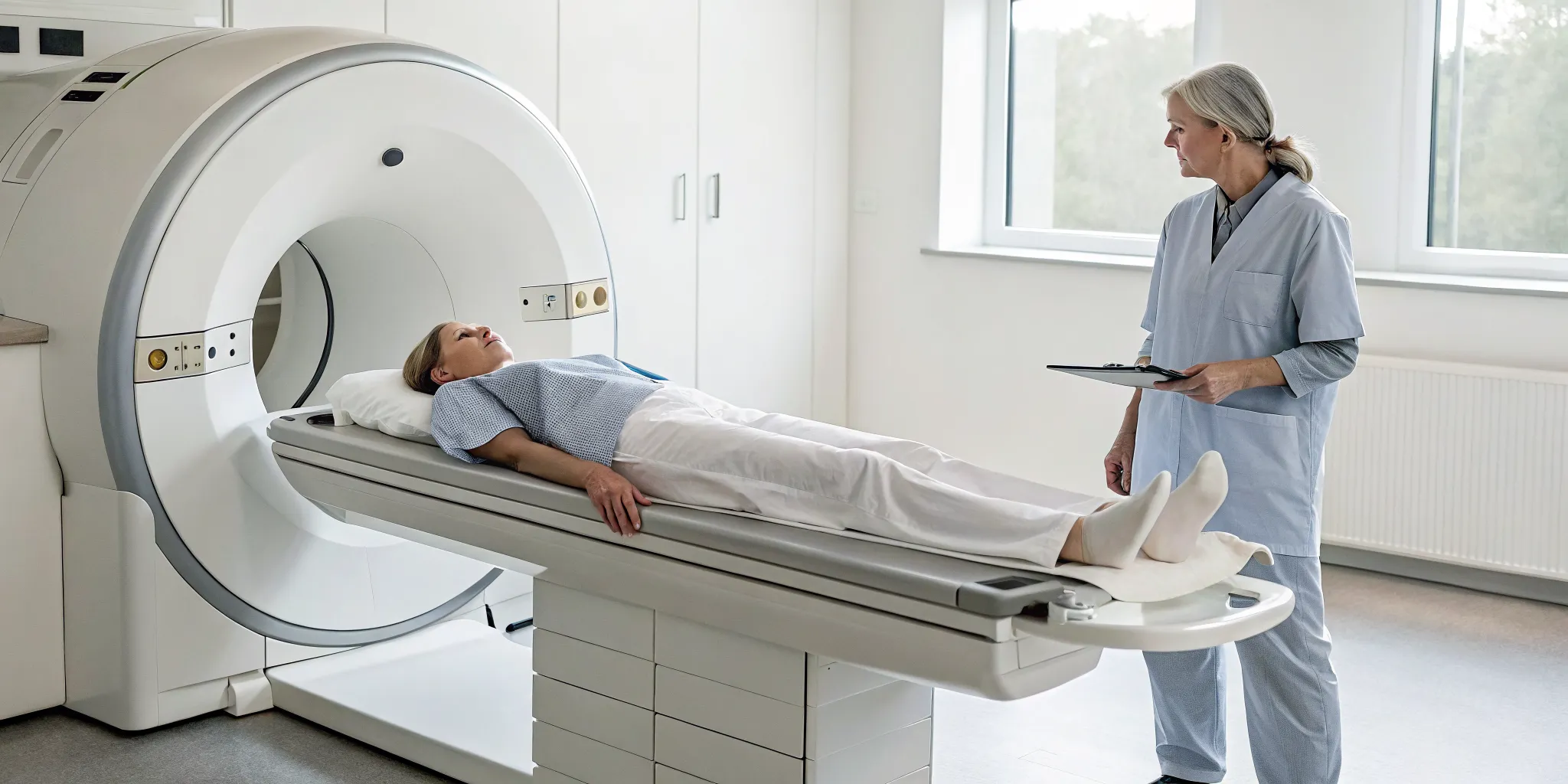
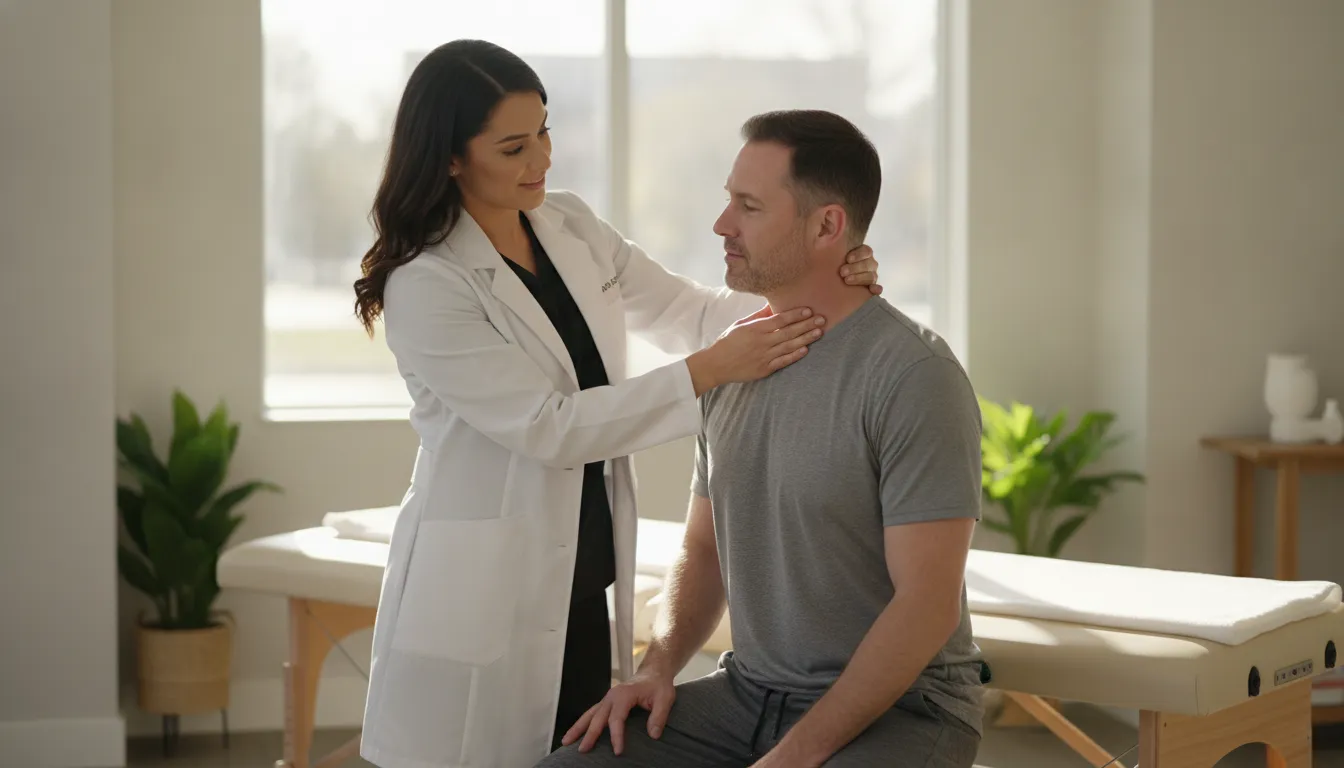
Your first visit is a conversation about what has changed, what you are experiencing, and what you want to improve. Fatigue, changes in body composition, mood concerns, sleep disruption, sexual health, digestive issues, and other symptoms may each provide useful context. The clinician also reviews your history and discusses relevant examinations or imaging when appropriate. This discovery visit helps ensure that the plan is built around your health rather than a single symptom or an arbitrary target.
Comprehensive laboratory workup
Testing looks beyond total testosterone. Depending on your situation, the workup may assess free testosterone, estradiol, SHBG, thyroid function, vitamin D, and other markers that help clarify systemic health. Hormone results are interpreted alongside your symptoms and history. The purpose is to understand the broader pattern, including factors that may influence hormone regulation, rather than treating a number in isolation.
Report of findings and strategy session
At the report of findings, your doctor explains what the evaluation shows and answers your questions. Together, you review recommendations and decide which next steps fit your needs. This strategy session is an important distinction between comprehensive care and a direct-to-consumer model. It gives you a clear explanation of the findings before any protocol is considered. Patients may also benefit from preparing for your longevity medicine consultation by bringing a current medication list, relevant records, and a concise symptom history.
Personalized protocol
If hormone therapy or another regenerative medicine approach is appropriate, the protocol is tailored to your clinical picture. It may include hormone replacement or optimization, lifestyle priorities, and support for related functional concerns. The goal is patient-specific balance and measurable progress, not cosmetic enhancement or a cookie-cutter protocol. Ascend's longevity medicine approach keeps the focus on healthspan, function, and the body's capacity to respond to evidence-informed care. For practical day-to-day habits that support long-term vitality, see our healthspan optimization tips.
Ongoing monitoring and adjustment
Hormone optimization is a process that requires structured follow-up. Your care team monitors symptoms, laboratory values, and relevant safety markers, then adjusts the plan when the evidence supports a change. This ongoing review helps keep treatment aligned with your response, priorities, and overall health instead of assuming the first protocol will remain right indefinitely.
Ready to build a personalized plan around your symptoms and lab results? Schedule your hormone optimization consultation with Ascend Functional Health today.
Frequently Asked Questions
Is 40 too early for TRT?
No. Age alone does not determine whether testosterone replacement therapy is appropriate. A clinical evaluation should connect persistent symptoms with testing that confirms low testosterone before treatment is considered.
What happens to men's hormones after 40?
Testosterone may gradually decline, while changes in sex hormone-binding globulin can affect the amount available to tissues. Shifts in thyroid function and estrogen balance may also contribute to fatigue, lower libido, reduced muscle mass, or mood changes.
Should a 40-year-old man take testosterone boosters?
Not before completing a lab-based evaluation. Over-the-counter products do not replace testing for testosterone, estradiol, thyroid function, and related factors that may be contributing to symptoms. The appropriate next step depends on the findings and your health history.
What lab tests are part of a comprehensive hormone workup?
Testing may include total and free testosterone, estradiol, SHBG, LH, FSH, thyroid markers, cortisol, and vitamin D. Depending on personal risk factors, a clinician may also assess PSA and lipids. Testing is selected around the individual rather than a one-size-fits-all panel.
Why does estrogen balance matter for men on TRT?
Some testosterone converts to estradiol through aromatase. Estradiol supports bone, brain, and cardiovascular function, but levels that are too high or too low can create problems. Monitoring both hormones helps guide a measured treatment plan instead of focusing on testosterone alone.
How long does it take to notice results from hormone optimization?
Some men notice changes in energy, mood, or libido within several weeks, while muscle and body-composition changes generally take longer. Follow-up symptoms and lab results help determine whether the plan is working and needs adjustment.
Schedule Your Hormone Optimization Consultation in Tampa
A thoughtful evaluation can help connect symptoms, hormone levels, and broader health factors before a personalized plan is considered. Hormone optimization for men over 40 in Tampa starts with understanding your full picture, not with a single lab value or a generic protocol.
Schedule a consultation with Ascend Functional Health to discuss your goals, your history, and your next steps. Request your consultation online today, and the team will help you get started.