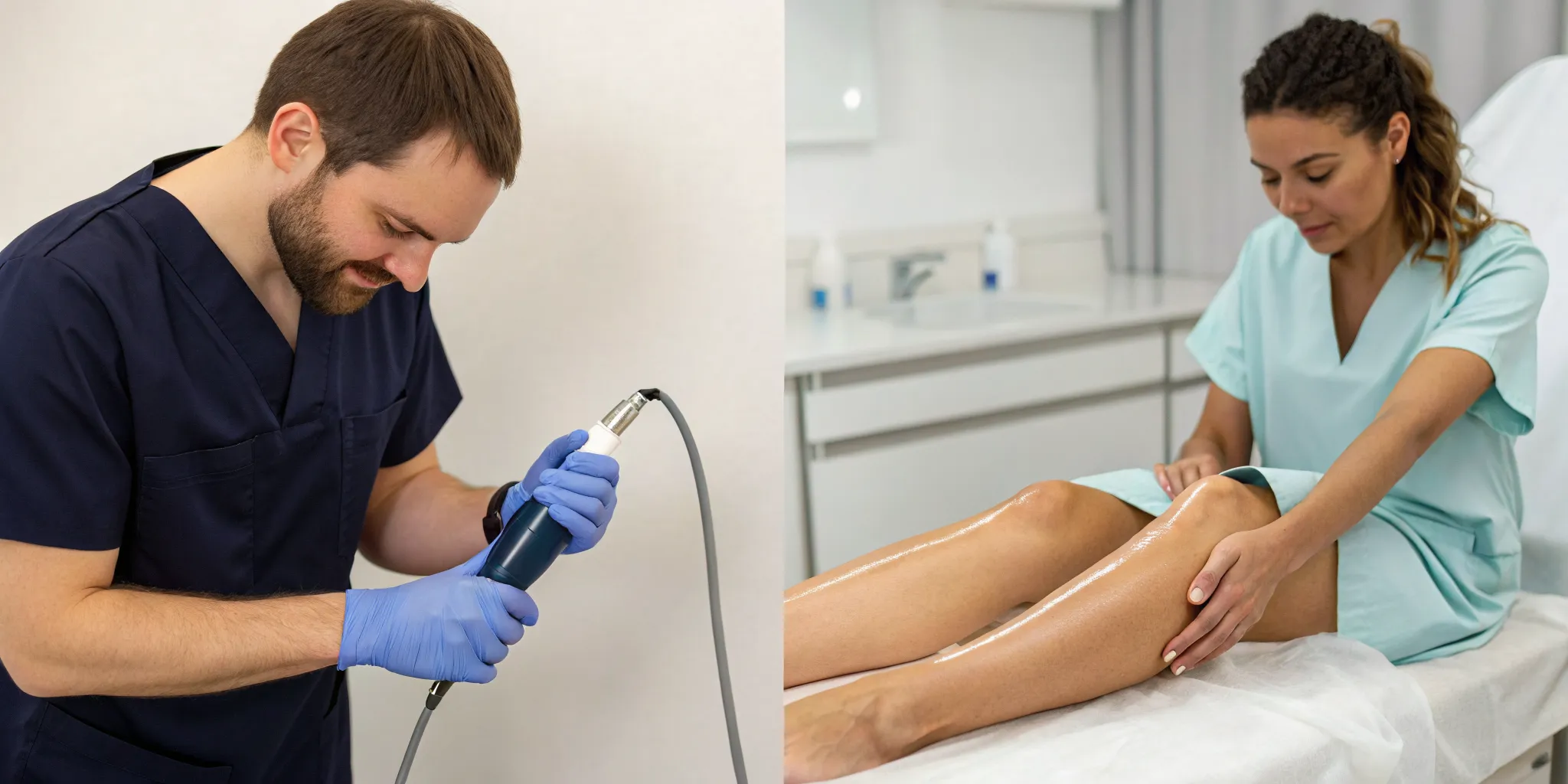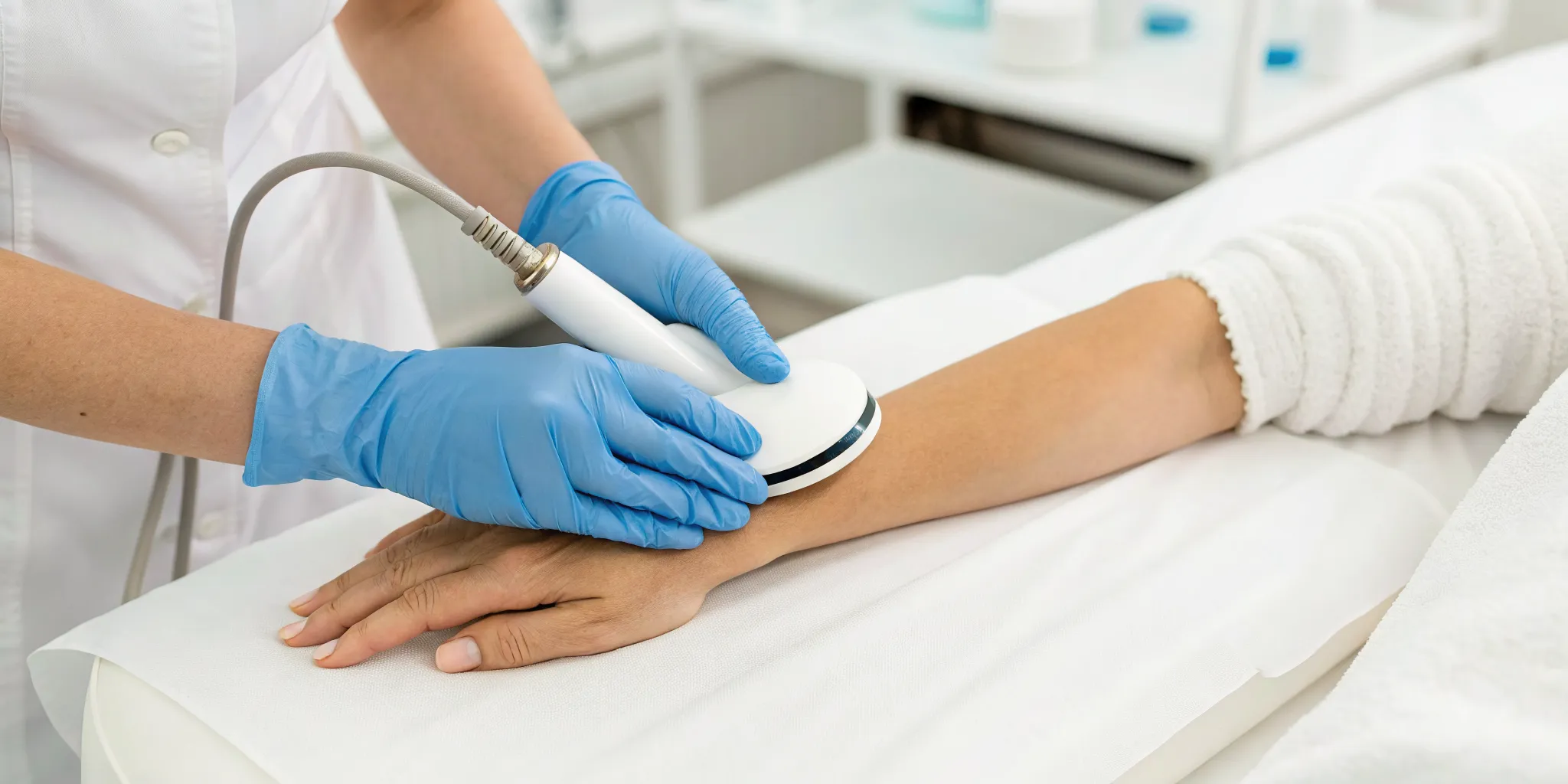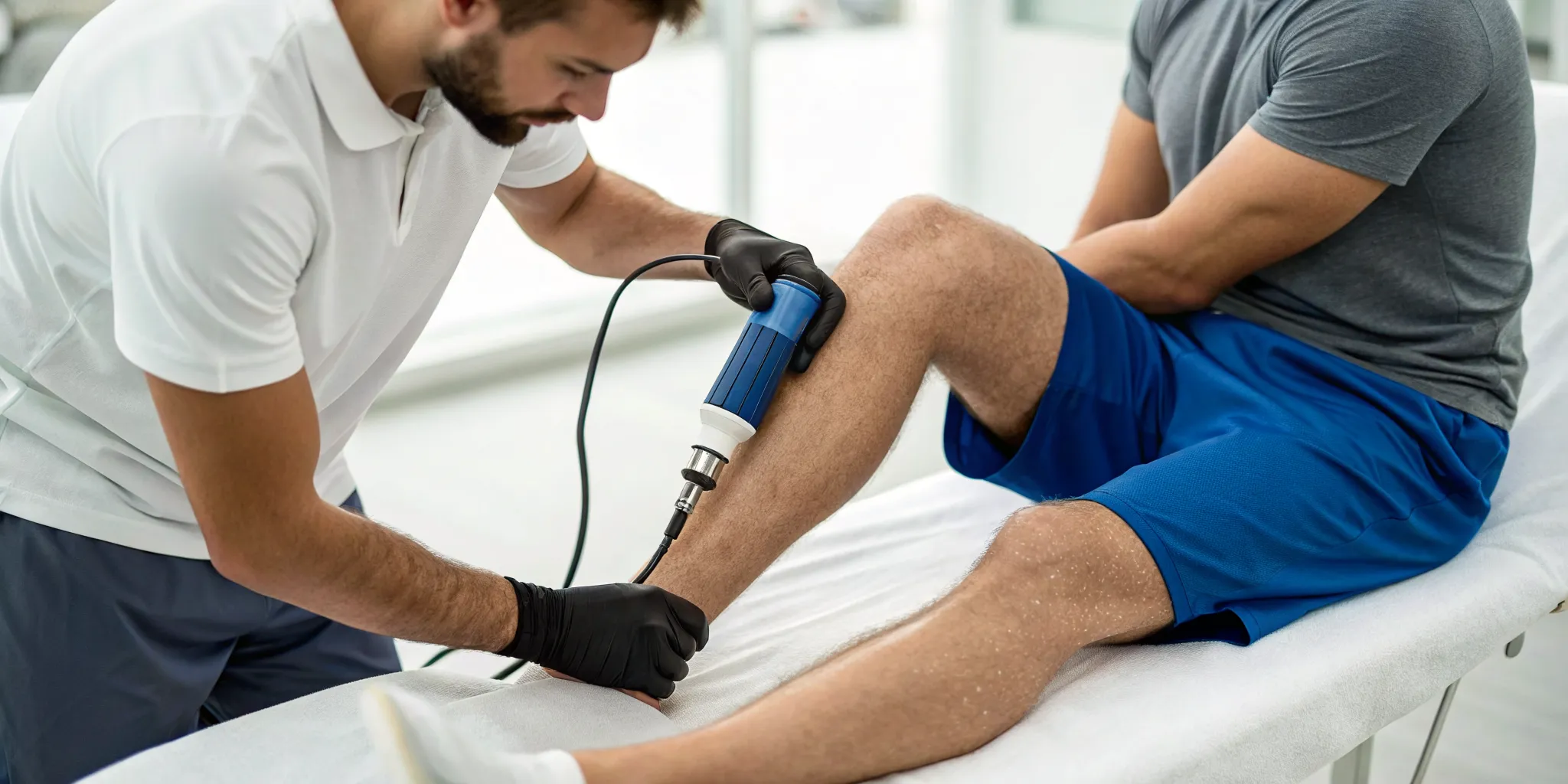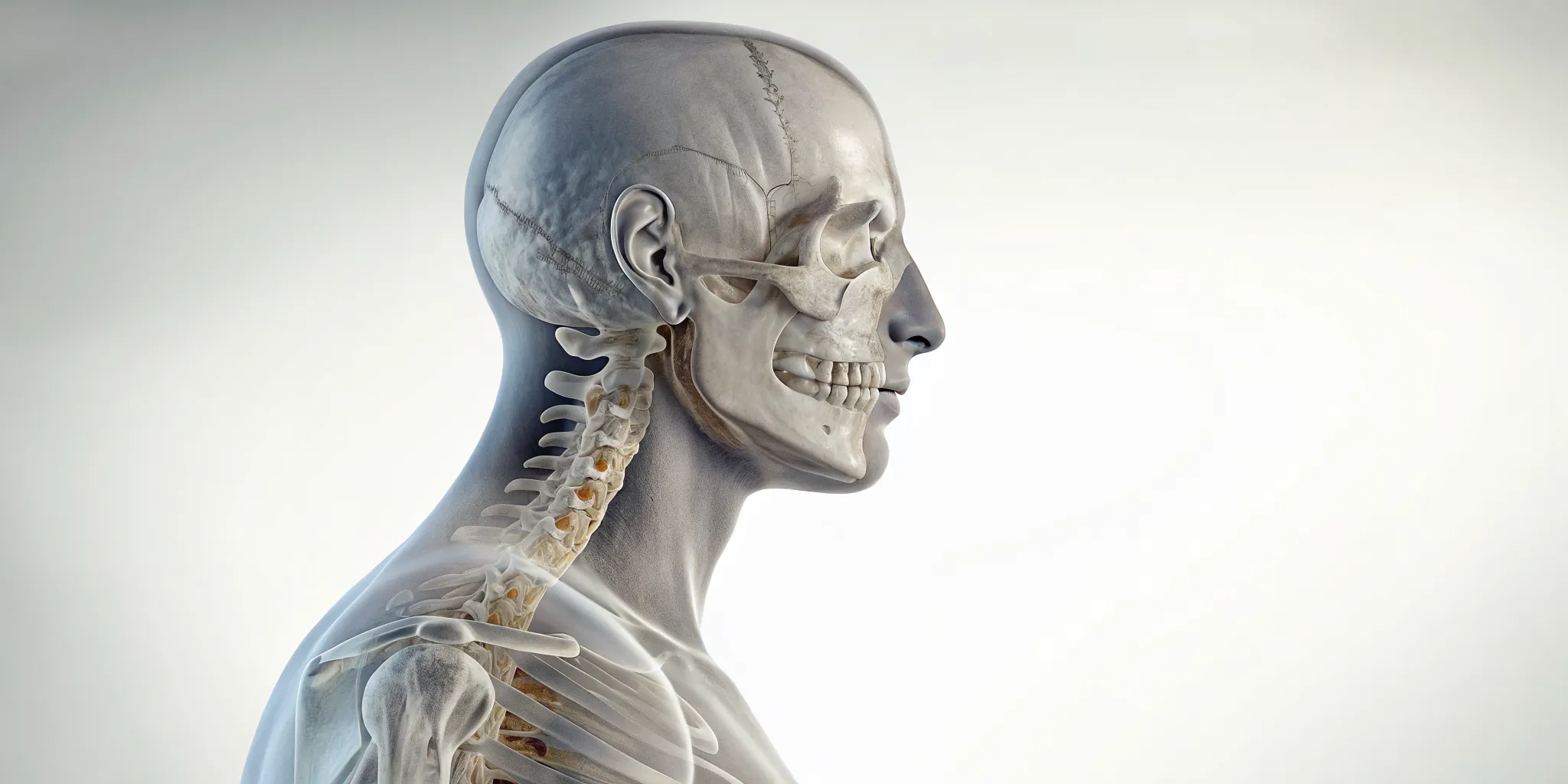
The term “shockwave” might sound a bit intense, but the treatment itself is much gentler than its name suggests. This therapy doesn’t involve electrical shocks; instead, it uses the power of sound. A specialized device sends high-energy acoustic waves deep into injured tissue, creating a targeted vibration that signals your body to begin the repair process. Think of it as a precise wake-up call for cells that have become stuck in a cycle of chronic inflammation. This innovative approach uses these sound waves to break down scar tissue and stimulate new growth, making shockwave therapy for mobility improvement a powerful, non-invasive tool for lasting pain relief.
Key Takeaways
- Stimulates Your Body's Repair Process: Shockwave therapy is a non-invasive treatment that uses acoustic waves to restart your body's healing cascade in areas with old injuries, helping to repair tissue from the inside out rather than just covering up symptoms.
- Targets Stubborn Soft Tissue Injuries: This therapy is highly effective for chronic conditions that have not improved with other methods, such as plantar fasciitis, Achilles tendinopathy, tennis elbow, and rotator cuff pain.
- Works Best as Part of a Larger Plan: For the most lasting recovery, shockwave therapy should be combined with other supportive care, like chiropractic adjustments or functional medicine, to address both the specific injury and any underlying issues.
How Does Shockwave Therapy Work?
If you're dealing with chronic pain from an old injury, you might feel like you've tried everything. Shockwave therapy is a modern, non-invasive treatment that helps your body heal from the inside out. It uses the power of sound waves to target injured tissue, reduce pain, and restore your mobility without requiring any incisions or lengthy recovery periods. Think of it as a way to restart your body’s natural healing signals in an area that has become stuck.
This approach is a cornerstone of our physical medicine services because it aligns perfectly with the goal of helping your body repair itself. By stimulating circulation and cellular activity, shockwave therapy addresses the root cause of your discomfort, rather than just masking the symptoms. It’s a powerful tool for anyone looking to get back to their active life.
The Science Behind the Sound Waves
So, how can sound waves actually heal an injury? It’s simpler than you might think. During a shockwave therapy session, a special device sends high-energy acoustic waves deep into the targeted tissue. These waves create tiny vibrations that trigger a response from your body. Your system recognizes this activity and increases blood flow to the area, bringing more oxygen and nutrients that are essential for repair.
This process also stimulates the release of your body's own healing hormones and growth factors. Essentially, the sound waves act as a messenger, telling your body to pay attention to an old injury and kickstart the healing cascade all over again. This helps reduce inflammation, alleviate pain, and improve your ability to move comfortably.
Focused vs. Radial: Two Approaches to Healing
Not all injuries are the same, which is why there are two main types of shockwave therapy: focused and radial. The one we choose depends entirely on your specific situation. Radial shockwave therapy is excellent for treating larger, more superficial areas. The sound waves spread out from the applicator, making it ideal for addressing tight muscle groups or broader regions of discomfort.
Focused shockwave therapy, on the other hand, concentrates the energy on a single, deeper point. This precision allows us to target very specific tissues, like a tendon attachment or a small, stubborn area of scar tissue. By tailoring the treatment to your unique needs, we can effectively address the wide range of conditions we treat and give you the most effective path toward recovery.
Activating Your Body's Natural Repair Process
The ultimate goal of shockwave therapy is to empower your body’s innate ability to heal. The acoustic waves do more than just signal for blood flow; they actively help remodel injured tissue. For instance, the therapy can help break down scar tissue and calcifications that often limit movement and cause pain. This allows healthy, new tissue to form in its place.
This treatment also encourages your body to produce new collagen, a vital protein for the structure and strength of your tendons, ligaments, and muscles. By prompting the release of natural growth factors, shockwave therapy helps your cells repair themselves more efficiently. This comprehensive approach supports our core philosophy of facilitating the body's healing abilities to create lasting results, helping you feel and move better for the long term.
What Conditions Does Shockwave Therapy Treat?
Shockwave therapy is a versatile treatment that shines when it comes to chronic musculoskeletal issues, especially those that haven't improved with traditional methods. If you've been dealing with persistent pain for months or even years, this therapy could be the key to finally finding relief. It works by targeting the specific areas of your body where chronic inflammation, scar tissue, and adhesions have settled in. The acoustic waves create a controlled, micro-level response that essentially reawakens your body’s dormant healing mechanisms.
Instead of just masking symptoms, shockwave therapy goes after the root cause of the pain. It’s particularly effective for tendinopathies, which are injuries to the tough, flexible bands of tissue that connect your muscles to your bones. These areas often have poor blood supply, which slows down the natural healing process. By stimulating new blood vessel formation and breaking down calcifications, shockwave therapy helps your body rebuild and repair from the inside out. At Ascend Functional Health, we use this technology to address a wide range of conditions we treat, helping our patients get back to living their lives with less pain and more freedom.
Plantar Fasciitis and Achilles Tendinopathy
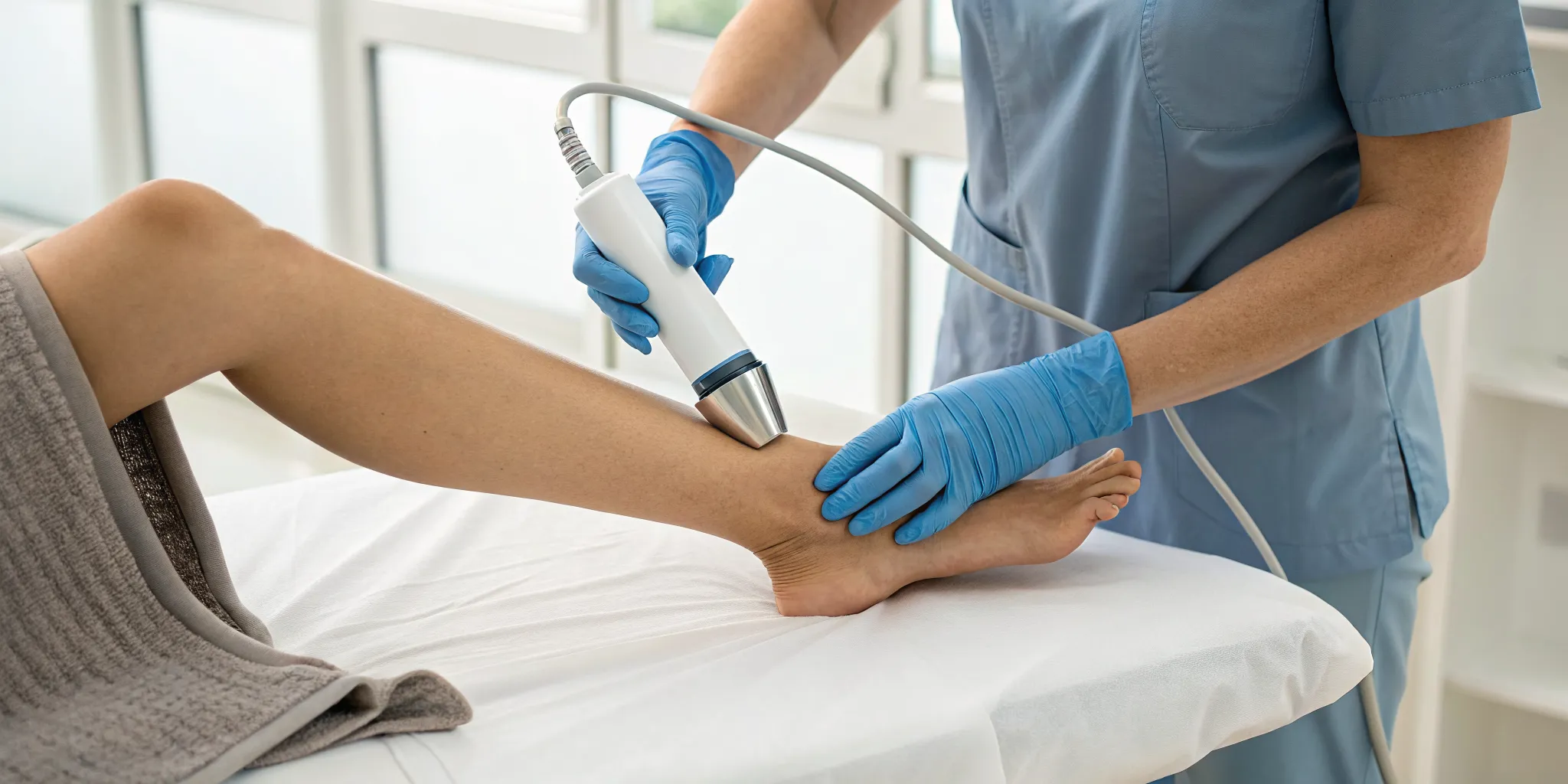
If you’ve ever felt that sharp, stabbing pain in your heel with your first steps in the morning, you know how disruptive plantar fasciitis can be. Similarly, the persistent ache of Achilles tendinopathy can make every step a chore. Shockwave therapy is particularly effective for reducing pain and promoting healing in these stubborn foot and ankle conditions. The sound waves penetrate deep into the tissue, breaking up scar tissue on the plantar fascia and stimulating repair in the Achilles tendon. This process increases blood flow to the area, delivering the oxygen and nutrients needed to finally heal the tissue and get you back on your feet comfortably.
Rotator Cuff Injuries and Frozen Shoulder
Shoulder pain can make simple tasks like reaching for something on a high shelf or even getting dressed feel impossible. Conditions like rotator cuff injuries and frozen shoulder can severely limit your range of motion and quality of life. Shockwave therapy can be used to alleviate pain and restore mobility in the shoulder joint. By targeting the inflamed tendons and tight capsule, the acoustic waves help reduce inflammation and break down adhesions. This encourages the body’s natural repair process, helping you regain strength and flexibility in your shoulder without resorting to more invasive procedures. It's a key part of our physical medicine approach to restoring function.
Tennis Elbow and Golfer's Elbow
You don’t have to be a professional athlete to suffer from tennis elbow or golfer's elbow. These painful conditions are caused by repetitive strain on the tendons in your forearm and can result from activities like typing, gardening, or carrying heavy items. Shockwave therapy is a great option for reducing pain and improving function when you're dealing with this type of chronic elbow pain. The therapy targets the precise point of injury, stimulating a healing response that reduces inflammation and encourages the regeneration of healthy tendon tissue. This helps you get back to your daily activities with a stronger, more resilient grip.
Knee Pain and Bursitis
Knee pain can be incredibly frustrating, affecting everything from your ability to walk up stairs to enjoying a simple stroll. Conditions like patellar tendinopathy (jumper's knee) and bursitis often involve chronic inflammation that is slow to heal. Shockwave therapy is effective for treating knee pain and bursitis, providing relief and enhancing mobility. The treatment focuses on the inflamed tendons or bursa, promoting increased blood circulation and stimulating the cells responsible for tissue repair. By addressing the underlying cause of the inflammation, this therapy can help you find lasting relief and improve your knee function. It’s one of the many innovative services we offer to help you move better.
Chronic Muscle Tightness and Myofascial Pain
Sometimes, pain isn’t in a joint but in the muscles themselves. Chronic muscle tightness and myofascial pain syndrome can create persistent, deep aches and trigger points that just won’t go away. These tight bands of muscle and fascia can restrict movement and cause referred pain in other parts of your body. Shockwave therapy can be used to address these stubborn knots, as the acoustic waves help release the tension and improve circulation within the muscle tissue. This process stimulates healing and reduces discomfort, helping to restore your muscles’ normal length and function while providing significant relief from chronic pain.
Key Benefits of Shockwave Therapy
When you're dealing with persistent pain and stiffness, finding a solution that works with your body, not against it, can feel like a game-changer. Shockwave therapy is one of those solutions. It’s a modern approach that taps into your body's own healing abilities to address the root cause of discomfort. Instead of just managing symptoms, this treatment helps create lasting change by stimulating repair at a cellular level. Many common therapies focus on temporarily reducing pain, which can be helpful in the short term but often fails to resolve the underlying problem. This can lead to a frustrating cycle of recurring pain and a slow decline in your ability to move freely and enjoy life.
Shockwave therapy breaks that cycle. It’s a cornerstone of a holistic health plan because it directly addresses the "why" behind your pain. By using targeted acoustic waves, we can pinpoint areas where the body’s natural healing process has stalled, often due to chronic inflammation or poor blood flow. The therapy essentially sends a signal to your body to restart the repair process, bringing in fresh blood, nutrients, and growth factors to rebuild damaged tissue. This focus on regeneration is what sets it apart. It’s not about a quick fix; it’s about providing your body with the support it needs to truly heal itself. This philosophy is central to how we approach wellness, creating a foundation for long-term health and mobility.
Find Pain Relief Without Surgery
One of the most significant advantages of shockwave therapy is that it's a non-invasive treatment. If you're looking for an alternative to more intensive procedures, this could be an excellent option. The therapy can relieve pain and help your body recover from various injuries and tissue damage without the need for incisions or a long, difficult recovery period. It’s a powerful tool within our physical medicine approach, allowing us to target discomfort at its source. By addressing the underlying issue, we can help you find meaningful relief and get back to your life with confidence.
Speed Up Tissue Repair
Chronic injuries often linger because the body's healing process has stalled. Shockwave therapy effectively kickstarts that process again. The device delivers high-energy acoustic waves to the affected area, which stimulates your body’s natural healing response and promotes tissue regeneration. Think of it as a wake-up call for your cells. This process increases blood flow to the area, bringing essential nutrients and oxygen that are crucial for repairing damaged tendons, ligaments, and muscles. Our goal is always to help your body heal itself, and this therapy is a fantastic way to support that mission.
Restore Your Range of Motion
Pain and stiffness don't just hurt; they limit your ability to move freely and enjoy your favorite activities. Shockwave therapy helps your body restart healing in places where recovery has stopped, which in turn eases pain and restores mobility. As tissues recover from chronic injury, you’ll likely find that your movements become smoother and less restricted. Whether it’s shoulder pain that keeps you from reaching overhead or plantar fasciitis that makes every step a challenge, improving tissue health is key to regaining your full range of motion. This treatment can address many of the conditions we treat that cause these limitations.
Support Your Body's Innate Healing
At its core, shockwave therapy is about empowering your body to do what it does best: heal. The sound waves create a gentle vibration that signals your body to send more blood and healing factors to the injured spot. This isn't a temporary fix or a way to mask pain. Instead, it’s a method that encourages deep, cellular-level repair. By enhancing your body's own resources, we can foster more complete and lasting recovery. This aligns perfectly with the principles of functional medicine, where the focus is always on identifying and addressing the root cause of health issues to promote true wellness from within.
What to Expect During a Shockwave Therapy Session
Thinking about a new treatment can feel a little intimidating, but knowing what’s involved makes all the difference. Shockwave therapy is a straightforward process designed to support your body’s healing. From the moment you walk in for your appointment to the moment you leave, our team is focused on your comfort and your health goals. Let’s walk through what a typical session looks like so you can feel confident and prepared.
Preparing for Your Appointment
Getting ready for your shockwave therapy appointment is simple. We recommend wearing comfortable, loose-fitting clothes that allow us to easily access the area we’ll be treating. There’s no need for any other special preparation. Once you’re settled in the treatment room, we will apply a thin layer of gel to your skin over the target area. This gel helps ensure the therapeutic sound waves are transmitted effectively into the tissue. Our goal is to make your experience as smooth as possible, and our approach to physical medicine is centered on creating a comfortable environment for healing.
The Step-by-Step Treatment Process
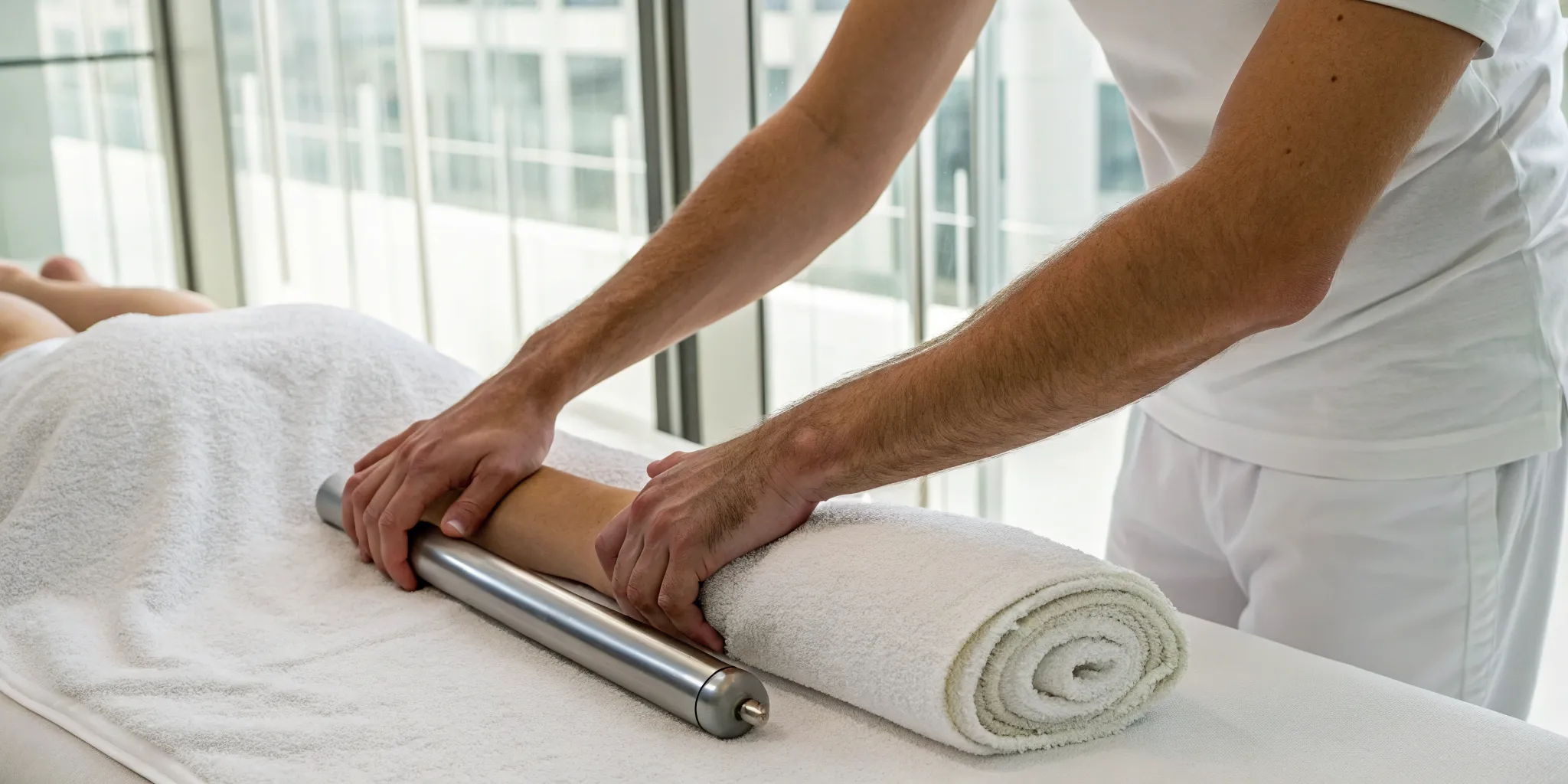
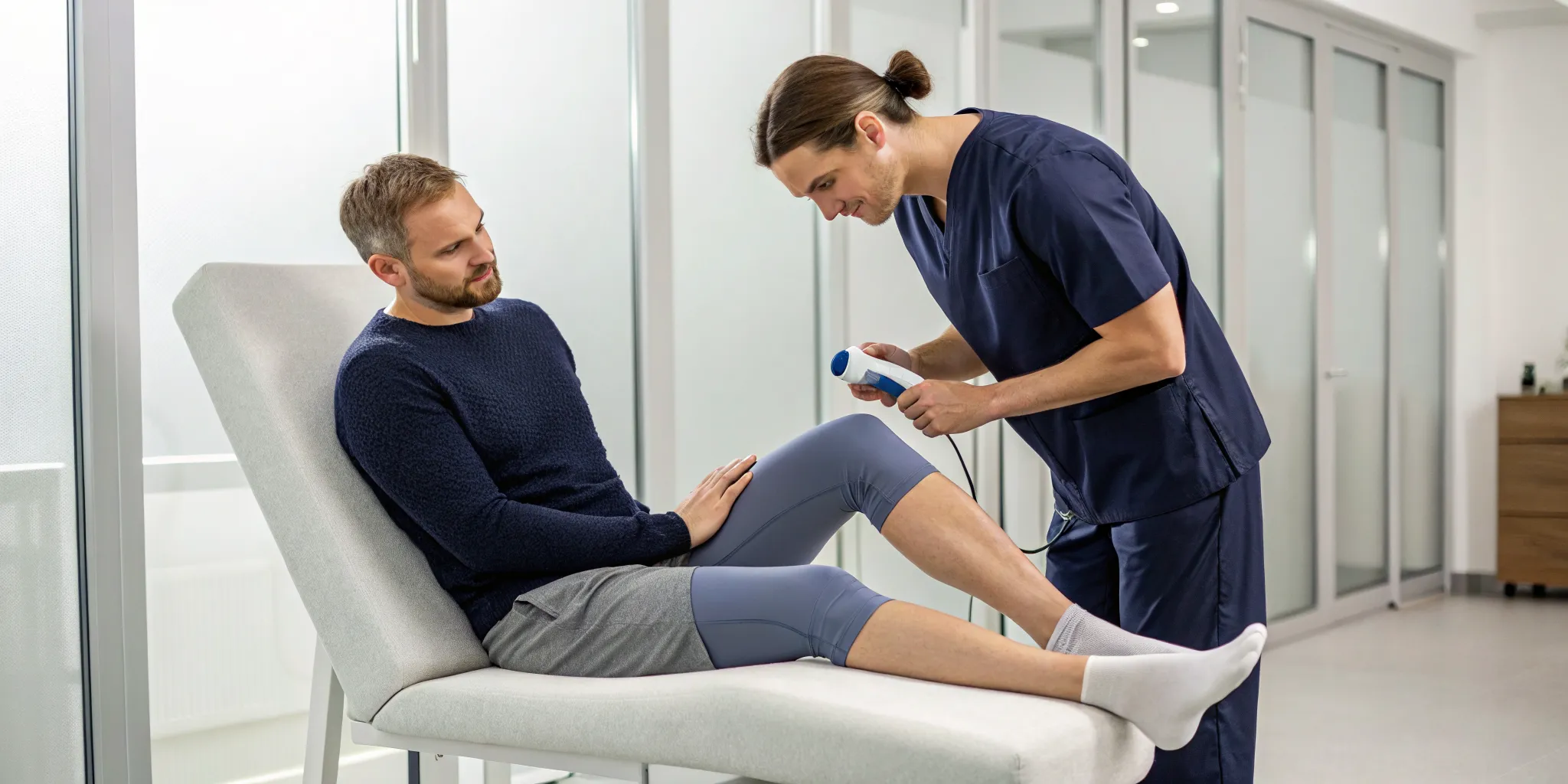
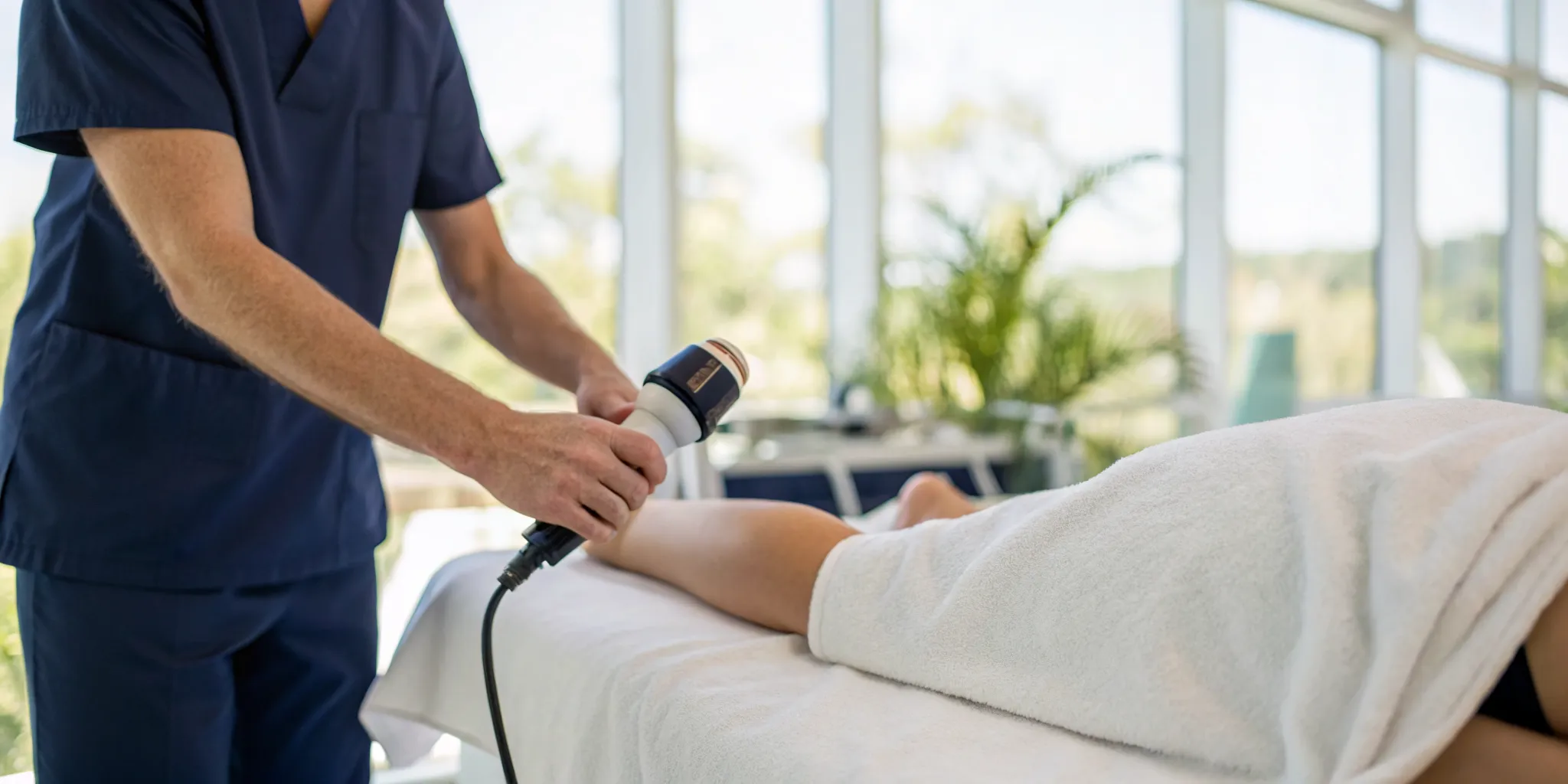
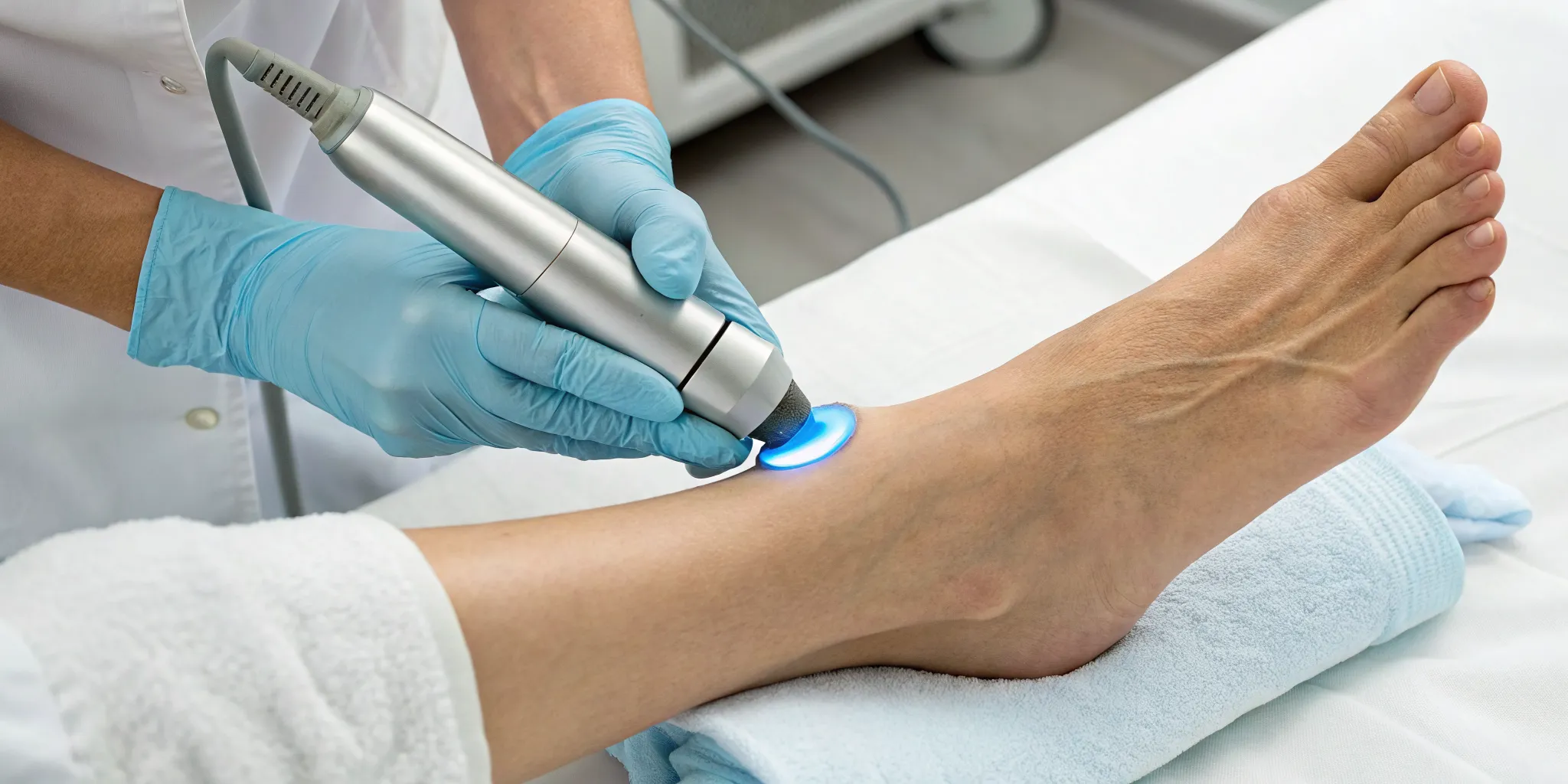
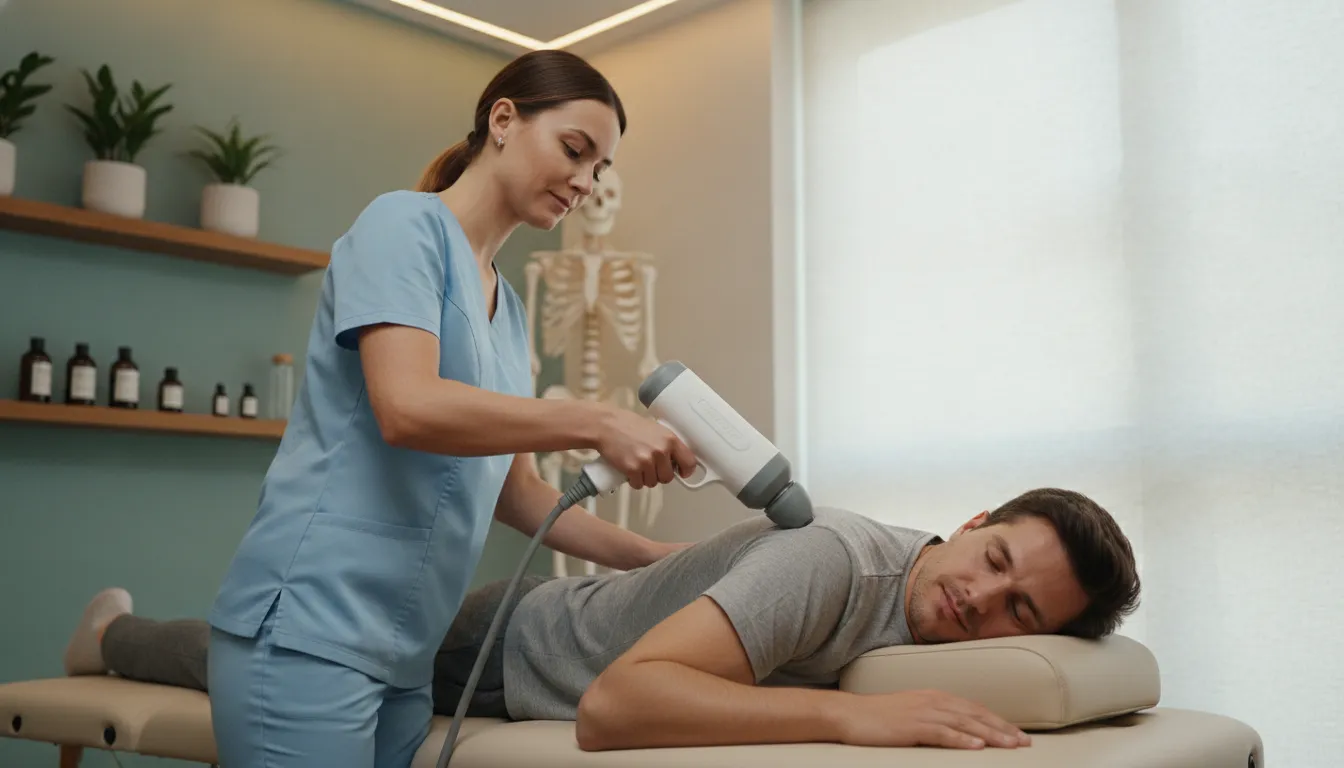
During the treatment, your practitioner will use a handheld device that delivers acoustic waves to the injured tissue. We will gently move the applicator over the affected area as you hear a clicking sound and feel a tapping or pulsing sensation. We will communicate with you throughout the entire process to make sure the intensity is right for you. We typically aim for a sensation that you might rate as a 5 out of 10 on a discomfort scale, which is noticeable but very manageable. The expertise of our team ensures your session is both effective and adjusted to your personal comfort level.
Session Length and Treatment Frequency
One of the best parts of shockwave therapy is how quick the sessions are. Each appointment typically lasts only about 15 minutes, making it easy to fit into your schedule. While you may feel some improvement after the first session, the therapy works by stimulating long-term tissue repair. Most people achieve the best results with a series of two to three treatments, spaced a few weeks apart. The exact number of sessions will depend on your specific situation and how your body responds. We create a personalized plan for the conditions we treat to ensure you get the right amount of care for your unique needs.
What Results Can You Expect?
When you start any new treatment, it’s natural to wonder, "What will this feel like, and when will I see a change?" With shockwave therapy, the experience is unique for everyone, but the goal is always the same: to get you moving comfortably again. The process is designed to work with your body, encouraging healing from the inside out. While some people notice a difference right away, the most significant changes happen over time as your tissues repair and strengthen.
This approach is about more than just masking symptoms. It’s about creating real, lasting improvement in your mobility and quality of life. Let’s walk through what you can anticipate during and after your sessions.
Short-Term Relief vs. Long-Term Results
Many people feel better right after their first shockwave session. If the treatment is a good fit for you, you'll likely notice some initial improvement quickly. This immediate relief often comes from the acoustic waves helping to calm nerve endings and increase blood flow to the area. However, the true benefits of shockwave therapy unfold over the weeks following your treatment plan.
The therapy stimulates your body’s own repair mechanisms, a process that takes time. As your body generates new blood vessels and heals damaged tissue, you’ll experience more profound and lasting results. This is why a series of treatments is typically recommended. It’s a key part of our physical medicine approach, focusing on genuine healing rather than a temporary fix.
Recovery Time and Returning to Daily Life
One of the best parts of shockwave therapy is the minimal downtime. During the session, a team member will use a handheld device on the affected area, which feels like a deep, vibrating massage. You don’t need any special preparation beforehand, and there’s no recovery period afterward.
You can usually go back to your normal activities, including exercise, right away. This makes it an incredibly convenient option for anyone who can’t afford to put their life on hold. Unlike more intensive procedures that require you to rest for days or weeks, shockwave therapy allows you to continue your daily routine while your body heals. It’s an effective way to address many of the conditions we treat without major disruption.
Understanding Potential Side Effects
It’s important to have a clear picture of what to expect after a session. The side effects of shockwave therapy are usually mild and temporary. You might feel a bit sore or notice some slight redness or bruising in the treated area for a day or two. This is a normal response and a sign that the therapy has initiated a healing process in the tissue.
These minor effects typically resolve on their own quickly. We also find that shockwave therapy works best when it’s part of a comprehensive care plan that may include corrective exercises or other therapies. Our holistic approach ensures we support your body’s recovery every step of the way, combining treatments to give you the best possible outcome.
Is Shockwave Therapy Right for You?
Deciding on a new treatment can feel like a big step, especially when you've been dealing with persistent pain. You might be wondering if shockwave therapy is the right move for your specific situation. The good news is that this therapy is surprisingly versatile and has helped many people find relief from stubborn injuries and chronic conditions that limit their mobility. However, it’s not a one-size-fits-all solution. Understanding who benefits most, when it’s best to explore other avenues, and what factors contribute to a successful outcome will help you make an informed decision about your health. Let’s walk through these points together.
Who Can Benefit from This Treatment
If you're struggling with a nagging injury that just won't seem to heal, shockwave therapy could be a great option. It’s particularly effective for stubborn, long-term issues affecting tendons and soft tissues. We often see excellent results for people with painful chronic conditions like plantar fasciitis, Achilles tendinopathy, and rotator cuff injuries. It can also address discomfort in the hips and knees, including issues often labeled as bursitis or arthritis. If you feel like you’ve tried everything for that persistent heel pain or frozen shoulder without success, this treatment may help your body finally begin the repair process and restore your mobility.
When to Consider Other Options
Shockwave therapy is a powerful tool, but it’s important to know when it’s the right choice. We typically recommend it for people who have already tried more conservative treatments, like rest or specific exercises from physical medicine, without getting the relief they need. It’s a fantastic next step when your body needs an extra push to heal. On the other hand, this treatment is not suitable for everyone. It should be avoided by pregnant women and individuals with active tumors or a ruptured tendon. Our priority is your safety and well-being, so we always conduct a thorough assessment to ensure any treatment we recommend is appropriate for you.
Factors That Influence Your Success
Your results from shockwave therapy depend on a few key factors. First, the skill of the practitioner is critical. Knowing the precise location to apply the sound waves makes a significant difference in how well the treatment works and how effectively your body responds. It’s also important to view this therapy as one part of a larger healing strategy. Combining it with other supportive care, like chiropractic adjustments or corrective exercises, can create a more complete and lasting recovery. At Ascend, our comprehensive approach ensures we’re not just treating a symptom; we’re addressing the root cause of your pain to help you achieve genuine, long-term wellness.
4 Common Myths About Shockwave Therapy
Newer therapies often come with their fair share of questions and, unfortunately, misinformation. Shockwave therapy is no exception. Because it’s a powerful tool for healing, it’s important to separate fact from fiction. Let's clear the air and look at some of the most common myths surrounding this treatment so you can feel confident in your care.
Myth #1: "It's painful and invasive."
The name "shockwave" can sound a bit intense, but the reality of the treatment is much gentler than you might think. Shockwave therapy is completely non-invasive, which means nothing breaks the skin. There are no needles, no incisions, and no lengthy recovery times associated with surgery. Most people describe the sensation as a series of strong taps or pulses against the skin. While you might feel some discomfort, especially over a very tender area, the intensity is always adjusted to your tolerance. Our goal is to stimulate healing, not cause pain, as part of our comprehensive physical medicine approach.
Myth #2: "It's only for professional athletes."
While it’s true that many elite athletes use shockwave therapy to recover faster, this treatment is definitely not just for them. It’s for anyone struggling with stubborn soft tissue pain. Whether you’re an office worker with chronic shoulder tension, a weekend warrior with tennis elbow, or someone whose daily walks are limited by plantar fasciitis, shockwave therapy can help. It’s an effective solution for a wide range of people and lifestyles because it targets the underlying cause of pain: damaged tissue. We use it to treat many common conditions we treat in people from all walks of life here in Tampa.
Myth #3: "It's the same as ultrasound."
This is a common point of confusion, but shockwave therapy and therapeutic ultrasound are two very different technologies. While both use sound waves, they work in fundamentally different ways. Therapeutic ultrasound uses high-frequency sound waves to create a gentle, deep-heating effect that can relax tissues and increase blood flow. Shockwave therapy, on the other hand, uses higher-energy acoustic waves. These waves create a strong, focused pulse that mechanically stimulates your cells, breaks down scar tissue, and triggers your body’s natural repair processes on a much deeper level. Think of it as actively kickstarting regeneration, not just soothing the area.
Myth #4: "Results are immediate."
While some people report feeling better after just one session, it's important to understand that shockwave therapy is not a quick fix. The treatment works by stimulating your body's own healing cascade, a process that takes time. The real benefits unfold in the days and weeks following your sessions as your body regenerates new, healthy tissue. A typical treatment plan involves several sessions spaced about a week apart to create a cumulative healing effect. Our focus is always on creating lasting change by addressing the root cause, which is a core principle you can learn more about us and our philosophy. True healing is a process, and this therapy is designed to support that journey.
Shockwave Therapy in a Holistic Health Plan
True healing is about more than just treating a symptom; it’s about understanding the whole picture of your health. While shockwave therapy is a powerful tool for targeting specific areas of pain and injury, its effects are magnified when it’s part of a comprehensive health strategy. Thinking holistically means we look at how different systems in your body are connected and influence one another. Lasting wellness isn't about a quick fix, but about creating a solid foundation for your body to repair itself and thrive.
At Ascend Functional Health, we see you as a whole person, not just a collection of symptoms. By integrating shockwave therapy into a personalized plan, we can address your health from multiple angles. This approach ensures we’re not only relieving your immediate discomfort but also addressing the underlying factors that contributed to it in the first place. Combining targeted treatments with supportive care creates a synergy that helps you achieve a more complete and sustainable recovery, paving the way for long-term mobility and well-being.
Pairing Shockwave with Chiropractic Care
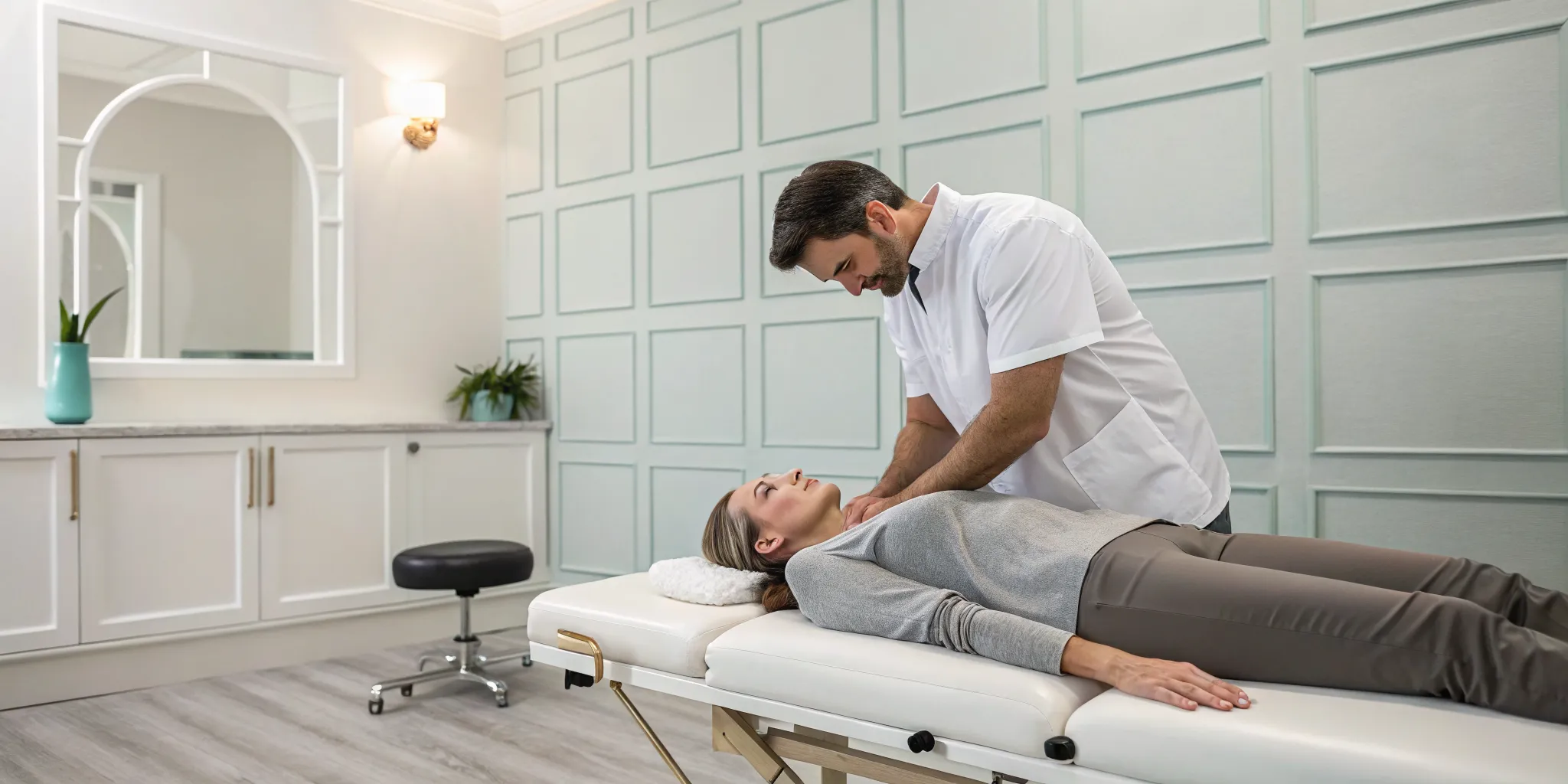
Think of shockwave therapy and chiropractic care as a powerful team working together for your musculoskeletal health. Chiropractic adjustments focus on correcting structural alignment in your spine and joints, which is often the root cause of pain, stiffness, and nerve irritation. When your body is properly aligned, it can function more efficiently.
We then use shockwave therapy to address the soft tissue damage that accompanies these structural issues. It works directly on injured muscles, tendons, and ligaments to break down scar tissue and stimulate cellular repair. Combining these two approaches allows us to address both the body's framework and the specific tissues that need healing. This integrated strategy is a core part of our physical medicine services, helping you move better and feel lasting relief.
Supporting Long-Term Recovery with Functional Medicine
Shockwave therapy is excellent for activating your body's natural repair mechanisms at a local level. But for healing to be truly effective, your body needs the right internal environment. This is where functional medicine plays a crucial role. It helps us investigate the "why" behind your symptoms. Why isn't this injury healing as quickly as it should? Are there underlying issues like chronic inflammation, nutrient deficiencies, or hormonal imbalances getting in the way?
Our functional medicine approach uses in-depth testing to uncover these root causes. By addressing them with personalized nutrition and lifestyle protocols, we can support your body’s ability to heal from the inside out. This ensures that the progress you make with shockwave therapy is not only effective but also sustainable for your long-term health.
Ready to Improve Your Mobility in Tampa?
If you're living in the Tampa area and feel like chronic pain or an old injury is holding you back, it's easy to get discouraged. When you can't move the way you want to, it affects every part of your life. That's why exploring a treatment like shockwave therapy could be a game-changer. It’s a non-invasive approach that uses targeted sound waves to stimulate your body’s natural healing mechanisms, helping to reduce pain and repair tissue without a long or difficult recovery.
This therapy is especially effective for those stubborn conditions that just don't seem to go away, like plantar fasciitis, nagging hip pain, or even a frozen shoulder. It’s a well-regarded method for addressing many common sports and overuse injuries that can keep you on the sidelines. And if you're wondering what the treatment feels like, most people describe it as a mild tapping or pulsing sensation. It’s a very tolerable process that works to kickstart your body's own repair crew.
At Ascend Functional Health, we see shockwave therapy as a powerful tool within a larger, personalized health plan. It’s one of the key services in our Physical Medicine pillar, designed to address the root cause of your discomfort, not just mask the symptoms. We believe in a holistic approach that supports your body’s innate ability to heal. If you’re ready to take a proactive step toward better movement and a higher quality of life, our team is here to help. Let’s talk about whether shockwave therapy is the right fit for you. Contact our Tampa office to schedule your consultation today.
Related Articles
- SoftWave Tissue Regeneration Therapy in Tampa | Alessi Functional Health
- SoftWave TRT Therapy in Tampa, FL - Alessi Functional Health
- Regenerative Medicine for Pain Recovery | Ascend Functional Health
- Root Cause Treatment for Chronic Pain | Ascend Functional Health
- What Is Soft Tissue Therapy? A Complete Guide
Frequently Asked Questions
What does shockwave therapy actually feel like? Is it painful? The name sounds intense, but the treatment itself is very manageable. Most people describe it as a strong, tapping pulse against the skin. When the applicator passes over a particularly tender or injured spot, you will likely feel a more noticeable sensation, but we communicate with you the entire time to adjust the intensity to your comfort level. The goal is to stimulate the tissue, not to cause significant pain, so you can think of it as a deep, therapeutic vibration rather than a painful shock.
How many treatments will I need before I see results? This is a great question, and the answer is a little different for everyone. Many people report feeling some relief and improved mobility right after their first session. However, the real magic of shockwave therapy happens over time. The treatment works by prompting your body to heal itself, a process that continues for weeks after your appointments. For the best, most lasting results, we typically recommend a series of sessions, but your specific plan will be tailored to your condition and how your body responds.
Can I go back to my normal activities after a session? Yes, one of the best things about shockwave therapy is that there is no required downtime. The sessions themselves are quick, usually lasting about 15 minutes, and you can return to your daily life and even exercise immediately afterward. You might feel a little temporary soreness in the treated area, similar to how you’d feel after a deep tissue massage, but it shouldn't stop you from going about your day.
How do I know if I'm a good candidate for this treatment? Shockwave therapy is most effective for people dealing with chronic soft tissue or tendon issues that haven't improved with other conservative treatments like rest and stretching. If you have a nagging injury like plantar fasciitis, tennis elbow, or a rotator cuff issue that has lingered for months, you are likely a great candidate. However, it isn't for everyone. We avoid this treatment for pregnant women or individuals with certain health conditions, which is why we always start with a thorough consultation to make sure it's the right and safest choice for you.
Why does this work when other treatments for chronic pain have failed? Many traditional treatments focus on temporarily reducing inflammation or masking pain. Shockwave therapy works differently by addressing the root of the problem. In chronic injuries, the body's natural healing process has often stalled. The acoustic waves create a controlled micro-trauma that essentially reawakens your body’s repair mechanisms. This process helps break down stubborn scar tissue and stimulates the formation of new blood vessels, bringing the oxygen and nutrients needed to finally rebuild and repair the damaged tissue from the inside out.