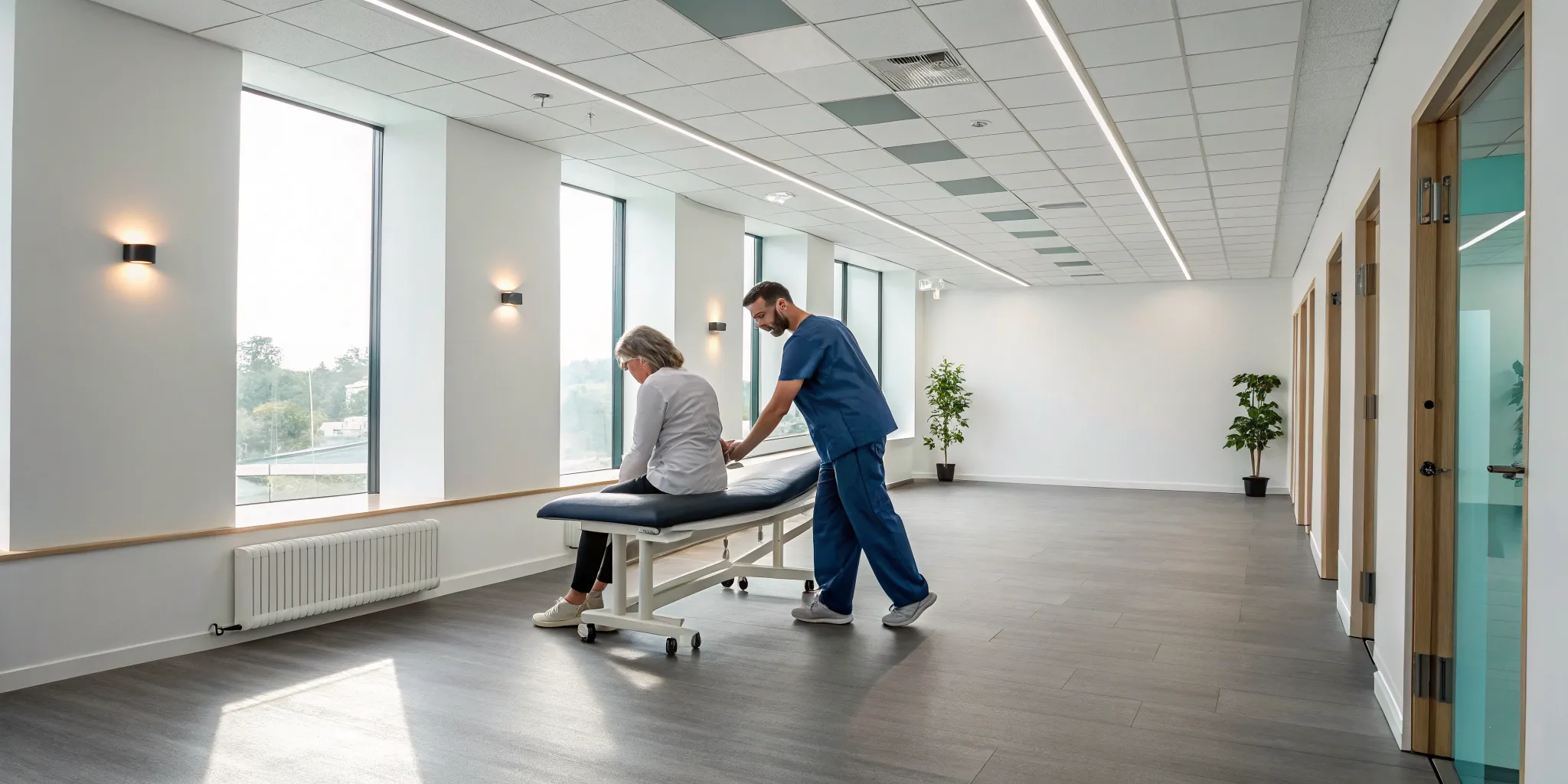
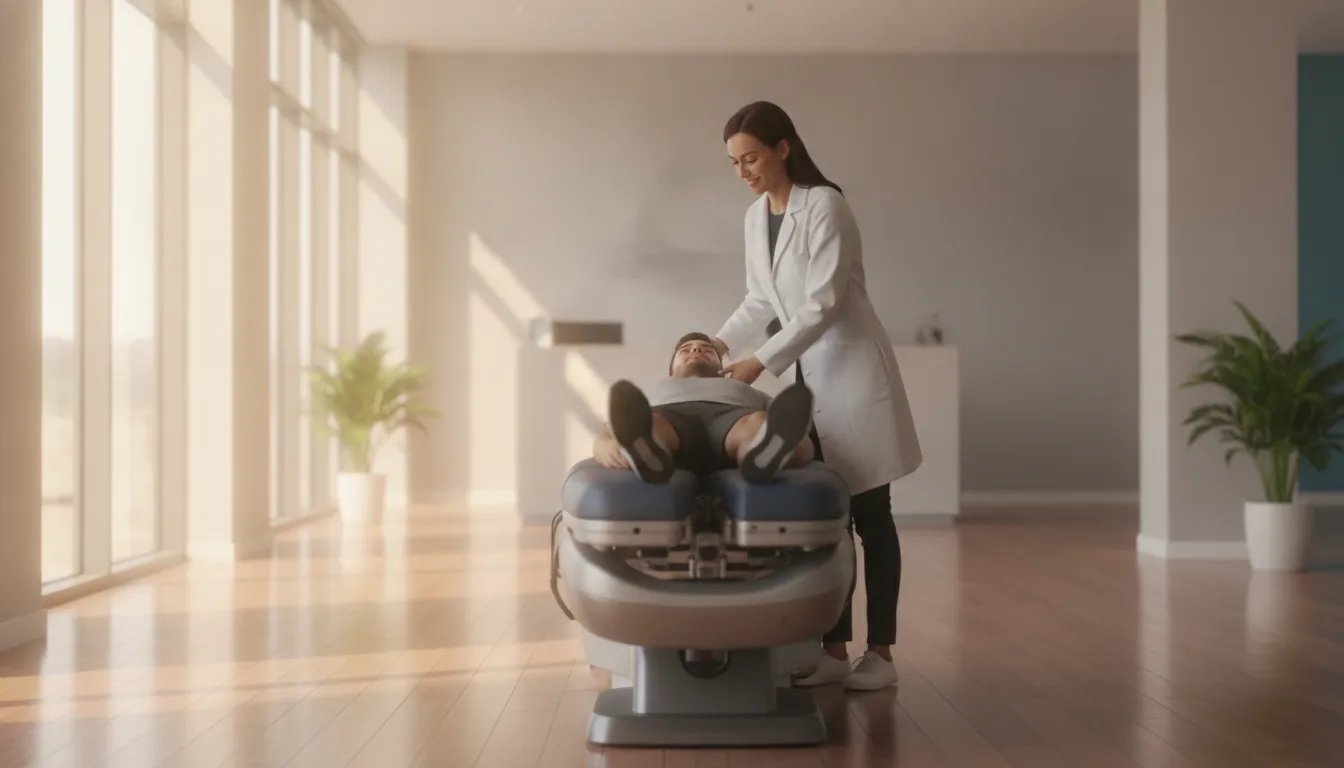
For anyone who loves to stay active, one of the biggest fears is being told you have to stop moving completely. A persistent injury can feel like a roadblock, keeping you from the activities you enjoy. The great news is that healing doesn’t always require hitting the pause button on your life. Shockwave therapy for overuse injuries is a treatment that often allows you to remain active while your body repairs itself. By stimulating blood flow and breaking down restrictive scar tissue, it helps your body build healthier, more resilient tissue. This means you can work toward recovery without the frustration of being sidelined, making it an ideal solution for athletes and active individuals determined to get back to their lives with confidence.
Key Takeaways
- It stimulates your body's natural healing process: Shockwave therapy uses acoustic waves to restart the repair cycle for stubborn, chronic injuries. The real results appear over several weeks as your body rebuilds stronger tissue from the inside out.
- You can get lasting results without the downtime: As a non-invasive treatment, shockwave therapy promotes genuine, long-term healing without the risks or long recovery of more aggressive procedures, allowing most people to stay active.
- Your participation is key to success: To get the most from your sessions, pair the therapy with corrective exercises, avoid anti-inflammatory medications afterward, and keep an open dialogue with your provider about your comfort and progress.
How Does Shockwave Therapy Work?
If you’re picturing Frankenstein’s monster, don’t worry. Shockwave therapy doesn’t involve any electrical shocks. Instead, it uses acoustic waves, which are essentially high-energy sound waves, to trigger your body’s own healing abilities. Think of it as a way to wake up and direct your internal repair crew to an area that’s been stuck in a cycle of chronic pain and inflammation. By creating a controlled, therapeutic response, we can help tissues regenerate and finally get you on the path to feeling better. It’s a key part of our Physical Medicine approach, targeting injuries at their source.
The Science of Healing with Acoustic Waves
So, how can sound waves actually heal an injury? When we apply shockwave therapy to a problem area, the acoustic waves create micro-trauma in the tissue. This process signals the body to jumpstart its natural healing cascade. It increases blood flow to the area, bringing essential oxygen and nutrients needed for repair. The waves also help stimulate the production of new collagen, a critical building block for tendons and ligaments. This targeted stimulation can break down scar tissue and calcifications that often contribute to chronic pain, allowing your body to rebuild healthier, more resilient tissue from the inside out.
Focused vs. Radial Shockwave Therapy
Not all shockwave therapies are the same; they come in two main types: focused and radial. The one we choose depends entirely on the nature and location of your injury. Radial shockwave therapy sends out pressure waves that spread over a larger, more superficial area, like a ripple in a pond. This makes it ideal for treating broader muscle pain or conditions closer to the skin. Focused shockwave therapy, on the other hand, is like a laser beam. It concentrates the energy on a single, precise point deep within the tissue. This allows us to target specific, hard-to-reach injuries with incredible accuracy. Understanding the different conditions we treat helps us determine which approach will give you the best results.
Common Injuries Treated with Shockwave Therapy
Shockwave therapy is a versatile tool we use to address a wide range of musculoskeletal conditions, especially those chronic overuse injuries that just don’t seem to heal on their own. It’s particularly effective for tendinopathies, which are injuries to the tough, flexible cords of tissue that attach your muscles to your bones. When a tendon is overused, it can develop tiny tears, leading to pain and inflammation. Shockwave therapy works by sending acoustic waves into the affected tissue, which stimulates blood flow, breaks down scar tissue, and triggers your body’s own natural healing response. This process helps repair the tissue and reduce pain, getting you back to your life.
At Ascend Functional Health, we often incorporate shockwave therapy into a patient's comprehensive treatment plan to target the source of pain and promote long-term healing. It’s a fantastic option for many of the stubborn conditions we see every day, from nagging heel pain to persistent shoulder aches, because it works with your body instead of just masking the symptoms.
Plantar Fasciitis and Achilles Tendonitis
If you’ve ever felt that sharp, stabbing pain in your heel with your first steps in the morning, you know how disruptive plantar fasciitis can be. Similarly, Achilles tendonitis can cause persistent pain and stiffness along the back of your heel, making activities like walking or running difficult. These are two of the most common conditions we treat with shockwave therapy. Because the therapy can target a specific area, it’s excellent for addressing the inflammation and micro-tears associated with this type of chronic foot and ankle pain. The acoustic waves help to break up scar tissue and stimulate the formation of new blood vessels, which brings more oxygen and nutrients to the area to accelerate healing.
Tennis Elbow and Rotator Cuff Injuries
You don’t have to be a tennis player to get tennis elbow. This condition, which causes pain on the outside of your elbow, often results from repetitive wrist and arm motions. Likewise, rotator cuff injuries can stem from overuse, causing a dull ache deep in your shoulder. Shockwave therapy is a powerful, non-invasive treatment for these types of chronic tendon issues. For rotator cuff problems, it can be especially helpful in breaking down calcium deposits that sometimes form in the tendon, causing pain and limiting motion. By promoting tissue regeneration, shockwave therapy helps restore function and relieve the persistent pain associated with these common upper-body injuries.
Other Tendon-Related Conditions
The benefits of shockwave therapy extend beyond just the feet and elbows. It’s an effective treatment for a variety of other tendon-related conditions throughout the body. We often use it to address patellar tendonitis (jumper’s knee), hamstring tendinopathy, and pain in the hip from gluteal tendinopathy. The therapy’s ability to stimulate healing at a cellular level makes it one of our go-to physical medicine treatments for overuse injuries that have not responded to traditional methods. By kick-starting the body’s repair mechanisms, we can help you find lasting relief from nagging tendon pain in your hips, knees, shoulders, and more, allowing you to move with comfort and confidence again.
Key Benefits of Shockwave Therapy
When you're dealing with a nagging injury that just won’t quit, finding a treatment that actually works without putting your life on pause can feel like a game-changer. Shockwave therapy is one of the most effective tools we use because it addresses pain at its source, helping your body heal itself from the inside out. It’s not a temporary fix; it’s a path to real, lasting recovery. Let’s look at some of the key benefits that make this therapy a standout option for chronic pain and overuse injuries.
A Non-Invasive Path to Healing
One of the biggest advantages of shockwave therapy is that it's completely non-invasive. This means the entire procedure happens outside your body, with no incisions, needles, or anesthesia required. The therapy uses targeted acoustic waves to stimulate healing deep within the injured tissue, all without breaking the skin. For many people trying to avoid surgical options and the long recovery times that come with them, this is a huge relief. Our approach to physical medicine prioritizes methods that work with your body’s natural systems, and shockwave therapy is a perfect example of that principle in action. It offers a powerful solution for healing without the risks and downtime of more aggressive procedures.
Encourages Faster Tissue Repair
Shockwave therapy essentially gives your body’s natural healing process a powerful jumpstart. The acoustic waves create a controlled inflammatory response in the targeted area, which might sound counterintuitive, but it’s exactly what your body needs. This process increases blood flow and metabolic activity, drawing growth factors and stem cells to the site of the injury. Think of it as sending a clear signal to your body: "This area needs attention and repair now." This stimulation of cell turnover and new blood vessel formation helps accelerate the healing of stubborn injuries like tendonitis and plantar fasciitis. It’s a core part of how we address the root cause of your pain, rather than just masking the symptoms.
Offers Lasting Results with Minimal Downtime
If the thought of a long, drawn-out recovery has kept you from addressing your pain, shockwave therapy might be the solution you've been looking for. Because the treatment is non-invasive and works to regenerate tissue, most people experience very little downtime. Many patients feel better and can return to their normal activities within a day or two after a session. Unlike treatments that only offer temporary relief, shockwave therapy promotes genuine healing of the damaged tissue. This means the results are built to last. By resolving the underlying problem, we can help you find a long-term solution for many of the chronic conditions we treat, allowing you to get back to your life with confidence.
Allows You to Stay Active During Treatment
A major advantage of shockwave therapy, especially for athletes and active individuals, is that you can often continue your training and daily activities during the treatment period. While your provider may suggest some modifications to your routine to support the healing process, you generally won’t be sidelined completely. This is a huge benefit, as it prevents the deconditioning and frustration that comes with being forced to stop all activity. The goal is to integrate your treatment into your life, not put your life on hold for your treatment. Hearing from other patients in their own testimonials can show you just how possible it is to heal while staying active.
Shockwave Therapy Myths, Busted
Any new-to-you therapy can seem a little mysterious, and shockwave therapy is no exception. The name alone can bring up some wild ideas about what the treatment involves. But when it comes to healing chronic overuse injuries, it’s a game-changer. Let's clear the air and look at some of the most common myths about shockwave therapy so you can understand how it really works.
Myth: "It's too painful."
Let’s be honest, the term “shockwave” doesn’t exactly sound relaxing. Many people assume the treatment must be painful, but that’s not the case. Shockwave therapy is a non-invasive procedure, meaning there are no needles or incisions involved. Most people describe the sensation as a strong tapping or pulsing against the skin. While you might feel some mild discomfort, especially over a sensitive area, the intensity is adjusted to your tolerance level. It’s a very manageable feeling, and each session is quite short. Our goal is always to help your body heal, and our physical medicine approach prioritizes your comfort throughout the process.
Myth: "It provides instant results."
While we all wish for a magic wand to heal injuries, shockwave therapy works by stimulating your body's own healing mechanisms, and that process takes time. It’s not a quick fix but a way to trigger deep, lasting tissue repair. Some people report feeling better after just one or two sessions, but the real benefits unfold over several weeks as your body regenerates collagen and repairs the damaged tissue. Think of it as kickstarting your body’s internal repair crew rather than just patching over the problem. This approach aligns with our philosophy of addressing the root cause of your health concerns for genuine, long-term wellness.
Myth: "You have to stop all physical activity."
For active people, the fear of being told to stop moving is a major concern. The great news is that shockwave therapy often allows you to stay active. The treatment is designed to break down restrictive scar tissue and restart the healing process for stubborn injuries that have hit a plateau. By promoting healthier tissue, it can actually help you return to your activities with more resilience. Of course, we’ll provide guidance on modifying certain movements, but the goal is to keep you moving safely. This makes it an excellent option for the many chronic tendon conditions we treat that can frustrate an active lifestyle.
Myth: "It's always the first option."
Shockwave therapy is a powerful tool, but it isn't always the first step. It’s most effective for chronic conditions, particularly tendon injuries that haven't responded well to initial treatments like rest and corrective exercise. We often use it to break through healing plateaus and give your body a renewed push toward recovery. At Ascend Functional Health, your care plan is completely personalized. We consider your specific injury, health history, and goals to determine the best course of action. Shockwave therapy may be a key part of your plan, often integrated with our other therapies to ensure you get the most comprehensive and effective care possible.
What to Expect During Your Shockwave Session
Knowing what’s coming can make any new treatment feel less intimidating. If your care plan includes shockwave therapy, you can feel confident knowing it’s a straightforward and quick process. We’ll be with you every step of the way, making sure you’re comfortable and informed. Here’s a simple breakdown of what a typical session looks like from start to finish, so you can walk into your appointment feeling prepared and at ease.
The Treatment Process, Step by Step
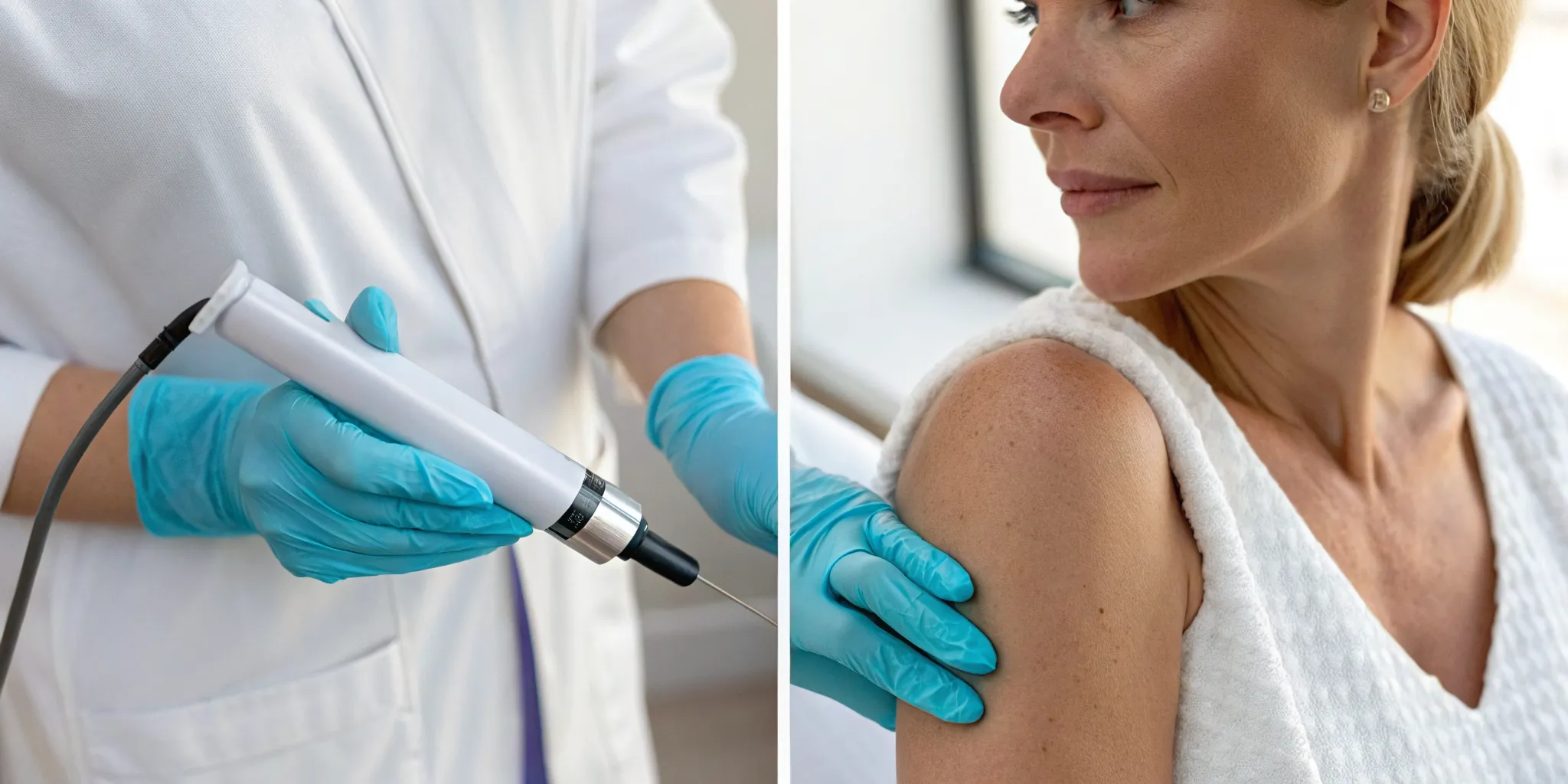
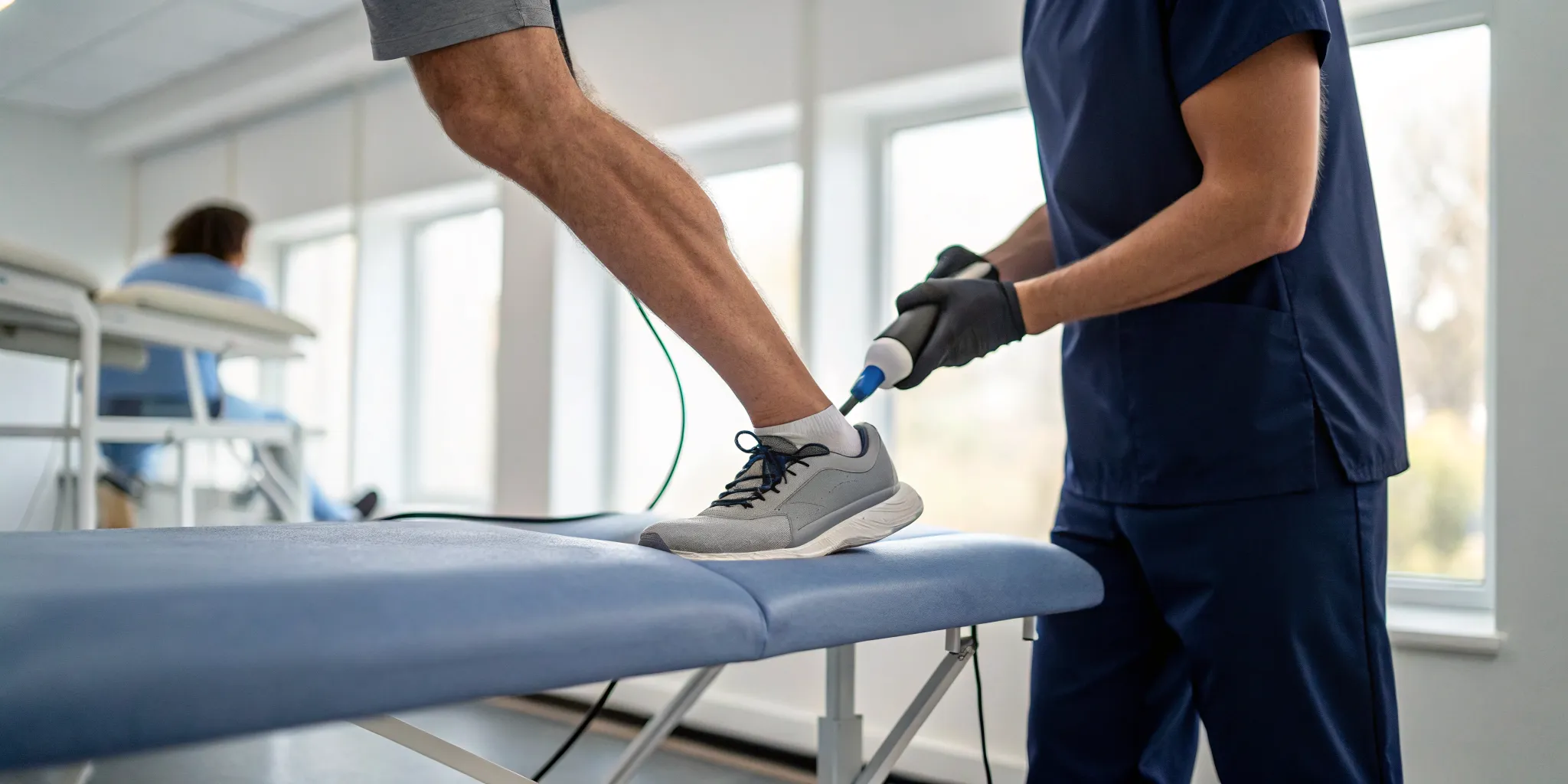
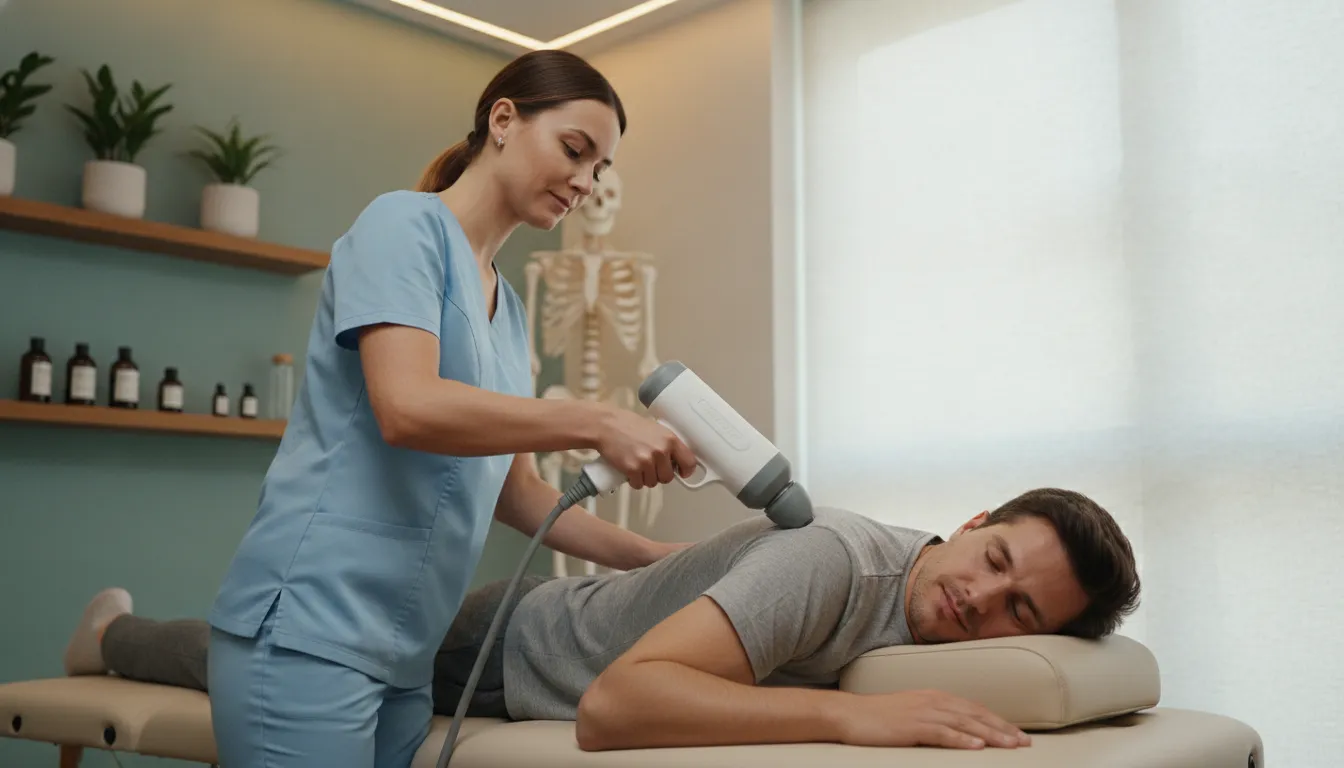
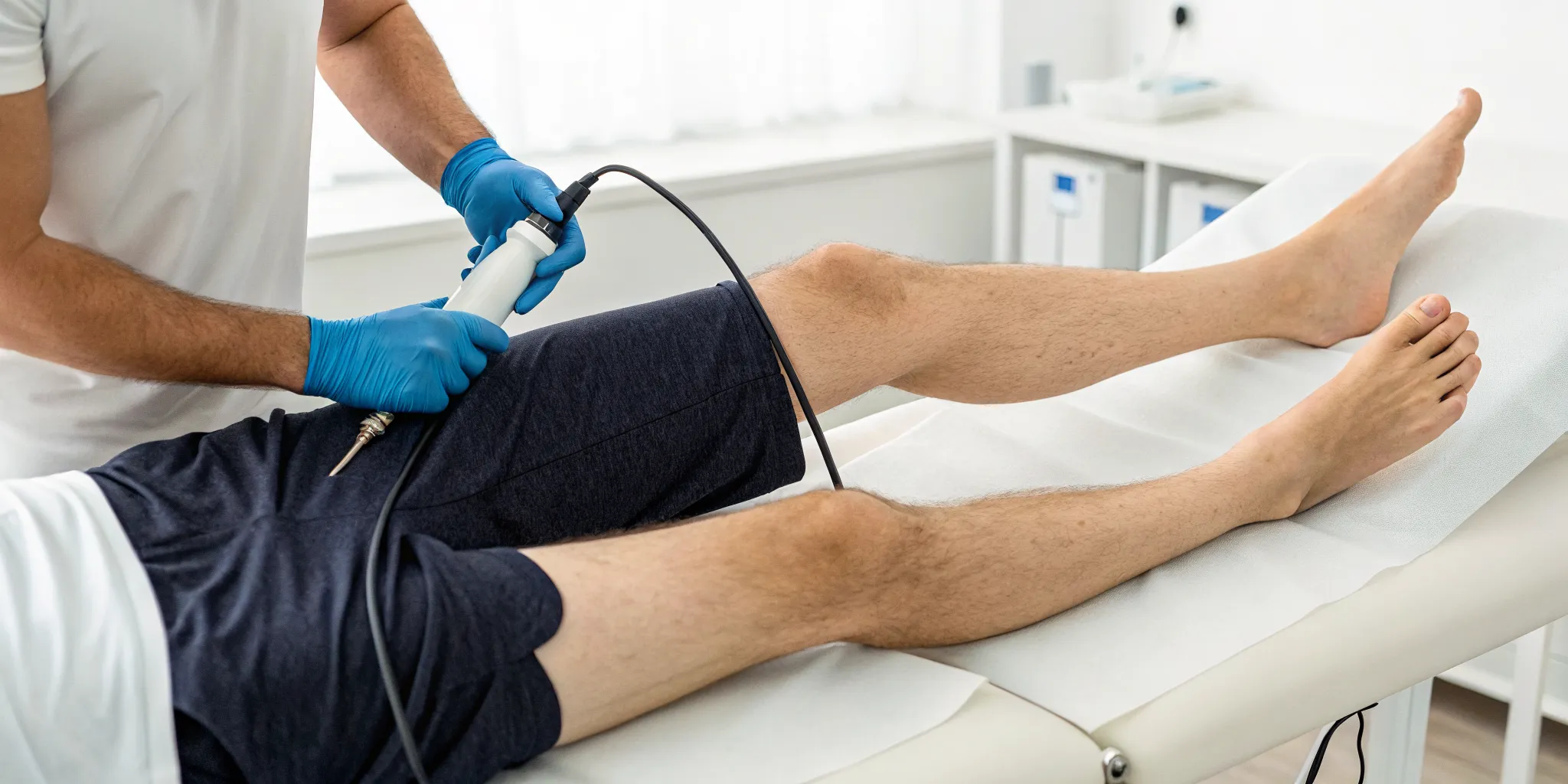
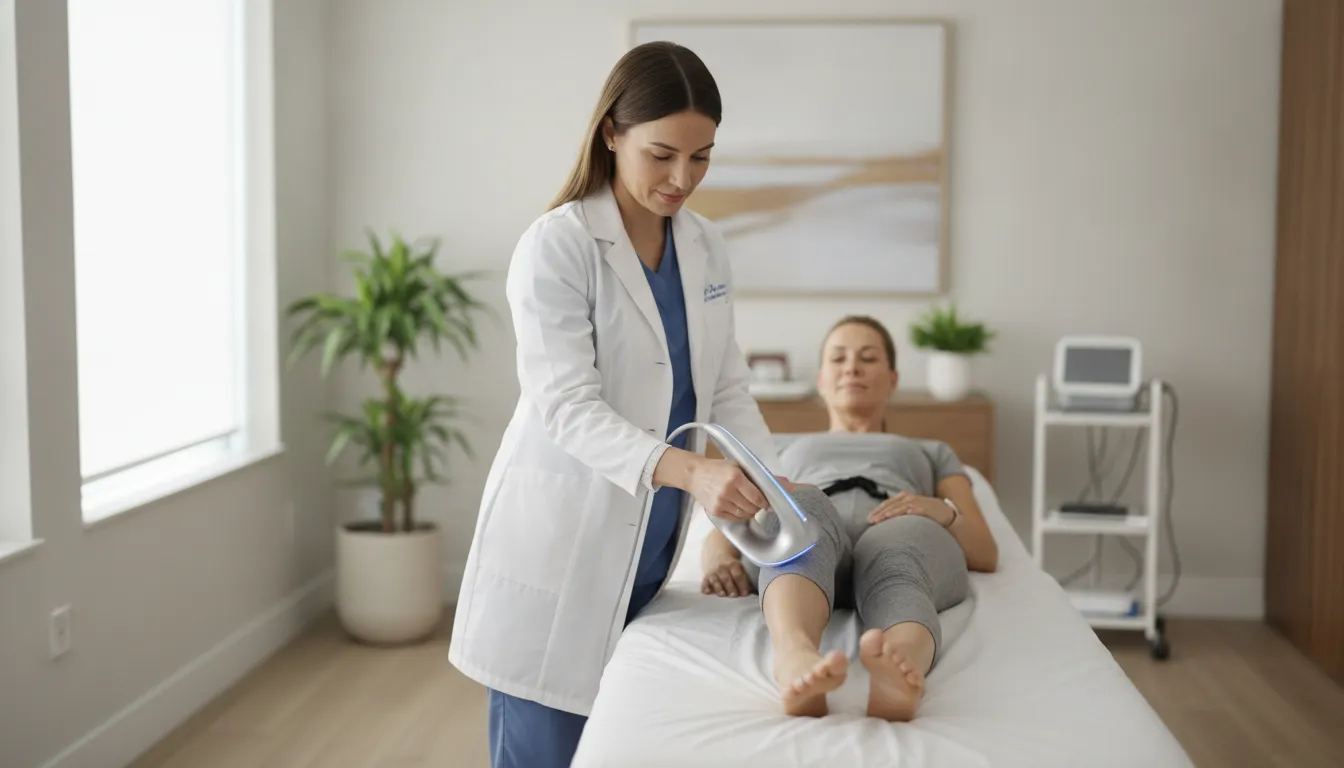
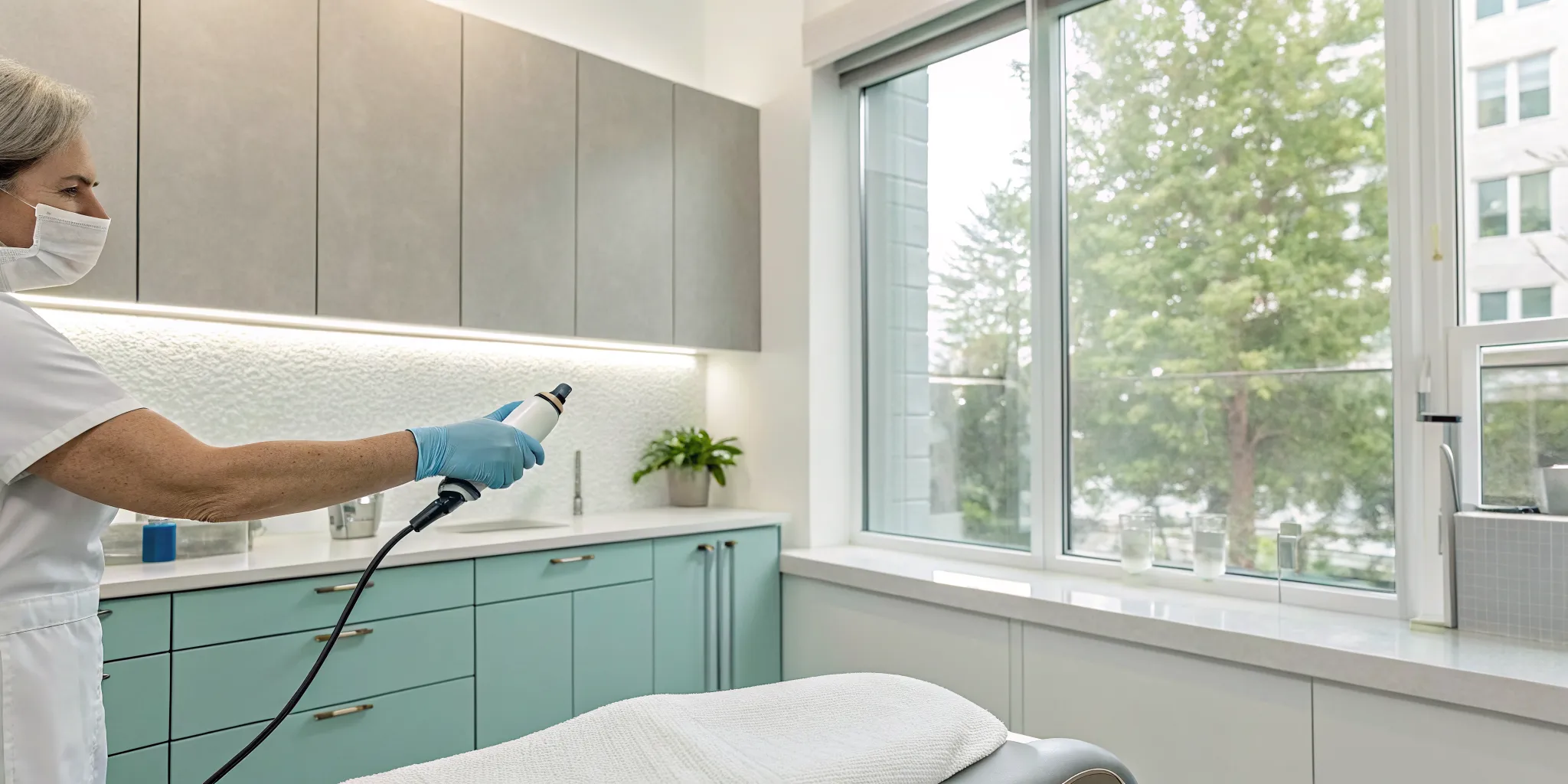
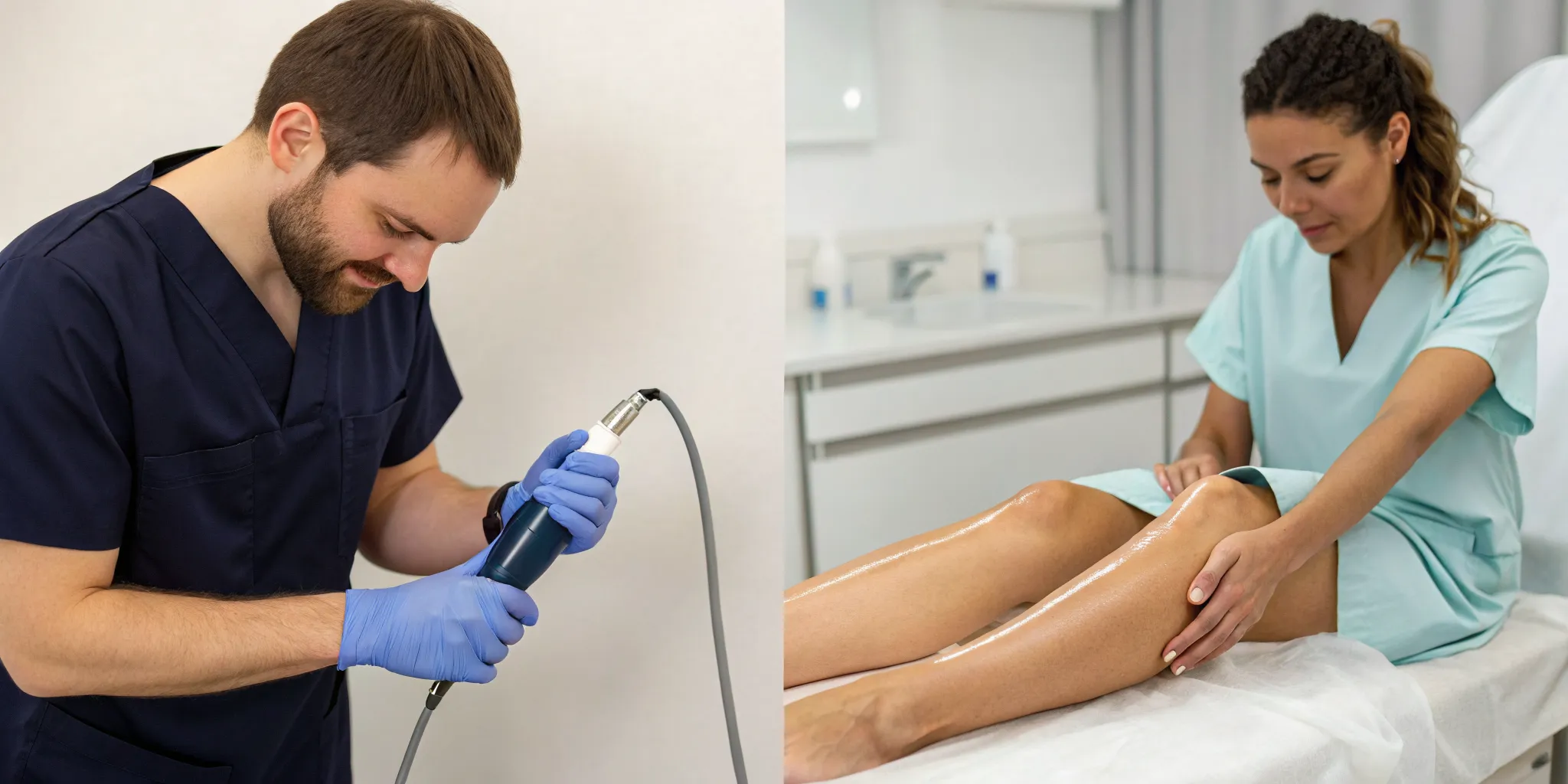
First, we’ll get you settled and make sure the area we’re treating is accessible. We then apply a water-based gel to your skin, which helps the acoustic waves travel more effectively into the tissue. Your therapist will use a handheld applicator, moving it over the injured area. The device sends out acoustic pressure waves, and we will adjust the intensity to your comfort level. We aim for a sensation that you would rate around a "five out of 10" on a discomfort scale. The treatment itself is fast, usually lasting about 15 minutes, making it an easy addition to your physical medicine appointments.
What You'll Feel During the Session
Most people describe the feeling of shockwave therapy as a series of quick, deep pulses. You might also feel a bit of warmth in the area. It’s more of a noticeable discomfort than sharp pain, and we are in constant communication with you to keep it that way. If the sensation becomes too intense, we can immediately adjust the machine’s settings to make you more comfortable. Some people experience mild swelling or bruising afterward, which is a normal sign of increased blood flow and the start of the healing process. This response shows that your body is getting to work on repairing the tissue.
How Many Sessions Are Usually Needed?
While your specific treatment plan will be tailored to your body and your injury, most people complete a series of sessions to achieve the best results. It’s not uncommon for patients to feel a significant improvement within 24 to 48 hours of their first session. However, for long-term healing, we typically recommend a course of three to six treatments, spaced about a week apart. This schedule gives your body the time it needs to repair tissues between sessions, building on the progress from the last appointment and leading to more durable results.
After Your Session: What Comes Next
Right after your appointment, you might feel some soreness in the treated area, similar to how you’d feel after a deep-tissue massage. This is completely normal. One of the most important things to do after a session is to avoid taking anti-inflammatory medications like ibuprofen or naproxen. The therapy works by creating a controlled inflammatory response, which is your body’s natural signal to start rebuilding and repairing tissue. Taking an anti-inflammatory can interfere with this crucial healing process. We’ll give you specific instructions, but generally, you can return to your normal daily activities right away.
Is Shockwave Therapy Right for You?
Deciding on a treatment path can feel overwhelming, but it doesn't have to be a solo journey. Shockwave therapy is a powerful tool, but its effectiveness depends on the person and the injury. The goal is always to find the most direct and appropriate route to healing for your specific situation. Understanding if you're a good fit for this therapy is the first step, and it’s a conversation we have with our patients every day. Let's walk through what makes someone a great candidate and when other options might be better.
Who Is an Ideal Candidate?
You might be a perfect candidate for shockwave therapy if you're dealing with a stubborn, long-lasting injury. We typically see the best results in people who have had pain for at least four to six weeks and haven't found relief with other initial treatments. If you have one of the many chronic conditions we see, like plantar fasciitis or tennis elbow, and feel like you've hit a plateau in your recovery, shockwave therapy could be the key to restarting your body's natural healing process and finally getting you back on your feet, pain-free.
When to Consider Other Options
Your safety and well-being are our top priorities. For that reason, shockwave therapy isn't the right choice for everyone. We would recommend other options if you are pregnant, have certain blood-clotting disorders, or are taking specific blood thinners. It's also avoided in areas with active infections, over open growth plates in children, or for individuals with certain types of nerve damage. This is exactly why a thorough health history and conversation are so important. We can help you determine the safest and most effective path forward when you schedule a consultation with our team.
Making the Right Choice for Your Injury
Making the right choice starts with understanding your options. Shockwave therapy is a non-invasive treatment that uses acoustic waves to stimulate your body’s own healing mechanisms. It’s a common misconception that the procedure is invasive or requires a long recovery. In reality, it’s a way to promote tissue repair without the need for more aggressive interventions. By working with a provider who understands the full picture of your health, you can confidently decide if this therapy fits into your larger recovery plan. It’s a key part of our approach to physical medicine and can be a game-changer for the right person.
Get the Most from Your Shockwave Therapy
Shockwave therapy is a powerful tool for healing, but it’s not a passive process. Think of it as the catalyst that gets your body’s repair crew on site. To truly rebuild and reinforce the area, your active participation is key. By taking a few simple steps before and after your sessions, you can support the healing process and achieve more lasting results.
Making the most of your treatment plan involves more than just showing up for your appointments. It’s about creating the ideal environment for your body to heal from the inside out. Here’s how you can become an active partner in your recovery and get the best possible outcome from your shockwave therapy.
Pair Treatment with Corrective Exercises
Shockwave therapy is fantastic at stimulating your body’s natural healing mechanisms, but it works best as part of a team. To prevent an injury from returning, you have to address the reasons it happened in the first place. This is where corrective exercises come in. Research shows that shockwave therapy is a safe and effective addition to an exercise-based rehabilitation plan.
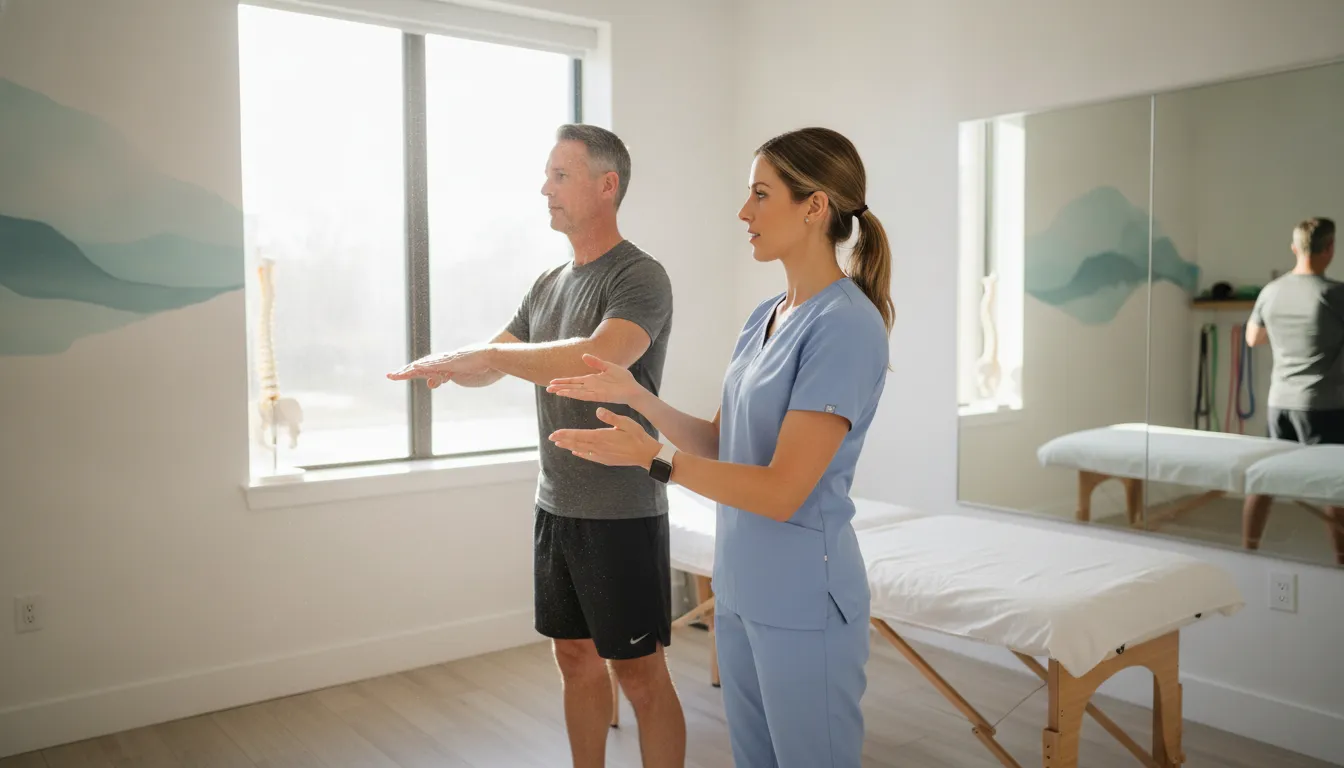
These exercises aren’t about intense workouts; they are specific, targeted movements designed to strengthen supporting muscles, improve your range of motion, and correct any functional imbalances. By pairing the healing prompted by shockwave with the stability provided by corrective exercises, you’re not just patching the problem. You’re building a stronger, more resilient foundation. Our Physical Medicine programs always integrate these exercises to ensure you get back to your life with confidence.
Why to Avoid Anti-Inflammatories After a Session
After a session, your first instinct might be to reach for an anti-inflammatory pill to manage soreness. However, it’s best to hold off. Shockwave therapy works by creating a small, controlled amount of inflammation. This process is a signal that tells your body to ramp up circulation and send growth factors to the injured tissue. As one medical center notes, it's wise to avoid these medications because some inflammation is a natural part of the healing process that the therapy initiates.
If you take an anti-inflammatory, you can interfere with this crucial signaling pathway, making the treatment less effective. A little soreness is often a sign that your body is responding correctly. If you need relief, talk to your provider about other options. The goal is to work with your body’s healing response, not against it.
Keep an Open Dialogue with Your Care Team
Your feedback during a shockwave session is incredibly valuable. While the treatment can cause some discomfort, it shouldn’t be unbearable. It’s important to maintain open communication with your provider if the intensity feels too high. We can adjust the settings in real-time to find that sweet spot where the treatment is effective but still tolerable for you. This isn’t a "grin and bear it" situation; your comfort helps us deliver the best possible care.
This dialogue should continue between your appointments, too. Let us know how your body is responding, what activities feel better, and if you notice any new sensations. This information helps us fine-tune your treatment plan and ensure you’re on the fastest track to recovery. At Ascend, we view our relationship with you as a partnership, and your voice is an essential part of your healing journey.
Shockwave Therapy in Your Ascend Functional Health Plan
At Ascend Functional Health, we see you as a whole person, not just a collection of symptoms. That’s why we don’t believe in one-size-fits-all solutions. Your care plan is a roadmap designed specifically for you, drawing from our three pillars of healing to help your body restore itself. Shockwave therapy is a powerful tool we use within our Physical Medicine services, but it’s never the whole story. It’s one component of a larger strategy to get you back to feeling your best and address the true source of your discomfort. We look at how your body is functioning as a complete system to create a plan that delivers lasting results.
Addressing the Root Cause of Your Pain
Pain is your body’s way of sending a signal that something is wrong. Our goal is to figure out what that "something" is and fix it, not just turn off the alarm. Shockwave therapy is excellent for this because it works on a cellular level to resolve the underlying cause of your pain. The acoustic waves stimulate blood flow and encourage new cell growth, which helps your body speed up the healing process for injured tissues. For chronic issues like shoulder tendonitis, it can even help break down stubborn scar tissue or calcium deposits, allowing your body to clear them away and finally heal the area correctly. It’s a way to restart the healing process where it has stalled.
Integrating Shockwave with Our Other Therapies
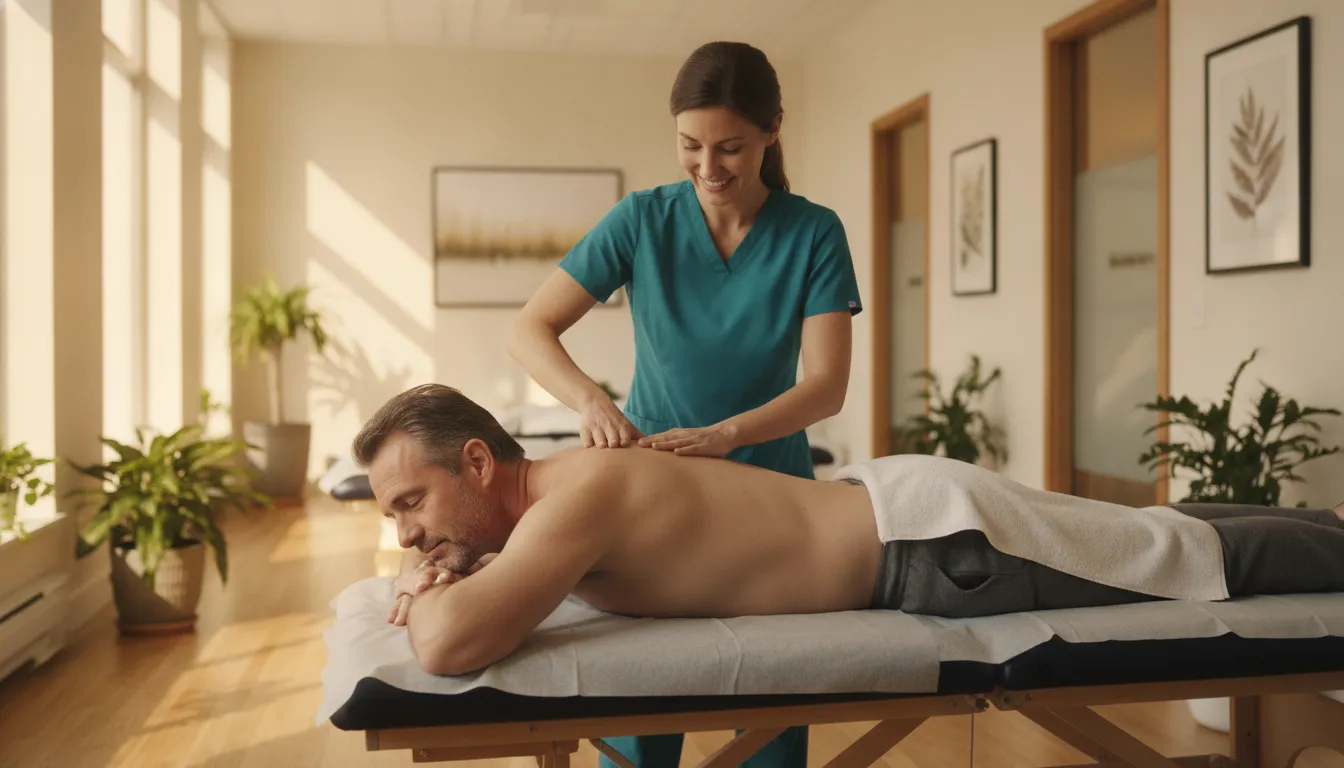
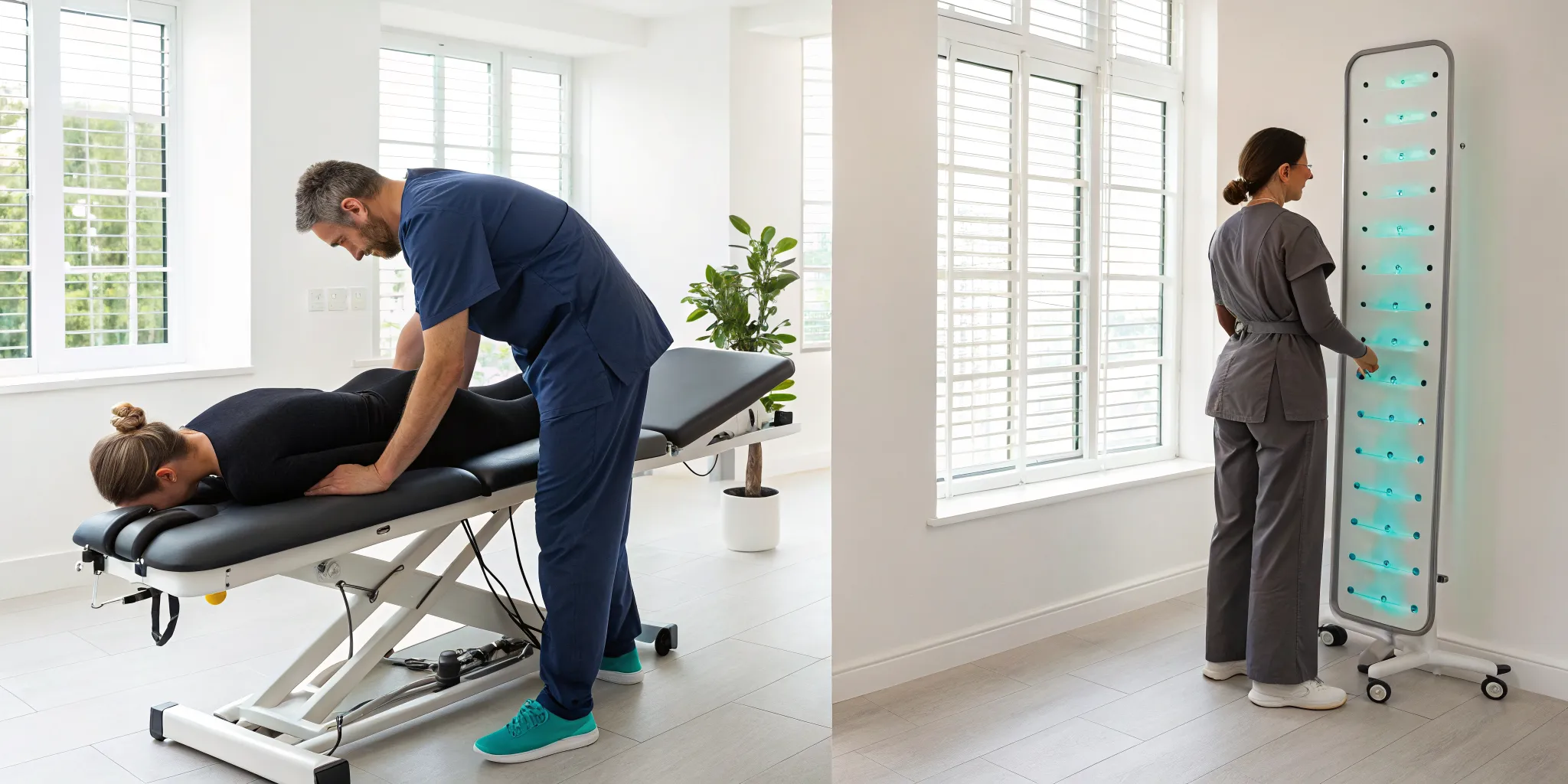
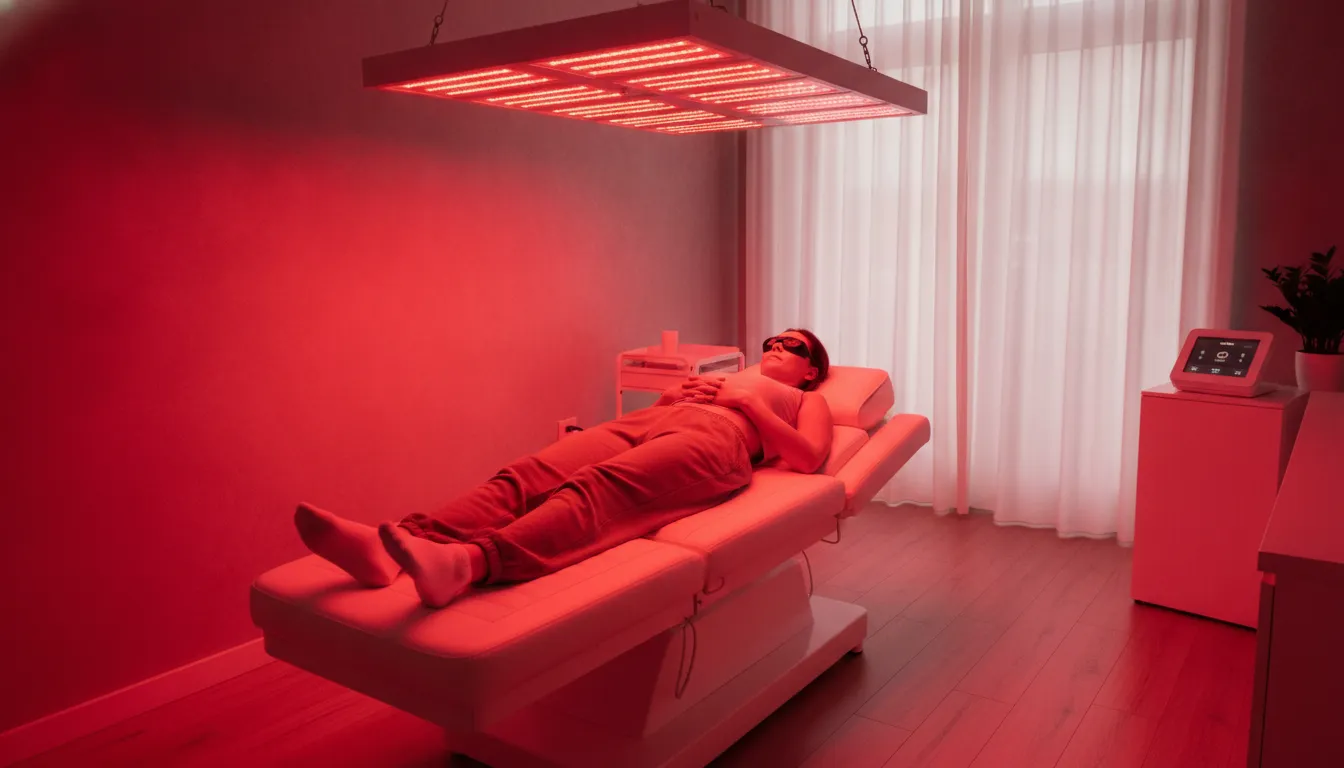
Shockwave therapy rarely works alone. We find it’s most effective when it’s part of a holistic plan that supports your body from multiple angles. Because it’s a non-invasive treatment, it pairs beautifully with the other therapies we offer. For example, your plan might include chiropractic adjustments to ensure proper joint alignment, followed by shockwave therapy to target a specific soft tissue injury. We’ll also guide you through corrective exercises to strengthen the area and prevent reinjury. This integrated approach is central to our philosophy of providing comprehensive health solutions that help you build a stronger, more resilient body for the long term.
Related Articles
- SoftWave Tissue Regeneration Therapy in Tampa | Alessi Functional Health
- SoftWave TRT Therapy in Tampa, FL - Alessi Functional Health
- Regenerative Medicine for Pain Recovery | Ascend Functional Health
- What Is Soft Tissue Therapy? A Complete Guide
- Root Cause Treatment for Chronic Pain | Ascend Functional Health
Frequently Asked Questions
Does shockwave therapy actually hurt? This is the number one question I get, and it's a fair one. The name sounds intense, but the treatment itself is very manageable. Most people describe it as a strong, deep tapping sensation. We are in constant communication during the session and can adjust the intensity to keep you comfortable. While you might feel some discomfort over a particularly sensitive spot, it’s a temporary feeling, and the sessions themselves are quite short.
How long until I see results from the treatment? While some people feel a bit of relief shortly after their first session, the real magic happens over time. Shockwave therapy works by stimulating your body’s own repair cycle, which isn't an overnight process. The most significant and lasting results typically build over several weeks as your body regenerates tissue and reduces inflammation from the inside out. It’s a true healing process, not a temporary fix.
Are there any side effects or downtime after a session? One of the best parts of shockwave therapy is that there's virtually no downtime. You can typically go right back to your daily routine. It's common to feel some mild soreness or see a little redness in the treated area, similar to how you might feel after a deep tissue massage. This is a positive sign that your body is responding and starting the healing process. We just ask that you avoid anti-inflammatory medications, as they can interfere with this important work.
Why is it important to do corrective exercises with shockwave therapy? Think of shockwave therapy as the catalyst that breaks up scar tissue and signals your body to start healing. Corrective exercises are what make that healing stick. These targeted movements help strengthen the muscles surrounding the injured area and correct the movement patterns that may have contributed to the injury in the first place. Combining the two gives you a comprehensive solution that not only resolves the pain but also builds resilience to help prevent it from coming back.
How do I know if shockwave therapy is the right next step for my injury? Shockwave therapy is an excellent tool, but it’s most effective for specific situations. It’s generally best for chronic conditions, especially tendon injuries like plantar fasciitis or tennis elbow, that have lingered for more than a month and haven't improved with initial treatments. The best way to know for sure is to have a conversation with us. We’ll assess your specific injury, discuss your health history, and determine if it’s the most effective path for you within a personalized care plan.