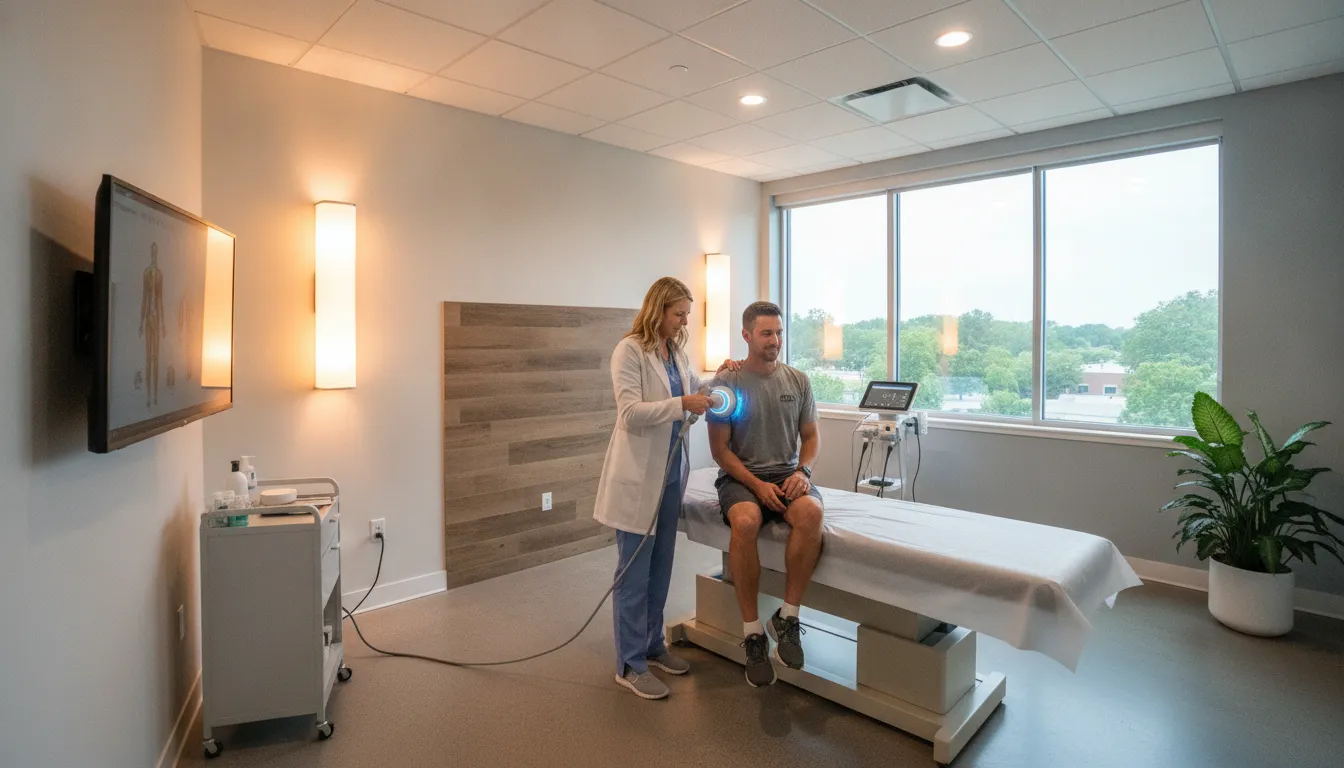
Choosing a men's longevity clinic Tampa FL starts with your goals, health history, and the changes you want to understand. For men over 40 and former athletes, concerns about energy, strength, mobility, sleep, recovery, and hormone health can overlap. Ascend Functional Health is a Tampa Bay integrative healthcare practice that takes a personalized, root-cause approach. A thoughtful first conversation can help clarify which assessments or care options may fit your situation.
Schedule a consultation to discuss your goals
What should men look for in a longevity clinic in Tampa?
A suitable clinic should listen carefully, assess concerns in context, and explain how recommendations relate to your priorities. Look for a process that considers your history, examination, and relevant testing before discussing possible options.
Longevity-focused care is not a promise to reverse aging or restore a particular level of performance. It is a way to assess health concerns in context and discuss steps that may support function over time. Bring the concerns that matter most, whether they involve persistent fatigue, movement limits, recovery, sleep, or hormone questions.
Ask how a clinician will learn about your health history and goals. Find out how examination and any proposed testing will inform later discussion. You should be able to explain the purpose of each step in plain language and have room to ask questions before making decisions.
Ascend brings together Physical Medicine, Functional Medicine, and Regenerative Medicine. Each pillar addresses different kinds of questions, and a clinician's recommendations depend on individual evaluation. Explore Ascend's longevity medicine information as background for a consultation, not as a substitute for an individualized discussion.
Which concerns should you bring to a first visit?
A short timeline with concrete examples gives the clinician a practical starting point. Describe what changed, when it began, and how it affects everyday life rather than trying to diagnose the cause on your own.
Before your visit, consider writing down:
- Changes in energy, sleep, mood, or day-to-day stamina, including when they began.
- Movement limits, recurring discomfort, or activities that have become harder.
- Changes in strength or recovery that matter to you, without assuming a cause.
- Questions about testosterone, thyroid, or other hormone health that you want evaluated.
- Relevant health history, current care, and prior results you can share.
- Your most important goal for the next few months, stated in practical terms.
Specific notes are more useful than a broad label. For example, “I feel tired most afternoons, and it has changed my workday” offers a useful starting point. A symptom alone does not establish its cause. If a concern is new, changing, or affecting your wellbeing, discuss it with a qualified clinician.
Former athletes may find it useful to separate a return-to-activity goal from a particular symptom. Note which movements or routines have changed, how long the change has been present, and what you hope to do more comfortably. A clear account can help the clinician understand function in daily life without assuming that past athletic experience explains a current concern.
How can Ascend's three care pillars relate to men's health goals?
Physical Medicine, Functional Medicine, and Regenerative Medicine offer distinct lenses for evaluating health questions. A clinician may discuss one pillar or more than one, depending on your history, examination, and goals.
Physical Medicine may be relevant when a main concern involves movement, posture, or musculoskeletal function. Chiropractic care, decompression, lumbar care, corrective care, and myofascial or other soft-tissue work are among the approaches in this pillar. Review Physical Medicine at Ascend to understand its general scope.
Functional Medicine looks at health patterns in context. Depending on the concern, a clinician may discuss bloodwork, stool testing, nutrition, gut health, bloating, fatigue, or related factors. Testing should address a relevant clinical question, not be selected merely because a panel is available. Learn more about Functional Medicine and bloodwork and biometric panels.
Regenerative Medicine includes options such as PRP, peptide therapy, red light therapy, and hormone replacement or optimization discussions involving testosterone, estrogen, or thyroid health. These are not automatic recommendations. A patient workup and discussion of potential benefits, limitations, and risks should come first. Read about peptide therapy as one subject to raise with a clinician.
The pillars are not a checklist that every patient must complete. For example, a man asking about a movement limitation may begin with a discussion focused on function. Someone concerned about persistent fatigue may need a broader history and a conversation about whether selected testing could help. The relevant approach depends on the clinical question and the information gathered.
How do common evaluation steps differ?
Conversation, physical assessment, selected tests, and follow-up each contribute different information. A useful evaluation combines only the steps that help address the question at hand.
| Evaluation step | Potential role | Question to ask |
|---|---|---|
| Health history and goals | Sets out timelines, priorities, prior care, and symptom context. | Which details matter most to the evaluation? |
| Physical assessment | Explores movement, posture, or other concerns relevant to function. | What did the examination assess, and what are its limits? |
| Bloodwork or other testing | May help address selected biological or functional questions when relevant. | Why is this test proposed, and how could results affect decisions? |
| Follow-up discussion | Connects findings with goals and possible next steps. | How will progress be reviewed and the plan adjusted? |
Testing does not replace clinical judgment. Ask which question a test may help answer, what it cannot show, and how results will be considered alongside your history. For general health information, the National Institutes of Health website provides a starting point for exploring health topics; discuss personal results with a qualified clinician.
It can also help to ask how the evaluation proceeds if initial findings do not point toward the concern you first had in mind. A clear process should allow the discussion to change as new information emerges. Avoid treating a single result as a complete explanation without considering the broader context.
Which questions can help you assess a proposed care plan?
Before agreeing to a plan, ask how each recommendation connects to your goals and what information supports it. A clear discussion should cover possible benefits, limitations, risks, alternatives, and how you will review whether the plan remains suitable.
- Which concern is each recommended service or test intended to address?
- What are the potential benefits, limitations, and risks?
- Are there reasonable alternatives, including pausing or gathering more information?
- Which practical outcomes would we track, and when would we review them?
- What might prompt a change in the plan or a referral to another clinician?
- What total financial commitment should I understand before deciding?
Ascend is a cash-pay practice. Before beginning care, ask the team to explain fees and any recommended testing or follow-up so you can make an informed decision. Individual recommendations and outcomes vary. Review the financing information and frequently asked questions, or bring questions to a conversation with the practice.
It is reasonable to ask for time to consider a recommendation, especially if the proposed steps are unfamiliar. You can ask the clinician to explain the rationale again, describe what a less intensive approach might involve, or clarify how you would decide whether to continue. A sound decision depends on understanding the choices, not on selecting the largest number of services.
How can Tampa Bay men prepare for a productive consultation?
A brief preparation list can help keep the visit focused. Choose your top concerns, gather relevant records, and decide what a useful next step would look like for you.
- Write down the two or three changes you most want to discuss.
- Note when each began and what seems to make it better or worse.
- Bring relevant test results or a concise record of prior evaluations, if available.
- List current care and important health history for the clinician.
- Prepare questions about the purpose, sequence, and fees for proposed evaluation or care.
For example, a former athlete might describe that stairs now feel harder, recovery takes longer, or a previous movement limitation has returned. These observations do not prove a particular diagnosis, but they help a clinician understand what matters in daily life. Someone primarily concerned about fatigue could note its timing, sleep patterns, and effect on work or family routines. Specific context supports a focused discussion better than a broad request to feel better.
Bring a simple list rather than trying to recall every detail during the visit. If you have questions about a particular result, bring the result and note when it was obtained. If your priorities change, say so; the consultation can focus on the concern that matters most now.
Reviewing practice information beforehand may help you identify questions about the three pillars and the sequence of an evaluation. Explore Ascend's practice information, its Tampa service area, and the services overview. These pages can orient you to the practice, while the consultation can address how an option relates to your own situation.
How can you compare clinics and keep a plan practical?
Compare clinics by the clarity of their evaluation process, the way they explain uncertainty, and how closely proposed steps relate to your questions. You should leave a discussion able to describe the purpose of the next step and feel comfortable asking for clarification.
- Purpose: Can the clinician connect each assessment or service to a concern you raised?
- Sequence: Do you understand what happens first, what information may be gathered, and when findings will be reviewed?
- Choice: Are alternatives and the option to pause or ask more questions discussed?
- Measurement: Is there a practical way to review whether the plan still fits your goals?
- Financial clarity: Can you understand fees and possible follow-up before deciding?
A useful plan is not defined by the number of tests or services it includes. It should make sense in light of your history and priorities. If a proposal feels unclear, ask for a plain-language explanation and time to consider it. You can also ask how the plan might change if findings do not support the original idea. These conversations help keep care personalized rather than one-size-fits-all.
Think about how you will tell whether a plan remains relevant. The measures may be practical, such as a change in a specific daily activity or a symptom you have been tracking. Agree on when you will review progress and what would count as a reason to adjust the approach. Avoid assuming a particular result is guaranteed.
Contact Ascend to discuss your questions and next steps
Frequently Asked Questions
These general answers can help you prepare for a conversation; a clinician can consider the details of your personal situation.
Can a longevity consultation focus on one concern?
Yes. You can make one concern your priority, such as fatigue, movement changes, or a hormone question. The clinician may ask about broader context because symptoms can have more than one possible contributor.
Does every patient need laboratory testing?
No. Testing should be considered in light of a person's history, examination, and clinical question. Ask why a specific test is proposed and how its result could influence the next step.
Does a longevity plan guarantee a particular result?
No. Care recommendations and outcomes vary. A responsible discussion should explain uncertainty, potential risks, and how progress will be reviewed rather than promising a specific result.
Which information should I bring to an initial consultation?
Bring your main questions, a timeline of relevant changes, important health history, and available prior results. You can also prepare questions about recommended services, follow-up, and fees.
When should I seek prompt medical attention?
For sudden or serious symptoms, seek prompt help from an appropriate medical service rather than waiting for a routine wellness consultation.
Explore Ascend's longevity care and discuss whether it fits your goals
This content is educational, not medical advice; consult your clinician before acting on health information.