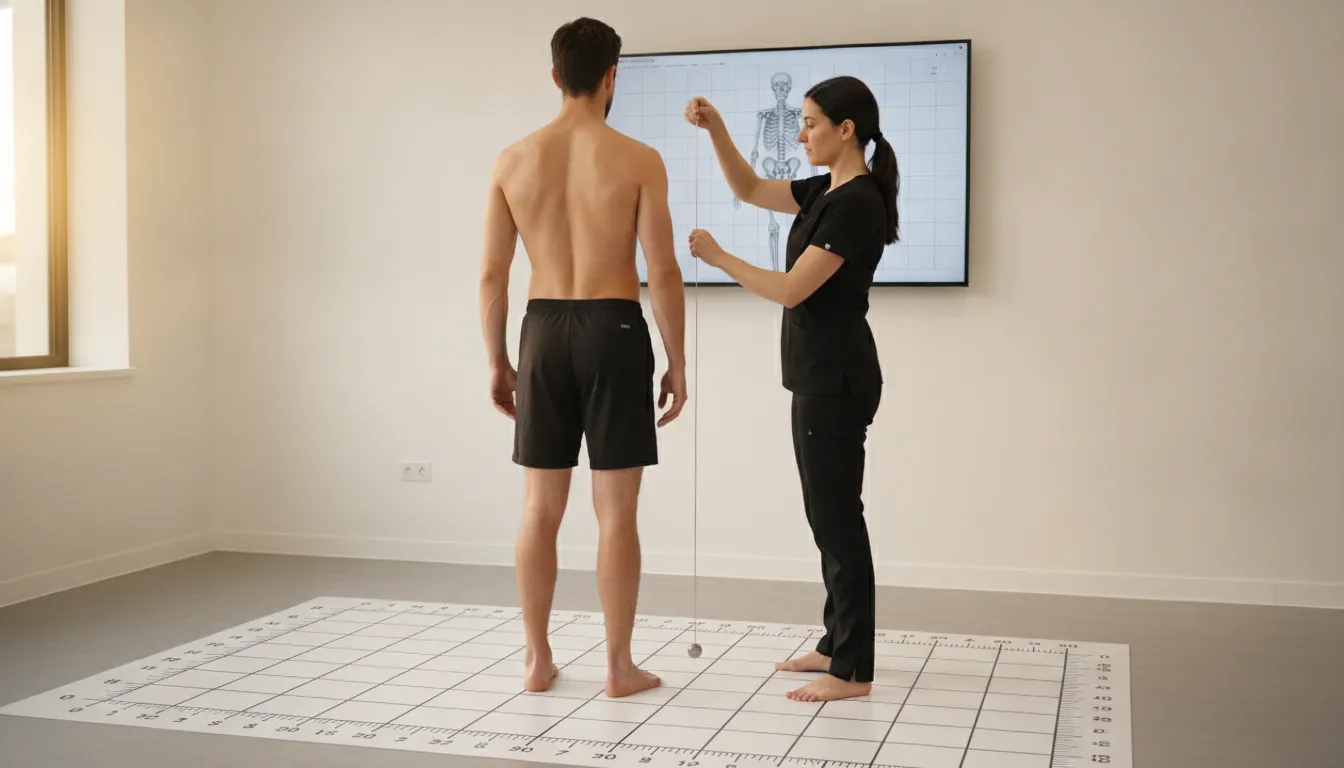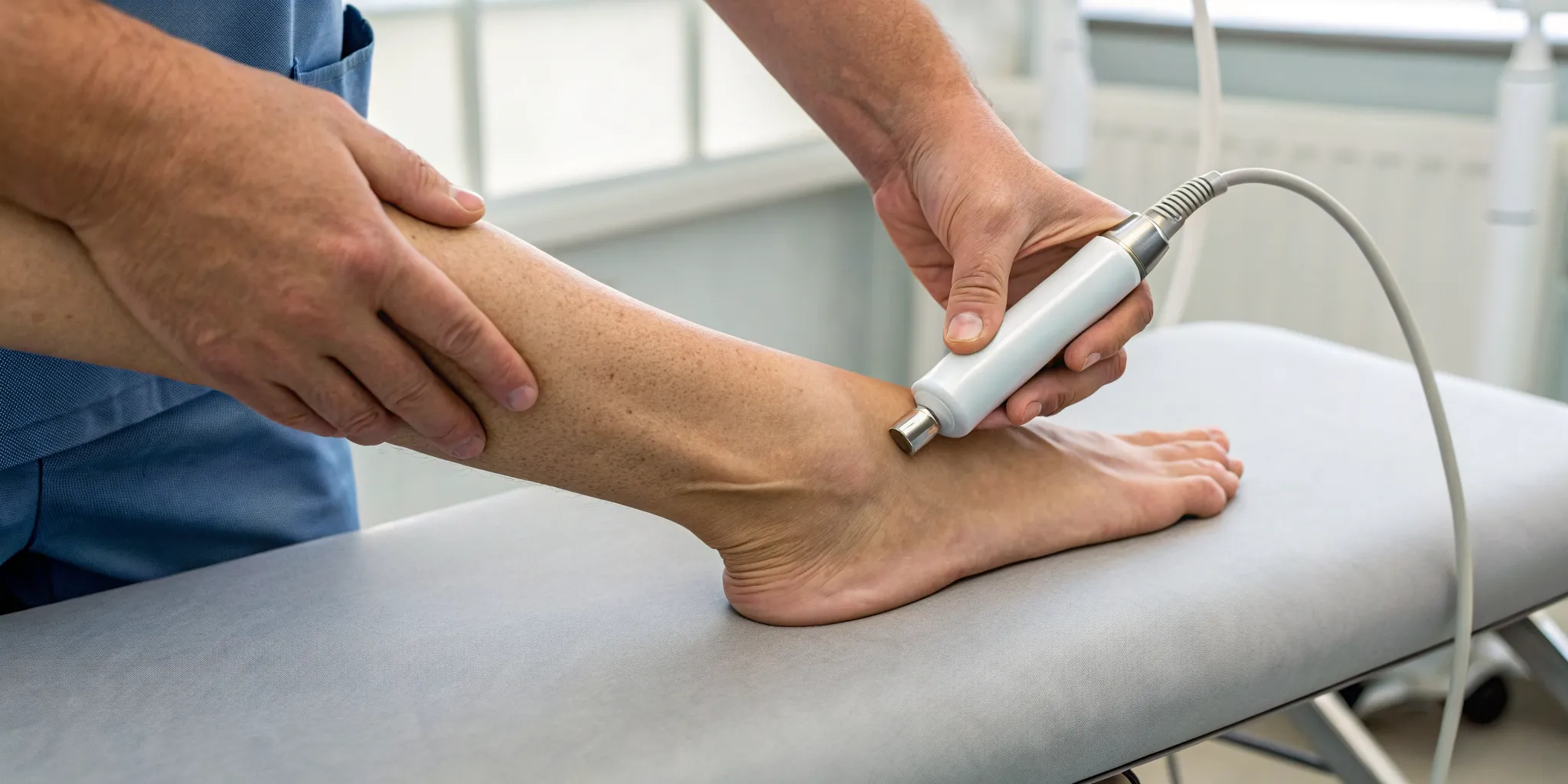
Think about how much of your day is spent looking down at a phone or sitting at a computer. This constant forward-head posture puts an incredible amount of strain on the delicate structures in your neck. Over time, this can lead to misalignments, muscle tension, and irritated nerves, creating the perfect storm for cervicogenic headaches. You might notice a dull ache at the base of your skull that creeps up behind one eye, along with stiffness in your neck and shoulders. This isn't just a random pain; it's your body signaling that something is wrong with its alignment. A comprehensive cervicogenic headache chiropractic treatment plan can directly address this strain, correcting posture and restoring balance to your spine.
Key Takeaways
- Identify the True Source of Your Pain: Cervicogenic headaches don't start in your head; they are referred pain originating from structural issues in your neck, often caused by poor posture, muscle imbalances, or old injuries.
- Address the Cause, Not Just the Symptom: Chiropractic care offers a lasting solution by using gentle adjustments to restore proper alignment and motion in your neck, which relieves the nerve pressure and muscle strain causing the pain.
- Combine Professional Care with Daily Habits: Lasting relief is a partnership. Supporting your chiropractic treatments with corrective exercises, better posture, and neck-friendly habits is essential for preventing headaches from returning.
Is It a Cervicogenic Headache?
If you’re dealing with recurring headaches, you know how frustrating it can be when nothing seems to help. You might have tried changing your diet, getting more sleep, or managing stress, yet the pain keeps coming back. But what if the source of your head pain isn't actually in your head? It’s a strange thought, but it’s the reality for many people. This is often the case with cervicogenic headaches, a type of headache that actually originates from issues in your neck.
Unlike the headaches you might be more familiar with, these start with a problem in your cervical spine, the part of your spine that makes up your neck. Think of it as referred pain: the problem is in your neck, but you feel the discomfort in your head. Because the source is structural, the approach to finding relief is different, too. It’s not about just managing the pain as it appears. Instead, it’s about figuring out why it’s happening. Understanding the unique signs of a cervicogenic headache is the first step toward addressing the root cause. At Ascend Functional Health, we focus on identifying these underlying issues through our physical medicine services to create a plan that works for you.
How These Headaches Feel Different
So, how can you tell if your headache is cervicogenic? The biggest clue is where the pain begins. These headaches start in your neck and the base of your skull, with the pain traveling up into your head. This happens because of problems with the joints, discs, or muscles in your upper neck. You might notice the pain gets worse when you move your head or hold your neck in a certain position for too long, like staring at a computer screen.
Other tell-tale signs include a reduced range of motion in your neck or a feeling of stiffness in your shoulders. The area at the top of your neck might feel tender to the touch. For some, the pain can even spread to the jaw, behind one eye, or to a temple, but it typically stays on one side of the head.
Spotting the Difference: Migraines vs. Tension Headaches
It’s easy to mistake a cervicogenic headache for a migraine or a tension headache, but there are key differences. While tension headaches often feel like a tight band around your entire head, cervicogenic pain is usually one-sided. And unlike migraines, they typically don't come with symptoms like nausea or sensitivity to light and sound. The most important distinction is that cervicogenic headaches are directly linked to neck movement.
That said, the lines can sometimes blur, and it's not uncommon for these headaches to feel like a migraine. In fact, they account for a large percentage of all long-lasting and recurring headaches we treat. If you notice your head pain is triggered by neck movements or poor posture, it’s a strong indicator that your neck is the culprit.
What Causes Cervicogenic Headaches?
If you’re dealing with persistent headaches, it’s easy to think the problem starts and ends in your head. But for many people, the real source of the pain is actually in the neck. These are called cervicogenic headaches, and they happen when an issue in your cervical spine triggers pain that you feel in your head. Understanding what causes them is the first step toward finding a solution that lasts. Instead of just masking the pain, we can look at the underlying structural and muscular issues that are sending those pain signals in the first place.
Recognizing the Symptoms and Pain Patterns
So, how do you know if your headache is cervicogenic? The biggest clue is where the pain begins. These headaches typically start with a dull, non-throbbing ache in your neck that travels up one side of your head, often settling behind your eye or around your temple. You might also notice that your neck feels stiff or that you can’t turn your head as freely as you used to. The headache might get worse when you hold your neck in a certain position for too long, like when you’re driving or working at a computer. If this sounds familiar, you might be dealing with one of the many conditions we treat that originate from spinal issues.
The Role of Posture, Injury, and Spinal Health
The structures in your neck are sensitive, and they don’t respond well to constant stress. One of the most common culprits behind cervicogenic headaches is poor posture. Think about how much time you spend looking down at your phone or craning your neck toward a computer screen. This forward-head posture puts a tremendous amount of strain on the joints, discs, and muscles in your upper neck. Over time, this can lead to misalignments and irritation. A past injury, like whiplash from a car accident, can also create long-term problems in the cervical spine. Our approach to physical medicine focuses on correcting these foundational issues to restore proper function.
How Muscle Tension and Irritated Nerves Contribute
When your spine is out of alignment or under constant strain, your muscles have to work overtime to compensate. This often leads to an imbalance where some neck muscles become weak while others become overly tight and tense. Specifically, the deep muscles that stabilize your neck can weaken, forcing the larger muscles in your upper back and shoulders to take over. This tension can irritate the sensitive nerves that run from your neck up into your head, which is what ultimately triggers the headache pain. It’s a surprisingly common issue, accounting for a significant portion of all chronic and recurring headaches, so you are definitely not alone in this experience.
How Chiropractic Care Helps Cervicogenic Headaches
Chiropractic care offers a powerful solution for cervicogenic headaches because it directly addresses the structural issues in your neck that cause the pain. Instead of just managing the headache itself, we focus on correcting the underlying problem. This approach isn't about a temporary fix; it's about creating lasting change so you can get back to your life without constant headache pain holding you back. By focusing on the source, we can help your body heal and function the way it's supposed to.
Getting to the Root of Your Headache Pain
Cervicogenic headaches are unique because they don’t actually start in your head. The pain originates in your neck, or cervical spine, and then travels up into your head. This happens when the joints, discs, or muscles in your upper neck become irritated or misaligned, putting pressure on nerves that connect to your head. Common culprits include poor posture (hello, "tech neck"), a past injury you might have forgotten about, or repetitive strain. Unlike migraines or tension headaches, which have different triggers, cervicogenic headaches are a direct result of a problem in your neck. Our goal is to identify and address these specific conditions we treat to resolve the source of your pain.
Restoring Proper Neck Alignment and Movement
To relieve cervicogenic headaches, we focus on restoring healthy function to your neck. We use gentle, precise adjustments to guide the bones in your cervical spine back into their proper alignment. This simple correction can make a world of difference. It helps your joints move smoothly again, takes pressure off irritated nerves, and allows tense, overworked muscles in your neck and shoulders to finally relax. Think of it as improving the communication between your brain and your neck. When everything is aligned and moving correctly, the pain signals that cause your headaches can quiet down. Our approach to physical medicine is all about helping your body regain its natural balance and function.
Why a Whole-Body Approach Is More Effective
While a spinal adjustment is a key part of the process, the most effective treatment combines multiple therapies. Research shows that a hands-on, comprehensive approach leads to the best results for reducing headache intensity and how often they occur. That’s why we believe in a whole-body strategy. By pairing chiropractic adjustments with other manual therapies like myofascial release or specific corrective exercises, we can achieve even better outcomes. This integrated method ensures we’re not just adjusting a joint but also addressing the tight muscles and movement patterns that contributed to the problem in the first place. Our holistic health solutions are designed to support your body’s healing from every angle for more complete and lasting relief.
Chiropractic Techniques That Bring Relief
To effectively address cervicogenic headaches, we use a combination of specialized techniques that go beyond a simple adjustment. Think of it as a toolkit, where each tool has a specific job. One technique might focus on realigning the joints in your neck, while another targets the tight muscles pulling everything out of place. This comprehensive approach is a core part of our physical medicine services, designed to correct the structural problems causing your pain, not just quiet the symptoms for a little while. It’s about getting to the root cause so you can experience genuine, long-term improvement.
By combining hands-on therapies with targeted exercises, we can restore proper function to your neck, reduce nerve irritation, and release built-up muscle tension. This integrated strategy is what makes chiropractic care so effective for this type of headache. It’s about creating lasting change by teaching your body how to move and hold itself correctly. We don’t just want you to feel better for a day; we want to give you the tools and support to prevent these headaches from coming back. We’ll work together to find the right combination of techniques that addresses the unique source of your headaches and helps you find lasting relief.
Gentle Spinal and Cervical Adjustments
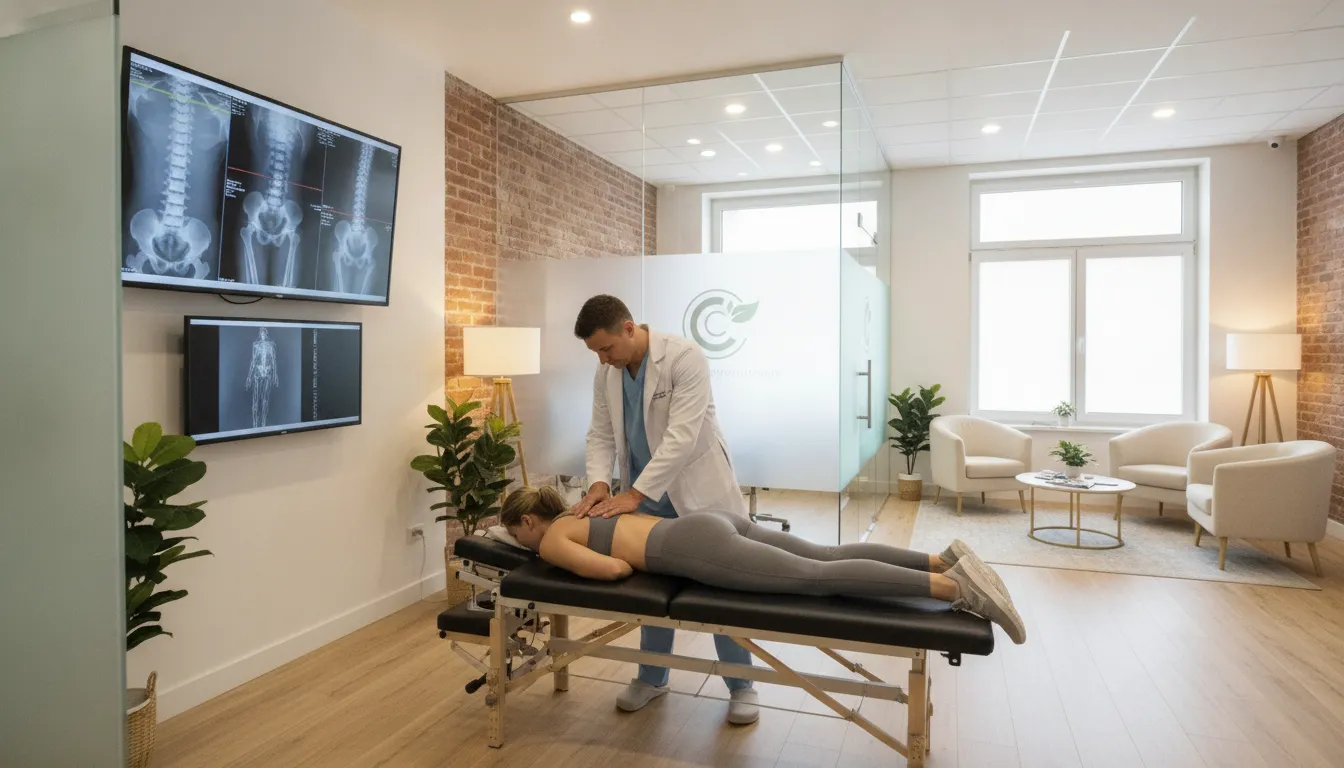
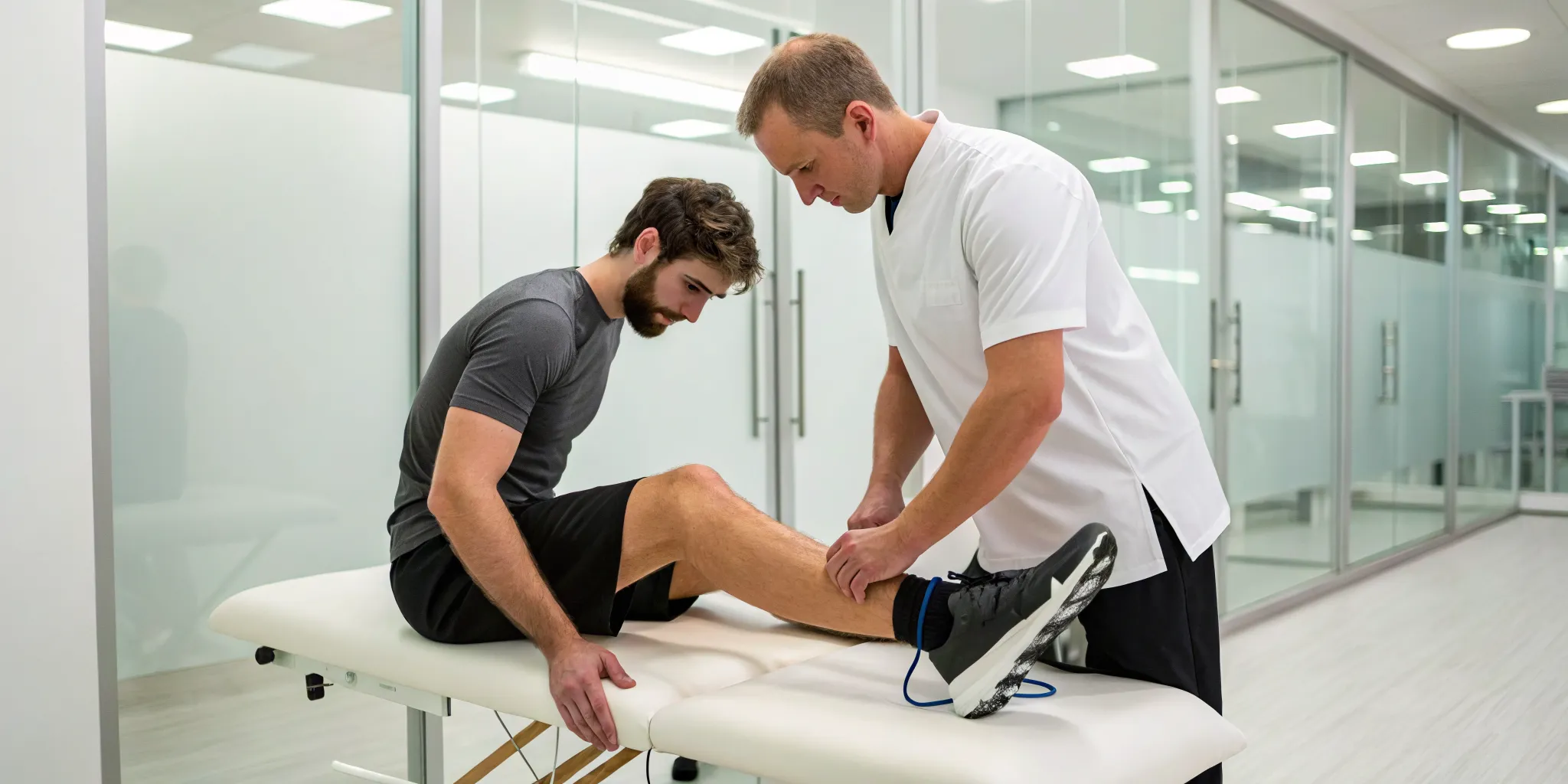
At the core of chiropractic care are gentle, precise adjustments to the spine and neck. When the bones in your neck are out of alignment, they can’t move properly and can put pressure on the surrounding nerves, leading to headache pain. We use careful adjustments to guide these joints back into their correct position. This process helps your joints move smoothly, eases pressure on sensitive nerves, and relieves the tension that contributes to headaches. The goal is to restore your neck’s natural alignment and motion, which is the first step toward feeling better.
Soft Tissue Therapies for Muscle Release
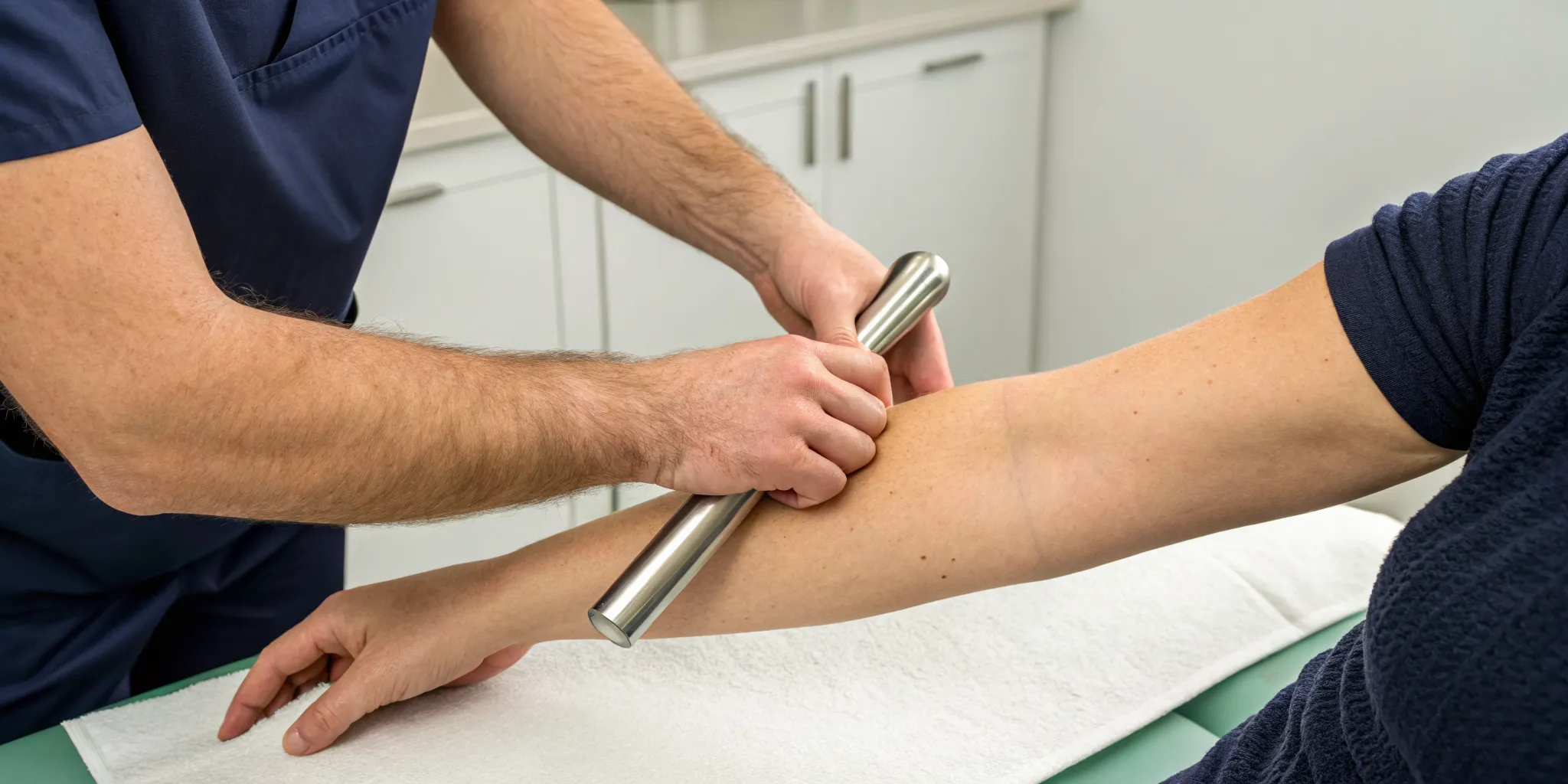
Headaches aren't just about bones; your muscles play a huge role, too. Chronically tight muscles in your neck and upper back can pull on your spine and irritate nerves. That’s why we incorporate soft tissue therapies into your care plan. Using targeted pressure on specific tight spots, often called trigger points, we can help those muscles finally relax. These techniques work to release tension, improve blood flow to the area, and restore flexibility, allowing your entire neck and shoulder region to function without strain.
Nerve Flossing to Improve Mobility
Sometimes, the nerves in your neck can get "stuck" or compressed by tight muscles or misaligned joints, sending pain signals straight to your head. Nerve flossing is a gentle technique designed to help these nerves move freely again. Think of it like gently untangling a knotted cord. By guiding your neck and limbs through specific movements, we can help the nerves glide smoothly through their pathways without irritation. This technique is often combined with adjustments and muscle work to provide more complete and lasting relief from nerve-related headache pain.
Sustained Natural Apophyseal Glides (SNAGs)
Part of your healing journey involves you taking an active role, and that’s where exercises like SNAGs come in. Sustained Natural Apophyseal Glides are simple, gentle movements you can do yourself to support the work we do in the office. These exercises are designed to improve the mobility of the joints in your neck and can be incredibly effective. Consistently performing SNAGs can help reduce headache frequency, lessen their intensity, and shorten how long they last, empowering you to manage your symptoms and maintain your progress between visits.
Corrective Exercises to Strengthen Your Neck
Lasting relief comes from building a foundation of strength and stability. Cervicogenic headaches are often linked to an imbalance where the small, deep muscles that support your neck are weak, and the larger muscles in your upper shoulders are overworked and tight. To fix this, we’ll guide you through corrective exercises specifically designed to strengthen those deep neck flexors. Building up these supportive muscles is crucial for maintaining proper posture and alignment, which helps prevent the strain that leads to headaches in the first place.
Chiropractic Care Compared to Other Treatments
When you’re dealing with persistent headaches, it’s natural to wonder which treatment path is the right one for you. While many options exist, they aren’t all created equal, especially when it comes to addressing the structural issues behind cervicogenic headaches. Understanding how chiropractic care differs from other common approaches can help you make an informed decision about your health and find a lasting solution that gets to the source of the problem instead of just masking the symptoms.
Moving Beyond a Medication-Only Approach
Popping a pill is often the first thing we do for a headache, but it’s usually just a temporary fix. For cervicogenic headaches, this approach is even less effective. Research shows that common medicines often don't work well for this type of headache, highlighting the need for better treatment options. Instead of just covering up the pain, a more effective strategy is to find and address the underlying cause. Studies suggest that combining non-drug treatments, especially hands-on therapies, is the best way to reduce headache frequency and intensity. This is where a functional medicine approach shines, as it focuses on identifying the root of the problem for genuine, long-term relief.
The Difference Between Chiropractic and Physical Therapy
Both chiropractic care and physical therapy can play a role in managing pain, but they have distinct focuses when it comes to cervicogenic headaches. Physical therapy often centers on strengthening muscles and improving overall function through exercises. Chiropractic care, on the other hand, specializes in the health and alignment of the spine. For cervicogenic headaches, hands-on treatments like spinal manipulation are highly recommended. A chiropractor uses gentle, precise adjustments to restore proper alignment in your neck. This helps your joints move correctly, relieves pressure on irritated nerves, and eases the muscle tension that contributes to your pain. This focus on spinal mechanics is a key part of our physical medicine services.
What to Expect from Your Chiropractic Care
Deciding to see a chiropractor is a big step toward taking control of your health. It’s natural to have questions about what the process looks like. At Ascend Functional Health, our approach is thorough, personalized, and focused on getting to the root of your pain. We’ll be with you every step of the way, making sure you feel comfortable and informed.
Your First Visit and Personalized Plan
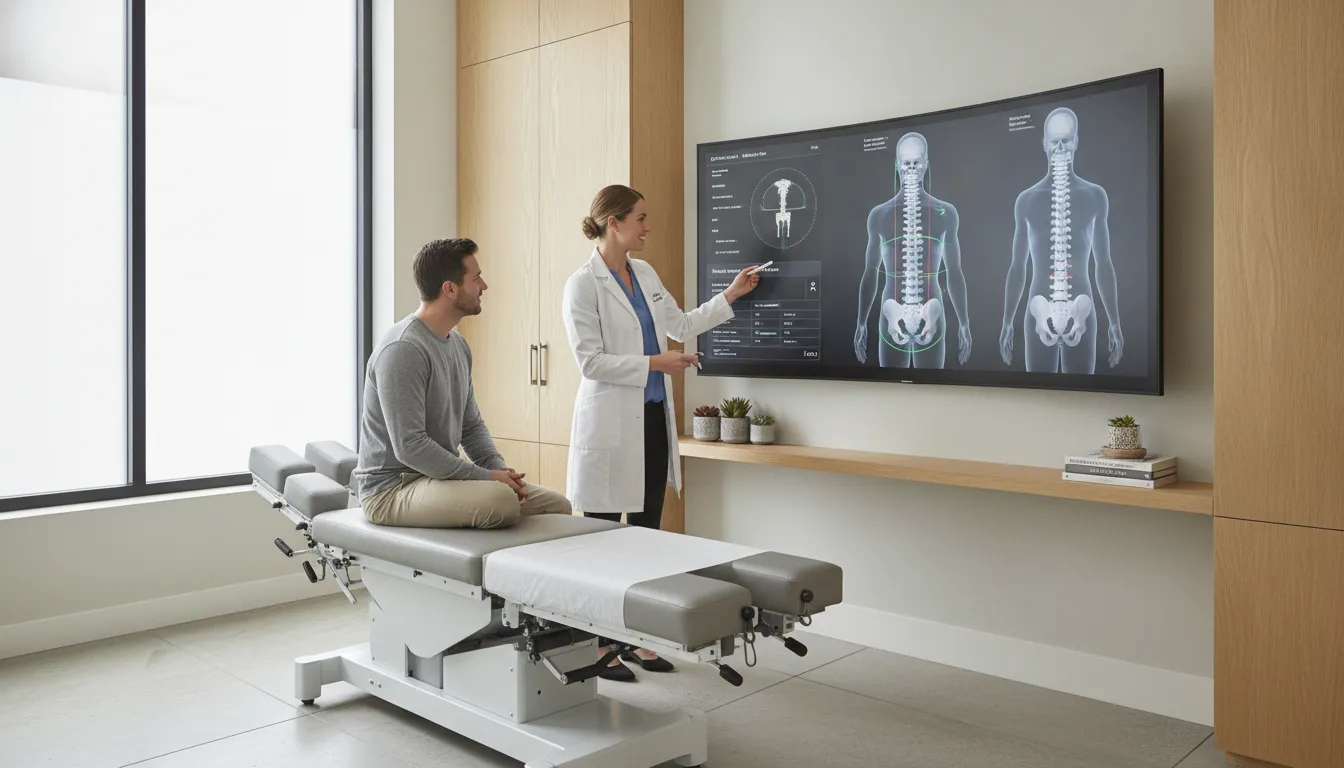
Your first visit is all about us getting to know you and your unique health story. We’ll sit down and have a detailed conversation about your headaches, your health history, and your lifestyle. This is followed by a comprehensive physical examination, which may include diagnostic imaging like X-rays to get a clear picture of your spinal alignment.
Once we understand the underlying cause of your headaches, we’ll create a personalized care plan just for you. This plan will outline our approach, which often includes gentle adjustments to carefully realign your neck bones. The goal is to help your joints move smoothly again, reduce pressure on nerves, and ease the muscle tension contributing to your pain.
Understanding Your Treatment Timeline
One of the most common questions we hear is, "How long will it take to feel better?" The answer is different for everyone. Your treatment timeline depends on several factors, including the severity of your condition, how long you’ve been experiencing headaches, and your body's unique response to care. Some research on cervicogenic headaches has explored treatment plans involving around 12 sessions over 12 weeks, but your path will be tailored to you.
Our goal is to provide lasting relief, not just a temporary fix. Consistent care is key to retraining your body and correcting long-standing issues. As you progress, we’ll also incorporate corrective exercises and lifestyle advice to help you maintain your results. This comprehensive approach helps stabilize your neck and prevent headaches from returning, addressing not just your headaches but other conditions we treat as well.
Lifestyle Habits to Support Your Healing
Your journey to feeling better doesn't stop when you leave our office. The small choices you make every day are powerful tools that support your body's healing process. Think of it as a partnership: the adjustments and therapies we provide help restore your body’s alignment, and your daily habits help maintain it. By making a few simple tweaks to your routine, you can protect your progress and prevent pain from returning. These lifestyle changes are a key part of the corrective care we practice, empowering you to take an active role in your long-term wellness. Let's look at a few key areas where you can make a big impact.
Creating a Neck-Friendly Workspace
If you spend hours at a desk, your workspace can either be a source of strain or a tool for support. Creating a neck-friendly setup is one of the most effective things you can do to reduce headache frequency. Start by positioning your computer monitor directly at eye level so you aren't looking down. Use a chair that supports the natural curve of your lower back, and keep your keyboard and mouse close enough that your shoulders can relax. It’s also important to get up and move around every 30 to 60 minutes. A quick stretch or a short walk gives your neck muscles a much-needed break from holding a static position. These ergonomic adjustments can significantly improve your ability to work without triggering pain.
Simple Ways to Improve Posture and Daily Movement
Good posture is about more than just looking confident; it’s about keeping your spine in a healthy, neutral alignment. Throughout your day, consciously check in with your body. When standing or sitting, try to stand tall, gently pull your stomach in, and roll your shoulders back and down. This simple act takes pressure off the nerves and muscles in your neck. It's also important to incorporate more movement into your day. Even a light walk during your lunch break can help reduce pain and stress. Taking the stairs instead of the elevator or parking a little farther from the door are easy ways to add gentle activity. These small habits support the physical medicine treatments you receive and help your body hold its adjustments longer.
Stretches and Sleep Habits for Lasting Relief
The hours you spend resting are a crucial time for your body to repair itself. Your sleep position and pillow choice play a huge role in whether you wake up refreshed or with a stiff neck. If you sleep on your back, a thinner pillow is best. For side sleepers, a slightly thicker pillow helps keep your neck in a natural line with your spine. Try to avoid sleeping on your stomach, as this forces your neck into a twisted position for hours. You can also incorporate gentle stretches into your morning or evening routine. Simple chin tucks or slowly tilting your head from side to side can release tension. Our team is dedicated to a holistic approach and can show you specific exercises tailored to your needs.
Achieving Long-Term Headache Relief
Finding lasting relief from headaches means looking beyond temporary fixes and addressing the problem at its source. For cervicogenic headaches, that source is almost always an issue within your neck and cervical spine. Simply managing the pain doesn't work long-term because it doesn't correct the underlying structural problem causing the headache in the first place. This is where a consistent, corrective approach makes all the difference.
Our approach to physical medicine focuses on restoring your body's natural alignment and function. Through regular chiropractic care, we can address the root causes of your headaches. This isn't just about getting you out of pain for a day or two; it's about creating lasting stability in your neck. By combining targeted adjustments with personalized exercises and posture guidance, we help maintain your neck's natural curve and strength. This comprehensive strategy is the key to preventing those frustrating headaches from coming back again and again, allowing you to get back to your life.
How Corrective Care Prevents Headaches from Returning
Corrective chiropractic care is designed to do exactly what its name implies: correct the misalignments in your cervical spine that lead to chronic pain. We use gentle, precise adjustments to guide your neck bones back into their proper position. This process does more than just provide immediate relief. It allows your joints to move smoothly, takes pressure off irritated nerves, and eases the chronic tension in your surrounding muscles.
By restoring proper alignment, we’re not just chasing symptoms. We are establishing a stable foundation for your neck and upper back. This focus on restoring function is what prevents the cycle of recurring headache pain and helps your body heal itself more effectively for long-term wellness.
Building a Stronger, More Stable Neck
Spinal adjustments are a critical piece of the puzzle, but a truly stable neck requires strong, supportive muscles. Cervicogenic headaches often develop from an imbalance where the deep muscles in your neck are weak and the muscles in your upper shoulders and neck are overworked and tight. To break this cycle, we need to restore balance.
As part of your comprehensive treatment plan, we will teach you specific exercises to strengthen those deep, supportive neck muscles and correct your posture. Strengthening these key areas helps prevent your head from drifting forward, a common habit that puts immense strain on your neck and shoulders. This active approach empowers you to maintain your alignment and build a stronger, more resilient neck that is far less likely to trigger headaches.
Is Chiropractic Care Right for Your Headaches?
If you’ve been reading this and thinking, “That sounds exactly like my headaches,” then the answer is very likely yes. Chiropractic care is especially effective for cervicogenic headaches because it directly addresses the structural source of the pain in your neck. Instead of just managing the symptoms, this approach focuses on correcting the underlying mechanical issues in your spine that are triggering the headaches in the first place. It’s about getting to the root of the problem so you can find lasting relief.
The goal of chiropractic treatment is to restore proper alignment and movement to the joints in your neck. Through a series of gentle, precise adjustments, a chiropractor can help reduce stiffness, decrease nerve irritation, and release the chronic muscle tension that contributes to headache pain. This type of hands-on physical medicine helps your body function better and facilitates its own innate ability to heal, often reducing the frequency and intensity of headaches over time.
Of course, the first step is determining if your headaches are truly originating from your neck. A comprehensive evaluation is essential. During your initial visit, we take the time to listen to your history, understand your specific pain patterns, and perform a detailed physical assessment. This allows us to confirm the diagnosis and create a treatment plan that is tailored specifically to you. We believe that a personalized plan is the key to a successful outcome.
Ultimately, if you’re tired of your life being disrupted by persistent headaches and you suspect your neck is the culprit, exploring chiropractic care is a proactive and empowering step. Many of our patients have found that a combination of targeted adjustments, soft tissue therapies, and corrective exercises provides the long-term solution they’ve been searching for. You don’t have to simply put up with the pain; there is a path toward feeling better.
Related Articles
- How a Chiropractor Helps Neck Pain and Headaches
- Chiropractic Treatment for Migraines: What to Know
- Chiropractic Care: Everything You Need to Know
Frequently Asked Questions
How can I be sure my headache is coming from my neck and not just a bad migraine? The biggest clue is the pain's behavior. A cervicogenic headache typically starts as a dull ache in your neck and travels up one side of your head. You might also notice neck stiffness or that certain movements, like turning your head, make the pain worse. While some symptoms can overlap with migraines, cervicogenic headaches usually don't include nausea or sensitivity to light. The most reliable way to know for sure is through a thorough physical examination where we can assess your neck's alignment and movement.
Are chiropractic adjustments for the neck safe? Yes, when performed by a trained and licensed professional, chiropractic adjustments are a safe and effective way to address the root cause of cervicogenic headaches. We use gentle, precise techniques to restore proper motion to the joints in your neck. The goal is to relieve pressure on the nerves and muscles without any forceful movements. We always begin with a detailed evaluation to ensure this type of care is right for you and will walk you through every step of the process so you feel comfortable.
How many visits will it take for my headaches to go away? The timeline for relief is unique to each person. It depends on factors like how long you've had the headaches, the specific cause of your neck issue, and how your body responds to care. Some people feel a difference after just a few visits, while others with more long-standing issues may need a more extended care plan. Our focus is on creating lasting correction, not just temporary relief, so we will create a personalized plan that gives your body the time it needs to heal properly.
Can poor posture from my desk job really be the cause of these headaches? It is often a major contributing factor. Spending hours with your head pushed forward puts a tremendous amount of strain on the joints and muscles in your neck. Over time, this can lead to misalignments and irritation that trigger headaches. While posture is a common culprit, it might not be the only cause. A past injury or underlying spinal issue could also be involved. That's why we look at your entire health history to understand all the factors at play.
Will I have to keep coming for adjustments forever to keep the headaches away? Our goal is to get you to a point where you don't need frequent adjustments. The initial phase of care focuses on correcting the underlying structural problems and stabilizing your spine. Once we achieve that, we transition to a maintenance phase, which involves less frequent visits. We also empower you with specific exercises and lifestyle habits to help you maintain your alignment and strength, which reduces the chances of your headaches returning.