The market for clinical equipment is crowded and confusing, especially when it comes to newer modalities. Many machines are marketed as "shockwave" therapy, but not all of them produce a true shockwave. It’s difficult to sort through the marketing claims to find technology that is backed by solid science and will deliver real clinical results. Making the wrong choice is an expensive mistake that can impact both your practice and your patients' outcomes. We created this guide to cut through the noise, explaining the key differences in technology so you can make an informed decision. Our goal is to give you the confidence to select a shockwave therapy device for chiropractors that truly aligns with your commitment to providing effective, evidence-based care.
Key Takeaways
- Verify the Technology Before You Buy: Not all "shockwave" devices are the same. Confirm whether a machine produces true shockwaves for deep tissue repair or radial pressure waves for superficial issues to ensure it matches your clinical needs and you aren't misled by marketing.
- Look Beyond the Sticker Price: A device's true cost includes consumables, maintenance, and warranty coverage. Prioritize FDA-cleared devices to ensure patient safety and protect your practice, viewing the purchase as a long-term investment in care quality.
- Commit to Training and Patient Education: The device is only half the equation. Your success hinges on mastering the treatment protocols, managing patient expectations about healing timelines, and thoughtfully integrating the therapy with your existing chiropractic care.
A Chiropractor's Guide to Shockwave Therapy
As chiropractors, we're always looking for effective, non-invasive ways to help our patients heal. Shockwave therapy is one of the most exciting tools available, using acoustic energy to stimulate the body's own regenerative processes. It fits perfectly within a holistic care model by addressing the root cause of chronic pain and dysfunction. But before adding it to your practice, it's important to understand the fundamentals.
Radial vs. Focused: Understanding the Technology
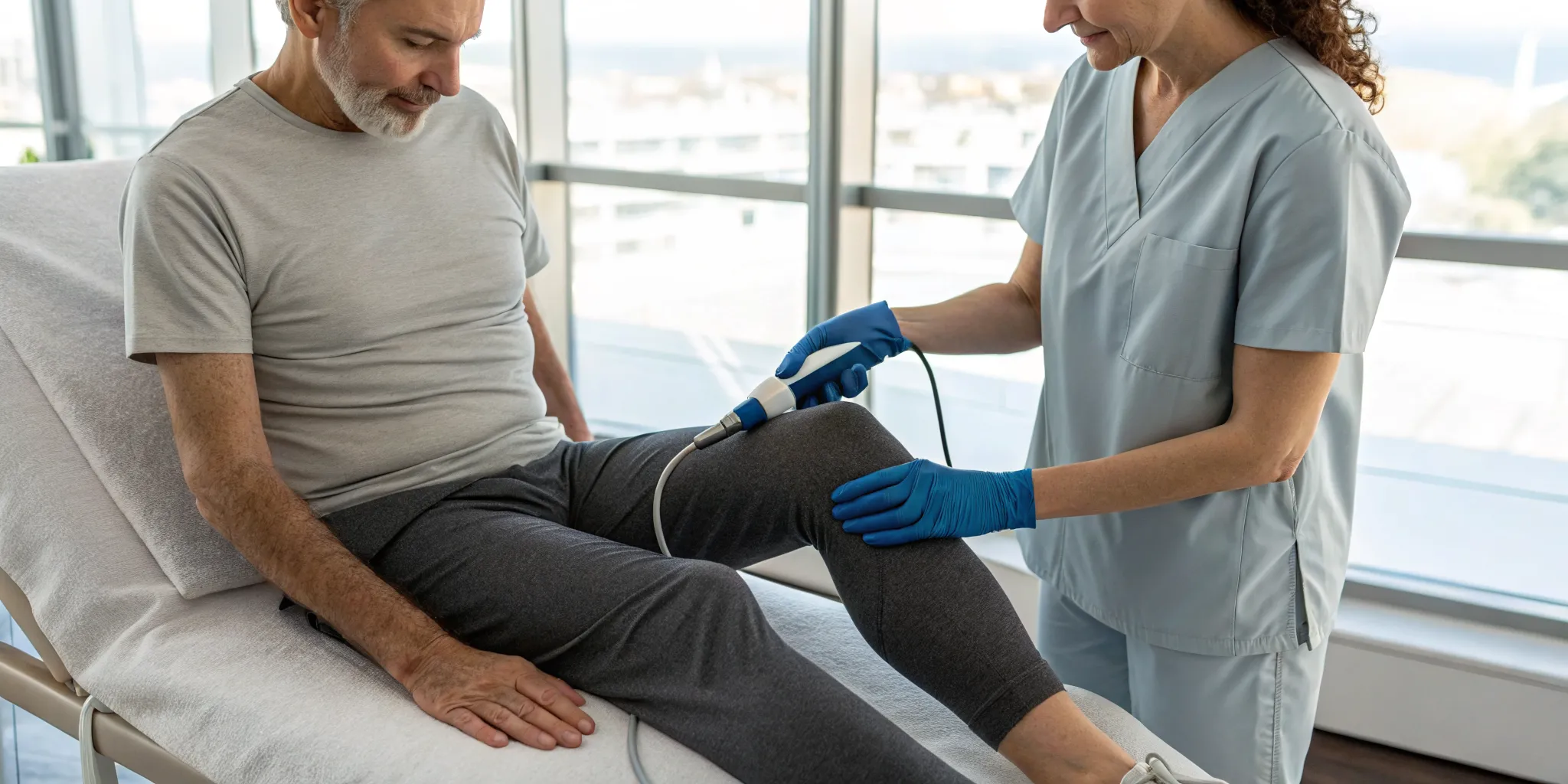
Let's start with the basics. Shockwave therapy, or extracorporeal shockwave therapy (ESWT), sends acoustic energy waves into injured tissue to kickstart a healing response. It's a key component of modern physical medicine that complements chiropractic adjustments perfectly. The technology is generally split into two categories: radial and focused.
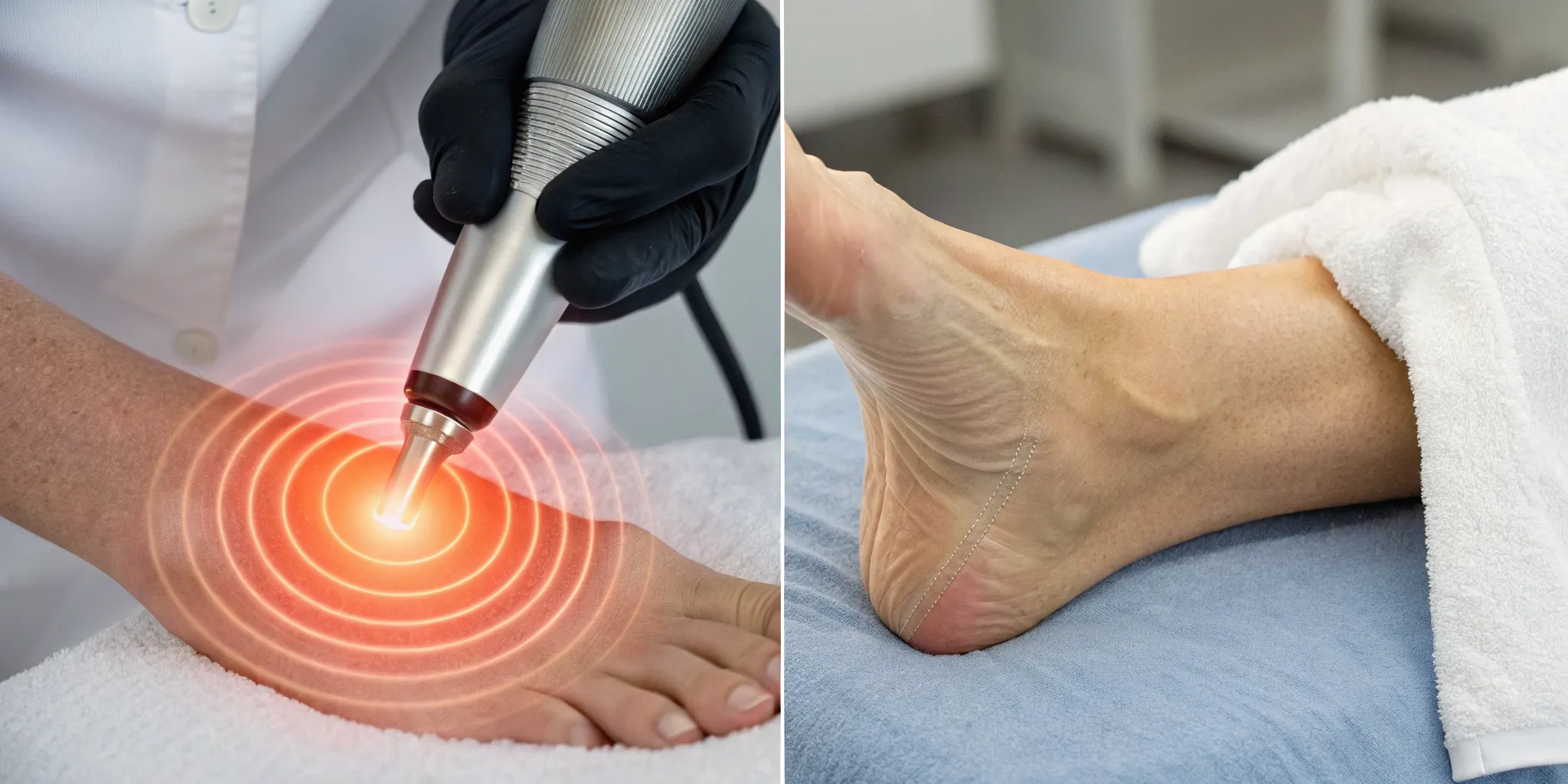
Radial shockwave devices spread that energy over a wider, more superficial area, like ripples in a pond. This makes them great for treating larger surface tissues. Focused shockwave, on the other hand, concentrates its energy precisely into a small area, allowing it to penetrate much deeper. Think of it like a laser pointer targeting a specific spot. This precision is ideal for reaching deep-seated trigger points or tendon attachments.
Which Conditions Respond Best?
Shockwave therapy is a game-changer for many chronic musculoskeletal issues, especially those that have been slow to heal. It's particularly effective for treating tendinopathies, which are notoriously stubborn tendon injuries, and tendinosis, a condition involving chronic tendon degeneration. By promoting blood flow and tissue regeneration, it helps resolve pain that hasn't responded to other approaches.
Many of the common ailments we see in our practice respond incredibly well to this treatment. Some of the top conditions we treat with shockwave therapy include:
- Plantar fasciitis (heel pain)
- Achilles tendonitis
- Rotator cuff pain
- Tennis and golfer's elbow
- Chronic back and neck pain
- Certain types of joint pain
Why Add Shockwave Therapy to Your Practice?
Thinking about bringing a new modality into your clinic is a big decision. It’s not just about the equipment; it’s about how it fits your philosophy and improves patient care. Adding shockwave therapy can be a powerful way to expand your treatment toolkit, offering a solution for chronic soft tissue issues that may not fully resolve with adjustments alone. It aligns perfectly with a holistic approach, helping you address the root cause of pain from multiple angles. By integrating this technology, you can offer more comprehensive care, achieve better clinical outcomes, and position your practice as a leader in musculoskeletal health.
Provide Non-Invasive Relief and Healing
As chiropractors, our foundation is built on facilitating the body's innate ability to heal without invasive procedures. Shockwave therapy fits seamlessly into this model. As a non-invasive procedure, it doesn't require surgery or incisions. Instead, it uses acoustic waves to stimulate metabolic activity and trigger the body’s own healing response in injured tissues. This makes it an attractive option for patients seeking effective alternatives to injections or operations. By offering this kind of advanced, non-invasive care, you reinforce your commitment to the core principles of physical medicine and provide patients with safe, lasting relief.
Complement Your Chiropractic Adjustments
Shockwave therapy isn’t a replacement for your adjustments; it’s a powerful partner to them. Many joint and spinal issues are complicated by chronic soft tissue problems like tendonitis, fascial adhesions, and muscle trigger points. Shockwave therapy works in tandem with your adjustments to address these underlying issues. By treating the surrounding muscles and connective tissues, you can reduce the tension and dysfunction that often pull joints out of alignment. This creates a more stable environment, helping your adjustments hold longer and providing more complete, durable results for your patients.
Improve Patient Outcomes and Practice Growth
Integrating shockwave therapy can significantly improve the results you get for patients with stubborn conditions. When you can effectively treat a wider range of musculoskeletal problems, from plantar fasciitis to rotator cuff tendonitis, patient satisfaction and referrals naturally follow. By introducing this modality, you can keep patients in-house for conditions you might otherwise have to refer out for. This not only enhances treatment effectiveness but also opens up a new revenue stream. Offering advanced solutions shows you are dedicated to providing the best possible care, helping your practice grow while staying true to non-invasive principles that define your mission.
How to Choose a Shockwave Therapy Device
Selecting the right shockwave therapy device is a major decision for your practice. It’s an investment not just in equipment, but in your ability to deliver exceptional patient outcomes. The market is filled with options, and telling them apart can be a challenge. To make a confident choice, you need to look beyond the marketing materials and focus on the features that directly impact patient care, practice efficiency, and your long-term success. Think about how the device will integrate into your daily workflow, the specific conditions you treat, and the kind of support you’ll need down the line. Let’s walk through the key factors to consider so you can find the perfect fit for your clinic.
Adjustable Settings and Treatment Depth
Every patient who walks into your office is unique, and their treatment should be too. A quality shockwave device must have adjustable settings that allow you to control the intensity and depth of the acoustic waves. This is essential because treating a superficial issue like plantar fasciitis requires a different approach than addressing deeper hip or shoulder pain. The ability to fine-tune the energy output ensures you can deliver a therapeutic dose that is both effective and comfortable for the patient. This level of precision is a cornerstone of modern physical medicine, allowing you to tailor each session to the individual’s specific condition and sensitivity, which ultimately leads to better, more consistent results.
Portability and Build Quality
Consider the physical layout of your practice and your daily workflow. Will the device stay in one room, or will you need to move it between treatment areas? A portable, lightweight design offers flexibility, while a sturdy build quality ensures your investment can withstand the demands of a busy clinic. Look for a device made with durable materials and a robust handpiece that feels solid and reliable. This isn't just about convenience; it's about longevity. A well-built machine will perform consistently for years, preventing unexpected downtime and costly repairs that can disrupt patient care and affect your practice's bottom line.
An Intuitive User Interface
The last thing you need during a packed patient schedule is to wrestle with a complicated machine. A device with an intuitive user interface can make your life significantly easier. Look for a clear, easy-to-read screen, logical navigation, and the ability to quickly select or customize treatment protocols. Many high-quality devices come with pre-set parameters for common conditions we treat, which can save you valuable time. An intuitive system reduces the learning curve for you and your staff, minimizes the risk of user error, and allows you to focus your attention where it matters most: on your patient.
FDA Clearance and Safety Certifications
This is a non-negotiable. When choosing a shockwave therapy device, you must verify that it has received FDA clearance for the conditions you intend to treat. This clearance indicates that the device has been reviewed for safety and effectiveness, which is crucial for protecting your patients and your practice from a liability standpoint. Be wary of devices marketed as "shockwave" that are actually less powerful radial pressure wave units without the same level of regulatory approval. Always ask for documentation and confirm the device’s status independently. Prioritizing safety and compliance demonstrates your commitment to providing professional, evidence-based services.
Factoring in Maintenance and Consumables
The initial purchase price is only part of the total cost of ownership. Before you commit, get a clear understanding of the long-term expenses. Ask the manufacturer about the expected lifespan of the handpiece or applicator, as these are often the most significant recurring costs. Find out what the maintenance schedule looks like and if it requires a technician to perform calibrations. A device that seems more affordable upfront could end up costing more over time if its components wear out quickly or if service is expensive. Planning for these ongoing costs ensures your investment remains a profitable and sustainable part of your practice.
Leading Shockwave Therapy Device Brands
When you start looking at specific shockwave therapy devices, you’ll notice a few names come up again and again. These brands have built strong reputations in the field by delivering reliable technology and consistent results for practitioners and their patients. While this isn't an exhaustive list, exploring what these leading companies offer can give you a solid starting point for your research. Each one has a slightly different focus, whether it’s pioneering specific technologies, emphasizing user-friendly design, or providing robust practitioner support. Getting familiar with these key players will help you understand the landscape and identify which features matter most for your practice’s unique needs and patient population. Let's look at three of the most prominent brands in the shockwave therapy space.
Storz Medical
Storz Medical is widely regarded as a global leader in the field, known for its advanced focused shockwave and radial pressure wave technologies. The company has a long-standing reputation across multiple medical disciplines, including orthopaedics, making their devices a trusted choice for musculoskeletal care. They are committed to producing non-invasive, evidence-based solutions that support healing and reduce pain. What sets Storz apart is its rigorous quality control; every device is thoroughly inspected and tested to ensure it performs safely and effectively. For chiropractors who prioritize research-backed equipment from an established pioneer, Storz Medical offers some of the most respected shockwave therapy systems available.
BTL Industries
BTL Industries is another major name in the market, recognized for its innovative approach to non-invasive treatments. Their devices are engineered to provide effective pain relief and accelerate healing by using advanced shockwave technology. BTL places a strong emphasis on combining powerful clinical performance with intuitive, user-friendly interfaces, which can help shorten the learning curve for you and your staff. The company is focused on delivering measurable clinical efficacy and high patient satisfaction, two factors that are incredibly important when integrating a new modality into your practice. Chiropractors looking for modern technology that is both powerful and easy to operate will find BTL’s offerings compelling.
MediCure
MediCure is building a solid reputation for providing high-quality equipment designed to meet a variety of clinical needs. Their shockwave therapy devices are developed to improve treatment outcomes for a range of musculoskeletal conditions that chiropractors see every day. A key part of MediCure’s philosophy is a commitment to clinical validation and comprehensive user training. This ensures that practitioners feel confident and competent in using the equipment to its full potential, which ultimately leads to better results for patients. For practices that value strong support and hands-on training alongside reliable technology, MediCure presents a very attractive option.
What's the Investment for a Shockwave Device?
Deciding to bring a new modality into your practice is a big step, and the financial commitment is a major piece of the puzzle. When you start looking at shockwave therapy devices, you’ll find a wide range of price points. This isn't just about finding a machine; it's about making a strategic investment in your practice's future and your patients' outcomes. The initial purchase price can vary significantly based on the underlying technology (radial vs. focused), the build quality, and the brand's reputation.
Think of this as an expansion of your clinical toolkit. Just as you integrate different adjustment techniques into your physical medicine protocols, a shockwave device adds another powerful, non-invasive option for addressing soft tissue conditions. The right device can complement your existing services, help you attract new patients seeking advanced care, and ultimately improve the results you deliver. Instead of focusing solely on the upfront number, consider the long-term value it brings. A well-chosen device can become a cornerstone of your treatment offerings for years to come, so it’s worth taking the time to understand what drives the difference in price.
Comparing Entry-Level and Premium Models
As you begin your research, you’ll quickly realize that not all "shockwave" devices are the same. Many chiropractors evaluating this technology run into the same questions about whether a device produces a true shockwave and how to tell one from another. Entry-level models are often radial pressure wave devices. While effective for more superficial issues, they don't generate a true shockwave.
Premium models, on the other hand, typically use focused shockwave (FSW) technology, which creates a more powerful and precise wave that can penetrate deeper into tissue. This capability is essential for treating certain chronic conditions effectively. A premium device often comes with a higher initial investment, but you're paying for advanced engineering, greater clinical versatility, and the ability to address a wider range of conditions with more accuracy.
Accounting for Additional Costs
The sticker price of the device is just the beginning. To get a full picture of the investment, you need to account for ongoing operational expenses. Most devices require consumables, such as transmitter heads, which wear out over time and need to be replaced. You may also want to purchase additional heads to treat different body parts or conditions, which adds to the long-term financial commitment.
Furthermore, proper upkeep is non-negotiable. Regular maintenance and calibration are essential to keep your device running safely and effectively, ensuring consistent clinical performance and protecting its lifespan. Factoring these recurring expenses into your budget from the start will help you make a more informed decision and accurately project the return on your investment for your practice.
Potential Drawbacks to Consider
Adding a powerful new tool like shockwave therapy to your practice is an exciting step, but it’s wise to go in with your eyes wide open. Like any significant investment in your clinic, this decision comes with a few potential hurdles. Thinking through these challenges beforehand will help you choose the right device and integrate it smoothly, ensuring you get the best possible results for your patients and your practice.
Before you make a final decision, let’s walk through some of the key considerations. We’ll look at how to see past marketing hype to judge a device’s true quality, the importance of managing patient expectations, and the learning curve involved for you and your team. Addressing these points head-on will give you the confidence that you’re making a sound investment in your clinic’s future and your patients’ health. At Ascend, we believe that a thoughtful approach to integrating new services is fundamental to providing exceptional care.
Evaluating Device Quality and Marketing Claims
As shockwave therapy has grown in popularity, the market has become crowded with options. The biggest challenge you’ll face is that a large number of devices marketed as "shockwave" don't produce true shockwaves at all. Instead, they generate radial pressure waves, which work differently and may not deliver the same clinical outcomes. It’s easy to get swayed by flashy marketing, but your focus should be on the technology itself. A true shockwave device creates a different type of acoustic wave that can penetrate deeper and create a more profound biological response. Do your homework and evaluate the clinical evidence behind any device you consider, and don't be afraid to ask manufacturers direct questions about their technology.
Managing Patient Timelines and Responses
Setting realistic expectations is crucial for patient satisfaction. Not all shockwave devices are created equal, and this can lead to significant differences in patient outcomes and recovery timelines. It’s important to communicate to your patients that healing is a process, not an instant fix. While many patients experience relief quickly, others may require a series of treatments to address the root cause of their condition. Your ability to manage this journey will directly impact their experience. This aligns with a functional medicine philosophy, where we understand that true healing takes time and a personalized approach. Be prepared to adjust protocols based on individual responses and to educate your patients on what they can expect along the way.
The Practitioner Learning Curve
While modern shockwave devices are designed to be user-friendly, there is still a learning curve to using them safely and effectively. This isn't a "plug-and-play" modality. Mastering the device requires a solid understanding of treatment protocols, contraindications, and the underlying science. For example, while some studies are promising, there is a lack of long-term safety data for using shockwave directly over growth plates in humans. This highlights the need for thorough training and a commitment to ongoing education. Reputable manufacturers typically provide comprehensive training, which is an essential part of your investment. Properly integrating this tool into your physical medicine offerings means becoming an expert in its application.
Essential Safety Protocols to Follow
Integrating shockwave therapy into your practice is an exciting step, but its success hinges on prioritizing patient safety above all else. While the technology is non-invasive, it delivers powerful acoustic waves to the body, making strict safety protocols essential. Following a clear and consistent set of procedures not only protects your patients but also safeguards your practice and reinforces your reputation as a trusted provider.
Think of safety as three core pillars: meticulous patient screening, rigorous device maintenance, and attentive in-treatment monitoring. Each pillar works together to create a secure environment where patients can achieve the best possible results. When you combine this powerful technology with your hands-on expertise, you create a comprehensive care model that truly supports healing. At Ascend Functional Health, we integrate advanced modalities like shockwave therapy with our foundational physical medicine services to ensure a holistic and safe patient experience. By establishing these protocols from day one, you can confidently add shockwave therapy to your services and help more people on their path to wellness.
Patient Screening and Contraindications
Before the first session begins, a thorough screening process is your most important safety tool. This is where you determine if a patient is a suitable candidate for shockwave therapy. A detailed conversation about their health history is non-negotiable. As one expert notes, "It is important to discuss any underlying medical conditions or medications you are taking with your shockwave therapy provider before receiving shockwave therapy." This discussion should cover all contraindications, including pregnancy, the presence of a pacemaker, blood-clotting disorders, or active tumors in the treatment area. This initial intake process builds trust and ensures you have a complete picture of the patient's health, allowing you to identify any potential risks and make an informed decision about their care plan.
Proper Device Calibration and Maintenance
Your shockwave therapy device is a sophisticated piece of medical equipment, and it requires regular attention to function safely and effectively. Proper calibration ensures the machine delivers the precise energy output you select, which is critical for predictable and safe treatments. As one manufacturer guide explains, "Proper maintenance, cleaning, and calibration of a shockwave therapy machine preserves clinical performance, reduces downtime, extends device life, and protects patients and staff." Make it a point to create a consistent maintenance schedule and "always follow the device-specific instructions for use (IFU) or the manufacturer service schedule." Documenting each check helps you maintain a high standard of care across all your services and ensures your investment performs reliably.
How to Monitor Patients During Treatment
Your role as a practitioner doesn't stop once the treatment begins. Actively monitoring your patient throughout the session is key to ensuring their comfort and safety. Maintain open communication, asking for feedback on the intensity and checking in on how they are feeling. This attentiveness is part of what makes you a qualified provider and helps minimize any risk of complications. Remember, your expertise is what makes the technology effective. Shockwave therapy often "works in tandem with spinal manipulation and chiropractic adjustments to restore alignment and improve the body’s overall function." By combining your clinical skills with careful patient monitoring, you can adjust the treatment in real time to suit their needs and guide them toward their health goals.
Common Shockwave Therapy Misconceptions
As shockwave therapy becomes a more recognized option for chronic pain and tissue repair, a lot of information (and misinformation) starts to circulate. It’s easy to get confused by conflicting claims or develop unrealistic expectations. Let's clear the air and look at some of the most common myths surrounding this treatment. Understanding the truth helps you make informed decisions about your health and find a provider who uses the right technology for the right reasons.
At Ascend Functional Health, we believe in transparency and education. We want you to understand exactly how our physical medicine therapies work to support your body’s healing process. By separating fact from fiction, you can feel more confident about your treatment plan and the journey ahead.
Myth: All Shockwave Devices Are Created Equal
It’s tempting to think that one shockwave machine is just as good as another, but that couldn't be further from the truth. The effectiveness of a treatment session depends heavily on the device's underlying technology. As experts point out, the differences come down to physics, evidence, and the specific design choices behind the machine. Some devices on the market produce true electrohydraulic shockwaves, while others generate radial pressure waves, which are not the same thing. The quality of the device directly impacts its ability to stimulate healing in the tissues for conditions like plantar fasciitis or tendonitis. That’s why we’ve carefully selected our technology to ensure it delivers genuine, effective results for our patients.
Myth: Shockwaves and Pressure Waves Are the Same
This is a big one. Many people use the terms "shockwave" and "pressure wave" interchangeably, but they describe two very different types of energy. True shockwaves have a unique waveform with a rapid, high-pressure rise followed by a longer, lower-pressure phase. This specific structure is what creates a biological response deep within the tissue, stimulating stem cells and growth factors to initiate repair. In contrast, radial pressure waves are slower and less powerful, working more superficially. While pressure waves have their place, a physics-based overview shows they don't produce the same regenerative effects as true shockwaves. Understanding this distinction is key to finding a treatment that addresses the root cause of your pain.
Myth: Results Are Instantaneous
While many patients feel some relief after their first shockwave session, it’s important to view this therapy as a healing process, not a quick fix. Shockwave therapy works by prompting your body’s own natural repair mechanisms, and that takes time. For chronic issues, especially degenerative conditions like tendinosis, a series of treatments is often necessary to achieve lasting results. The goal is to create genuine, long-term tissue repair, not just to mask the pain temporarily. We create personalized treatment plans for the conditions we treat because we know that true healing is a journey, and we’re here to support you every step of the way.
Your Pre-Purchase Checklist: Key Questions to Ask
Investing in a new piece of equipment for your practice is a big decision. To make sure you’re choosing a device that will serve your patients and your practice well for years to come, it’s important to do your homework. Think of it as a final checklist before you commit. Asking these specific questions will help you cut through the marketing noise and find a shockwave therapy device that truly fits your clinical needs and business goals.
Is it a true shockwave or a pressure wave device?
This is arguably the most critical question to ask. Many devices are marketed as "shockwave" therapy, but they actually produce acoustic pressure waves, which are not the same. True shockwave devices generate a specific type of sound wave with a high-pressure peak and a rapid rise time, which is what stimulates the biological healing response at a cellular level. As one guide for chiropractors notes, a common question is, "is this actually a shockwave?" Pressure wave devices can be helpful for some superficial issues, but they don't offer the same regenerative capabilities or treatment depth. Be direct and ask for clarification on the technology before you go any further.
Is the device FDA-cleared and legal in your state?
Patient safety is always the top priority. Ensuring a device has FDA clearance provides a baseline of confidence that it has been reviewed for safety and effectiveness for specific uses. It’s a crucial step in mitigating risk for both your patients and your practice. Beyond FDA status, you should also confirm that using the device falls within your state's chiropractic scope of practice. Regulations can vary, so doing this due diligence is non-negotiable. Choosing equipment from a reputable source helps you provide effective care and protects your practice from potential liability issues down the road.
What does the warranty and maintenance plan cover?
A shockwave therapy device is a significant financial investment, and you need to protect it. Before purchasing, get a clear understanding of the warranty. How long does it last? What does it cover (parts, labor, applicators)? Also, ask about the recommended maintenance schedule and associated costs. Following the manufacturer's service schedule is essential for the device's longevity and performance. A comprehensive warranty and a clear, affordable maintenance plan from the manufacturer show that the company stands behind its product and is invested in your long-term success.
Is training and ongoing support included?
The best device in the world won't deliver results if you don't know how to use it properly. Find out what kind of initial training is provided. Is it in-person or virtual? How comprehensive is it? More importantly, what does ongoing support look like? You should look for a partner that offers versatility in treatment protocols and applicators to address the diverse conditions you treat. Access to updated protocols, clinical support for tough cases, and technical troubleshooting are invaluable resources that will help you get the most out of your device and achieve the best possible outcomes for your patients.
Is Shockwave Therapy the Right Move for Your Practice?
Deciding to add a new modality to your practice is a big step. When it comes to shockwave therapy, the good news is that it has moved beyond being a fringe treatment and is now a standard tool in soft tissue care. The chiropractic shockwave therapy clinical evidence is solid, giving you a strong foundation to build on. It’s a powerful and effective tool when applied in the right clinical scenarios, with a significant body of research supporting its use for conditions like chronic tendinopathies and plantar fasciitis. Before you go all in, take a moment to consider if this technology aligns with the types of conditions you see most often in your clinic.
Of course, with any new treatment, it's important to do your homework. A crucial part of your evaluation is to understand the risks associated with the procedure so you can make a well-informed decision. The success of the therapy doesn't just depend on the device; it also depends on you. Being a qualified provider with the right experience and equipment is key to minimizing complications and achieving the best results for your patients. Ultimately, the goal is to find a solution that fits seamlessly into your practice. By considering factors like treatment versatility, ease of use, clinical efficacy, and patient comfort, you can make an informed choice that aligns with your practice goals and, most importantly, your patients' needs.
Related Articles
- SoftWave TRT Therapy in Tampa, FL - Alessi Functional Health
- SoftWave Tissue Regeneration Therapy in Tampa | Alessi Functional Health
- Regenerative Medicine for Pain Recovery | Ascend Functional Health
- Chiropractic Care: Everything You Need to Know
- Spinal Health Chiropractic: A Complete Guide
Frequently Asked Questions
What's the most important factor when choosing a shockwave device? The most critical step is confirming you are buying a true shockwave device, not just a radial pressure wave unit. You should ask the manufacturer directly about the technology and look for FDA clearance for the conditions you plan to treat. This ensures you're investing in a machine with the power and precision to create a real biological healing response, which is essential for getting the clinical results your patients deserve.
How will shockwave therapy actually improve the results of my chiropractic adjustments? Think of it as addressing the complete picture of a patient's pain. While your adjustments are excellent for correcting joint and spinal alignment, many issues are complicated by chronic soft tissue problems like tight muscles and fascial adhesions. Shockwave therapy targets these underlying tissue dysfunctions directly, creating a more stable environment around the joint. This helps your adjustments hold longer and provides more comprehensive, lasting relief for your patients.
What's a realistic way to think about the cost versus the benefit? It's best to view the cost as a long-term investment in your clinic's capabilities rather than just an equipment purchase. The initial price varies, but you also need to budget for ongoing expenses like replacement applicators and regular maintenance. The return comes from achieving better outcomes for stubborn conditions, which leads to higher patient satisfaction and referrals. It also allows you to keep more treatments in-house, expanding your services and growing your practice.
How do I explain this treatment to patients without setting unrealistic expectations? Honesty and clarity are key. Explain that shockwave therapy works by stimulating the body's own natural healing process, which is a journey, not an instant fix. While many people feel better quickly, true tissue repair takes time and often requires a series of sessions. Frame it as a partnership where you are using advanced technology to help their body heal itself correctly over several weeks. This manages expectations and builds trust.
Is there a steep learning curve to using this technology effectively? Yes, there is a learning curve, but it is very manageable with the right support. This isn't a machine you just plug in and use; mastering it requires understanding the science and specific treatment protocols. That's why choosing a manufacturer that provides comprehensive, hands-on training and ongoing clinical support is so important. A good partner will ensure you and your team feel confident and competent, allowing you to use the device safely and achieve the best possible results.