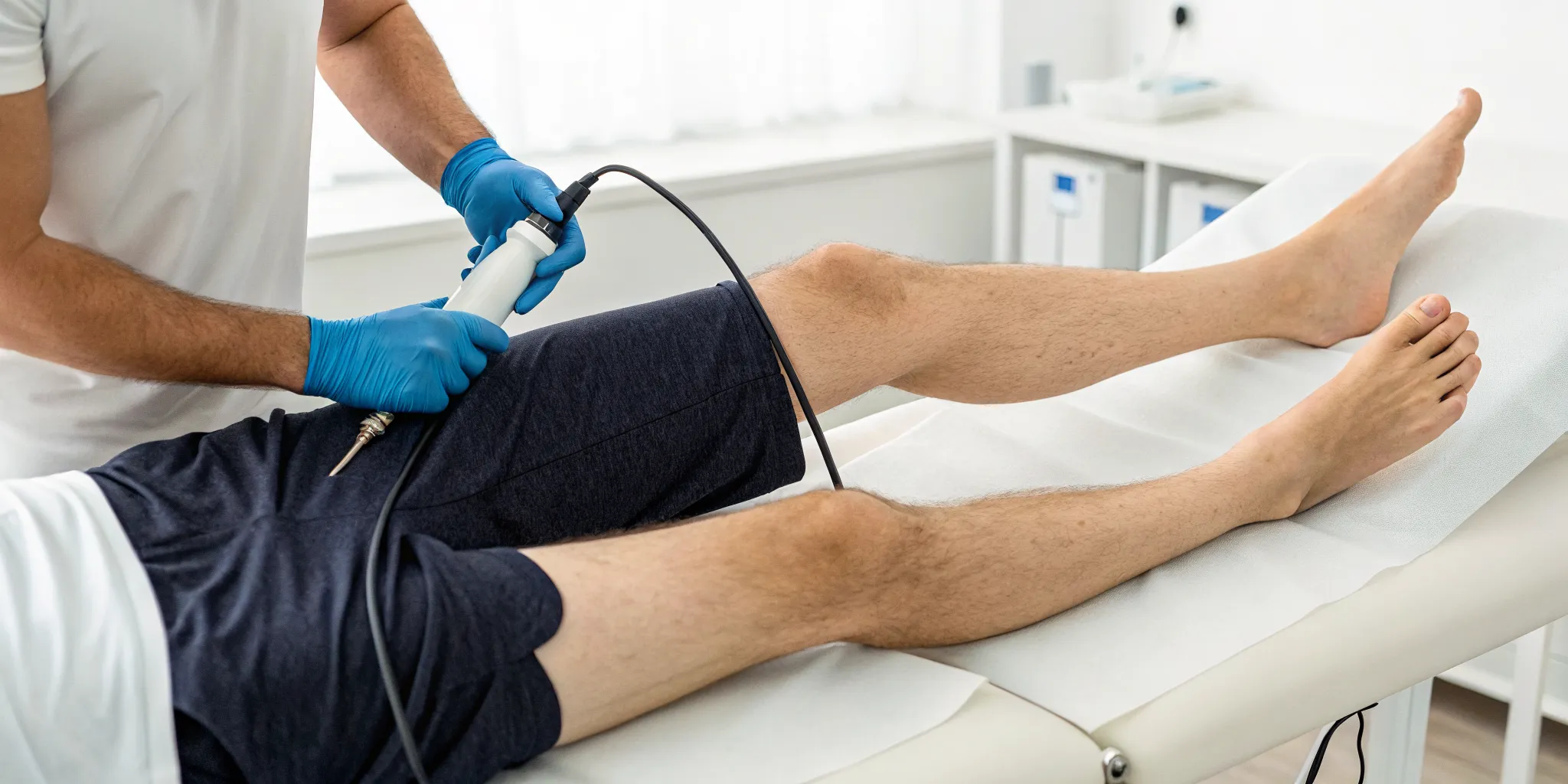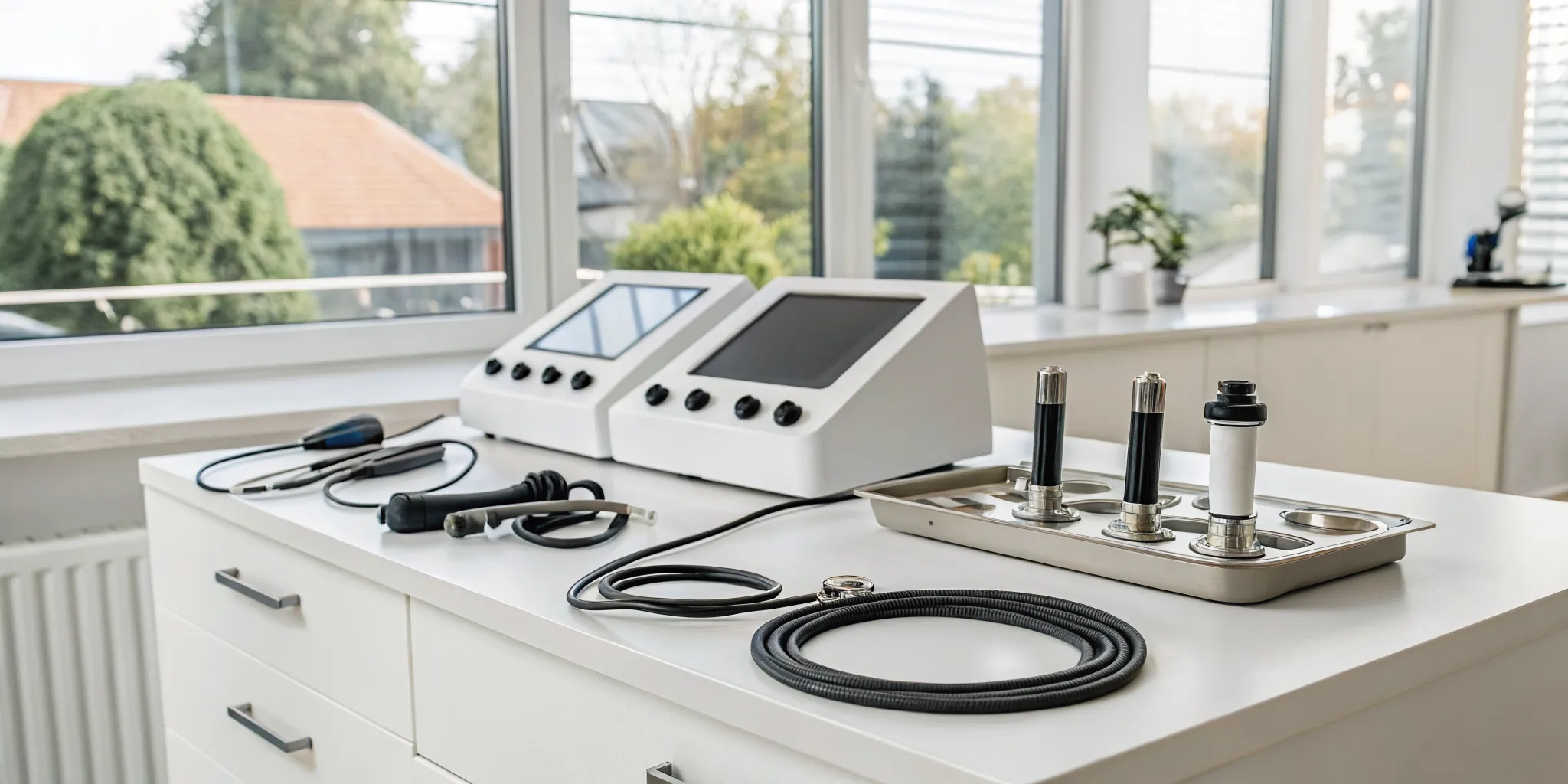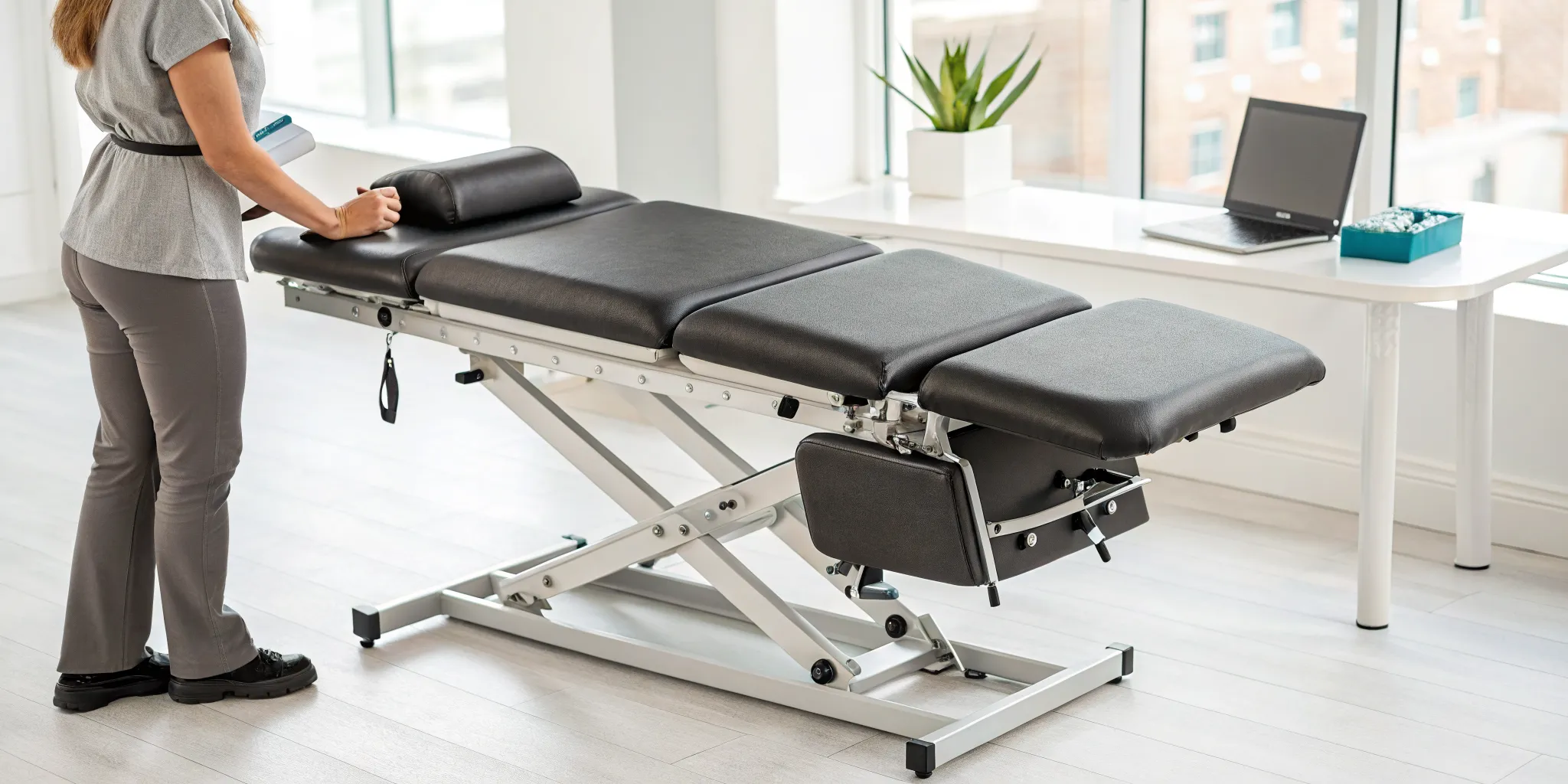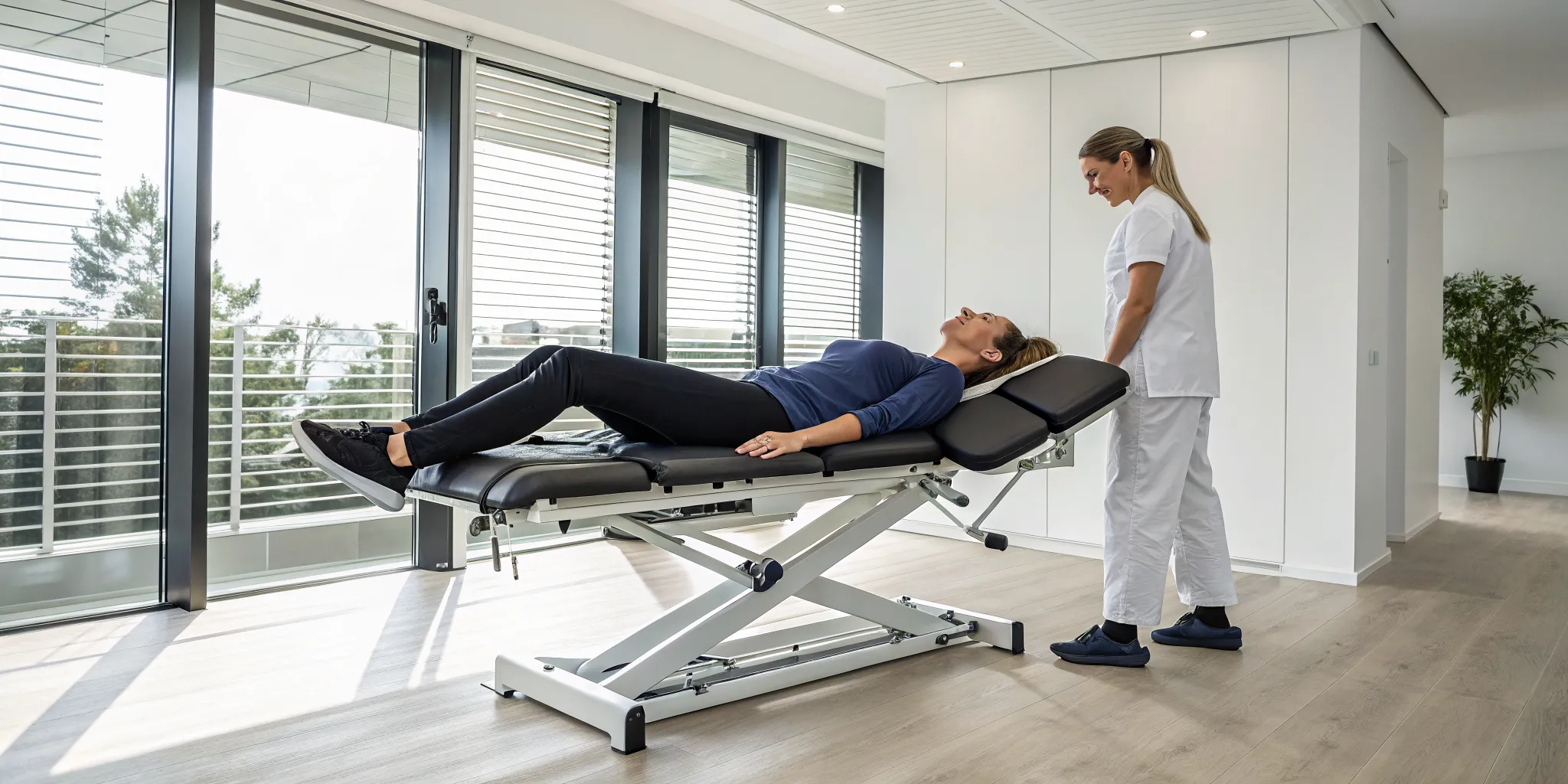
A corrective chiropractic care plan measures progress through a mix of clear images, movement tests, and regular checks. At Ascend Functional Health in Tampa, we use Chiropractic BioPhysics (CBP) tools to measure real changes in your spine over time. These tools help us track things like neck curves and head posture as part of our physical medicine and chiropractic services. We do not just ask how you feel. Instead, we compare your new X-rays to your first ones to see if your spine is moving toward a healthy shape. This ensures your care is fixing the root cause of your pain instead of just hiding it. By using these steps, we can show you how your body is changing. Research shows these spinal fixes lead to less pain and a better life (PubMed).
What Is a Corrective Chiropractic Care Plan , and How Is Progress Different?
A corrective chiropractic care plan is a mapped-out path to fix the structure of your body. Most people visit a doctor when they feel pain. They want fast relief so they can get back to their day. This is how traditional, symptom-based care works. It focuses on the pain you feel now. But a corrective plan looks at why the pain started in the first place. It aims to restore the natural shape of your spine. This kind of care is a team effort between you and your doctor. It combines office work with habits you practice at home.
Seeking the Root Cause of Pain
Symptom-based care often stops once you feel better. This can lead to a cycle where the pain keeps coming back. Corrective care is different because it finds the root cause. This is usually a structural shift in your spine. When your spine loses its healthy curve, it puts stress on your nerves. This can cause pain, fatigue, and even poor sleep. A corrective chiropractic care plan uses a full approach to fix this. It uses adjustments, rehab drills, and nutrition. This helps your body build a strong base for health. It supports your body's own power to heal and stay well. Our team focuses on long-term results rather than short-term masks.
The Science of Chiropractic BioPhysics
The heart of this approach is Chiropractic BioPhysics, or CBP. This is a top-tier way to fix spinal alignment. It uses math and physics to see how your spine should look. CBP is more than just a fast adjustment. It is a form of spinal rehab. Doctors use it to move your spine back toward its best shape. Scientific studies show that CBP methods can improve spinal curves and reduce neck disability. By fixing these structural issues, you take the load off your nervous system. This helps your brain and body talk to each other better. It is a scientific path to a healthier life.
Measurable Results with PostureRay
In this model, progress is not just a guess. You do not just say you feel better. Doctors use data to prove your spine is changing. At Ascend Functional Health, we use PostureRay software. This digital tool turns your X-rays and posture photos into maps. It measures things like forward head posture and pelvic tilt. These metrics tell us exactly how much your alignment has improved. This clear data is a core part of our physical medicine and chiropractic services. It gives you a clear view of your path to health. You can see the shift from a weak structure to a strong, stable one. This objective data helps us adjust your plan as you heal.
Phase 1: Relief and Restoring Movement - How Early Progress Is Measured
Phase 1 is the relief stage of your structured corrective chiropractic care plan. It mostly lasts from week one to week six. The main goal is to help you feel better and move with more ease. While structural changes happen later, this first step is vital for your health. We focus on low pain and high comfort. This helps your body start its own healing path. We want to see you return to your daily life with less stress. This sets the stage for the rest of your care journey.
You will see your doctor often during this start. Most people come in two to three times each week for the first few weeks to steady their state. This high rate of care helps to set your spine and calm your nerves. Research shows that fixing spinal curves can help drop neck pain and help with daily tasks. Frequent visits make sure your body stays on the right track from day one. Going to each visit is the key to early success. It lets us make small changes to your plan as you heal.
Tracking Early Pain and Swelling
We track your gains by how you feel. We use a simple pain scale from one to ten. You will also log your daily tasks. Can you sit for an hour without pain? Can you walk the dog or play with your kids? These small wins show that your corrective chiropractic care plan is working well. We look for less swelling and better sleep too. We want to see your body stop acting on old hurts and start to mend.
Tracking Pain and Daily Movement
Range of motion is a key sign. Your doctor will check how far you can turn your head or bend your back. We use tools to get exact stats. If you move from forty degrees to sixty degrees, that is a big win. Better movement often comes before the pain fully goes away. We want to see your joints move freely without a catch or snap. This shows your nerves are getting the space they need to work. We track these changes week by week to ensure you are moving in the right way. This helps us see if your body is ready for more work.
Setting the Stage for a Straight Spine
This phase builds a base for the deep work in Phase 2. By easing your pain now, we help your muscles relax. Tight muscles can pull your spine out of place. When they are loose, your spine can move into a better spot. We may also give you light moves to do at home. These help you keep the gains you make in the office. Each week, we look at your logs to see how you are doing. This careful watch helps us adjust your care as you grow stronger. Our team is here to support you each step of the way.
Phase 2: Structural Correction , Objective Progress Metrics That Matter
Phase 2 of a corrective chiropractic care plan often goes from week 7 to week 16. During these months, the focus shifts from quick relief to making lasting changes to the spine. Doctors use clear data to track how your body moves back toward its best shape. This phase is when the most clear changes to your spine happen. It sets the stage for long-term health by fixing the root cause of your pain.
Tracking Spinal Alignment with Digital Tools
To measure your progress, doctors use tools like PostureRay digital X-ray analysis. These scans provide a clear map of your spinal curves. The team looks at the cervical lordosis in your neck and the thoracic kyphosis in your mid-back. They also check the lumbar lordosis in your low back. These digital benchmarks show if the spine is moving into a healthier place. Following a corrective care chiropractic model ensures that every change is tracked with care.
This work falls under the pillar of physical medicine. It aims to fix the root cause of spinal issues by shifting bones back into their right place. This helps the nerves work better without being pinched or pressed. A healthy spine allows the body to heal itself as it was meant to do. Data from these scans allows for very precise work on each joint.
Objective Metrics for Posture and Balance
Each person gets a plan made just for their specific needs. By looking at digital images, the team can see exactly where the spine needs the most help. This method moves away from guessing and uses hard facts to guide each visit. It is a clear way to measure progress in your care plan from the inside out.
Specific numbers help track how well the cervical lordosis or neck curve is getting better. A typical goal in this phase is a 14-degree increase in that curve. Another key metric is the reduction of forward head posture. Many people see their head shift back by about 12mm as they move through their plan. These small shifts in inches and degrees can make a big difference in how you move and feel.
What Gets Measured at Each Phase of a Corrective Chiropractic Care Plan
| Phase | Weeks | Visit Frequency | Primary Metrics | Goal |
|---|---|---|---|---|
| Phase 1: Relief | 1-6 | 2-3x per week | Pain scale (VAS), range of motion, activity logs | Reduce pain and begin restoring movement |
| Phase 2: Correction | 7-16 | 2x per week | Cervical lordosis (14 degree target), forward head posture (12mm reduction), pelvic tilt | Restore spinal curves and structural alignment |
| Phase 3: Stabilization | 17-24+ | 1x per week to 1x per month | Postural endurance, functional strength, follow-up X-ray comparison | Strengthen and maintain corrected position |
Proven Results from Clinical Research
Doctors also look at pelvic tilt and rotation during these weeks. Proper balance in the hips is needed to support the rest of the spine. If the hips are not level, it can cause pain all the way up to the neck. Tracking these metrics helps ensure the whole body stays in line. This full-body view helps you walk and move with more ease as your body heals.
Research shows that these methods can lead to major changes. While results vary by person, some studies show that spinal curvature can improve by 30% to 40% after these types of care. These results show that the spine can change when given the right tools and time. This phase builds a strong base for the final steps of your care.
In Tampa Bay, this approach helps people who want more than a temporary fix. By using objective data, the team can prove that the care is working. You can see the change on the screen and feel it in your daily life. This clarity helps patients stay on track and meet their health goals. It is about creating a spine that is stable and strong for the long term.
Phase 3: Strengthening and Stabilization , Confirming Long-Term Progress
Building Lasting Support
Phase 3 often starts near week 17 of your corrective chiropractic care plan. By this time, the main work of moving your spine is done. Now, we must make sure those changes stay for good. We call this the support phase. You will not need to visit our office as often during these weeks. We may drop your visits to once a week or once every two weeks. This slower rate lets us see how well your body holds its new place without extra help. It is a key step to make sure your spine stays healthy. We want your body to learn how to keep its own balance. This phase helps your muscles and bones work together as a team. This time also lets us see if any old habits are coming back. We work with you to fix these habits before they cause trouble. It is about building a base that lasts.
Testing Your Strength
During these weeks, we focus on your muscles and joints. Your spine needs strong support to keep its best shape. We run tests to check your postural strength and how long you can stay in a good place. These tests show if your back can stay stable while you move or work. We want to see that you can sit or stand for a long time without pain. This check is a key part of the long-term benefits of corrective care. It proves that your body is getting stronger and more steady. We also look at how you move during your daily tasks to make sure you are safe. We might give you new exercises that build more power. These moves help your body handle the stress of a busy life and stay in line.
Moving to Wellness Care
The final part of this phase is the move to wellness care. This happens once we see that your spine is stable and strong. Many people find they only need a check once a month at this stage. This helps us catch small shifts before they cause new pain. Long-term studies prove that this method works well. One study in PubMed tracked people for over a year. It found that fixing the spine leads to better life quality and less pain over time. These gains last long after the main care plan ends. Wellness care is like a tune-up for your body. It keeps you moving well for years to come. At Ascend Functional Health, we help you keep the progress you made. We use clear tests to prove your spine is still in the right place. This gives you peace of mind as you go back to the things you love.
The Role of Diagnostic Imaging in Measuring Corrective Care Progress
Diagnostic imaging is the most precise way to measure progress in a corrective chiropractic care plan. You may hear about Chiropractic BioPhysics and wonder how it differs from standard X-rays. The key is the level of data it provides. Standard images show if something looks wrong. PostureRay digital X-ray analysis shows exactly how far your spine has shifted and gives us a clear target for correction.
At the start of your care plan, we take full spine digital images. These serve as your baseline. They capture three key curves: the cervical lordosis in your neck, the thoracic kyphosis in your mid-back, and the lumbar lordosis in your lower back. Each of these curves has an ideal range. When one is too flat or too deep, it stresses your nerves and joints. By measuring these curves in degrees, we can set a precise goal for your care.
Forward head posture is another critical metric. Many people carry their head several inches in front of their shoulders without realizing it. This puts strain on the neck muscles and upper spine. In a typical corrective chiropractic care plan, we measure this distance in millimeters. A common target is a 12mm reduction in forward head translation. That may not sound like much, but it can mean the difference between chronic tension and a relaxed neck.
We also assess pelvic tilt and rotation during each imaging session. The pelvis is the foundation of your spine. If it is tilted or rotated, the rest of your spine must compensate. This can create pain patterns that travel all the way up to your shoulders and head. By tracking pelvic balance on each follow-up scan, we ensure that your correction is holding from the ground up.
The science behind these measurements goes beyond our clinic. Research using Chiropractic BioPhysics methods has shown that restoring cervical lordosis can improve spinal canal diameter and reduce neck disability. A study published in the Journal of Physical Therapy Science documented these changes using the same types of digital measurements we use at Ascend Functional Health. This gives us confidence that the data we collect is backed by real clinical evidence.
Every few weeks during your plan, we repeat these scans. We overlay the new images on top of your baseline to show the change. This side-by-side comparison gives you a clear picture of your progress. You can see your curves getting closer to their ideal shape. You can watch your forward head posture decrease over time. These are not just numbers on a chart. They represent the real structural changes that lead to less pain, better mobility, and improved quality of life.
Functional Progress: Pain, Mobility, and Quality-of-Life Improvements
A corrective chiropractic care plan does more than change your spine on a screen. While X-ray images show the bone changes, functional markers show how you feel each day. We look at how your body moves and how your life gets better. These tests help us see the real impact of your care. Clear data is vital, but your days are the true test of success.
Measuring daily pain and function
We use clear tools to track your body's health. One is the Visual Analog Scale (VAS). You rate your pain on a scale of zero to ten. This helps us see if your pain goes down as your spine heals. We also use the Oswestry Disability Index (ODI) for low back issues. For neck pain, we use the Neck Disability Index (NDI). These surveys ask how your symptoms limit your life. They check if you can sit, stand, walk, and lift items.
By tracking these scores, we can see if you are gaining back your movement. A lower score on these tests means you have more freedom to move. This is a key part of your journey toward health. We use these markers to adjust your plan and ensure you stay on the right path. It is not just about less pain, but about doing more with your body.
Daily life and sleep quality
Progress also shows up in your sleep and work life. Many people find they can sleep through the night without waking up in pain. Better sleep helps your body heal even faster. Others see a rise in work focus because they are not held back by back or neck aches. We often ask you to keep a log of your daily life. This can show when you start doing more of the things you love, like walking the dog or playing with kids.
When you follow a chiropractic and decompression care frequency that fits your needs, these small wins add up fast. You might notice you can sit at your desk longer or drive without stiff muscles. These are the markers that matter most to our patients in Tampa. We want to see you return to an active life without the constant worry of a flare-up.
Evidence for long-term health
Research shows that fixing your spine leads to lasting health gains. Research data supports the idea that structural work helps the whole body. One study found that restoring the normal curve of the low back helps manage back problems. This structural change keeps the spine strong and stable. It reduces the stress on your joints and nerves.
Another study looked at patients for over a year. It found that correcting spinal curves led to better quality of life and less pain over the long term. These metrics prove that a corrective chiropractic care plan creates real change that lasts. By focusing on the root cause, we help you reach your health goals for years to come.
How Formal Progress Reassessments Work in a Corrective Chiropractic Care Plan
Formal reassessments are a key part of a corrective chiropractic care plan. While you may feel better in your daily life, these scheduled checkpoints give us the objective data we need to confirm your spine is improving structurally. They also tell us when it is time to shift gears toward the next phase of your care.
Most patients see a formal reassessment every six to ten weeks. The exact timing depends on how your body is responding. Some people move quickly through the early phases and need a shorter wait before their next check. Others need more time to build the foundation for their next step. At each reassessment, we run a full set of tests. This always includes a digital X-ray using PostureRay software to measure your spinal curves. We compare the new images to the ones from your first visit. This shows us exactly how much your cervical lordosis, forward head posture, and pelvic tilt have shifted since the start of your plan.
We also run functional tests at each check. These tell us about your pain levels and your daily movement. We use the same tools we used on day one, so the comparison is fair. You may fill out a pain scale or a disability survey. We check your range of motion and how your muscles feel. By looking at these side-by-side, we get a full view of your health.
How the Plan Adapts Based on Reassessment Data
Here is how the plan adapts based on what we find. In Phase 1, you may come in two to three times each week. If the data shows good early gains, we keep that pace until your spine is steady. At the first reassessment, if your pain is lower and your curves have started to shift, we move to Phase 2. In Phase 2, your visits may drop to two times a week as the focus moves to deeper structural work. At the Phase 2 reassessment, we look at the actual degree change in your curves. A typical target is a 14-degree gain in your neck curve. If the curvature is improving and your body is holding the changes. We move to Phase 3 where visits drop further to once a week or once every two weeks.
This rhythm is key to the success of a corrective chiropractic care plan. Each reassessment is a data point. Over time, these data points form a clear map of your healing. You can see on paper what your body already feels. This helps you stay motivated and confident that your investment in your health is paying off.
For people in Tampa Bay who want to track their progress with real data, this model offers peace of mind. You do not have to wonder if the care is working. The numbers tell the story. At Ascend Functional Health, we share these results with you at every step so you know exactly where you stand on your path to better health.
Frequently Asked Questions
How long does a corrective chiropractic care plan take?
The time needed for a care plan varies for each person. It depends on how severe your spine issues are. Most plans last from a few months to over a year. Severe cases take more time to reach a stable state. Based on Triad Health Center, the goal is to build long-term health. Your doctor will track your change to see when your spine stays in the right spot.
Why is corrective chiropractic care more than just pain relief?
Standard care often only looks at how you feel now. Corrective care seeks to find and fix the root cause of your pain. We use a whole body approach to help you heal for the long term. As stated by The Bluffs Chiropractic, the goal is to fix structural issues rather than just mask symptoms. This path leads to better health that lasts far beyond your first few visits.
Can corrective chiropractic care improve spinal curvature?
Yes, studies show that these plans can lead to real spine change. Some patients see a 30 to 40 percent gain in their spine curve. This depends on how well you follow your plan and how your body heals. A study cited by Zencare notes that these results vary for each person. The focus is to move your spine back to its normal shape. This helps your body heal itself.
How often is chiropractic progress reassessed?
Most care plans include a formal review every six to ten weeks. During this time, your doctor will perform new tests and scans. We look at your movement and pain levels to see your growth. These regular checks help us update your plan as you get better. As noted by Ascend Functional Health, regular tracking is a key part of our care model. This ensures you stay on the path to long-term health.
Are You Ready to See Real Results With a Corrective Care Plan?
Leaving your spine out of place now can lead to more stiffness and joint wear that may limit how well you move as you age. Starting a corrective care plan today helps you protect your long-term health and gives your body a better chance to heal the right way. Our team uses real data to track every win so you can see your progress and feel sure that your plan is working well.
Ready to schedule a discovery consultation? Call (813) 284-7222 to talk to a chiropractic specialist about your own care plan and start your path toward better health at our Tampa office today and see the difference.