Have you tried every trick in the book for your headaches with no lasting success? Do you also notice stiffness or tension in your neck? If so, the two issues are likely connected. Many persistent headaches, from tension types to certain migraines, originate from pressure in the cervical spine. This is known as cervicogenic pain, and it won't respond to typical headache remedies because you're not treating the source. Cervical decompression is a therapy designed specifically to address this root cause by gently relieving that pressure. It’s a different way of thinking about head pain, and for many, it’s the answer they’ve been searching for. If you're thinking, "Where can I find cervical traction and decompression therapy for headaches in Tampa, FL?" you’re on the right track to finding real relief.
Key Takeaways
- Your Neck Could Be the Source of Your Headaches: Many chronic headaches are linked to pressure on nerves in the cervical spine. Cervical decompression directly addresses this root cause by gently creating space in your neck, offering a path to more sustainable relief.
- Decompression is Both Gentle and Gradual: This therapy is a comfortable, non-invasive process that uses light stretching to relieve pressure. Lasting results come from consistency, as a series of short sessions helps your body heal and maintain progress over time.
- A Personalized Plan is Essential: Effective decompression therapy requires professional guidance to ensure it is right for you. A qualified provider will create a customized plan based on a thorough assessment, making the treatment both safe and targeted to your specific needs.
Could Cervical Decompression End Your Headaches?
If you’re constantly dealing with headaches, you’ve probably tried just about everything to find relief. From dark rooms and cold compresses to over-the-counter remedies, the search for a solution can feel endless and frustrating. But what if the source of your pain isn’t in your head at all? For many people, the root cause of chronic headaches, including tension headaches and even some migraines, can be traced back to the neck. This is where a therapy called cervical decompression comes in. It’s a non-invasive approach that focuses on relieving pressure in your upper spine to address the underlying issue, rather than just masking the symptoms. Instead of just managing pain, this method aims to correct the structural problem that’s causing it in the first place. By gently creating space in the cervical spine, this technique can help restore proper function and significantly reduce headache frequency and intensity. It’s a different way of thinking about head pain, one that looks at how the whole body is connected and works together.
The Link Between Neck Pressure and Headaches
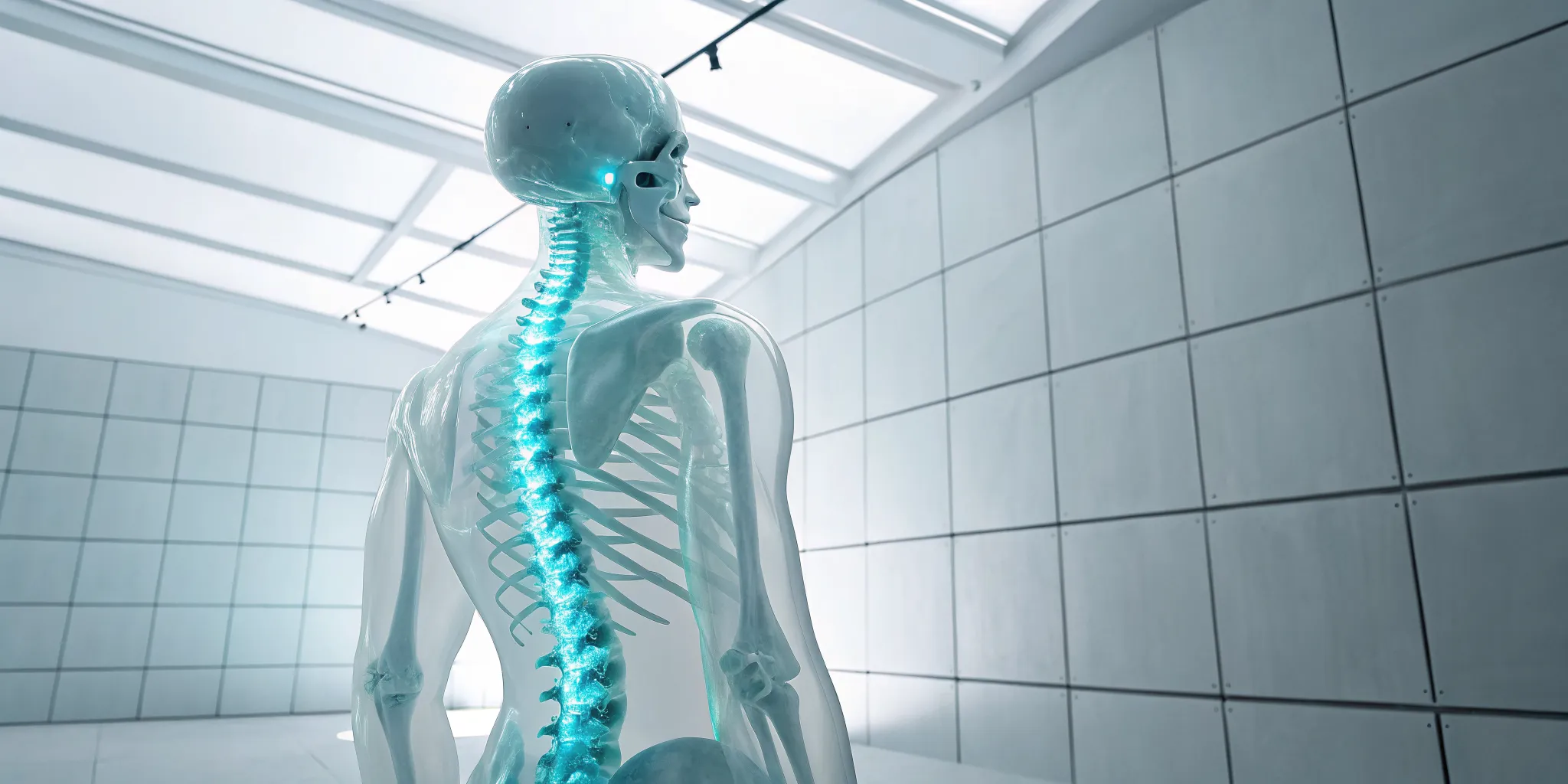
It might seem strange that a problem in your neck could cause pain in your head, but the connection is quite direct. Your cervical spine, which is the part of your spine in your neck, is a busy pathway for nerves that travel to your head and face. When the vertebrae in this area become misaligned or compressed, they can put pressure on these sensitive nerves. This irritation is often what triggers the pain you feel as a headache. Think of it like a traffic jam on a highway; when things get backed up in your neck, it creates problems further down the road, in this case, your head. This is why many common headaches are considered "cervicogenic," meaning they originate from the neck.
Headaches That Respond Best to Decompression
You might be wondering if your specific type of headache could be helped by this approach. Cervical decompression has shown great success with several common types of headaches. Tension headaches, which are the most frequent type and often feel like a tight band around your head, frequently stem from muscle tension and spinal stress in the neck. Even some migraines and cluster headaches have a cervical component. If your headaches seem to get worse with certain neck movements or if you also experience neck stiffness and pain, it’s a strong sign that your neck is involved. Addressing the structural issues in your cervical spine can be a game-changer for finding lasting relief from these debilitating conditions.
How Decompression Relieves Pressure and Restores Function
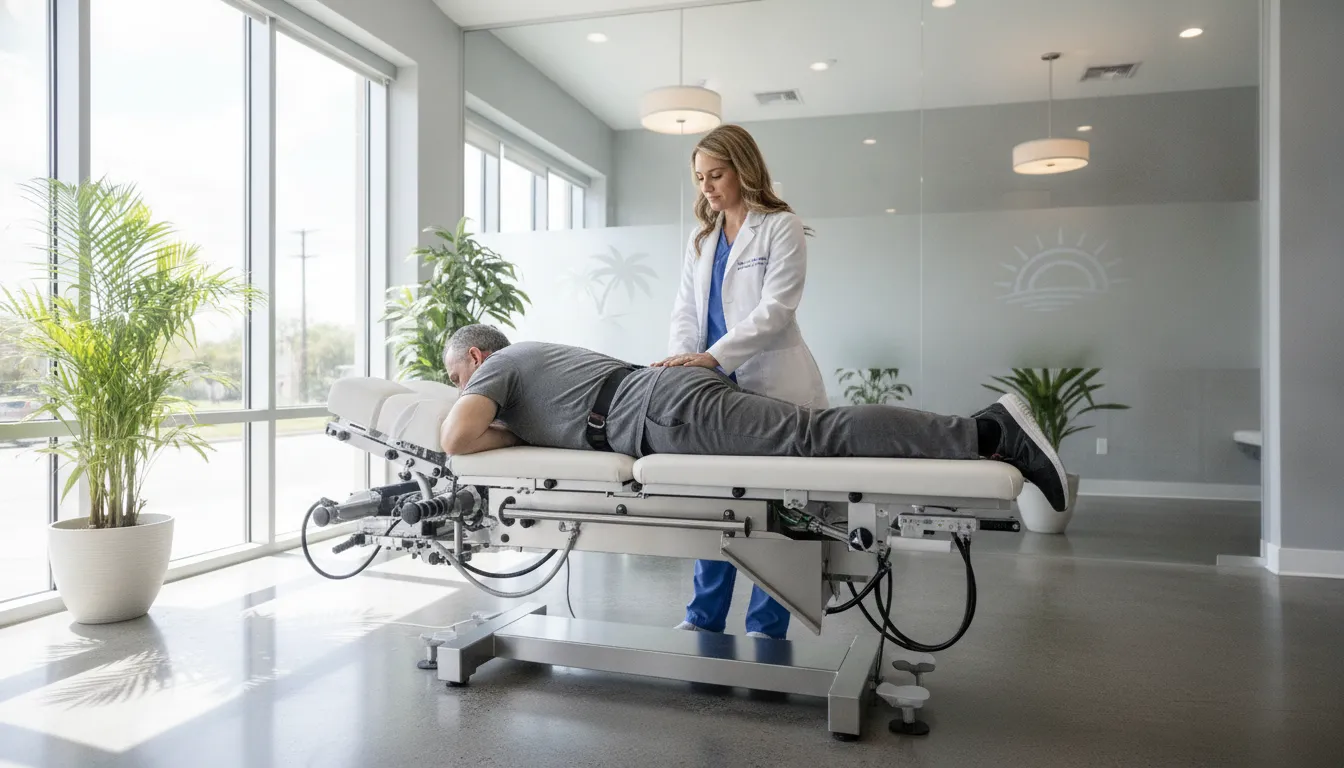
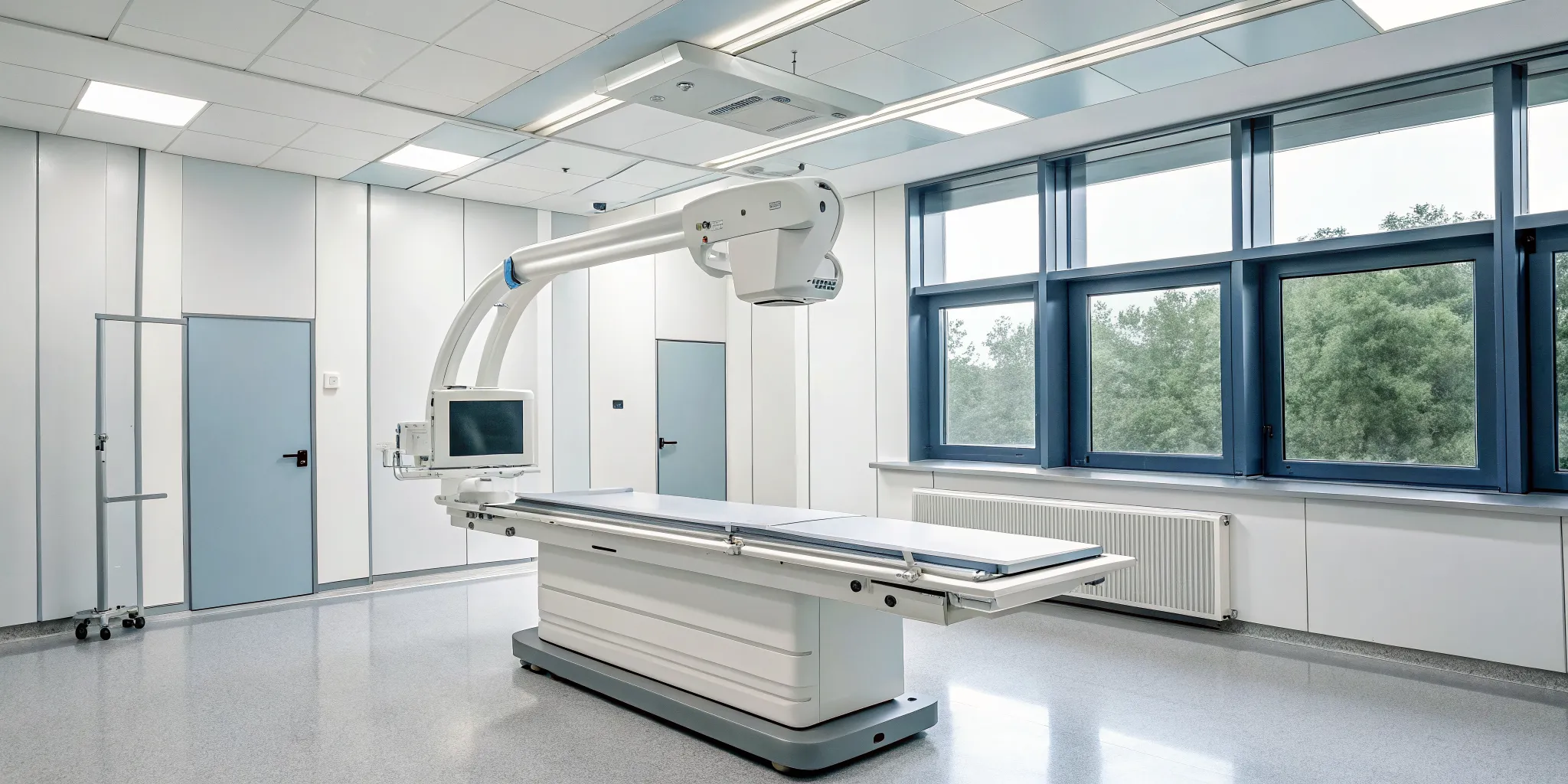
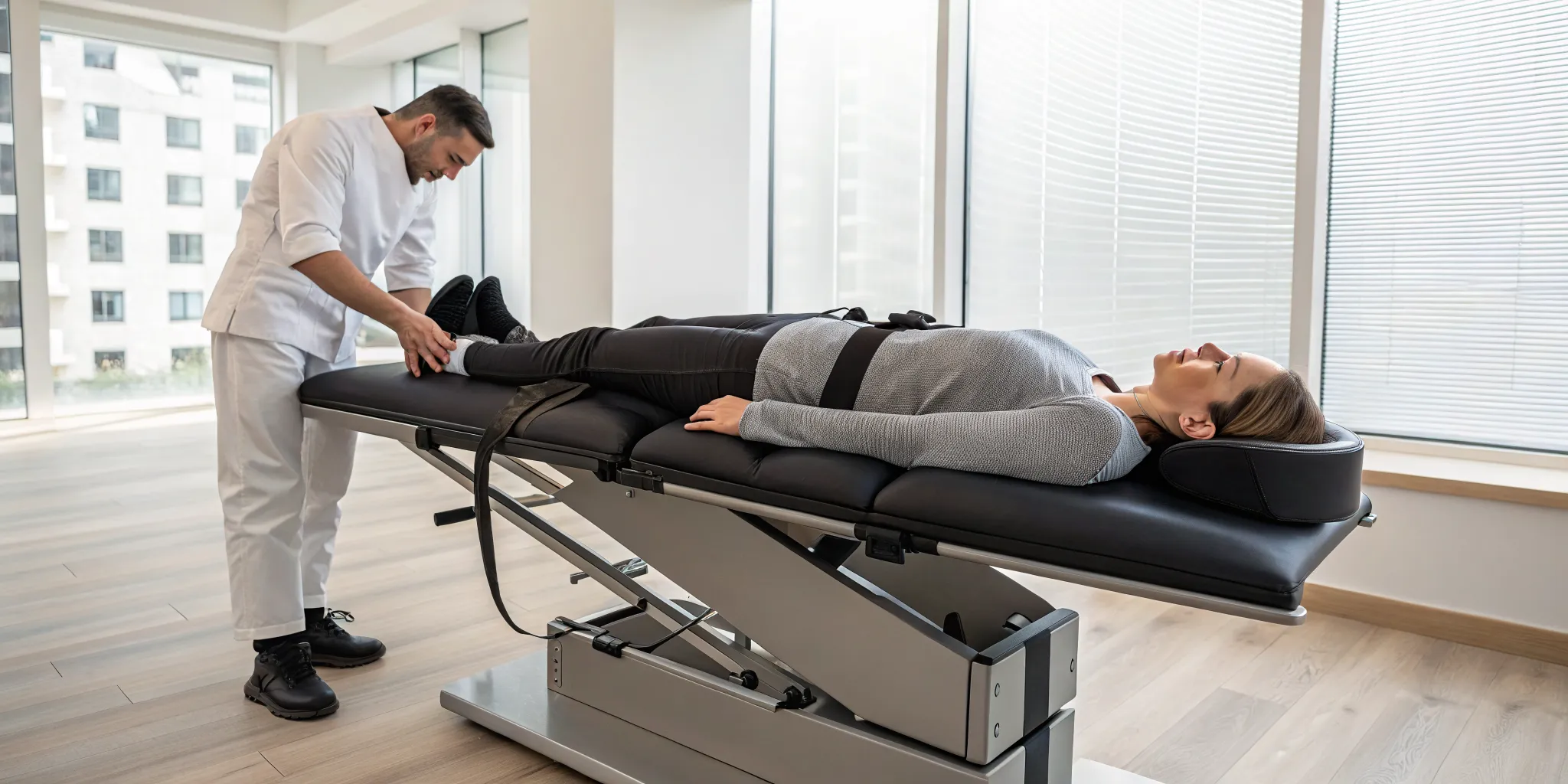
So, how does cervical decompression actually work? The process is gentle and precise. During a session, a specialized table is used to apply a light, controlled stretching force to your neck. This gentle traction carefully separates the vertebrae in your cervical spine. The separation creates negative pressure within the spinal discs, which can help retract bulging or herniated disc material and take pressure off the surrounding nerves. This process also improves the flow of blood and oxygen to the area, which supports the body's natural healing abilities. By restoring proper alignment and reducing nerve irritation, cervical decompression helps address the root cause of your headaches, leading to a decrease in both their severity and how often they occur.
What to Expect During a Decompression Session
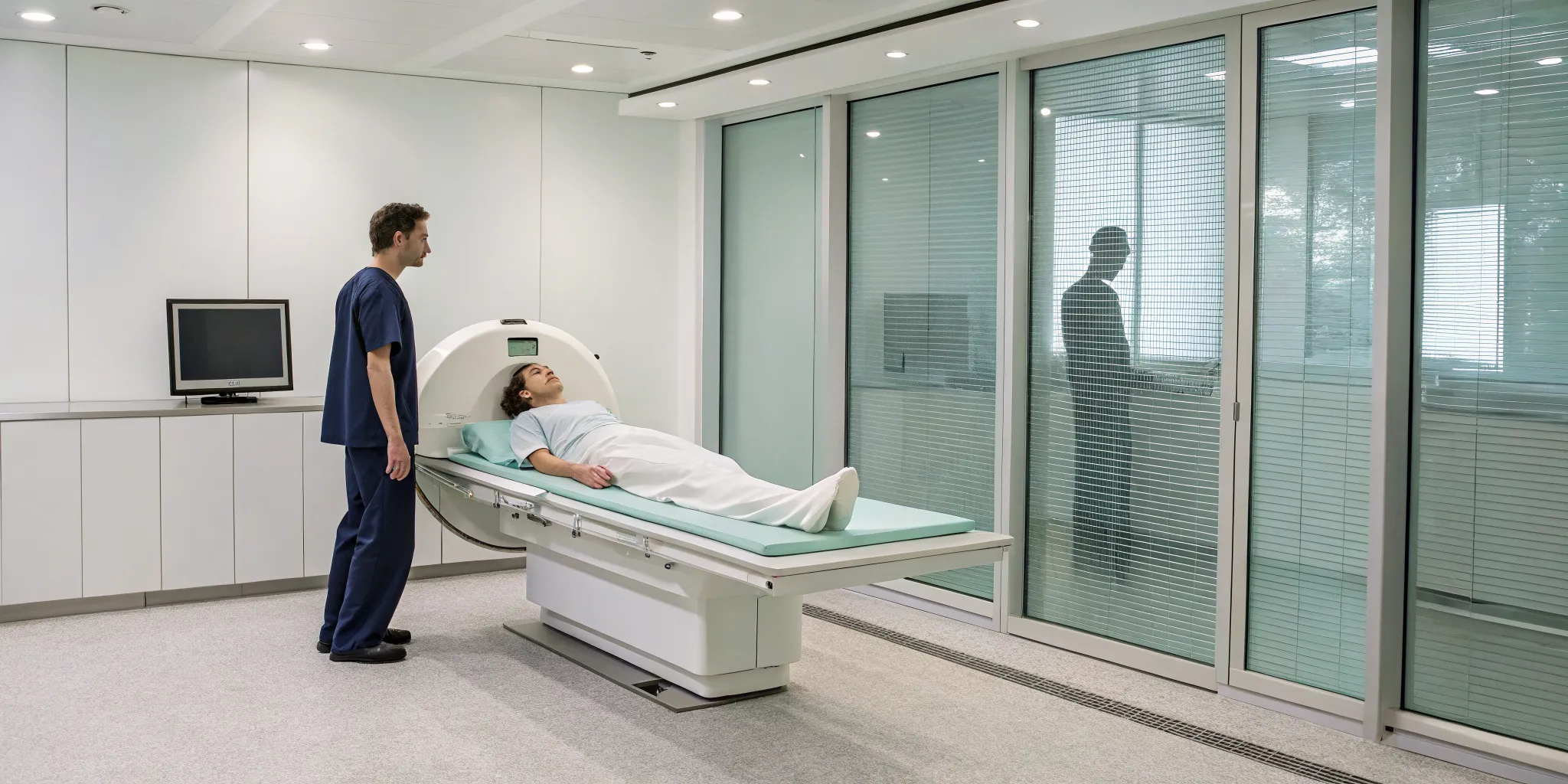
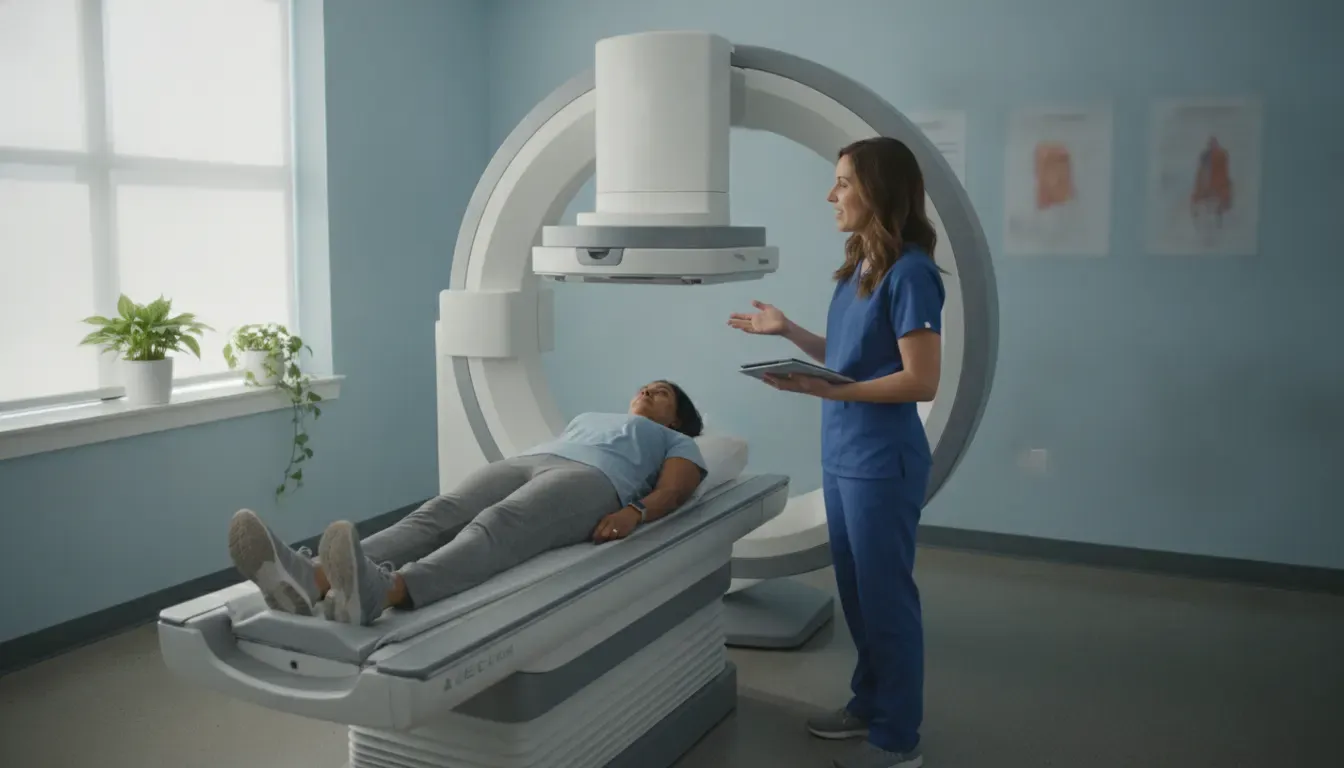
The idea of spinal decompression might sound intense, but the experience is actually quite gentle and controlled. Knowing what happens during a session can help you feel more comfortable and confident as you take this step toward addressing your head and neck pain. The entire process is designed to be relaxing while targeting the specific areas that need relief. From the moment you lie down on the specialized table, our team is there to ensure the treatment is tailored precisely to your needs, helping your body begin its natural healing process.
The Step-by-Step Process
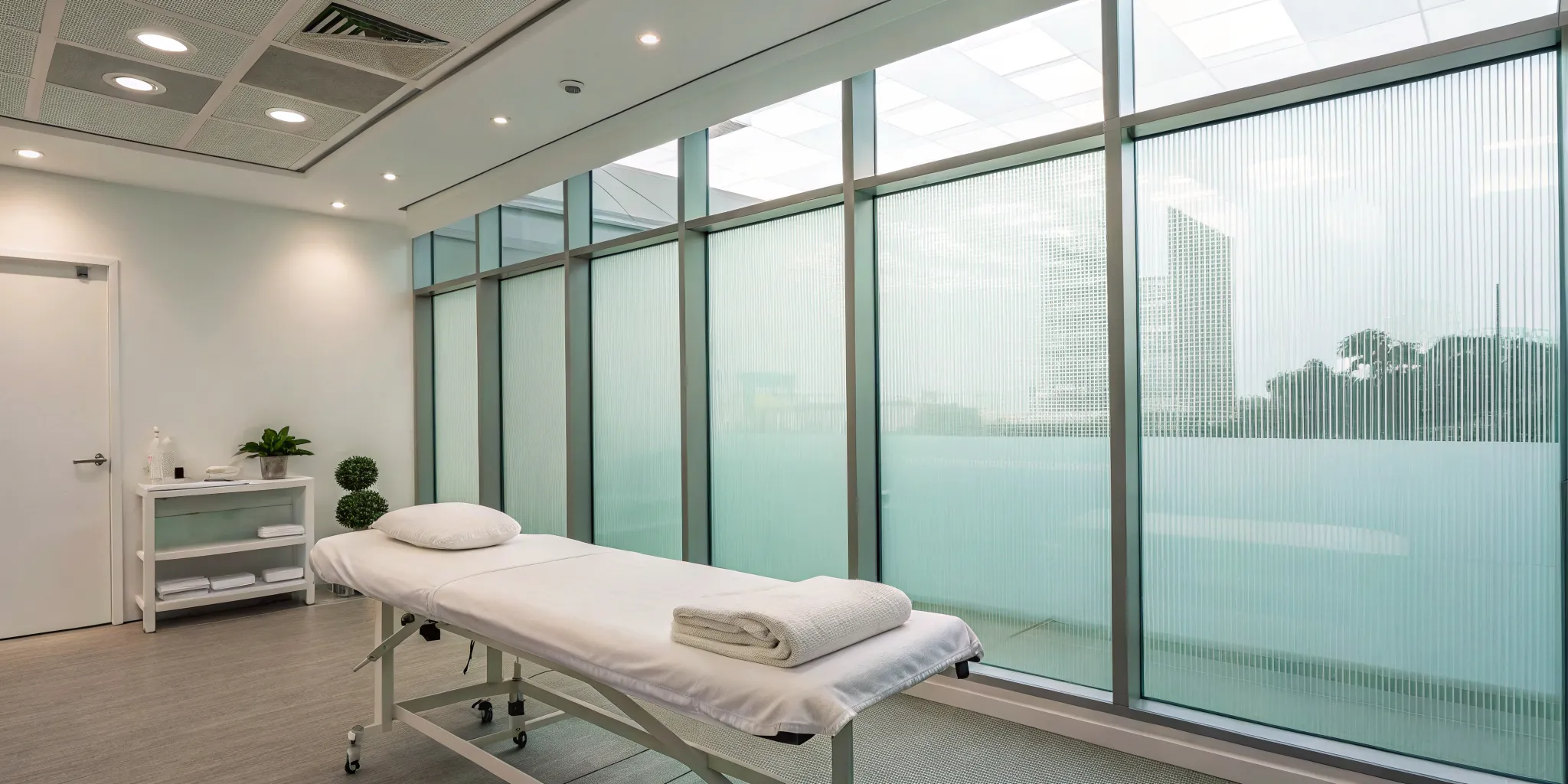
During a decompression session, you’ll relax on a computerized table. The treatment involves a gentle, non-surgical stretching of your spine to create negative pressure and space between the vertebrae. This subtle separation is key; it helps draw nutrient-rich fluids and oxygen into your spinal discs, which can aid in healing injured or degenerated areas. Think of it as creating the ideal environment for your spine to repair itself. This is a core component of our physical medicine services, focusing on restoring function without invasive procedures.
Session Length and Frequency
Each decompression treatment is surprisingly brief, typically lasting less than 20 minutes. While every person’s needs are different, a common schedule might involve sessions three times a week for about a month. However, your specific treatment plan will be entirely customized based on your unique condition and how your body responds. We create a personalized protocol for you because your health journey is unlike anyone else's. The frequency and duration of your sessions are determined by the specific conditions we treat and your individual progress.
Why a Root-Cause Approach Is Key
Instead of just temporarily masking your headache symptoms, decompression therapy is designed to correct the underlying problem. By gently adjusting the spine and relieving pressure, we can help restore balance and function. This method focuses on addressing the source of your pain, rather than just chasing the symptoms. As our clinic's philosophy emphasizes, targeting the root cause is what leads to more effective and lasting relief. It’s about helping your body heal from the inside out so you can get back to feeling your best.
Common Myths About Cervical Traction
When you’re dealing with persistent headaches, you’ll try almost anything for relief. Yet, sometimes we hesitate to try certain therapies because of things we’ve heard. Cervical traction, or decompression, is one of those treatments that’s often misunderstood. Let's clear up some of the most common myths that might be holding you back from finding a solution that finally works. Understanding the truth about this therapy can help you make a more informed decision about your health and get you on the path to feeling better.
At Ascend Functional Health, we believe in empowering you with clear, honest information. Our approach to physical medicine is centered on gentle, effective techniques that address the source of your discomfort. By separating fact from fiction, we can explore whether cervical decompression is the right step for you.
Myth: "It's only for severe neck problems."
Many people think cervical traction is an intense therapy reserved only for major neck injuries. The truth is, it’s a versatile treatment that can help with a wide range of issues, including the tension headaches that so many of us experience. A lot of headaches, and even some migraines, are directly linked to problems in the cervical spine, like compressed nerves or tight muscles. Using decompression can gently relieve that pressure, making it a fantastic option for anyone whose headaches stem from neck tension, not just those with severe conditions. It’s one of the many conditions we treat with this effective approach.
Myth: "The results are immediate."
While it would be wonderful to have a single session erase years of headache pain, that’s not always how healing works. Some people do feel a sense of relief after their very first decompression session, but for many, the real magic happens over time. Lasting results come from consistency. Think of it like this: the tension in your neck didn't build up overnight, and it will take some time to gently undo it. Regular, planned sessions allow your body to adapt, heal, and maintain the positive changes, leading to a significant reduction in chronic headaches and better overall function.
Myth: "The therapy is painful."
This is probably one of the biggest misconceptions out there. The idea of having your neck stretched might sound intimidating, but cervical decompression is designed to be a gentle and relaxing experience. The entire goal of the therapy is to relieve pressure, not add to it. Most patients describe the sensation as a light, soothing pull. You can simply lie back and relax while the system does the work. Many of our patients find the sessions to be a calm and comfortable part of their day, as you can see from their own words on our patient testimonials page.
Myth: "You don't need professional guidance."
In an age of endless online tutorials, it can be tempting to try and manage your health on your own. However, when it comes to your spine, professional guidance is essential. A trained practitioner does more than just put you on a machine; they first work to identify the root cause of your headaches. Our team at Ascend creates a personalized treatment plan tailored to your specific needs, ensuring the therapy is both safe and effective. This professional oversight is key to achieving long-lasting relief, because it addresses the underlying problem instead of just temporarily masking the symptoms.
Finding the Right Decompression Provider in Tampa
Choosing the right professional for cervical decompression is just as important as the therapy itself. You want a team that not only has the right equipment but also a deep understanding of the intricate relationship between your spine, nerves, and overall health. When you find the right fit, you’re not just getting a service; you’re gaining a partner in your health journey. A great provider will take the time to understand your specific situation and build a plan that addresses the source of your headaches, not just the symptoms. Let’s walk through what to look for in a Tampa-based provider.
Why Experience and Qualifications Matter
When you’re dealing with something as delicate as your neck, experience is non-negotiable. You should look for a clinical team with specialized training in spinal decompression. This ensures they understand the precise angles and forces needed to gently relieve pressure without causing further issues. An experienced provider knows that decompression is a nuanced physical medicine technique, not a simple machine operation. They can properly assess if you are a good candidate for the therapy and will monitor you closely throughout the process. This expertise is what makes the treatment both safe and effective, giving you confidence as you work toward relief.
The Value of a Personalized Treatment Plan
Your headaches are unique to you, and your treatment plan should be too. A cookie-cutter approach rarely works for chronic conditions. The best providers begin with a comprehensive evaluation to understand the root cause of your pain. This might involve discussing your health history, lifestyle, and specific symptoms. From there, they create a personalized plan. This plan may use decompression as a core component, but it could also incorporate other corrective care techniques to support your healing. This holistic approach ensures that all contributing factors are addressed, leading to more sustainable and meaningful results than a single therapy could offer on its own.
Questions to Ask During Your Consultation
Feeling prepared for your first appointment can make all the difference. Having a few questions ready helps you gauge if a provider is the right partner for you. Don't hesitate to ask about their specific experience treating headaches with decompression. You can also ask what a typical treatment plan looks like and how they measure progress over time. A great question is, "What does your initial assessment involve to determine the cause of my headaches?" The answers will give you insight into their approach and philosophy of care. Feeling heard and understood in this initial conversation is a great sign that you're in the right place to start your journey toward relief.
Related Articles
- Revitalize Your Spine with Spinal Decompression Therapy in Tampa, FL
- Is Lumbar Decompression Chiropractic for You?
- Spinal Decompression Hurts Lower Back: Normal or Not?
Frequently Asked Questions
How can I tell if my headaches are actually caused by a neck problem? Certain clues can point to your neck as the source of your head pain. If your headaches are often accompanied by neck stiffness or a limited range of motion, that's a significant sign. You might also notice that the pain seems to start at the base of your skull and radiate upwards or that certain head or neck movements trigger a headache. However, the only way to know for sure is through a professional evaluation. A thorough assessment can pinpoint whether structural issues in your cervical spine are contributing to your pain.
What makes professional decompression different from just stretching my neck on my own? This is a great question because it gets to the heart of why this therapy is so effective. While general stretching can feel good, it doesn't create the specific, targeted force needed to decompress the spine. Our computerized system applies a very precise and gentle pulling force at a specific angle, creating negative pressure within the spinal discs. This is something you simply can't replicate on your own. It’s this precision that allows the discs to retract and relieves pressure on the nerves causing your headaches.
I'm worried about the treatment being painful. What does a session actually feel like? It's completely understandable to be concerned, but you can rest assured that cervical decompression is designed to be a gentle and comfortable therapy. The primary goal is to relieve pressure, not create it. Most people describe the sensation as a light, soothing pull in the neck. The system cycles between gentle traction and periods of rest, and many of our patients find the sessions to be quite relaxing.
How soon can I expect my headaches to go away? While some people report feeling better after just a few sessions, it's important to view decompression as a process of correction, not an instant fix. The tension and compression in your neck likely developed over a long period, and it takes time to gently correct it. Lasting relief comes from completing a full treatment plan, which allows your body to heal and adapt to the positive changes. The goal is to reduce headache frequency and intensity for the long term.
Besides decompression, what else might be part of my treatment plan? Decompression is a powerful tool, but it often works best as part of a comprehensive strategy. Based on your initial evaluation, we might also recommend specific corrective exercises to strengthen supporting muscles or lifestyle adjustments to improve your posture. Our focus is always on addressing the root cause of your condition from multiple angles, creating a personalized plan that supports your body's ability to heal and helps prevent the problem from returning.