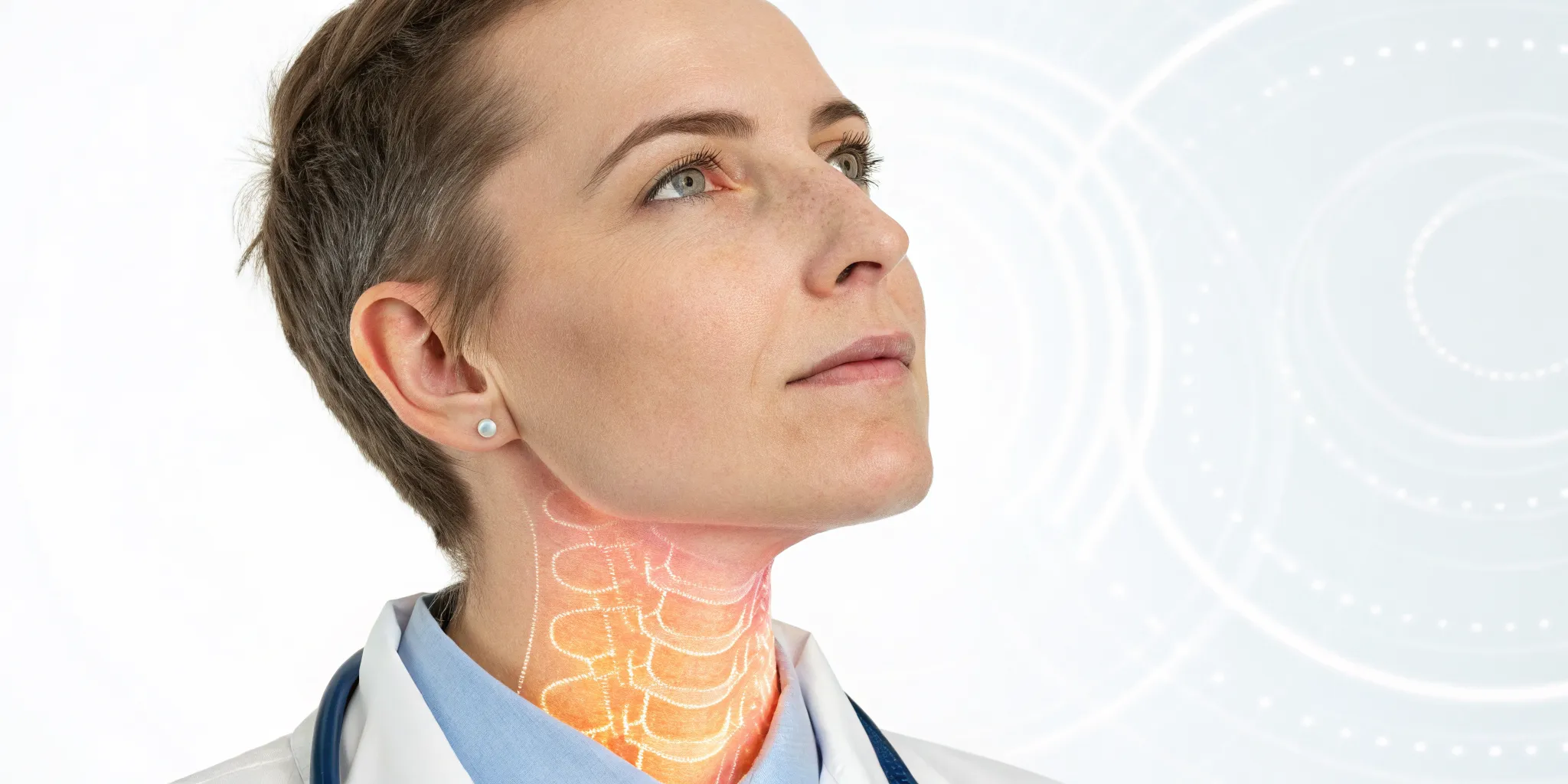
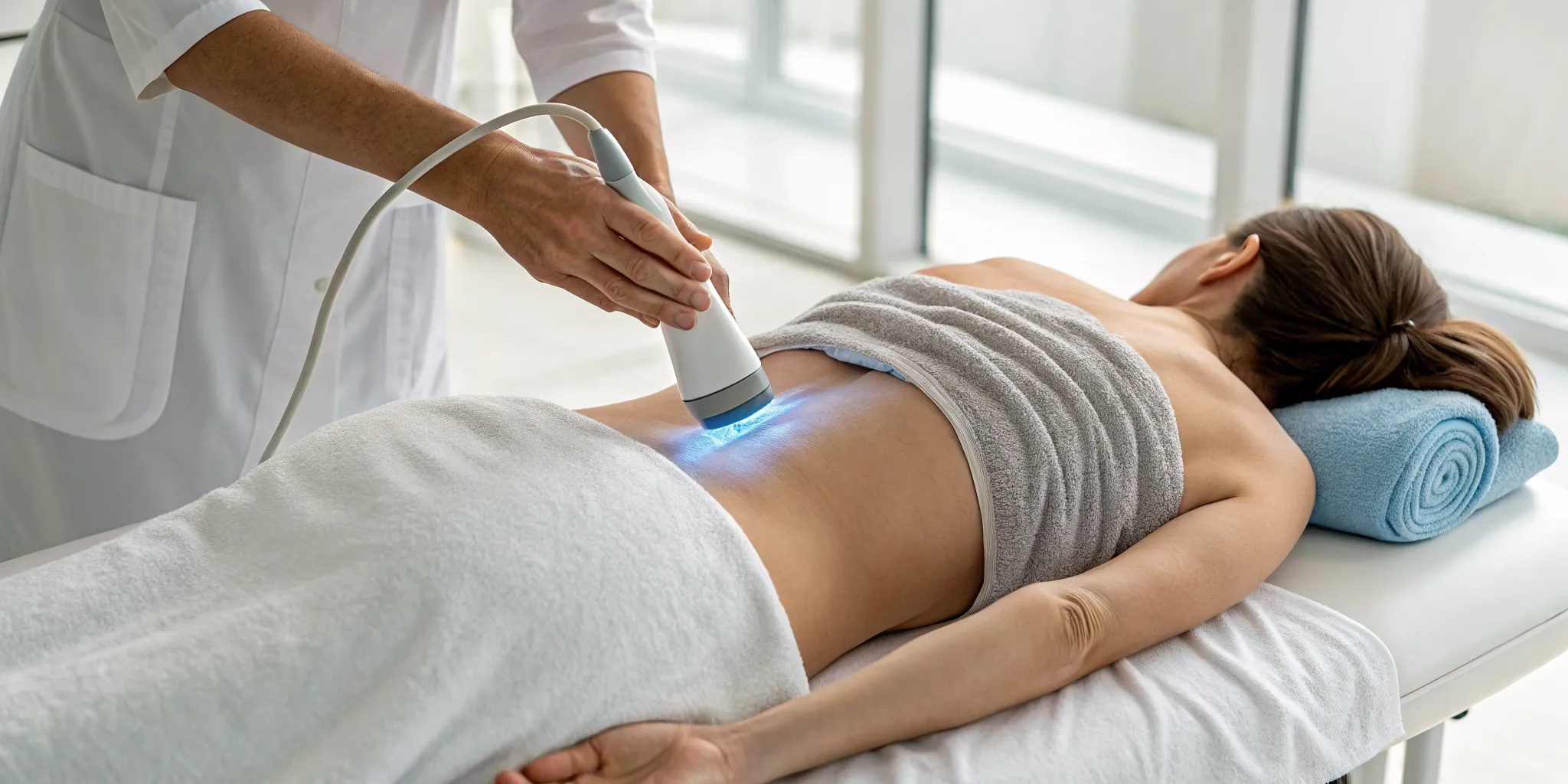
When you hear the term "shockwave therapy," it might sound intense, but the reality is much simpler and gentler. This non-invasive treatment uses focused sound waves to kickstart your body’s natural repair processes right at the source of your pain. Think of it as a way to send a wake-up call to the injured tissues in your lower back. These acoustic waves increase blood flow, stimulate cellular repair, and help break down restrictive scar tissue that contributes to stiffness. By promoting genuine healing from within, shockwave therapy for lower back pain offers a path to recovery that goes beyond temporary fixes, helping you build a stronger, more resilient back.
Key Takeaways
- Activates your body's repair system: Shockwave therapy uses targeted sound waves to improve blood flow and encourage tissue regeneration, addressing the underlying cause of pain instead of just masking it.
- Offers relief without the downtime: As a non-invasive treatment, it provides an effective alternative to more aggressive procedures, allowing you to return to your daily routine right after a session.
- Works best within a holistic plan: This therapy is most powerful when integrated into a comprehensive health strategy, complementing other treatments to ensure you achieve lasting, whole-body results.
How Shockwave Therapy Eases Chronic Lower Back Pain
If you're dealing with persistent lower back pain, you know how frustrating it can be when treatments only seem to mask the symptoms. Shockwave therapy offers a different approach. It works by using targeted sound waves to stimulate your body’s own healing mechanisms, getting to the core of the issue instead of just providing temporary relief. Let's explore how this innovative therapy can help you find lasting comfort and get back to living your life.
How Sound Waves Promote Healing
At its core, shockwave therapy uses special acoustic waves that travel deep into your back's muscles and soft tissues. Think of it as a way to jumpstart your body's internal repair crew. These waves encourage your body to produce more of a compound called "substance P," which helps temporarily block pain signals from reaching your brain. This can provide some immediate comfort while the deeper healing process begins. By targeting the source of discomfort, this therapy helps address the underlying causes of pain rather than just silencing the symptoms. It’s a proactive way to support your body’s natural ability to heal itself from within.
Focused vs. Radial Shockwave Therapy
Not all back pain is the same, and your treatment shouldn't be either. Shockwave therapy can be tailored to your specific needs using two different methods: focused and radial. Focused Shockwave Therapy (FSWT) sends precise waves deep into the body, making it ideal for targeting specific problem areas like facet joint discomfort. On the other hand, Radial Shockwave Therapy (RSWT) spreads the waves over a wider, more superficial area. This makes it a great option for addressing widespread muscle tightness or strains. During your consultation, we can determine which approach is best suited to your condition, ensuring your physical medicine treatment is completely personalized to you.
Activating Your Body's Natural Repair Process
The real magic of shockwave therapy lies in how it activates your body’s built-in healing systems. The acoustic waves create a rush of blood flow to the treated area, delivering a fresh supply of oxygen and nutrients essential for recovery. This process helps repair damaged tissues, reduce swelling and stiffness, and can even break down restrictive scar tissue that contributes to pain. By stimulating the growth of new blood vessels and healthy tissue, shockwave therapy doesn't just manage your pain; it encourages genuine, long-term healing. It’s a powerful tool that fits perfectly within a holistic health plan designed to restore your body's function and vitality.
Which Lower Back Conditions Can Shockwave Therapy Help?
Shockwave therapy is a versatile tool because it addresses pain at its source. Instead of just masking symptoms, it helps heal the underlying tissue. This makes it effective for a range of lower back issues, from general achiness to more specific problems. By promoting your body’s natural repair processes, this therapy can be a key part of your journey back to feeling your best.
Chronic Non-Specific Lower Back Pain
If you've been told you have "non-specific" lower back pain, it can feel frustrating. This diagnosis often means your pain isn't tied to a single, identifiable problem but is instead mechanical, stemming from how your spine, muscles, and ligaments function together. Shockwave therapy is particularly effective here. By delivering targeted sound waves to the affected area, it stimulates blood flow and awakens your body’s own repair crews. This process helps regenerate soft tissues and addresses the subtle dysfunctions that create persistent pain. It's a cornerstone of our physical medicine approach, offering a path toward lasting relief.
Myofascial Trigger Points and Tight Muscles
You know those deep, stubborn knots in your back that just won't go away? Those are often myofascial trigger points, and they can be a major source of lower back pain. These tight bands of muscle can cause localized aches and even referred pain in other areas. Shockwave therapy directly targets these trigger points. The acoustic waves work to break up the adhesions and release the tension held within the muscle and surrounding connective tissue. This process not only eases the immediate discomfort but also helps restore proper muscle function and flexibility, helping you move more freely and with less pain as we address the conditions we treat.
Sacroiliac Joint Discomfort
The sacroiliac (SI) joints connect your spine to your pelvis, and when they become inflamed or unstable, the pain can be intense, often felt in the low back and buttocks. This discomfort can make simple activities like walking, standing, or even sitting for long periods difficult. Shockwave therapy offers a non-invasive approach to addressing SI joint issues. It targets the ligaments and soft tissues around the joint, helping to reduce inflammation and promote healing. This can improve joint stability and decrease the pain associated with movement, helping you regain function without more aggressive interventions.
Herniated Discs and Nerve-Related Pain
While shockwave therapy doesn't reverse a herniated disc, it is highly effective at managing the painful secondary effects. When a disc bulges, it can create significant inflammation and cause surrounding muscles to spasm, often leading to nerve-related pain like sciatica. Shockwave therapy helps by calming that inflammation and releasing the tight, painful muscles that are contributing to the problem. By improving the health of the surrounding tissue, it can help take pressure off the affected nerve and soothe the associated discomfort, making it a valuable part of a comprehensive care plan.
Repetitive Stress Injuries
Many lower back problems develop over time due to repetitive movements from a job, a sport, or even daily habits like sitting with poor posture. These actions can lead to micro-trauma in the muscles and connective tissues, resulting in chronic pain and stiffness. Shockwave therapy is excellent for accelerating the healing of this cumulative damage. It stimulates the body’s repair mechanisms to rebuild stronger, more resilient tissue. This makes it a great option for those whose lifestyle contributes to their back pain, helping to break the cycle of injury and create a more durable foundation for movement.
What to Expect During a Shockwave Therapy Session
If you're considering shockwave therapy, it's completely normal to wonder what the process is actually like. Knowing what to expect can help you feel more comfortable and confident as you take this step toward addressing your lower back pain. From your first visit to your recovery, here’s a straightforward look at what a typical shockwave therapy plan involves at our Tampa clinic. We're here to guide you through each phase, ensuring you understand how this treatment works to support your body's healing abilities.
Your First Appointment
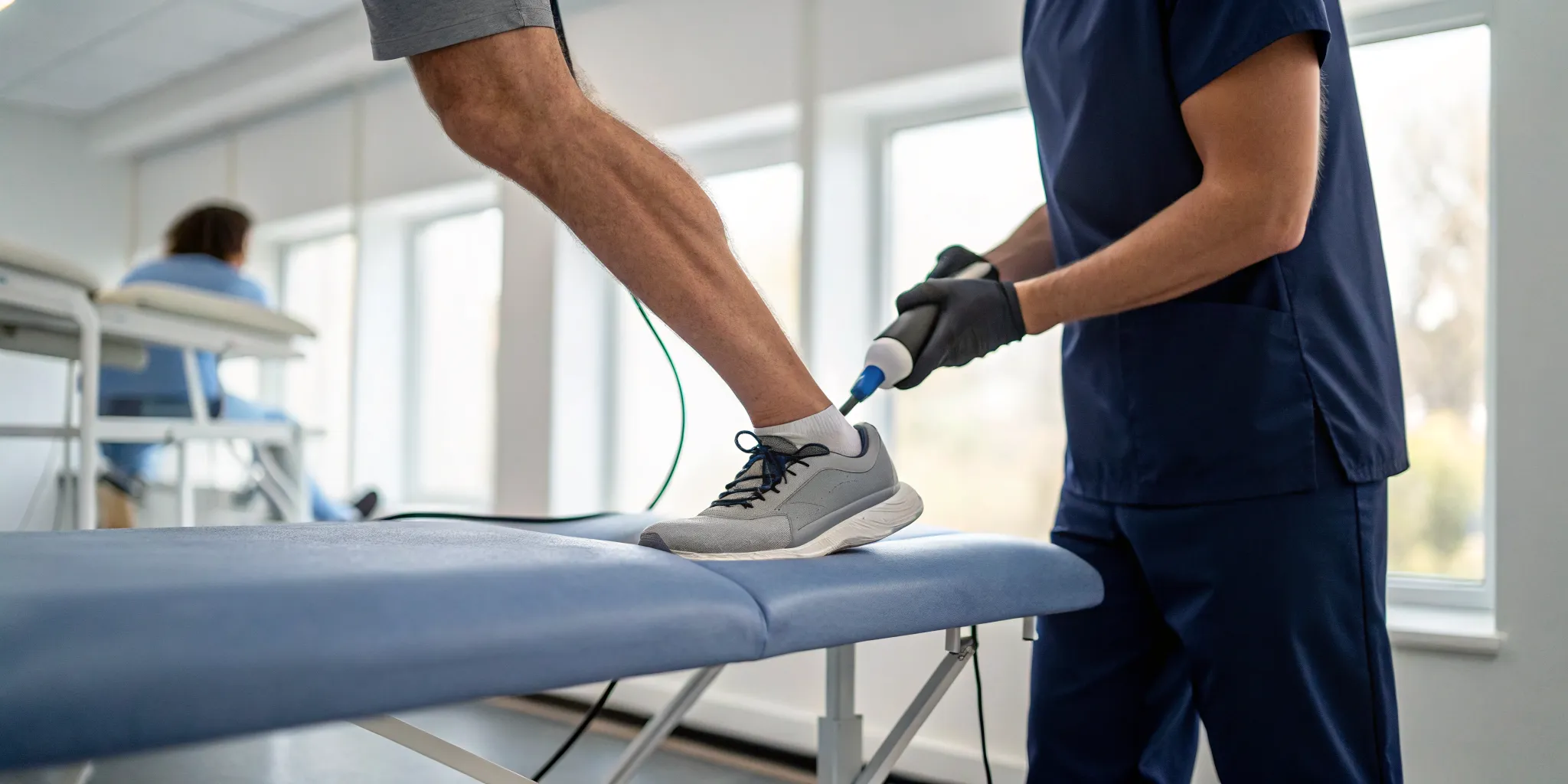
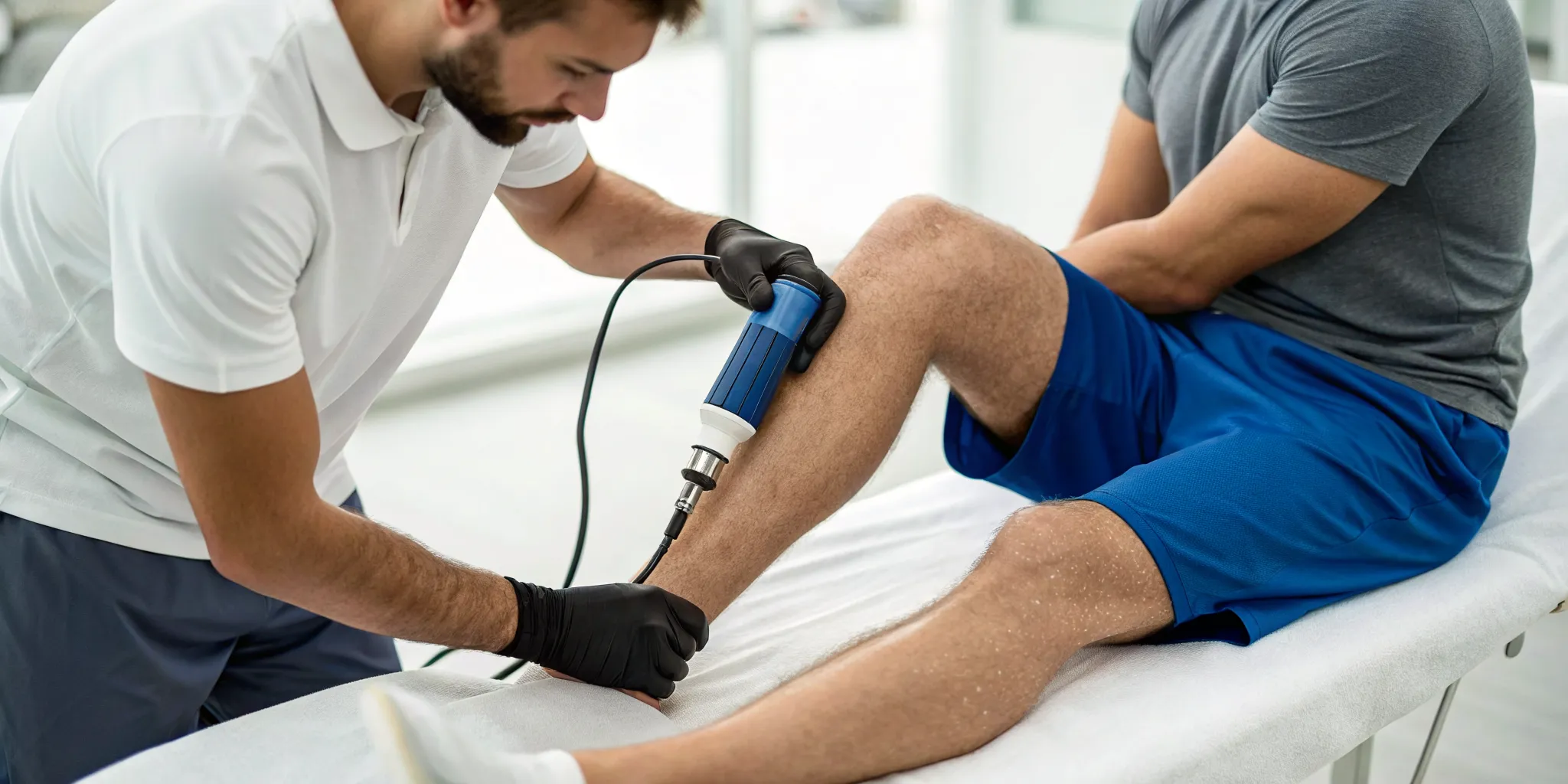
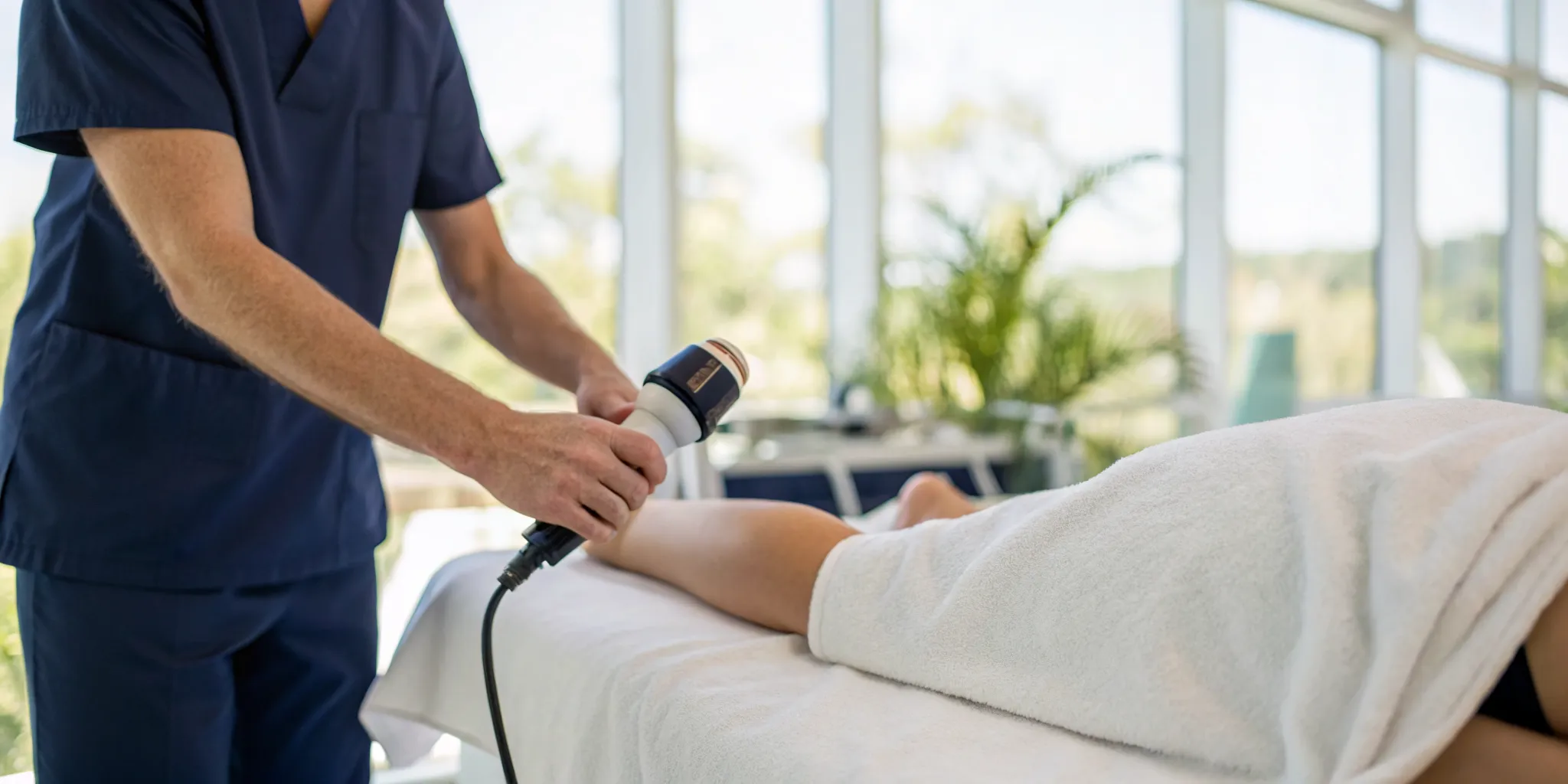
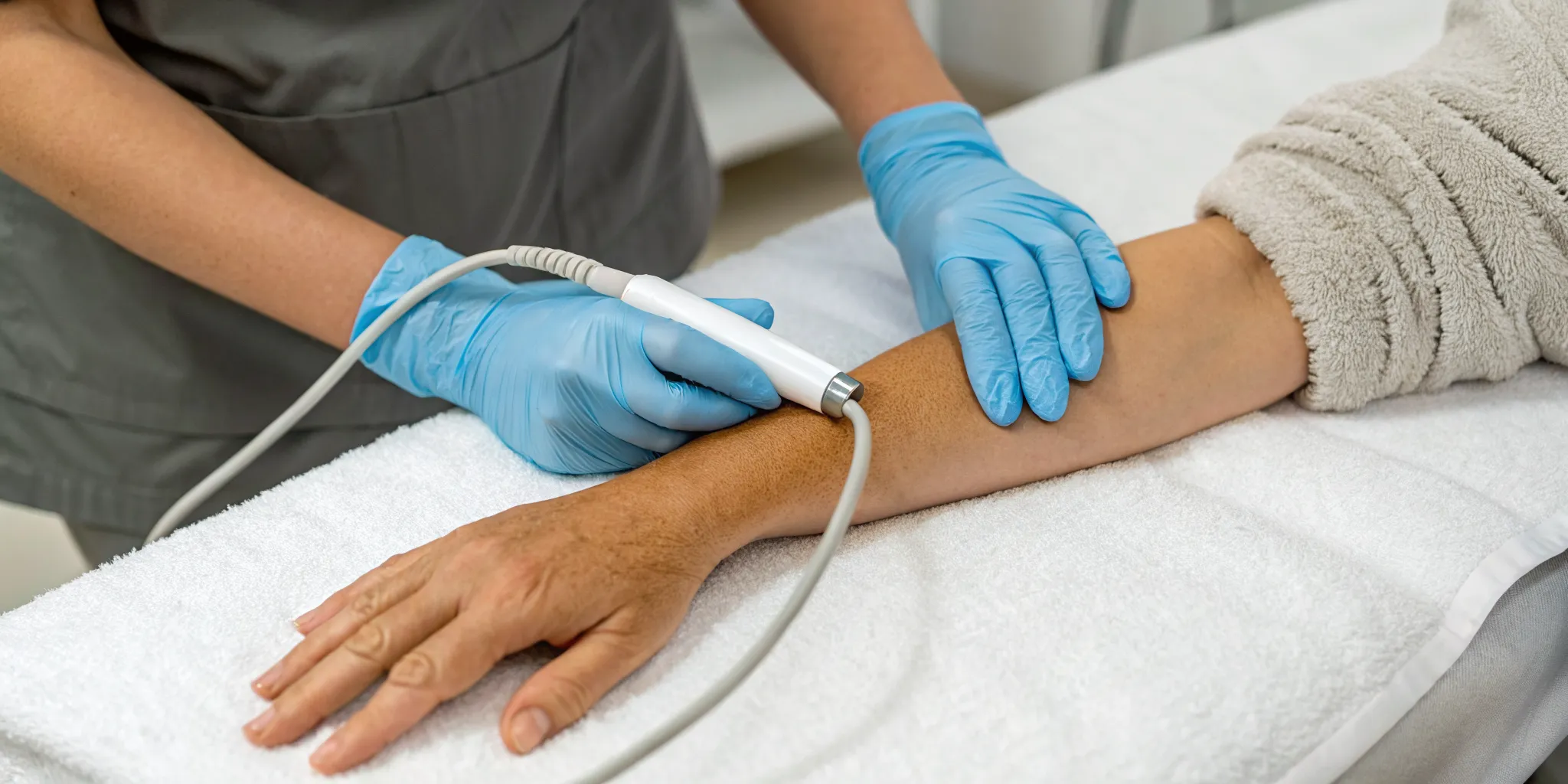
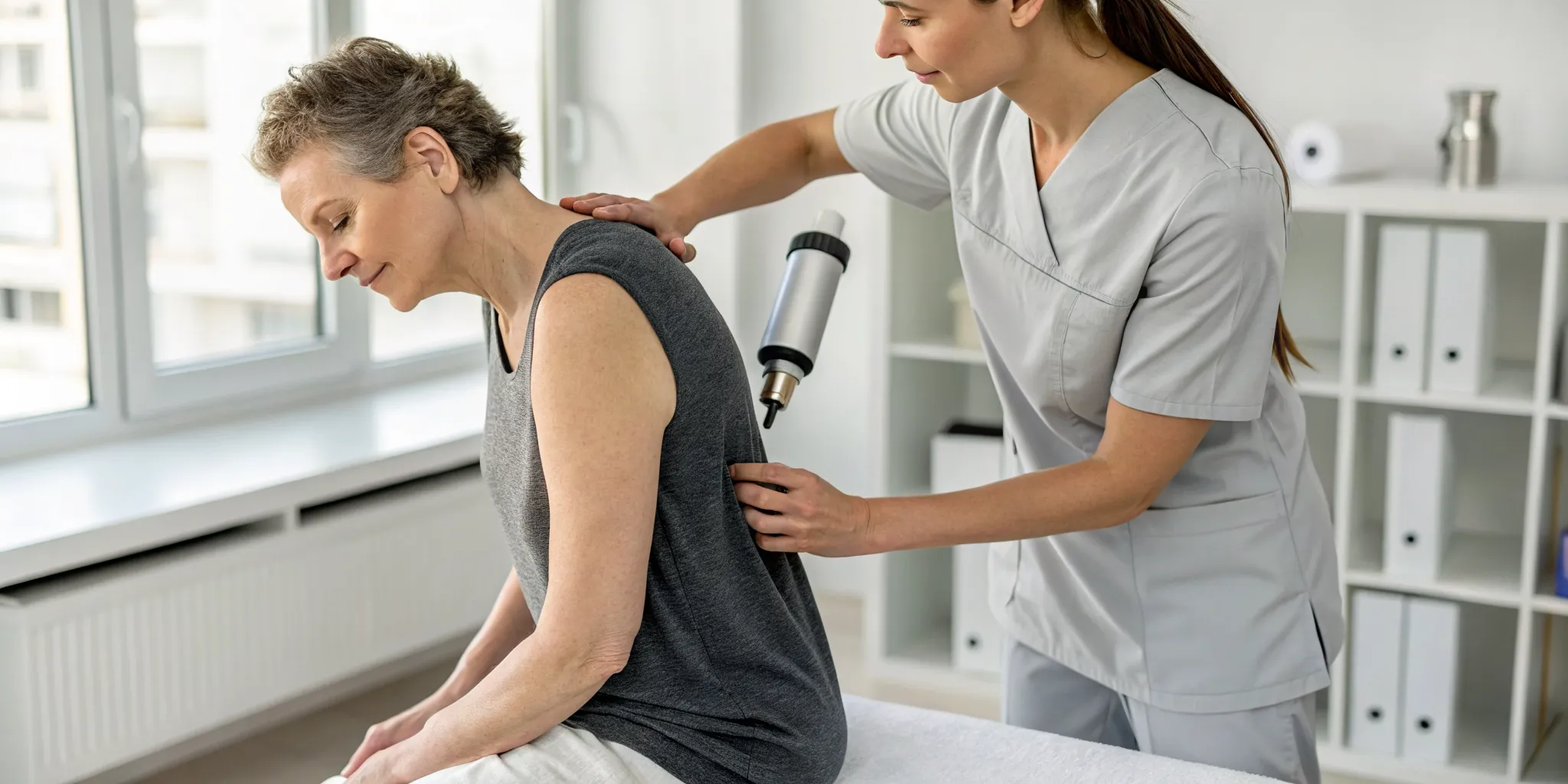
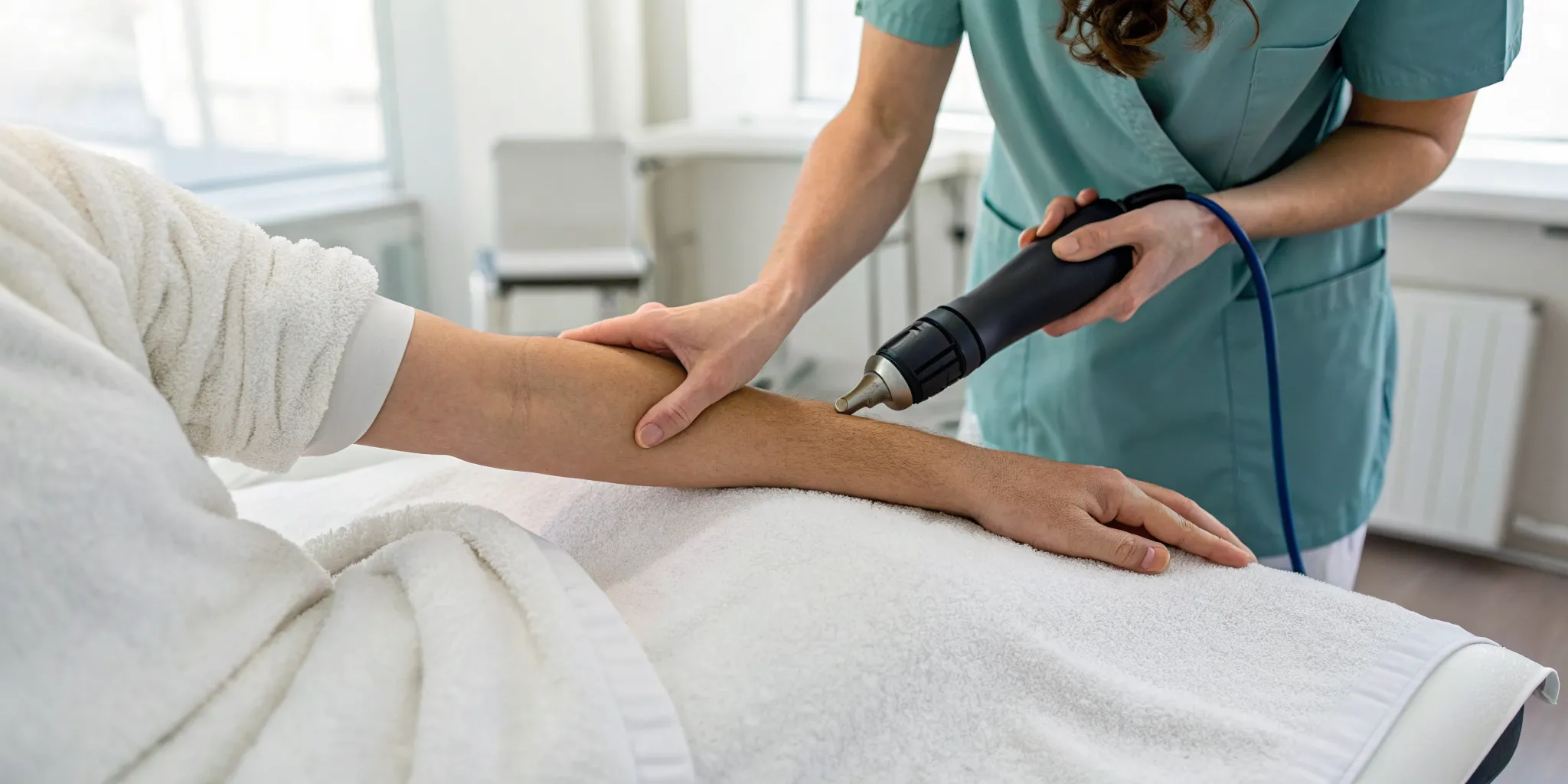
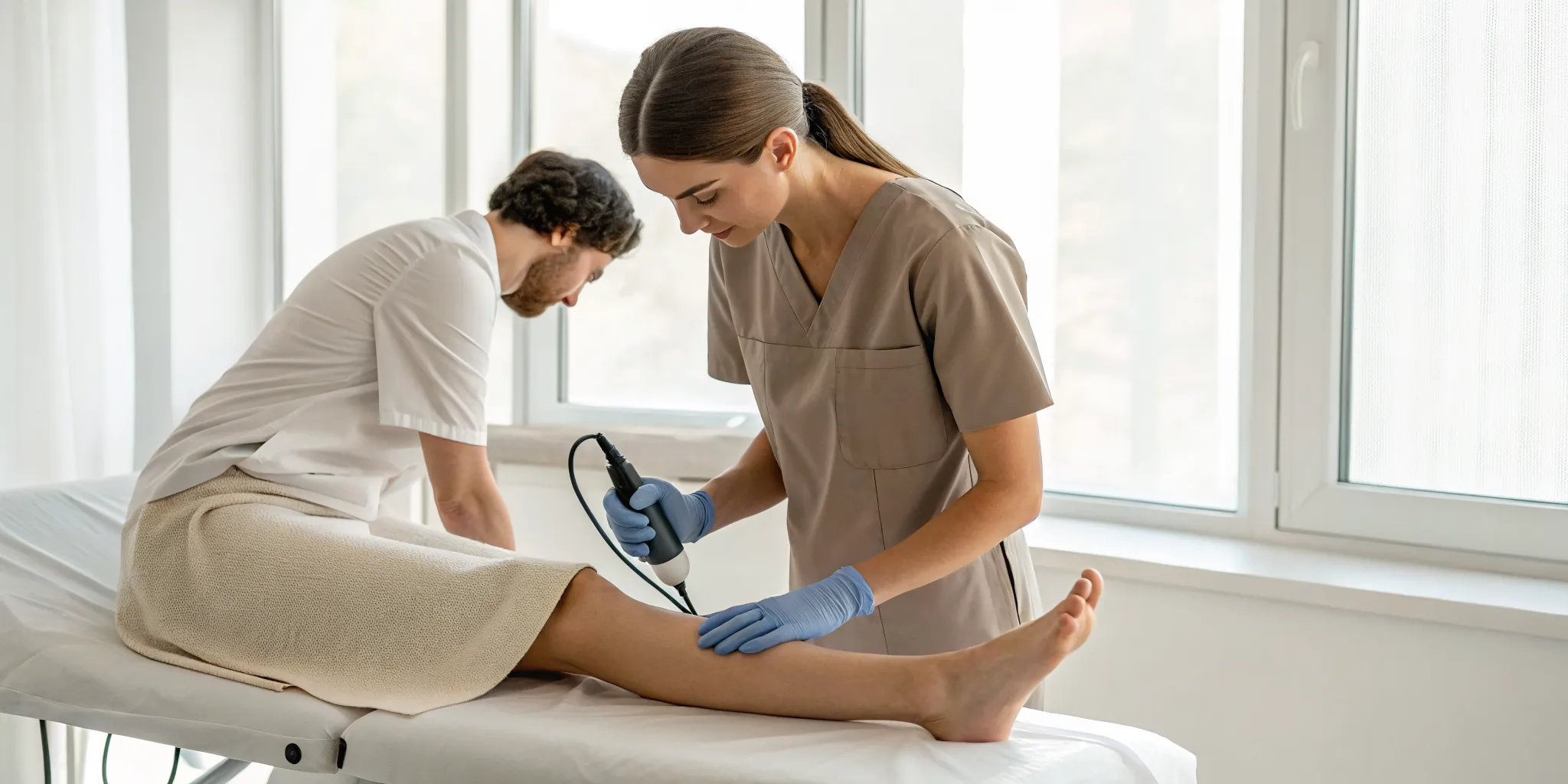
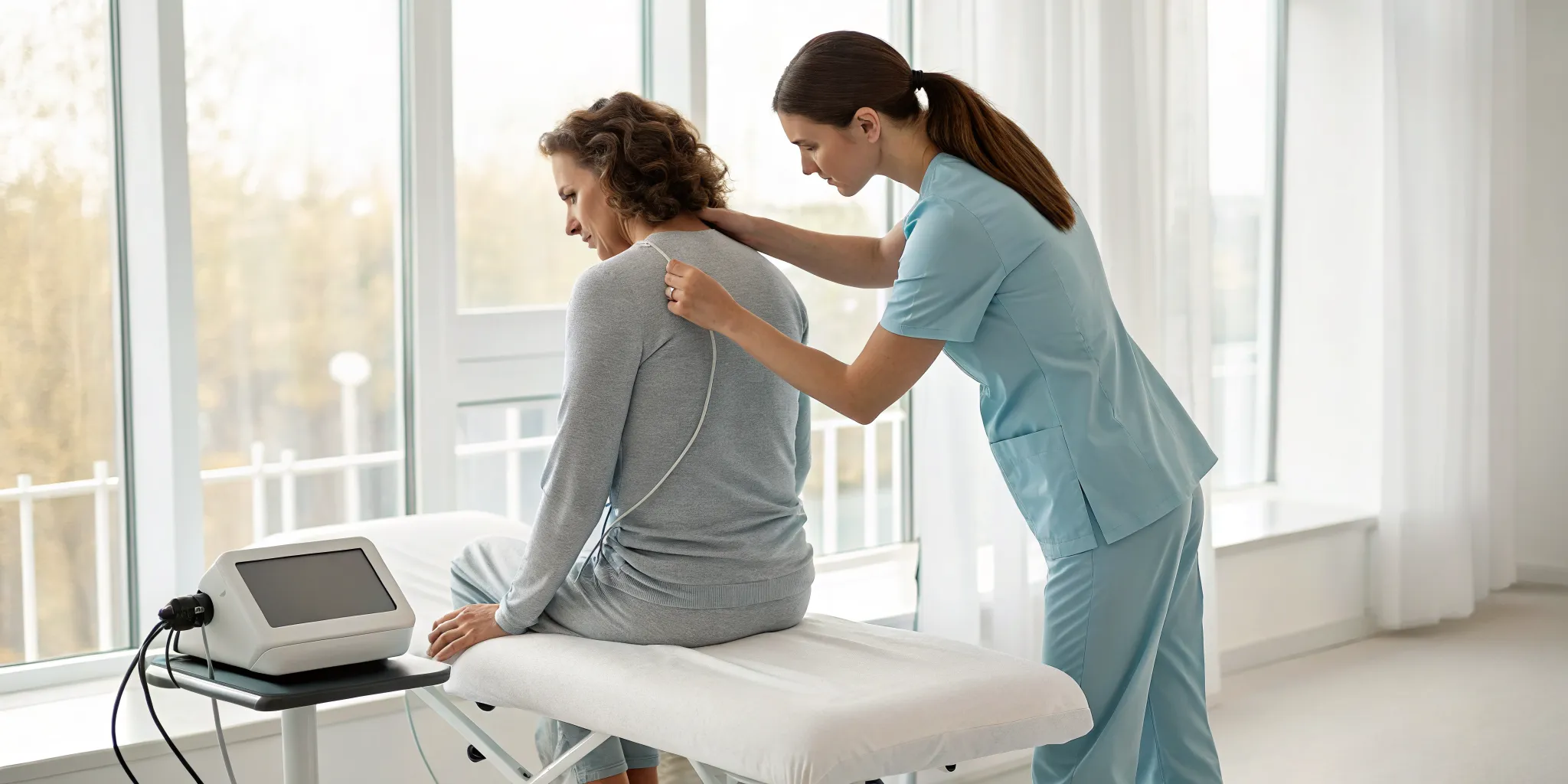
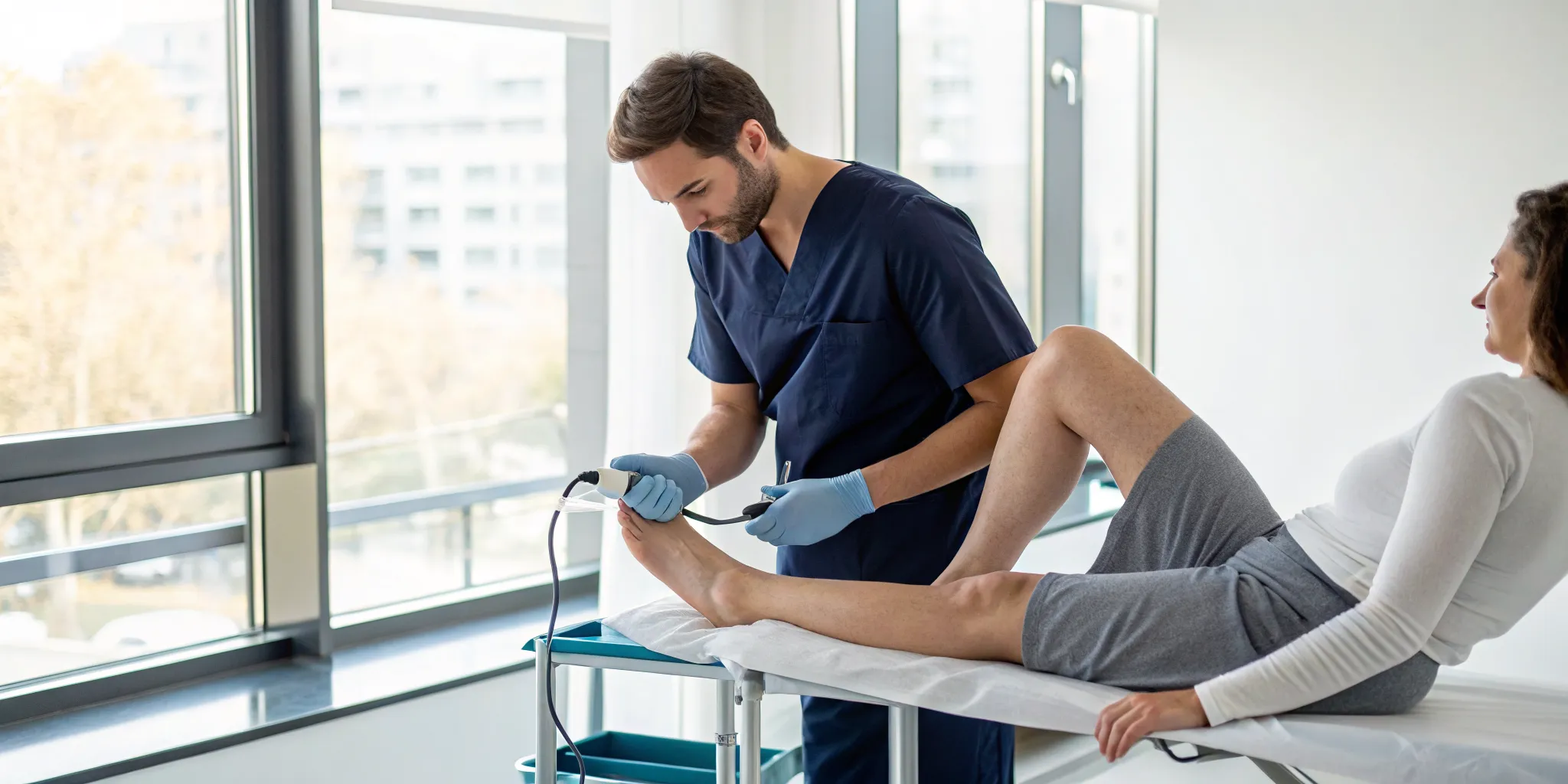
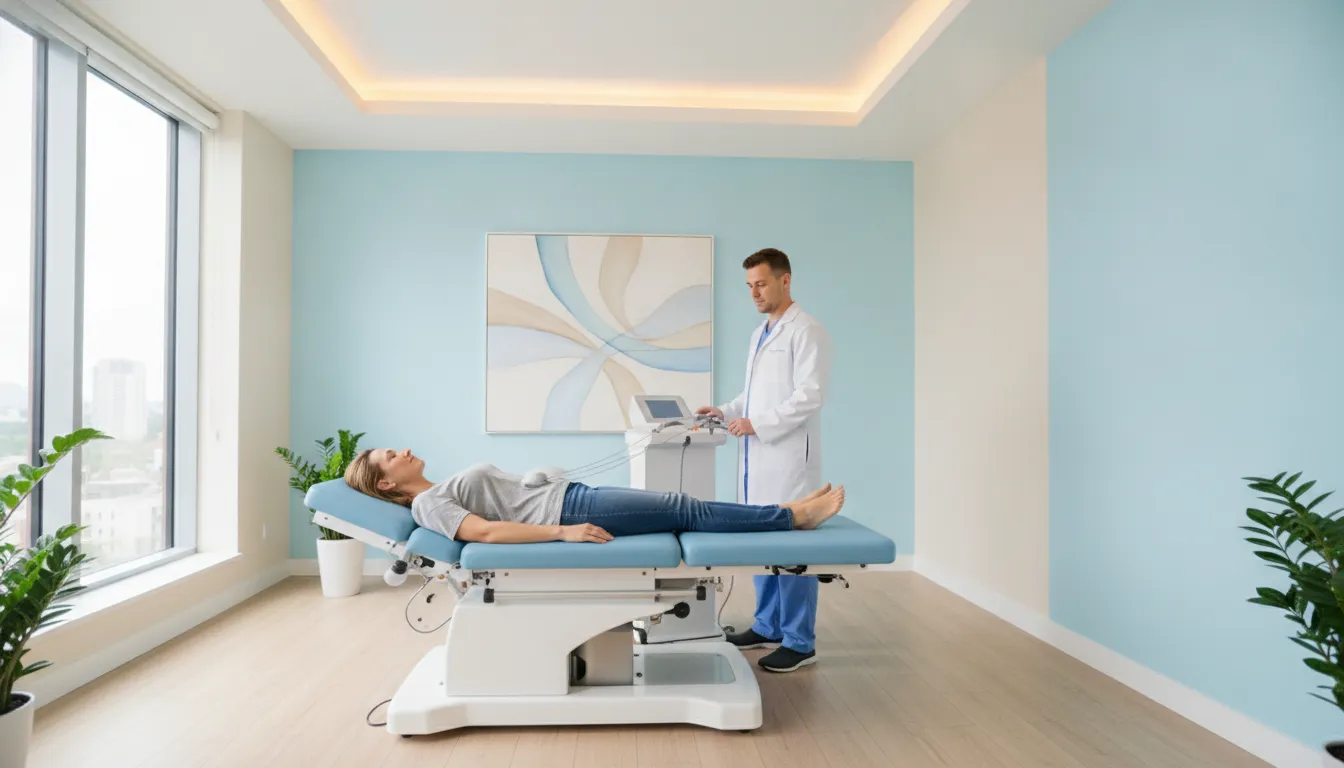
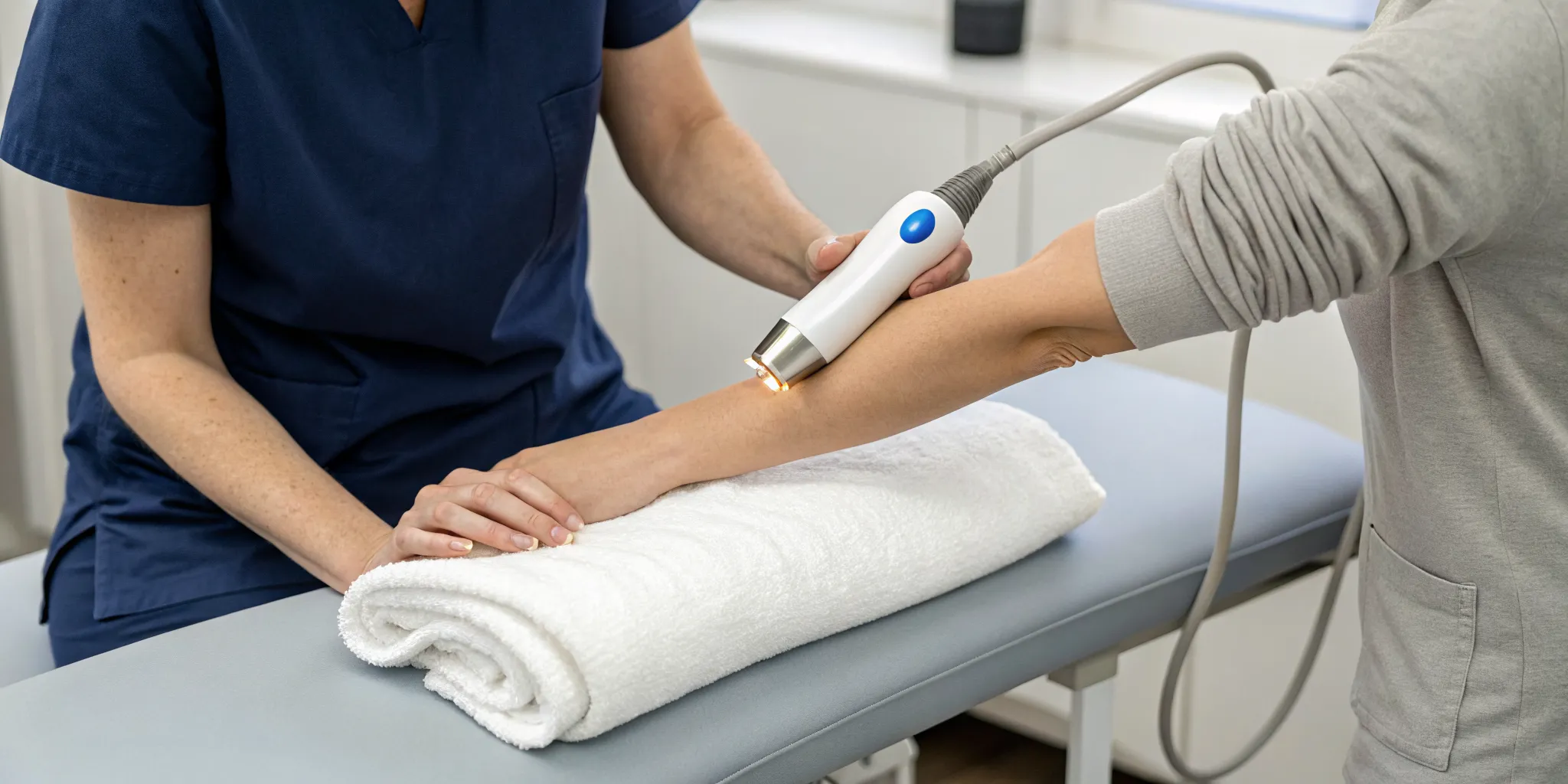
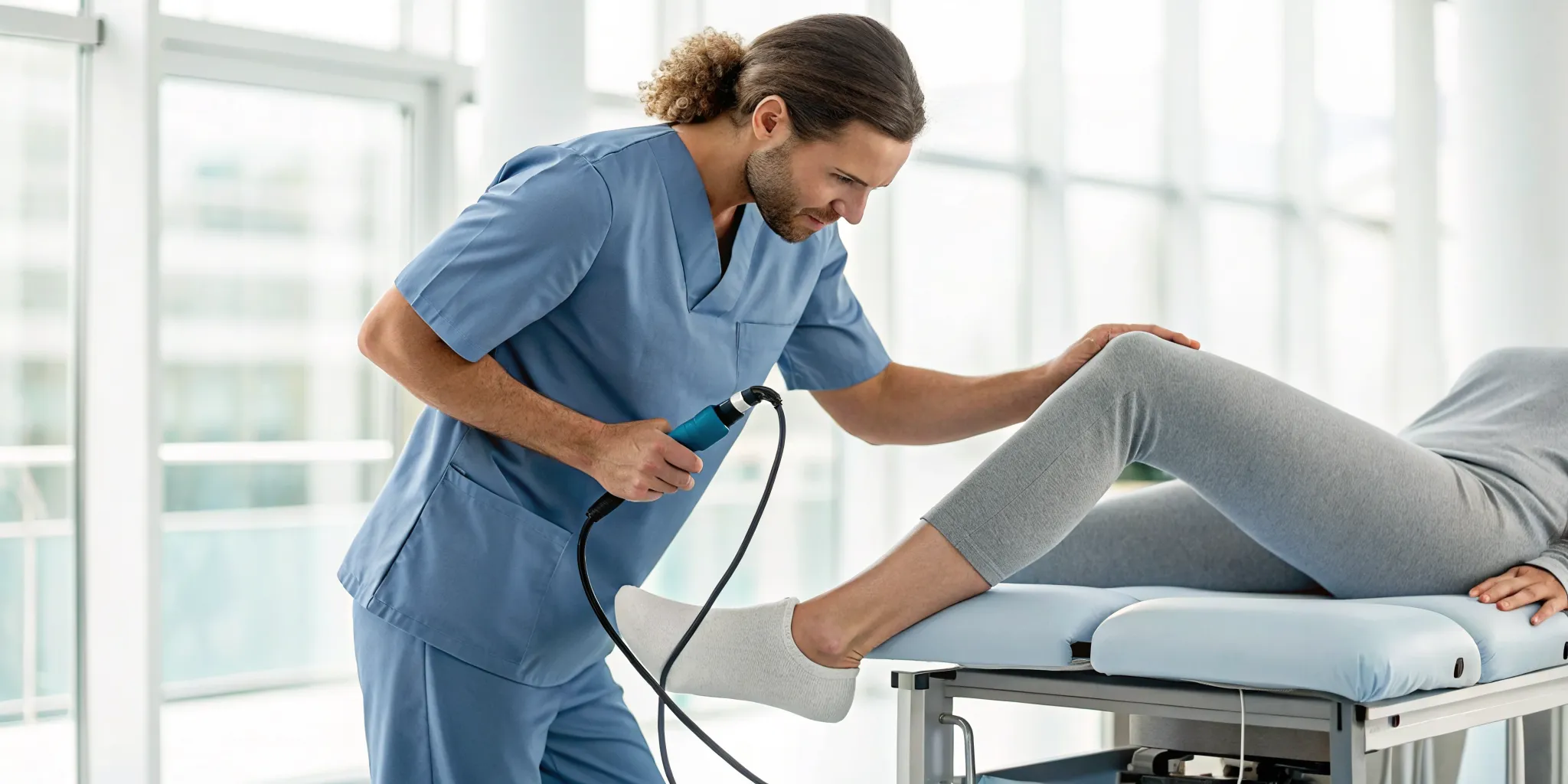
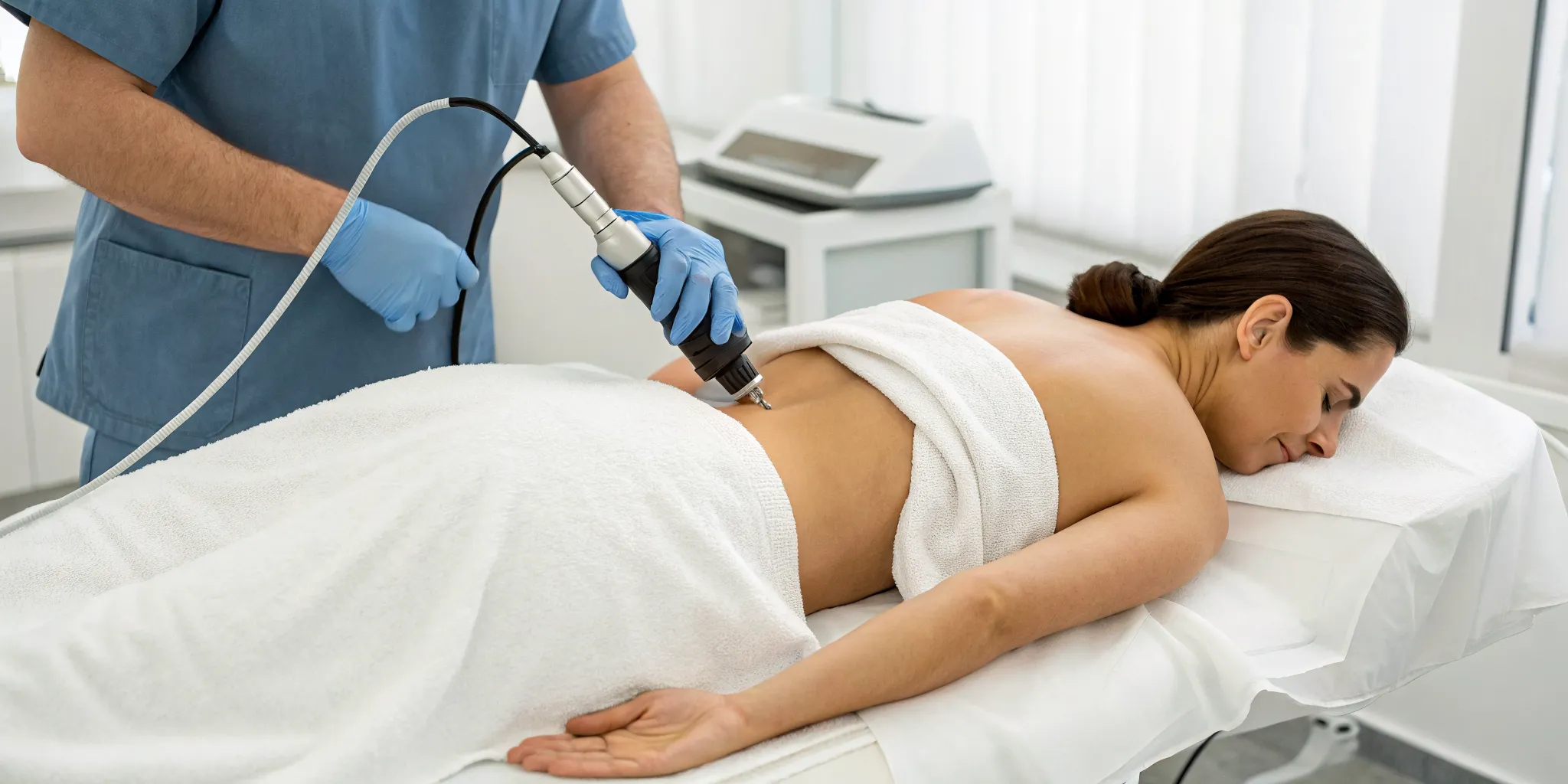
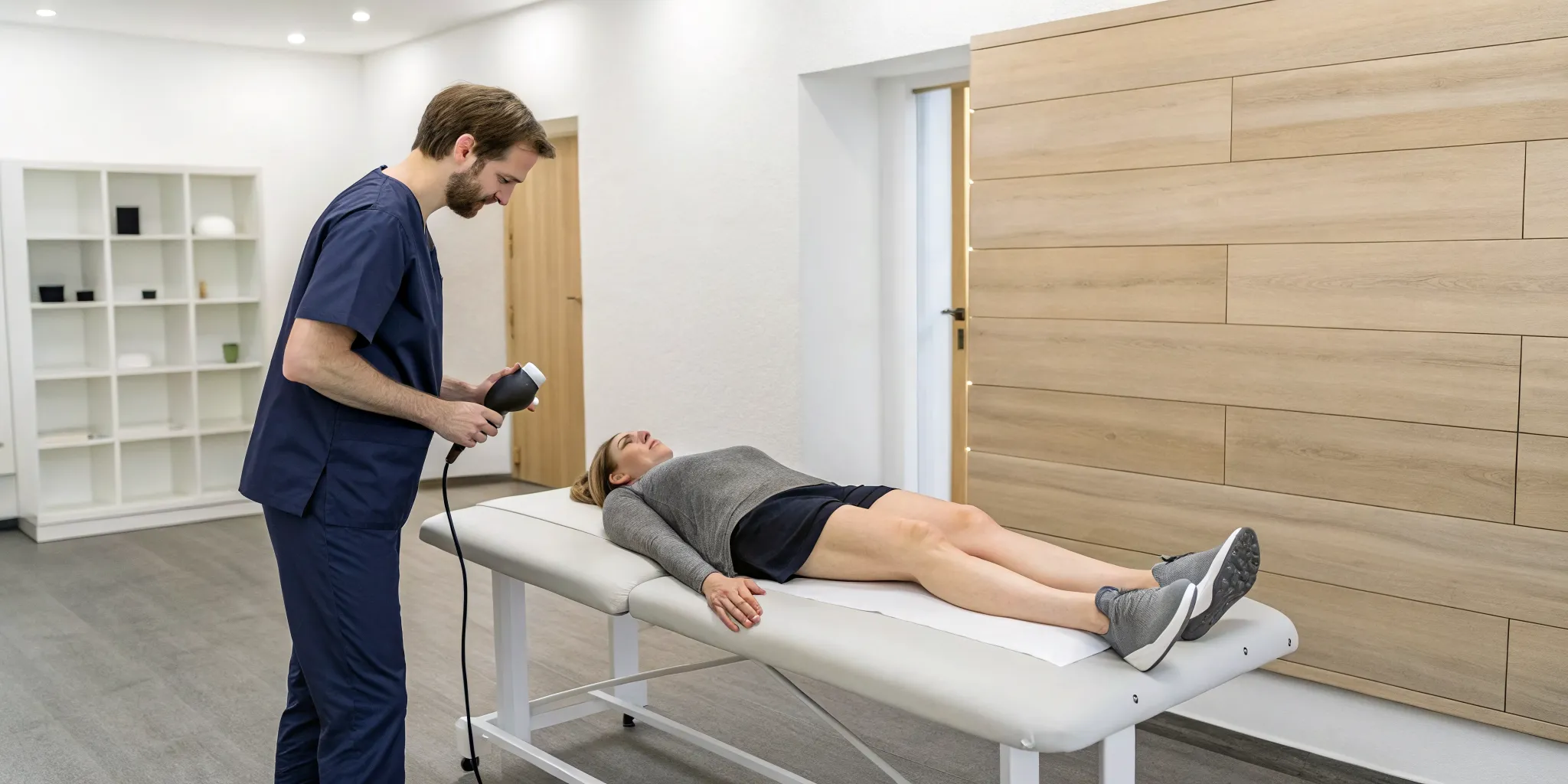
Your first appointment is all about creating a clear plan. We'll start by discussing your symptoms and health history to make sure shockwave therapy is the right fit for you. Once we've pinpointed the exact source of your discomfort, we can begin the treatment. You’ll get comfortable, usually by lying down, and your practitioner will apply a gel to your skin over the painful area. This gel helps the sound waves travel more effectively. Then, they will use a small, handheld device to deliver the shockwaves directly to the targeted soft tissues, kicking off the healing process within our physical medicine framework.
What You'll Feel During the Session
As the session begins, you'll feel a tapping or pulsing sensation from the handheld device. Some people describe it as a light, repetitive thumping against the skin. You might feel a bit of pressure or mild discomfort, especially if the area is already tender, but the intensity is adjustable to keep you comfortable. Most people find the treatment very tolerable. Each session is quick, typically lasting only about 15 to 20 minutes. Our goal is to make the experience as smooth as possible while effectively treating the root of your pain.
Understanding Your Treatment Timeline
Shockwave therapy isn't a one-time fix; it's a process that encourages your body to heal over time. A typical treatment plan involves three to six sessions, usually scheduled about a week apart to give your body time to respond. Each session builds on the last, stimulating blood flow and tissue repair. While some people report feeling better after just one or two treatments, it's more common to notice significant improvement after three to five sessions. Your specific timeline will depend on your body's response and the conditions we treat.
After Your Session: Care and Recovery
After your session, the treated area might feel a little tender or sore, similar to how you'd feel after a deep tissue massage. This is a normal sign that your body's healing response has been activated. We generally recommend taking it easy for the rest of the day and avoiding any strenuous activities for 24 to 48 hours. This allows the tissues to begin repairing without added stress. You can typically return to your normal daily routine right away. Listening to your body and giving it the rest it needs is the best way to support the recovery process.
Shockwave Therapy vs. Other Treatment Options
When you’re dealing with persistent lower back pain, it’s easy to feel like your options are limited to medication or more intensive procedures. However, shockwave therapy offers a different path. It stands out by working with your body’s own healing mechanisms, providing a non-invasive solution that can be used on its own or as part of a broader care plan. Understanding how it compares to other common treatments can help you see where it might fit into your journey toward feeling better.
A Non-Surgical Alternative
If you're looking for relief without undergoing an invasive procedure, shockwave therapy is an excellent option to consider. This treatment uses acoustic waves delivered through the skin to target injured tissue deep within your back. Unlike operations that require incisions and lengthy recovery periods, shockwave therapy is entirely external. It stimulates your body’s natural repair processes from the outside in. This approach is a cornerstone of our physical medicine services, focusing on healing that avoids the risks and downtime associated with more aggressive interventions. It’s a powerful way to address chronic pain at its source.
An Option Beyond Long-Term Medication
While pain relievers can offer temporary relief, they often mask the symptoms without addressing the underlying cause of your discomfort. Many people are rightfully concerned about the long-term effects of relying on medication. Shockwave therapy presents a proactive alternative. By promoting tissue regeneration and improving blood flow, it helps resolve the actual problem causing the pain. This focus on true healing aligns with a functional medicine approach, which seeks to restore the body's proper function. As your tissues heal and strengthen, you may find your need for pain medication decreases, allowing you to move with more confidence and ease.
How It Complements Traditional Physical Therapy
Shockwave therapy and physical therapy are not mutually exclusive; in fact, they work incredibly well together. Think of it as a team effort for your recovery. Physical therapy focuses on improving your strength, flexibility, and movement patterns through targeted exercises and stretches. At the same time, shockwave therapy works on a cellular level to accelerate tissue repair and reduce inflammation in the targeted area. Combining these treatments can create a powerful synergy, potentially speeding up your recovery and leading to more comprehensive, lasting results for the conditions we treat.
The Advantages of a Non-Invasive Approach
When you're dealing with persistent lower back pain, the thought of invasive procedures can be daunting. Many people are looking for effective solutions that work with their body, not against it. This is where a non-invasive approach like shockwave therapy truly shines. It offers a path to healing that avoids incisions, anesthesia, and lengthy recovery periods, making it a powerful component of a comprehensive physical medicine plan. Instead of just masking symptoms, this therapy aims to address the underlying issues by stimulating your body’s own powerful repair mechanisms.
The goal is to get you back to living your life with less pain and more freedom. The benefits go beyond simple relief. Imagine moving with more ease, feeling less dependent on daily pain relievers, and getting back to your routine almost immediately after a session. This approach aligns perfectly with a holistic view of health, where the objective is to find and resolve the root cause of discomfort. By activating cellular repair and improving blood flow, shockwave therapy helps create a healthier environment in the affected tissues, paving the way for genuine, long-term improvement. It’s about empowering your body to heal itself from the inside out.
Find Lasting Pain Relief
One of the most significant benefits of shockwave therapy is its ability to provide lasting relief. Unlike treatments that offer only a temporary break from pain, this therapy gets to the heart of the matter. The acoustic waves stimulate your body’s natural healing processes, encouraging the repair of damaged tissue that causes chronic discomfort. By addressing the source of the pain, you’re not just putting a bandage on the problem; you’re helping your body build a stronger, more resilient foundation.
This approach is a game-changer for anyone tired of the endless cycle of pain and temporary fixes. It’s about creating real, sustainable change so you can move forward with confidence. Because it helps resolve the underlying issues contributing to your discomfort, many of our patients find that the relief they experience is not only significant but also durable over time.
Regain Mobility and Flexibility
Chronic lower back pain does more than just hurt; it can steal your freedom of movement. Simple activities like bending down, playing with your kids, or enjoying a walk can become challenging. Shockwave therapy helps you reclaim that freedom. As the acoustic waves promote tissue repair and reduce inflammation, you’ll likely notice a decrease in the stiffness that has been holding you back.
This process helps restore elasticity to muscles and connective tissues, allowing for a greater range of motion. The goal is to help you move better and more comfortably in your daily life. By improving your body's ability to heal damaged tissues, shockwave therapy can lead to lasting improvements in flexibility, helping you get back to the activities you love without being limited by your back.
Soothe Nerve-Related Discomfort
If your back pain includes sharp, shooting, or tingling sensations, it may involve nerve irritation. Shockwave therapy can be particularly effective for this type of discomfort. The acoustic waves penetrate deep into the soft tissues of your back, reaching muscles and tendons that are difficult to treat with other methods. This process helps increase circulation and can calm irritated nerves.
The therapy also encourages your body to release natural pain-mediating substances. These compounds can temporarily interrupt pain signals being sent to your brain, providing welcome relief while the deeper healing process gets underway. By soothing nerve-related issues at the source, shockwave therapy helps reduce the sharp, disruptive pain that can make daily life so difficult.
Reduce Reliance on Pain Relievers
Many people with chronic back pain find themselves depending on pain relievers just to get through the day. While these can offer temporary relief, they don’t solve the underlying problem. A key advantage of shockwave therapy is its potential to reduce or even eliminate the need for long-term medication. By promoting true healing within the tissues, this therapy addresses the root cause of your pain.
As your body repairs itself and the pain subsides naturally, you may find you no longer need to reach for a pill to manage your discomfort. This aligns with a functional medicine approach that prioritizes sustainable, whole-body health over temporary solutions. It’s an empowering step toward managing your health proactively and feeling in control of your well-being.
Experience Minimal Downtime
One of the most practical benefits of shockwave therapy is that it fits easily into a busy schedule. The treatment is completely non-invasive, which means there are no needles, no anesthesia, and no lengthy preparation. A typical session is relatively short, and because there’s no sedation involved, you can drive yourself to and from your appointment without any issue.
Best of all, there is virtually no downtime required afterward. Most people can return to their normal daily activities, including work, immediately following a session. This makes it an incredibly convenient option for anyone who can’t afford to put their life on hold for a long recovery period. You can get the care you need and get right back to your day.
Understanding Potential Side Effects
Like any effective treatment, it’s helpful to know what to expect afterward. Because shockwave therapy is non-invasive, the side effects are typically minimal and short-lived. Our goal is always to make sure you feel informed and comfortable throughout your healing process. A thorough assessment of your health history is the first step we take to ensure this treatment is a safe and effective option for you. Understanding both the temporary reactions and the situations where this therapy isn't suitable is part of our commitment to personalized care.
Common, Temporary Reactions
It’s normal to experience some mild reactions in the treated area as your body begins its repair process. You might notice slight redness, tenderness, or minor swelling for a day or two. Think of this as a positive sign that the therapy has activated your body’s natural healing mechanisms. These effects usually resolve on their own quickly, and most people can return to their daily activities right away. Our approach to physical medicine ensures we discuss what you can expect after each session, so you’re fully prepared to support your body’s recovery.
When Shockwave Therapy Isn't the Right Fit
While shockwave therapy is a powerful tool for many lower back conditions, it isn't the right choice for everyone. We would not recommend this therapy if you are pregnant, have an active infection or tumor in the treatment area, or have certain nerve or bleeding conditions. It is also not suitable for individuals with pacemakers or other electronic implants. This is why a comprehensive initial evaluation is so important. We take the time to understand your complete health picture to determine the safest and most effective path forward for your specific needs. If you have questions about your eligibility, we encourage you to contact us for a consultation.
Is Shockwave Therapy Right for You?
Deciding on the right path for your lower back pain can feel like a huge task. With so many options available, it’s easy to feel overwhelmed. While shockwave therapy is an incredible tool for healing, it’s not a one-size-fits-all solution. Its effectiveness is directly tied to the root cause of your pain, which is why a proper diagnosis is the most important first step. This treatment works best when targeted at specific musculoskeletal conditions, helping your body kickstart its own repair mechanisms where they’re needed most. It’s a powerful option, but only when applied correctly.
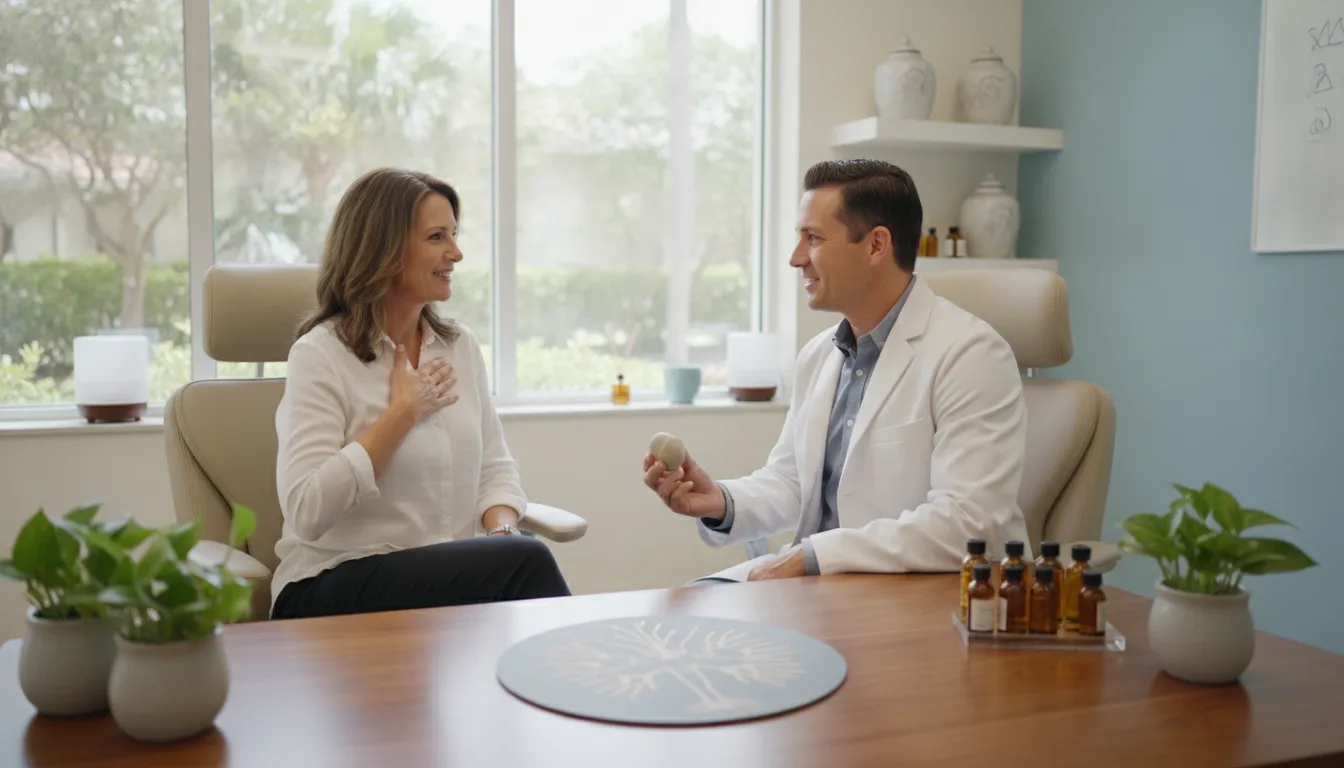
Think of this section as a guide to help you determine if shockwave therapy aligns with what you’re experiencing. By understanding which conditions respond best to this treatment, you can have a more informed conversation about your health. At Ascend Functional Health, our goal is always to understand your body’s unique story and create a plan that addresses the source of the problem, not just the symptoms. We believe in empowering you with knowledge so you can feel confident in your healing journey. This means looking at the full picture of your health, from physical alignment to internal function, to see how everything connects. Let’s explore whether shockwave therapy could be the right next step for you.
Signs This Treatment Could Be a Good Match
If you've been struggling with persistent discomfort that just won’t go away, shockwave therapy might be a great fit. This treatment is particularly effective for a range of chronic conditions that haven’t responded to more conventional methods. You may be a good candidate if your lower back pain is related to myofascial trigger points or chronically tight muscles that cause stiffness and limit your movement.
It’s also a go-to for issues like sacroiliac (SI) joint dysfunction, which can cause pain in the lower back and buttocks. Furthermore, shockwave therapy can address pain stemming from repetitive stress injuries, injured or strained muscles, and even discomfort related to herniated discs or nerve irritation. If your pain feels mechanical and has been lingering for months, this could be the approach that finally provides relief.
When to Consider a Comprehensive Plan
If your back pain has lingered for more than a few weeks, seems to be getting worse, or is so disruptive it keeps you from your daily activities, it’s time to seek professional guidance. While learning about your symptoms is a great start, it can’t replace a thorough evaluation with a healthcare professional who can pinpoint the underlying cause of your pain.
A one-on-one consultation is essential to determine if shockwave therapy is the right starting point for you. Often, the best results come from integrating it into a broader, holistic health plan that may include other physical medicine techniques or lifestyle adjustments. This comprehensive approach ensures we’re not just chasing symptoms but creating a solid foundation for lasting wellness and mobility.
Integrating Shockwave Therapy into Your Holistic Health Plan
Finding lasting relief from lower back pain often means looking beyond a single treatment. While shockwave therapy is a powerful tool, its true strength is revealed when it's part of a comprehensive health strategy. At Ascend, we don't just treat symptoms; we look at the whole picture of your health to create a plan that supports your body's ability to heal from the inside out. Integrating shockwave therapy is about using it strategically to complement other holistic health solutions and address the root cause of your discomfort, not just mask it.
A Catalyst for Your Body's Natural Repair System
Think of shockwave therapy as a way to jumpstart your body’s own healing crew. The sound waves create a response deep within your tissues that improves blood flow, bringing more oxygen and nutrients to the injured area. This process helps your body repair damaged tissue, reduce inflammation, and even break down scar tissue that can contribute to stiffness and pain. It’s a non-surgical approach that works with your body, encouraging it to do what it does best: heal itself. This makes it a key part of our Physical Medicine services, helping you find relief and build a stronger foundation for long-term health.
A Piece of Your Comprehensive Health Puzzle
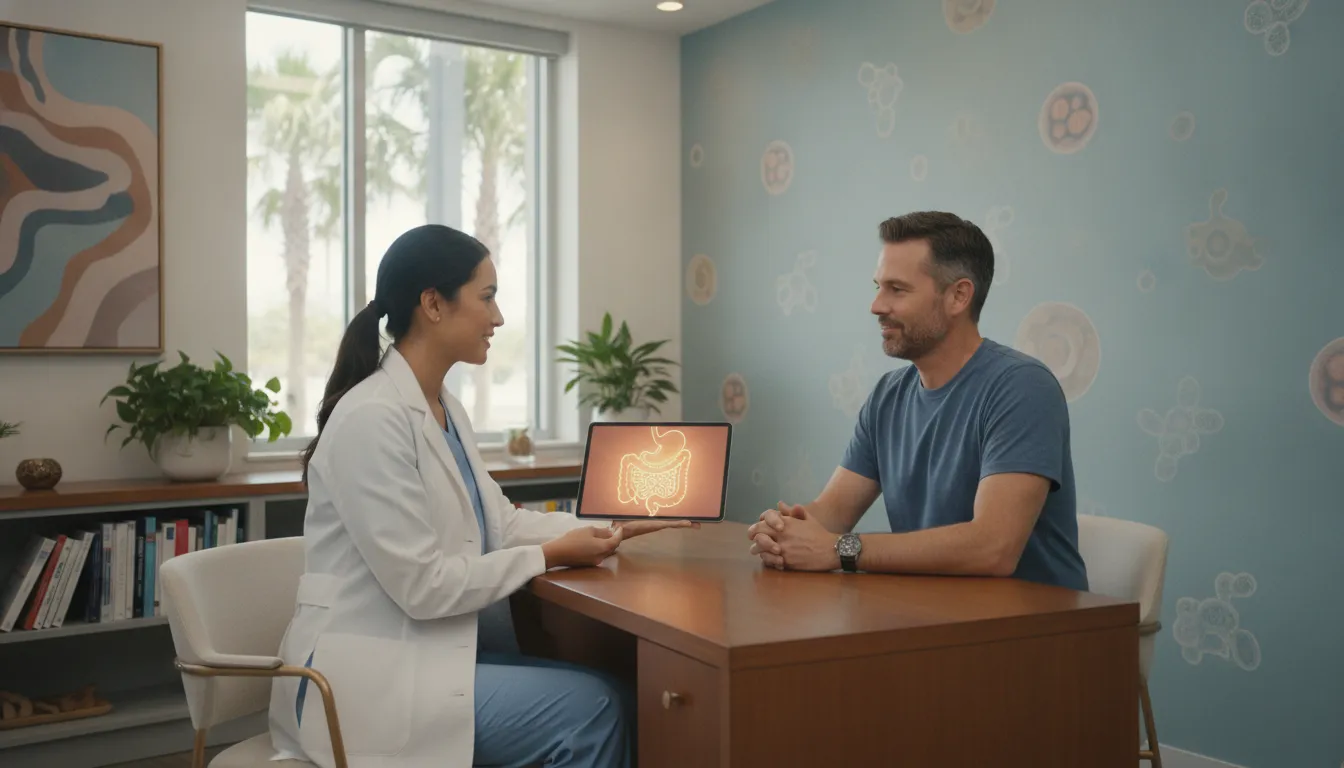
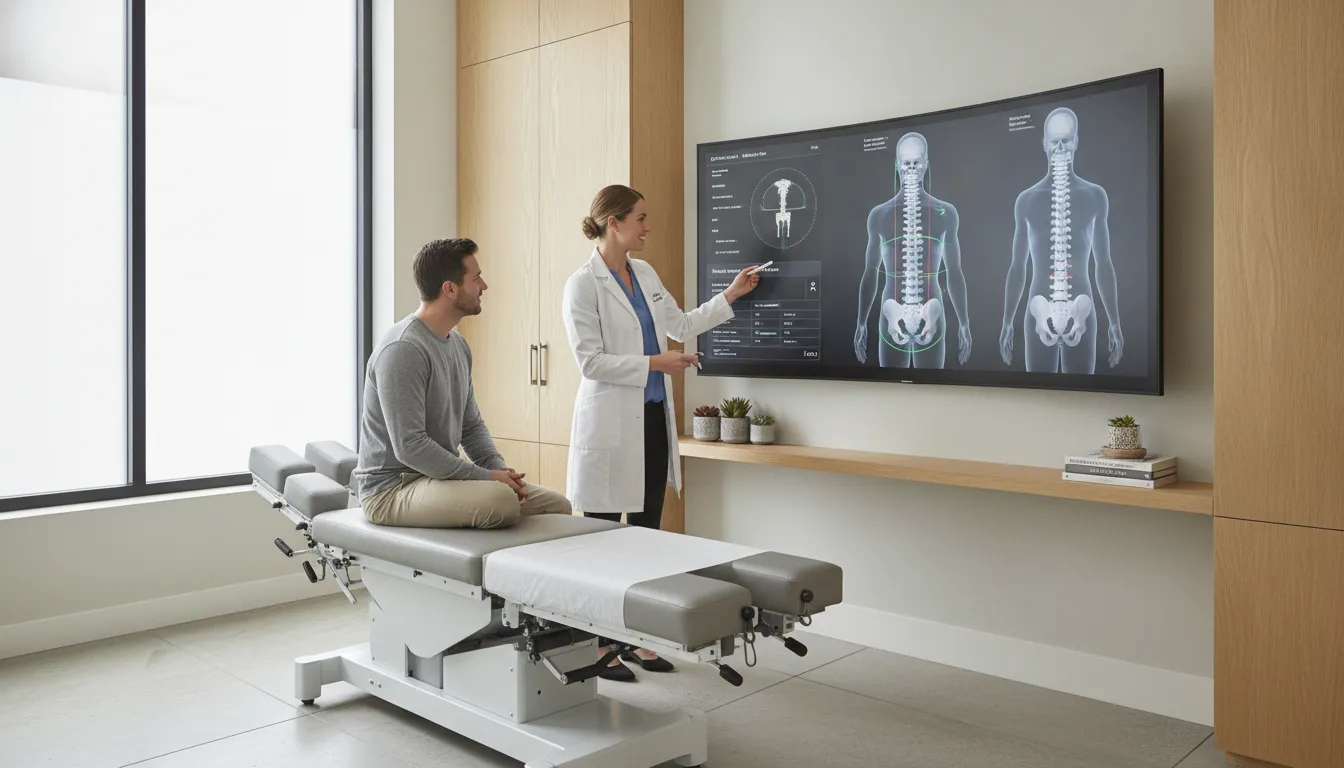
Shockwave therapy rarely works in isolation. For many of our patients, it’s one important piece of a larger, personalized puzzle. For example, by reducing pain and inflammation, shockwave therapy can make it easier for you to benefit from chiropractic adjustments or corrective exercises. It addresses the physical pain while our Functional Medicine approach investigates underlying factors, like chronic inflammation or gut health imbalances, that could be contributing to your back issues. Our goal is to build a plan that addresses your health from all angles. By understanding your unique situation, we can determine how shockwave therapy fits into your journey toward feeling and moving better.
Related Articles
- SoftWave Tissue Regeneration Therapy in Tampa | Alessi Functional Health
- SoftWave TRT Therapy in Tampa, FL - Alessi Functional Health
- Disc Bulge Therapy: A Complete Guide to Healing
- Bulging Disc Therapy Treatment: A Complete Guide
- Pain Free Future | Alessi Functional Health
Frequently Asked Questions
Is shockwave therapy painful? Most people describe the sensation as a strong tapping or pulsing against the skin. While you might feel some mild discomfort, especially in an area that is already tender, the intensity is completely adjustable to keep you comfortable. The sessions are also quite short, so any sensitivity you feel is over quickly.
How many sessions will I need before I feel better? Because this therapy works by encouraging your body to heal itself, results are gradual and build over time. A typical plan involves three to six sessions spaced about a week apart. While some people notice improvement after their first or second appointment, it's more common to feel a significant shift after the third session as the cumulative effects of tissue repair and reduced inflammation really start to take hold.
How is this different from a deep tissue massage for my back knots? While both treatments can address muscle tightness, they work in very different ways. A massage manually manipulates the muscles to release tension. Shockwave therapy, on the other hand, uses acoustic energy to create a response at the cellular level. It stimulates blood flow and your body's own repair mechanisms to regenerate tissue from the inside out, which can lead to more lasting structural changes.
What are the activity restrictions after a treatment? One of the best parts of shockwave therapy is the minimal downtime. You can typically return to your normal daily routine, like work and errands, right after your session. However, we do recommend avoiding strenuous exercise or heavy lifting for about 24 to 48 hours. This short break gives the treated area an opportunity to begin the healing process without any added stress.
Can I get shockwave therapy if I'm already seeing a chiropractor? Absolutely. In fact, shockwave therapy works wonderfully alongside other treatments like chiropractic care or physical therapy. By reducing deep inflammation and releasing stubborn muscle tension, shockwave can make your body more receptive to adjustments and corrective exercises. Think of it as preparing the groundwork so that your other therapies can be even more effective.