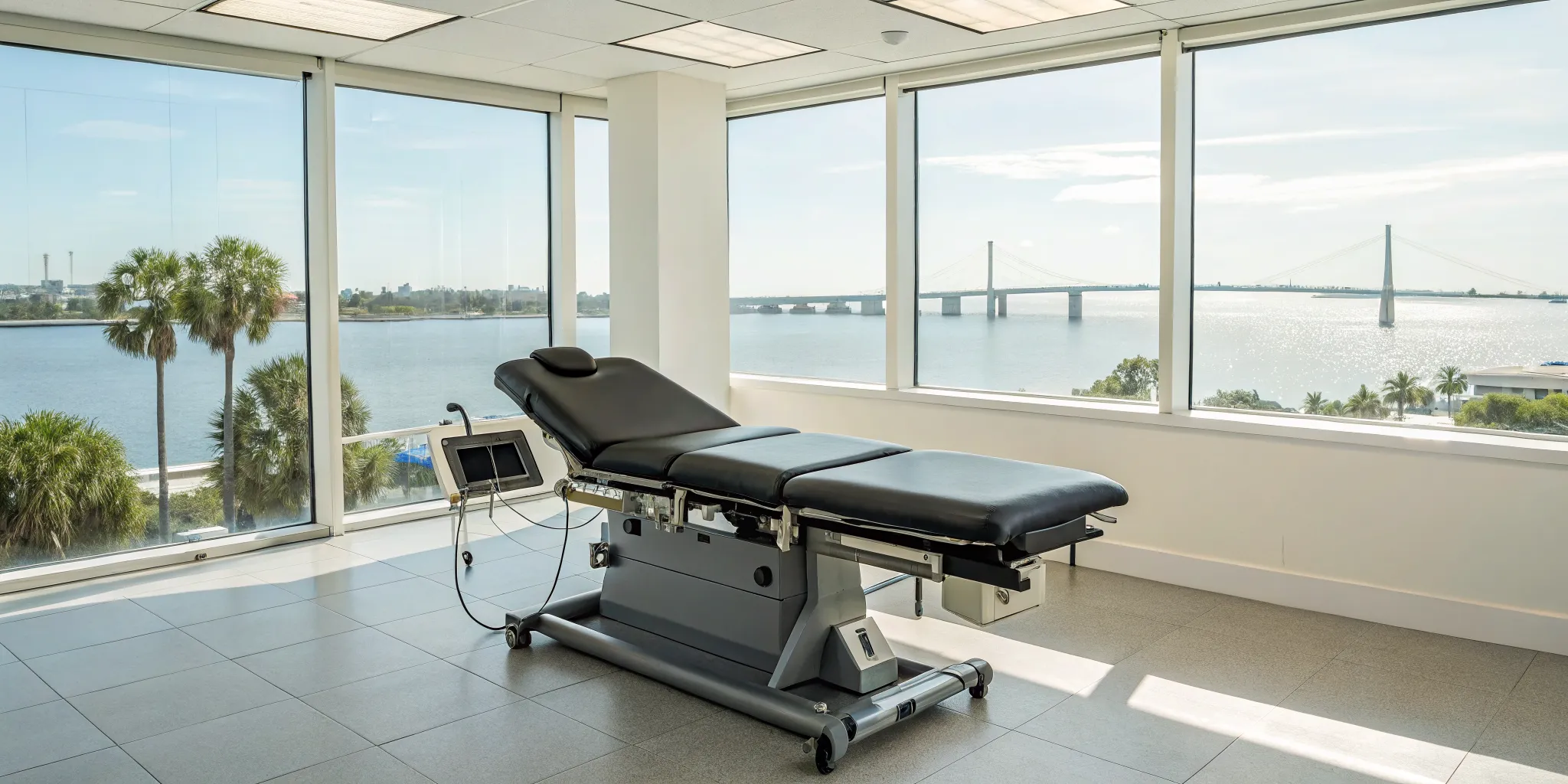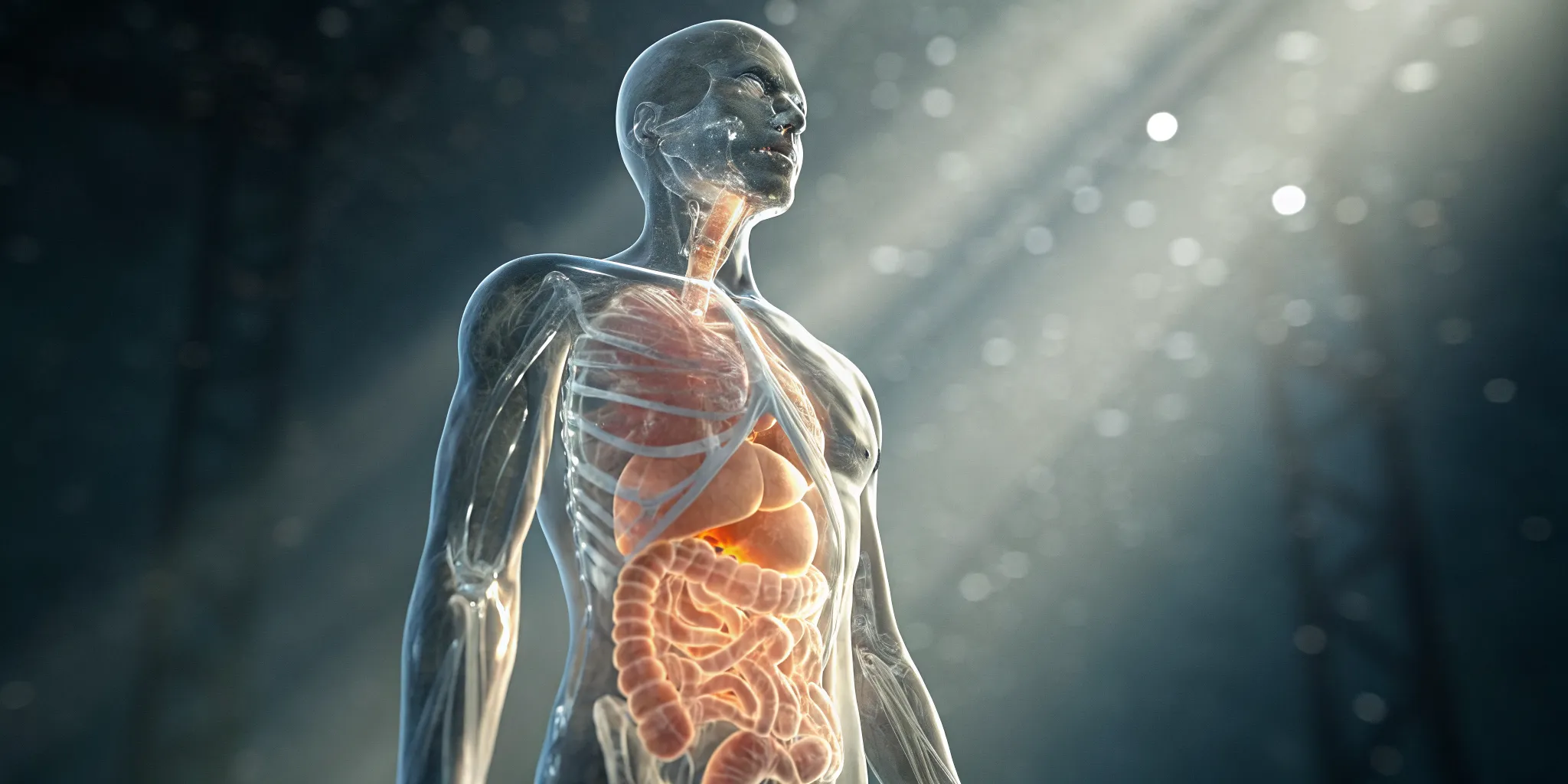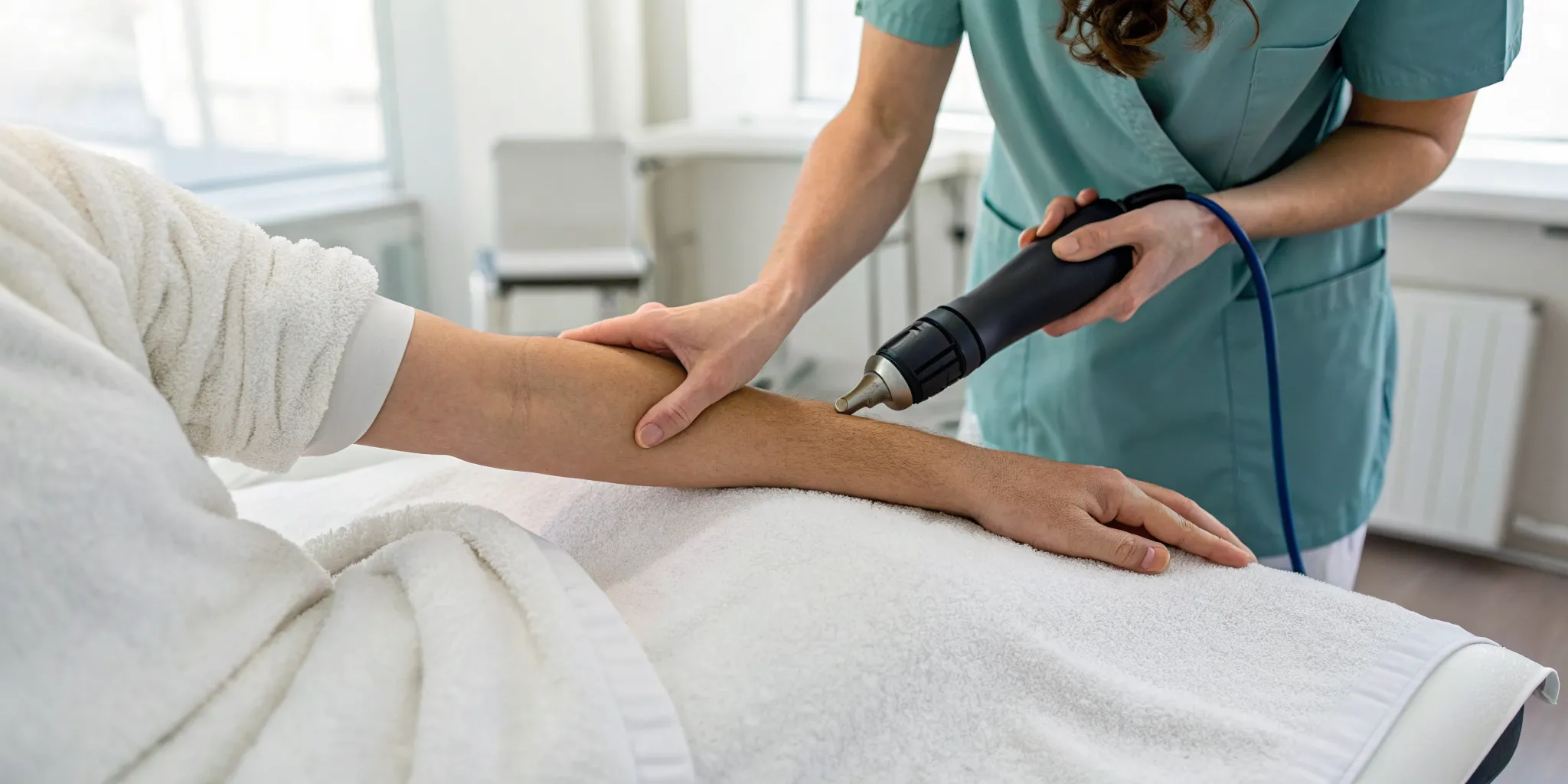
Your body has an incredible, built-in capacity to heal itself. But sometimes, especially with chronic tendon issues or long-term injuries, that healing process needs a nudge. The area can develop poor circulation and stubborn scar tissue, effectively putting the recovery on hold. This is where shockwave therapy comes in. It works by delivering high-energy acoustic waves to the affected tissue, creating a controlled response that wakes up your body’s internal repair crew. This process stimulates new blood vessel growth and triggers cellular regeneration. It’s a way of working with your body’s own intelligence, making shockwave therapy for inflammation relief a cornerstone of our root-cause approach to physical medicine.
Key Takeaways
- It prompts your body to heal itself: This non-invasive therapy uses targeted sound waves, not electricity, to restart the healing process in stubborn injuries. It works by improving circulation and breaking down scar tissue, which helps reduce pain and inflammation from the inside out.
- It’s ideal for chronic tendon and soft tissue pain: If you're struggling with persistent issues like plantar fasciitis, tennis elbow, or rotator cuff tendinopathy, shockwave therapy is a well-regarded option. It specifically targets the damaged tissue that causes these nagging conditions.
- It works best as part of a larger plan: Lasting relief is achieved through a series of short treatments, usually scheduled a week apart. This therapy is most effective when integrated into a comprehensive health strategy that addresses the root cause of your pain, rather than just temporarily masking symptoms.
How Does Shockwave Therapy Work?
It might sound intense, but shockwave therapy is a non-invasive treatment that uses your body’s own healing powers to address chronic pain and inflammation. It’s not an electrical shock, but rather a series of high-energy sound waves applied to the injured area. Think of it as a way to wake up dormant cells and restart the healing process, especially in areas where your body has struggled to recover on its own.
This therapy works through a process called mechanotransduction, which is just a technical way of saying it uses mechanical waves to create a biological response. These sound waves penetrate your tissue, stimulating cells, improving blood flow, and breaking down scar tissue. By creating this controlled response, we can guide your body to repair itself more effectively. It’s a cornerstone of our physical medicine services because it aligns with our goal of addressing the root cause of your pain, not just masking the symptoms.
How Sound Waves Promote Healing
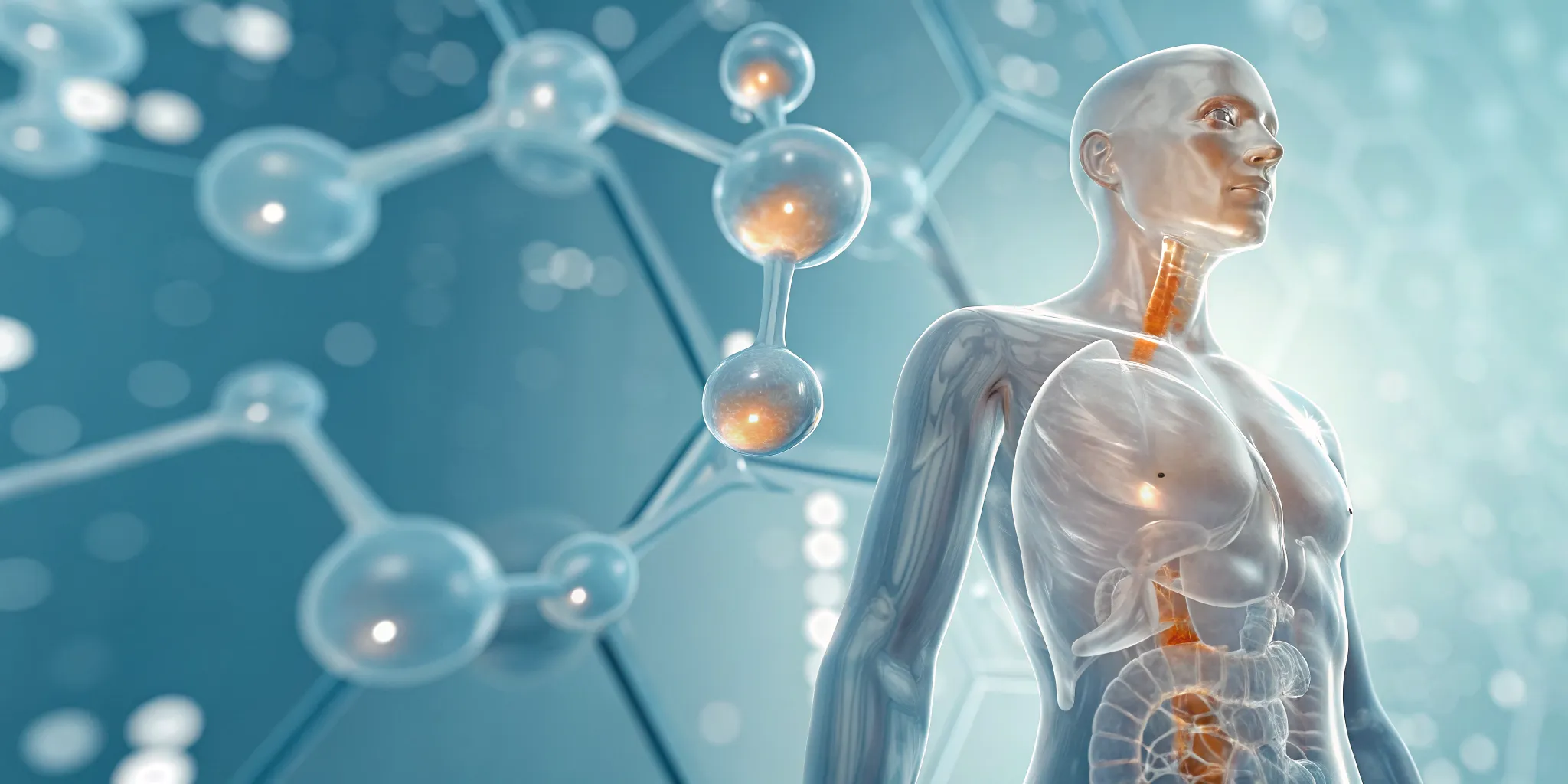
At its core, shockwave therapy uses acoustic waves to create tiny, controlled micro-traumas in the targeted tissue. This process sends a signal to your body that an area needs attention. In response, your body increases the production of growth factors and ramps up metabolic activity. This encourages the formation of new blood vessels, a process that is absolutely essential for healing. More blood flow means more oxygen and nutrients are delivered to the injured cells, helping them repair and regenerate. It’s a way of prompting your body to do what it does best: heal itself. This targeted stimulation helps reduce pain signals and accelerates tissue repair from the inside out.
Focused vs. Radial: What's the Difference?
Not all shockwaves are created equal. There are two main types used in treatment: focused and radial. The one we choose depends entirely on your specific condition and the depth of the tissue we need to reach. Radial shockwaves are like a wider, more diffuse pulse of energy. They are excellent for treating larger surface areas and soft tissues, like tight muscles or tendon issues closer to the skin.
Focused shockwaves, on the other hand, deliver a more precise and powerful wave that can penetrate deeper into the body. This makes them ideal for targeting specific points, like a heel spur in plantar fasciitis, or addressing issues within bones and deeper tendons. Understanding the unique conditions we treat allows us to select the right type of shockwave to give you the most effective results.
Stimulating Your Body's Natural Healing Process
It might seem strange to treat inflammation by creating more of it, but that’s exactly how shockwave therapy works its magic. The sound waves generate a small, localized inflammatory response. This isn't the chronic, damaging inflammation you’re trying to get rid of. Instead, it’s a productive, short-term response that acts like a flare signal to your body’s internal repair system. This signal calls healing agents to the site of injury to clean out damaged tissue and begin building new, healthy cells. This approach is central to our philosophy at Ascend Functional Health. We believe in working with your body’s innate intelligence to facilitate true, lasting healing rather than just suppressing symptoms.
How Shockwave Therapy Eases Pain and Inflammation
When you're dealing with chronic pain, finding a solution that addresses the source of the problem is key. Shockwave therapy is a powerful tool that does just that by working with your body’s own healing mechanisms. It uses targeted acoustic waves to stimulate repair in injured tissues, providing relief without invasive procedures. This approach helps reduce pain and inflammation by kickstarting three important biological processes. By understanding how it works, you can see why it’s an effective part of a comprehensive health plan.
Improving Blood Flow to Injured Areas
Healthy blood flow is essential for healing. It delivers the oxygen and nutrients that damaged tissues need to repair themselves. When an area is injured, blood flow can become restricted, slowing down or stalling the recovery process. Shockwave therapy sends low-energy sound waves through the skin to the injured area. These waves create a controlled, therapeutic inflammation, which signals your body to increase circulation. This fresh blood flow re-energizes the healing cascade, helping to repair damaged tissues, reduce chronic inflammation, and ultimately alleviate the pain you’re feeling.
Breaking Down Scar Tissue and Calcification
Injuries, especially repetitive strain injuries, often lead to the formation of scar tissue and calcified deposits in your muscles and tendons. This fibrous tissue is less flexible than healthy tissue and can restrict movement, causing stiffness and persistent discomfort. The acoustic waves from shockwave therapy act like a targeted deep-tissue massage, physically breaking down these tough adhesions and calcifications. By dismantling this scar tissue, the therapy helps restore flexibility and normal function to the area. This process not only improves your range of motion but also reduces the pain associated with these stiff, problematic tissues.
Calming Pain Signals
Chronic pain often involves overactive pain receptors that continuously send signals to your brain. Shockwave therapy can help interrupt this cycle. The sound waves stimulate the nerves in the treated area in a way that can temporarily overwhelm and block the transmission of pain signals. This provides immediate relief and gives your nervous system a chance to reset. Over a series of treatments, this process helps to desensitize the area, leading to a lasting reduction in pain perception. It’s a way of retraining your body’s pain response, which is crucial for managing many of the chronic conditions we see.
What Conditions Can Shockwave Therapy Help?
If you're dealing with persistent pain that just won’t go away, it can feel incredibly frustrating. You may have tried stretching, resting, or other conventional methods without finding lasting relief. Shockwave therapy is a powerful tool we use in our physical medicine toolkit because it’s designed to treat chronic musculoskeletal conditions, especially those involving tendons and soft tissues. It works by targeting the source of your pain to stimulate your body’s own healing processes. This approach can be effective for a wide range of issues, from nagging foot pain to stubborn shoulder stiffness. Let’s explore some of the specific conditions that respond well to this innovative treatment.
Plantar Fasciitis and Achilles Tendinopathy
Waking up to a sharp, stabbing pain in your heel is a classic sign of plantar fasciitis. This condition involves inflammation of the thick band of tissue running across the bottom of your foot. Similarly, Achilles tendinopathy causes pain and stiffness in the tendon that connects your calf muscles to your heel bone. Both can make walking, running, or even just standing for long periods a painful ordeal. Shockwave therapy is a well-regarded treatment for these issues, with research showing its effectiveness for long-lasting foot and heel pain. By delivering targeted energy waves to the inflamed tissue, it helps to increase blood flow and jumpstart the repair process right at the source.
Tennis Elbow and Golfer's Elbow
You don’t have to be a tennis pro or a golfer to experience the nagging pain of these conditions. Tennis elbow causes discomfort on the outer part of your elbow, while golfer's elbow affects the inner side. These issues often stem from repetitive motions that strain the forearm tendons, making simple tasks like gripping a coffee cup or turning a doorknob difficult. Shockwave therapy is an excellent option for both tennis and golfer's elbow because it addresses the damaged tendon tissue directly. The sound waves help break down scar tissue and stimulate a healing response, allowing you to regain strength and function in your arm without more invasive measures.
Shoulder and Rotator Cuff Pain
Shoulder pain can seriously limit your daily life, making it hard to reach overhead, get dressed, or enjoy your favorite activities. One common cause is calcific tendinopathy, a condition where calcium deposits form within the rotator cuff tendons, leading to inflammation and significant pain. Shockwave therapy has shown strong evidence in treating this specific issue by helping to break down these calcium deposits and reduce inflammation. It’s also effective for other forms of chronic rotator cuff tendinopathy. By promoting tissue regeneration and improving blood flow, this therapy can help restore your shoulder’s mobility and provide lasting relief from persistent pain.
Jumper's Knee and Shin Splints
For athletes and active individuals, lower leg pain can be a major setback. Jumper’s knee, or patellar tendinopathy, creates pain in the tendon just below the kneecap, making activities like jumping, running, and squatting difficult. Shin splints cause a familiar throbbing pain along the front of the lower leg, often derailing training schedules. Shockwave therapy is an effective treatment for both conditions because it targets the precise areas of stress and micro-trauma. By stimulating metabolic activity and enhancing blood circulation, it helps accelerate the healing of the affected tendons and tissues, allowing you to get back to your routine with more resilience and less pain.
Chronic Pain in the Lower Back, Hip, and Thigh
Chronic pain in the lower back, hips, or thighs can be complex and debilitating, affecting everything from your posture to your ability to get a good night's sleep. These issues often involve deep-seated inflammation and poor circulation in the affected tissues. Evidence supports the use of shockwave therapy for a variety of these stubborn conditions we treat, including chronic low back pain and even certain hip conditions related to poor blood supply. By delivering focused sound waves deep into the tissue, the treatment helps to stimulate new blood vessel formation and trigger your body’s natural repair mechanisms. This can provide significant relief for pain that hasn't responded to other therapies.
What to Expect During Your Shockwave Therapy Session
If you're considering shockwave therapy, you probably have a few questions about what the process is actually like. Knowing what to expect can make your first visit feel much more comfortable. Let's walk through the entire process, from your first appointment to your complete treatment plan, so you can feel confident and prepared. Our team is here to guide you every step of the way, ensuring your experience is as smooth and effective as possible. We believe that a clear understanding of the treatment is the first step toward a successful outcome.
Preparing for Your First Appointment
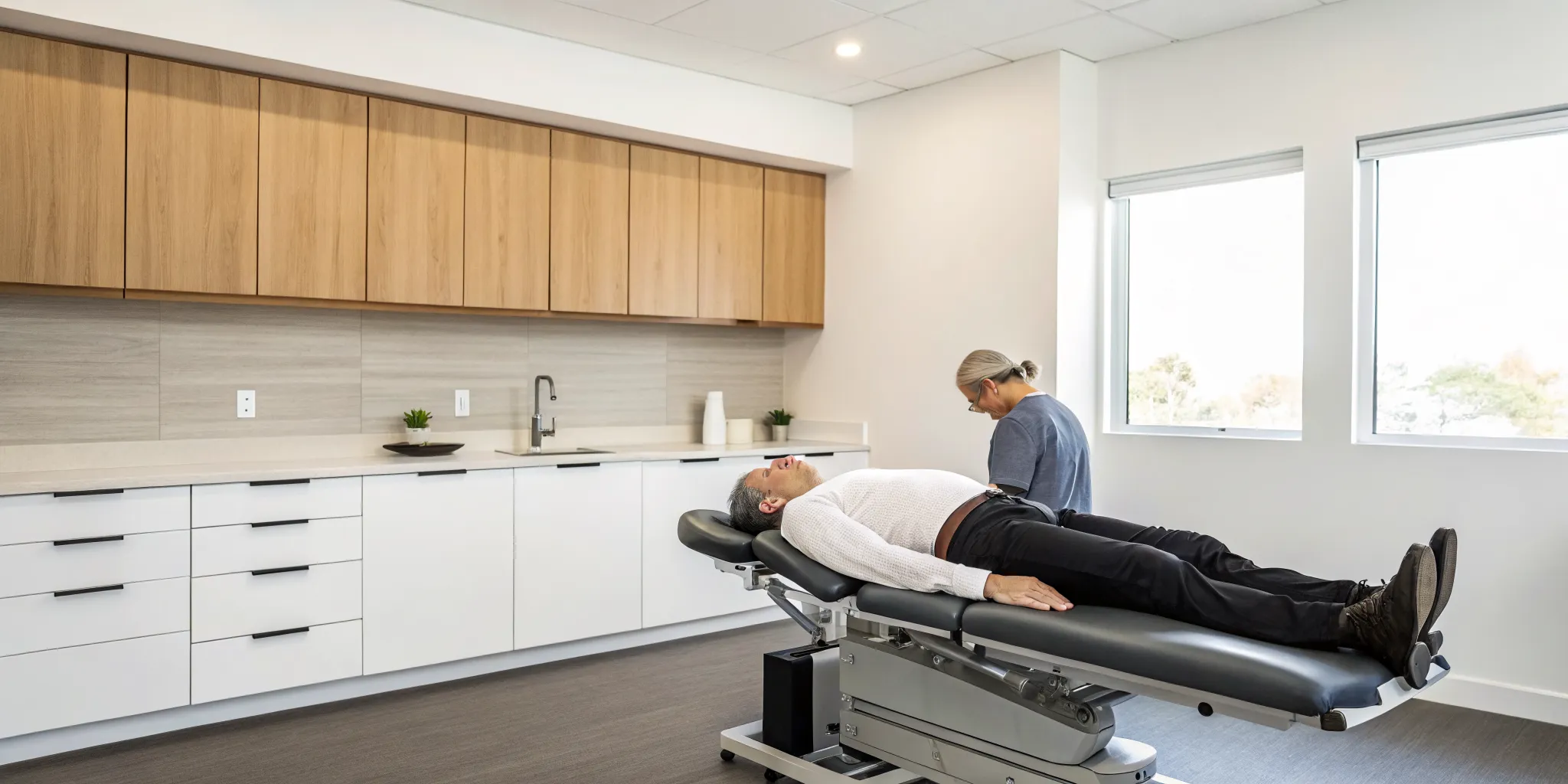
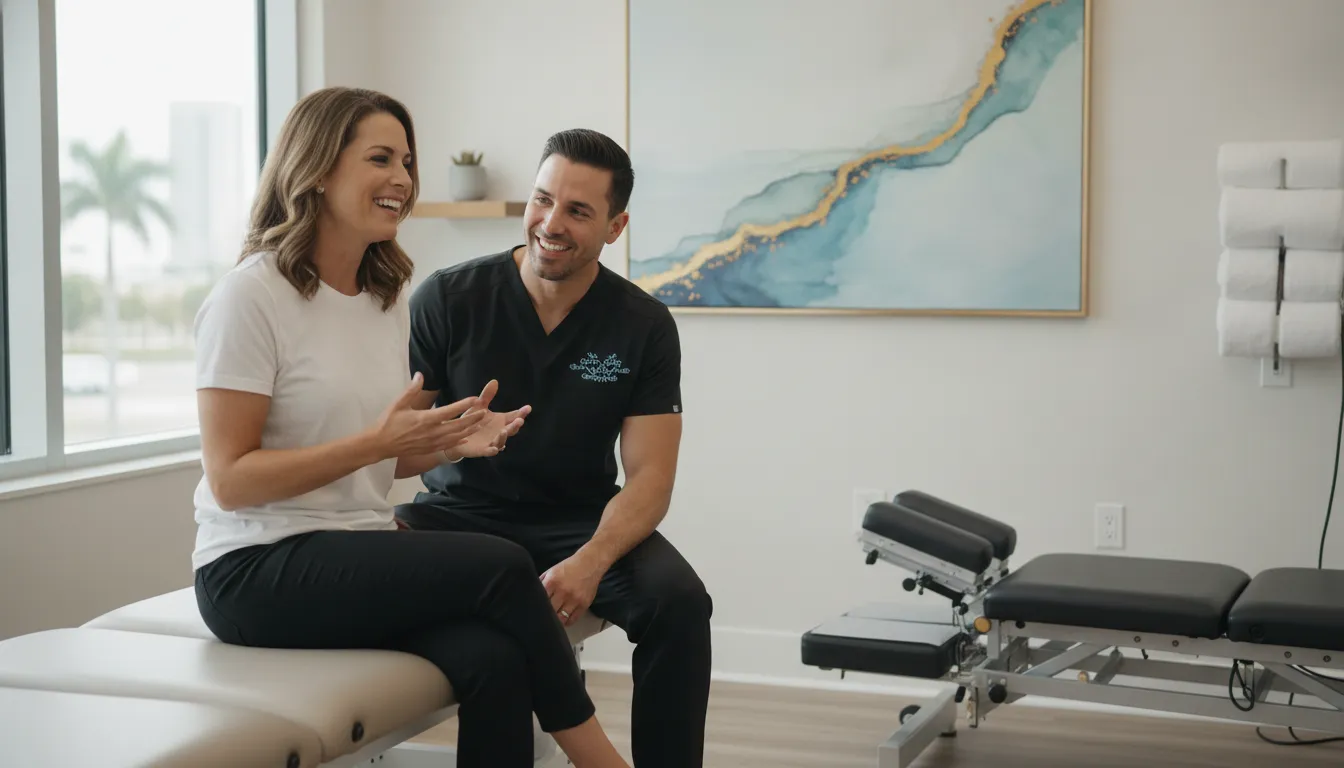
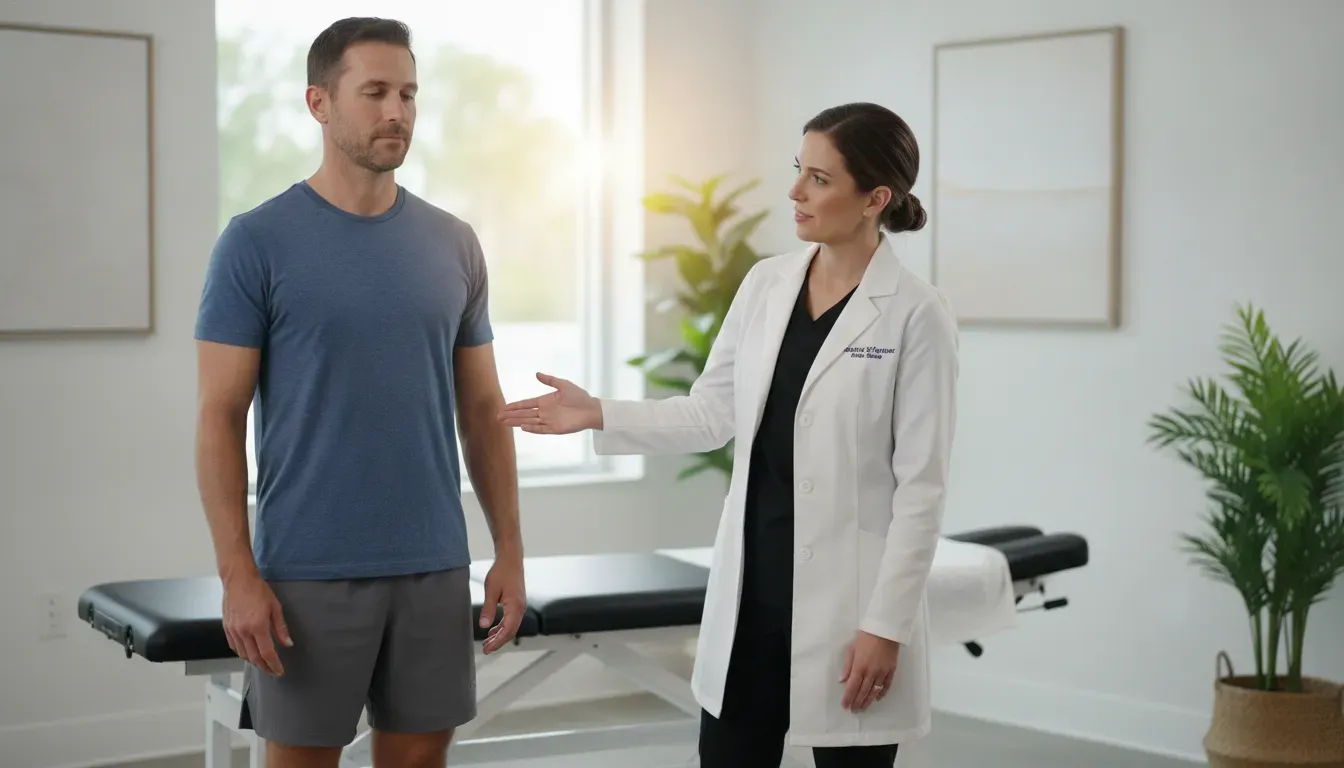
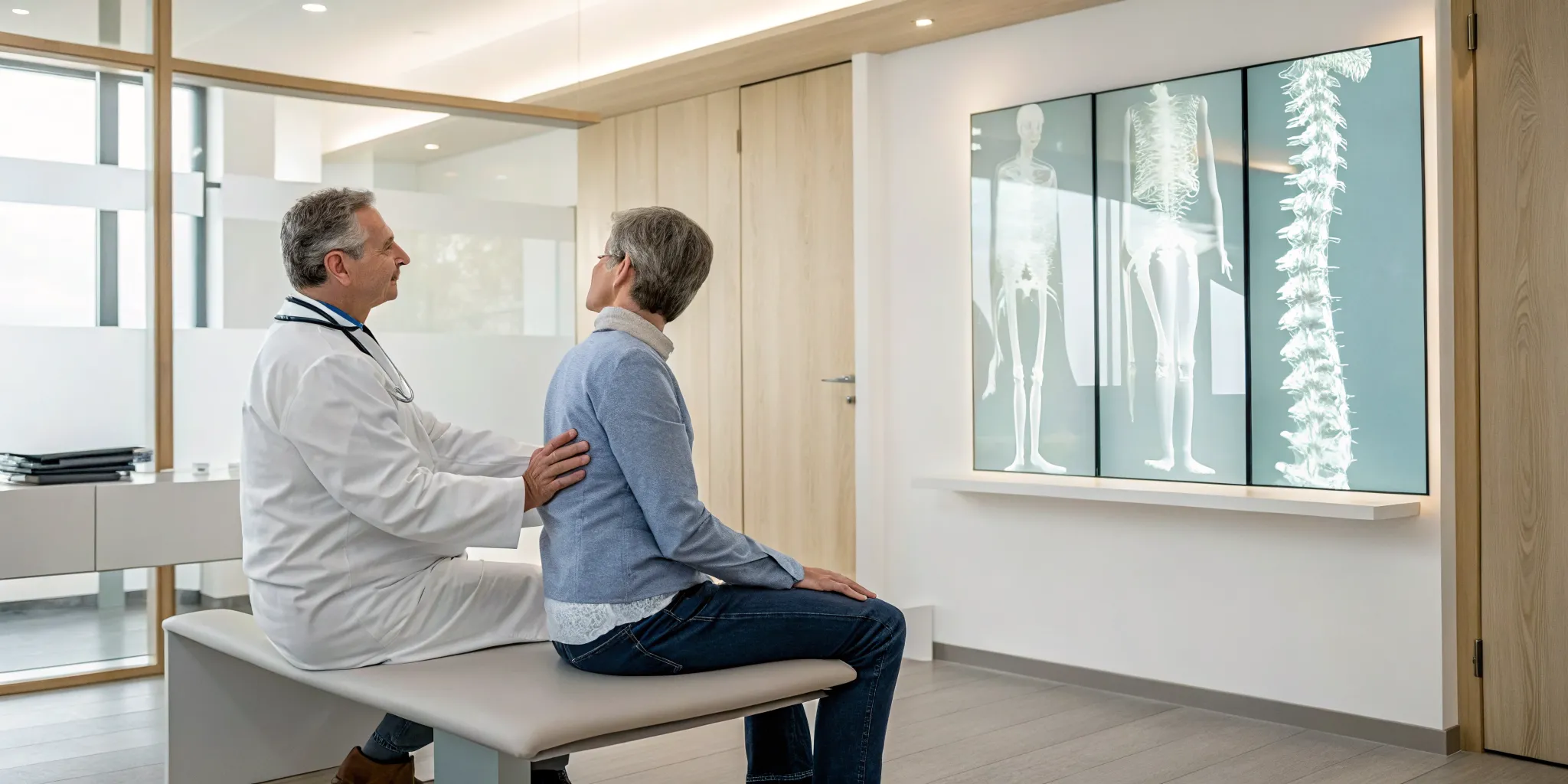
Your first appointment is all about creating a clear plan. Before we begin, we’ll have a conversation about your health history and, most importantly, where you’re feeling pain. It’s essential to be specific about the location and type of discomfort you're experiencing so we can target the treatment precisely. Our goal is to work within your comfort level throughout the session. There’s no need to wear special clothing, but comfortable, loose-fitting items that allow easy access to the treatment area are always a good idea. If you have any questions before you arrive, please don't hesitate to reach out to our team.
What Happens During the Treatment?
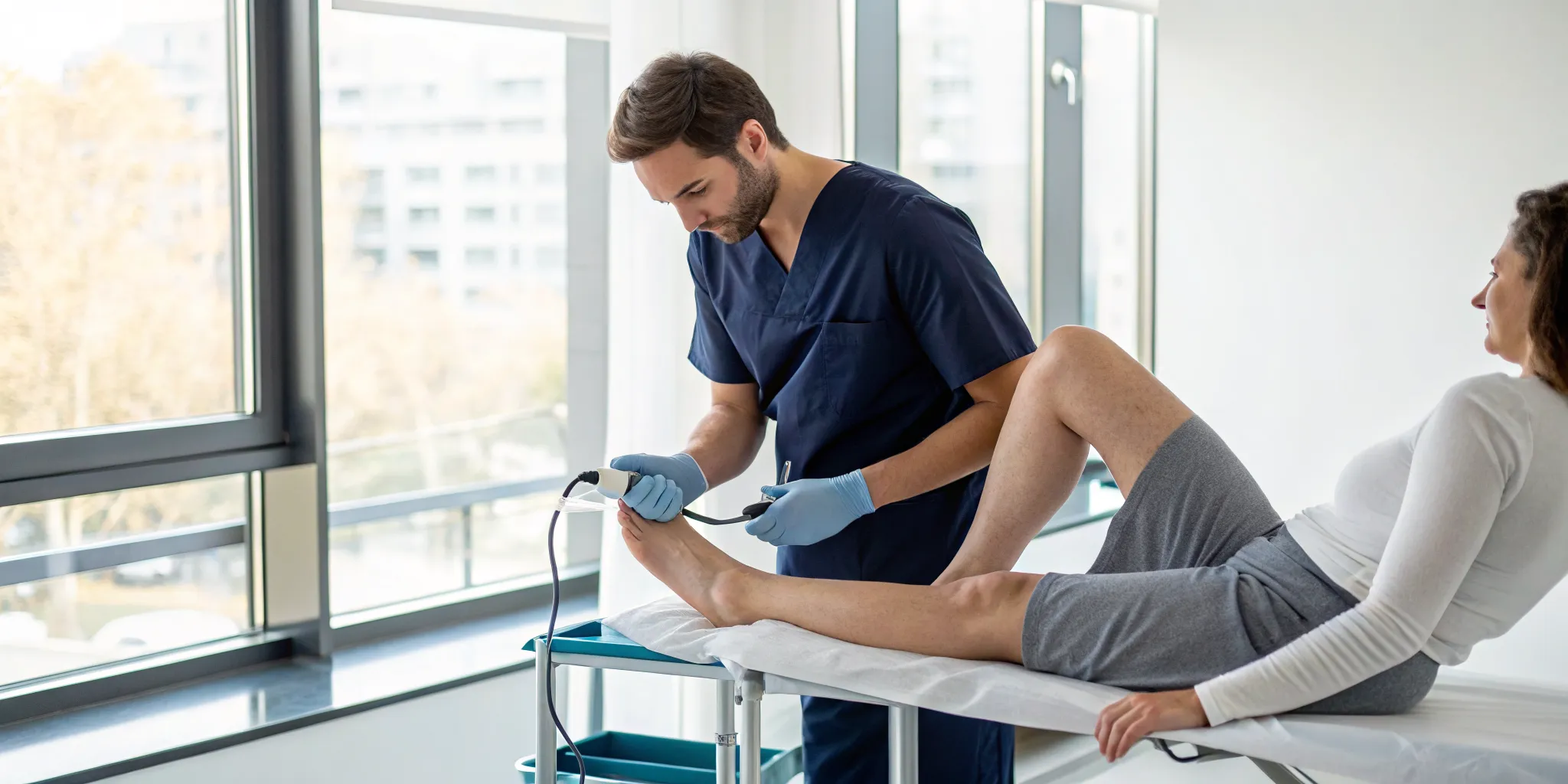
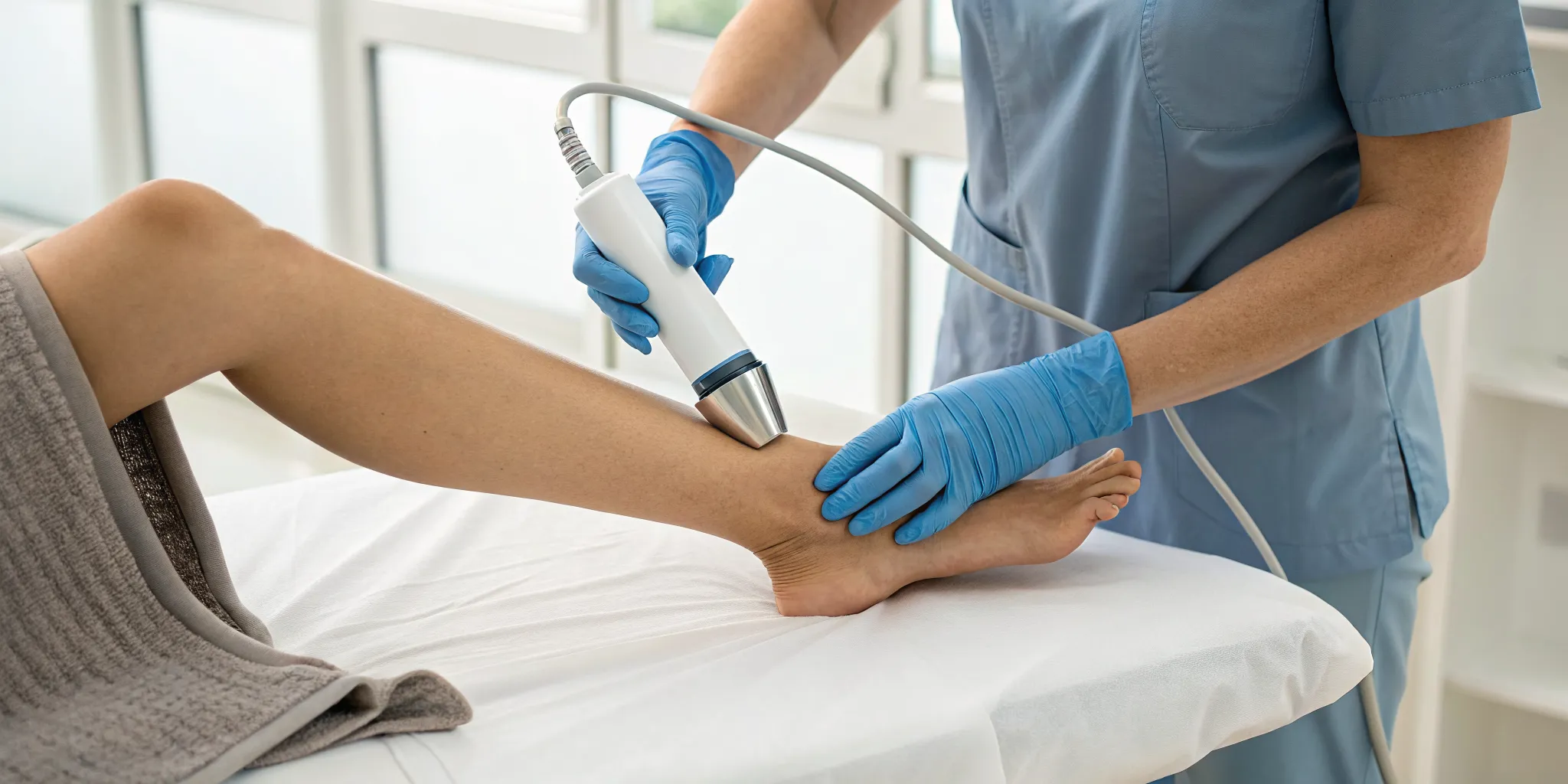
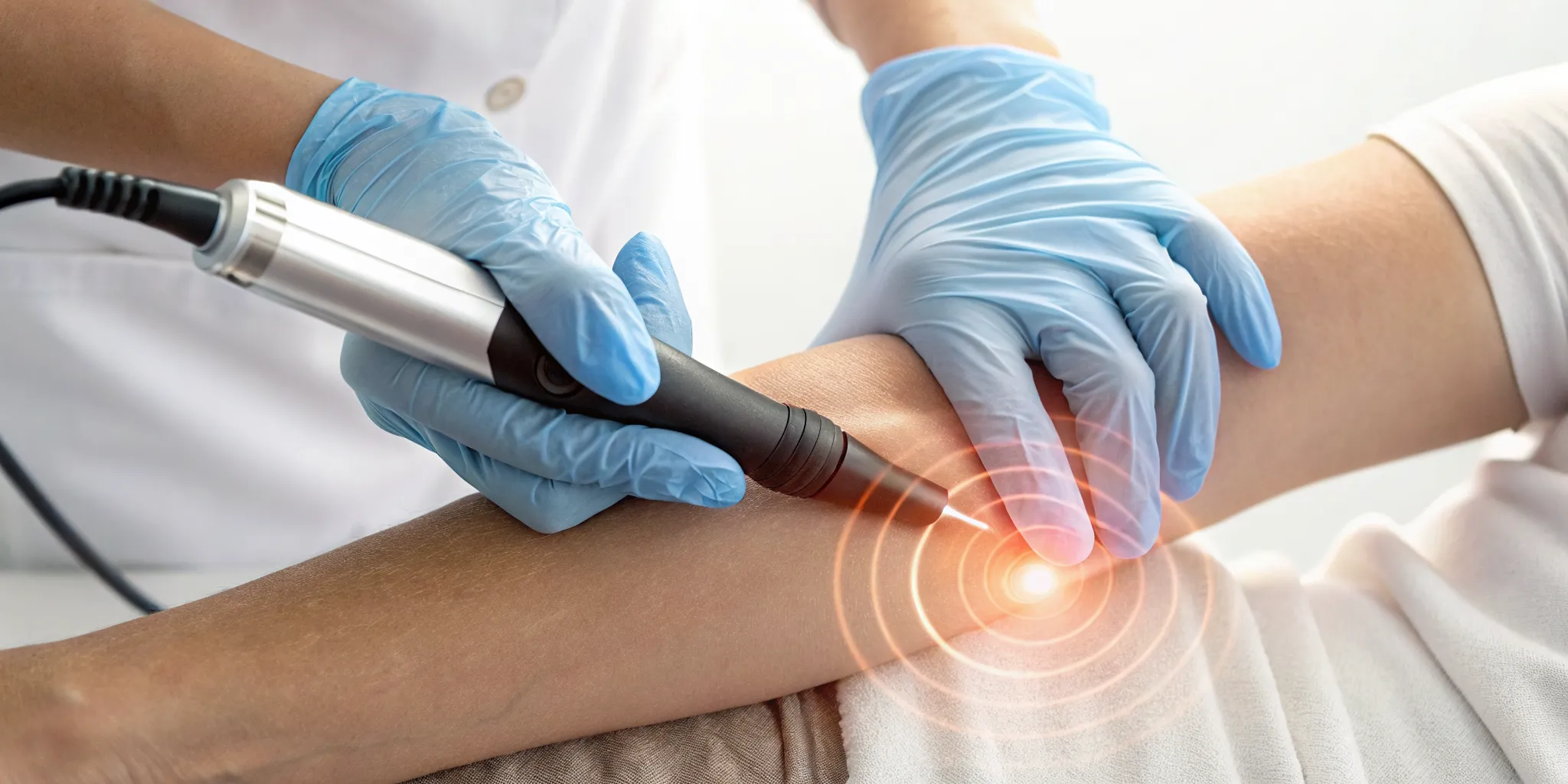
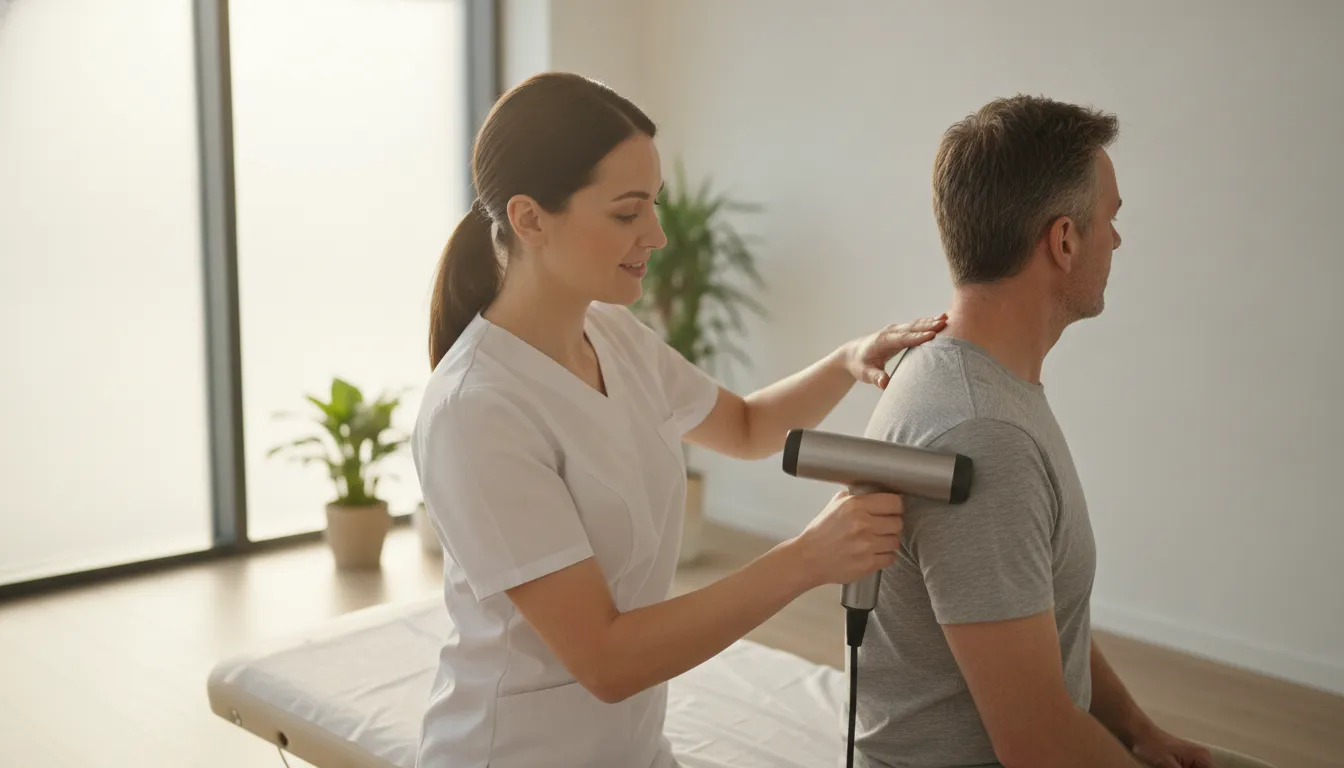
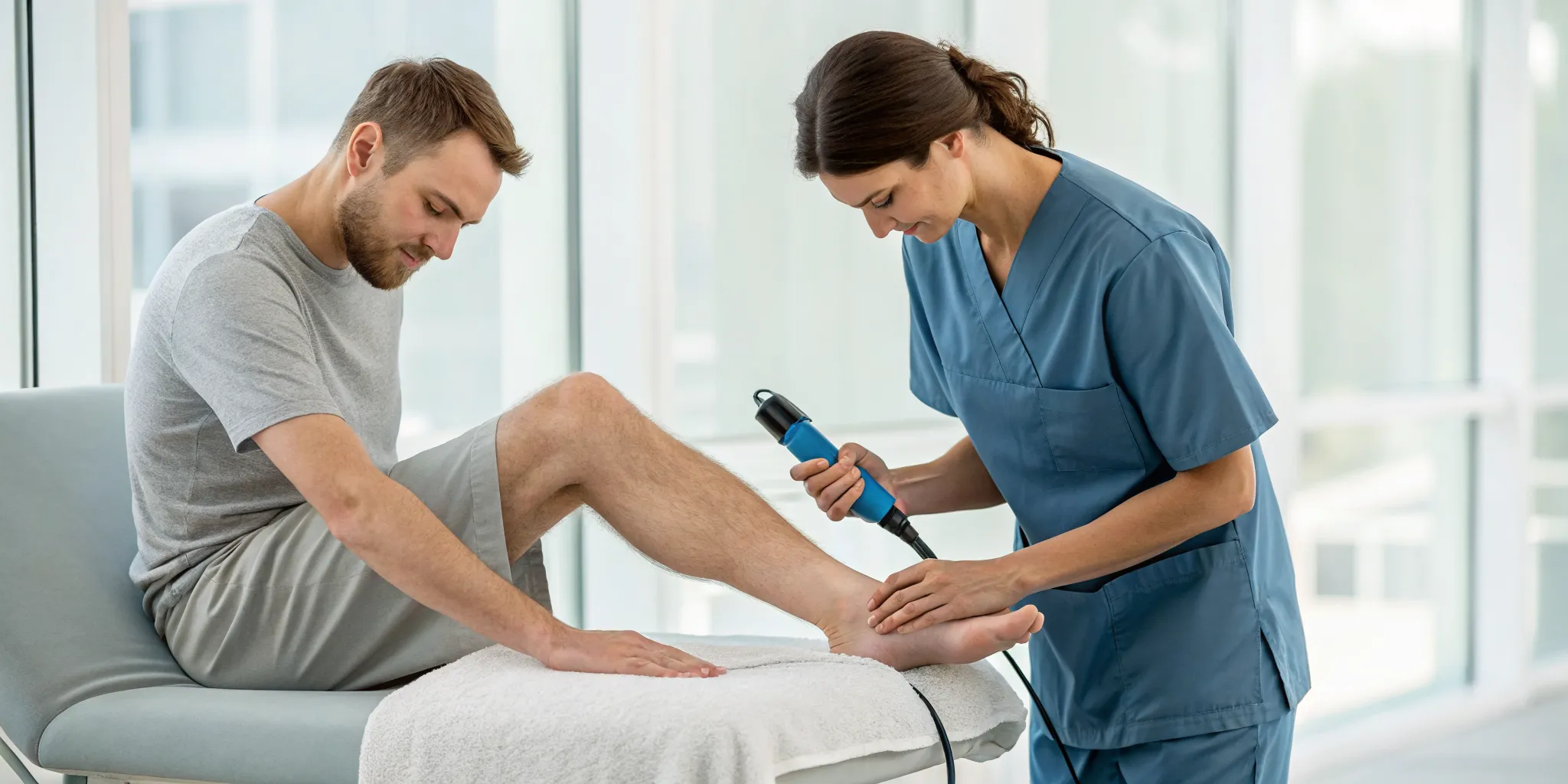
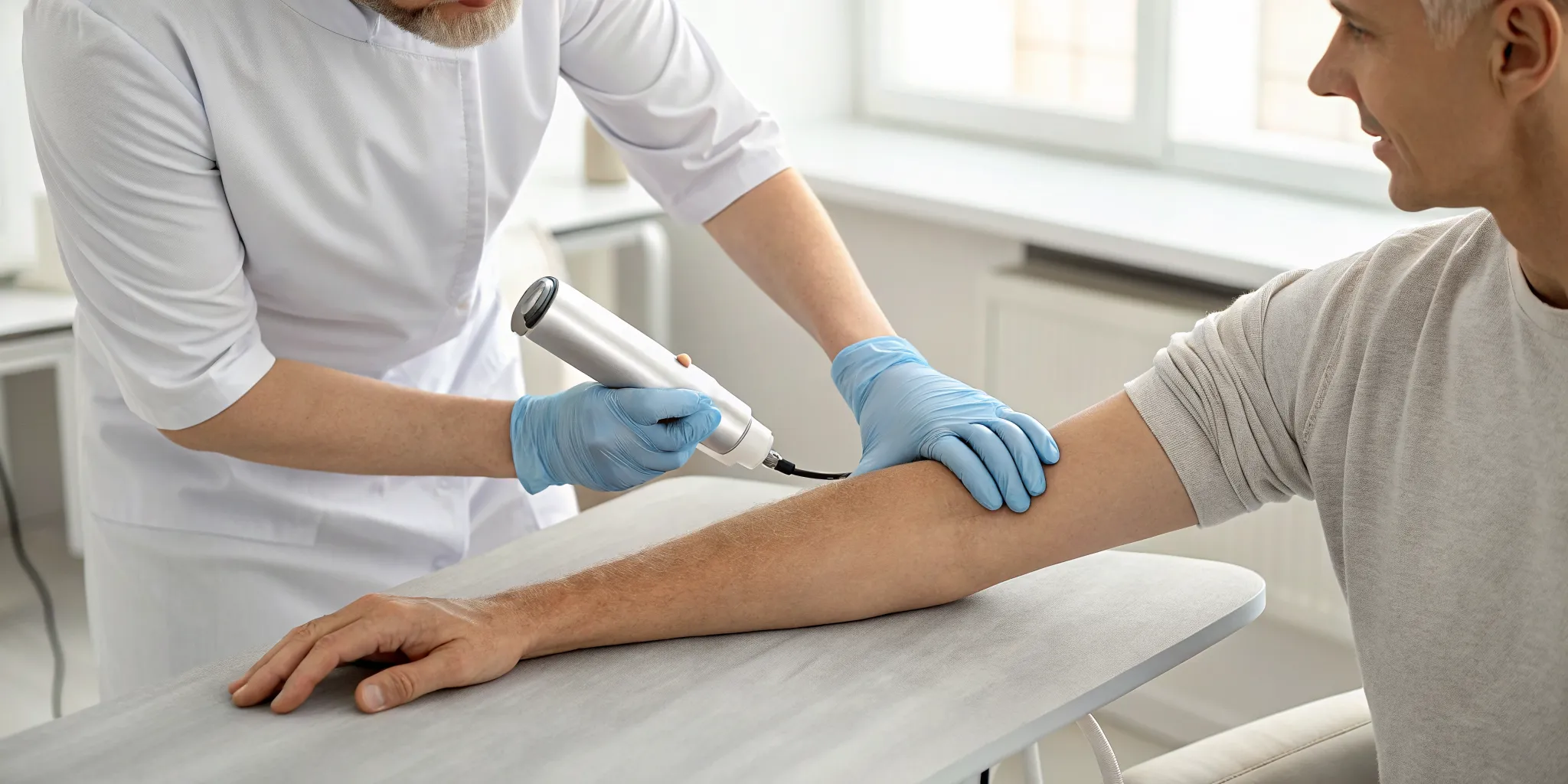
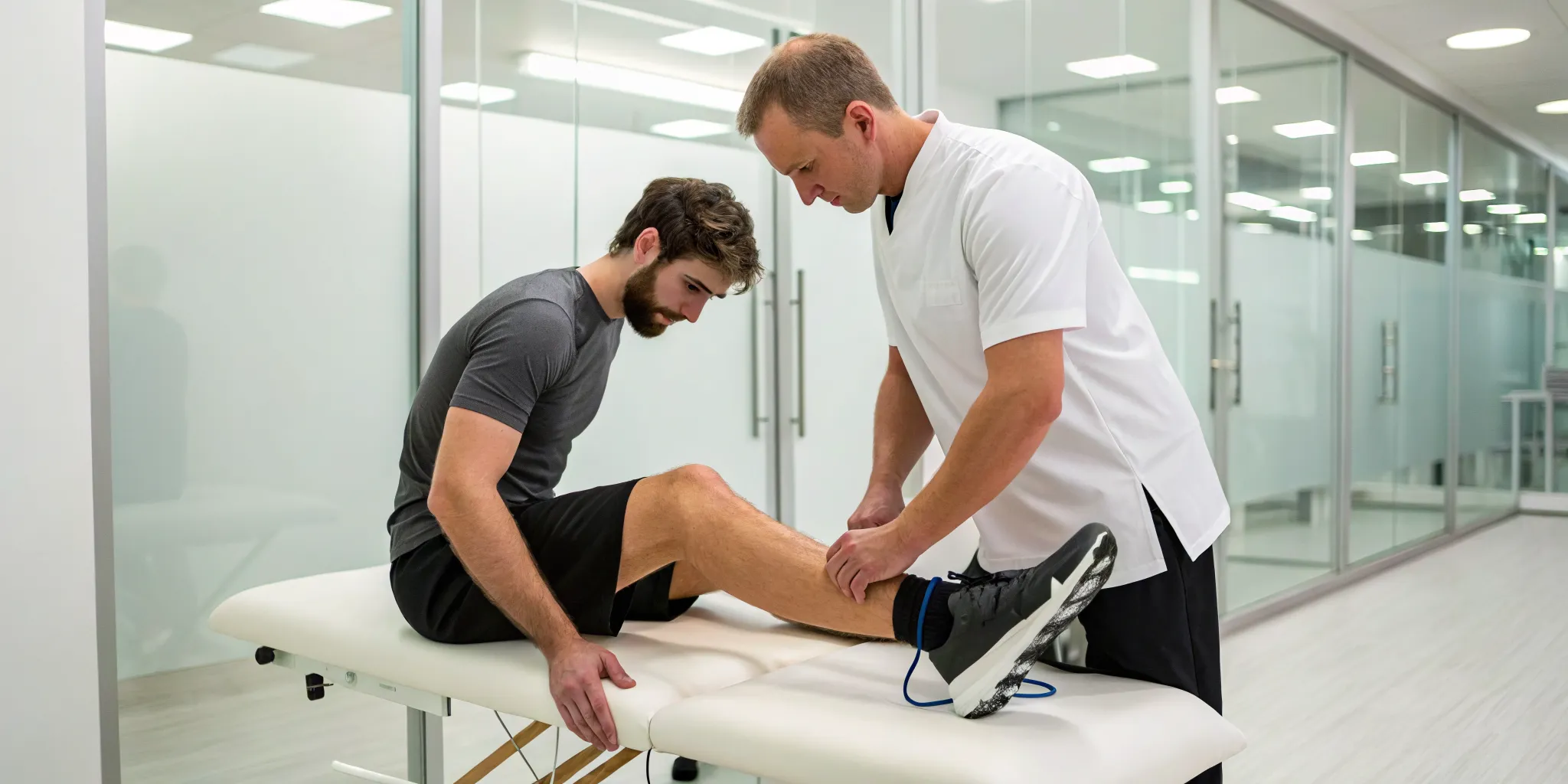
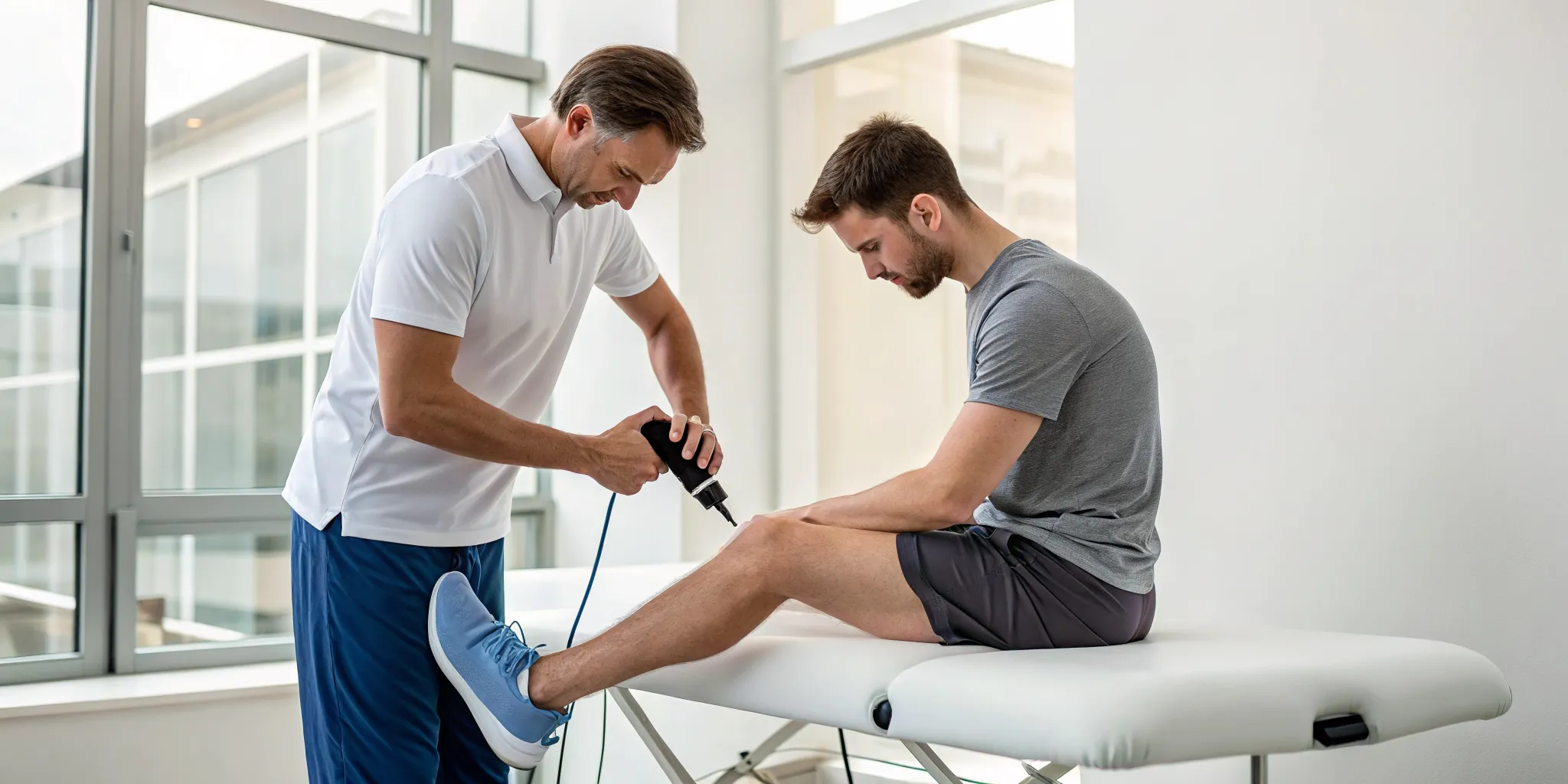
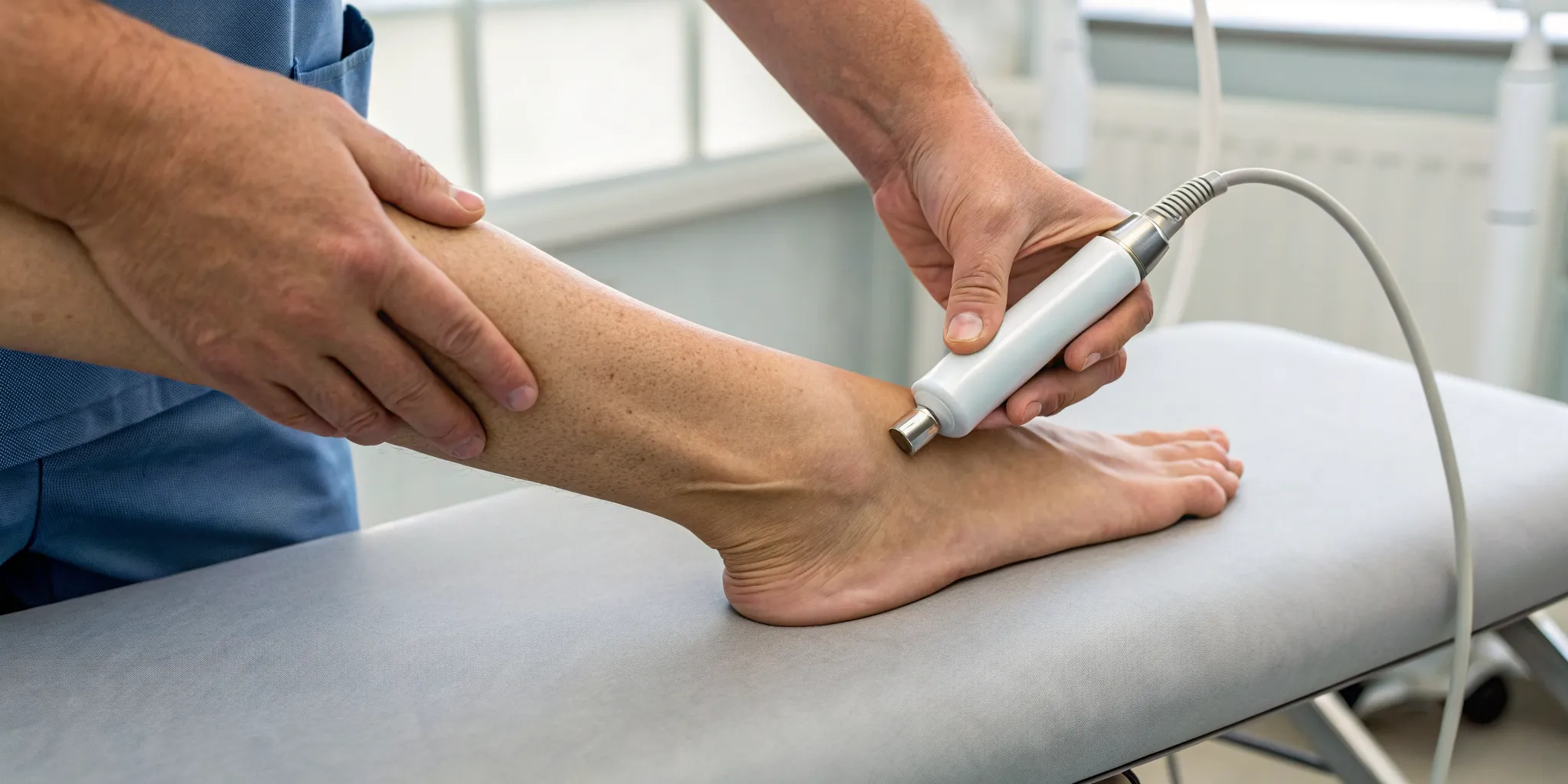
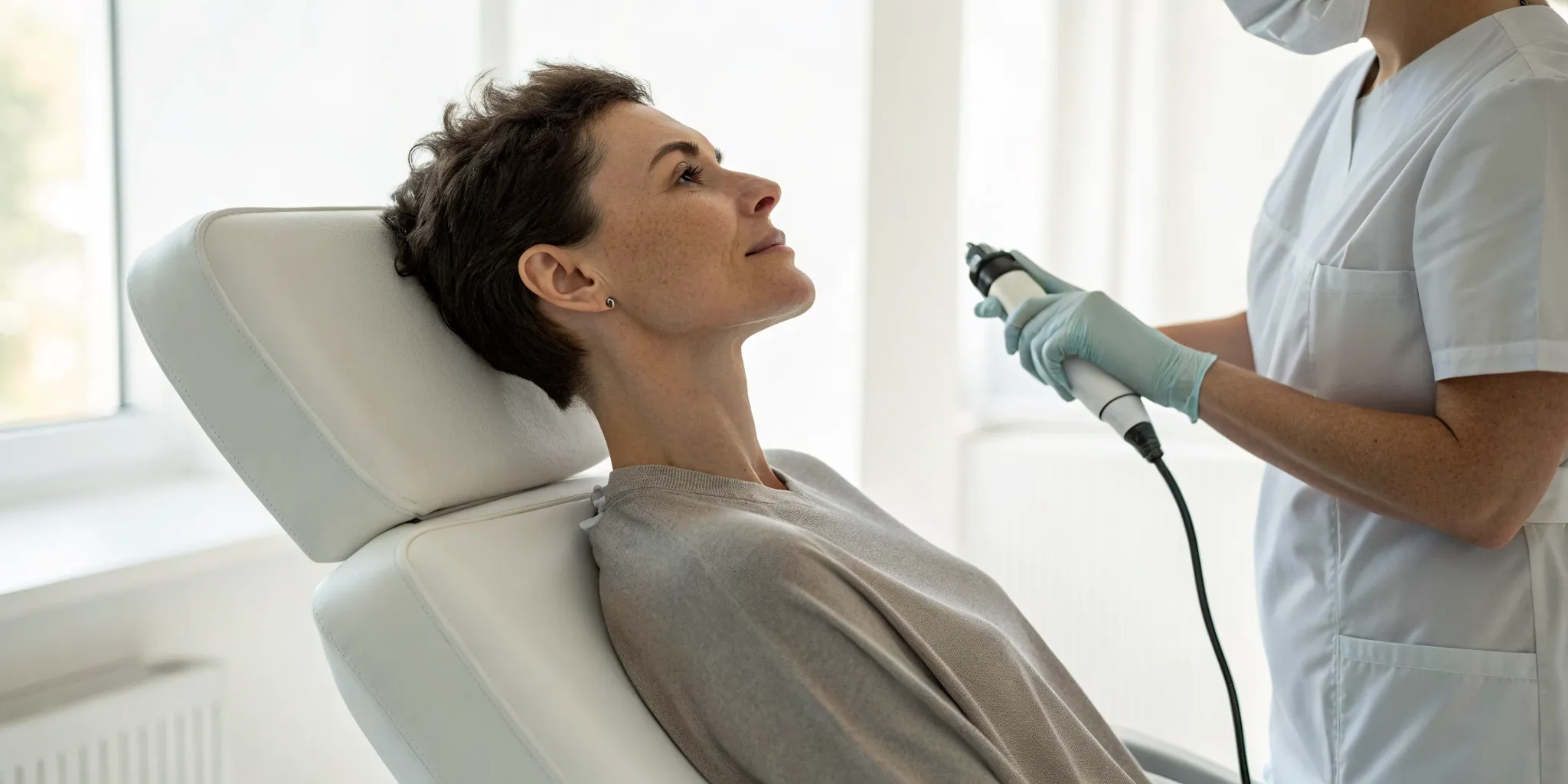
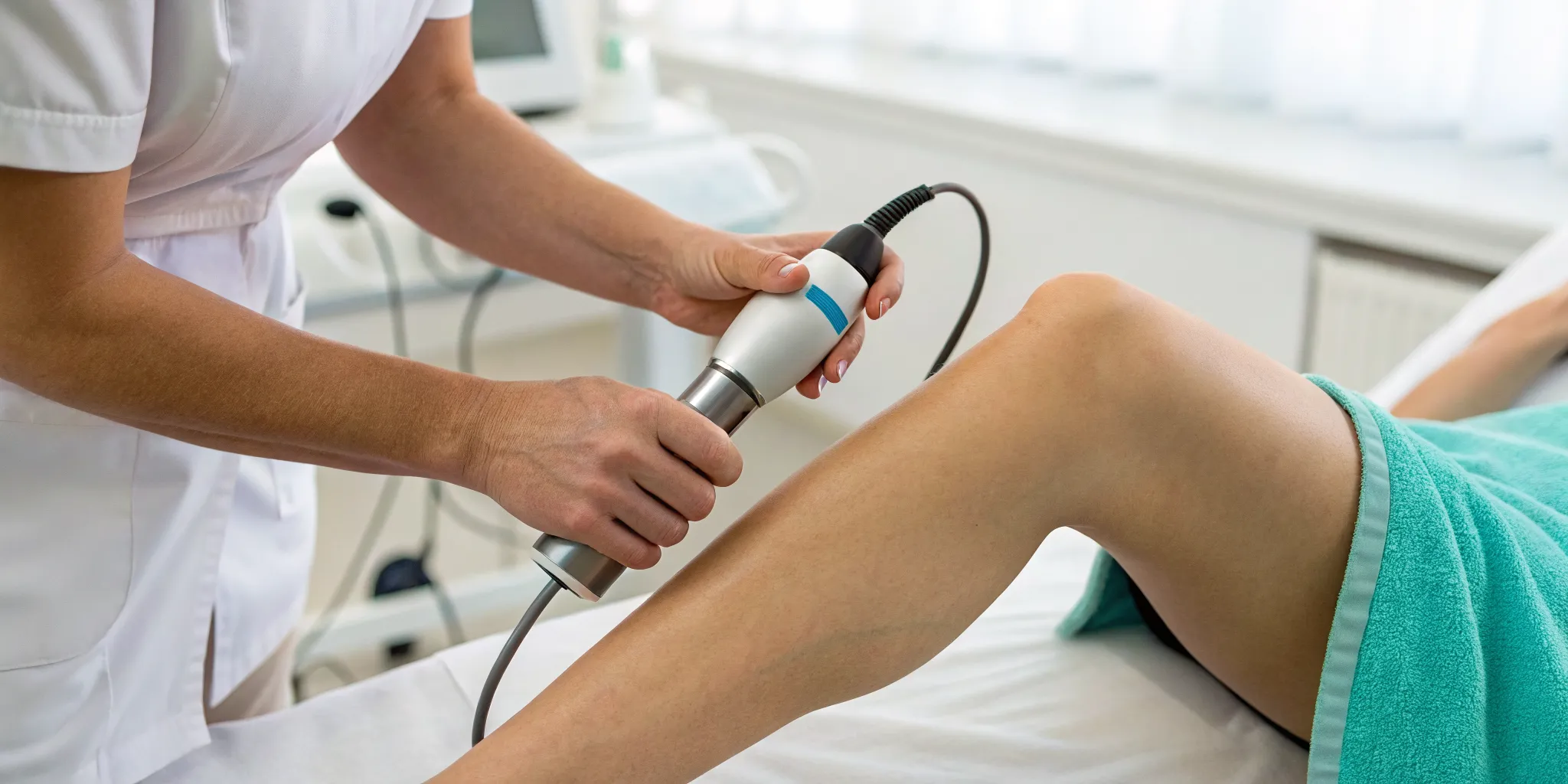
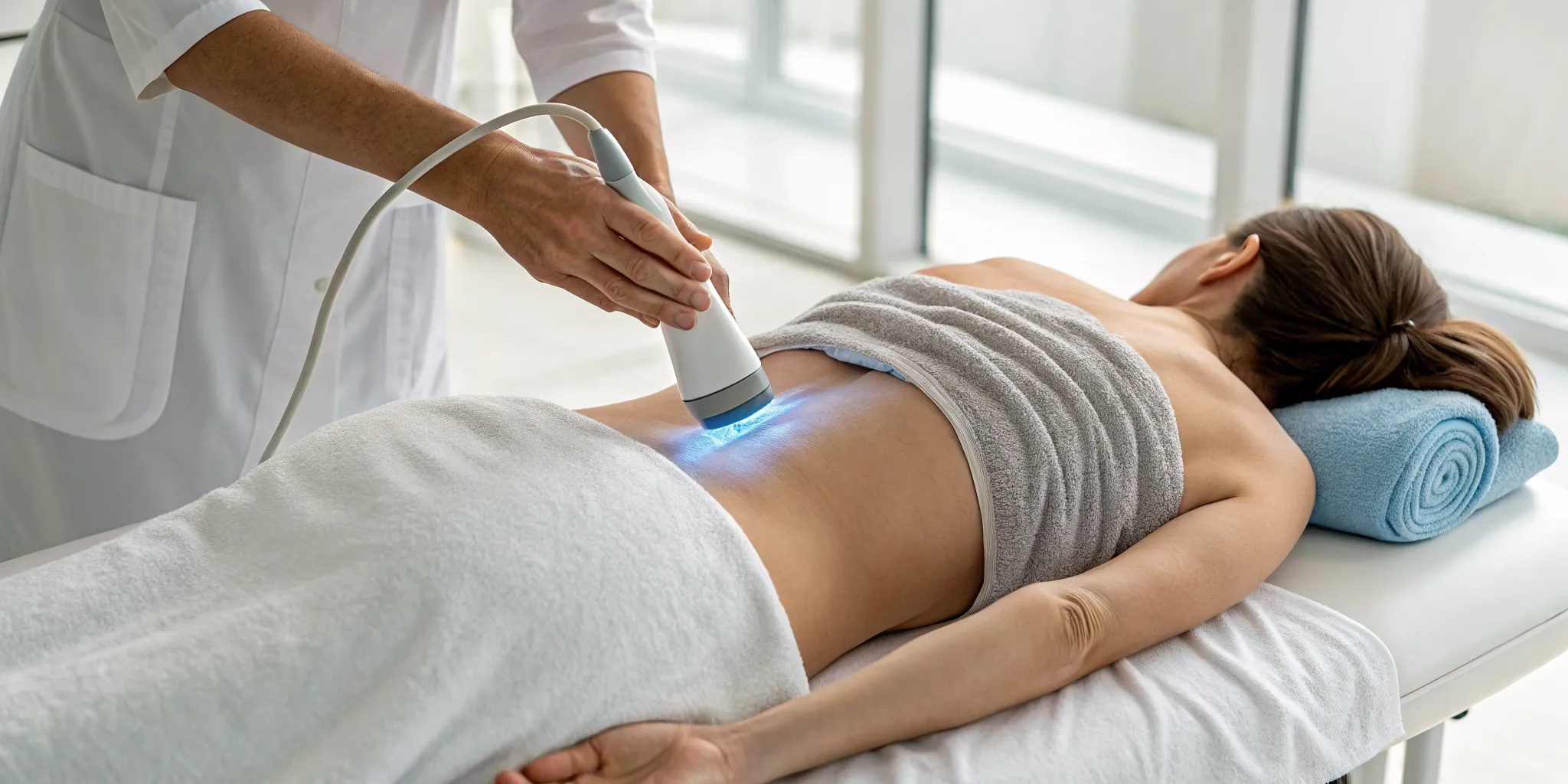
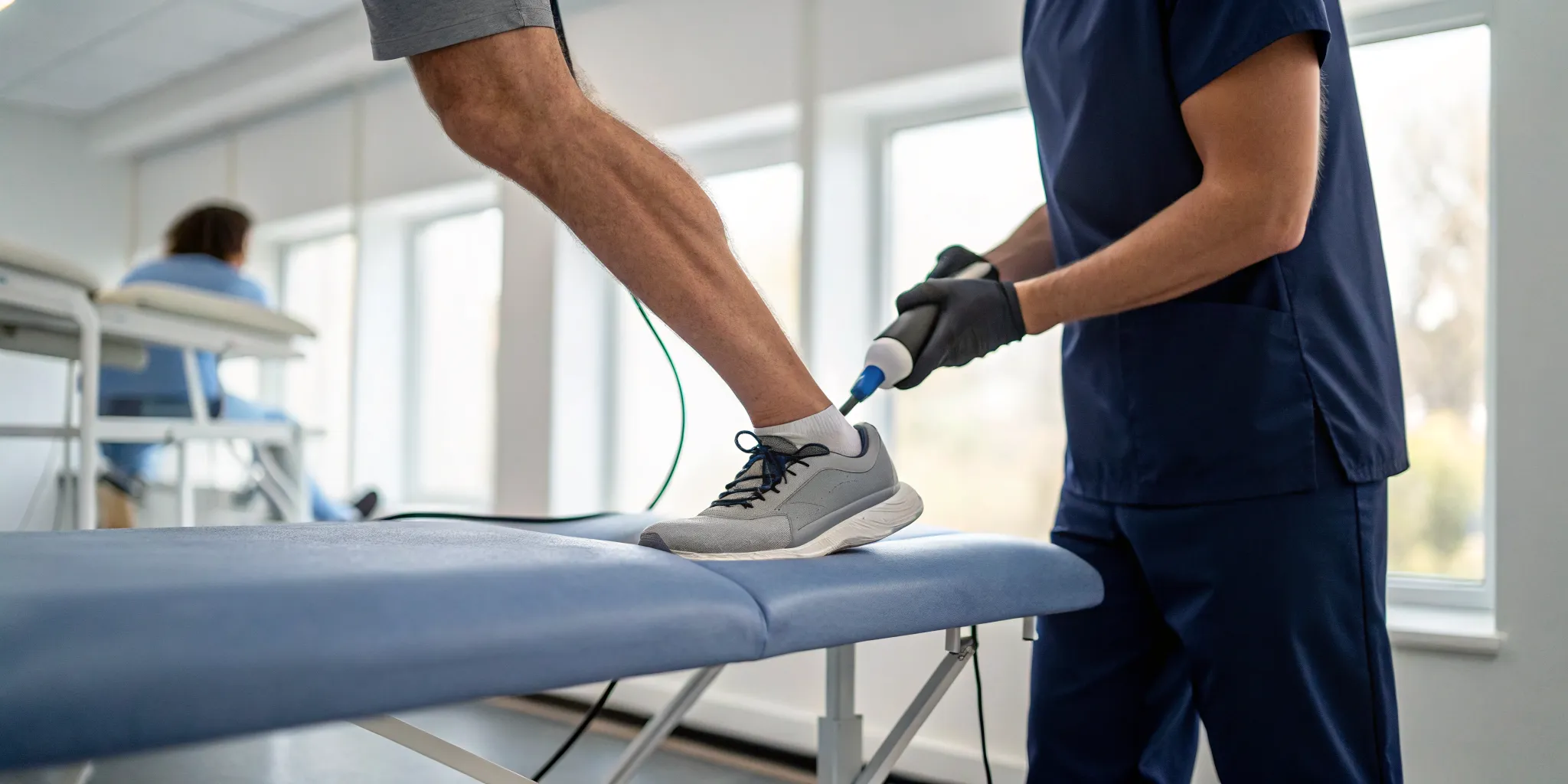
During the session, you’ll get comfortable while your practitioner applies a special gel to the area being treated. Then, they’ll use a handheld device that delivers acoustic waves directly to the source of your pain. You’ll feel a tapping or pulsing sensation as the device moves over your skin. These sound waves travel through the tissue to stimulate blood flow and kickstart your body’s natural repair mechanisms. This process helps break down scar tissue and encourages the regeneration of healthy cells. The entire treatment is quick, usually lasting only about 10 to 15 minutes, making it an easy addition to your day.
How Many Sessions Will You Need?
Shockwave therapy isn't a one-and-done treatment; it works best as a series of sessions. While every person’s healing journey is unique, most of our patients see significant improvement after three to five sessions, typically scheduled about a week apart. The exact number of treatments you’ll need depends on the specific condition being addressed, how long you’ve had it, and how your body responds. We will create a personalized plan tailored to your needs and adjust it as we track your progress. Our focus is on addressing the conditions we treat at their source for lasting results, not just temporary relief.
Life After Your Shockwave Therapy Treatment
Knowing what to do after your treatment is just as important as the session itself. Your body has been prompted to start a powerful healing process, and your actions in the hours and days that follow can make a significant impact on your results. Following a straightforward aftercare plan helps ensure you recover smoothly and get the most out of every session. Here’s a simple guide to help you support your body’s healing journey and move toward lasting relief.
What to Expect Immediately After
It’s completely normal to feel some soreness, tenderness, or even see a bit of swelling in the treated area right after your session. You might even notice that the pain feels a little worse for a day or two. Try not to worry, this is actually a positive sign. This temporary reaction means the treatment has successfully activated your body’s natural healing mechanisms. As noted by experts at King Edward VII's Hospital, this response is a normal part of the healing process. Think of it as your body getting to work repairing the tissue, which is exactly what we want to happen.
Your Aftercare Plan for a Smooth Recovery
Your recovery is a team effort, and a few simple steps can make a huge difference. First, communication is key. Always let your provider know about any discomfort you feel, as this helps us tailor the treatment to your needs. Second, while it might be tempting to reach for an anti-inflammatory painkiller like ibuprofen, it’s best to avoid them. These medications can interfere with the very healing response we’re trying to encourage. If you need something for the discomfort, paracetamol is a better option. Finally, give your body a 48-hour break from strenuous exercise, like running or heavy lifting. If you have any questions about your recovery, please don't hesitate to contact our team.
Activity Guidelines and Your Recovery Timeline
Patience is an important part of the healing process. Most people need about three sessions, typically spaced one week apart, to achieve significant pain relief for the conditions we treat. While some people feel better sooner, it’s common for the most noticeable improvements to appear between three and twelve weeks after your treatment course is complete. This is because your body needs time to regenerate tissue and complete the healing cycle that the shockwaves initiated. The great news is that the benefits are often long-lasting, with many people experiencing relief for up to two years.
Is Shockwave Therapy Safe?
It’s completely normal to ask about the safety of any new treatment, and the short answer is yes, shockwave therapy is widely considered a safe and effective option for many musculoskeletal issues. It’s a non-invasive procedure, meaning it doesn’t break the skin, which significantly reduces the risks associated with other interventions. At Ascend, your well-being is our top priority, and we conduct a thorough evaluation to ensure any treatment we recommend is the right fit for you. While the therapy is very safe, it’s not suitable for everyone, and there are a few important things to keep in mind before you begin.
Understanding Potential Side Effects
One of the best things about shockwave therapy is that significant side effects are very rare. Most people go through their sessions with no issues at all. When side effects do occur, they are typically mild and temporary, resolving on their own within a day or two. You might experience some slight redness, swelling, or tenderness in the treated area immediately following your session. Think of this as a sign that your body is kicking its natural healing response into gear, which is exactly what we want. Our team will walk you through everything to expect so you feel comfortable and informed every step of the way.
Who Isn't a Candidate for Shockwave Therapy?
While shockwave therapy is a fantastic tool, it’s not the right choice for every person or every condition. Your safety is paramount, so we carefully screen to make sure you’re a good candidate. Generally, this therapy is not recommended if you are pregnant, have a blood clotting disorder, or are taking blood-thinning medications. It’s also avoided over areas with active infections, tumors, or near major nerves and blood vessels. We also take your full health history into account, as our goal is to find the most effective and appropriate path to healing for your specific needs. We treat a wide range of conditions, and if shockwave isn't for you, we'll explore other solutions.
Important Pre-Treatment Considerations
To get the most out of your shockwave therapy, a little preparation goes a long way. The most important thing to know is that you should avoid taking any anti-inflammatory medications (like ibuprofen or naproxen) for a couple of weeks before and during your treatment course. This might seem counterintuitive since you’re dealing with inflammation, but these medications can actually block the healing process that shockwave therapy is designed to stimulate. The therapy works by creating a controlled inflammatory response to call your body’s repair crews to the area. If you have any questions about your current medications, please contact our office so we can give you personalized guidance.
How Does Shockwave Therapy Compare to Other Options?
When you’re dealing with persistent pain, it can feel like you’re stuck between a rock and a hard place. You’ve tried the initial steps, but you’re not ready for invasive procedures. This is where understanding your options becomes so important. Shockwave therapy occupies a unique space in the healing journey, often serving as a bridge between conservative treatments and more aggressive interventions. It’s not about choosing one treatment over another; it’s about finding the right tool for the right job at the right time.
Unlike treatments that simply manage symptoms, shockwave therapy is designed to stimulate your body’s own regenerative abilities to address the source of the pain. It works differently than physical therapy, which focuses on movement and strength, and injections, which often aim to reduce inflammation temporarily. By comparing it to these more common approaches, you can get a clearer picture of how it might fit into your personalized health plan. Making an informed choice is the first step toward finding lasting relief for the conditions we treat and getting back to the life you want to live.
Shockwave Therapy vs. Physical Therapy
Physical therapy is a cornerstone of recovery for many injuries. It’s fantastic for correcting movement patterns, building strength, and improving your range of motion. But what happens when progress stalls? Sometimes, even with consistent effort, a stubborn tendon or chronic injury just won’t heal. This is often when we introduce shockwave therapy.
Think of it not as a replacement for physical therapy, but as a powerful partner. Shockwave therapy can target the specific area of damaged tissue, breaking up scar tissue and reigniting the healing process on a cellular level. This can create the breakthrough needed to make your physical therapy exercises more effective and less painful. It’s an excellent next step when other non-surgical treatments haven’t provided the relief you need, helping you get over the hump and back on the path to recovery.
Shockwave Therapy vs. Injections
Injections are a common treatment for joint and tendon pain, often providing fast relief by reducing inflammation. While helpful in the short term, they don’t always address the underlying cause of the tissue damage. The pain may return once the effects wear off because the weakened tissue was never truly repaired.
Shockwave therapy offers a different approach. Instead of introducing a substance to mask pain, it uses acoustic waves to stimulate your body’s natural healing factors. It encourages new blood vessel formation and triggers a regenerative response to repair the tissue from the inside out. This aligns with our philosophy of getting to the root cause of your health concerns. While injections have their place, shockwave therapy is a valuable option for creating long-term healing without the potential side effects of repeated injections.
The Benefit of a Non-Invasive Approach
One of the most significant advantages of shockwave therapy is that it’s completely non-invasive. This means there are no needles, no incisions, and no lengthy recovery periods associated with surgical procedures. The entire treatment is performed from outside the body, using a special applicator to deliver low-energy sound waves directly to the injured tissue.
The practical benefits are huge. Sessions are quick, usually lasting only a few minutes, and you can have them right here in our office. There’s minimal downtime, so you can typically return to your daily activities right away. For anyone looking for powerful healing without the risks and recovery time of more invasive options, this approach is a game-changer. It’s one of the many advanced services we offer to help your body heal itself effectively and efficiently.
Integrating Shockwave Therapy into Your Health Plan
Shockwave therapy isn't just a standalone treatment; it's a powerful tool that can be woven into a comprehensive health strategy. When you combine it with other foundational practices, you create a synergistic effect that supports your body’s healing from multiple angles. This integrated approach allows us to address not only the symptoms but also the underlying issues contributing to your discomfort, helping you build a stronger, more resilient foundation for long-term wellness. By looking at the complete picture of your health, we can determine how this innovative therapy best fits into your personalized plan for recovery and vitality.
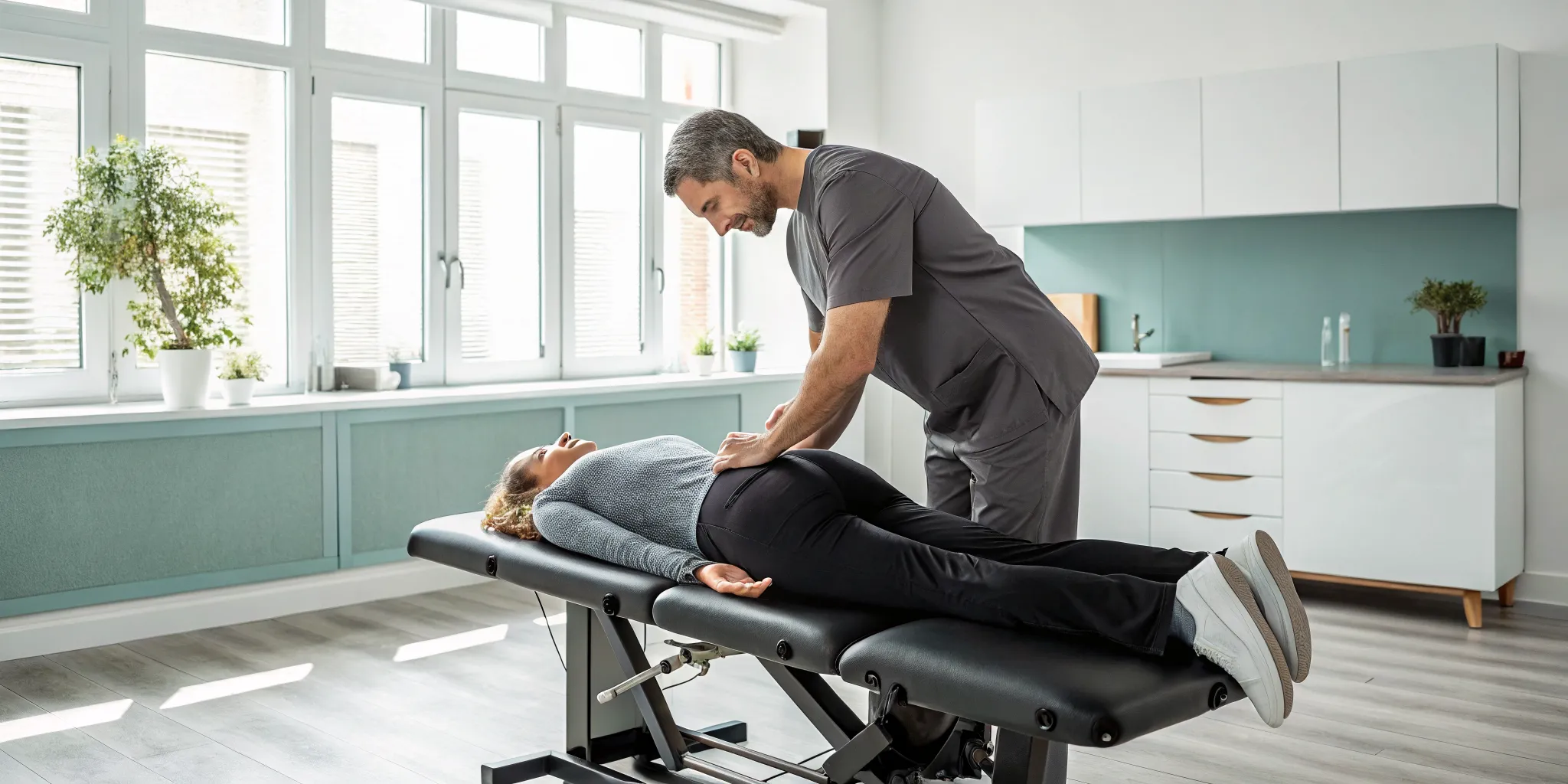
Pairing Shockwave Therapy with Chiropractic Care
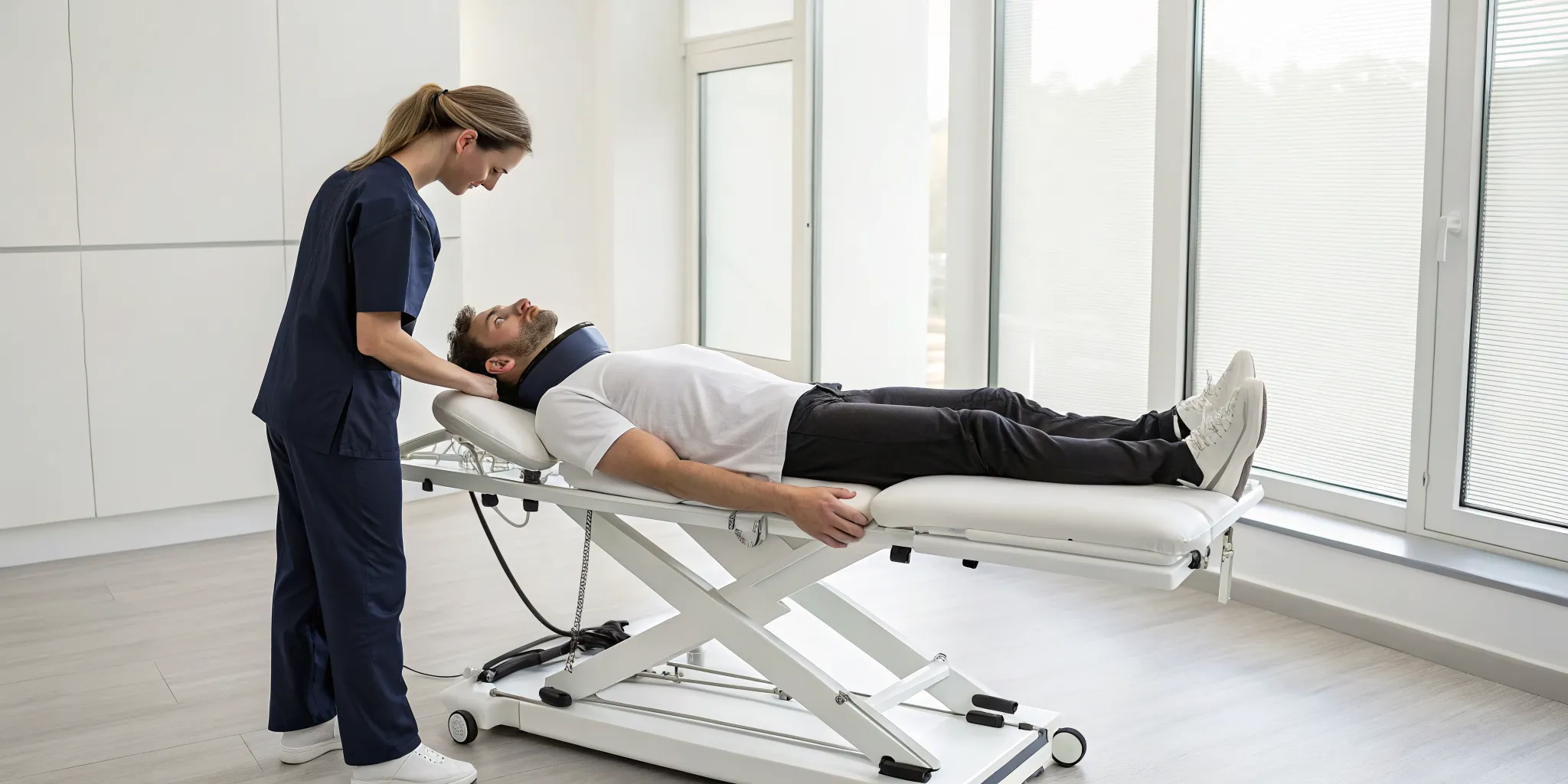
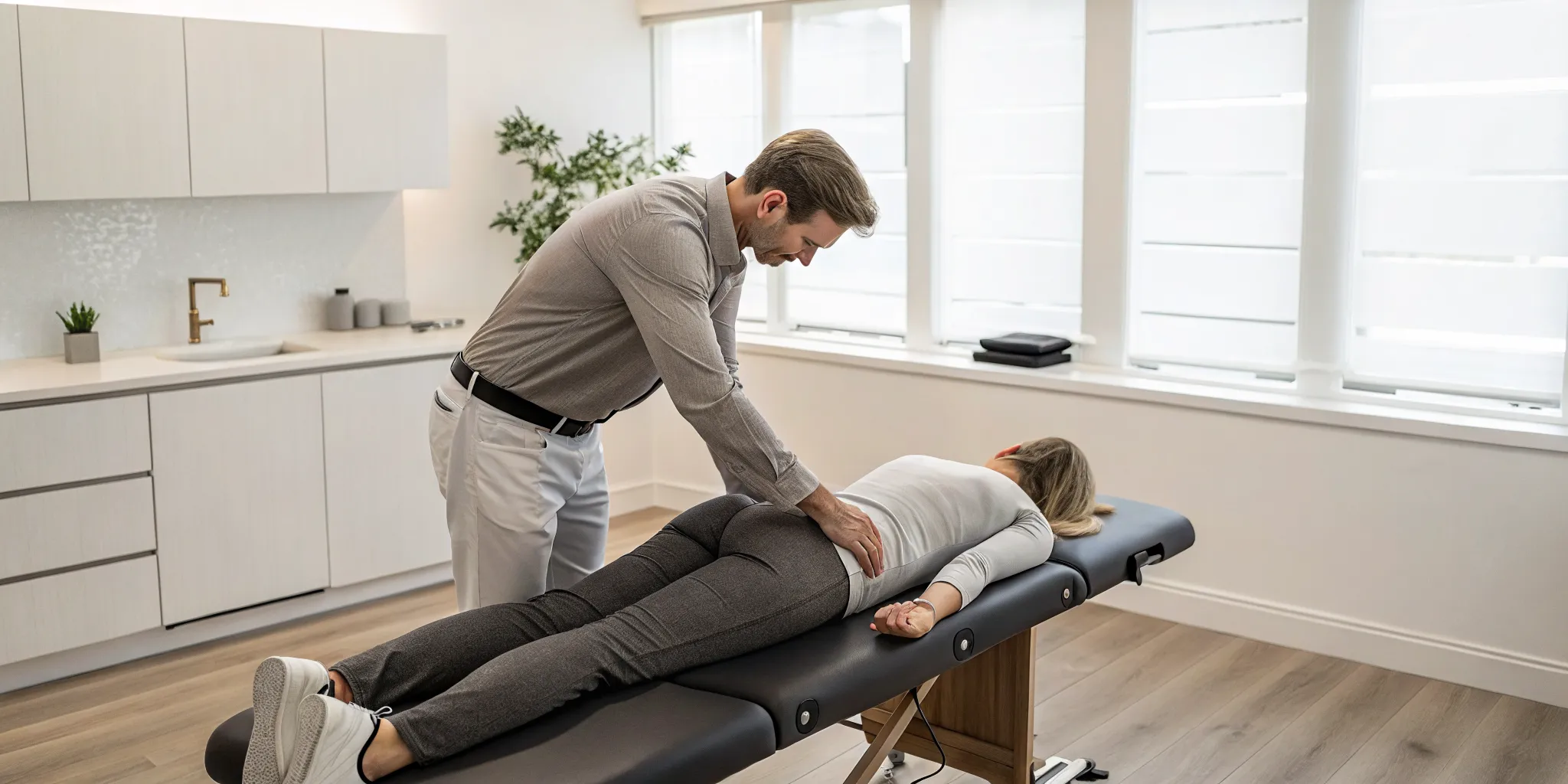
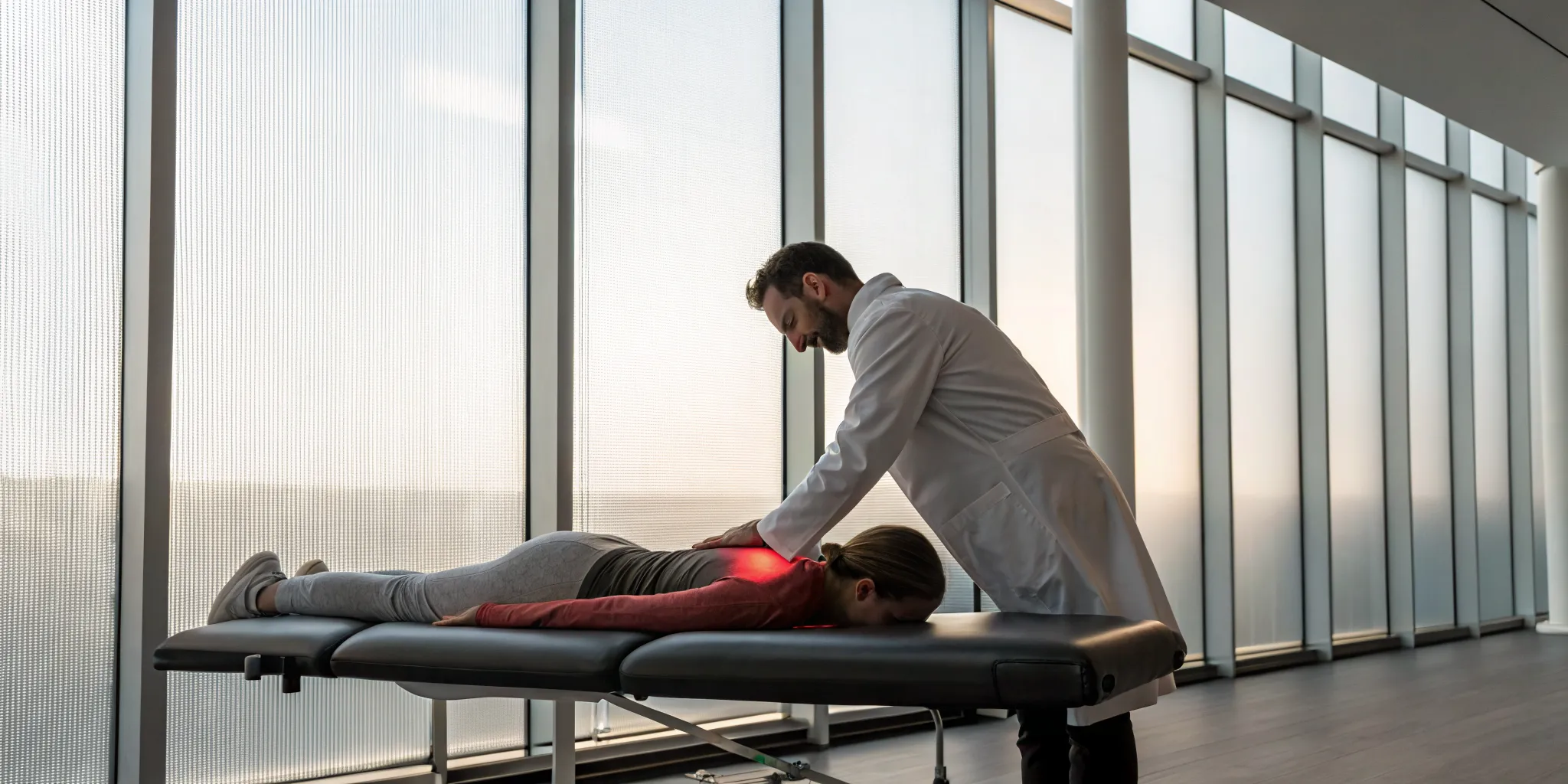
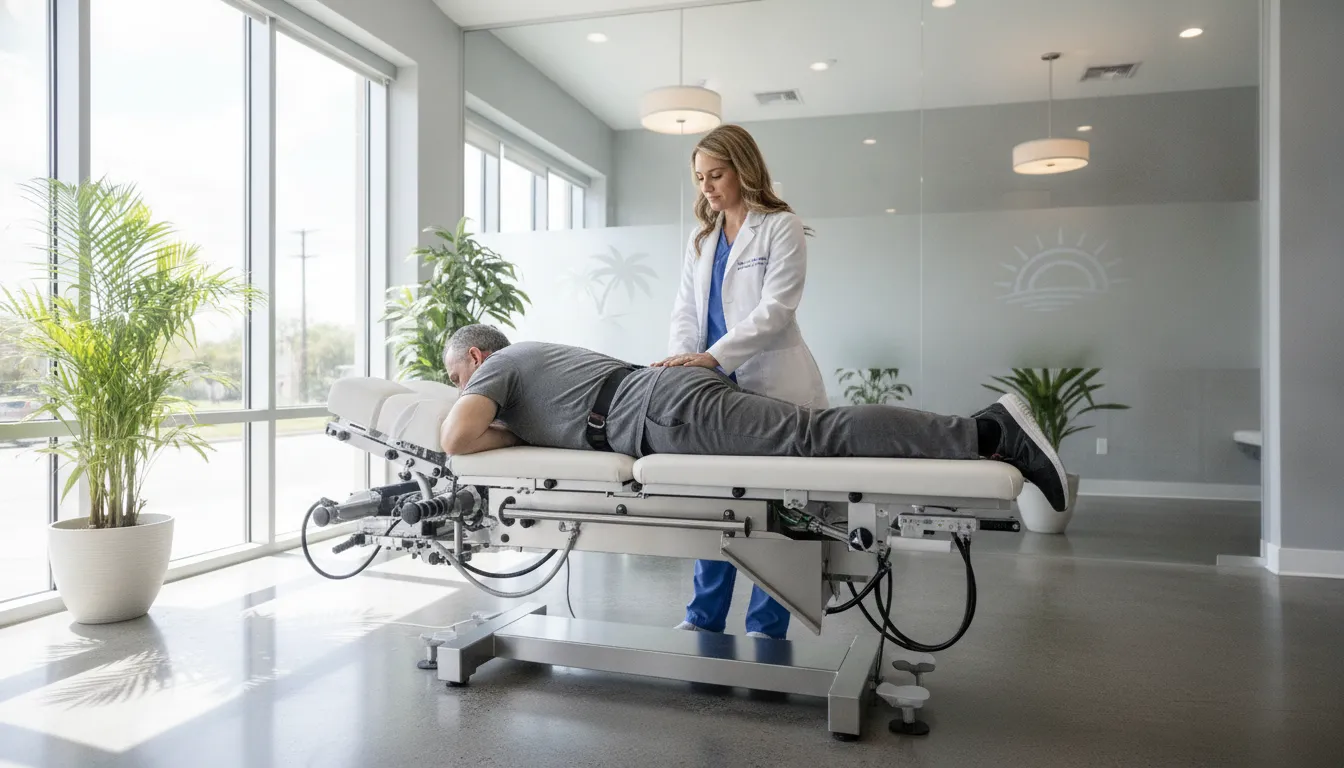
Think of chiropractic care and shockwave therapy as a powerful team working together for your health. While chiropractic adjustments focus on restoring proper alignment to your spine and joints, improving nervous system function, shockwave therapy targets the surrounding soft tissues. It uses low-energy sound waves to address pain and dysfunction in the muscles, tendons, and ligaments that support your skeletal structure. By combining these two approaches, we can correct structural issues while also healing the tissues affected by misalignment and chronic strain. This dual-action plan is a core part of our Physical Medicine services, ensuring we address your body’s interconnected systems for more complete and lasting results.
Getting to the Root Cause of Your Pain
True healing happens when you address the source of the problem, not just the symptoms. Shockwave therapy aligns perfectly with this principle. Instead of simply masking pain, it works by stimulating your body’s own regenerative processes. The acoustic waves encourage the formation of new blood vessels and prompt your body to repair damaged tissue, which helps reduce the chronic inflammation that fuels so many pain conditions. This is a fundamental aspect of Functional Medicine, where the goal is to understand and correct the underlying dysfunction. By activating your body's innate healing mechanisms, shockwave therapy helps resolve the issue at its core, moving you away from temporary fixes and toward genuine, sustainable health.
Is Shockwave Therapy Right for You?
If you've been dealing with persistent muscle or tendon pain and haven't found relief with other methods, shockwave therapy could be an excellent option. It is a well-regarded, non-invasive approach for many types of chronic musculoskeletal pain, offering a path to healing without the complexities of more intensive procedures. The treatment is particularly effective for conditions where long-term inflammation has hindered the body's ability to repair itself. The best way to know if you are a candidate is to have a thorough consultation. We can assess your specific condition, discuss your health history, and determine if this therapy aligns with your wellness goals. You can read about the success others have found on our patient testimonials page.
Related Articles
- Regenerative Medicine for Pain Recovery | Ascend Functional Health
- Root Cause Treatment for Chronic Pain | Ascend Functional Health
- SoftWave Tissue Regeneration Therapy in Tampa | Alessi Functional Health
- SoftWave TRT Therapy in Tampa, FL - Alessi Functional Health
- Pain Free Future | Alessi Functional Health
Frequently Asked Questions
Does the treatment actually hurt? Most people describe the sensation as a strong tapping or pulsing, not sharp pain. You might feel some discomfort, especially if we are working on a very tender spot, but the treatment itself is very quick, usually lasting only about 10 minutes. We will communicate with you throughout the entire session to ensure the intensity is manageable and adjust it to keep you comfortable.
How soon can I expect to feel relief from my pain? While some people notice an improvement after just one or two sessions, shockwave therapy is designed for long-term tissue repair, not an overnight fix. The most significant and lasting results often appear in the weeks following your final session. This is because the therapy initiates a healing process, and your body needs time to regenerate new, healthy tissue. Patience is part of the process, as your body is actively rebuilding from the inside out.
Can I go back to work or my daily routine right after a session? Yes, one of the great things about this therapy is the minimal downtime. You can typically return to work and your normal daily activities immediately after your appointment. We do recommend that you avoid any strenuous, high-impact exercise or heavy lifting involving the treated area for about 48 hours. This short break gives your body the best opportunity to kickstart the healing process without any added stress.
Why should I consider this therapy if other treatments haven't worked for me? This is a common question, especially for those who feel like they've tried everything. Shockwave therapy is often effective when other methods stall because it works differently. Instead of just managing symptoms, it creates a new healing opportunity at the cellular level. If your body's repair process has stalled due to chronic inflammation or scar tissue, shockwave therapy acts as a catalyst to restart that process, which can be the breakthrough you need.
Is it normal for the pain to feel a little worse after a treatment? Yes, it is completely normal and even a good sign. You may experience some temporary soreness or tenderness in the treated area for a day or two after your session. This response indicates that the therapy has successfully stimulated the tissue and activated your body’s natural inflammatory and repair mechanisms. Think of it as your body’s healing system waking up and getting to work.