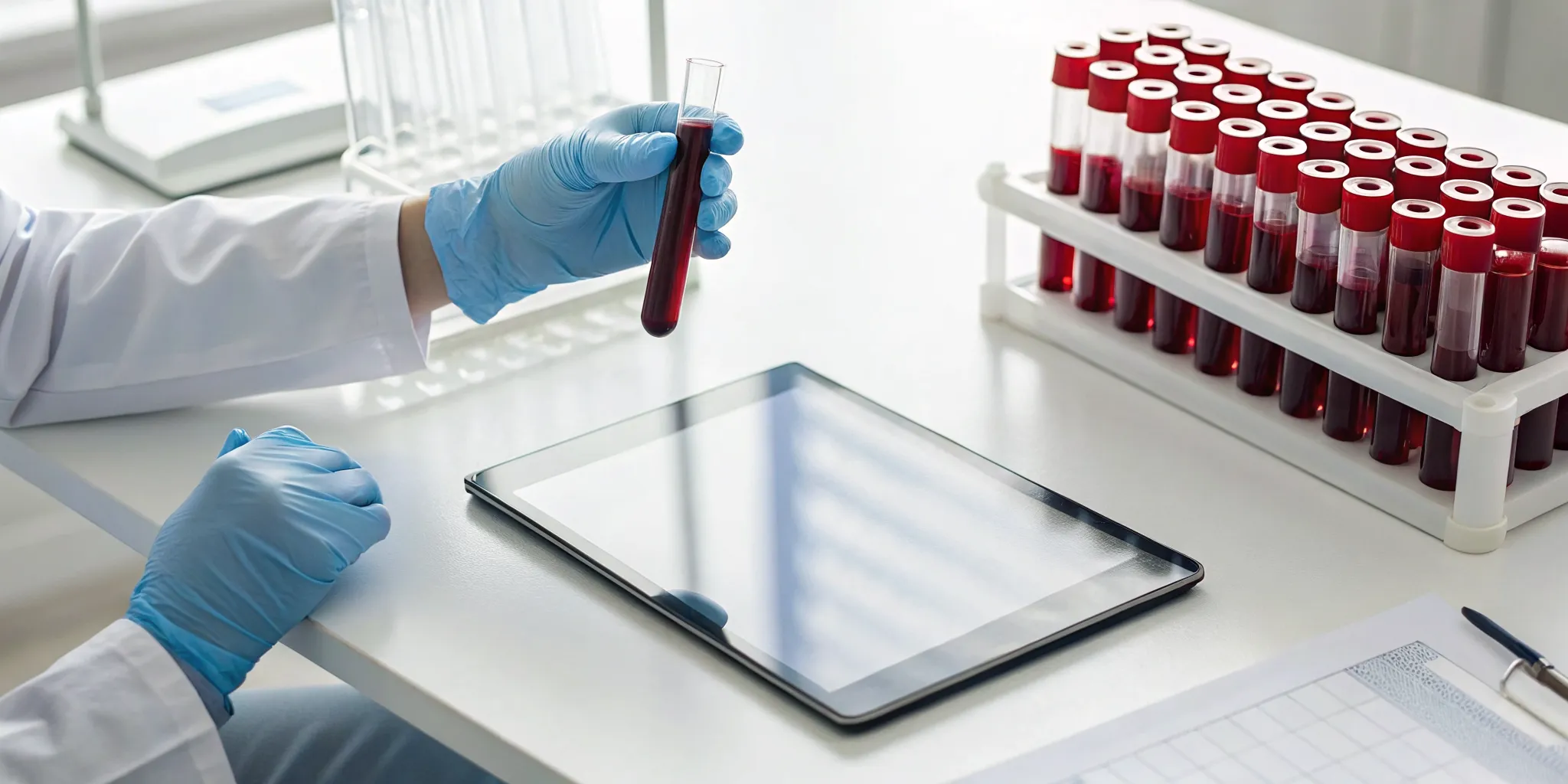
A persistent bloating evaluation is necessary when your abdominal swelling happens most days of the week or comes with warning signs like weight loss and severe chronic pain. While occasional gas is common, chronic pressure often stems from root causes like small intestinal bacterial overgrowth (SIBO), food sensitivities, or an imbalanced gut microbiome and slow motility. This swelling needs a functional approach to find hidden triggers because research in PMC3264926 shows that persistent bloating with intense discomfort requires a professional medical review. By finding these specific issues, patients can move beyond temporary fixes and use personalized plans that focus on healing the gut and restoring the proper motility for comfort.
When does persistent bloating deserve a closer evaluation?
Most people feel full or tight in the belly now and then. This often happens after a big meal or eating too fast. But when your belly stays swollen for weeks, you may need root-cause testing for digestive issues. A persistent bloating evaluation helps find the "why" behind your pain. It moves past just hiding signs and looks for real answers in your gut.
Tracking how often and how long symptoms last
It is normal to feel gassy once in a while. But you should take note if the tight feeling happens most days for more than a few weeks. Many gut issues are common reasons for patient visits to health clinics. If your symptoms do not go away with rest or small diet changes, it is time to look deeper. Long-term swelling can be a sign that your gut microbiome is out of balance.
Keep a log of when the bloating starts and what you ate before it. Note if it happens every day or only at night. This data helps your team see patterns in your gut health. Finding the causes of persistent bloating is the first step toward feeling better. When signs last for months, they often point to a need for a full gut check.
Daily impact and gut pain
You should also think about how much the bloating affects your life. Does it change how your clothes fit by the end of the day? Does it make you want to skip meals or social dates? If your belly feels so tight that it hurts to move, you need help. High levels of gas and swelling are often tied to how the gut moves or how it reacts to certain foods.
Severe bloating is more than just a small bother. It can lead to low energy and stress. When your gut does not work well, it affects your whole body. A deep check-up looks at how your gut handles food and moves waste. This helps find if the issue is a simple food lack or a more complex gut problem.
Warning signs that need quick attention
Some signs mean you should see a provider right away. While most bloating is not a crisis, some red flags need a fast check. You should seek a medical evaluation if you have weight loss you cannot explain or blood in your stool. Fever or sharp, high pain are also signs that something serious may be wrong.
- Weight loss without trying.
- Blood in your bowel movements.
- Severe or worsening belly pain.
- High fever or chills.
- Nausea that will not stop.
If you see these signs, do not wait. A fast check can rule out big health risks. For most people, a path to a calm gut starts with a clear plan and the right tests. Finding the root cause is the best way to get long-term relief.
Occasional bloating vs. persistent bloating
Many people deal with a full, tight gut at times. It often happens after a big meal. But for some, the feeling stays for a long time. Knowing if your issue is a one-time thing or a deep problem is the first step.
Defining occasional bloating
Occasional bloating is often tied to food or habits. It might happen if you eat too fast. Some foods can also cause gas to build up. Reducing FODMAPs may help some people feel better. This type of bloating is mild. It comes and goes. Most people can link it to a specific meal or a busy day. It does not cause long-term pain.
When symptoms become persistent
Persistent bloating is not a one-time thing. It happens often and can last for weeks. This is one of the most common reasons for outpatient visits to doctors. If you feel this way, you may need a persistent bloating evaluation. This check-up helps find why your gut is not happy. At Ascend Functional Health, we look for the root cause. We use tests to help in identifying persistent digestive concerns.
| Feature | Occasional Bloating | Persistent Bloating |
|---|---|---|
| How often | Rare or once in a while | Most days or for weeks |
| Timing | Right after a big meal | Happens often, no matter what |
| Relief | Goes away with rest or time | Does not go away easily |
| Main cause | Swallowing air or rich food | Gut health or microbiome issues |
| Next step | Track your diet at home | Get an expert health check |
Keep a log of what you eat and how you feel. Write down when the bloating starts and how long it lasts. Note if it gets worse after you eat or at the end of the day. This log helps find patterns in your gut health. It also shows if your bloating is linked to stress or sleep. Share this log during your health check. It gives your team a head start on finding the root cause.
Some signs mean you need to see a doctor fast. If your bloating stays and you lose weight, tell a provider. Blood in the stool or sharp pain are also big red flags. These signs may point to a more serious gut issue. A medical evaluation is vital if you see these symptoms. Do not wait for the feeling to go away on its own. Getting help early can lead to a faster path to gut health.
Feeling full versus belly swelling
There is a big gap between feeling full and looking full. Feeling full in the gut is called bloating. It is a sense of pressure. Looking full is called distension. This is when your belly gets bigger. You may see it in the mirror or feel it in your clothes. Doctors use the Rome IV criteria to find the cause. Tracking these changes helps your team see the full picture. Note when you feel full and if your belly size grows. This info helps find the right path for your care.
What can contribute to persistent bloating?
Bloating is a very common reason for people to visit a gut health clinic. It can feel like your stomach is tight, full, or even painful. For some people, it is a small issue that comes and goes. For others, it can last a long time and change how they live. A persistent bloating evaluation helps find the factors that keep the symptoms going. By looking at all parts of your health, we can start to see what is causing the trouble.
Food and diet patterns
The foods you eat are often the first thing to check. Many people have a hard time with certain types of carbs. These are often called FODMAPs. These foods do not always digest well in the small gut. Instead, they move to the large gut where they ferment. This process creates gas and can make you feel bloated. Cutting these foods can help some people find relief. It is not just about what you eat, but also how you eat. Swallowing too much air or eating too fast can also add to the problem.
Food reactions can also be a silent factor. You might not have a full allergy, but your body may not like certain foods. This can lead to slow swelling and gas over time. An expert look at your diet can help find these triggers. This is a key part of any bloating evaluation and treatment plan. Finding the right foods for your body can make a big difference in how you feel each day.
Microbial balance and motility
Your gut is home to billions of tiny microbes that help you stay healthy. When these microbes are in balance, how you digest is smooth. But when the balance shifts, it can lead to gut issues. These are the most common causes of gas and bloating for many people. If the "good" and "bad" bacteria are out of sync, your gut can make more gas than it should. This often leads to that heavy, stretched feeling after a meal.
Sometimes, bacteria can grow where they should not. This is called Small Intestinal Bacterial Overgrowth or SIBO. It can cause a lot of gas and pain. Doctors can test for this with a breath test to see if bacteria are the main issue. How fast your gut moves also plays a role. This is called motility. If your gut moves too slow, gas and waste can sit for too long. This build-up often leads to persistent bloating that does not seem to go away with simple diet changes.
Underlying medical conditions
There are cases where bloating is a sign of a deeper health problem. Celiac disease is one such issue. It happens when the body reacts poorly to gluten. This can damage the gut lining and lead to severe swelling. Doctors often use blood tests to look for this problem. In other cases, the gut and the brain may not talk well to each other. This is a gut-brain talk issue. It can change how you feel pressure and fullness in your stomach.
Experts also look for warning signs like sudden weight loss or blood in the stool. These signs mean you need a full medical check right away. Root-cause testing for gut issues can help find out what is truly going on. This might involve stool tests or deep blood panels. By finding the true source of the problem, you can move toward an answer that lasts. Every person is different, so a custom look is always best.
What happens during a persistent bloating evaluation?
If you feel full or tight in your belly for weeks, it is time for an expert bloating checkup. Many people visit a clinic for bloating and gas as their main health worry. This visit helps find out if your issues come from food, gut bugs, or how your body moves waste. A good checkup looks at your whole life to find why your gut is not happy.
At Ascend Functional Health, we look for the root cause of your issues. We do not just try to hide the signs. Instead, we want to know why the gas started in the first place. This helps us make a plan that works for your own body and needs. A persistent bloating evaluation is the first step to feeling well again.
Talking about your gut health
The first part of your checkup is a long talk about your health. We will ask when the gas starts and what foods make it worse. We also want to know if you have other warning signs like weight loss or blood in your stool. These facts help us see the big picture of your gut health.
We may ask about your stress levels and how well you sleep. Both can change how your gut works and how much gas you make. By sharing these details, you help us find patterns that lead to answers. This talk is the most vital part of the whole process.
Checking for hidden issues
Next, we look for common gut problems that cause lots of gas. One big goal is to rule out celiac disease or small intestinal bacterial overgrowth. These issues can make you feel very sick after you eat certain foods. Testing for these early on saves time and helps you get the right care faster.
We use root-cause testing for digestive issues to look deep into your gut. This might include breath tests to check for gut bugs or blood tests to look for signs of stress in the body. These tools give us data we cannot get from just a talk or a simple exam.
- Review your health history to find patterns in your diet, stress, and lifestyle habits.
- Perform a physical exam to check for pain, swelling, or other signs in the belly area.
- Order breath tests to look for small intestinal bugs if you have gas right after you eat.
- Use blood tests to check for celiac disease or other gut health markers.
- Analyze a stool test to see the balance of bugs in your gut.
- Review all results with you to build a clear plan for your gut health.
Moving toward a plan
Once we have all the data, we look at how to help you feel better. This often starts with simple changes to what you eat. For some people, following a low FODMAP diet for a short time can help lower gas. This diet cuts out foods that are hard for some guts to break down.
We also look at ways to support your gut movement. This means helping your body move food through your gut at the right speed. When things move too slow, gas can build up and cause pain. We work with you to find the best way to keep your gut moving well every day.
Your plan may also include ways to lower stress or improve your sleep. These simple habits are a big part of gut health. We want to give you all the tools you need to stay well for a long time. Our goal is to help you get back to your life without the constant worry of gas and pain.
How can you prepare for a bloating consultation?
Getting ready for a professional bloating consultation helps you get the most out of your visit. A clear picture of your symptoms allows your provider to find the root cause faster. Since functional gut issues are a top cause of gas and bloating, details about your daily life are vital. You do not need to start a strict diet before your visit. Instead, focus on gathering facts about how your body feels now.
Track your symptoms and meals
Keep a simple log for a few days before your appointment. Note what you eat and when your bloating starts. This timeline helps find patterns that you might miss. It is also helpful to track your bowel habits. Changes in how often you go can point to issues with gut motility or microbiome balance. Sharing these patterns is a key part of a professional bloating evaluation and treatment plan.
Do not feel like you must eat perfectly during this time. Your provider needs to see what happens during your normal routine. If certain foods seem to make things worse, just write them down. This data helps your care team decide if you need specific tests, such as root-cause testing for digestive issues. Clear notes make it easier to talk about your health goals during the visit.
List your meds and past tests
Bring a full list of all medications and supplements you take. Some pills can affect your gut and cause extra gas. You should also gather any past test results you have. This includes blood work, stool tests, or breath tests from other clinics. Having these ready prevents you from doing the same tests twice. It gives your provider a head start on your persistent bloating evaluation.
Think about your main goals for the visit as well. Do you want to find out why you are bloating, or are you looking for a new way to manage pain? Being clear about what you need helps your provider guide the talk. You can also mention if you have red flags like weight loss or blood in your stool. These facts help your team act fast to keep you safe and healthy.
How findings can guide personalized next steps
A professional bloating evaluation and treatment plan starts with hard data. We do not guess when it comes to your health. Instead, we use your test results to see what is happening inside your gut. These findings show us where your body needs extra support.
Every person has a unique gut and a unique life. This means your path to better health will look different from anyone else's path. We work with you to understand these differences from the start.
The goal is identifying persistent digestive concerns to find the true root cause. Many people try to fix bloating on their own for years. They might try new foods or pills without a clear plan. But without testing, it is hard to know what works.
Our process takes the guesswork out of the way. We use your own lab data to guide every choice we make. This ensures your care is based on facts, not just ideas.
Building your custom plan
Your test results might show you need to change the way you eat for a while. Some people find fast relief by choosing a low-FODMAP diet to help their gut rest. This way of eating cuts out certain sugars that often cause gas and pain.
We also look at how your daily habits affect your gut. Getting enough sleep and moving your body can help your gut work at its best. We give you the right tools to help your body heal on its own.
Food is a big part of any gut health plan. But we also think about things like stress and how you eat. For some, the fix might be as simple as changing when they eat or how much water they drink.
For others, the path is more complex. We look at the whole picture to make sure your plan fits your daily life and your goals. This makes the plan easier to stick with for the long term.
Why checking in matters
We watch your progress very closely after we start your plan. Your gut health is not static and can change over time. By checking in, we can see if your symptoms are getting better or if we need to change track.
Functional bloating often links to how your gut moves or its balance of bacteria. If your results do not improve, we can make changes to your plan right away. We do not want you to stay in pain any longer than needed.
Checking your progress helps us see what is working well. It also keeps you on track. When you see your symptoms fade, it is easier to stick with your new habits.
We may run more tests later to see how your gut is healing. This data helps us know when it is time to move to the next phase of your care. We stay with you through each step of the process.
Personal paths to health
Each plan is different because each person has a different history. Some people may need root-cause testing for digestive issues to dig much deeper into their symptoms. Factors like your age and past health play a big role in your care.
We work with you to find a rhythm that feels good and is easy to keep. We want to help you take charge of your own health. Our goal is to give you lasting results.
Your plan is a living thing that changes as you do. As your gut heals, we may add new foods back into your diet. We might also change your focus from healing to keeping your results.
Our team is here to guide you through these shifts. We want to make sure you have the facts you need to stay healthy for a long time. Your wellness is a journey, and we are here to support you.
Could a functional medicine approach be a good fit?
Functional medicine is a way to look at the whole person. It does not just look at one part of the body. For those with chronic gut issues, this approach can be a great help. It looks at why the body is not working as it should. Instead of just masking signs, it seeks to fix the source of the problem.
Functional medicine looks deep into why your gut feels off. Many people deal with gas and bloating that will not go away. These signs are often the main reason for a doctor visit. At our Tampa Bay office, we do not just give a quick fix. We want to find what is causing your distress. We use tools like blood tests and stool panels to get a full view of your health.
Finding the root cause
A root-cause testing for digestive issues can show what is wrong. This often uses a stool test panel for bloating. These tests help us see how well you digest food. We also look at things like how your gut moves and how your gut bugs are balanced. This data tells us if your gut has too many of the wrong microbes. Knowing this helps us build a plan that is just for you.
When to seek an evaluation
A professional bloating evaluation and treatment is key if signs do not stop. You should seek help if you have severe pain or see blood in your stool. These can be red flags that need a close look by a health pro. If your bloating comes with weight loss, you should not wait to get help. Early care is the best way to avoid bigger health tasks later on.
A persistent bloating evaluation can also check for other issues. Some people might have celiac disease or too much bacteria in the small bowel. Others may have issues with how their gut moves food along. A clear diagnosis is the first step to feeling like yourself. We use the latest Rome IV criteria to help find the right answer for you. This helps us make sure your care is based on the best science.
What to expect with care
Functional care is made for you and your own needs. We use data from your tests to build a path to health. This might include changes to what you eat or how you live. For some, lowering FODMAP foods can help. These foods are types of carbs that can cause gas in some guts. By cutting them out, you may find fast relief from pain and gas.
We aim for real results that last for a long time. You can expect a plan that fits your life and your health goals. Our team in Tampa Bay is here to help you know your gut. We will walk with you as you take steps to boost your health. It takes time to heal the gut, so we set goals that you can reach. With the right tools and a good plan, you can take control of your health once again.
Frequently Asked Questions
What is functional bloating?
Functional bloating is a common issue where you feel full or tight without a clear physical cause. This often happens because of how your gut moves food or how your gut bugs stay in balance. Experts at the National Institutes of Health say this type of bloating is not tied to a single disease. Instead, it shows your gut needs help to work well again. Finding the root cause helps you feel better.
Can hormonal changes cause persistent bloating?
Yes, changes in your hormones can lead to long-term gut swelling and gas. This is very common during a woman's cycle or when life changes occur. High levels of some hormones can slow down how fast your gut moves. This slow movement lets gas build up and stay in your belly. At Ascend Functional Health, we look at both your gut and your hormones to find the real source of your pain.
How long does a persistent bloating evaluation take?
Most gut checkups take a few weeks to finish. The first talk with your team is about one hour long. After that, you may need to do tests at home or in a lab. It often takes about ten to fourteen days to get results back from stool or breath tests. This persistent bloating evaluation gives your team the data they need to build a clear plan for your gut health.
Are at-home breath tests reliable for evaluating bloating?
At-home breath tests are a common way to check for gut bugs like SIBO. These tests measure the gas you breathe out after you drink a special sugar mix. A study in Clinical Gastroenterology and Hepatology notes that these tests help find if bugs are in the wrong place. While these tests are helpful, they work best when an expert looks at the results. This helps you get the right care.
Ready to find the root cause of your bloating?
Living with constant bloating can make you feel tired and slow down your day while making every meal feel like a major risk. If you do not find the source of the issue, the gas and pain may become a daily part of your life that is harder to fix. You should not have to guess which foods are safe or why your gut feels this way when an expert review can stop the damage. Finding the root cause is the best way to get long term results and get more energy for the things you love the most. Our team is here to help you look at the real data behind your health so you can make a care plan that really works.
Ready to find answers? Contact our Tampa office to schedule a consultation.