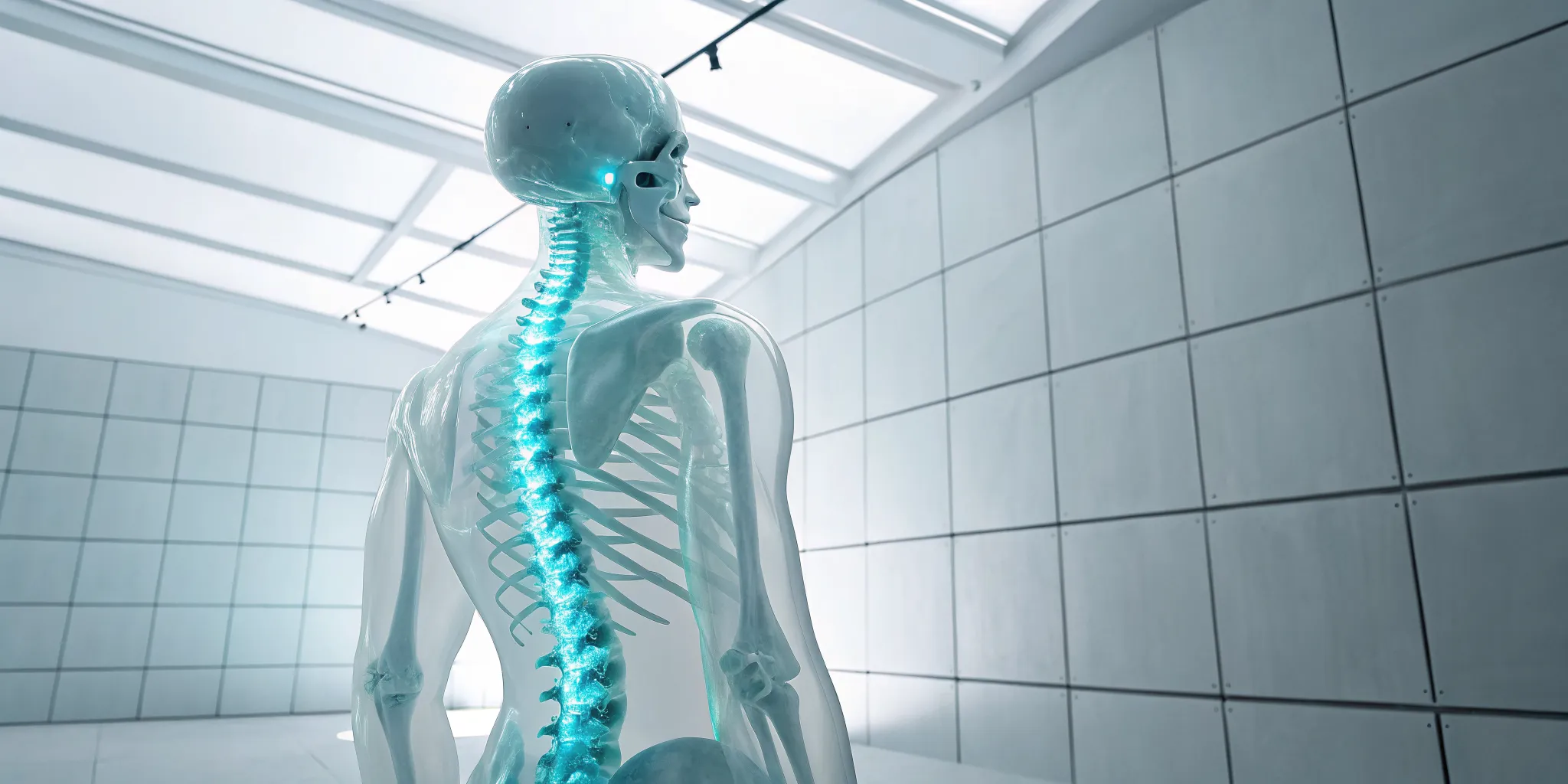
If you’re dealing with the stubborn, frustrating pain of calcific tendonitis, you know it’s more than just a minor ache. It’s the kind of deep, persistent discomfort that disrupts your sleep and makes simple movements like reaching for a coffee cup feel like a major effort. The reason it’s so relentless is because tiny calcium deposits are lodged in your tendon, creating a cycle of inflammation that rest alone can’t fix. Instead of just managing the symptoms, it’s time to address the source. This is where shockwave therapy for calcific tendonitis comes in, offering a non-invasive way to break down those deposits and help your body finally heal.
Key Takeaways
- It's a Physical Problem, Not Just Pain: Calcific tendonitis is so persistent because actual calcium deposits are lodged in your tendon, creating a cycle of inflammation that rest and simple stretches can't always break.
- Shockwave Therapy Addresses the Root Cause: This non-invasive treatment uses targeted acoustic waves to break down hardened calcium deposits while also stimulating your body’s natural healing response, increasing blood flow and promoting tissue repair.
- Lasting Relief is Possible Without an Operation: Shockwave therapy has a high success rate and offers a non-invasive alternative to more complex procedures. A personalized plan typically involves a few quick sessions with minimal side effects, allowing your body to gradually heal for long-term results.
Why Is Calcific Tendonitis So Stubborn?
If you're dealing with calcific tendonitis, you know the frustration all too well. The pain can feel relentless, showing up out of nowhere and making simple movements a major challenge. It’s a uniquely stubborn condition because the source of the problem, tiny calcium deposits, creates a cycle of inflammation and pain that doesn't always respond to rest or basic treatments. Understanding what’s happening inside your body is the first step toward finding a solution that actually works. Let's look at why this condition is so persistent and how it can impact your day-to-day life.
What's Happening Inside Your Tendon
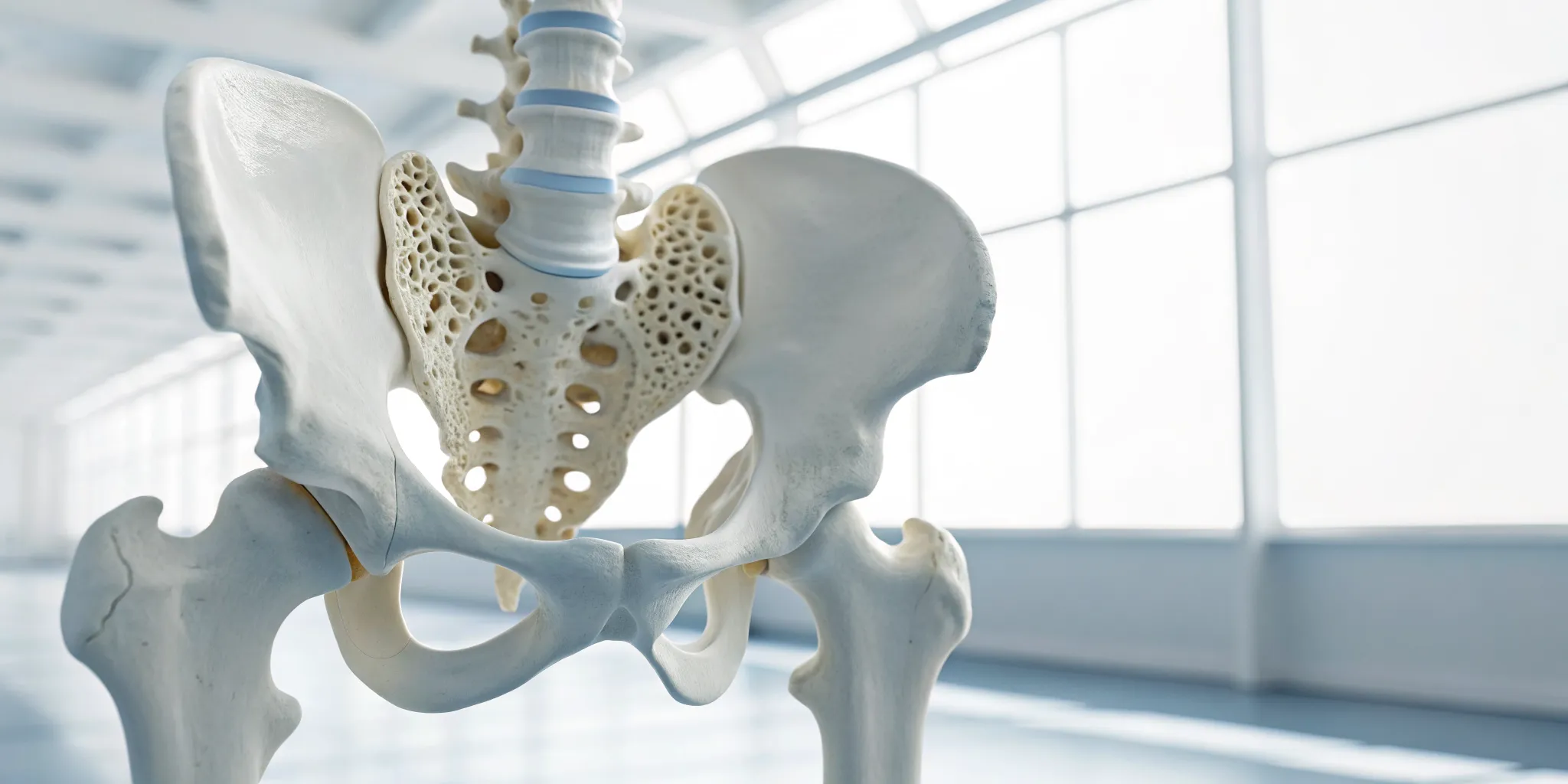
Calcific tendonitis occurs when calcium crystals accumulate in your tendons, most often in the rotator cuff of the shoulder. Think of these deposits as small, hard formations inside the soft, flexible tissue of your tendon. Their presence is an irritant, triggering an inflammatory response from your body. This inflammation is what causes the significant pain and stiffness you feel. The body can sometimes absorb these deposits on its own, but often they linger, creating a chronic cycle of discomfort. This internal process is why the pain can feel so deep-seated and difficult to resolve with simple stretching or rest alone. Our team helps patients with a variety of musculoskeletal issues, including the shoulder pain associated with the conditions we treat.
How Symptoms Affect Your Daily Life
The pain from calcific tendonitis often feels much bigger than the tiny deposits causing it. You might experience sudden, sharp shoulder pain or a constant, deep ache that makes it hard to focus. Simple, repetitive movements like brushing your hair, reaching into a cabinet, or putting on a jacket can become surprisingly difficult and painful. For many, the pain is most intense at night, making it nearly impossible to find a comfortable sleeping position and get the rest you need. This constant discomfort can take a toll on your energy and mood, affecting your work, hobbies, and overall quality of life. It's a frustrating experience, but many of our patients have found relief from similar chronic pain.
How Shockwave Therapy Works
It might sound intense, but shockwave therapy is a non-invasive treatment that uses acoustic waves to promote healing right at the source of your pain. Instead of just masking symptoms, this approach works with your body’s own powerful healing mechanisms to address the root cause of calcific tendonitis. It’s a two-pronged approach: first, it deals with the calcium deposits directly, and second, it signals your body to start the repair process. Let’s look at how it all comes together.
Breaking Up Calcium Deposits
Those stubborn calcium deposits are the main reason for the pain and stiffness you’re feeling. Shockwave therapy targets these deposits with high-energy sound waves. Think of these waves as tiny, precise pulses of energy that break up the hardened calcium into much smaller, sand-like particles. Once they are broken down, your body can finally step in and do its job. Your natural metabolic processes take over, clearing away the fragments and gradually removing the source of irritation from the tendon. It’s a way of clearing the roadblock so your body can get back to work.
Activating Your Body's Natural Healing
Breaking up the deposits is only half the story. The real magic happens when shockwave therapy stimulates your body’s own regenerative abilities. The acoustic waves create a controlled response in the tissue, which increases blood flow and circulation to the affected area. This process essentially sends a powerful signal to your body that this spot needs healing. In response, your body releases growth factors that are crucial for repairing damaged tissue and forming new blood vessels. This is a core principle of our physical medicine approach: we help your body heal itself, leading to lasting relief and stronger, healthier tendons.
Focused vs. Radial: Which Is for You?
Shockwave therapy isn’t a one-size-fits-all treatment. There are two main types: focused and radial. Focused shockwave therapy is like a laser pointer, delivering energy to a precise, deep point within the tissue. Radial shockwave therapy is more like a flashlight, spreading the energy over a wider, more superficial area. For calcific tendonitis, especially in a deep tendon like the rotator cuff, focused shockwave therapy is often the more effective choice. It allows us to precisely target the calcium deposits without unnecessarily affecting the surrounding tissue. The best approach for you will depend on your specific condition, which is something our team will determine to create your personalized treatment plan.
Is Shockwave Therapy Effective?
It’s the big question on everyone’s mind when they consider a new treatment: does it actually work? When you’re dealing with persistent shoulder pain from calcific tendonitis, you want to know that your efforts will lead to real, lasting relief. The good news is that shockwave therapy has a strong track record for helping people feel and move better. It’s a well-regarded option for breaking down the calcium deposits that cause pain and stiffness, but its effectiveness often depends on your specific situation and the overall treatment plan.
This therapy isn't just about temporarily masking pain; it's about creating a biological response that encourages your body to heal itself from the inside out. By delivering acoustic waves to the affected tendon, the treatment helps to break apart the calcium buildup and increase blood flow to the area. This process stimulates your body’s natural repair mechanisms, reducing inflammation and promoting the regeneration of healthy tissue. The goal is to address the root cause of the pain, not just the symptoms. At Ascend Functional Health, we prioritize treatments that support your body's innate ability to heal, and shockwave therapy fits perfectly within that philosophy. Let's look at what the results show.
Success Rates and Long-Term Results
When it comes to results, the numbers are encouraging. One study following patients for two years found that over 90% of those who received shockwave therapy reported "excellent" or "good" outcomes. Even better, the treatment directly addressed the root of the problem. In the same study, the calcium deposits completely disappeared for more than half of the patients. This isn't just about temporarily managing pain; it's about promoting true healing within the tendon so you can get back to lifting, reaching, and living without that constant ache. Our approach to physical medicine focuses on these kinds of lasting solutions.
Comparing It to Other Treatments
You might wonder how shockwave therapy stacks up against more invasive options. Research comparing it to arthroscopic procedures for calcific tendonitis found that both treatments significantly reduced pain and improved shoulder function over two years. The key difference is how you get there. Shockwave therapy is a non-invasive treatment performed right in our office, without the need for anesthesia or a lengthy recovery period. It offers a path to relief that works with your body, avoiding the complexities and downtime associated with an operation. This aligns with our goal of treating the many conditions our patients face with the least invasive, most effective methods possible.
Combining Therapies for Better Outcomes
While shockwave therapy is a powerful tool on its own, the best results often come from a comprehensive and personalized plan. Every person’s body is unique, and your path to healing should be too. For some, shockwave therapy is the primary treatment needed to resolve their pain. For others, it may be one component of a broader strategy that includes corrective exercises, soft tissue work, or other modalities to fully restore function and prevent future issues. We believe in creating a tailored protocol that addresses your specific needs, ensuring all contributing factors are managed. This integrated approach is central to all the services we provide.
What to Expect During and After Treatment
Deciding to move forward with a new treatment can feel like a big step, but knowing what the process looks like can make all the difference. We believe in keeping you informed and comfortable from your first session to your long-term recovery. Our goal is to make your healing journey as clear and straightforward as possible. Here’s a detailed look at what you can expect when you come to our Tampa clinic for shockwave therapy for calcific tendonitis.
A Look Inside a Therapy Session
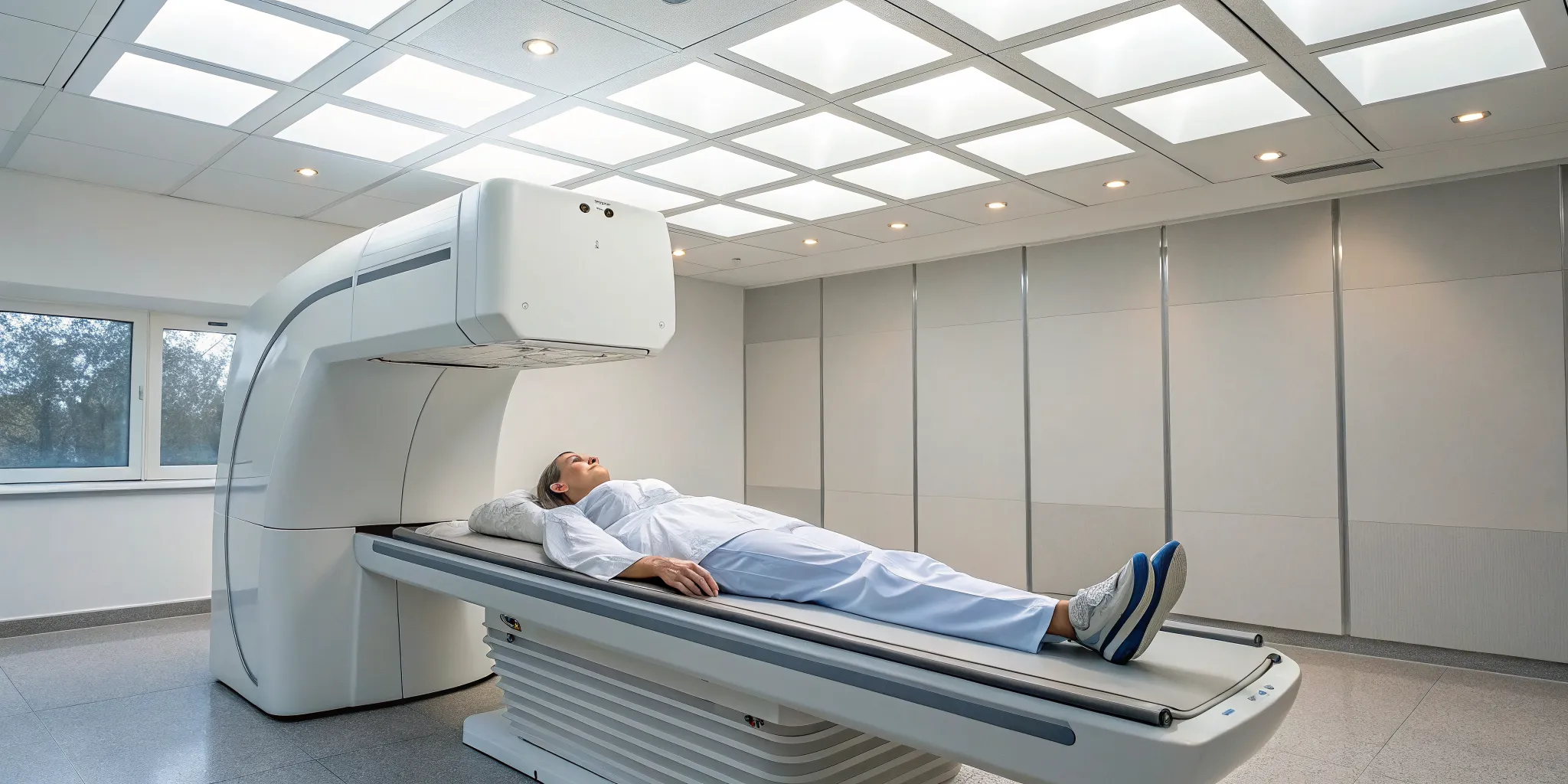
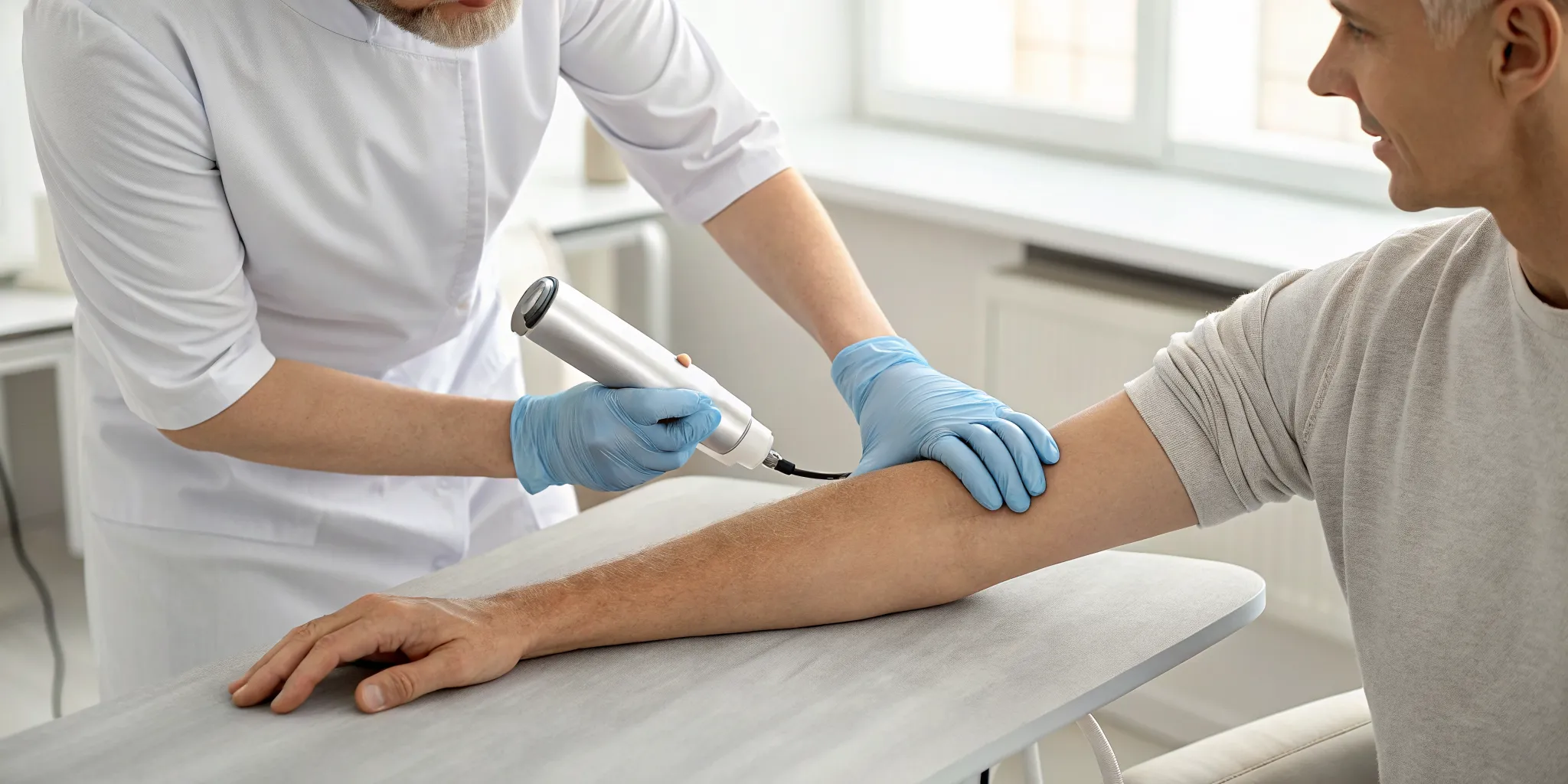
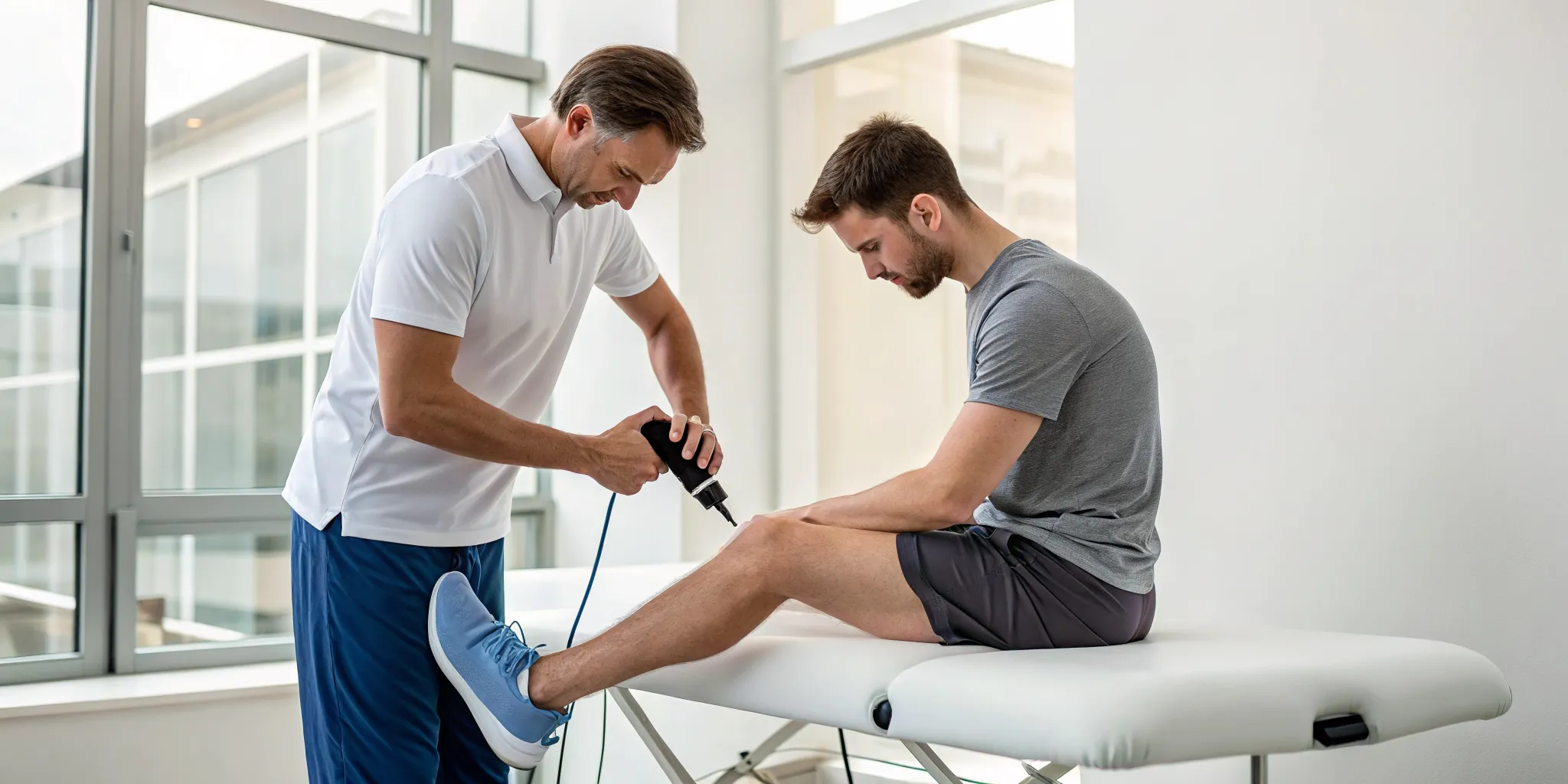
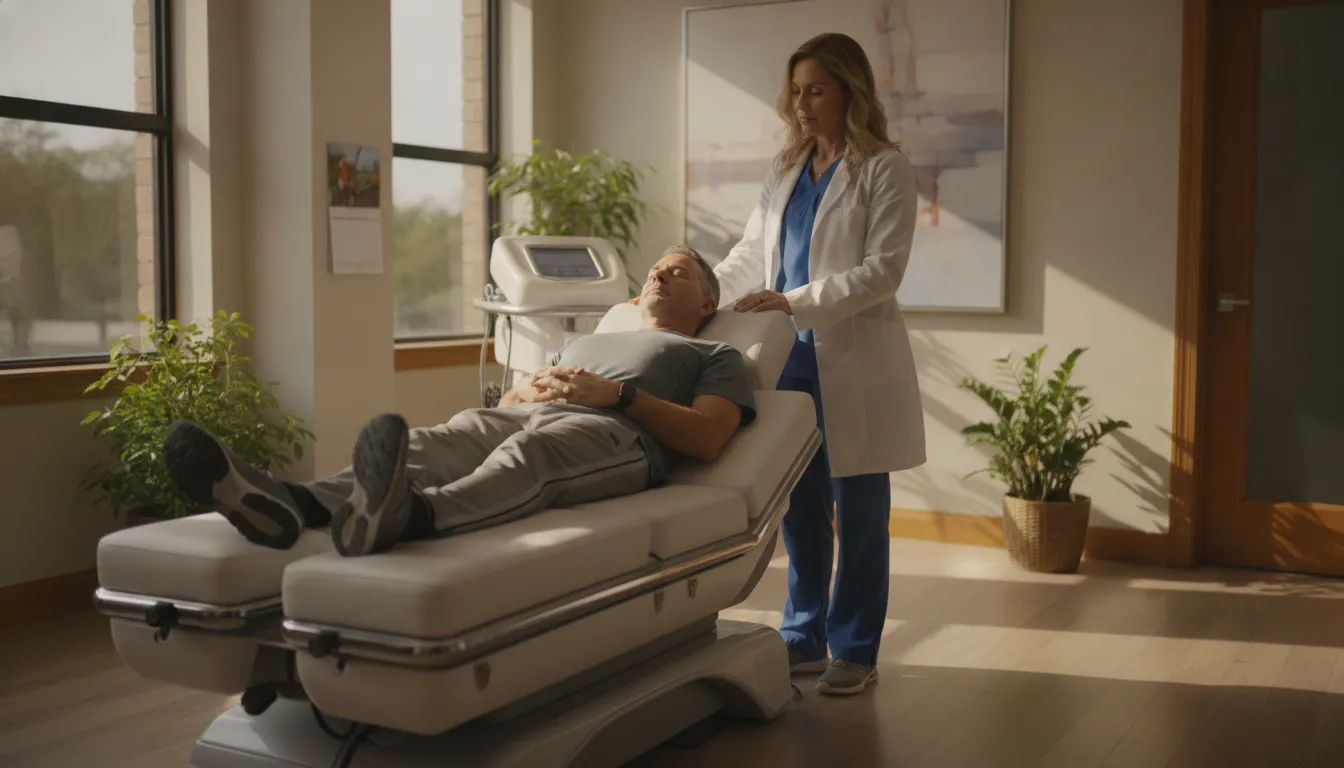
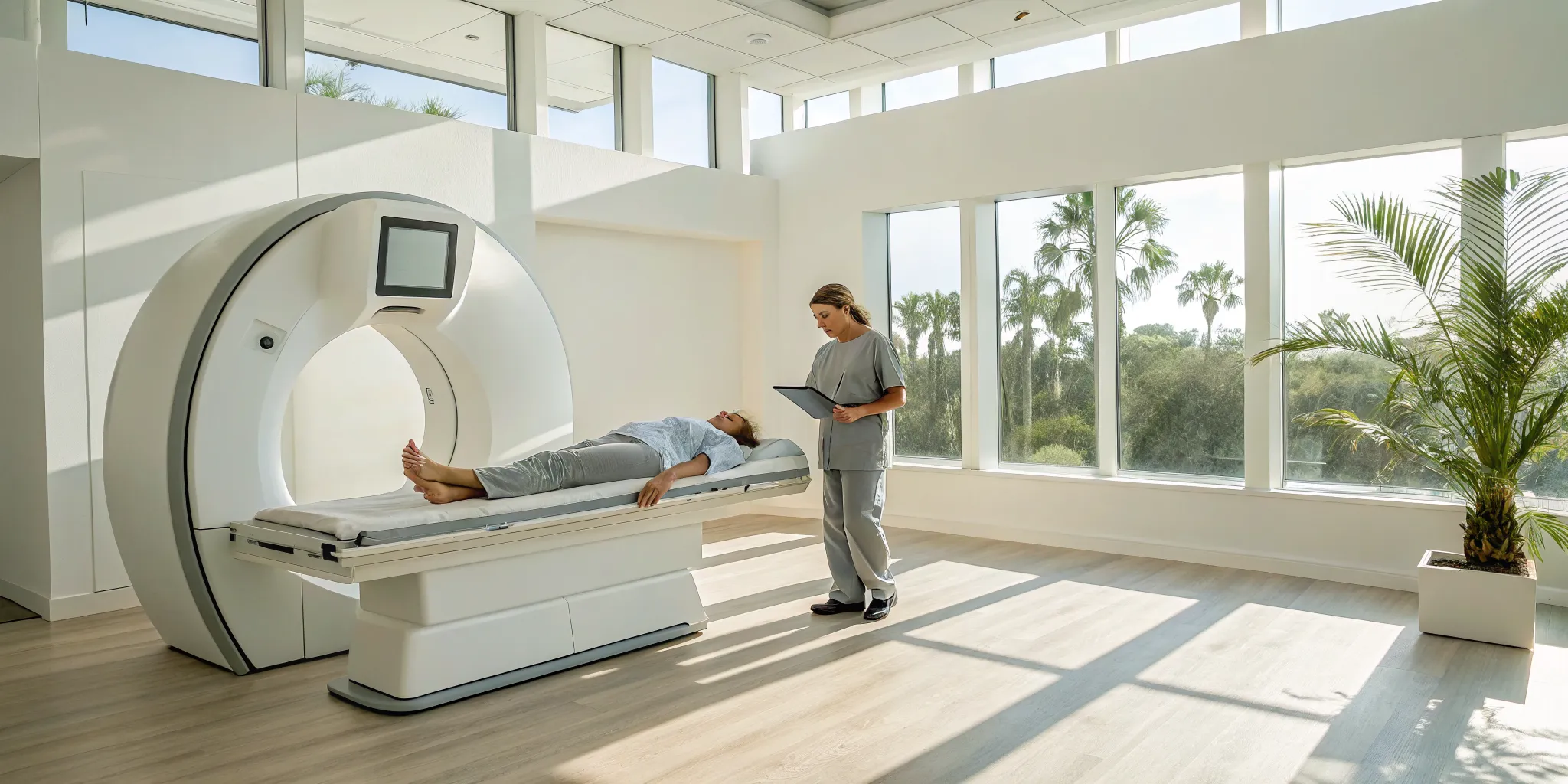
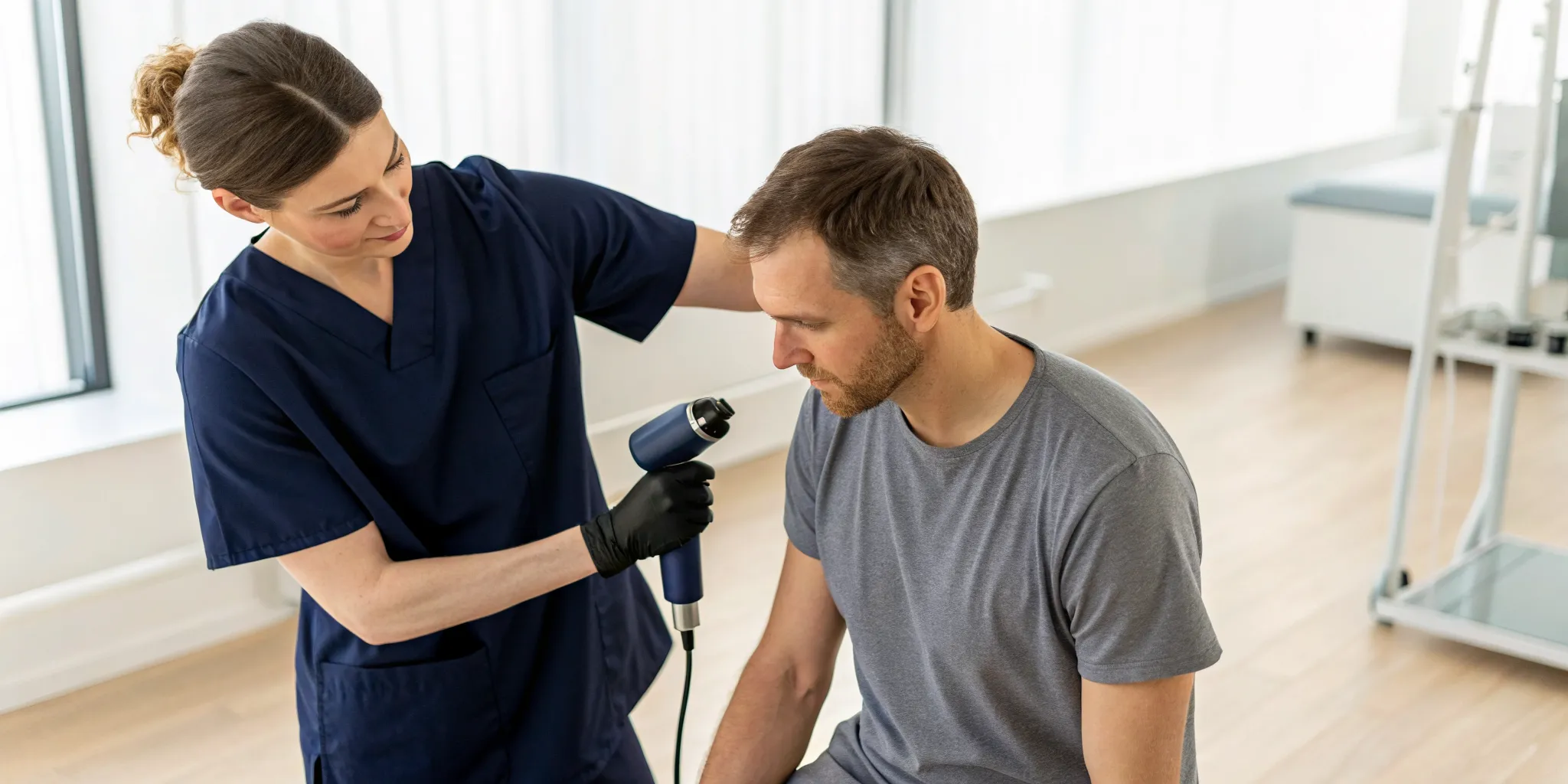
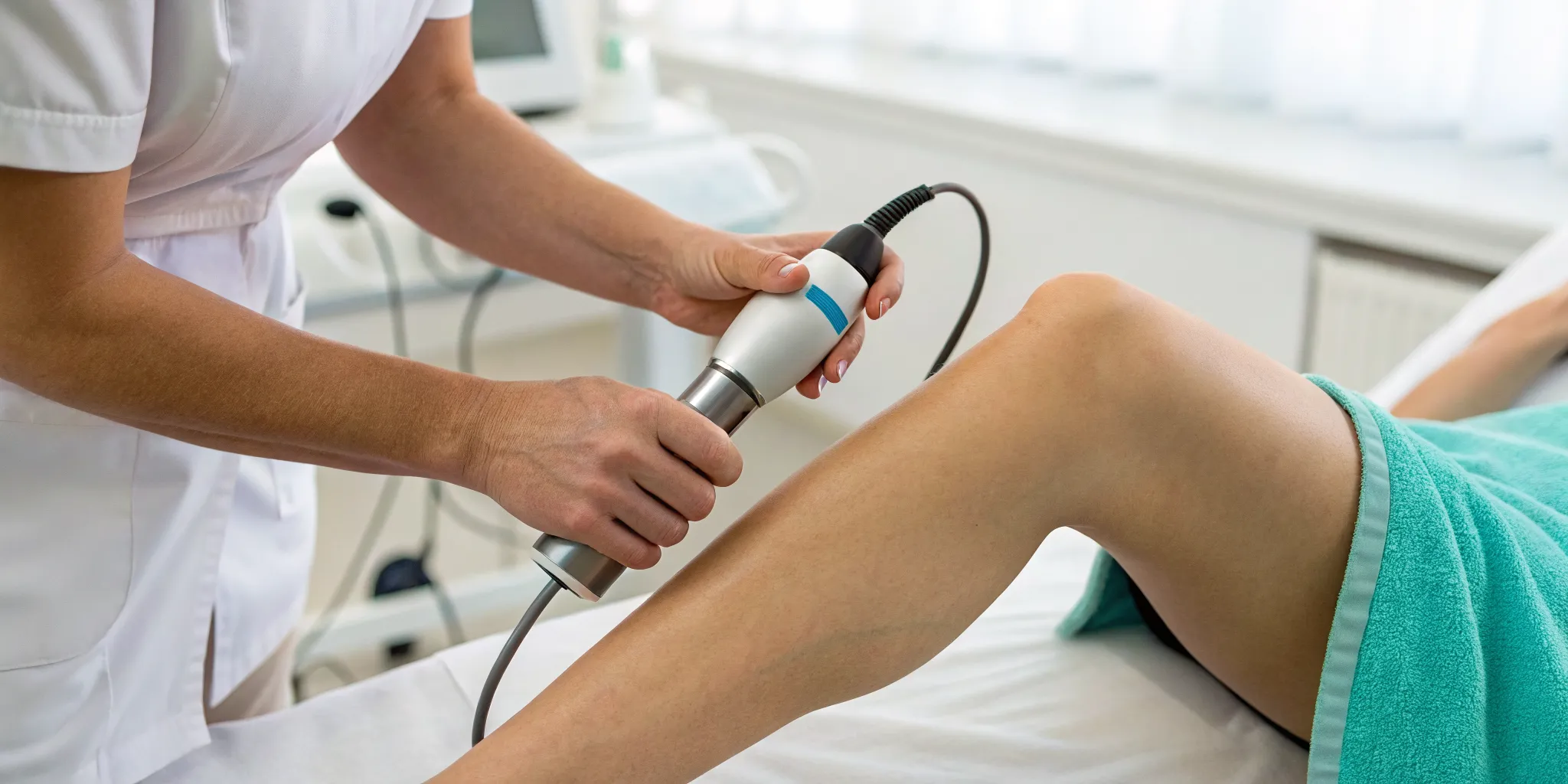
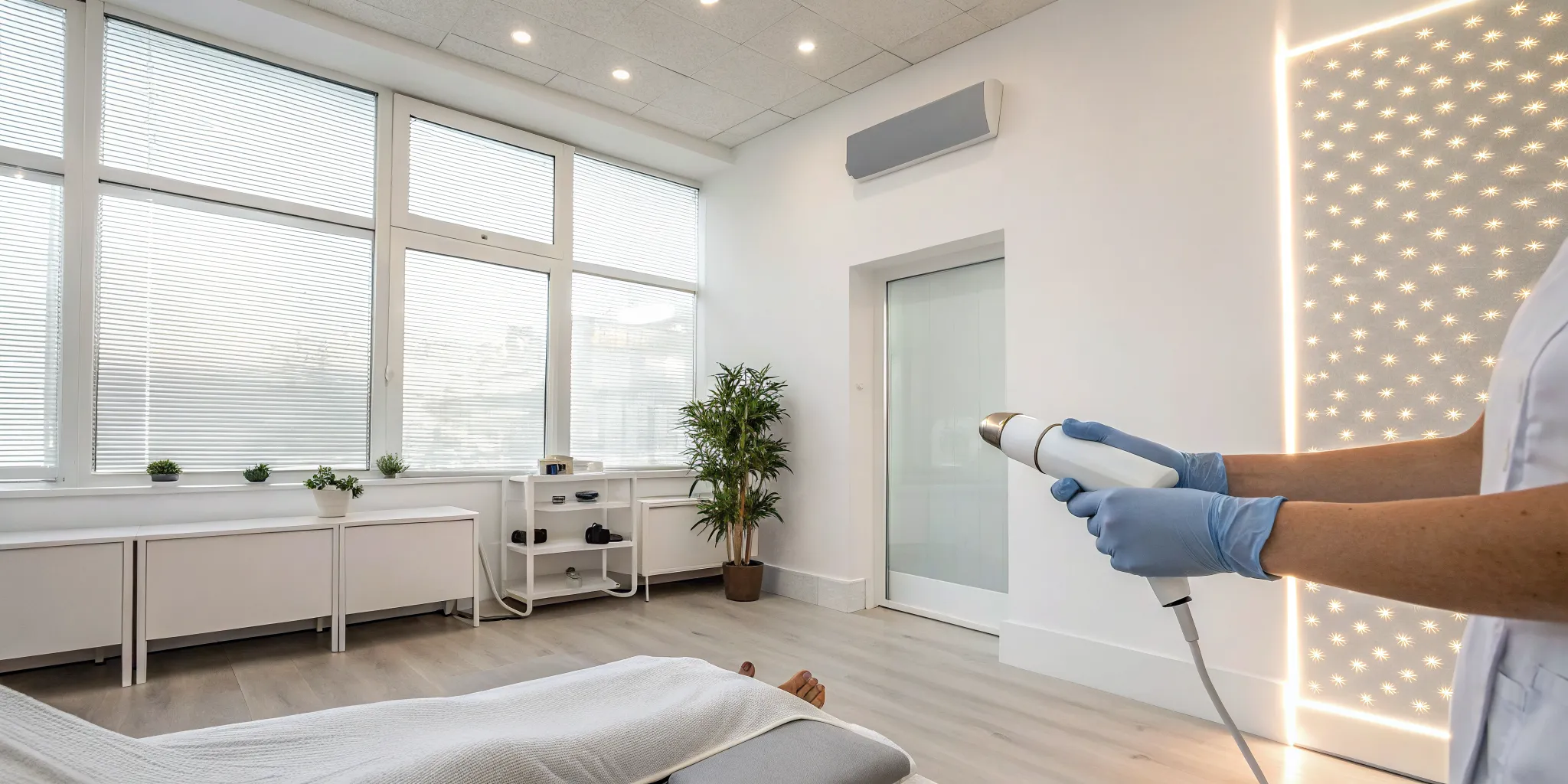
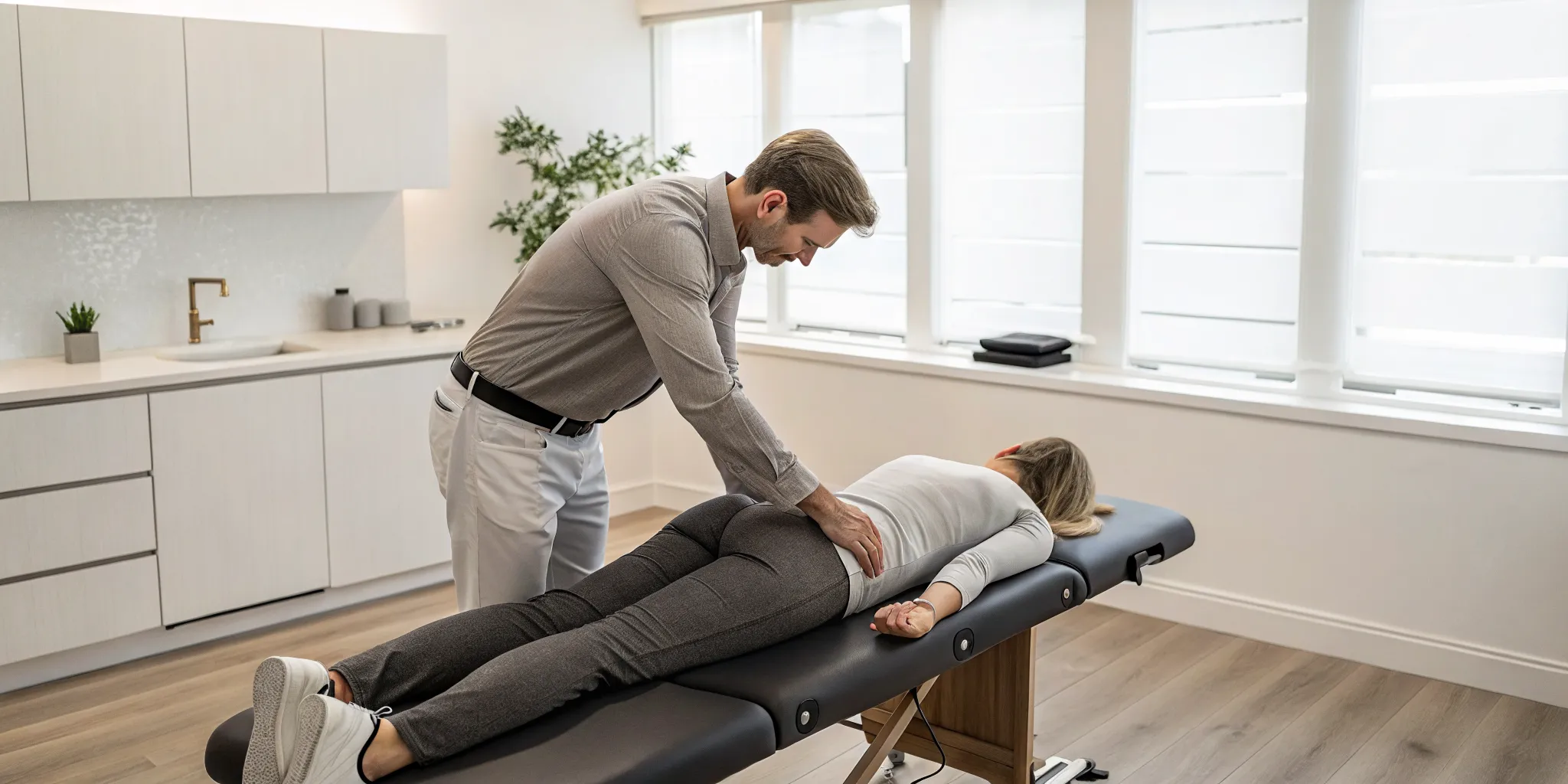
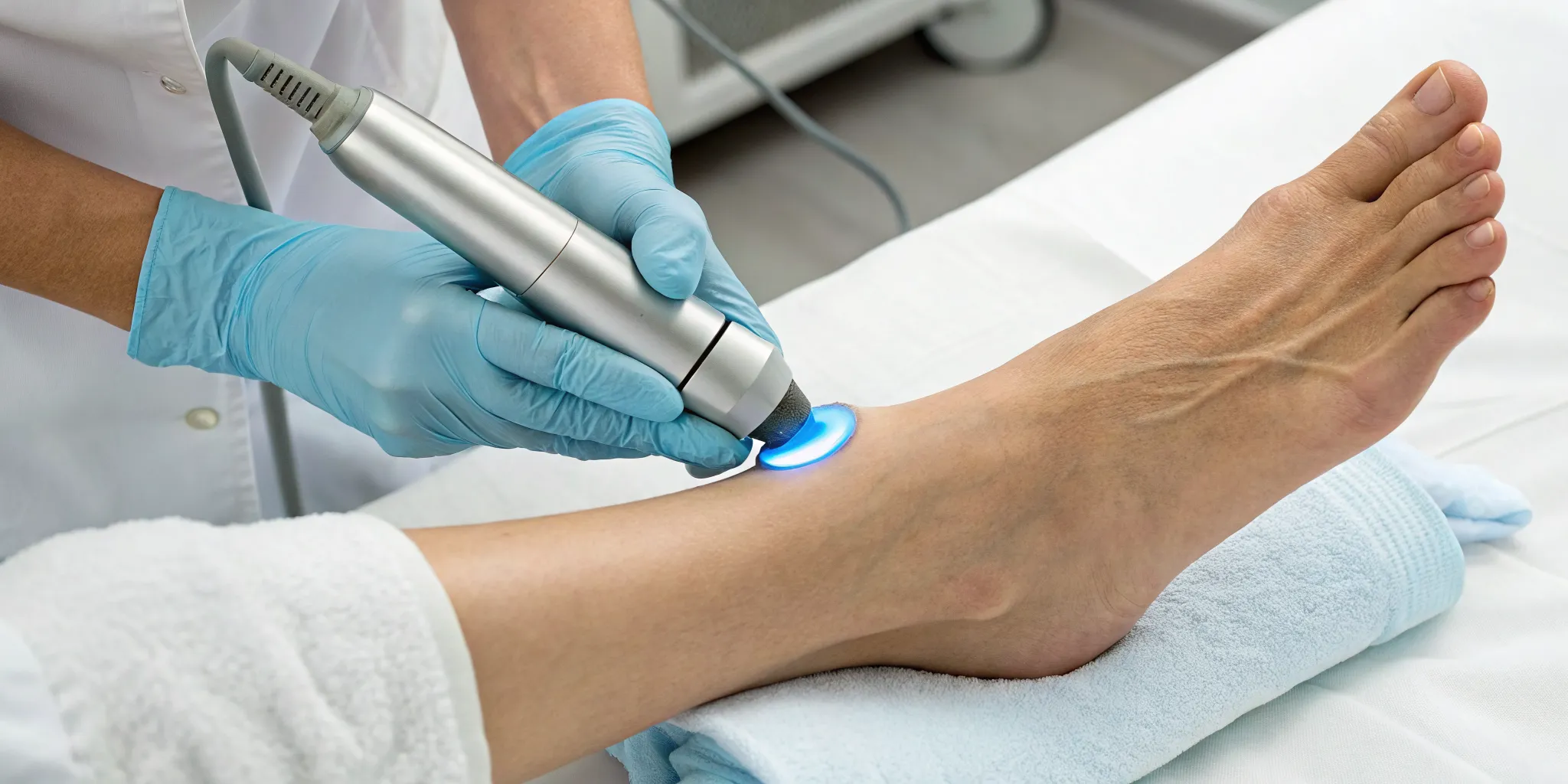
During your session, we’ll first use diagnostic imaging to pinpoint the exact location of the calcium deposits in your tendon. Once we’ve identified the target area, we’ll apply a special gel and use a handheld device to deliver the acoustic waves directly to the tissue. You might feel a tapping or tingling sensation, but the treatment is generally well-tolerated. The entire process is quick, usually lasting only a few minutes. Afterward, it’s normal to feel some mild soreness for a day or two as your body begins its natural healing process. This is a key part of our physical medicine approach to care.
How Many Sessions to Expect
Every person’s body is different, but a typical treatment plan for calcific tendonitis involves three to five shockwave therapy sessions. We usually schedule these appointments one to two weeks apart. This spacing is intentional; it gives your body the time it needs to respond to the treatment and begin remodeling the tissue. We create a personalized plan for you based on your specific needs and the conditions we treat. Our team will monitor your progress closely and adjust the plan as needed to ensure you get the best possible results from your time with us.
Understanding Potential Side Effects
One of the great things about shockwave therapy is that the side effects are typically minor and short-lived. After a session, some people experience temporary redness, tingling, or localized soreness around the treated area. These symptoms are a normal response and usually fade within 24 to 48 hours. Because the treatment is non-invasive, you can get back to your daily activities right away with no significant downtime. Our team is always here to answer any questions and ensure you feel supported throughout your treatment, reflecting our patient-centered approach to health.
Your Recovery Timeline
Shockwave therapy is designed to create lasting change, not just temporary relief. As your body breaks down and clears the calcium deposits over the weeks following your sessions, you’ll notice a gradual reduction in pain and an improvement in your range of motion. Studies show that the positive effects of this treatment can last for years, with a low likelihood of the calcium deposits returning. Many of our patients are thrilled to finally find a long-term solution that helps them get back to living life without constant shoulder pain, as you can see in our patient testimonials.
Related Articles
- SoftWave Tissue Regeneration Therapy in Tampa | Alessi Functional Health
- SoftWave TRT Therapy in Tampa, FL - Alessi Functional Health
- Regenerative Medicine for Pain Recovery | Ascend Functional Health
- What Is Soft Tissue Therapy? A Complete Guide
- What Is Graston Technique Therapy? A Beginner's Guide
Frequently Asked Questions
Why can’t I just rest and let my calcific tendonitis heal on its own? While rest is important for many injuries, calcific tendonitis is different because of the physical presence of calcium deposits. These hard crystals act as a constant source of irritation inside the tendon, creating a cycle of inflammation and pain that rest alone often can't resolve. Your body can sometimes absorb these deposits, but frequently it needs help breaking them down before true healing can begin.
What does a shockwave therapy session actually feel like? It’s a common question, and the name can sound a bit intimidating. The treatment does not involve any electrical shocks. Instead, you’ll feel a strong tapping or pulsing sensation on your skin as the handheld device delivers the acoustic waves to the targeted area. The session itself is very quick, usually lasting just a few minutes, and most people find it completely manageable.
How quickly can I expect to feel relief after starting treatment? Shockwave therapy works by starting your body’s natural healing process, so the results are gradual rather than instant. While some people notice a change after the first session, most experience a significant reduction in pain and improvement in movement in the weeks following their complete series of treatments. This timeline allows your body to break down the calcium deposits and repair the tendon tissue.
Is this a permanent fix, or will the pain come back? The goal of shockwave therapy is to provide a long-term solution. By breaking apart the calcium deposits so your body can clear them away, the treatment addresses the root cause of the pain, not just the symptoms. Studies show that once the deposits are gone, they have a very low chance of returning, and the positive results can last for years.
Will I need other treatments in addition to shockwave therapy? That depends entirely on your individual situation. For many people, shockwave therapy is the key to resolving their pain. However, we always look at the big picture. Sometimes, we may recommend combining it with other physical medicine approaches, like corrective exercises, to restore full shoulder function and address any underlying movement patterns that may have contributed to the problem in the first place.