Prp Therapy Tampa: What Is PRP Therapy?
PRP stands for platelet-rich plasma. It is a biological therapy that uses your own blood to help your body heal damaged joints and soft tissues. According to research published by the National Institutes of Health. PRP is a therapy rich in growth factors that has gained attention as a potential treatment for joint conditions due to its regenerative properties.Where PRP comes from
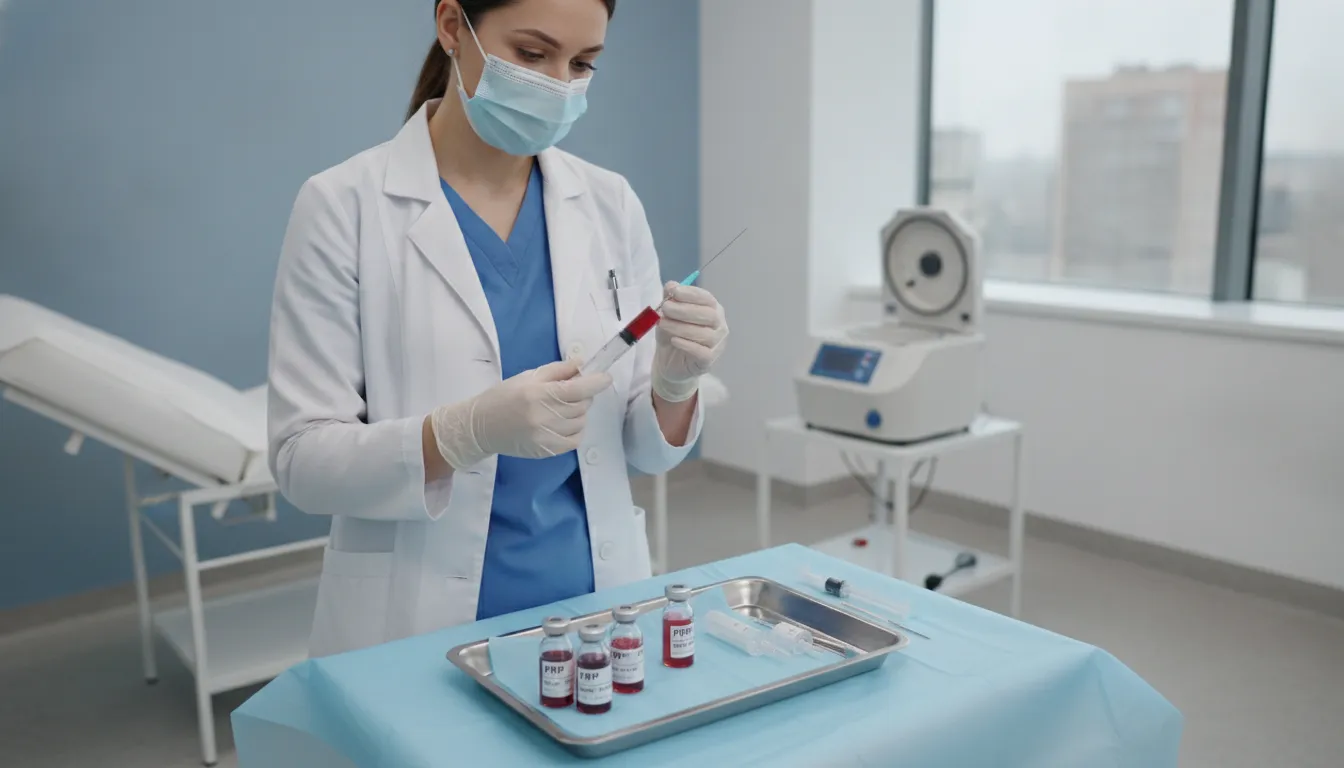
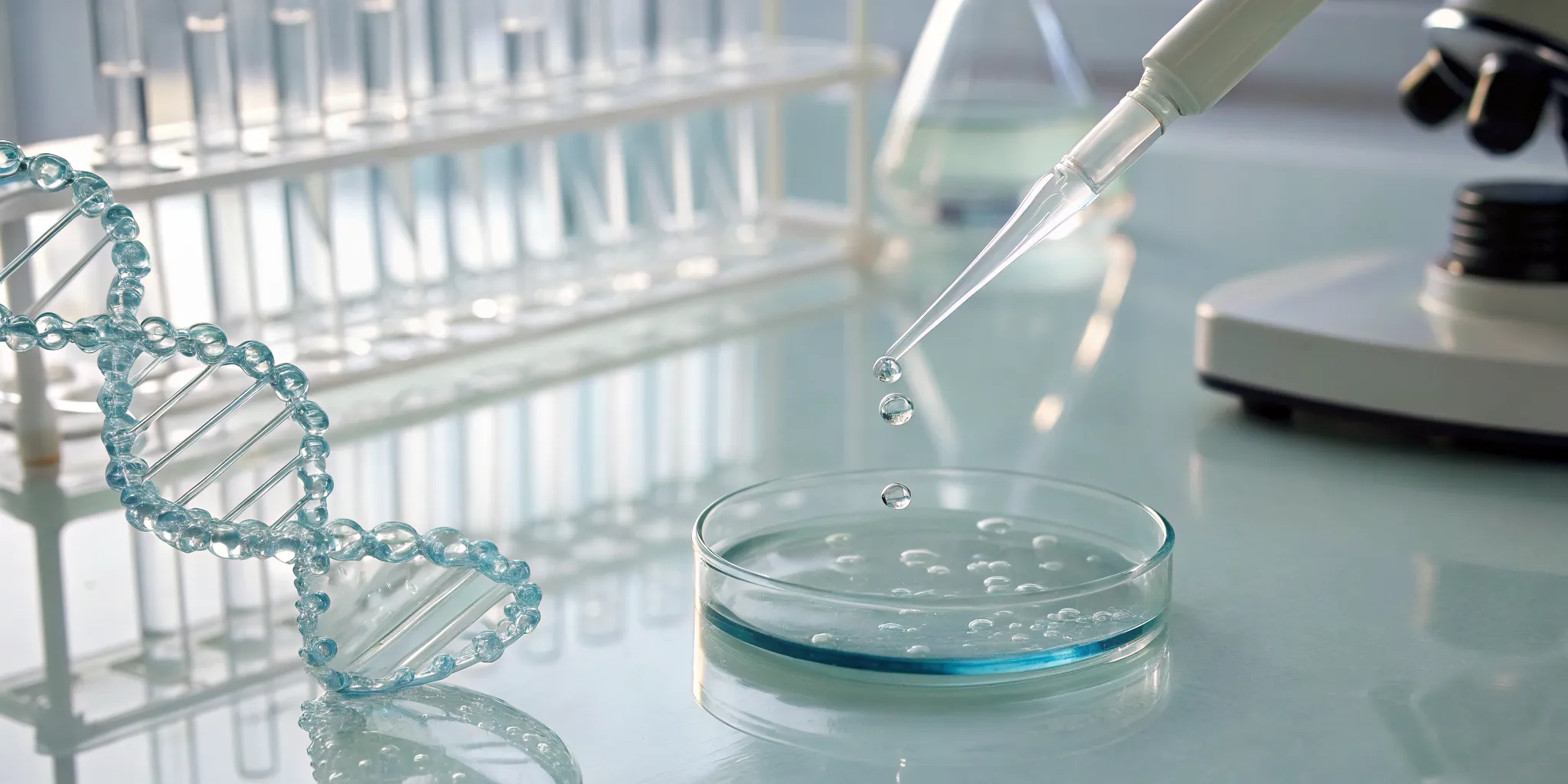
To create PRP, a small amount of blood is drawn from your arm, similar to a routine blood test. That sample goes into a centrifuge, a machine that spins the blood at high speed. This process separates the blood into its different parts based on weight. The platelets, which contain powerful growth factors, are concentrated into a small volume of plasma. The result is plasma that has five to ten times the normal concentration of platelets.
What makes PRP work
Platelets are not just for clotting blood. They contain special proteins called growth factors that act as signals for tissue repair. When these concentrated growth factors are delivered directly to an injured joint or tendon, they stimulate the body's natural healing response. This process includes triggering short-term inflammation to jump-start repair, encouraging cell division and turnover. And promoting collagen production, which is a key building block for tissues like tendons and cartilage.
Clinical research uses tools like the WOMAC index and Visual Analogue Scale to measure the effects of PRP. Studies have found that patients show significant improvements in both pain and function after PRP treatment, especially those in the early stages of joint degeneration.
How Does PRP Therapy Work?
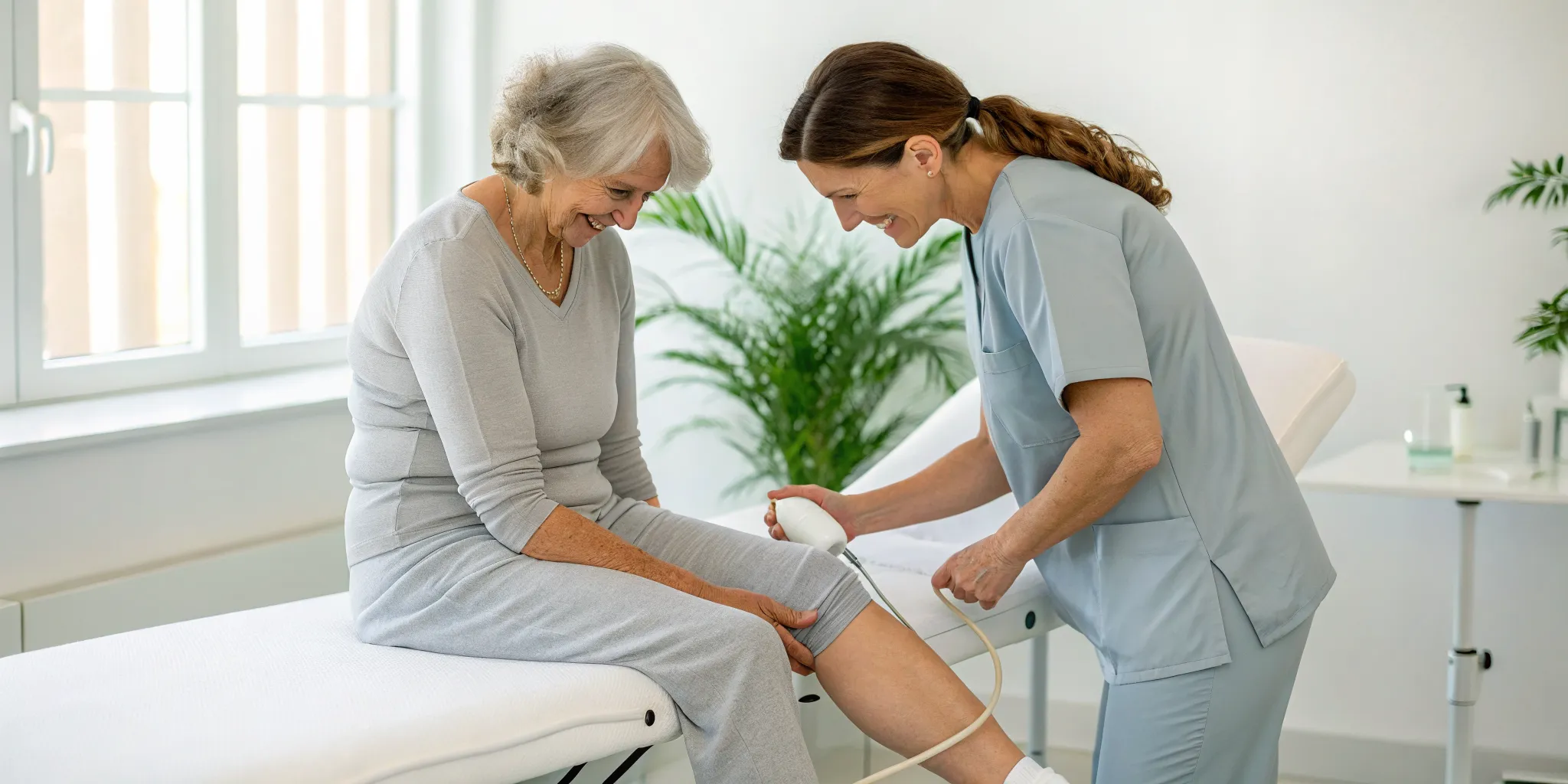
The PRP treatment process happens entirely in the office and usually takes about one hour. Here is what you can expect during your visit.- Blood draw. A small amount of blood is taken from your arm, just like a standard lab test. The volume needed depends on the joint being treated, but it is typically one or two vials.
- Centrifuge processing. Your blood sample is placed in a centrifuge and spun for about fifteen minutes. The spinning separates the platelet-rich plasma from the red blood cells and other components. The machine uses a double-spin method to achieve the right concentration of platelets and growth factors.
- Injection preparation. The concentrated PRP is drawn into a syringe. Your provider may use ultrasound imaging to locate the exact spot where the injection will be most effective. This ensures the growth factors are delivered precisely to the damaged tissue.
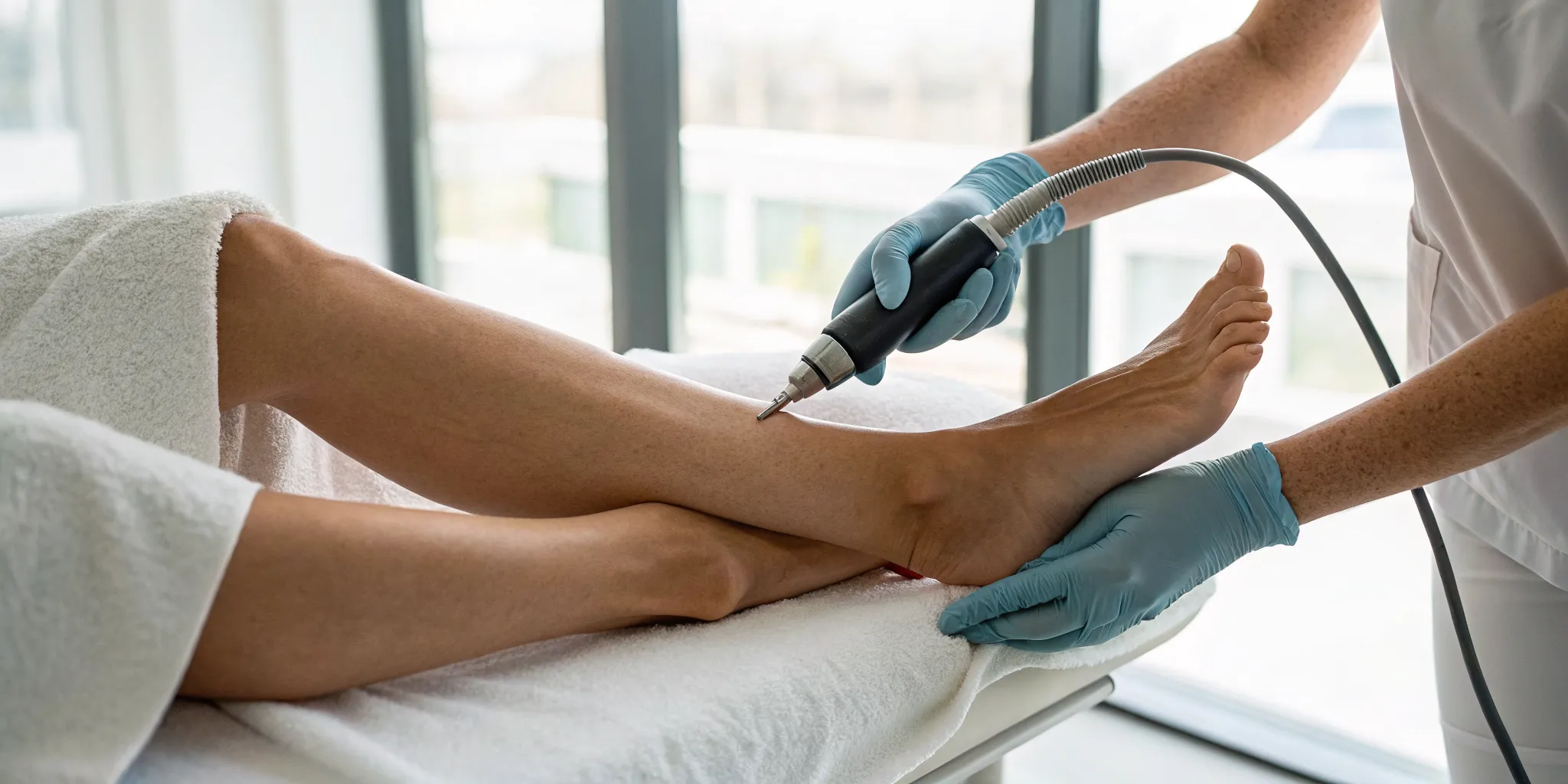
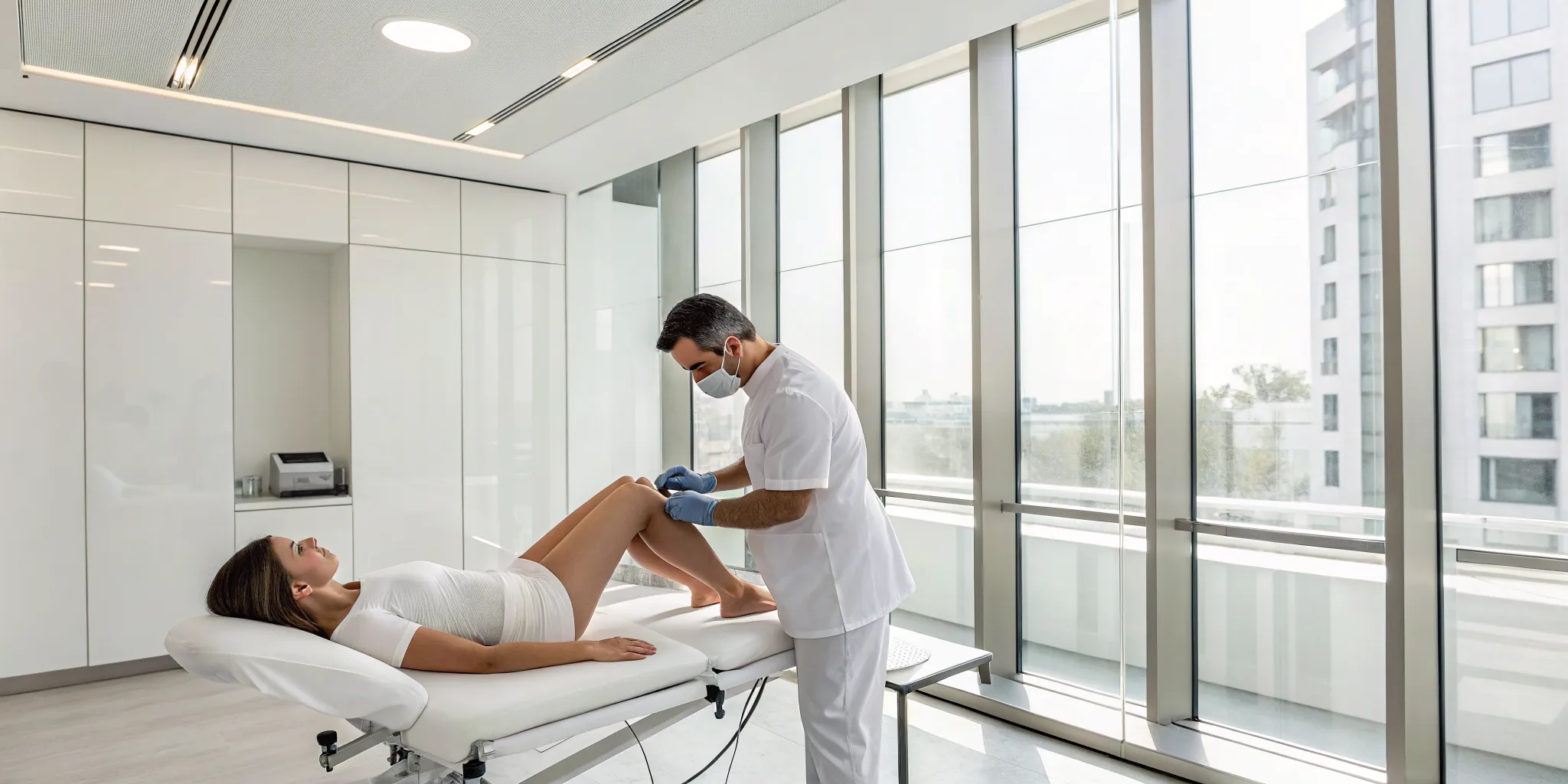
- Injection. The PRP is injected into the affected joint or tendon. You may feel some pressure during the injection. Some providers use a local anesthetic to keep you comfortable during the process.
- Recovery. After the injection, you can go home the same day. You may have some mild soreness or swelling at the injection site for a day or two. This is a normal part of the healing process, as PRP works by triggering a controlled inflammatory response that tells your body to begin repair.
You will need to avoid non-steroidal anti-inflammatory drugs, or NSAIDs, for up to four weeks after treatment. These medications can interfere with the natural healing response PRP is designed to create. Most patients can return to daily activities right away but should avoid strenuous exercise for a short period.
What Joint Conditions Can PRP Therapy Treat?
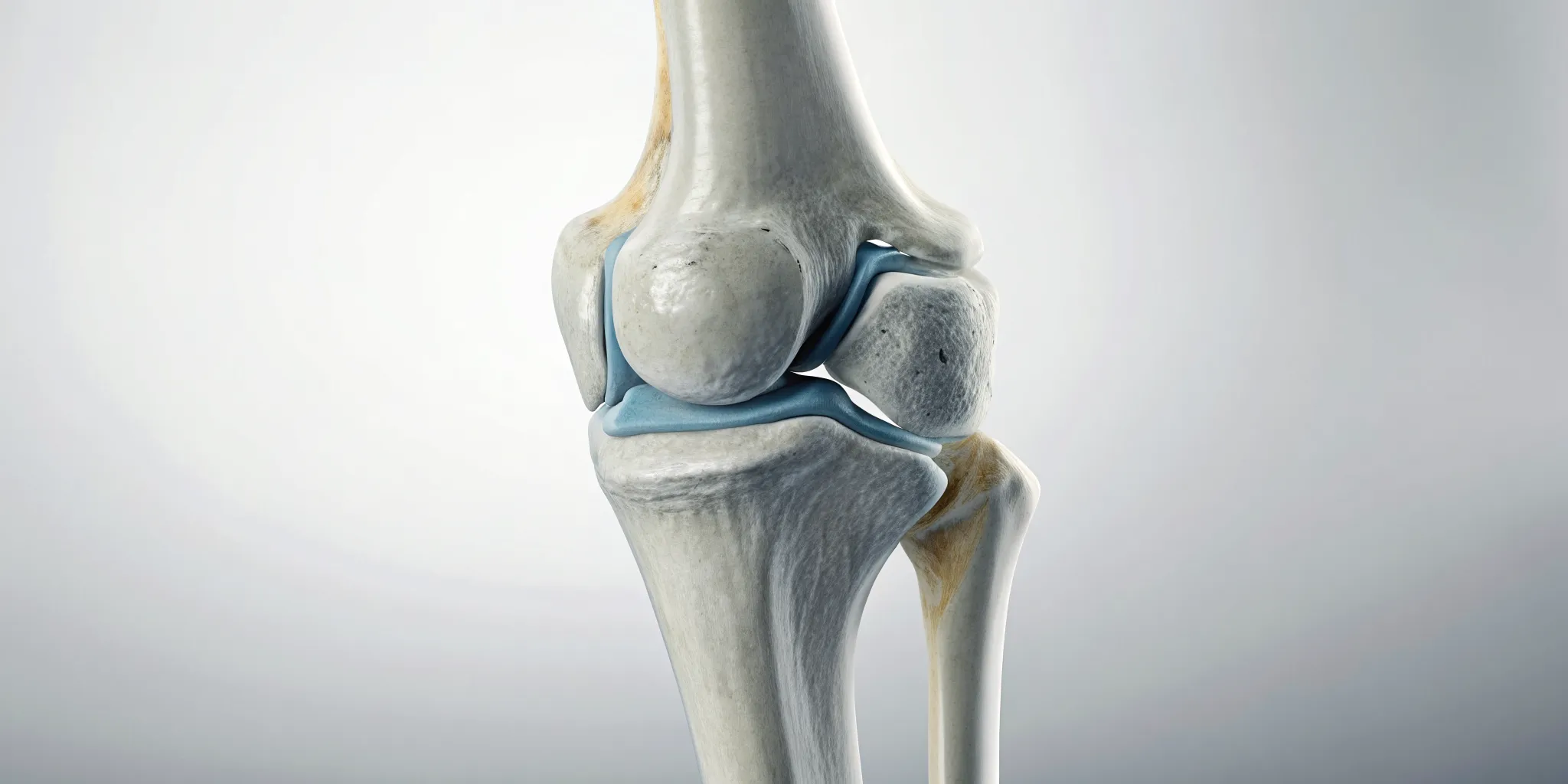
PRP therapy has been studied most extensively for knee osteoarthritis. According to research published in peer-reviewed medical journals, patients with primary knee osteoarthritis showed significant improvements in pain scores and joint function after PRP injections. These benefits were observed at every follow-up point after treatment.Knee osteoarthritis
Knee arthritis is a leading cause of joint pain and reduced mobility. PRP therapy offers a non-surgical option for patients who want to avoid or delay knee replacement. The best results are typically seen in patients with early to moderate arthritis, classified as Kellgren-Lawrence grades one and two. Patients with a lower body mass index also tend to respond better to treatment, according to the same clinical research.
Sports injuries and tendon conditions
PRP is also used to treat a wide range of tendon and ligament injuries. Common conditions include tennis elbow, which causes pain on the outside of the elbow, and golfer's elbow on the inside. Rotator cuff injuries in the shoulder respond well to PRP because the therapy delivers growth factors directly to the damaged tendon tissue. Ankle sprains, hip strains, and patellar tendonitis are also commonly treated.
For Tampa residents who stay active year-round, these injuries can be frustrating. Whether you enjoy tennis at Tampa's public courts, pickleball at local recreation centers, or simply walking your neighborhood, PRP offers a way to heal without extended downtime.
Other conditions
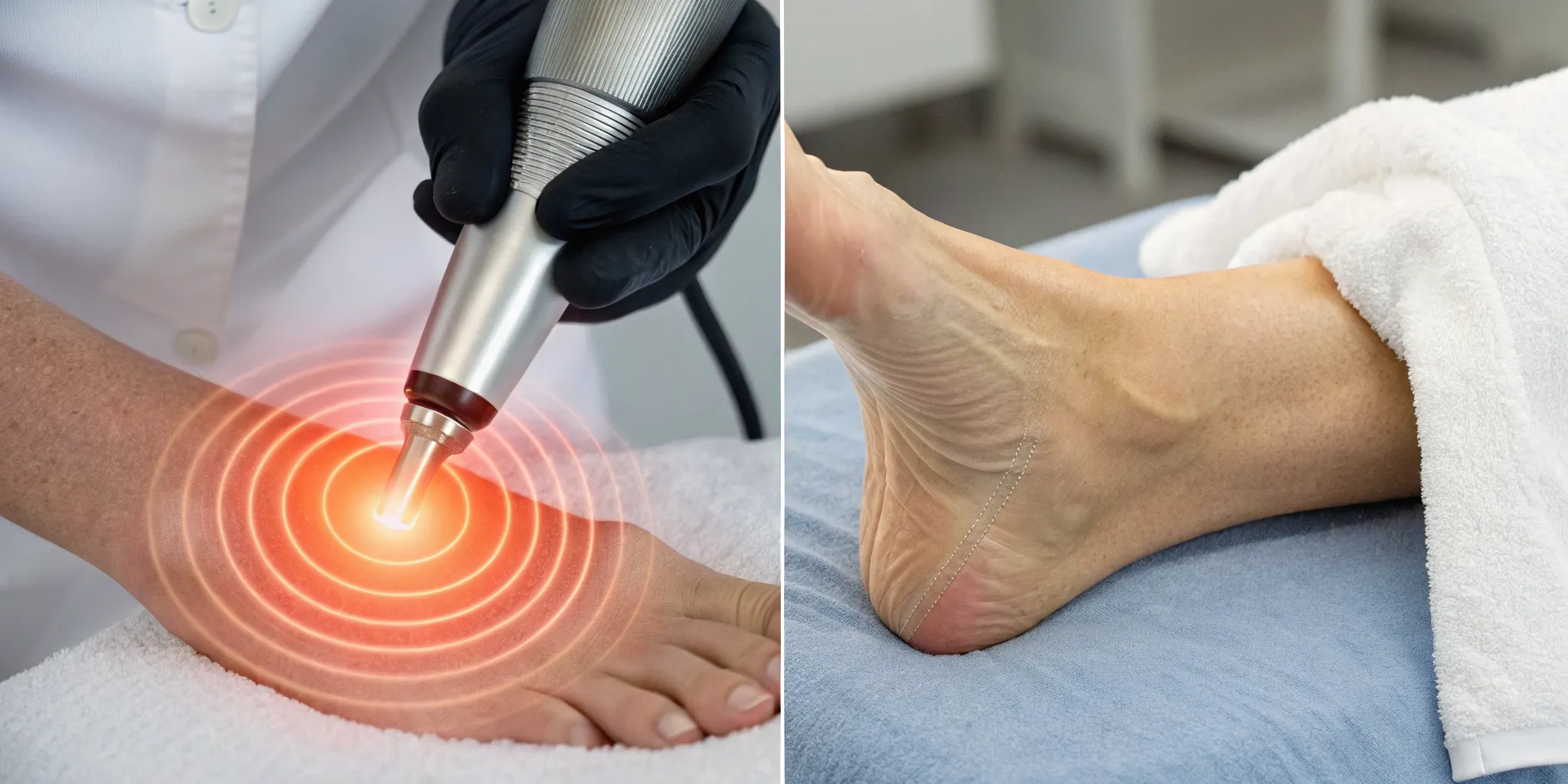
PRP therapy has applications for plantar fasciitis, which causes heel pain, and for torn meniscus in the knee. The therapy can also help with chronic muscle pain and strained ligaments. Because PRP uses your own blood, there is no risk of disease transmission or allergic reaction, making it a safe option for most patients.
PRP vs. Corticosteroid Injections: Which Is Better for Joint Pain?
Corticosteroid injections have been a standard treatment for joint pain for decades. They work by suppressing inflammation, which can provide fast relief. But they do not repair the underlying tissue damage. In fact, repeated corticosteroid injections may weaken cartilage and tendons over time. PRP therapy works differently. Instead of blocking the body's inflammatory response, PRP triggers a controlled healing response that encourages tissue repair. This section compares the two approaches side by side.| Feature | PRP Therapy | Corticosteroid Injection |
|---|---|---|
| Mechanism of action | Stimulates natural healing with growth factors from your own blood | Suppresses inflammation with synthetic hormones |
| Duration of relief | 6 to 12 months or longer, with continued improvement over time | 1 to 3 months, typically diminishing with repeat use |
| Effect on tissue | Promotes repair and regeneration of damaged tissue | Does not repair tissue; may accelerate cartilage loss with repeated use |
| Side effects | Mild pain or swelling at injection site (about 18% of patients per clinical research) | Temporary pain flare, risk of tendon weakening, cartilage damage with overuse |
| Addresses root cause | Yes, supports the body's repair of underlying damage | No, masks symptoms without fixing the problem |
| Best candidates | Early to moderate joint degeneration, active patients seeking lasting relief | Acute flare-ups, short-term pain management needs |
For Tampa patients who want lasting improvement rather than temporary relief, PRP therapy offers a clear advantage. Clinical research shows that PRP may help delay the progression of joint disease, while corticosteroids provide symptomatic relief without halting disease progression. PRP is also more effective in patients with less severe arthritis, making early intervention important.
What to Expect During Your PRP Appointment
Knowing what to expect helps you feel confident about your decision to try PRP therapy. Here is the full picture, from preparation through recovery.Before your appointment
Your first step is a consultation with a provider who can evaluate whether PRP is right for you. At Ascend Functional Health, this begins with a thorough assessment of your joint health, medical history, and treatment goals. Your provider will review any imaging you have and determine the severity of your condition. Patients with early to moderate joint degeneration are typically the best candidates, though every case is evaluated individually.
During the procedure
The PRP injection itself takes about an hour from start to finish. The blood draw takes only a few minutes. The centrifuge processing, which requires a double-spin method to achieve the right concentration of growth factors, takes about fifteen to twenty minutes. The injection itself is quick, often guided by ultrasound to ensure precise placement. You are awake for the entire process and can drive yourself home afterward.
After the injection
Most patients experience mild soreness or swelling at the injection site for one to two days. This is a normal part of the healing response, not a cause for concern. You can use ice packs to manage any discomfort. You should avoid NSAIDs, such as ibuprofen or naproxen, for up to four weeks after treatment. As these medications can interfere with the natural healing process PRP is designed to trigger.
Results and follow-up
It can take a few weeks to begin noticing the effects of PRP therapy. Full results may take several months as the growth factors stimulate gradual tissue repair. Some patients need more than one treatment session, typically one to three, depending on the severity of their condition. The effects of PRP injections may last from six months to a year or longer. During this time, symptoms should continue to improve.
Why Choose Ascend Functional Health for PRP Therapy in Tampa
Many clinics offer PRP injections as a quick fix for pain. But at Ascend Functional Health, we view joint healing as a deeper process. We offer trusted PRP therapy Tampa patients can use to address their joint stress. If you want to start your healing journey, you can book a regenerative therapy consultation with our team.
The three pillars of complete joint care
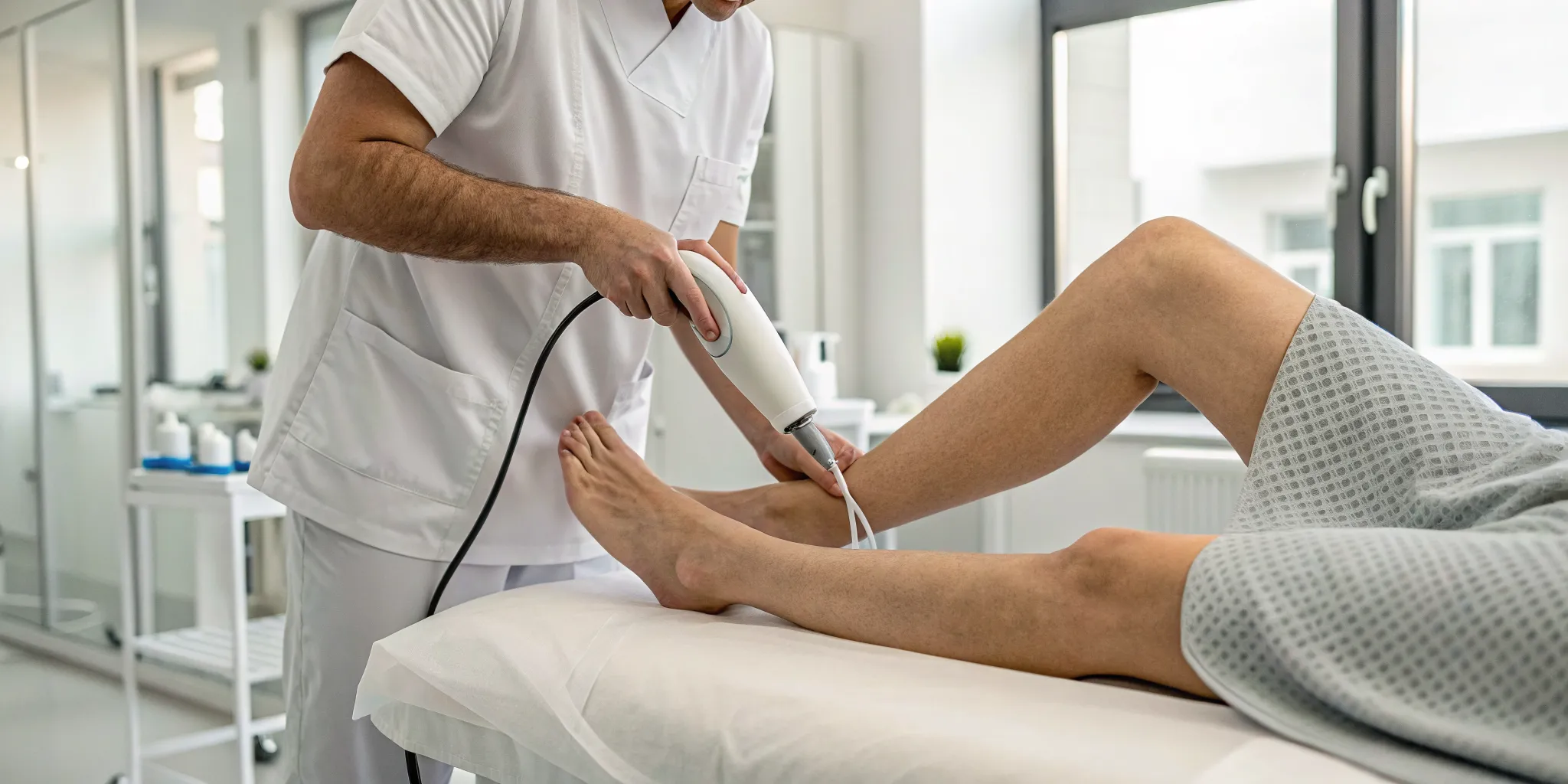
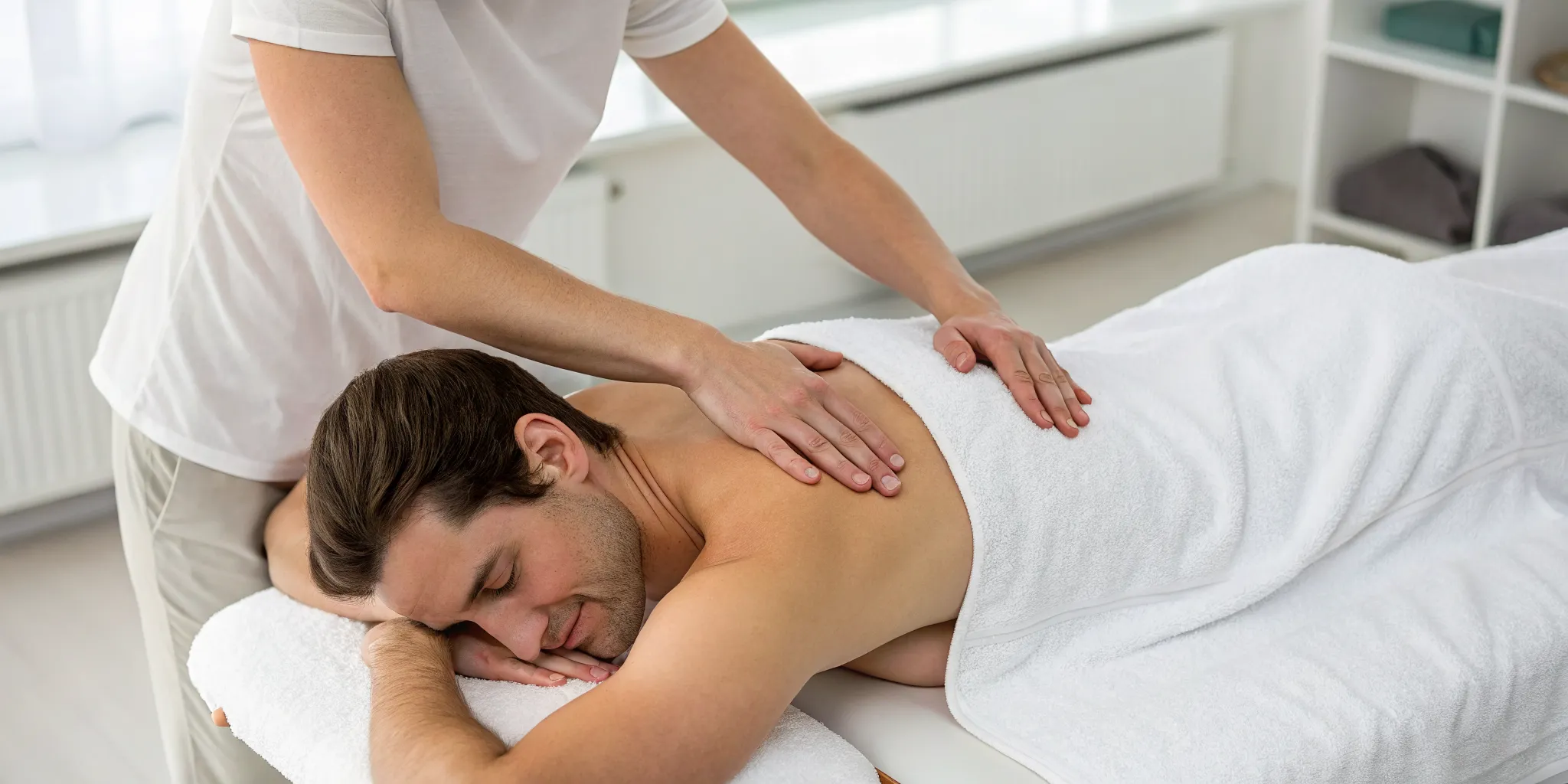
Our team combines three distinct fields under one roof to support your body. We blend physical medicine, functional medicine, and regenerative care to create a complete plan. This joint approach ensures your body has the raw tools it needs to repair itself. We look beyond the surface of your pain to make sure we treat your whole health.
Our model brings together three main paths for joint health:
- Physical Medicine: We use joint alignment to fix your body's shape and reduce wear.
- Functional Medicine: We run functional lab tests to find what your body lacks and stop swelling.
- Regenerative Medicine: We use PRP to prompt the natural growth of new, healthy joint tissue.
Advanced training and local honors
Your care is led by Dr. Alfred Alessi, a local expert with unique training. He is certified in Chiropractic BioPhysics and holds levels one and two Integrative Health Practitioner training.
This detailed care is why voters chose our practice for local honors. We won first place for chiropractic and functional medicine in the Business Choice Awards 2025. This award shows our commitment to giving the highest level of care to our Tampa neighbors.
A root cause focus for lasting relief
We do not believe in masking your joint symptoms. Many clinics inject PRP and send you home without looking at why your joint failed. Our clinical team works to find why the joint has wear in the first place. This helps us stop the pain from coming back.
Research in peer-reviewed journals shows that PRP is an evidence-based option for those seeking non-surgical care for joint issues. According to the National Institutes of Health, PRP uses the body's own natural healing pathways to support joint repair. We combine this healing therapy with joint alignment plans to give you the best chance at long-term relief. Our clinical choices are always based on solid science and your unique health goals.
Frequently Asked Questions About PRP Therapy in Tampa
How much does PRP therapy cost in Tampa?
The cost of PRP therapy varies based on the joint being treated, the number of sessions needed, and the provider's approach. At Ascend Functional Health, we provide personalized treatment plans and discuss all costs during your initial consultation. PRP is generally considered an elective procedure and is not typically covered by traditional insurance. Many patients use health savings accounts or flexible spending accounts to help manage the investment in their joint health.
Is PRP therapy effective for joint pain?
Yes. Clinical research published in peer-reviewed journals shows that PRP injections can significantly reduce pain and improve joint function. Especially in patients with knee osteoarthritis and other degenerative joint conditions. The best results are seen in patients with early to moderate joint damage who are seeking a non-surgical option for lasting relief.
How long do PRP injection results last?
The effects of a PRP injection may last from six months to a year or longer, depending on the condition being treated and the patient's overall health. Unlike corticosteroid injections, which provide temporary symptom relief, PRP works by stimulating tissue repair. So the benefits often continue to improve over several months as the healing process progresses.
How many PRP sessions are usually needed?
Most patients need between one and three PRP sessions, depending on the severity of their joint condition. Your provider will develop a personalized treatment plan based on your specific needs, the degree of tissue damage, and how your body responds to the initial treatment.
What are the common side effects of PRP injections?
Side effects are generally mild. About 18 percent of patients report temporary soreness or swelling at the injection site, according to clinical research. This is a normal part of the healing process, as PRP works by triggering a controlled inflammatory response that tells your body to begin repair. Serious complications are rare because PRP uses your own blood components.
Is there downtime after PRP treatment?
Most patients can return to normal daily activities right away. You may need to avoid strenuous exercise and heavy lifting for a short period after treatment. Your provider will give you specific activity guidelines based on the joint treated. You should also avoid anti-inflammatory medications for up to four weeks after your injection, as these can interfere with the healing process.
Living with joint pain does not have to mean living with limits. PRP therapy offers a way to support your body's natural healing process without surgery or symptom-masking drugs. At Ascend Functional Health, we combine PRP with our full range of physical medicine and functional medicine services to give you a complete path to recovery. If you are ready to explore whether PRP therapy is right for your joint pain, take the next step. Our team is here to discuss your symptoms, answer your questions, and help you determine if this treatment aligns with your health goals. Contact Ascend Functional Health to schedule your consultation and learn how PRP therapy can help you get back to the activities you enjoy.