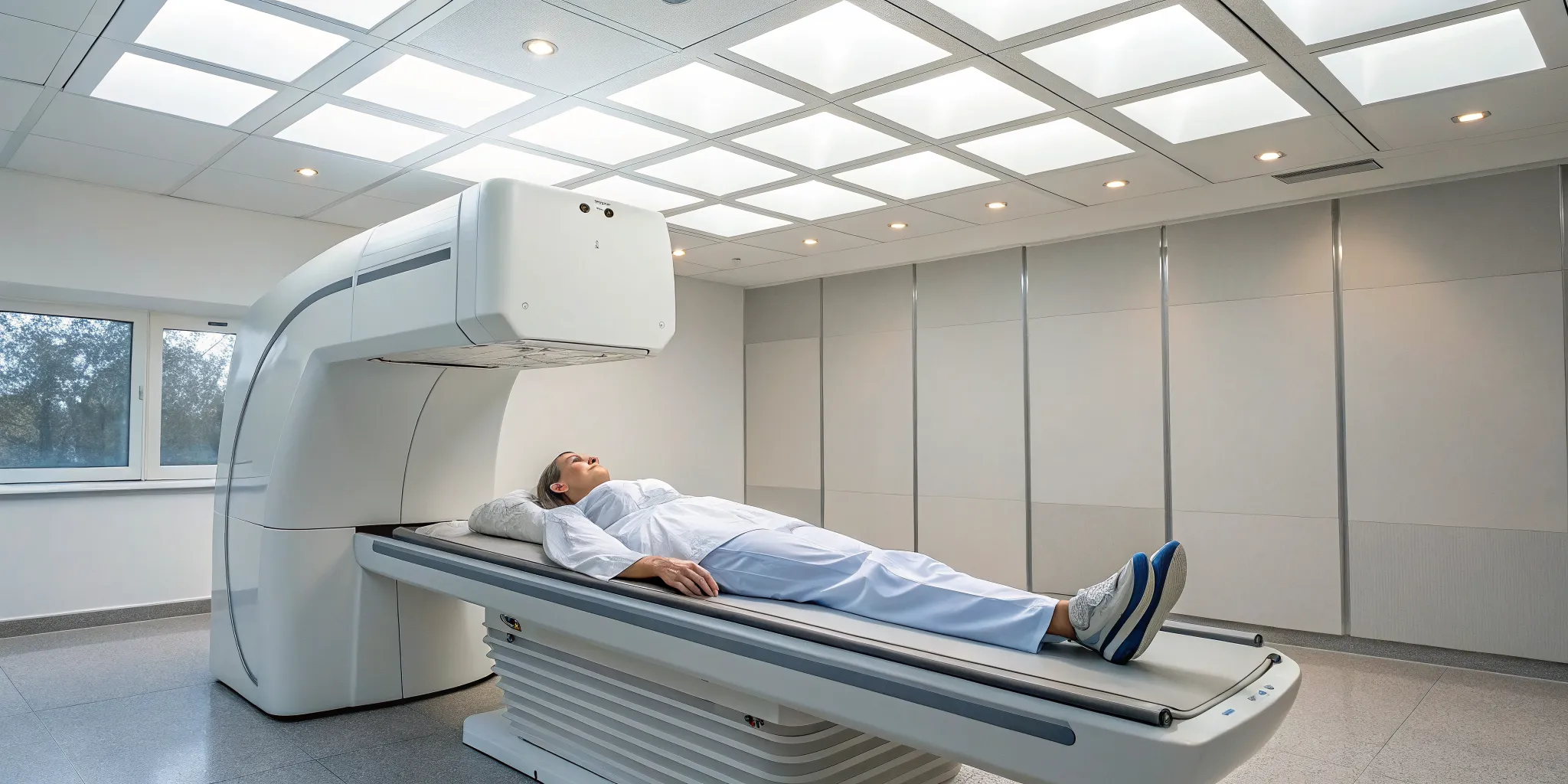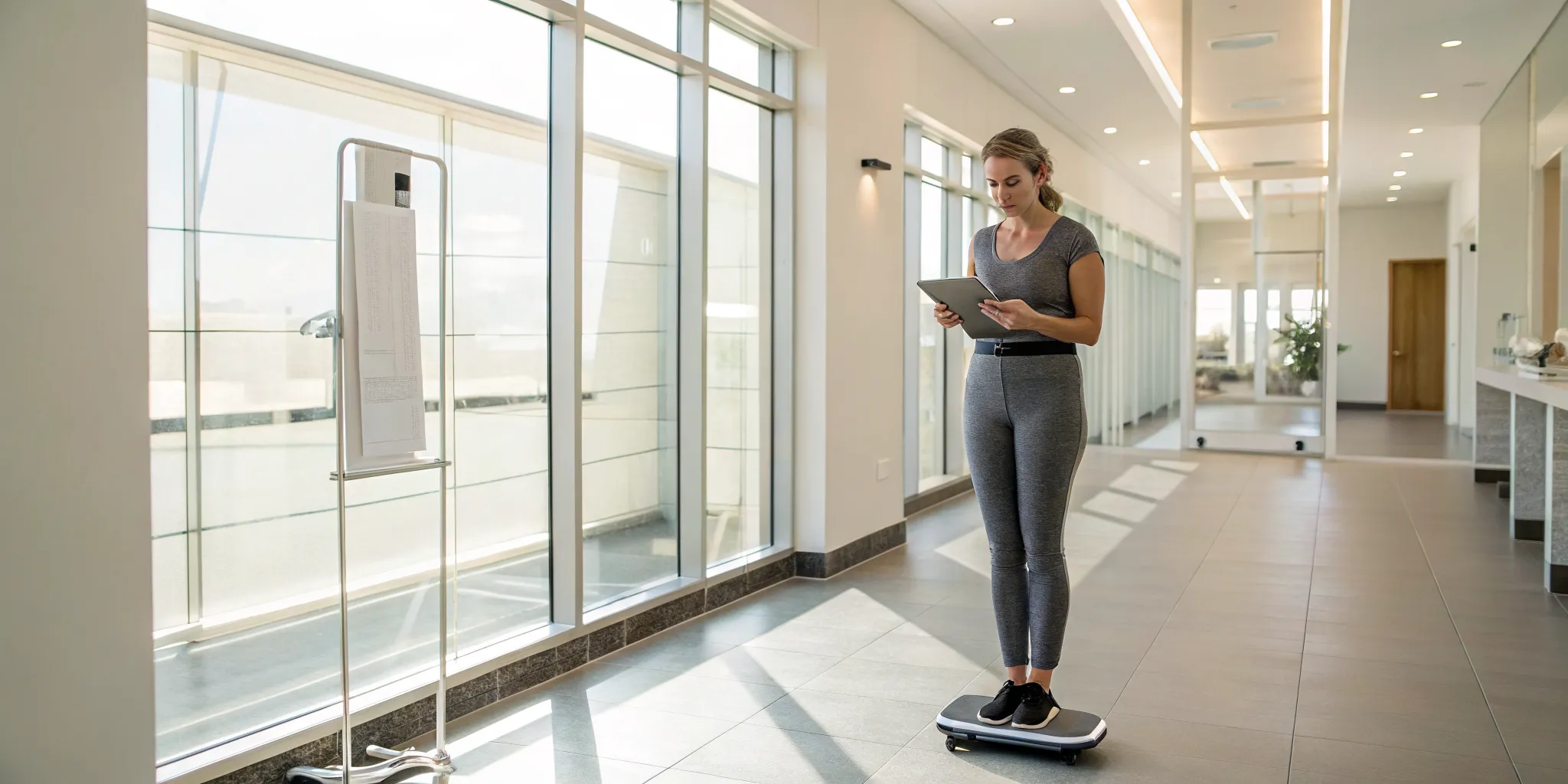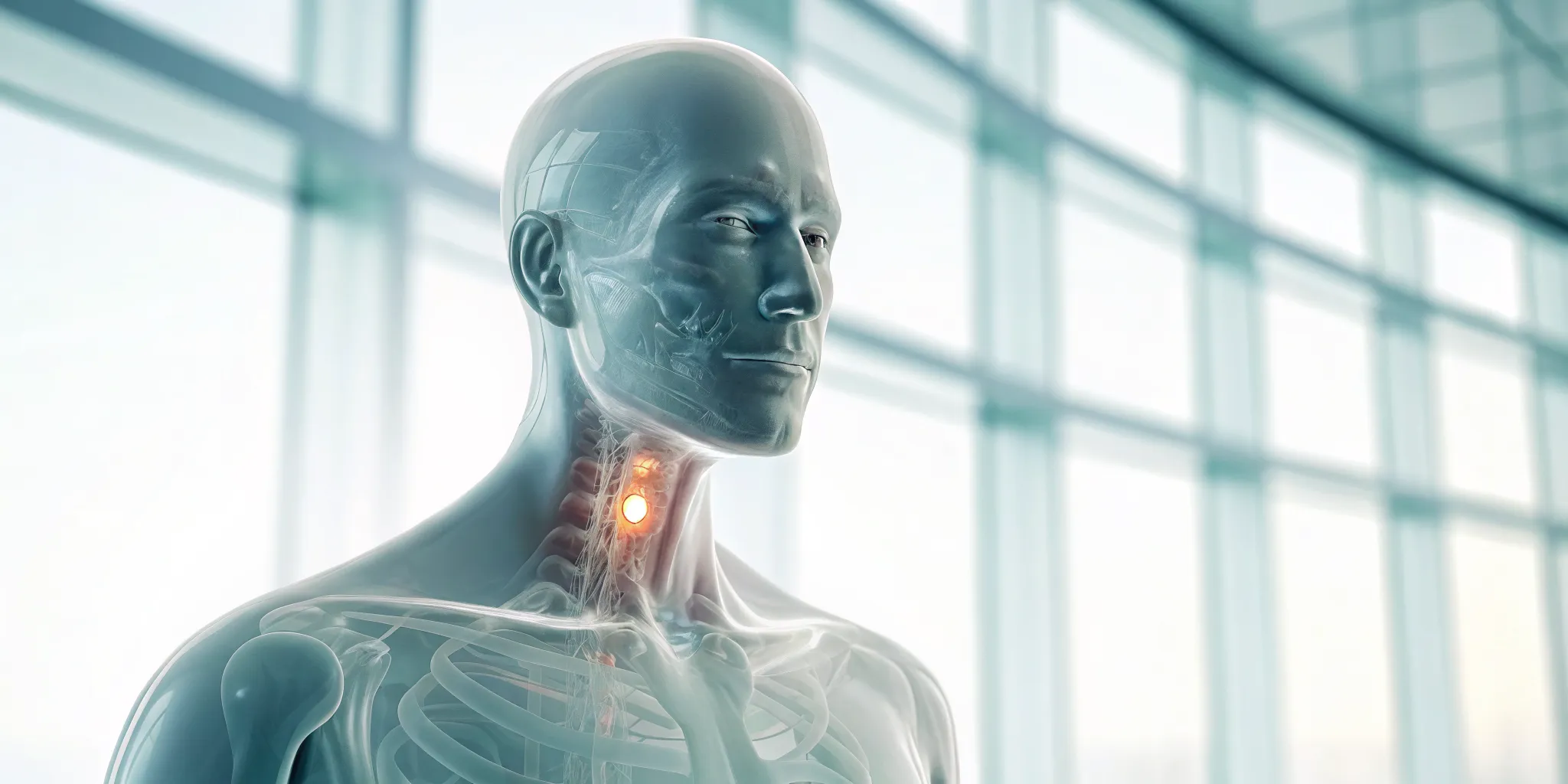
Movement concerns rarely arrive as a single, neatly labeled problem. Stiffness, recurring discomfort, posture changes, or limited mobility can affect how you work, exercise, sleep, and move through the day. A useful first step is understanding how those concerns relate to your structure, movement patterns, and goals.
For Tampa Bay readers, physical medicine tampa care is an evaluation-led approach that may organize chiropractic care, corrective support, decompression, lumbar support, and myofascial or soft-tissue work around an individual's needs.
At Ascend Functional Health, Physical Medicine is one part of a broader integrative model. The goal is not to match every person with the same menu of services. But to clarify what may be contributing to a concern and determine which interventions are appropriate. That process begins with a thoughtful review of your history, movement, structure, and daily priorities.
Understanding how that evaluation works can help you approach a consultation with better questions and more realistic expectations.
Explore Ascend's Physical Medicine approach
How Does Physical Medicine Tampa Care Begin?
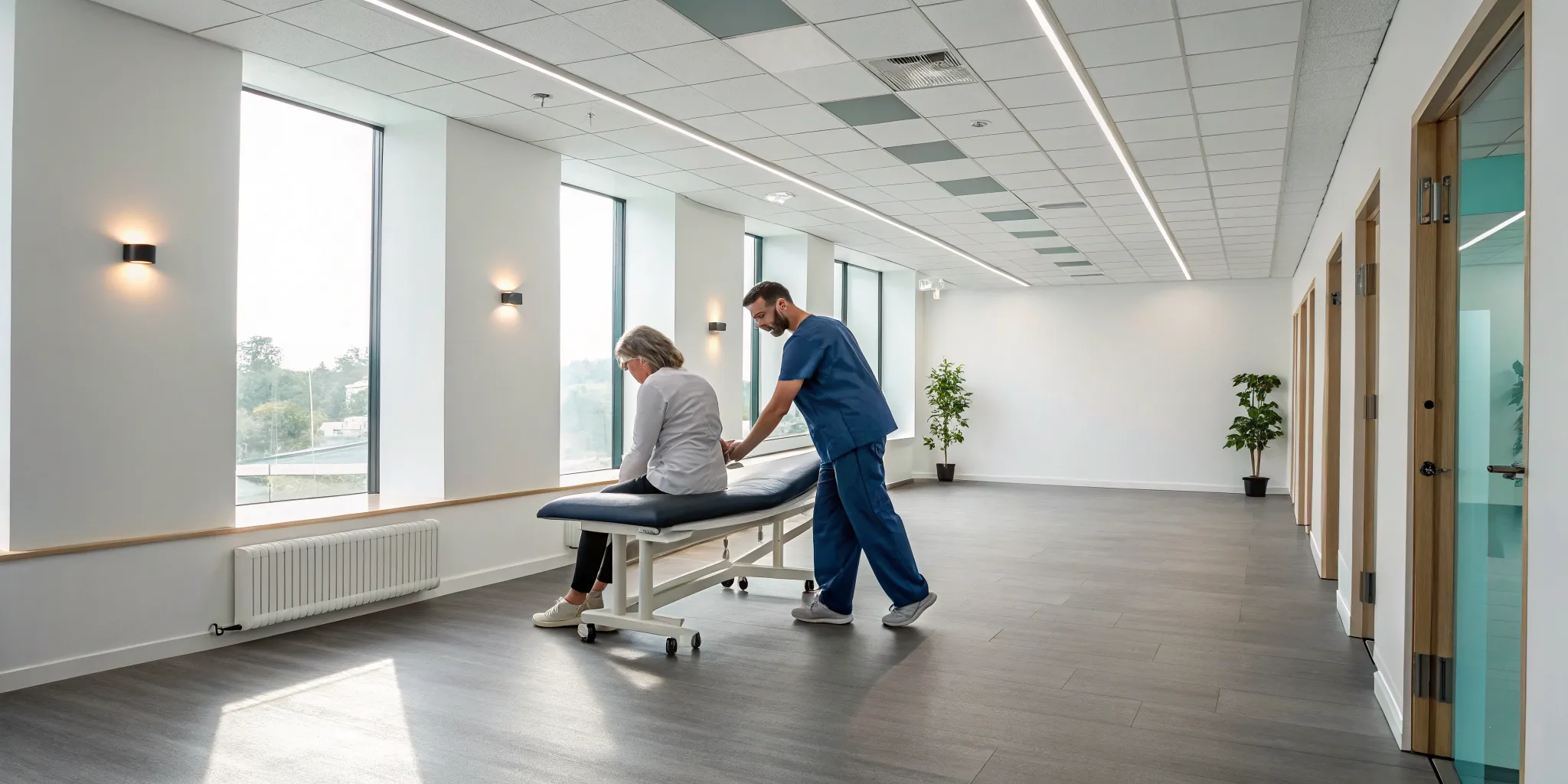
Physical medicine Tampa care begins with a conversation and a focused evaluation, not a preset treatment menu. The goal is to understand your history, movement concerns, structural findings, and daily priorities so the next steps can be discussed as an individualized plan.
The first visit typically starts with your health history and the reason you are seeking care. You may discuss when the concern began, activities that affect it, previous injuries or treatment, changes in mobility, and what you would like to do more comfortably. Sharing your goals helps keep the evaluation practical. Someone hoping to return to recreational activity may need a different plan from someone focused on sitting, lifting, walking, or sleeping with greater ease.
What may the evaluation include?
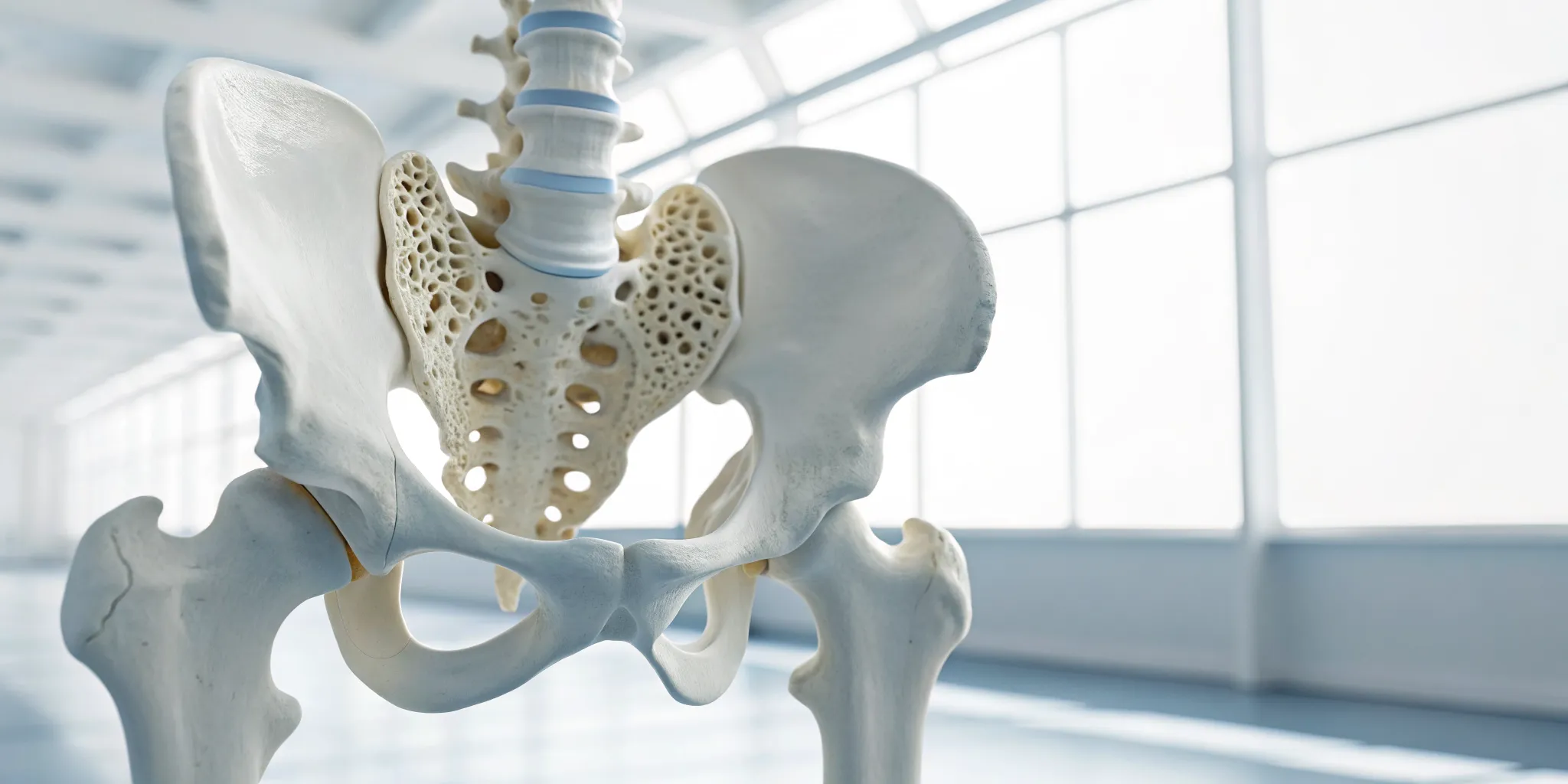
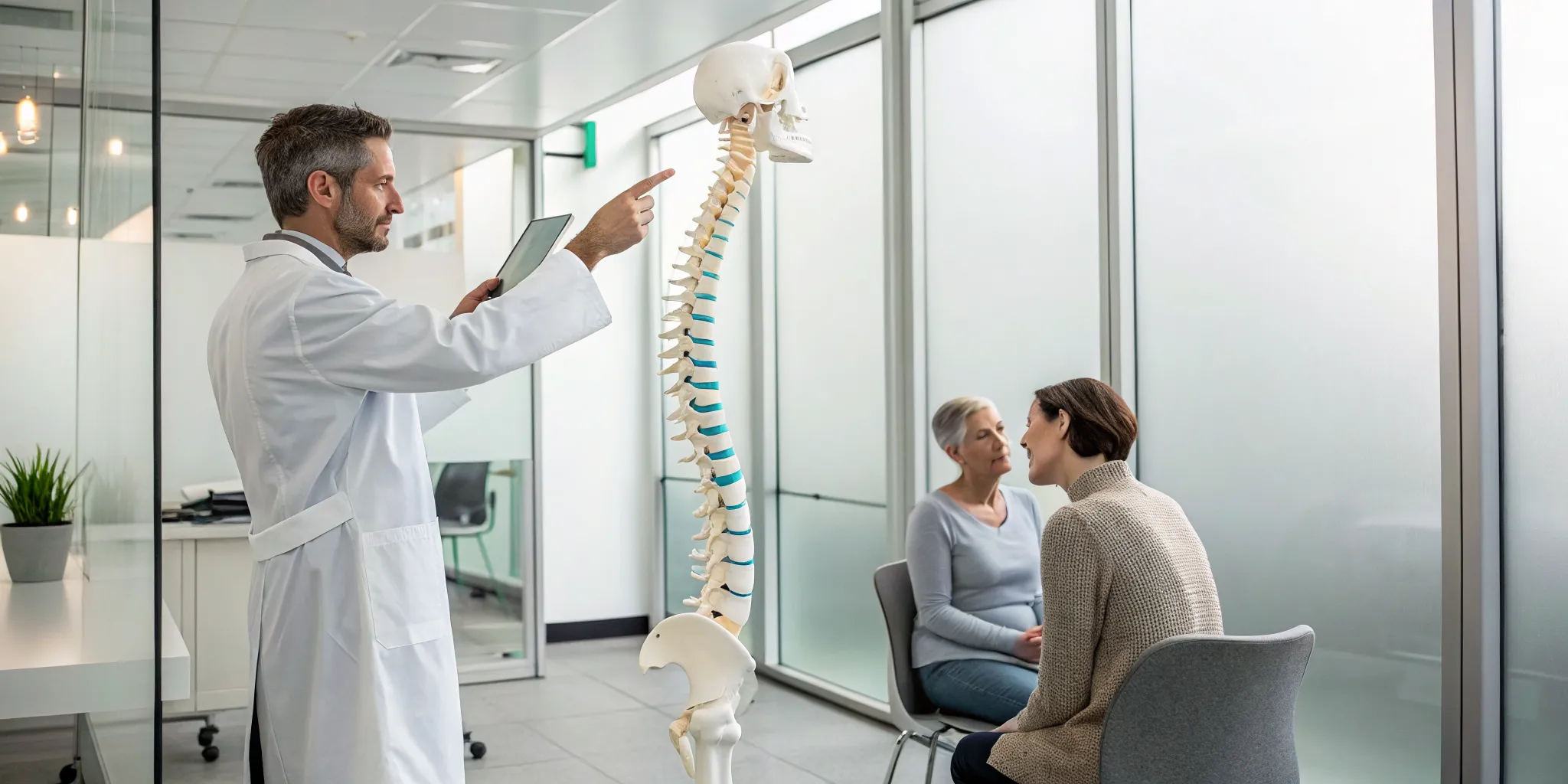
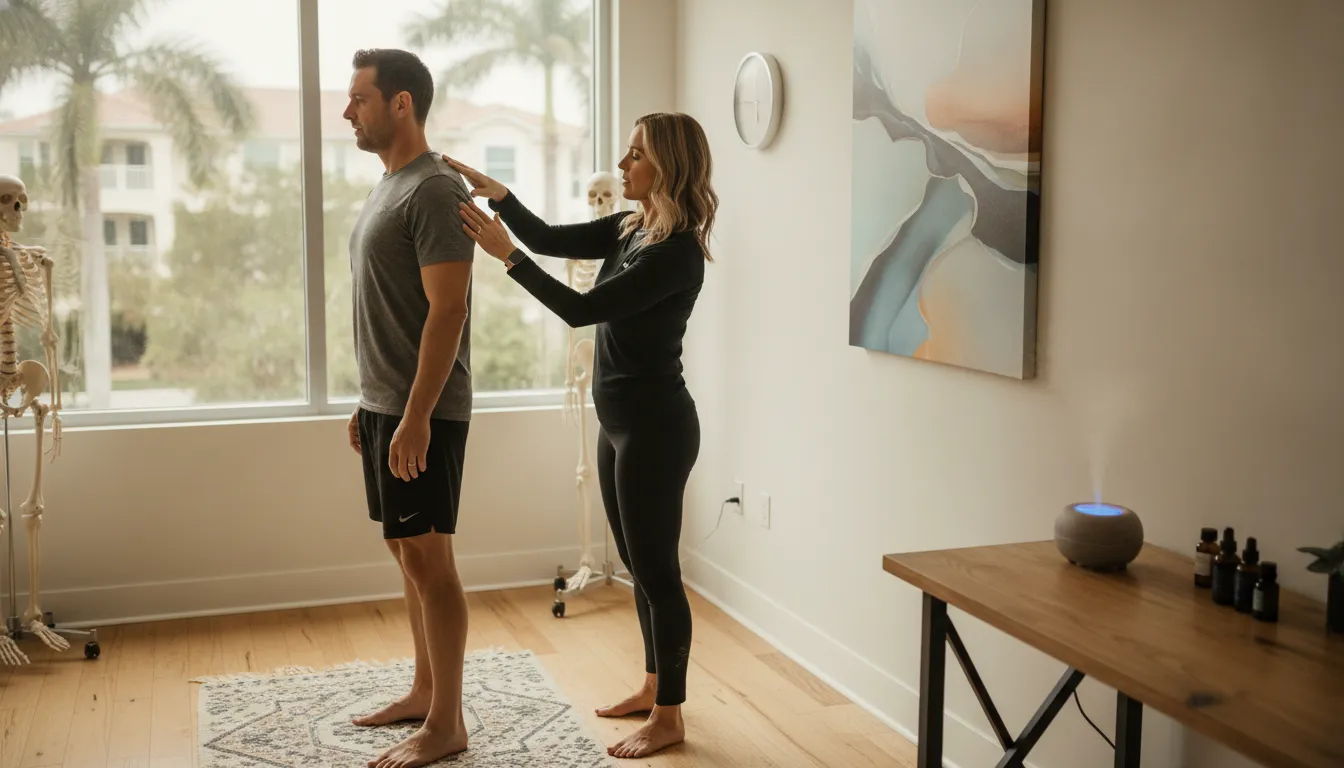
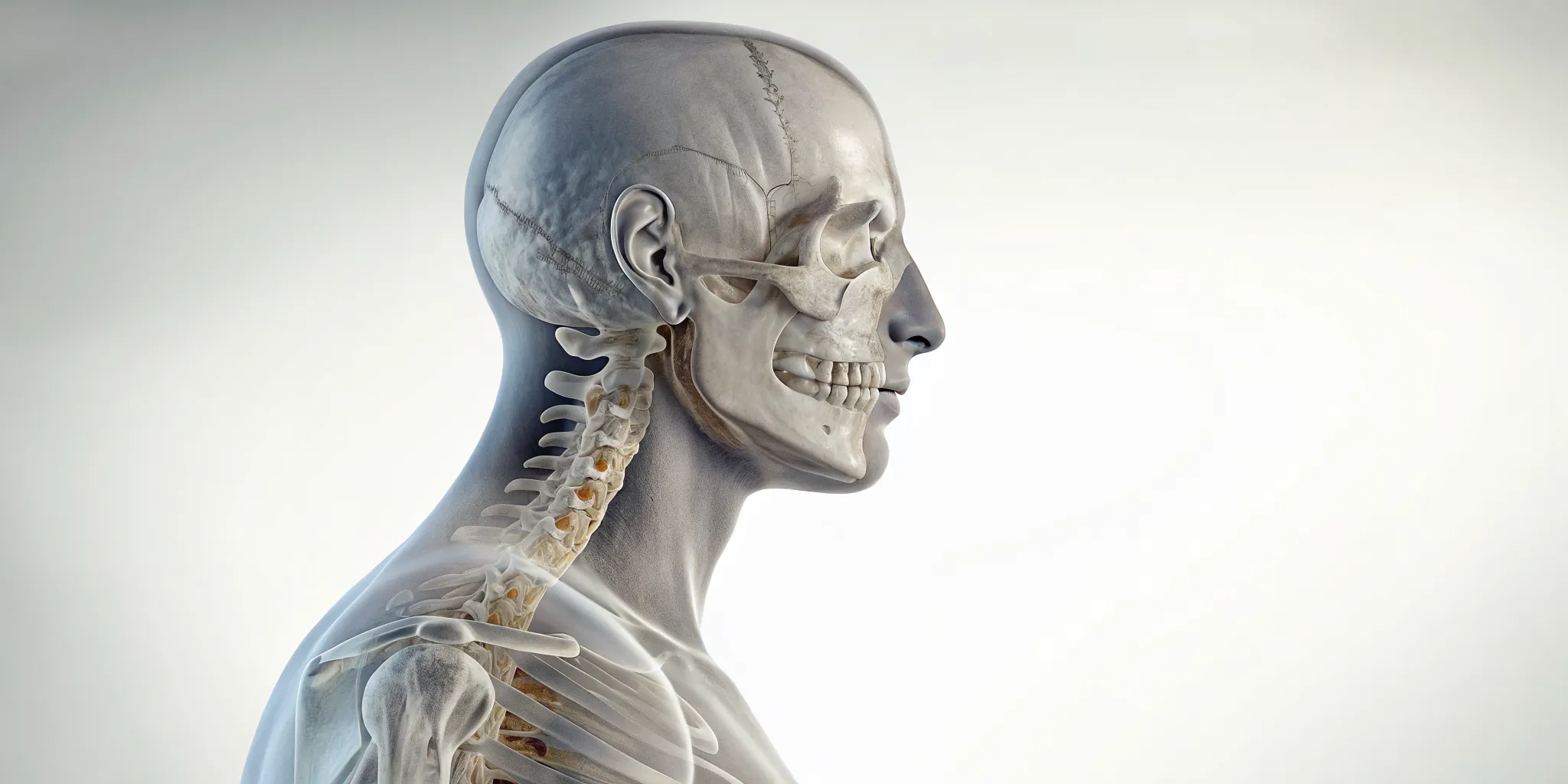
Depending on your concerns, the assessment may include posture observation, range-of-motion testing, orthopedic testing, neurological testing, strength, balance, and coordination. These findings help the care team look at how you move rather than relying on a symptom description alone. When structural analysis is appropriate, a Chiropractic BioPhysics-style assessment may consider spinal curves such as cervical lordosis, thoracic kyphosis, and lumbar lordosis. Imaging is not automatically necessary for every person, and the appropriate evaluation depends on your history and presentation.
This process is also an opportunity to identify situations that may require a different type of medical evaluation or referral. A careful review of your history, current symptoms, medications, and relevant health factors supports safer decision-making. You should have the opportunity to ask questions, understand the proposed approach, and participate in decisions about your care.
How do findings shape the plan?
Findings may guide whether the next phase emphasizes corrective care, movement work, spinal decompression, lumbar support, or therapeutic soft-tissue work. These options are considered only when they fit the individual assessment. The plan may be staged, with progress reviewed over time and adjusted as your response and goals become clearer. The purpose is not to promise a particular outcome, but to create a reasoned path that connects evaluation to measurable movement and function goals.
Learn more about the evaluation process and available approaches on Ascend's Physical Medicine page.
Which Physical Medicine Approaches May Fit a Tampa Care Plan?
Several Physical Medicine options may fit a Tampa care plan, but the right combination depends on your history, movement patterns, structural findings, and goals. An evaluation helps determine whether one approach or a staged combination is appropriate rather than treating every concern with the same protocol.
Ascend's Physical Medicine pillar centers on individualized care for structure and function. The options below are complementary tools, not promises of a particular result. Your clinician can explain the purpose of each recommendation and how it fits the findings from your assessment.
These approaches can be coordinated over time as the clinical picture becomes clearer. For example, movement testing may guide corrective exercises, while soft-tissue work may be considered alongside mobility work. If you are exploring chiropractic care in Tampa, ask how the practice evaluates fit, explains alternatives, and adapts recommendations when your response or goals change.
How Can Chiropractic and Corrective Care Support Movement Goals?
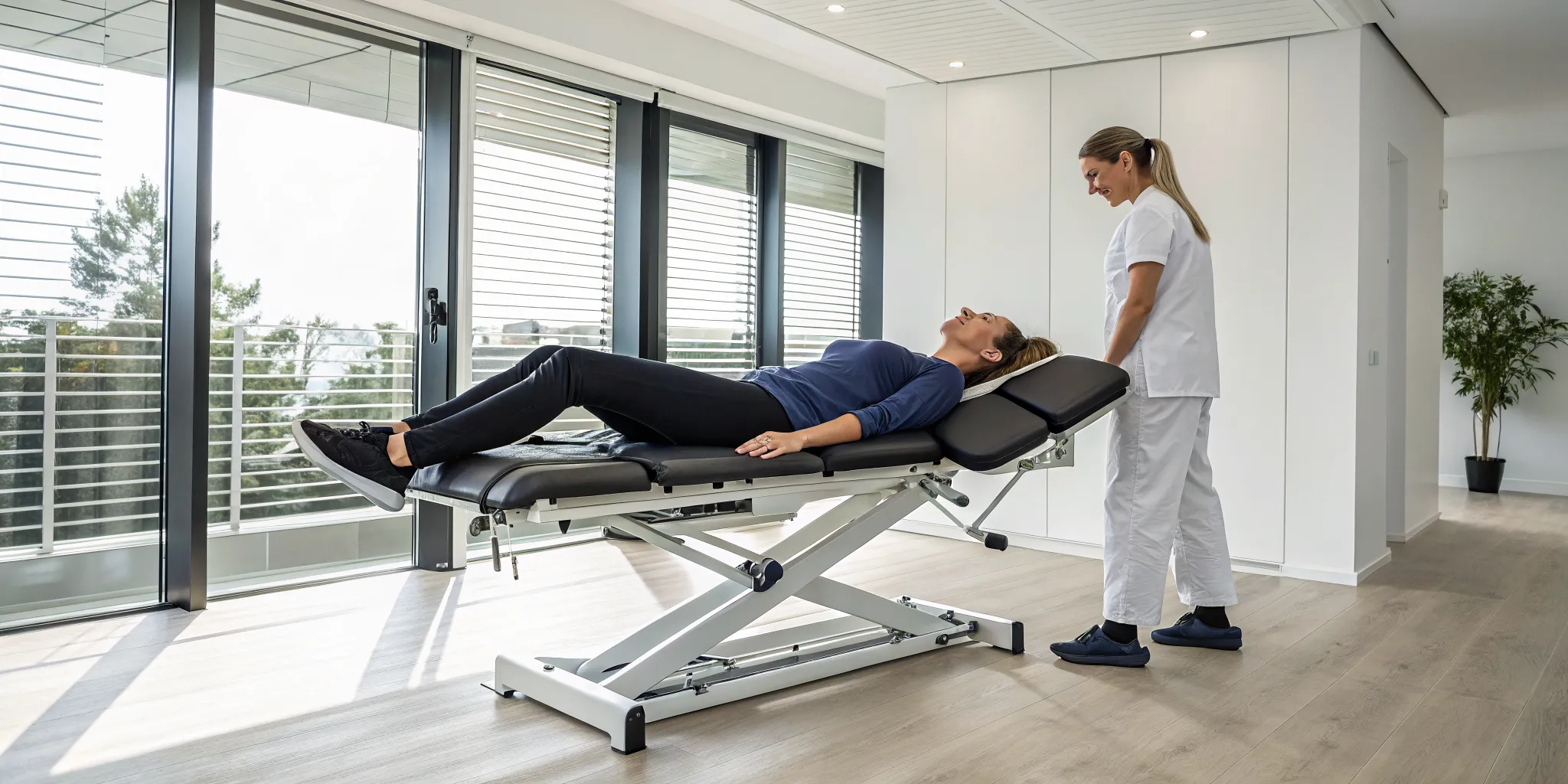
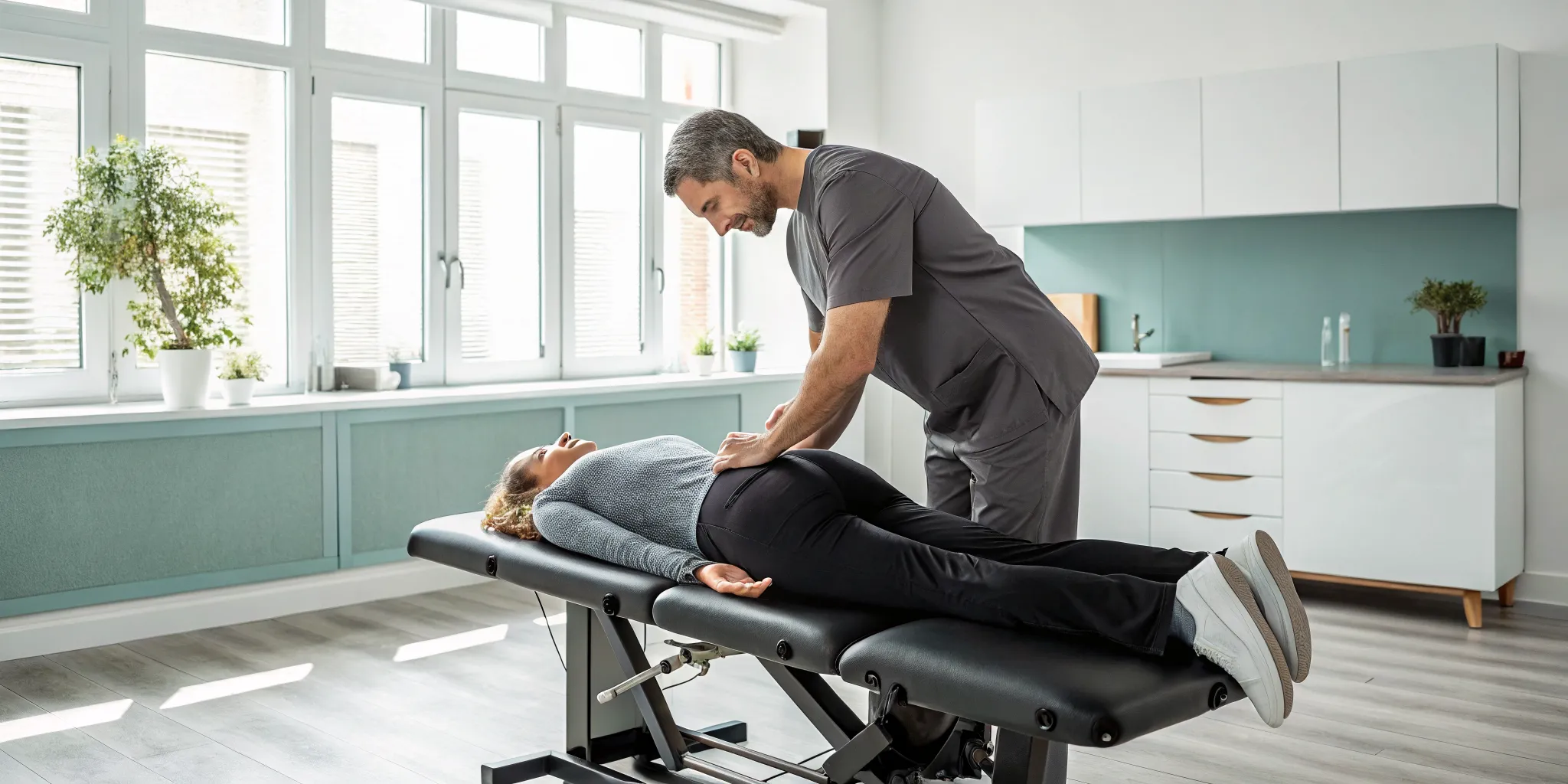
Chiropractic and corrective care may support movement goals by connecting a clear assessment with an individualized plan for structure, posture, and function. Rather than treating every person with the same sequence of adjustments or exercises. The process can help clarify how your current movement patterns relate to the activities you want to perform.
An evaluation may include a health history, posture review, functional movement assessment, and orthopedic or neurological testing when appropriate. These steps give the care team more context before recommending an intervention. Ascend's chiropractic care approach describes this assessment-led process for people whose goals may include moving with greater confidence, returning to selected activities, or understanding a recurring movement limitation.
Starting with structure and movement patterns
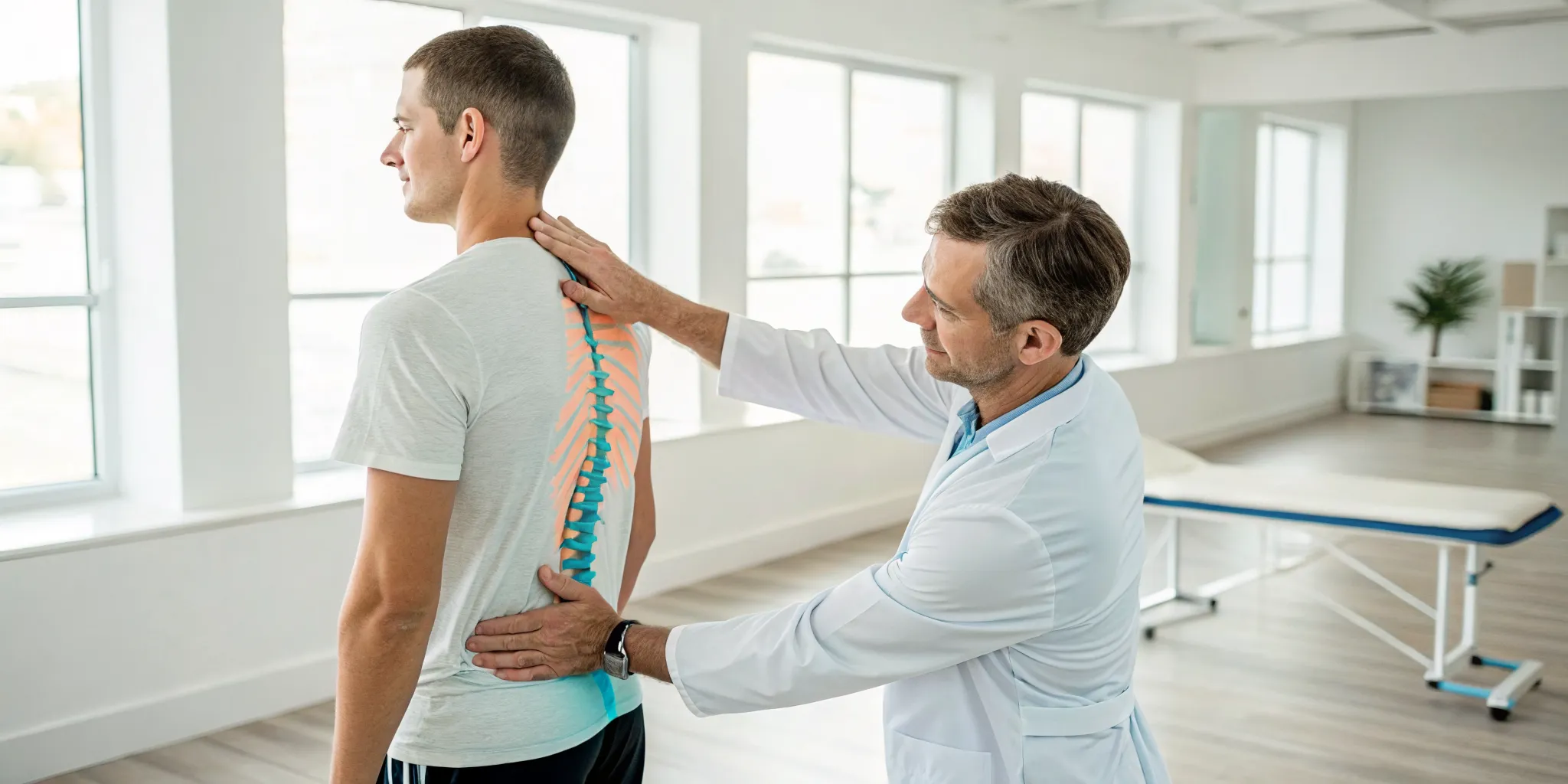
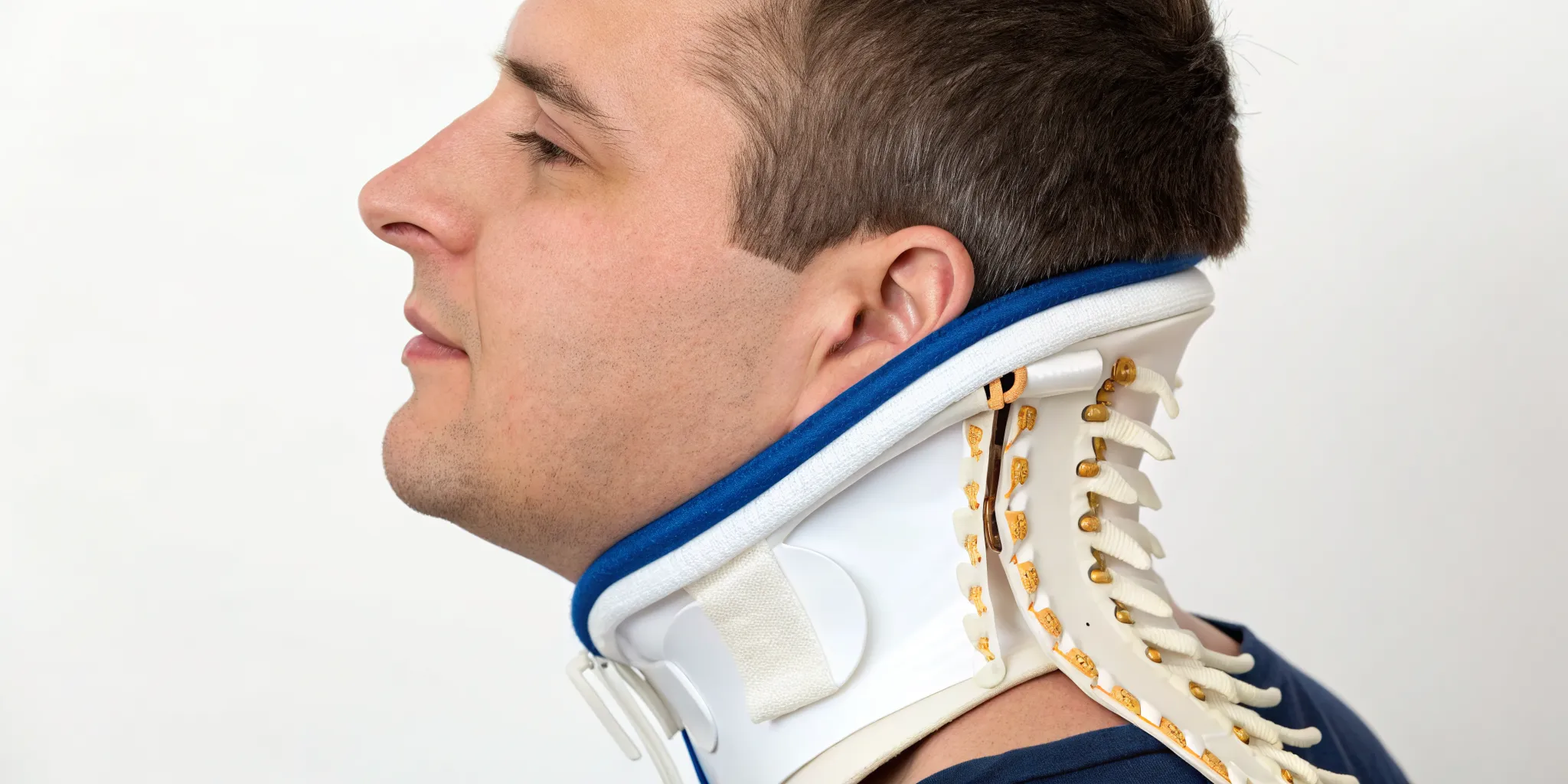
Posture and spinal alignment are considered as part of the larger movement picture, not as isolated targets. When clinically appropriate, a Chiropractic BioPhysics-style analysis may consider the cervical lordosis, thoracic kyphosis, and lumbar lordosis. These observations can help inform whether corrective care, mobility work, soft-tissue support, or another approach belongs in the plan. They do not provide a complete explanation for every symptom, and they should not be treated as a diagnosis on their own.
Corrective care may then combine hands-on chiropractic techniques with movement retraining and exercises selected for the individual's findings and goals. The purpose is to help a person practice more supportive movement strategies in a way that fits daily demands. A person who sits for long periods, works physically, or wants to resume a recreational activity may need different coaching and progress markers.
Keeping the plan responsive
Communication matters throughout the process. Share which movements feel limited, which activities matter most, and how your body responds between visits. Progress tracking and follow-up assessment can help the care team determine whether the plan should continue, be adjusted, or include a different type of evaluation. If findings suggest a concern outside the scope of chiropractic or corrective care, appropriate communication and referral should remain part of responsible planning.
The goal is not to promise a particular outcome. It is to create a thoughtful, measurable process that respects individual variation while supporting movement-related priorities.
When Might Decompression or Lumbar Support Be Considered?
Decompression or lumbar support may be considered when an evaluation suggests that a disc-related or lower-back concern could benefit from a carefully selected, non-surgical approach. The right choice depends on your history, examination findings, movement goals, and overall health, not on a device or protocol used the same way for everyone.
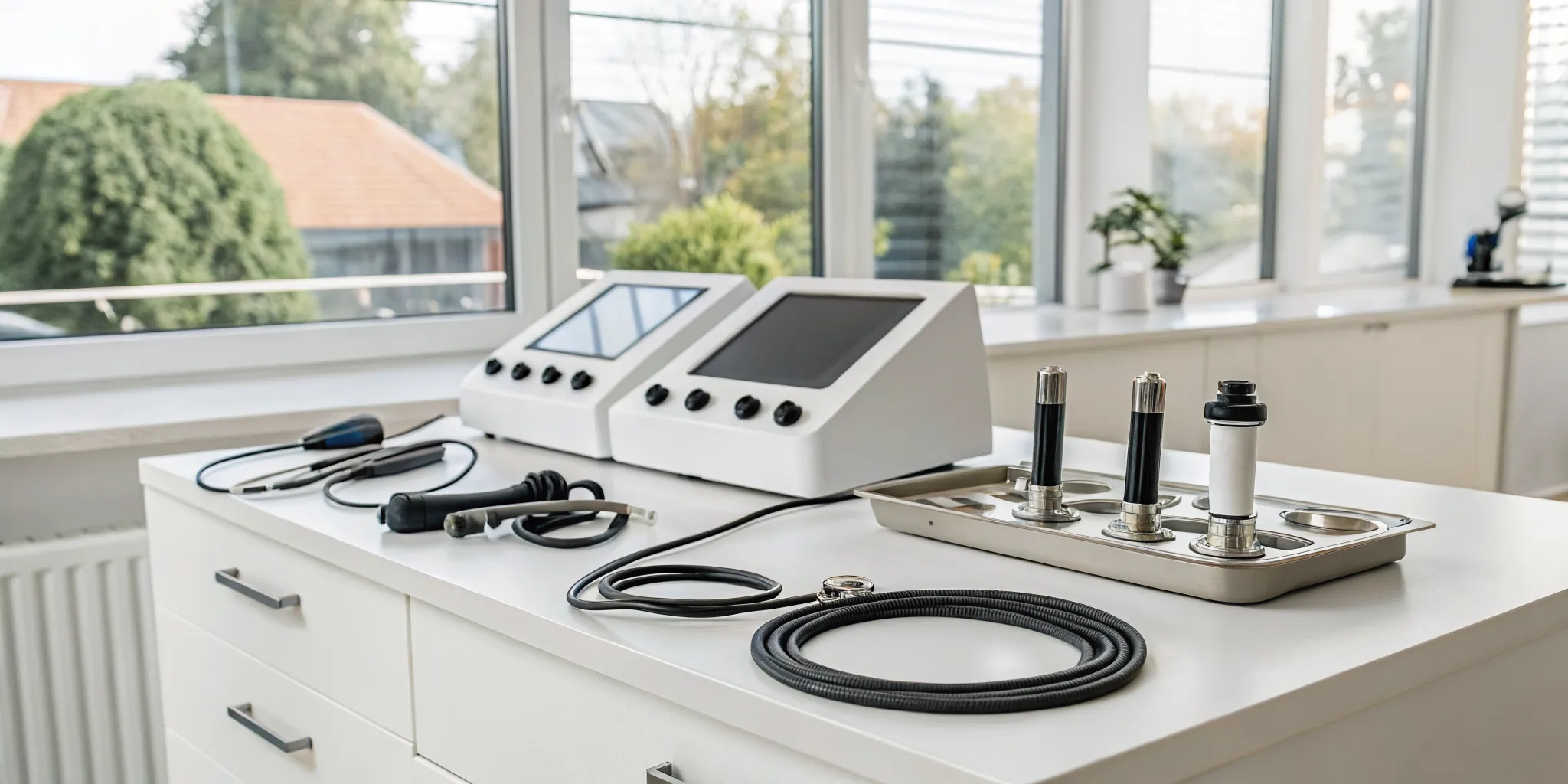
At Ascend, spinal decompression is described as one possible component of an integrated Physical Medicine plan for selected disc-related concerns, including some presentations involving lower-back discomfort or sciatica. It is not appropriate for every person or every cause of back symptoms. A clinician first needs to understand how symptoms began, what activities affect them, and whether the pattern calls for a different type of care or referral.
Why an evaluation comes first
A focused assessment may include a health history, posture and movement review, orthopedic testing, and neurological testing when appropriate. These steps help the care team look beyond the location of discomfort and consider how mobility, strength, spinal mechanics, and daily activities may be interacting. Ascend's chiropractic evaluation describes this broader process, including posture, orthopedic, and neurological testing.
When a Chiropractic BioPhysics-style analysis is appropriate, the review may also consider spinal curves such as cervical lordosis, thoracic kyphosis, and lumbar lordosis. That information can help determine whether decompression, corrective care, movement work, soft-tissue support, or another option belongs in the plan. Guidance for low-back pain also emphasizes considering alternative diagnoses when symptoms are new or changing. Which is one reason self-selecting a treatment is not a substitute for an evaluation.
How lumbar support may fit a personalized plan
Lumbar support can refer to positioning, activity modifications, corrective exercises, or other strategies intended to support the lower back during a particular phase of care. The goal is not to create dependence on one tool. Instead, the approach may be adjusted as movement tolerance, symptoms, and functional goals change. Progress tracking can help the provider decide whether to continue, modify, or discontinue a component of care.
Patients should be able to ask what a recommended approach is intended to address, what alternatives exist, and how progress will be evaluated. A consultation can clarify whether decompression or lumbar support is a reasonable fit for your situation and how it would coordinate with the rest of a Tampa physical medicine plan. Learn more about spinal decompression therapy and discuss next steps with a qualified clinician.
How Does Myofascial or Soft-Tissue Work Complement Care?
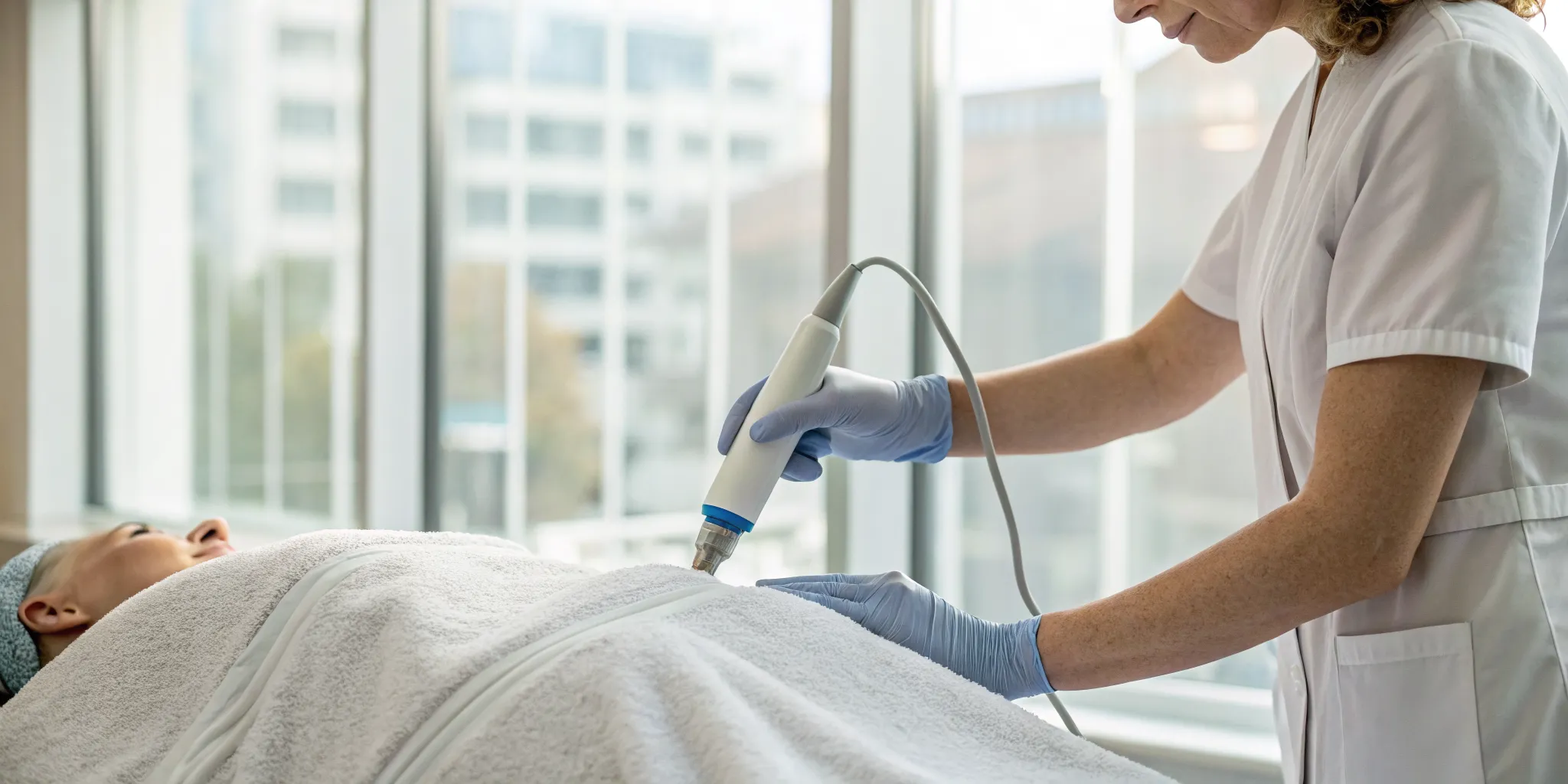
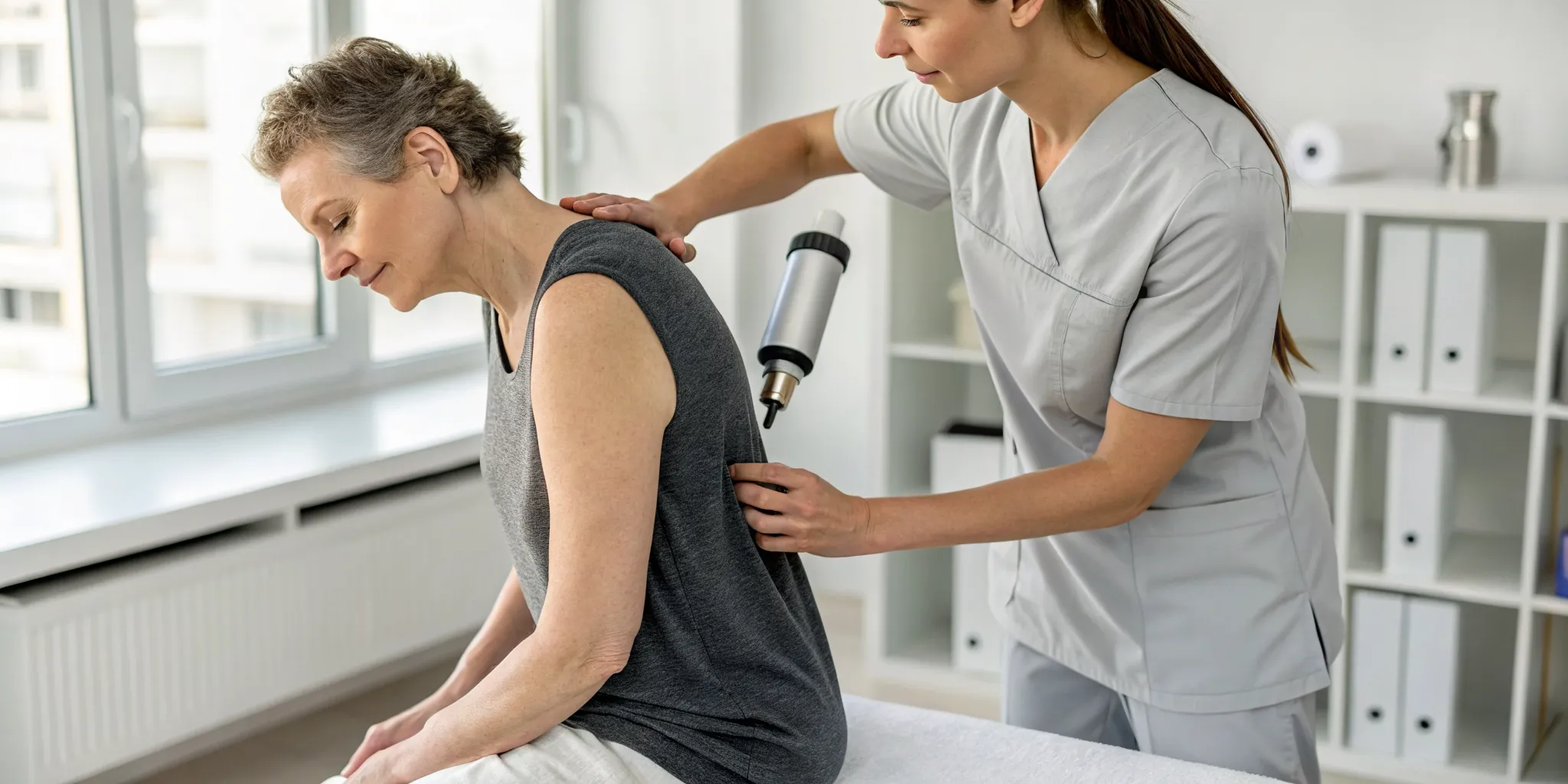
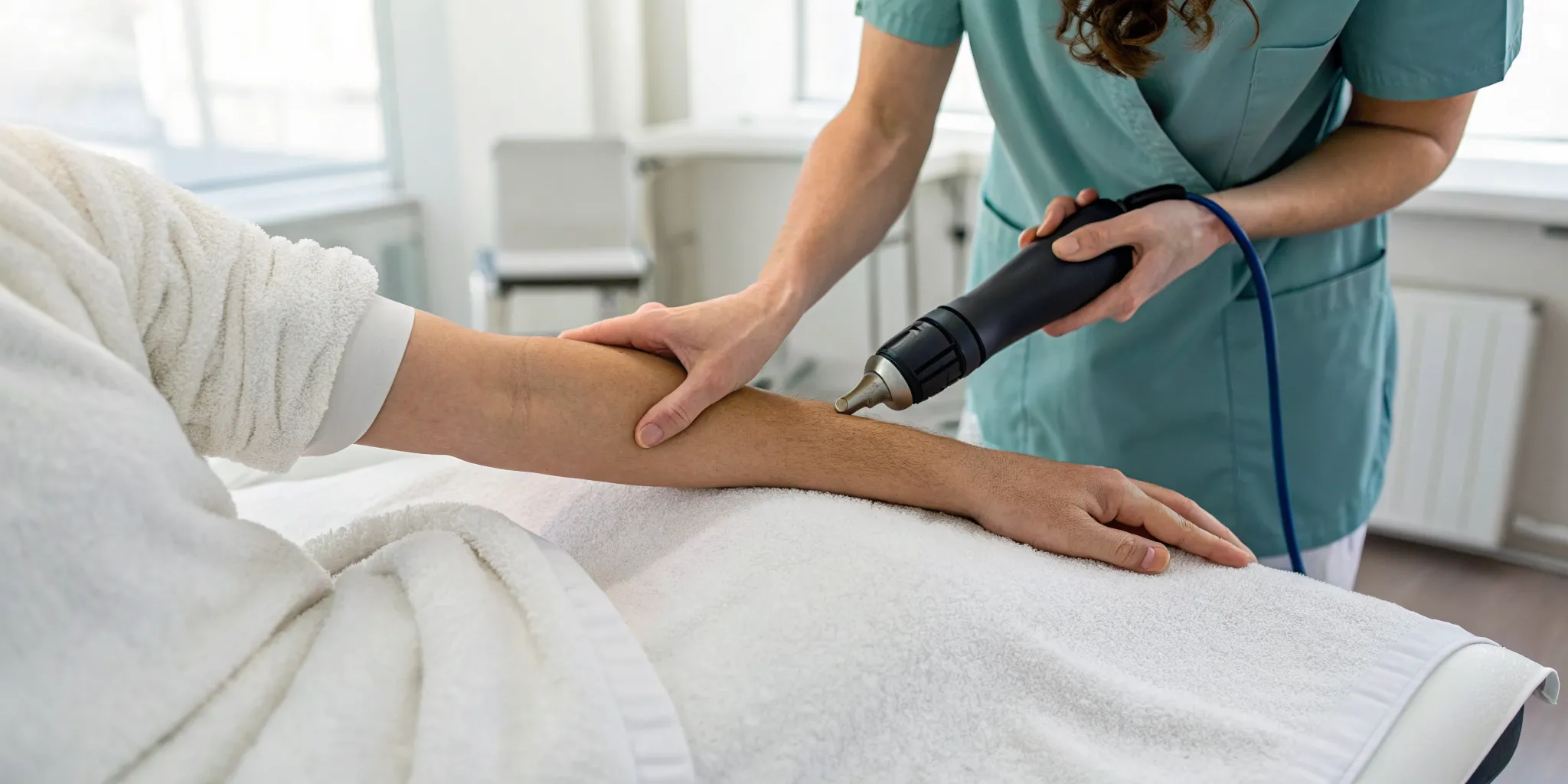
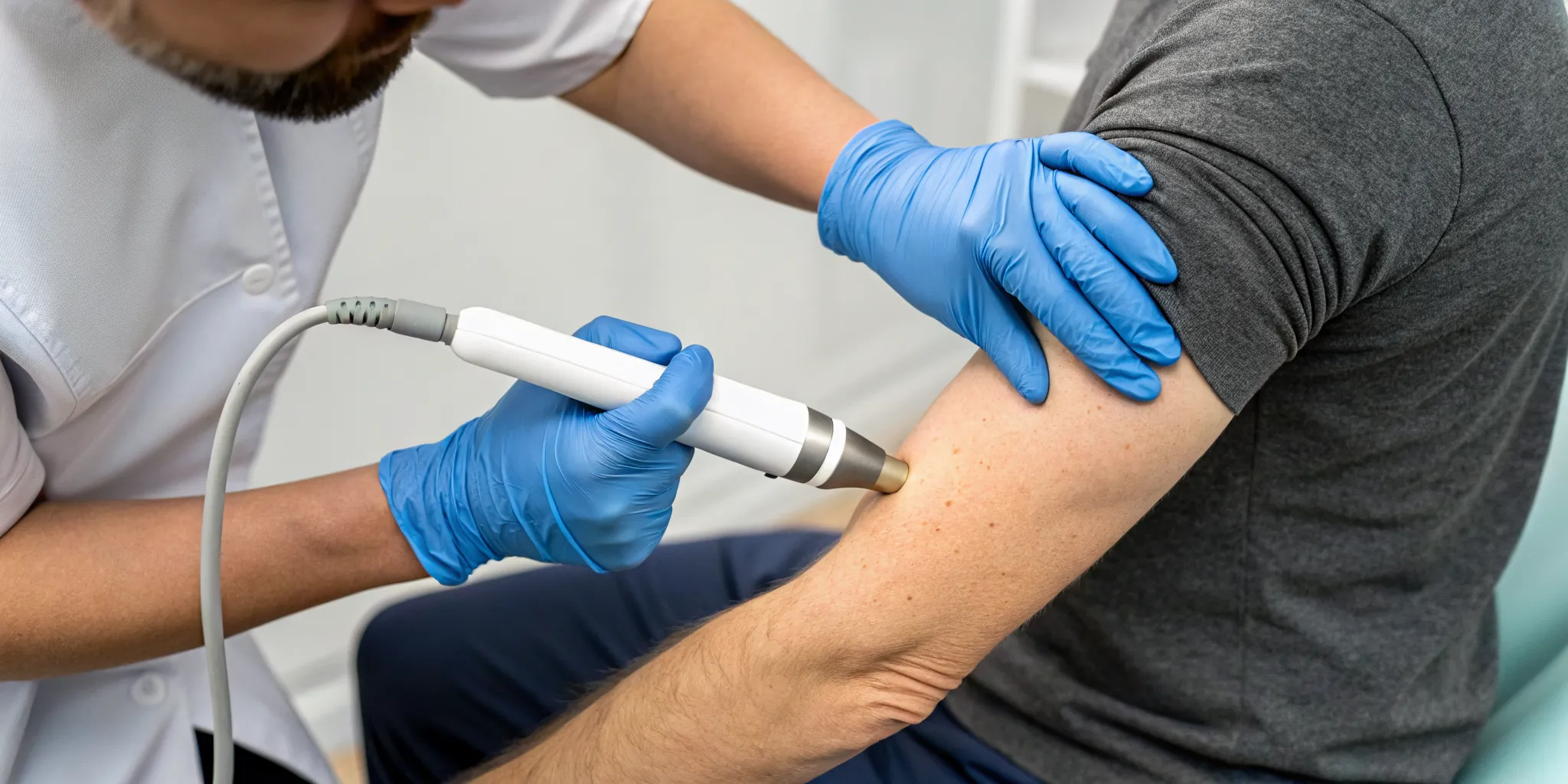
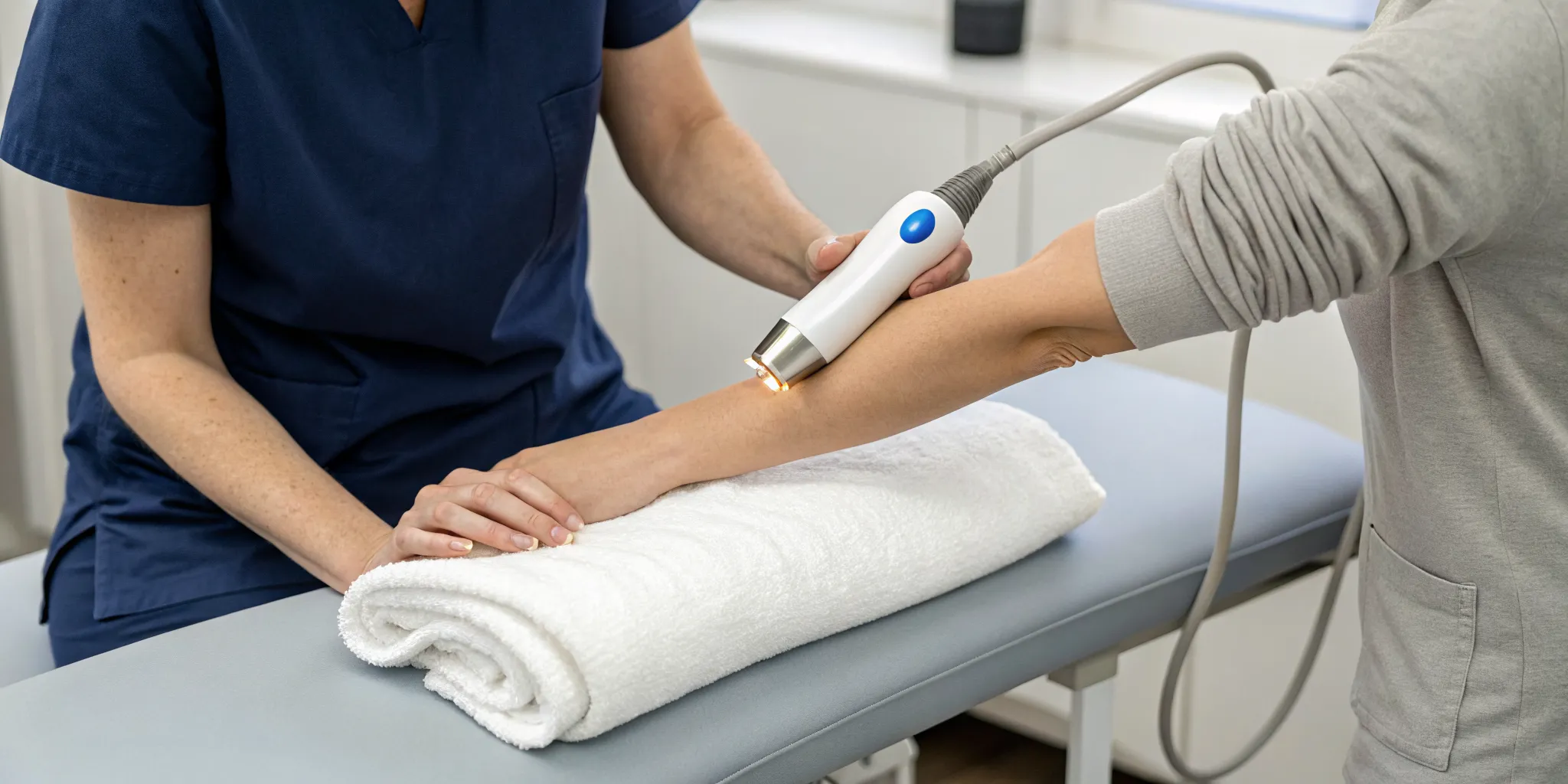
Myofascial and soft-tissue work can complement a broader movement-care plan by addressing muscle and fascia concerns alongside posture, mobility, corrective exercise, or other clinically appropriate approaches. Its role should be individualized, with the care team monitoring your response rather than assuming the same technique fits everyone.
Fascia is the connective tissue that surrounds and supports muscles. When muscles remain tense because of repeated motion, posture, injury, or other factors, hands-on soft-tissue work may be considered as one part of a plan. Myofascial pain can sometimes be felt away from the area involved, so a careful evaluation and clear description of your symptoms matter. The Mayo Clinic notes that myofascial pain can involve muscles and fascia and may include referred pain, but those features do not establish a diagnosis on their own: learn more about myofascial pain.
How communication shapes the session
Before treatment, explain where you feel discomfort, which movements or activities change it, and whether symptoms affect sleep, work, exercise, or daily tasks. Tell the practitioner about recent injuries, surgeries, medical conditions, and any change in symptoms. During the session, feedback should be specific and ongoing. Pressure, positioning, and the area addressed can be adjusted when your response indicates that a different approach is more appropriate.
How response monitoring supports the plan
Soft-tissue work is not meant to replace a broader evaluation or guarantee a particular outcome. The team may compare practical measures such as comfortable range of motion, tolerance for a daily activity, movement quality, or the way symptoms respond between visits. That information can help determine whether to continue, modify, pause, or coordinate the work with corrective care and movement exercises.
Ascend includes myofascial release and soft-tissue work within its broader Physical Medicine approach, where the emphasis is on fitting services to an individual assessment and goals. Persistent, worsening, or unfamiliar symptoms deserve appropriate clinical attention rather than repeated self-treatment.
What Should You Ask Before Choosing Physical Medicine in Tampa?
A thoughtful consultation should clarify what may be contributing to your movement concern, which evaluation steps are appropriate, and how a personalized plan would be monitored. Before choosing a practice, ask questions that help you understand the clinical reasoning, available options, and your role in the process.
- How do you evaluate my concerns? Ask whether the first visit includes a health history, discussion of daily goals, movement assessment, posture or structural review, and any other testing the clinician considers appropriate. A useful evaluation should be connected to your symptoms and function rather than built around a preset menu of services.
- How will you explain the findings? You should be able to ask what the evaluation suggests, what remains uncertain, and whether another diagnosis or type of care should be considered. Clear explanations support informed decisions and help you understand why a particular approach is being recommended.
- Which Physical Medicine options may fit my situation? Ask how the practice decides whether chiropractic care, corrective exercise, spinal or lumbar decompression, or myofascial and soft-tissue work belongs in your plan. These approaches are not appropriate in the same way for every person, so the answer should address your goals and clinical findings.
- How will we track progress? Discuss which changes matter to you, such as movement tolerance, daily activities, strength, or comfort, and how often the plan will be reviewed. Ask what happens if your response differs from expectations or new symptoms develop.
- What should I bring and what questions should I prepare? Bring relevant health information, a list of concerns, and details about when symptoms began or change. Be candid about previous care, activities, work demands, and your priorities. You can also ask about visit frequency, home recommendations, communication between visits, and when referral or additional evaluation may be appropriate.
Choosing physical medicine in Tampa is ultimately about finding a practice whose evaluation process and communication style fit your needs. To discuss your concerns and learn what a first conversation may involve, visit Ascend Functional Health's contact page.
Talk with Ascend Functional Health about your next step
Frequently Asked Questions
What does a Physical Medicine evaluation in Tampa include?
An evaluation may review your history, movement goals, posture, range of motion, and relevant orthopedic or neurological findings. When appropriate, the clinician may use imaging or a more detailed spinal curve assessment to help organize a personalized care plan.
How is Physical Medicine different from physical therapy?
Physical Medicine is a broader care-planning approach that may combine chiropractic care, corrective movement work, spinal decompression, lumbar support, and soft-tissue methods. Physical therapy is one distinct rehabilitation profession. The right approach depends on your goals, findings, and the type of support you need.
Could spinal decompression be part of my care plan?
It may be considered for selected disc-related or lower-back concerns, but it is not appropriate for everyone. An individual evaluation helps determine whether decompression fits your findings and whether another approach should come first.
When might myofascial or soft-tissue work be useful?
Soft-tissue work may complement movement-focused care when muscle tension, restricted tissue mobility, or discomfort affects how you move. The clinician can adjust the approach based on your response and coordinate it with corrective exercises or other appropriate care.
What should I bring to a first consultation?
Bring a clear description of your main concern, when it began, activities that aggravate or ease it, relevant medical records or imaging, and your movement goals. These details help make the discussion more focused and support shared decisions about next steps.
Ready to Discuss Physical Medicine Care?
A personalized conversation can help clarify which evaluation and care options may fit your movement goals, questions, and daily needs. Schedule a conversation with Ascend Functional Health to discuss whether a Physical Medicine evaluation is appropriate for you. This article is educational and does not replace guidance from your clinician.