You don’t have to swing a club to suffer from golfer's elbow. This common condition, caused by repetitive strain on the forearm muscles, can make simple tasks like turning a doorknob or lifting a bag of groceries a painful ordeal. The issue stems from damaged tendons that have stopped healing correctly, leaving you with chronic inflammation and weakness. While many treatments focus on temporary symptom relief, a more effective approach is to stimulate the body’s own repair system. This is where shockwave therapy for golfer's elbow comes in. It’s a non-invasive treatment that uses targeted acoustic waves to promote tissue regeneration from within.
Key Takeaways
- Address the root cause, not just the symptoms: Many common approaches for golfer's elbow, such as steroid injections, may only provide temporary relief. Lasting improvement comes from addressing the underlying tendon damage.
- Shockwave therapy promotes your body's natural healing: This non-invasive treatment uses targeted sound waves to restart the repair process in the injured tendon, helping your body rebuild healthy tissue from the inside out.
- Find relief without putting your life on hold: Shockwave therapy is an effective option for chronic elbow pain that requires no injections or significant downtime, making it ideal for anyone wanting to stay active during their recovery.
What Is Golfer's Elbow?
Despite its name, you don’t have to be a golfer to experience golfer's elbow. This condition, known medically as medial epicondylitis, is a common source of inner elbow pain that we see often. It happens when the tendons connecting your forearm muscles to the bony bump on the inside of your elbow become damaged and inflamed. This is typically the result of overuse from repetitive or forceful wrist and finger motions. The pain can start as a mild ache and progress to a more persistent issue that affects your daily life, from shaking hands to picking up your coffee cup.
Understanding what’s causing the discomfort is the first step toward finding relief. At Ascend Functional Health, our entire approach is built on identifying and addressing the root cause of your health concerns. We don't just look at the symptom; we explore the underlying mechanics and contributing factors to create a personalized plan. By focusing on the source of the problem, we can help your body’s innate healing abilities get to work. This is a core part of our physical medicine services, where we aim for lasting results, not temporary fixes.
Signs You Might Have Golfer's Elbow
Not sure if that nagging ache is golfer's elbow? The most telling sign is pain and tenderness centered on the bony knob on the inside of your elbow. This pain might also radiate down the inner side of your forearm. You may notice your elbow feels stiff, especially in the morning, or that making a fist is painful. Many people also experience weakness in their hands and wrists, making it difficult to grip objects, turn a doorknob, or lift something even moderately heavy. If these symptoms sound familiar, you could be dealing with one of the many conditions we treat with our holistic protocols.
What Causes This Elbow Pain?
Golfer's elbow stems from damage to the muscles and tendons that control your wrist and fingers. It’s an overuse injury caused by too much or repeated stress, especially from forceful wrist and finger motions. This leads to inflammation and tiny tears in the tendons at the point where they anchor to the inside of your elbow (the medial epicondyle). Activities that require repeatedly bending your wrist, gripping tightly, or twisting your forearm are common culprits. Think of the motions involved in swinging a golf club or tennis racket, pitching a baseball, or even repetitive occupational tasks like painting, typing, or construction work.
Are You at Risk for Golfer's Elbow?
Certain activities and factors can increase your chances of developing golfer's elbow. You're more at risk if you're an athlete in a throwing or racket sport, especially if your form could use some improvement. Occupations that involve repetitive arm, wrist, and hand movements for hours at a time also put you at higher risk. This includes plumbers, carpenters, cooks, and assembly-line workers. Other factors like age (it’s most common in adults between 40 and 60), smoking, and obesity can also contribute to your risk. Recognizing these factors is an important part of understanding your body and taking proactive steps toward better health.
Common Approaches for Golfer's Elbow
Conventional Methods: Rest and Physical Therapy
When you first feel that nagging pain on the inside of your elbow, the initial advice is usually straightforward: rest. Golfer's elbow, or medial epicondylitis, happens when repetitive motions damage the tendons connecting your forearm to your elbow. Giving your arm a break from the activities that cause strain is the first step to allow the inflammation to calm down.
Beyond rest, physical therapy is a common and effective strategy. A targeted program can help stretch and strengthen the forearm muscles, taking pressure off the injured tendon. These corrective exercises not only aid in recovery but also help prevent the problem from coming back. While these conventional methods are an important starting point, they sometimes aren't enough to fully resolve chronic or stubborn cases, leading many to explore other physical medicine options.
Why Steroid Injections Aren't a Long-Term Solution
For more intense pain, steroid injections are often presented as a solution. And it's true, they can provide significant, fast-acting pain relief by reducing inflammation directly at the source. This can feel like a welcome change when you're struggling with daily activities. However, it's important to look at the bigger picture.
The relief from these injections is often temporary, and the pain can return once the effects wear off. More importantly, research suggests that repeated injections might not be the best for your long-term health, as they can potentially weaken the tendon tissue over time. This approach focuses on managing a symptom (pain) rather than addressing the underlying tissue damage. It's why we believe in finding solutions that support your body's healing process for lasting results when treating elbow pain.
The Pros and Cons of PRP Therapy
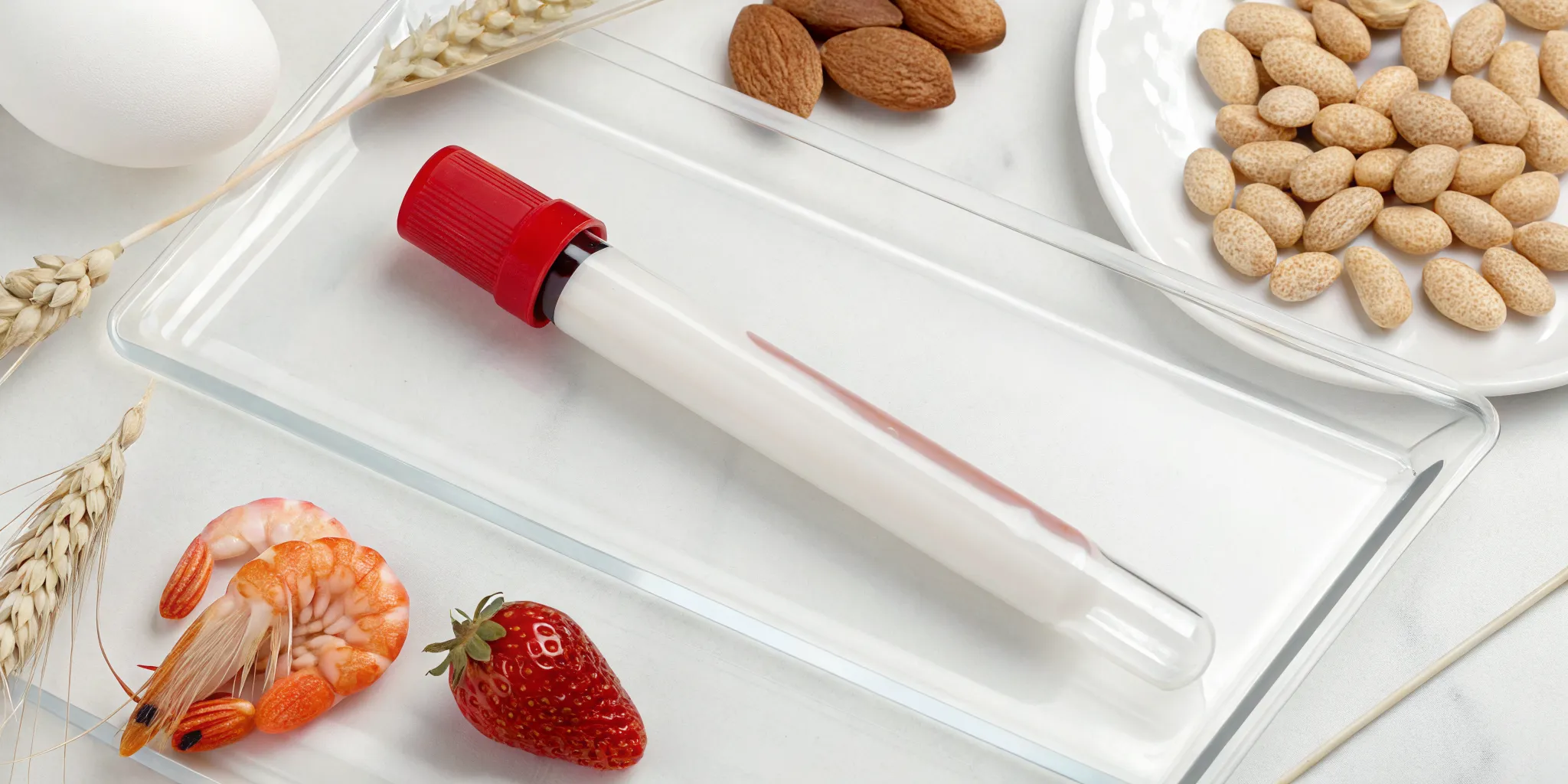
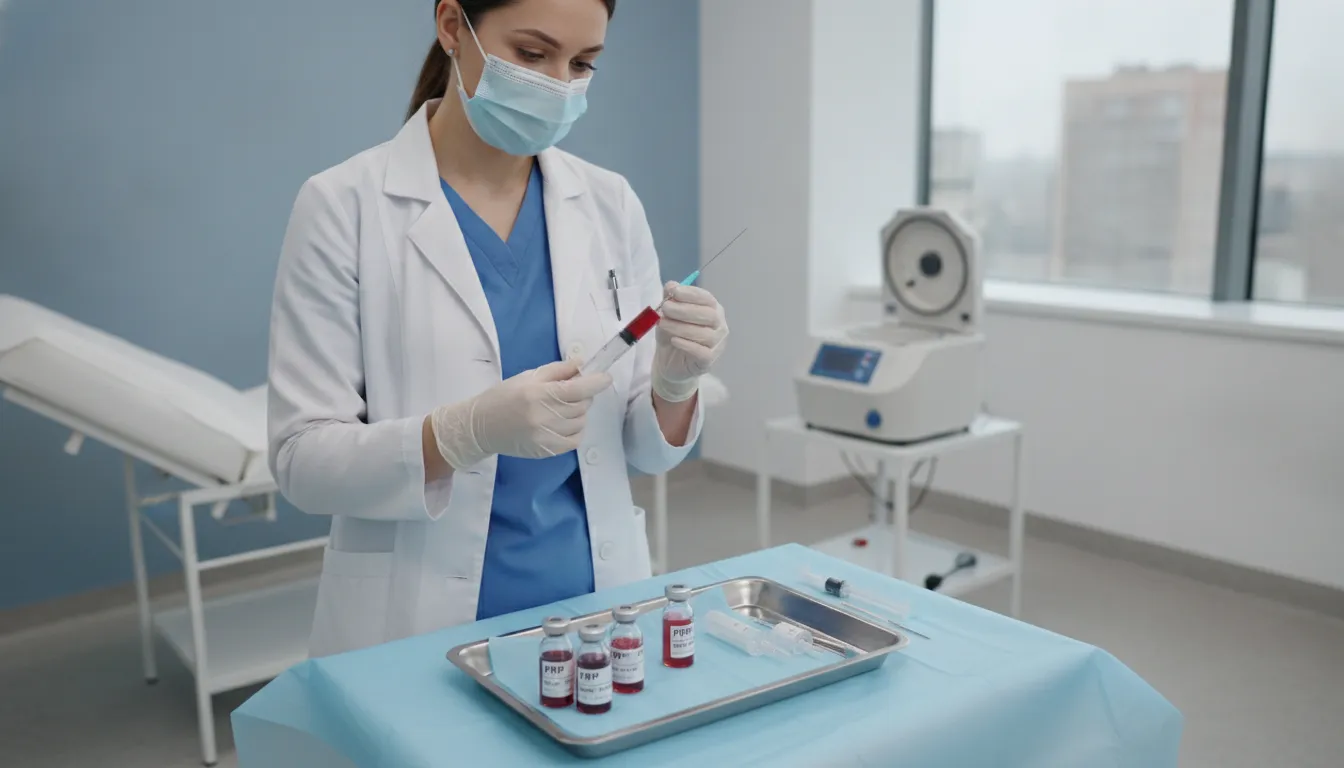
Platelet-Rich Plasma (PRP) therapy is a regenerative approach that uses your body's own healing components. The process involves drawing a small amount of your blood, concentrating the platelets, and introducing them into the injured area to stimulate tissue repair. Studies have shown that PRP can be quite effective, with some research indicating it provides better long-term pain relief and functional improvement compared to other treatments.
Patients often experience a significant reduction in pain and find their arm works much better within a few months. The main advantage is that it helps heal the tendon from the inside out. On the flip side, it is an injection-based procedure, which isn't for everyone. There can also be some initial discomfort as your body begins the repair process. It's a powerful tool that aligns with a functional medicine philosophy of supporting the body's innate ability to heal itself.
How Shockwave Therapy Heals Golfer's Elbow
If you're tired of the nagging pain from golfer's elbow, you might be looking for a solution that does more than just mask the symptoms. Shockwave therapy is a modern, non-invasive approach that gets to the heart of the problem by stimulating your body’s own healing mechanisms. Instead of just quieting the pain temporarily, it encourages the damaged tendon in your elbow to actually repair itself. This treatment uses targeted acoustic waves, or sound waves, to create a healing response right where you need it most.
Think of it as a way to restart the healing process in an area where it has stalled. For chronic issues like golfer's elbow, the body sometimes stops trying to fix the problem, leaving you with persistent pain and inflammation. Shockwave therapy gives your body the nudge it needs to get back to work, promoting long-term recovery so you can get back to your life without that constant ache. It’s one of the key physical medicine tools we use to help our patients find lasting relief.
How It Promotes Your Body's Healing Response
So, how do sound waves actually heal a tendon? When we apply shockwave therapy to the painful area on your elbow, the acoustic waves create a controlled, microscopic response in the tissue. This process signals your body to increase blood flow and form new blood vessels in the affected tendon. Better circulation is key, as it brings more oxygen and nutrients to the area, which are the essential building blocks for repair. This targeted stimulation also helps break down scar tissue and calcifications that can contribute to pain and stiffness. At the same time, it triggers the release of your body's own growth factors, which are crucial for regenerating healthy tissue.
What to Expect During Your Appointment
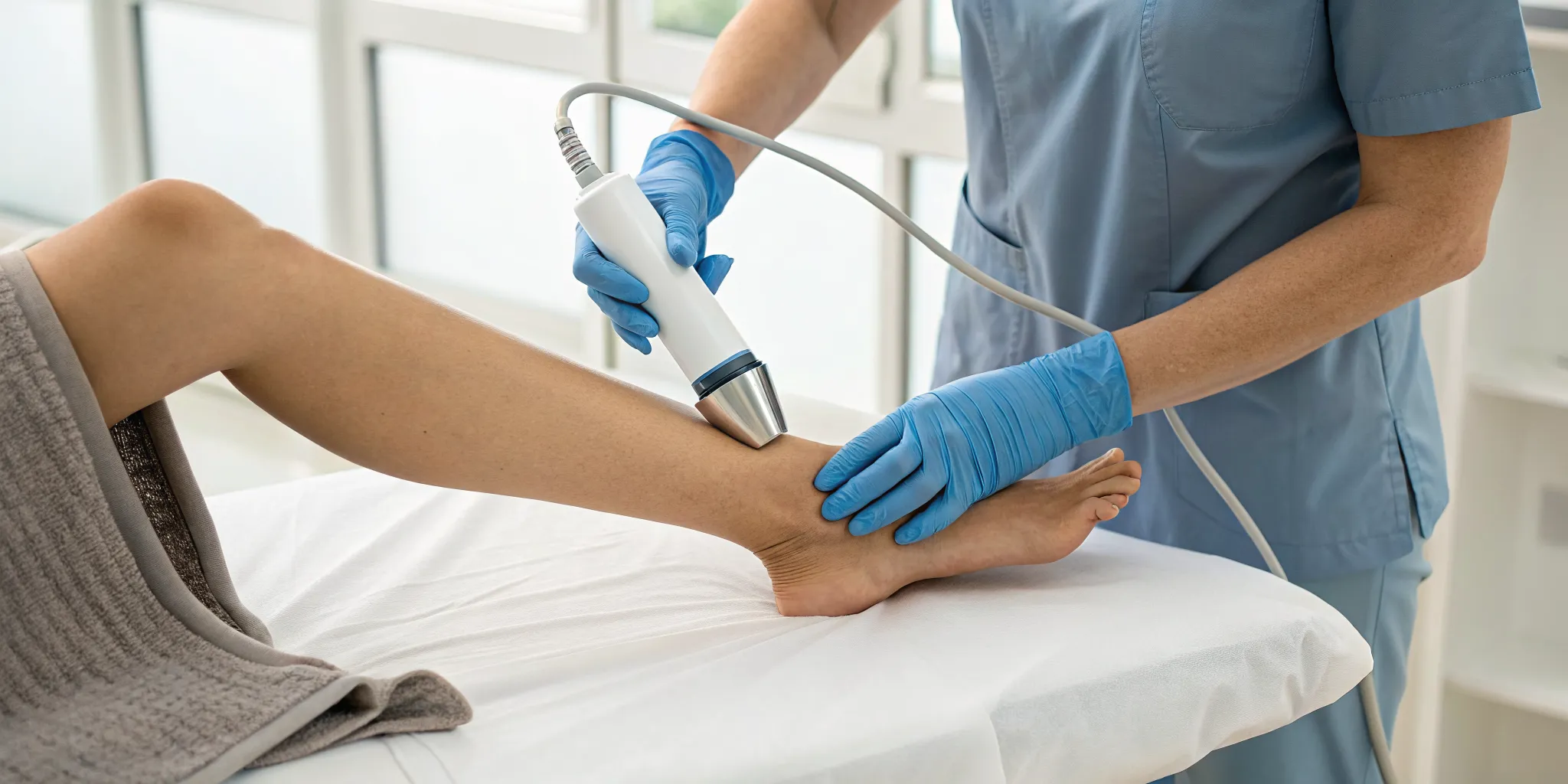
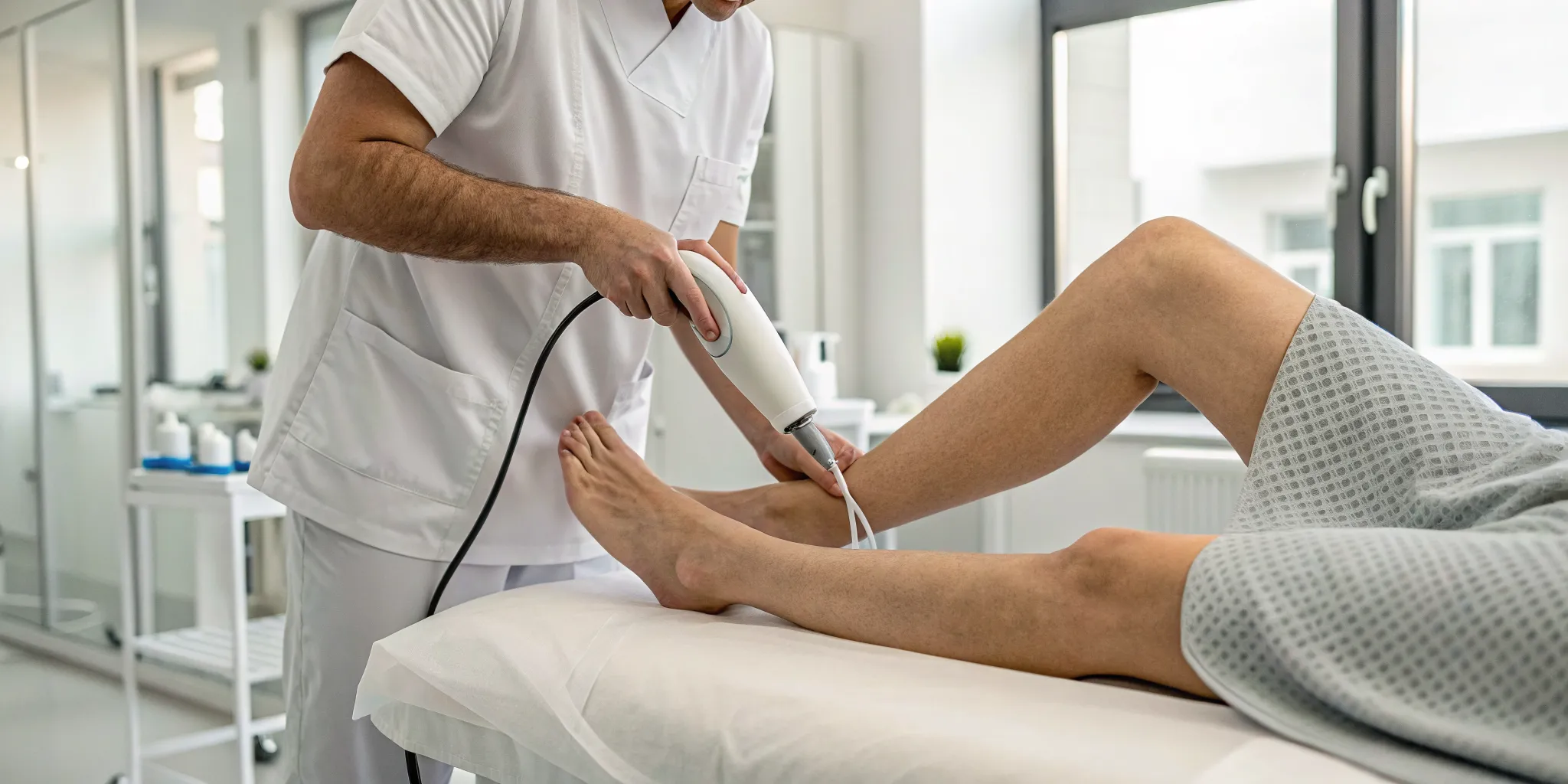
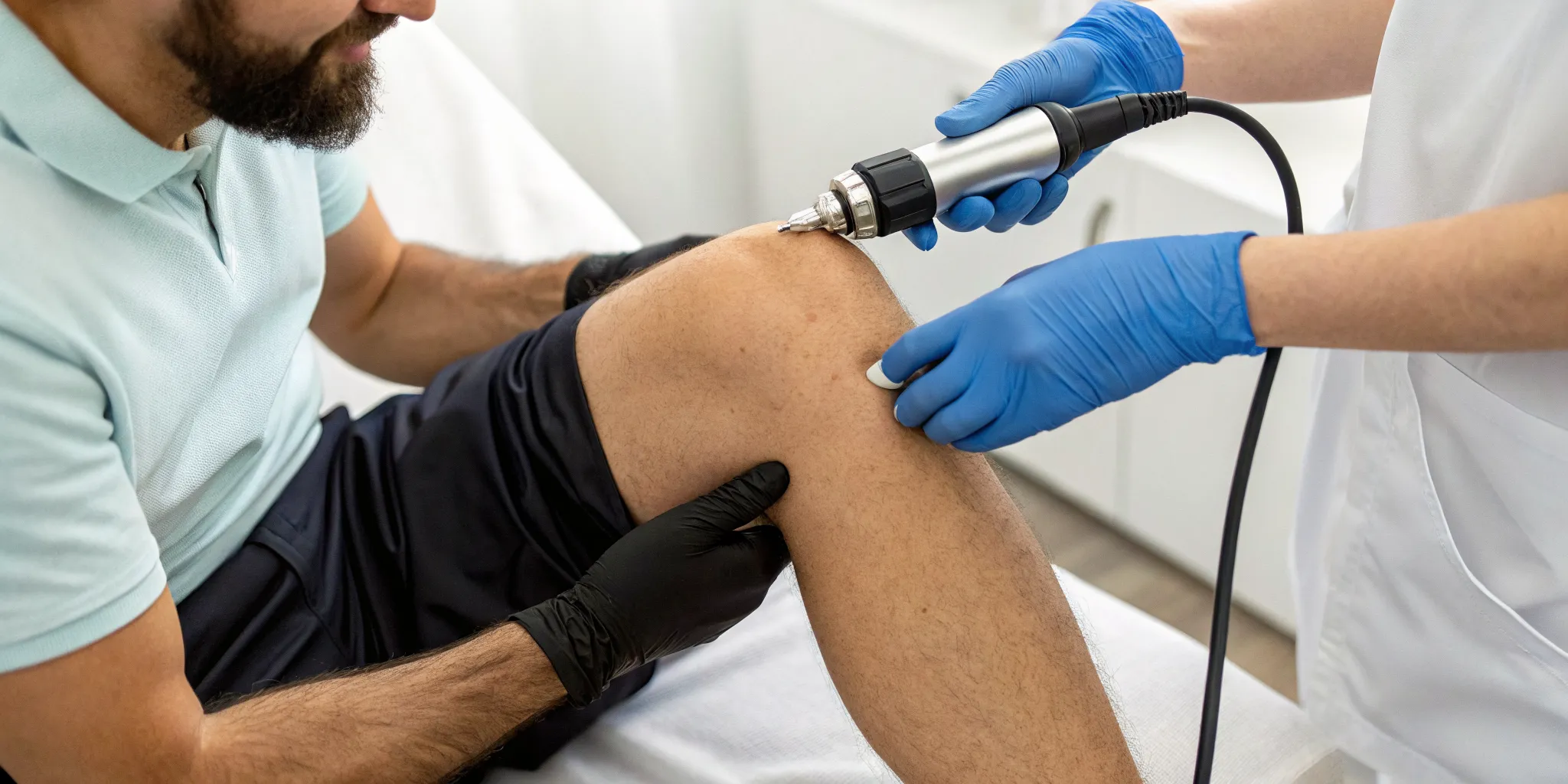
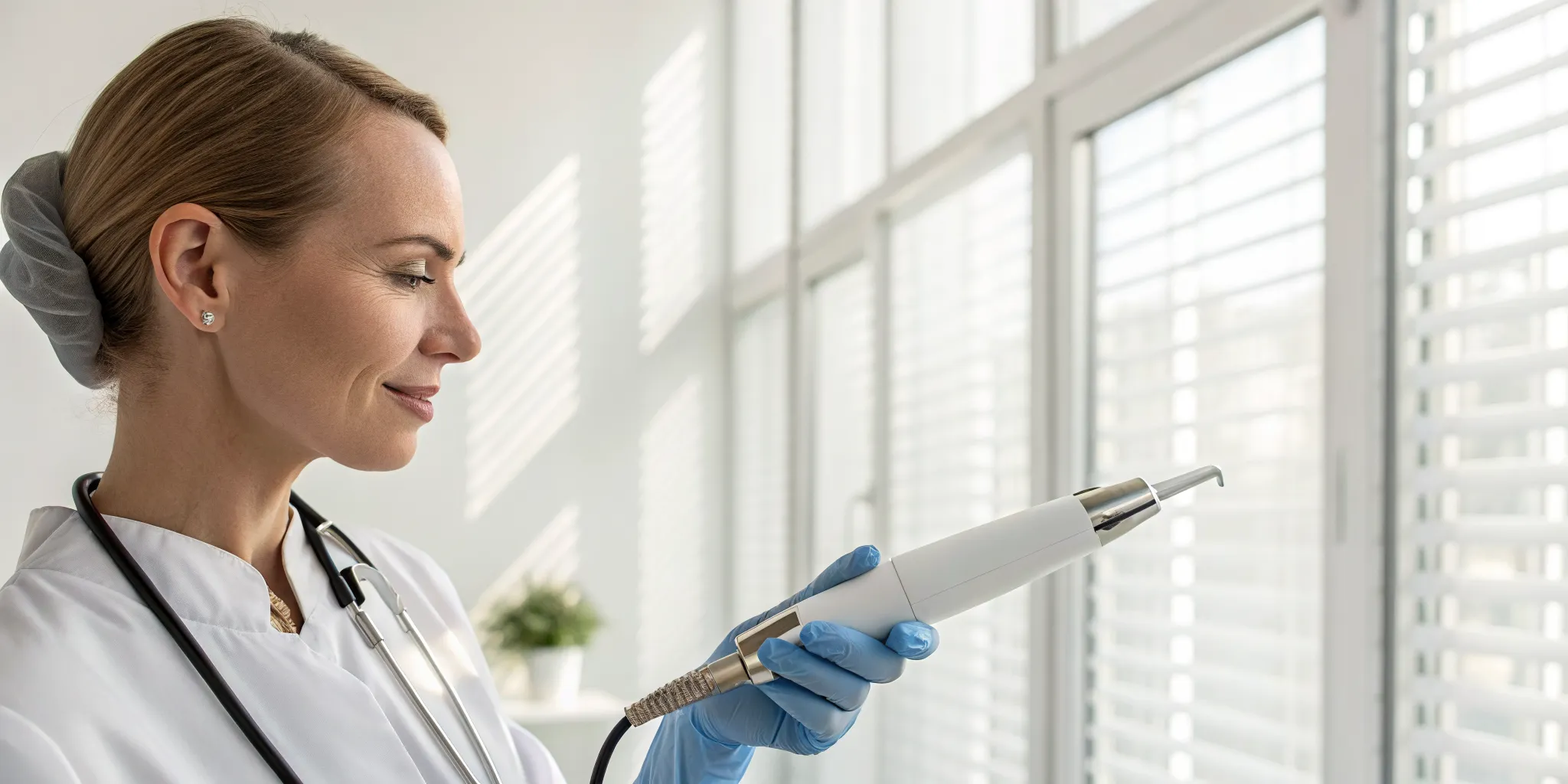
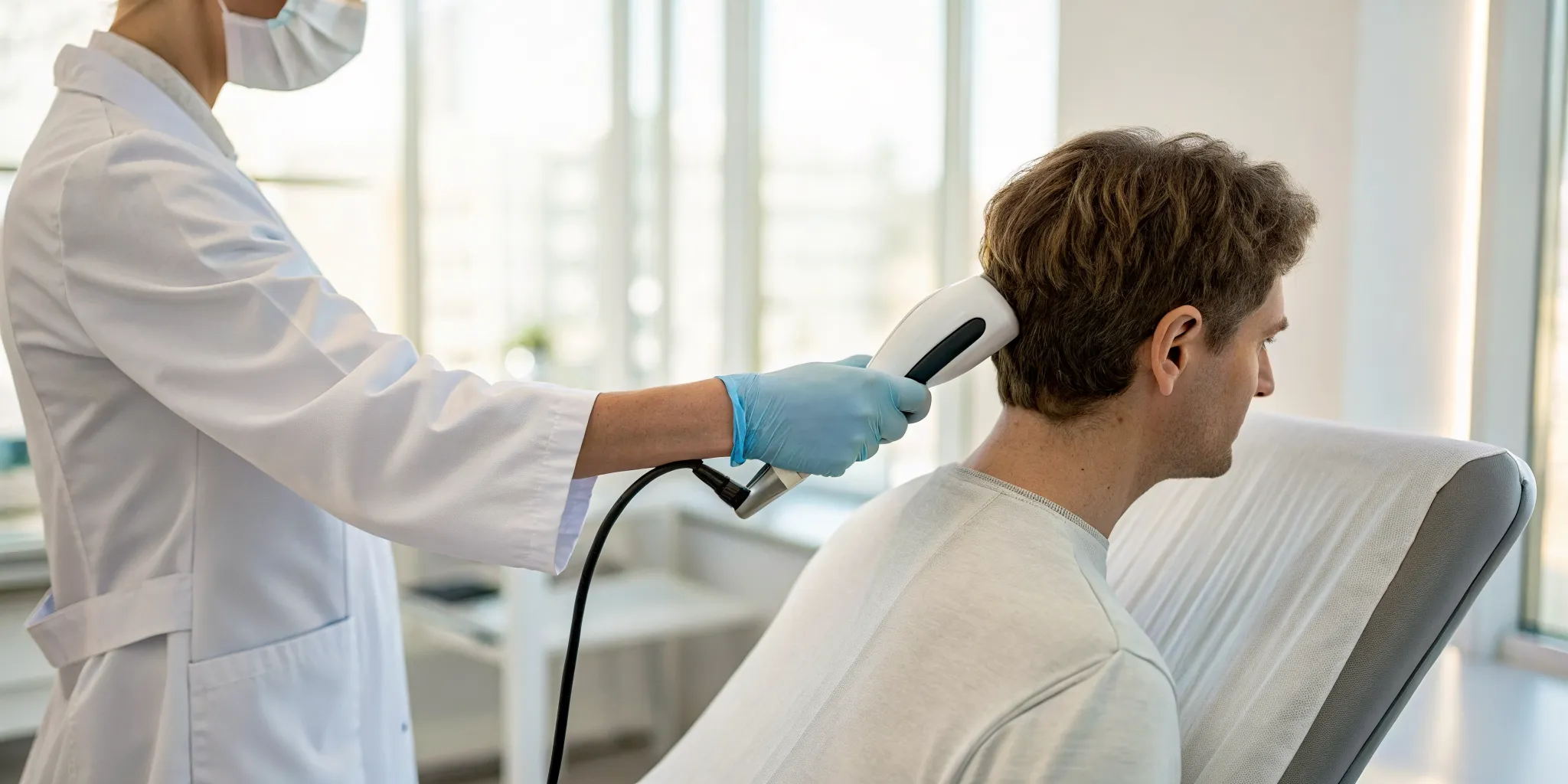
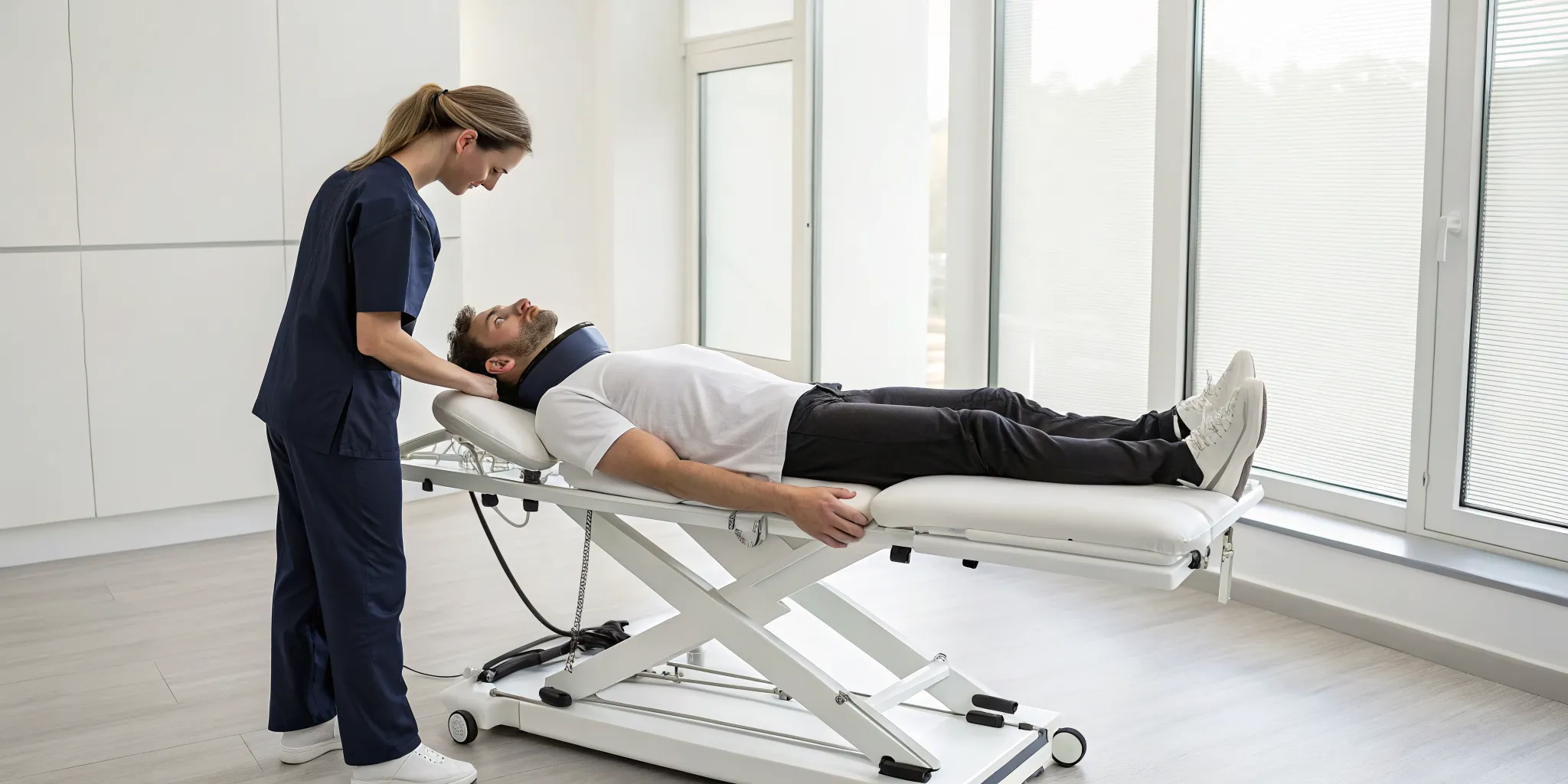
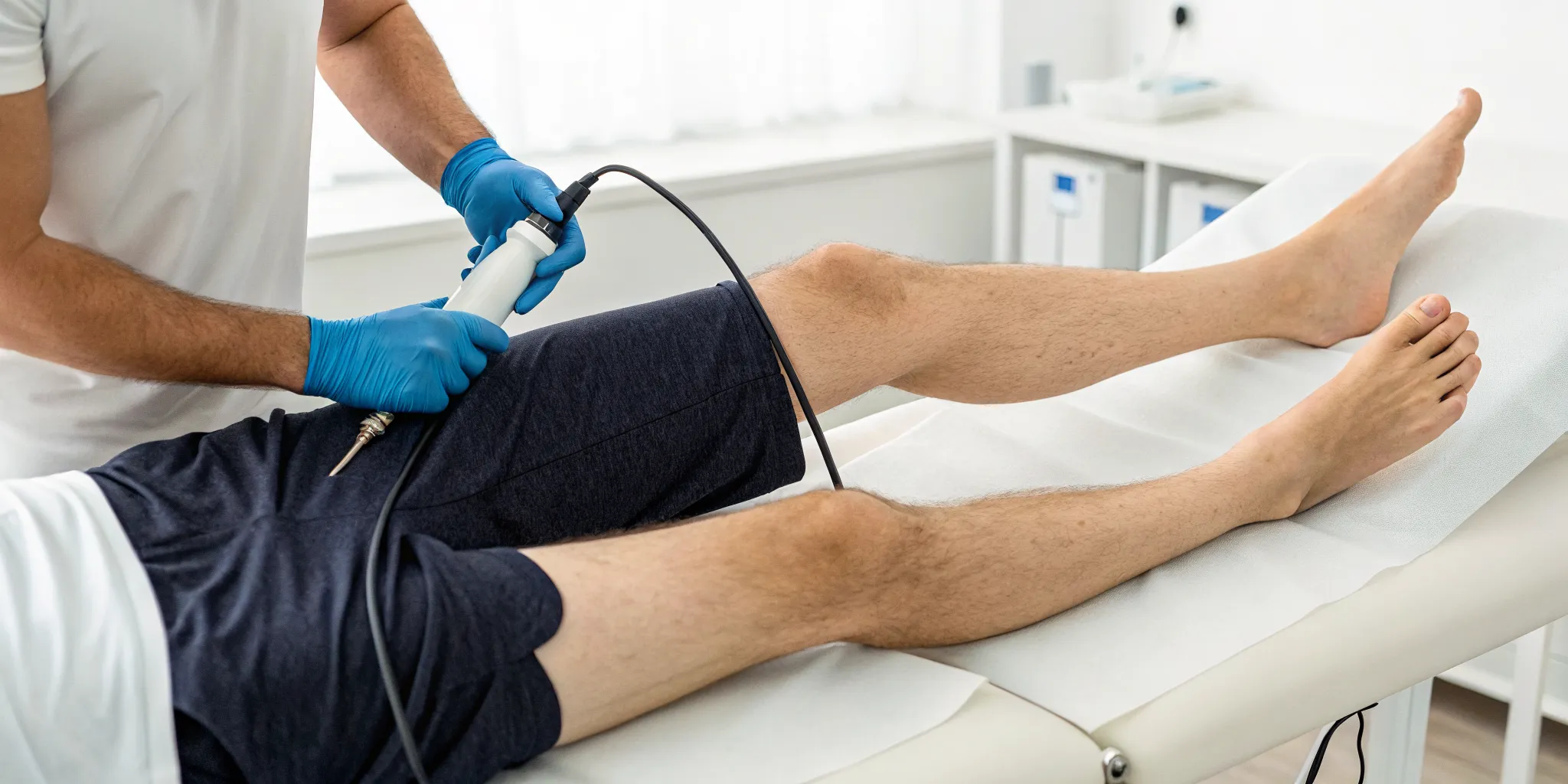
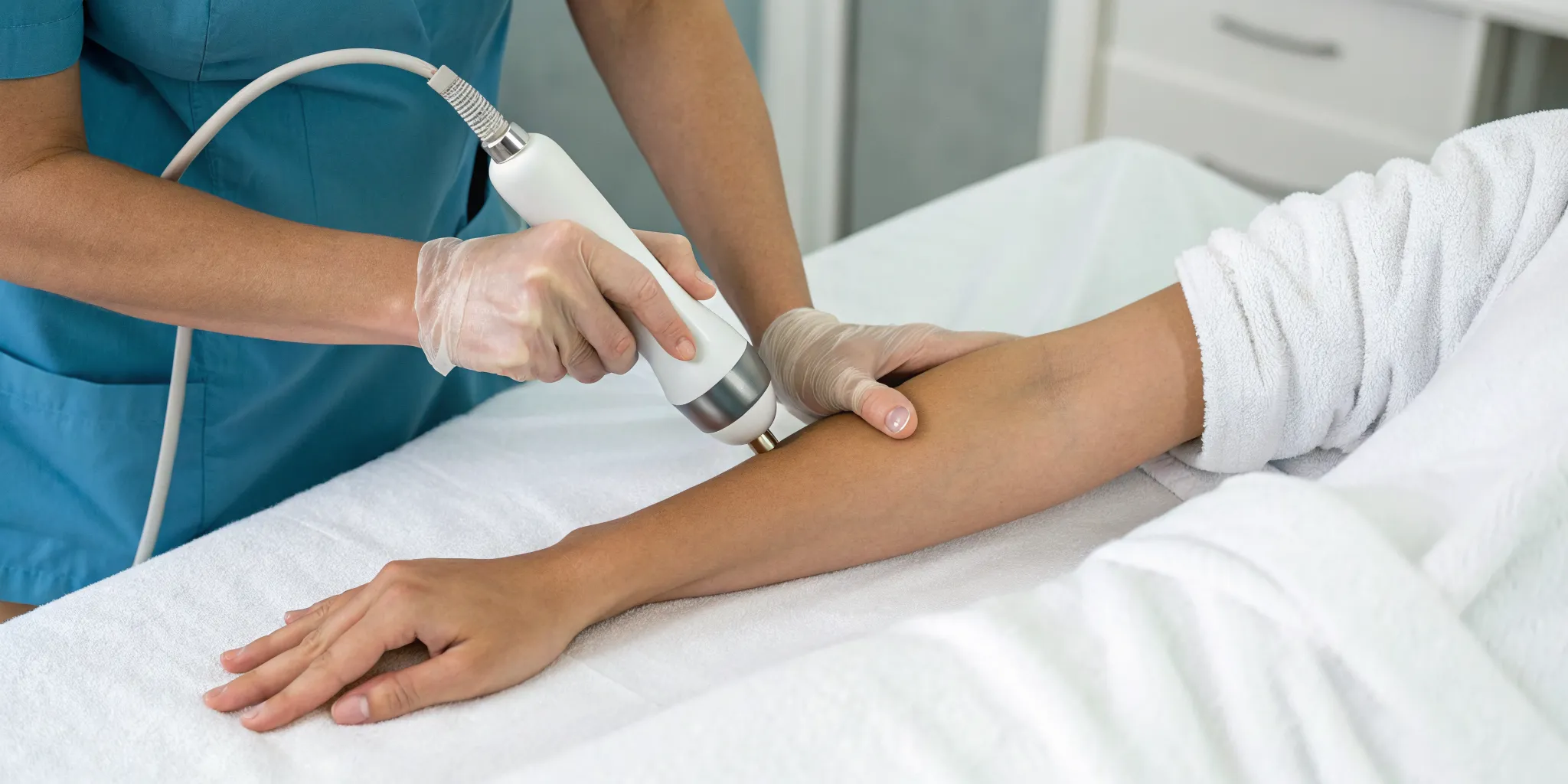
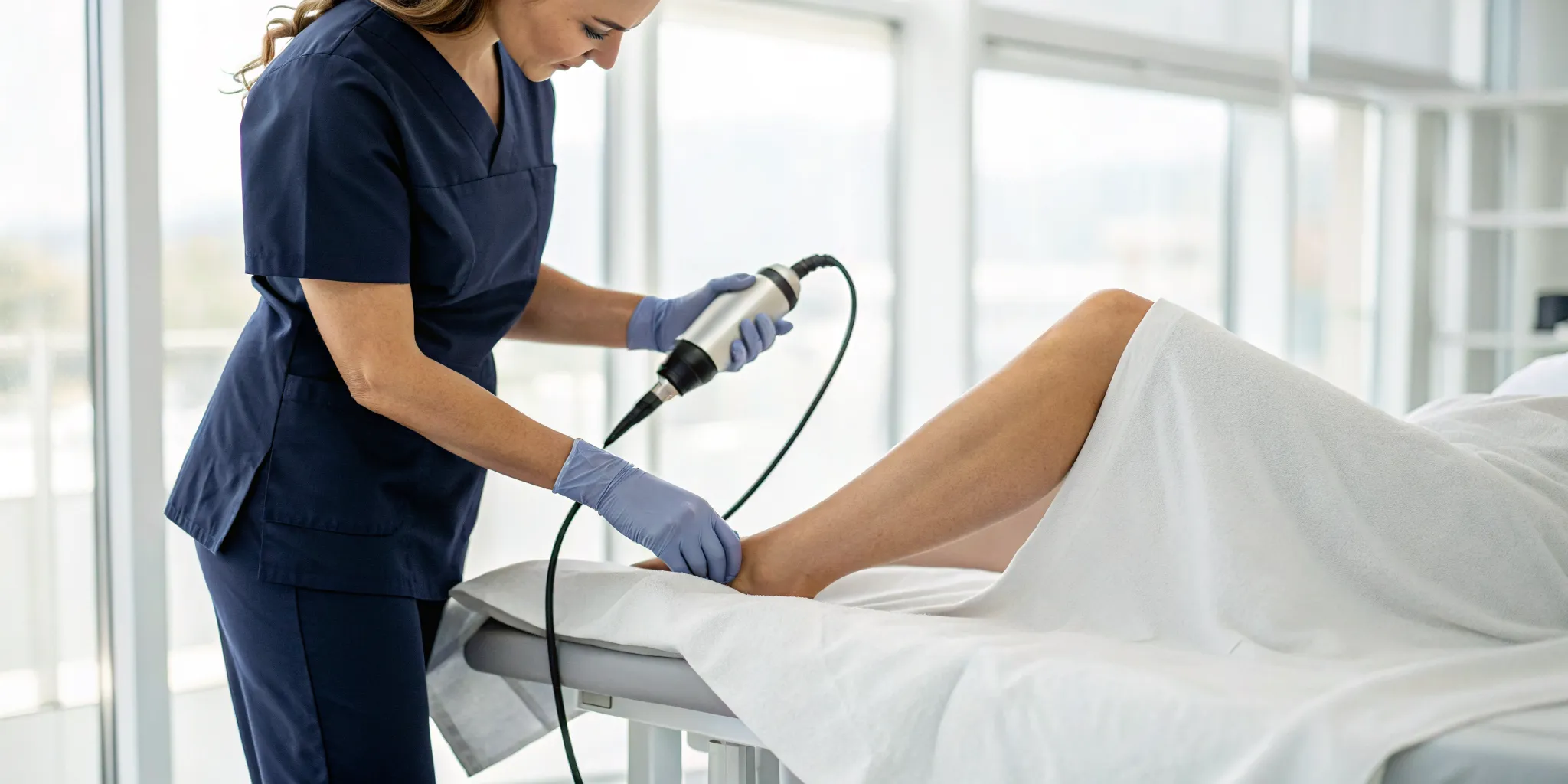
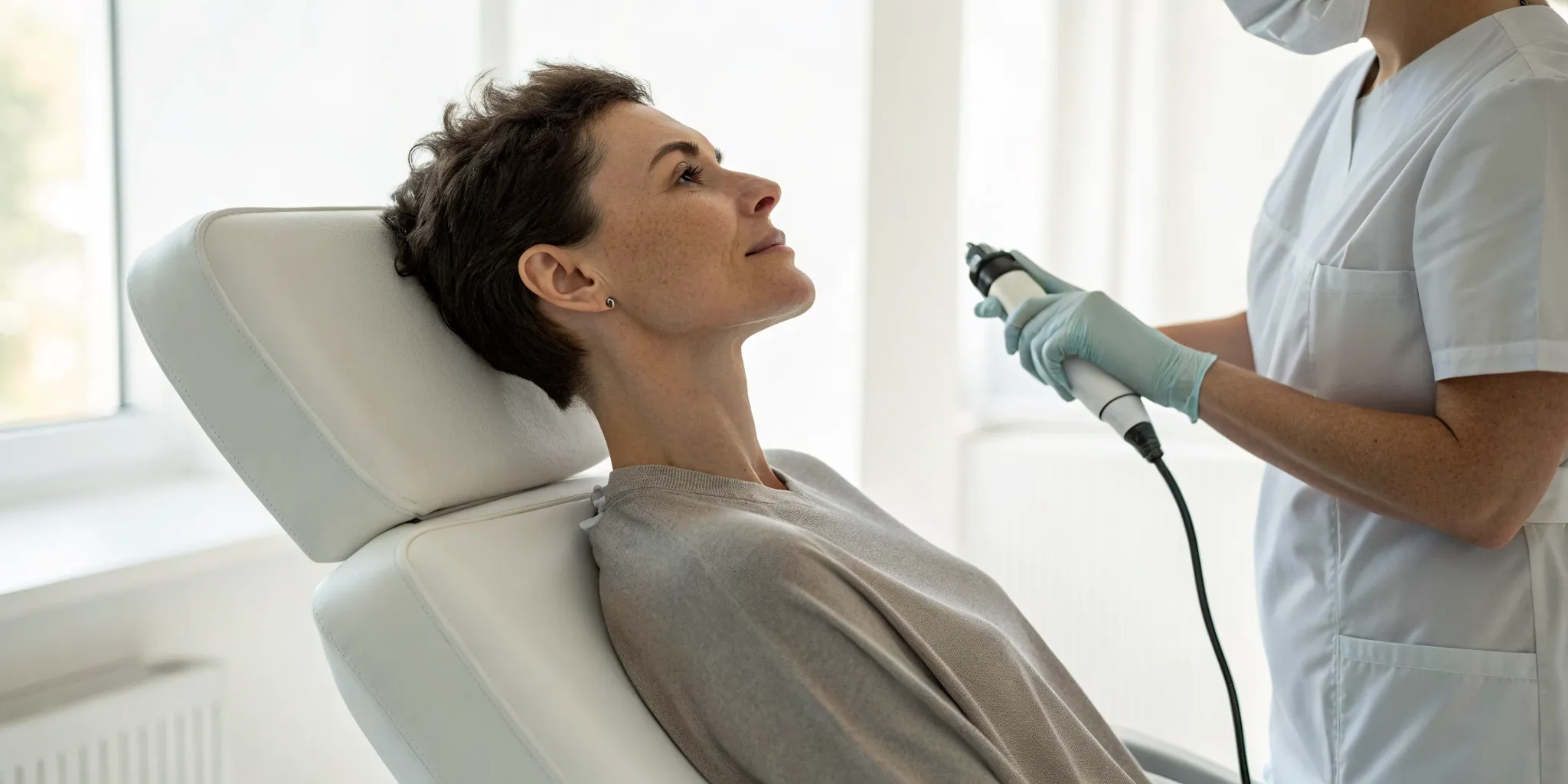
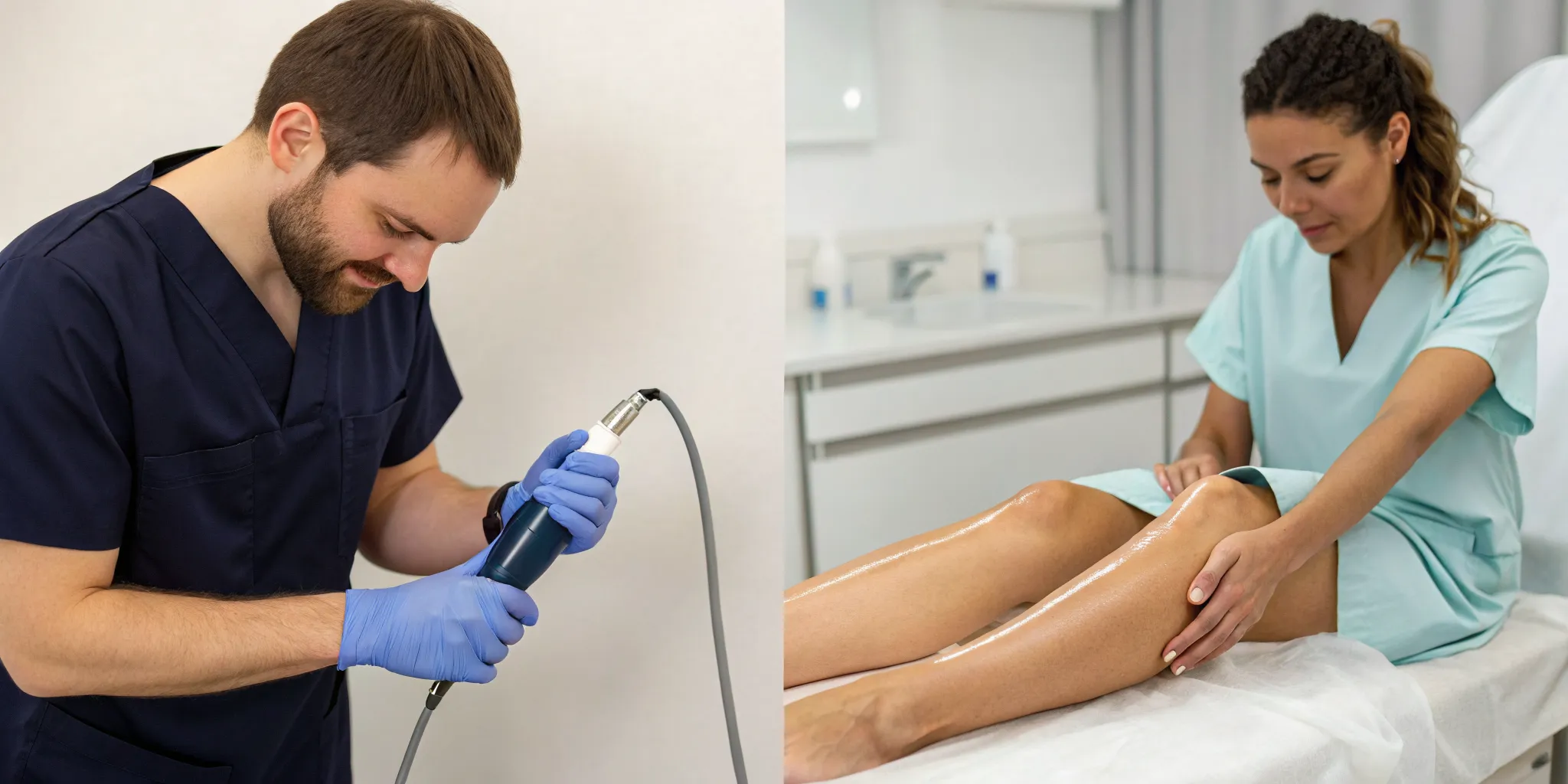
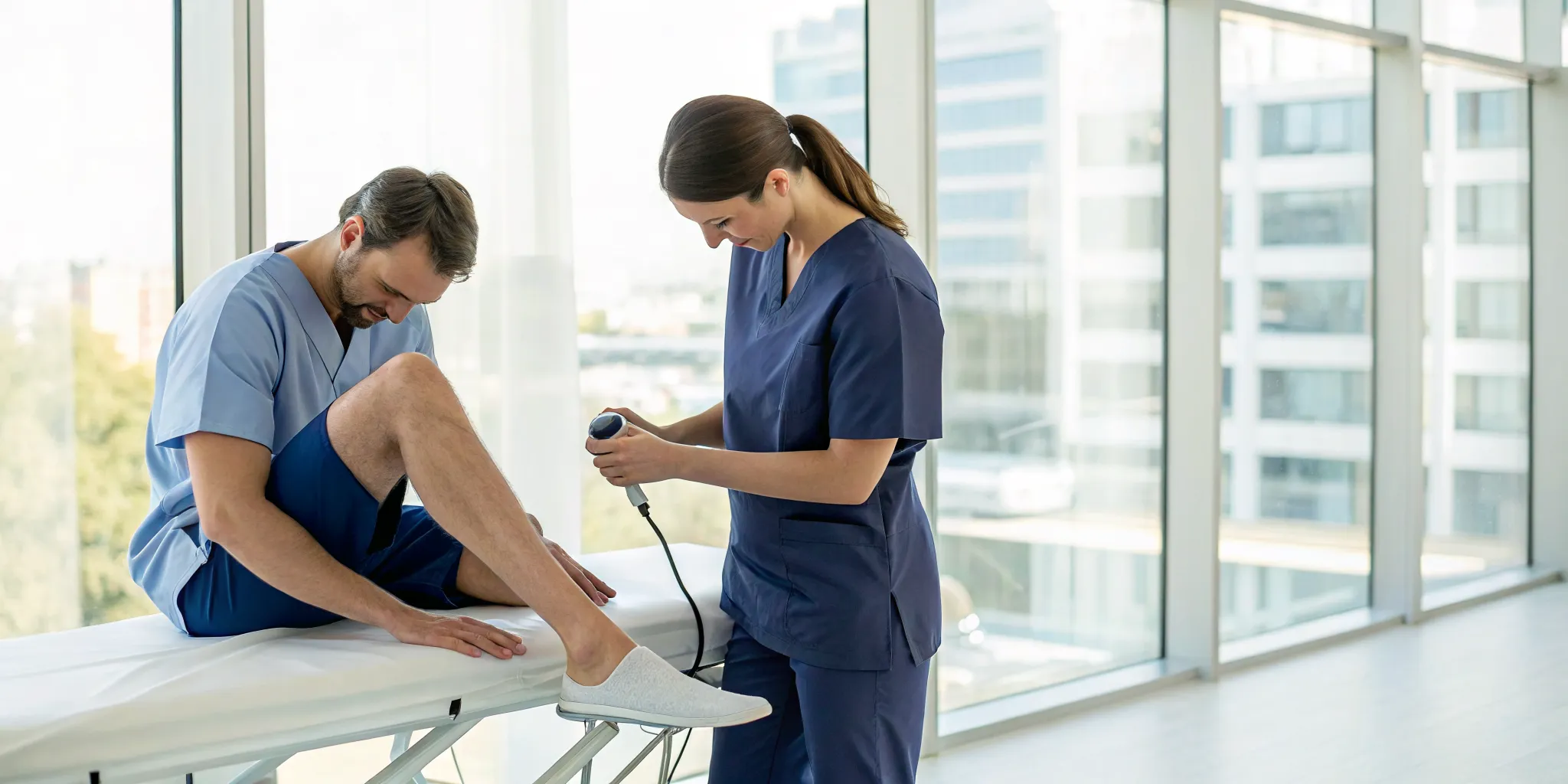
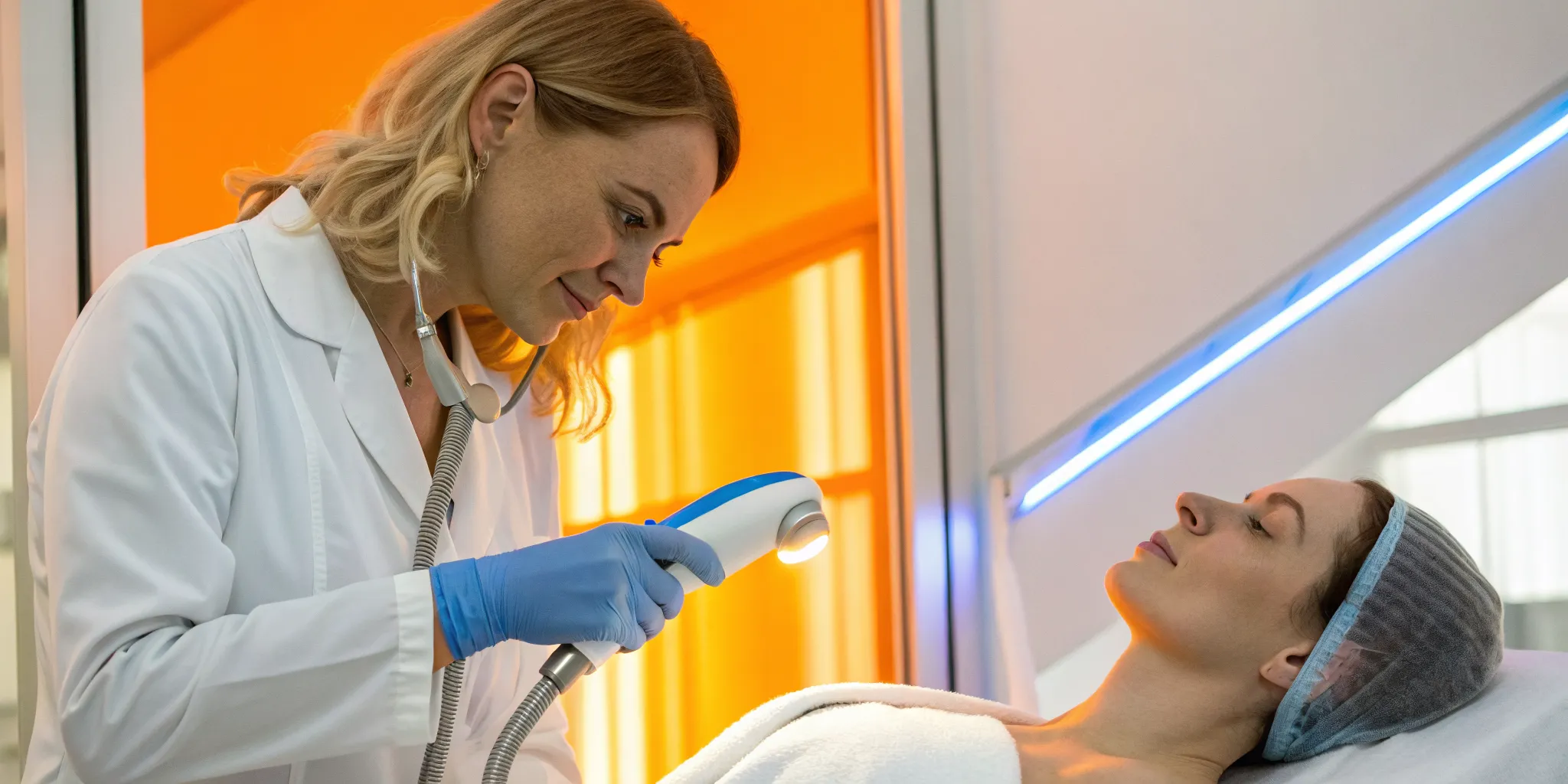
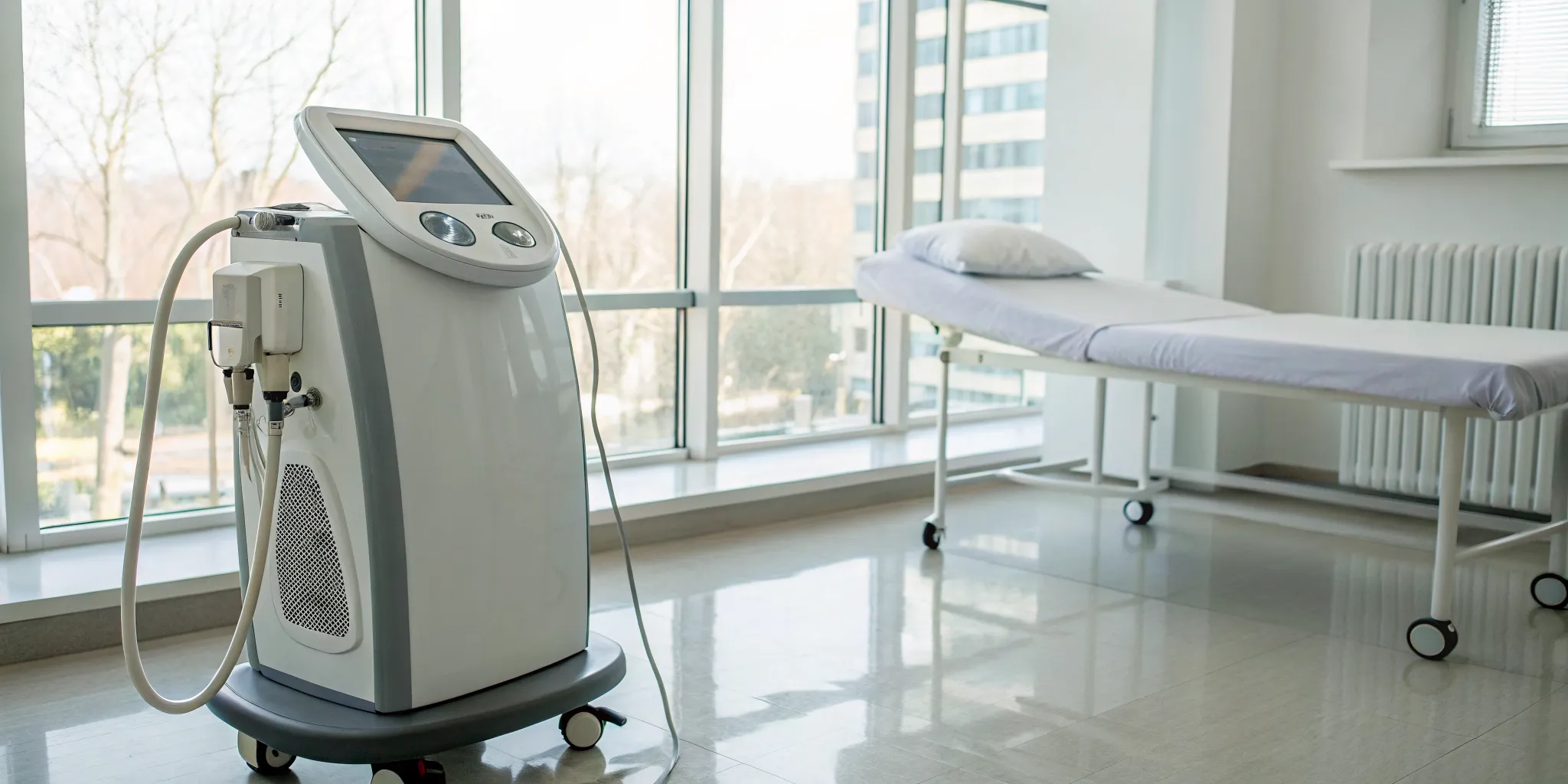
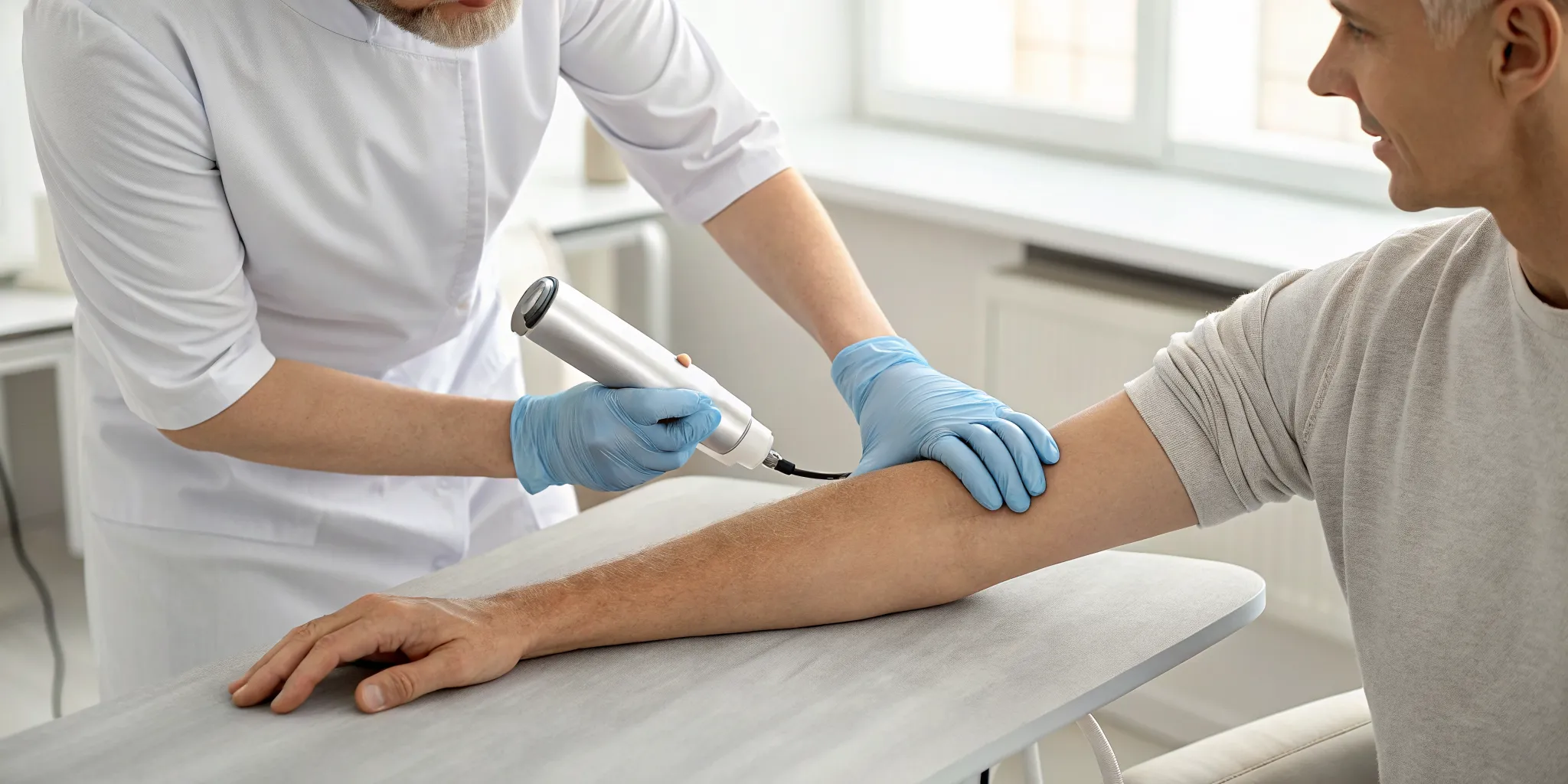
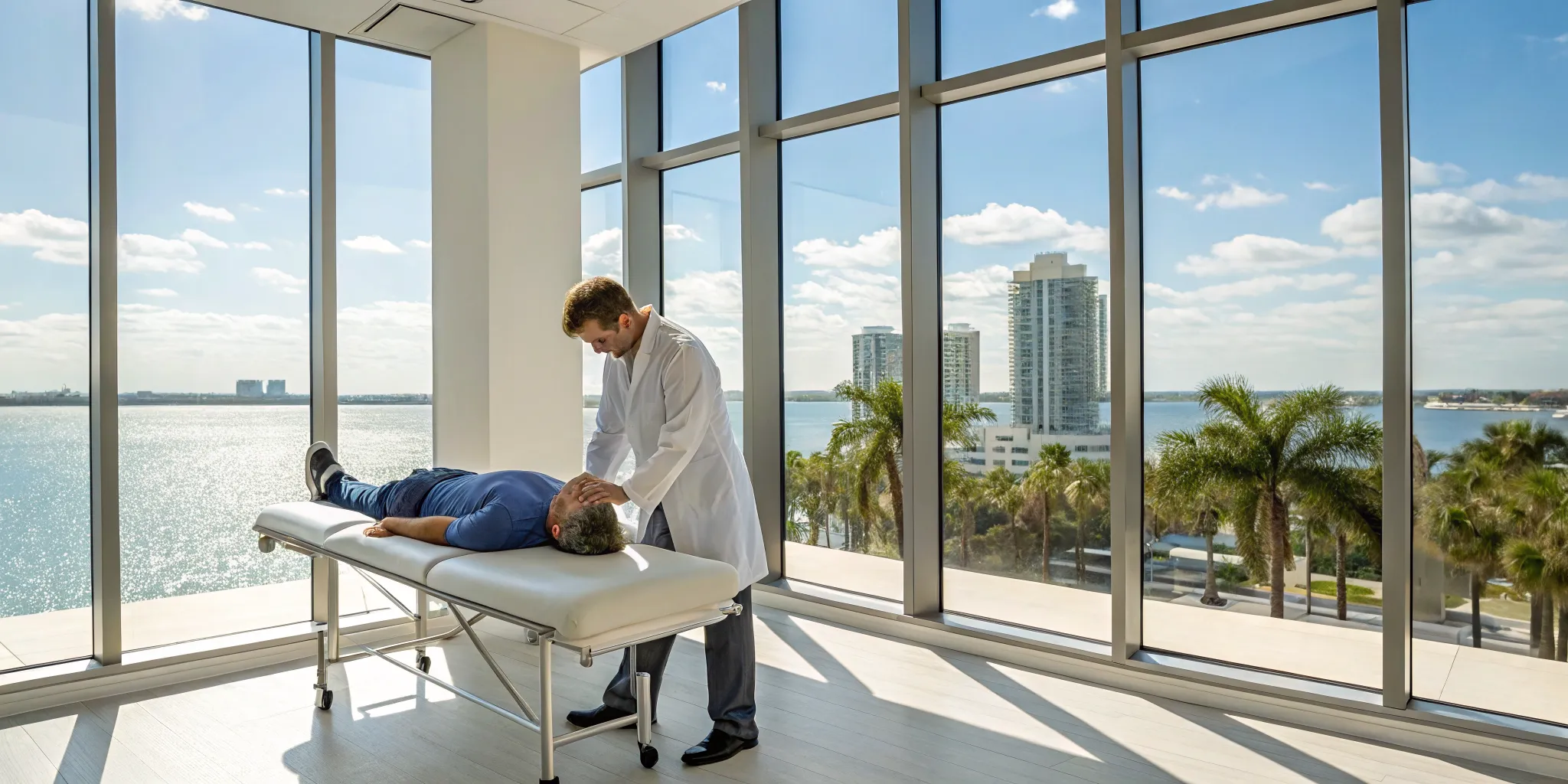
Your shockwave therapy session is a straightforward, in-office procedure. First, we’ll locate the precise area of your pain. Then, we'll apply a gel to your skin over the tender spot, which helps the sound waves travel effectively into the tissue. We use a handheld device that delivers the acoustic waves directly to the injured tendon. You’ll hear a clicking sound and feel a tapping or pulsing sensation during the treatment. While some people feel mild discomfort, the intensity can be adjusted to keep you comfortable. The entire session is very quick, usually lasting only about five to ten minutes. Since the procedure is completely non-invasive, you can get right back to your day immediately after your appointment. If you're curious to learn more, you can schedule a consultation with our team.
Your Personalized Treatment Timeline
Healing golfer's elbow is a process, not a one-time fix. Your treatment plan will be tailored specifically to you, but a typical schedule involves one session per week for several weeks. This consistent approach allows the tendon to respond and begin repairing itself between appointments. Many people start to notice a reduction in pain after just one or two sessions. It’s important to remember that the full benefits build over time. The initial relief comes from the therapy's effect on pain signals, while the deeper, long-term healing happens as your tissue regenerates in the following weeks and months. We will work with you to create a personalized timeline that addresses the specific conditions we treat and gets you on the path to lasting recovery.
How Shockwave Therapy Compares to Other Options
When you're dealing with persistent elbow pain, you want to understand all your options. It’s easy to feel overwhelmed by the different treatments available, each promising relief. The key is to understand how they work. Some approaches offer a temporary fix, while others are designed to support long-term healing by addressing the root of the problem. Let's look at how shockwave therapy stacks up against other common methods for treating golfer's elbow, so you can make an informed decision about your health.
Shockwave Therapy vs. Steroids
Steroid injections are often suggested for joint pain because they can reduce inflammation and provide fast relief. Studies show that while steroids can improve pain and function within the first couple of weeks, the effects may not last. Shockwave therapy, on the other hand, works differently. It may start a bit slower, but it focuses on stimulating your body’s own repair mechanisms. Research comparing the two found that by the eight-week mark, patients who chose shockwave therapy reported higher satisfaction with their results, pointing to more sustainable improvement. This approach aims for true healing rather than just masking the symptoms.
Shockwave Therapy vs. PRP
Platelet-Rich Plasma (PRP) is another regenerative treatment that uses your body's own growth factors to heal tissue. Both PRP and shockwave therapy are effective at reducing pain and improving elbow function. Some studies suggest PRP may lead to more significant long-term improvements for certain individuals. However, shockwave therapy remains a powerful, completely non-invasive option that also promotes deep tissue repair. The best approach often depends on your specific injury and health goals, which is why we believe in creating a personalized treatment plan for every patient who walks through our doors.
Shockwave Therapy vs. Physical Therapy
Physical therapy is a cornerstone of recovery for many musculoskeletal issues, including golfer's elbow. It focuses on strengthening the surrounding muscles and correcting movement patterns that may have contributed to the injury. Shockwave therapy is not a replacement for physical therapy; instead, it’s an excellent partner. It works on a cellular level to heal the damaged tendon tissue directly. By reducing pain and stimulating repair, shockwave therapy can make your physical medicine exercises more effective and help you achieve lasting results faster.
Why Choose Shockwave Therapy for Your Elbow Pain?
When you're dealing with persistent elbow pain, you want a solution that fits your life. You need something that not only provides relief but also addresses the root of the problem without requiring a long, painful recovery. That’s why so many people are turning to Shockwave Therapy. It stands out from other options because it’s designed to heal the tissue from the inside out, helping you get back to your routine with confidence. Let's look at a few of the key reasons why this approach might be the right choice for you.
A Non-Invasive Approach with Little Downtime
One of the biggest advantages of Shockwave Therapy is that it's a non-invasive procedure. This means it doesn't involve any surgery, incisions, or needles. Instead, a special device is used to deliver acoustic waves through your skin to the injured tendon. Because there’s no cutting or piercing of the skin, the risk of complications is extremely low, and there's virtually no downtime required. Most people can return to their normal activities, including work and light exercise, almost immediately after a session. This makes it an ideal option for anyone with a busy schedule who can't afford to be sidelined by a lengthy recovery period. It's a modern solution that fits into our active lives.
Works with Your Body's Healing Abilities
Instead of just masking your symptoms, Shockwave Therapy works by stimulating your body’s own natural healing processes. The targeted sound waves create a response in the tissue that increases blood flow and promotes the formation of new blood vessels. This process, known as neovascularization, delivers more oxygen and nutrients to the injured area, which is essential for repair. It also helps break down scar tissue and calcifications that can impede healing and cause pain. By prompting this powerful biological response, Shockwave Therapy helps your body rebuild and repair the damaged tendon at a cellular level, addressing the underlying cause of your golfer's elbow.
Achieve Lasting Relief
If you’ve tried treatments that only offer temporary relief, you know how frustrating it can be when the pain comes back. Shockwave Therapy aims to provide a more sustainable solution. By focusing on healing the source of the pain, rather than just suppressing inflammation, it helps restore the integrity and function of the tendon. This approach can lead to long-term improvement and a significant reduction in pain, allowing you to get back to swinging a golf club or just lifting a grocery bag without wincing. The goal isn't a quick fix; it's to resolve the chronic issue that is causing your elbow pain so you can move forward with strength and confidence.
A Proven, Patient-Approved Method
While it might sound new, Shockwave Therapy has been used for decades and is supported by a strong body of research. Studies consistently show it helps reduce pain and improve elbow function for people with chronic tendon issues like golfer's elbow. It’s a trusted method within the field of regenerative and physical medicine for its effectiveness and safety profile. More importantly, it’s an approach that patients appreciate. Many people who have struggled with elbow pain for months or even years find significant relief with this therapy. Hearing from others who have successfully completed the treatment can provide the confidence you need to take the next step, which is why we proudly share our patient testimonials.
Understanding the Side Effects of Shockwave Therapy
One of the best things about shockwave therapy is that it’s a non-invasive treatment with a strong safety profile. Most people find the sessions manageable and appreciate the minimal downtime afterward. Like any effective therapy, there are a few things to be aware of, but the side effects are typically minor and signal that your body’s healing response is kicking in. Understanding what to expect can help you feel confident and prepared as you begin your journey to recovery from golfer's elbow.
Potential Short-Term Side Effects
It’s normal to have questions about what the treatment feels like. During a session, you might feel a "tapping, pulsing, or mild discomfort," which is often described as a tingling or pressure sensation. The good news is that this is usually well tolerated. After your appointment, you may notice some temporary redness, tenderness, or slight swelling around the treated elbow. These effects are generally mild and fade within a day or two. Think of it as a sign that the therapy has activated your body’s natural repair mechanisms. To get the most out of your treatment, we often find that shockwave therapy works best when integrated with other physical medicine techniques and corrective exercises.
Is Shockwave Therapy Right for Everyone?
A common misconception is that shockwave therapy is only for long-standing, chronic pain. However, it's not just for chronic conditions; many people with more recent musculoskeletal pain can also find relief. As one clinic notes, people with acute injuries often overlook it as a potential treatment option. This therapy has been studied for years and can be beneficial for a wide variety of issues beyond just golfer's elbow. While it’s a fantastic option for many, the best way to know if it’s right for you is through a thorough evaluation. We take the time to understand your unique situation and health goals to determine if you are a good candidate for this or other treatments for the conditions we treat.
Are You a Good Candidate for Shockwave Therapy?
Deciding on the right treatment for your elbow pain can feel overwhelming. While shockwave therapy is a powerful tool, it’s important to know if it’s the right fit for your specific situation. At Ascend Functional Health, we focus on personalized care, ensuring the path we choose aligns with your body’s needs and your lifestyle goals. If you find yourself nodding along with any of the scenarios below, it might be time to explore how this approach can help you find lasting relief from golfer's elbow.
If Other Approaches Haven't Worked
It’s frustrating when you’ve diligently rested your arm, tried stretching, and completed rounds of physical therapy, only to still have that nagging elbow pain. If you feel like you’ve tried all the conventional methods without success, you’re not out of options. Shockwave therapy is particularly beneficial for chronic conditions that haven't responded to other conservative treatments. Instead of just managing symptoms, it targets the damaged tissue to restart the healing process from the inside out. This makes it an excellent next step when other physical medicine approaches have fallen short of providing the relief you need.
If You Want to Stay Active Without Interruptions
The thought of a long recovery period can be a major barrier to seeking treatment, especially if you have a busy schedule or an active lifestyle you love. Because shockwave therapy is non-invasive, it doesn't require any incisions or lengthy downtime. Most people can return to their normal activities right after a session. This makes it an excellent option for individuals looking to maintain their active lifestyle while managing pain. You can get the care you need without putting your life on hold, allowing you to continue working, exercising, and enjoying your hobbies with minimal disruption.
If You're Looking for an Alternative to Injections
Many people are hesitant to try more invasive procedures and are looking for alternatives that work with the body’s natural healing abilities. Shockwave therapy offers an effective, non-invasive approach to treating elbow pain, making it a great option for patients who wish to avoid injections or surgical interventions. Unlike treatments that may only offer temporary relief, shockwave therapy promotes true tissue regeneration for long-term results. It’s a way to address the root cause of the pain without introducing foreign substances, aligning perfectly with a holistic approach to wellness for the conditions we treat.
Find Relief from Golfer's Elbow in Tampa
Living with the persistent ache of golfer's elbow can be incredibly frustrating, especially when it keeps you from your favorite activities here in Tampa. Whether it’s a round of golf, a tennis match, or simply working in the garden, that nagging pain on the inside of your elbow can put a stop to it all. At Ascend Functional Health, we understand this frustration and focus on solutions that provide lasting relief by addressing the root cause of your discomfort.
One of the most effective approaches we use within our physical medicine services is Extracorporeal Shockwave Therapy (ESWT). This innovative treatment is a non-invasive way to manage golfer's elbow, also known as medial epicondylitis. It works by delivering targeted energy waves to the injured tissue, which stimulates your body’s own healing mechanisms. Instead of just masking the pain, research shows it’s a safe and effective way to encourage tissue repair right at the source. This process helps reduce inflammation, improve blood flow, and promote the regeneration of healthy tendon tissue.
Many common approaches offer only temporary relief, but shockwave therapy is different. While options like steroid injections may quiet the pain for a short time, studies have found that ESWT often leads to higher long-term patient satisfaction because it supports true healing. For our patients, the goal is to get back to an active life without being dependent on short-term fixes. If you’re ready to explore a personalized plan that works with your body’s natural ability to heal, we’re here to help. You can get in touch with our Tampa team to learn more and see if this approach is the right fit for you.
Related Articles
- SoftWave Tissue Regeneration Therapy in Tampa | Alessi Functional Health
- SoftWave TRT Therapy in Tampa, FL - Alessi Functional Health
- Pain Free Future | Alessi Functional Health
- What Is Graston Technique Therapy? A Beginner's Guide
- Ice Or Heat, Which Is Better When You're Hurt? | Alessi Functional Health
Frequently Asked Questions
Does the shockwave therapy treatment hurt? Most people describe the sensation as a strong tapping or pulsing, not sharp pain. While there can be some mild discomfort during the session, especially over the most tender spots, the intensity is always adjusted to your personal comfort level. The entire treatment is very quick, typically lasting only a few minutes, and any tenderness you feel afterward is usually minor and fades within a day or so.
How quickly will I feel better after starting shockwave therapy? Many patients report feeling some pain relief after just one or two sessions. However, it's helpful to think of the process in two stages. The initial relief often comes from the therapy's immediate effect on your pain signals. The more significant, long-term healing happens over the following weeks and months as your body regenerates the damaged tendon tissue. True recovery is a gradual process, and we'll monitor your progress every step of the way.
I've already tried physical therapy without success. How is this different? This is a great question. Physical therapy is excellent for strengthening muscles and correcting movement patterns, but it doesn't directly repair a damaged tendon on a cellular level. Shockwave therapy works differently by creating a targeted healing response right at the site of the injury. It stimulates blood flow and growth factors to help rebuild the tissue itself. We often find that using shockwave therapy alongside physical therapy is the most effective approach; by healing the tendon, shockwave can make your corrective exercises more productive and less painful.
Can I continue my sport or work activities during the treatment period? For the most part, yes. One of the biggest benefits of shockwave therapy is the minimal downtime. You can typically return to your daily routine right after your appointment. However, we will likely advise you to modify or temporarily limit the specific activities that aggravate your elbow pain. This gives the tendon a chance to heal properly between sessions. We'll work with you to create a specific plan that allows you to stay as active as possible without slowing down your recovery.
What does the initial consultation involve to see if this is right for me? During your first visit, we'll sit down and talk through your health history, your symptoms, and what you've already tried for your elbow pain. We will also perform a thorough physical evaluation to pinpoint the exact source of the issue. This comprehensive approach helps us understand the root cause of your discomfort. Based on our findings, we can determine if shockwave therapy is the best path forward for you or if another one of our personalized protocols would be a better fit for your specific needs and goals.