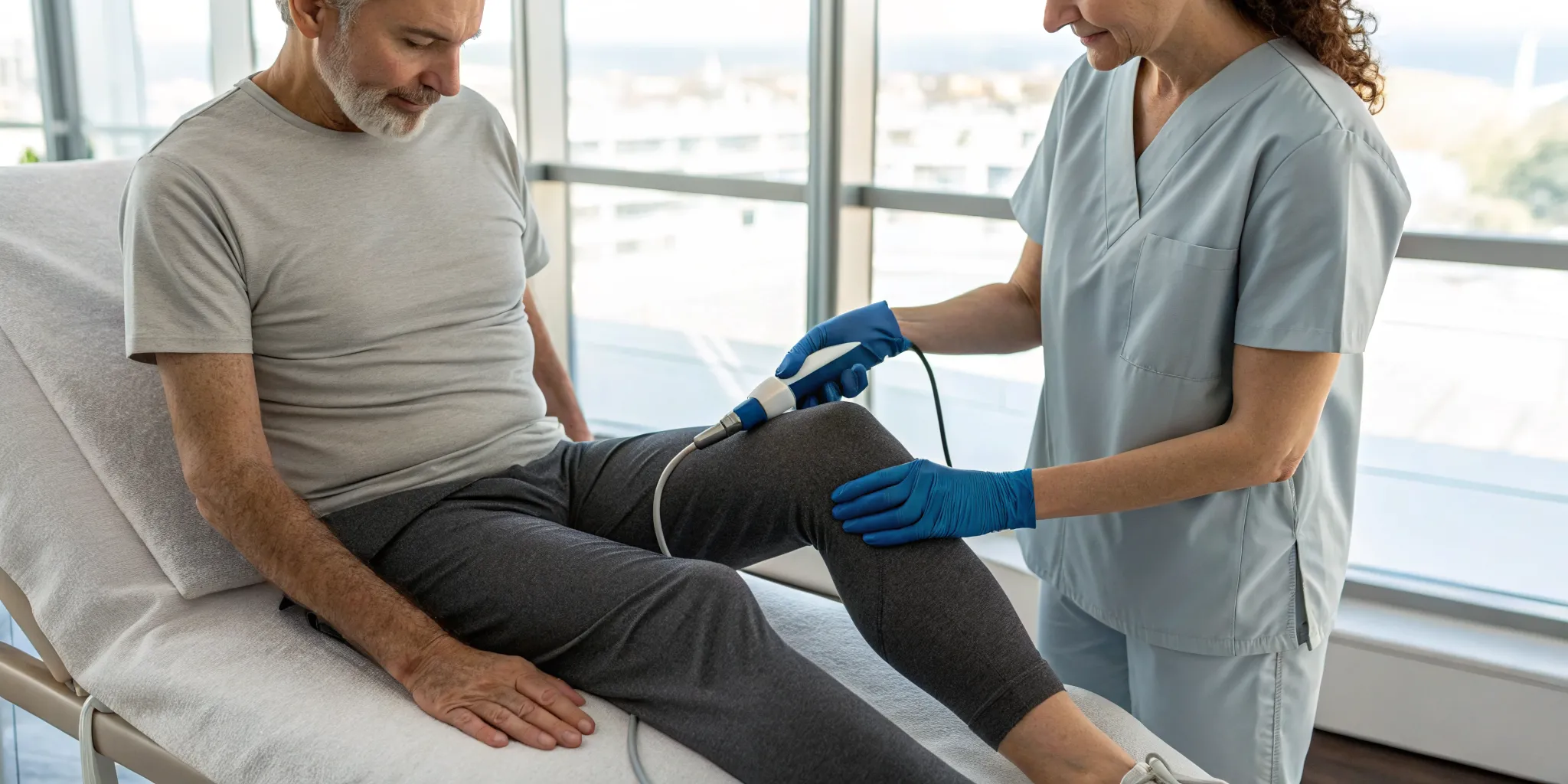
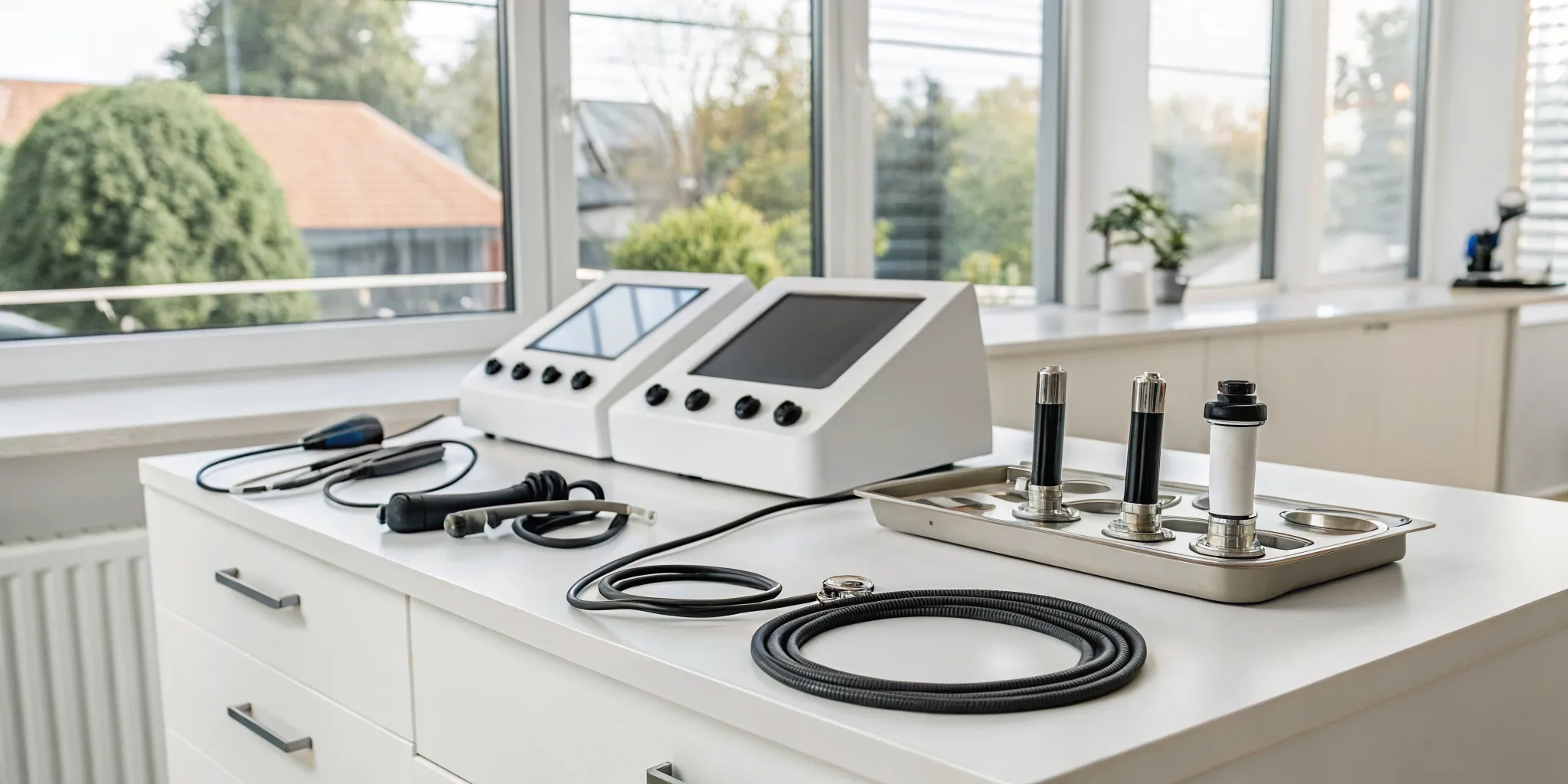
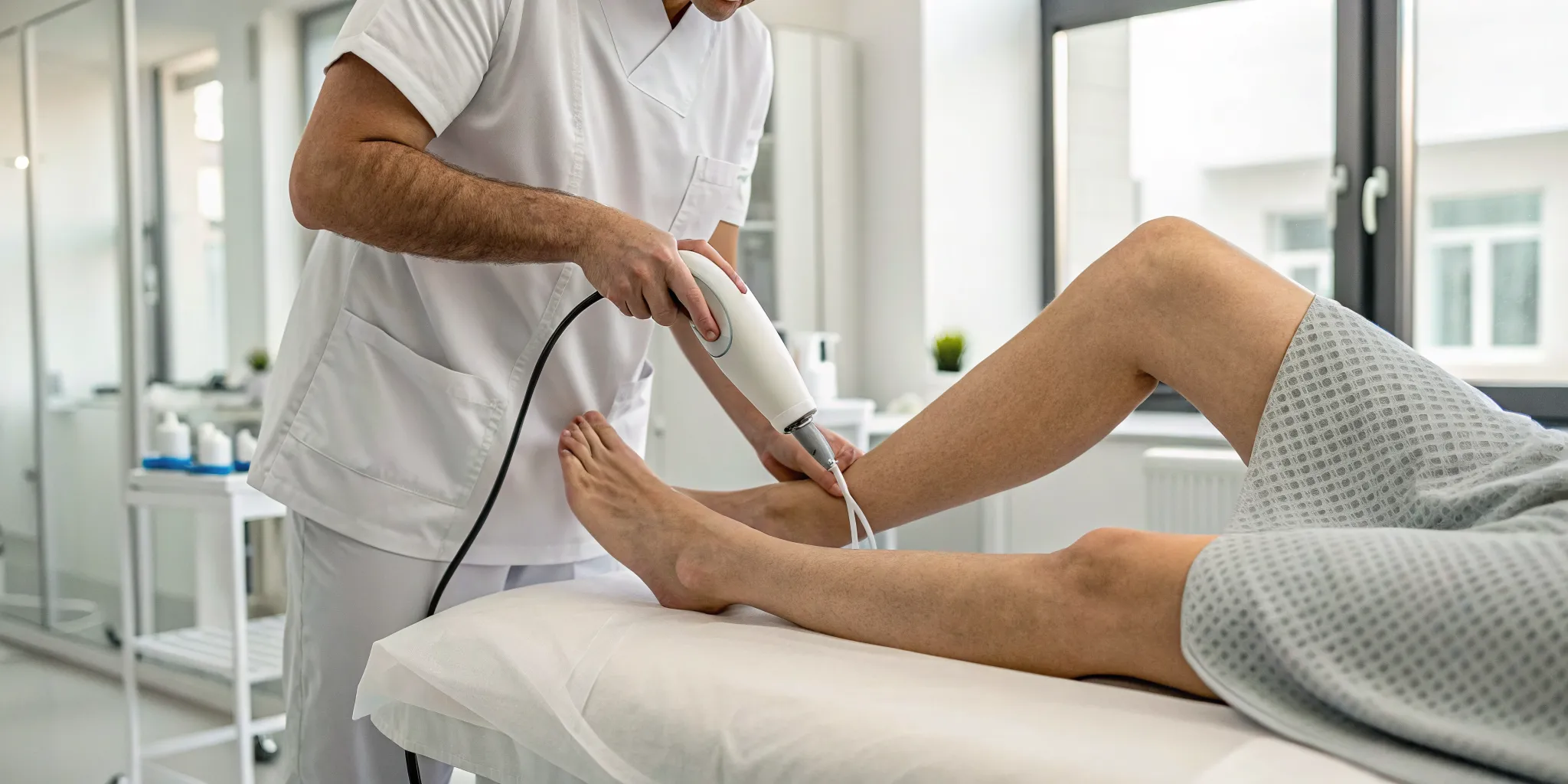
People searching for softwave therapy tampa may be looking for a non-surgical option to discuss for a persistent musculoskeletal concern. The useful starting point is not a promise about results; it is a clinical conversation about your history, goals, and whether this approach belongs in an individualized plan.
What should you know before discussing SoftWave therapy in Tampa?
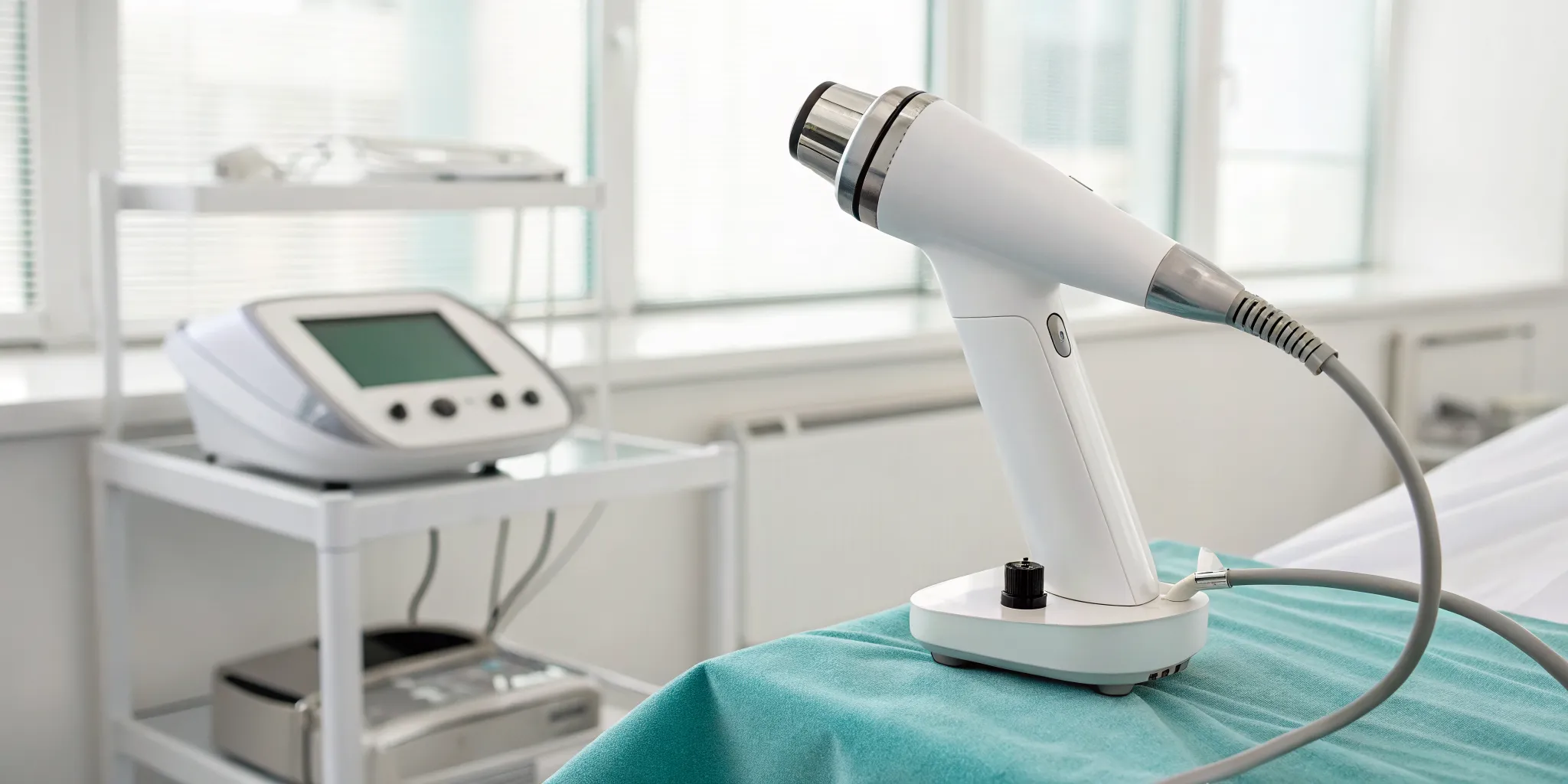
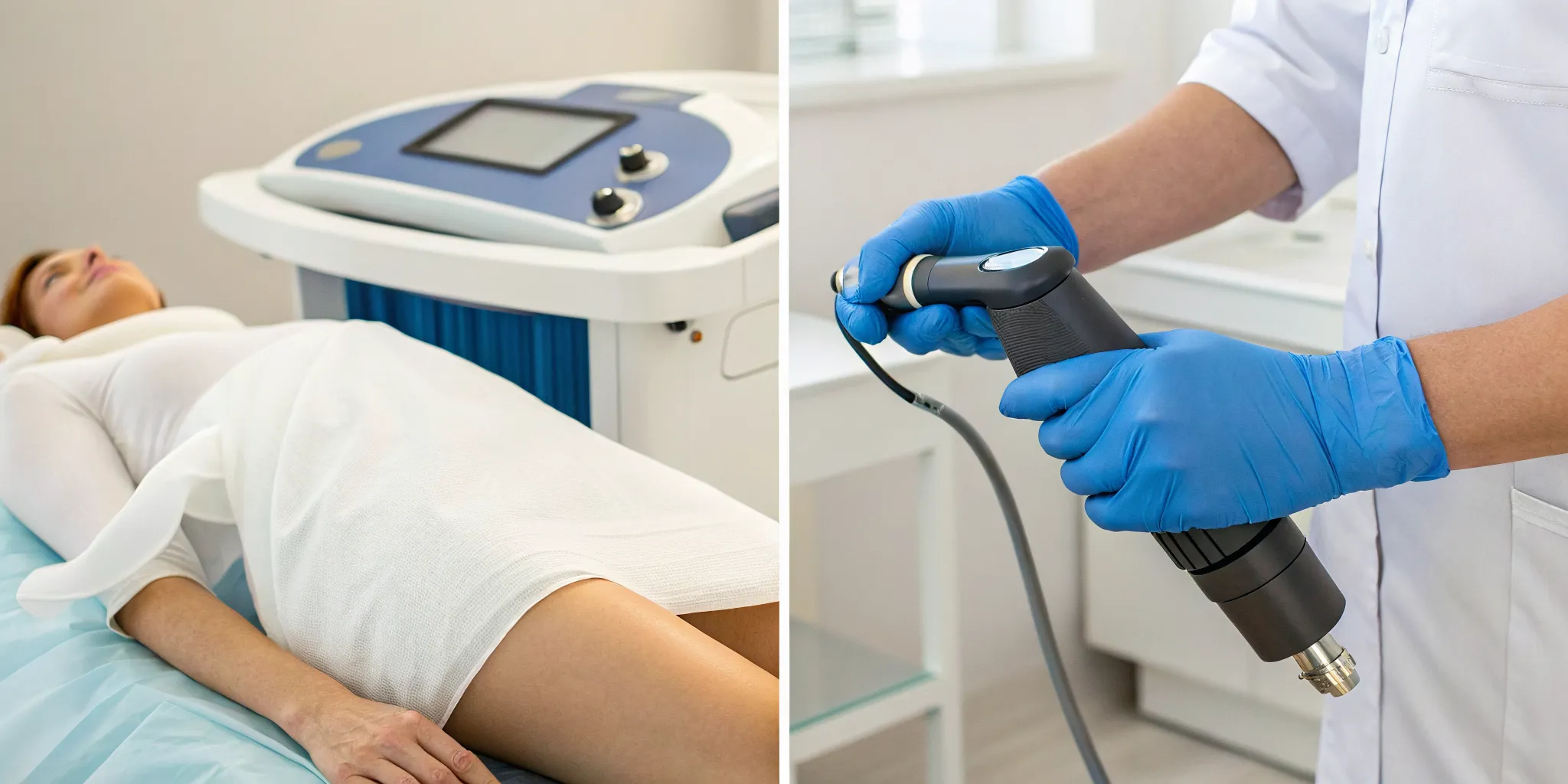
SoftWave is a focused acoustic-wave treatment discussed in regenerative care. Whether it is appropriate depends on an individual evaluation, the concern being addressed, and the clinician’s judgment.
Search results and promotional language can make treatments sound interchangeable. A careful discussion should clarify what device and method a clinic uses, what the proposed goal is, and how progress will be assessed. Ascend describes its service as SoftWave therapy and frames it within a broader care plan rather than as a guaranteed outcome.
Bring a concise account of where you feel symptoms, when they began, what changes them, and how they affect daily activity. Mention prior evaluations and care, relevant health history, and any questions about treatment timing. These details help the clinician consider whether more assessment or another approach is appropriate.
How does an evaluation shape a SoftWave care conversation?
An evaluation connects the treatment discussion to your specific concern. It can help determine whether SoftWave is a reasonable option to consider or whether another step should come first.
A useful conversation usually covers the location and duration of symptoms, movement or activity limitations, previous care, and your priorities. The clinician may consider examination findings and relevant history before discussing an approach. If the cause of a concern is unclear, it is sensible to ask what further evaluation may be needed.
Ask which concern the recommended treatment is intended to address, what the plan involves, and how follow-up will work. You can also ask which changes will be monitored and when the plan might be reviewed. A measured approach makes it easier to decide whether the proposed steps align with your goals.
- Describe your main concern and the activities it affects.
- Share relevant prior assessments and care.
- Ask what the clinician’s evaluation suggests.
- Clarify the proposed goal, plan, and review process.
How can SoftWave fit into broader physical and regenerative care?
SoftWave may be discussed as one part of a wider plan, not as a substitute for understanding the concern. At Ascend, care is organized around Physical Medicine, Functional Medicine, and Regenerative Medicine.
Physical Medicine may include chiropractic, decompression, corrective care, and soft-tissue approaches. Regenerative Medicine discussions may include SoftWave alongside other modalities when clinically appropriate. The aim is to consider the person’s needs and measurable goals, not to assume a single modality suits everyone.
For some people, movement patterns or structural factors may also be relevant to the conversation. Learn about Ascend’s Physical Medicine services and how that pillar is described. If broader health factors are part of your concern, Functional Medicine can be another topic to ask about.
It can help to distinguish a treatment choice from an overall plan. Ask how each proposed element relates to the concern, whether it is optional, and what follow-up will help evaluate progress. A plan should be understandable enough that you can weigh its steps and ask informed questions.
Which questions help compare treatment plans?
Compare plans by their clinical rationale, expected steps, and follow-up—not by a headline claim alone. Ask the clinician to explain how the recommendation connects to your evaluation.
| Discussion point | Questions to ask | Why it matters |
|---|---|---|
| Evaluation | Which findings inform this recommendation? | Shows how the plan relates to your situation. |
| Goal | Which change are we monitoring? | Makes the intended outcome clear without assuming a result. |
| Plan | Which steps and visits are proposed? | Helps you understand the process and commitment. |
| Review | When will we revisit progress or adjust the plan? | Sets a point for reassessment and discussion. |
| Alternatives | Which other reasonable options should I consider? | Supports a balanced decision. |
Ask for plain-language explanations of unfamiliar terms. If a recommendation includes multiple services, ask which part addresses which goal and how you will know whether the plan remains appropriate. Clear answers are part of making an informed choice.
What should Tampa Bay patients ask about expectations?
Expectations should be individualized and discussed openly. No responsible conversation can guarantee a particular response or timeline for every person.
Ask which outcomes the clinician hopes to assess, which factors could affect the plan, and which signs should prompt a follow-up conversation. You can also ask how progress is documented and how the care plan may change if your needs or response change.
Ascend’s approach emphasizes personalized, evidence-informed care and measurable outcomes. That means the plan should be tied to your circumstances and reviewed rather than treated as a one-size-fits-all protocol. The WebMD overview of functional medicine describes an approach that considers broader factors in health; this is context, not proof that a specific treatment will work for an individual.
How can you prepare for a consultation at Ascend?
A short preparation list helps make the visit focused. Bring your questions, relevant history, and a realistic description of the change you hope to discuss.
Before the appointment, note when the concern started and how it affects daily life. Gather information about prior evaluations or treatment and list relevant health conditions. You do not need to arrive with a diagnosis or a preferred procedure; the purpose is to discuss fit and possible next steps.
Ascend Functional Health is a cash-pay practice. Ask the team directly about the proposed care and payment details before deciding. You can review the practice’s frequently asked questions, learn more about available services, or read about the practice before contacting the team.
To make the visit productive, organize your notes into three short parts: the concern, its practical effect, and the questions you want answered. For example, someone who notices discomfort during a regular walk can describe when it begins, whether it changes with pace or terrain, and which daily tasks are affected. The point is not to self-diagnose; it is to give the clinician concrete context for evaluation.
It may also help to distinguish observations from assumptions. A simple timeline can record when symptoms first appeared, whether they have changed, and what care has already been tried. Include what helped, what did not, and whether any prior assessment identified a concern that deserves follow-up. Bring available records if relevant, but do not delay seeking appropriate clinical guidance solely to assemble a perfect file.
Write down what a useful outcome would mean in your own life. That might involve discussing a particular activity, understanding possible next steps, or deciding whether another assessment is needed. Specific priorities make the conversation more useful than a broad request for a treatment to fix everything.
How can you assess a proposed plan after the visit?
A plan is easier to evaluate when its rationale, sequence, and review point are clear. Before agreeing to next steps, make sure you understand the proposal and which questions remain.
After the discussion, summarize the plan in your own words: which option the clinician recommends considering, why it relates to your concern, and which follow-up is intended. If you cannot explain one part, ask for clarification before proceeding. This is especially helpful when a plan includes more than one service or involves reassessment over time.
For example, imagine the evaluation identifies several factors that may affect movement, while the person’s main priority is returning to a regular recreational activity. A useful discussion would connect each recommended step to that priority, explain what the clinician will monitor, and identify when the plan will be reviewed. The example does not predict a result; it shows how to keep goals and care decisions connected.
Consider whether the plan gives you room to ask questions and revisit decisions as circumstances change. Ask what would lead the clinician to continue, adjust, or reconsider an approach. A thoughtful process should not rely on pressure or imply that one modality is the only possible answer.
You can keep a brief progress log between visits if the clinician recommends tracking a specific measure. Record the activity or symptom being discussed, the conditions around it, and any change you notice. Use consistent descriptions rather than broad labels such as “better” or “worse.” Share the log at follow-up so the conversation can focus on observations and next steps.
What practical details should you clarify before starting?
Clarify logistics and expectations before beginning any proposed care. Knowing what a visit involves can help you make an informed decision and plan questions in advance.
Ask how the clinician describes the session, what preparation is needed, how long the visit is expected to take, and whether follow-up is part of the proposed plan. The precise details depend on the individual recommendation, so confirm them directly rather than relying on another person’s experience or a general online description.
Discuss any health history or current concern that could affect the clinician’s judgment. If something changes between the initial conversation and a proposed visit, let the practice know. Do not assume that an approach discussed earlier remains suitable without considering updated information.
It is reasonable to ask what the practice can and cannot explain at the first conversation. A clinician may need more information before commenting on suitability. If the answer is that another evaluation or a different kind of care should come first, ask which point that step is intended to clarify and how it relates to your situation.
Ascend’s care model brings together Physical Medicine, Functional Medicine, and Regenerative Medicine. That structure can make it useful to ask which pillar is relevant to your concern and whether a recommendation draws on one or more areas. Learn about Ascend’s SoftWave service and its Physical Medicine approach as background for questions, not as a substitute for an individualized discussion.
How can you keep the next step practical?
A practical next step is a focused conversation with clear questions, not a commitment made on the basis of a slogan. If you want to explore whether SoftWave belongs in a care discussion, contact the practice and describe your concern and goals.
Ascend’s contact page is the place to ask about arranging a conversation. You may also review the SoftWave therapy information in advance. Keep your expectations grounded: evaluation helps guide decisions, but a particular response cannot be guaranteed.
Discuss your care questions with Ascend
Frequently Asked Questions
Is SoftWave suitable for every person with a persistent concern?
No. Suitability depends on an individualized evaluation, health history, and the clinician’s judgment. Ask whether the approach fits your circumstances and which alternatives may be relevant.
What should I bring to a SoftWave consultation?
Bring a brief timeline of the concern, a description of activities affected, relevant health history, and information about prior evaluations or care. A written list of questions can help keep the discussion focused.
Can a clinic guarantee a specific result?
No individual outcome should be promised. Ask which changes the clinician plans to monitor and when the care plan will be reviewed.
How does Ascend approach SoftWave?
Ascend places SoftWave within its Regenerative Medicine offerings and emphasizes personalized evaluation and care planning. Contact the practice to discuss whether it may be appropriate for your situation.
Content is educational and not medical advice; consult your clinician before acting on health information.
For a next step, prepare your timeline, priorities, and questions, then discuss them with a clinician who can consider your individual circumstances.