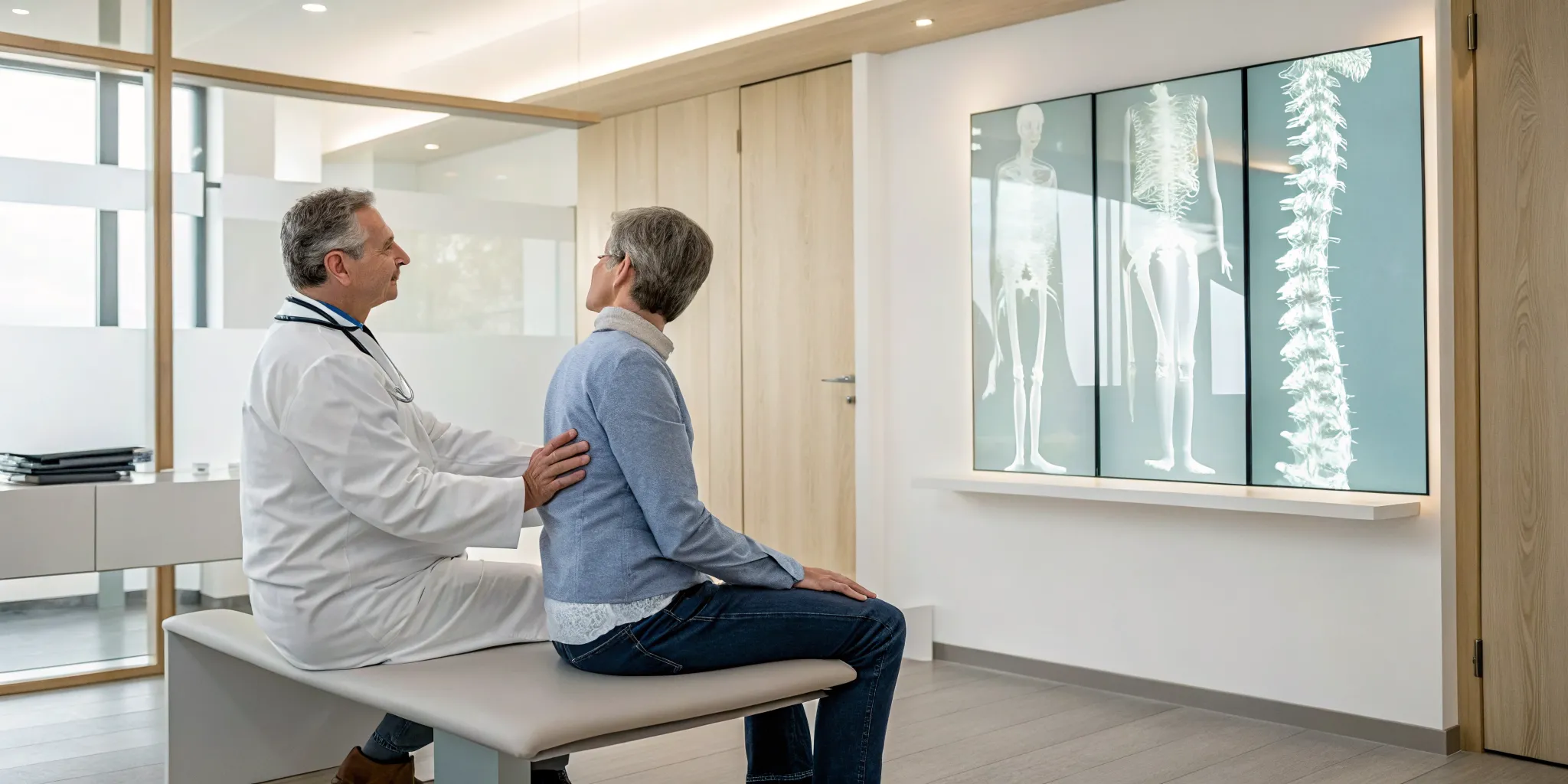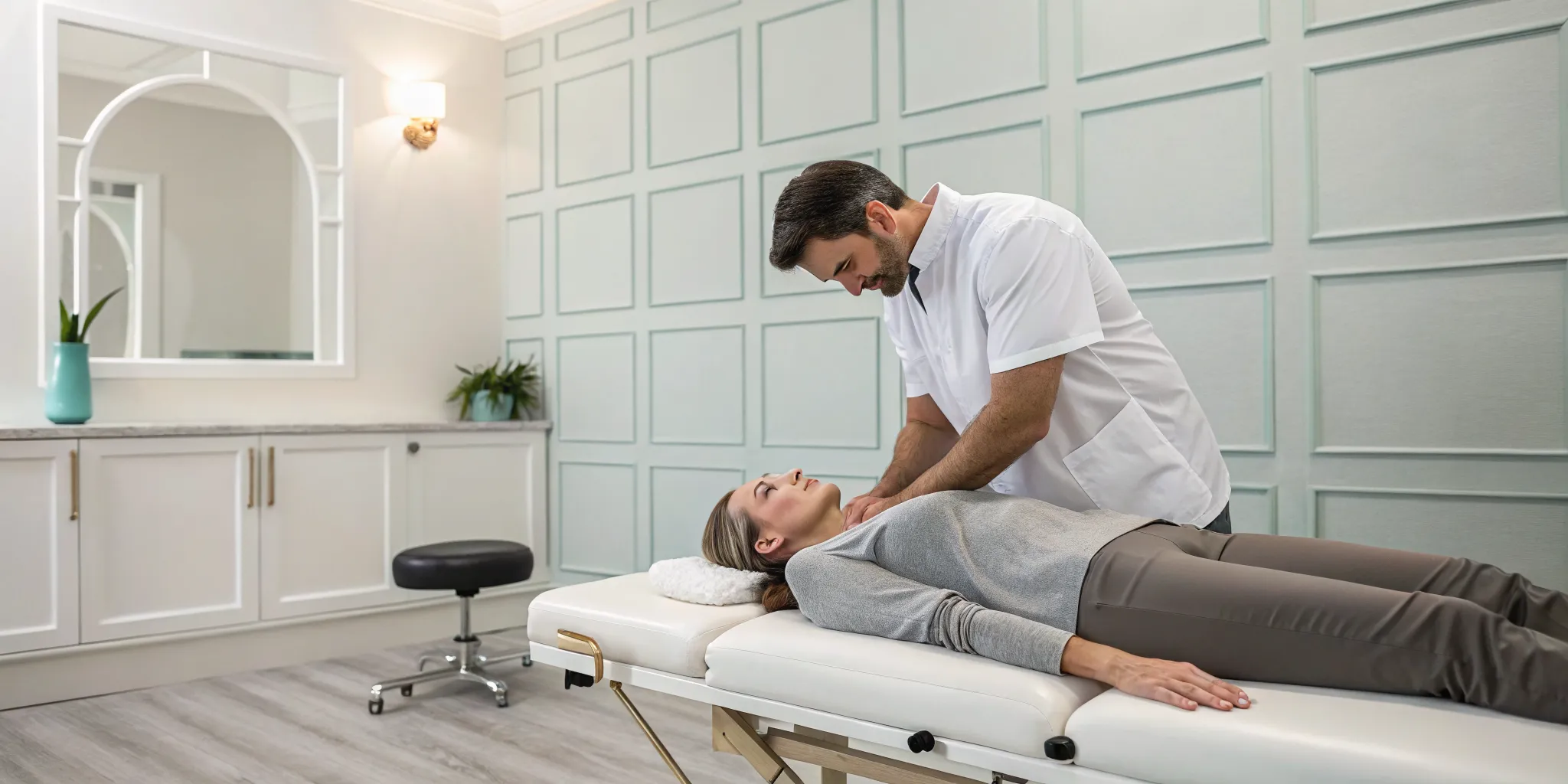
If you’re facing chronic pain, you may have been presented with options like injections or even surgery. While these can be necessary at times, they often come with risks, downtime, and may only mask the symptoms instead of fixing the underlying issue. There is another path. A non-invasive approach can help your body repair itself from the inside out, addressing the root cause of your pain. This treatment uses targeted acoustic waves to stimulate blood flow, break down scar tissue, and trigger cellular repair. It’s a way to achieve lasting relief without the drawbacks of more aggressive procedures. This is shockwave therapy for soft tissue healing, a powerful tool for true, regenerative recovery.
Key Takeaways
- Restart Your Body's Natural Healing: Shockwave therapy uses targeted sound waves to reawaken your body's repair mechanisms, prompting a fresh healing response for stubborn soft tissue injuries like plantar fasciitis or tennis elbow.
- A Non-Invasive Path to Recovery: This treatment helps you find lasting relief without injections or surgery by stimulating tissue regeneration and improving blood flow, addressing the root cause of your pain.
- Support the Post-Treatment Process: For the best results, avoid taking anti-inflammatories after your session; the therapy works by creating a productive inflammatory response, and allowing this natural cycle to complete is a key part of your recovery.
How Does Shockwave Therapy Heal Soft Tissue?
The term "shockwave" might sound intense, but the treatment itself is a straightforward and non-invasive process. It doesn’t involve electrical shocks. Instead, it uses the power of acoustic sound waves to stimulate your body’s own repair mechanisms, addressing the root cause of chronic pain. By creating a targeted healing response, this therapy helps your body finally resolve injuries that have lingered for months or even years. It’s a way to work with your body’s natural intelligence to achieve lasting relief.
The Science Behind the Sound Waves
At its core, shockwave therapy uses targeted acoustic waves to kickstart healing deep within your soft tissues. These powerful sound waves create a series of effects that help your body recover. First, they help break down scar tissue and calcifications that can restrict movement and cause pain. Second, they stimulate the formation of new blood vessels, which improves circulation and brings more oxygen and nutrients to the injured area. This process also triggers the release of growth factors and stem cells, which are essential for repairing and regenerating tissue. It’s a key part of our physical medicine approach to healing.
Triggering Your Body's Natural Healing Response
Sometimes, when an injury becomes chronic, your body’s healing process stalls. The initial inflammation phase is long gone, and your body no longer treats the area as a priority. Shockwave therapy essentially reawakens this dormant healing process. By delivering precise acoustic waves, the treatment creates a controlled micro-trauma that your body perceives as a new injury. This prompts a fresh, robust inflammatory response, signaling your internal repair system to get back to work. This aligns with our core belief in facilitating the body's innate ability to heal itself from the inside out.
Focused vs. Radial: What's the Difference?
Not all shockwave therapy is the same. The two primary types are Focused Shockwave Therapy (F-ESWT) and Radial Pressure Wave Therapy (RPT). Focused shockwaves are precise, penetrating deeply to target a specific, small area, making them ideal for issues like calcific tendinitis in the shoulder. Radial pressure waves, on the other hand, spread out over a larger, more superficial area. This makes them well-suited for treating broader conditions like plantar fasciitis or larger muscle groups. The type of therapy we recommend depends entirely on your specific injury and what our evaluation reveals about the conditions we treat.
What Conditions Can Shockwave Therapy Help?
Shockwave therapy is a versatile tool that we use to address a wide range of chronic soft tissue conditions, especially those that have been stubborn and unresponsive to other forms of care. If you're dealing with a nagging injury that just won’t go away, this therapy could be the key to finally finding relief. It works by targeting the specific area of injury to stimulate your body’s own healing mechanisms. Our approach to physical medicine focuses on finding effective, non-invasive solutions like shockwave therapy to help you get back to feeling your best. Let’s look at some of the most common conditions that benefit from this treatment.
Plantar Fasciitis and Heel Pain
If you’ve ever felt that sharp, stabbing pain in your heel with your first steps in the morning, you know how disruptive plantar fasciitis can be. This condition involves inflammation of the thick band of tissue (the plantar fascia) that runs across the bottom of your foot. Shockwave therapy directly targets this inflamed tissue, using acoustic waves to increase blood flow and stimulate cellular repair. Research has shown it to be a safe and effective treatment for chronic plantar fasciitis, helping to reduce pain and restore function so you can walk, run, and stand comfortably again.
Achilles Tendinopathy and Other Tendon Injuries
Tendon injuries, or tendinopathies, are notoriously slow to heal. This is often because tendons have a limited blood supply, which slows down the natural repair process. Achilles tendinopathy, which causes pain and stiffness in the tendon connecting your calf muscle to your heel, is a perfect example. Shockwave therapy is particularly helpful for these stubborn injuries. By delivering targeted energy to the damaged tendon, it effectively kickstarts a new healing phase. This process helps remodel the tissue, reduce pain, and improve your ability to handle daily activities without being limited by your injury.
Rotator Cuff and Shoulder Pain
Shoulder pain can make simple tasks like reaching overhead or getting dressed feel impossible. Often, this pain is related to the rotator cuff, either from a tendon injury or from calcific tendinitis, where small calcium deposits form within the tendons. Shockwave therapy is an excellent option for this, as the sound waves can help break down these tiny, painful calcium deposits and scar tissue. Once broken down, your body can more easily absorb and clear them away. This process helps to restore mobility and provides lasting relief from chronic shoulder pain, addressing one of the many conditions we treat at our Tampa clinic.
Tennis Elbow
You don’t have to play tennis to suffer from tennis elbow. This painful condition, also known as lateral epicondylitis, is an overuse injury affecting the tendons in your forearm that attach to the outside of your elbow. It can make gripping objects, turning a doorknob, or even holding a cup of coffee a painful experience. For these types of long-lasting injuries, shockwave therapy can be a game-changer. The treatment precisely targets the source of the pain, stimulating blood flow and promoting the regeneration of healthy tissue. This helps you regain strength and function in your arm without persistent pain.
Muscle Strains and Scar Tissue
When a muscle is injured, your body sometimes forms scar tissue as part of the healing process. While this is a natural response, scar tissue is less flexible than healthy muscle tissue and can lead to chronic tightness, restricted movement, and a higher risk of re-injury. Shockwave therapy can help by breaking down this restrictive scar tissue. More importantly, it can trigger a fresh healing response in an area the body may have stopped actively repairing. It essentially tells your body to treat an old, chronic injury like a new one, bringing in the resources needed for a more complete and functional recovery.
Key Benefits of Shockwave Therapy
If you're tired of persistent pain holding you back, it’s easy to feel like you’ve run out of options. Shockwave therapy offers a path to healing that works with your body, not against it. This innovative approach stimulates your body’s own repair mechanisms to address the source of your discomfort. By getting to the root of the problem, you can finally find lasting relief and get back to the life you love. Let's explore some of the key ways this treatment can help you feel your best.
Find Relief Without Injections or Surgery
The idea of finding relief from chronic pain without invasive procedures can feel like a dream, but shockwave therapy makes it a reality. This treatment is completely non-invasive, meaning it doesn't involve needles, incisions, or lengthy recovery times. Instead, it uses targeted sound waves applied to the surface of your skin to stimulate healing deep within the tissue. For many people dealing with persistent pain, this offers a powerful alternative to more aggressive interventions. It’s a way to support your body’s healing process from the outside in, helping you avoid the risks and downtime associated with other procedures.
Speed Up Healing and Improve Blood Flow
One of the most powerful effects of shockwave therapy is its ability to kickstart your body's natural healing process. The acoustic waves create a series of micro-disruptions in the targeted tissue, which sounds intense but is actually a good thing. This process signals your body to increase circulation and form new blood vessels in the area. Better blood flow is critical for recovery, as it delivers the oxygen and nutrients your injured tissues need to repair and rebuild. By enhancing this fundamental healing mechanism, shockwave therapy can significantly shorten your recovery time and help you heal more effectively.
A Solution for Stubborn, Chronic Injuries
Do you have an injury that just won’t quit? For those nagging, chronic conditions that haven't responded to other treatments, shockwave therapy can be a true game-changer. It has proven particularly effective for soft tissue problems that have settled in for the long haul. Research and clinical experience show strong results for stubborn issues like plantar fasciitis, Achilles tendinopathy, rotator cuff pain, and tennis elbow. By directly targeting scar tissue and promoting regeneration, this therapy offers new hope for injuries that have otherwise stalled in the healing process, making it a vital tool for many of the conditions we treat.
Decrease Your Reliance on Pain Management
The goal of any effective treatment shouldn't be just to mask your symptoms, but to resolve them. Shockwave therapy helps you move beyond the cycle of temporary pain management. Because the treatment addresses the underlying cause of your pain by promoting actual tissue repair, the relief you experience is designed to be long-lasting. Many patients report a significant reduction in pain and improved mobility, sometimes after just a few sessions. This allows you to reduce or even eliminate your dependence on other forms of pain control and focus on what truly matters: healing.
Get Back to Your Life Faster
When you're dealing with an injury, your main goal is to get back to your normal activities as quickly and safely as possible. Shockwave therapy is designed to help you do just that. The treatments themselves are quick, and there is typically no downtime required afterward. You can usually return to your daily routine right away. More importantly, by accelerating your body's own healing capabilities, shockwave therapy helps you achieve lasting results so you can confidently return to your favorite activities. Our goal at Ascend Functional Health is to help you build a foundation for long-term wellness, and this therapy is an excellent tool to get you there faster.
Is Shockwave Therapy Right for You?
Deciding on a new treatment can feel like a big step, but it doesn't have to be a confusing one. Shockwave therapy is an exciting option for many people struggling with persistent pain, but it’s not a one-size-fits-all solution. The best way to know for sure is to have a conversation with a professional who understands your health history and goals. However, understanding the general guidelines can help you determine if this could be the right path for you. Let’s walk through who makes a great candidate for this therapy and who should explore other options.
Are You a Good Candidate?
If you're dealing with a stubborn soft tissue injury that just won’t quit, you might be an excellent candidate for shockwave therapy. This treatment is especially effective for chronic pain conditions that have lingered for months or even years without responding to traditional methods like rest, ice, or stretching. Think of issues like plantar fasciitis that makes your first steps in the morning a nightmare, nagging tennis elbow, or persistent shoulder pain. Because it’s a non-invasive treatment designed to stimulate your body’s own healing mechanisms, it’s a powerful option for anyone looking to find relief and truly address the root cause of their pain without injections or surgical procedures.
When to Avoid Shockwave Therapy
Your safety is always the top priority. While shockwave therapy is beneficial for many, there are specific situations where it should be avoided. This treatment is not recommended for pregnant women or individuals with active cancer or a nearby tumor. If you have a blood clotting disorder or are taking blood-thinning medication, this therapy may not be suitable for you. It’s also important to avoid treatment over areas with certain types of nerve damage, like that caused by diabetes. Finally, if a tendon has been completely torn or ruptured, shockwave therapy is not the appropriate course of action. Our team always conducts a thorough evaluation to ensure any treatment aligns with your specific health profile and our physical medicine approach.
Important Health Considerations
It’s completely normal to wonder what the treatment will feel like. Shockwave therapy is non-invasive, and most people tolerate it very well. During the session, you might feel a tapping or pulsing sensation at the treatment site. Some describe it as a mild discomfort or pressure, but it’s not typically painful. While it might seem like a newer therapy, it has been studied for years and has a strong track record for helping with musculoskeletal conditions. The goal is to stimulate healing, and any sensation you feel is part of that process. If you have any concerns, we can discuss them when you schedule a consultation and make sure you feel comfortable every step of the way.
What to Expect During Your Shockwave Therapy Sessions
If you're considering shockwave therapy, it’s completely normal to wonder what the appointments will be like. Knowing what to expect can help you feel more prepared and confident as you start your healing journey. The process is straightforward, and our team is here to support you every step of the way. From the moment you walk in, our goal is to make your experience as comfortable and effective as possible. Let’s walk through what a typical session looks like, from how it feels to how long it takes.
How to Prepare and What the Treatment Feels Like
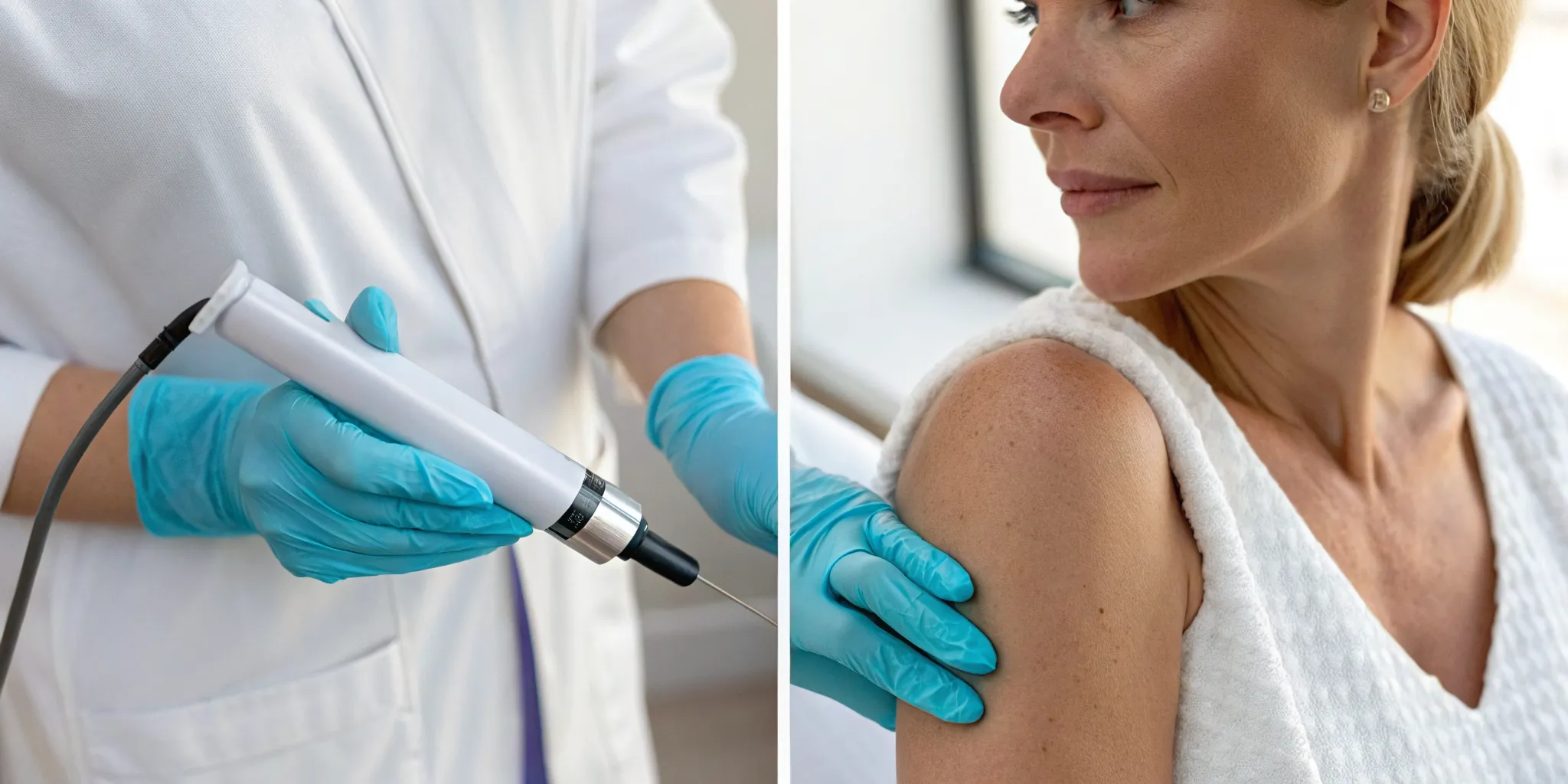
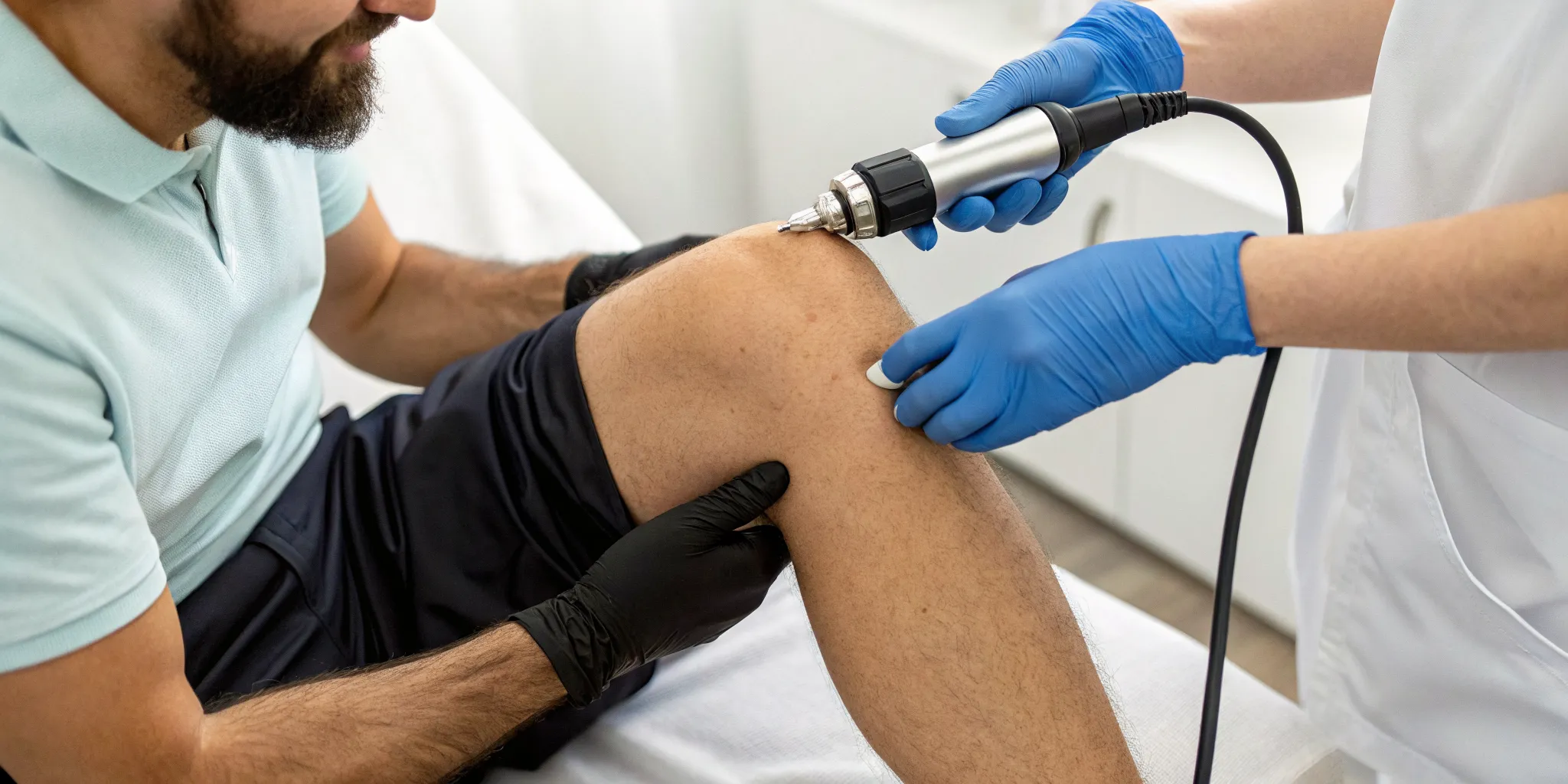
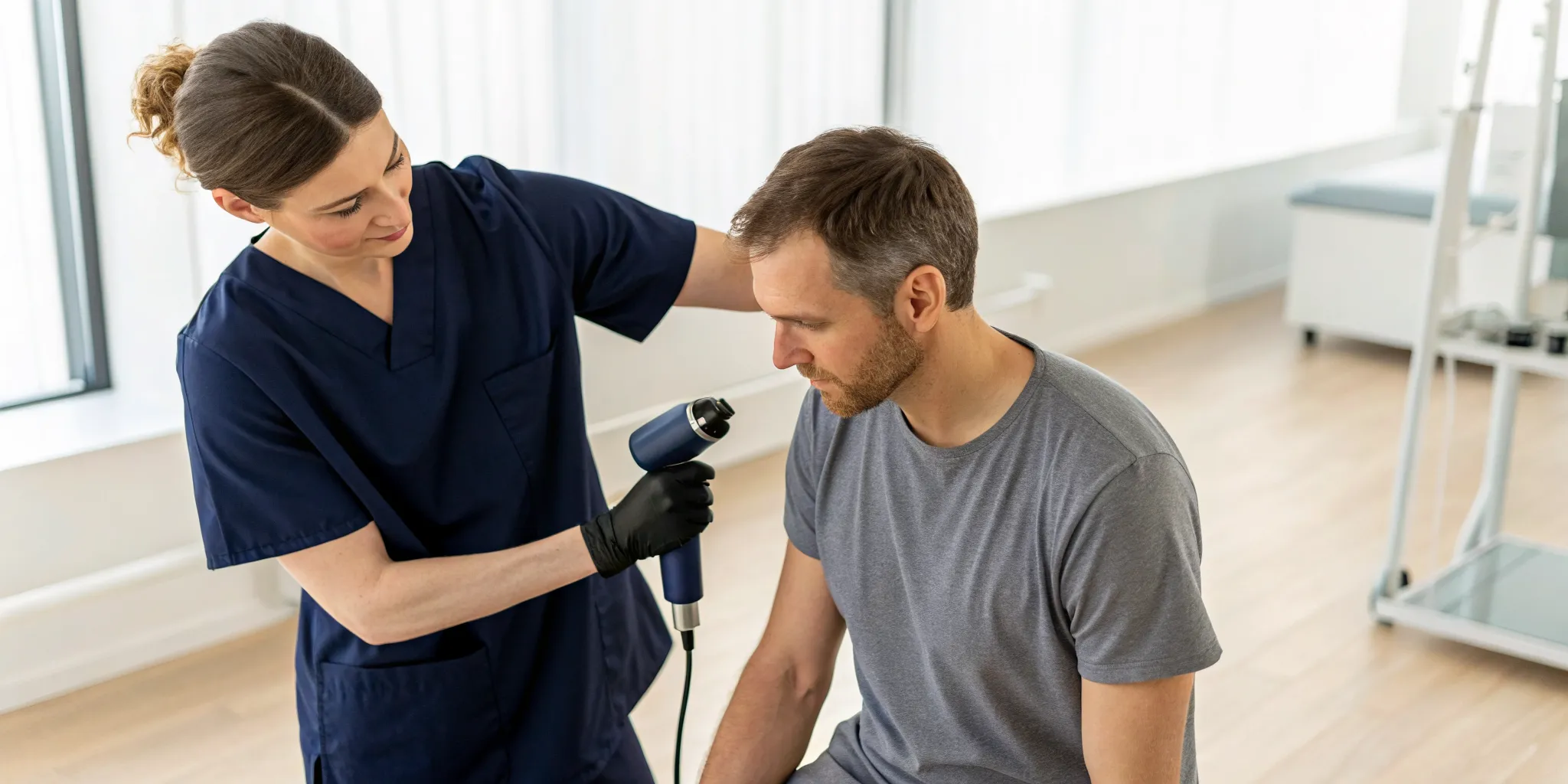
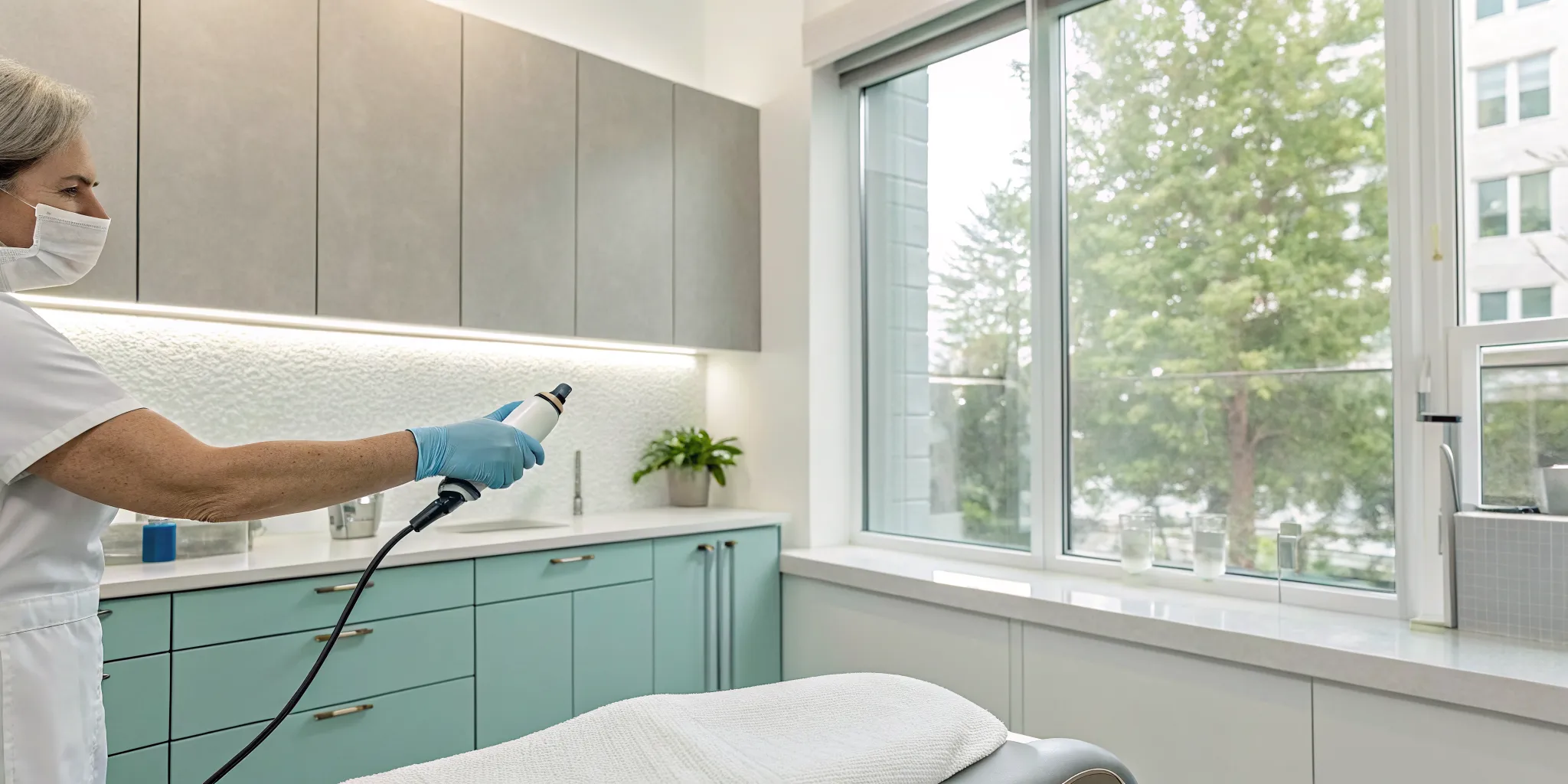
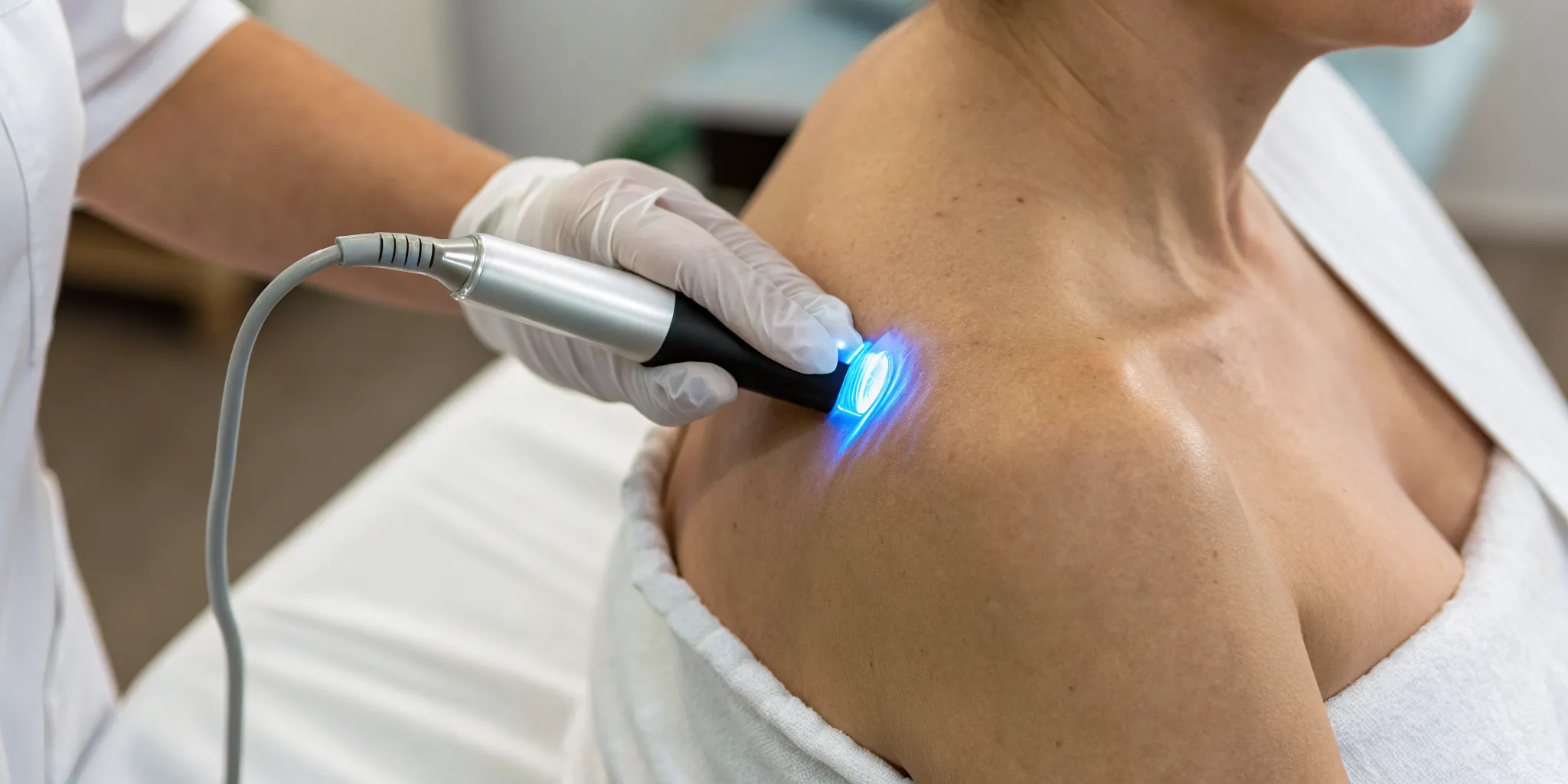
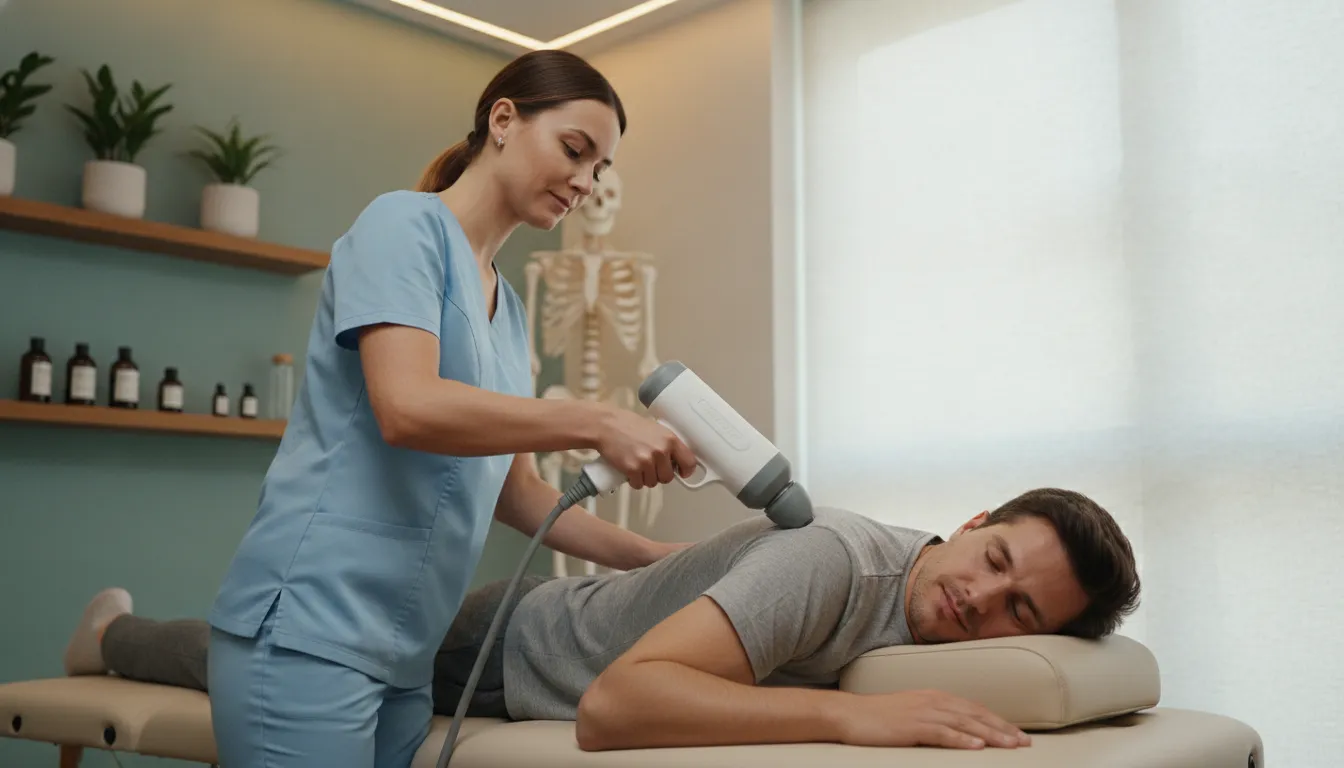
There isn't much you need to do to prepare for your session, other than wearing comfortable clothing that allows easy access to the treatment area. Once you're settled, we'll apply a gel to your skin, similar to what’s used for an ultrasound. This helps the sound waves travel more effectively. As the treatment begins, you might feel a tapping or pulsing sensation. Most people describe it as a bit of tingling or pressure, but it’s generally very tolerable. Our approach to physical medicine always prioritizes your comfort while ensuring the therapy is working to stimulate healing in the targeted tissues.
How Long Does Each Session Take?
One of the best parts about shockwave therapy is how quickly it can be done. Each session typically takes only about 15 minutes from start to finish. This makes it a convenient option that you can easily fit into a busy day, whether you’re stopping by on your lunch break or on your way home from work. We respect your time and have designed the process to be as efficient as possible, allowing you to get the care you need without disrupting your entire schedule. You’ll be in and out of the office before you know it, getting you one step closer to feeling better.
How Many Sessions Will You Need?
The number of sessions you’ll need is tailored specifically to you. While many people find significant relief after just two or three treatments spaced out over several weeks, your plan will depend on your unique situation. Factors like the type of injury, how long you've had it, and your body's individual response to treatment all play a role. During your initial consultation, we’ll discuss the specific conditions we treat and create a personalized protocol designed to give you the best possible results. We'll monitor your progress along the way and adjust as needed to support your healing.
Staying Comfortable During Your Session
Your comfort is our top priority. While the therapy involves creating a response in your tissues, it should never feel overwhelming. We are in constant communication with you throughout the short session, and the intensity of the device can be adjusted at any time to match your tolerance level. Please speak up and let us know if you feel anything more than mild discomfort. We see you as a partner in your own health journey, and open communication ensures your treatment is both effective and positive. Our team's philosophy is built on creating a supportive environment where you feel heard and cared for.
What Happens After Your Treatment?
Knowing what to expect after your shockwave therapy session is just as important as knowing what happens during it. The good news is that the recovery process is typically very straightforward. Your body has been prompted to kickstart its natural healing mechanisms, and the post-treatment phase is all about supporting that process. There are a few simple things to keep in mind to ensure you get the most out of your care and heal as effectively as possible. By following some basic guidelines, you can help your body do its best work and get back to feeling great.
Potential Short-Term Side Effects
It’s completely normal to feel some minor effects after your session. During the treatment, you might notice a tapping or pulsing sensation, but most people find it very tolerable. Afterward, you may experience some mild soreness, tenderness, or even a bit of redness or swelling in the treated area. Think of this as a positive sign. It’s your body’s way of saying, “Okay, I’ve received the message, and I’m getting to work!” These effects are temporary and usually fade within a day or two. Our team at Ascend Functional Health will give you all the information you need to feel comfortable and confident as your body begins its physical medicine healing journey.
Post-Treatment Care: Why to Skip Anti-Inflammatories
This might sound counterintuitive, but it’s one of the most important parts of your aftercare. We’ll ask you to avoid taking over-the-counter anti-inflammatory medications for a short period after your treatment. Shockwave therapy works by creating a controlled inflammatory response, which is the essential first step in tissue repair. Inflammation signals your body to send healing resources to the area. If you take an anti-inflammatory, you can unintentionally interrupt this vital process. Instead of working against your body, we want to support its innate ability to heal. This approach is central to how we address the root cause of the conditions we treat and helps you achieve lasting results.
Your Recovery Timeline: Results and Activity
Everyone’s healing journey is unique, but many people report feeling a noticeable improvement right after their first session. While some initial relief is common, the full benefits of shockwave therapy build over time as your tissues regenerate. Most people can return to their normal, non-strenuous daily activities within 24 to 48 hours. We generally recommend a short break from intense exercise to give the area time to respond to the treatment. A complete healing cycle often involves a few sessions spaced out over several weeks, allowing your body to repair itself fully. Hearing from others who have gone through the process can be incredibly encouraging, and you can read about their experiences in our patient testimonials.
How Shockwave Therapy Compares to Other Options
When you're dealing with persistent pain, it’s natural to look for the fastest path to relief. Many conventional approaches focus on managing symptoms, but they don't always address the underlying cause of the problem. You might have been offered options like cortisone shots or even told that surgery is your only choice. While these can be necessary in some situations, they aren't the only solutions available. It's worth exploring less invasive treatments that support your body's ability to heal itself.
Shockwave therapy stands out because it’s a regenerative approach. Instead of just masking pain or surgically removing damaged tissue, it stimulates a natural healing response right where you need it most. This makes it a powerful alternative for many chronic conditions that haven't responded to other treatments. By comparing shockwave therapy to more traditional methods, you can make an informed decision about your health and choose a path that aligns with your long-term wellness goals. At Ascend Functional Health, we focus on identifying and treating the root cause of the conditions we treat, and shockwave therapy is one of the key tools we use to help our patients find lasting relief.
Shockwave Therapy vs. Injections
Many people turn to injections for quick pain relief, but this approach often comes with trade-offs. Injections can carry risks of infection and may weaken tendons or tissues over time with repeated use. They primarily work by reducing inflammation to mask pain, which can provide temporary relief but doesn't fix the structural problem. Shockwave therapy, on the other hand, is a non-invasive treatment that helps your body heal from the inside out. It stimulates blood flow and cell activity to repair damaged tissue, offering a solution that can lead to long-term healing instead of just a short-term fix. It’s a way to work with your body, not against it.
Shockwave Therapy vs. Surgical Procedures
The thought of surgery can be daunting. It often involves significant downtime, a painful recovery, and potential complications. For many chronic soft tissue injuries, shockwave therapy presents an opportunity to heal without going under the knife. As a non-surgical treatment, it requires no cuts or injections, which means you can avoid the risks and lengthy recovery associated with an operation. Many people experience lasting results and can return to their daily activities much faster. If you've been told surgery is your only option for a stubborn tendon or muscle issue, exploring shockwave therapy could provide a path to recovery you haven't considered.
Why It Works When Other Treatments Haven't
Have you ever felt like your body just gave up on healing an old injury? You're not imagining it. With chronic conditions, the body's natural healing process can stall. Shockwave therapy effectively restarts that process. The sound waves create a controlled microtrauma in the targeted area, signaling to your body that it's a new injury that needs attention. This triggers a fresh healing response, increasing blood flow and metabolic activity. This process also helps break down stubborn scar tissue and calcifications that can prevent recovery. It’s this unique ability to "wake up" the body's own healing mechanisms that makes it a successful part of our physical medicine approach for injuries that have lingered for months or even years.
Integrating Shockwave Therapy into Your Holistic Health Plan
True healing happens when we look at the body as a whole, interconnected system. Shockwave therapy isn't just a standalone fix; it’s a powerful tool that works best as part of a comprehensive health strategy. By combining it with other foundational treatments, we can move beyond simply managing symptoms and create a plan that supports your body’s ability to repair itself from the ground up. This integrated approach ensures that we’re not only addressing your immediate pain but also building a stronger, more resilient foundation for your long-term health and well-being.
Pairing Shockwave Therapy with Chiropractic Care
Think of shockwave therapy and chiropractic care as the perfect team for musculoskeletal health. While chiropractic adjustments focus on restoring proper alignment to your spine and joints, shockwave therapy targets the surrounding soft tissues, like muscles, tendons, and ligaments. It’s a non-invasive procedure that uses acoustic waves to stimulate blood flow and tissue regeneration right where you need it. When your skeletal system is properly aligned, but the supporting tissues are still inflamed or scarred, your recovery can stall. Combining these therapies allows us to address both the structure and the support system, creating more complete and lasting results. This is a cornerstone of our Physical Medicine approach.
Moving Beyond Symptoms to Address the Root Cause
Chronic injuries often linger because the body’s natural healing process has hit a roadblock. Shockwave therapy is designed to break through that barrier. By delivering targeted energy waves to the injured area, it effectively reawakens the healing response, prompting your body to treat an old, stubborn injury like a new one. This is a fundamental shift from just masking pain. Instead of providing temporary relief, we are stimulating your body’s own powerful repair mechanisms. This philosophy is at the heart of functional medicine, where the goal is always to identify and resolve the underlying cause of your health concerns. For many people, shockwave therapy is the missing piece that finally helps them achieve genuine, long-term recovery.
Find Lasting Relief with Shockwave Therapy in Tampa
If you’re living with chronic pain from an old injury, you know how frustrating it can be when rest and traditional treatments don’t bring lasting relief. For those in the Tampa area searching for a better solution, shockwave therapy offers a modern, non-invasive approach to healing. This treatment uses targeted acoustic waves to stimulate your body’s own repair mechanisms deep within the injured soft tissue. It’s a way to work with your body, not just mask the symptoms.
The process is straightforward and effective. By increasing blood flow to the affected area, shockwave therapy helps reduce pain and kick-starts the healing process. Many people report feeling significantly better and are able to get back to their normal activities within just a day or two of their first session. Extensive research confirms that shockwave therapy is a safe and beneficial way to promote healing for a wide range of musculoskeletal conditions, from plantar fasciitis to rotator cuff tendinopathy.
At Ascend Functional Health, we focus on identifying and addressing the root cause of your health concerns. Shockwave therapy fits perfectly into this philosophy by helping your body finally resolve stubborn injuries that have lingered for months or even years. It’s a well-tolerated treatment that can help you find meaningful improvement without injections or more invasive procedures. If you’re ready to move beyond the cycle of pain and get back to doing what you love, we’re here to help create a personalized plan for you. You can learn more about our approach to physical medicine and see if this is the right fit.
Related Articles
- SoftWave Tissue Regeneration Therapy in Tampa | Alessi Functional Health
- SoftWave TRT Therapy in Tampa, FL - Alessi Functional Health
- What Is Soft Tissue Therapy? A Complete Guide
- Regenerative Medicine for Pain Recovery | Ascend Functional Health
- What Is Graston Technique Therapy? A Beginner's Guide
Frequently Asked Questions
Does the treatment actually hurt? This is a great question, especially since the name "shockwave" sounds so intense. The therapy doesn't use electrical shocks. Instead, you'll feel a strong tapping or pulsing sensation on your skin. Most people find it very tolerable, and we can adjust the intensity at any point to keep you comfortable. The feeling is just the acoustic waves doing their job to stimulate healing deep in the tissue.
How soon will I feel better after starting treatment? Many people report feeling some relief from their pain right after the first session. However, the most significant and lasting results come from the tissue regeneration that happens in the weeks following your treatments. The therapy kickstarts your body's repair process, which takes time to complete. Think of it as a gradual improvement that leads to a long-term solution, not just a temporary fix.
Why can't I take anti-inflammatory medication after a session? This is a really important part of the process. Shockwave therapy works by creating a controlled inflammatory response, which is your body’s natural signal to start healing an area. Taking an anti-inflammatory medication like ibuprofen would unfortunately interrupt that signal and work against the treatment. We want to support your body's innate healing ability, and allowing this natural response to happen is key to achieving lasting results.
What makes this different from getting a cortisone shot? While both treatments aim to reduce pain, they work in very different ways. A cortisone shot primarily reduces inflammation to mask pain, which can provide temporary relief but doesn't address the underlying tissue damage. Shockwave therapy is a regenerative approach. It stimulates your body to repair the injured tissue by increasing blood flow and cell activity, helping to fix the root cause of the pain for a more permanent solution.
How many sessions will I need to fix my injury? The number of sessions you'll need is entirely based on your specific situation. Your treatment plan will depend on the type of injury you have, how long you've been dealing with it, and how your body responds. Generally, most people see great results with a series of treatments spaced about a week apart. We will create a personalized plan for you during your initial consultation to give you the best path to recovery.