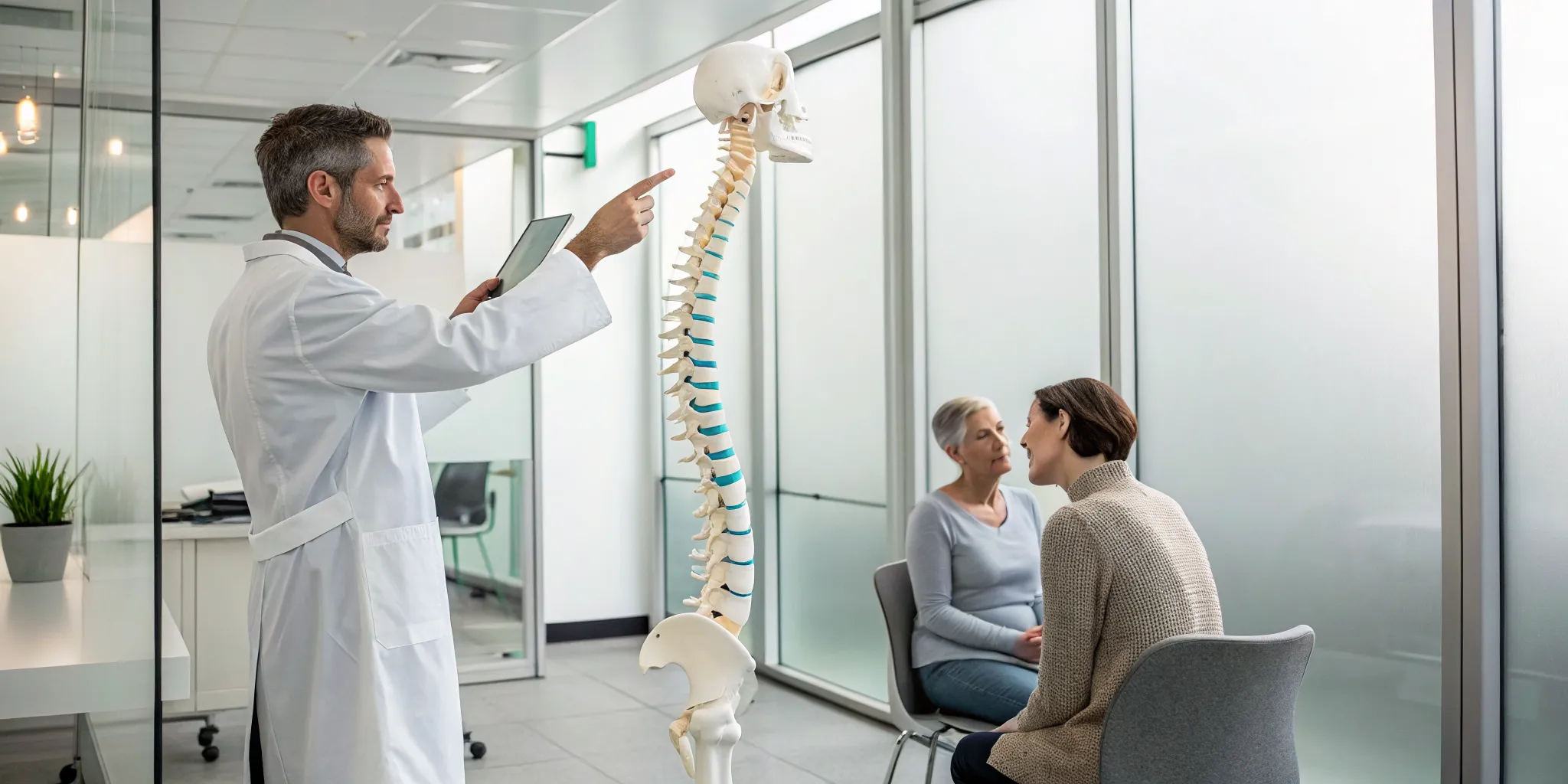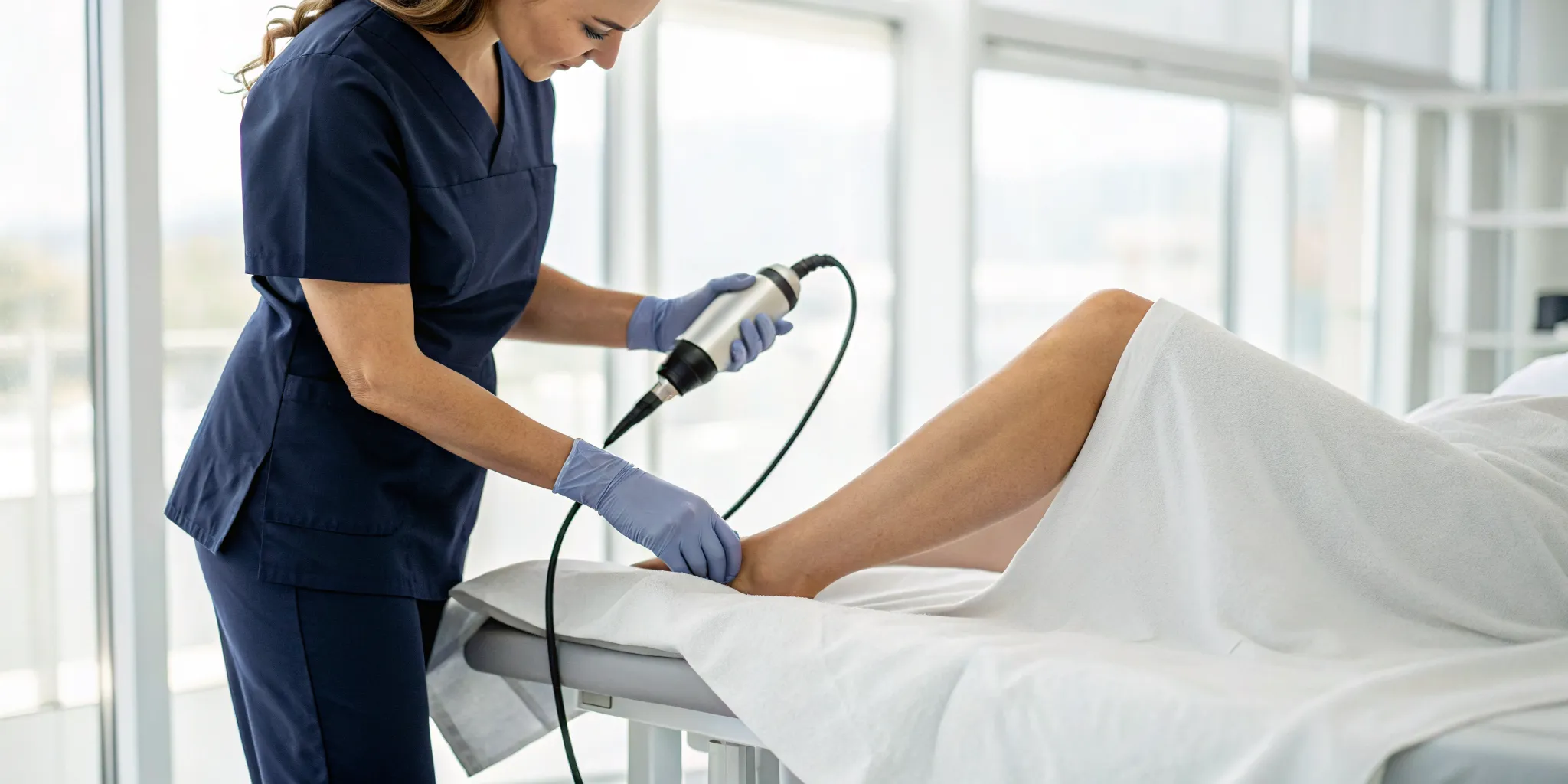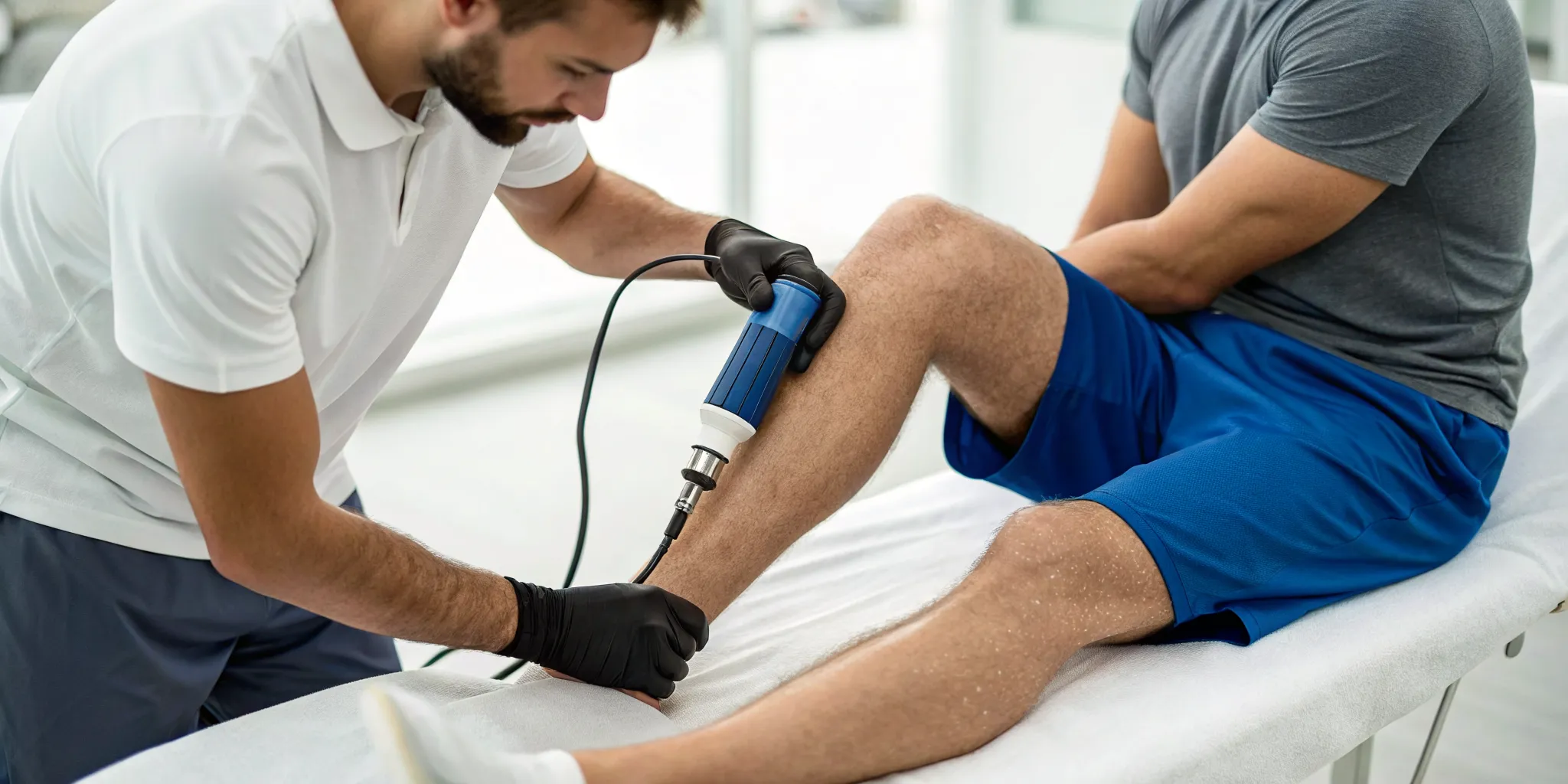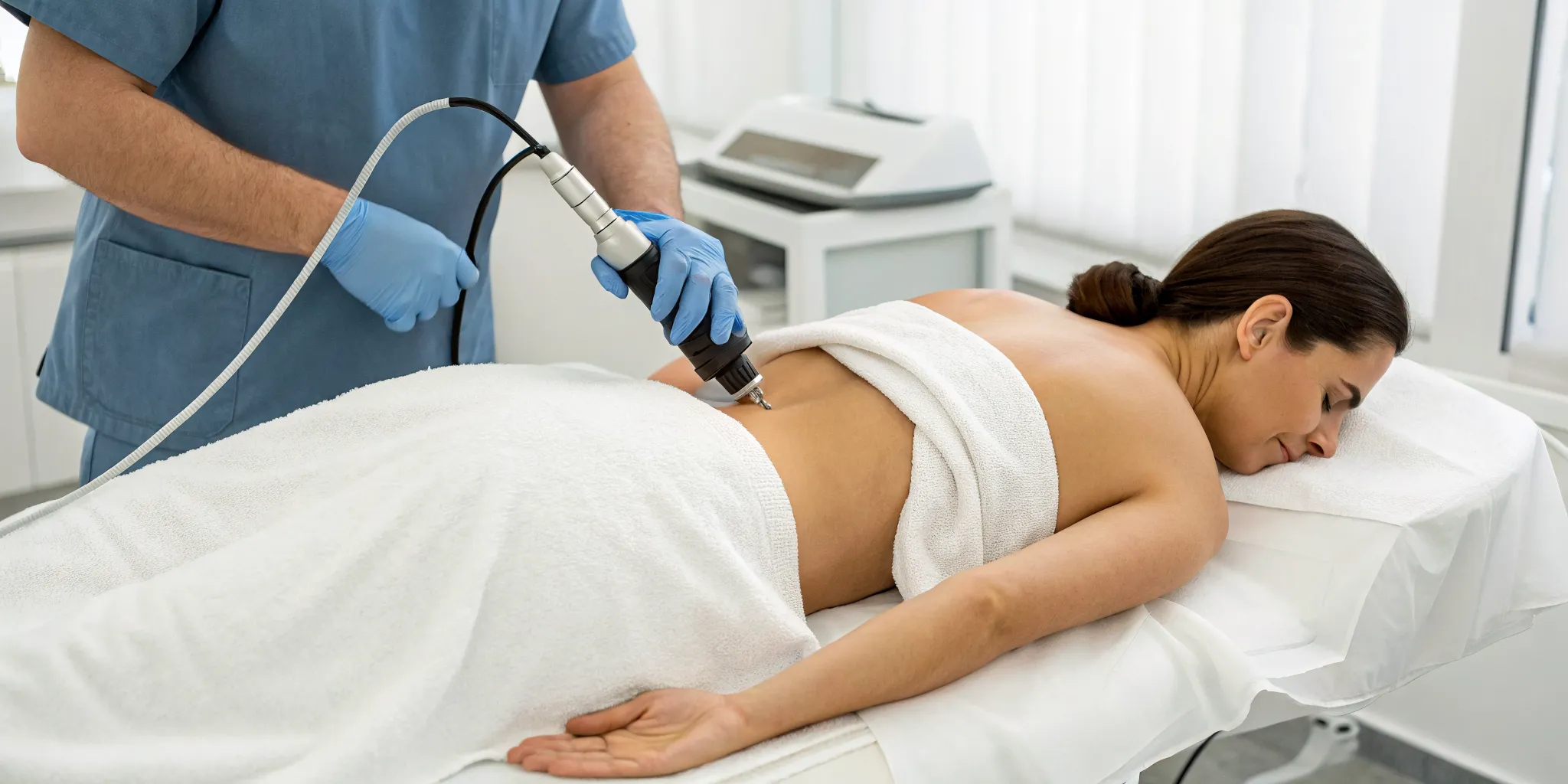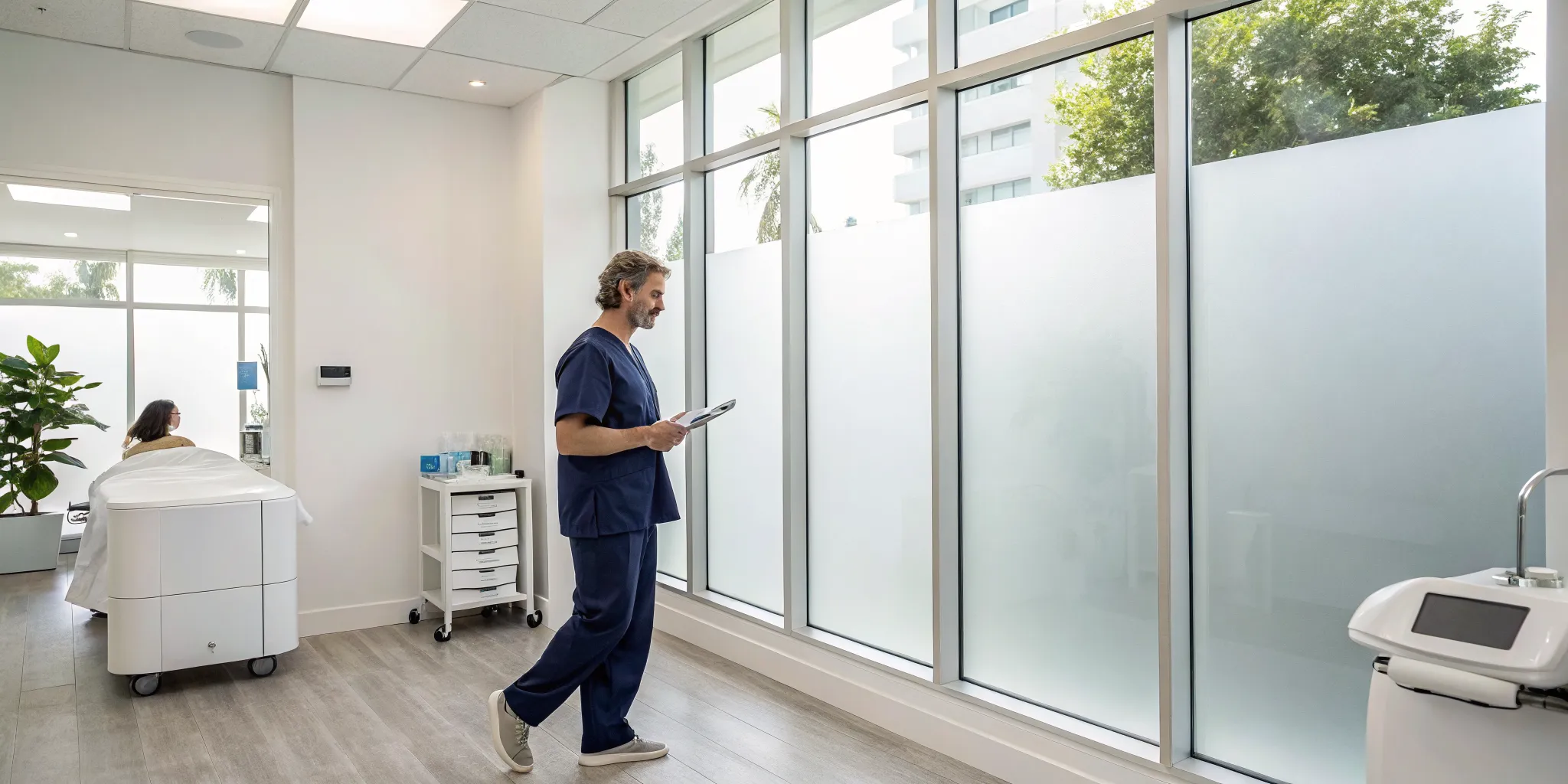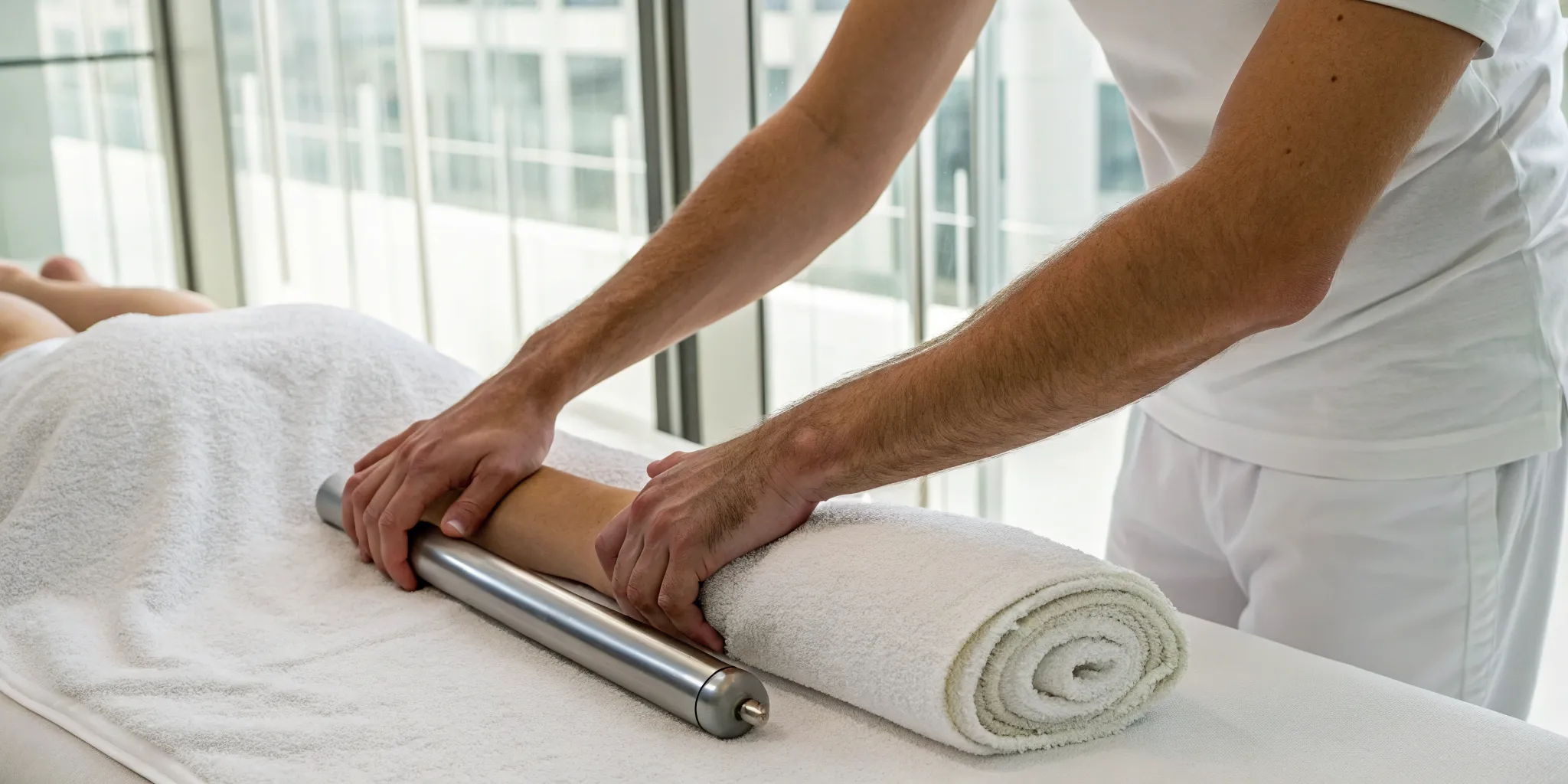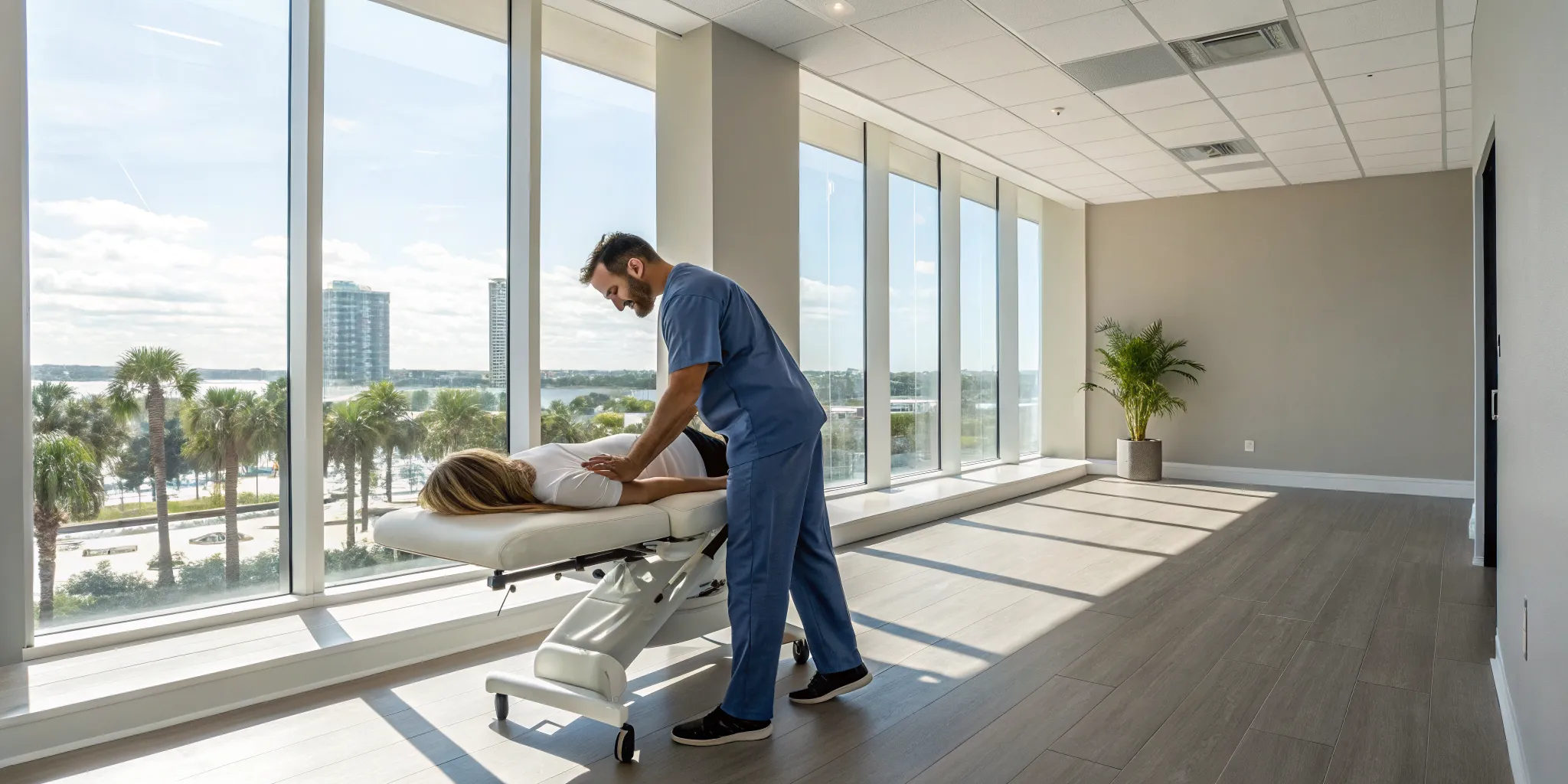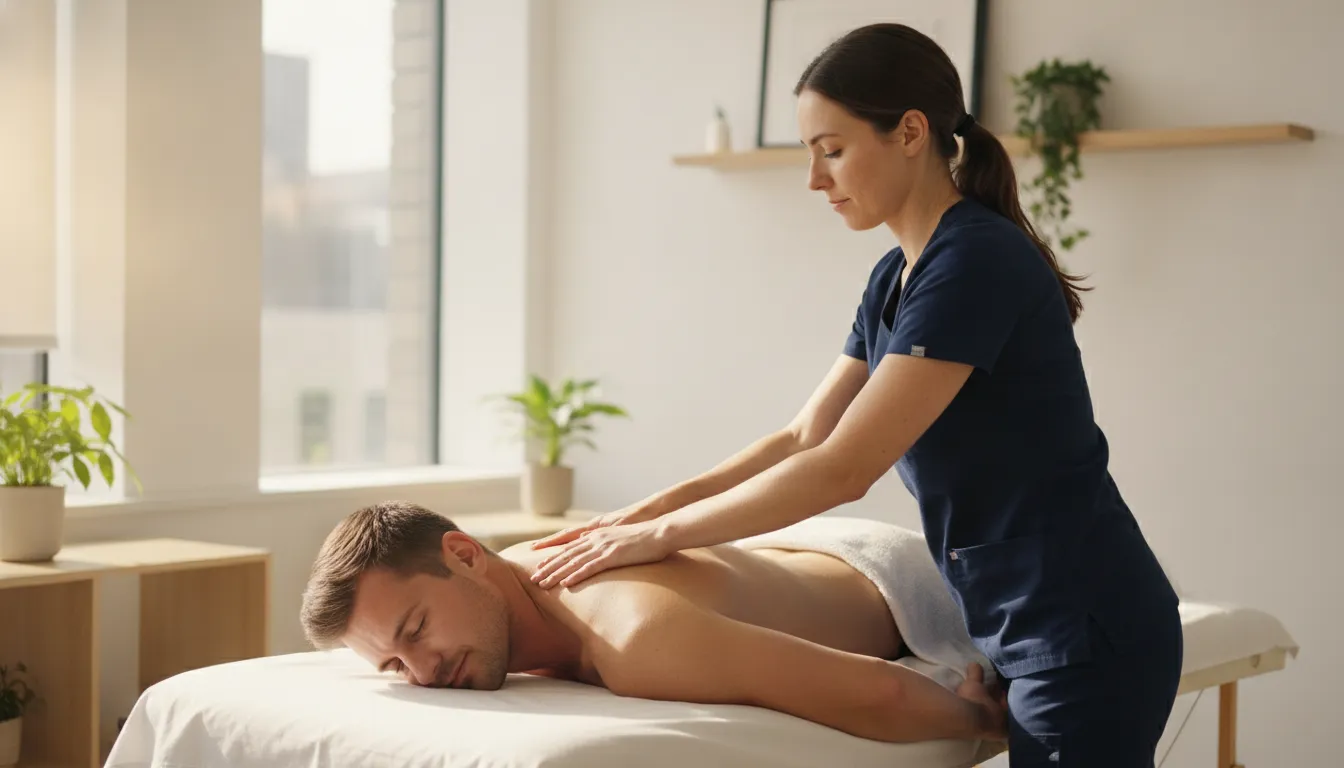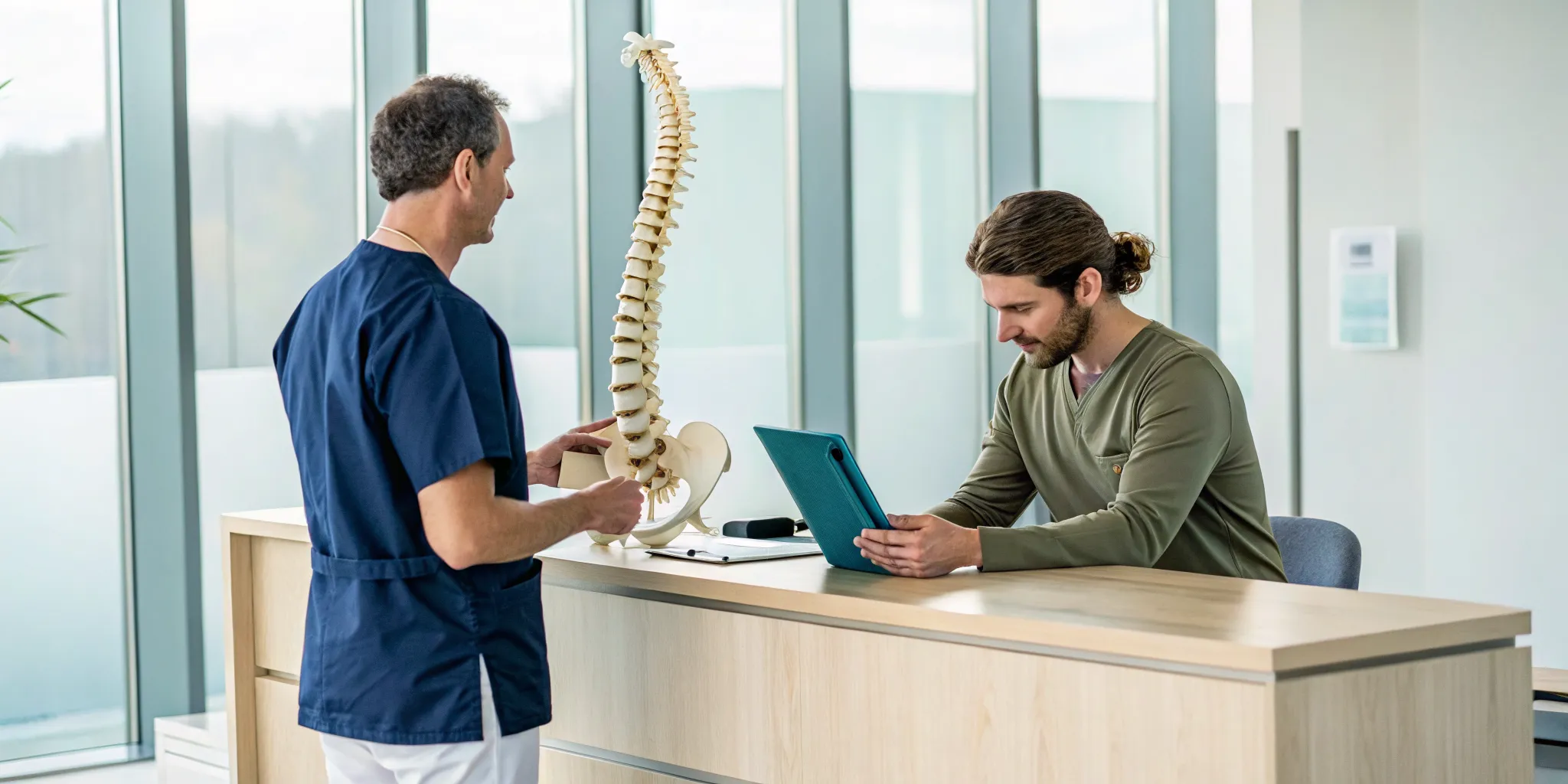
Living with chronic pain can be incredibly frustrating, especially when it feels like you’ve exhausted all your options. What if you could find a solution that works with your body instead of against it? SoftWave Therapy is a modern physical medicine treatment that does just that. It uses patented technology to send acoustic waves deep into injured tissue, essentially waking up your body’s natural repair crew. This process helps reduce inflammation and improve circulation to promote true healing at the source. For those searching for SoftWave therapy for pain near me, understanding how this non-invasive treatment supports your body’s innate ability to heal is the first step toward getting back to the life you love.
Key Takeaways
- Focus on root-cause healing: SoftWave uses acoustic waves to activate your body's natural repair mechanisms, like improving blood flow and recruiting stem cells. This helps address the source of your pain for more sustainable relief.
- Find relief for persistent pain: This versatile therapy is effective for a wide range of soft tissue and joint issues, from chronic back pain and shoulder injuries to plantar fasciitis. It's a non-invasive option for many types of discomfort.
- Expect a straightforward treatment plan: Sessions are quick (about 10 to 15 minutes) with minimal downtime, so you can get back to your day. A series of treatments is typically planned to support your body's healing cycle and achieve lasting results.
What is SoftWave Therapy?
If you're dealing with persistent pain, you’ve likely explored many avenues for relief. SoftWave Therapy, also known as extracorporeal shockwave therapy (ESWT), is a non-invasive treatment cleared by the FDA to help reduce pain and improve mobility. Think of it as a way to jumpstart your body’s own repair crew. Instead of just masking symptoms, this innovative approach is designed to address the root cause of your discomfort by stimulating healing from within. It’s a cornerstone of modern physical medicine that aligns with a holistic view of health, focusing on restoring function rather than just managing pain. By working with your body, SoftWave can help you get back to the activities you love without lengthy recovery times.
How It Activates Your Body's Natural Healing
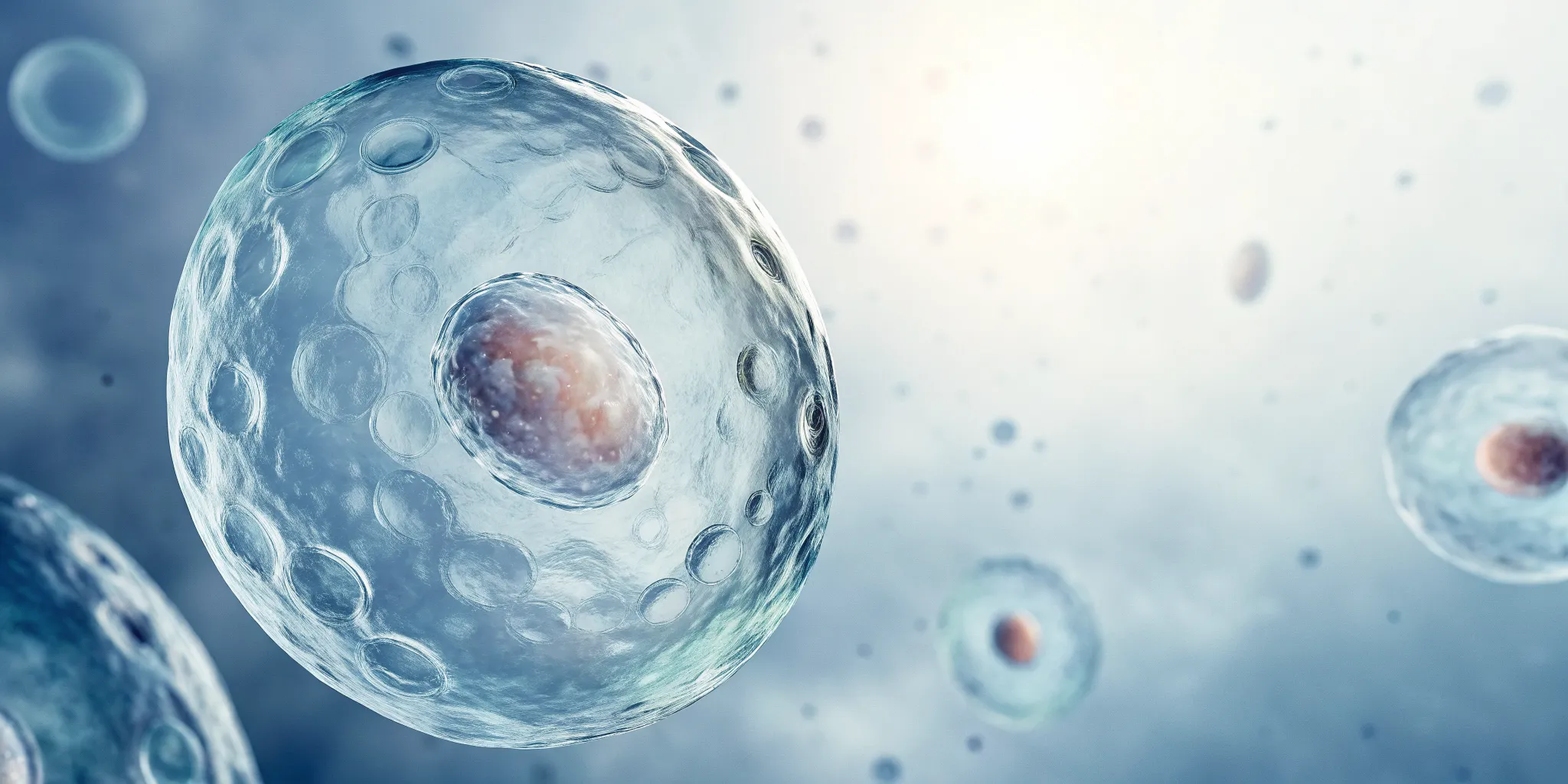
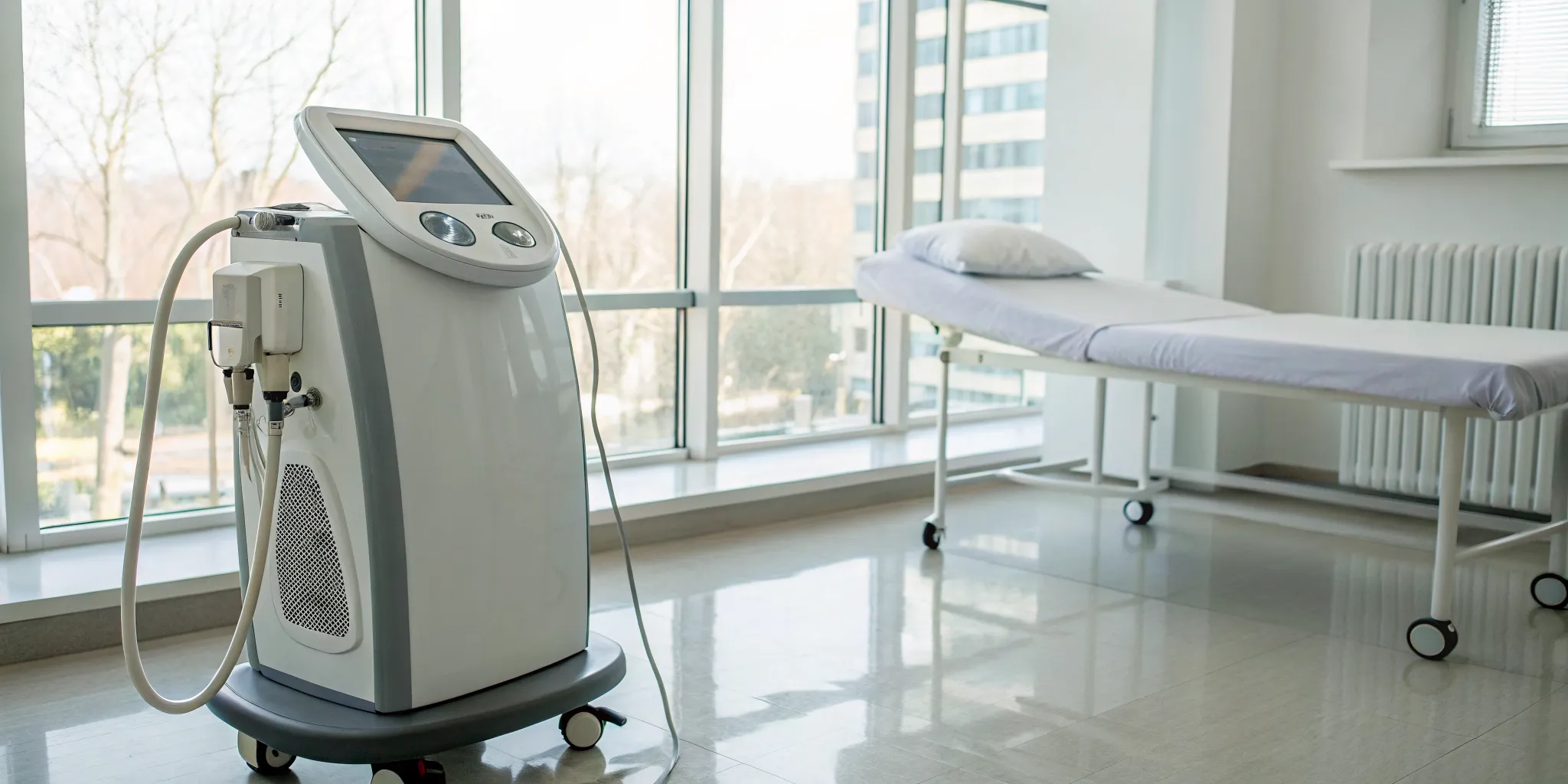
So, how does it actually work? SoftWave uses patented technology to send electrohydraulic-generated acoustic waves deep into your injured tissues. These waves are not electrical pulses or heat; they are sound waves that create a gentle yet powerful mechanical force. This process triggers a biological response at the cellular level, essentially waking up your body's natural healing mechanisms. It helps improve blood supply, reduces inflammation, and stimulates the migration of your own stem cells to the area. The best part is that it does all of this without causing additional tissue trauma, making it a gentle option for many different people and conditions. This focus on facilitating the body's innate ability to heal is central to our philosophy at Ascend.
SoftWave vs. Other Pain Relief Therapies
When looking for pain relief, you'll find many options, and it's important to understand the differences. Unlike some conventional treatments that may involve injections and potential side effects, SoftWave is non-invasive and works to regenerate tissue rather than just suppress inflammation. It also differs from therapies like ultrasound or TENS, which use thermal or electrical energy. SoftWave delivers mechanical acoustic energy to stimulate a deeper, more foundational healing response. This makes it a unique and powerful tool for a wide variety of conditions we treat, from chronic back pain to nagging joint issues, offering a path toward lasting relief by repairing the source of the problem.
Is SoftWave Therapy Safe?
Safety is naturally a top concern when considering any new treatment. You can feel confident knowing that SoftWave Therapy is generally very well-tolerated. Most people experience little to no side effects. When they do occur, they are typically mild and temporary, such as slight redness or soreness in the treated area that subsides quickly. Because the technology is designed to promote your body’s natural healing processes without being invasive, it’s considered a safe option for many individuals. The goal is to support your body’s recovery, not introduce new complications. Hearing directly from others can be reassuring, and we invite you to read our patient testimonials to learn about their experiences.
What Conditions Does SoftWave Therapy Address?
One of the most common questions we get is, "What can SoftWave actually help with?" The answer is quite a lot. Because this therapy works by prompting your body’s own healing processes, its applications are incredibly broad. It’s not a temporary fix for a single symptom; it’s a way to address the root cause of dysfunction in your tissues. From nagging aches that have been around for years to more specific injuries that just won’t heal, SoftWave can make a significant difference. It’s a versatile tool in our physical medicine toolkit, helping patients find lasting relief and get back to their lives.
The technology uses electrohydraulic acoustic waves to create a short but intense energy wave that travels through the skin to the affected area. This process, known as mechanotransduction, essentially wakes up the cells in that area. It signals them to increase circulation, reduce inflammation, and even recruit your body's own stem cells to the site of injury to begin repair and regeneration. This is why it's effective for such a wide array of issues. Whether the problem is in a muscle, tendon, ligament, or joint, the goal is the same: to stimulate your body’s innate ability to heal itself. Below, we’ll cover some of the most common conditions we see improve with this innovative approach.
Chronic back and neck pain
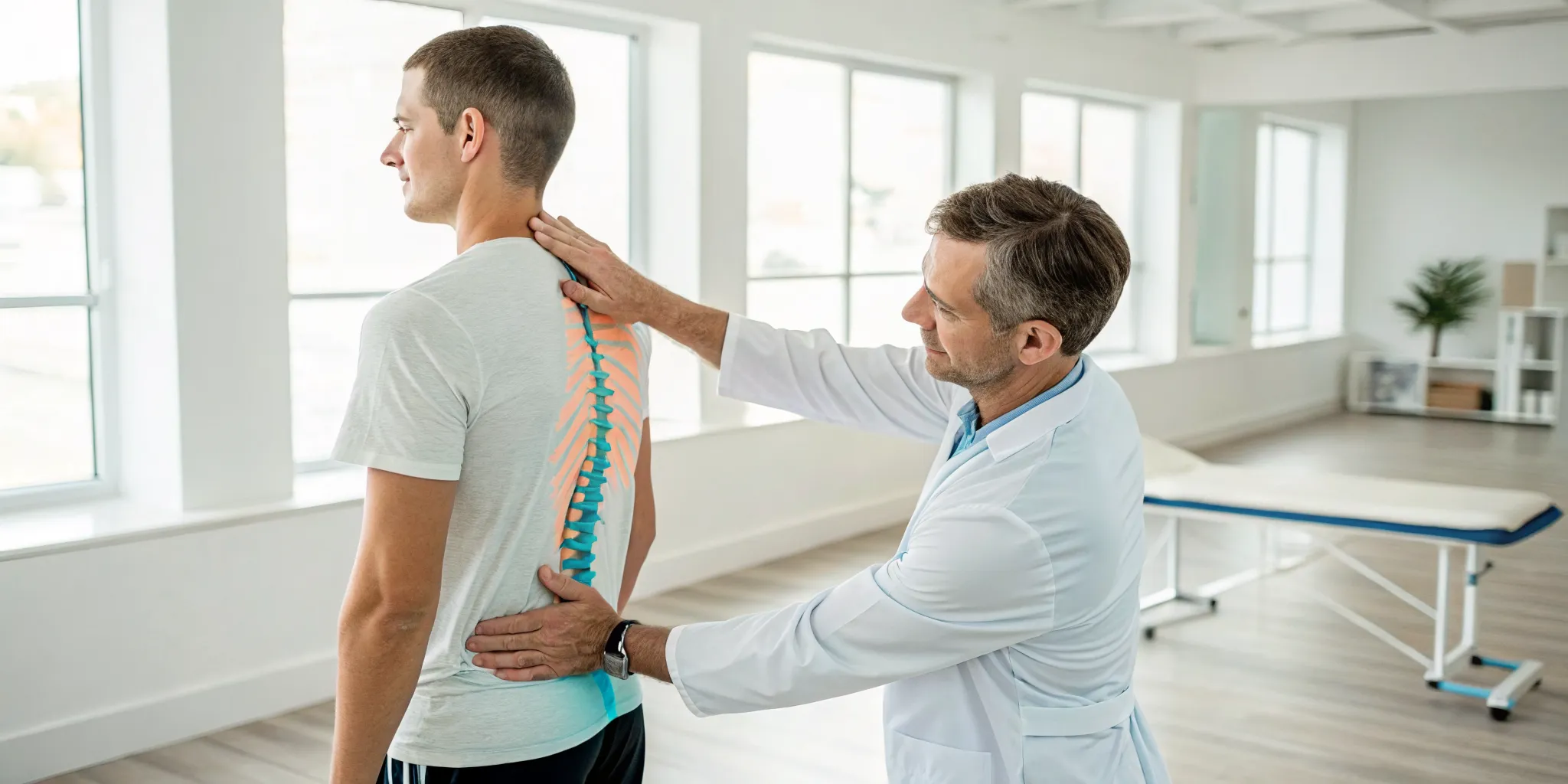
If you’ve been dealing with persistent back or neck pain, you know how draining it can be. Often, this kind of long-term discomfort is tied to issues like poor circulation, inflammation, and tight fascia (the connective tissue surrounding your muscles). SoftWave therapy targets these underlying problems directly. The electrohydraulic acoustic waves stimulate blood flow and wake up your body’s natural repair crews, your stem cells. This process helps reduce inflammation and release tension in deep muscle tissues that are difficult to address with other methods. By encouraging your body to heal itself from the inside out, SoftWave can provide lasting relief from chronic pain that has lingered for months or even years.
Knee pain and shoulder injuries
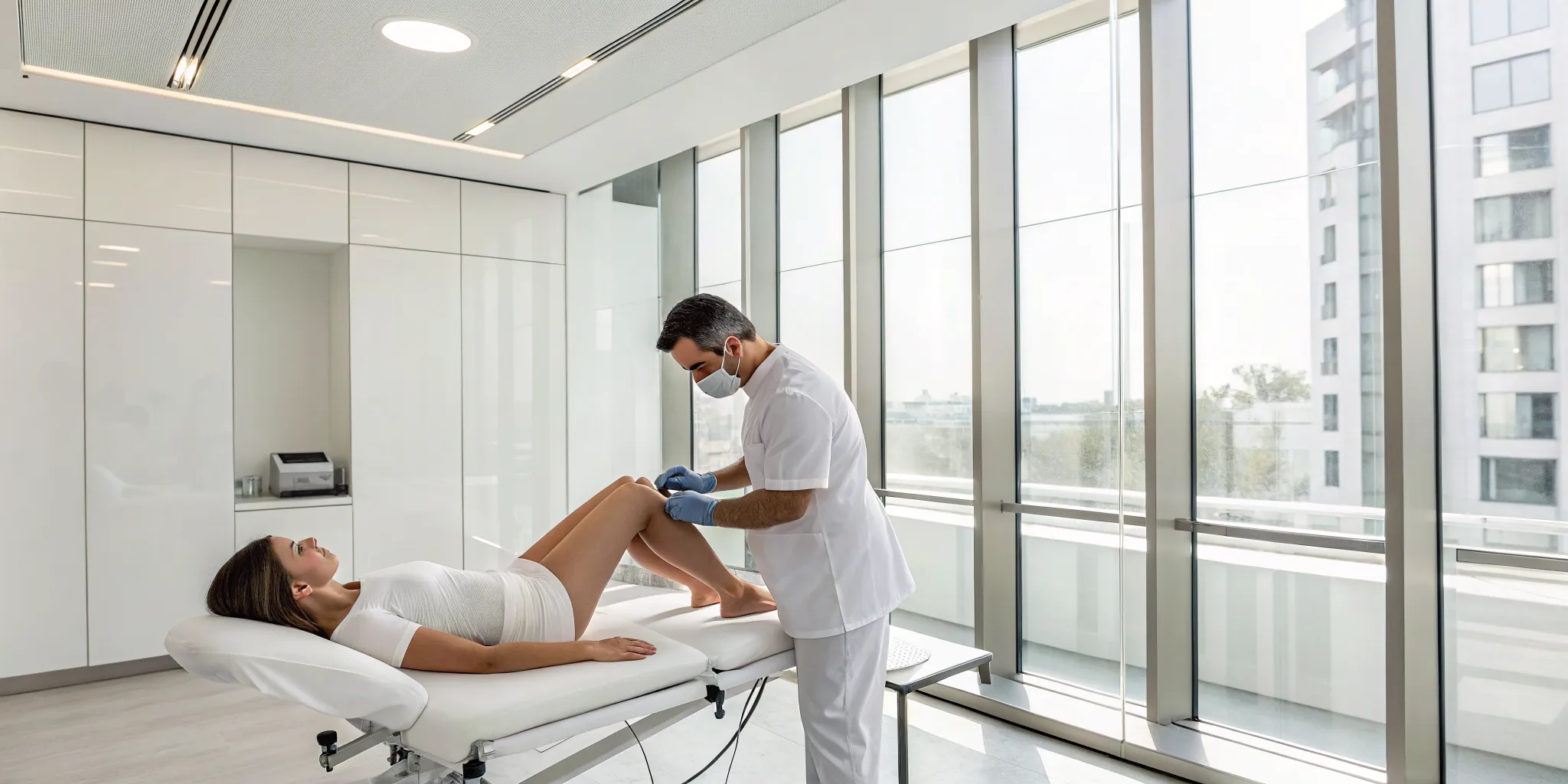
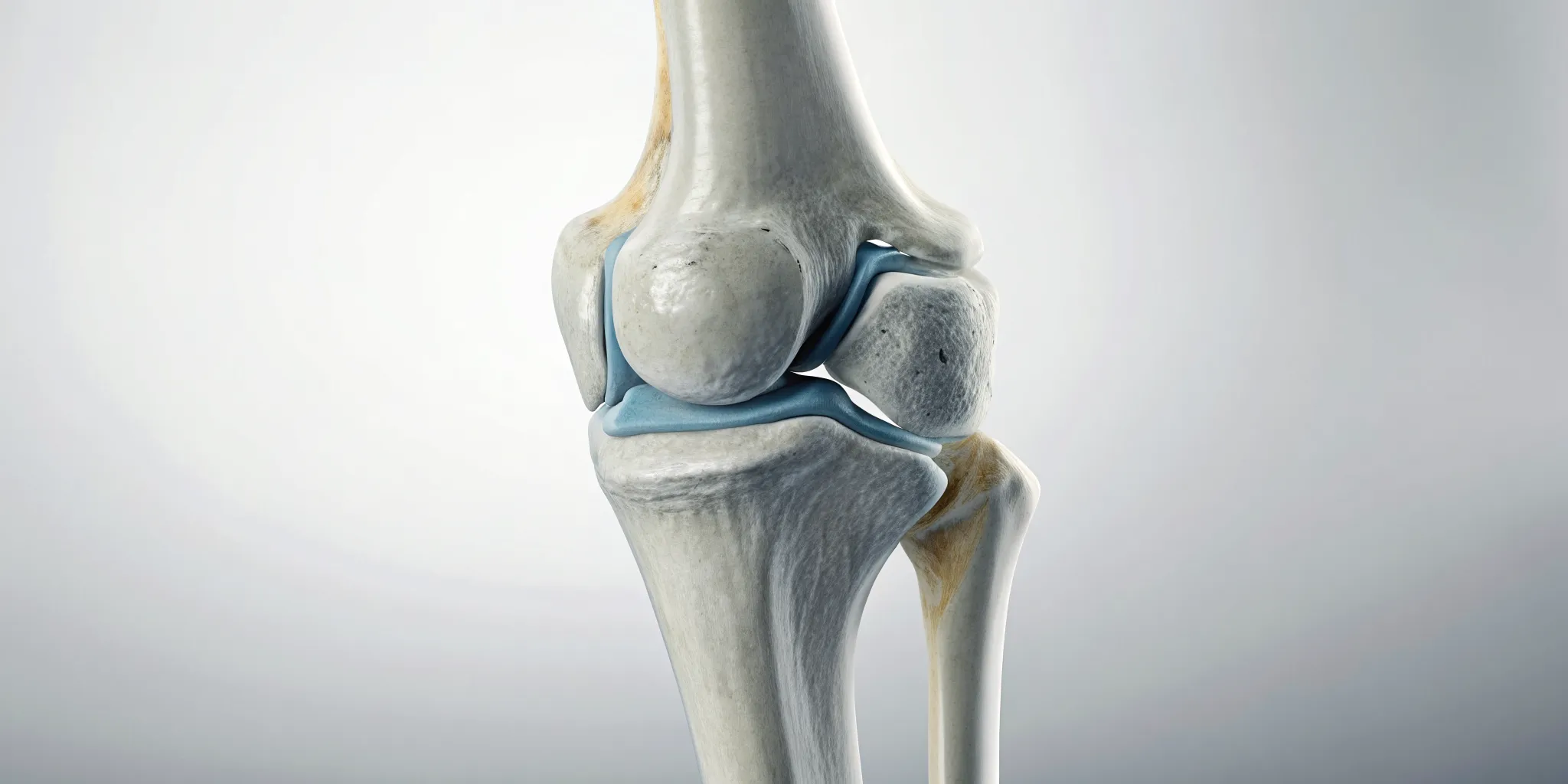
Knees and shoulders are complex joints that see a lot of daily wear and tear, making them prone to injury and chronic pain. Conditions like rotator cuff injuries, tendonitis, and general joint pain can seriously limit your movement and quality of life. SoftWave therapy offers a non-invasive way to promote healing in these specific areas. The acoustic waves penetrate deep into the joint tissue, increasing blood supply and activating a cellular healing response. This helps repair damaged tissues, reduce scar tissue, and decrease inflammation. For many of our patients, it’s an effective way to address the source of their pain and improve function without resorting to more aggressive interventions.
Plantar fasciitis and joint pain
That sharp, stabbing pain in your heel when you first step out of bed is the classic sign of plantar fasciitis. This stubborn condition is caused by inflammation of the tissue band connecting your heel to your toes. SoftWave therapy is particularly effective for this, as it helps break down scar tissue and stimulates fresh blood flow to the inflamed area, promoting faster healing. Beyond the feet, this therapy also addresses pain in other joints like the elbows, wrists, and ankles. By targeting the precise area of injury, SoftWave helps your body’s own healing mechanisms get to work, offering a path to relief for many of the conditions we treat.
Nerve pain and neuropathy
Nerve-related pain, or neuropathy, can feel like burning, tingling, or numbness, and it’s often challenging to manage. This type of pain happens when nerves are damaged or dysfunctional. SoftWave therapy can help by improving the environment around the affected nerves. The sound waves increase circulation, which delivers more oxygen and nutrients essential for nerve health and repair. This process helps calm irritated nerves and supports the body’s ability to regenerate tissue. By addressing pain at the cellular level, SoftWave offers a promising approach for those struggling with neuropathy and other forms of nerve pain, helping to restore sensation and reduce discomfort.
What to Expect During Your SoftWave Sessions
If you're considering SoftWave therapy, you probably have questions about what the process actually looks like. It’s completely normal to want to understand what happens during treatment, from the first session to the last. Knowing what to expect can help you feel more comfortable and confident as you begin your healing journey. The process is straightforward, and our team at Ascend Functional Health is here to guide you every step of the way.
We'll walk you through the length of a session, what it feels like, and how many treatments you might need to see lasting results. We believe in clear communication and want you to feel fully informed about the care you receive.
Your First Treatment: Length and Sensation
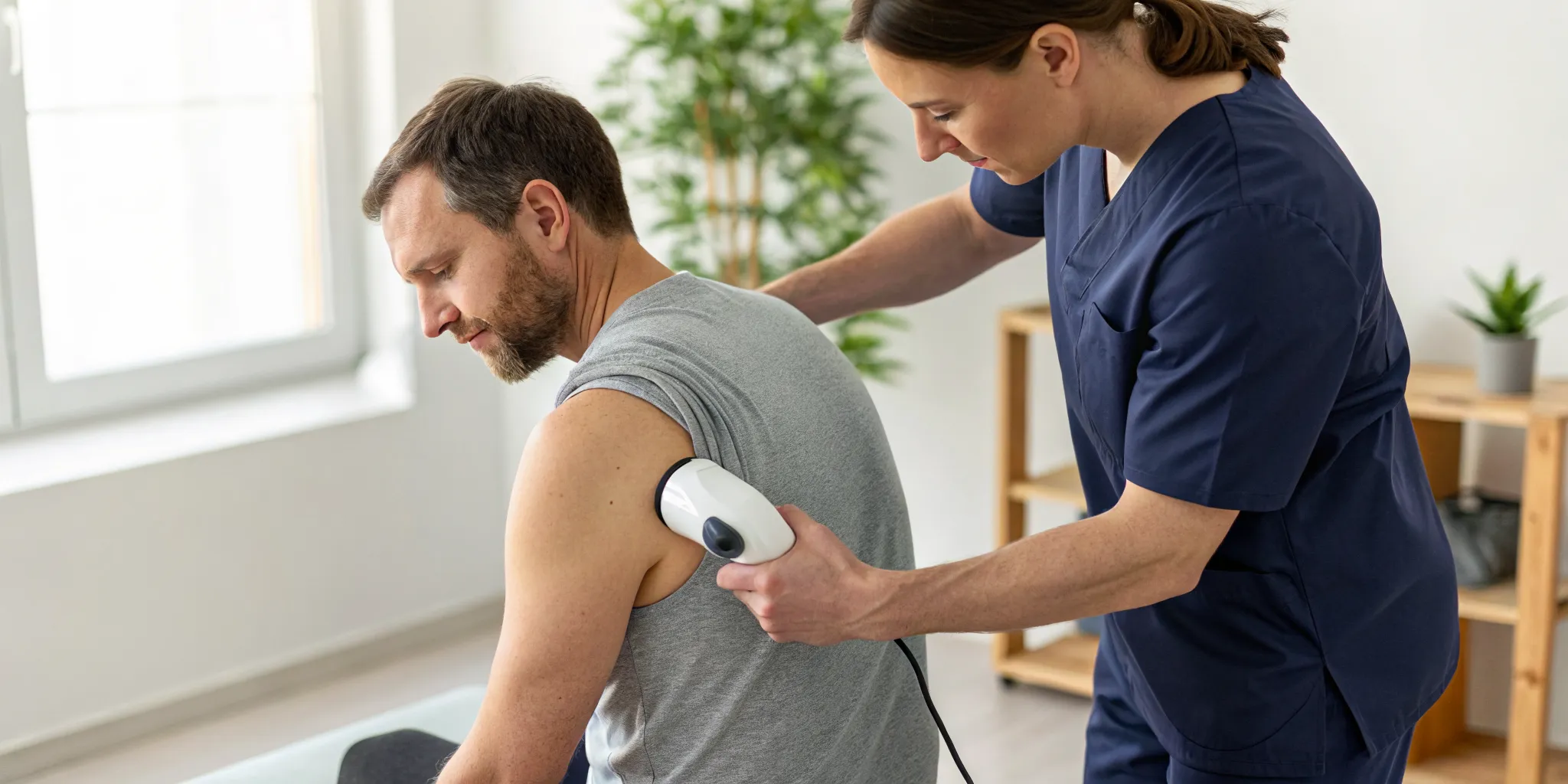
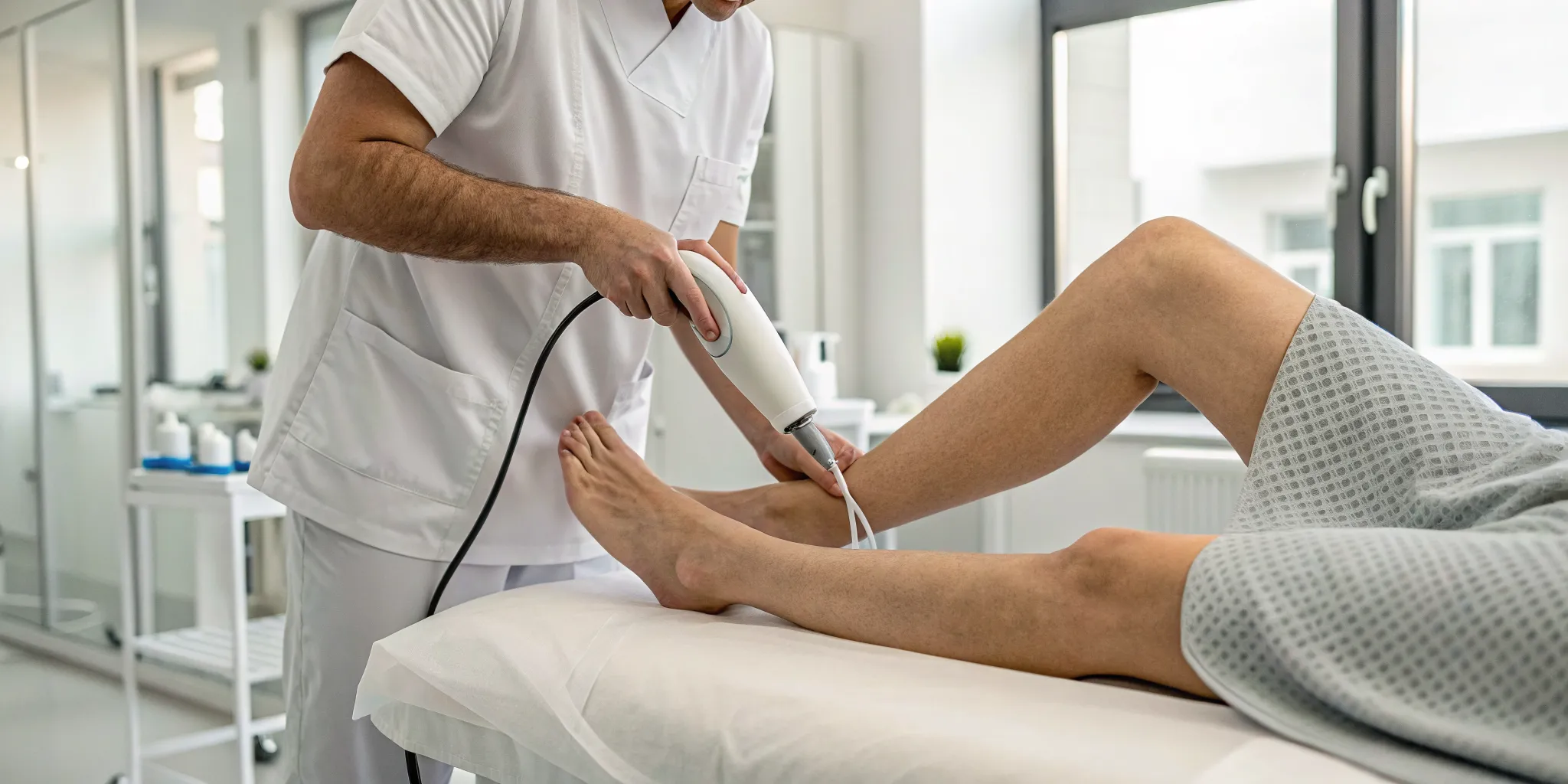
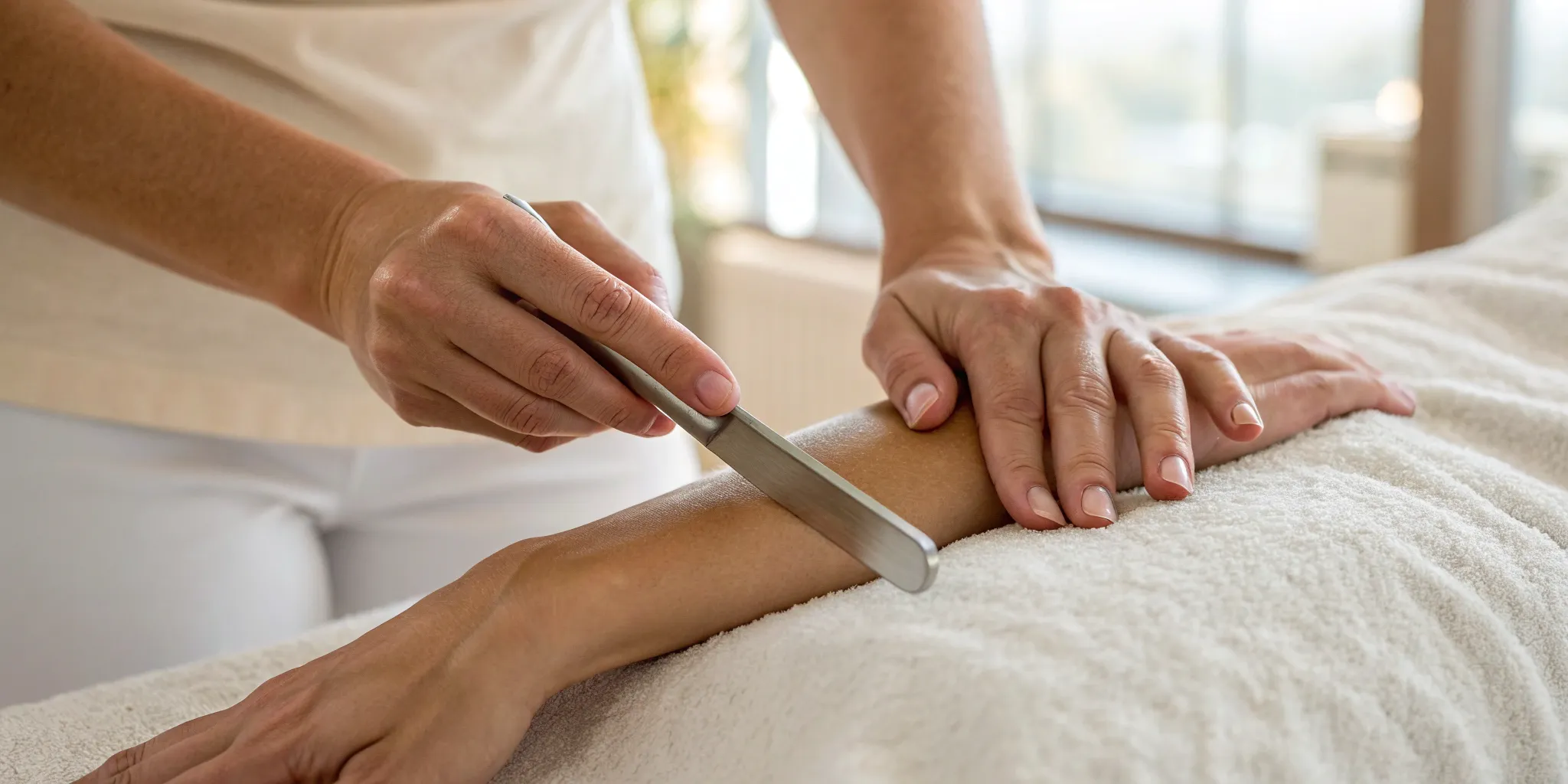
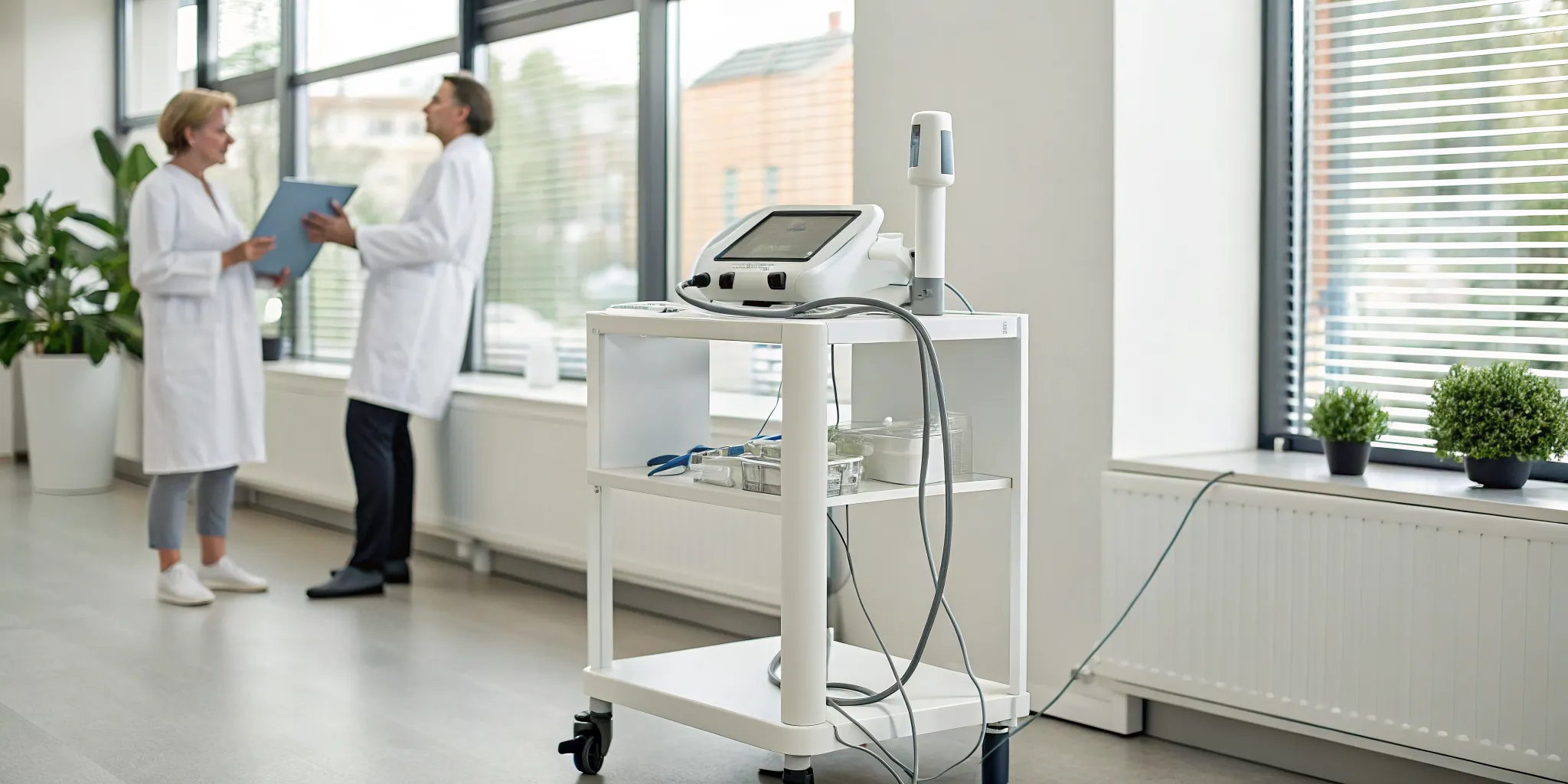
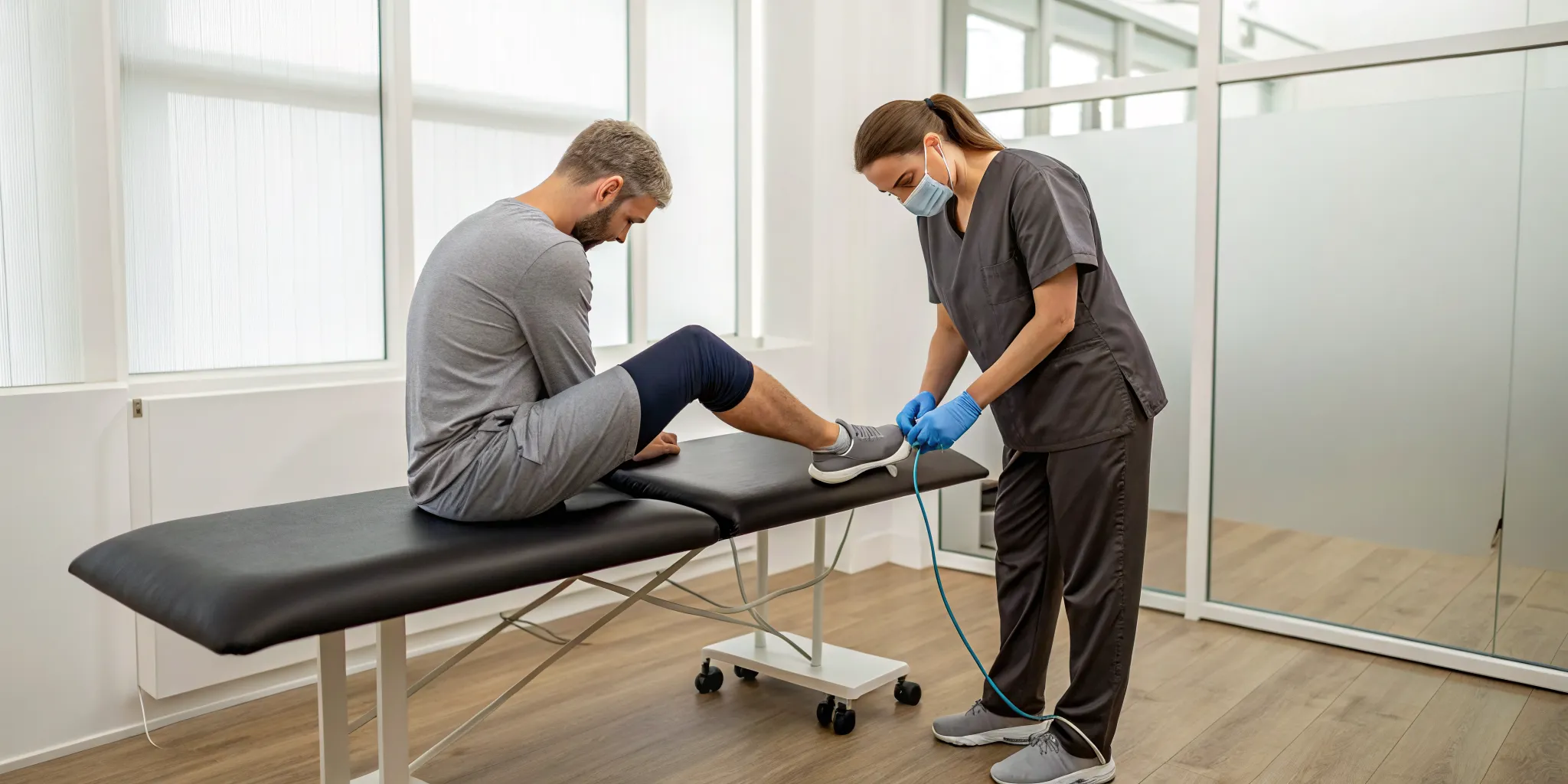
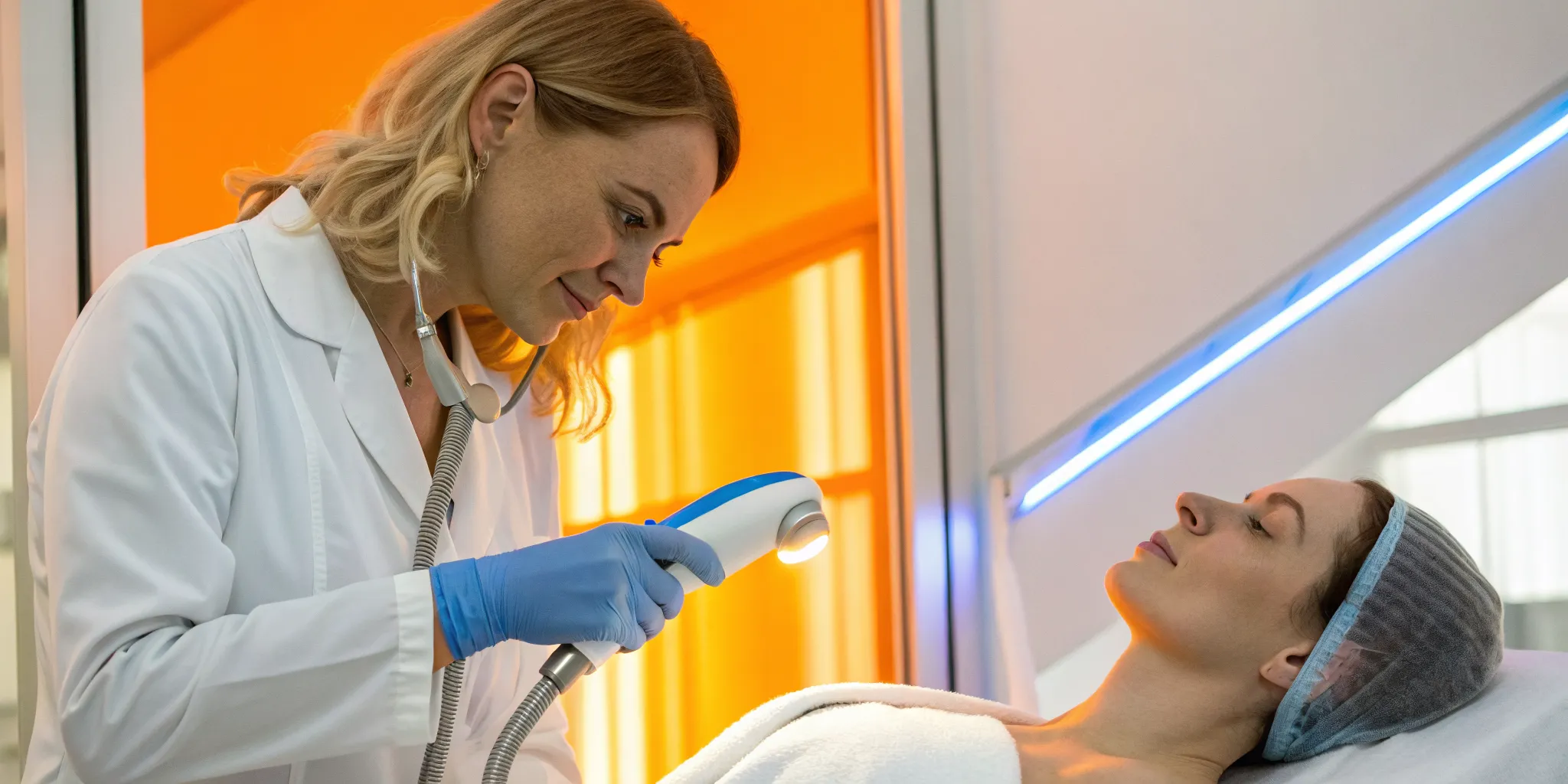
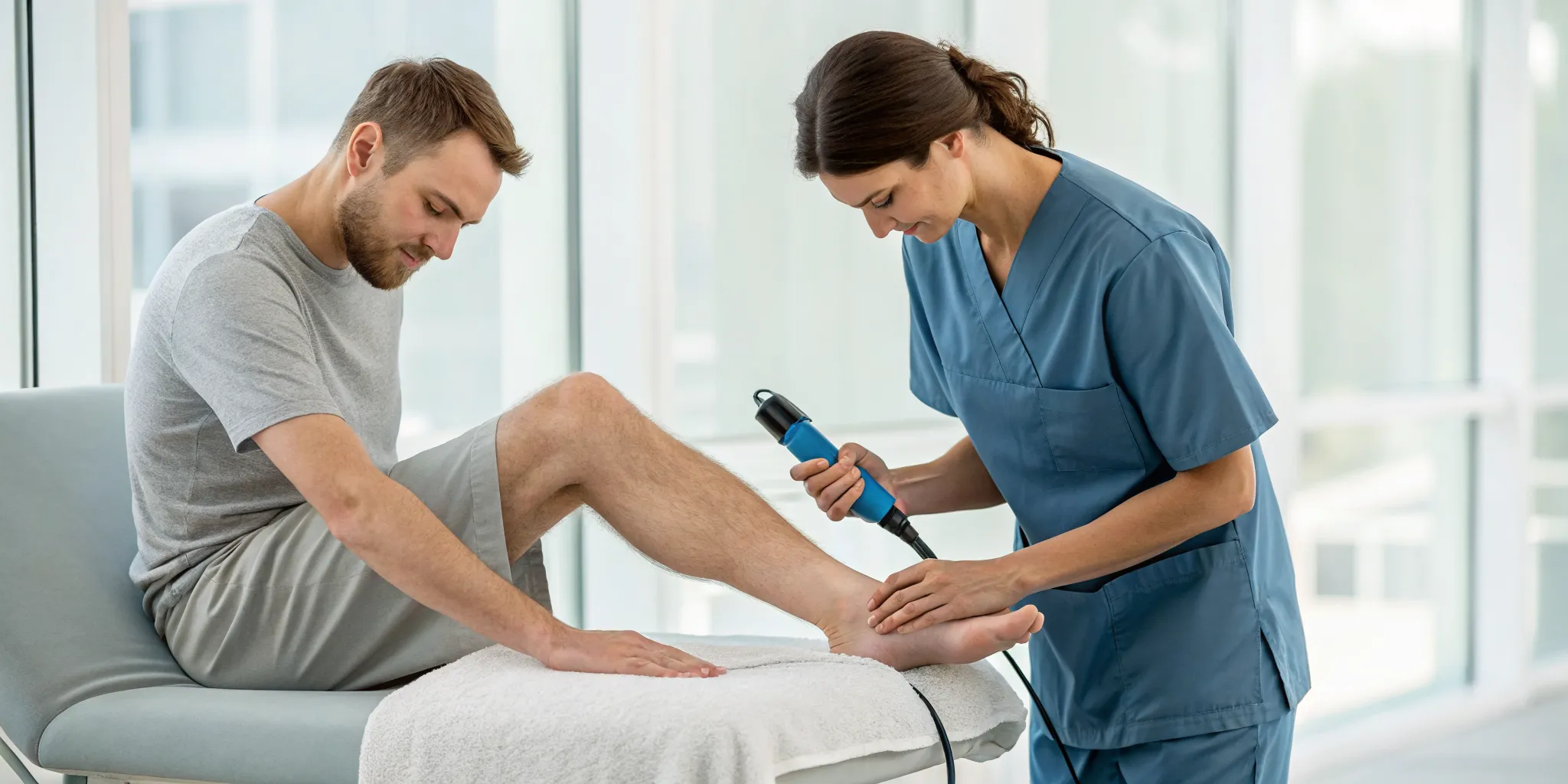
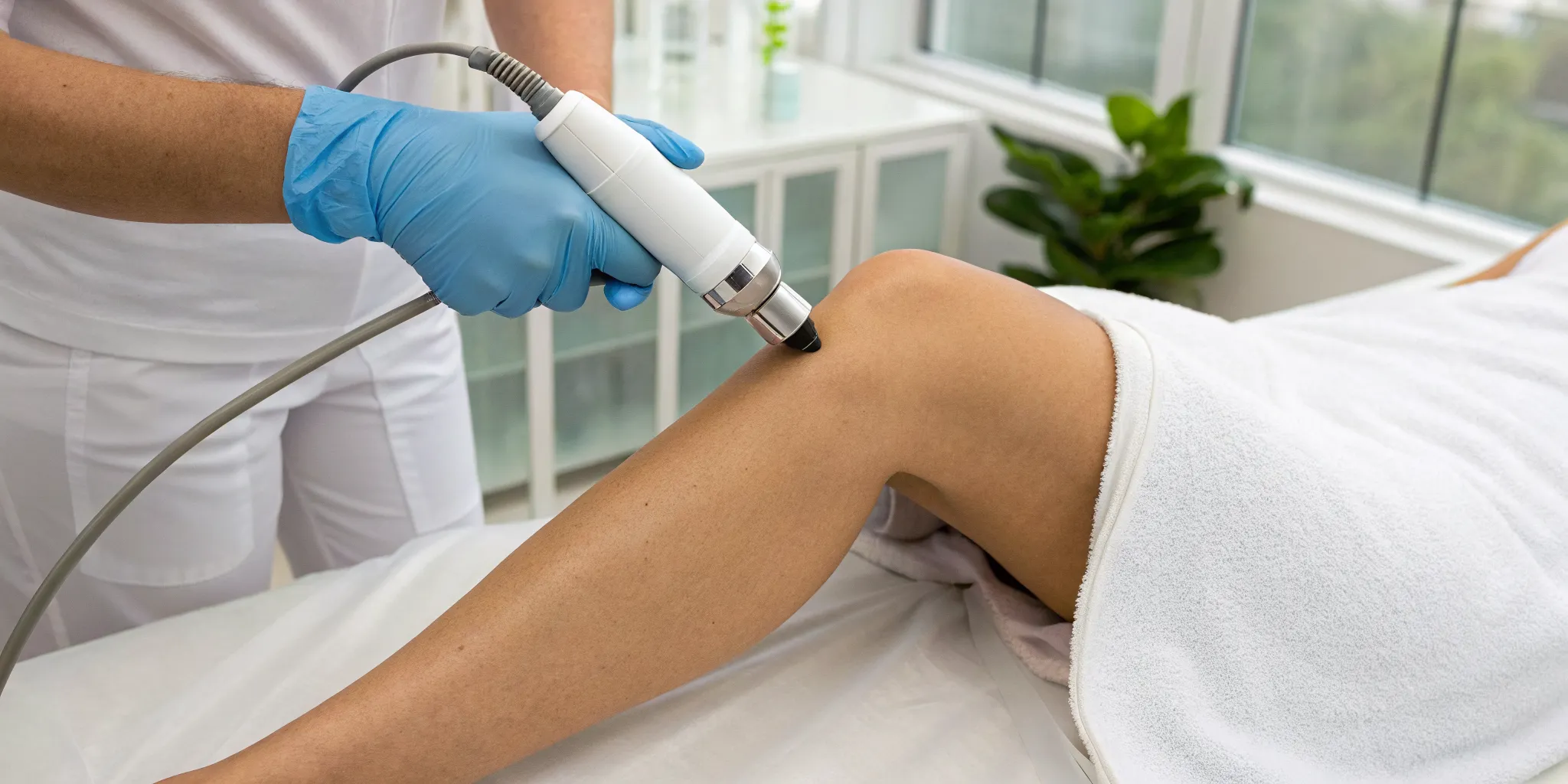
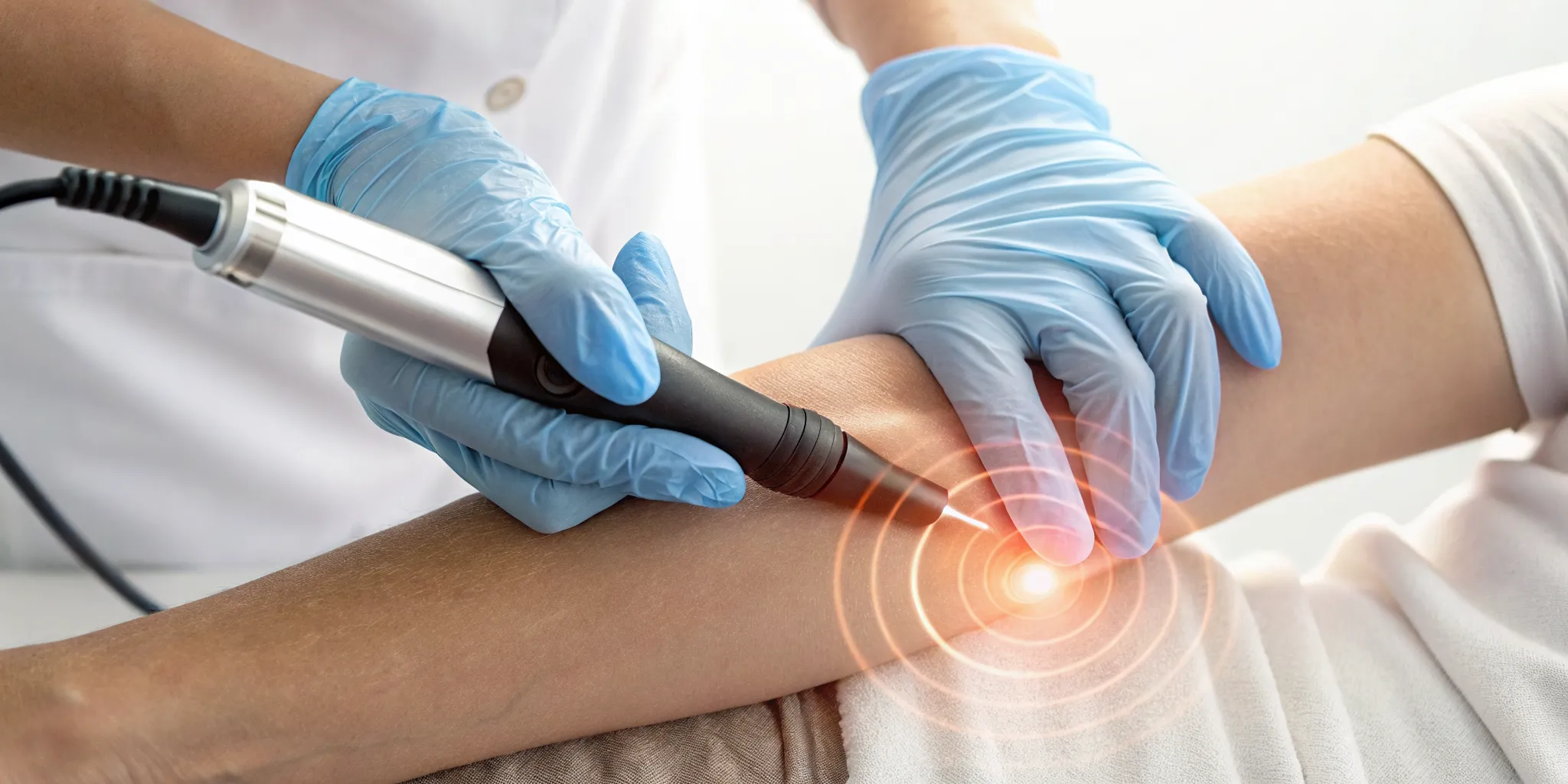
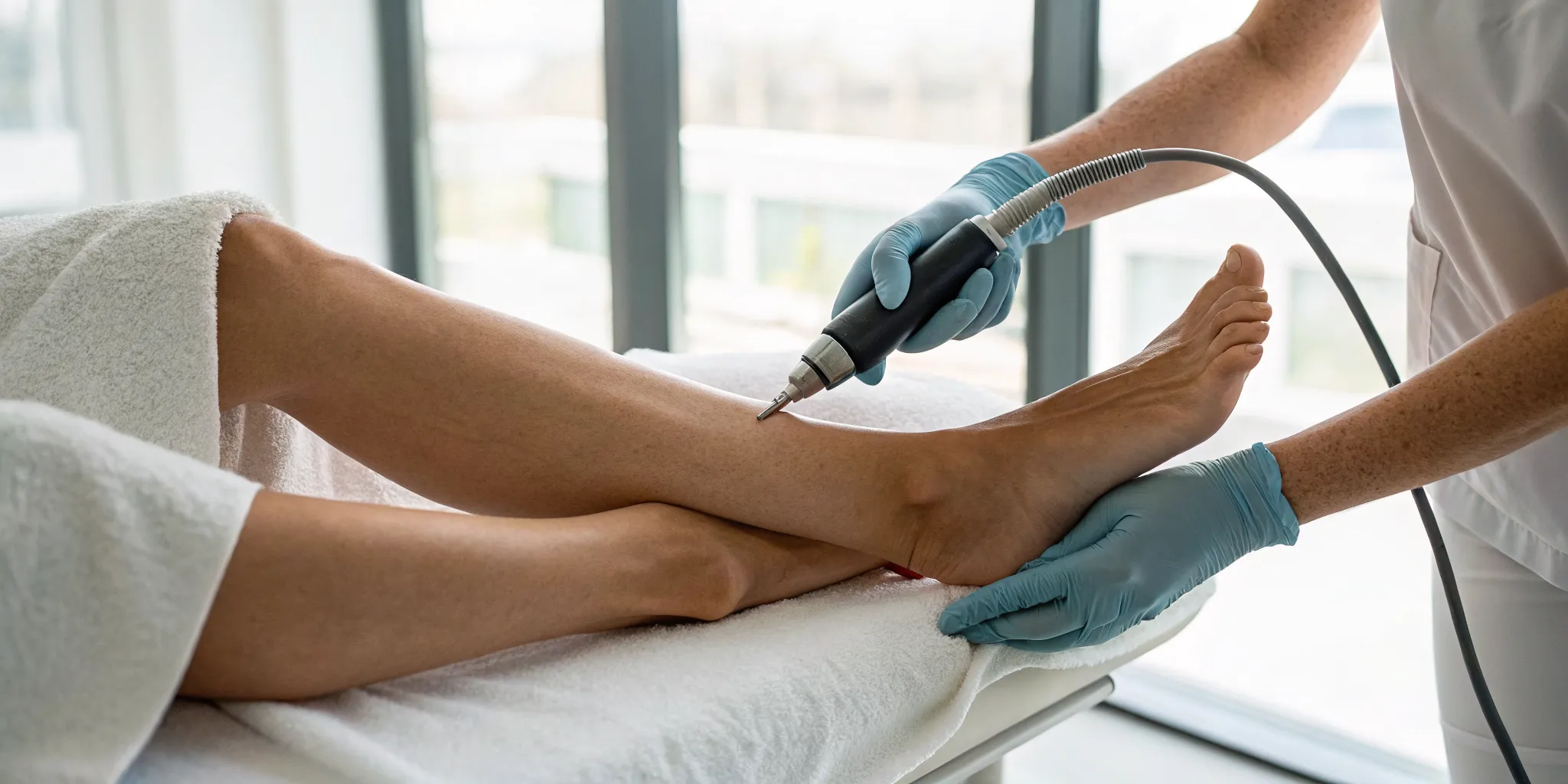
Your first SoftWave session is a simple and non-invasive experience. The treatment uses patented technology to send unfocused shockwaves into your tissues, which helps to improve blood supply and initiate your body's natural healing process. Most sessions are relatively quick, typically lasting between 10 to 15 minutes. During the treatment, a team member will apply a gel to the target area and move a handheld applicator over your skin.
Many people describe the sensation as a light tapping. One of the best parts of this therapy is that there is little to no downtime required afterward. Most patients report few, if any, side effects. When they do occur, they are usually mild and temporary, like slight redness or soreness in the treated area. Our approach to physical medicine prioritizes your comfort and well-being throughout the entire process.
How Many Sessions Will You Need?
True healing takes time, and SoftWave therapy is designed to create lasting change rather than a temporary fix. Because of this, real regeneration requires completing a full treatment protocol. While every person’s body and condition are unique, most people achieve the best results after a series of three to six sessions. We typically schedule these appointments about one week apart.
This spacing is intentional, as each session builds upon the progress of the last one, giving your body the consistent support it needs to repair and regenerate tissues. We will work with you to create a personalized plan tailored to the specific conditions we treat and your individual health goals, ensuring you get the most out of your therapy.
How Long Do the Benefits Last?
One of the most common questions we get is about the longevity of the results. The benefits of SoftWave therapy can be quite durable, often lasting for several months or even longer. Because this therapy works by stimulating your body’s own healing mechanisms at a cellular level, the changes are not just superficial. You are addressing the root cause of the pain and dysfunction, not just masking the symptoms.
This non-invasive approach is effective for a wide range of musculoskeletal and soft tissue conditions. Our goal at Ascend Functional Health is to help you achieve long-term wellness, and SoftWave therapy is a powerful tool that supports that mission. You can learn more about our philosophy on creating sustainable health.
Aftercare and Recovery
After your SoftWave session, there isn't a complicated recovery process. Since the treatment is non-invasive, you can typically return to your daily activities right away. However, to get the best results and ensure a smooth process, it’s important to follow the guidance provided by your practitioner. We may give you simple aftercare instructions, such as staying hydrated or avoiding strenuous activity for a day or two.
Open communication is key. We encourage you to share any sensations or concerns you have with our team as you move through your treatment plan. We are here to support you and make adjustments as needed. If you ever have questions about your care, please don't hesitate to contact our Tampa office.
Finding SoftWave Therapy in Tampa
Once you’ve decided to explore SoftWave, the next step is finding the right team to guide you. In Tampa, you have options, but it’s important to find a provider who understands your unique health picture and can create a plan that addresses the root of your discomfort. This isn't about a temporary fix; it's about finding a partner for your long-term health. Let's walk through what makes someone a good fit for this therapy and how to choose a provider you can trust.
Who is a Good Candidate for SoftWave?
One of the best things about SoftWave is how versatile it is. This therapy is an excellent option for people of all ages dealing with a wide range of conditions. Because the treatment is non-invasive and gentle, it’s suitable even for those with sensitive areas or a low tolerance for pain. If you're struggling with a nagging injury, chronic discomfort, or limited mobility and are looking for a solution that works with your body, you could be a great candidate. It’s a fantastic choice for anyone seeking to support their body’s healing process without invasive procedures.
The Reported Benefits of SoftWave Therapy
People who undergo SoftWave Therapy often report a variety of positive changes that go beyond simple pain relief. The treatment is designed to support your body’s own healing mechanisms. By promoting tissue repair and improving circulation, it helps reduce pain and inflammation at the source. Many also experience an enhanced range of motion and increased collagen production, which contributes to stronger, healthier tissues over time. These long-term benefits mean you’re not just feeling better temporarily; you’re building a foundation for lasting wellness and movement.
How to Choose a Qualified Provider
Choosing the right provider is just as important as choosing the right treatment. Look for a healthcare professional who takes the time to listen and conduct a thorough evaluation of your specific situation. A great provider will discuss your health goals, explain the process clearly, and create a personalized plan for you. You should feel comfortable asking questions and confident that they are monitoring your progress. The goal is to find a team that sees you as a whole person and is committed to guiding you through your healing journey.
Why Tampa Chooses Ascend Functional Health
At Ascend Functional Health, we use SoftWave Therapy as part of our comprehensive approach to wellness. We chose this patented technology because it aligns perfectly with our mission: to help your body heal itself. This non-invasive treatment promotes healing at the cellular level, improves blood supply, and activates your body’s natural repair processes. Our patients choose us because we focus on identifying and addressing the root cause of their health concerns. We integrate our physical medicine services to create a plan that helps you get back to living your life to the fullest.
Related Articles
- SoftWave Tissue Regeneration Therapy in Tampa | Alessi Functional Health
- SoftWave TRT Therapy in Tampa, FL - Alessi Functional Health
- Regenerative Medicine for Pain Recovery | Ascend Functional Health
- What Is Soft Tissue Therapy? A Complete Guide
- Physical Medicine in Tampa | Chiropractic & Rehab Care | Ascend Functional Health
Frequently Asked Questions
Is the SoftWave treatment painful? For most people, the treatment is not painful at all. You’ll feel a tapping sensation as the applicator moves over your skin. The technology is designed to be gentle, and we can adjust the intensity to ensure you remain comfortable throughout the short session. The goal is to stimulate your tissues, not cause more discomfort.
You mention SoftWave activates stem cells. How does that actually work? This is a great question. The therapy doesn't introduce any new stem cells into your body. Instead, the powerful acoustic waves act as a biological signal. This signal travels deep into your tissues and essentially wakes up your body’s own dormant stem cells, recruiting them to the injured area to start the repair and regeneration process. It’s a way of directing your body's own powerful healing resources right where they're needed most.
When can I expect to feel a difference from the treatments? This varies from person to person, as everyone’s body responds differently. Some people report feeling a noticeable reduction in pain or an increase in mobility after just one or two sessions. However, the real, lasting benefits are cumulative. The therapy is designed to regenerate tissue, which takes time. The full series of treatments allows your body to build on the progress from each session, leading to more significant and durable results.
Is SoftWave Therapy a standalone treatment, or is it used with other types of care? While SoftWave is a powerful and effective therapy on its own, we often find it works best as part of a comprehensive care plan. Depending on your specific condition and goals, we may recommend it alongside other physical medicine approaches. Combining therapies allows us to support your body’s healing from multiple angles, which can lead to better and faster outcomes.
I’ve heard of ultrasound therapy. How is SoftWave different? It’s easy to confuse the two, but they work in very different ways. Therapeutic ultrasound uses sound waves to generate deep heat in the tissues, which can help relax muscles and increase circulation temporarily. SoftWave, on the other hand, uses electrohydraulic acoustic waves. These are much shorter, more intense energy waves that create a mechanical force to break up scar tissue and actively trigger a healing response at the cellular level, including the stem cell activation we discussed.