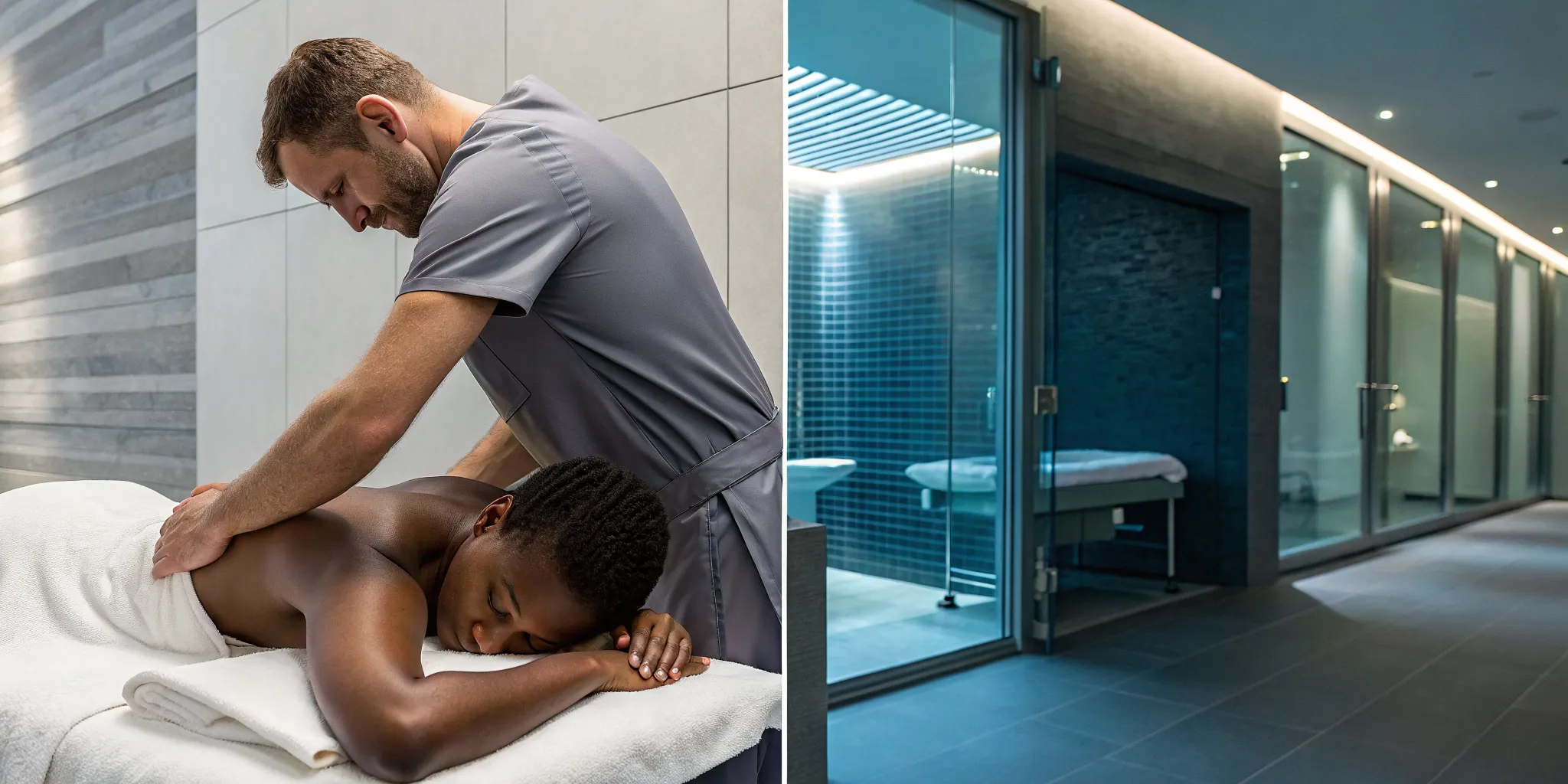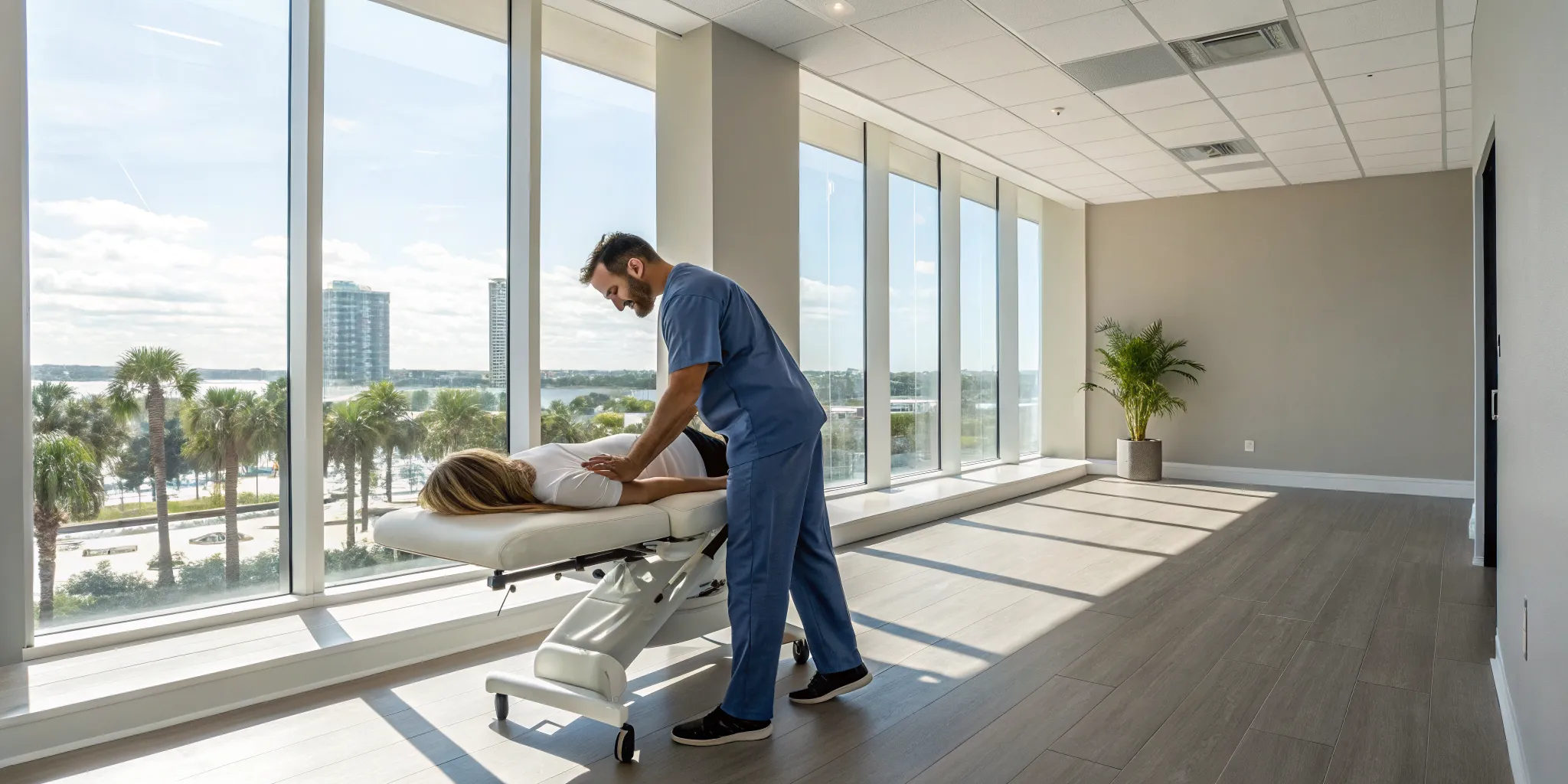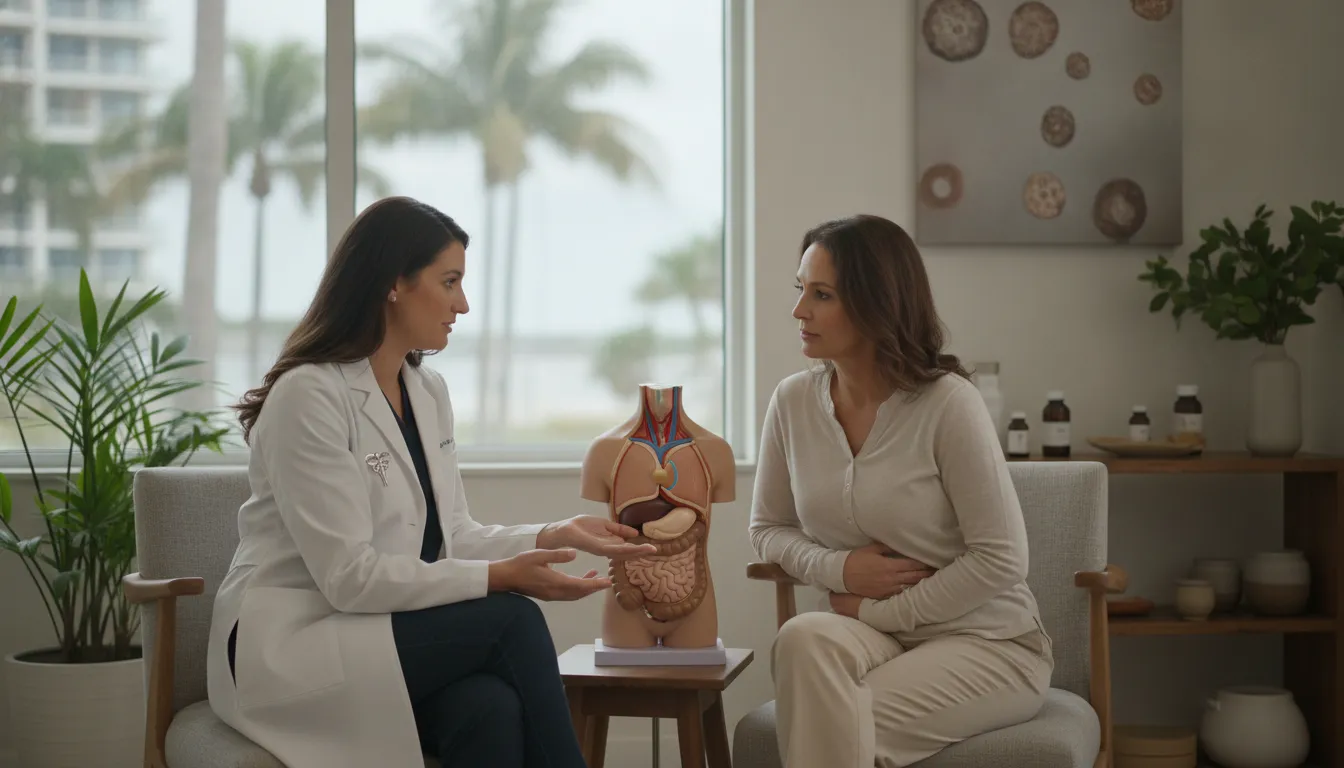
Your body has an incredible, innate ability to heal itself. Sometimes, however, due to chronic inflammation or an old injury, that natural healing process gets stalled. It needs a signal to get back to work. That’s exactly what SoftWave therapy provides. This non-invasive technology uses gentle, unfocused sound waves to create a biological response deep within your tissues. This process increases blood flow, calms inflammation, and, most importantly, recruits your body’s own stem cells to the area to regenerate damaged tissue. The SoftWave pain relief treatment is a way to work with your body, not against it, providing the catalyst it needs to repair itself and get you back to feeling your best.
Key Takeaways
- Activate your body's natural repair system: SoftWave therapy uses gentle sound waves to activate stem cells and increase blood flow, which helps your body repair injured tissue from within.
- Find relief without invasive procedures: It offers a powerful, non-surgical solution for chronic pain and joint issues, so you can get back to your life right after a session.
- Address the root cause of pain: This therapy is most effective when integrated into a complete health plan that addresses the underlying reasons for your pain, ensuring a more comprehensive and lasting recovery.
What Is SoftWave Therapy?
If you're looking for a way to address persistent pain that works with your body, not against it, it’s time to learn about SoftWave therapy. This innovative treatment helps your body heal naturally and reduces pain without requiring invasive procedures or pharmaceuticals. It uses patented technology to send gentle, unfocused sound waves deep into injured tissue, stimulating your body’s own healing and repair mechanisms. It’s a cornerstone of modern physical medicine because it gets to the source of the problem, which is the core of our philosophy at Ascend.
Instead of just masking symptoms with temporary fixes, SoftWave therapy promotes true healing from within. The treatment, also known as Extracorporeal Shock Wave Therapy (ESWT), triggers a biological response that can regenerate damaged tissue and offer lasting relief. By activating your body’s innate ability to recover, it provides a powerful solution for anyone struggling with chronic pain, old injuries, or degenerative conditions. It’s a way to support your body’s healing journey and get back to feeling your best, without the long recovery times or potential complications of more aggressive options. This approach empowers you to take control of your health by using your body's own incredible capacity for repair.
How It Uses Sound Waves to Heal
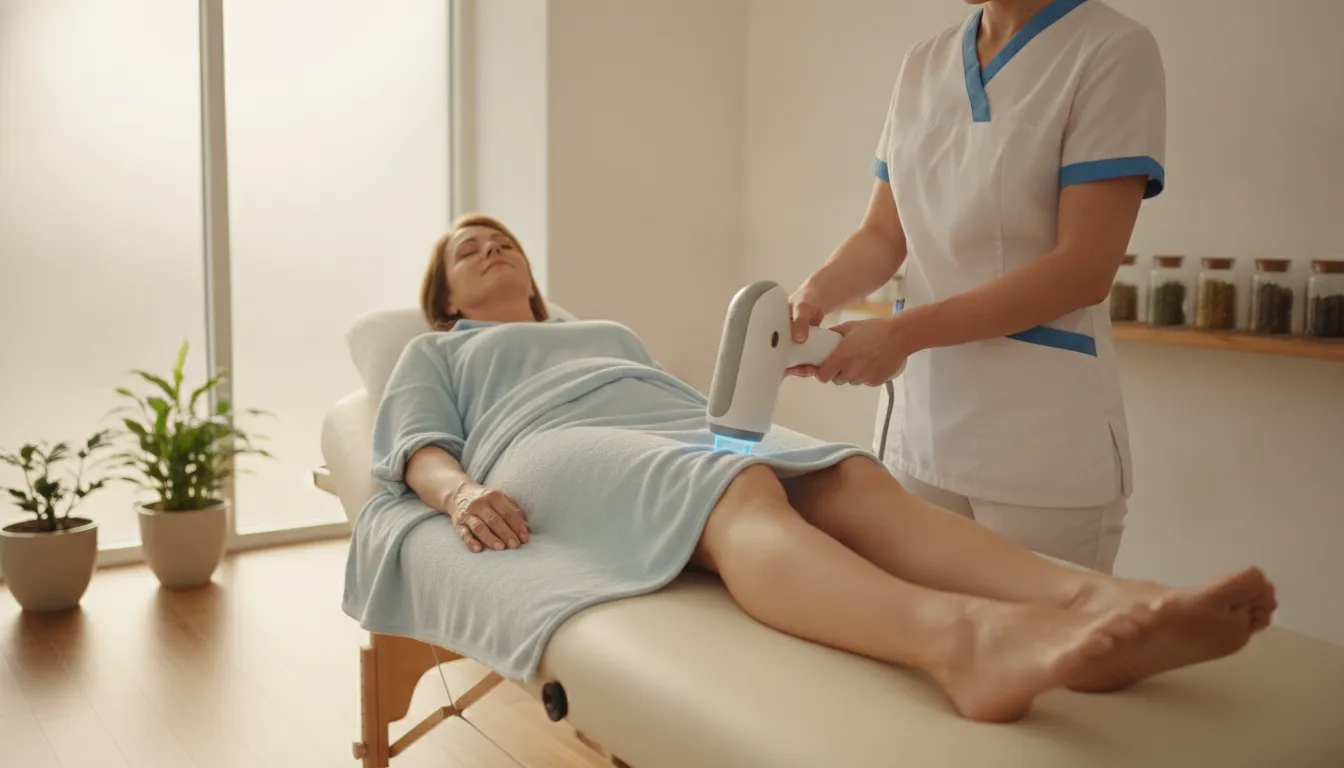
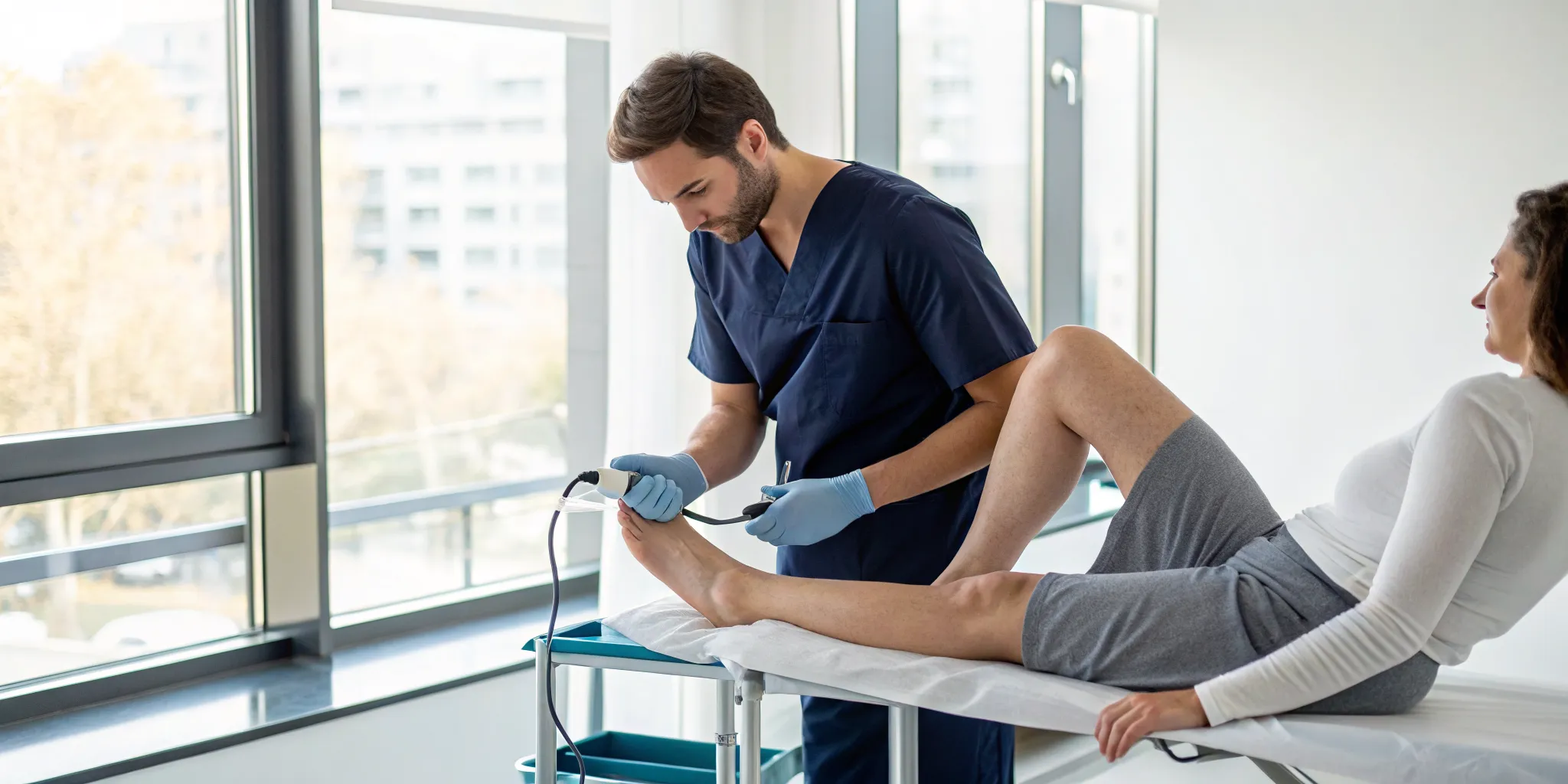
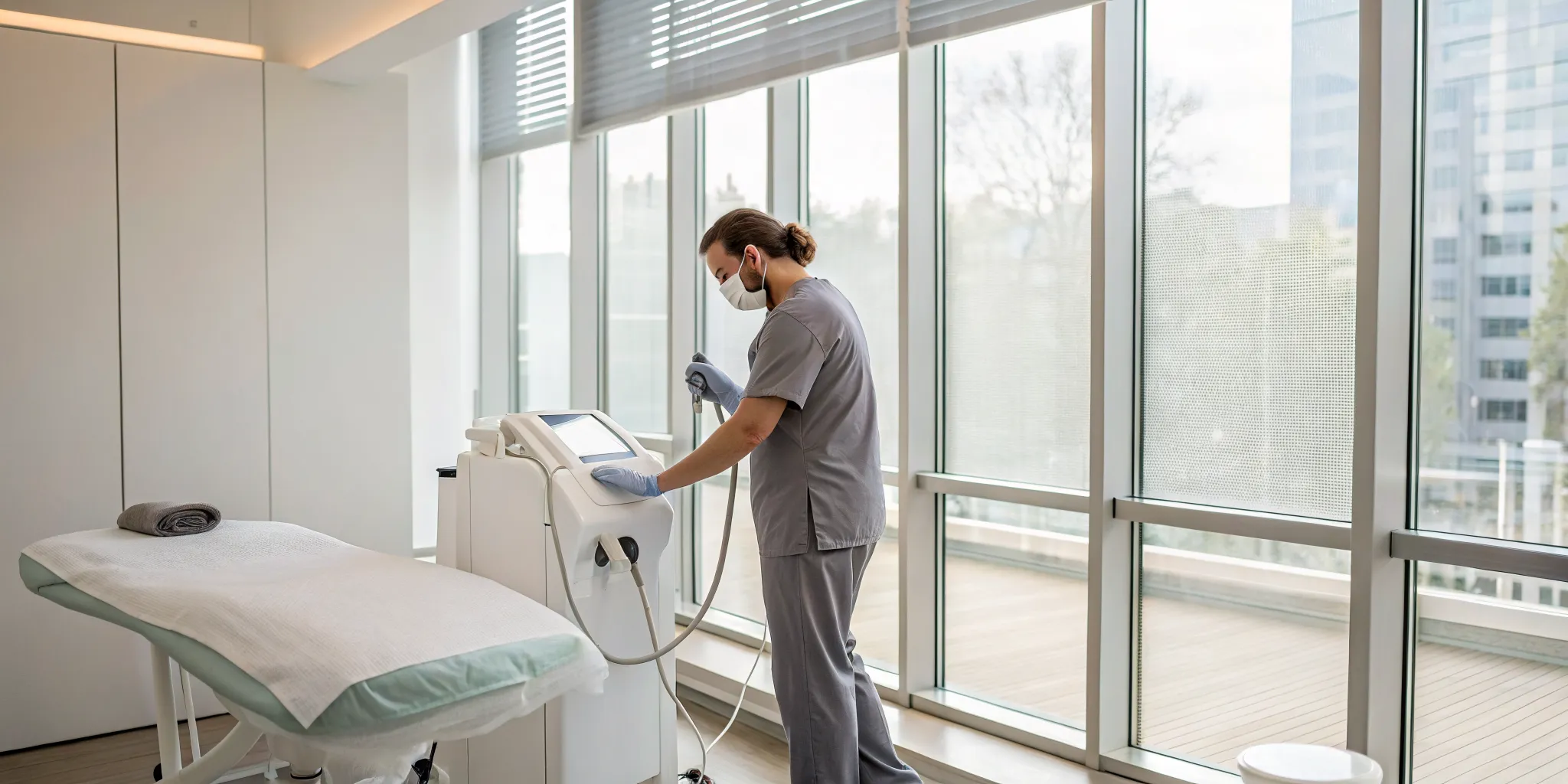
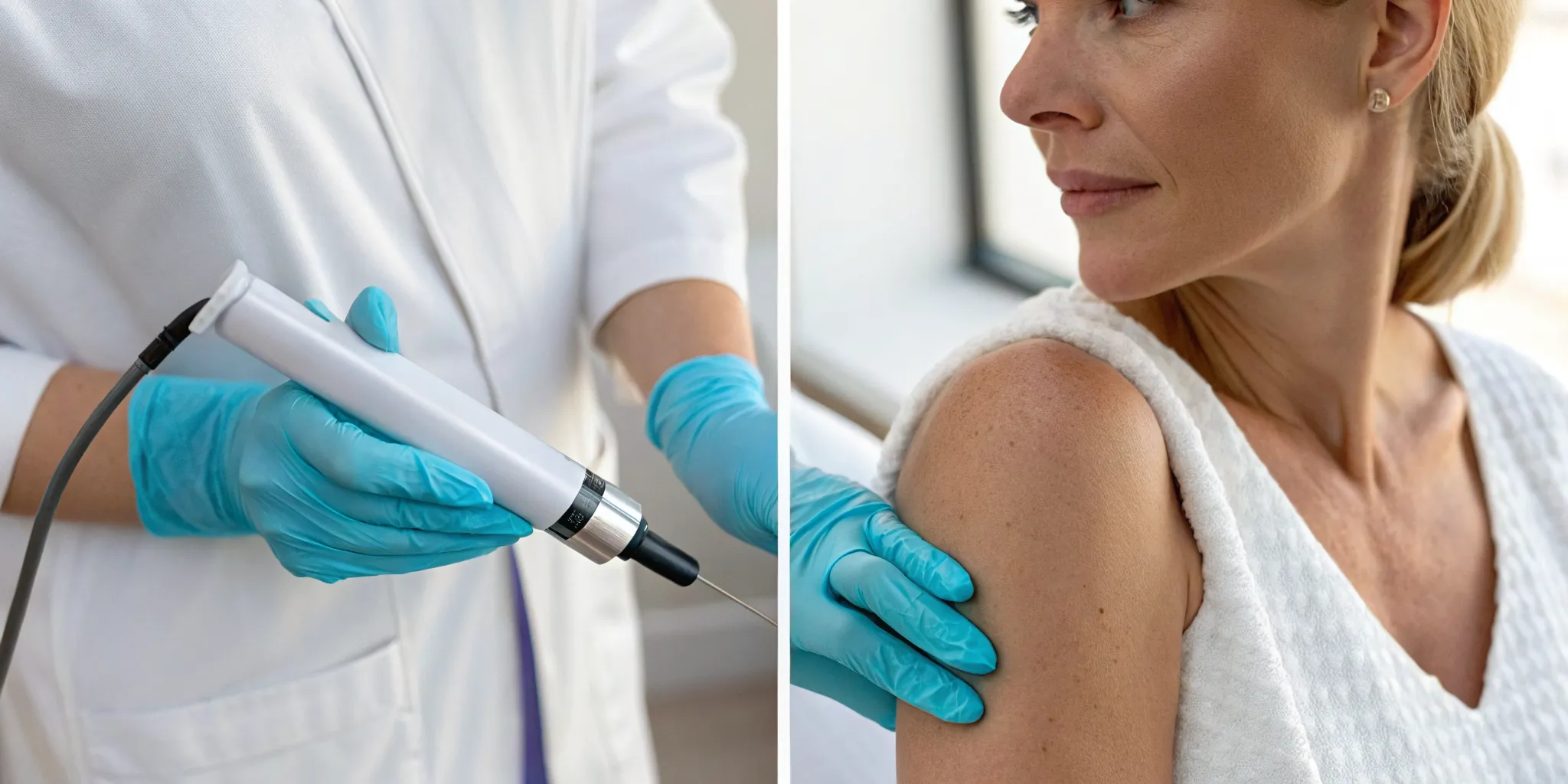
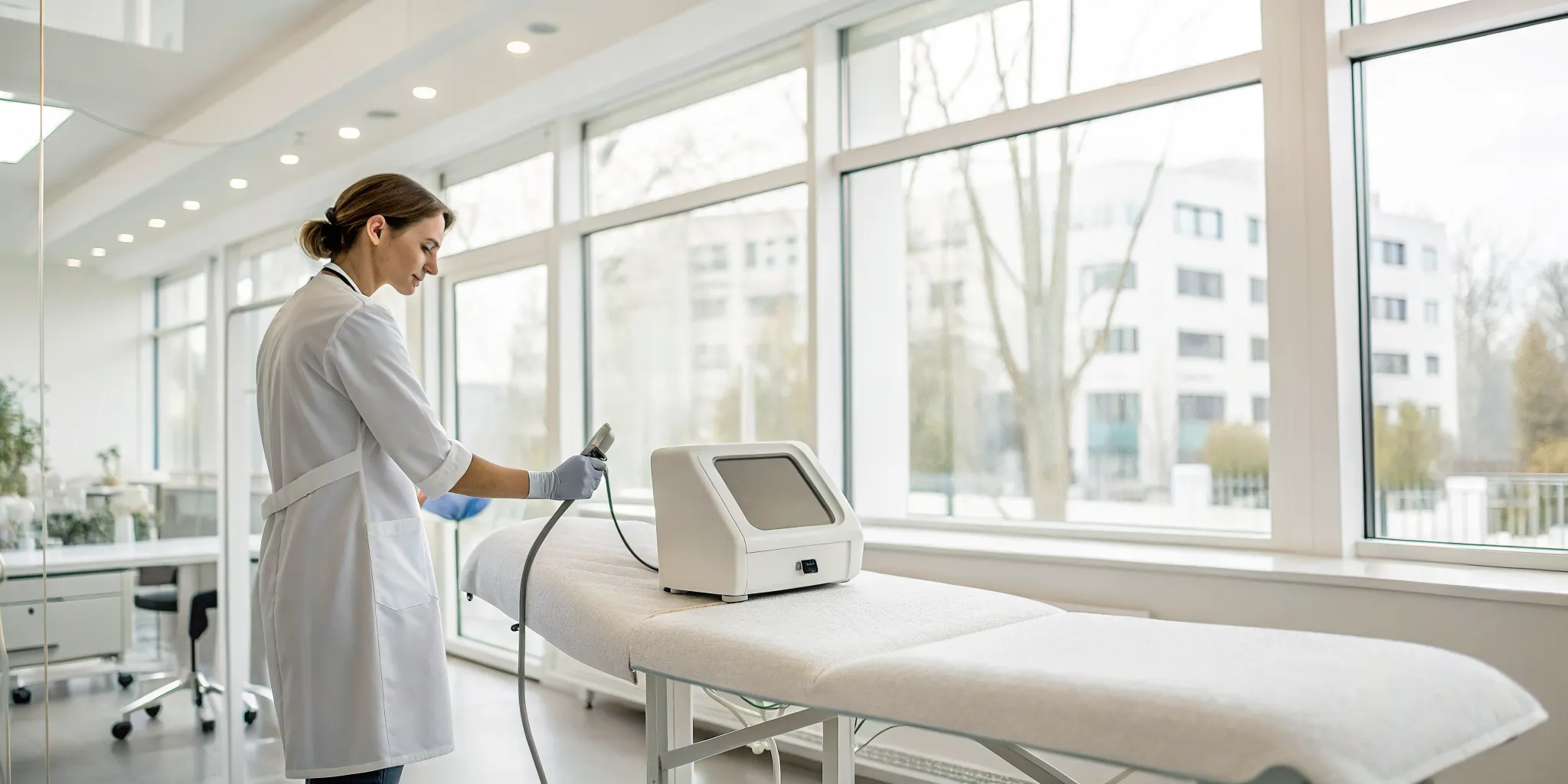
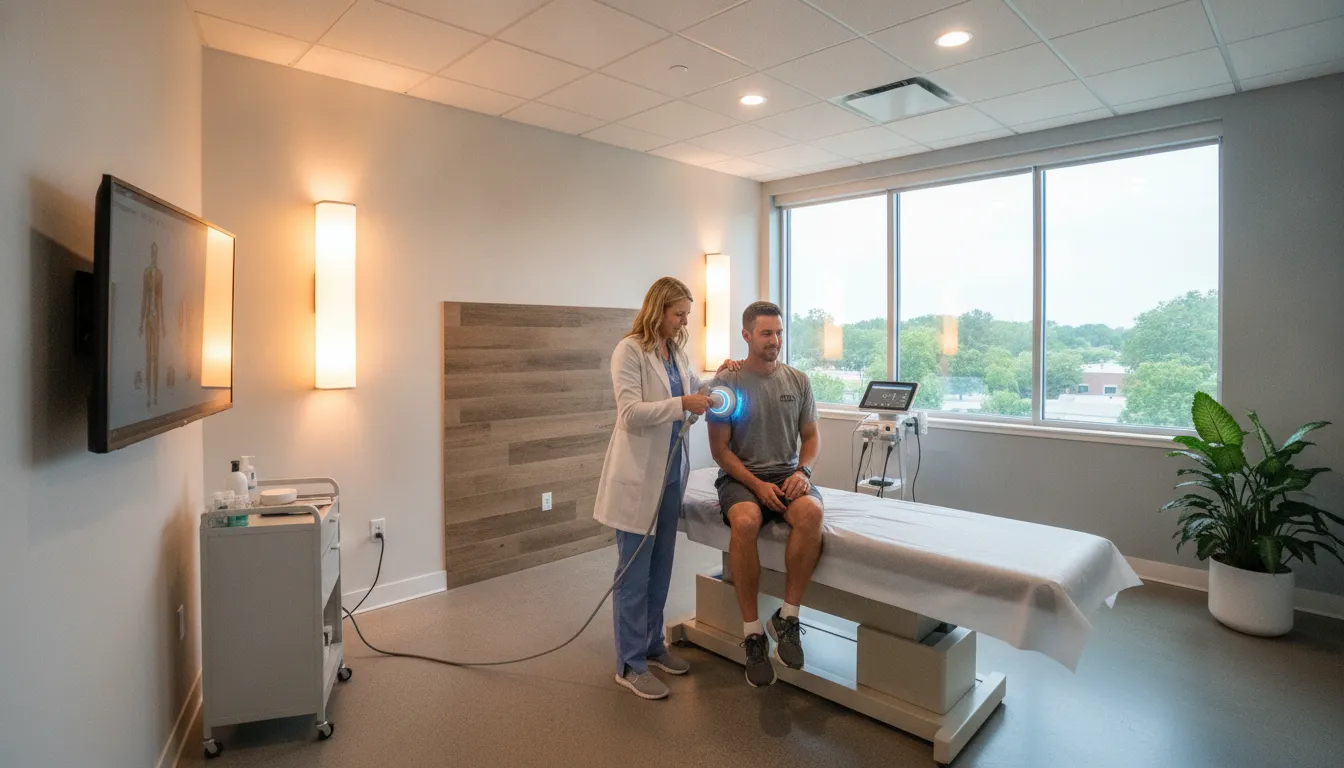
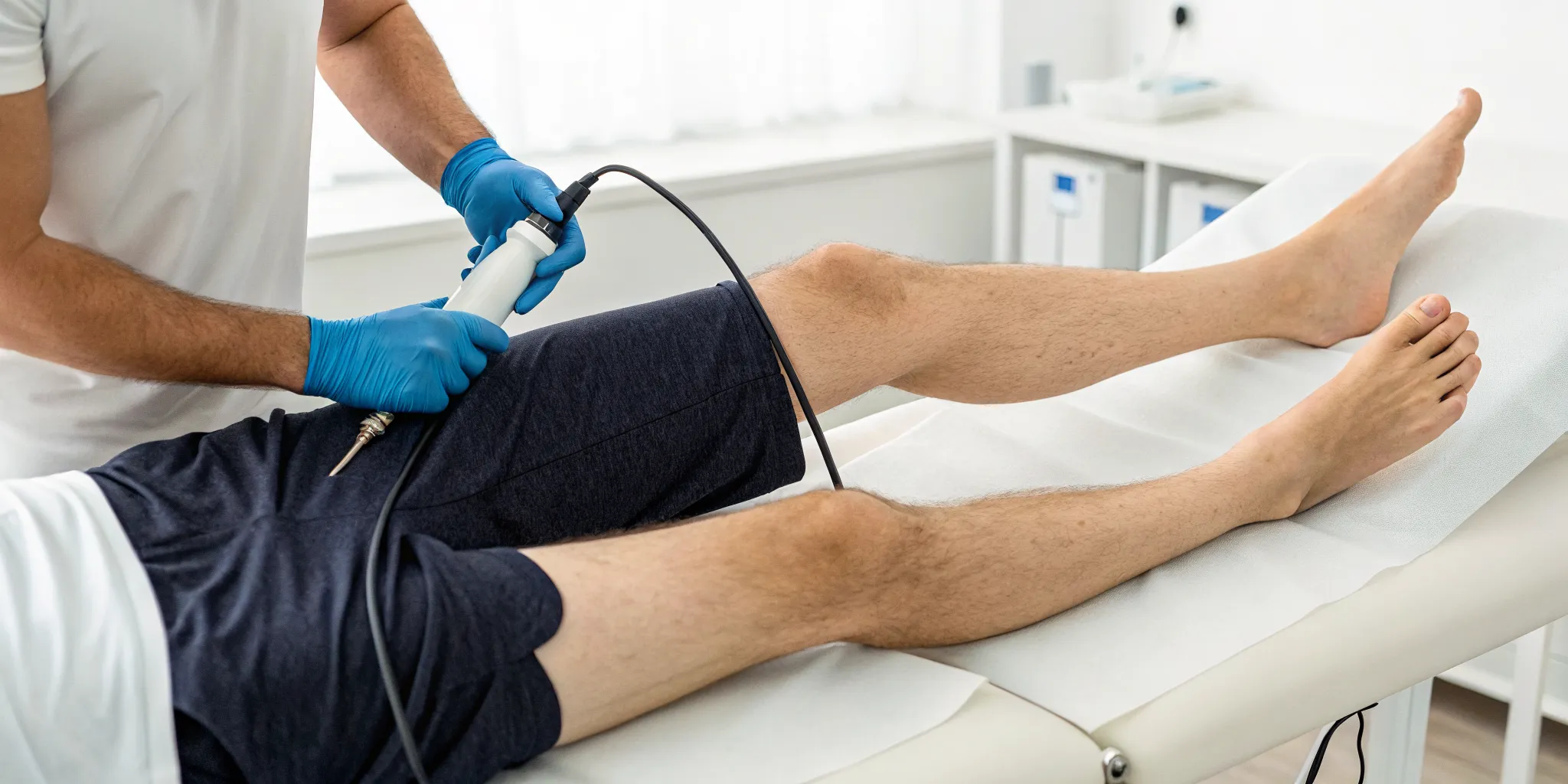
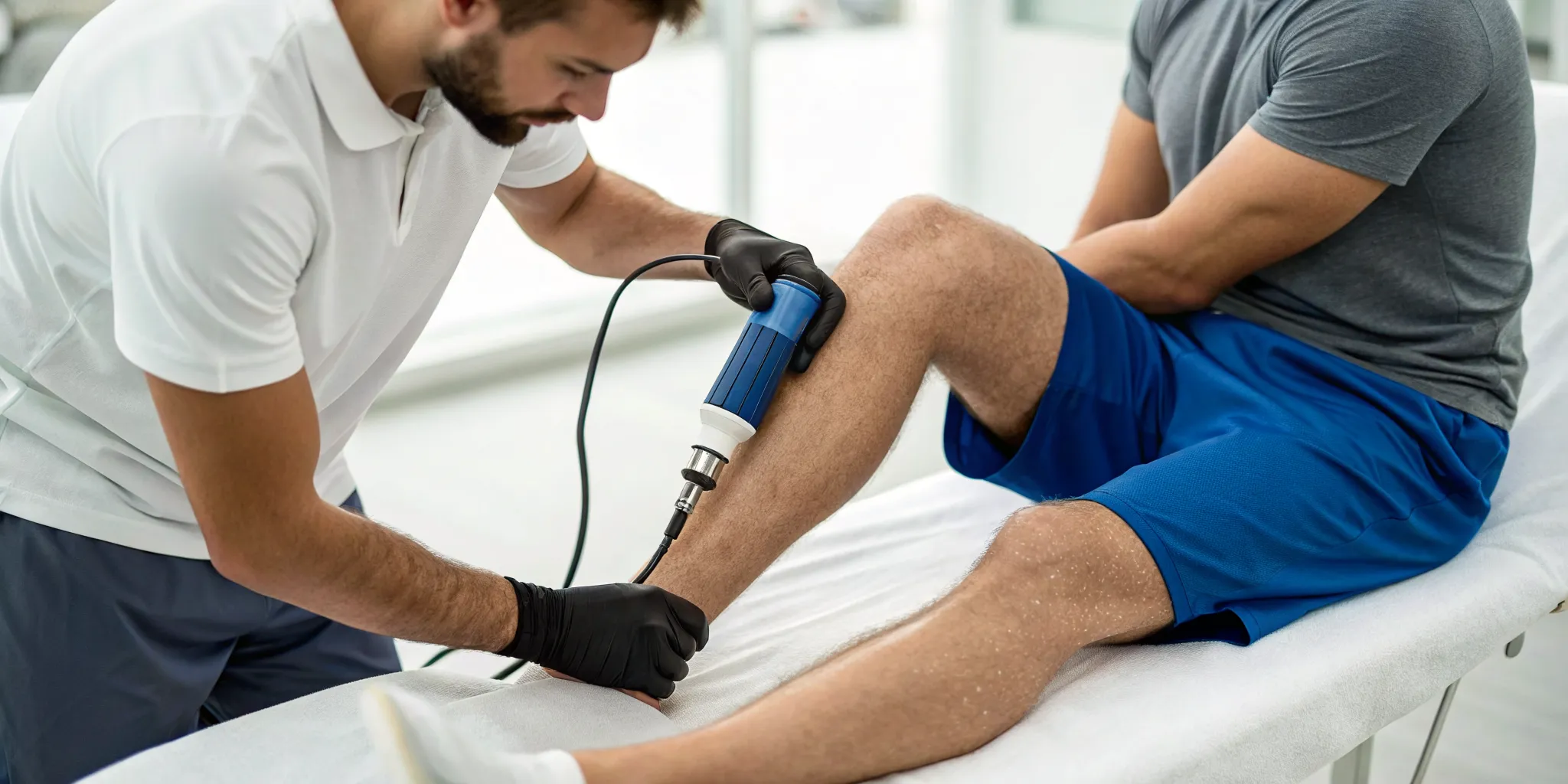
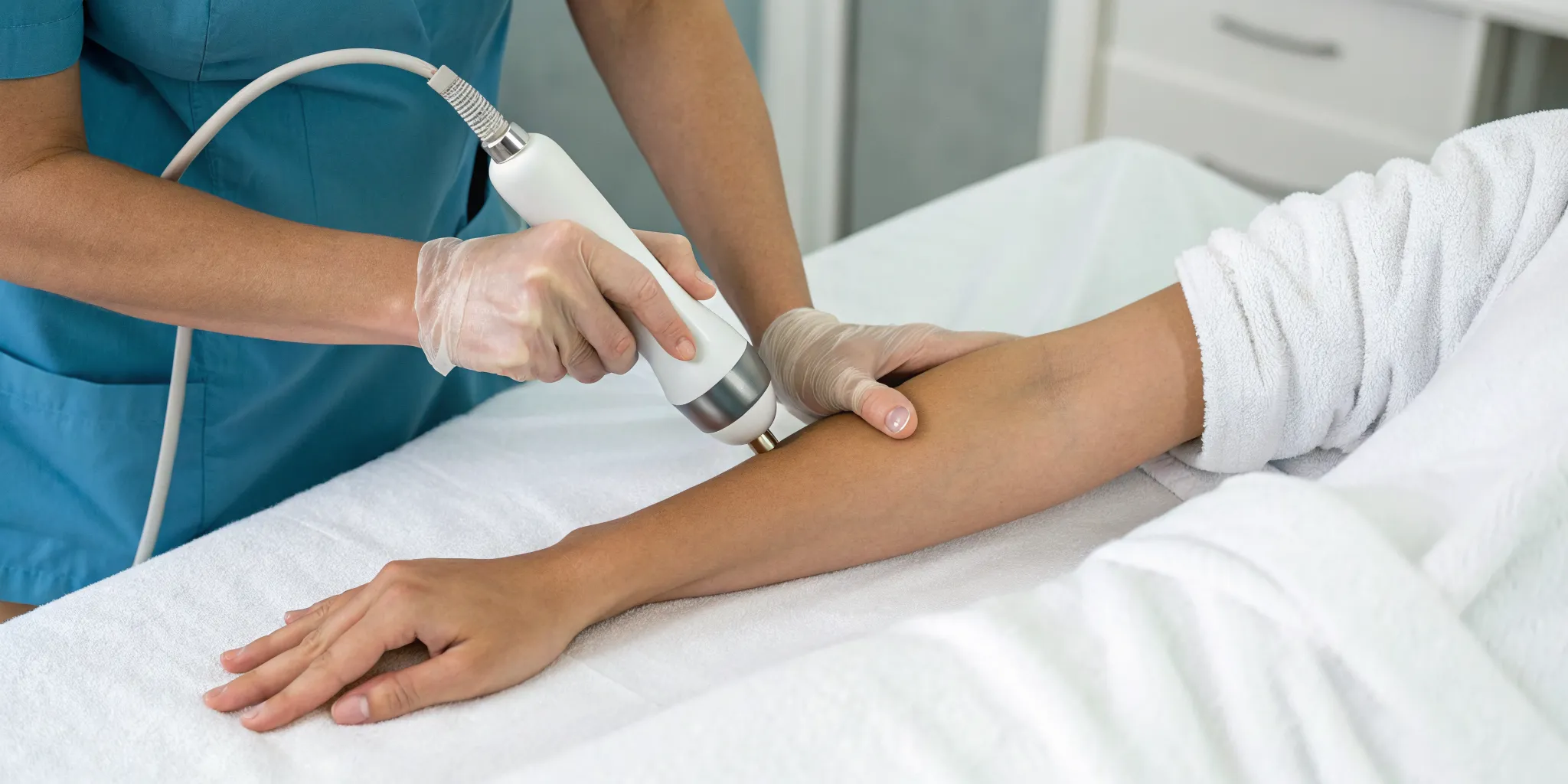
So, how does it actually work? During a session, a team member uses a handheld device that sends low-intensity sound waves through your skin and deep into the targeted area of tissue. These waves create a short-term inflammatory response on a microscopic level, which acts as a signal for your body to start the repair process. This process helps to increase blood flow, reduce inflammation, and break down restrictive scar tissue.
Most importantly, this therapy helps activate and recruit your body’s own stem cells to the site of injury. This is a key part of what makes SoftWave tissue regeneration so effective. By encouraging this natural biological activity, the treatment helps your muscles, tendons, and ligaments rebuild and recover more effectively. It’s a gentle yet powerful way to give your body the tools it needs to heal itself.
SoftWave vs. Traditional Ultrasound
You might be familiar with therapeutic ultrasound, but SoftWave therapy operates on a different principle. While both use sound waves, the application and effect are distinct. Traditional ultrasound uses a tightly focused wave that treats a very small, specific point. It’s effective for certain applications but doesn’t cover a wide area.
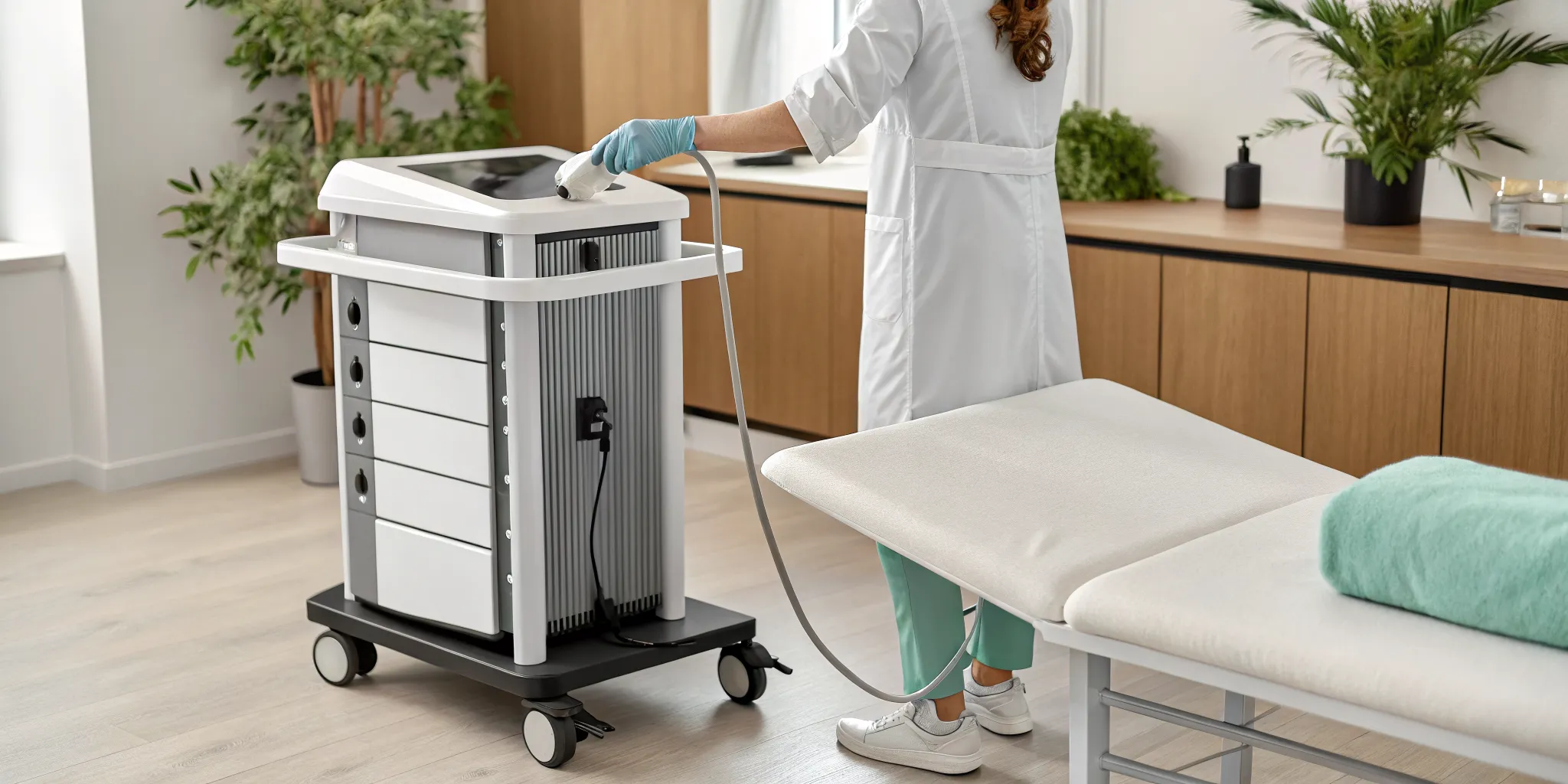
In contrast, SoftWave uses a patented applicator to create parallel, unfocused waves that spread energy over a much larger and deeper area of tissue. This unique delivery system allows the healing energy to penetrate deeply without losing power, treating a broader section of tissue all at once. This wider reach is a key difference from other devices, making it an incredibly efficient and effective way to stimulate repair throughout an entire region of injury, not just at a single point.
What Conditions Can SoftWave Therapy Address?
One of the most common questions we get is, "What can SoftWave actually help with?" The answer is quite a lot. This therapy is incredibly versatile because it works by stimulating your body’s own healing mechanisms at a cellular level. Instead of just targeting one specific symptom, it addresses the underlying issues like poor blood flow and inflammation that contribute to pain and dysfunction. This makes it an effective tool for a wide range of musculoskeletal problems, from nagging old injuries to more persistent, chronic conditions.
Whether you're dealing with a recent injury or pain that has lingered for years, SoftWave can be a powerful part of your recovery plan. It’s a non-invasive approach that helps manage pain and promote genuine healing in joints, muscles, and connective tissues throughout the body. At Ascend Functional Health, we use it to support our patients with a variety of concerns, helping them get back to living with less pain and more freedom.
Tendon and Soft Tissue Injuries
If you’ve ever had a stubborn case of tendonitis, you know how frustrating it can be. Conditions like rotator cuff pain, tennis elbow, or Achilles tendonitis often linger for months, resisting traditional treatments. SoftWave therapy is particularly effective for these types of soft tissue injuries because it targets the damaged area with acoustic waves, which helps to break up scar tissue and increase blood flow. This process activates your body’s natural repair crew (stem cells) to start rebuilding healthy tissue. It’s a great option for injuries that haven’t improved with rest, ice, or stretching alone, offering a way to finally address the root of the problem.
Joint Pain and Arthritis
Living with joint pain can make simple movements feel like a major challenge. SoftWave therapy offers a way to manage the pain and inflammation associated with conditions like osteoarthritis without resorting to injections or medication. By promoting better circulation and reducing inflammation around the joint, it can help decrease stiffness and improve your range of motion. Many of our patients find it helps with chronic pain in their knees, shoulders, feet, and ankles. This approach supports the body’s ability to heal itself, making it a key part of our physical medicine toolkit for long-term joint health.
Lower Back and Chronic Pain
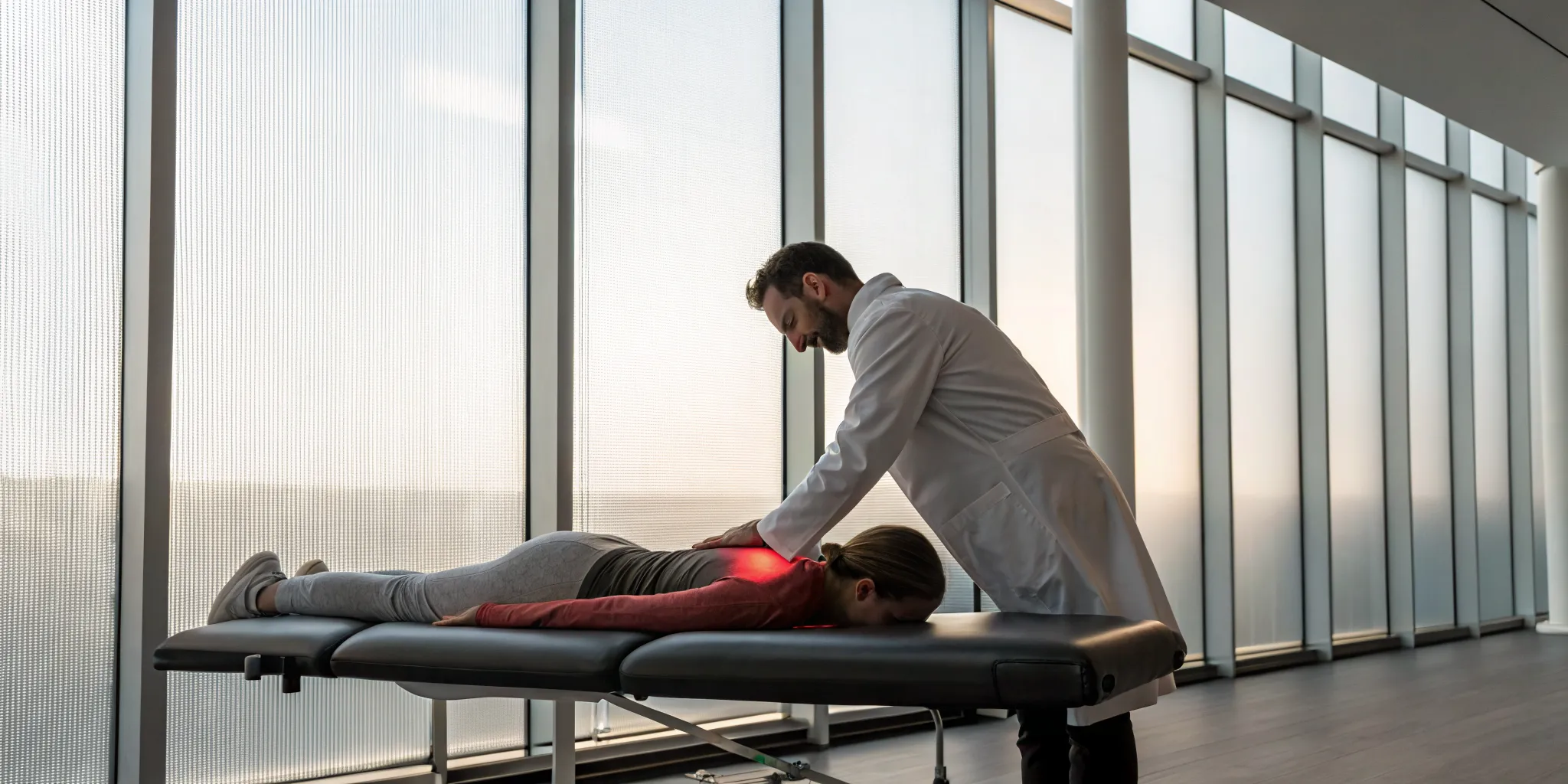
Chronic pain, especially in the lower back, can be debilitating and complex. SoftWave therapy can be a turning point for many chronic pain sufferers because it gets to the heart of the issue. Instead of just masking symptoms, it works to reduce the underlying inflammation and stimulate tissue regeneration. The acoustic waves can penetrate deep into the tissues of the lower back, activating a healing response that other treatments may not reach. By addressing the biological reasons for your pain, SoftWave can help create lasting relief and improve your overall function, which is central to our philosophy of treating the wide range of conditions we treat.
Sports Injuries and Recovery
For anyone who loves to stay active, an injury can feel like a major setback. Whether you’re a weekend warrior or a dedicated athlete, you want to get back in the game as quickly and safely as possible. SoftWave therapy can accelerate the recovery process for common sports injuries like muscle strains, sprains, and shin splints. It helps reduce swelling and brings essential nutrients to the injured area, speeding up healing so you can return to your favorite activities with confidence. It’s a powerful tool for active adults who want to recover effectively and avoid significant downtime.
Key Benefits of SoftWave Therapy
When you’re dealing with persistent pain, the path to relief can feel overwhelming. Many common treatments come with significant drawbacks, from long recovery times to unwanted side effects. SoftWave therapy offers a refreshing alternative by working with your body’s own healing mechanisms. It’s a non-invasive approach that helps you get back to feeling your best by addressing the source of your discomfort, not just masking the symptoms. Let’s explore some of the key benefits that make this treatment a powerful option for lasting wellness.
Heal Without Surgery or Downtime
One of the most significant advantages of SoftWave therapy is that it helps your body repair itself without invasive procedures or lengthy downtime. The treatment uses patented, unfocused sound waves to stimulate your body’s natural healing response deep within the tissue. This process helps regenerate damaged areas and reduce pain without a single incision. For many people, this means avoiding the risks and recovery periods associated with operations. You can get back to your daily life right after a session, making it a practical solution for anyone with a busy schedule who wants to pursue effective, non-invasive physical medicine.
Experience Faster, Lasting Results
SoftWave therapy is designed to accelerate your body’s own repair processes, helping you feel better sooner. By increasing blood flow, improving circulation, and activating your body’s resident stem cells, this treatment gets to the root cause of your pain. Many individuals report feeling a noticeable improvement after just a few short sessions. Because SoftWave promotes true tissue regeneration at the cellular level, the results are not just fast, they’re also built to last. It offers a powerful solution for anyone seeking sustainable recovery from the many conditions we treat, from tendon injuries to chronic joint pain.
A Safe Alternative for Pain Relief
If you’re looking for a way to manage pain without relying on pharmaceuticals or repeated injections, SoftWave therapy is an excellent choice. It’s a gentle treatment that uses sound waves to naturally reduce inflammation and stimulate repair. This approach helps you avoid the potential side effects and dependencies that can come with long-term medication use. SoftWave supports your body’s innate ability to heal itself, making it a safe and effective component of a holistic health plan. It fits perfectly within a suite of services designed to restore function and improve your quality of life from the inside out.
How SoftWave Compares to Other Treatments
When you’re dealing with pain, you want a solution that doesn’t just mask the problem but helps your body truly heal. While many treatments offer temporary relief, SoftWave therapy stands apart by working with your body’s natural healing processes. It’s a non-invasive, drug-free approach that uses acoustic waves to stimulate healing at a cellular level, increase blood flow, and activate your own resident stem cells.
Understanding how this technology differs from more conventional options can help you make an informed decision about your care. Let’s look at how SoftWave measures up against common treatments like injections, surgery, and physical therapy. By exploring these comparisons, you can see why so many people are turning to SoftWave as a cornerstone of their holistic health plan.
SoftWave vs. Injections
Injections are often used to manage pain, but they typically involve substances that may not address the underlying cause of your discomfort. SoftWave therapy offers a different path. Instead of introducing external agents, it prompts your body to repair itself from the inside out. This method supports long-term healing rather than just providing a temporary fix.
Because it’s a drug-free treatment, you avoid the potential side effects associated with repeated injections. The goal of SoftWave is to resolve the source of the pain by regenerating damaged tissue. This makes it a powerful option for anyone seeking a solution that supports the body’s innate ability to heal and helps restore function for good.
SoftWave vs. Surgery
The thought of surgery can be daunting due to the risks, anesthesia, and lengthy recovery times involved. SoftWave therapy presents a compelling alternative for many conditions that might otherwise lead you down a surgical path. It is a safe way to find pain relief without incisions or downtime, allowing you to get back to your life much faster.
This groundbreaking approach provides effective results without the complications of an invasive procedure. By stimulating your body’s own repair mechanisms, SoftWave can help you heal from chronic injuries and pain. It’s an excellent option to explore if you’re looking for a way to address the root of your pain and avoid the operating room. Many of the conditions we treat at our clinic respond exceptionally well to this therapy.
SoftWave vs. Physical Therapy
Physical therapy is a valuable tool for rehabilitation, but sometimes it isn’t enough, especially for chronic issues that haven’t responded to other treatments. SoftWave can be a game-changer in these situations. Many people find success with SoftWave even when physical therapy alone hasn't provided the relief they need. It works on a deeper, cellular level to prepare your body for healing.
By reducing inflammation and activating your natural repair systems, SoftWave therapy can create an ideal environment for recovery. It pairs beautifully with the corrective care approaches of physical medicine, often helping you get better results from your exercises and stretches. It addresses the root causes of pain, redefining what’s possible for those struggling with chronic conditions.
What to Expect During Your SoftWave Session
If you’re considering SoftWave therapy, you probably have a few questions about what the process is actually like. Knowing what happens step-by-step can help you feel confident and prepared for your appointment. The good news is that the entire experience is designed to be simple, comfortable, and effective. From the moment you walk in, our goal is to get you on the path to healing without adding more stress to your life. The treatment is straightforward, and you can get back to your day right after.
Before Your Appointment
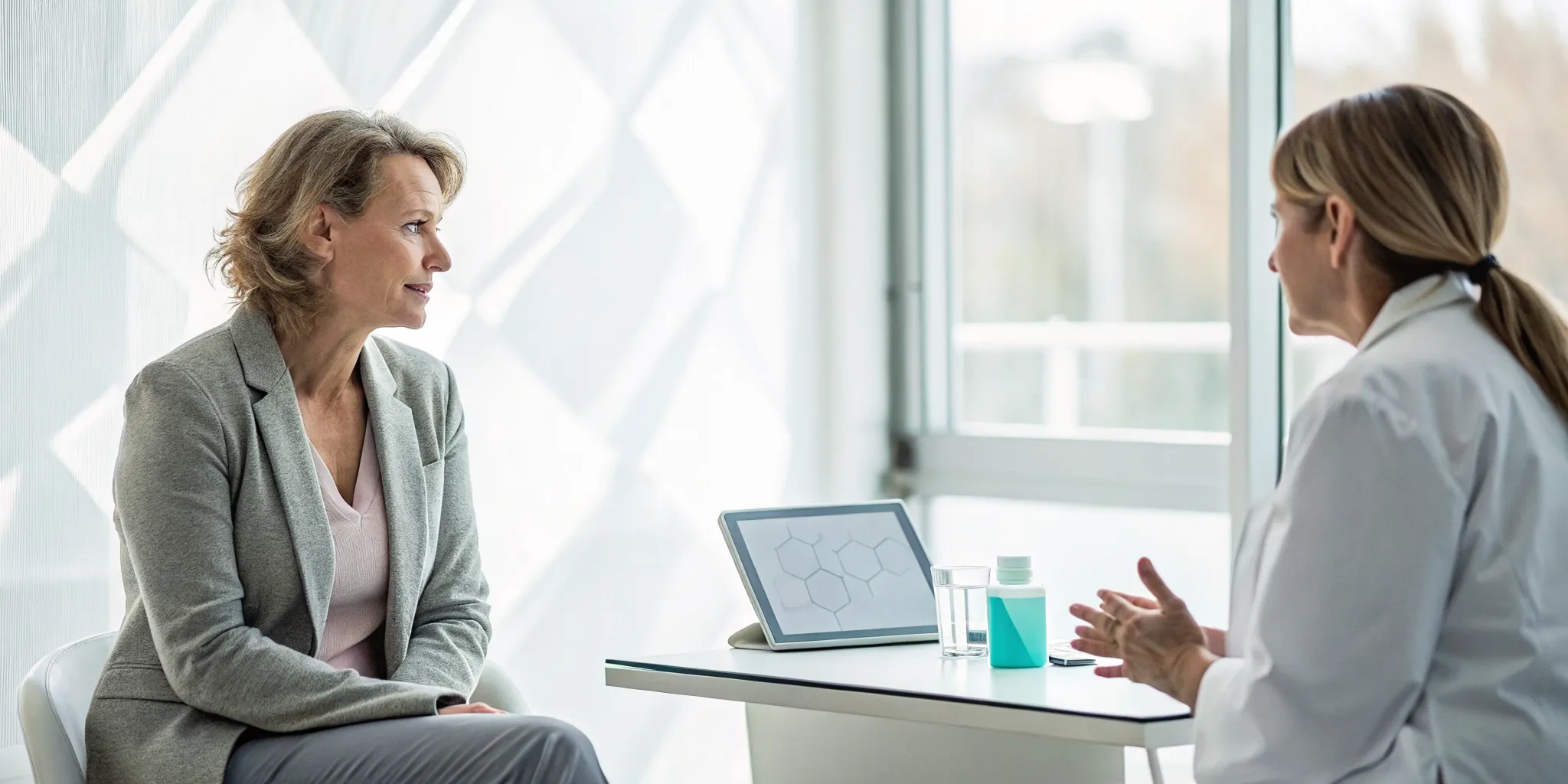
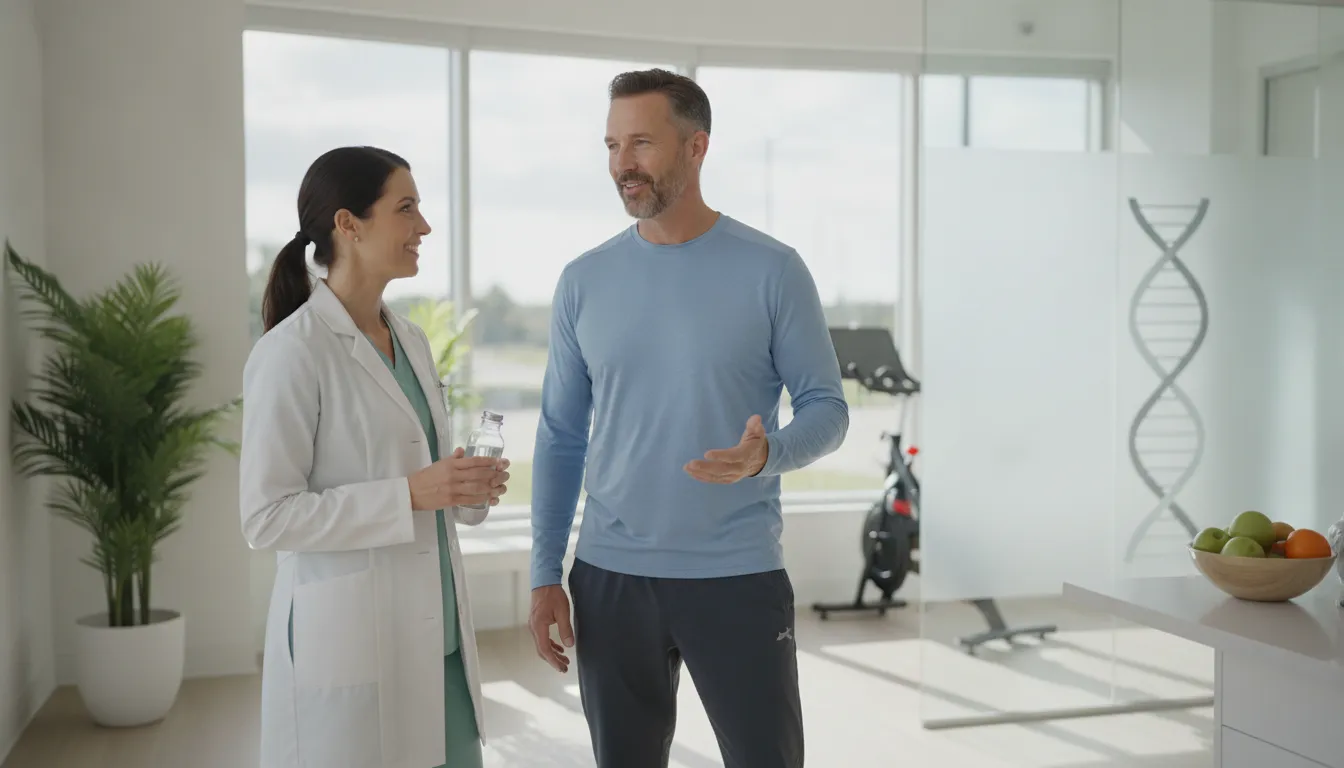
One of the best parts of SoftWave therapy is that there’s very little you need to do to prepare. Because it’s a non-invasive treatment, you don’t have to worry about any complex pre-appointment instructions. Just come as you are. We recommend wearing comfortable clothing that allows easy access to the area we’ll be treating. Our team will have a conversation with you to pinpoint the exact source of your discomfort and answer any last-minute questions. This therapy is a key part of our physical medicine approach, which focuses on helping your body heal itself from the inside out.
During the Treatment
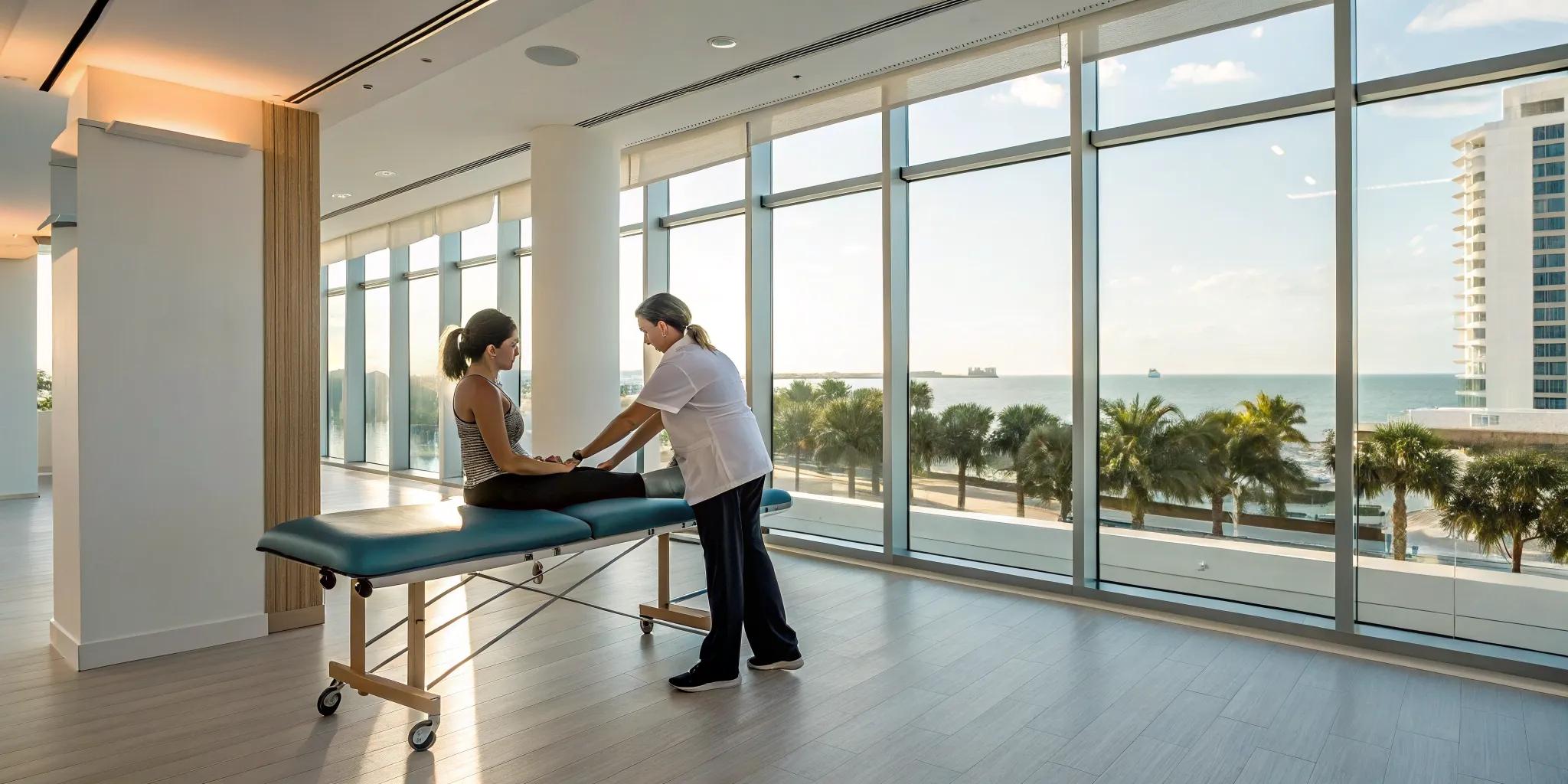
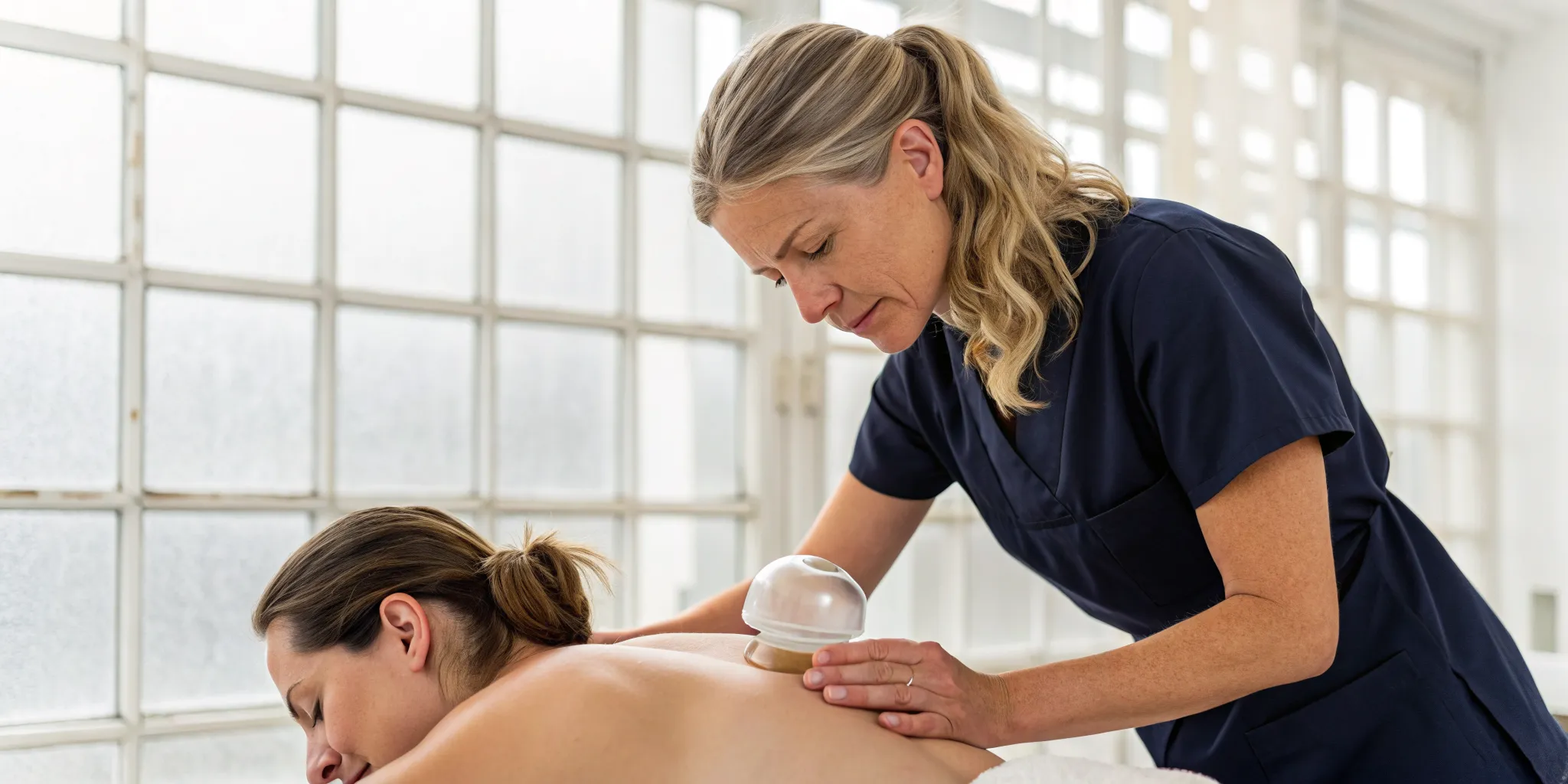
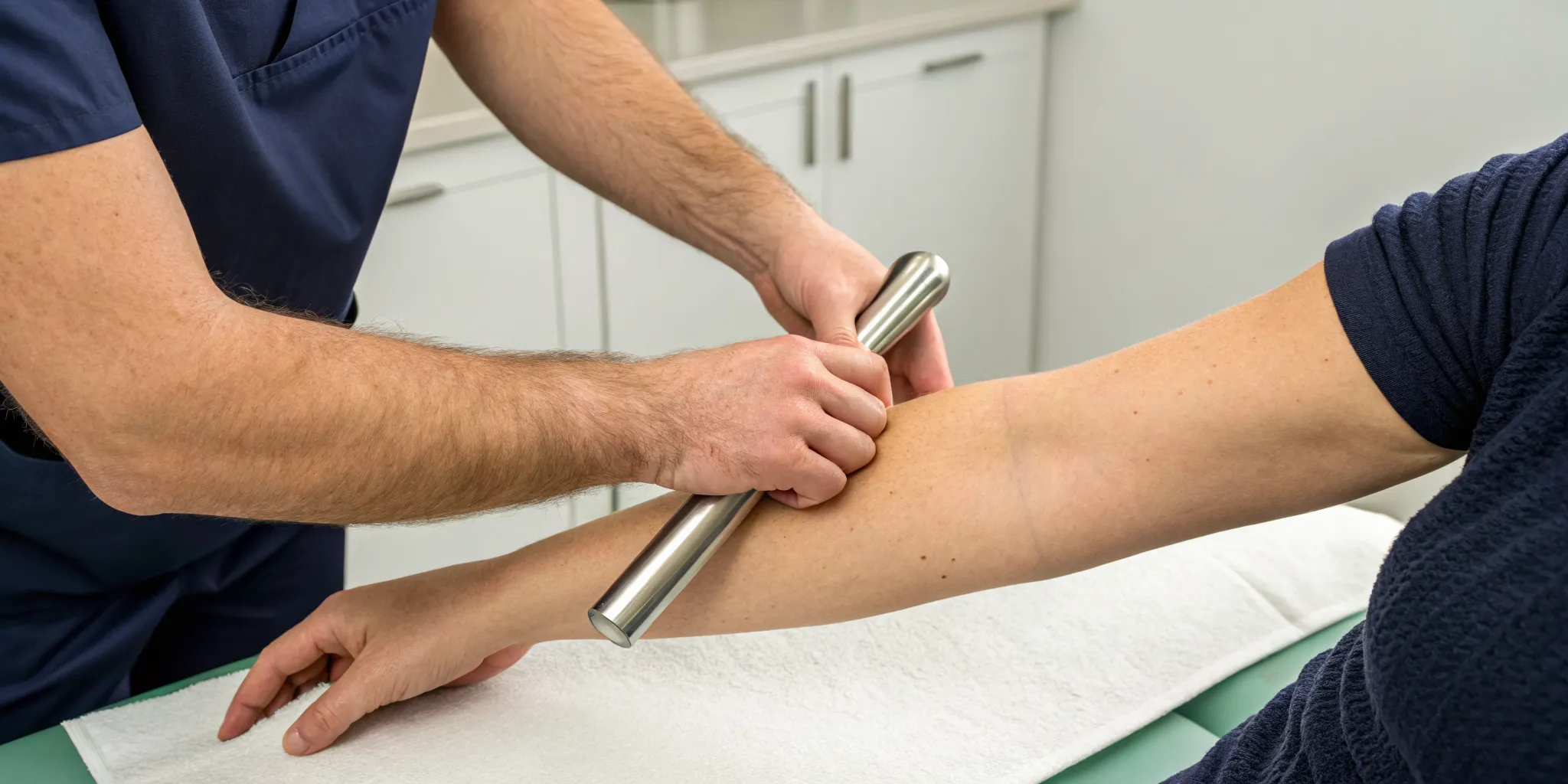
Your SoftWave session will be quick, typically lasting only 10 to 15 minutes. First, a team member will apply a gel to your skin over the treatment area. This helps the sound waves travel effectively. Then, they will use a handheld device that sends gentle, unfocused sound waves deep into your tissue. You might feel a light tapping or pulsing sensation, but it shouldn’t be uncomfortable. These sound waves work to increase blood flow, calm inflammation, and activate your body’s own repair mechanisms. It’s a powerful way to address the root cause of many common conditions we treat, from joint pain to soft tissue injuries.
After Your Appointment
There is no downtime required after a SoftWave session, so you can immediately return to your daily activities. Some people notice mild redness or tenderness in the treated area, but this is a normal response and usually fades within a day or two. It’s simply a sign that your body’s healing process has been activated. Many of our patients report feeling a noticeable reduction in pain and an improvement in their range of motion, sometimes even after the first session. As you continue with your personalized plan, these results often become more significant and lasting, which you can see in our patient testimonials.
How Many Sessions Will You Need?
One of the first questions people have about any new treatment is, "How long will this take?" It's a great question, and the answer is that your healing path is as unique as you are. While there are typical timelines, our goal at Ascend Functional Health is to create a plan that addresses your specific needs, not just follow a generic protocol. We look at your whole health picture to determine the right approach for you, ensuring your treatment supports your long-term wellness goals.
Factors That Shape Your Treatment Plan
Your SoftWave therapy plan is completely tailored to you. While many people find significant relief within three to six sessions scheduled over several weeks, the exact number depends on a few key things. We consider the severity of your condition, how long you've been experiencing pain or limited mobility, and your body's individual response to the treatment. For example, addressing a recent injury might require a different timeline than managing chronic joint pain you've had for years. We'll assess the specific conditions we treat to create a protocol that gives your body the best opportunity to heal effectively.
Understanding the Treatment Timeline
The great news is that the sessions themselves are quick and easy to fit into your schedule. A typical SoftWave treatment only takes about 10 to 15 minutes. Even better, there is virtually no downtime afterward, so you can get right back to your daily activities without interruption. While some people feel a difference right away, most notice a clear improvement after a few treatments as their body’s natural healing processes get to work. This therapy is a key part of our Physical Medicine services, designed to support your body’s recovery without putting your life on hold.
Answering Your Questions About SoftWave Therapy
It’s completely normal to have questions when you’re considering a new approach to your health. You want to feel confident and informed every step of the way, and we’re here to make sure you do. When it comes to SoftWave Therapy, we hear a few common questions from our patients. Let’s walk through them together so you know exactly what to expect.
Is It Safe?
Yes, for most people, SoftWave Therapy is a very safe treatment. It’s a non-invasive technology that works with your body’s natural healing processes. However, your well-being is our top priority, so we always make sure it’s the right fit for you. We don’t recommend this treatment for women who are pregnant. It’s also not suitable for individuals with bleeding disorders or those currently taking anticoagulant medications. This careful approach helps us ensure we are safely and effectively addressing your specific health concerns and guiding you toward the best possible outcome.
Does It Hurt?
This is probably the most common question we get, and the answer is no, it shouldn’t be painful. During the session, which typically lasts only 10 to 15 minutes, you might feel a light tapping or a gentle pulsing sensation on your skin as the sound waves go to work. Most of our patients tolerate it very well. That feeling is a good sign, telling you that the device is targeting the right areas and initiating the healing response. Our team will be with you the entire time, making sure you are comfortable from start to finish as part of our approach to physical medicine.
Who Is Not a Candidate for SoftWave?
While SoftWave is a fantastic option for many people dealing with pain and injury, it isn’t the right choice for everyone. A key part of our process at Ascend is creating a personalized plan, and that includes confirming your candidacy for any treatment. As mentioned, we advise against SoftWave Therapy for anyone who is pregnant. It is also not recommended for individuals who have active bleeding disorders or are taking blood-thinning medications. If you fall into one of these categories or have any questions about your specific health history, we encourage you to reach out to our team. We can discuss your situation and explore the best healing path for you.
Is SoftWave Therapy Right for You?
Deciding on a new treatment can feel like a big step, but it’s all about finding what aligns with your body and your health goals. SoftWave Therapy is a powerful tool, especially for those who feel like they’ve tried everything for persistent pain. It’s designed to work with your body, not against it, by stimulating its own repair mechanisms. If you’re looking for a solution that addresses the source of your discomfort without invasive procedures or long recovery periods, you might be in the right place. Let’s explore who can benefit most from this therapy and how it fits into a comprehensive wellness strategy.
Are You a Good Candidate?
If you're dealing with a nagging injury or chronic pain that just won’t quit, SoftWave could be the answer. This therapy is particularly effective for conditions that have lingered for a long time. Think of things like persistent tendon pain (including tennis elbow and rotator cuff issues), plantar fasciitis that makes every step a challenge, or stubborn joint pain in your knees, hips, or shoulders. It’s also a great option for lower back pain, muscle strains, and ligament injuries that haven't fully healed. Because SoftWave is a non-invasive technology that uses sound waves to encourage tissue regeneration, it’s an excellent choice for anyone seeking a drug-free approach to pain relief and healing.
How SoftWave Complements a Holistic Health Plan
At Ascend Functional Health, we believe in looking at the big picture. SoftWave Therapy isn't just a standalone treatment; it’s a key part of a holistic approach that gets to the root cause of your symptoms. By reducing inflammation and activating your body’s natural healing processes, it perfectly complements a functional medicine plan. This is especially true for active adults who want to maintain their lifestyle without being sidelined by pain or lengthy recovery. Instead of just masking pain, SoftWave helps your body repair itself from the inside out, supporting long-term wellness and helping you get back to the activities you love, faster.
Start Your Healing Journey at Ascend Functional Health
At Ascend Functional Health, we see you as a whole person, not just a collection of symptoms. Our approach is built on finding and addressing the root cause of your health concerns. SoftWave Therapy is a powerful tool that fits perfectly within our comprehensive model of care, helping us support your body’s incredible ability to heal itself from the inside out. By integrating this technology with our core pillars of health, we create a personalized plan that goes beyond temporary fixes to promote lasting wellness.
We believe true healing happens when we combine the best of modern technology with a deep understanding of the body's interconnected systems. That’s why we don’t use SoftWave as a standalone treatment. Instead, we weave it into a broader strategy tailored to your unique needs, ensuring every part of your health journey is supported.
Combining SoftWave with Physical Medicine
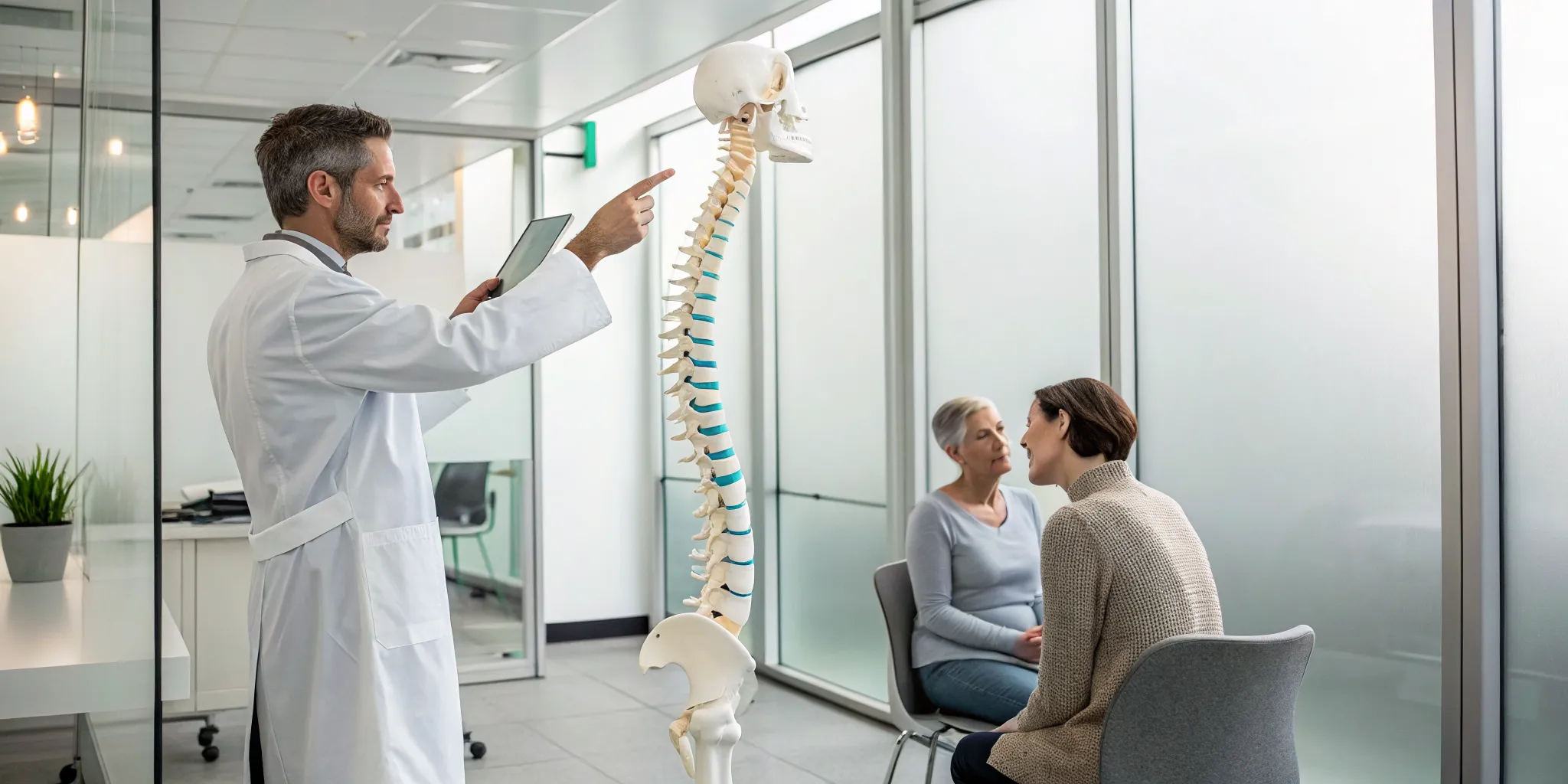
Our Physical Medicine services, like chiropractic care and corrective exercises, are designed to restore proper structure and function to your body. SoftWave Therapy enhances these efforts by preparing your tissues for healing on a cellular level. This non-invasive treatment uses acoustic waves to stimulate cellular healing, increase blood flow, and activate your body’s own stem cells. By reducing inflammation and kickstarting the repair process in a targeted area, SoftWave makes your body more receptive to physical adjustments and therapies. This synergy allows us to address joint pain and soft tissue injuries more effectively, helping you find relief and regain mobility.
Integrating SoftWave with Functional Medicine
Pain and injury are often signals of a deeper, systemic issue like chronic inflammation or metabolic dysfunction. Our Functional Medicine approach is all about investigating that "why." While SoftWave directly addresses the site of your pain, we pair it with a functional plan to support your whole body. The technology uses acoustic waves to stimulate the body’s natural healing processes, but for that process to be successful, your body needs the right resources. By also optimizing your nutrition, gut health, and hormonal balance, we ensure your body has everything it needs to repair tissue, reduce inflammation, and prevent the problem from returning.
Related Articles
- SoftWave Tissue Regeneration Therapy in Tampa | Alessi Functional Health
- SoftWave TRT Therapy in Tampa, FL - Alessi Functional Health
- Regenerative Medicine for Pain Recovery | Ascend Functional Health
- What Is Soft Tissue Therapy? A Complete Guide
- Pain Free Future | Alessi Functional Health
Frequently Asked Questions
How is SoftWave different from other treatments that use sound waves, like ultrasound? While both use sound waves, they work very differently. Think of traditional ultrasound as a laser pointer, treating a very small, specific spot. SoftWave therapy, on the other hand, uses a patented applicator to send out wider, parallel waves that cover a much larger and deeper area of tissue. This allows us to stimulate a whole region of injury at once, encouraging a more comprehensive healing response.
Is the treatment painful? Most people do not find the treatment to be painful. You will likely feel a gentle tapping or pulsing sensation on your skin as the handheld device moves over the area. This feeling is actually a good indicator, as it helps us identify the precise areas that need treatment and confirms the healing process is being activated. Our team will ensure you are comfortable throughout the entire session.
How soon can I expect to feel results? Your experience will be unique to your body and condition, but many of our patients report feeling a noticeable reduction in pain and better movement after just a few sessions. While some feel a difference right away, the most significant and lasting results build over time as your body’s natural repair mechanisms get to work regenerating tissue.
Is there any downtime after a SoftWave session? No, there is no downtime required. The sessions themselves are quick, usually lasting about 10 to 15 minutes, and you can return to your normal daily activities immediately afterward. You might notice some minor tenderness or redness in the area, but this is a positive sign that your body has started its healing response and it typically fades quickly.
What types of problems does SoftWave therapy work best for? SoftWave is incredibly effective for stubborn, chronic conditions that haven't responded well to other treatments. It works especially well for persistent soft tissue injuries like plantar fasciitis, tennis elbow, and rotator cuff pain. It is also a great option for managing the discomfort and stiffness associated with joint pain in the knees, hips, and shoulders, as well as for addressing chronic lower back pain.