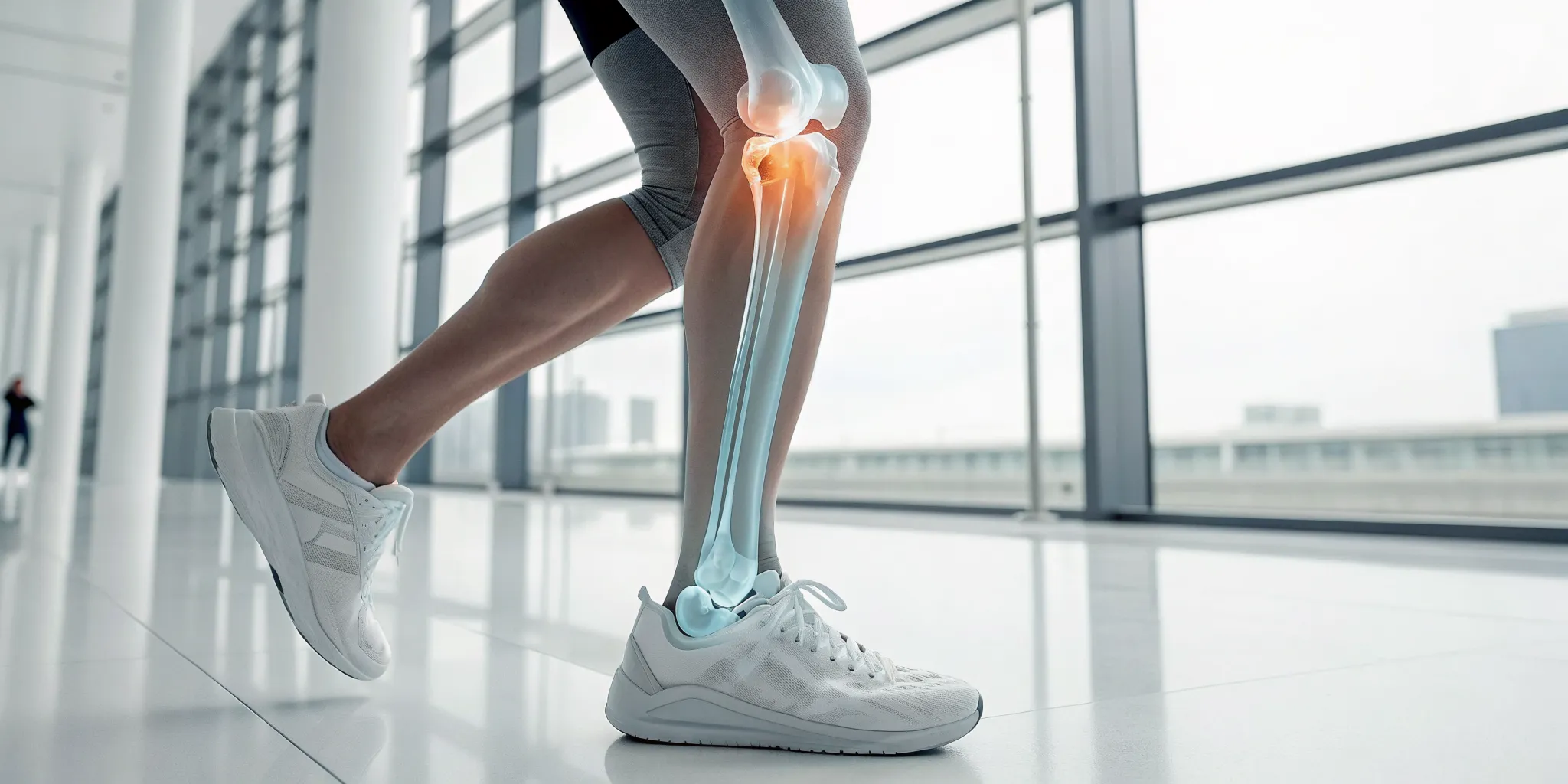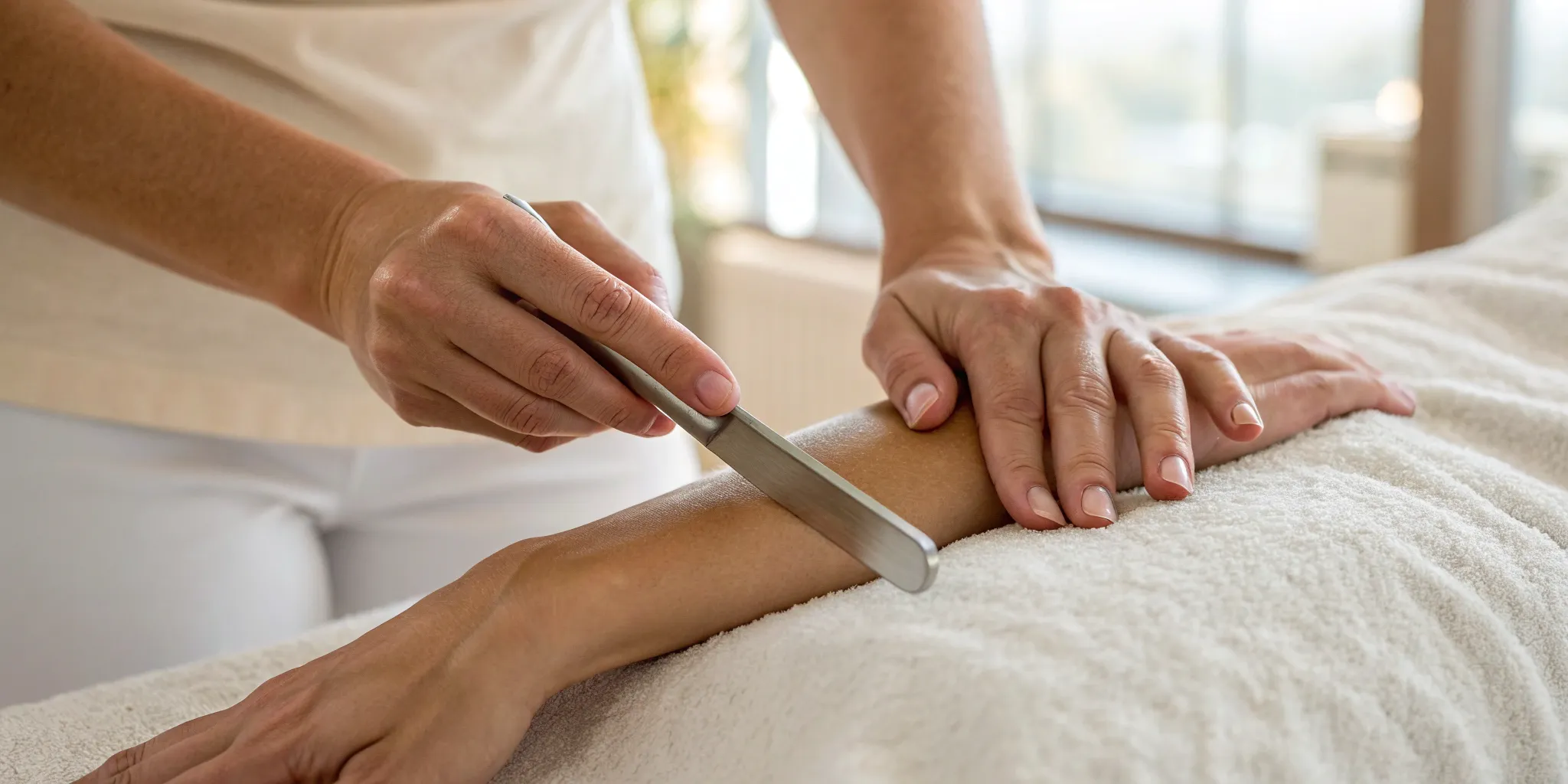
Many conventional treatments for knee pain focus on quieting the symptoms, but they don't fix what’s actually broken. Regenerative medicine offers a fundamentally different approach. Instead of just masking pain, it works to repair the damaged tissue that’s causing it in the first place. This is the foundation of modern knee pain treatment without surgery in Tampa. By harnessing your body's own powerful healing agents, we can help rebuild cartilage, strengthen ligaments, and reduce inflammation directly at the source. This strategy is about creating true, sustainable healing, helping you build a stronger, more resilient knee for the long term.
Key Takeaways
- Surgery is not the only path to relief: Many common knee problems, from arthritis to certain ligament injuries, can be effectively treated with non-surgical methods that strengthen the joint and support your body's healing abilities.
- Focus on repair, not just symptom relief: Regenerative medicine aims to fix the underlying cause of your pain by using your body's own healing agents to repair damaged tissue, offering a constructive alternative to temporary fixes.
- A personalized plan is essential for success: Since no two knee injuries are the same, the most effective treatment comes from a comprehensive assessment that leads to a customized strategy tailored to your specific body, lifestyle, and goals.
Can You Treat Knee Pain Without Surgery?
If you’re dealing with knee pain, you might think surgery is your only real option for relief. The good news is that for many people, that simply isn’t true. A growing body of research shows that non-surgical treatments can be incredibly effective for a wide range of knee problems, from chronic achiness to specific injuries. The idea of avoiding a lengthy and painful recovery is a powerful motivator for exploring these alternatives.
Deciding to treat knee pain without surgery is about finding a solution that fits your life and your body. It’s a proactive approach that puts you in control of your health journey. Instead of immediately turning to invasive procedures, we can focus on methods that support your body’s own healing processes. Our goal at Ascend Functional Health is to identify the specific cause of your pain and create a personalized plan that helps you get back to your life with renewed strength and mobility. Many of our patients have found lasting relief by addressing the root of the problem, not just the symptoms.
Common Conditions We Treat
Many common knee conditions that cause daily pain and stiffness, like osteoarthritis, respond very well to non-surgical care. You don't have to accept discomfort as a permanent part of your life. Studies support using conservative treatments, including targeted physical therapy and lifestyle adjustments, to manage symptoms and improve function. At our Tampa clinic, we see patients find significant relief from these approaches every day. We focus on understanding the complete picture of your health to address the underlying factors contributing to your knee pain, which is a core part of our functional medicine philosophy. This allows us to create a plan that helps you feel better now and supports your long-term joint health.
Meniscus Tears and Ligament Injuries
Hearing you have a meniscus tear or ligament injury can feel like a direct ticket to the operating room, but that’s often not the case. For many types of injuries, especially degenerative or non-traumatic tears, active rehabilitation can be just as effective as surgery in reducing pain and restoring function. A personalized program of corrective exercises and physical medicine can help strengthen the supporting muscles around your knee, improve stability, and allow your body to heal without invasive procedures. This approach is all about restoring proper movement and function, giving you a path to recovery that works with your body instead of against it.
Tendonitis and Chronic Inflammation
When your knee pain stems from chronic inflammation, like tendonitis, the goal is to calm the irritation and correct the mechanics that caused it in the first place. Simply masking the pain doesn't solve the problem. A comprehensive treatment plan often combines therapies to manage discomfort with corrective exercises to improve mobility and reduce strain on the tendon. By addressing the inflammation and the underlying movement patterns, we can help you find lasting relief. This holistic strategy is key to breaking the cycle of chronic pain and preventing future flare-ups, allowing you to get back to your favorite activities with confidence.
Your Non-Surgical Treatment Options for Knee Pain
If you’re dealing with persistent knee pain, you might think a major procedure is your only path to relief. The good news is that there are many effective, non-surgical ways to address knee pain by focusing on healing the joint from within, not just masking the symptoms. The key is often a comprehensive plan that combines several approaches to strengthen, repair, and realign your body. By exploring these options, you can find a personalized strategy that helps you get back to your life with less pain and better mobility.
At Ascend Functional Health, we create integrated plans that draw from our three pillars of healing. Our services are designed to uncover the root cause of your discomfort and support your body’s ability to repair itself. From targeted physical therapies to advanced regenerative techniques, your journey toward a healthier knee can start without a single incision.
Physical Therapy and Rehabilitation
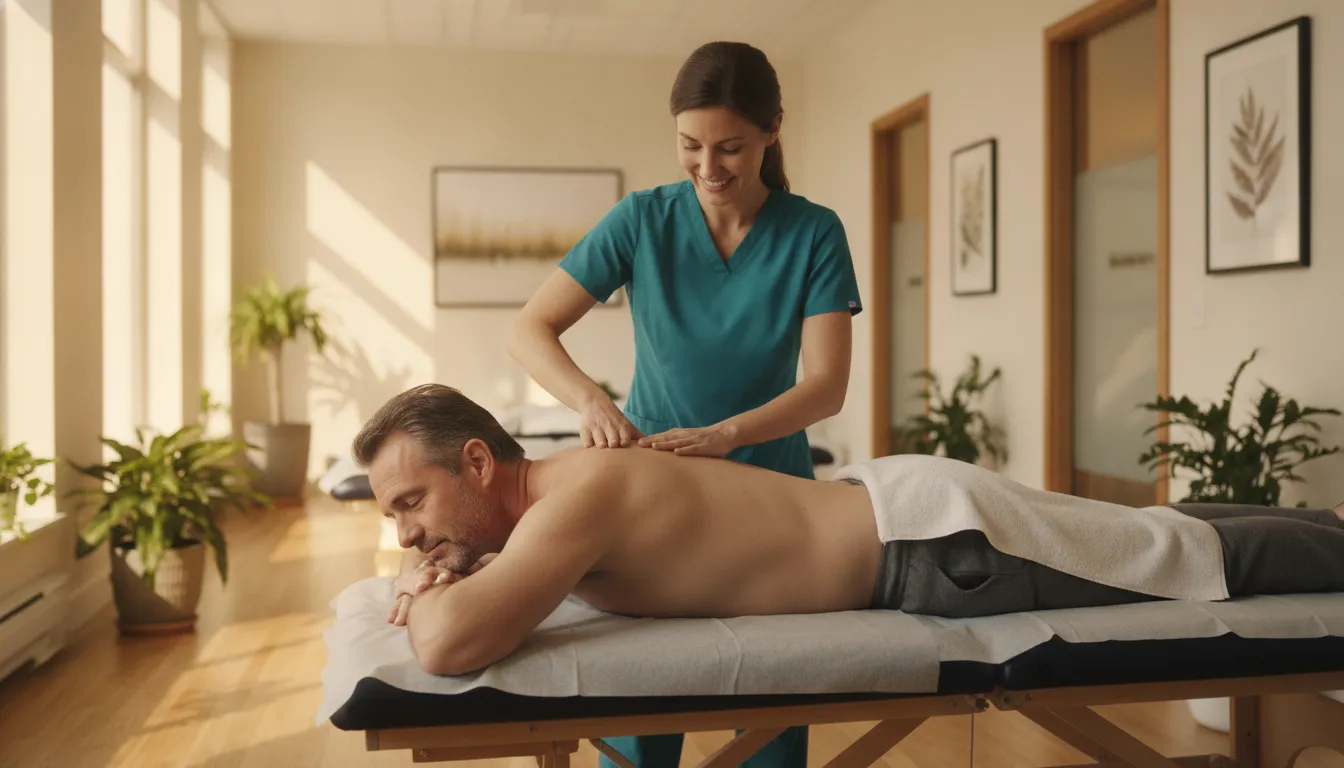
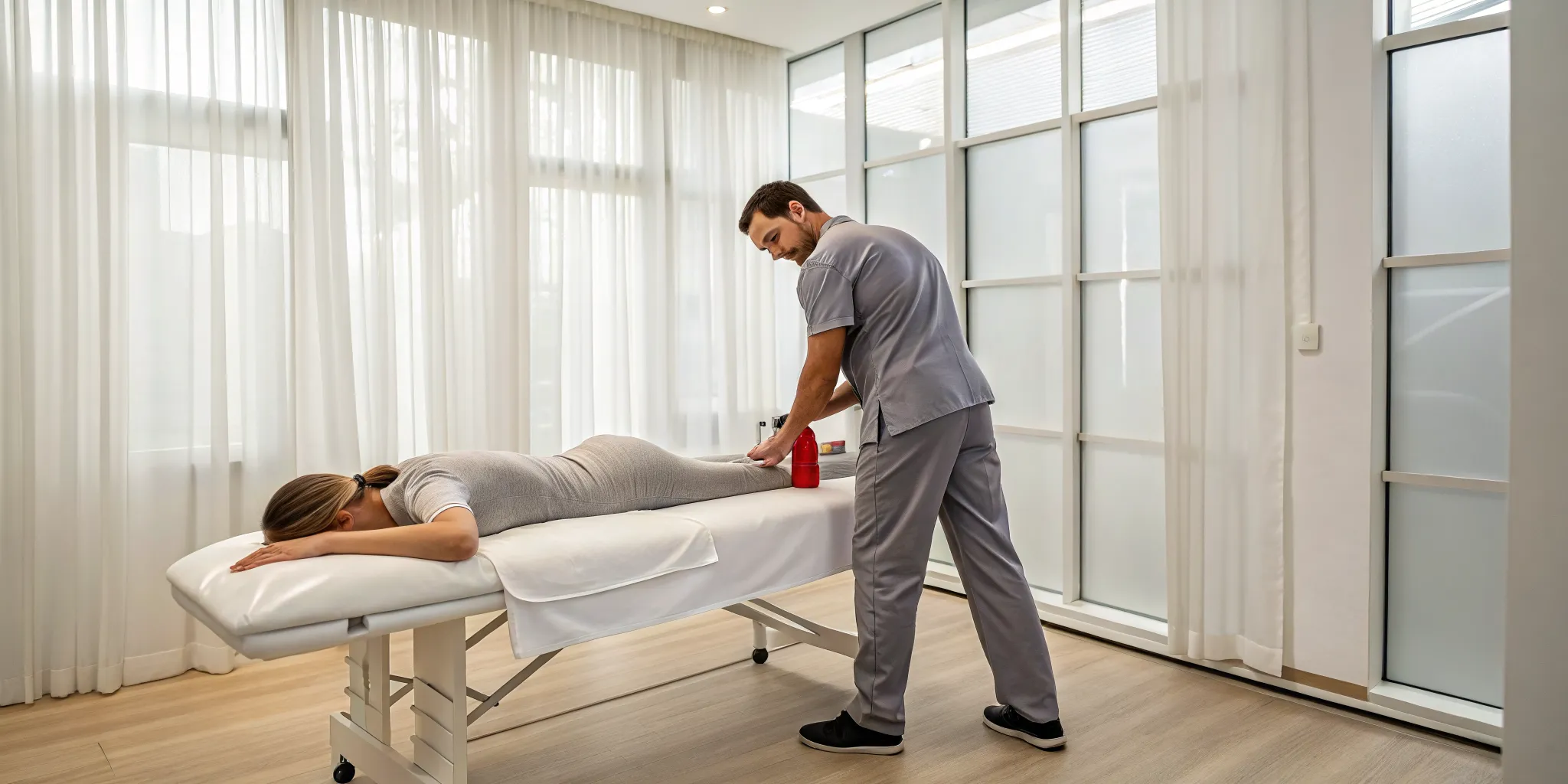
One of the cornerstones of non-surgical knee treatment is physical therapy. This isn’t just about doing a few leg lifts; it’s a structured program of exercises designed to stretch and strengthen the specific muscles that support your knee. When these muscles are strong and flexible, they act like a natural brace for the joint, absorbing shock and reducing strain. A physical rehabilitation plan helps restore proper movement patterns, improves your range of motion, and builds a resilient foundation for long-term knee health. Our approach to physical medicine focuses on creating a program tailored to your body’s unique needs.
Chiropractic and Corrective Movement
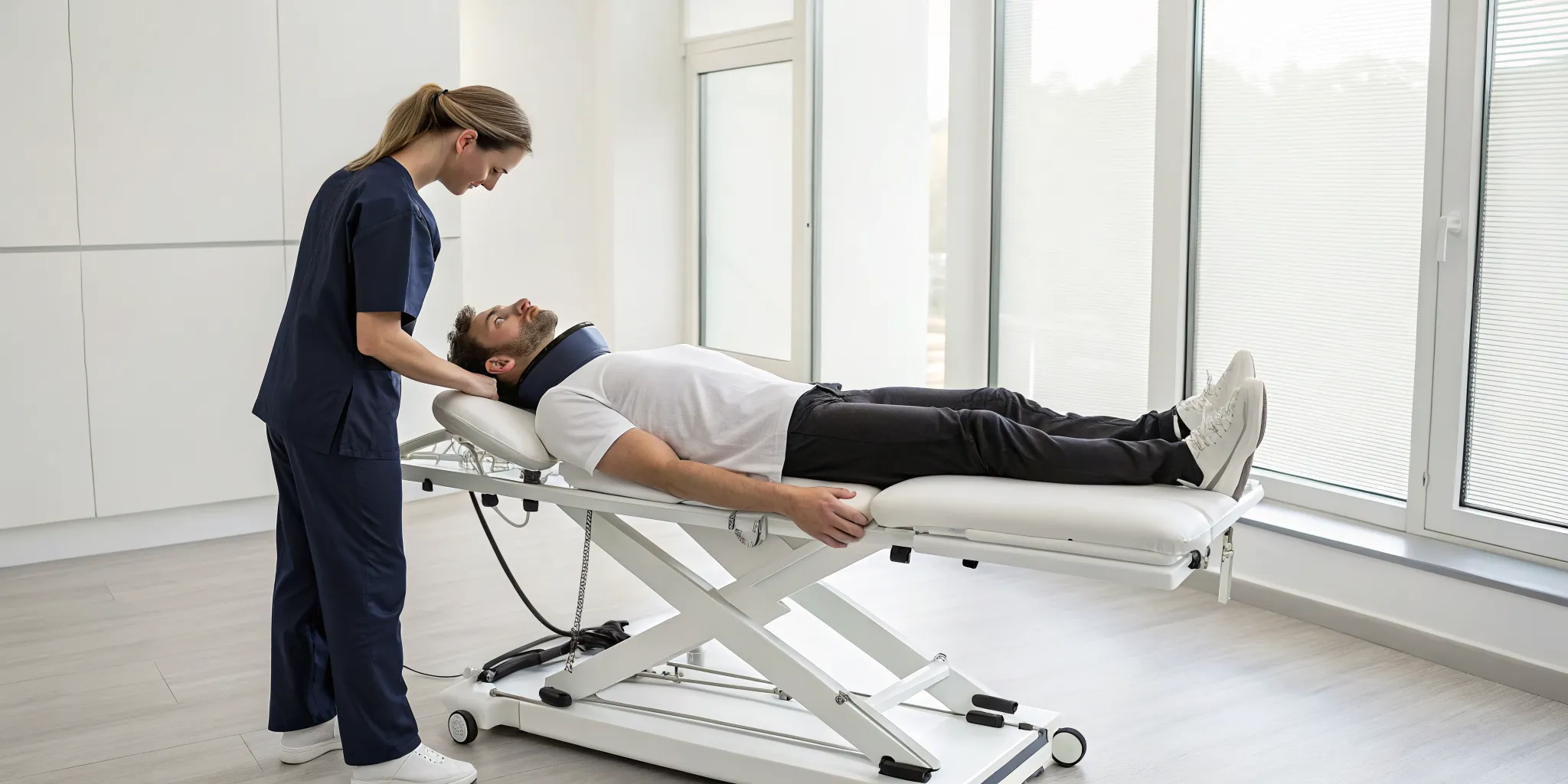
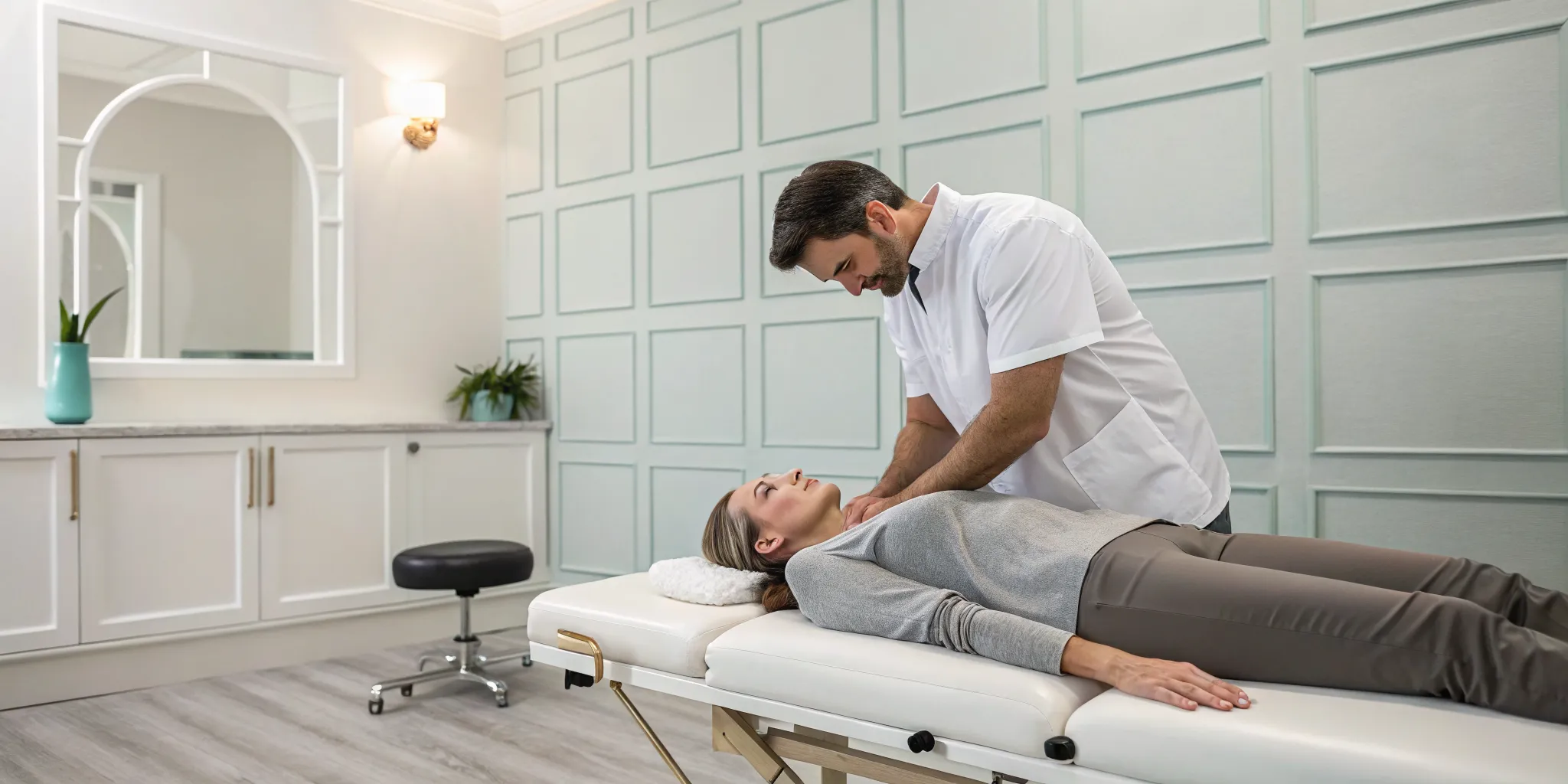
Sometimes, knee pain isn’t just a knee problem. Your body is an interconnected system, and an issue in your hips, ankles, or even your spine can create a chain reaction that puts extra stress on your knees. Chiropractic care can address these underlying alignment issues, ensuring your body is moving as a balanced, functional unit. By combining gentle adjustments with corrective movement exercises, we can help you retrain your body to move more efficiently. This holistic view is central to our philosophy, as we work to understand all the factors contributing to your pain and guide you toward meaningful improvement.
Platelet-Rich Plasma (PRP) Therapy
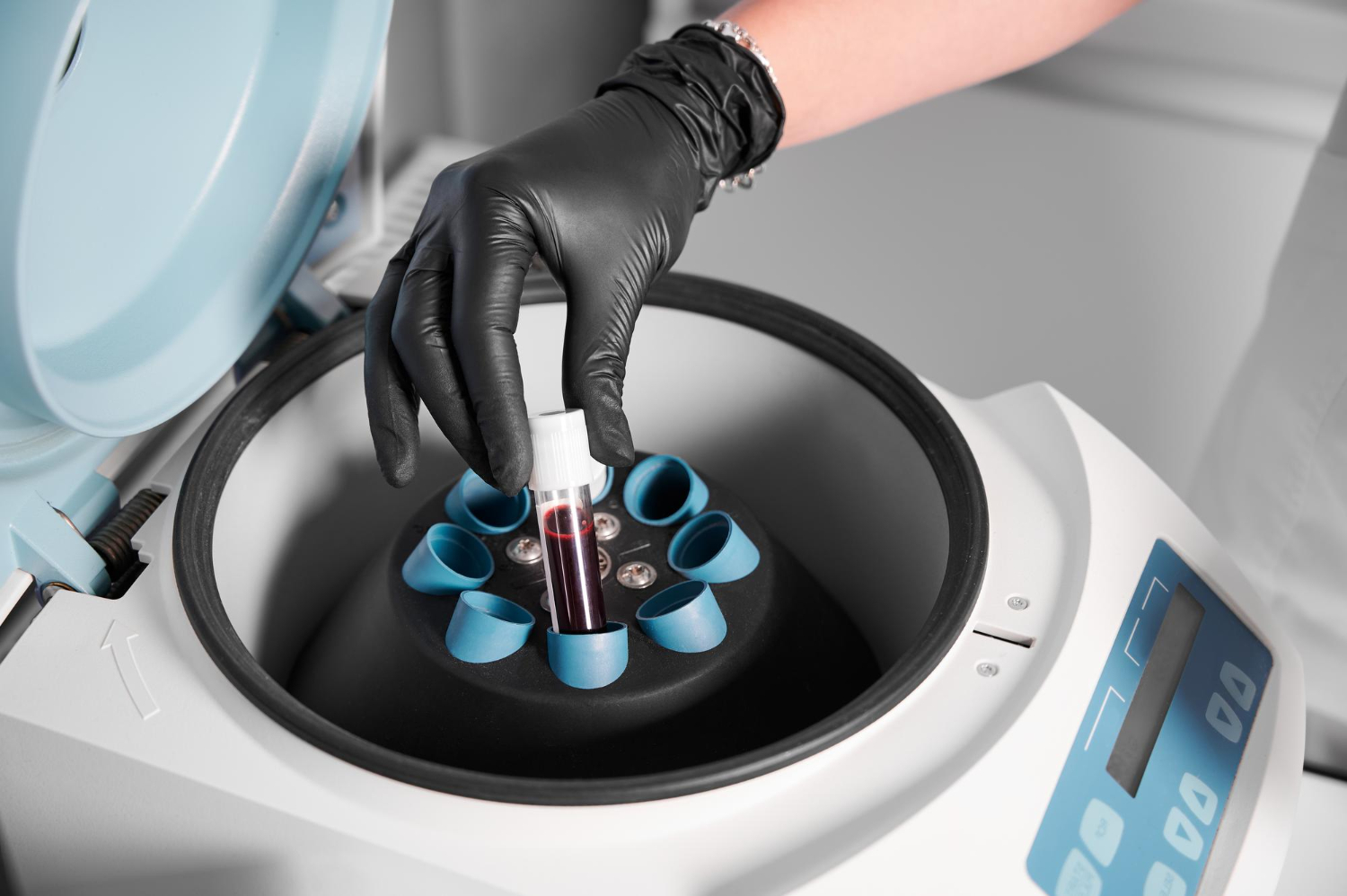
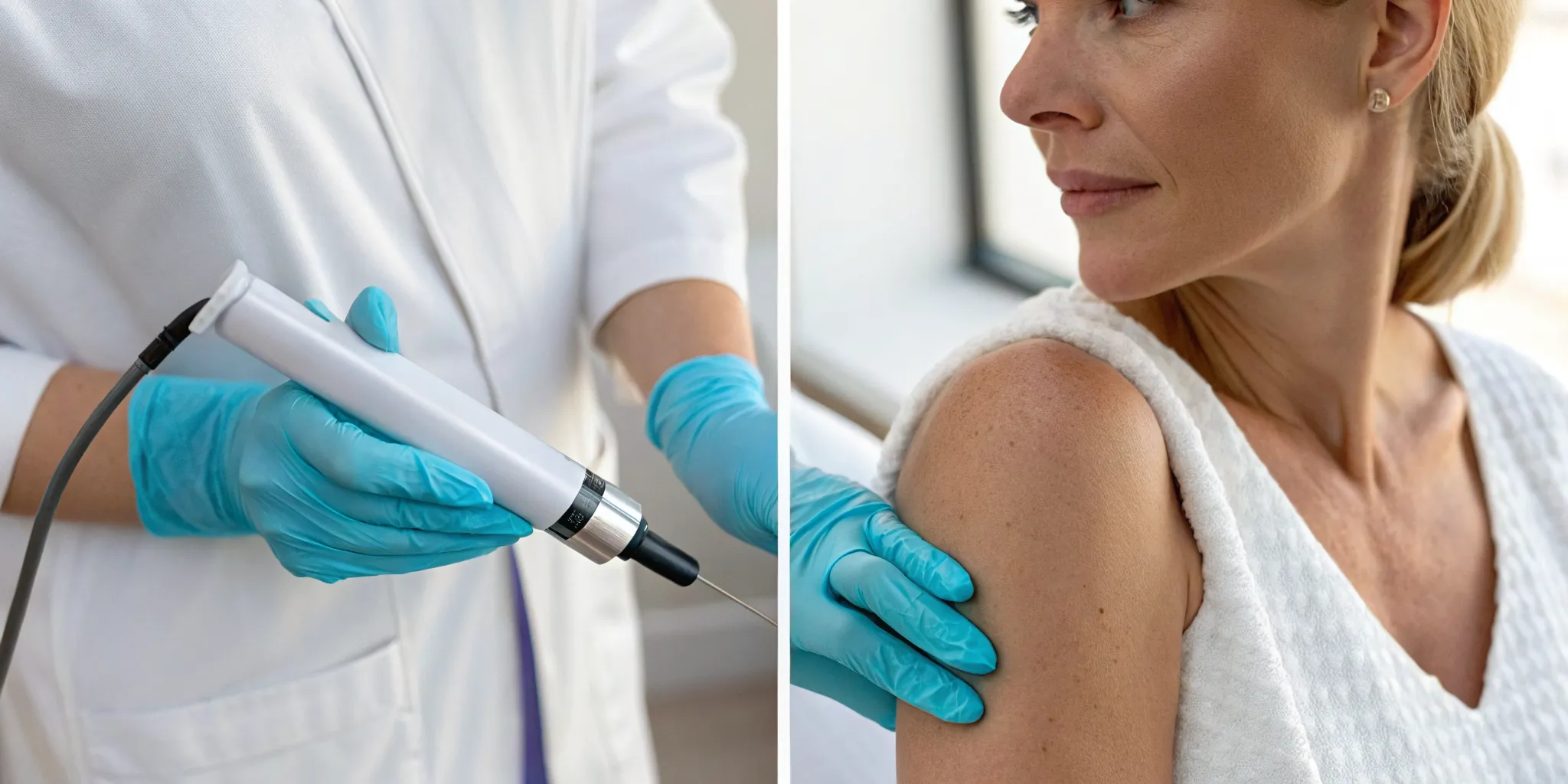
Regenerative medicine offers exciting possibilities for healing, and Platelet-Rich Plasma (PRP) therapy is a leading example. This treatment uses a concentration of your own blood platelets, which are rich in growth factors that signal your body to repair damaged tissue. When introduced into the knee, PRP can help accelerate the healing of ligaments, tendons, and cartilage. As a part of our longevity medicine services, PRP therapy harnesses your body’s own powerful healing mechanisms to address injuries and inflammation directly at the source.
Cell-Based Regenerative Therapies
For more significant joint issues, cell-based regenerative therapies offer another powerful option. These treatments use your body’s own repair cells to help rebuild damaged tissue and reduce inflammation within the knee joint. Instead of just managing symptoms, this approach aims to fundamentally change the environment of the joint to promote lasting healing. Patients have reported significant improvements in pain and function over time. These therapies are a key part of treating the conditions that cause chronic knee pain by getting to the root of tissue damage.
Supportive Therapies: SoftWave and Red Light
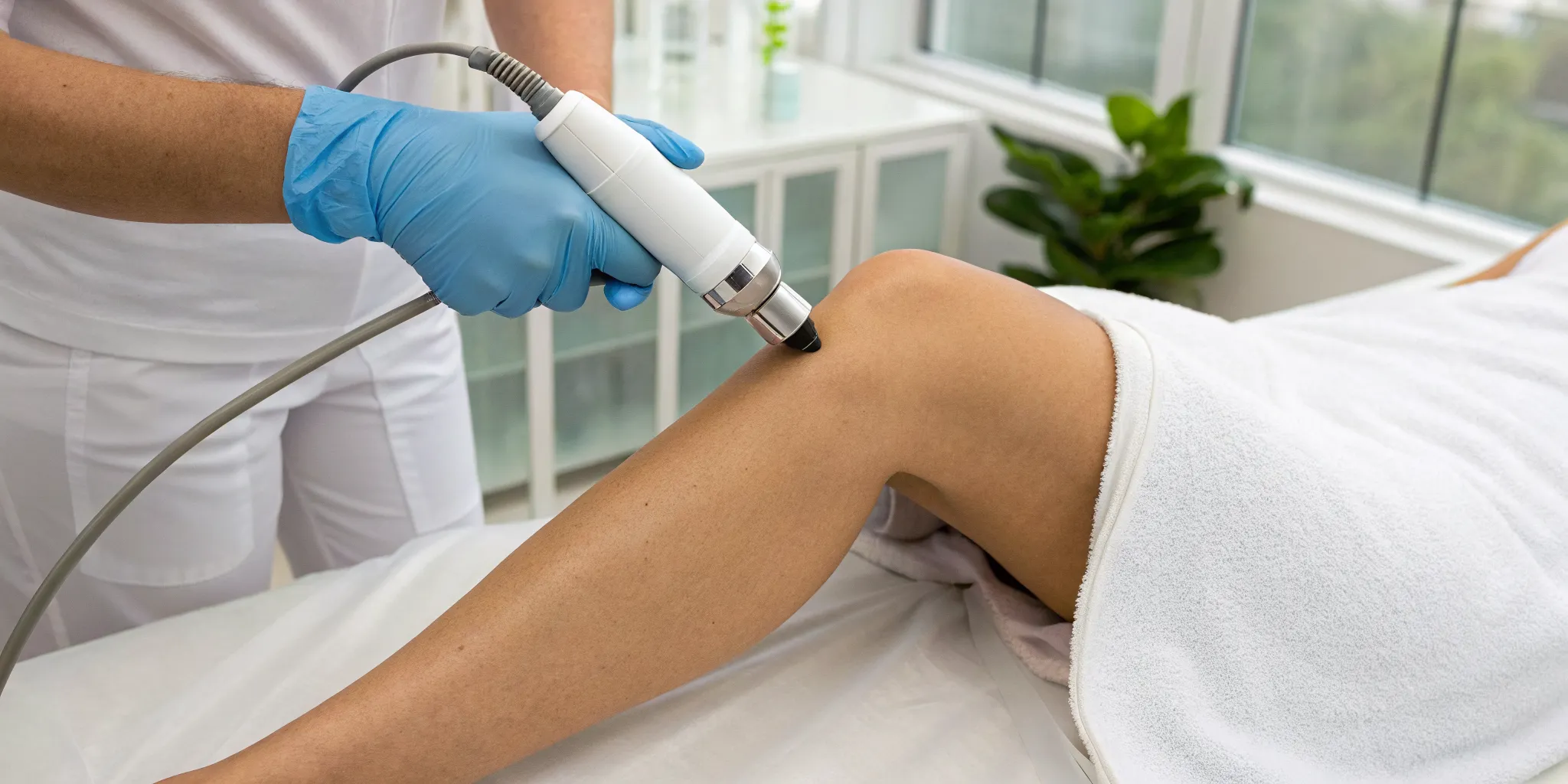
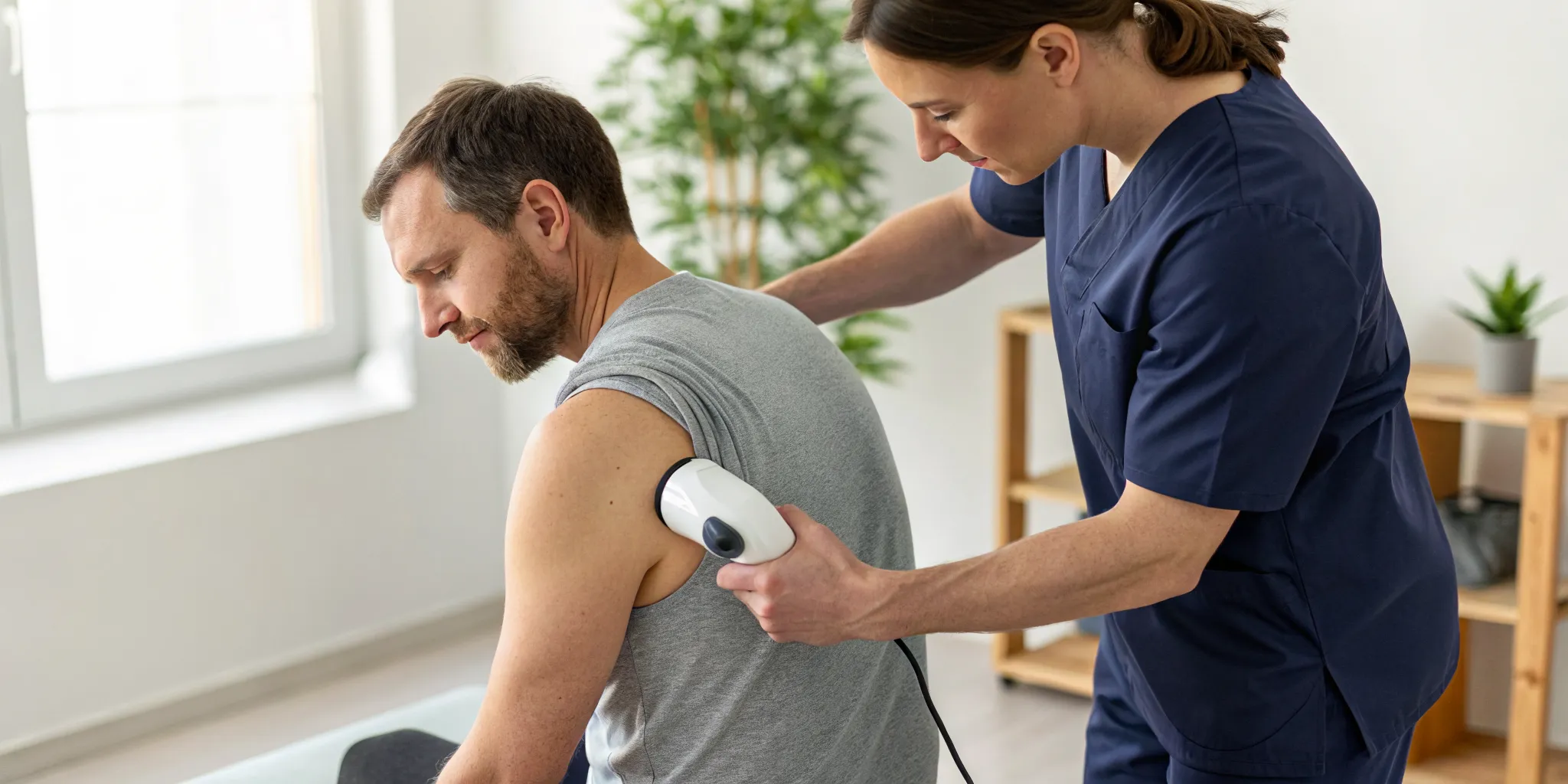
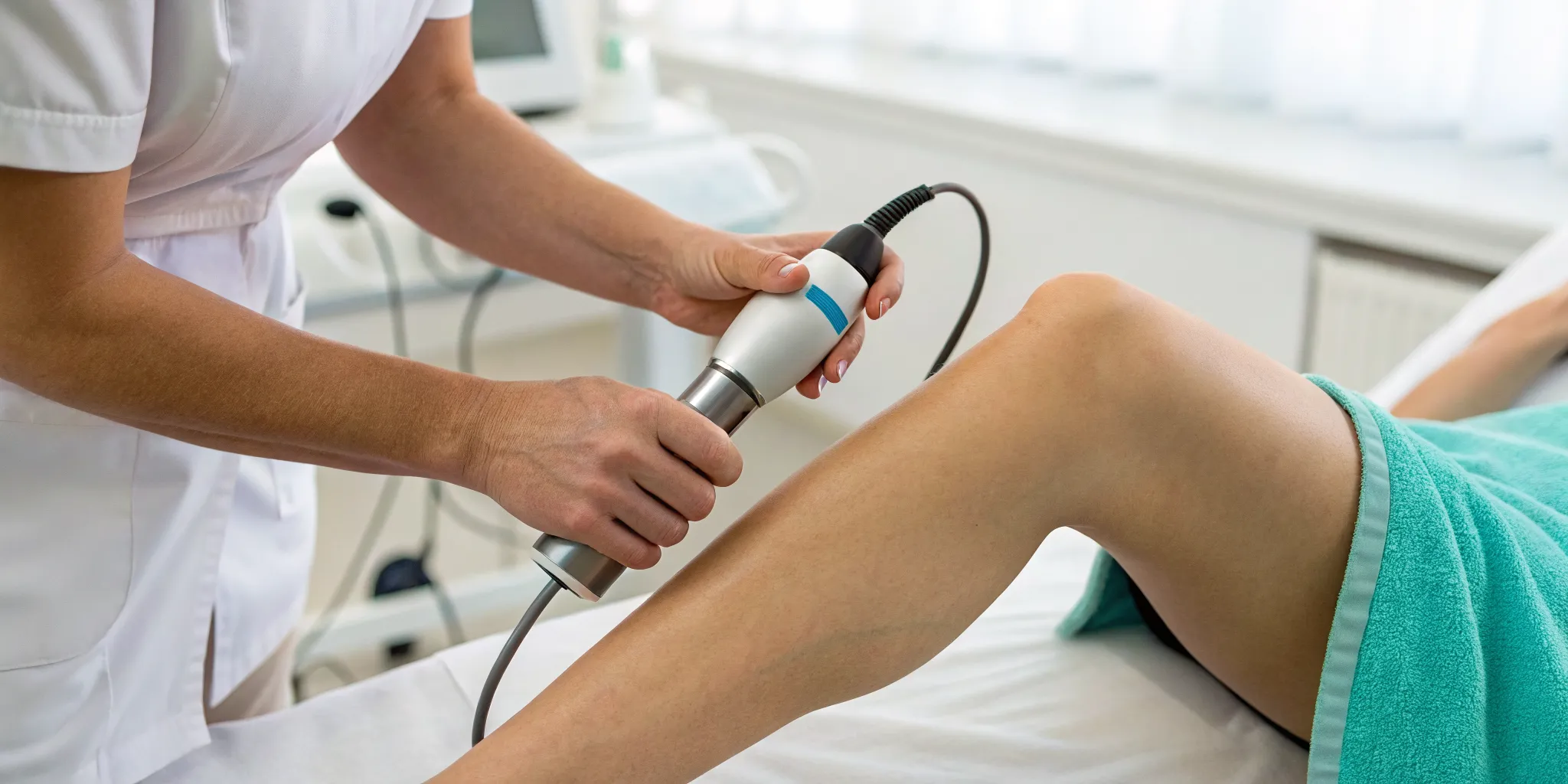
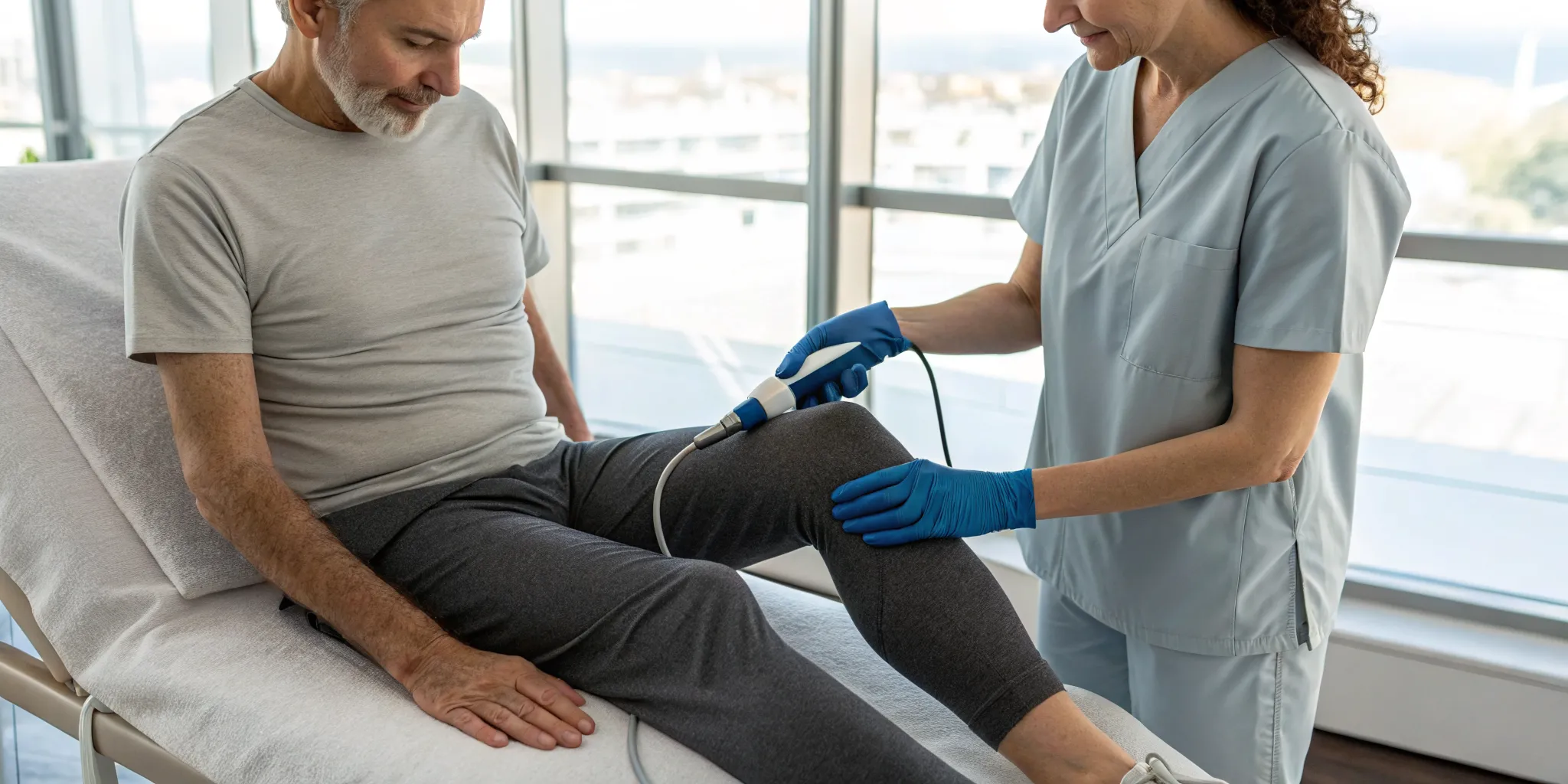
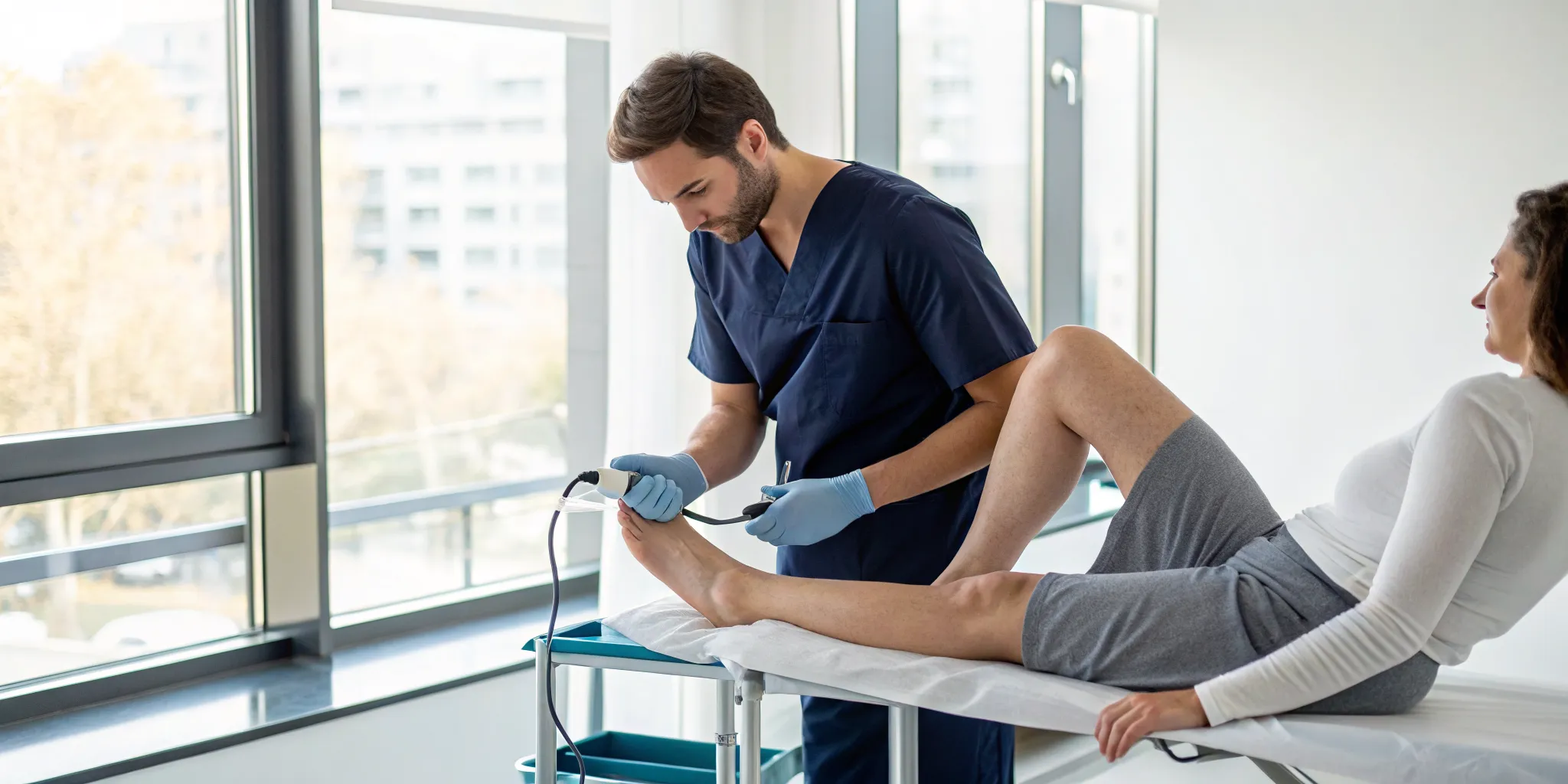
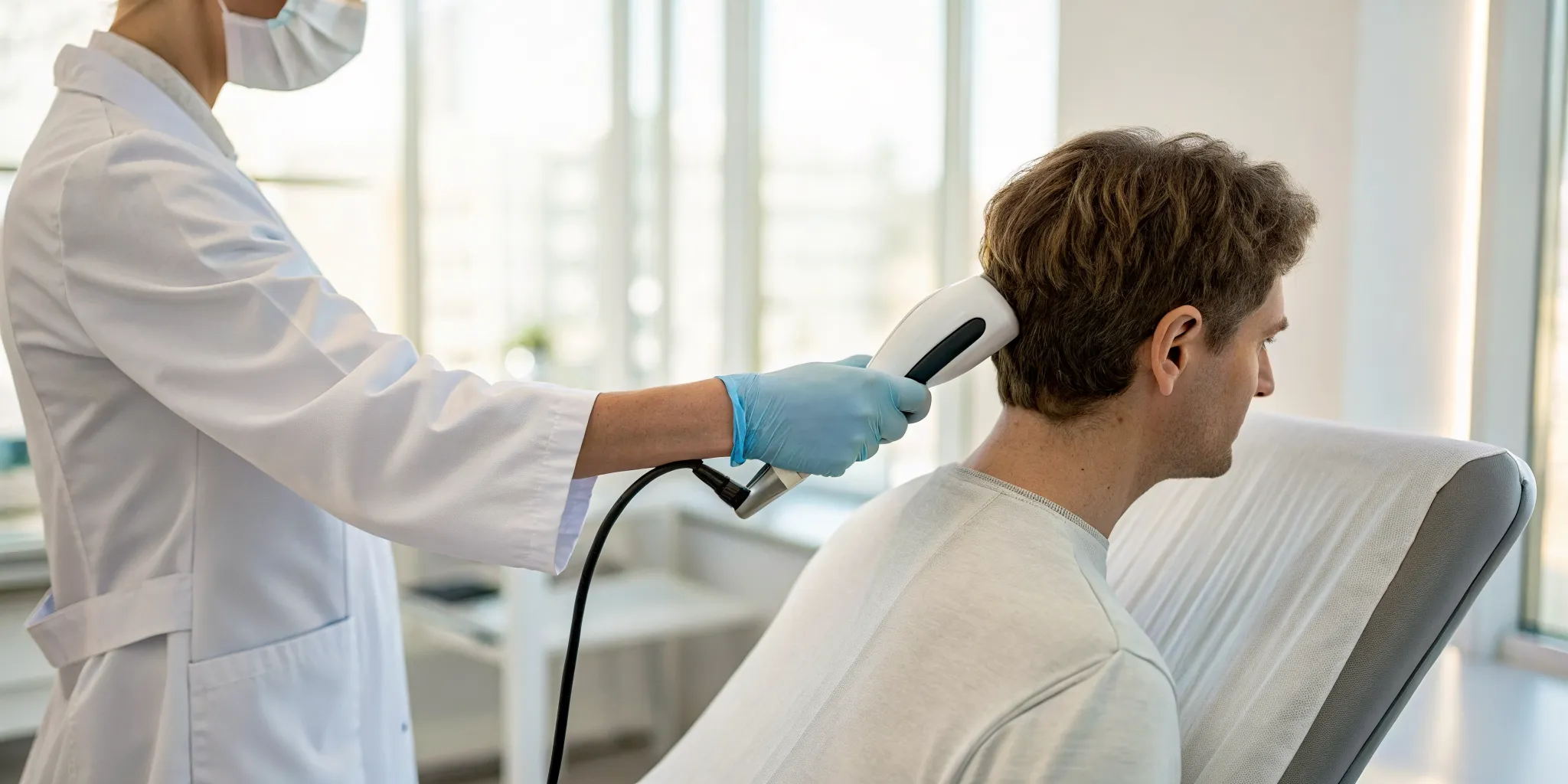
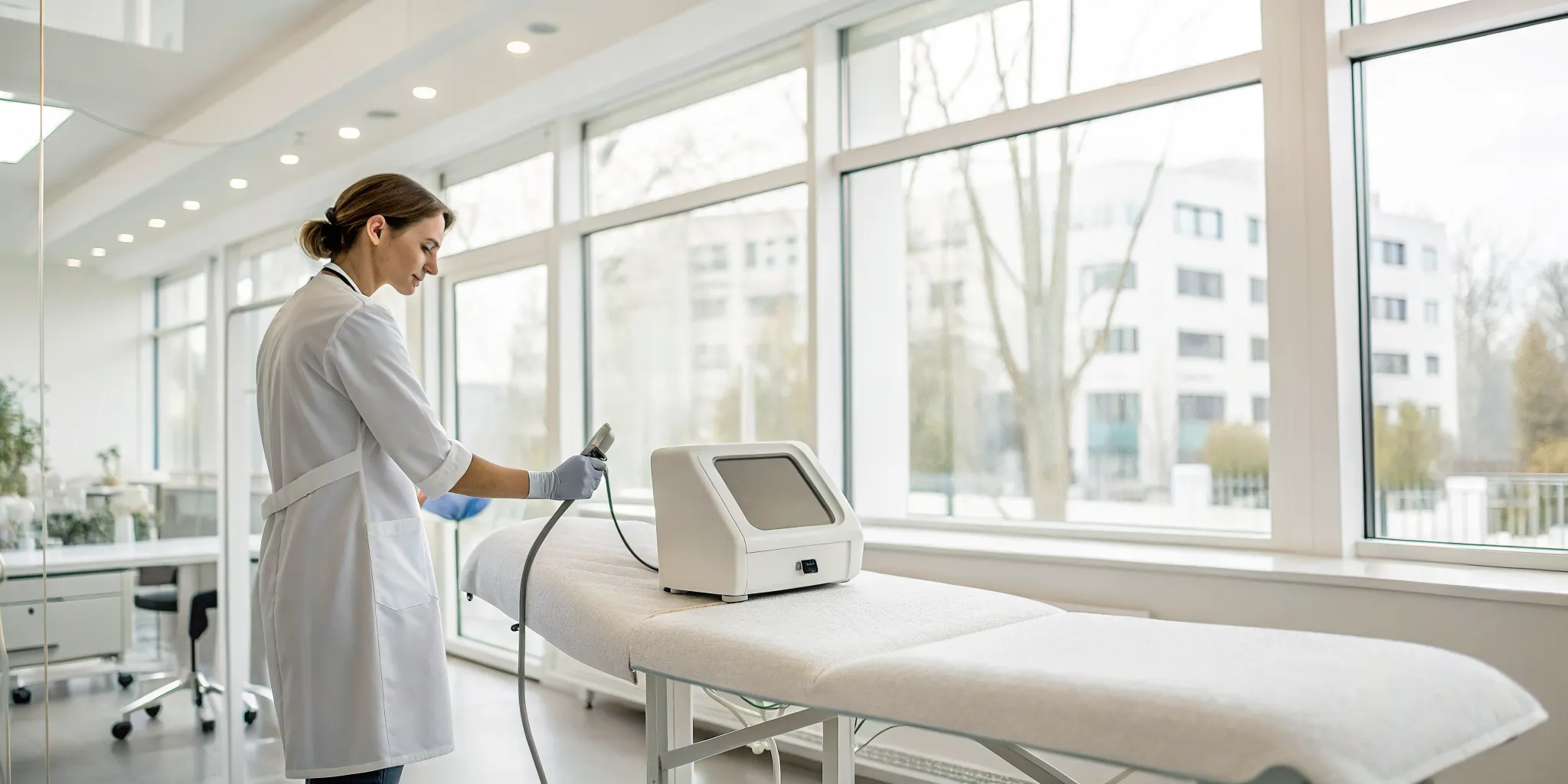
To enhance your body’s healing process, we often incorporate supportive therapies like SoftWave and Red Light Therapy into our treatment plans. SoftWave Therapy uses patented soundwave technology to reduce inflammation, improve blood flow, and stimulate your body’s natural repair mechanisms at a cellular level. It’s a non-invasive way to encourage tissue regeneration. Similarly, Red Light Therapy can help decrease pain and improve circulation. These cutting-edge techniques are part of our longevity medicine offerings and work beautifully alongside other treatments to accelerate your recovery and improve your results.
How Is Regenerative Medicine Different?
When you’re dealing with persistent knee pain, it’s easy to focus on one thing: making the pain stop. Many conventional treatments do just that, offering temporary relief by masking your symptoms. Regenerative medicine takes a fundamentally different approach. Instead of just silencing the pain signals, it aims to repair the underlying tissue damage that’s causing the pain in the first place. Think of it as fixing the leaky pipe instead of just mopping up the water.
This approach is all about working with your body, not against it. We use advanced, non-surgical procedures that harness your body's own healing capabilities to rebuild damaged cartilage, ligaments, and tendons. For many people in Tampa struggling with conditions like chronic arthritis or old sports injuries, this can be a game-changer. It shifts the goal from short-term pain management to long-term joint health and function. By focusing on true healing, our holistic health solutions help you get back to your life with strength and confidence, addressing the problem at its source for results that last.
Addressing the Root Cause, Not Just Symptoms
Knee pain is a symptom, not a diagnosis. The real issue might be a torn meniscus, ligament damage, or the steady wear-and-tear of arthritis. Simply managing the pain with medication doesn't address what’s actually broken. Regenerative medicine is different because it focuses entirely on the root cause. By identifying the specific source of your knee instability and pain, we can create a treatment plan that targets the damaged tissue directly.
This approach offers a powerful alternative to just living with the pain or resorting to invasive procedures. Instead of a temporary fix, the goal is to resolve the underlying injury. By treating the conditions that cause your pain, we aim for lasting relief and improved function, helping you build a stronger, more resilient knee.
Promoting Your Body's Natural Healing
Your body has an incredible, innate ability to heal itself. Regenerative medicine is designed to amplify that natural process. Treatments like PRP and cell-based therapies use a concentrate of your body's own healing agents, precisely delivered to the site of your knee injury. This gives your body a powerful toolkit to accelerate repair, reduce inflammation, and rebuild damaged tissue from the inside out.
Instead of introducing synthetic substances, we’re using the biological resources you already have. This process supports your body’s own healing cascade, helping it do its job more effectively. It’s a core part of our physical medicine philosophy: to facilitate your body’s ability to restore itself, leading to more authentic and sustainable healing.
Regenerative Therapies vs. Steroid Injections
Steroid injections are a common treatment for knee pain because they can offer fast, temporary relief by powerfully reducing inflammation. However, they do little to fix the underlying problem. These injections often just "hide the pain" and don't actually help the knee heal. Over time, repeated steroid use can even weaken cartilage and tendons, potentially making the joint more vulnerable to further damage.
Regenerative therapies offer a constructive alternative. Rather than just suppressing symptoms, they are designed to rebuild and repair. By stimulating tissue regeneration, these treatments aim to strengthen the joint, improve stability, and provide lasting pain relief. It’s the difference between patching a problem and truly solving it, giving you a better long-term outcome with our available services.
How Effective Are Non-Surgical Knee Treatments?
It’s natural to wonder if you can find real relief from knee pain without going under the knife. The answer is a resounding yes. Many people find significant, lasting improvement through non-surgical approaches. For example, studies on regenerative treatments for knee osteoarthritis show that patients can feel a major difference in just a few months. The key is moving beyond temporary fixes and focusing on treatments that support your body’s ability to heal from the inside out. This approach not only addresses the pain but also improves the underlying health of your knee joint, helping you get back to the activities you love.
What Results Can You Expect?
Many people experience a significant reduction in pain and an increase in mobility with non-surgical treatments. In fact, for conditions like knee osteoarthritis, non-surgical care is considered the cornerstone of effective management. This often includes patient education, structured exercise, and other supportive therapies. Advanced procedures can also offer remarkable results. For instance, certain treatments work by reducing inflammation in the knee, which can lead to improved function and a better quality of life for those with moderate to severe knee pain. The goal is to help you move more freely and with less discomfort.
Common Misconceptions About Treatment Outcomes
One of the biggest myths about knee pain is that surgery is your only real option once the pain becomes severe. This simply isn't true. A wide range of effective non-surgical alternatives exists, but unfortunately, many people don't explore them. Research shows that some individuals have a hard time believing that non-surgical options can work, which can prevent them from finding relief. It’s important to keep an open mind and understand that evidence-based nonsurgical treatments are backed by science and have helped countless people reclaim their mobility and live pain-free lives without invasive procedures.
Why a Personalized Plan Is Key to Success
There is no one-size-fits-all solution for knee pain. Your body, your lifestyle, and the root cause of your pain are unique, which is why a personalized treatment plan is essential for success. A thorough initial consultation allows a provider to understand your specific situation and develop a tailored approach. This isn't a "set it and forget it" plan. As your condition improves and your body changes, your treatment plan can be adjusted to ensure you continue to make progress. This dynamic and personalized approach to physical medicine is fundamental to achieving the best possible outcome.
Non-Surgical Options vs. Knee Surgery
Deciding how to treat persistent knee pain is a big decision. While surgery is a well-known option, it’s not the only path forward, and it often comes with significant risks and a long recovery. Many people find lasting relief and get back to their lives through non-surgical treatments that support the body's healing process. Understanding the key differences in pain relief, recovery, and when each approach is most appropriate can help you make an informed choice for your health. Let's compare these two paths so you can see what might work best for you.
Comparing Pain Relief and Mobility
The ultimate goal is to move without pain. Surgical procedures can offer significant changes, but they don't come with guarantees and carry inherent risks. Non-surgical treatments, on the other hand, work with your body to produce gradual but meaningful improvements. Patients undergoing regenerative treatments often report steady progress, with some studies showing a 50% improvement at the three-month mark and averages reaching up to 76% overall. These approaches offer effective pain reduction and help you regain mobility with fewer complications. This allows you to feel better without the long interruption and potential setbacks of a major operation.
Recovery Time and Impact on Your Life
Your life doesn't stop for knee pain, and your treatment shouldn't force it to. Traditional knee surgery often involves a lengthy and sometimes difficult recovery, requiring months of physical therapy to get back on your feet. In contrast, many non-surgical procedures are completed with minimal downtime. Some patients are back to light daily activities within just 24 to 48 hours. This means less time away from work, family, and the activities you love. Our approach at Ascend Functional Health prioritizes your well-being and lifestyle, aiming for treatments that fit into your life, not disrupt it. You can learn more about our patient-centered philosophy on our about page.
When Is Surgery the Right Choice?
While our focus is on non-surgical solutions, we also believe in providing clear and honest guidance. There are times when surgery may be the most suitable option. If your knee pain involves severe swelling, stiffness, or a "locking" sensation, it's crucial to get it checked out by a professional. However, for many types of chronic knee pain, the standard approach is to begin with less invasive methods first. Combining treatments like physical therapy with other supportive therapies is often the first step to managing pain. The best way to know what's right for you is to get a comprehensive assessment. We invite you to contact our team to discuss your symptoms and explore a personalized plan.
What to Expect from Your Treatment Plan
Stepping into a new treatment plan can feel like a big decision, but it’s really just the first step on a clear, structured path toward feeling better. Your journey is a partnership between you and your provider, designed to get to the root of your knee pain and create lasting relief. It’s not about quick fixes; it’s about building a solid foundation for long-term health. From the moment you walk in, the focus is on understanding your unique situation and crafting a roadmap that makes sense for your body and your life.
Your First Consultation and Assessment
Your first visit is all about you: your pain, your history, your lifestyle, and your goals. We’ll sit down for a detailed conversation to understand how knee pain is affecting your daily activities, from walking the dog to climbing stairs. This initial assessment involves a thorough examination to identify the specific tissues and movements causing your discomfort. Think of it as a fact-finding mission where we gather all the information needed to build your personalized strategy. This collaborative approach ensures your treatment plan is tailored specifically to you from day one, because the best results come from a plan that truly fits your needs.
Creating Your Personalized Treatment Timeline
Once we have a complete picture of your knee health, we’ll create your personalized treatment timeline. This isn’t a generic handout; it’s a carefully sequenced plan that outlines which therapies we’ll use and when. Your timeline may include a combination of treatments designed to work together, such as corrective chiropractic care to improve alignment and regenerative therapies to repair tissue. We map out each phase of your care so you always know what’s next and what to expect. This plan is built around the specific conditions we treat and is designed to address the underlying cause of your pain, not just mask the symptoms.
Your Recovery and Ongoing Support
Your recovery is a dynamic process, and we’re here to support you through all of it. Progress is often gradual, with many people reporting significant improvements within the first few months of treatment. We’ll monitor your progress closely, making adjustments to your plan as needed to ensure you’re getting the best possible results. Ongoing support is a critical part of your success, as it helps reinforce the healing process and prevent future issues. We believe in empowering you with the knowledge and care you need to maintain your results long after your initial treatment is complete, and our patient stories show just how effective this supportive approach can be.
How to Choose the Right Knee Pain Specialist in Tampa
Finding the right specialist for your knee pain is a critical step toward lasting relief. The provider you choose should be a partner in your health journey, someone who understands your goals and has the expertise to create a plan that works for you. In Tampa, you have many options, so it’s important to know what to look for and what questions to ask to ensure you find the best fit for your specific needs. Making an informed choice now can make all the difference in your recovery and long-term well-being.
What to Look for in a Provider
When you're searching for a knee pain specialist, look for a team that sees the bigger picture. The right provider won't just focus on the knee itself but will investigate the underlying causes of your discomfort. Seek out a clinic that offers an integrated care model, combining different healing modalities to create a truly comprehensive plan. This means they should be equipped to address everything from biomechanical issues to systemic inflammation. A provider who offers personalized care tailored to your body and lifestyle is far more effective than one who applies a one-size-fits-all solution. Your specialist should be a partner who listens to your concerns and works with you to achieve your health goals.
Questions to Ask Before Starting Treatment
Before you commit to any treatment, it’s important to have a clear conversation with your potential provider. A good consultation is a two-way street. Come prepared with questions to make sure their approach aligns with your expectations. You might ask: "What is your process for diagnosing the root cause of knee pain?" or "What non-surgical treatment options do you offer?" It's also helpful to inquire about how they track progress and what a typical treatment timeline looks like. Understanding the full scope of conditions they treat can also give you confidence in their expertise and show you they have experience with issues similar to yours.
The Ascend Functional Health Approach
At Ascend Functional Health, we build your treatment plan around our three pillars of healing: Physical Medicine, Functional Medicine, and Longevity Medicine. This structure allows us to address your knee pain from every angle. We start by identifying the root cause, whether it's a structural issue, a problem with your gut health, or a hormonal imbalance. Our physical medicine services include innovative techniques like SoftWave Therapy, which uses soundwaves to support your body's natural repair processes and reduce inflammation without invasive procedures. By combining targeted therapies with a whole-body health strategy, we create a personalized path for you to move better, feel stronger, and regain control of your health.
Related Articles
- Is SoftWave Therapy for Knee Pain Right for You?
- 4 Ways to Regrow Knee Cartilage Without Surgery
- Knee Cartilage Regeneration Medicine: A 2026 Guide
- 5 Benefits of Shockwave Therapy for Patellar Tendonitis
- Regenerative Medicine for Knee Arthritis: What to Know
Frequently Asked Questions
Am I a good candidate for non-surgical knee treatment? Many people are excellent candidates, especially if you're dealing with chronic pain from osteoarthritis, tendonitis, or even certain ligament and meniscus injuries. The best way to know for sure is to have a thorough assessment. If your pain is a persistent part of your daily life and you want to find a solution that avoids a long surgical recovery, exploring these options is a great next step.
How long will it take for me to feel better? This is a very personal question, as everyone’s healing journey is unique. However, many patients begin to notice a real difference in their pain and mobility within the first few months of starting a personalized plan. The goal is to create steady, lasting improvement by healing the joint from the inside out, which is a process that builds over time.
I’ve tried physical therapy before and it didn’t work. How is your approach different? That's a common concern, and it often happens when physical therapy is used in isolation. Our approach is different because we don't just focus on strengthening exercises. We integrate physical therapy with other treatments, like chiropractic care to correct underlying alignment issues or regenerative therapies to repair damaged tissue. This combination addresses the problem from multiple angles, which often creates a better outcome.
Are regenerative treatments like PRP painful? You can expect some temporary discomfort during and after the procedure, but most people find it very manageable. The treatment itself is a simple introduction of the concentrated platelets into the joint. Afterwards, you might feel some soreness for a few days as the healing process begins. This is quite different from the significant pain and lengthy recovery associated with a major surgery.
Why do you need to look at my whole body if it's just my knee that hurts? Your body works as an interconnected system. Sometimes, knee pain isn't just a knee problem; it can be the result of an issue elsewhere, like an imbalance in your hips or an alignment problem in your spine. By taking a whole-body approach, we can identify and address the true source of the strain on your knee, which leads to more effective and lasting relief.