Living with chronic shoulder pain can make you feel like you've lost control over your own body and your life. It can be incredibly frustrating when discomfort dictates what you can and cannot do each day. But you don't have to accept this as your new normal. Reclaiming your mobility and getting back to a pain-free life is possible, and it doesn't have to involve invasive procedures. This article will serve as your guide to understanding the most effective, non-invasive options available for shoulder pain treatment without injections in Tampa, empowering you with the knowledge to take the next step toward recovery.
Key Takeaways
- Address the Root Cause with Non-Invasive Care: Lasting shoulder relief comes from treatments that target the source of the problem, not just the symptoms. Methods like chiropractic adjustments, SoftWave therapy, and corrective exercises work with your body to restore function and promote genuine healing.
- Support Your Recovery with Daily Habits: Your actions outside of the clinic are crucial for long-term success. Focus on improving your posture, choosing anti-inflammatory foods, and adjusting your sleeping position to reduce daily strain on your shoulder and prevent pain from returning.
- Know When to Seek Professional Guidance: If your shoulder pain persists for more than a few weeks or limits your daily activities, it's a clear sign to get a professional evaluation. A specialist can provide an accurate diagnosis and create a personalized plan to get you on the right path to recovery.
What's Causing Your Shoulder Pain?
That nagging ache in your shoulder can be more than just an annoyance; it can disrupt your sleep, work, and favorite activities. Shoulder pain is tricky because the joint is so complex, and the discomfort can stem from a variety of sources. It could be a specific injury, the result of repetitive movements, or even related to your posture. Understanding the potential cause is the first step toward finding effective, lasting relief. Let's look at some of the most common reasons you might be experiencing shoulder pain.
Rotator Cuff Injuries and Tendinitis
Your rotator cuff is a group of four muscles and their tendons that surround your shoulder joint, keeping the head of your upper arm bone firmly in its socket. When people talk about a rotator cuff injury, they're often referring to a tear in one of these tendons or inflammation, known as tendinitis. This can happen from a sudden injury or from gradual wear and tear over time. You might feel a dull ache deep in your shoulder or notice pain that gets worse when you try to lift your arm overhead or reach behind your back.
Shoulder Bursitis
Throughout your body, you have small, fluid-filled sacs called bursae that act as cushions between bones and soft tissues. When the bursae in your shoulder become inflamed, it’s called bursitis. This condition is frequently caused by repetitive overhead motions, like painting a ceiling, throwing a ball, or even just prolonged pressure on the shoulder. The primary symptom is pain, which can come on gradually or suddenly and may be sharpest when you move your arm. Identifying and addressing the root cause of this inflammation is a key part of our physical medicine approach.
Frozen Shoulder and Impingement Syndrome
Frozen shoulder, also known as adhesive capsulitis, is a condition where the shoulder joint becomes progressively stiff and painful, making it very difficult to move. It can feel like your shoulder is "stuck." Shoulder impingement is slightly different; it happens when the tendons of your rotator cuff get pinched by the bones in your shoulder during movement. This pinching action leads to pain and can limit your range of motion, especially when you lift your arm to the side or overhead. Both conditions can significantly impact your daily life, making simple tasks feel impossible.
Arthritis and Joint Degeneration
Just like in other joints, arthritis can affect the shoulder. The most common type is osteoarthritis, which is often called "wear and tear" arthritis. Over time, the protective cartilage that cushions the ends of your bones can wear down, leading to bone-on-bone friction. This causes pain, swelling, and stiffness that tends to worsen over time. While you can't reverse the damage from arthritis, you can manage the symptoms and improve your joint function with the right support and a comprehensive care plan.
Muscle Imbalances and Postural Issues
Your daily habits have a huge impact on your body. Poor posture, like hunching over a computer or constantly looking down at your phone, can create muscle imbalances around your neck and shoulders. Some muscles become tight and overworked while others become weak and underused. This imbalance pulls your shoulder joint out of its ideal alignment, placing stress on the muscles and tendons. Over time, this can lead to chronic pain and dysfunction, which is why addressing posture is a critical part of the conditions we treat.
Your Guide to Injection-Free Shoulder Pain Relief
If you’re dealing with persistent shoulder pain, you might think injections are your only option for relief. The good news is there are many effective, non-invasive ways to address the root cause of your discomfort and help your body heal. These approaches focus on restoring function, reducing inflammation, and building strength, so you can get back to your life without pain. Exploring these alternatives can provide lasting solutions, not just temporary fixes. Let’s walk through some of the best injection-free strategies for shoulder pain relief available right here in Tampa.
Chiropractic Care and Joint Manipulation
When your shoulder joint is misaligned, it can cause significant pain and limit your movement. Chiropractic care directly addresses this by using gentle adjustments to improve your shoulder’s alignment and overall function. A chiropractor can help restore proper mechanics, which takes pressure off the surrounding muscles and nerves. This process not only alleviates pain but also enhances your range of motion, making daily activities easier. By focusing on the structural cause of your discomfort, chiropractic adjustments offer a path to recovery that supports your body’s natural healing abilities without invasive procedures. It’s a foundational step for many people seeking long-term shoulder health.
SoftWave Regenerative Therapy
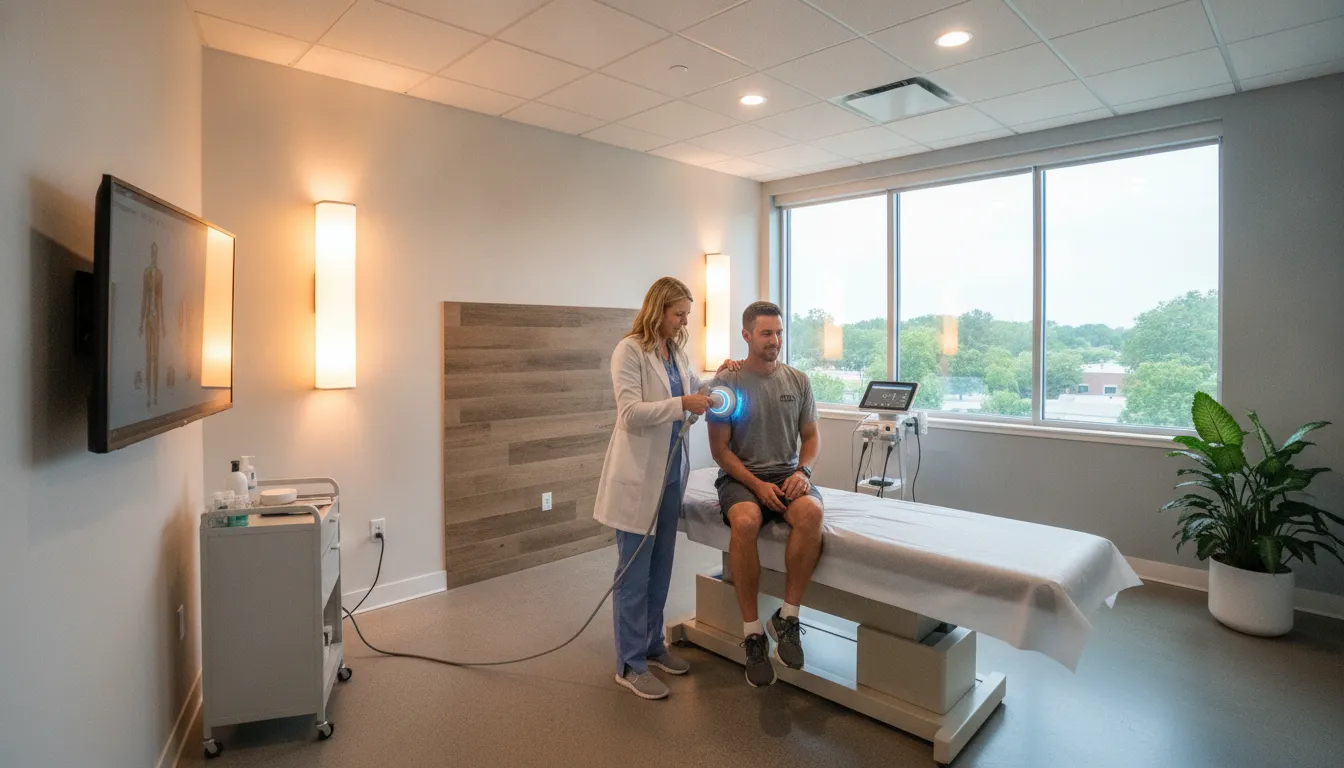
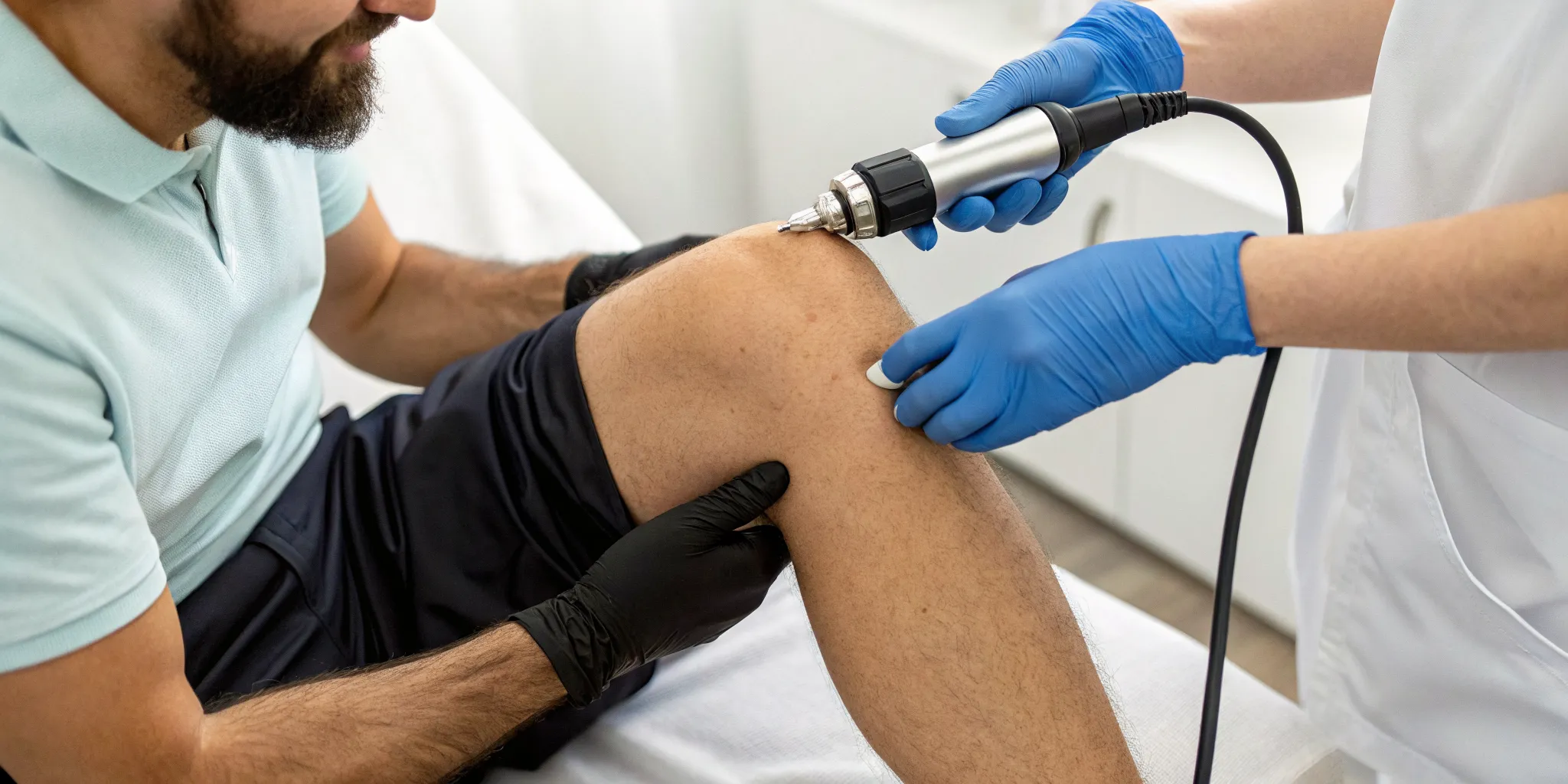
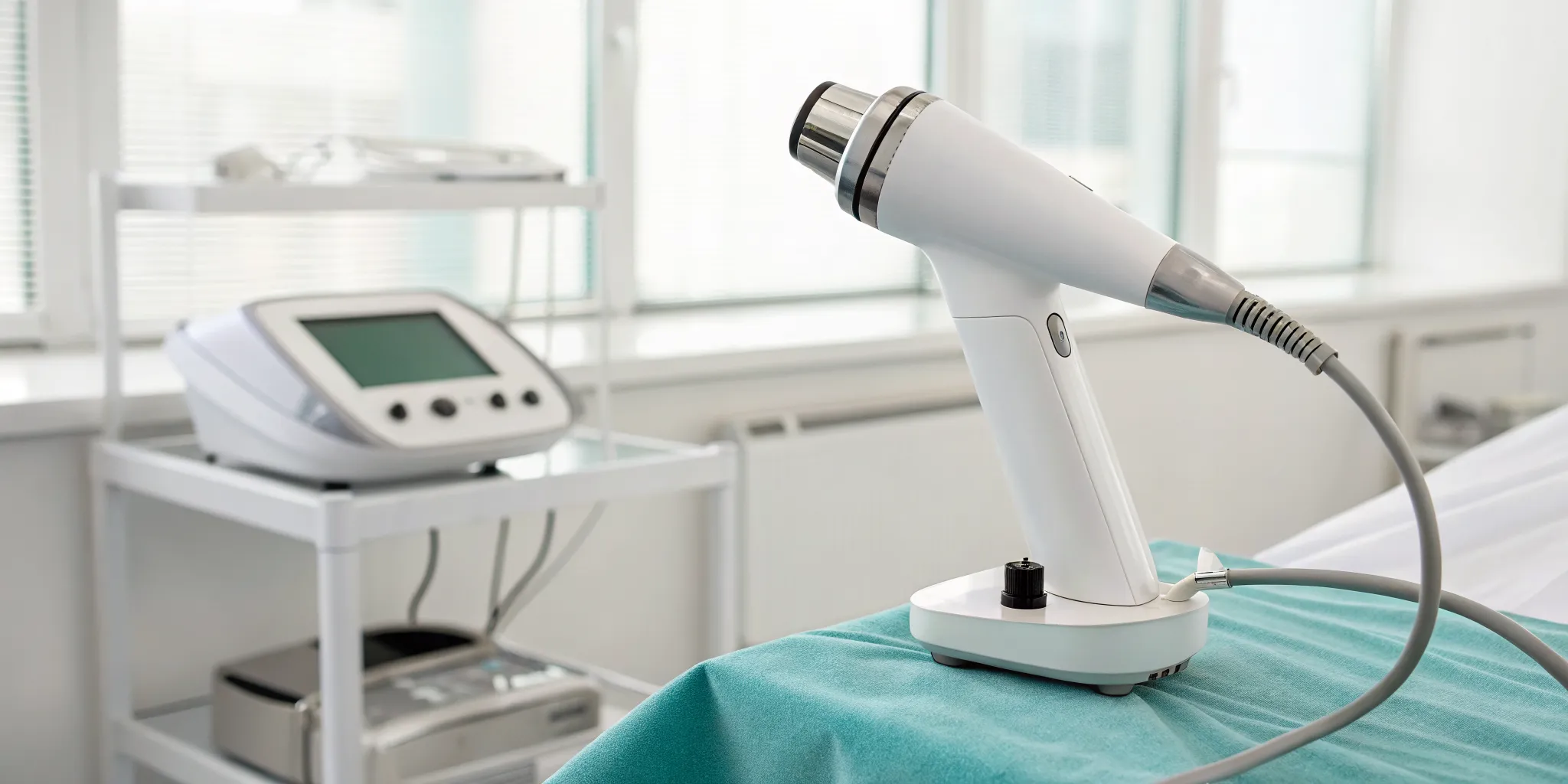
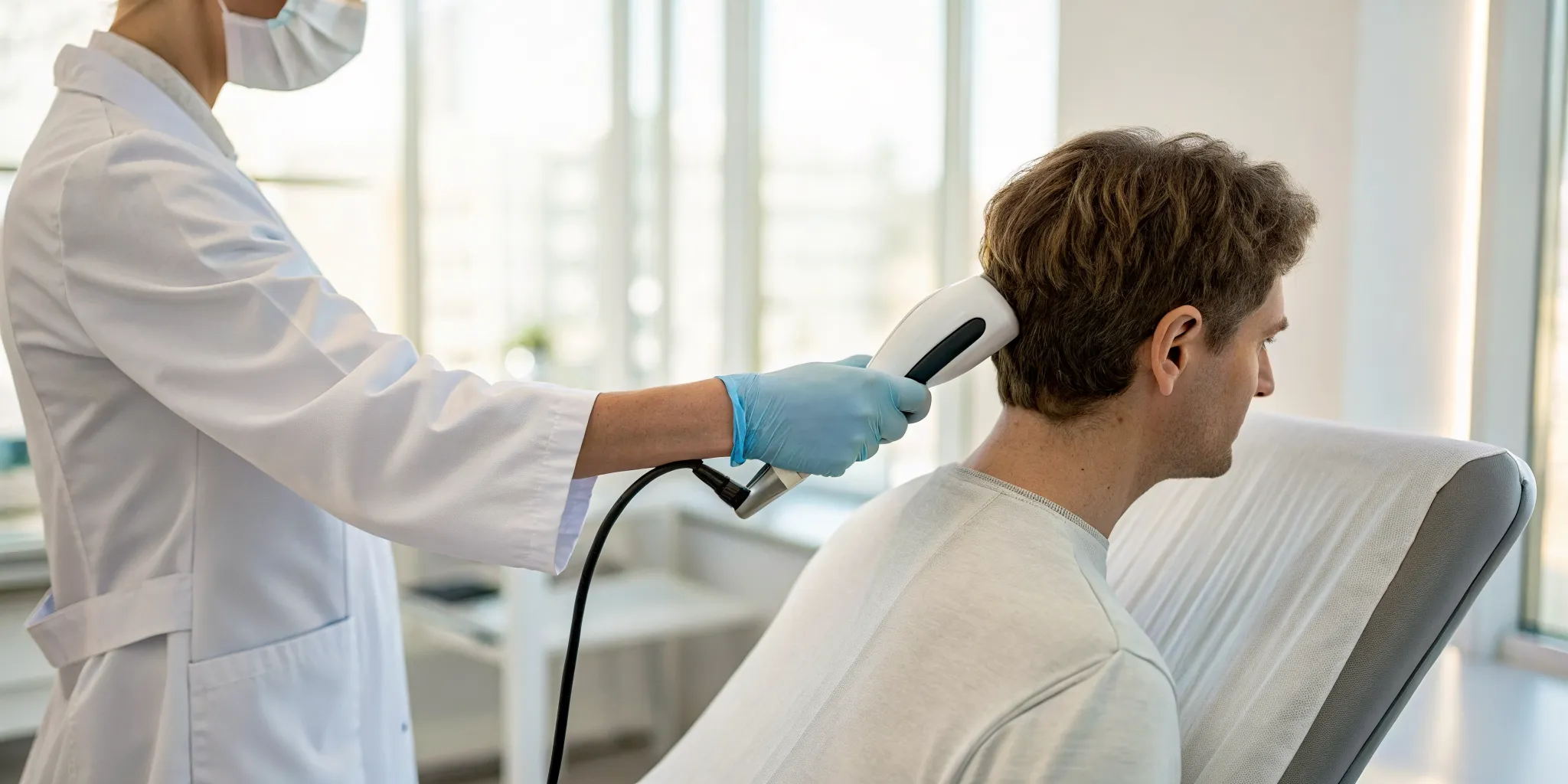
SoftWave therapy is an innovative and non-invasive treatment that uses acoustic waves to stimulate your body's natural healing processes at a cellular level. When applied to the shoulder, these waves can help reduce inflammation, improve blood flow, and promote the regeneration of damaged tissues like tendons and muscles. Many people experience a significant reduction in pain and an increase in mobility after just a few sessions. This approach is particularly helpful for chronic conditions like rotator cuff tendinitis or bursitis. As a treatment that supports healing from within, SoftWave therapy gets to the source of the problem without any downtime required.
Spinal and Joint Decompression
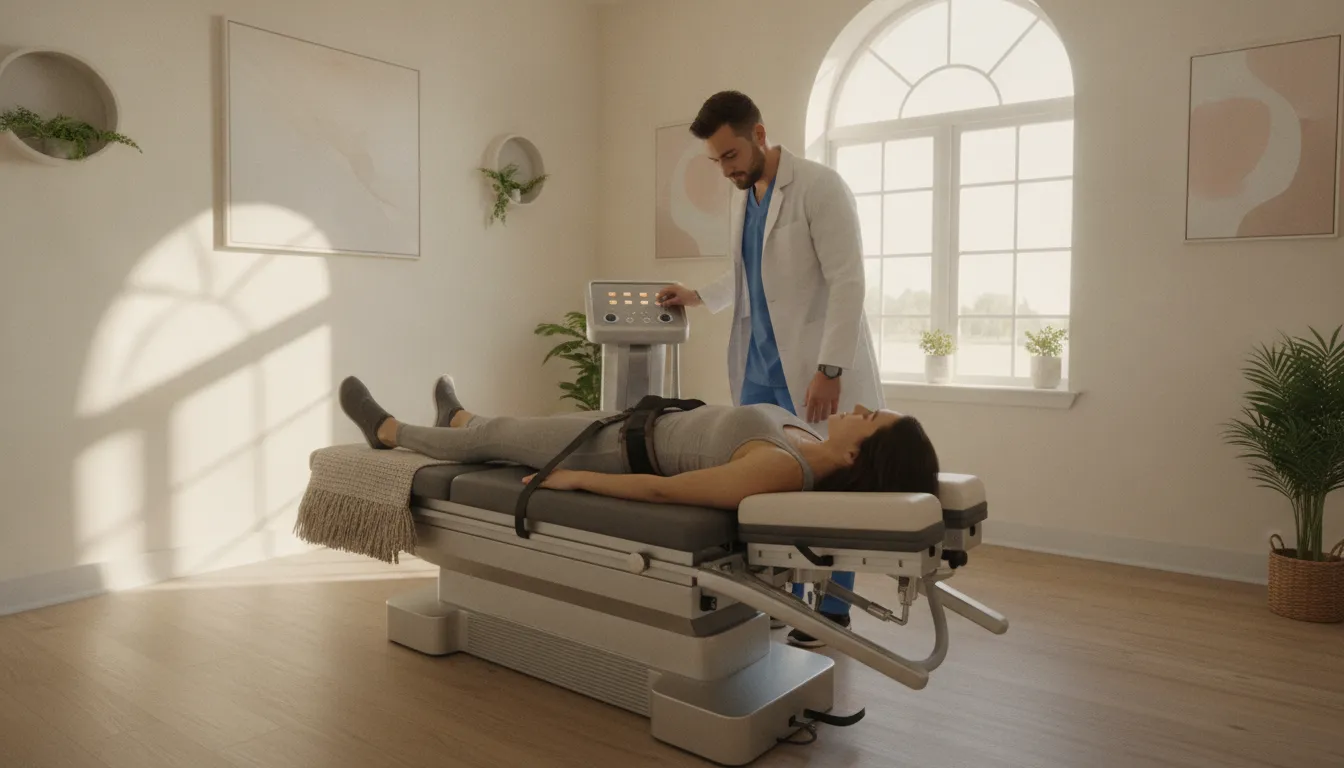
Sometimes, shoulder pain isn't just about the shoulder joint itself; it can be linked to pressure on the nerves in your neck and upper back. Spinal and joint decompression is a non-surgical technique designed to gently stretch the spine and relieve this pressure. By creating negative pressure within the spinal discs, this method helps retract bulging or herniated discs that may be compressing nerves and causing referred pain in your shoulder. This treatment can effectively reduce pain, tingling, and numbness while improving your shoulder’s overall function. It’s a targeted approach that provides relief by addressing nerve-related issues that other treatments might miss.
Corrective Care and Rehabilitation
Lasting shoulder pain relief often requires rebuilding strength and stability in the muscles that support the joint. Corrective care and rehabilitation focus on targeted exercises designed to do just that. A specialist will guide you through movements that strengthen your rotator cuff, improve your posture, and restore your full range of motion. This isn't just about temporary relief; it's about creating a strong, resilient shoulder that is less prone to future injury. By committing to a personalized rehabilitation plan, you are actively participating in your recovery and taking control of your long-term shoulder health. This is a key part of the comprehensive care we provide for the conditions we treat.
Manual Therapy and Soft Tissue Work
Tight muscles and stiff connective tissues are often major contributors to shoulder pain. Manual therapy, including professional soft tissue work, is a hands-on approach used to release muscle tension, break down scar tissue, and improve circulation in the affected area. Techniques like trigger point therapy and myofascial release can provide immediate relief by targeting the specific muscles that are causing pain and restricting movement. This not only feels good but also helps restore proper muscle function and flexibility. By addressing the soft tissue component of your pain, manual therapy complements other treatments and helps accelerate your overall recovery.
Activity Modification and Guided Rest
Healing doesn't always mean stopping all activity. Instead, it often involves learning how to move differently. Activity modification is a smart and proactive strategy where a specialist helps you identify which daily movements or habits are aggravating your shoulder. They can then provide guidance on how to adjust your activities, whether at work or during exercise, to reduce strain and prevent re-injury. This might involve changing your desk setup, altering your lifting technique, or incorporating more frequent breaks. By learning how to work with your body instead of against it, you can manage your pain effectively while still living an active life. To get personalized advice, it's best to schedule a consultation.
Exercises and Stretches to Support Your Recovery
Incorporating gentle movement into your routine is a powerful way to support your shoulder's recovery process. The right exercises and stretches can help restore mobility, build strength, and correct postural habits that contribute to pain. However, it's important to listen to your body and avoid any movement that causes sharp or worsening pain. These exercises are meant to complement a professional care plan. A personalized corrective care program is the best way to ensure you’re performing movements that are safe and effective for your specific condition.
Mobility and Range-of-Motion Exercises
When your shoulder is in pain, your first instinct might be to keep it completely still. While rest is important, gentle movement is essential for preventing stiffness and promoting healing. The goal of mobility exercises is to carefully move the shoulder joint through its natural range of motion without adding strain. This helps lubricate the joint, reduce swelling, and gradually restore function. Think of these as small, controlled movements designed to remind your shoulder how to move properly and comfortably. This approach sets the foundation for more advanced strengthening later on in your recovery.
Pendulum and Wall Climb Stretches
Two excellent stretches for improving your shoulder’s range of motion are the pendulum stretch and the wall climb. For the pendulum stretch, hold onto a table with your good arm and lean forward, letting your injured arm hang down. Gently swing the arm back and forth and in small circles, using your body’s momentum rather than your shoulder muscles.
For the wall climb, stand facing a wall and place the fingertips of your affected arm on it at shoulder height. Slowly walk your fingers up the wall, moving closer as your arm extends. Stop when you feel a light stretch, and hold for 10 to 30 seconds before slowly walking your fingers back down.
Strengthening Movements for Rotator Cuff Support
Once your mobility improves and your pain lessens, you can begin to add gentle strengthening exercises. A strong rotator cuff is vital for stabilizing the shoulder joint and preventing future injuries. One effective and low-impact movement is the Y-T-W-I exercise. To perform this, you simply move your arms to form each letter, holding the shape for a couple of seconds. For example, raise your arms overhead into a 'Y,' then out to the side for a 'T.' Repeat the full Y-T-W-I pattern about ten times to help activate and strengthen these crucial supportive muscles.
Postural Correction Stretches
Your daily posture plays a huge role in your shoulder health. Slouching or hunching forward, especially while at a desk or looking at your phone, puts continuous strain on your shoulder muscles and ligaments. Making a conscious effort to sit and stand up straight with your shoulders relaxed and back is a simple but powerful change. You can also incorporate chest-opening stretches, like clasping your hands behind your back and gently pulling your shoulder blades together. Correcting these patterns is a key part of the holistic approach we take to resolving chronic pain for good.
Lifestyle Habits for Lasting Shoulder Relief
While professional care is key to addressing the root cause of your shoulder pain, the habits you build at home play a huge role in your long-term success. Think of these daily practices as the foundation that supports your recovery, helping you find lasting relief and prevent future issues. Here are a few key areas to focus on.
Ergonomics and Daily Posture Habits
Your mom was right: good posture matters. When you spend hours hunched over a computer or phone, you put a lot of strain on your neck and shoulder muscles. Over time, this can lead to chronic pain and stiffness. The first step is simply becoming more aware of your posture throughout the day. Try to sit up straight with your shoulders relaxed and back. If you work at a desk, adjust your chair, monitor, and keyboard to create an ergonomic setup. Taking short breaks every hour to stand up and stretch can also make a world of difference. These small adjustments help support the corrective care you receive in our office.
Anti-Inflammatory Nutrition for Joint Health
What you eat can either fuel inflammation or help fight it. Certain foods, like sugar, refined carbs, and processed snacks, can contribute to systemic inflammation, which may worsen joint pain. On the other hand, a diet rich in whole foods can provide your body with the nutrients it needs to heal. Focus on incorporating anti-inflammatory foods like fatty fish (salmon, mackerel), leafy greens, berries, and nuts. Our approach to functional medicine often includes personalized nutritional guidance, because we know that what’s on your plate is a powerful tool for managing pain and improving your overall health.
Sleep Position and Recovery Strategies
If you wake up with a sore shoulder, your sleeping position might be the culprit. Sleeping directly on the affected shoulder can compress the joint and aggravate pain. Try sleeping on your back or on your non-painful side. If you sleep on your side, hugging a pillow can help keep your shoulders in a more stable and neutral position. Quality sleep is also when your body does most of its repair work, so creating a comfortable sleep environment is essential for recovery. Addressing sleep is a critical part of managing many of the conditions we treat and is fundamental to your healing journey.
Reducing Repetitive Strain Through Activity Modification
Many shoulder issues stem from repetitive motions that we perform every day without a second thought. This could be anything from swinging a golf club to repeatedly lifting heavy items at work or even just mousing at your desk all day. The key is to identify which activities are contributing to your pain and find ways to modify them. This might mean taking more frequent breaks, adjusting your technique, or alternating tasks to give your shoulder a rest. A specialist can help you pinpoint problematic movements and develop a strategy for activity modification that works for your lifestyle.
When to See a Shoulder Pain Specialist in Tampa
Trying to manage shoulder pain on your own can be frustrating, especially when the discomfort lingers and starts to interfere with your daily life. While the exercises and lifestyle adjustments we’ve covered can make a significant difference, there are times when a professional eye is needed to get to the root of the problem. Knowing when to transition from self-care to seeking expert guidance is a key part of your recovery. If your shoulder isn't getting better, it might be time to let a specialist help you figure out the next steps.
Signs It's Time for a Professional Evaluation
It’s easy to fall into a "wait and see" pattern, hoping the pain will just go away. But some signs are clear indicators that you need a professional evaluation. If you have ongoing shoulder pain or stiffness that doesn't improve, it's a good idea to talk to a specialist. Persistent discomfort that lasts more than two or three weeks, even with rest, is your body's way of telling you something deeper is going on.
Pay attention to acute symptoms as well. Did you hear or feel a distinct "pop" when the injury occurred? Are you experiencing a lot of pain that makes it hard to sleep or perform simple tasks? These are signals to stop guessing and get a clear diagnosis. When you continue to experience discomfort despite your best efforts, it's time to seek professional advice to understand the underlying cause and find a path toward real relief.
The Ascend Functional Health Approach to Shoulder Pain
At Ascend Functional Health, our goal is to move beyond temporarily masking your symptoms. We focus on identifying and addressing the root cause of your shoulder pain with a personalized plan. We believe in supporting your body's innate ability to heal, which is why we utilize innovative, non-invasive methods. One of our core treatments is SoftWave regenerative therapy, which uses gentle acoustic waves to support healing, reduce pain, and improve mobility for a wide range of musculoskeletal issues.
Our physical medicine services are designed to help you find lasting relief without injections or lengthy recovery periods. As our team often explains, SoftWave orthopedic treatment helps relieve pain and support healing in joints, tendons, and muscles, with no downtime required. We know that true wellness is about more than just physical treatments. Our patients often share that our team is professional, knowledgeable, and genuinely cares about their healing journey, creating a supportive environment for your recovery.
Related Articles
- Get Your Shoulder Moving Again: Alleviating Pain and Dysfunction | Alessi Functional Health
- SoftWave Therapy for Shoulder Pain: Your Guide
- Shockwave Therapy for Frozen Shoulder: What to Expect
- 5 Effective Myofascial Release Exercises for Shoulders
- Healing Rotator Cuff Injuries with Shockwave Therapy
Frequently Asked Questions
Is it safe to exercise if my shoulder already hurts? This is a great question, and the answer depends on the type of movement. While you should definitely avoid activities that cause sharp or increasing pain, gentle, controlled motion is often a key part of the healing process. Stretches like the pendulum swing or wall climbs can help restore your range of motion without straining the joint. The goal is to prevent stiffness and encourage blood flow, not to push through the pain. A specialist can help you distinguish between beneficial movement and harmful activity by creating a corrective care plan tailored to you.
What exactly is SoftWave therapy and how does it work for shoulder pain? Think of SoftWave therapy as a way to jumpstart your body's natural repair crew. It's a non-invasive treatment that uses acoustic waves (sound waves) to stimulate healing deep within your shoulder's tissues. These waves help reduce inflammation, improve blood flow, and encourage the regeneration of damaged areas like muscles and tendons. It’s an effective way to address the source of chronic pain from conditions like tendinitis or rotator cuff issues, all without any needles or downtime.
My shoulder always feels worse after a day at my desk. Could my work setup be the problem? It absolutely could be. When you spend hours hunched over a keyboard, certain muscles in your neck and shoulders become tight and overworked while others get weak. This imbalance can pull your shoulder joint out of its ideal alignment, leading to chronic strain and pain. Becoming mindful of your posture and making small ergonomic adjustments to your chair and monitor can provide significant relief. It’s a perfect example of how daily habits directly impact joint health.
How is your approach different from just getting a shot for the pain? While some treatments offer a temporary fix by masking pain, our goal is to create a lasting solution. We start by figuring out why your shoulder hurts in the first place through a comprehensive evaluation. We look at everything from your joint alignment and muscle function to your daily habits. Our treatment plans then focus on correcting the underlying issue, restoring proper function, and strengthening the joint to prevent the pain from coming back. It’s about supporting your body’s ability to heal for long-term results.
What should I expect during my first visit for shoulder pain? Your first visit is really a partnership. It starts with a detailed conversation where we listen to your story: when the pain began, what it feels like, and how it's affecting your life. Then, we'll guide you through a physical assessment to observe your movement, test your range of motion, and identify the specific structures causing your discomfort. This thorough process allows us to get a complete picture of your condition so we can develop a personalized and effective plan to help you find relief.