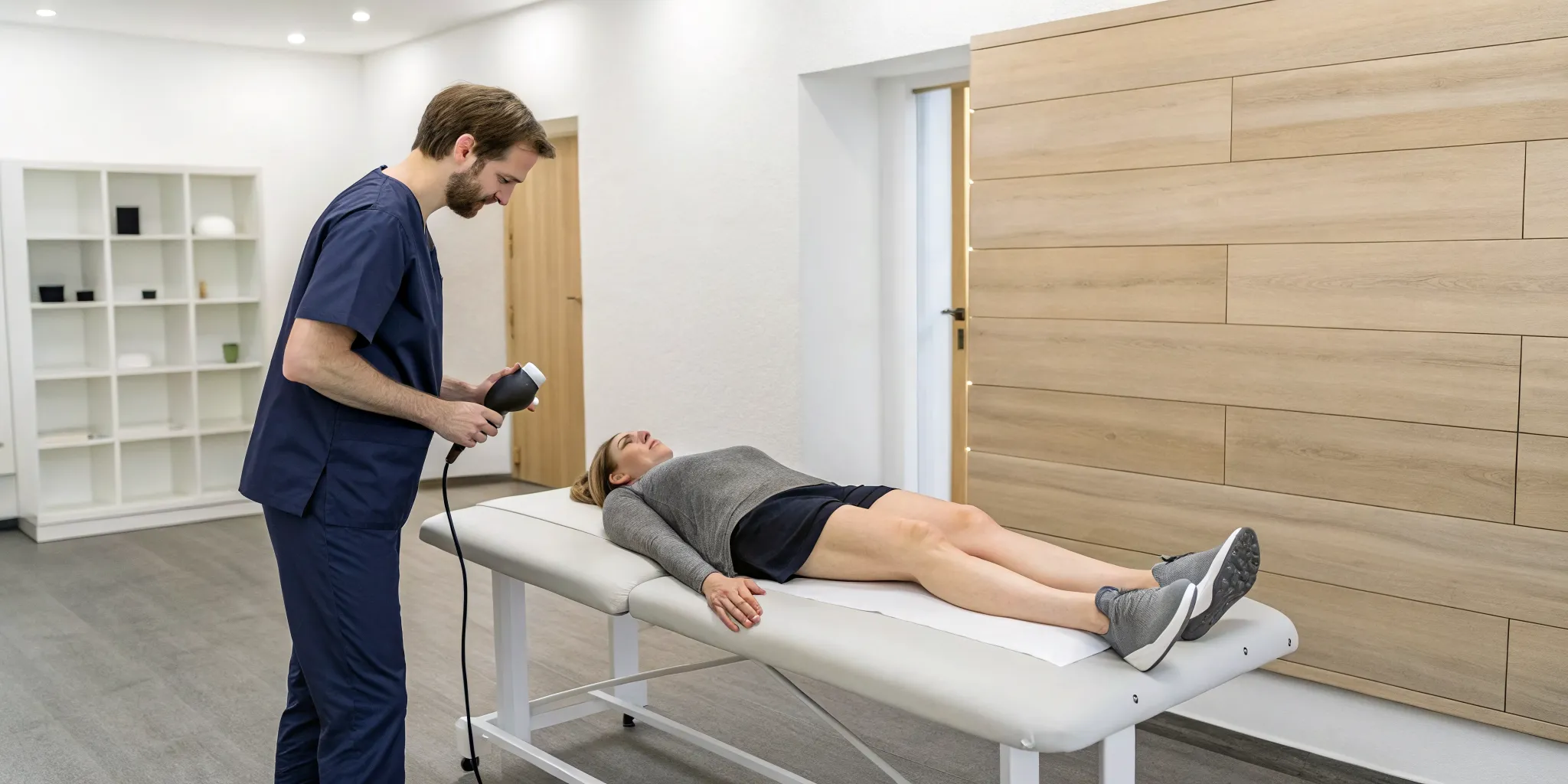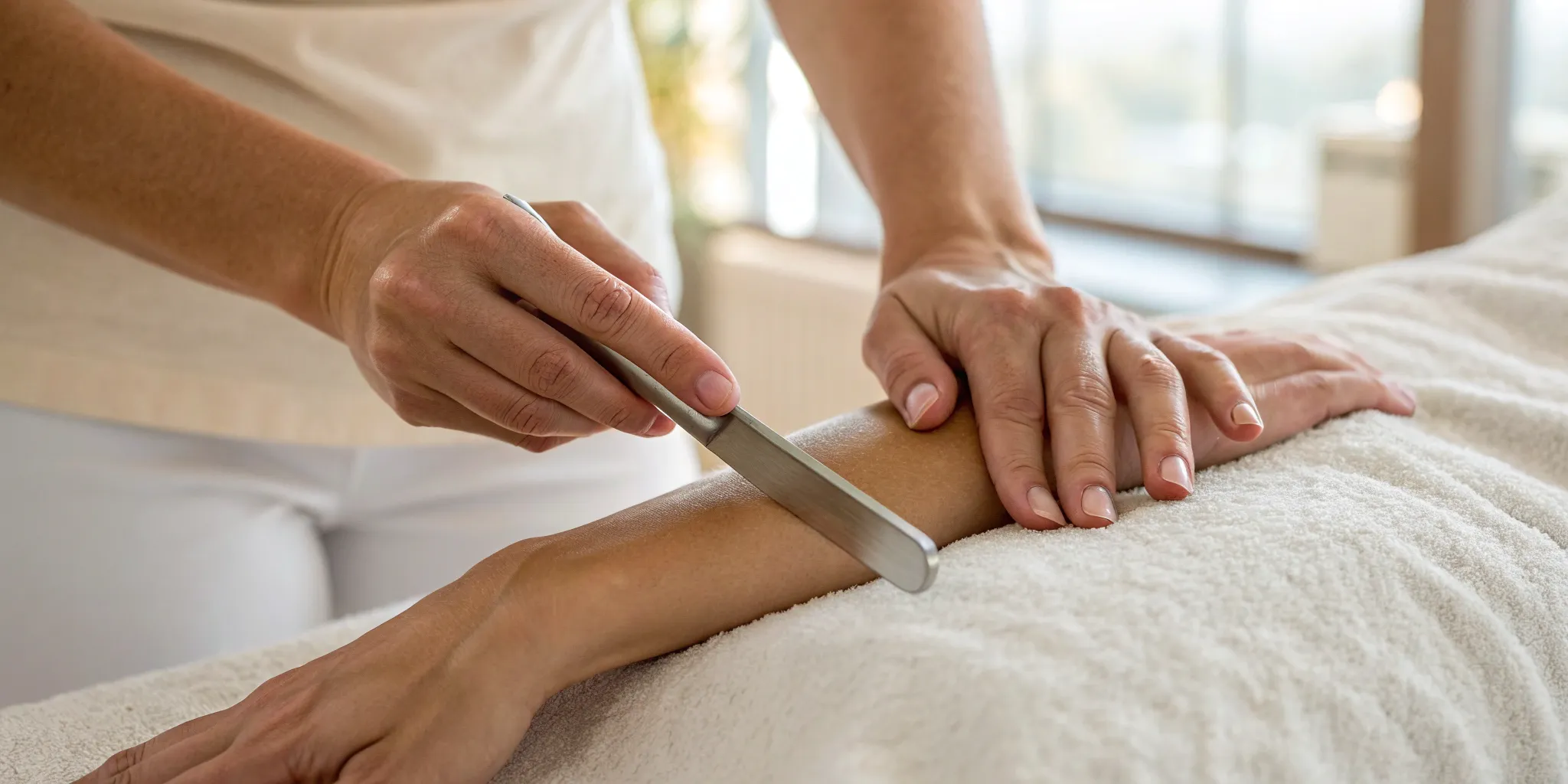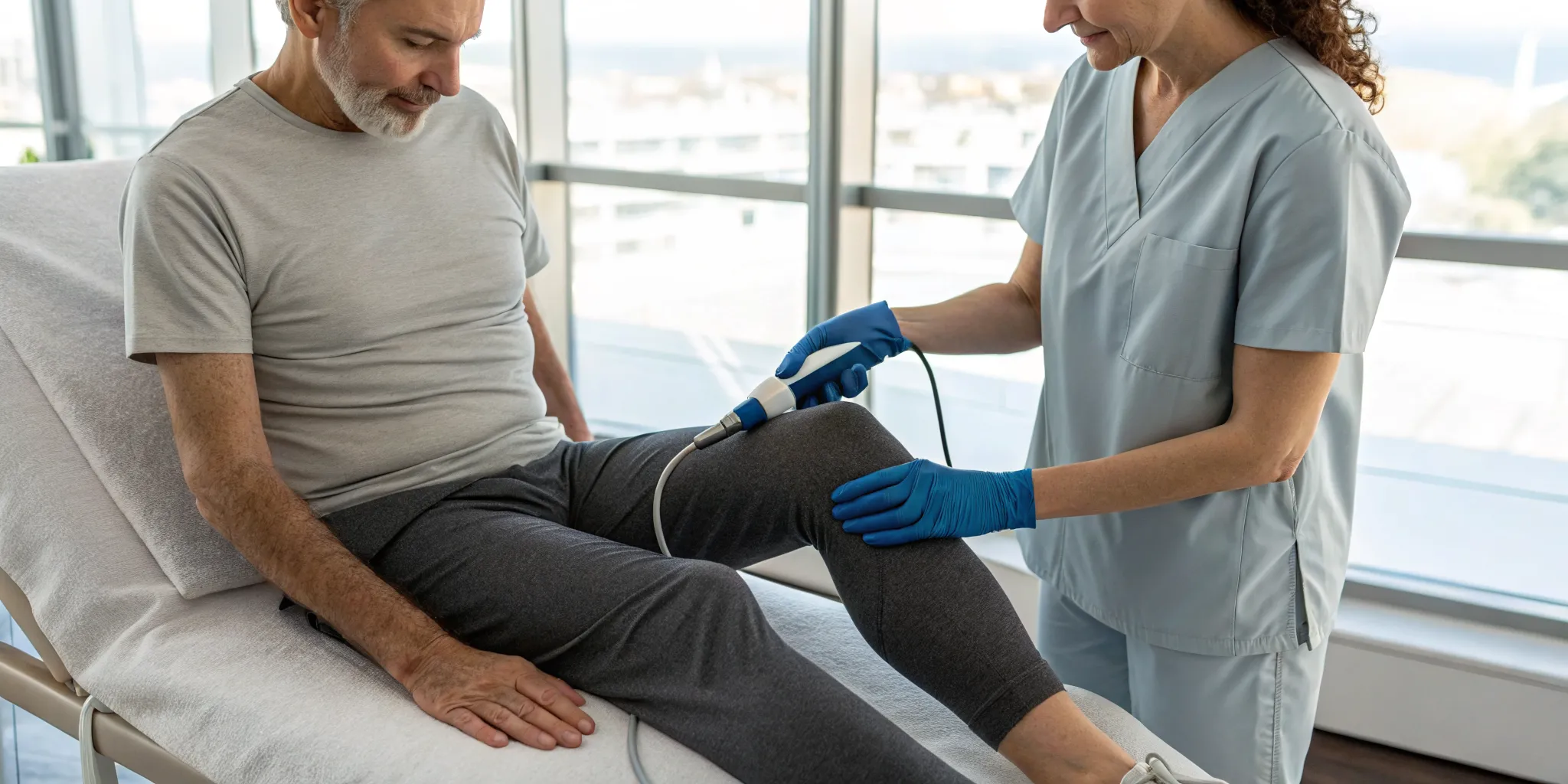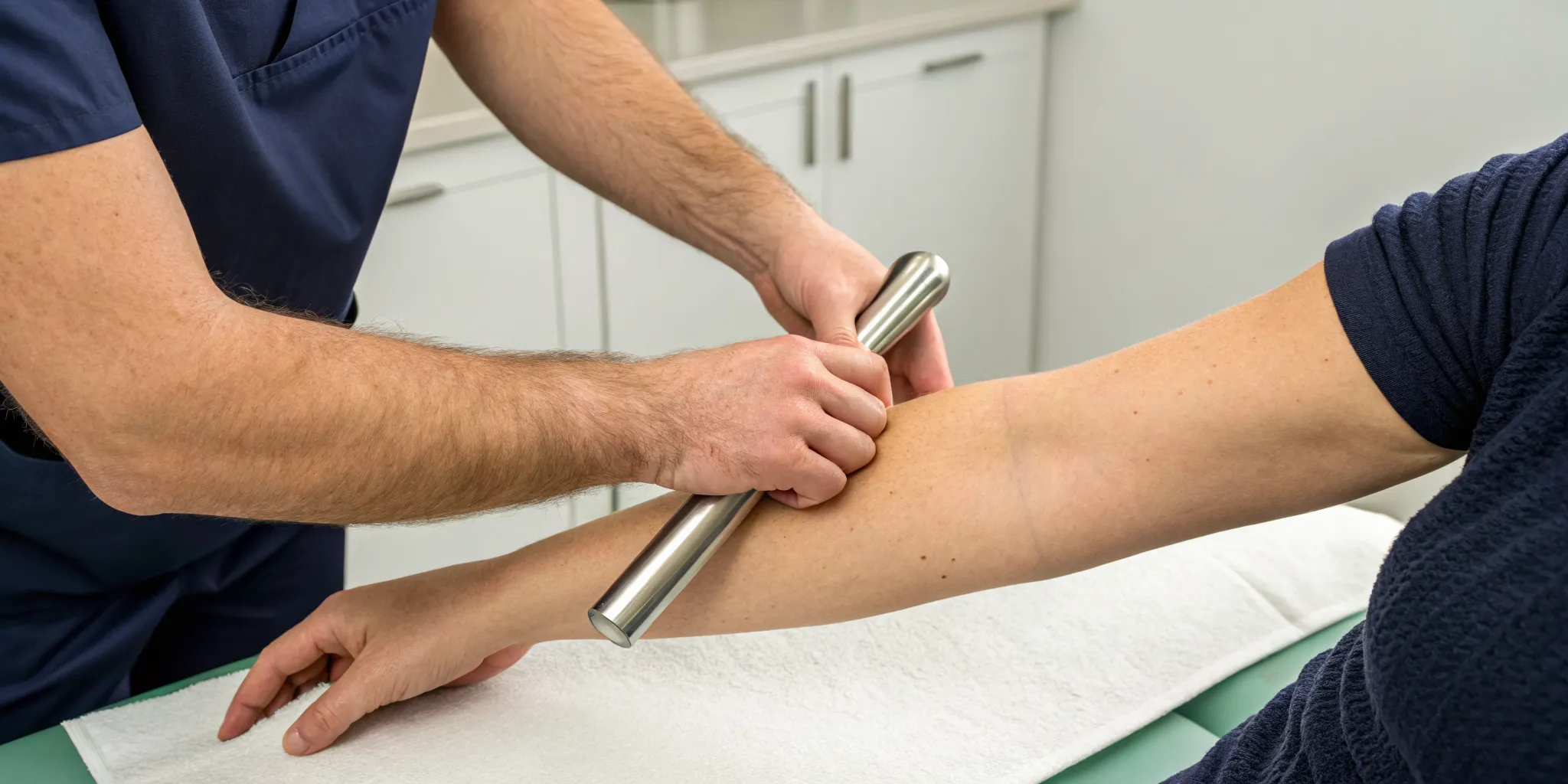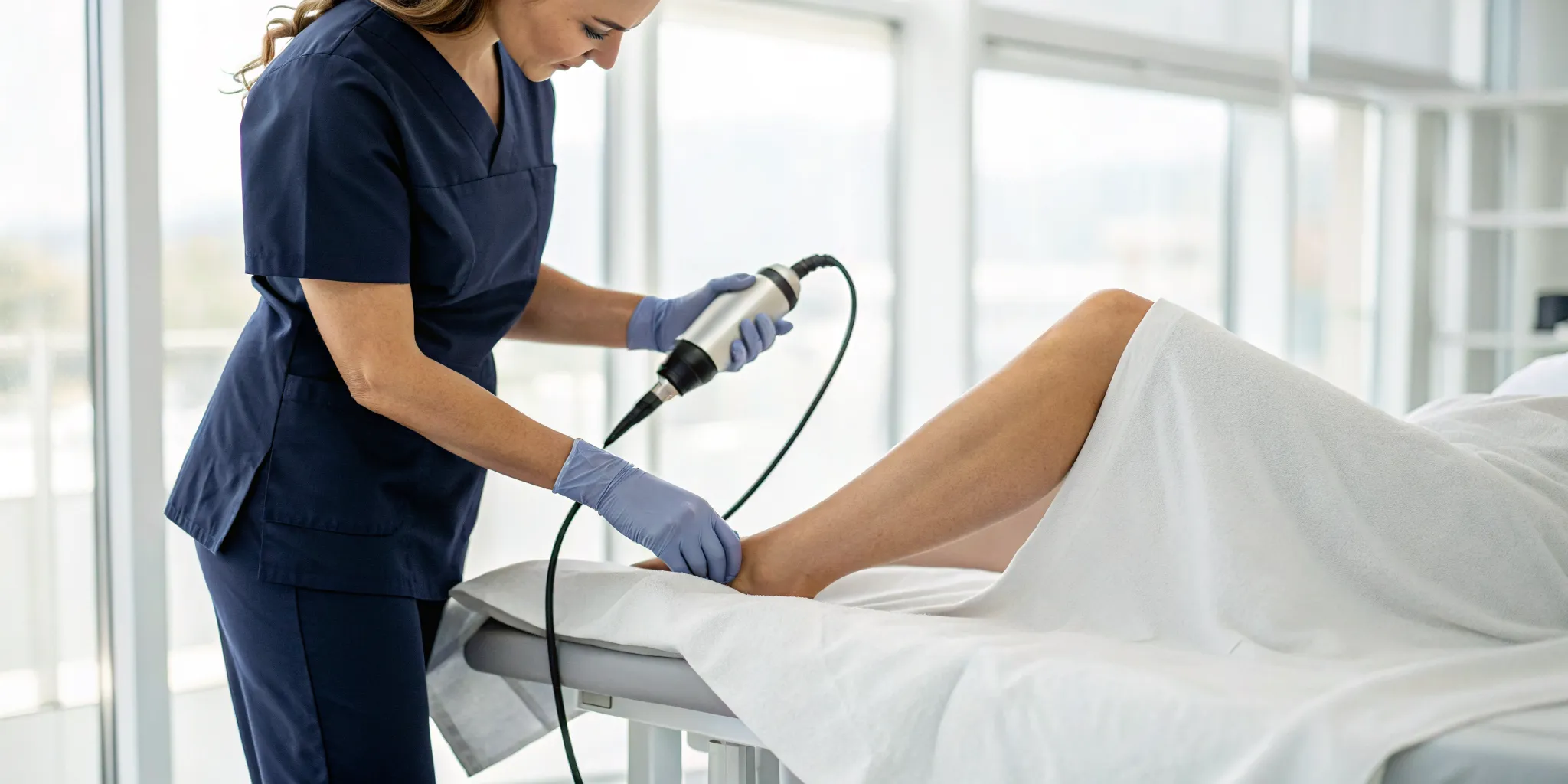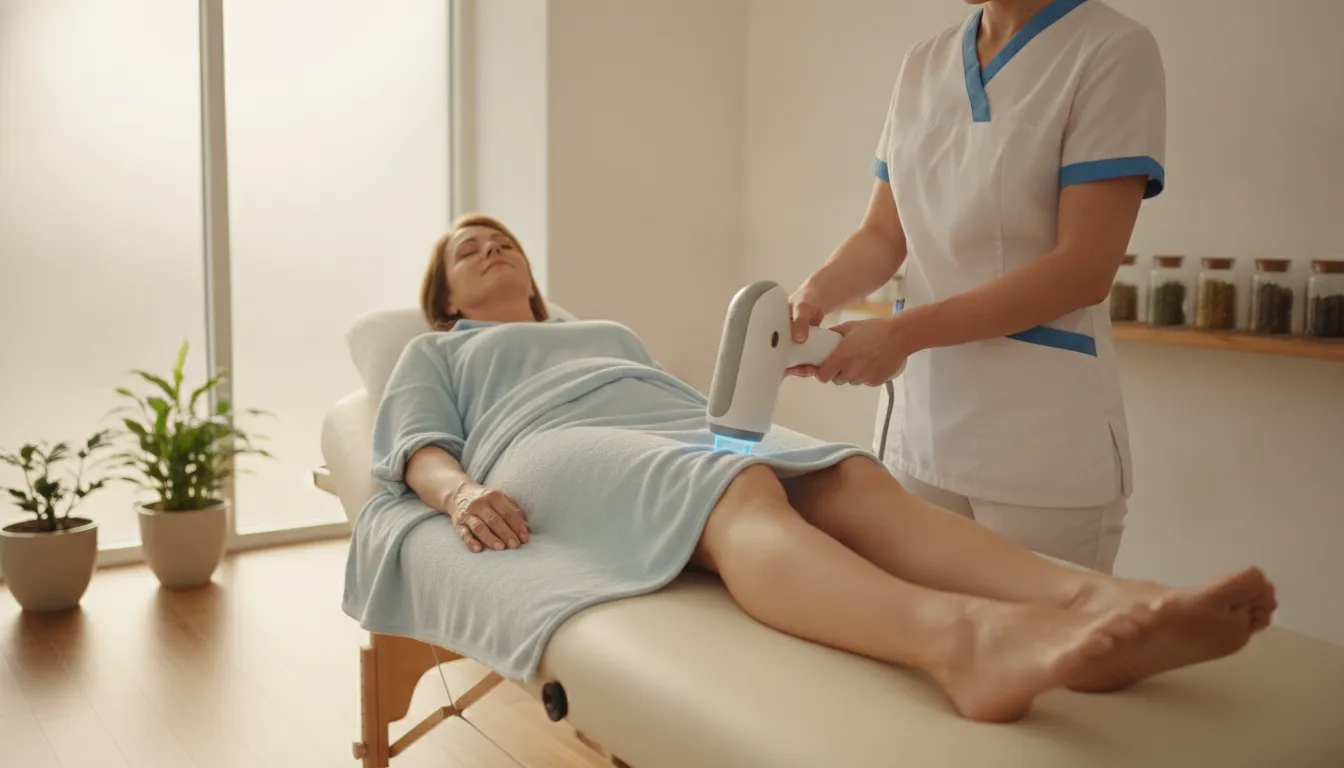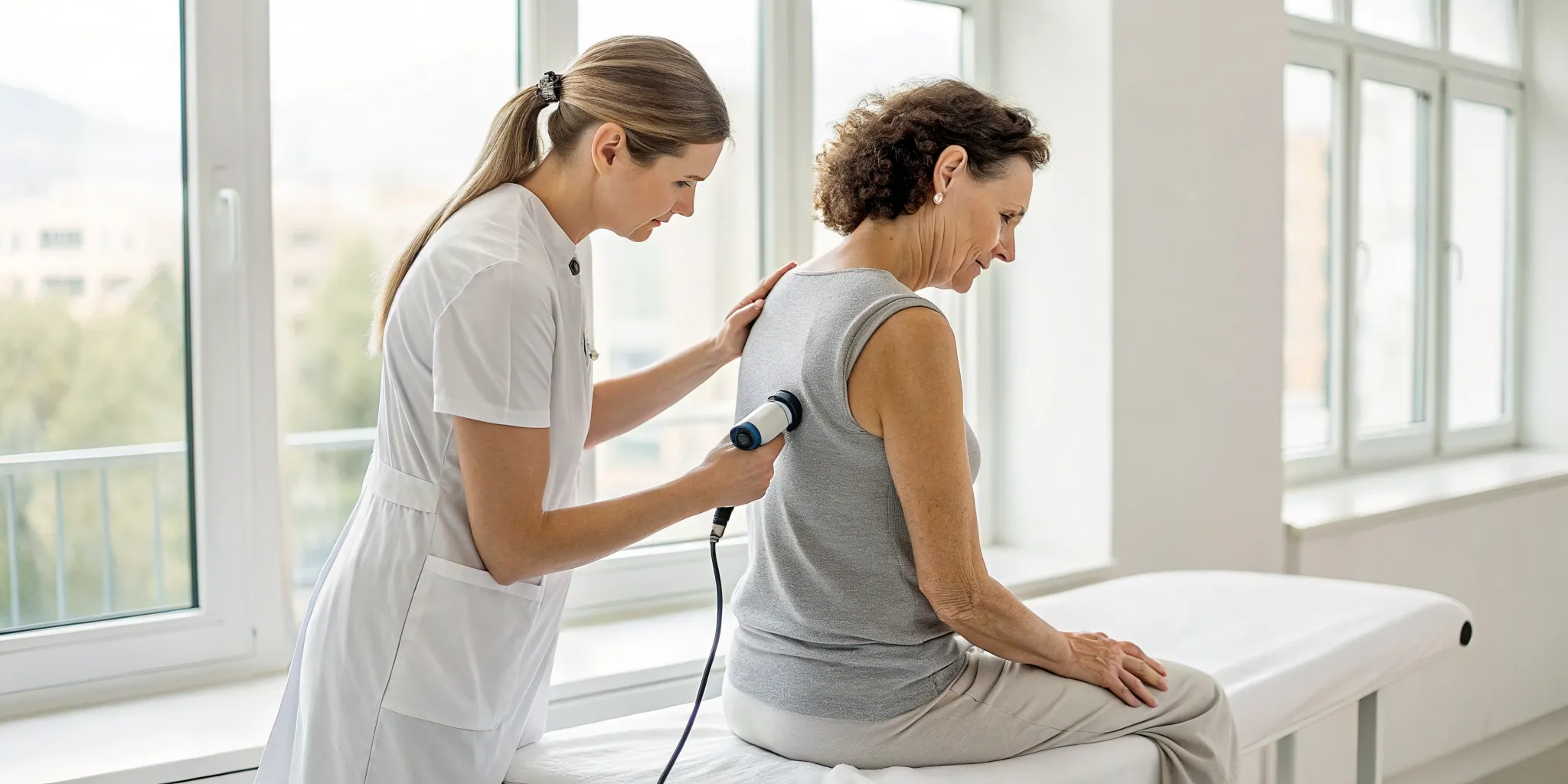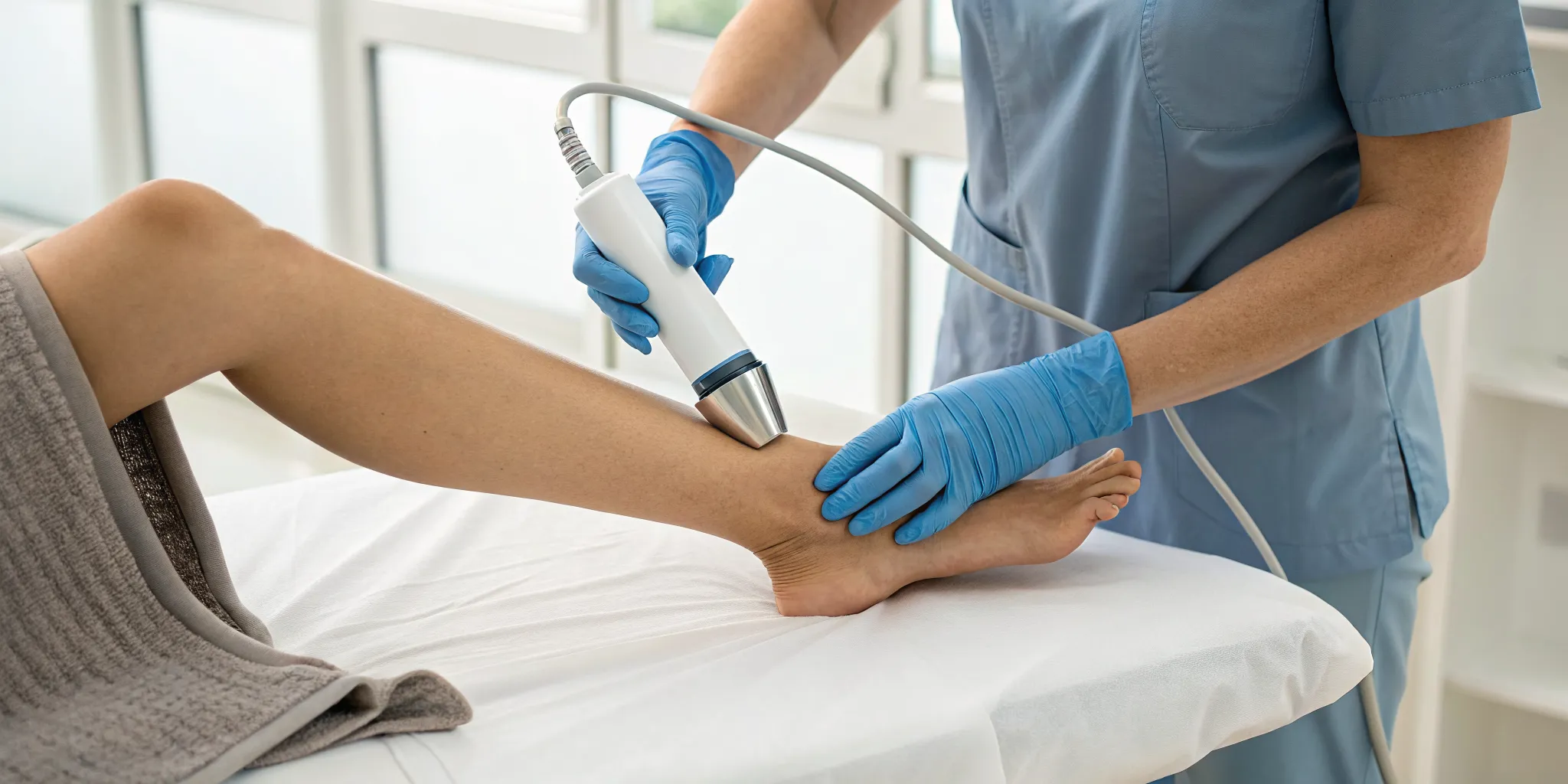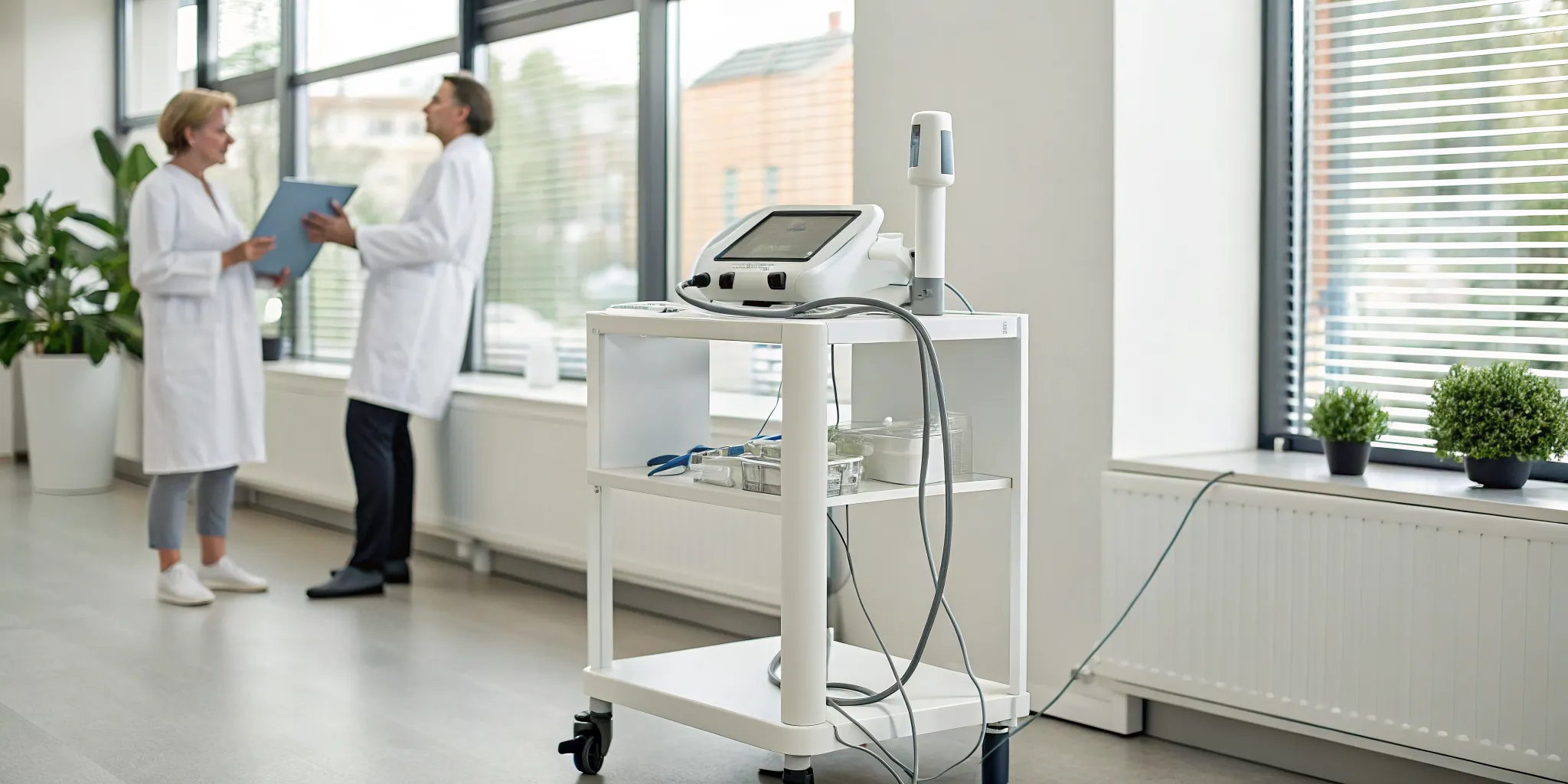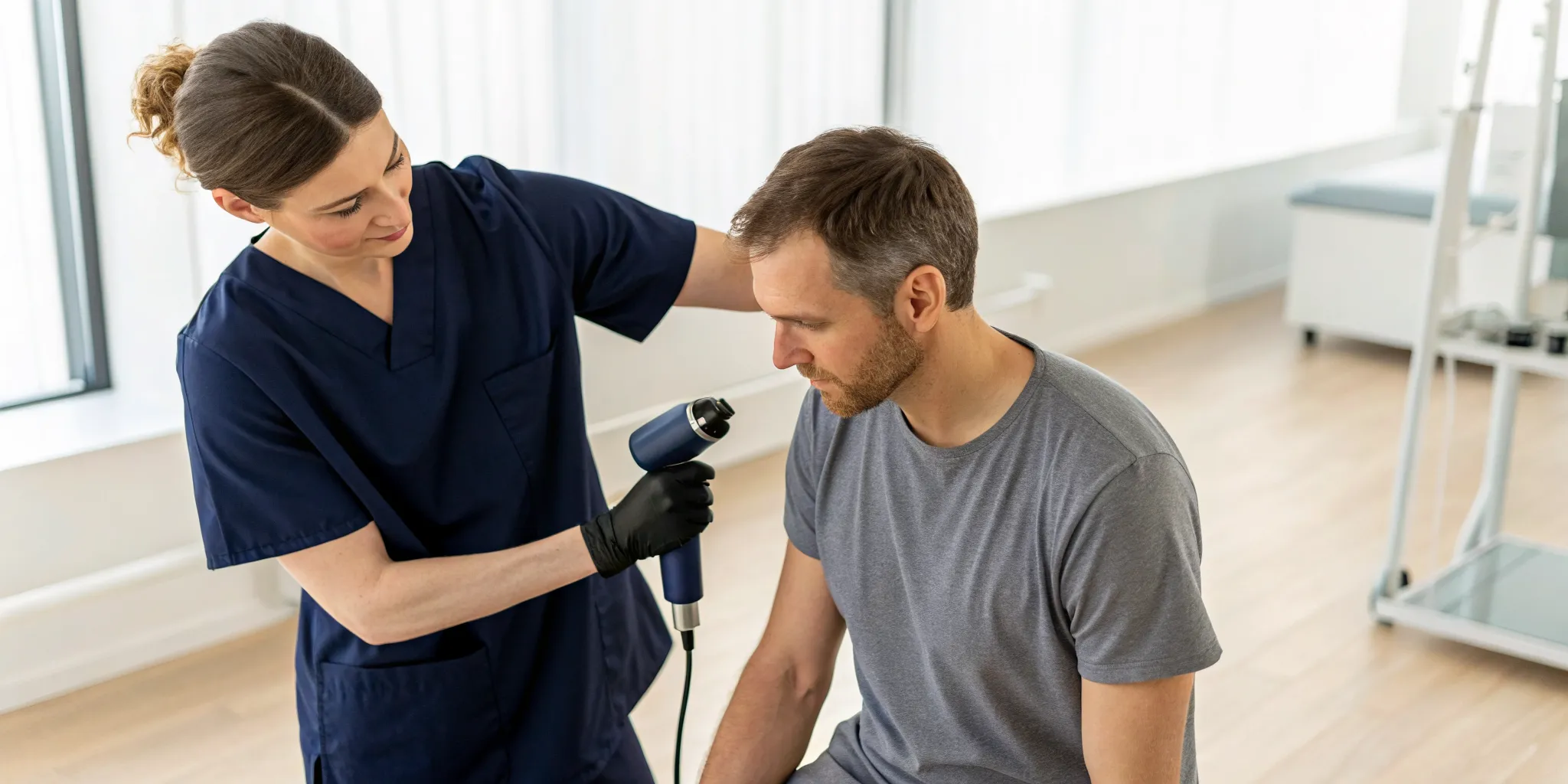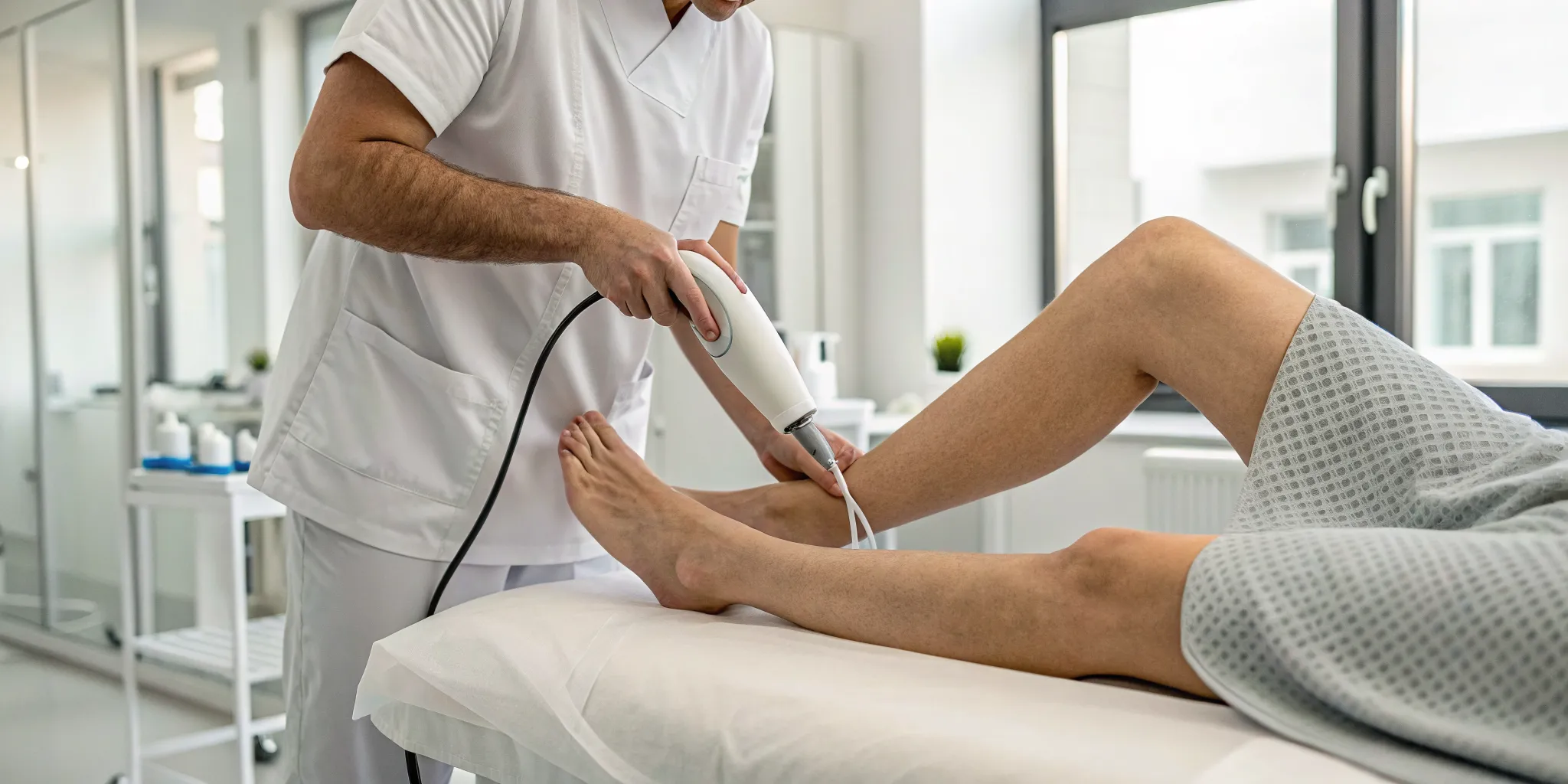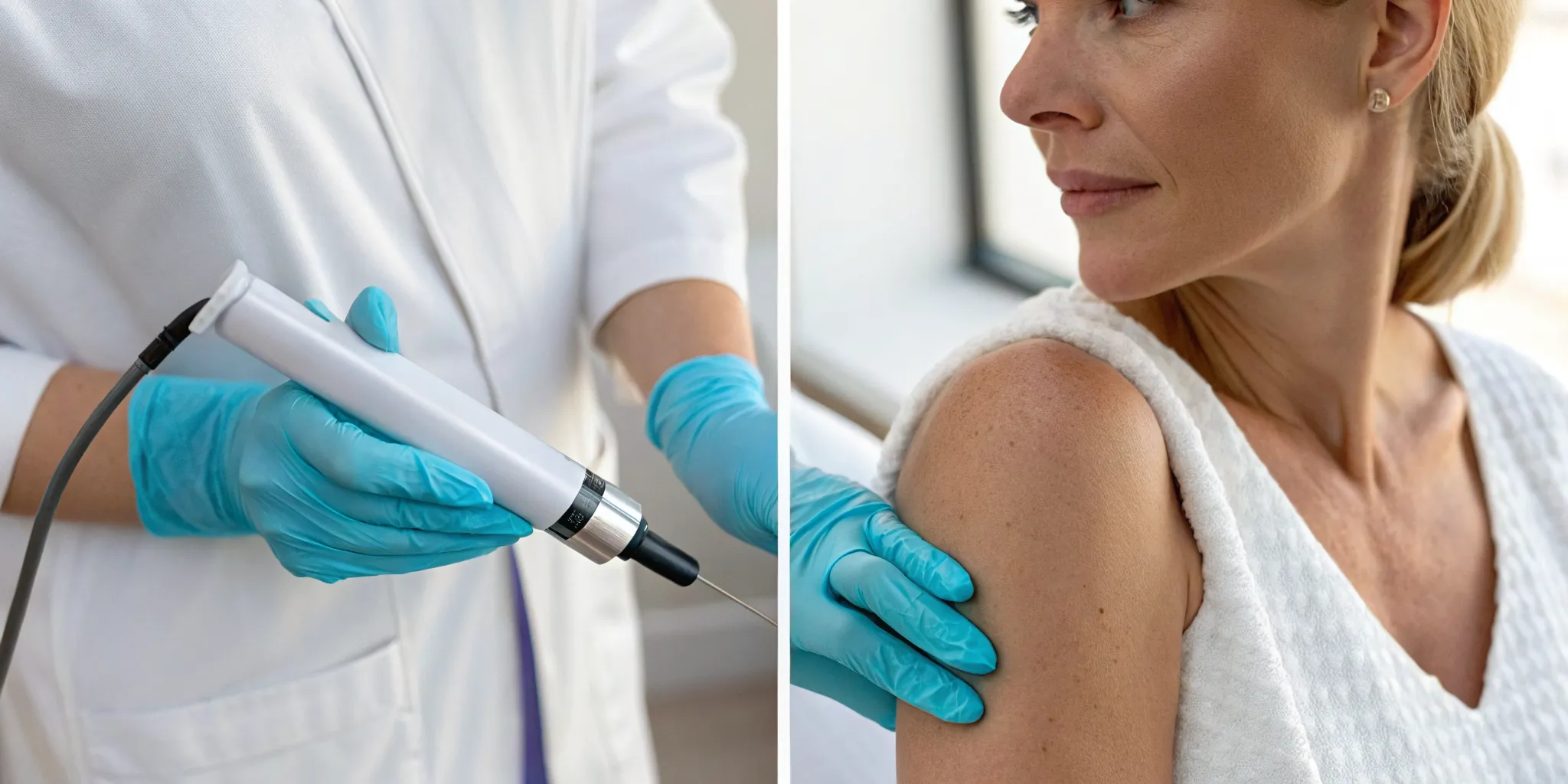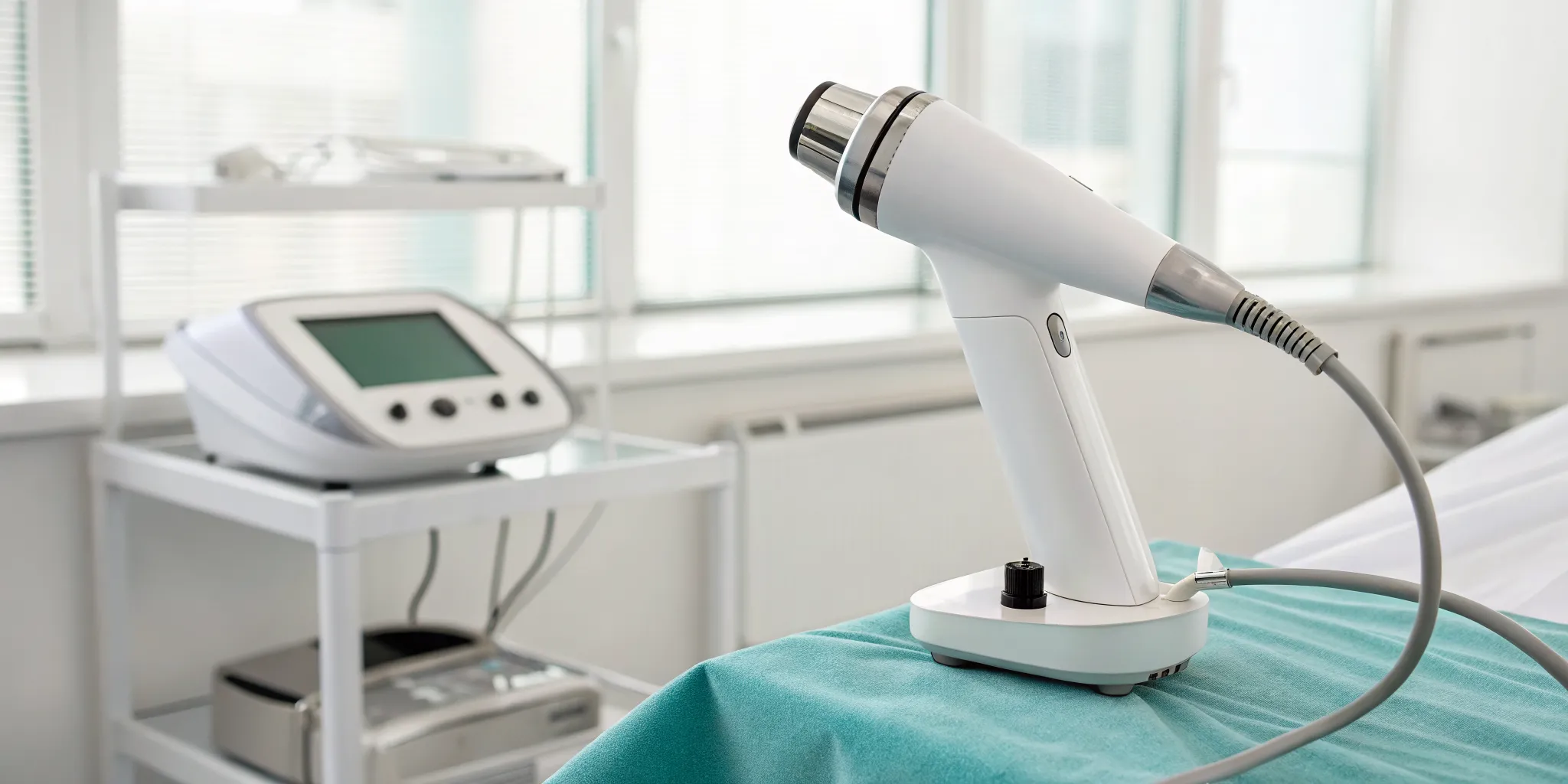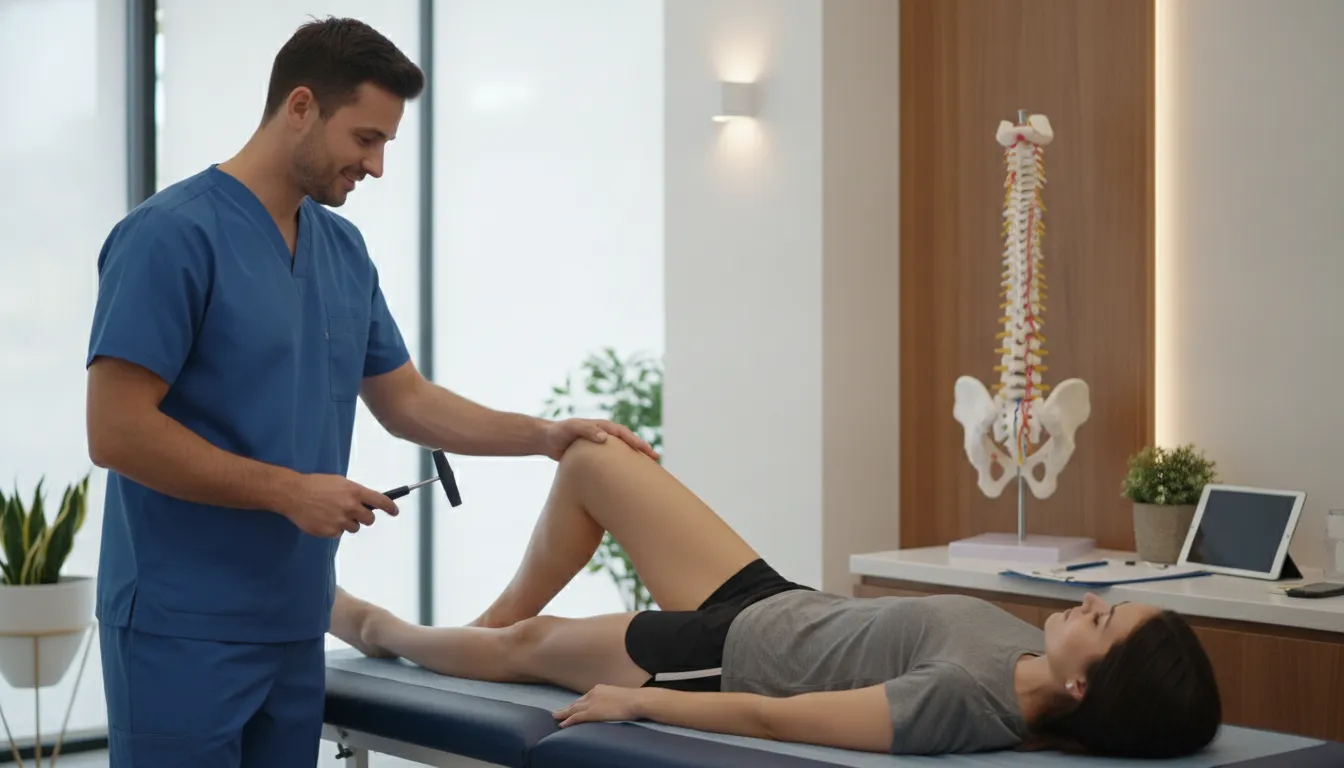
Think of an old injury as a construction site where the workers have gone home. The project is stalled, and nothing is getting fixed. SoftWave therapy acts like the foreman arriving on site, sending out a powerful signal to get the crew back to work. The acoustic waves communicate with your body on a cellular level, recruiting your own stem cells and increasing blood flow to restart the repair process. This is sophisticated technology that requires professional oversight. In our clinic, we utilize a medical grade SoftWave device to ensure this signal is delivered safely and effectively, helping your body finish the job of healing itself from the inside out.
Key Takeaways
- It works with your body, not on it: SoftWave therapy uses patented acoustic waves to stimulate your body's own healing resources, like stem cells and increased blood flow, to repair damaged tissue from the inside out.
- Professional guidance is key for safety and results: This therapy uses a powerful, medical-grade device that requires a trained provider to accurately diagnose your condition, customize the treatment, and ensure it's applied correctly.
- It's a piece of a larger puzzle: SoftWave therapy is most effective when used as part of a comprehensive health plan, complementing other treatments like physical or functional medicine to address the root cause of your discomfort and support long-term healing.
What Is Medical-Grade SoftWave Therapy?
When you’re dealing with persistent discomfort or an injury that just won’t quit, finding a solution that works with your body instead of against it can feel like a game-changer. That’s where Medical-Grade SoftWave Therapy comes in. It’s an advanced, non-invasive technology that uses patented acoustic waves to support your body’s natural healing and repair mechanisms. Think of it as a way to communicate with your cells, telling them it’s time to get to work on regenerating damaged tissue. This approach is all about empowering your body from within, rather than just managing symptoms.
This isn't a surface-level treatment. SoftWave is designed to address issues deep within muscles, ligaments, and tendons, making it a cornerstone of our physical medicine approach. It’s a clinically validated technology used by health professionals to help patients find relief and restore function without requiring invasive procedures. By stimulating your body’s own resources, SoftWave helps address the root cause of your discomfort, aligning perfectly with a holistic view of health and wellness. It’s a powerful tool for anyone looking to move past nagging injuries and get back to living fully. We see it as a key part of a comprehensive plan to restore your body’s optimal function.
How It Uses Electrohydraulic Shockwaves
The term "electrohydraulic shockwave" might sound intense, but the process is quite fascinating and gentle. The technology works by using a small spark to create a pressure wave in water, which then generates a wide field of low-intensity acoustic waves. These are the "soft waves." Unlike other wave therapies that use focused, high-intensity beams, SoftWave’s method allows the waves to spread out and travel deep into your body’s tissues without causing any harm to the skin’s surface.
This broad energy distribution is key to its effectiveness. It means a larger and deeper area can be treated in a single session, encouraging a more comprehensive healing response. The electrohydraulic-generated acoustic waves are specifically engineered to interact with your cells in a way that kickstarts the regenerative process. It’s a sophisticated method that delivers powerful results by simply prompting your body to do what it does best: heal itself.
What Happens in Your Body During a Session
During a SoftWave session, those acoustic waves set off a chain reaction of positive biological effects. First, they significantly increase blood flow to the treated area. This is crucial because your blood carries the oxygen and nutrients your tissues need to repair themselves. At the same time, the waves help reduce inflammation, which is often a major source of discomfort and a barrier to healing. It’s like clearing away the roadblocks so the repair crew can get through.
Perhaps most importantly, SoftWave activates and recruits your body’s own resident stem cells. These are the master cells that can develop into new tissue. The therapy essentially sends out a signal that brings these powerful healing agents directly to the site of injury. This cellular-level response is what makes SoftWave so effective for a wide range of musculoskeletal conditions, as it encourages true tissue regeneration rather than just masking symptoms.
Why FDA Clearance Matters for Your Safety
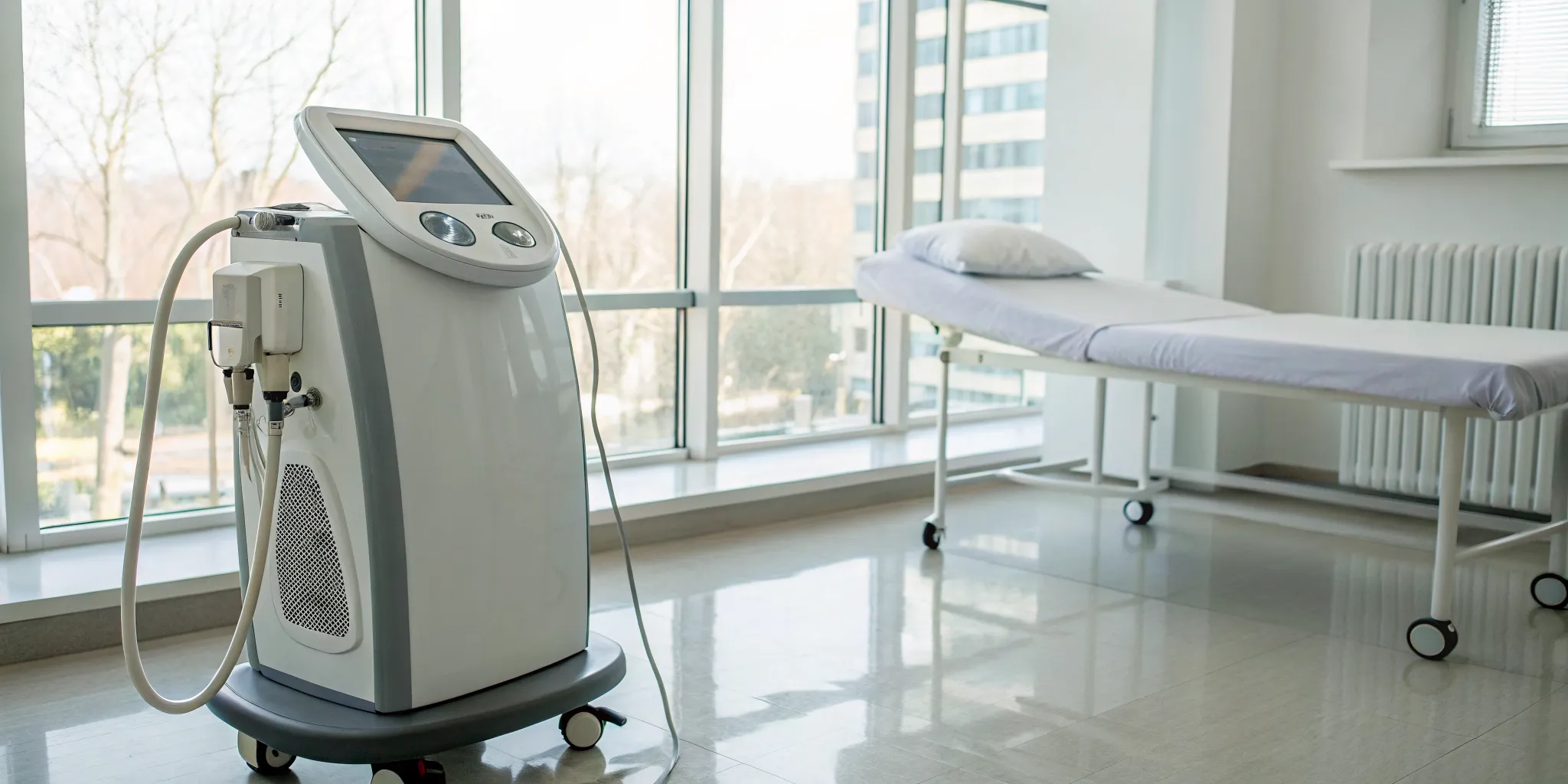
When considering any health treatment, safety should always be the top priority. The medical-grade SoftWave device we use, the OrthoGold 100, is cleared by the FDA. This is an important distinction that sets it apart from unregulated consumer gadgets. FDA clearance means the device has been reviewed and found to meet stringent standards for safety and effectiveness. It’s recognized as a Class 1 medical device, confirming its legitimacy within the healthcare field.
This clearance provides peace of mind, assuring you that the technology is well-vetted and operates as intended. It also underscores why this therapy should only be administered by a trained professional. The FDA’s regulatory process for medical devices is in place to protect patients. Choosing a provider who uses an FDA-cleared device ensures you’re receiving a treatment that is not only effective but also held to the highest safety benchmarks in the industry.
Clinical vs. At-Home SoftWave: What Sets Them Apart?
When you're exploring options for pain relief, you might come across devices marketed for personal use that claim to offer shockwave therapy. It’s easy to wonder if these are the same as what you’d find in a professional clinic. The short answer is no. The technology used in a clinical setting is fundamentally different in its power, application, and safety standards. Understanding these distinctions is key to making an informed decision about your health and ensuring you receive effective care for your concerns. At Ascend Functional Health, we use a medical-grade SoftWave device, and the difference in results is significant. Let's look at what sets the clinical experience apart.
Power and Depth of Treatment
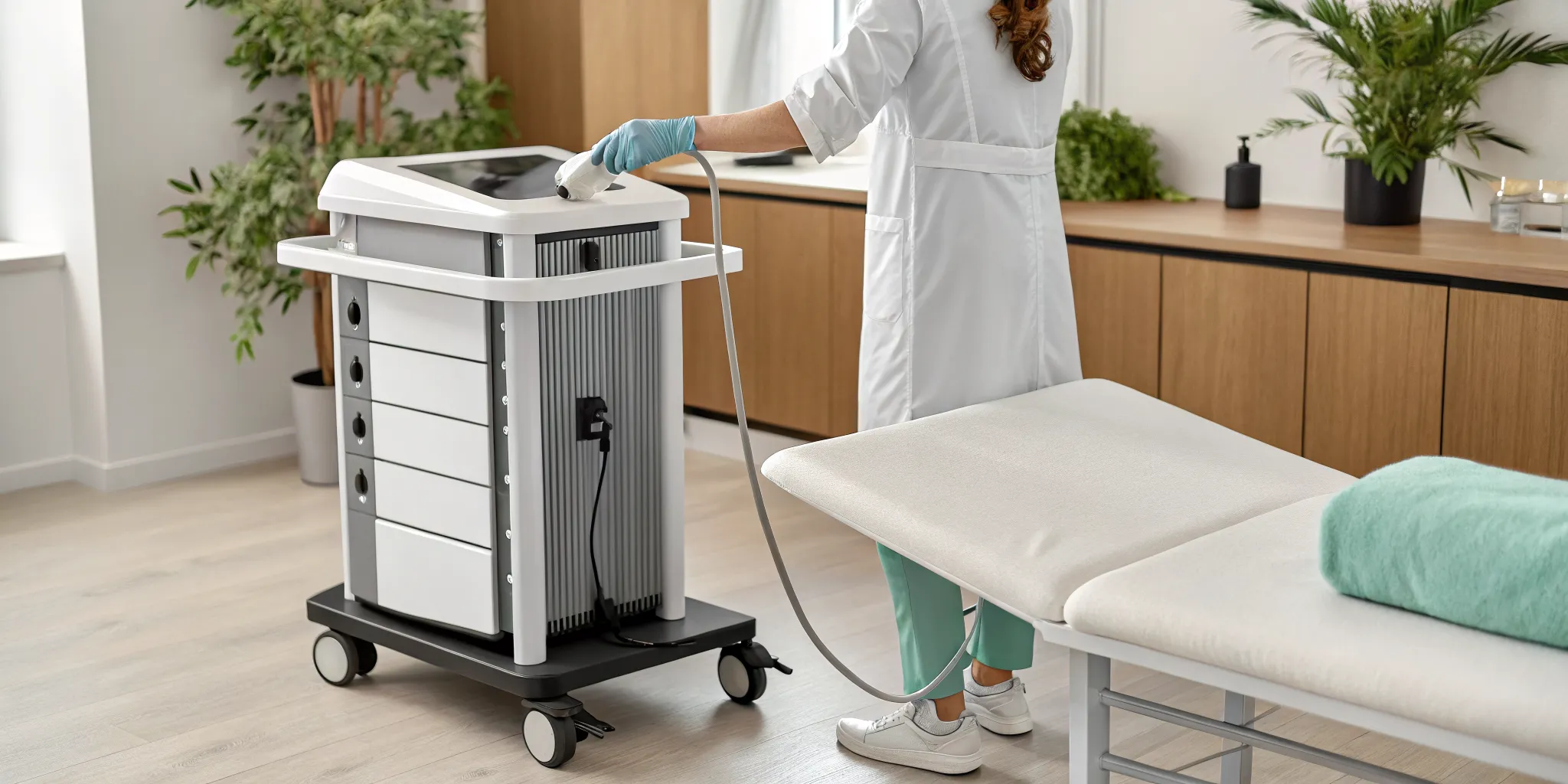
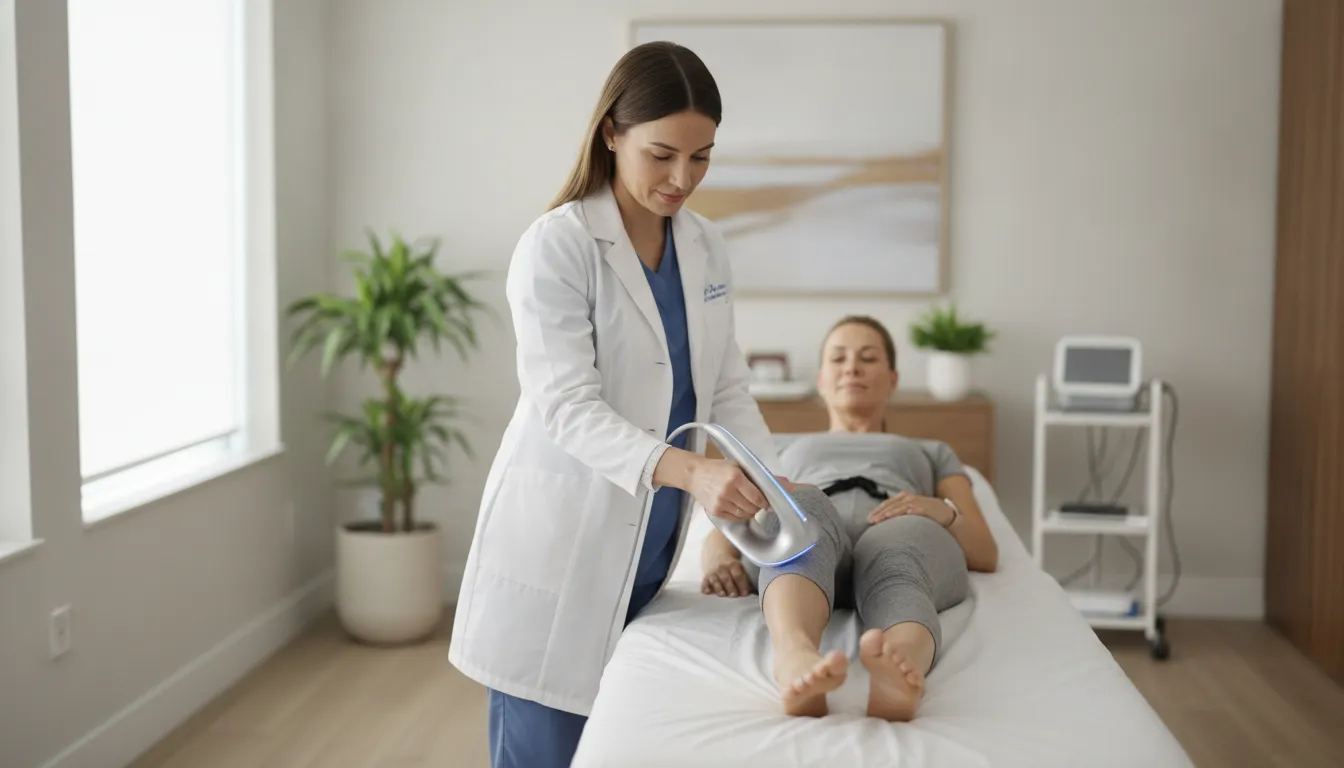
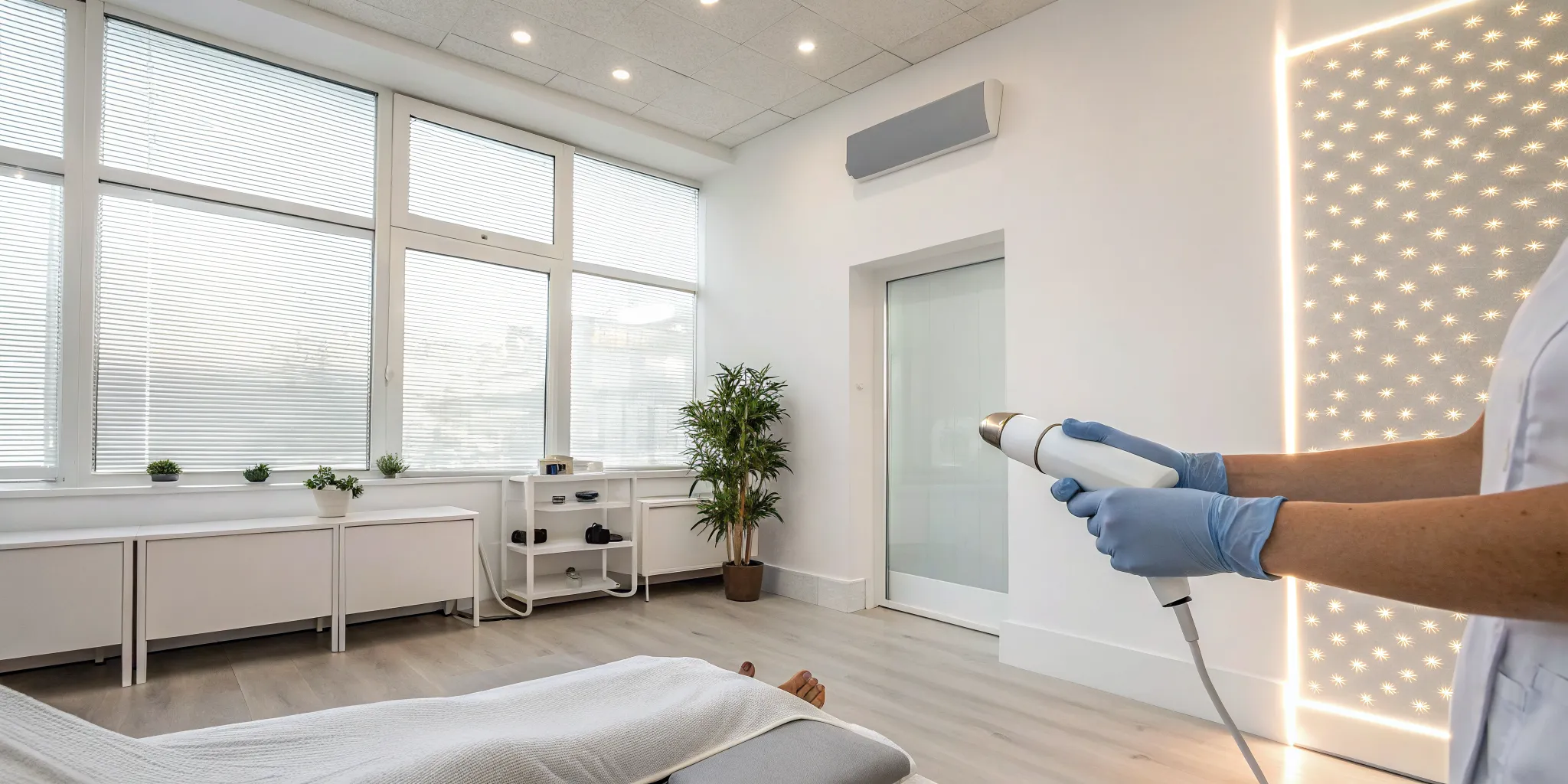
The most significant difference lies in the power and precision of the equipment. Clinical SoftWave machines deliver strong, focused energy waves that penetrate deep into damaged tissue to stimulate your body's natural healing processes. Think of it like the difference between a standard kitchen appliance and a professional chef's tool; both might perform a similar function, but one does it with far more power and control. This depth is crucial for reaching the root cause of chronic pain, not just masking the symptoms. Because these devices are so powerful, they must be operated by a trained medical professional who understands how to apply the therapy safely and effectively for your specific condition.
Broad vs. Limited Wave Delivery
Another key distinction is how the therapeutic waves are delivered. Our clinical SoftWave device uses a wider applicator, allowing us to treat a broader area in a single session. This is incredibly important for addressing the complex conditions we treat, like chronic tendinopathies or pain that radiates across a joint. Many devices sold for personal use, in contrast, have a small, pinpoint applicator. This limited delivery makes it difficult to treat anything other than a very small, specific spot, and it puts the burden on you to correctly identify the precise origin of your pain, which is often much more complicated than it seems. Our approach supports the treatment of the entire dysfunctional area, including any compensatory patterns your body has developed.
Safety and Regulatory Standards
Finally, let's talk about safety. The SoftWave device we use at our clinic, the OrthoGold 100, is cleared by the FDA as a Class 1 medical device. This designation means it has met specific regulatory standards for safety and quality. These devices are explicitly designed for use by healthcare professionals in a clinical setting. Devices sold for personal use do not undergo the same rigorous testing and are not intended to deliver the same level of therapeutic energy. Placing your care in the hands of a professional ensures that your treatment is not only effective but also administered within strict safety protocols, which is a cornerstone of our physical medicine services.
What Health Concerns Can SoftWave Therapy Address?
SoftWave therapy is a versatile tool that can be applied to a wide range of health concerns, particularly those involving pain and slow-healing tissues. Its power lies in its ability to work with your body, stimulating its natural repair processes at a cellular level. Instead of just masking symptoms, this approach helps address the underlying cause of discomfort and dysfunction. From nagging joint pain that’s been bothering you for years to newer injuries that just won’t heal, SoftWave offers a non-invasive way to get you back to feeling your best. It’s a key part of a comprehensive approach to wellness, helping to restore function and improve your quality of life.
Chronic Pain and Soft Tissue Injuries
If you're dealing with persistent pain, you know how draining it can be. SoftWave therapy offers a promising option for managing chronic pain and soft tissue injuries. The device sends non-invasive acoustic waves deep into the affected area, which helps reduce inflammation and kickstart tissue regeneration. This process activates your body’s own healing abilities to accelerate recovery from old injuries and various musculoskeletal conditions. By improving blood flow and stimulating stem cell activity, SoftWave helps repair damaged tissue from the inside out, offering a path toward lasting relief without invasive procedures.
Common Issues like Tendinitis and Plantar Fasciitis
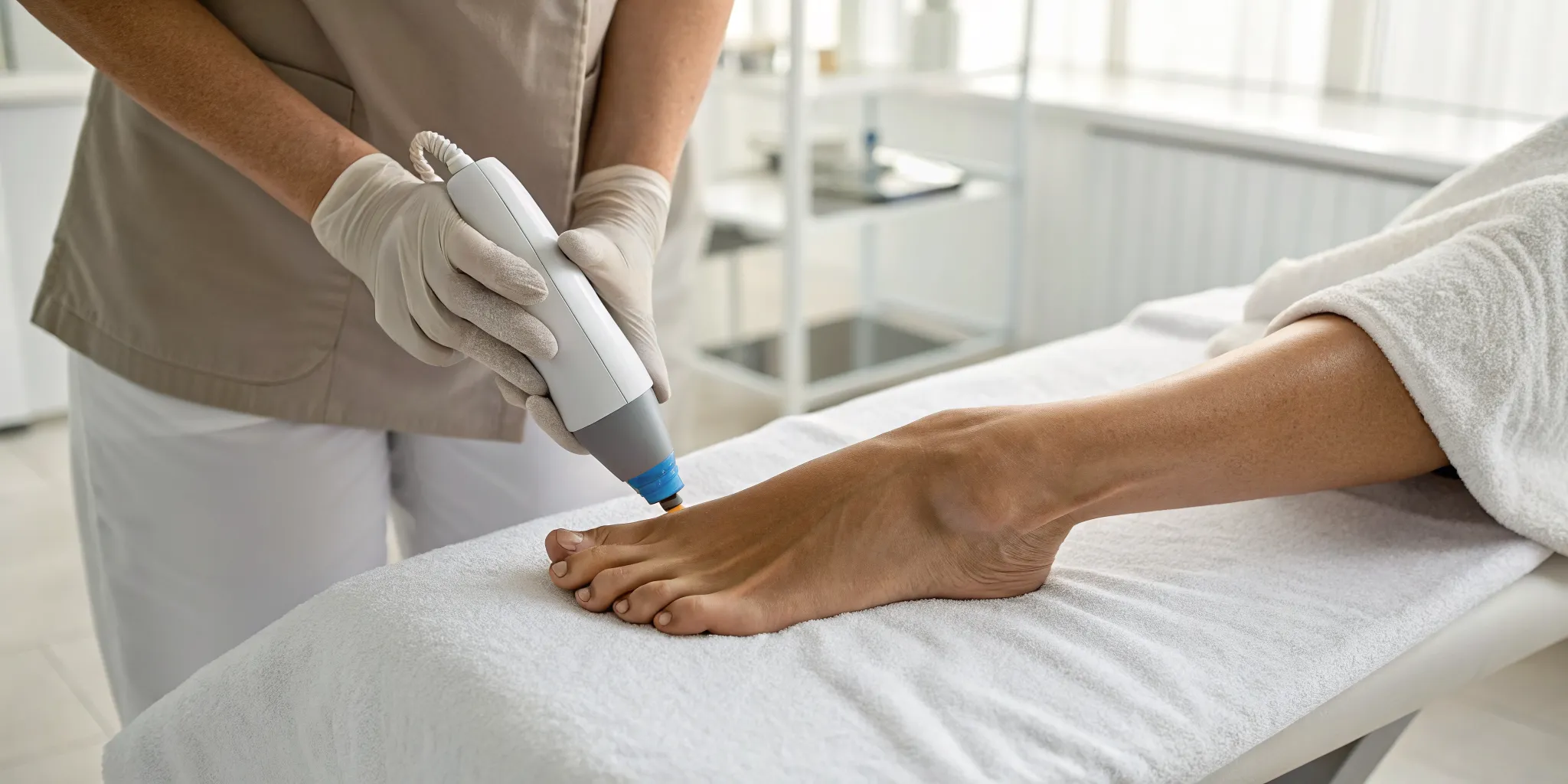
Many of us are familiar with the sharp, frustrating pain of conditions like plantar fasciitis, tennis elbow, or jumper's knee. These common forms of tendinitis and other repetitive strain injuries can make everyday activities difficult. SoftWave’s patented technology is particularly effective for these types of soft tissue injuries. The unfocused waves cover a broad area, ensuring the entire inflamed or damaged region receives the therapeutic effects. This stimulation helps break down scar tissue and encourages the formation of new, healthy tissue, allowing you to move more freely and with less pain.
Supporting Post-Procedure Recovery
Healing properly after a medical procedure is just as important as the procedure itself. SoftWave therapy can be an excellent addition to a post-procedure recovery plan. As an advanced and non-invasive regenerative treatment, it uses acoustic waves to improve circulation and activate your body’s healing response in the targeted area. This can help speed up tissue repair and reduce downtime. By integrating SoftWave into a holistic recovery plan, you are giving your body powerful support to mend tissues, manage inflammation, and restore function more efficiently.
Why Should SoftWave Therapy Be Done by a Professional?
When you’re dealing with persistent pain or an injury that just won’t heal, it’s natural to look for effective solutions. SoftWave therapy is an incredible technology that promotes the body’s own healing mechanisms, but it’s not a simple gadget you can use without guidance. This advanced treatment is specifically "designed for the medical professional" for a reason. Its effectiveness and safety depend entirely on the knowledge of the person administering it. A trained provider does more than just turn on a machine; they use their deep understanding of anatomy and physiology to direct the technology precisely where it’s needed most.
Think of it this way: a professional chef uses high-quality knives to create a masterpiece, but in untrained hands, those same knives can be ineffective or even dangerous. The same principle applies here. A clinical setting provides a controlled environment where a provider can assess your unique situation and ensure the treatment is perfectly suited to you. Our team at Ascend Functional Health is trained to use this technology to support your body’s healing process. Going to a professional ensures you’re not just getting a generic treatment, but a personalized plan designed to help you achieve your specific health goals safely and effectively.
The Importance of a Thorough Health Assessment
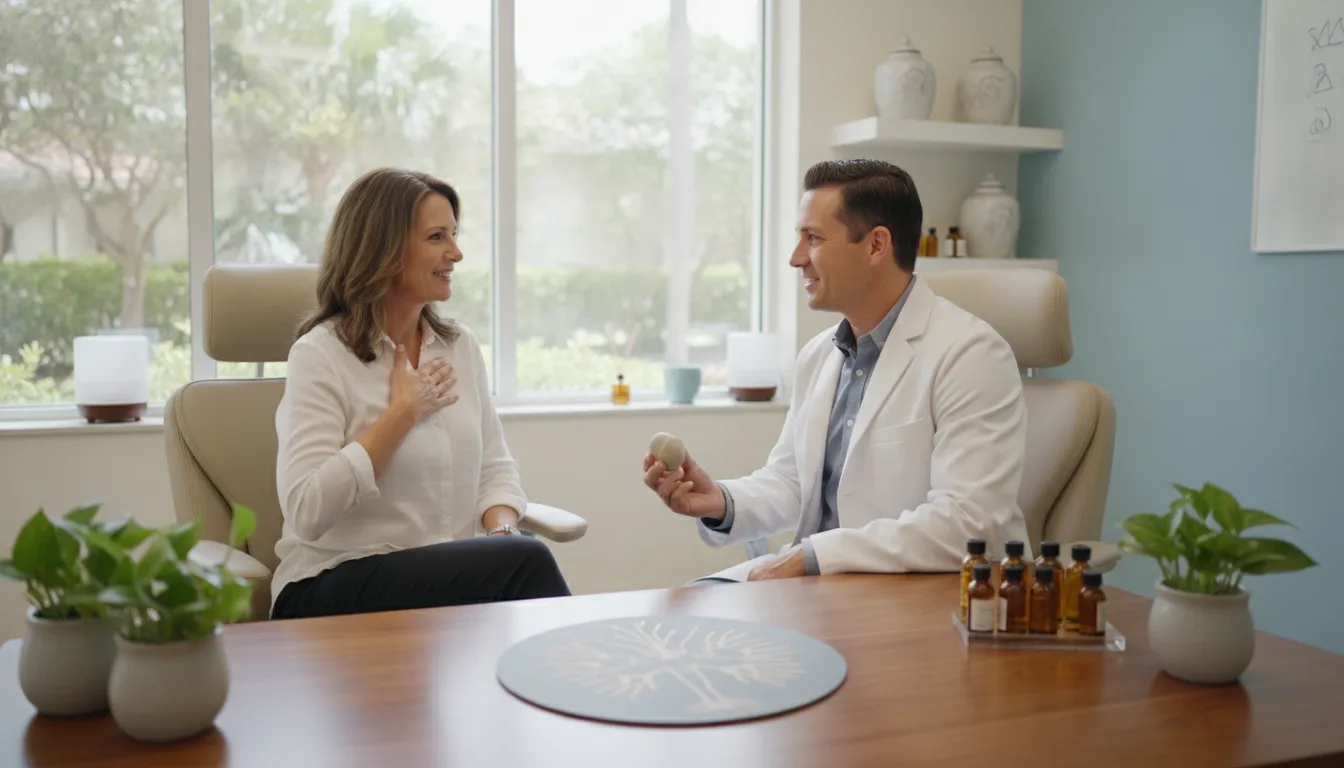
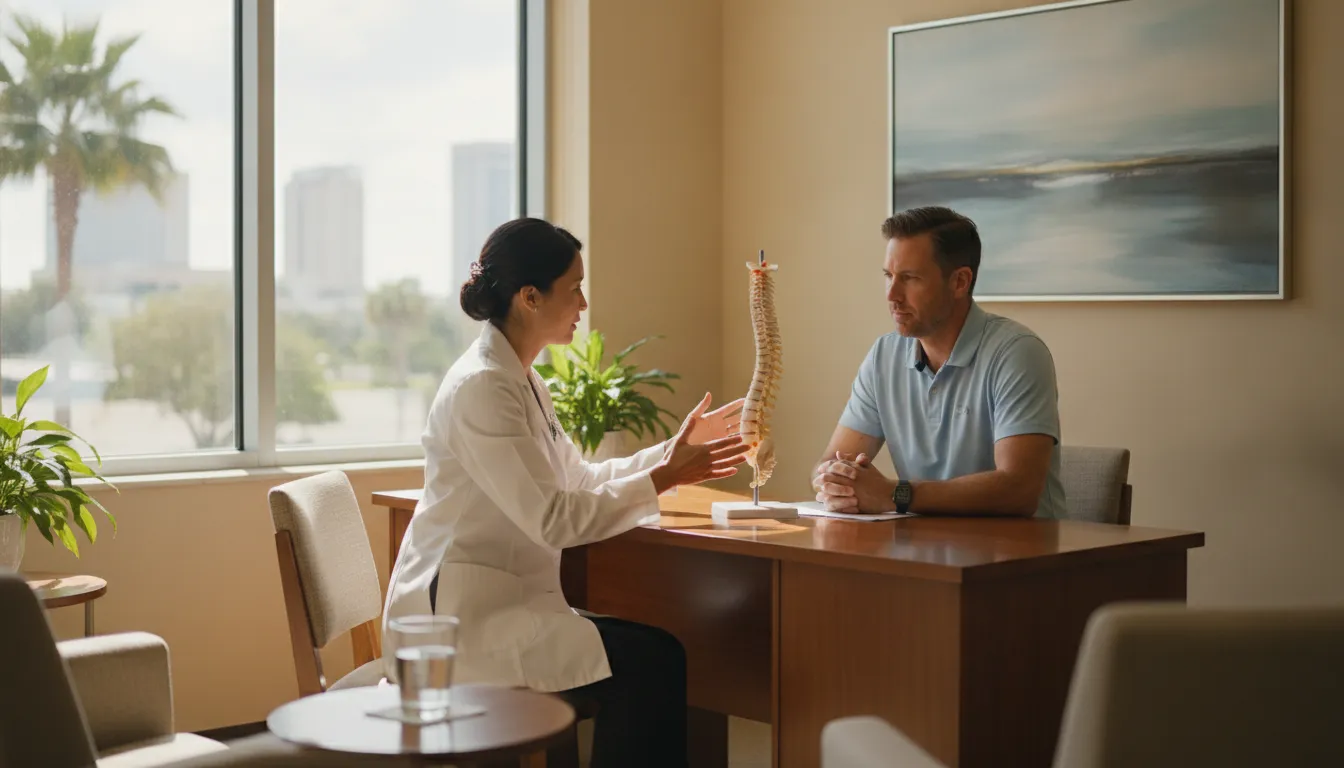
Before beginning any SoftWave session, the first and most critical step is a thorough health assessment. This is where a professional’s expertise truly shines. We don’t just look at the one area that hurts; we take the time to understand your complete health history, lifestyle, and the underlying factors contributing to your condition. This comprehensive evaluation allows us to determine if SoftWave is the most appropriate and beneficial path for you. It also helps us identify any health factors that might require a modified approach. This initial step is fundamental to creating a safe and effective plan that aligns with your body’s needs and helps you move toward lasting wellness.
Customizing Treatment to Your Specific Needs
SoftWave therapy is far from a one-size-fits-all solution. After your initial assessment, a trained provider creates a completely customized treatment plan. This involves more than just applying the waves to the area of discomfort. We adjust the device’s settings, including the intensity and frequency, to match your specific condition and the type of tissue we’re targeting. This level of precision is what allows the therapy to address the root cause of an issue, not just mask the symptoms. By tailoring every aspect of the session, we can support your body’s natural repair processes in a targeted way, which is a core part of our physical medicine approach.
Clearing Up Common SoftWave Misconceptions
There are a few common misunderstandings about this type of therapy. First, many people assume it must be painful to be effective. In reality, SoftWave is a non-invasive procedure that involves no incisions or instruments entering the body. Most people describe the sensation as a light tapping or pulsing on the skin. Another misconception is that the devices you might see online for personal use are the same as what you’d find in a clinic. This couldn’t be further from the truth. Clinical SoftWave devices are powerful, medical-grade instruments "not designed for home use." They require professional skill to operate safely and deliver the best results, which our patients’ experiences reflect.
The Risks of Using SoftWave Without Professional Guidance
While it’s tempting to look for convenient solutions for pain and healing, some technologies are best left in the hands of a trained professional. SoftWave therapy is a powerful tool, but using it without proper guidance can introduce risks and may not deliver the results you’re hoping for. Understanding these risks is the first step toward making an informed and safe decision for your health. A clinical setting provides the necessary expertise to ensure your treatment is both effective and appropriate for your body’s specific needs.
Dangers of Misuse and Incorrect Application
A tool is only as effective as the strategy behind it. Without a professional diagnosis, you’re essentially guessing where the problem is and how to treat it. What feels like a simple muscle knot could be referred pain from another area, and applying treatment to the wrong spot won’t solve the underlying issue. Furthermore, many devices marketed for personal use lack the power and depth of clinical-grade equipment, leading to disappointing results. More importantly, using SoftWave without a clear diagnosis can be unsafe. A professional can accurately identify the source of your discomfort and determine if SoftWave is the right fit among the various conditions we treat, ensuring you get effective care without the risk of causing further harm.
Health Concerns That Require Clinical Caution
SoftWave therapy is widely considered safe, but it’s not the right choice for everyone or for every condition. Certain health situations require clinical caution. For example, treatment is generally avoided during pregnancy or over areas with active tumors. A thorough health assessment is crucial to screen for these contraindications. This is a key part of the process that a trained provider will never skip. By discussing your full health history, a professional ensures that SoftWave therapy is a safe and beneficial option for you. The Ascend Functional Health team is dedicated to this level of personalized care, making sure your safety is always the top priority before proceeding with any treatment plan.
How a Provider Manages Potential Side Effects
After a SoftWave session, it’s common to experience minor, temporary side effects like redness, tenderness, or slight swelling in the treated area. This is a normal sign that your body’s healing response has been activated. When you work with a provider, you have an expert in your corner to explain what to expect and monitor your progress. They can offer guidance on how to manage any discomfort and can adjust your treatment plan based on your body’s response. This professional oversight provides peace of mind and ensures the entire process is smooth and supportive. If you have questions about the process, the best first step is to schedule a consultation to get personalized answers.
How SoftWave Complements a Holistic Health Plan
True healing rarely comes from a single treatment. Instead, it’s about creating a comprehensive strategy that addresses your body as a whole system. SoftWave therapy is a fantastic tool, but its real power shines when it’s part of a personalized, holistic health plan. It works alongside other therapies to not only manage symptoms but also to support your body’s long-term wellness journey. By integrating SoftWave, we can enhance the effects of other treatments and help you achieve more complete and lasting results.
Integrating SoftWave with Physical and Functional Medicine
Think of SoftWave as a powerful partner to your existing care plan. If you’re already receiving physical medicine like chiropractic adjustments or corrective care, SoftWave can accelerate your progress. It targets the underlying soft tissue problems, like inflammation and adhesions, that often contribute to joint and spinal issues. This allows your adjustments to be more effective and hold longer. From a functional medicine perspective, reducing systemic inflammation and pain frees up your body’s resources. When your body isn’t constantly fighting pain signals, it can better focus on healing other systems, like your gut or hormones.
Supporting Your Body’s Innate Healing Process
Your body has an incredible, built-in capacity to heal itself. The goal of holistic care is to give it the support it needs to do its job effectively. SoftWave therapy is a perfect example of this principle in action. The electrohydraulic acoustic waves don’t just mask pain; they create a biological response that calls your body’s own stem cells to the area. This process stimulates tissue regeneration and promotes genuine healing from within. Rather than introducing a foreign substance, SoftWave activates your body’s own healing mechanisms, which is a cornerstone of our approach to health at Ascend.
What to Expect During and After Your Sessions
Knowing what to expect can make the healing process feel much more manageable. SoftWave therapy is a non-invasive procedure, and most people tolerate it very well. During a session, you might feel the applicator’s waves on your skin, especially over areas with inflammation. Afterward, it’s common to experience some mild soreness or redness, but this is typically short-lived. In fact, these effects are often a positive sign that your body is responding and beginning the healing cascade. This therapy is one component of a larger plan aimed at addressing the root cause of your symptoms, helping you move toward a life with less pain and more vitality.
Related Articles
- SoftWave Tissue Regeneration Therapy in Tampa | Alessi Functional Health
- SoftWave TRT Therapy in Tampa, FL - Alessi Functional Health
- Regenerative Medicine for Pain Recovery | Ascend Functional Health
- What Is Soft Tissue Therapy? A Complete Guide
- The Ultimate Guide to Myofascial Release Therapy
Frequently Asked Questions
Does SoftWave therapy hurt? Most people find the treatment quite manageable. It’s a non-invasive procedure, so there are no needles or incisions. You will feel the acoustic waves as a tapping or pulsing sensation on your skin. If the applicator passes over an area with inflammation or damaged tissue, you might feel more sensitivity, but this is actually helpful feedback that we are targeting the right spot.
How many sessions will I need to feel better? There isn't a single answer for this, as every person and condition is unique. Your treatment plan will be completely personalized based on your specific health concern, how long you've been dealing with it, and your overall health. During your initial consultation, we will discuss a recommended plan so you have a clear idea of the expected timeline for your situation.
You mentioned stem cells. How does SoftWave actually activate them? Think of the acoustic waves as a signal that communicates directly with your body. The waves create a biological response that essentially sends a wake-up call to the powerful healing cells, including stem cells, that are already present but dormant in your tissues. This signal prompts them to migrate to the site of injury and begin the work of repairing and regenerating the area. It’s a way of directing your body’s own resources to where they are needed most.
Is SoftWave therapy a good option for any kind of pain? SoftWave is incredibly effective for a wide range of musculoskeletal issues, especially chronic pain and injuries related to soft tissues like muscles, tendons, and ligaments. It’s a go-to for conditions like plantar fasciitis, jumper's knee, and shoulder tendinitis. However, the only way to know for sure if it’s the right approach for you is to have a thorough assessment with a trained professional who can accurately diagnose the source of your discomfort.
What should I expect to feel right after a treatment session? It’s common to experience some mild soreness or tenderness in the treated area for a day or two after your session. This is a positive sign that the therapy has successfully initiated a healing response in your body. Any discomfort is typically temporary, and many people report feeling an improvement in their mobility and a reduction in pain shortly after. Your provider will give you specific guidance on what to expect based on your treatment.