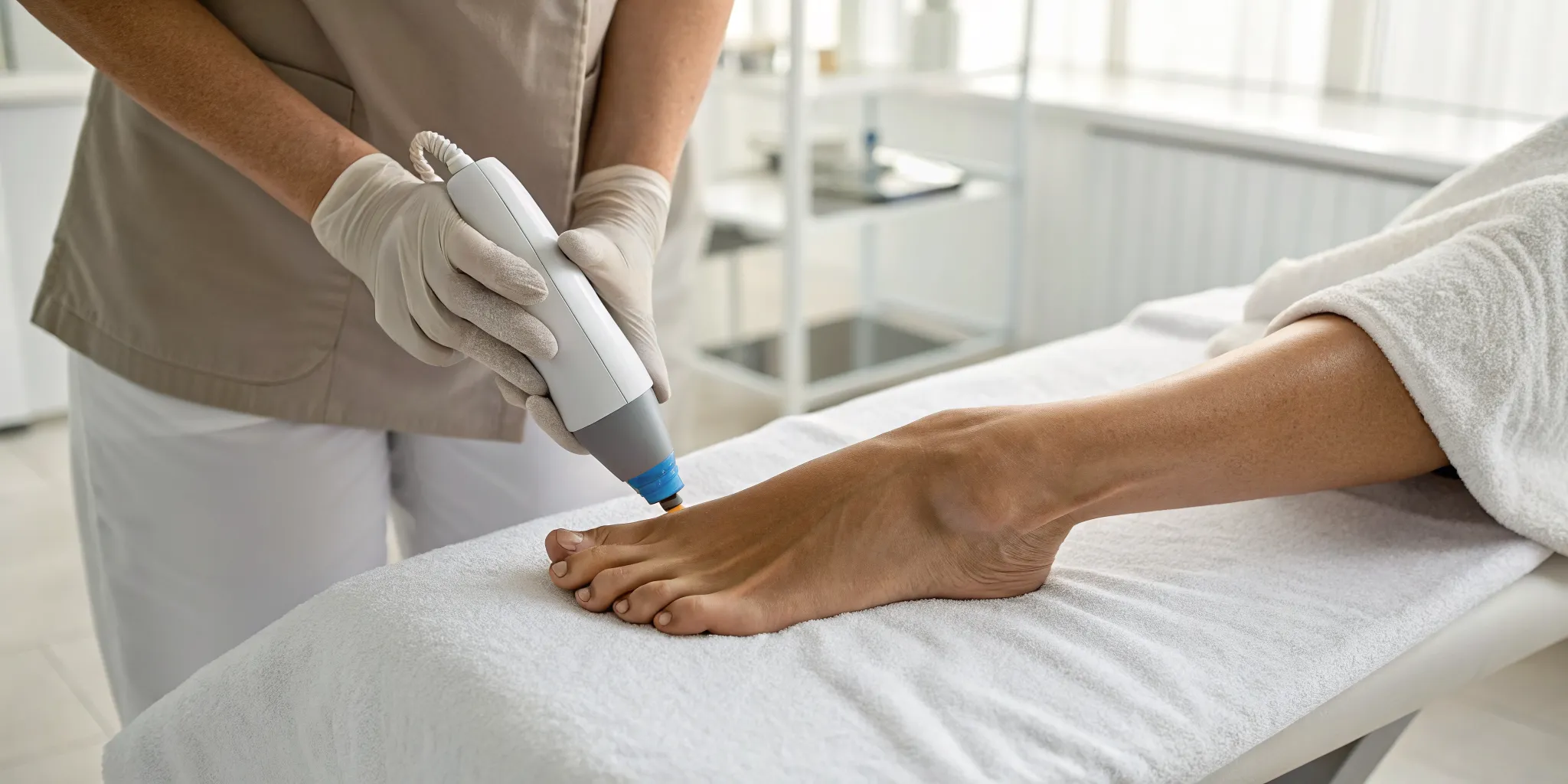
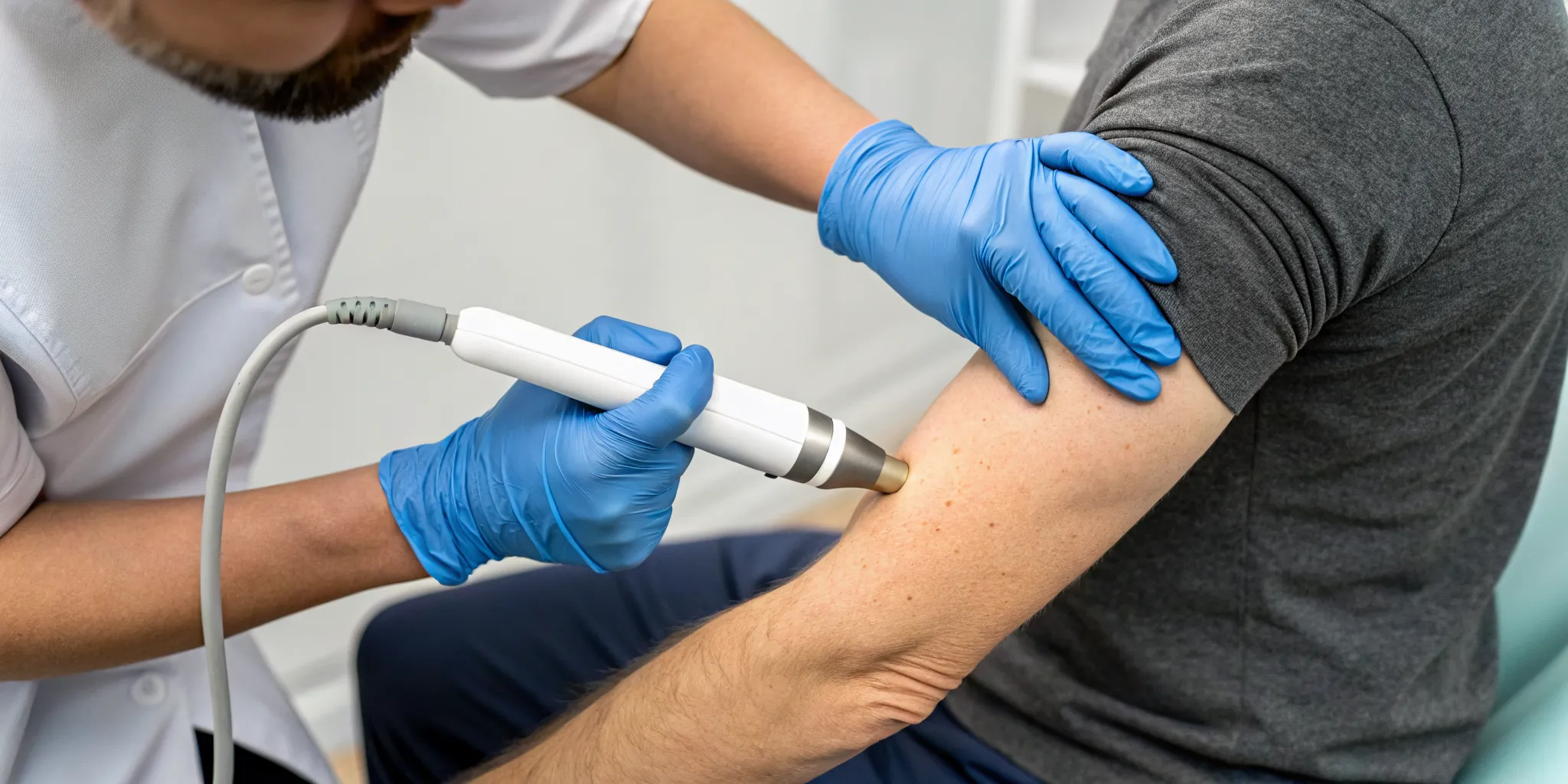
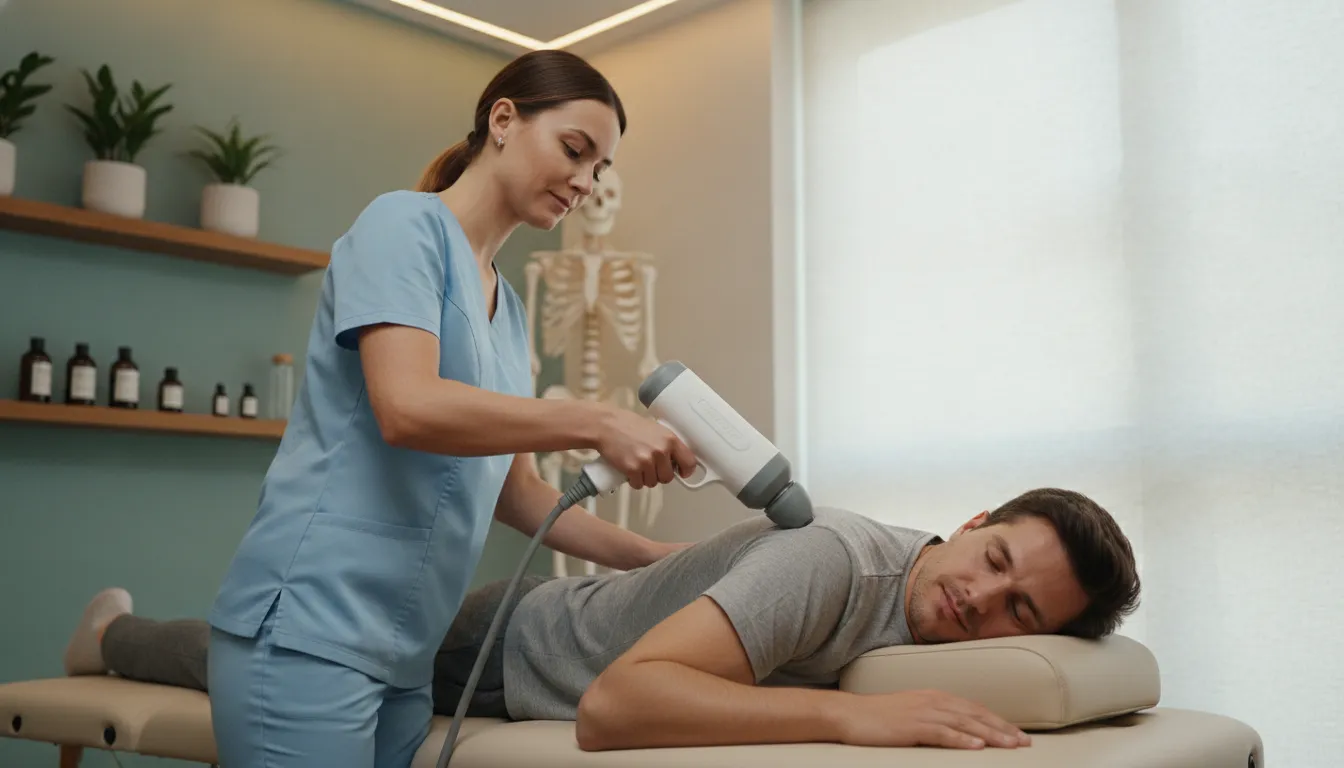
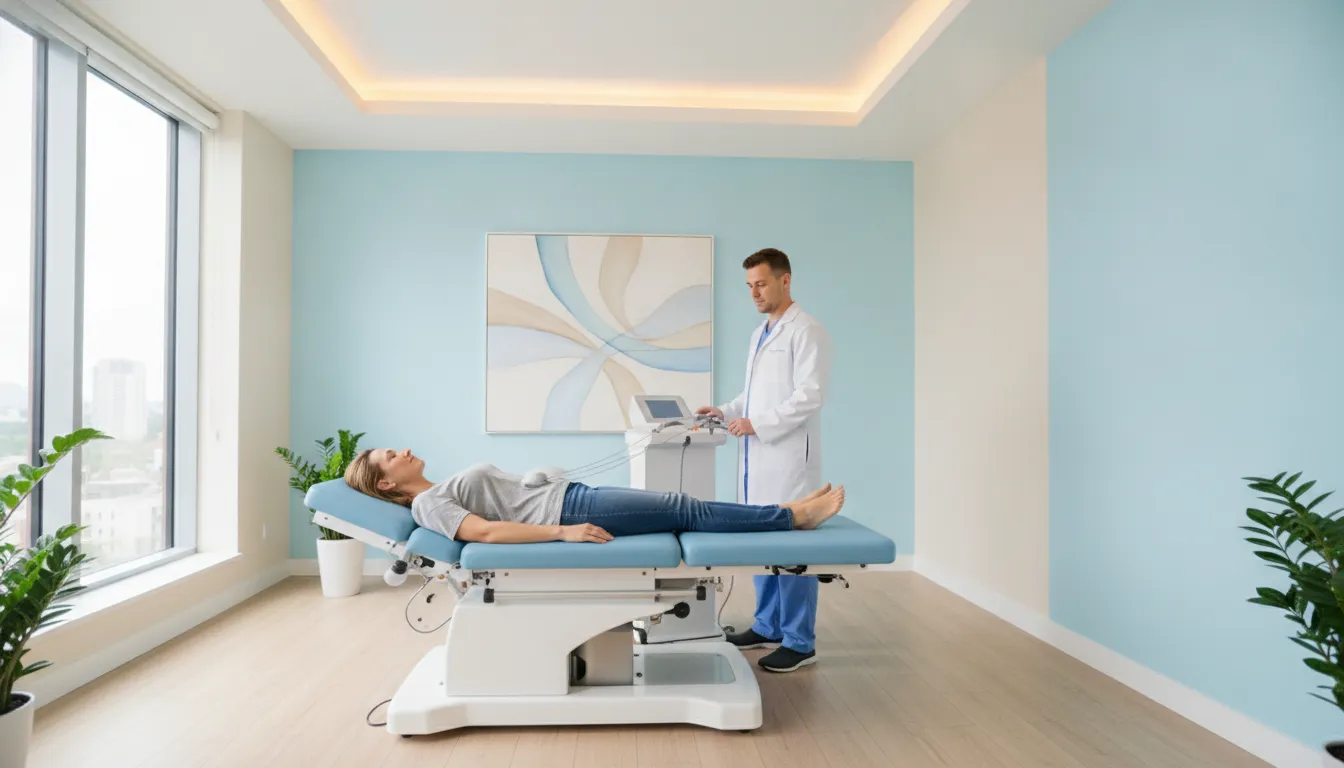
The name "shockwave therapy" can sound a little intimidating, but the treatment itself is a sophisticated and gentle way to promote healing. It doesn't use electrical currents. Instead, it uses focused acoustic waves—a type of sound energy—to create a therapeutic response deep within your injured tendon. Think of it as a way to precisely communicate with the damaged cells, signaling them to begin the repair process that has stalled. This guide will demystify shockwave therapy for Achilles tendonitis, explaining in simple terms how it reduces pain and restores function by creating the ideal environment for your body to heal itself.
Key Takeaways
- Shockwave therapy prompts natural healing at the source: This non-invasive treatment uses acoustic waves to signal your body to increase blood flow and build new, healthy tissue, addressing the root cause of tendon pain.
- It's a logical next step for stubborn injuries: Shockwave therapy is most effective for chronic Achilles pain that hasn't improved with foundational care, offering a powerful solution before considering more invasive procedures.
- A full treatment plan is essential for success: Lasting relief comes from consistency, so expect a series of sessions scheduled over several weeks; combining shockwave with other therapies, like corrective exercises, creates a more complete and durable recovery.
What Is Achilles Tendonitis?
If you've ever felt a sharp, nagging pain in the back of your ankle, you might be dealing with Achilles tendonitis. This strong, fibrous cord connects your calf muscles to your heel bone, and it’s a workhorse for activities like walking, running, and jumping. Tendonitis is the term for inflammation or irritation of that tendon, usually from asking it to do too much, too soon. It's one of the most common overuse conditions we treat because the Achilles tendon handles a massive amount of stress with every step you take. Understanding the root cause of this strain is the first step toward finding lasting relief.
Recognizing the Symptoms
The signs of Achilles tendonitis often start subtly and can be easy to ignore at first. You might notice a dull ache or stiffness along the back of your lower leg, especially first thing in the morning. This pain often sharpens with activity, like climbing stairs or during a run, and can be accompanied by tenderness or swelling around the tendon itself. For many, the area is sore to the touch, and the discomfort seems to fade during a workout only to return with a vengeance afterward. Ignoring these early signals can lead to a more persistent issue down the road.
Why Your Achilles Tendon Is Prone to Injury
The main reason the Achilles tendon gets injured is repetitive strain. Think of it like a rope that starts to fray after being used over and over without enough time to recover. This often happens when you suddenly increase the intensity or duration of your workouts, especially in high-impact sports like running or basketball. Our approach to physical medicine considers how your whole body contributes to this strain. Factors like having tight calf muscles can put extra tension on the tendon, while certain health conditions or even your foot's structure can make you more susceptible to injury.
How Does Shockwave Therapy Work?
If you're dealing with persistent Achilles tendon pain, you might be wondering what else is out there besides rest and ice. Shockwave therapy is a fascinating approach that works by tapping into your body's own repair system. Instead of just masking the pain, it aims to address the problem at its source. Think of it as a way to gently "wake up" the healing process in a tendon that has become stuck. It uses powerful acoustic waves to stimulate the tissue, encouraging it to rebuild and recover. This non-invasive treatment is performed right in the office and typically takes just a few minutes to complete.
Focused vs. Radial Shockwave Therapy
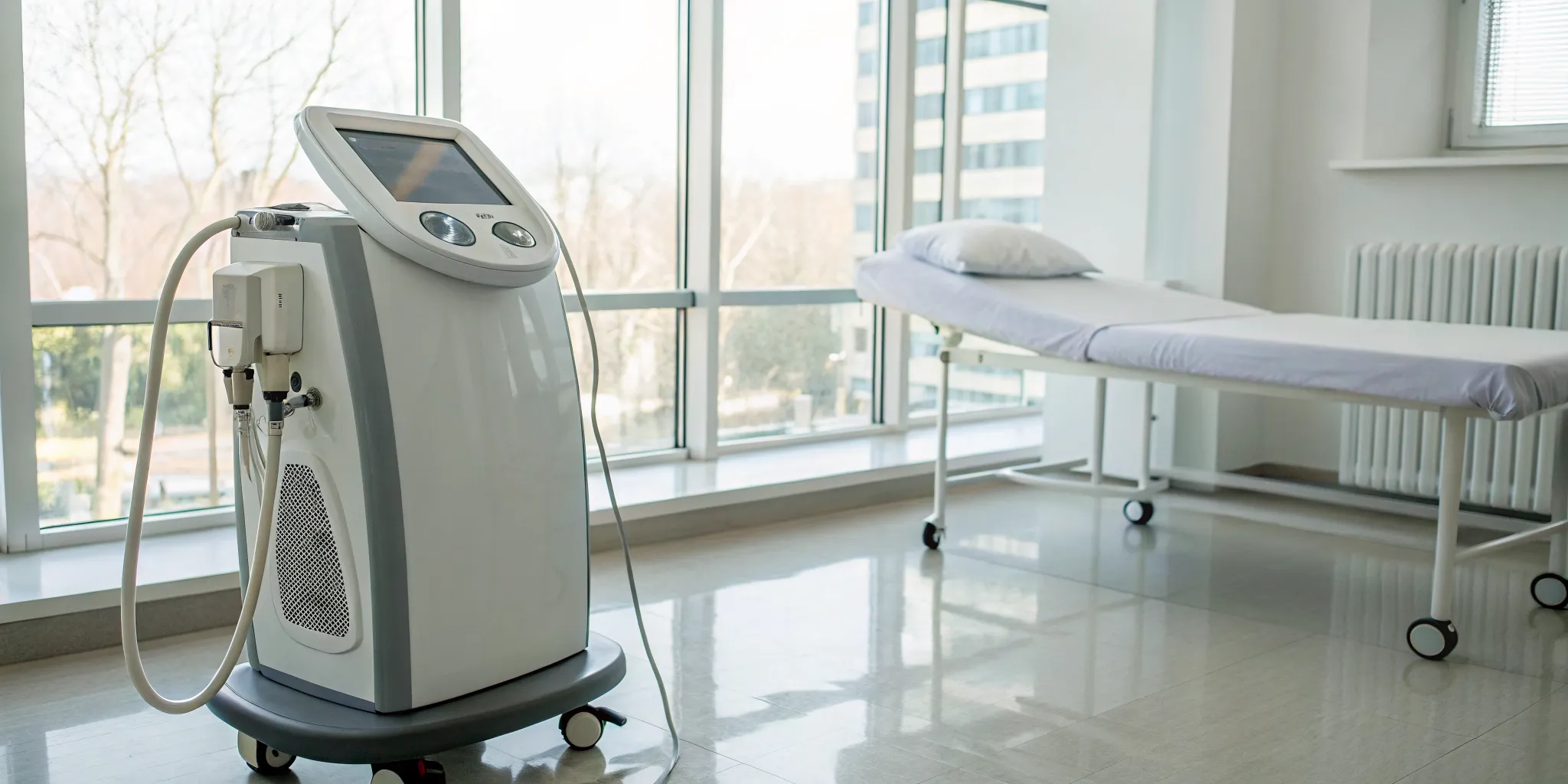
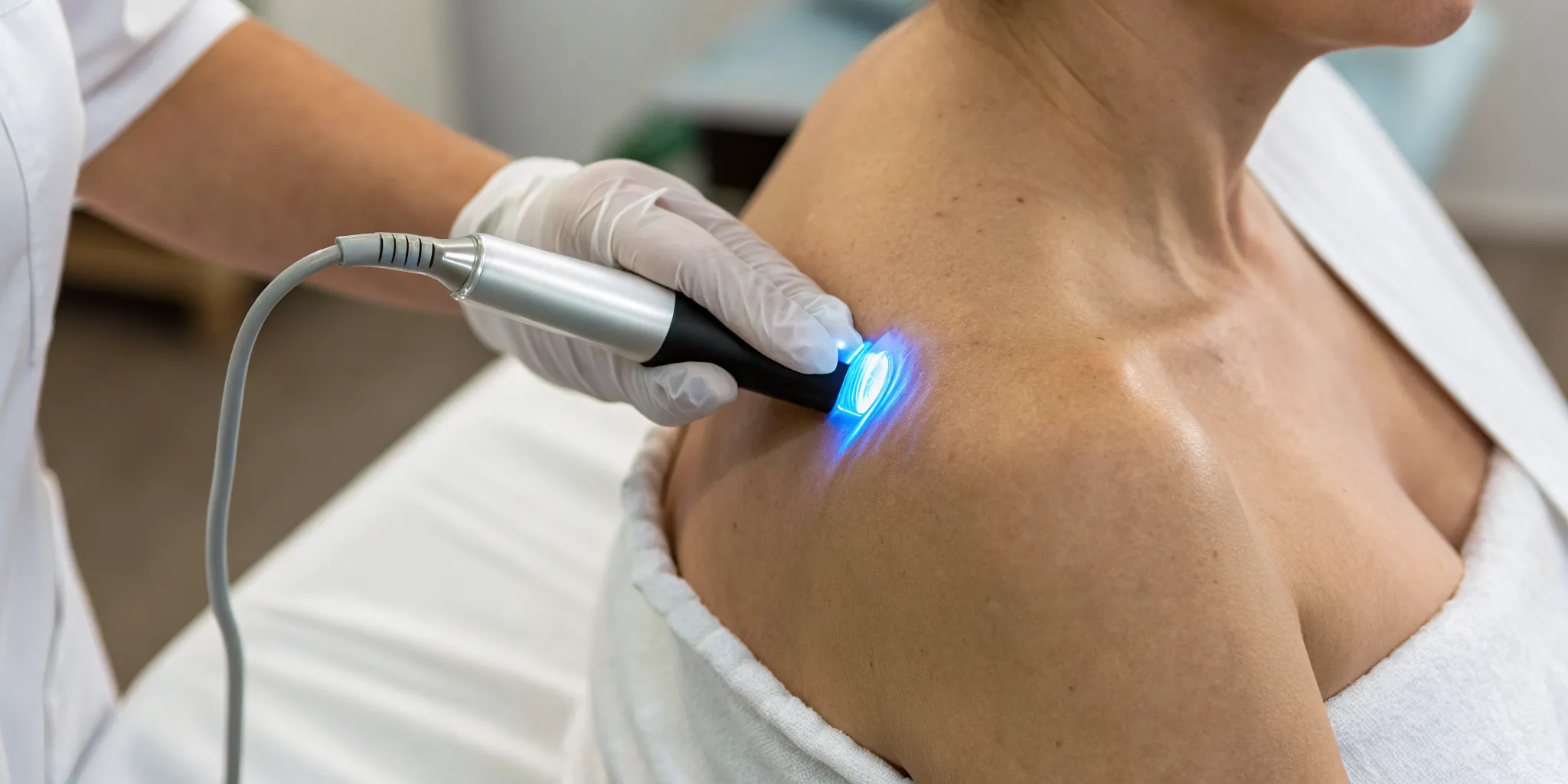
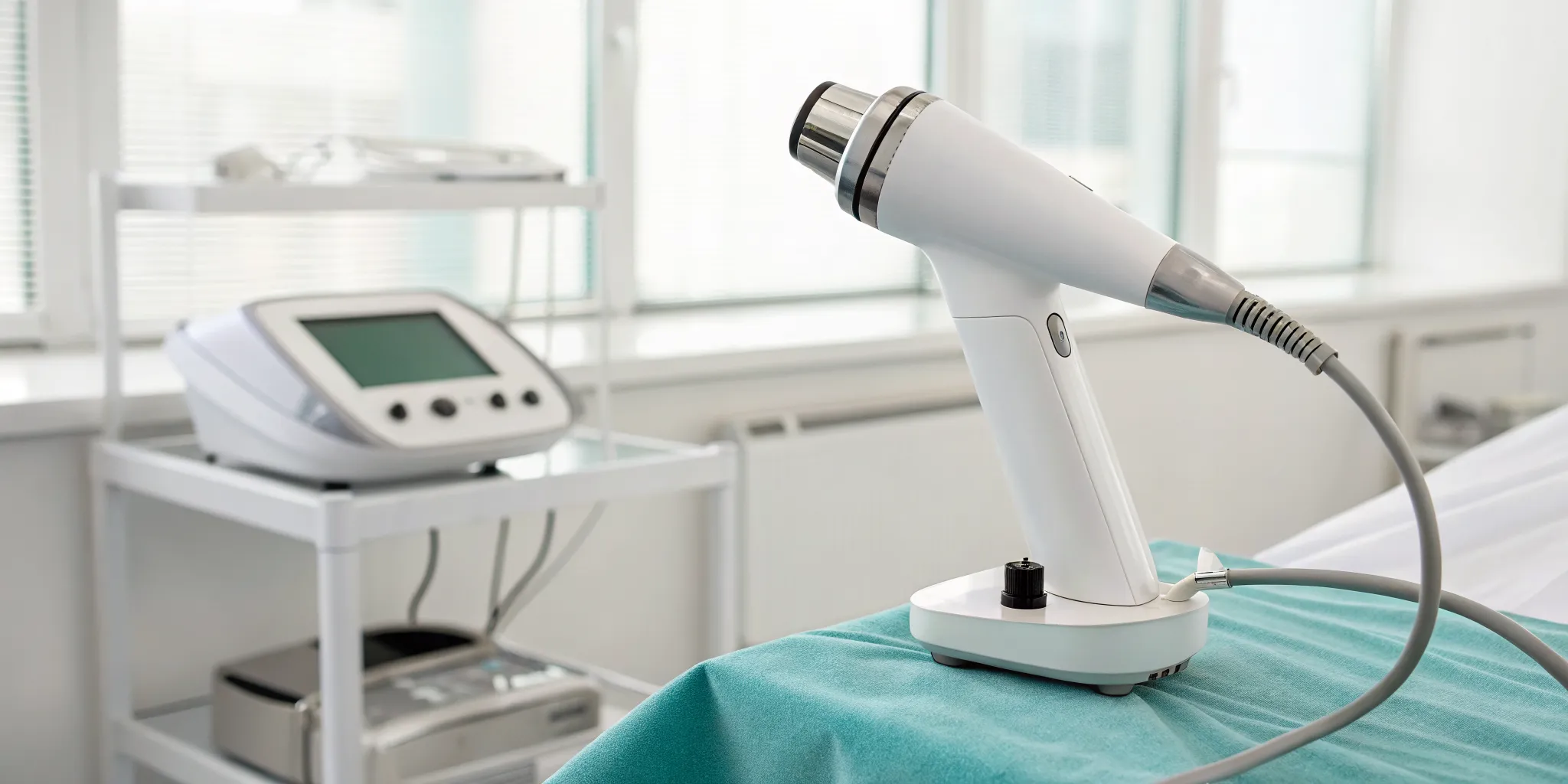
During a session, a special device sends strong sound waves through your skin directly to the injured part of your Achilles tendon. There are two main types of shockwave therapy: focused and radial. Focused shockwaves are precise, targeting a specific, deep point in the tissue. Radial shockwaves spread out over a larger surface area, which is great for more widespread issues. Both methods create a controlled response in the tissue, signaling your body that it’s time to get to work on healing. This is a key part of our physical medicine approach to recovery, allowing us to tailor the treatment to your specific needs.
Promoting Your Body's Natural Healing
The real magic of shockwave therapy is how it prompts your body’s natural healing cascade. Those sound waves create a response that brings more blood flow and vital nutrients to the area. This encourages the production of new collagen, the protein that acts as the building block for healthy tendons. The therapy also helps clear out damaged cells and break down stubborn scar tissue or hardened calcium deposits that can cause stiffness and pain. By calming overactive nerves and improving circulation, shockwave therapy creates the ideal environment for your tendon to repair itself, which is central to how we treat chronic conditions like tendonitis.
Is Shockwave Therapy Effective?
When you’re dealing with persistent Achilles pain, you want to know one thing: will this treatment actually work? The short answer is yes, shockwave therapy has proven to be a powerful tool for healing Achilles tendonitis, especially for chronic cases that haven't responded to other methods.
Research shows that this therapy can significantly improve pain and function. One study even found that it reduced pain by an average of 50% for people with insertional Achilles tendinopathy. What’s even more encouraging is that the benefits aren’t just temporary. Because shockwave therapy stimulates your body’s own repair mechanisms, many people find their symptoms continue to improve for months or even years after their sessions are complete. It’s a way to address the root cause of the injury rather than just masking the pain.
How It Compares to Other Treatments
Most treatment plans for Achilles tendon issues begin with foundational therapies like corrective exercises and other forms of physical medicine. These approaches are often successful, but for stubborn, long-term problems, they may not be enough to get you over the finish line. This is where shockwave therapy comes in. It’s an excellent next step when your progress has stalled.
Compared to more invasive procedures, shockwave therapy is a much safer alternative. It doesn't involve incisions or long recovery periods, which means fewer risks and a quicker return to your daily activities. It provides a middle ground that can help you avoid more aggressive interventions while still achieving lasting relief.
Clearing Up Common Misconceptions
It’s natural to wonder if a treatment called "shockwave" is painful. While some people feel mild discomfort during the session, most find it very tolerable. The sensation is often described as a tapping or pulsing, and any discomfort is brief. The long-term benefits of healing and pain relief typically far outweigh any temporary sensitivity during the appointment.
It's also important to understand that shockwave therapy is not a one-time fix. To get the best results, you need to follow the complete treatment plan your provider creates for you. Lasting healing is a process, and sticking with your recommended sessions is key to helping your body fully repair the tissue and resolve the chronic conditions we treat.
What to Expect During Your Treatment
Knowing what to expect from a new treatment can make the entire process feel much more comfortable and empowering. When it comes to shockwave therapy for Achilles tendonitis, the procedure is straightforward and non-surgical, performed right here in our office. The goal is to stimulate your body’s own healing mechanisms to repair the injured tendon, helping you get back to your life without pain. It’s a powerful tool for addressing the root cause of your discomfort, rather than just masking the symptoms. But what does that actually look like from your perspective?
To give you a clear picture of your healing journey, we’ll walk through the details together. We’ll start by looking inside a typical appointment so you know exactly what happens from the moment you sit down. Then, we’ll discuss the number of sessions you might need and the general recovery timeline, because setting realistic expectations is a huge part of a successful outcome. Finally, we’ll touch on how we often combine shockwave with other therapies to create a truly comprehensive plan that supports your body from multiple angles. Our aim is for you to feel confident and prepared as you take this important step toward lasting relief from Achilles pain.
A Look Inside Your Appointment
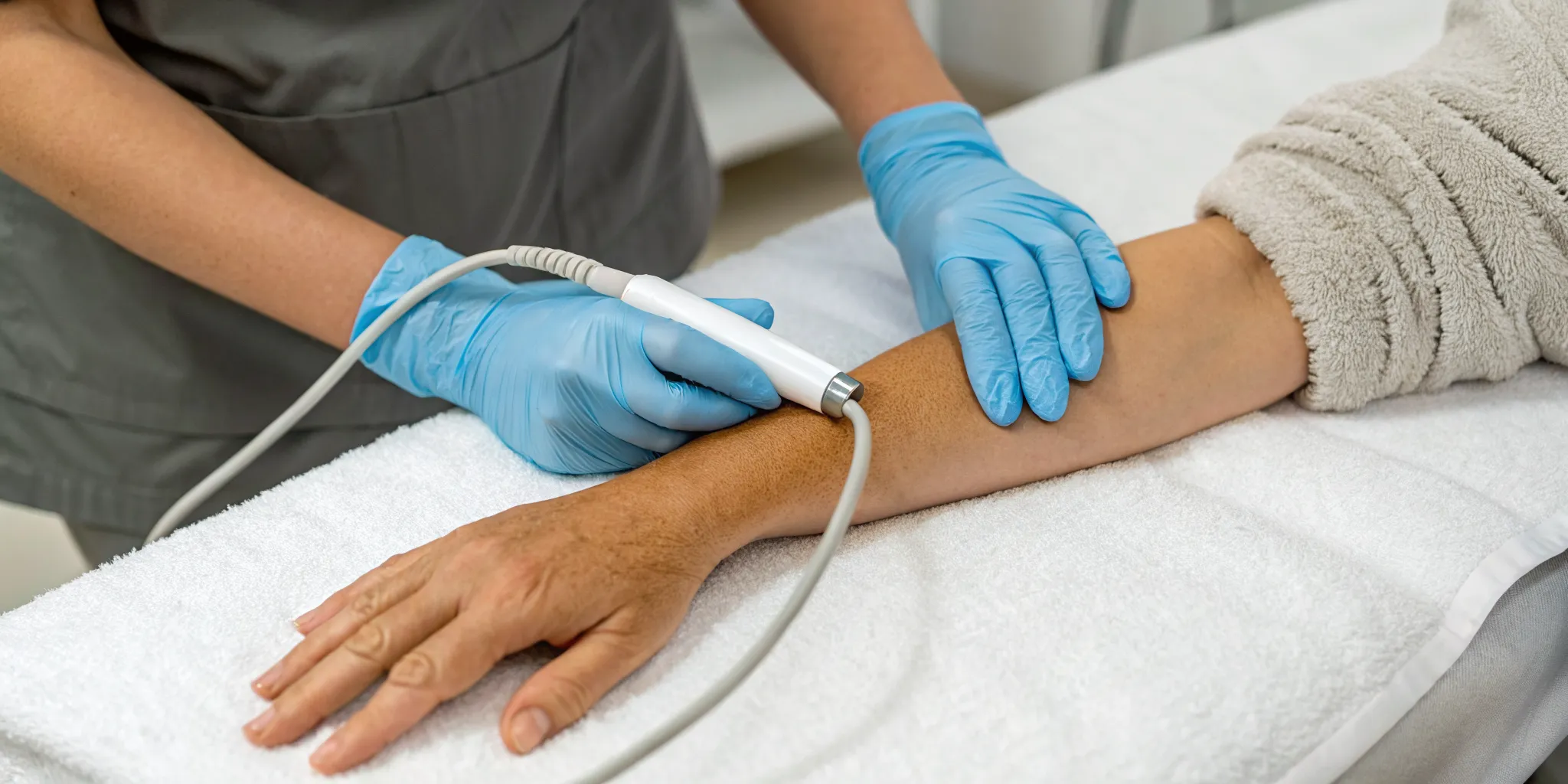
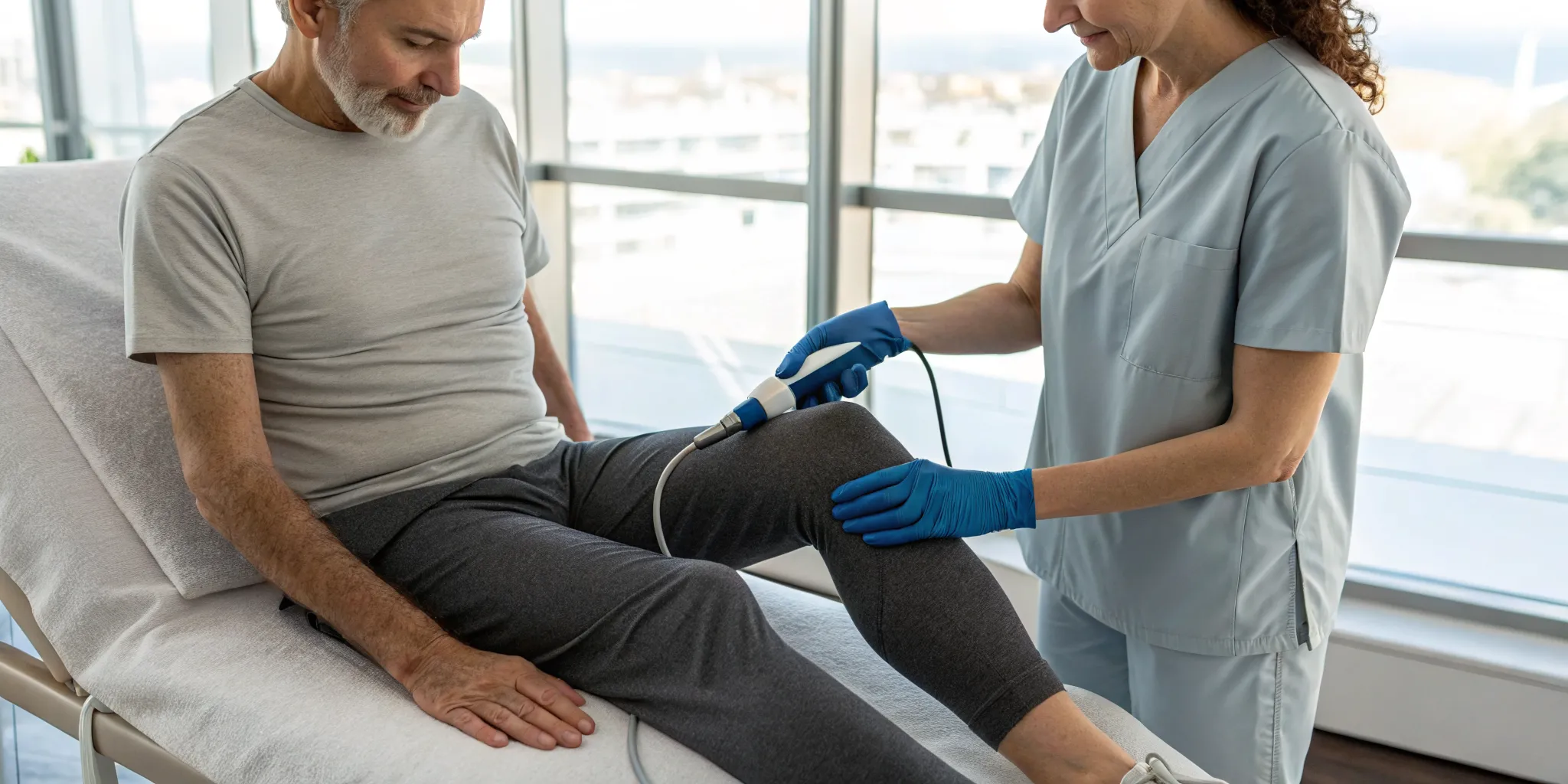
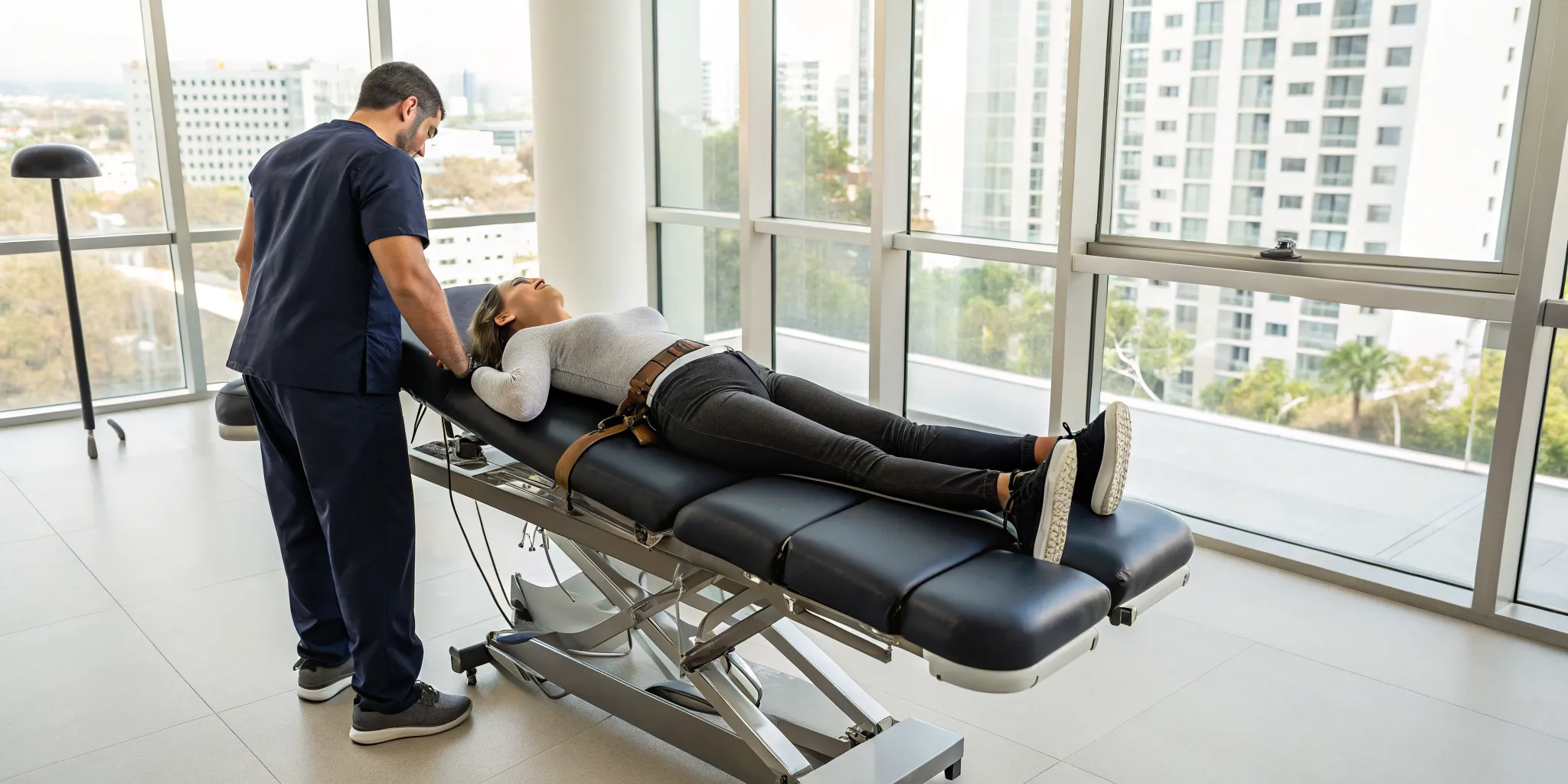
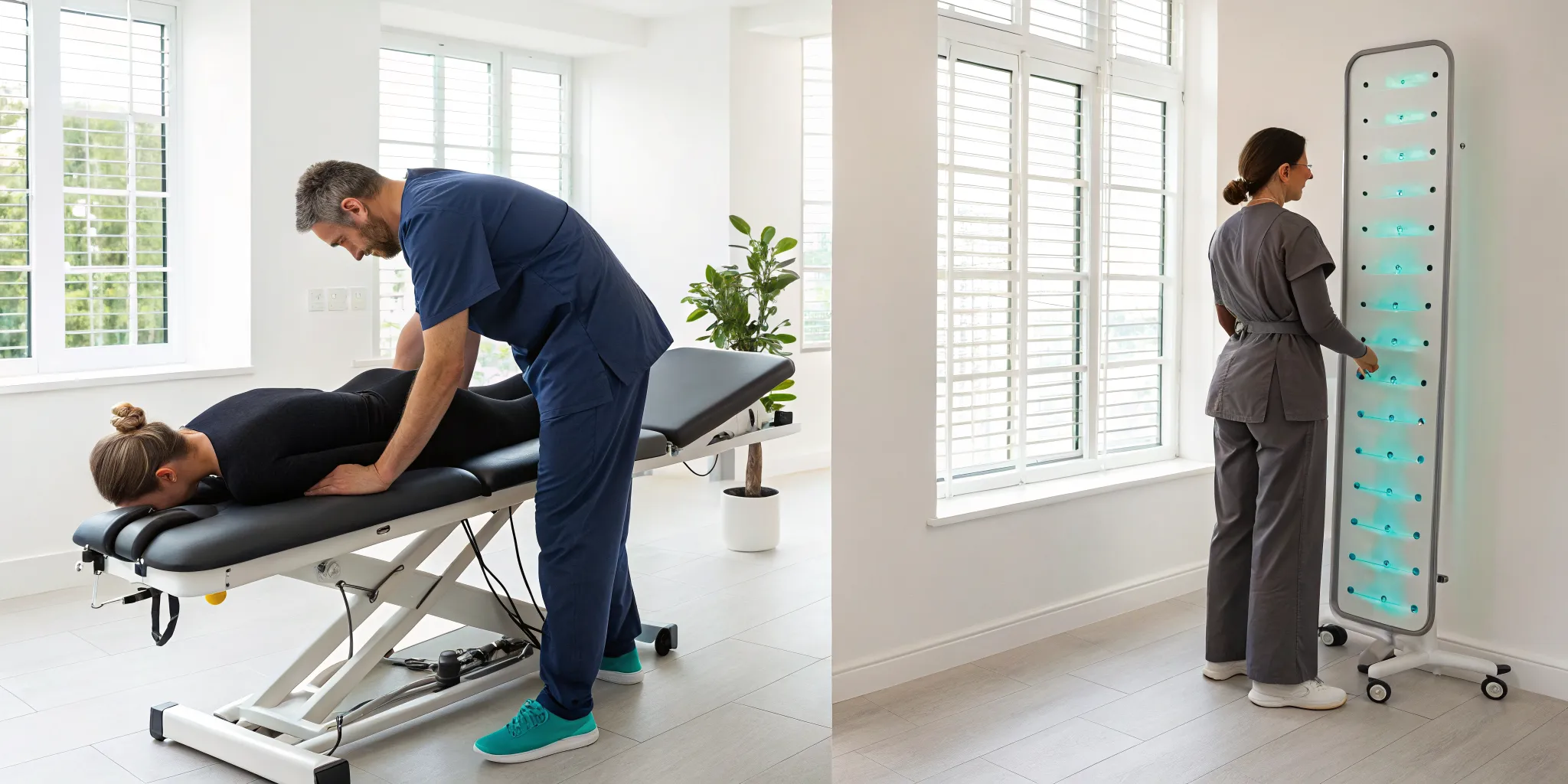
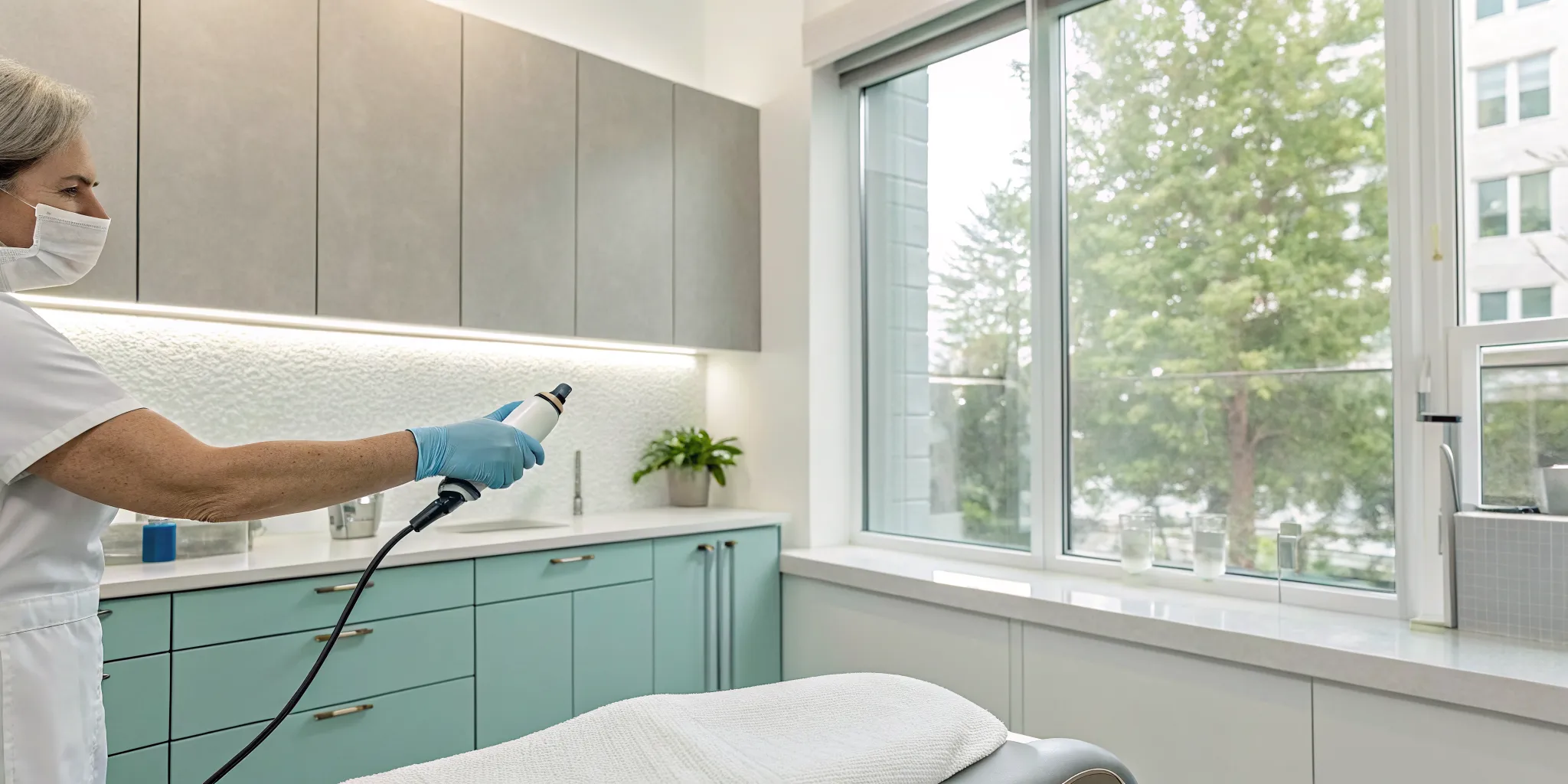
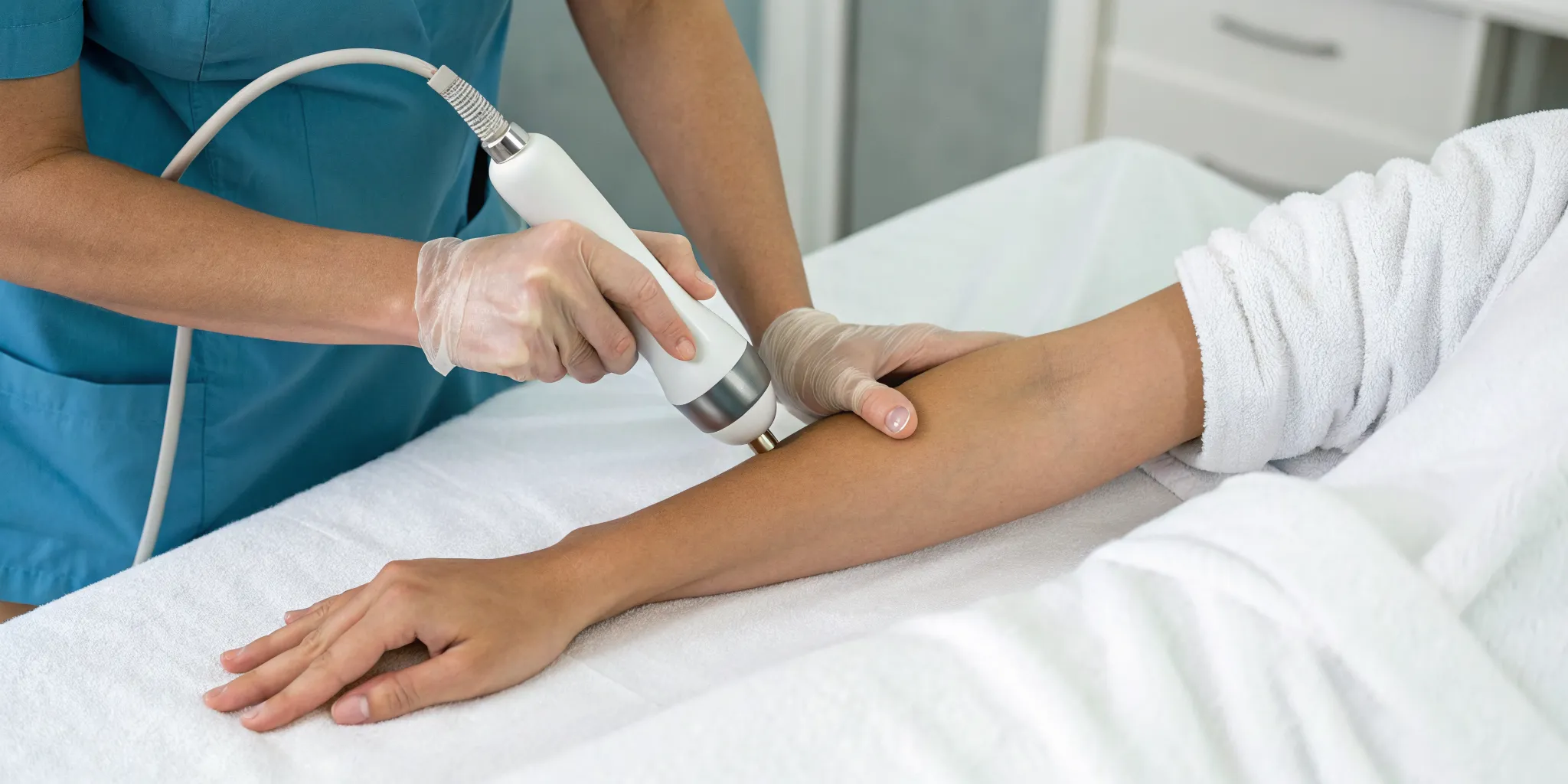
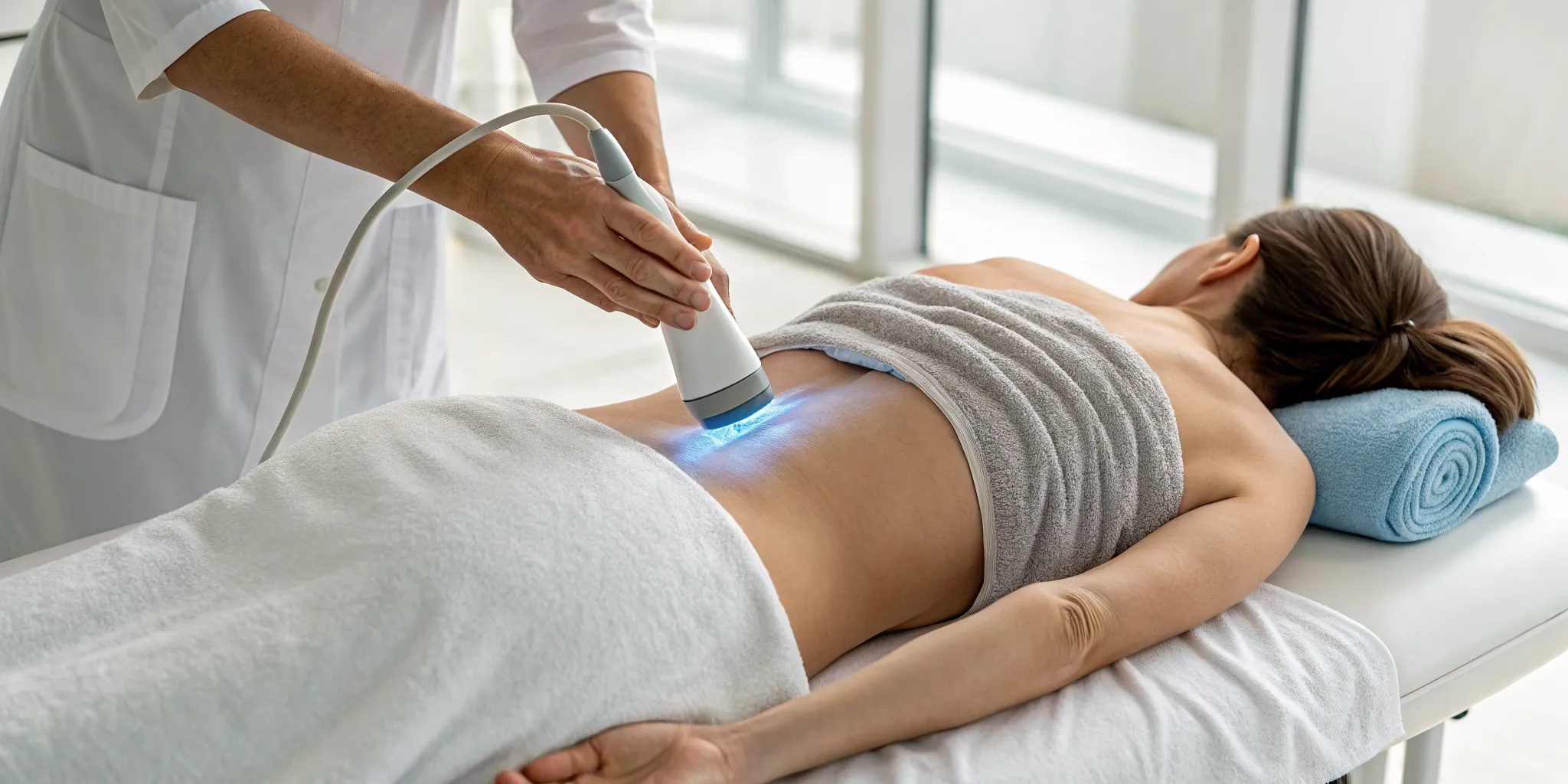
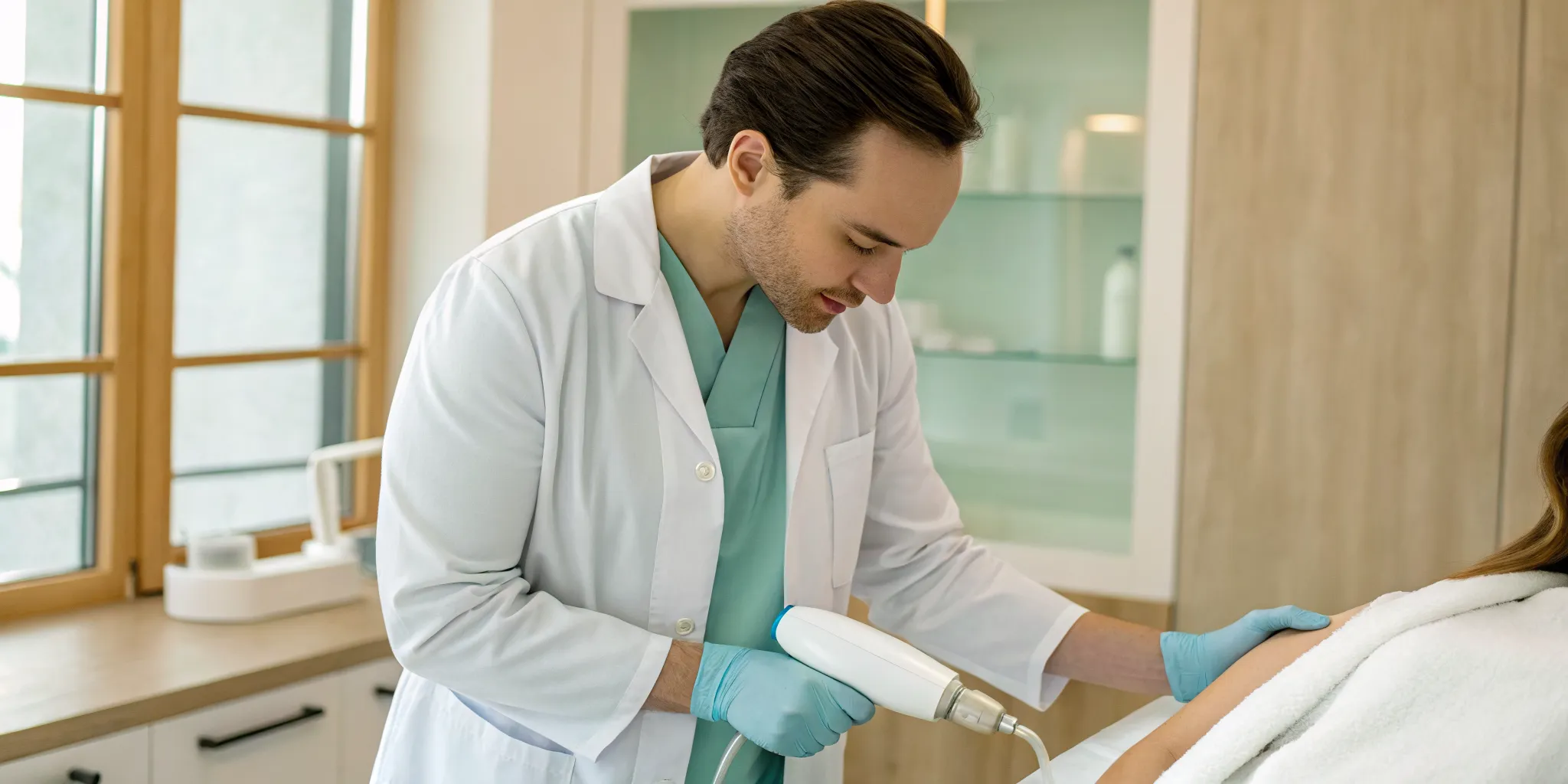
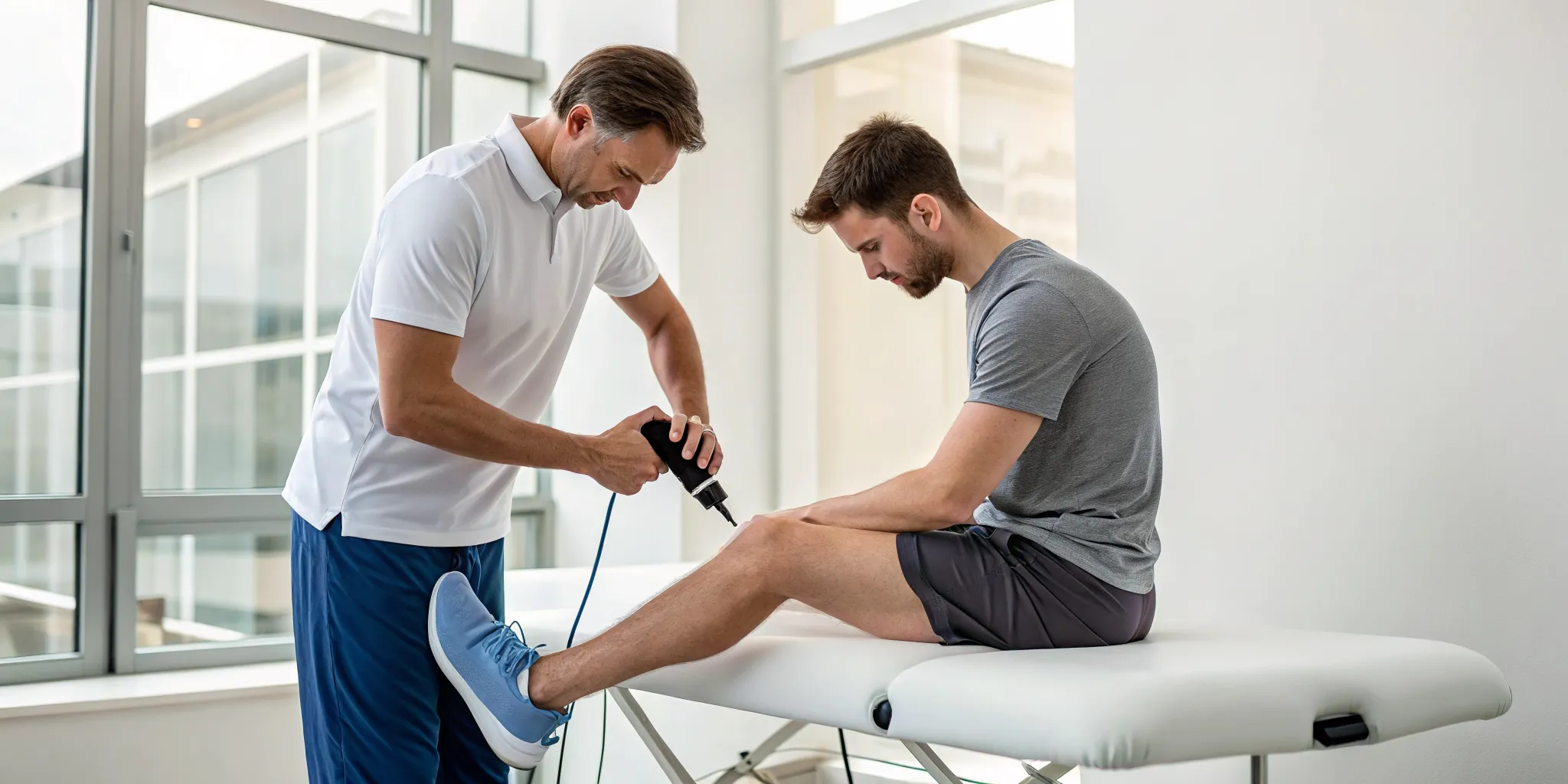
During your session, you’ll get comfortable while we use a special handheld tool to apply pressure waves to the painful area on your Achilles tendon. The treatment itself is relatively quick, usually lasting about five to ten minutes. Many people describe the sensation as a strong tapping or pulsing feeling. While you might feel some mild discomfort, it’s generally well-tolerated. We can adjust the intensity of the waves throughout the session to make sure you remain as comfortable as possible while still receiving an effective treatment.
How Many Sessions Will You Need?
Every person’s healing journey is unique, but most treatment plans involve a series of appointments to achieve the best results. Typically, we recommend starting with at least three sessions, scheduled about one week apart. Some individuals with more persistent symptoms may need a few additional treatments. Many people begin to feel a noticeable reduction in pain and an improvement in their movement after just three to five sessions. We will work with you to create a schedule that addresses your specific needs and goals.
Your Recovery Timeline
Patience is a key part of the healing process. While shockwave therapy gets to work right away stimulating your body’s repair mechanisms, the results aren't instantaneous. The initial healing phase often begins within four to six weeks after your treatments start, with improvements continuing over the next several months. Most of our patients report significant progress within the first three months. It’s important to remember that your body is rebuilding tissue, a process that takes time and consistency.
Combining Shockwave with Other Therapies
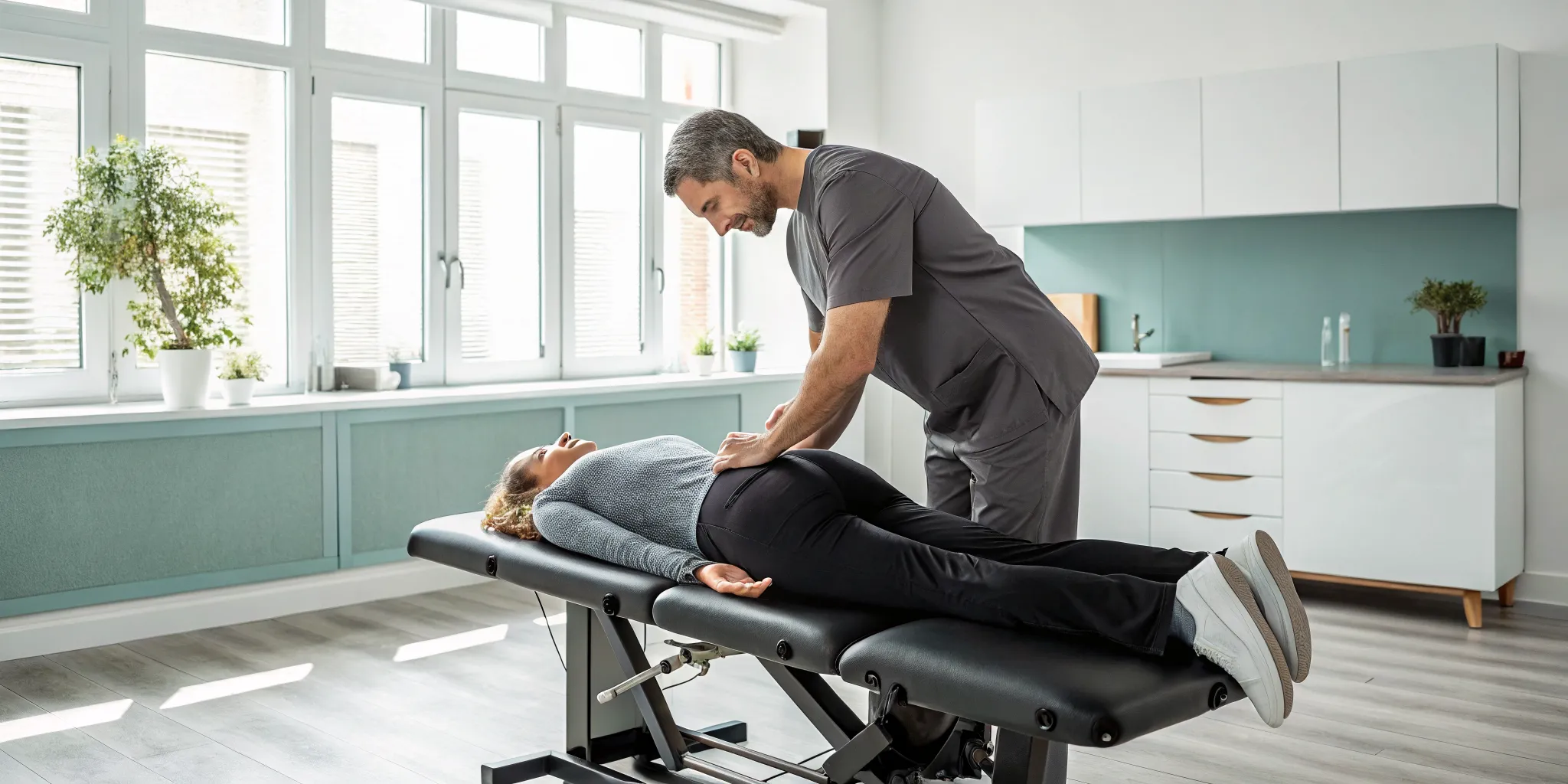
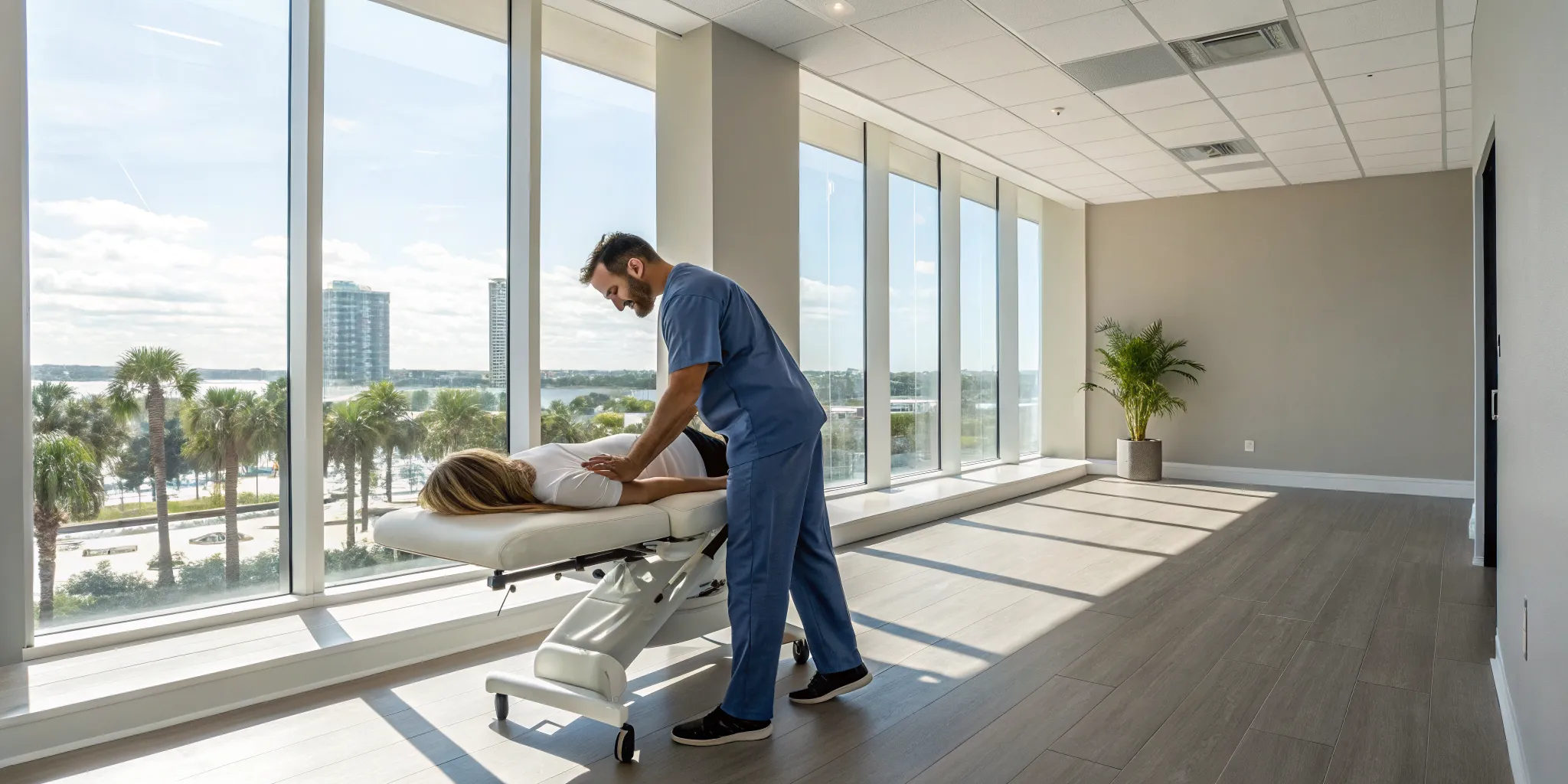
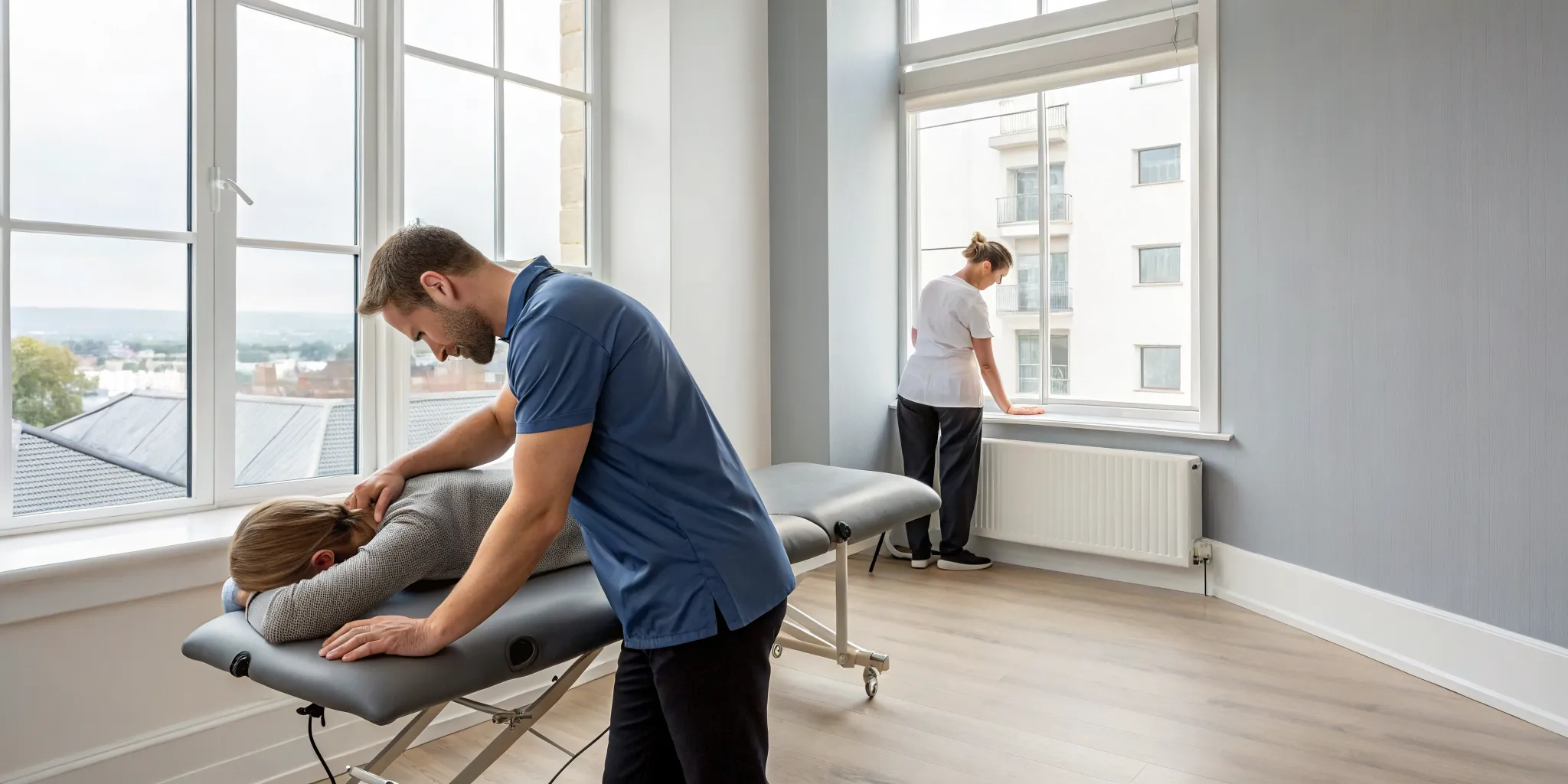
At Ascend Functional Health, we believe in a comprehensive approach to healing. Shockwave therapy is an incredibly effective tool, but it often works best as part of a holistic treatment strategy. To support your recovery and address the root cause of your Achilles tendonitis, we may integrate other treatments. Combining shockwave with a comprehensive physical medicine plan that includes corrective exercises and chiropractic adjustments can lead to more complete and lasting results. This layered approach ensures we’re not just managing symptoms but truly restoring function.
Is Shockwave Therapy Right for You?
Deciding on the right treatment path is a personal choice. While shockwave therapy is a fantastic tool for many, it’s important to understand who it helps most and what to consider before starting. This will help you and your provider determine if it’s the best fit for your recovery journey. Understanding the full picture ensures you can move forward with confidence, knowing you’ve chosen a therapy that aligns with your specific needs and health history.
Potential Side Effects
It’s always smart to be aware of what you might experience after any treatment. The good news is that shockwave therapy is widely considered safe, with minimal and temporary side effects. The most common reactions are simply part of your body’s healing response. According to the Mayo Clinic, some documented side effects include mild skin redness, some light bruising, or tenderness right where the applicator was used. These symptoms are typically mild and fade on their own within a day or two as your tissue begins to repair itself. It’s a sign that the therapy has successfully initiated a healing process.
Who Should Consider Other Options?
Shockwave therapy is often most effective for people dealing with chronic tendon pain that hasn't improved with initial approaches. This treatment is typically for people whose pain hasn't gotten better with simpler methods like rest, changing activities, or special shoe inserts. If you’ve already tried these conservative measures without success, shockwave therapy may be the logical next step. However, it isn't suitable for everyone. Individuals who are pregnant or have certain health conditions, such as nerve or circulation disorders in the target area, may need to explore other options. A thorough consultation with a provider who understands your full health profile is the best way to confirm if you are a good candidate.
Investing in Your Recovery
Committing to your recovery is one of the most important steps you can take toward long-term relief from Achilles pain. While treatments like shockwave therapy are incredibly effective at stimulating healing, your active participation is what truly makes the difference. Think of it as a partnership between you and your care team. We provide the tools, guidance, and treatments to address the underlying issue, and you bring the commitment to follow through with the plan.
It’s helpful to remember that healing isn’t always a straight line. There will be moments of significant progress and days where you might feel a little stuck. This is a normal part of the process. Our goal at Ascend Functional Health is to look beyond the immediate symptoms and understand the root cause of your Achilles tendonitis. By addressing the biomechanical and functional issues that led to the injury, we can create a more resilient and lasting solution for your health.
Your treatment plan will be about more than just what happens during your appointments. It’s a holistic strategy that incorporates specific exercises, potential lifestyle adjustments, and consistent communication to keep you on track. We believe in empowering you with the knowledge and support you need to heal effectively. This comprehensive approach is central to how we address all kinds of chronic conditions, ensuring we support your body’s incredible ability to repair itself. Taking this step is an investment in your future mobility and well-being. By dedicating yourself to the process, you’re not just working to eliminate pain; you’re building a stronger, healthier foundation for years to come.
What to Expect from Your Treatment Plan
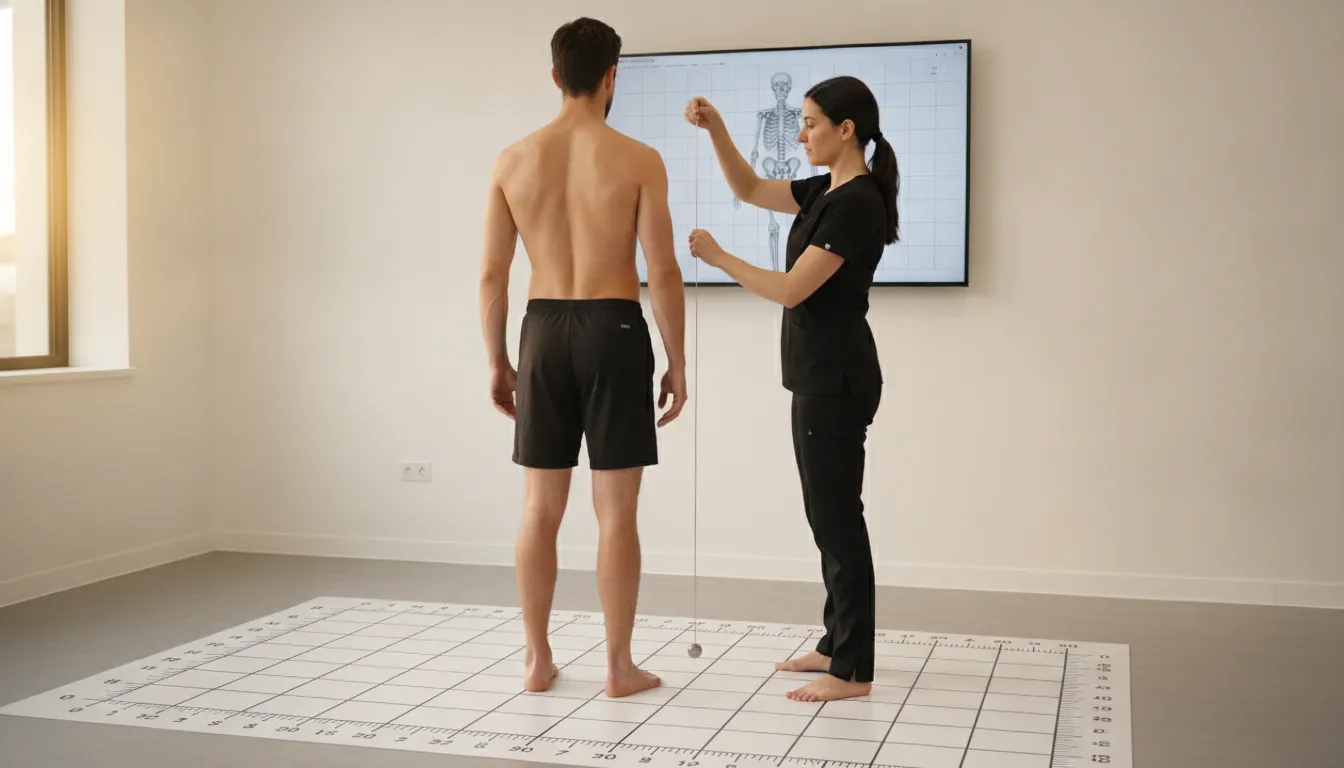
So, what does a treatment plan actually look like? Your journey will be completely personalized, but it generally begins with a thorough assessment to understand your specific situation. From there, we’ll map out a series of shockwave therapy sessions combined with other supportive therapies. Our approach often integrates physical medicine techniques, including targeted corrective exercises, to strengthen the tendon and surrounding muscles.
This isn't a one-size-fits-all protocol. Your plan will be tailored to your body, your activity level, and your personal health goals. We might also explore aspects of your overall wellness that could be contributing to inflammation or slow healing, which is a core part of our functional medicine philosophy. By supporting your body’s innate healing capabilities from multiple angles, we can achieve more sustainable results and help you get back to the activities you love.
Finding the Right Provider in Tampa
Choosing a partner for your health journey is a significant decision. When you're dealing with persistent pain from Achilles tendonitis, you want a team that not only has the right tools but also understands your unique situation. Finding the right fit in Tampa means looking for a provider who will listen, create a personalized plan, and support you every step of the way. A great provider will welcome your questions and give you the confidence you need to move forward with your treatment.
Key Questions to Ask Before Your First Visit
Walking into your first consultation with a few key questions can make all the difference. It helps you understand the process and ensures you and your provider are on the same page. Consider asking:
Is shockwave therapy the best approach for my specific condition? This treatment uses powerful sound waves to encourage your body’s own healing mechanisms. A good provider will explain why it’s a suitable option for the conditions we treat and how it can help you.
What is a realistic recovery timeline? Healing isn't instant. Generally, the recovery process begins within four to six weeks, with continued improvement over the next several months. Most people report feeling a noticeable difference within three months.
What is the financial commitment for the full treatment plan? Before beginning, it’s important to discuss the full scope of the investment in your health. Ask for a clear breakdown of the costs so you can plan ahead without any surprises.
Start Your Recovery with Ascend Functional Health
At Ascend Functional Health, we see you as a whole person, not just a symptom. Our approach to physical medicine combines advanced technology like shockwave therapy with a deep understanding of the body’s interconnected systems. We focus on identifying the root cause of your Achilles pain to create a truly personalized care plan that facilitates lasting healing. Our experienced team is here to guide you, answer your questions, and provide the dedicated support you deserve on your path to regaining mobility. When you’re ready to take the first step, contact us to schedule a consultation and discover how we can help you get back to doing what you love, pain-free.
Related Articles
- SoftWave Tissue Regeneration Therapy in Tampa | Alessi Functional Health
- SoftWave TRT Therapy in Tampa, FL - Alessi Functional Health
- Regenerative Medicine for Pain Recovery | Ascend Functional Health
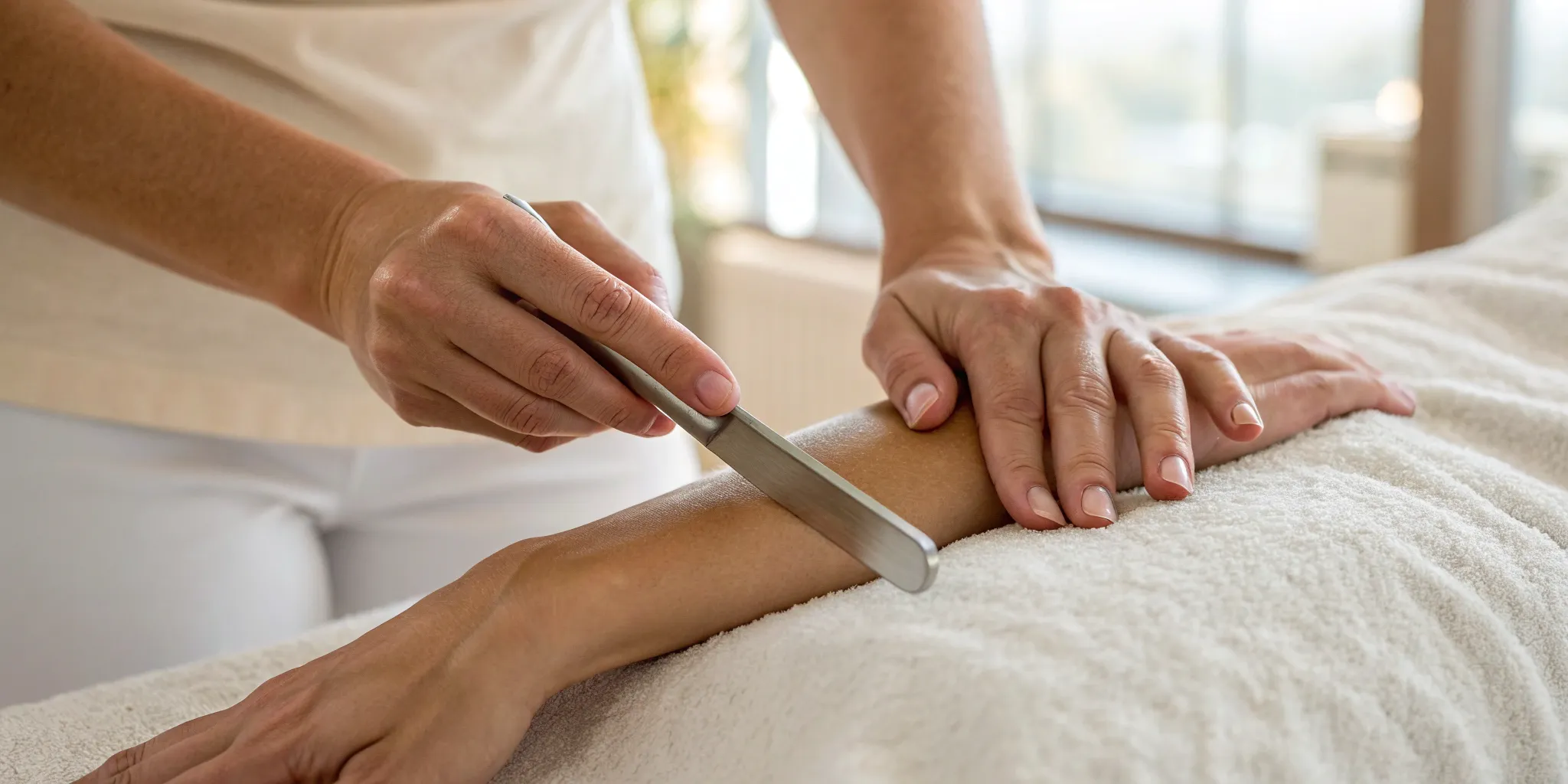
- What Is Graston Technique Therapy? A Beginner's Guide
- What Is Soft Tissue Therapy? A Complete Guide
Frequently Asked Questions
Does shockwave therapy hurt? Most people find the treatment very manageable. You will feel a strong tapping or pulsing sensation on your skin, and while there can be some mild discomfort over the most sensitive spots, it only lasts for the few minutes of the actual treatment. We can also adjust the intensity to a level that is comfortable for you, ensuring the session is effective without being painful.
How soon will I feel relief after starting shockwave therapy? While some people notice an improvement after just a few sessions, it’s important to view this as a healing process, not an instant fix. The therapy works by stimulating your body to rebuild tissue, which takes time. You can generally expect to feel a significant reduction in pain and improvement in function within the first three months, with your body continuing to heal for several months after your sessions are complete.
Can I continue my normal activities while undergoing treatment? We will give you specific guidance based on your individual situation. In most cases, you won’t have to stop all activity. Instead, we typically recommend modifying your routine to reduce the repetitive strain on your Achilles tendon while it heals. The goal is to find a balance that allows you to stay active without slowing down your body’s recovery process.
Why should I try shockwave therapy if rest and exercises haven't worked? When an injury becomes chronic, the tendon can get "stuck" in a state of poor healing with stubborn scar tissue and reduced blood flow. Rest and basic exercises sometimes aren't enough to overcome this. Shockwave therapy acts as a catalyst, creating a controlled response that actively breaks down that scar tissue and signals your body to restart the repair process on a cellular level.
What does it mean to combine shockwave with other therapies? A comprehensive plan gives you the best chance at lasting relief. While shockwave therapy directly targets the damaged tendon, we also need to address the reasons it became injured in the first place. We often pair it with corrective exercises to improve your body's mechanics or chiropractic care to ensure proper alignment. This layered approach helps heal the tendon and also builds a stronger, more resilient foundation to prevent the problem from returning.