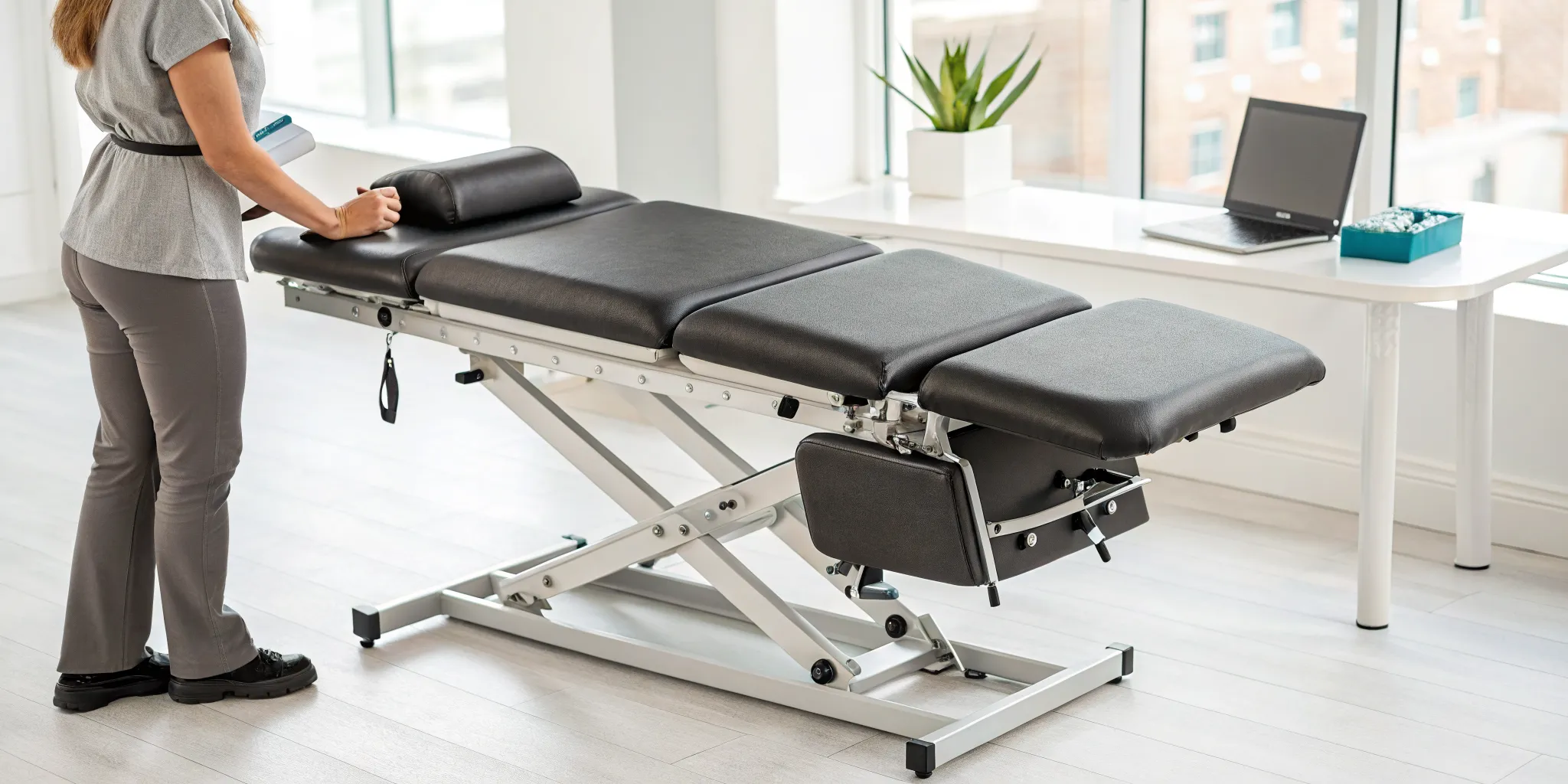
In a world full of at-home gadgets for every ache and pain, it can be tempting to seek a quick solution for neck discomfort. However, when it comes to your spine, expert guidance is not just recommended; it's essential. Cervical traction, when performed in a clinical setting, is a safe and highly effective therapy for many neck conditions. A trained professional understands the precise angle and force needed to decompress your spine without causing harm. This is a level of precision and safety that simply cannot be replicated with an over-the-counter device. This article will explain how professional traction works and why a proper evaluation is the most important step.
Key Takeaways
- Traction Creates Space to Relieve Pressure: This therapy is a precise method for decompressing your cervical spine. It gently separates vertebrae to take pressure off discs and nerves, addressing the source of pain from issues like herniated discs or chronic stiffness.
- Expert Guidance is Essential for Safety: Cervical traction requires a professional evaluation to be safe and effective. A qualified provider customizes the treatment, including force, angle, and duration, to your specific condition, avoiding the risks of incorrect at-home use.
- It's One Piece of a Larger Healing Puzzle: For lasting results, cervical traction should be part of a comprehensive care plan. Combining it with other therapies, like corrective exercises, helps address the root cause of pain and builds a stronger, more resilient neck.
What Is Cervical Traction and How Does It Work?
If you're dealing with persistent neck pain, you’ve probably heard about cervical traction. It sounds technical, but the concept is quite simple: it’s a therapeutic method that gently stretches your neck. By carefully pulling your head away from your shoulders, a trained professional can create space in your cervical spine. This isn't about aggressive pulling; it's a controlled and precise technique designed to relieve pressure and discomfort. Think of it as creating a little breathing room for the structures in your neck that are causing you pain. This approach is a cornerstone of many physical medicine plans because it addresses the mechanical source of the problem without invasive procedures, helping your body begin its natural healing process.
The Science Behind Spinal Decompression
At its core, cervical traction is a form of spinal decompression. When your spine is compressed from daily activities like sitting at a desk or even just from gravity, the discs between your vertebrae can get squeezed. This pressure can lead to bulging discs and irritated nerves. Cervical traction works by gently separating the vertebrae in your neck. This separation creates a slight vacuum effect, which can help retract bulging disc material and take pressure off the nerves and spinal cord. It’s a key component of our physical medicine services, allowing us to target the root cause of your pain and promote a healthier spinal environment.
How It Affects Your Discs, Nerves, and Muscles
The gentle stretching from cervical traction has a few important effects. First, by widening the space between your vertebrae, it directly eases pressure on your discs and any pinched nerves. This is why it can be so effective for symptoms that radiate from the neck into the shoulder or arm. Second, the stretch helps to relax tight muscles in your neck and upper back that may have tensed up in response to the initial injury or chronic strain. This muscle relaxation not only feels good but also improves mobility and blood flow to the area, which supports healing for many of the conditions we treat.
What Conditions Can Cervical Traction Address?
Cervical traction is a versatile therapy that can be a game-changer for a variety of neck-related issues. It’s not a one-size-fits-all solution, but when applied correctly by a professional, it can provide significant relief by gently decompressing the structures in your neck. Think of it as creating space in an area that has become cramped and compressed over time due to injury, poor posture, or degenerative changes. This targeted stretching helps ease pressure on your spinal discs, nerves, and muscles, which is often the source of persistent discomfort.
By addressing the root cause of many common complaints, from a stiff neck to pain that travels down your arm, traction goes beyond simply masking symptoms. It’s a key component in many of our comprehensive care plans because it helps restore the natural alignment and function of the cervical spine. This process encourages better fluid exchange within the discs and reduces inflammation around irritated nerves, creating an optimal environment for healing. It’s a foundational treatment that supports the body’s own healing abilities, helping you regain mobility and find lasting comfort. Let's look at some of the specific conditions where cervical traction can make a real difference in your daily life.
Herniated or Bulging Discs
Imagine the discs between your vertebrae as tiny, jelly-filled cushions. When one of these discs gets damaged, the soft center can push out, creating a bulge or herniation. This can put direct pressure on the surrounding nerves, causing significant pain. Cervical traction helps by gently pulling the vertebrae apart, creating negative pressure within the disc. This can help draw the bulging material back into place and away from the sensitive nerves, providing much-needed relief and creating a better environment for healing. It's one of the most common conditions we treat with this effective method.
Pinched Nerves and Radiating Symptoms
That tingling, numbness, or sharp pain that shoots from your neck down into your shoulder, arm, or hand is often a sign of a "pinched" nerve, also known as cervical radiculopathy. This happens when a nerve root gets compressed as it exits the spinal column. Cervical traction works to open up the space where these nerves pass through. By increasing this space, even by just a few millimeters, the therapy can take the pressure off the irritated nerve. This can dramatically reduce those radiating symptoms and restore normal sensation and function to your arm and hand.
Degenerative Disc Disease and Spinal Stenosis
Over time, our spinal discs can naturally lose height and hydration, a process known as degenerative disc disease. This can lead to the narrowing of the spinal canal, a condition called spinal stenosis. Both issues reduce the amount of space available for your spinal cord and nerves, leading to chronic pain, stiffness, and nerve compression. As part of a complete physical medicine program, cervical traction can counteract the compressive forces of gravity and daily life. It helps to rehydrate the discs, slow the degenerative process, and maintain space within the spinal canal, easing chronic discomfort.
Tension Headaches and Chronic Muscle Spasms
If you hold stress in your neck and shoulders, you’re likely familiar with tension headaches and persistent muscle tightness. Chronic muscle spasms can create a painful cycle, where tight muscles pull on the vertebrae and base of the skull, which in turn can irritate nerves and trigger headaches. Cervical traction provides a gentle, sustained stretch that helps these tight, overworked muscles relax. By releasing this deep-seated tension, it can break the pain-spasm cycle, reduce the frequency and intensity of cervicogenic (neck-related) headaches, and restore healthy muscle function.
The Different Approaches to Cervical Traction
When it comes to cervical traction, there isn’t a single method that works for everyone. The approach your practitioner chooses will depend entirely on your specific condition, symptoms, and overall health goals. Think of it less like a generic treatment and more like a custom-fit solution for your neck. Understanding the different types of traction can help you feel more informed and confident as you and your healthcare provider decide on the best path forward. The main goal is always to find the most effective and comfortable way to create space in the cervical spine, which can help relieve pressure on discs and nerves.
The decision-making process is a collaborative one. It begins with a comprehensive evaluation where we look at your health history, the specifics of your neck discomfort, and how your body moves. This detailed understanding allows us to determine not just if traction is appropriate for you, but which specific technique will yield the best results. For some, a gentle, hands-on approach is the perfect starting point. For others, the precision of a specialized machine offers more targeted relief. The pacing of the treatment, whether it’s applied in steady or alternating intervals, is another crucial detail we tailor to your needs. It’s this personalized strategy that makes traction a powerful component of a complete care plan.
Manual Traction: A Hands-On Method
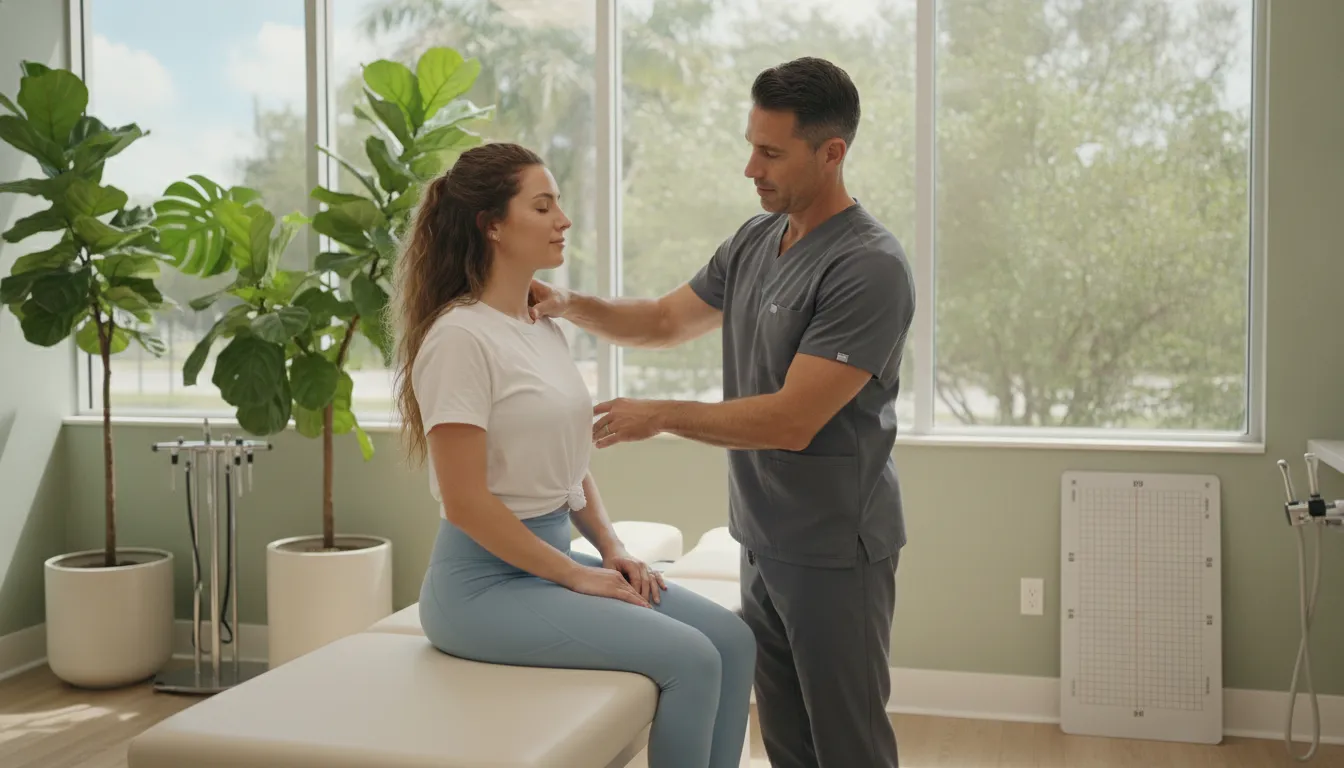
Manual traction is exactly what it sounds like: a hands-on technique where a trained practitioner, like a chiropractor, uses their hands to gently stretch your neck. This method allows for real-time feedback and adjustment. As the practitioner applies a light pulling force, they can feel how your muscles and joints respond, making subtle changes to the angle and intensity of the stretch.
This approach is often used during an initial assessment to see if your neck pain responds well to decompression. It’s a very controlled and personalized way to introduce your body to traction. Because it’s so interactive, manual traction is a cornerstone of our physical medicine services, allowing us to tailor the treatment to your immediate needs and comfort.
Mechanical Traction: Using Specialized Equipment
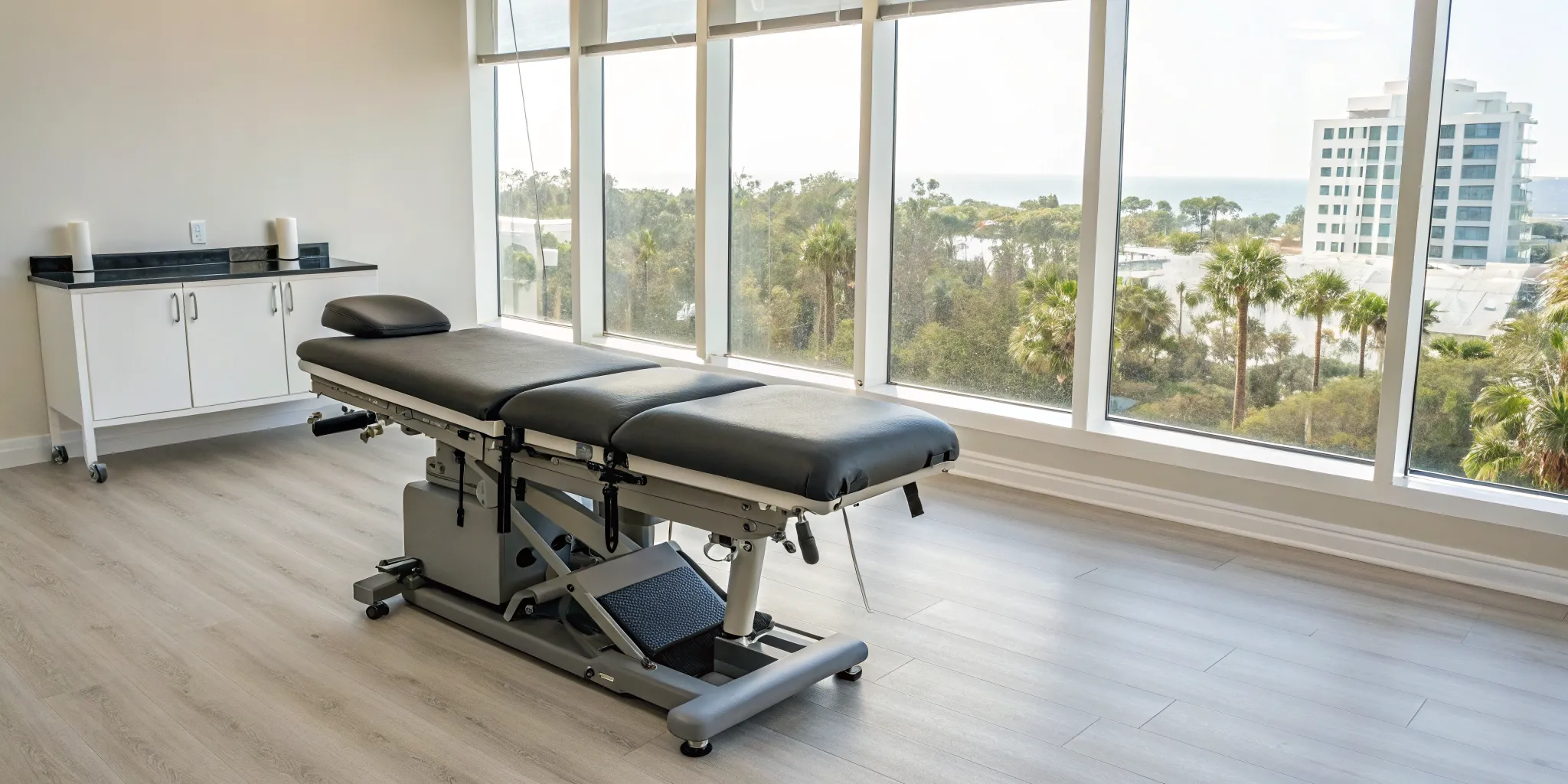
Mechanical traction uses a specialized device to apply a precise and consistent pulling force to the neck. In a clinical setting, you’ll be comfortably positioned while a system of harnesses and pulleys does the work. This method offers a high degree of control, allowing your practitioner to set the exact amount of force, the duration of the pull, and the specific angle needed to address your issue.
This precision is especially helpful for targeting specific spinal levels. Whether you're dealing with a bulging disc or nerve compression, mechanical traction provides a steady, reliable force that can be difficult to replicate by hand. It’s an effective tool for many of the conditions we treat and is always administered under careful professional supervision to ensure your safety and comfort.
Intermittent vs. Sustained Traction: Understanding the Pacing
Beyond the method of application, traction can also be defined by its pacing. The two primary types are intermittent and sustained. Intermittent traction involves a cycle of pulling and resting, where the force is applied for a short period and then released. This on-and-off rhythm is often effective for mobilizing stiff joints and improving circulation around spinal discs.
Sustained traction, also called static traction, involves applying a continuous, steady pull for a longer duration, typically several minutes at a time. This approach is generally used to address muscle spasms or certain types of disc herniations. The best pacing for you is a clinical decision based on your diagnosis. A thorough evaluation helps determine which approach will provide the most relief, which is why we encourage you to schedule a consultation to discuss your options.
The Primary Benefits of Cervical Traction
When you're dealing with persistent neck pain, the goal isn't just temporary relief; it's about reclaiming your quality of life. Cervical traction is a powerful tool in our physical medicine toolkit because it addresses the structural issues that cause discomfort. By gently creating space in the cervical spine, this therapy can produce a cascade of positive effects that go far beyond a simple stretch. It’s about creating the right conditions for your body to heal itself, leading to lasting improvements in pain, mobility, and overall function. Let's look at the key benefits you can expect.
Easing Pain and Nerve Pressure
One of the most immediate benefits of cervical traction is significant pain relief. The therapy works by gently pulling your head away from your neck, creating space between the vertebrae. This simple action can make a world of difference, as it reduces pressure on the discs and opens up the passageways where nerves exit the spinal canal. For anyone experiencing the sharp, radiating symptoms of a pinched nerve, this decompression can bring welcome relief from pain, tingling, or numbness that travels down the arm.
By alleviating this direct compression, cervical traction helps calm irritated nerves and reduces inflammation. It’s a targeted approach that addresses the mechanical source of the problem, rather than just masking the symptoms. This makes it an effective component of treatment for conditions like herniated discs and spinal stenosis.
Restoring Flexibility and Range of Motion
Chronic neck pain often forces you to hold your neck stiffly, which severely limits your ability to move. Over time, this lack of movement can cause joints to stiffen and muscles to weaken, making the problem worse. Cervical traction helps break this cycle by gently mobilizing the joints in your neck. As pressure is relieved and pain subsides, you’ll likely find that your ability to turn and tilt your head improves significantly.
This restored flexibility is crucial for getting back to everyday activities without a second thought, whether it’s checking your blind spot while driving or simply looking up at the sky. Improving your range of motion is a key step in our physical medicine approach, as it helps re-establish healthy movement patterns and prevents future stiffness and injury.
Releasing Muscle Tension and Stiffness
If you have a chronic neck issue, you know the feeling of constantly tight, guarded muscles in your neck and shoulders. This muscle tension is your body's protective response, but it can also become a major source of pain itself, contributing to stiffness and even tension headaches. Cervical traction gives these overworked muscles a chance to relax and let go. The gentle, sustained stretch helps release built-up tension and elongate tight muscle fibers.
This process not only feels good but also helps improve circulation to the area, which can aid in the healing process. By reducing muscle spasms and stiffness, traction helps address the muscular component of neck pain, which is often overlooked. It’s an effective way to soothe the persistent aches associated with headaches and migraines that originate from neck dysfunction.
Why It’s Part of a Comprehensive Care Plan
While cervical traction offers powerful benefits, it’s most effective when it’s not used in isolation. Think of it as one important piece of a larger puzzle. True, lasting healing comes from addressing the root cause of your neck pain from multiple angles. That’s why we incorporate traction into a personalized and comprehensive care plan designed specifically for you.
For traction to have a lasting impact, it should be paired with other therapies that support and stabilize the spine. This often includes chiropractic adjustments to restore proper joint alignment, corrective exercises to strengthen supporting muscles, and lifestyle advice to prevent re-injury. By combining these approaches, we don't just relieve your current pain; we work to build a stronger, more resilient neck for the long term.
Understanding the Risks and Potential Side Effects
While cervical traction is a powerful tool for relieving neck pain, it’s important to know that it isn’t the right fit for everyone. Like any therapeutic treatment, it comes with potential side effects and specific situations where it should be avoided. Understanding these factors is a key part of making an informed decision about your health. Our goal is always to find the safest and most effective path forward for you, which starts with a clear picture of what to expect. A thorough evaluation helps us determine if this treatment aligns with your body’s needs and your overall health profile.
Common Side Effects to Be Aware Of
Most people handle cervical traction well, but some may experience mild, temporary side effects. You might notice a headache, some lingering neck soreness, or a bit of dizziness or nausea after a session. These feelings are usually short-lived. We find that these effects can often be minimized by starting with a very gentle pull and gradually increasing the intensity as your body adapts. This careful, measured approach is a cornerstone of our physical medicine services, ensuring your comfort and safety throughout the process.
When Cervical Traction Isn't Recommended
Your safety is our top priority, and there are certain conditions where cervical traction is not a suitable option. We would not recommend this treatment if you are pregnant, have a recent neck sprain or muscle strain, or have been diagnosed with osteoporosis (weak bones) or unstable neck joints. It’s also generally avoided for individuals with a hiatal hernia or who have had recent neck surgery. This is why a detailed health history is so critical before beginning any new treatment plan.
Signs It Might Not Be the Right Fit for You
Beyond the general contraindications, certain personal factors or health conditions can make cervical traction a poor choice. For instance, if you have a fear of small spaces (claustrophobia) or feel anxious about being held still, the process might be uncomfortable. More importantly, people with specific health issues that affect the spine or bones, such as spinal cord tumors, osteomyelitis (a bone infection), or untreated high blood pressure, should not undergo this treatment. Our team at Ascend Functional Health is committed to a personalized approach, and we carefully review your entire health picture to identify the best conditions we can treat for your unique situation.
Common Myths About Cervical Traction
When it comes to treatments for neck pain, it’s easy to get tangled in a web of misinformation. Cervical traction is one of those therapies that’s often misunderstood. Let's clear the air and separate fact from fiction so you can make informed decisions about your health. Understanding the truth behind these common myths is the first step toward finding a path to genuine relief.
Myth #1: It’s Only for Severe Neck Problems
A common belief is that cervical traction is a last-resort option reserved only for the most extreme cases of neck pain. In reality, its application is much broader. This therapy is a versatile tool used to address a variety of conditions we treat, ranging from moderate to more complex. It can be effective for issues like neck arthritis, nerve pain that radiates into the arm, and problems with the discs in your neck. The goal isn't to wait until the pain is unbearable; it's to use the right tool for the right problem at the right time. A professional assessment can determine if traction is a suitable part of your care plan, regardless of the severity.
Myth #2: A Single Session Is a Permanent Solution
Wouldn't it be great if one treatment could fix everything for good? While many people experience significant relief after just one cervical traction session, it's rarely a permanent fix on its own. Think of it less like a one-and-done cure and more like an important step in a larger healing process. The initial relief from reduced pressure is a fantastic start, but lasting results come from a consistent, comprehensive approach. True healing involves addressing the root cause of your neck pain, which is why we often incorporate traction into a broader physical medicine plan that may include corrective exercises and other therapies to strengthen and stabilize your neck for the long haul.
Myth #3: Store-Bought Devices Offer Professional Results
In the age of online shopping, it’s tempting to think a device you can order to your door will provide the same benefits as a professional treatment. While the concept might seem similar, there’s a crucial difference: expert guidance. The effectiveness and safety of cervical traction depend entirely on using the correct amount of force, for the right duration, at the proper angle. Without a professional evaluation, you risk applying too much pressure or using the device incorrectly, which could worsen your condition. It's always best to consult with a healthcare provider who can ensure the treatment is tailored specifically to your body and your needs.
What to Expect During a Professional Traction Session
If you’re considering cervical traction, you might be wondering what the process actually looks like. It’s completely normal to feel a little curious or even nervous before trying a new therapy. Knowing what to expect can help you feel more comfortable and confident. A professional session is a calm, controlled, and gentle experience designed to bring you relief. We’ll walk you through the entire process, from the moment you lie down on the table to how you’ll feel afterward, so you can feel prepared for your first appointment.
A Step-by-Step Look at Your Appointment
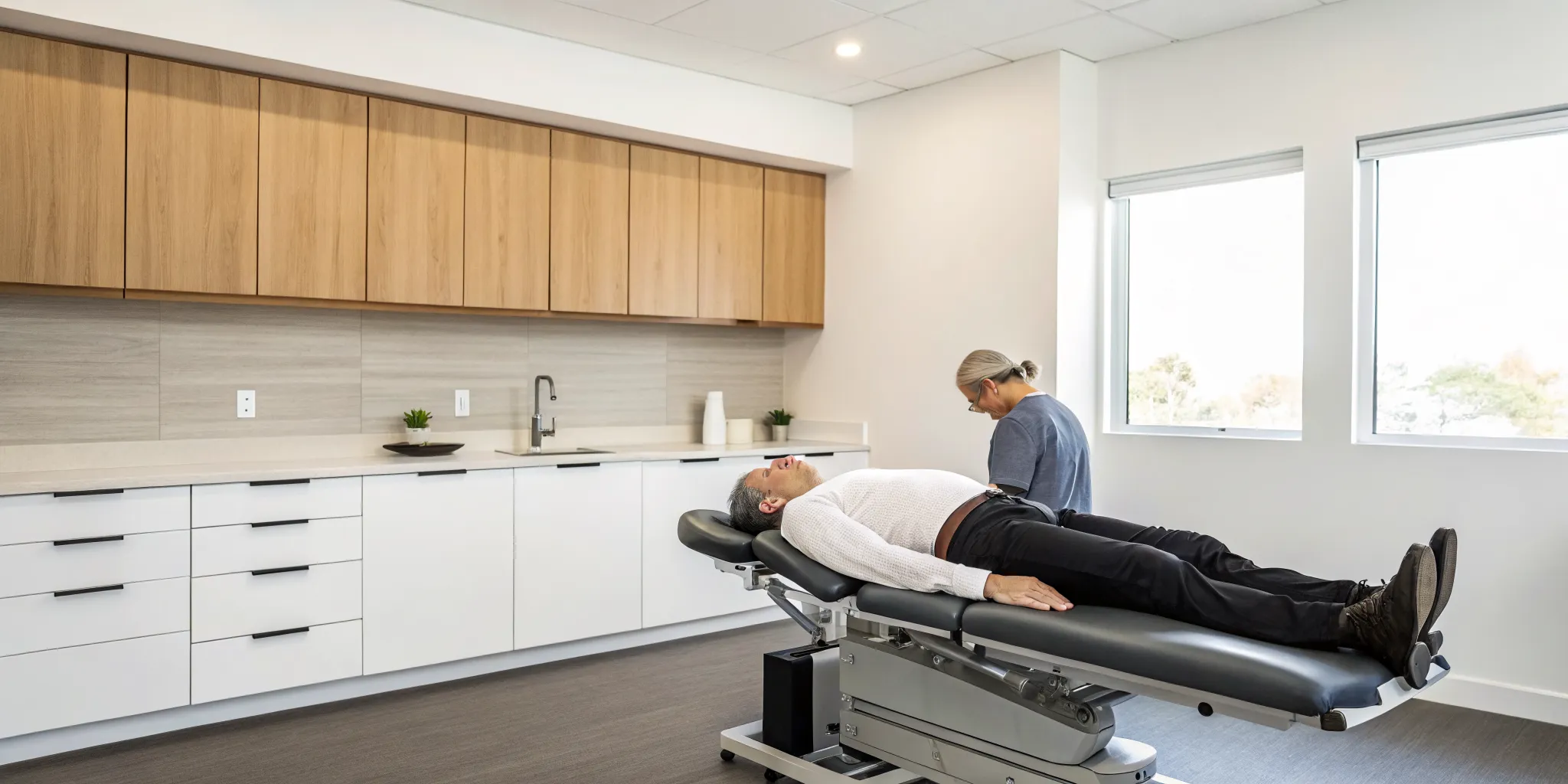
Your session will begin with you getting comfortable, usually lying on your back. From there, your practitioner will use one of two main methods. The first is manual traction, where your practitioner uses their hands to apply a gentle, steady pull to your neck. This hands-on approach allows for precise adjustments to release tension.
The second method is mechanical traction. For this, a specialized device with a soft strap is used to cradle your head. The machine then applies a controlled pulling force, creating space in your cervical spine. This pull can be constant or intermittent, alternating between pulling and resting. Both methods are part of our physical medicine approach and are designed to be gentle and therapeutic.
Understanding Treatment Frequency and Duration
One of the most common questions we get is, "How long will this take?" The answer is always tailored to you. Your treatment plan is based on your specific needs and the root cause of your discomfort. Generally, cervical traction sessions are quite short, lasting about 10 to 20 minutes.
The frequency of your appointments will also depend on your personalized care plan. Some people benefit from sessions a few times a week, while others may come less often. We’ll assess your progress along the way and adjust the plan as needed. Our goal is to find the right rhythm that helps you heal effectively, addressing the specific conditions we treat with a targeted approach.
The Importance of Safety and Proper Positioning
When performed by a trained professional, cervical traction is a very safe and effective therapy. Your comfort and safety are our top priorities, which is why proper positioning is so critical. We make sure your head and neck are perfectly aligned to ensure the traction is targeting the right areas and providing maximum benefit without any undue strain.
While this treatment is beneficial for many, it’s not a one-size-fits-all solution. Certain health conditions might mean traction isn’t the right fit for you. This is exactly why a thorough evaluation with a qualified practitioner is essential before starting treatment. We can discuss your health history and determine if you’re a good candidate, so please feel free to contact us with any questions.
Is Cervical Traction the Right Approach for Your Neck Pain?
Deciding on the right path for neck pain relief can feel overwhelming, but understanding your options is the first step. Cervical traction is a method used by healthcare professionals to gently stretch the neck, creating space between the vertebrae. This can help relieve pressure on discs and nerves. But is it the right choice for you? The answer depends on your specific condition, and a professional evaluation is key to determining the best course of action. Let's explore who benefits from this treatment and why expert guidance is so important.
Who Typically Benefits from This Treatment?
Cervical traction can be a game-changer for people dealing with a variety of neck-related issues. If you're experiencing discomfort from a herniated or bulging disc, this gentle stretching can help create the space needed for the disc to settle back into a more natural position. It’s also frequently used for individuals with pinched nerves, as the decompression can alleviate the pressure causing pain, tingling, or numbness that radiates down the arm. Those with degenerative conditions like spinal stenosis or cervical spondylosis often find that traction helps manage their symptoms. Even chronic muscle tightness and certain types of tension headaches can respond well to this approach, as it helps to release long-held tension in the neck muscles. Many of the conditions we treat at our clinic may benefit from this therapy as part of a larger plan.
Why Professional Guidance Is Non-Negotiable
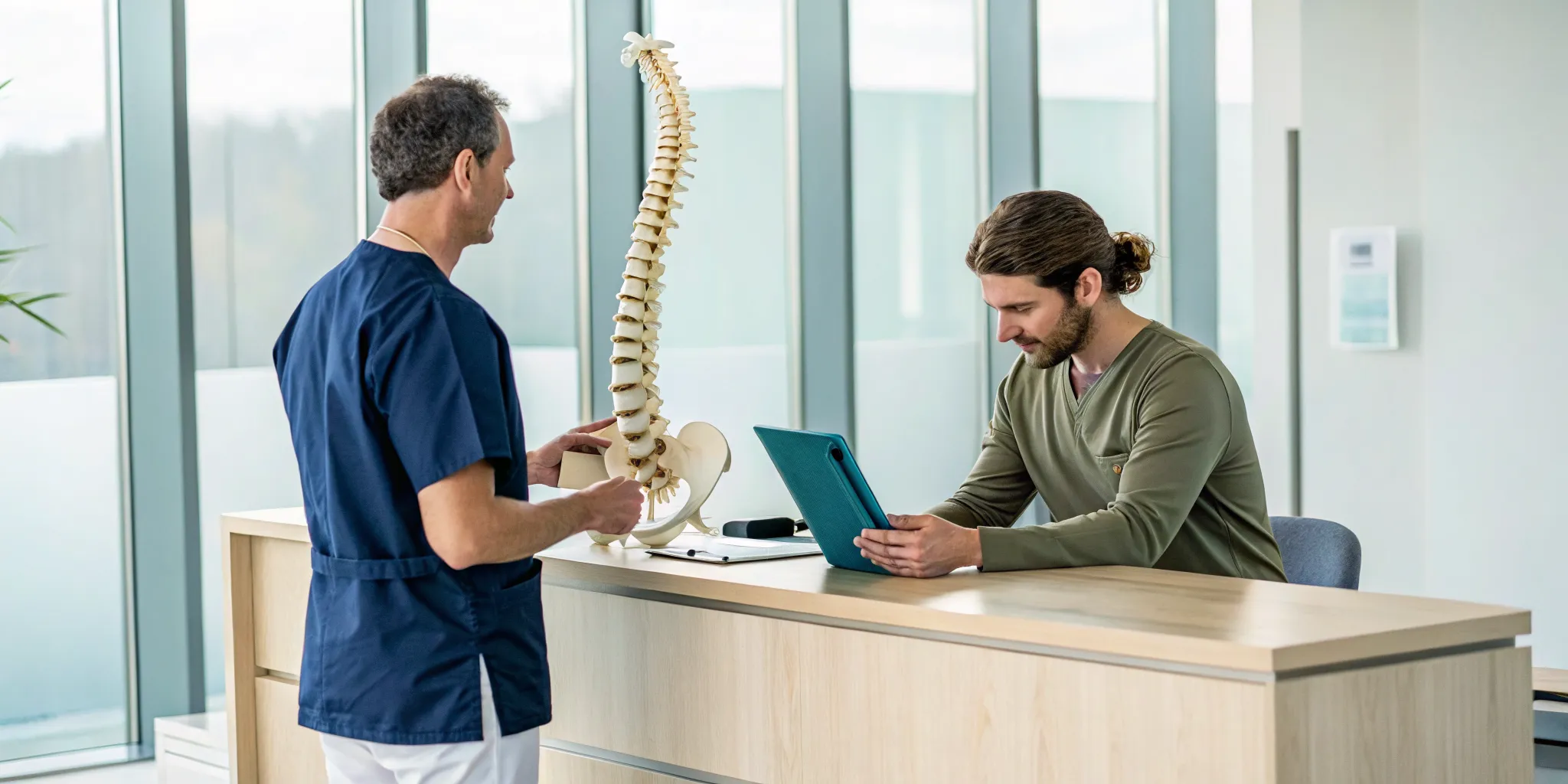
While you might see traction devices marketed for personal use, this is one area where professional guidance is absolutely essential. Your neck houses the delicate structures of your spinal cord and the nerves that branch out to the rest of your body. Applying the wrong amount of force or using an improper angle can do more harm than good. A trained provider will perform a thorough assessment to confirm that cervical traction is appropriate for your specific situation. They can determine the precise type of traction, the amount of tension, and the duration of treatment needed to provide relief safely. This isn't a one-size-fits-all solution, and a personalized approach ensures you get the benefits without the risks. Our team is dedicated to creating a safe and effective plan for every patient, which you can learn more about here.
How We Use Cervical Traction at Ascend Functional Health
At Ascend Functional Health, we view cervical traction as a powerful tool within a comprehensive care strategy. We don't see it as a standalone fix but as one component of our Physical Medicine services designed to address the root cause of your neck pain. Our process begins with understanding your unique physiology and health history. When we incorporate cervical traction, it is done with precision and care. The goal is to gently decompress the spine, which can reduce inflammation, improve mobility, and allow your body’s natural healing processes to take over. We integrate it with other corrective therapies to not only relieve your current symptoms but also to strengthen your body and build long-term resilience against future issues.
Related Articles
- Bulging Disc Therapy Treatment: A Complete Guide
- Disc Bulge Therapy: A Complete Guide to Healing
- Is Lumbar Decompression Chiropractic for You?
- Revitalize Your Spine with Spinal Decompression Therapy in Tampa, FL
Frequently Asked Questions
Is cervical traction painful? This is a very common and understandable question. The goal of cervical traction is to provide relief, not cause more pain. The process should feel like a gentle, relieving stretch in your neck. Your practitioner is in complete control the entire time, whether they are performing the traction manually or using a machine, and they will communicate with you to ensure you are comfortable. While you might feel some mild soreness afterward, similar to how you feel after a good workout, you should not experience any sharp or significant pain during the session.
How long does it take to see results from cervical traction? The timeline for relief is different for everyone because each person's condition is unique. Some people report feeling better after their very first session, noticing less pressure and more mobility. For others, the benefits are more gradual and become apparent after a series of treatments. It's helpful to think of traction not as a quick fix, but as a cumulative process that helps create a better environment for your body to heal. Lasting results come from consistent care and addressing the root cause of the issue.
Can I just use an at-home traction device instead? While it can be tempting to try a device you can order online, the effectiveness and safety of cervical traction depend on professional expertise. A trained practitioner performs a thorough evaluation to make sure traction is right for you and to determine the precise angle, force, and duration needed for your specific condition. Using a device without this guidance can be ineffective at best and may even worsen your neck pain or cause a new injury at worst.
What makes cervical traction different from just stretching my neck? While regular neck stretches are great for muscle flexibility, cervical traction is a more specific and targeted therapy. Simple stretching primarily affects the muscles. Cervical traction, on the other hand, applies a precise and sustained force to gently separate the vertebrae in your spine. This creates a decompressive effect that takes pressure off the spinal discs and nerve roots, which is something a general neck stretch cannot accomplish.
What should I do after a traction session? After your session, it’s a good idea to take it easy for a little while and let your body integrate the changes. We usually recommend avoiding any heavy lifting or strenuous activities for the rest of the day. Pay attention to how your body feels, stay hydrated, and try to maintain good posture. Think of this time as part of the treatment itself, giving your neck the space and support it needs to continue the healing process that the traction started.