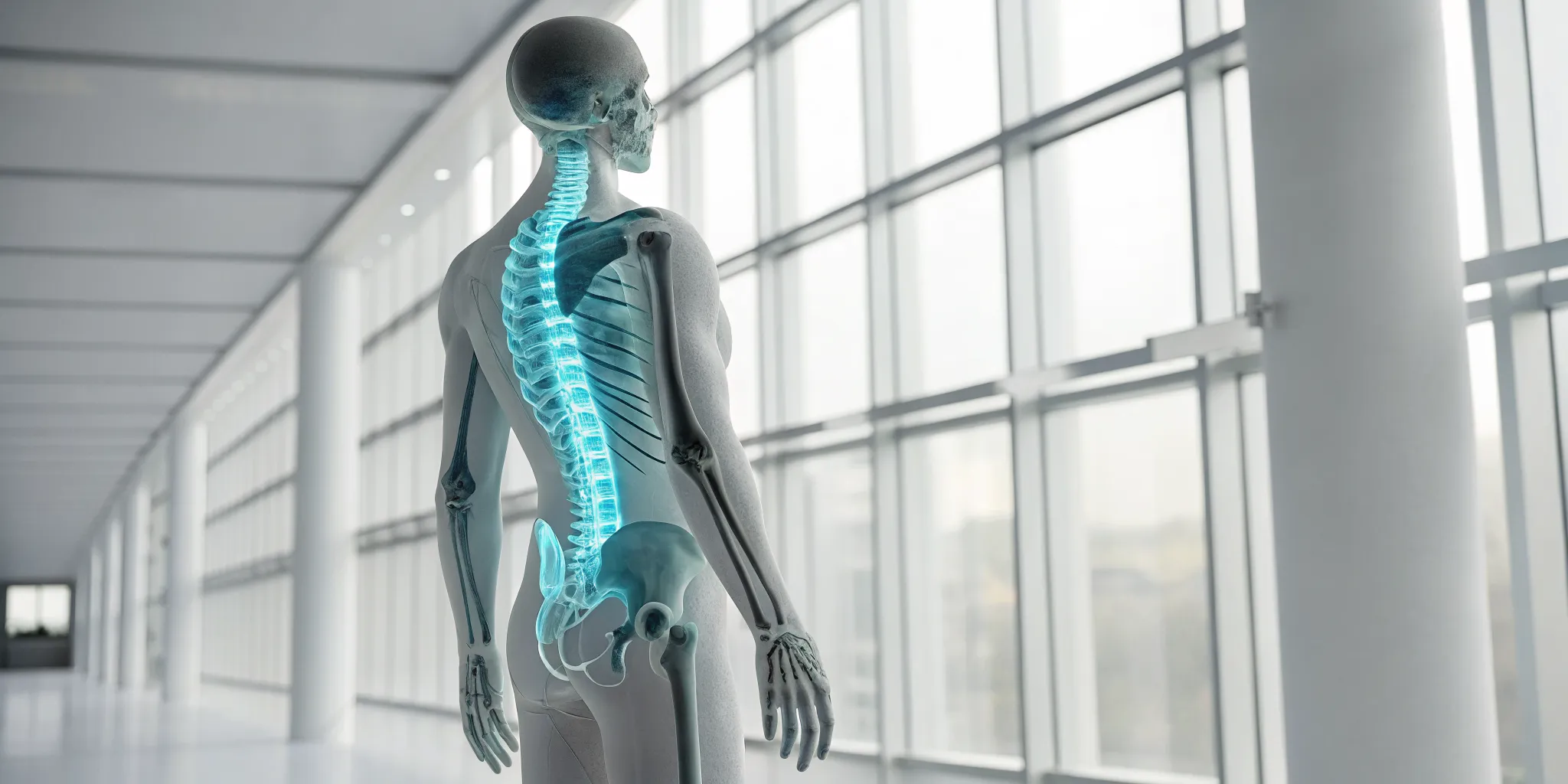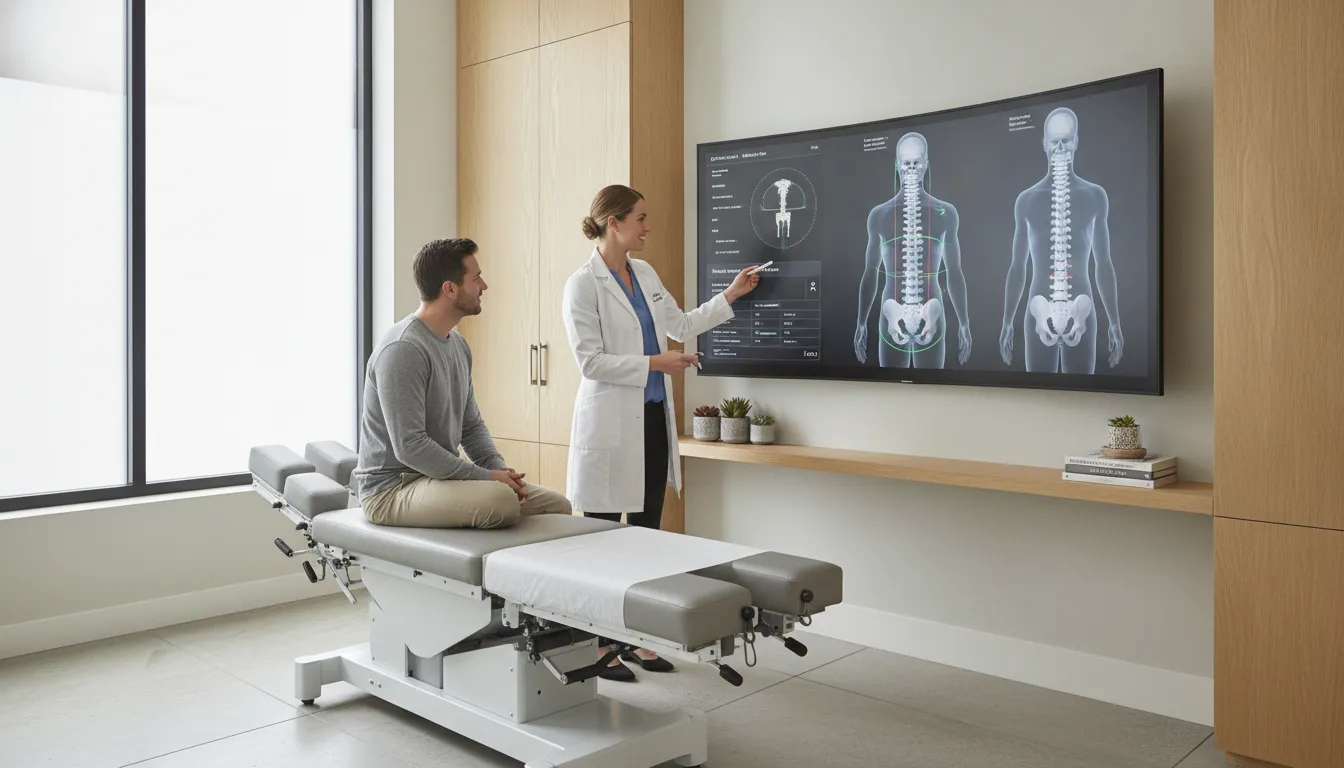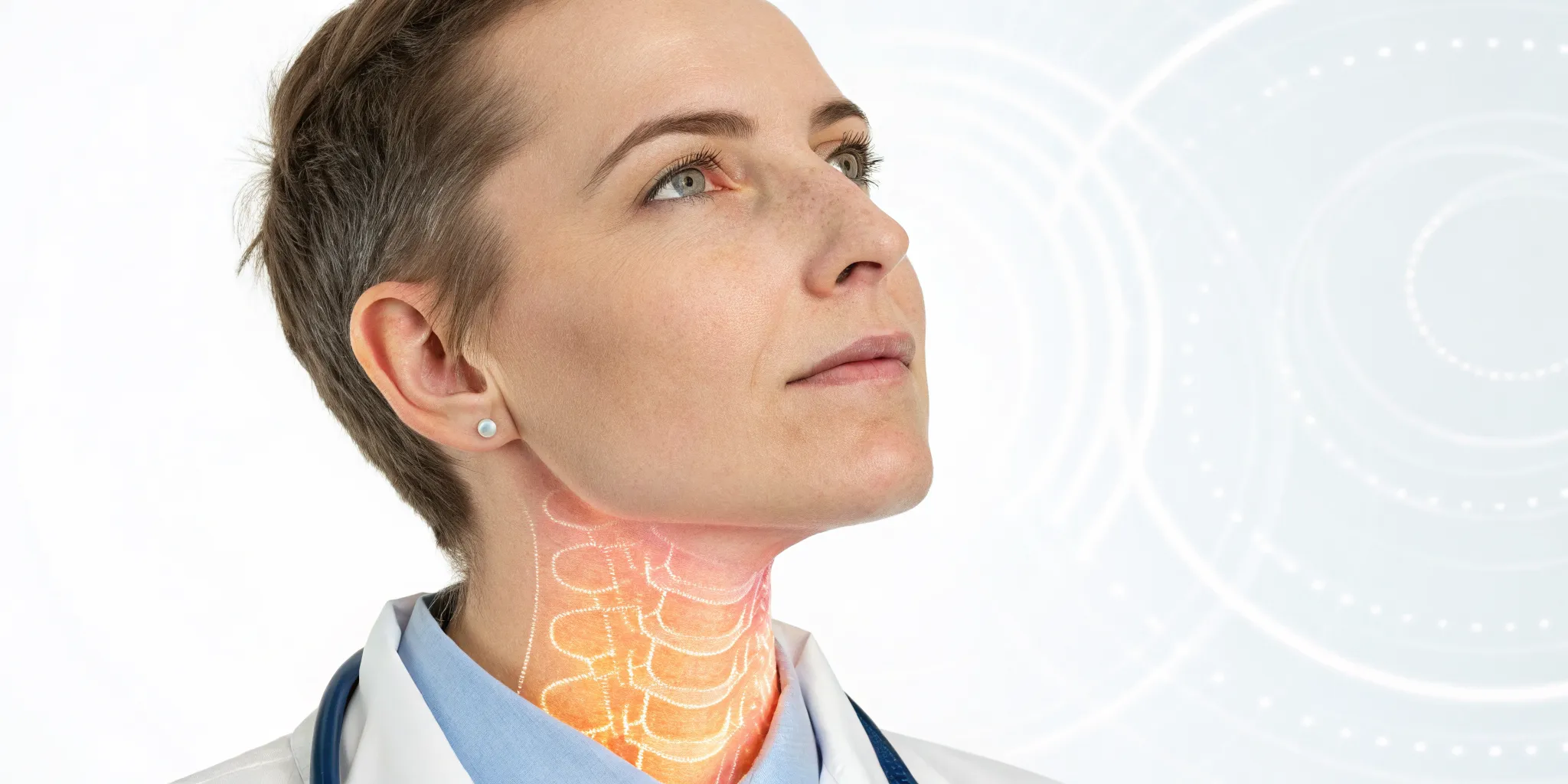
If you’ve been dealing with a nagging back injury for months, you know that true healing happens from the inside out. But sometimes, your body needs a little help to get the process started, especially when it comes to chronic pain. This is the core idea behind shockwave therapy for back pain. It’s a sophisticated treatment that uses targeted sound waves to stimulate your body’s own repair crew. These waves increase blood circulation to the painful area, bringing in more oxygen and nutrients to help regenerate damaged tissue. It’s a way to work with your body’s innate ability to heal itself. This article will break down the science, explain the key benefits, and show you how this approach can be a game-changer for long-term recovery.
Key Takeaways
- It stimulates your body's own repair process: Shockwave therapy uses targeted sound waves to signal your body to heal itself, making it a great option for chronic muscle and tendon pain that hasn't responded to other treatments.
- The treatment is quick, non-invasive, and manageable: A session is typically under 20 minutes and feels like a deep pulse, not sharp pain. It’s a drug-free way to address the root cause of your discomfort and restore mobility without significant downtime.
- It works best as part of a bigger picture: This therapy is most effective when integrated into a comprehensive care plan. Combining it with treatments like chiropractic care helps address both the soft tissue and structural causes of your pain for more complete, long-term results.
How Does Shockwave Therapy Work?
If you’re picturing something from a sci-fi movie, let’s clear the air. Shockwave therapy is a modern, non-invasive treatment that uses sound waves to help your body heal itself from the inside out. Think of it as a way to jumpstart your body’s natural repair crew, directing it right to the source of your back pain. It’s a key part of our physical medicine approach because it addresses the root of the problem instead of just managing symptoms. Let’s break down how it works.
The Science of Sound Waves for Healing
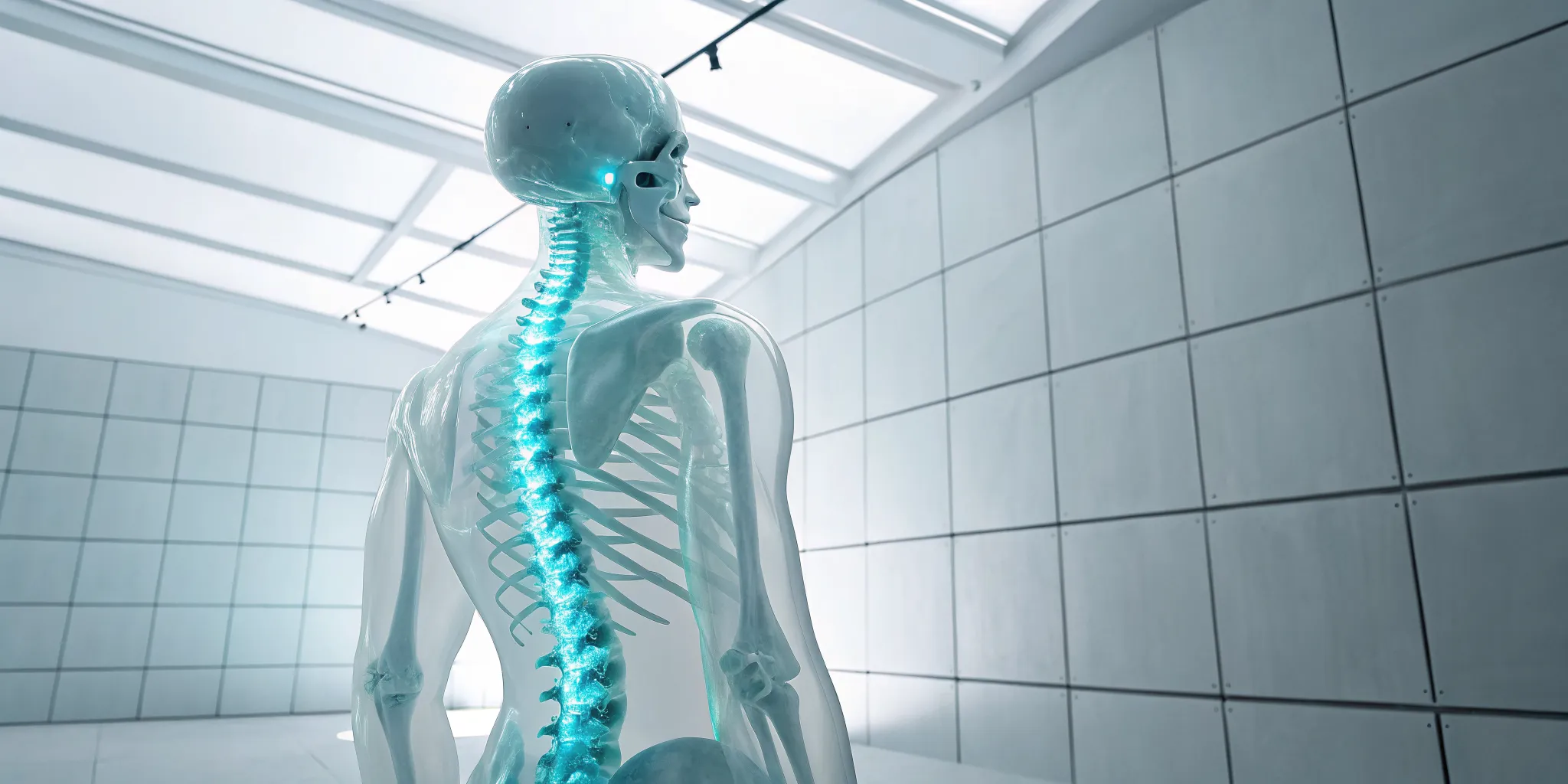
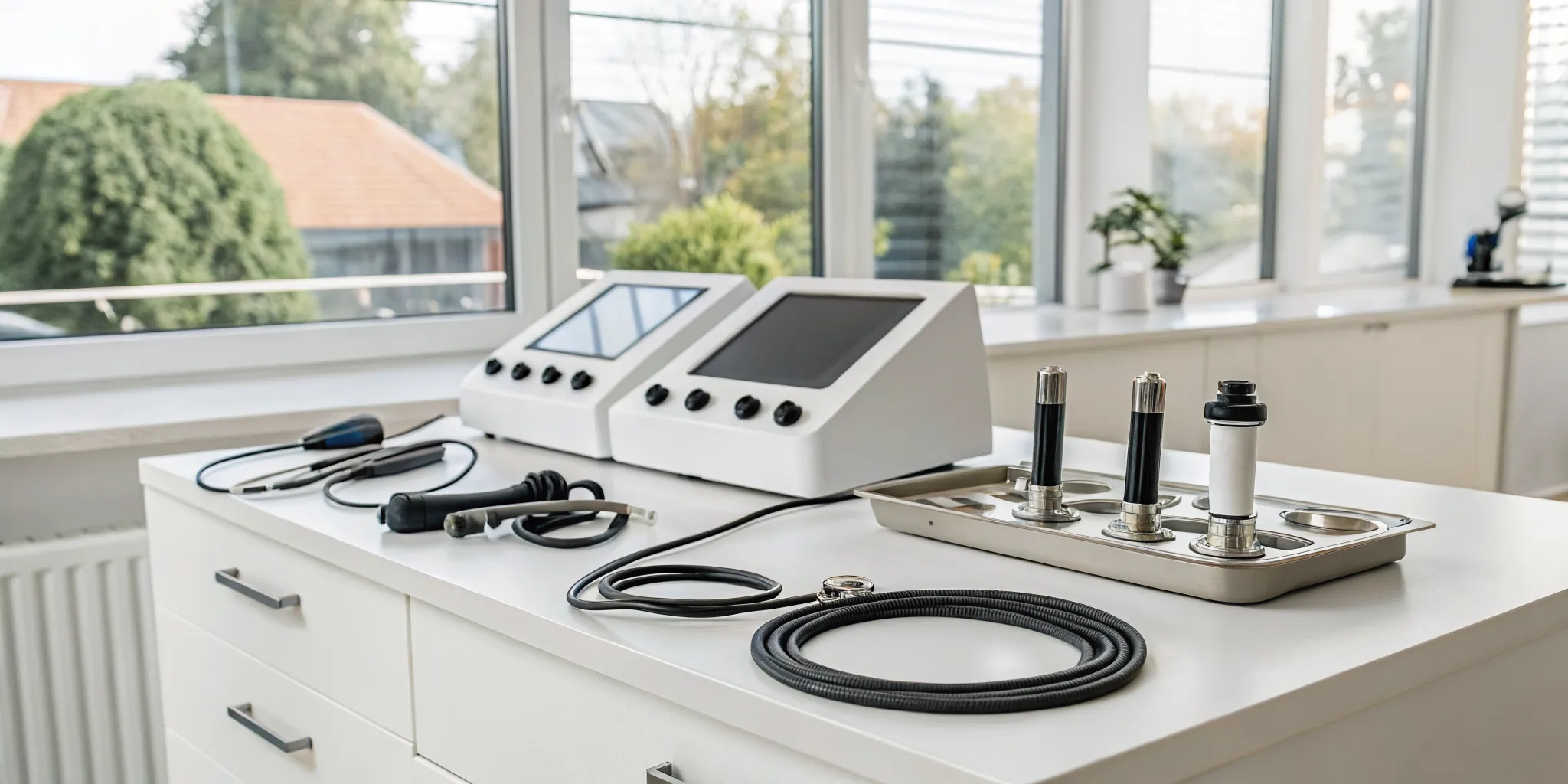
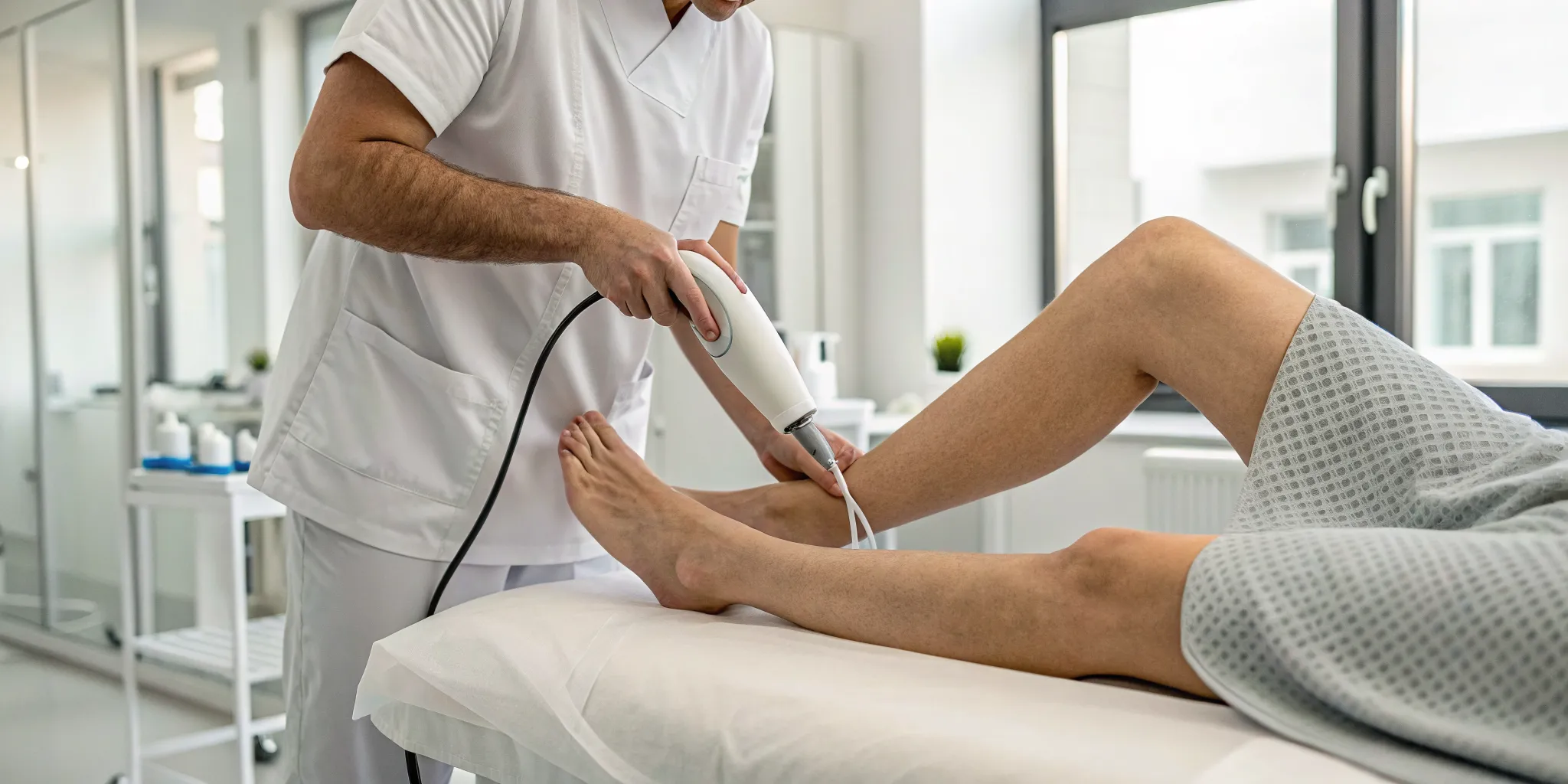
At its core, shockwave therapy uses a special device to send high-energy acoustic waves deep into your injured tissue. These aren't electrical shocks; they are powerful sound waves that create micro-trauma in the targeted area. This process might sound counterintuitive, but it’s actually signaling your body to kick its healing mechanisms into high gear. The waves trigger a response that increases metabolic activity and blood circulation around the painful spot. This encourages your body to start regenerating damaged cells and building stronger, healthier tissue, which is essential for long-term recovery from chronic pain.
Focused vs. Radial Shockwaves
Not all shockwaves are created equal, and the type we use depends entirely on your specific needs. The two main types are radial and focused. Radial shockwaves spread out over a larger surface area, making them ideal for treating bigger muscle groups and more superficial tissues. Focused shockwaves, on the other hand, are more precise. They can penetrate deeper to target a very specific point of injury, like a deep tendon or a small, calcified deposit. Understanding the unique nature of your pain allows us to choose the right approach, ensuring the therapy is tailored to the conditions we treat and your personal health goals.
Targeting Tissue to Encourage Healing
So, what exactly do these sound waves do once they reach the target tissue? They set off a cascade of beneficial biological responses. First, they significantly improve blood flow, bringing more oxygen and nutrients to the injured area to speed up repair. They also stimulate the production of collagen, a vital protein that acts as the building block for your tendons, ligaments, and other connective tissues. Additionally, the waves help break down stubborn scar tissue and calcifications that can restrict movement and cause pain. This comprehensive approach is central to our philosophy of finding and fixing the root cause of your discomfort.
What Kind of Back Pain Does It Treat?
Shockwave therapy is a versatile tool, but it’s particularly effective for chronic pain that hasn’t responded to other approaches. Because it works by stimulating your body’s own repair mechanisms, it’s best suited for issues involving muscles, tendons, and connective tissues. If you’re tired of temporary fixes and want to address the underlying cause of your discomfort, this treatment might be a great fit. It’s not a one-size-fits-all solution, but it excels at treating several specific types of persistent back pain.
At Ascend Functional Health, we use shockwave therapy as part of a comprehensive plan to get you moving freely again. Let’s look at the specific back-related conditions we treat with this technology.
Chronic Lower Back Pain
If you’ve been dealing with lower back pain for months or even years, you know how frustrating it can be. Shockwave therapy offers a new approach by targeting the source of the pain. The acoustic waves used in the treatment stimulate blood flow to the affected area, which is crucial for healing. This process helps reduce inflammation and encourages the production of new collagen. For many people with chronic pain, old injuries have created scar tissue or calcification that restricts movement and causes discomfort. Shockwave therapy helps break down these adhesions, allowing the tissue to heal properly and providing lasting relief.
Pseudo Radicular Pain
Pseudo radicular pain is a tricky condition that often feels like sciatica. You might experience pain radiating from your lower back into your hip, buttock, or leg, but it’s not actually caused by a compressed nerve root. Instead, the pain originates from soft tissues in the lower back. Research shows that shockwave therapy is an extremely effective treatment for this type of pain, especially when it has lingered for six months or more. By targeting the affected muscles and connective tissues, the therapy helps resolve the underlying issue, rather than just masking the radiating symptoms.
Muscle Strains and Soft Tissue Damage
Your back is a complex structure of muscles and soft tissues that can become strained from overuse, poor posture, or an old injury that never quite healed. Over time, this can lead to chronic pain and limited mobility. Shockwave therapy can help by using acoustic waves to stimulate your body’s natural healing process. This gentle stimulation helps ease pain, restore your range of motion, and support the tissue’s recovery from chronic damage. It’s a way to finally address those nagging aches that keep you from living your life to the fullest.
Tendonitis and Disc-Related Pain
Tendonitis and pain related to spinal discs often involve chronic inflammation and damage to connective tissues. Shockwave therapy is especially effective for these types of conditions. The treatment helps manage the inflammatory response while promoting the repair of damaged tendons. By improving circulation and stimulating cellular activity, it creates an ideal environment for healing. When integrated with other physical medicine approaches like corrective chiropractic care, shockwave therapy can be a powerful component of your recovery plan, helping you find significant and lasting relief from these persistent issues.
Key Benefits of Shockwave Therapy
If you're dealing with persistent back pain, you’ve likely explored many avenues for relief. Shockwave therapy stands out because it works with your body to create lasting change, rather than just masking symptoms. It’s a cornerstone of our physical medicine approach because it targets the root of the problem. Let’s walk through some of the key benefits you can expect.
A Non-Invasive, Drug-Free Approach
One of the most significant advantages of shockwave therapy is that it's a non-invasive treatment. This means there are no needles, incisions, or lengthy recovery periods involved. Instead, it uses targeted sound waves to stimulate your body’s natural healing mechanisms from outside the body. For many people searching for an alternative to ongoing medications or more intensive procedures, this is a game-changer. It’s a way to address pain and tissue damage by encouraging your body to repair itself, which is a core principle of our work at Ascend Functional Health.
Better Blood Flow and Less Inflammation
So, how does it actually work? The acoustic waves from the shockwave device create micro-trauma in the targeted tissue, which sounds more intense than it is. This process signals your body to ramp up its repair efforts. The shockwaves help improve blood flow to the injured area, delivering a fresh supply of oxygen and healing nutrients. This increased circulation helps repair damaged tissues, reduce chronic inflammation, and ease the stiffness that limits your movement. By addressing inflammation at the source, we can get to the bottom of what’s causing your pain, a fundamental goal of functional medicine.
Lasting Pain Relief and Better Movement
Temporary fixes are frustrating. Shockwave therapy is designed to provide sustained relief for chronic pain by stimulating your body’s own healing processes. By promoting tissue regeneration and reducing inflammation, the treatment helps restore function and mobility for the long haul. Many of our patients find that after completing their treatment plan, they can move more freely and get back to the activities they love without the constant worry of pain. Hearing their stories of progress is the best part of our job, and you can see some of their experiences on our patient testimonials page.
Are There Side Effects?
It’s completely normal to wonder about the safety of any new treatment. The good news is that shockwave therapy is widely considered a safe approach, especially when compared to more invasive options. Extensive research on its use for chronic low back pain has found no serious side effects, which is incredibly reassuring. The entire process is non-invasive, meaning it doesn’t break the skin, and it works by stimulating your body’s own healing mechanisms.
That said, you might experience some minor, temporary effects right after a session. Think of it like the soreness you feel after a good workout. It’s common to have some redness, mild swelling, or tenderness in the treated area for a day or two. This is actually a positive sign that the therapy is working and your body is kicking its healing response into high gear.
Of course, the skill of the person performing the therapy matters. Concerns about tissue damage are valid, but when a trained professional administers the treatment, the risk is extremely low. We use precise, controlled energy waves to target only the affected tissue, ensuring a safe and effective session every time. Our goal is to support your body’s healing, and that always starts with safety.
What to Expect Immediately After
After your session, the experience can vary from person to person. Some people report feeling a noticeable reduction in pain right away, while for others, relief comes more gradually over a few treatments. This is because shockwave therapy isn't a quick fix; it’s a process that stimulates your body’s natural healing processes. The sound waves create micro-trauma in the tissue, signaling your body to increase blood flow and begin repairing the area.
It’s typical to feel some soreness in the treated area for about 24 to 48 hours. We usually advise you to take it easy during this time, avoiding strenuous activity but not stopping movement altogether. Gentle walking can be beneficial. This approach helps your body heal without the reliance on painkillers or more aggressive procedures.
When to Consider Other Options
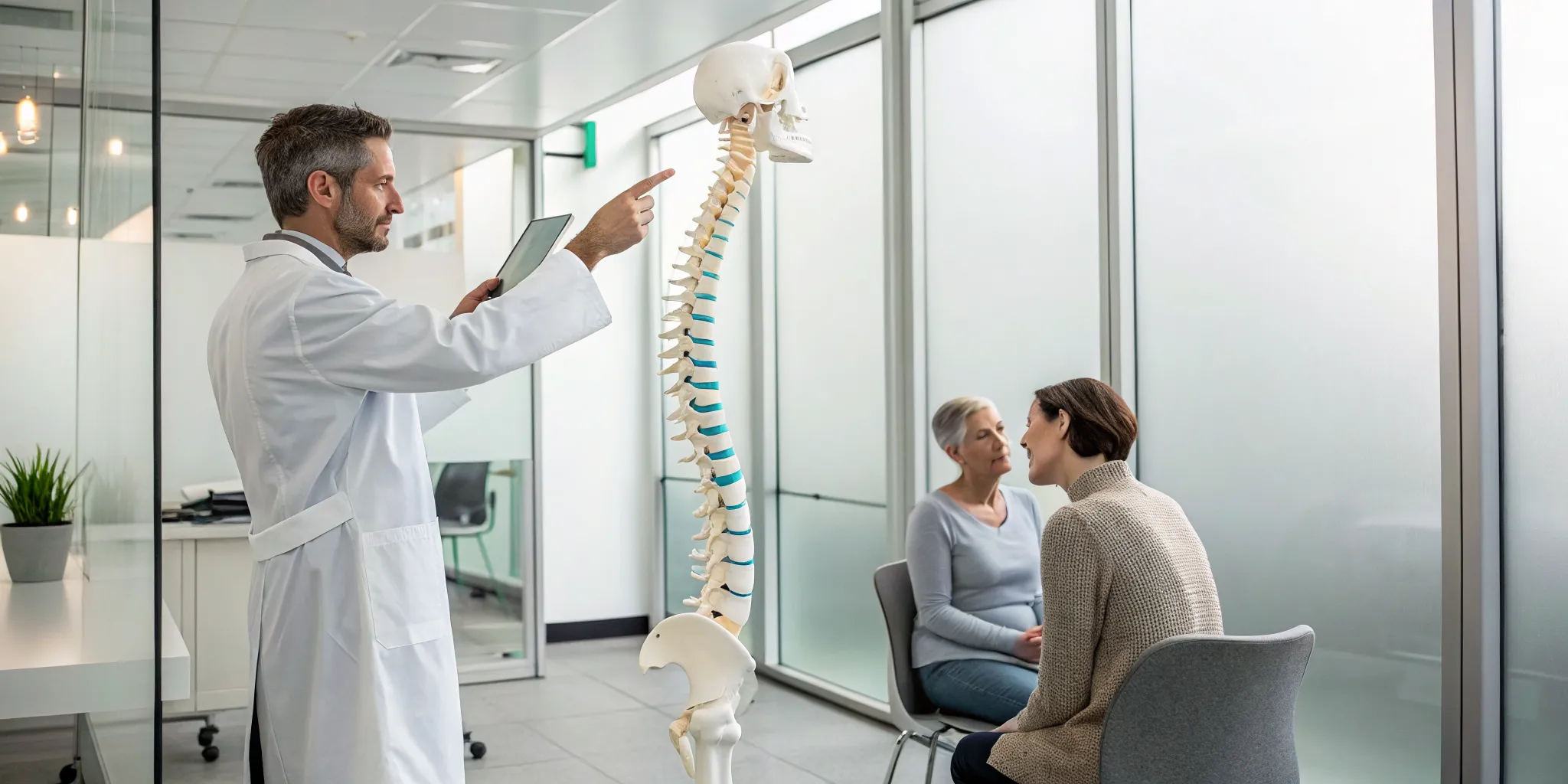
While shockwave therapy is a fantastic tool for many types of back pain, it’s not the right fit for everyone. At Ascend, we believe in creating a personalized plan, and that starts with a thorough evaluation. If your pain is linked to certain "red flags" like an unstable spine, a tumor, or a significant neurological issue, we would explore different treatment paths with you. This therapy is most effective for chronic pain that hasn't improved with initial treatments like rest or standard physical therapy.
If you've been dealing with stubborn joint or tendon pain for months and nothing seems to help, shockwave therapy could be the breakthrough you need. The best way to know for sure is to come in for a consultation. We can discuss your health history, assess your specific condition, and determine if this therapy is the right next step for you.
Is Shockwave Therapy Painful? 5 Common Misconceptions
The name “shockwave therapy” can sound a bit intense, and it’s easy to imagine something uncomfortable. But when it comes to this treatment, there are quite a few myths floating around. Let’s clear the air and separate fact from fiction so you can understand what this therapy is really like. Knowing the truth can help you decide if it’s the right step for your healing journey.
Misconception 1: It's Extremely Painful
Let’s address the biggest concern right away: the pain factor. While you will feel the treatment, most people describe the sensation as a series of strong pulses or a deep tapping, not sharp pain. The intensity can be adjusted to your comfort level, and your practitioner will communicate with you throughout the session. Because shockwave therapy is a non-invasive procedure, it doesn't involve any incisions or needles. Many patients compare it to a deep tissue massage. The goal is to stimulate healing in the tissue, and any discomfort is temporary and a sign that the therapy is targeting the right areas.
Misconception 2: It's Only for Athletes
While shockwave therapy is popular in sports medicine for treating injuries, its benefits are for everyone. You don’t have to be a professional athlete to experience the kind of soft tissue damage or chronic pain that this therapy addresses. It’s an effective option for anyone dealing with persistent issues like lower back pain from sitting at a desk, tendonitis from repetitive movements, or other musculoskeletal problems. At Ascend, we see a wide range of conditions we treat with shockwave therapy, helping people from all walks of life get back to their daily activities without pain.
Misconception 3: All Shockwave Therapies Are the Same
It’s a common belief that all shockwave devices and treatments are identical, but that isn't the case. There are different types of shockwave technology, primarily focused and radial, which are chosen based on the depth and type of tissue being treated. A skilled practitioner will determine the best approach for your specific condition. The success of the treatment depends on using the right technology and protocol for your unique situation. Our expert team is trained to identify the root cause of your pain and select the precise therapy needed to encourage healing and provide lasting relief.
Misconception 4: It Requires Anesthesia
Because shockwave therapy is completely non-invasive, it requires no anesthesia. The treatment is performed on the surface of the skin, sending pressure waves deep into the affected tissue without any need for injections or surgical intervention. This is a major advantage, as it means there are no risks associated with anesthesia and no recovery or downtime needed afterward. You can walk out of your appointment and get right back to your day. If you have questions about what a session entails, we encourage you to contact our office for a consultation.
Misconception 5: Results Are Always Immediate
While some people report feeling better right after their first session, shockwave therapy is designed to create long-term healing, not just a quick fix. The therapy works by triggering your body’s natural repair mechanisms, a process that takes time. True and lasting improvement is typically felt after a series of treatments as the tissue regenerates, inflammation decreases, and blood flow improves. It’s best to think of the results as cumulative. Patience is key, as your body works to heal from the inside out, which is a core principle of our approach to physical medicine.
What to Expect During Your Session
Walking into a new type of treatment can feel a little uncertain, but knowing what to expect makes all the difference. Shockwave therapy is a straightforward and efficient process. We want you to feel completely comfortable and informed from the moment you arrive. Here’s a simple breakdown of what your session will look like, from the treatment itself to how it feels and how long it takes.
Your Treatment, Step by Step
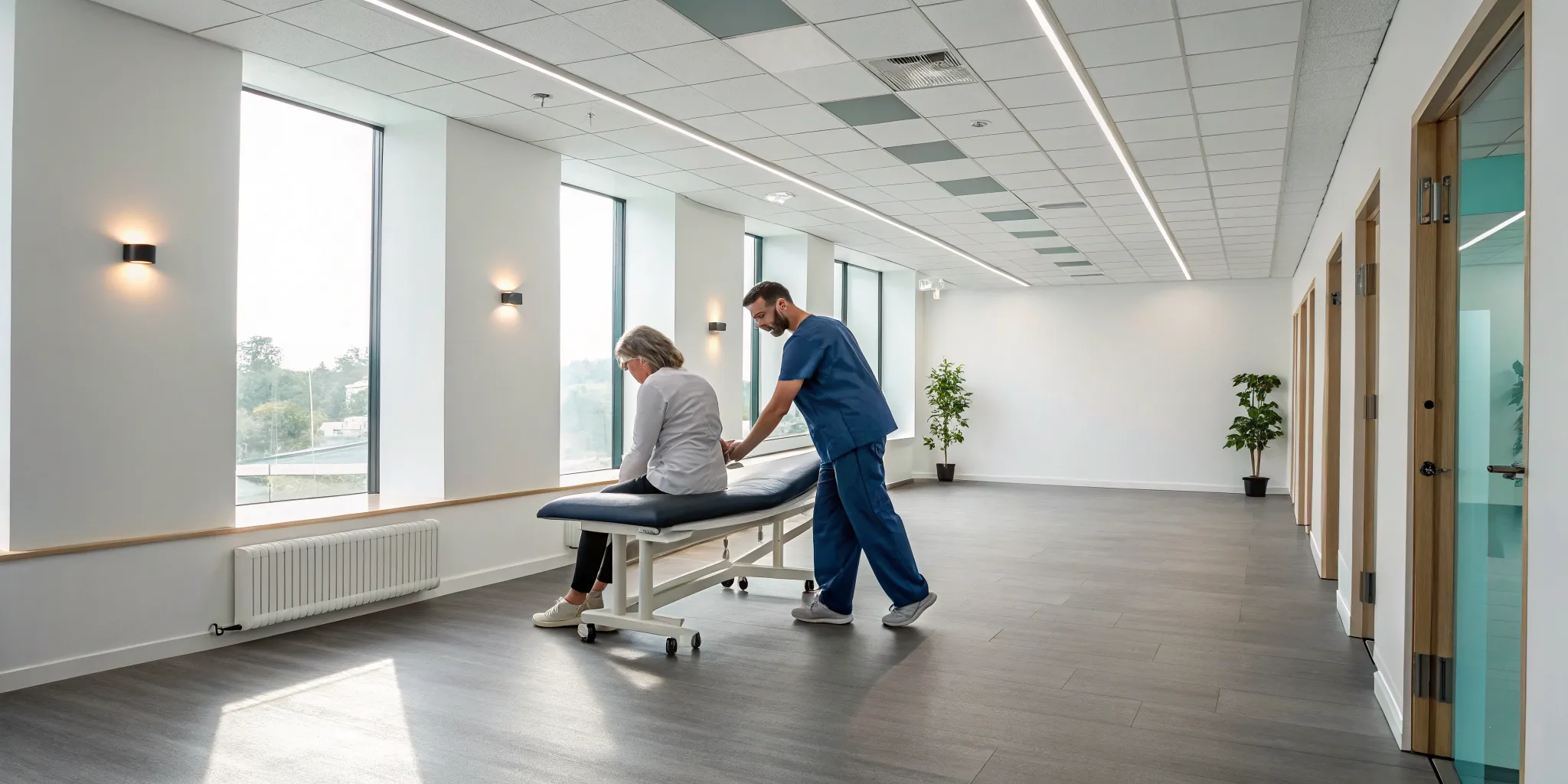
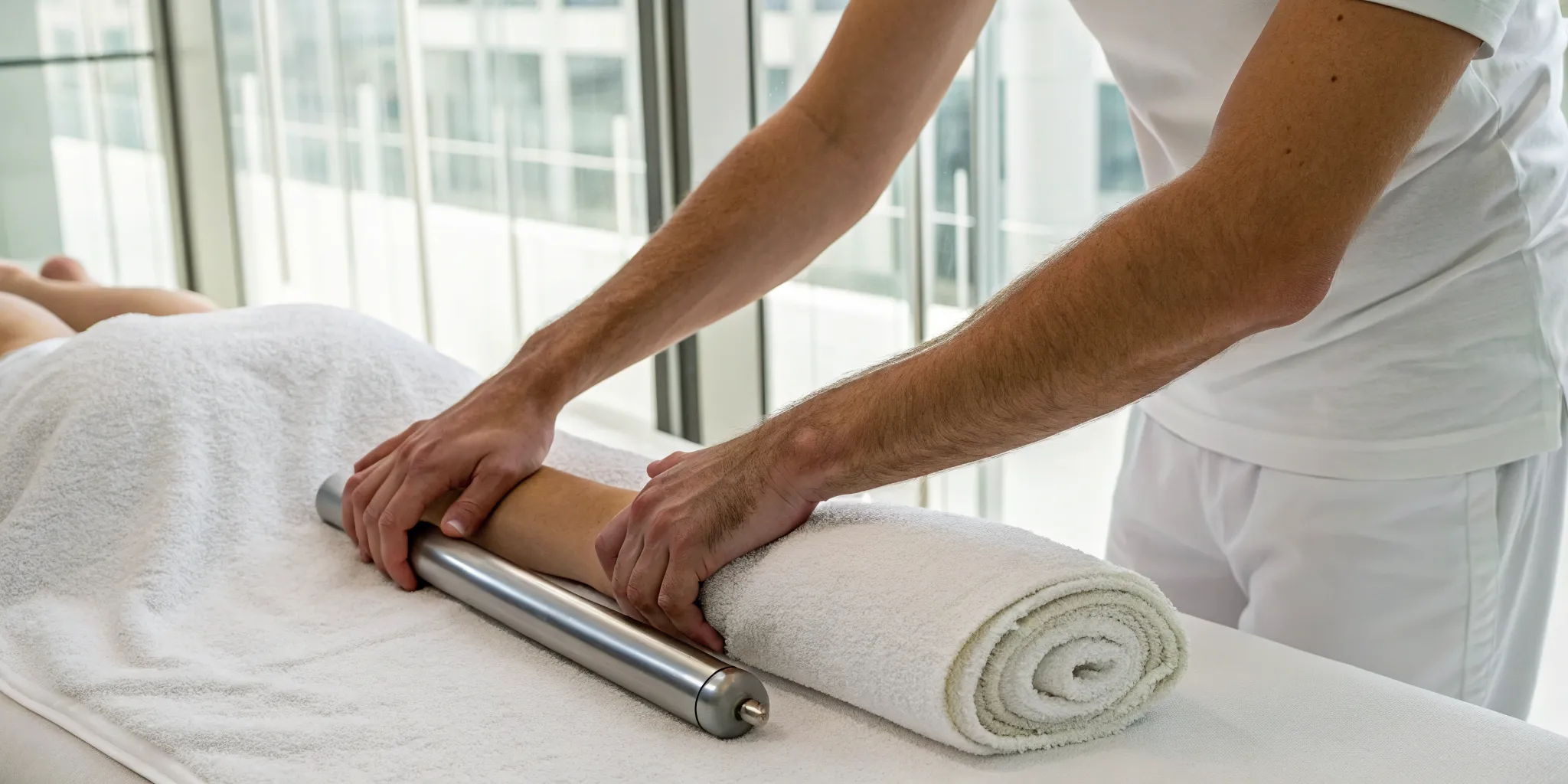
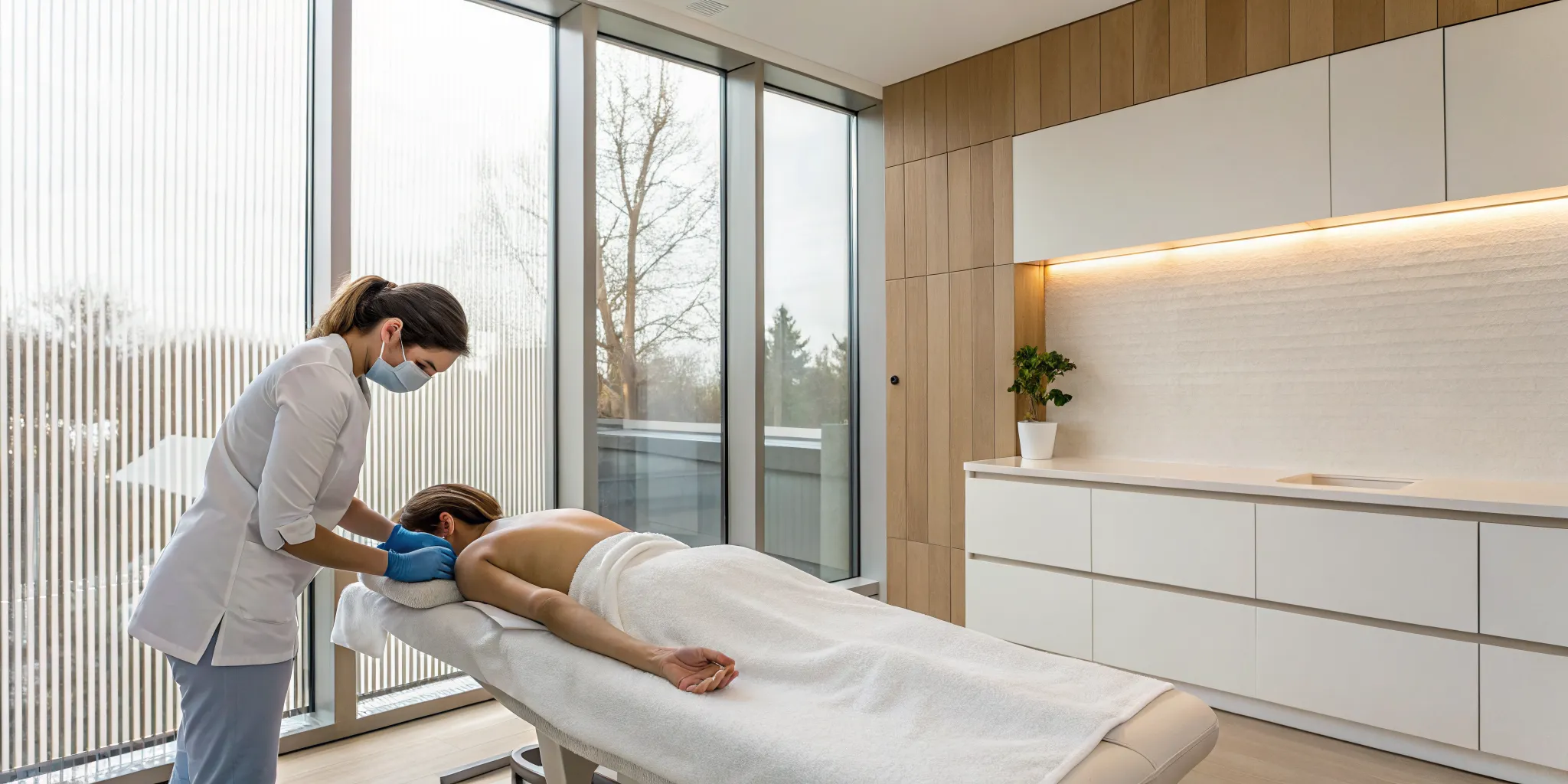
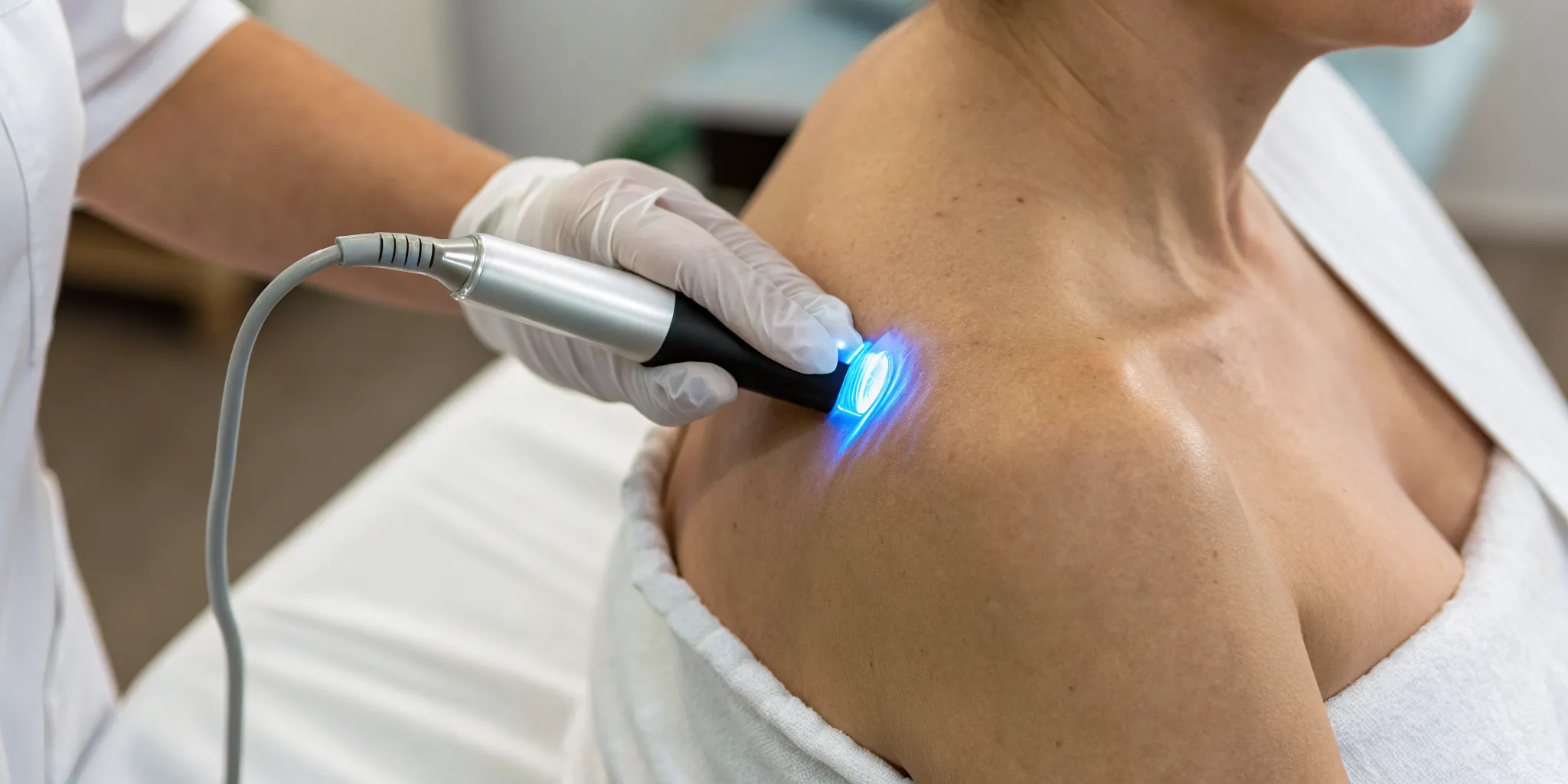
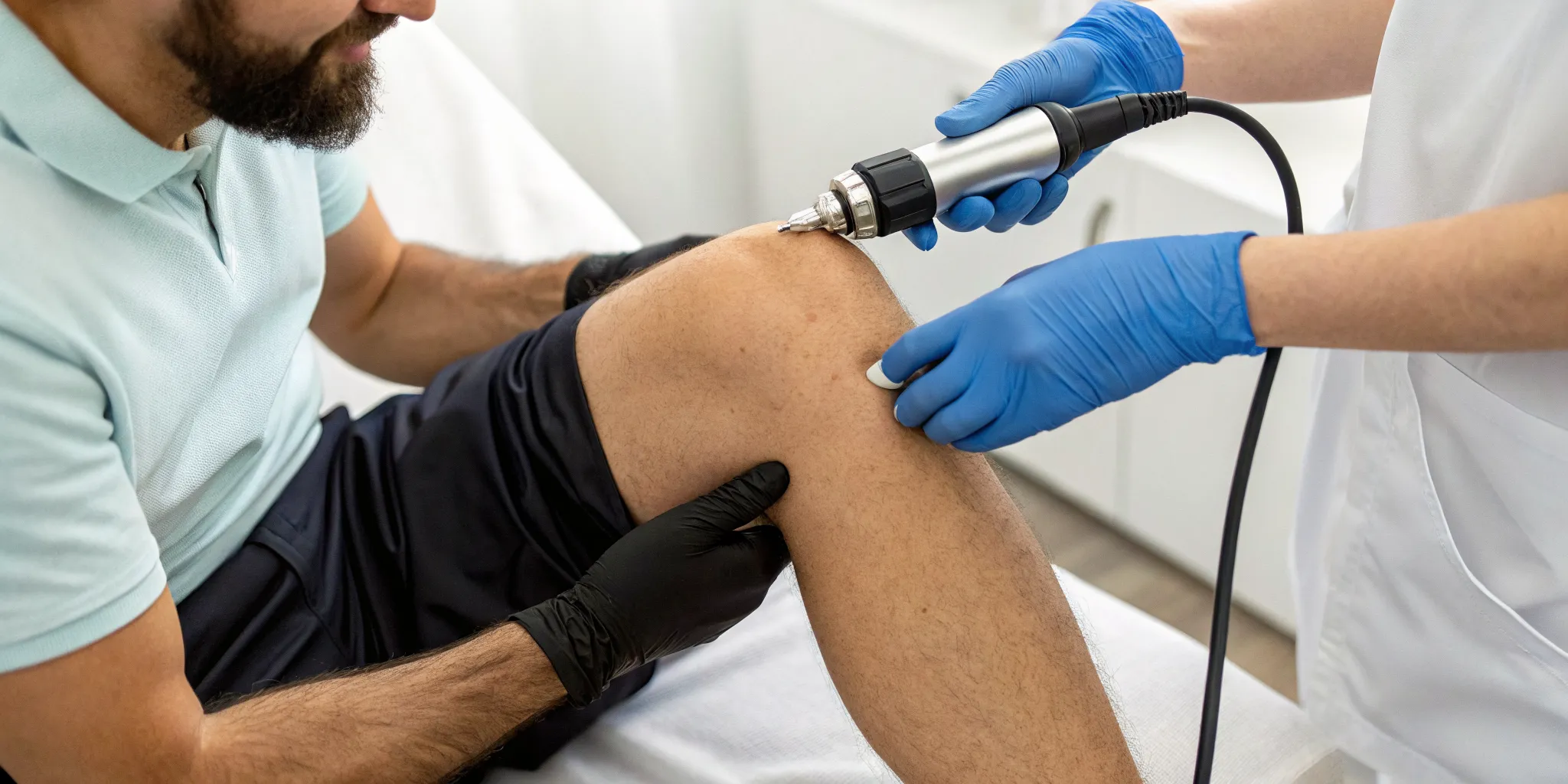
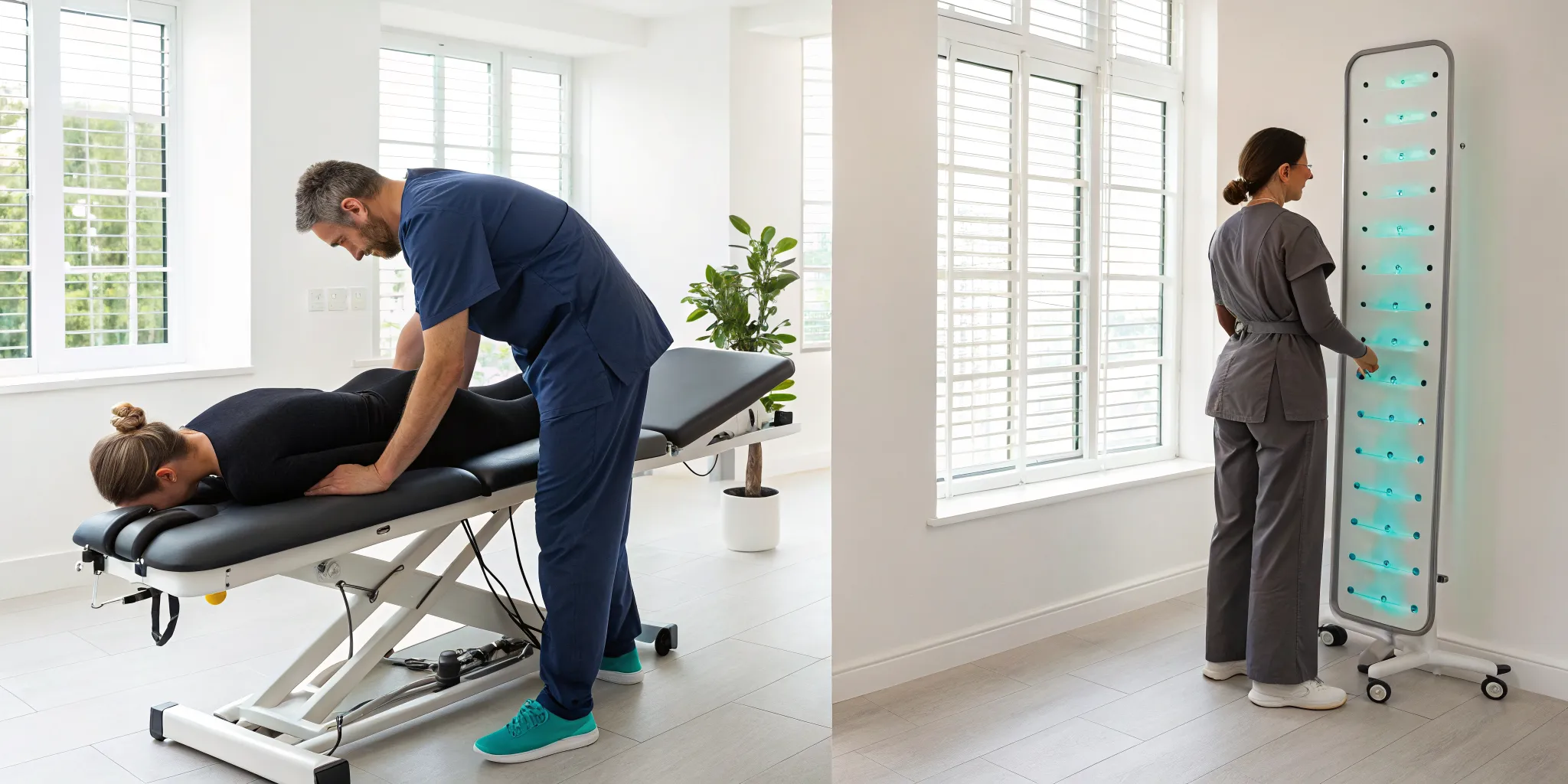
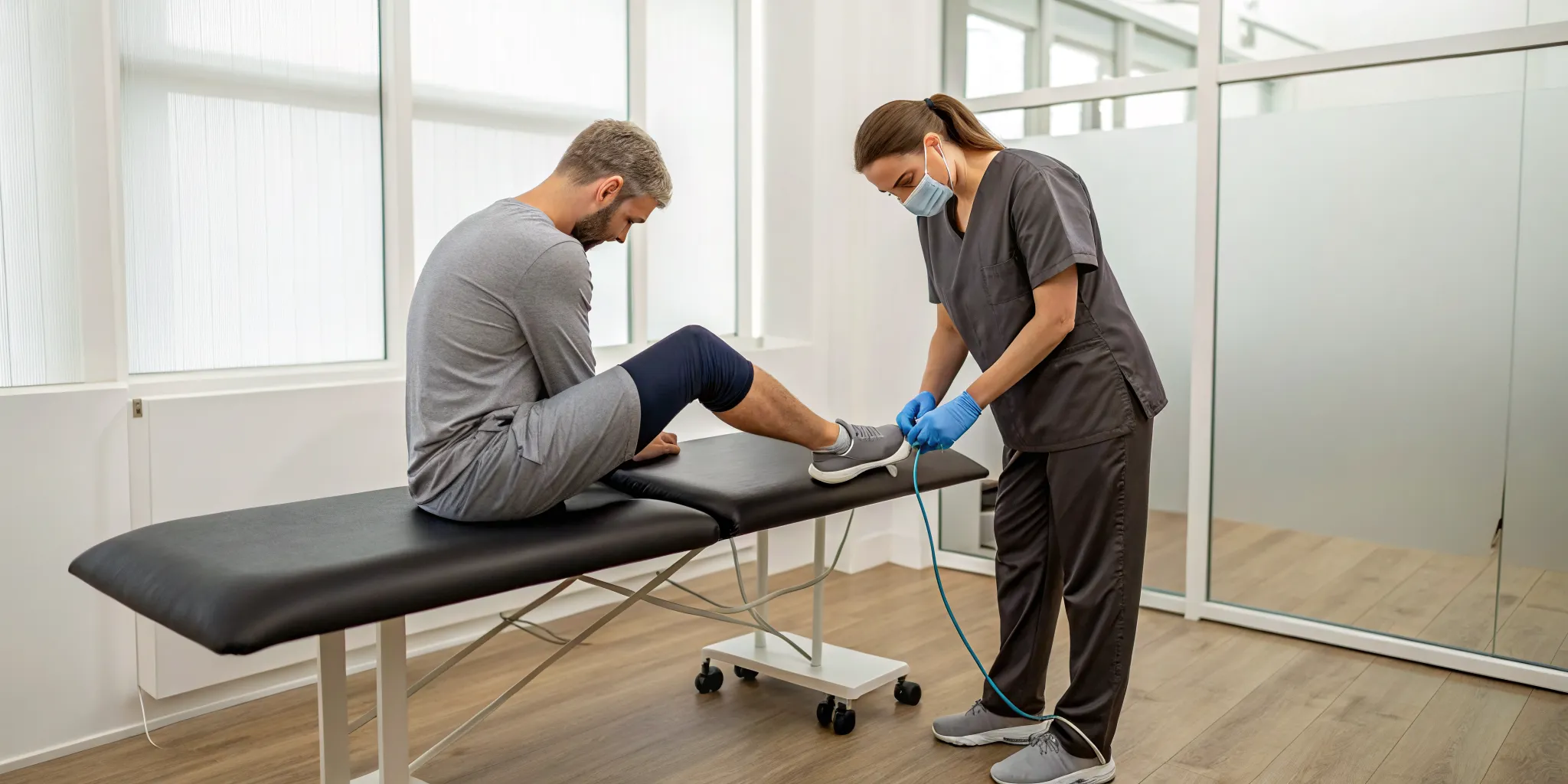
First, your practitioner will locate the specific area of your back that needs attention. A gel, similar to what’s used for an ultrasound, is applied to your skin. This helps the sound waves travel more effectively into the tissue. Next, your practitioner will use a small, handheld applicator and press it against the painful area. This device sends acoustic waves deep into your muscles and soft tissues to stimulate healing. The practitioner will move the applicator around the target zone to treat the entire region. The whole process is precise, controlled, and focused on addressing the source of your discomfort as part of our physical medicine approach.
How Does the Treatment Feel?
Many people assume shockwave therapy is painful, but that’s a common misconception. Most patients describe the sensation as a strong, deep pulse or a tapping feeling. While you will feel the treatment working, it shouldn’t be unbearable. Your comfort is our top priority. We encourage you to communicate with your practitioner throughout the session. If the intensity feels too strong, it can be adjusted immediately to a level that works for you. Our entire team is dedicated to creating a supportive environment, so you can relax knowing you’re in good hands and your feedback is always valued.
Session Length and Timing
One of the best parts of shockwave therapy is how efficiently it fits into your day. Each session typically lasts only about 15 to 20 minutes, making it easy to schedule even when you’re busy. It’s not a one-time fix; instead, it’s part of a structured plan to promote long-term healing for the conditions we treat. Most people need a series of treatments to achieve the best results. A typical plan might involve three to five sessions spaced out over a few weeks. Your practitioner will create a personalized timeline based on your specific needs and how your body responds to the therapy.
How Many Sessions Will I Need?
One of the most common questions we get is about the treatment timeline. It’s completely understandable. You want to know what to expect and how long it will take to feel better. While every person’s healing journey is unique, we can give you a general idea of what a typical shockwave therapy plan looks like. The number of sessions you’ll need depends on several factors, including the specific cause of your back pain, how long you’ve been dealing with it, and your overall health.
Our goal at Ascend is to create a personalized plan that addresses the root of the problem for lasting results. Shockwave therapy is often part of a broader physical medicine strategy designed to restore your body’s natural function. We’ll work with you to determine the right frequency and number of treatments to help you get back to living your life without pain holding you back.
Your Treatment Timeline
So, what does the commitment look like? A single shockwave therapy session is surprisingly quick, usually lasting about 15 to 20 minutes. It’s a straightforward procedure that you can easily fit into your schedule. Most people find that a series of treatments is most effective.
Typically, a complete treatment course involves three to five sessions spaced out over one or two months. This schedule gives your body the time it needs to respond to the therapy and kickstart the healing process between appointments. We’ll assess your progress along the way and adjust the plan as needed to ensure you’re getting the best possible outcome.
Results at 4 and 12 Weeks
While healing takes time, many people start to notice a real difference within the first month. The goal is not just temporary relief but a significant, lasting improvement in both pain and function. Research supports this, showing that shockwave therapy can create meaningful change that you can feel.
A meta-analysis of over 600 patients found that individuals felt less pain after just four weeks, and this relief continued at the 12-week mark. Even better, their ability to perform daily activities also improved. This means you’re not just feeling less pain; you’re also moving better and finding it easier to do the things you love. It’s all about getting you back to a place where your body works with you, not against you.
Is Shockwave Therapy Right for You?
Deciding on a new treatment can feel like a big step, but it’s all about finding what truly works for your body. Shockwave therapy is a fantastic option for many people, but it’s not a one-size-fits-all solution. Understanding if you’re a good candidate and how it fits into a broader health strategy is key. This is a conversation you should have with your provider, but here are a few things to consider as you explore your options for lasting back pain relief. The goal is to find a path that addresses the root of the problem, helping your body heal from the inside out.
Are You a Good Candidate?
If you’re an active person struggling with chronic pain from an injury that just won’t seem to heal, shockwave therapy could be a great fit. It’s especially helpful for those who have tried more traditional routes without finding the relief they need. This therapy is designed for persistent issues, particularly those involving inflammation, tendon damage, or overuse. While we’re focusing on back pain, it’s also effective for a variety of other stubborn problems. If you’re looking for a solution that works with your body to resolve long-term pain and get you moving again, it’s definitely worth exploring the conditions we treat with this approach.
Integrating Shockwave into Your Health Plan
Think of shockwave therapy as one powerful tool in your wellness toolkit, not the entire solution. Its real strength lies in its ability to stimulate your body’s own natural healing mechanisms. By encouraging tissue repair and reducing inflammation at the source, it can be an effective way to find relief without relying on pain medication or considering more invasive procedures. This aligns perfectly with a functional medicine approach, which focuses on identifying and addressing the root cause of your symptoms. Integrating shockwave therapy into your plan means you’re not just masking pain; you’re actively helping your body rebuild and recover for the long term.
Pairing with Chiropractic and Physical Medicine
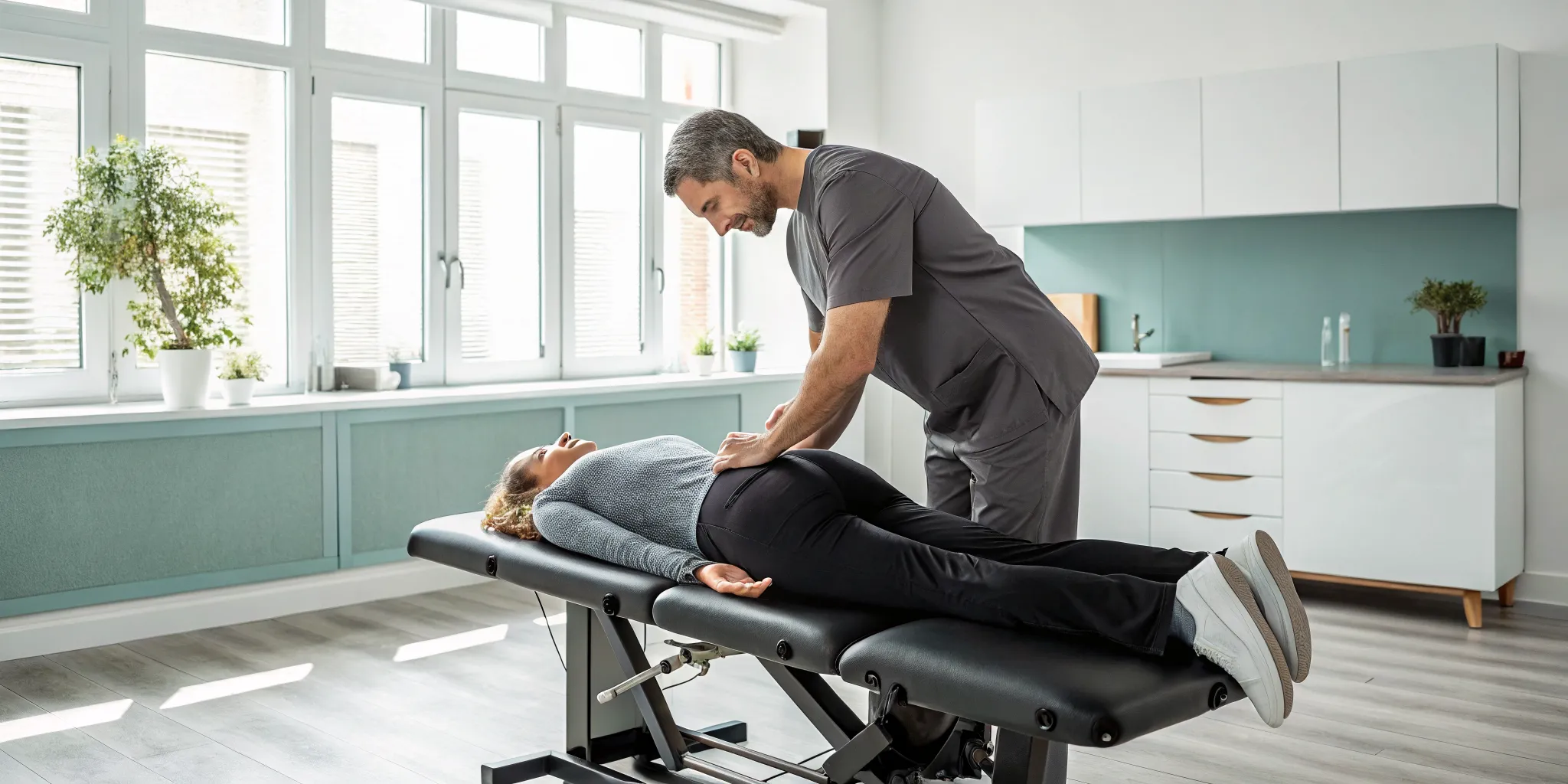
Shockwave therapy truly shines when it’s part of a comprehensive care plan. It works exceptionally well alongside other treatments like chiropractic adjustments and corrective exercises. Imagine this: shockwave therapy targets the inflamed and damaged soft tissues, improving blood flow and breaking down scar tissue. At the same time, chiropractic care focuses on restoring proper alignment and joint function. This combination creates an ideal environment for healing. By pairing shockwave with our physical medicine services, we can address both the muscular and structural sides of your back pain, leading to more complete and lasting results.
Find Shockwave Therapy for Back Pain in Tampa
If you're living with chronic back pain in the Tampa area, you might feel like you’ve tried everything without finding lasting relief. Shockwave therapy is a modern, non-invasive treatment that could be the solution you're looking for. This approach uses targeted acoustic waves to stimulate your body's own healing mechanisms, helping to improve blood flow, reduce inflammation, and finally quiet that persistent pain. It’s a way to work with your body, not just mask the symptoms.
This therapy is particularly helpful for active adults whose chronic pain and old injuries keep them from living fully. For many people who haven't found success with more traditional methods, shockwave therapy has become a beacon of hope. It offers a path toward recovery without requiring downtime, allowing you to get back to your life sooner.
At Ascend Functional Health, we integrate shockwave therapy into our comprehensive physical medicine programs. We believe in addressing the root cause of your pain, and this technology is an excellent tool for promoting deep tissue repair. By combining it with other personalized treatments, we can create a holistic plan that supports your body’s ability to heal from the inside out.
If you're curious whether shockwave therapy is the right step for you, we encourage you to reach out to our team. We can assess your specific condition and discuss how this innovative treatment could fit into your personalized path toward pain-free movement.
Related Articles
- SoftWave Tissue Regeneration Therapy in Tampa | Alessi Functional Health
- Is Lumbar Decompression Chiropractic for You?
- Disc Bulge Therapy: A Complete Guide to Healing
- Regenerative Medicine for Pain Recovery | Ascend Functional Health
- SoftWave TRT Therapy in Tampa, FL - Alessi Functional Health
Frequently Asked Questions
Does shockwave therapy hurt? This is the number one question I get, and it’s a fair one. Most people describe the sensation not as pain, but as a series of strong, deep pulses against the skin. It might feel a little intense, especially over a sore spot, but it shouldn't be unbearable. We can adjust the intensity to your comfort level at any point during the session. Think of it like a very targeted deep tissue massage; any discomfort is temporary and a sign that we’re stimulating the exact area that needs to heal.
What should I do after a shockwave therapy session? After your session, it’s best to take it easy for the rest of the day. We generally recommend avoiding any strenuous activities for about 24 to 48 hours to give your body a chance to begin its repair process. You might feel some soreness or tenderness in the treated area, which is completely normal and a positive sign that your body’s healing response has been activated. Gentle movement, like walking, is perfectly fine and can even be beneficial.
How quickly will I see results from shockwave therapy? While some people feel a degree of relief right away, shockwave therapy is designed to create lasting tissue repair, not just provide a temporary fix. The real magic happens over time. The therapy stimulates your body’s natural healing processes, which can take a few weeks to fully kick in. Most people notice significant improvements after completing a series of treatments as their tissues regenerate, inflammation subsides, and function is restored.
Is shockwave therapy a good choice for every type of back pain? Shockwave therapy is a fantastic tool, but it’s most effective for specific kinds of chronic pain, particularly those involving soft tissues like muscles, tendons, and ligaments. It’s an excellent option for persistent lower back pain, tendonitis, or old muscle strains that haven’t responded to other treatments. However, it may not be the right approach for issues related to spinal instability or certain neurological conditions. A thorough evaluation is the only way to know for sure if it’s the right fit for you.
Why would I need shockwave therapy if I'm already getting chiropractic adjustments? This is a great question because it gets to the heart of our comprehensive approach. Chiropractic care is excellent for restoring proper alignment to your spine and improving joint function. Shockwave therapy, on the other hand, specifically targets and repairs the damaged soft tissues around those joints. When you combine the two, you address the problem from both a structural and a tissue-based level. This creates a more stable and complete healing environment, leading to better, more lasting results.