The philosophy behind functional medicine is about treating the individual, not just the symptom. It’s a personalized approach that requires specific, targeted treatments, from advanced lab work to tailored nutritional plans. This focus on medical necessity is precisely why the answer to the question, can I use HSA for holistic medicine? is often yes. Because these services are prescribed to diagnose and treat a specific condition, they frequently align with IRS guidelines for qualified medical expenses. This guide will explain how to properly document your care, get the necessary paperwork from providers like us at Ascend, and use your health savings to fund your path to genuine, long-term wellness.
Key Takeaways
- Confirm Medical Necessity First: Your HSA can cover holistic services like chiropractic care or functional medicine, but only when they are prescribed to treat a specific health condition, not for general wellness.
- Secure a Letter of Medical Necessity (LMN): For many holistic therapies, this letter from your practitioner is essential. It officially documents that the service is part of your treatment plan, which is a key requirement for using HSA funds.
- Keep Detailed Records: Always save your itemized receipts and the LMN for every service paid for with your HSA. Keeping these documents for at least three years is the best way to protect yourself in case of an inquiry.
Using Your HSA for Holistic Care: A Clear Guide
If you have a Health Savings Account (HSA), you might be wondering if you can use those pre-tax dollars for services like chiropractic care or functional medicine testing. The answer is often yes, but it’s not always straightforward. Understanding the rules can help you make the most of your funds while investing in your long-term health. This guide will walk you through what you need to know to use your HSA for holistic treatments confidently and correctly.
HSA Basics: Eligibility and Tax Perks
Think of a Health Savings Account (HSA) as a personal savings account, but the money is specifically for qualified medical expenses. HSAs are designed to help you cover healthcare costs that your regular plan might not, giving you more control over your health journey. One of the biggest advantages is the tax benefit. The money you put in, the interest it earns, and the money you take out for eligible expenses are all tax-free. This means you can get significant savings on treatments. Using an HSA gives you the freedom to choose the healthcare treatments that work best for you, including many holistic and functional approaches.
What Counts as a "Qualified Medical Expense"?
So, what exactly can you pay for? The IRS has a long list of "qualified medical expenses," and it includes more than you might think. Many holistic therapies can be covered by your HSA, including chiropractic care, acupuncture, and nutritional consulting. However, there's an important condition. For many of these treatments, you’ll need a Letter of Medical Necessity (LMN) from a licensed practitioner. This letter details the specific medical condition you're treating and explains how the service will help. It’s the key piece of documentation that proves the treatment is for a medical need, not just general wellness. Our team at Ascend can help guide you on the documentation needed for our functional medicine services.
The Biggest Myth About HSAs and Holistic Treatments
The most common misunderstanding about HSAs is that they can be used for any and all wellness-related expenses. Unfortunately, this isn't true. The IRS is very clear that expenses for general health, like a massage for simple relaxation or vitamins for overall wellbeing, are not eligible. You can use your HSA for holistic treatments, but only when they are used to treat, diagnose, or alleviate a specific medical condition. This is why working with a provider who focuses on identifying the root cause of your symptoms is so important. The treatment plan they create is directly tied to a medical diagnosis, which is exactly what the IRS requires for an expense to be considered eligible.
Which Holistic Treatments Can Be HSA-Eligible?
One of the best things about a Health Savings Account is its flexibility. You can use it for a wide range of treatments that go beyond conventional medicine, as long as they are considered "qualified medical expenses." This is fantastic news if you're exploring holistic options to address the root cause of your health concerns. Many services that fall under the umbrellas of physical and functional medicine can be paid for with your HSA funds, making this type of care more accessible. Let's walk through some of the most common holistic treatments that often qualify.
Chiropractic Care
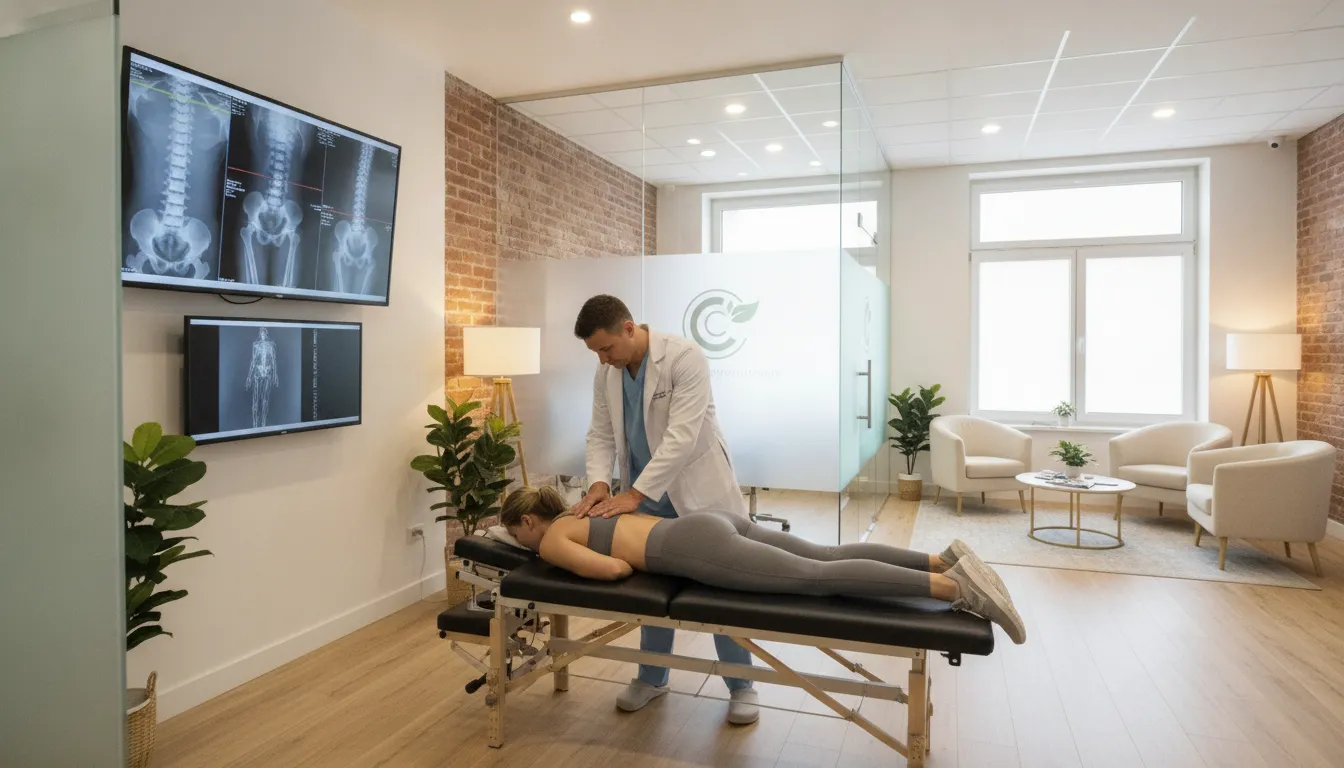
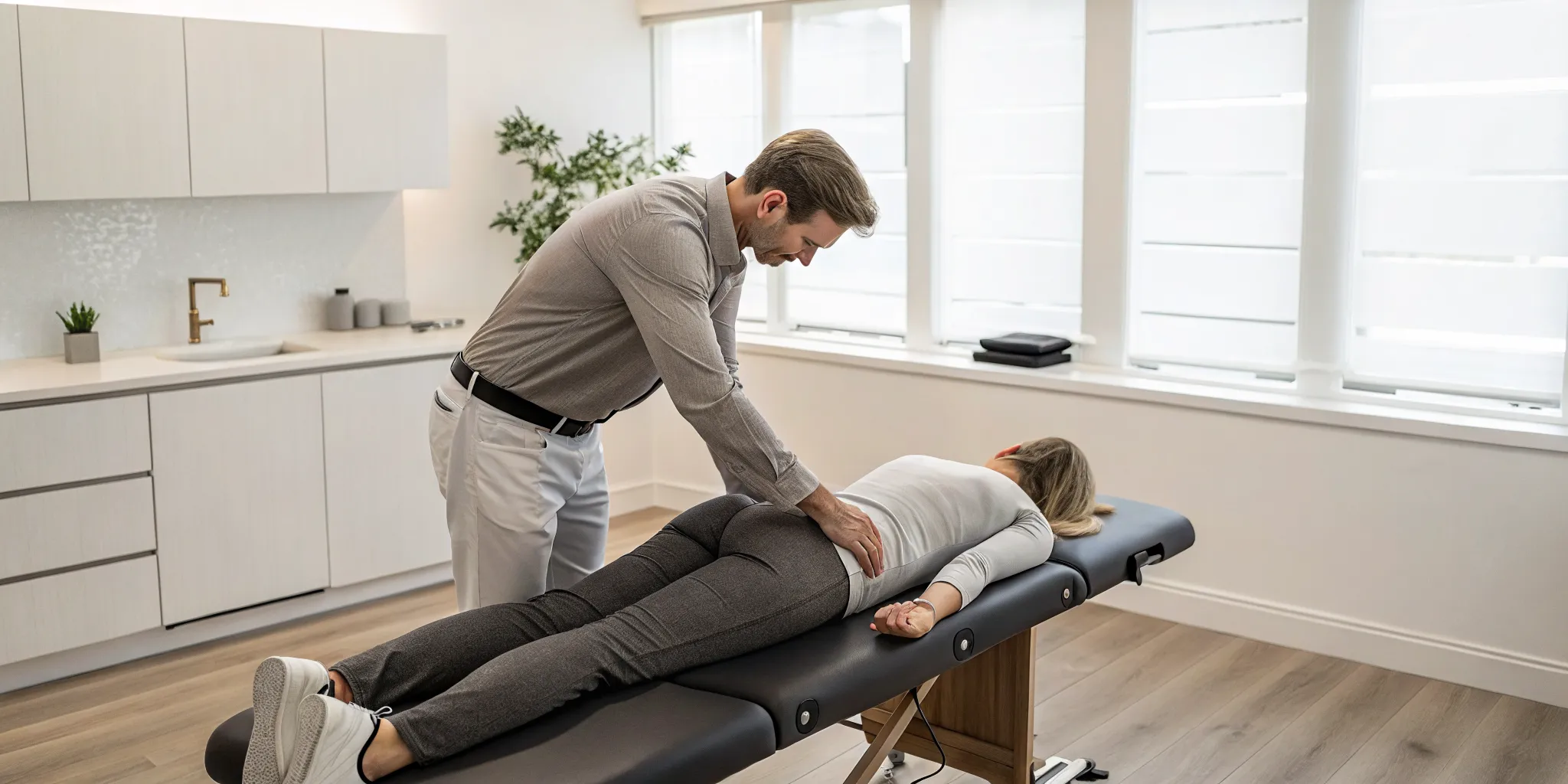
If you see a chiropractor to manage pain, improve your posture, or address a specific condition, you can typically use your HSA to pay for your visits. Chiropractic care is a widely accepted medical expense. This is especially helpful because many standard health plans offer limited coverage for these kinds of treatments. Using your HSA allows you to get the consistent care you need to feel your best without worrying about what your plan will or won't approve. It puts you in control of your health journey, allowing you to invest in treatments that truly work for you.
Acupuncture
Acupuncture is another popular holistic therapy that is generally considered an HSA-eligible expense. Used for centuries to address everything from chronic pain and headaches to stress and digestive issues, acupuncture is recognized by the IRS as a valid medical treatment. This means you can confidently use your pre-tax HSA dollars to pay for your sessions. The great thing about an HSA is that it was designed to accommodate a broad spectrum of therapies, including alternative approaches like acupuncture that focus on restoring balance to the body.
Nutritional Counseling and Functional Medicine Testing
This is where your HSA can be a real game-changer. Services like nutritional counseling and the in-depth diagnostic tests used in functional medicine are often eligible expenses. This can include advanced blood panels, hormone tests, and gut health analyses that help your practitioner identify the underlying cause of your symptoms. Since these services are directly aimed at diagnosing and treating a medical condition, you can typically use your HSA and FSA accounts to cover their expenses. This makes it easier to invest in a personalized health strategy that’s tailored specifically to your body’s needs.
Massage Therapy (When Medically Necessary)
This one comes with an important condition: for massage therapy to be an eligible HSA expense, it must be medically necessary. This means a practitioner must recommend it to treat a diagnosed medical condition, like chronic back pain, sciatica, or muscle spasms. A massage for general relaxation or stress relief, unfortunately, doesn't qualify. To be safe, you’ll want to have a Letter of Medical Necessity from your provider. This key piece of paperwork confirms that the massage is part of a treatment plan for a specific health issue, not just for general wellness.
The Key Difference: Medical Necessity vs. General Wellness
The line between a qualified medical expense and a general wellness expense is the most important concept to understand. The IRS is clear that HSA funds must be used to diagnose, treat, mitigate, or prevent a specific disease or condition. Expenses for simply maintaining your general health, like a standard multivitamin or a gym membership, are not eligible. This is why a Letter of Medical Necessity can be so crucial for certain holistic therapies. It officially documents that the service is intended to address a specific health problem, making it a legitimate HSA-eligible expense.
Common Expenses That Typically Don't Qualify
To avoid any trouble with the IRS, it’s good to know what usually isn't covered. As mentioned, general wellness expenses are the main category of non-eligible items. This includes things like gym memberships, fitness classes, and dietary supplements that are not prescribed by a practitioner to treat a specific condition. While these things are undoubtedly good for you, they don't meet the IRS's definition of a medical necessity. The rule of thumb is simple: if it's for your general well-being, it's probably not covered. If it's to treat a specific condition, it may be an eligible HSA expense.
What Paperwork Do You Need to Use Your HSA?
Using your HSA for holistic care is a fantastic way to invest in your health, but it does come with a bit of homework. To ensure everything is above board with the IRS, you need to have the right documentation. Think of it as your proof that a service isn't just for general wellness, but a specific, necessary part of your health plan. The most important piece of this puzzle is a document called a Letter of Medical Necessity, or LMN. This letter is what officially connects a holistic treatment to a diagnosed medical need, making it a legitimate, reimbursable expense.
The Letter of Medical Necessity (LMN): What It Is and Why It's Crucial
So, what exactly is an LMN? It’s a formal letter written by your licensed medical practitioner that explains why a particular treatment is essential for your health. For many holistic services, from functional medicine testing to therapeutic massage, this letter is non-negotiable. It details the specific medical condition you're addressing, clarifies how the recommended service will help, and outlines the proposed duration of the treatment. Without a valid LMN, the IRS could disqualify your expense, leaving you to face potential taxes and penalties. This letter is the key that validates your use of HSA funds for these powerful, health-restoring therapies.
What a Proper LMN Includes
A legitimate Letter of Medical Necessity needs to be specific to be considered valid. It’s not just a simple prescription note; it’s a detailed document that should clearly outline your care plan. Your provider will know what to do, but it’s helpful for you to know what a complete LMN contains. It must state your name, the specific medical condition being treated (like chronic migraines or IBS), and the exact service recommended. It also needs to explain why that service is necessary for your condition, how often you should receive the treatment, and how long it's expected to last. Finally, it must be signed and dated by your provider and is typically updated annually.
How to Request an LMN from Your Practitioner
Asking for paperwork can feel awkward, but when it comes to an LMN, don't hesitate. This is a standard and necessary part of the process for any provider experienced in functional medicine. When you begin care for services like advanced lab testing or a structured chiropractic plan, simply let your provider know you plan to use your HSA. The good news is that clinics like ours are very familiar with this process. When you partner with a provider at Ascend Functional Health, we help you get the documentation you need as part of your personalized protocol, ensuring your focus can remain on your healing journey.
Essential Records to Keep for the IRS
Once you have your LMN and start your treatments, the final step is diligent record-keeping. This is your safety net in the event the IRS ever has questions about your HSA spending. The rule of thumb is to keep everything. Create a simple folder, either digital or physical, and save your LMN for each year of treatment along with all the itemized receipts for services you pay for with your HSA. It’s recommended to hold onto these records for at least three years. It might seem like a small hassle, but this simple habit protects you and ensures you can confidently use your health savings to their fullest potential.
How to Use Your HSA for Holistic Care the Right Way
Using your Health Savings Account (HSA) for holistic treatments is a fantastic way to invest in your long-term wellness. It allows you to use pre-tax dollars for services that get to the root cause of your health concerns. But, as with anything involving the IRS, there are a few rules to follow. Think of it less as red tape and more as a simple roadmap to make sure you’re using your funds correctly and confidently. Let’s walk through the steps to ensure you’re getting the most out of your HSA for your holistic health journey.
Always Verify Eligibility Before You Pay
Before you swipe your HSA card for a service, it’s smart to confirm it qualifies. Your HSA can be used for a wide range of medical expenses that your standard health plan might not include, which is great news for those of us seeking holistic solutions. However, it's crucial to use your HSA correctly in case the IRS ever decides to review your records. A quick check beforehand can save you a lot of hassle later. The key is that the service must be considered "medically necessary" to treat or prevent a specific health condition, not just for general well-being.
The Consequences of Using HSA Funds Incorrectly
So, what happens if you use your HSA for something that isn't eligible? Unfortunately, the consequences are more than just a slap on the wrist. If you use HSA money for a non-qualified expense, like a spa massage for simple relaxation, that money is considered taxable income for the year. On top of that, if you're under 65, you'll also face an additional 20% penalty tax on the amount. This is why being diligent is so important. Understanding the rules helps you avoid these penalties and ensures your health savings are truly being saved for your health.
Simple Tips for Staying Compliant
Staying compliant is easier than it sounds. First, always keep your receipts. This is non-negotiable. For any holistic service, you should also ask your provider for a written note stating the service was medically necessary. This document, often called a Letter of Medical Necessity (LMN), is your proof if the IRS ever has questions. Many holistic therapies like acupuncture, chiropractic care, and nutritional consulting can be covered when they are prescribed to treat a specific condition. Having that LMN in your files gives you peace of mind and solidifies the legitimacy of your expense.
Partnering with a Functional Medicine Provider in Tampa
Working with a provider who understands this process can make all the difference. You can use your HSA and FSA accounts to pay for many Functional Medicine services, even if the clinic operates on a "cash-pay" basis. This approach allows you to receive highly personalized care while making smart use of your savings. When you partner with a provider in Tampa who is well-versed in holistic health, they can help ensure you have the proper documentation, like an LMN, for services designed to address the root cause of your health issues. It’s about building a team that supports both your health and your financial wellness.
Related Articles
- How to Find a Functional Medicine Doctor: A Guide
- Chiropractic Care: Everything You Need to Know
- Functional Medicine in Tampa | Root Cause Care | Ascend Functional Health
- Physical Medicine in Tampa | Chiropractic & Rehab Care | Ascend Functional Health
- Root Cause Treatment for Chronic Pain | Ascend Functional Health
Frequently Asked Questions
Do I need a Letter of Medical Necessity for every single holistic treatment? Not always, but it's the safest approach. For widely accepted treatments like chiropractic adjustments, you might not need one for every single visit. However, for services like therapeutic massage, nutritional counseling, or specific functional medicine tests, a Letter of Medical Necessity (LMN) is essential. It's your official proof that the service is treating a specific condition, not just for general wellness. When in doubt, getting one is always the smart move.
Can I use my HSA to pay for supplements or specific foods recommended by my functional medicine provider? This is a great question. Generally, you cannot use your HSA for supplements or food that you can buy over the counter for general health. However, if your provider prescribes a specific supplement to treat a diagnosed deficiency or condition (like iron for anemia), it can qualify. The key is the prescription and the LMN explaining its medical purpose. It cannot be for "general wellbeing."
What's a simple, real-world example of a 'medical necessity' versus a 'general wellness' expense? Let's use massage as an example. If you book a massage at a spa to unwind after a stressful week, that's for general wellness and isn't an eligible expense. However, if your practitioner diagnoses you with chronic sciatica and prescribes a series of therapeutic massages to relieve nerve compression as part of your treatment plan, that is a medical necessity. The diagnosis and prescription are what make it a qualified expense.
How does a clinic like Ascend help with the HSA process? What's my responsibility? Our role is to provide the medical justification for your care. After diagnosing your condition, we can write a detailed Letter of Medical Necessity that outlines your treatment plan and explains why each service is required for your health. Your responsibility is to keep that letter, along with all your itemized receipts, in a safe place for your records. You are the manager of your HSA, and we are your partners in providing the necessary documentation.
What should I do if I realize I've already used my HSA for something that might not qualify? Don't panic; this can be corrected. The best course of action is to contact your HSA administrator. You can typically return the funds to your account to reverse the withdrawal. If you can't do that, you'll need to report the amount as "taxable income" on your annual tax return and pay the associated income tax, plus the 20% penalty if you're under 65. Being proactive is always the best approach.