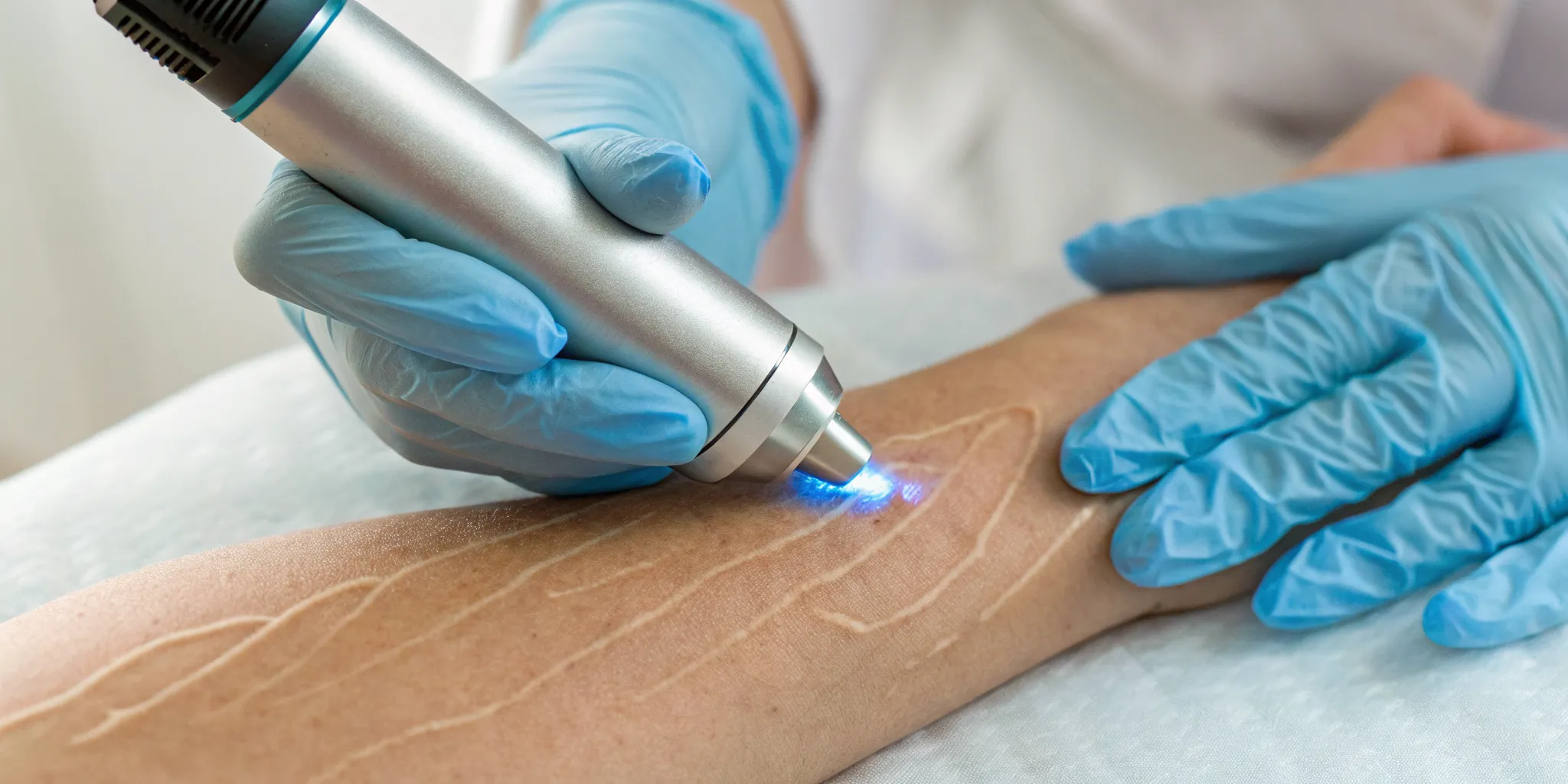
Lower back pain is often a signal that something deeper is out of balance within your body. While the discomfort is centered in your lumbar spine, the cause could be related to stiffness in your hips, muscle imbalances, or poor movement patterns you’ve developed over time. A truly effective treatment plan looks beyond the immediate pain to address these underlying mechanical issues. This is where manual therapy shines. It provides a way to directly address the structural problems contributing to your discomfort. Here, we’ll explore the core lumbar spine manual therapy techniques that form the foundation of our physical medicine approach to help you build a stronger, more resilient body.
Key Takeaways
- Focus on the source, not just the symptoms: Manual therapy uses specific, hands-on techniques like joint mobilization and myofascial release to correct the underlying mechanical problems in your lower back, offering a path to genuine relief.
- Your participation is essential for lasting success: The relief you feel after a session is just the start; following through with your personalized plan of corrective exercises and posture adjustments is what solidifies your progress and helps prevent future pain.
- Integrate it into a holistic health strategy: Manual therapy is most effective when it's part of a comprehensive plan. By pairing hands-on treatment with a functional approach, you address the complete picture of your well-being for more sustainable results.
What Is Lumbar Spine Manual Therapy?
If you're dealing with lower back pain, you've likely heard about different treatment options. Lumbar spine manual therapy is a hands-on approach our practitioners use to address musculoskeletal pain and issues with movement. Think of it as a skilled, targeted treatment where a therapist uses their hands to mobilize and manipulate your joints and soft tissues. The goal is to reduce your pain and improve how your body moves.
This type of therapy is a cornerstone of our physical medicine services because it directly targets the source of discomfort. Instead of just masking symptoms, we focus on restoring proper function to your lower back. It’s a personalized approach designed to help your body heal and get you back to feeling your best.
A Closer Look at Your Lower Back
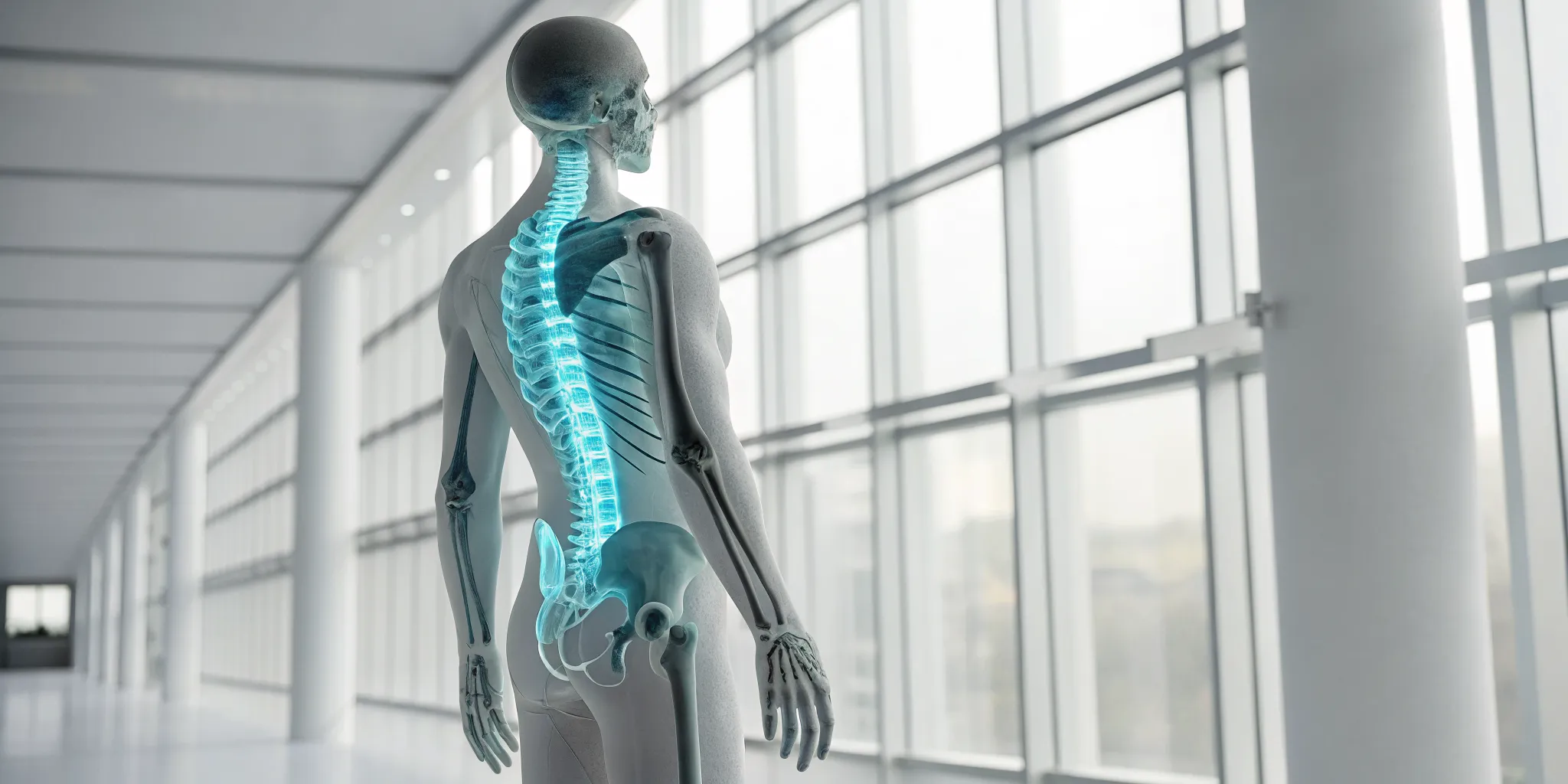
Your lower back, or lumbar spine, is a complex and hardworking part of your body. It’s made up of five large vertebrae, labeled L1 to L5, that form a strong, flexible column. This structure is responsible for supporting the weight of your entire upper body, which is no small task. It also allows you to bend, twist, and move freely while protecting the delicate spinal cord running through it. Because it bears so much stress and is so central to movement, it’s a common area for pain and dysfunction to develop over time.
How Manual Therapy Helps
So, how does a hands-on approach actually make a difference? Manual therapy techniques like spinal mobilization and manipulation are highly effective for reducing pain and improving function for people with low back pain. These methods help restore your spine's natural movement patterns and release built-up muscle tension that contributes to stiffness and discomfort. Research shows that manual therapy can lead to significant improvements in pain levels and daily function, especially for those dealing with chronic issues. By directly addressing the mechanical problems in your spine, we can help you find lasting relief from the conditions we treat every day.
Explore Key Techniques for Lower Back Relief
Manual therapy isn't a single treatment; it's a collection of skilled, hands-on techniques designed to address the specific source of your discomfort. Depending on your evaluation, your practitioner will use a combination of methods to relieve pain, restore movement, and support your body’s healing process. Let's look at some of the core techniques we use to help patients find lasting relief from lower back pain.
Spinal Manipulation
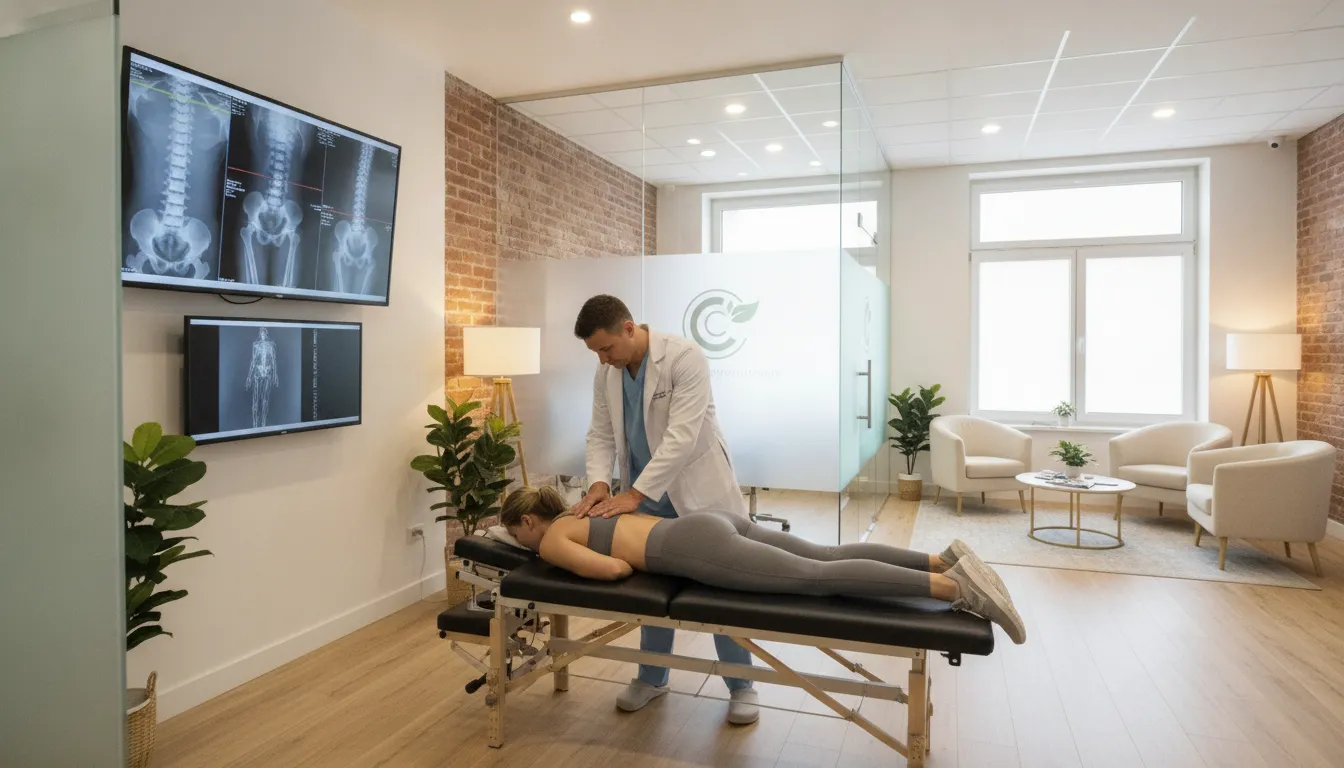
You might know this as a chiropractic adjustment. Spinal manipulation involves a quick, controlled thrust applied to a specific joint in the spine. The goal is to correct alignment, improve how your spine moves, and relieve pressure on the surrounding nerves. This technique is incredibly effective for reducing pain, enhancing overall mobility, and improving your posture. By restoring proper alignment, we can take a significant strain off your lower back, allowing your body to function more efficiently and without discomfort. Our team is highly trained in this physical medicine technique to ensure it's both safe and effective for your specific needs.
Joint Mobilization
If you're looking for a gentler approach, joint mobilization might be the right fit. This technique uses slow, rhythmic movements to work on joints in your spine and pelvis, gradually increasing their range of motion. Unlike the quick thrust of a spinal manipulation, mobilization focuses on gently coaxing the joints to move more freely. It’s an excellent way to reduce pain caused by stiff or dysfunctional joints and can help prevent future stiffness from setting in. By improving the mechanics of your joints, we can help you move with greater ease and less pain, making daily activities much more comfortable.
Soft Tissue Mobilization
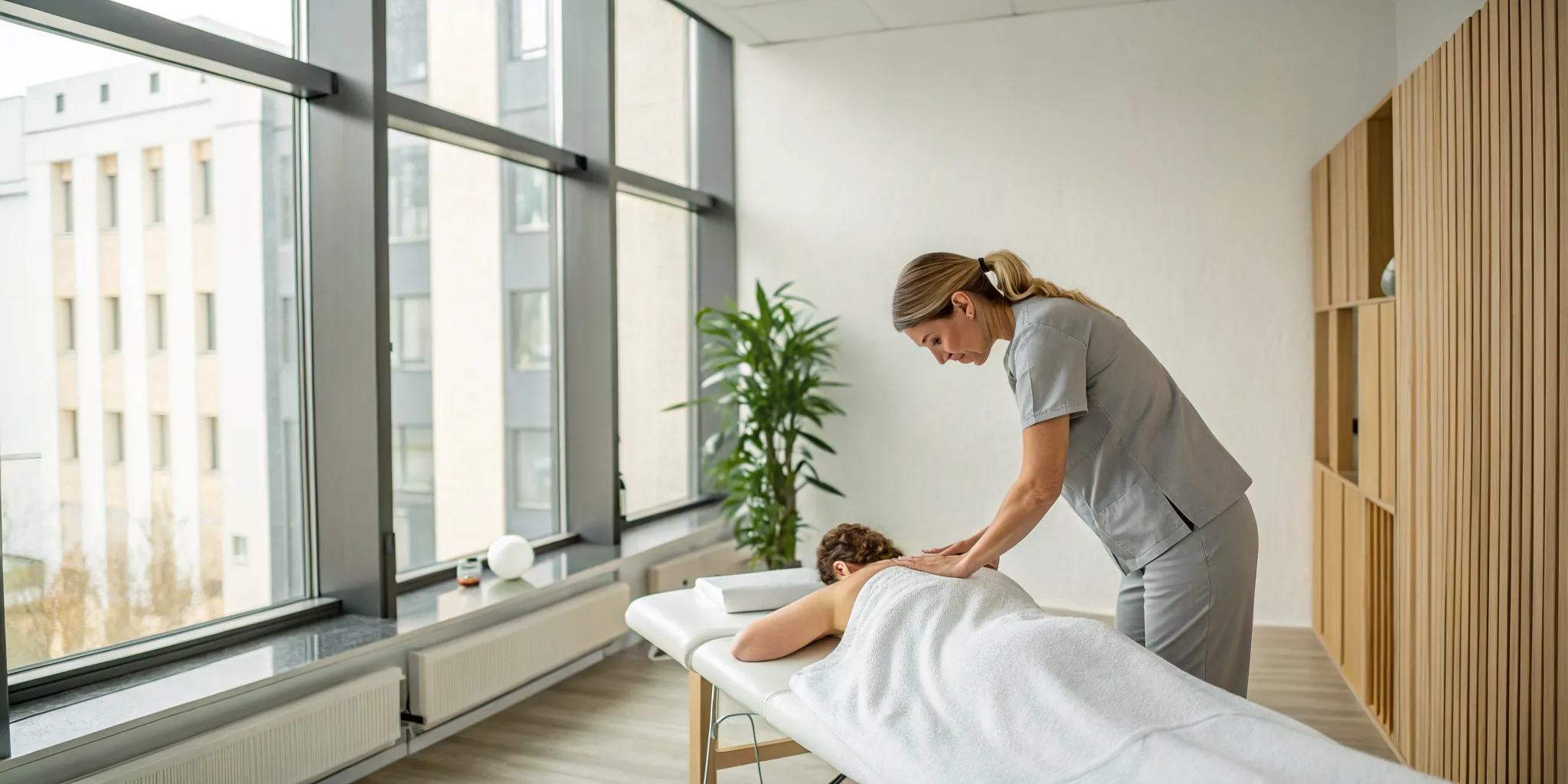
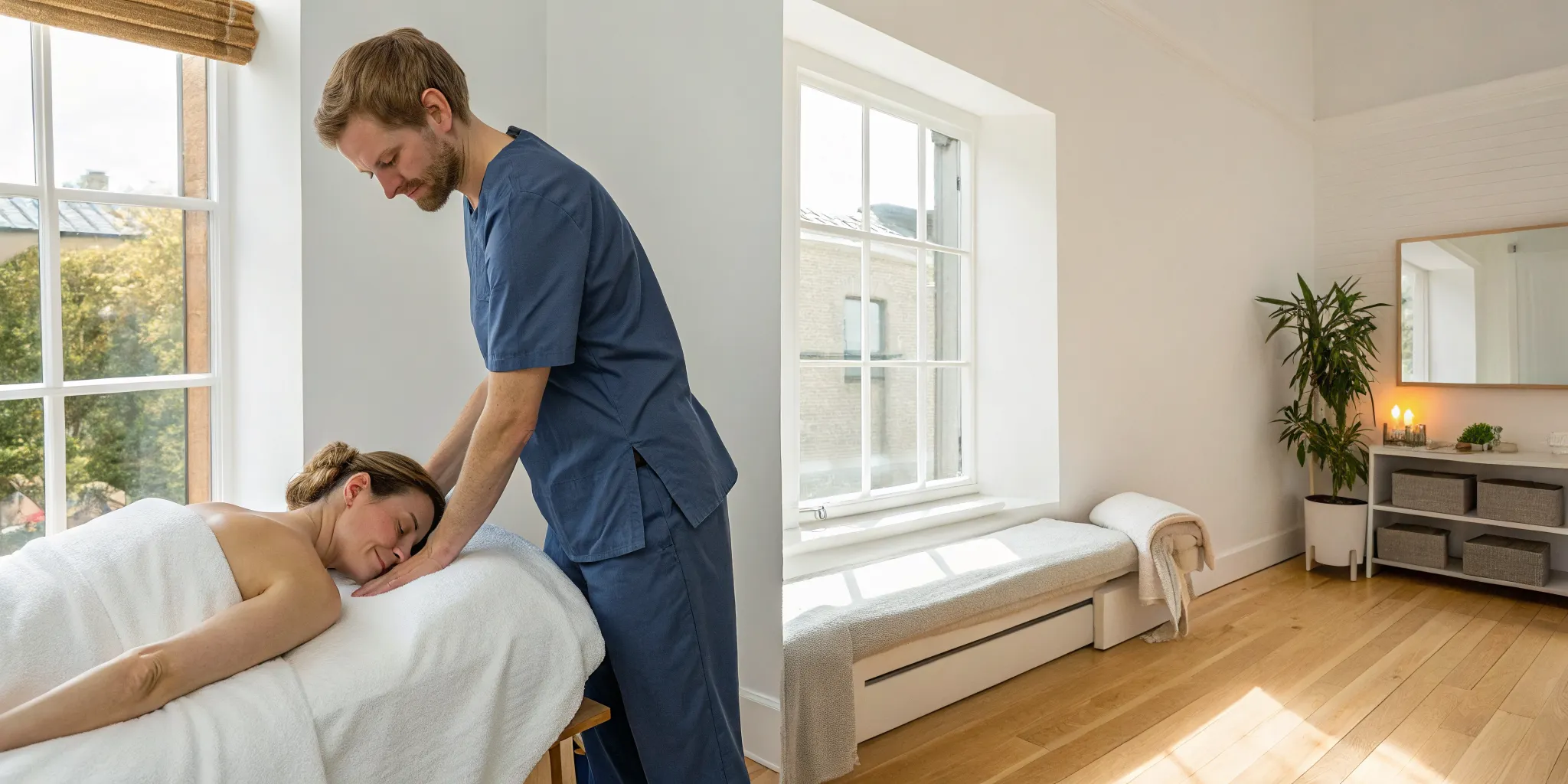
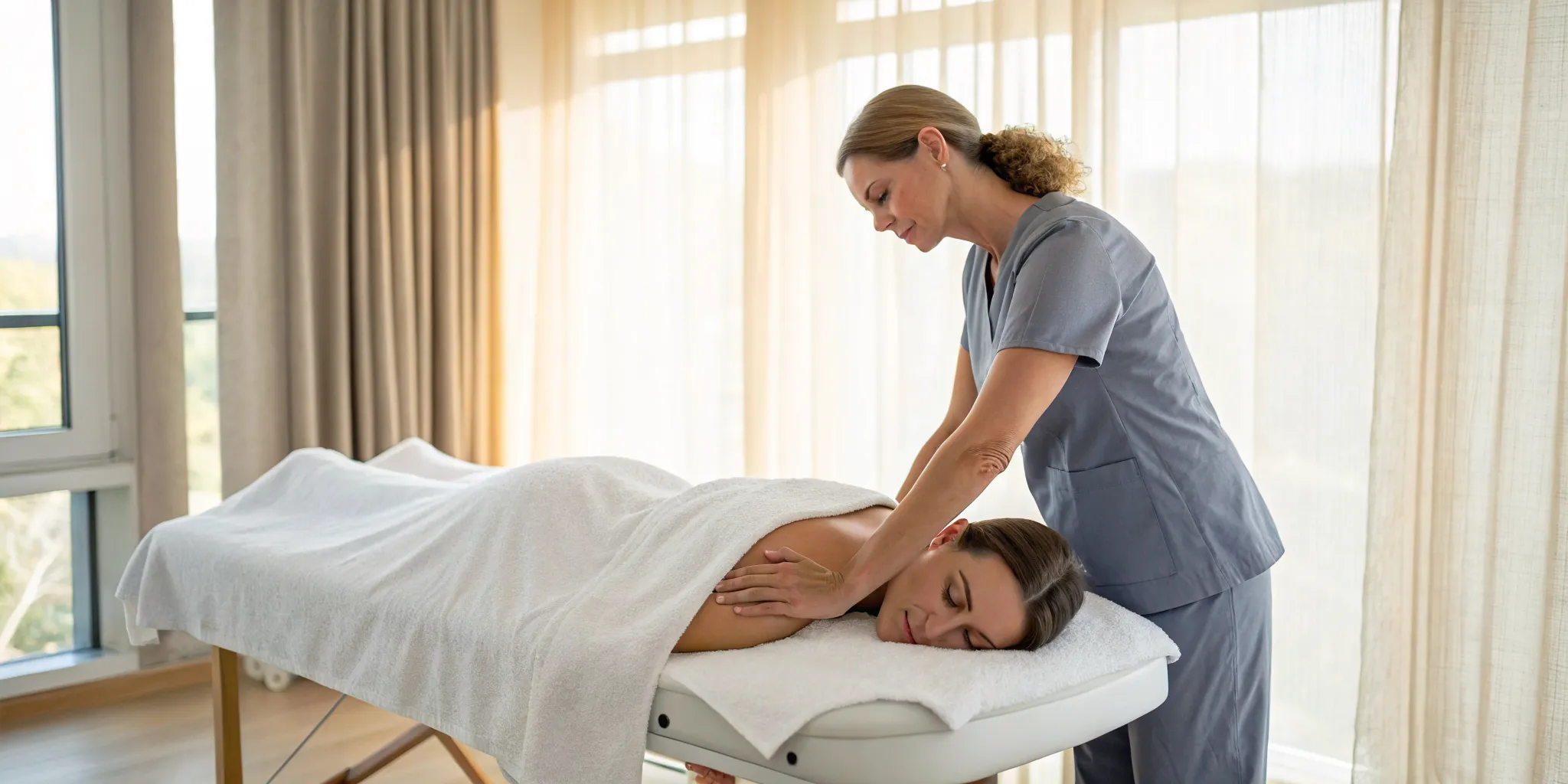
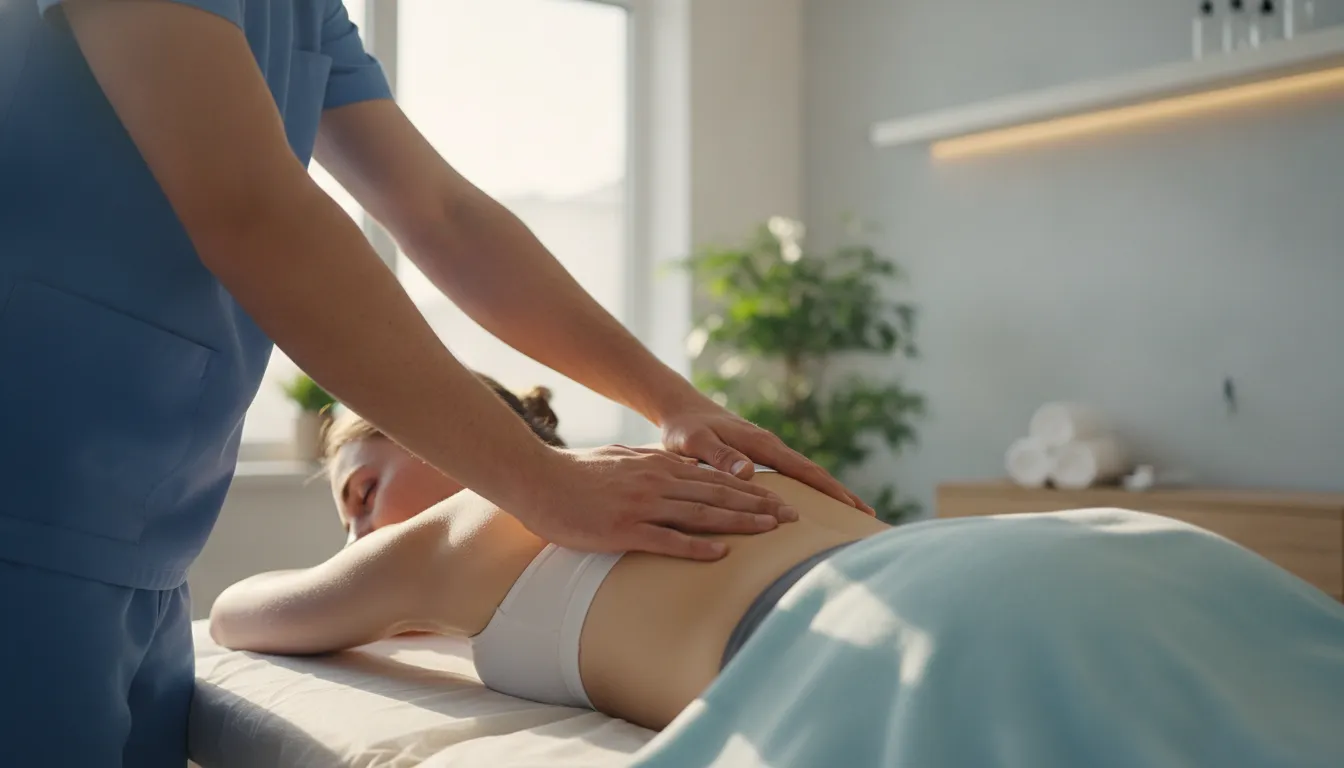
Think of this as a highly targeted therapeutic massage. Soft tissue mobilization focuses specifically on the muscles, ligaments, and tendons in your lower back that contribute to pain. Your practitioner uses hands-on techniques to break down adhesions, release muscle tightness, and ease spasms. This not only feels good but also improves blood circulation to the area, which is essential for delivering nutrients and oxygen to promote healing. By increasing muscle flexibility and reducing tension, this technique helps restore healthy function to the soft tissues supporting your spine, leading to more sustainable relief from discomfort and improved movement.
Myofascial Release
Your muscles are wrapped in a thin web of connective tissue called fascia. When this tissue becomes tight or restricted due to injury or stress, it can pull on your muscles and cause significant pain and stiffness. Myofascial release involves applying gentle, sustained pressure to these tight areas. This steady pressure allows the fascia to unwind and release its grip, which can dramatically improve your flexibility and overall movement. It’s a key part of our comprehensive services because addressing the fascia is often crucial for resolving chronic lower back issues that haven't responded to other treatments, providing a deeper level of relief.
Trigger Point Therapy
Have you ever had a stubborn knot in your muscle that sends pain to another part of your body? That’s a trigger point. These are tight spots in muscle fibers that can cause pain at the site and also refer pain to other areas, like your hips or down your legs. Trigger point therapy involves applying direct, firm pressure to these sore spots. This pressure helps release the contracted muscle fibers, which in turn alleviates the pain. Releasing these trigger points also increases blood flow to the muscle, helping to flush out metabolic waste and support the healing process for long-term relief.
How Can Manual Therapy Relieve Lower Back Pain?
When your lower back hurts, it can feel like your entire life is on hold. Simple things like sitting at your desk or picking up your kids become a challenge. Manual therapy offers a hands-on approach to not just manage the discomfort, but to address the underlying issues causing it. By using targeted techniques, we can help your body move better, feel better, and begin to heal from the inside out.
Find Relief and Reduce Inflammation
One of the most immediate goals of manual therapy is to provide relief. By applying skilled pressure and movement to the muscles and joints in your lumbar spine, we can help ease the tension that contributes to pain. This process also helps reduce inflammation, a key driver of both chronic and acute discomfort. Our approach to physical medicine focuses on calming irritated tissues and restoring balance, which allows your body’s natural healing processes to take over. It’s about creating an environment where your lower back can finally start to recover.
Improve Your Range of Motion and Flexibility
Lower back pain often comes with a frustrating side effect: stiffness. You might feel like you can’t bend or twist the way you used to. Manual therapy directly addresses this by using hands-on techniques to improve joint mobility and lengthen tight muscles. Each treatment is adjusted to your specific needs and comfort level. As your joints begin to move more freely and your muscles relax, you’ll notice an improvement in your overall flexibility and posture. This renewed range of motion is a key step toward getting back to your daily activities without limitation.
Restore Healthy Spinal Function
The ultimate goal of manual therapy is to restore healthy, normal function to your spine. It’s not about a temporary patch, but about creating lasting change. Techniques like spinal manipulation and mobilization can be incredibly effective for helping realign vertebrae and improve how your spinal joints work together. By correcting these mechanical issues, we can help reduce chronic pain and improve your spine’s stability. This is a core part of the comprehensive services we offer to help you build a foundation for long-term health and prevent future problems.
What to Expect During Your Manual Therapy Session
Stepping into a manual therapy session for the first time can feel a little mysterious, but it’s a straightforward and collaborative process. Your session is all about you: understanding your unique body, identifying the source of your discomfort, and using targeted techniques to help you feel and move better. We’ll work together every step of the way, from the initial conversation to your personalized care plan. Think of it as a partnership dedicated to restoring your body’s natural function and getting you back to the activities you love.
Your First Step: A Thorough Evaluation
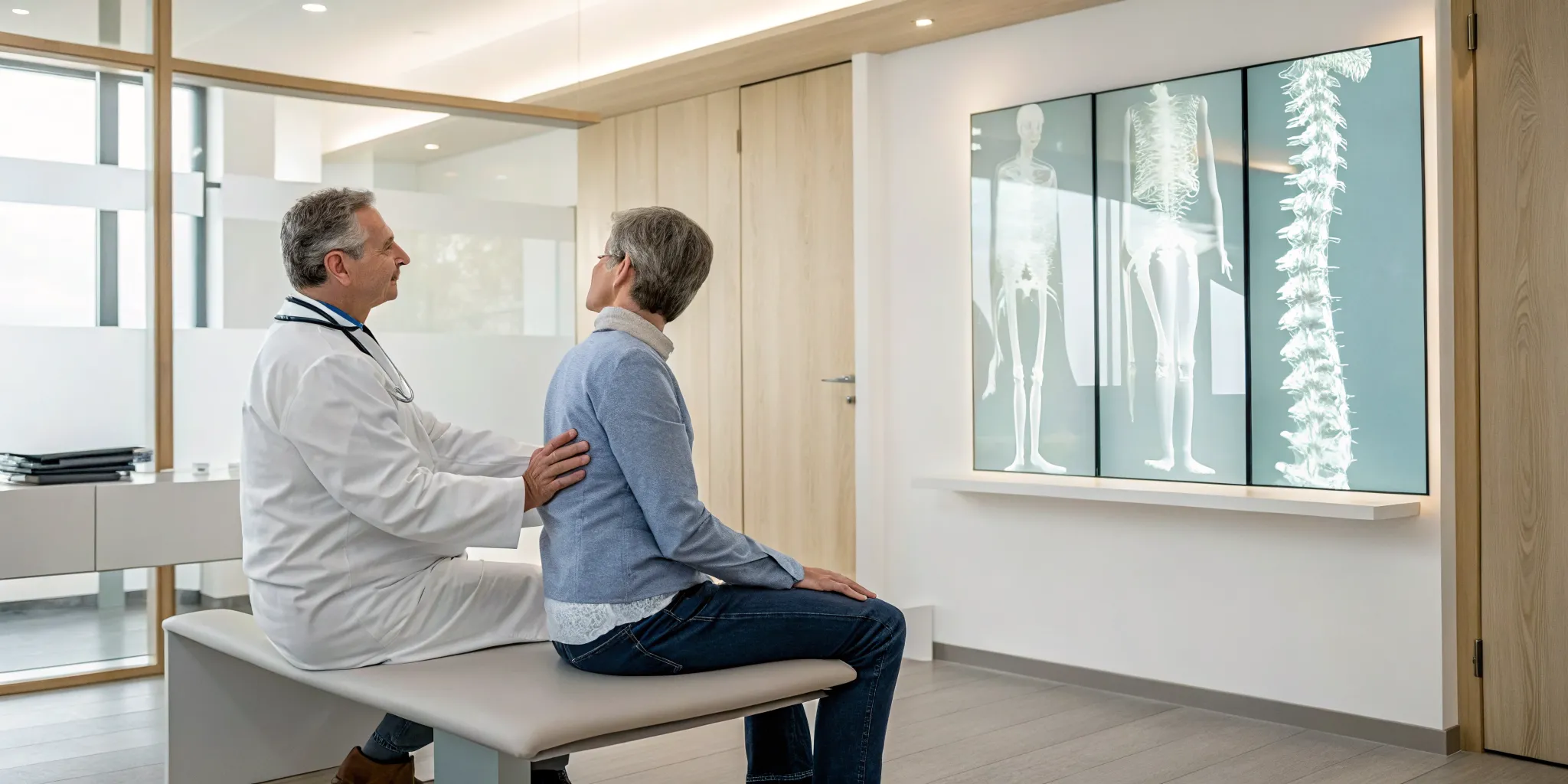
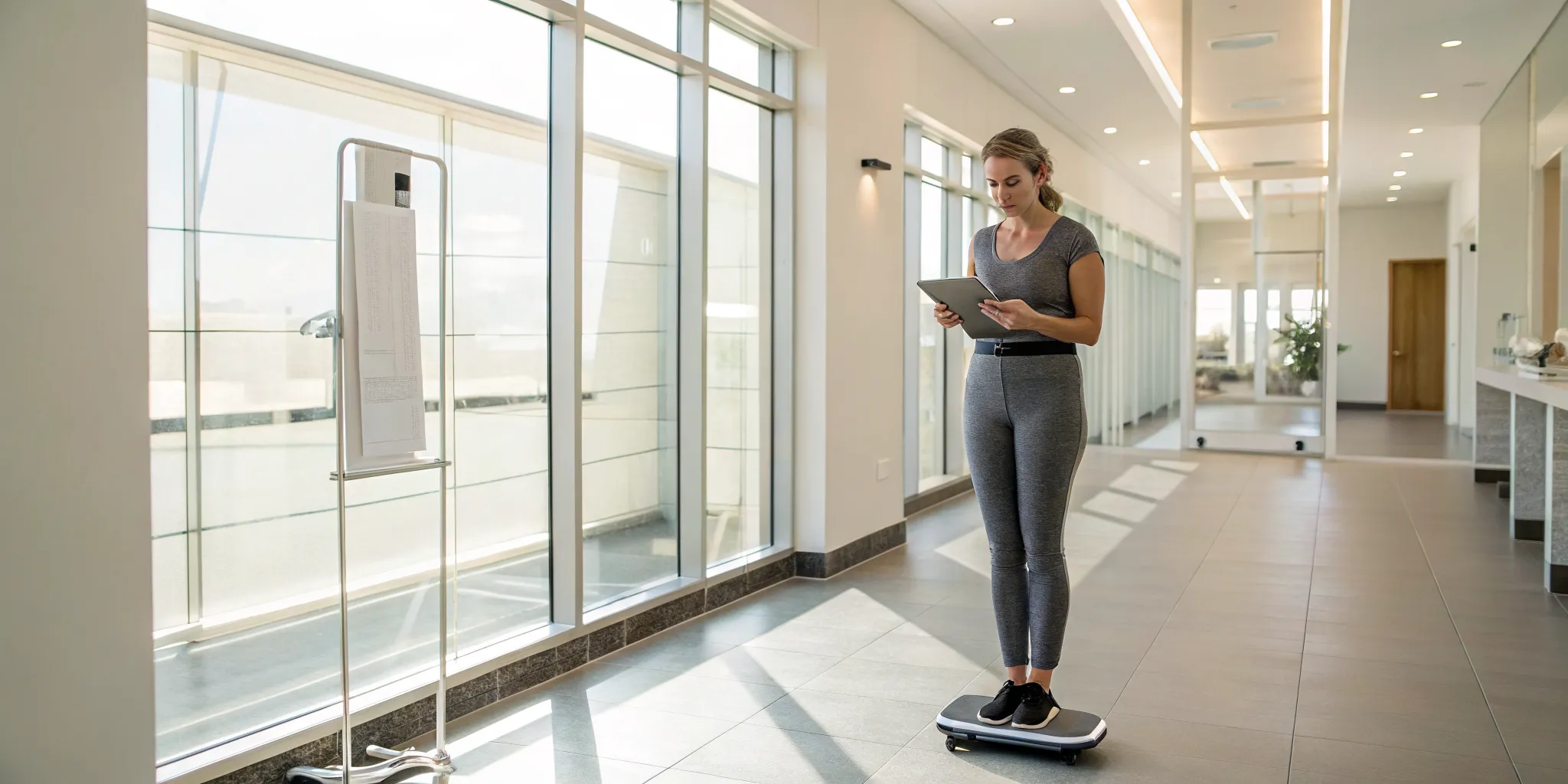
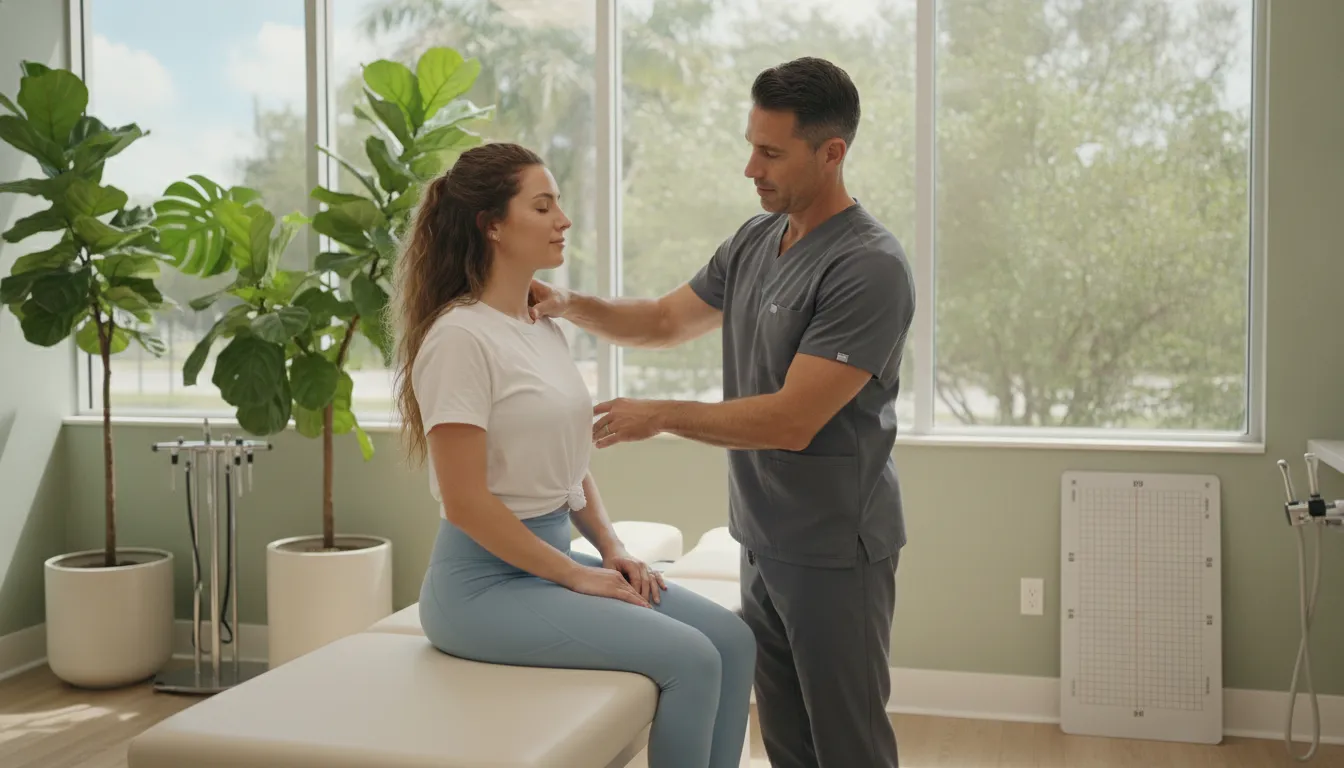
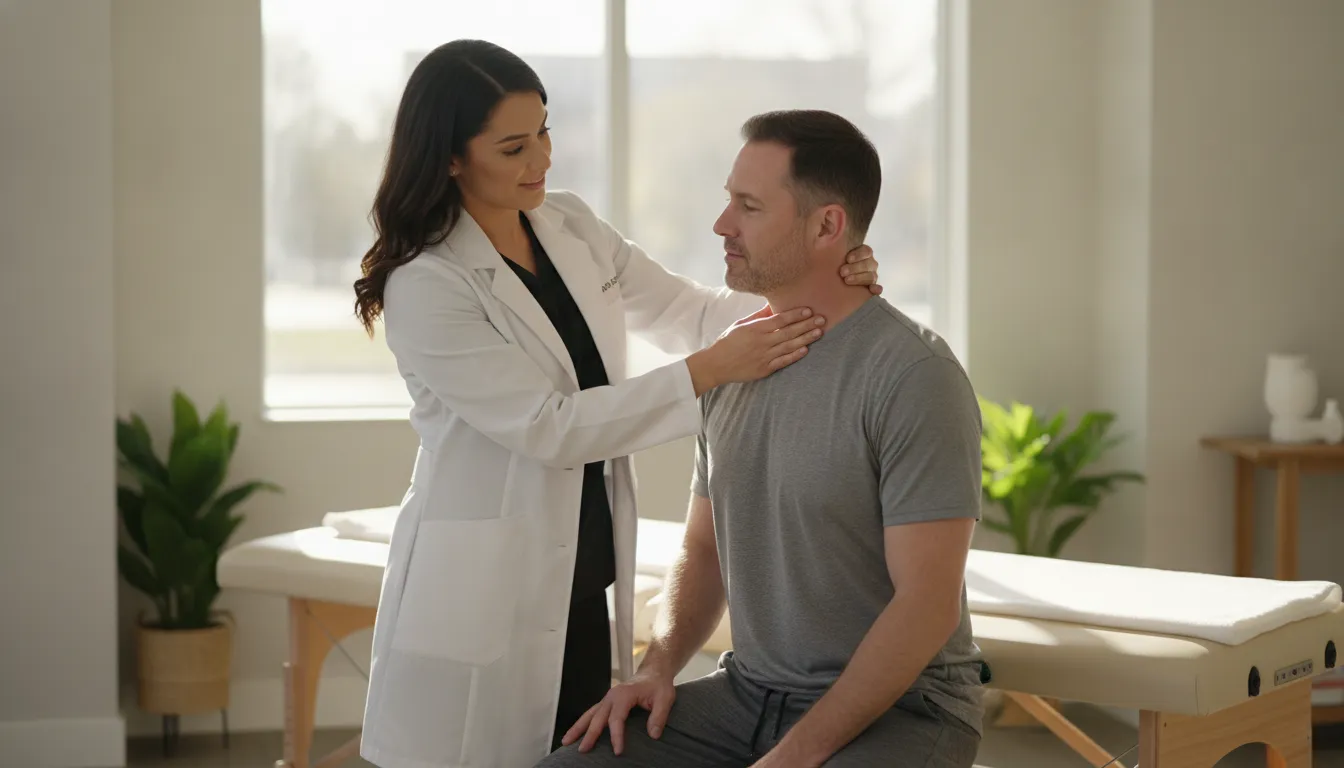
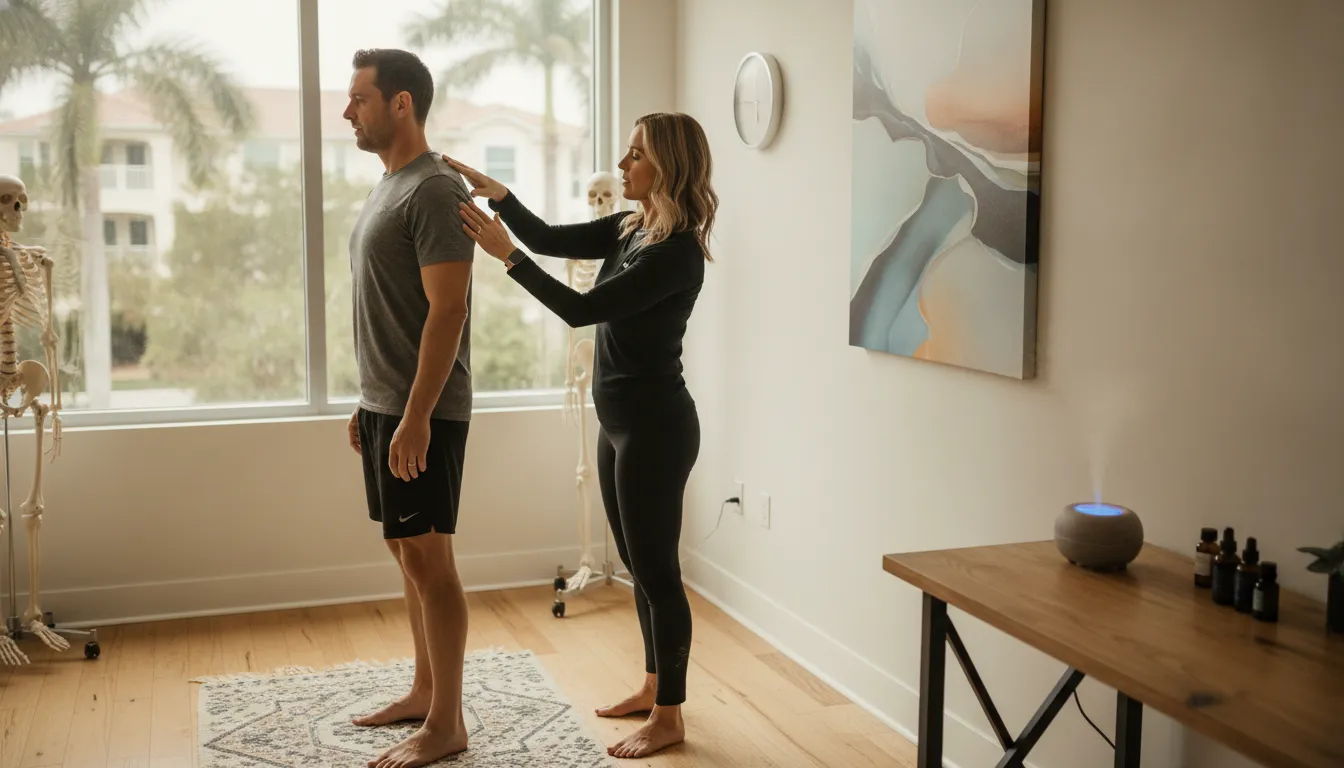
Your first session begins with a conversation. We want to hear your story, understand what you’re feeling, and learn about your health goals. This is followed by a detailed evaluation where we’ll review your health history and perform a physical assessment. We’ll look at your posture, movement patterns, and flexibility to get a clear picture of what’s happening. This comprehensive check-up is essential because it helps us pinpoint the root cause of your discomfort, rather than just addressing the symptoms. By understanding the specific conditions we treat, we can create a plan that’s tailored specifically to you.
Applying Hands-On Treatment
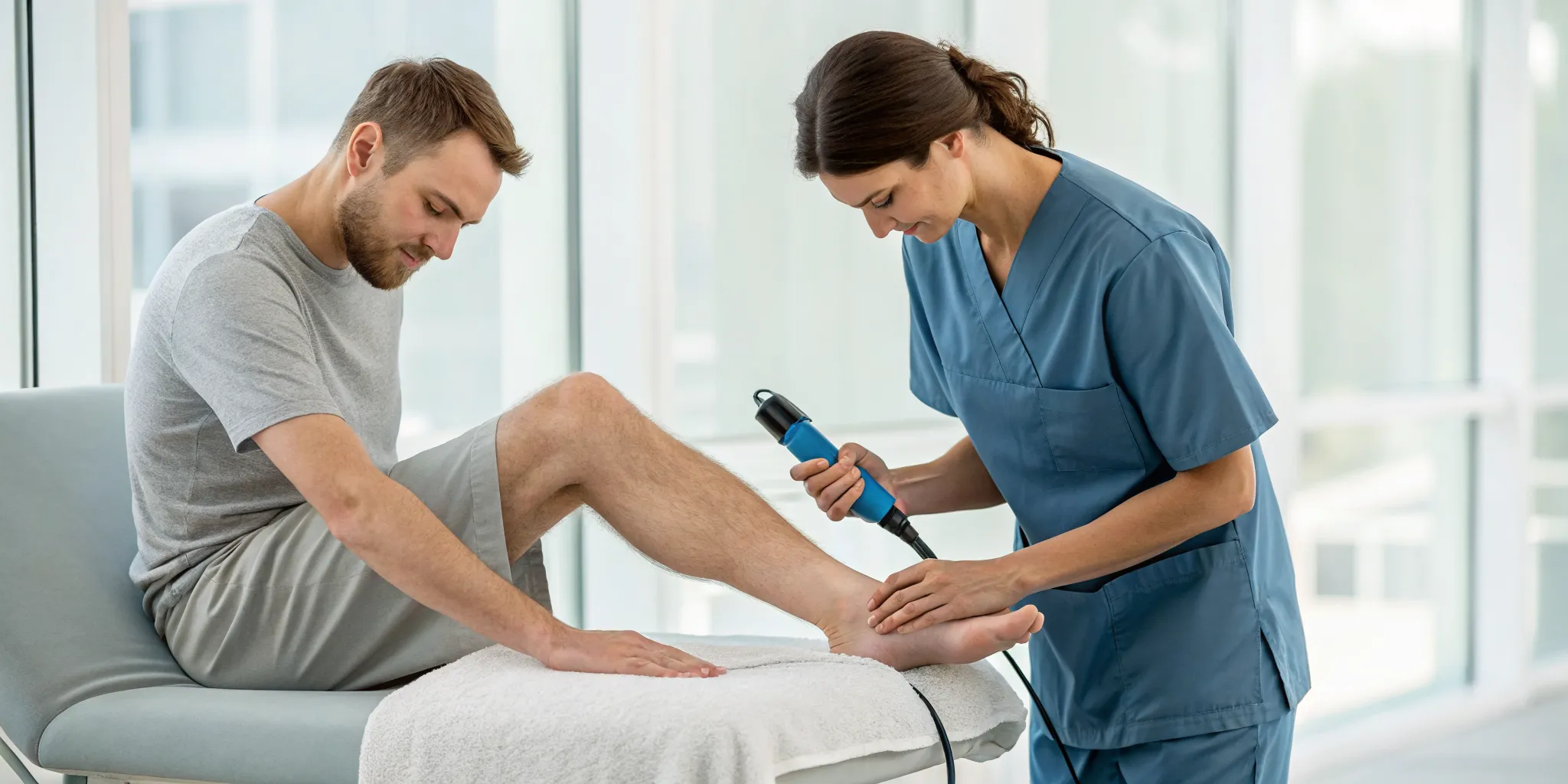
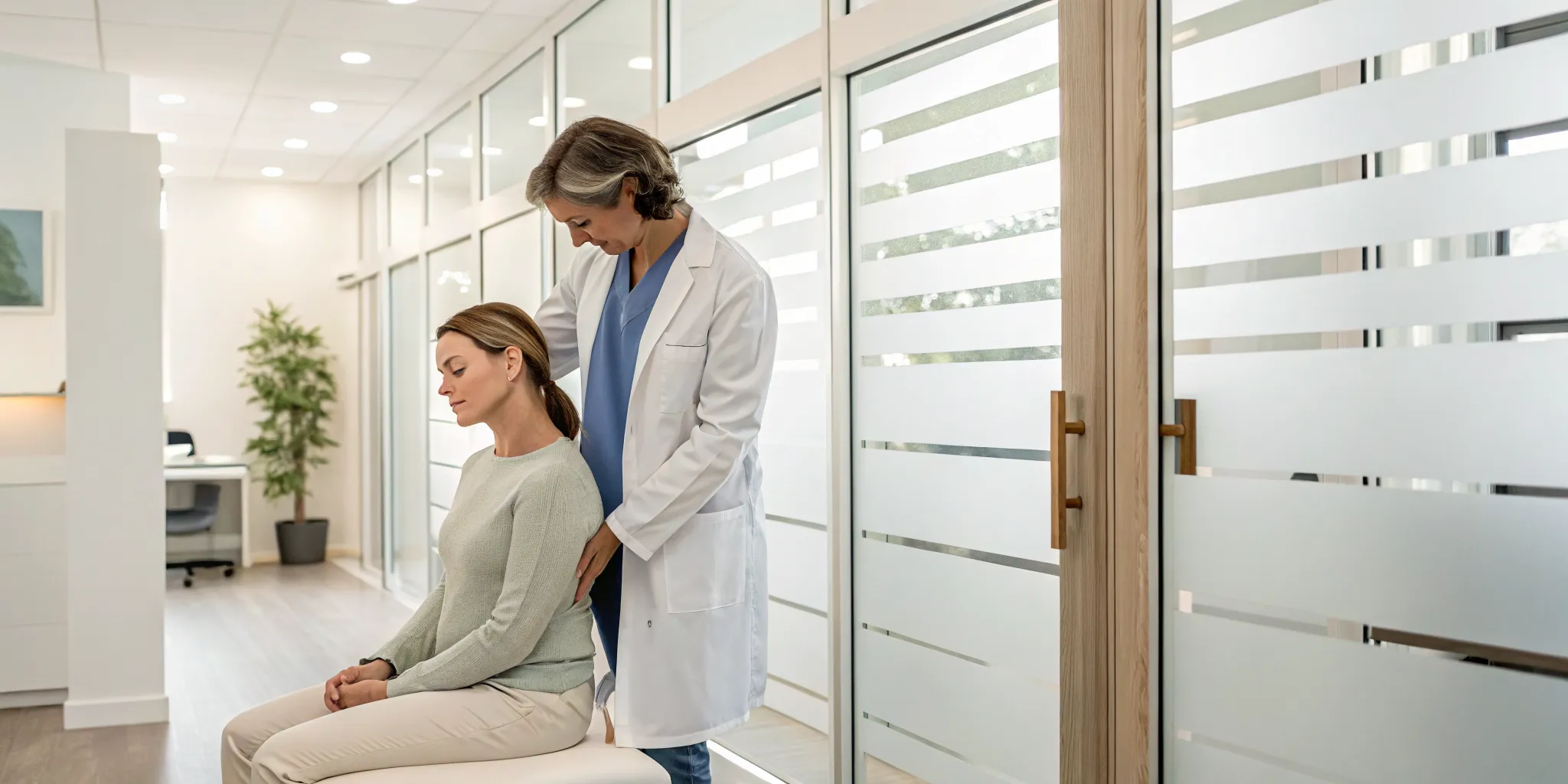
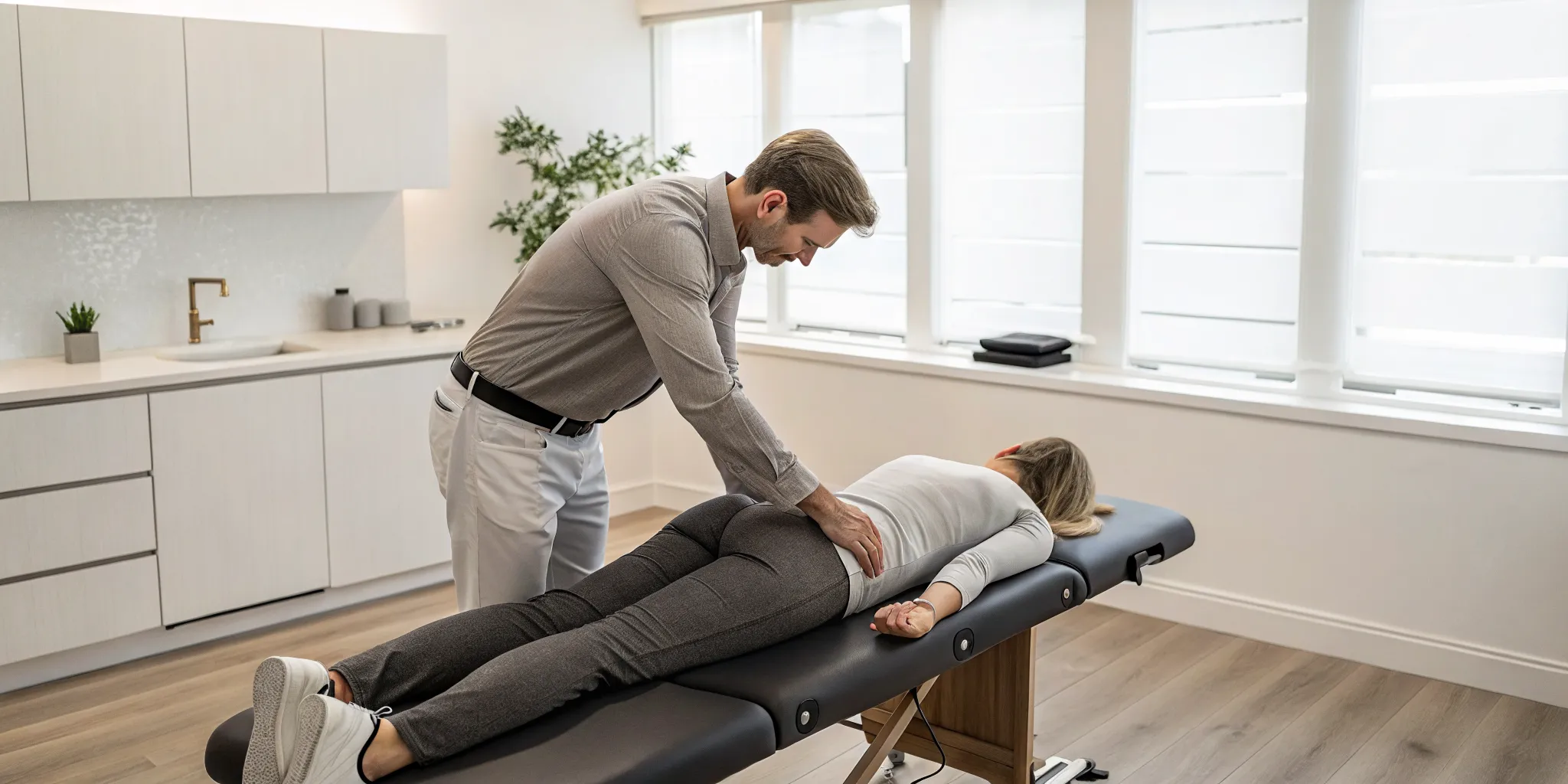
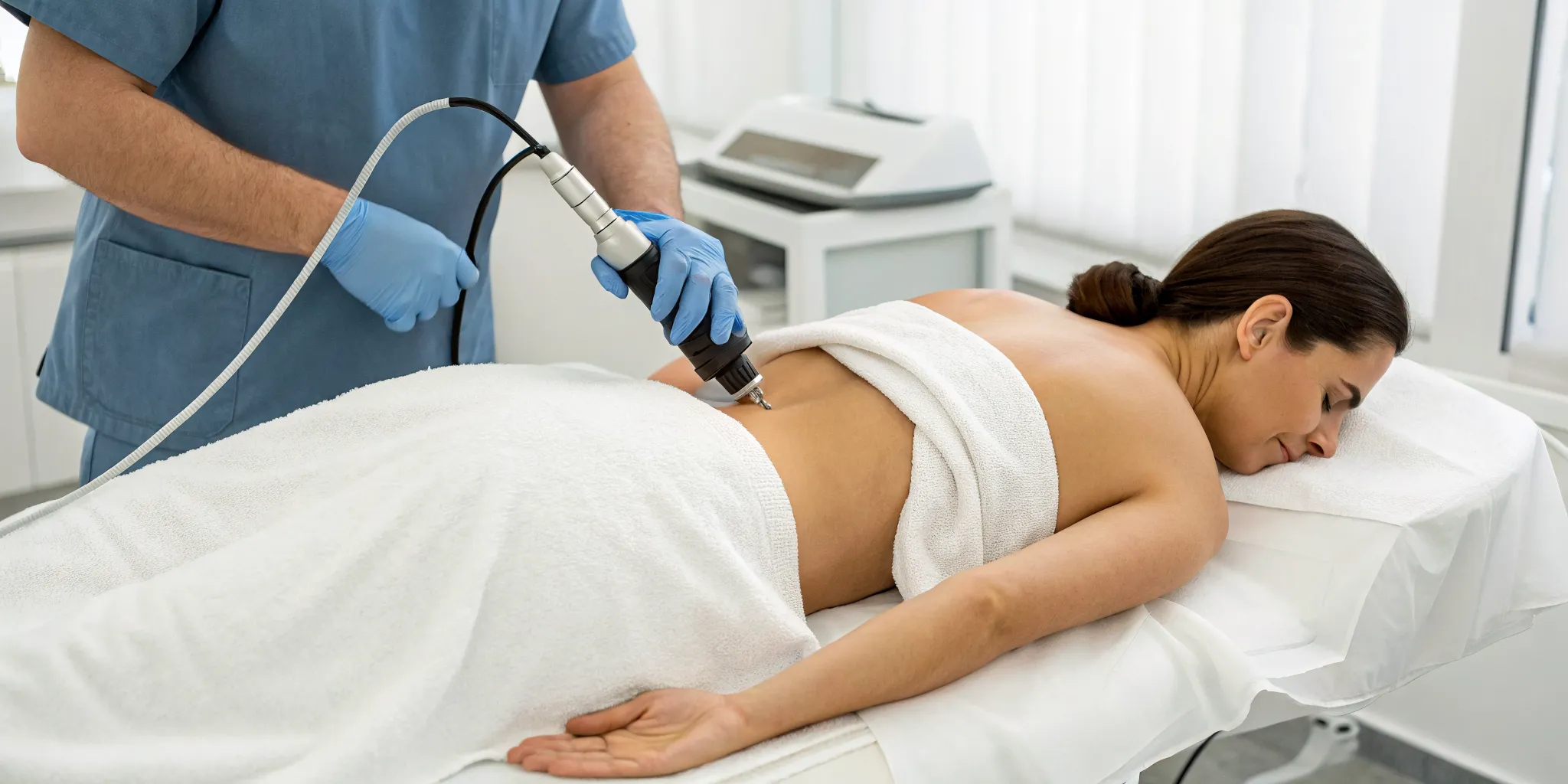
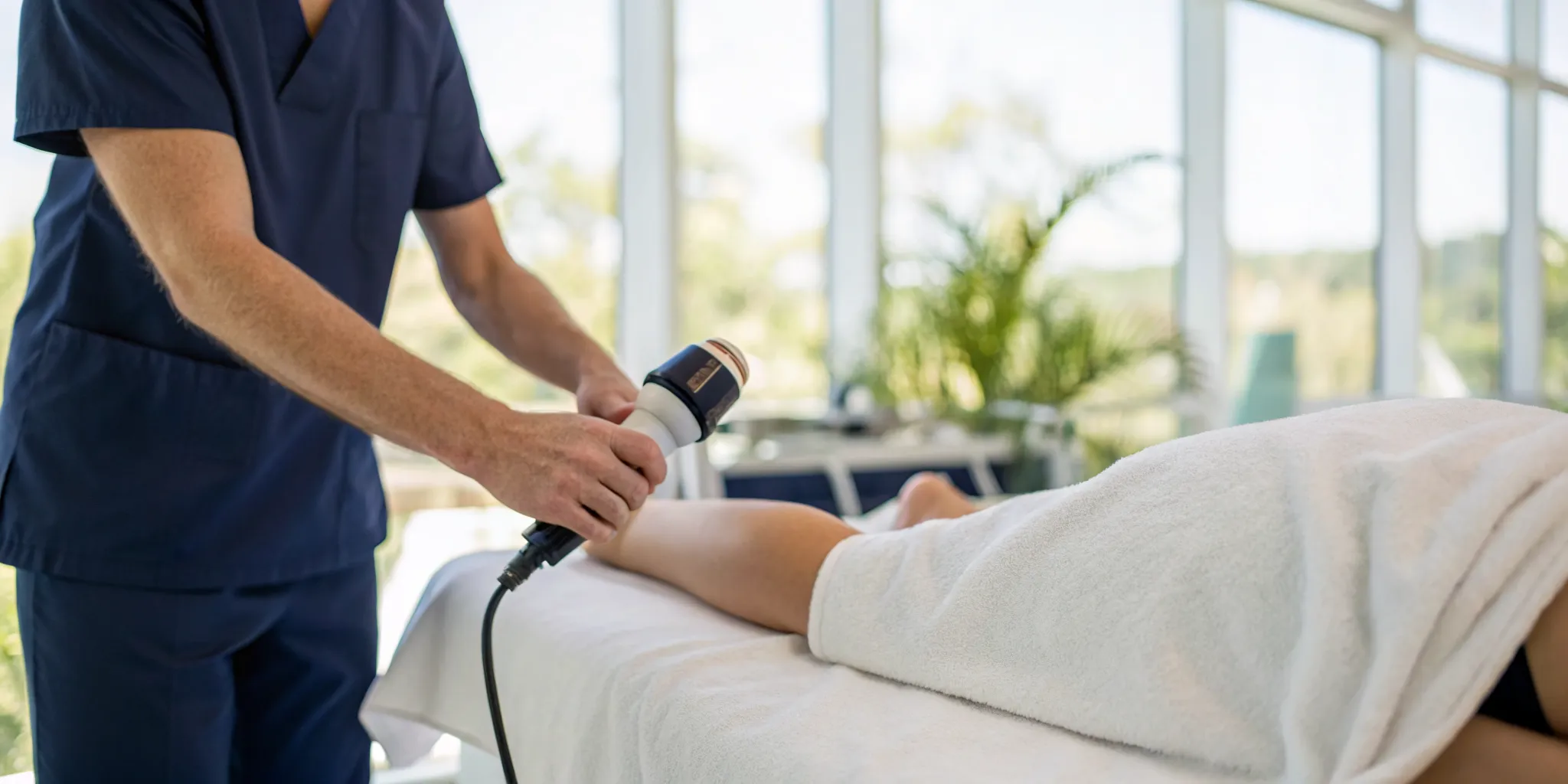
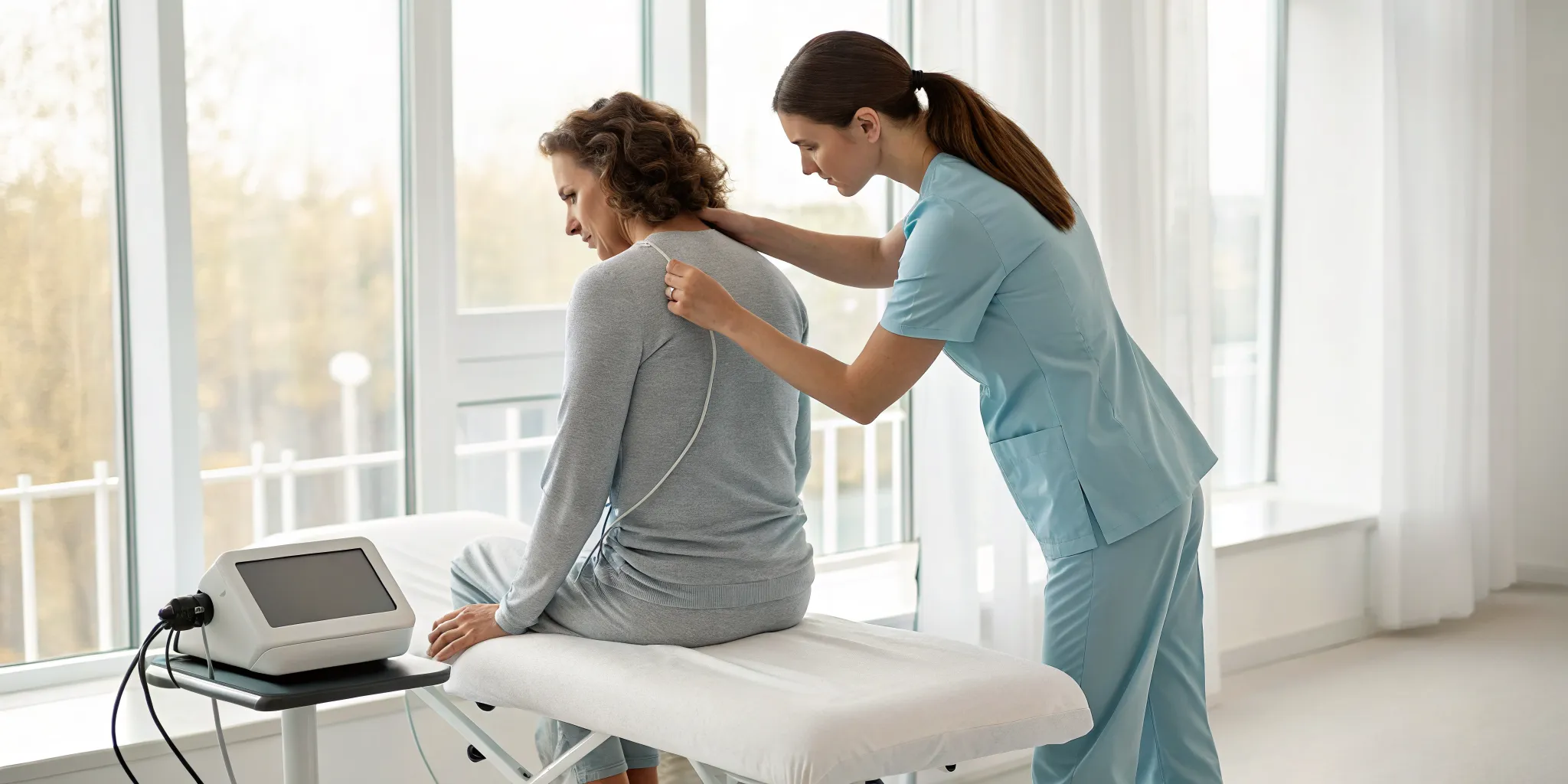
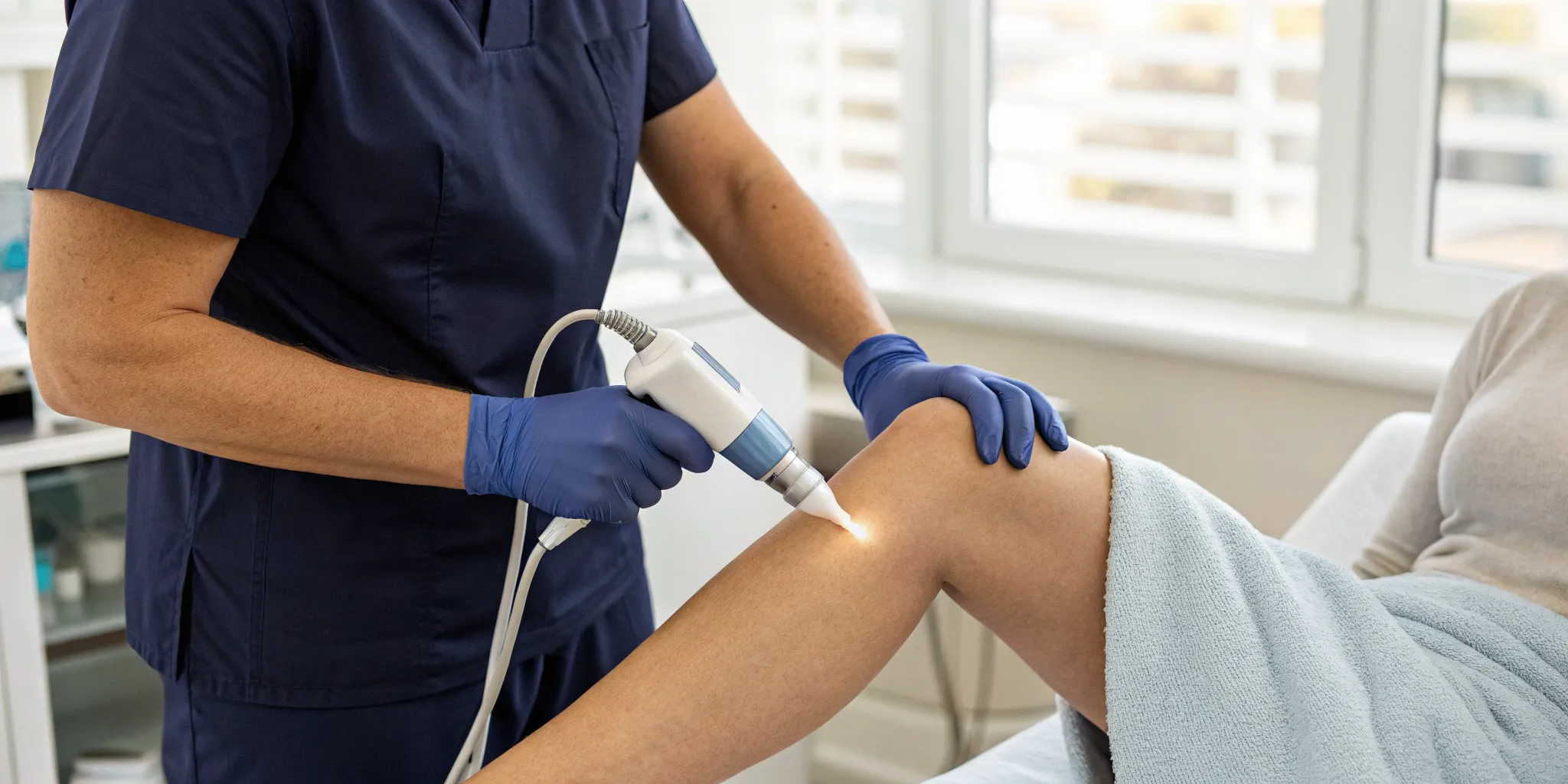
Once we have a clear understanding of your needs, the hands-on portion of your session begins. Our practitioners use a variety of skilled techniques, always customized to your specific situation and comfort level. This might include gentle, rhythmic movements to mobilize a stiff joint or more focused pressure to release muscle tension. We will always explain what we’re doing and why, ensuring you feel comfortable and in control throughout the process. The goal of our physical medicine approach is to use precise, targeted treatments to reduce pain, improve mobility, and restore proper function to your lower back and surrounding tissues.
Creating Your Post-Session Care Plan
Lasting relief goes beyond the treatment table. After your hands-on session, we’ll work with you to create a post-session care plan. This isn’t a one-size-fits-all handout; it’s a personalized roadmap designed to support your progress and empower you in your own healing. Your plan may include specific stretches, strengthening exercises, or small adjustments to your daily habits to help maintain your results. This focus on after-care is a core part of our functional medicine philosophy. By addressing the underlying mechanical issues and giving you the tools for self-care, we help you build a foundation for long-term health and resilience.
Is Manual Therapy Right for You?
Deciding on the right approach for your health is a big step, and it’s smart to explore your options. Manual therapy is a hands-on treatment that can be incredibly effective, but it’s important to know if it aligns with your specific needs and health goals. Let’s walk through who typically benefits from this therapy and what you should keep in mind regarding safety.
Who Can Benefit from Treatment
If you're dealing with persistent lower back pain, whether it's a recent issue or something you've managed for years, manual therapy could be a great fit. Research shows that hands-on techniques like manipulation and mobilization can help reduce pain for people with chronic low back pain. The primary goals are to restore your range of motion, improve overall spinal health, and help you get back to your daily activities with more ease. Our approach to physical medicine is designed to address these exact issues, helping you move better and feel better without discomfort holding you back.
Important Safety Considerations
It’s completely normal to have questions about the safety of any new treatment. When performed by a trained and licensed professional, manual therapy is considered a safe approach for lower back pain. Studies on manipulation and mobilization therapies show that any side effects are typically mild and temporary, like a bit of soreness afterward. This is often a sign that your body is responding to the treatment. The key is to get a thorough evaluation from a qualified practitioner who can tailor the treatment to your specific needs. A personalized plan ensures you receive the most appropriate and effective care for your situation.
Does Manual Therapy Actually Work? A Look at the Research
It's smart to ask if a treatment is backed by science, especially when you're dealing with persistent pain. When it comes to manual therapy for the lumbar spine, the answer is a resounding yes. This isn't just about anecdotal success stories; a growing body of research confirms that these hands-on techniques are effective for providing relief and restoring function. Let's look at what the studies say about how manual therapy can help with chronic low back pain and improve your overall quality of life.
Evidence for Treating Chronic Low Back Pain
If you're struggling with chronic low back pain, research offers some encouraging news. A major review of multiple studies found that both spinal manipulation and mobilization are effective at reducing pain. The research even suggests that manipulation might have a slight edge over mobilization for pain relief, with benefits that can last for several months. This indicates that manual therapy isn't just a temporary fix; it can provide significant, long-term relief, helping you get back to the activities you love. Our approach to physical medicine is grounded in these proven techniques to address the source of your discomfort.
Clinical Outcomes and Patient Satisfaction
The positive effects of manual therapy don't stop at pain relief. Studies show it also leads to better function and happier patients. Research provides solid evidence that these techniques can significantly improve your ability to move and perform daily activities. What’s more, people who receive manual therapy consistently report higher levels of satisfaction with their care. They often feel their condition has improved more substantially compared to those who don't receive hands-on treatment. This focus on the whole patient experience is why we love seeing our clients achieve their health goals, and you can see it in their own words in our patient testimonials.
Common Myths About Manual Therapy, Busted
When it comes to manual therapy, there’s a lot of information floating around, and not all of it is accurate. It can be tough to separate fact from fiction, especially when you’re just trying to find a solution for your lower back pain. Let’s clear up some of the most common misconceptions so you can feel confident and informed about your care.
Myth vs. Fact: Spinal Manipulation
One of the biggest areas of confusion is spinal manipulation, often called an "adjustment." You've likely heard different stories about what it does and how often you need it.
A common myth is that you need ongoing, weekly adjustments for the rest of your life to stay healthy. The truth is, our goal is to restore your body’s natural function, not to create a dependency on treatment. While some people benefit from periodic maintenance care, there is no evidence to support the idea that routine adjustments prevent future illness for everyone. Your personalized care plan is designed to get you back to living your life.
Another misconception is that spinal manipulation is the only effective treatment for low back pain. While it is a powerful and effective tool, it’s not a magic bullet. Research shows that while manipulation helps, it isn't necessarily superior to other methods. In fact, many patients report significant relief and improved function when it’s part of a broader strategy that includes corrective exercises and education.
Setting Realistic Expectations for Your Recovery
Understanding what to expect from your treatment is a key part of the healing process. Your recovery is a partnership between you and your practitioner, and having realistic expectations can positively influence your results. Healing isn’t passive; it’s an active process that you play a huge role in.
Manual therapy is most effective when it’s one component of a comprehensive health plan. We don’t just focus on the hands-on treatment. We integrate it with other physical medicine approaches, like targeted exercises and lifestyle education, to address the root cause of your pain. This combined approach is what helps create lasting change, rather than just temporary relief.
Your participation is crucial for long-term success. The work we do during your session is designed to improve mobility and reduce pain, but what you do afterward is just as important. Following through with your prescribed exercises and making small adjustments to your daily posture and movements will help you maintain your results and prevent future issues.
How to Maintain Your Results After Treatment
Your manual therapy session is a powerful step toward feeling better, but the real, lasting change happens when you carry that progress into your daily life. Think of your treatment as hitting the reset button. The follow-up care is what keeps your system running smoothly. Taking an active role in your recovery is the key to making sure the relief and mobility you gain from your sessions stick around for the long haul. By incorporating a few simple, consistent habits, you can support your body’s healing process and prevent future issues from cropping up.
Follow Your Personalized Exercise Plan
After your session, we’ll create a care plan that includes specific movements designed just for you. This isn’t a generic list of stretches; it’s a targeted routine meant to strengthen the muscles that support your lower back and improve your flexibility. Adhering to your personalized exercise plan is crucial for maintaining the benefits you gain from manual therapy. These corrective exercises help stabilize your spine and build resilience, making you less susceptible to re-injury. Consistency is more important than intensity, so focus on performing these movements correctly and regularly to solidify the progress you’ve made.
Practice Healthy Posture and Body Mechanics
All the hands-on work we do can be undone by daily habits that strain your lower back. That’s why practicing healthy posture and body mechanics is essential for sustaining your results. Simple adjustments throughout your day can make a huge difference. When you’re sitting, keep your feet flat on the floor and your shoulders relaxed. When lifting something, bend at your knees, not your waist. Being mindful of these small details helps protect your spine from the daily stressors that contribute to many common health concerns. This awareness supports the improved joint mobility from your treatment and helps you move with more ease and confidence.
Integrating Manual Therapy into Your Holistic Health Plan
Think of manual therapy not as a one-off solution, but as a key player on your wellness team. True healing goes beyond temporary fixes; it involves creating a comprehensive strategy that supports your body’s long-term health. At Ascend, we integrate manual therapy into a broader holistic plan, ensuring that we’re not just alleviating symptoms but building a stronger, more resilient foundation for your future well-being. This approach helps you move from simply managing pain to truly thriving.
Pairing Treatment with Corrective Exercises
Manual therapy is incredibly effective at restoring mobility and easing discomfort, but the real magic happens when we pair it with targeted movement. Think of it this way: our hands-on techniques help unlock your body, and corrective exercises teach it how to stay that way. By combining passive treatment with active participation, you strengthen the muscles supporting your spine, improve stability, and solidify your progress. This partnership is crucial for achieving lasting results and helps you take an active role in your own recovery. Our Physical Medicine programs are designed to give you the tools you need to maintain your gains long after you leave our office.
Addressing Root Causes with a Functional Approach
Lower back pain is rarely just about the back. It’s a signal from your body that something deeper is out of balance. Instead of just chasing symptoms, our goal is to uncover and address the underlying mechanical issues causing the problem. Manual therapy is a powerful tool for this, as it directly targets the structural and functional imbalances in the spine. But a true Functional Medicine approach goes even further. We look at how your lifestyle, posture, and even gut health might be contributing to inflammation and pain. By connecting the dots, we can create a personalized plan that addresses the true source of your discomfort for more sustainable relief.
Related Articles
- Is Lumbar Decompression Chiropractic for You?
- Bulging Disc Therapy Treatment: A Complete Guide
- Spinal Stenosis of Lumbar Region: Symptoms & Treatment
Frequently Asked Questions
How is manual therapy different from a regular massage? That's a great question. While both involve hands-on work, manual therapy is a clinical treatment focused on diagnosing and correcting specific musculoskeletal issues. A massage is wonderful for general relaxation and easing muscle tension, but our practitioners use manual therapy techniques to assess and restore proper joint movement, release specific fascial restrictions, and address the root mechanical causes of your pain. Think of it as targeted physical medicine designed to improve function, not just provide temporary relief.
Will the treatment be painful? Your comfort is our top priority. Most people find manual therapy to be a relieving experience. Some techniques that target deep muscle knots or stiff joints might create a temporary, dull pressure or mild soreness, much like you'd feel after a good workout. Your practitioner will communicate with you throughout the entire session to ensure the pressure is appropriate and will adjust the treatment based on your feedback. The goal is always to reduce your pain, not add to it.
How many sessions will I need to see results? Because every person's body and health history is unique, there isn't a single answer to this. Your recovery timeline depends on several factors, including how long you've been experiencing pain, the specific cause of your discomfort, and your overall health goals. During your initial evaluation, we will develop a personalized care plan that outlines a recommended course of treatment. Some people feel a significant difference after just one session, while others with more chronic conditions may need a series of treatments to achieve lasting results.
I've had lower back pain for a long time. Is it too late for manual therapy to help? Not at all. In fact, manual therapy can be incredibly effective for chronic conditions. Long-term pain often involves compensatory patterns where your body has learned to move differently to avoid discomfort, leading to stiffness and muscle imbalances. Manual therapy is designed to directly address these deep-seated mechanical issues, helping to restore proper movement and break the cycle of chronic pain. It’s never too late to start addressing the root cause of your discomfort.
What is my role in the recovery process after a session? Your active participation is a huge part of achieving lasting success. The work we do in the clinic helps to reset your body, reduce pain, and improve mobility. To maintain those results, we'll give you a personalized plan with specific stretches and strengthening exercises to do between sessions. Consistently following this plan, along with being mindful of your posture and daily movements, will help solidify your progress and empower you to stay feeling your best.