When you’re exploring treatments for persistent pain, it’s easy to hear the term “shockwave therapy” and assume it’s a one-size-fits-all solution. However, the reality is more nuanced. Think of it like the difference between a spotlight and a floodlight; both provide light, but for entirely different purposes. The debate of focused shockwave vs radial shockwave comes down to this same principle of precision. One is designed to penetrate deep into the body to target a specific, stubborn problem area, while the other works over a wider, more superficial region. Understanding this distinction is the first step toward having an informed conversation about your recovery and finding the right tool for your body’s unique needs.
Key Takeaways
- Understand the difference in depth and precision: Focused shockwave uses a concentrated sound wave to target deep, specific injuries, while radial shockwave uses a spreading pressure wave for larger, more superficial areas of pain.
- Match the therapy to your injury's location: The effectiveness of your treatment comes from matching the technology to the problem; deep, chronic issues often require focused therapy, whereas broader muscle pain may benefit more from radial therapy.
- An accurate diagnosis is the foundation for relief: Before deciding on a treatment, get a thorough evaluation from a skilled provider. Understanding the true source of your pain is the only way to create a plan that promotes genuine healing.
Focused vs. Radial Shockwave: Which One Is Right for You?
If you’re exploring shockwave therapy for pain relief, you might be surprised to learn there are different types. The two main forms are focused shockwave and radial shockwave, and they work in very different ways. Understanding the distinction is the first step in figuring out which approach might be the right fit for your specific condition. Both are non-invasive treatments designed to work with your body’s natural healing processes, but they target pain at different depths and intensities. Let's break down what each one does so you can have a more informed conversation with your practitioner about your path to recovery.
What Is Focused Shockwave Therapy?
Think of focused shockwave therapy as a specialist for deep, stubborn issues. This treatment uses a precise, high-energy sound wave that travels deep into the body, sometimes up to 12 centimeters. Because the energy is concentrated on a single point, it’s ideal for targeting specific, chronic problems like deep tendon injuries, plantar fasciitis, or hard deposits that have formed in your tissue. This targeted energy creates tiny, controlled changes in the tissue, which signals your body to ramp up its healing response. It helps form new blood vessels and encourages tissue repair right where you need it most, making it a powerful tool in our physical medicine toolkit.
What Is Radial Shockwave Therapy?
Radial shockwave therapy works more like a wave spreading across the surface of a pond. Instead of a single, deep point of energy, it uses sound waves that fan out over a wider, more superficial area. The energy is strongest at the skin’s surface and becomes less intense as it travels deeper, typically reaching about 3 to 4 centimeters. This makes it an excellent choice for addressing issues that are closer to the surface or cover a larger area, such as trigger points in your shoulder or pain in larger muscle groups. By stimulating a broader region, radial shockwave helps improve blood flow and reduce pain for many of the conditions we treat that don't require deep penetration.
How Each Shockwave Therapy Works
While both focused and radial therapies use acoustic waves to promote healing, they deliver that energy in very different ways. Think of it like the difference between a spotlight and a floodlight. One is designed for a very specific, concentrated point, while the other covers a broader, more general area. This distinction is crucial because the location and nature of your discomfort will determine which method is the right tool for the job. It’s not about one being better than the other; it’s about precision and matching the technology to your body’s specific needs.
Understanding how each one functions is the key to figuring out which approach is best suited to address the root cause of your pain. Our team at Ascend Functional Health uses these advanced tools as part of a comprehensive physical medicine plan. By selecting the right type of shockwave, we can target your body’s healing mechanisms with incredible precision. This allows us to support your recovery effectively, helping you get back to feeling your best.
Focused Shockwave: Reaching Deep Tissue
Focused Shockwave Therapy (F-SWT) uses a powerful, concentrated sound wave that travels deep into the body. It’s like a therapeutic laser beam, pinpointing a very specific spot without affecting the surrounding skin or tissue. The energy is concentrated at a single deep point, making it ideal for chronic issues located far beneath the surface.
This precise energy delivery creates tiny, controlled disruptions in the targeted tissue. This process signals your body to kickstart its natural repair cycle, encouraging the formation of new blood vessels and promoting tissue regeneration. It’s particularly effective for deep tendon injuries, bone-related issues, and stubborn calcifications that haven’t responded to other treatments.
Radial Shockwave: Addressing Surface Conditions
Radial Shockwave Therapy (RSWT) works differently. Instead of a single focused beam, it sends out acoustic pulses that spread out over a wider, more superficial area. The energy is strongest right at the skin’s surface and gradually lessens as it moves deeper into the tissue, typically reaching depths of about one to one-and-a-half inches.
Because its energy disperses, radial shockwave is best for treating conditions that are closer to the surface and cover a larger area. It’s a great option for many of the common conditions we treat, like certain types of tendonitis or muscle pain that are not seated deep within a joint. This method effectively stimulates the tissue over a broader region to reduce pain and improve function.
Focused vs. Radial Shockwave: The Main Differences
When you hear "shockwave therapy," it’s easy to assume it's all the same. But the two main types, focused and radial, work very differently. Think of it like using a spotlight versus a floodlight; both provide light, but for entirely different purposes. Understanding these differences is key to finding the right approach for your specific source of pain.
The most significant distinction is the depth and precision of the treatment. Focused shockwave therapy uses a concentrated sound wave that travels deep into the body, reaching up to 12 centimeters. This makes it incredibly effective for targeting specific, hard-to-reach areas like deep tendon injuries or bone-related issues. Because its energy is so precise, it can pinpoint the exact spot that needs healing. This targeted approach is one reason it's a cornerstone of our physical medicine protocols for chronic conditions.
Radial shockwave therapy, on the other hand, creates a pressure wave that spreads out over a wider, more superficial area. These waves only penetrate about 3 to 4 centimeters deep. This makes radial therapy a great option for addressing issues closer to the surface, like general muscle tightness or larger areas of tension. Instead of creating a deep healing response, its primary goal is to increase blood flow and relax tissue over a broader region. While both therapies are valuable, their applications are distinct; focused waves are designed for deep, specific repair, while radial waves cover a broader, shallower area. Choosing the right one depends entirely on the root cause of your discomfort.
Which Conditions Does Each Type Treat?
Choosing between focused and radial shockwave therapy isn’t about picking a “better” option; it’s about selecting the right tool for the job. The best approach depends entirely on the nature of your condition, specifically its depth and the type of tissue involved. Think of it like this: you wouldn’t use a sledgehammer for a task that requires a fine-point screwdriver. Similarly, one type of shockwave is designed to penetrate deep into the body, while the other is better suited for issues closer to the surface.
Understanding which therapy aligns with your specific pain or injury is the first step toward an effective treatment plan. At Ascend Functional Health, we assess your unique situation to determine the most appropriate and effective path forward. Our goal is to address the root cause of the many conditions we treat to help your body heal correctly. By matching the technology to your body’s needs, we can create a targeted plan that gives you the best chance at recovery and long-term relief. Let’s look at the specific conditions each type of shockwave therapy is built to handle.
Conditions Treated with Focused Shockwave
Focused Shockwave Therapy (FSWT) is the powerhouse for addressing deep, stubborn, and long-lasting problems. Because its energy can be precisely targeted deep within the body, it’s ideal for issues that other treatments can’t reach. This therapy works by creating micro-disruptions in the tissue, which signals the body to ramp up its natural healing processes, like forming new blood vessels and repairing damaged tissue.
It’s particularly effective for:
- Chronic tendon injuries (like tennis elbow, patellar tendonitis, and Achilles tendinopathy)
- Deep heel pain from plantar fasciitis
- Shoulder calcifications and frozen shoulder
- Stress fractures and non-healing bone issues
- Chronic bursitis and osteoarthritis pain
- Deep, persistent muscle knots
Conditions Treated with Radial Shockwave
Radial Shockwave Therapy (RPW) is best for conditions that are more superficial, or closer to the skin. The energy from this device spreads out radially (like ripples in a pond) from the point of contact, making it great for treating larger surface areas. While it doesn't penetrate as deeply as focused shockwave, it’s highly effective for a range of common complaints involving muscles and tendons just below the skin.
This approach is often used for:
- Plantar fasciitis (heel pain)
- Tennis elbow
- Jumper’s knee and runner’s knee
- Achilles tendon pain
- Carpal tunnel syndrome
- Superficial muscle knots
It’s worth noting that because the energy disperses across a wider area, some people find radial therapy to be more uncomfortable than focused therapy. This is an important factor we consider as part of our physical medicine approach to ensure your treatment is as comfortable as it is effective.
What Results Can You Realistically Expect?
When you’re dealing with persistent pain, you want to know that a treatment will actually work. The good news is that both focused and radial shockwave therapies are proven to be safe and effective options for many tendon and soft tissue problems. While your individual results will depend on your specific condition and overall health, understanding what the process looks like can help you feel more confident in your decision.
The goal of shockwave therapy is to stimulate your body’s natural healing processes, reduce pain, and restore function so you can get back to your life. Research shows that both types of therapy can achieve this, though one might have an edge depending on the injury. For example, one clinical trial found that focused shockwave therapy was significantly better for improving shoulder function and reducing pain long-term compared to radial therapy. At Ascend Functional Health, we use this kind of evidence to create a personalized plan that gives you the best chance at lasting relief.
Reducing Pain and Improving Function
Both focused and radial shockwave therapies are effective tools for managing pain and improving your ability to move without discomfort. For many common tendinopathies, studies show the differences in outcomes between the two can be modest, with both providing significant relief. However, for deeper or more chronic issues, the precision of focused shockwave can make a noticeable difference. By targeting the exact location of your injury, it stimulates healing at the source. This can lead to more substantial and lasting improvements in both pain levels and overall function, helping you return to activities you love with more confidence and less restriction.
Understanding Session Count and Recovery
One of the practical differences between the two therapies is the treatment plan. Focused shockwave therapy typically requires fewer sessions than its radial counterpart to achieve similar or even better results. This is because its concentrated energy is more efficient at stimulating deep tissue repair. Another key factor is comfort. Since radial therapy applies pressure over a wider, more superficial area, it can sometimes be more uncomfortable, especially if you’re already in a lot of pain. Focused shockwave is generally a more comfortable experience, making it a better option for sensitive areas or for individuals with a lower pain tolerance.
What to Expect During Treatment
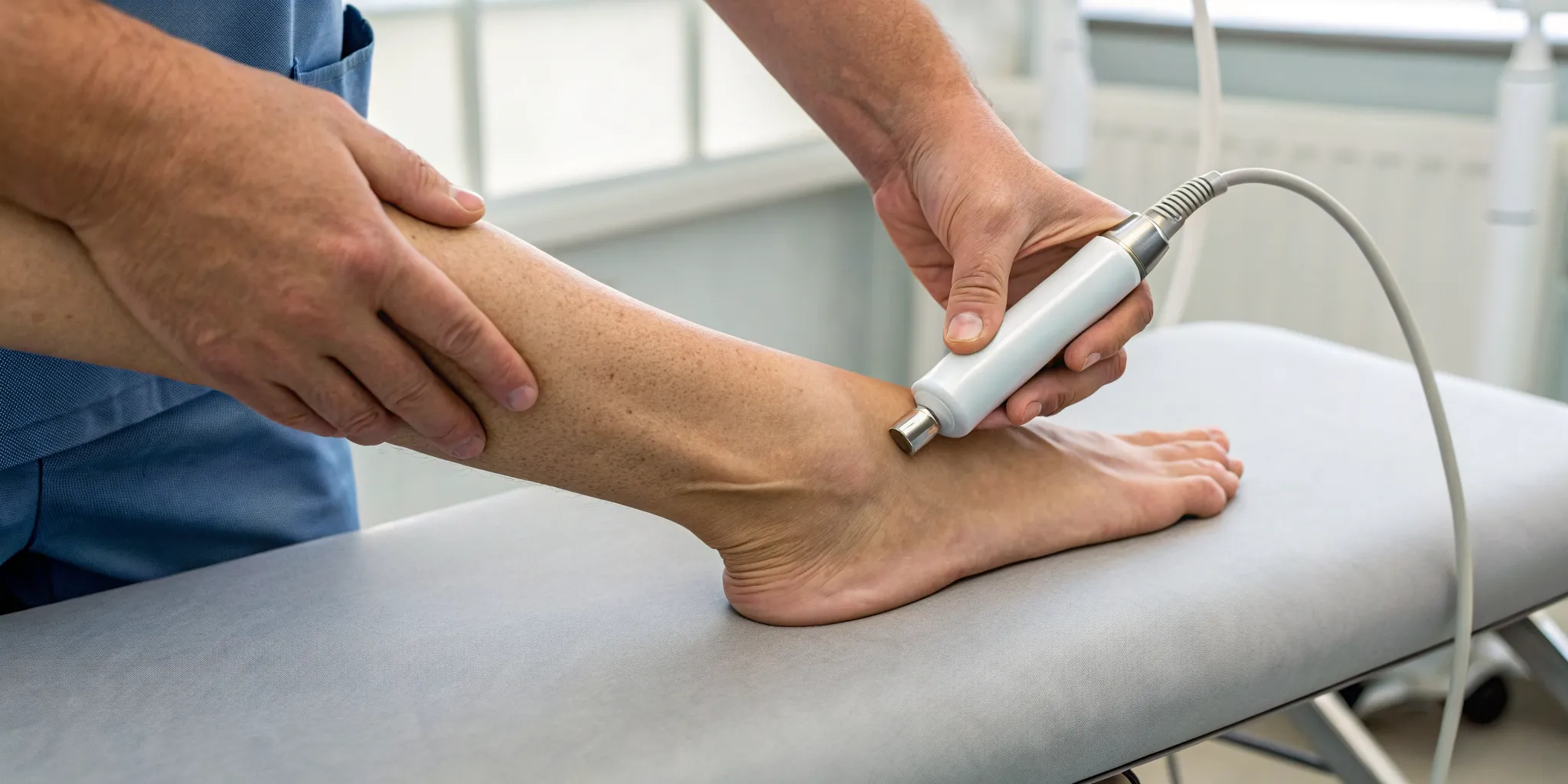
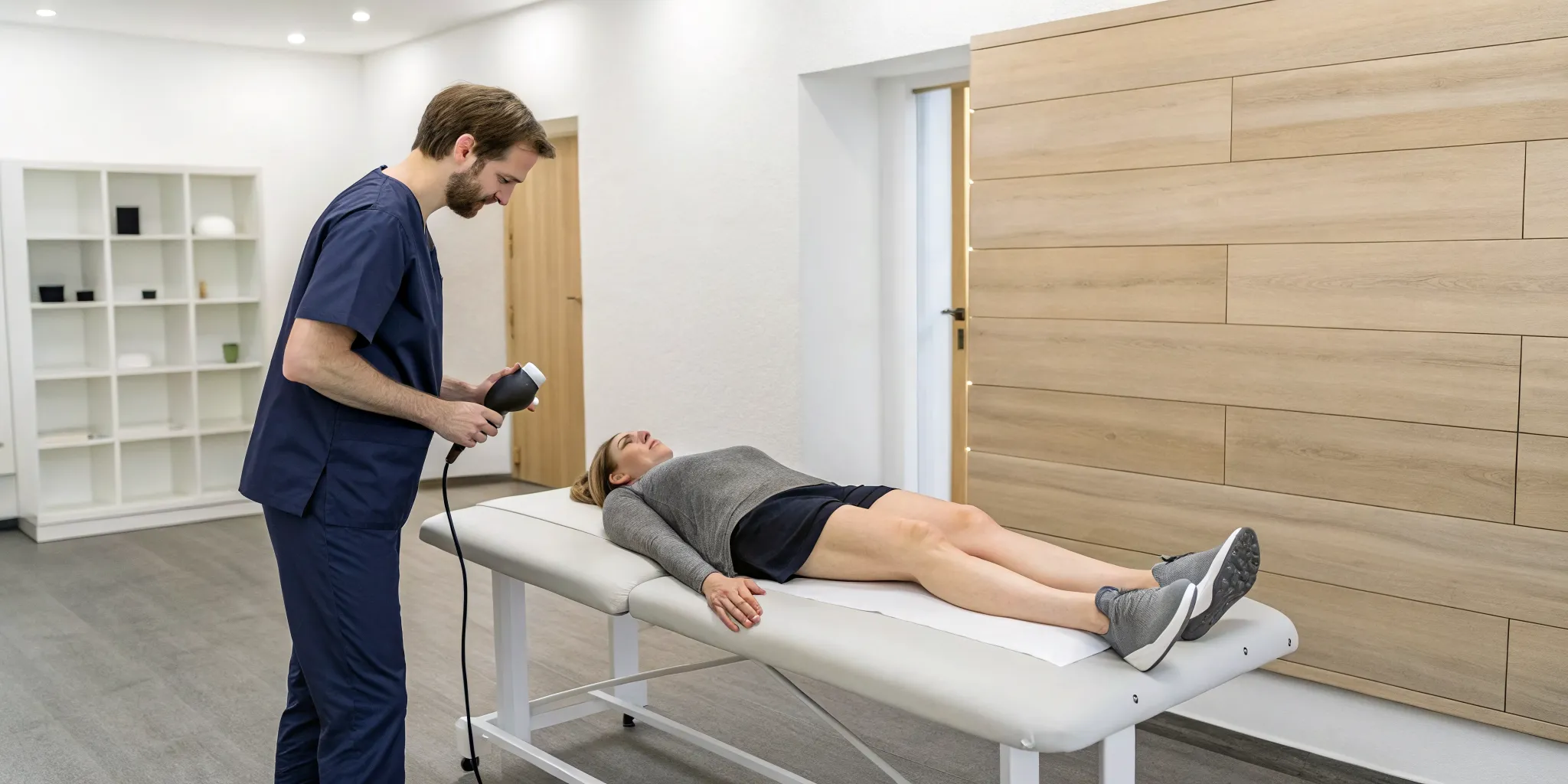
Shockwave therapy is a non-invasive treatment, meaning it doesn’t require any incisions or injections. During a session, a provider will apply a gel to your skin and use a handheld device to deliver the acoustic waves to the injured area. With focused shockwave, the energy penetrates deep into the body to a precise, targeted spot. This allows us to treat tissues that are several inches below the skin, something radial therapy can't do. The session itself is relatively quick, and you can go about your day immediately afterward. Our team at Ascend Functional Health will guide you through every step of your physical medicine plan.
Debunking 4 Common Shockwave Therapy Myths
When you're exploring new ways to manage pain, it's easy to run into conflicting information. Shockwave therapy is a powerful tool for healing, but it's also surrounded by a lot of confusion and myths. Let's clear the air and look at what the science actually says. By understanding the facts, you can make a more informed decision about whether this treatment is the right path for your healing journey. We'll tackle some of the most common misunderstandings head-on so you can feel confident in your next steps.
Myth #1: "All Shockwave Therapies Are the Same"
This is one of the biggest misconceptions out there. The term "shockwave" is often used as a catch-all, but it actually covers two distinct technologies: focused and radial. Focused shockwave therapy uses a precise, high-energy acoustic wave to target deep tissues, making it ideal for issues like chronic tendinopathies or plantar fasciitis deep within the foot. Radial shockwave therapy, on the other hand, generates a lower-energy pressure wave that spreads out over a larger, more superficial area. Each type has a specific purpose, and choosing the right one is essential for effectively treating the conditions we treat.
Myth #2: "Radial Shockwave Is Less Effective"
It’s not about one being better than the other; it’s about using the right tool for the right job. While some research suggests focused shockwave may have an edge for deep tendon pain, radial shockwave is highly effective for conditions closer to the skin's surface. Think of it like this: you wouldn't use a hammer to turn a screw. Radial therapy is excellent for larger muscle groups or more superficial trigger points. The effectiveness of your treatment depends entirely on a correct diagnosis and applying the appropriate technology to your specific condition. A skilled provider will know exactly which type of therapy will produce the best results for you.
Myth #3: "Shockwave Therapy Is Only for Athletes"
While it’s true that many professional athletes rely on shockwave therapy to recover from injuries and improve performance, its benefits are available to everyone. This treatment is for anyone dealing with chronic soft tissue pain, whether you're a weekend warrior, a desk worker with shoulder tension, or someone struggling with heel pain from standing all day. Conditions like tennis elbow, Achilles tendinopathy, and jumper's knee don't just affect athletes. Our approach to physical medicine uses shockwave therapy to help people from all walks of life get back to their daily activities without pain.
Myth #4: "Radial Waves Are the Same as Shock Waves"
This is a technical point, but it's an important one. True shock waves, like those used in focused therapy, are acoustic waves with a very specific profile: a rapid rise to high pressure followed by a sharp drop. Radial waves are actually pressure waves, not true shock waves. They are generated differently and have a slower, less powerful impact. Because of this, they don't penetrate as deeply or create the same biological response in deep tissues. This is why it's so important to work with a provider who understands the physics behind the technology and uses high-quality, medical-grade devices. Our team's expertise ensures you receive the correct and most effective treatment.
How to Choose the Right Shockwave Therapy
Deciding on the right type of shockwave therapy can feel like a big choice, but it really comes down to understanding your specific needs. It’s not about one therapy being universally "better" than the other; it’s about which one is the right tool for your unique situation. The best approach is always a personalized one, tailored to the root cause of your pain, the location of your injury, and even your comfort level.
Think of it like this: a mechanic wouldn't use the same tool to fix a flat tire and a faulty engine. Similarly, a skilled practitioner will select the type of shockwave therapy that can most effectively target your issue. Several factors come into play, including how deep your injury is, how large the affected area is, and the quality of the equipment being used. A thorough evaluation is the first step to creating a treatment plan that truly works for you. At Ascend Functional Health, our approach to physical medicine is built on this principle of precise, personalized care to help your body heal correctly. By considering all these variables, we can map out the most effective path toward reducing your pain and restoring your function.
The Depth and Location of Your Condition
One of the most important factors in choosing the right therapy is where your pain is coming from. If you're dealing with a deep, chronic issue, especially one close to a bone like plantar fasciitis or a stubborn tendon injury, focused shockwave therapy is often the answer. It sends a powerful, concentrated wave of energy to a very specific point deep within the tissue, bypassing the skin and superficial layers. On the other hand, if your condition is closer to the surface, radial shockwave therapy might be the better fit. It works by spreading energy over a wider, more superficial area.
The Size of the Area Being Treated
Next, consider the size of the painful area. Are you dealing with a single, nagging point of pain, or is the discomfort spread across a larger region? Radial shockwave therapy is excellent for treating broader surface areas, like tight muscles in the back or shoulders. The energy is strongest at the point of contact and radiates outward, covering more ground. In contrast, focused shockwave therapy is designed for precision. It’s ideal for zeroing in on a small, well-defined problem area, delivering targeted energy exactly where it’s needed most without affecting the surrounding tissue.
Your Personal Comfort Level
Your comfort during treatment is also a key consideration. While both therapies are generally well-tolerated, some people find one more comfortable than the other. Because focused shockwave therapy directs its energy deep into the body, it doesn't stimulate the nerves on the skin's surface as much. Many people describe it as a more comfortable, sometimes even painless, experience. This can be a significant advantage, as it allows the practitioner to use the optimal energy level for healing without causing unnecessary discomfort, making your path to recovery a smoother one.
The Quality of the Device and Provider
Not all shockwave therapy is created equal, and the quality of both the machine and the practitioner makes a huge difference. High-end, medical-grade shockwave devices are sophisticated pieces of equipment, and their effectiveness is backed by research. The expertise of the provider is just as critical. An experienced practitioner knows how to accurately diagnose the source of your pain and apply the technology correctly for the best results. Our team is committed to using state-of-the-art technology and research-backed protocols, which you can learn more about on our about page.
Considering a Combined Approach
Sometimes, the most effective strategy isn’t choosing one therapy over the other but using them together. A combined approach allows your provider to create a truly comprehensive treatment plan. For instance, radial shockwave could be used first to address superficial muscle tightness and inflammation in a broader area. Then, focused shockwave can target the deeper, underlying source of the problem, like a specific point of tendon damage. This layered technique addresses the issue from multiple angles, often leading to better and faster results for many of the conditions we treat.
Is Shockwave Therapy the Right Next Step for You?
Deciding on a new treatment can feel like a big step, especially when you’ve been dealing with persistent pain. If you’re tired of discomfort that just won’t quit, shockwave therapy might be the solution you’ve been looking for. This non-invasive treatment is designed to stimulate your body’s natural healing processes, making it a powerful option for chronic conditions like plantar fasciitis, tennis elbow, and nagging shoulder pain that haven’t responded to traditional approaches. It’s not about masking symptoms; it’s about encouraging genuine tissue repair from within.
However, the most important step isn’t choosing a treatment, it’s getting a clear and accurate diagnosis. The only way to know for sure if shockwave therapy is right for you is to have a thorough evaluation with a provider who focuses on finding the root cause of your problem. At Ascend Functional Health, our approach is built on creating personalized, research-backed protocols. We look at your unique situation to determine the best path forward, ensuring any treatment we recommend directly addresses your specific health needs and goals.
During a consultation, a trained provider will assess your condition to determine if you are a good candidate. They will consider the depth of your injury and the specific tissues involved to recommend either focused or radial shockwave therapy. While research shows both are effective and safe options for tendon-related pain, the choice depends entirely on your diagnosis. A skilled practitioner will know which type of wave will best target the affected area to promote healing and pain relief, creating a plan tailored just for you.
If you’re ready to move past temporary fixes and explore a lasting solution, the next move is to have a conversation with a professional. The best way to find out if shockwave therapy can help you is to schedule a consultation with our team. We can answer your questions, evaluate your condition, and determine if this innovative therapy is the right next step on your journey back to feeling your best.
Related Articles
- What Is Soft Tissue Therapy? A Complete Guide
- The Ultimate Guide to Myofascial Release Therapy
- Graston Technique Side Effects: What's Normal?
- What Is Graston Technique Therapy? A Beginner's Guide
- Regenerative Medicine for Knee Arthritis: What to Know
Frequently Asked Questions
Does shockwave therapy hurt? This is a great question, and the answer depends on the type of therapy and your personal sensitivity. Many people find focused shockwave to be quite comfortable, describing it as a tapping or pulsing sensation deep inside the tissue. Because the energy bypasses the skin's surface, it doesn't typically irritate the nerves there. Radial therapy can sometimes be more intense since the pressure is spread across a wider, more superficial area. In either case, your practitioner will communicate with you throughout the session to ensure the treatment is well within your comfort zone.
How do I know if I need focused or radial shockwave? You don’t have to figure this out alone; that’s what a professional evaluation is for. The right choice is entirely based on a correct diagnosis of your condition. As a general rule, focused shockwave is the go-to for deep, chronic, and specific injuries, like a stubborn tendon issue. Radial shockwave is better suited for larger muscle groups or pain that is closer to the surface. A thorough assessment with a skilled provider is the only way to determine which technology is the right tool to address the root of your problem.
How many sessions will I need to see results? Your treatment plan will be tailored specifically to you, so the exact number of sessions can vary. However, because focused shockwave therapy delivers such a potent and precise healing signal, it often requires fewer appointments than radial therapy to achieve significant, long-term improvement. Many people begin to notice a real difference in their pain and function after just a few sessions. Your provider will map out a clear plan and timeline based on your body’s response.
Is there any downtime after a shockwave session? One of the best parts of shockwave therapy is that you can get back to your day immediately after a session. It is a non-invasive treatment, so there is no required recovery period. Your provider might suggest you avoid any intense or high-impact activities for 24 to 48 hours to give your body a chance to kickstart the healing process. Otherwise, you are free to go about your normal routine.
What makes the quality of the device so important? The technology behind the machine makes a world of difference in your results. Medical-grade focused shockwave devices are precisely engineered to generate a true acoustic wave that can penetrate deep into the body to a specific point. Lower-quality machines, often used for radial therapy, create a less powerful pressure wave that cannot reach the same depths or trigger the same biological healing response. Using the right equipment ensures your treatment is not only effective but also safe, which is why it’s critical to seek care from a provider who invests in proven, high-end technology.