A personalized hormone health evaluation is a detailed check that goes beyond basic labs to find the root cause of symptoms like fatigue and brain fog. This process uses special tests of blood, saliva, or urine to measure how your hormones work together. Unlike standard tests that check for a broad range, this check looks at your unique health history to create a tailored plan.
It is a main part of longevity medicine because it shows how you are aging on a deep level. Per clinical research, a good understanding of these tests needs a look at your personal health history. This data-led path ensures your care is safe and right for your specific needs.
Understanding What a Personalized Hormone Health Evaluation Is
A personalized hormone health evaluation is a deep look at how your body works. It goes far beyond the basic blood tests you might get at a standard check-up. While a typical doctor may only look for major disease, a functional medicine approach seeks the root cause of your health issues. This process helps find out why you feel off, even when your basic labs look normal. By looking at how systems in your body work together, this evaluation aims to find balance. It avoids just masking your symptoms with a quick pill.
Many people visit a doctor because they feel tired or have brain fog. Often, they are told their blood work is fine because it falls within a broad range. But those ranges are based on a large group of people. Many of those people may not be at their best.
A personalized hormone health evaluation looks for small shifts that labs often miss. These are known as subclinical imbalances. These tiny shifts in hormone levels can cause big problems. You might feel joint pain, headaches, or digestive issues. You might also struggle with low mood or a drop in your drive.
Why standard lab work often falls short
Standard lab tests usually look for a disease that has already started. They do not always catch the early signs that things are going wrong. For example, your thyroid might be in range but not working well enough for your body. This can leave you feeling slow and cold. A functional look at your labs uses narrower ranges. These are based on where healthy people feel their best. This way, we can see if your levels are dropping before they reach a danger zone. It allows for a more proactive plan to protect your long-term health.
The role of clinical context and history
Data from a lab is only one piece of the puzzle. To truly understand your health, a doctor must look at your unique history and life. Reading hormone tests needs a deep understanding of basic science and the clinical context of the patient. This means looking at your stress levels, sleep habits, and past health events. Without this context, a lab number is just a digit on a page.
A true evaluation connects these dots. It shows how your hormones affect your energy and how you feel each day. It looks at the whole person, not just a single test result.
Assessing biomarkers through a functional lens
A full hormone check uses advanced tools to get a clear view of your health. This often involves more than just one blood draw. A full evaluation may use a mix of blood, stool, and hormone panels to get clear facts. These tests look at biomarkers for thyroid function, sex hormones, and gut health. Your gut plays a big role in how your body handles hormones.
Seeing how these systems work together helps create a precise plan for your body. This data-backed path ensures that any plan you start is based on facts. It is tailored specifically to your needs and goals.
This deep dive helps find the why behind your health goals. It may reveal issues with how your body clears out old hormones. It might show how high stress is stealing from your energy stores. By finding these root causes, you can start to fix the problem at the source. This leads to better results that last. It moves you away from a one size fits all model of care. Instead, you get a plan built just for your unique body.
Common Signs That May Indicate a Need for Hormone Evaluation
Your body has its own ways of telling you when things are out of balance. These signals often start as small changes that you might ignore. But when you feel like you are losing your edge, it is often a sign that your body needs a closer look. A personalized hormone health evaluation helps you find the root cause of these shifts.
Physical and mental fatigue
Ongoing fatigue is more than just being tired after a long day. It is a deep lack of energy that does not go away with sleep. This often stems from shifts in your thyroid or adrenal health. For many women, this change starts sooner than expected. By age 40, a woman's testosterone level can drop by as much as 50 percent. You can find more data on these shifts at Modern Age.
Brain fog is another common sign. You may find it hard to focus or remember small details. This happens because hormones like estrogen and testosterone help your brain send signals. When levels dip, your mental clarity often goes with them. A thorough check can show if these shifts are causing your mental lag.
Weight gain and metabolic shifts
Many people notice weight gain that feels hard to lose, even with a good diet. This often shows up in the midsection. Hormones like cortisol and insulin manage how your body stores fat and uses energy. If they are out of sync, your body may hold onto fat as a way to protect itself. This is why thorough hormone testing is so useful for finding the "why" behind weight gain.
Thyroid health is also a major factor here. About 1 in 8 women will deal with a thyroid issue in their life. You can read the full report on these health trends at Modern Age. When your thyroid is slow, your metabolism drops. This makes it very hard to stay at a healthy weight without the right help.
Mood and sleep disruption
Hormones also act as the mood board for your body. When they shift, you may feel more anxious, irritable, or low for no clear reason. These mood swings are often tied to sex hormone levels that help your nervous system. Sleep issues like night sweats or waking up at 3:00 AM are also big red flags. These issues keep your body from healing and make every other sign feel worse.
Differences between men and women
Men and women experience these signs in unique ways. Men may notice a slow loss of muscle, lower libido, and a drop in overall drive. These are often signs of low testosterone. Women may face hot flashes, night sweats, or changes in their cycle. But both groups share the same core problem. Their body is sending a call for help. Being proactive with an evaluation lets you catch these shifts early.
What a Comprehensive Hormone Evaluation Typically Includes
A personalized hormone health evaluation goes far beyond a quick check of your thyroid or testosterone. While a standard doctor visit may use an abbreviated endocrine test with only one or two markers, this often misses the root cause of health issues. At Ascend Functional Health, we use a wide range of tools to build a full map of your internal state. Our process looks at how your systems work together to support your long-term health and energy.
Advanced blood panels for deep data
The foundation of a thorough hormone testing plan is often a deep blood panel. We look at much more than just the basic levels of a few hormones. A full panel can track more than 70 biomarkers across nine key body systems. This data helps us find trends in your health that a simple test would miss. We check for signs of inflammation, gut health issues, and how your body uses energy.
By checking many markers, we see the full story of your health. This includes looking at your metabolism and how well your brain works. We also look at bone health and how your body handles stress. This big picture is needed to create a plan that fits your unique needs. We do not just look for "normal" levels but for the best levels for your body.
Functional testing for hormone patterns
Blood tests are good, but they only show a snapshot of one moment in time. To see how your hormones change during the day, we may use other tests like saliva or urine. These tests help us see your cortisol rhythm, which is key for sleep and energy. They also show how your body breaks down hormones and moves them out of your system. This is a vital part of a personalized hormone health evaluation.
We often combine these with stool tests to check your gut health. Your gut plays a big role in how your body handles hormones like estrogen. If your gut is not healthy, your hormones may not stay in balance even with care. By looking at blood, urine, and stool, we get a full view of your health. This lets us build a plan that treats the actual cause of your symptoms.
Essential markers we track
A full assessment tracks a wide range of specific hormones to see how they work together. We check your main sex hormones like estrogen, progesterone, and testosterone. We also look at your thyroid health by testing T3, T4, and TSH levels. Other key markers include DHEA and cortisol to see how your adrenal glands handle stress. Each of these markers gives us a piece of the puzzle.
| Marker Category | Specific Hormones Tested | What It Reveals |
|---|---|---|
| Sex Hormones | Estrogen, Progesterone, Testosterone | Reproductive health, libido, mood stability, muscle mass |
| Thyroid Function | TSH, T3, T4 | Metabolism, energy production, weight regulation |
| Adrenal Health | Cortisol, DHEA | Stress response, sleep quality, daily energy rhythm |
| Metabolic Markers | Insulin, HbA1c, Lipids | Blood sugar control, cardiovascular risk, fat storage |
| Nutrient Status | Vitamin D, B12, Iron, Magnesium | Bone health, cognitive function, oxygen transport |
Timing is very important when we do these tests. For many people, we need to test at specific times of the month or day to get the best data. This helps us see if your body is making the right amount of hormones when it needs them. Using many sample types and careful timing ensures we have the best data to guide your care.
How Results Are Interpreted in a Personalized Context
A lab report often lists a "normal" range next to your blood work results. But these broad marks do not tell the whole story of your health. A personalized hormone health evaluation goes much further than just checking for "high" or "low" flags on a page. It looks at how your data fits with your age, your daily life, and your health goals.
The role of clinical context
Raw lab data only helps when a doctor checks it against your past health. A single number might look fine on a page, but it could still be the cause of your fatigue or brain fog. Experts note that reading hormone tests needs a deep grasp of both basic science and the clinical setting of the patient. This way, your results are more than just numbers; they are clear steps for your health.
Your health history acts as a map for your results. If you feel tired or have trouble sleeping, a "mid-range" thyroid mark might not be best for you. We look at your body as a whole to find the root cause of your concerns. This way makes sure your care plan fits your needs rather than a generic average.
Why identical values lead to different plans
One lab value can mean very different things based on who is being tested. For example, a high level of luteinizing hormone (LH) tells a specific story in a man, but it signals something else in a woman. Context is key to making sure a finding is right before any plan begins. Reading these differences the right way is vital for a safe and good outcome.
This is why at-home test kits often fall short. They give you raw data without the expert view needed to make sense of it all. A thorough hormone testing process at a clinic links your lab work to your symptoms. This step helps us spot subtle trends that a simple paper report would likely miss.
Moving from data to personalized protocols
Once we have a full view of your results, we build a path forward. We do not just treat one number; we look at all the biological systems that hormones affect. Your plan might include changes to your food, better sleep habits, or ways to lower your stress. These lifestyle factors work together to support your body's natural balance.
In some cases, the best choice is to start a personalized hormone health evaluation that leads to bioidentical hormone replacement therapy (BHRT). This tool helps most when it is part of a broad plan that includes gut health and detox support. By using clear data, we can track your progress and adjust your care as your body changes.
The Role of Hormone Health in Functional Longevity
Hormone health is more than just feeling good today. It is a key part of living well for a long time. At Ascend Functional Health, we see it as a main part of our functional medicine approach to longevity. We do not just look at your signs today. We look at how your hormone levels affect your risk for big health problems as you age. This early view helps you build a strong base for your future.
Hormone signals and future wellness
Your hormones act like signals for your body. They tell your heart, brain, and bones how to work every day. When these levels drop or get out of sync, your long-term health can suffer. For example, low sex hormones can lead to weak bones or brain decline. A personalized hormone health evaluation can find these silent issues early.
By tracking levels of estrogen and testosterone, we can spot trends that lead to heart risk. We do not wait for a disease to show up before we act. Instead, we use hormone data to help you stay ahead of the aging process. This method ensures your body has the support it needs to stay strong for many years.
Finding the metabolic roots of aging
Functional testing helps us see more than just a single number on a lab sheet. It can find a drop in sex hormones and show how your body breaks down estrogen. This detail is very important during life changes like the years after menopause. Research shows that functional testing in postmenopause can find metabolic issues that often go unseen.
These tests look at things like blood fats and gut health. They show how hormone shifts change your metabolic health. When we find these links, we can use simple steps to fix them. Keeping your energy and weight in check is a vital part of staying fit as you get older.
Personalized tools for a long life
A full plan for long life often uses a mix of tools to get the best results. We might use bioidentical hormone replacement therapy (BHRT) when the data shows a need. But we also look at your food and how your body clears out toxins. Studies show that precision nutrition plans based on functional testing can help people feel much better.
These plans help your body use fuel well and keep your brain healthy. We focus on what your specific body needs based on your lab results. This multi-system approach is not a one-size-fits-all fix. It is a custom map for your health journey. By using your own facts, you can make choices that support your long-term wellness.
What to Expect During a Hormone Evaluation at Ascend Functional Health
Your journey at Ascend Functional Health starts with a deep dive into your unique health profile. We focus on finding the root cause of your concerns instead of just masking signs of illness. Every personalized hormone health evaluation follows a clear, science-backed path to help you get the best results.
Your first steps toward balance
We use objective data to build your plan. This process moves beyond standard care by looking at how your systems work together. We follow these six steps to map out your care.
- Initial discovery consultation: You sit down with our team to talk about your health history, goals, and current symptoms. We listen to your story to understand the clinical context before ordering any tests.
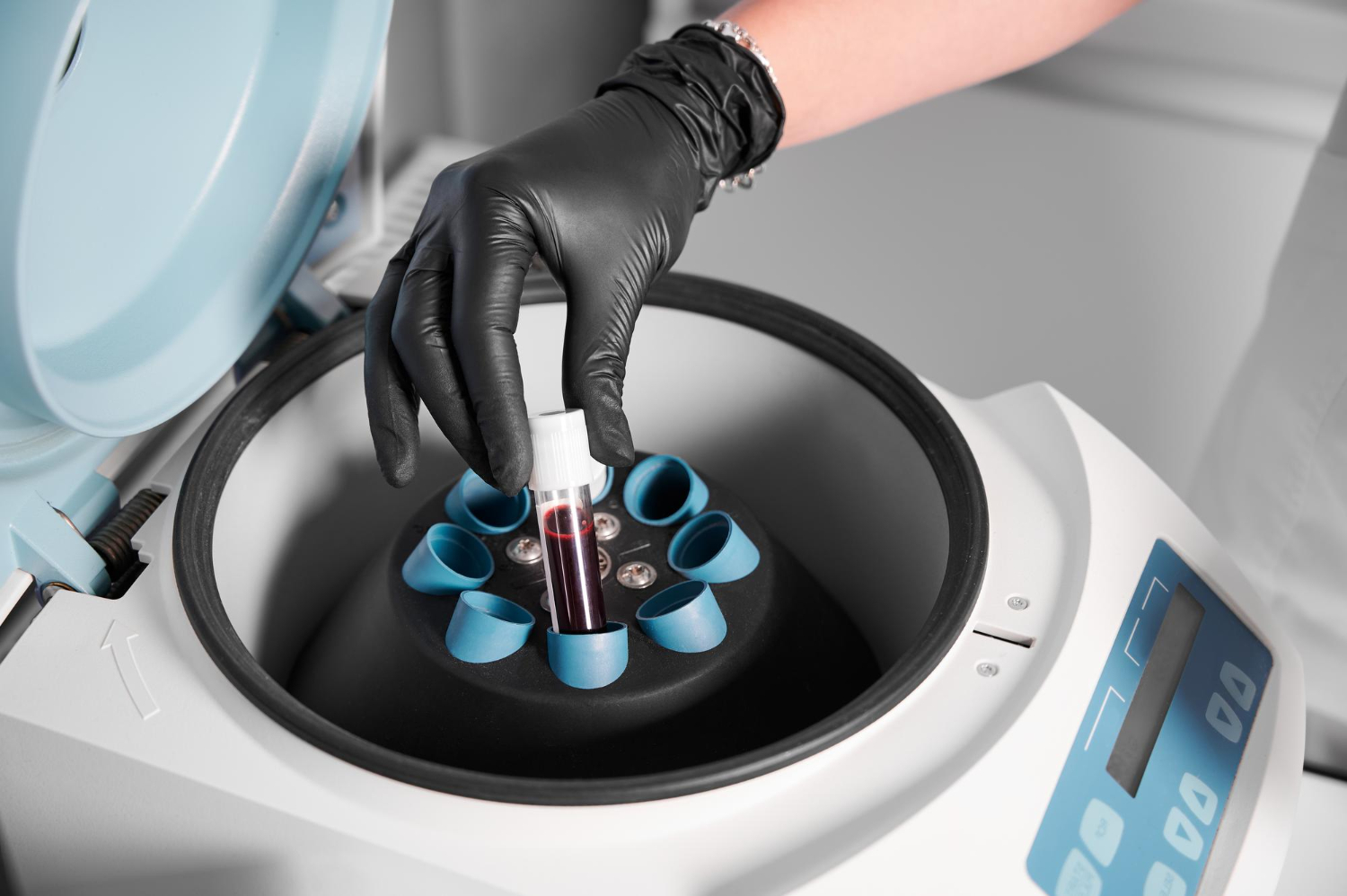
- Comprehensive lab panel ordered: We order advanced tests based on your specific needs. These may include blood, saliva, or urine panels to check your levels. This step ensures we have a full view of your functional medicine markers.
- Guided sample collection: You will collect your samples at the right time for the most accurate data. This may happen in our clinic or at home. Timing is vital for tracking hormones that change throughout the day or month.
- Clinical analysis and report: Your doctor reviews your results with you in detail. We look at over 55 markers to find patterns that affect your energy and mood, as noted in recent clinical research on endocrine testing.
- Personalized protocol development: We build a custom plan using your lab data. This protocol may include nutrition, lifestyle changes, or targeted support to help your body heal.
- Ongoing follow-up and re-testing: We track your progress with regular check-ins. Re-testing allows us to adjust your plan as your health improves and your needs change.
Why testing matters for your plan
A full assessment is key to safe and helpful care. Testing identifies global sex hormone decline and other metabolic issues that simple tests might miss. Research shows that functional testing helps guide precise plans that improve quality of life.
Frequently Asked Questions
What is included in a personalized hormone health evaluation?
A comprehensive assessment typically starts with a detailed review of your health history and current symptoms. Practitioners use advanced testing, such as blood panels that evaluate over 55 markers, to gather objective data. According to Modern Age, these panels often check energy levels, metabolism, and bone density. This thorough look helps find the root cause of imbalances. The results guide a custom plan tailored to your body and long-term wellness goals.
How does a hormone health evaluation support functional longevity?
Hormone health is a key pillar of aging well. By identifying global sex hormone decline or metabolic issues early, you can take steps to protect your future health. Research in PubMed Central shows that functional testing and precision nutrition can improve metabolic health and overall quality of life. Optimizing your hormones helps support your body's natural ability to heal and maintain energy. This proactive care focuses on adding healthy years to your life through targeted, research-backed protocols.
What is the difference between standard and personalized hormone testing?
Standard tests often use just one or two assays to find or rule out a specific disease. In contrast, a personalized approach looks at your unique hormonal signature and biological systems. According to the National Institutes of Health, interpreting these tests requires a deep look at the clinical setting and the patient's history. Instead of just checking if you are in a "normal" range, this evaluation aims to find your ideal levels for peak function and health.
Do I need a doctor's visit for hormone health evaluation?
Yes, a visit with a professional is vital for a safe and accurate assessment. While some tests can be done at home, a practitioner provides the clinical context needed to understand the data. A strategy session allows a doctor to review your lab findings and create a recovery protocol. This step ensures that any changes to your health plan are based on solid evidence. Expert guidance helps you navigate your results and implement a plan that truly works for your unique needs.
Ready to book your hormone health consultation?
Putting off a hormone health check can lead to more fatigue as your body struggles to stay in balance during your busy daily life. The longer you wait to get a hormone check, the more time you lose that could be spent feeling strong, clear, and full of life. Starting this process now helps you find the root cause of your health issues so you can build a solid plan for your healthy future.
Ready to schedule a consultation to discuss your hormone health goals? You can book your discovery session online to talk to our team about how we can help you today. We are here to help you get the answers you need to take control of your health and reach your goals as soon as possible.