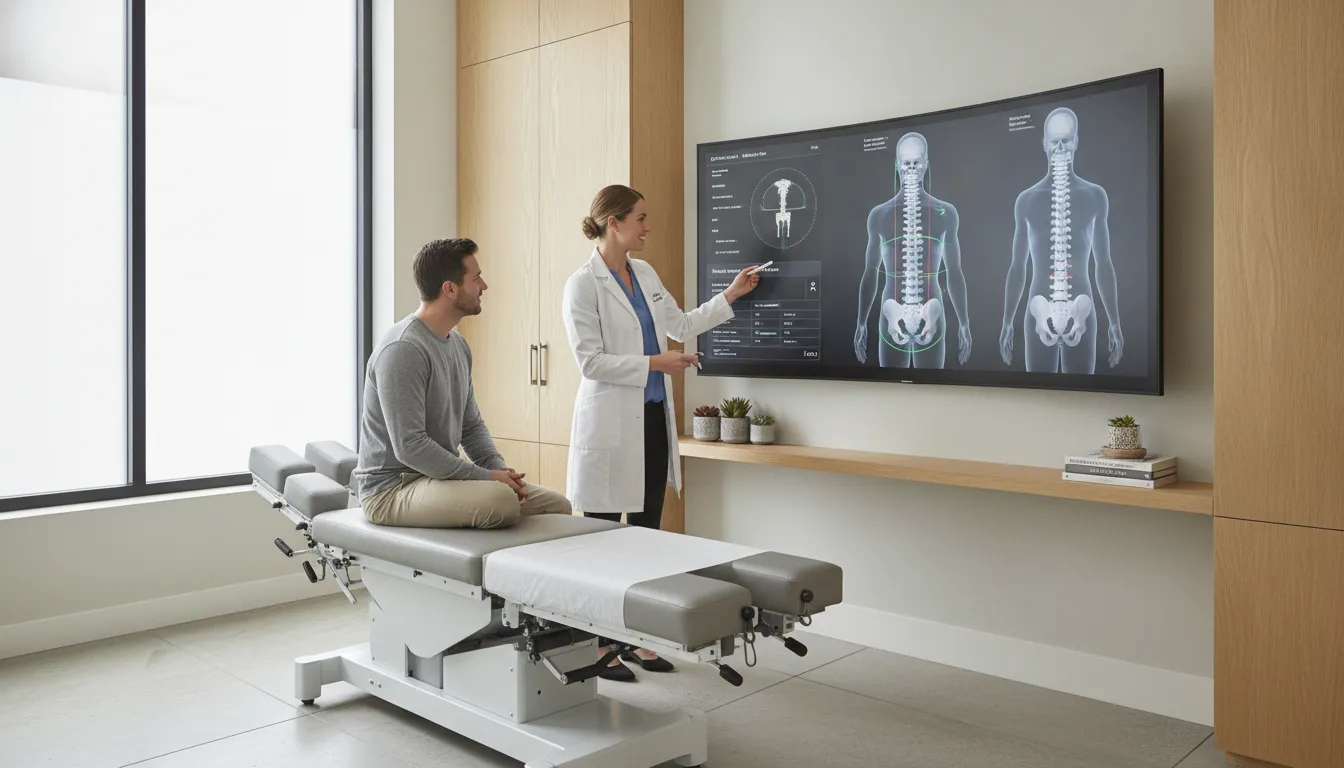
For patients struggling with chronic pain from conditions like tennis elbow or Achilles tendinopathy, finding lasting relief can feel like an endless search. As their provider, you want to offer solutions that do more than just manage symptoms. Shockwave therapy provides a way to address the root cause of their pain by kickstarting a stalled healing process. This non-invasive modality uses targeted sound waves to increase blood flow and stimulate tissue regeneration, offering genuine, long-term recovery. This practitioner’s guide explains how the therapy works, which patients are ideal candidates, and what to look for when selecting a shockwave therapy device for doctors so you can bring this transformative treatment to the people who need it most.
Key Takeaways
- Go beyond symptom management: Shockwave therapy stimulates the body's natural healing processes, like increased blood flow and cell repair, to resolve the root cause of chronic pain for long-term results.
- Select the right tool for the job: Evaluate devices based on your patients' needs, comparing radial systems for broad, superficial issues with focused systems for deep, specific targets, and always confirm the technology is clinically proven.
- Integrate for a comprehensive approach: Shockwave therapy works best when combined with other treatments in a personalized plan; a thorough patient screening is essential to confirm it's a safe and suitable option.
A Practitioner's Guide to Shockwave Therapy
As practitioners, we're always looking for effective, non-invasive ways to help our patients heal and feel their best. Shockwave therapy, also known as extracorporeal shockwave therapy (ESWT), has become a cornerstone of modern regenerative medicine for this very reason. It’s a technology that uses acoustic waves to stimulate the body's natural healing processes, offering a powerful alternative for patients struggling with chronic pain and soft tissue injuries. Understanding how it works and who it helps most is the first step in deciding if this modality is a good fit for your practice.
How acoustic wave therapy promotes healing
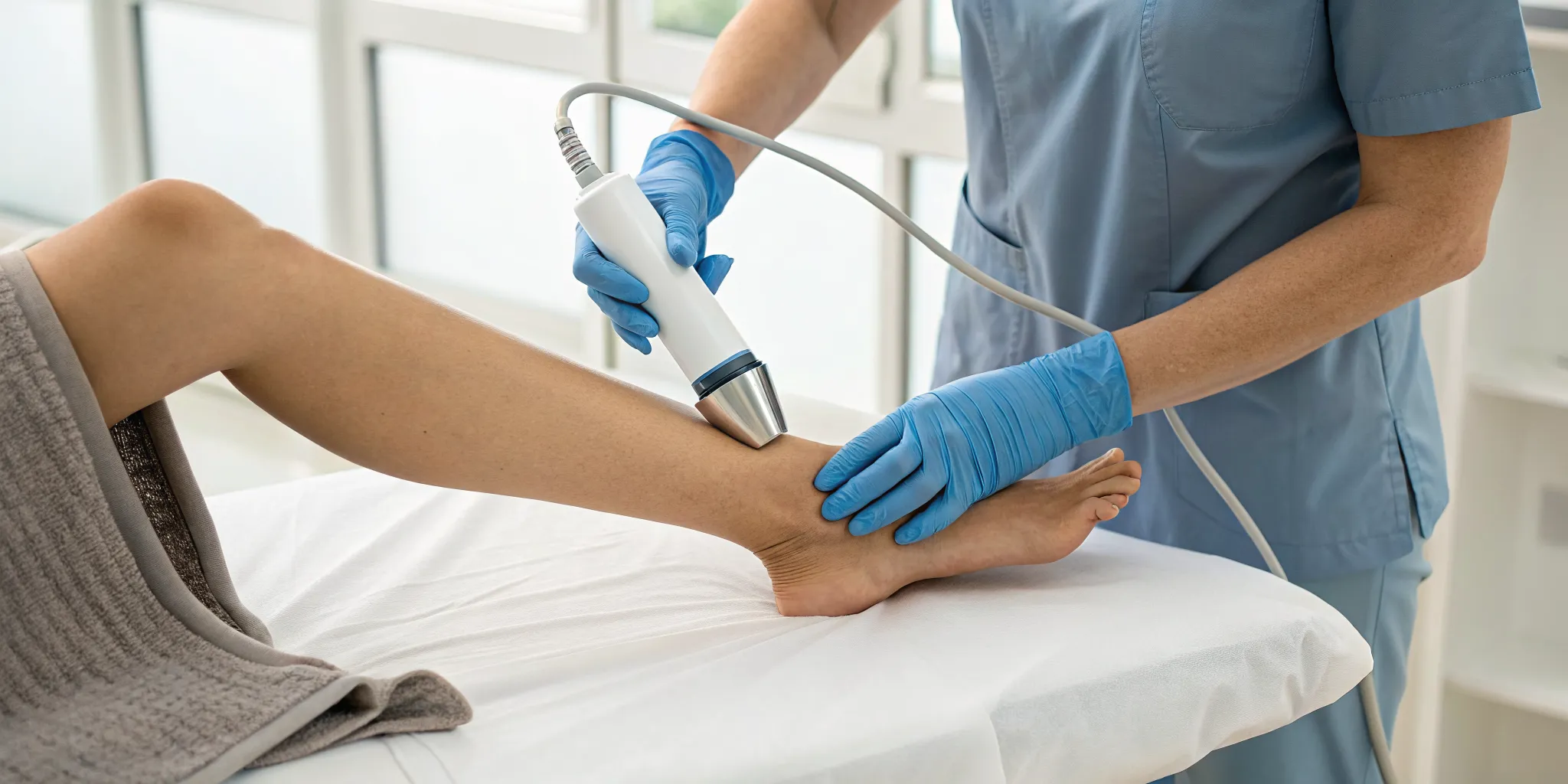
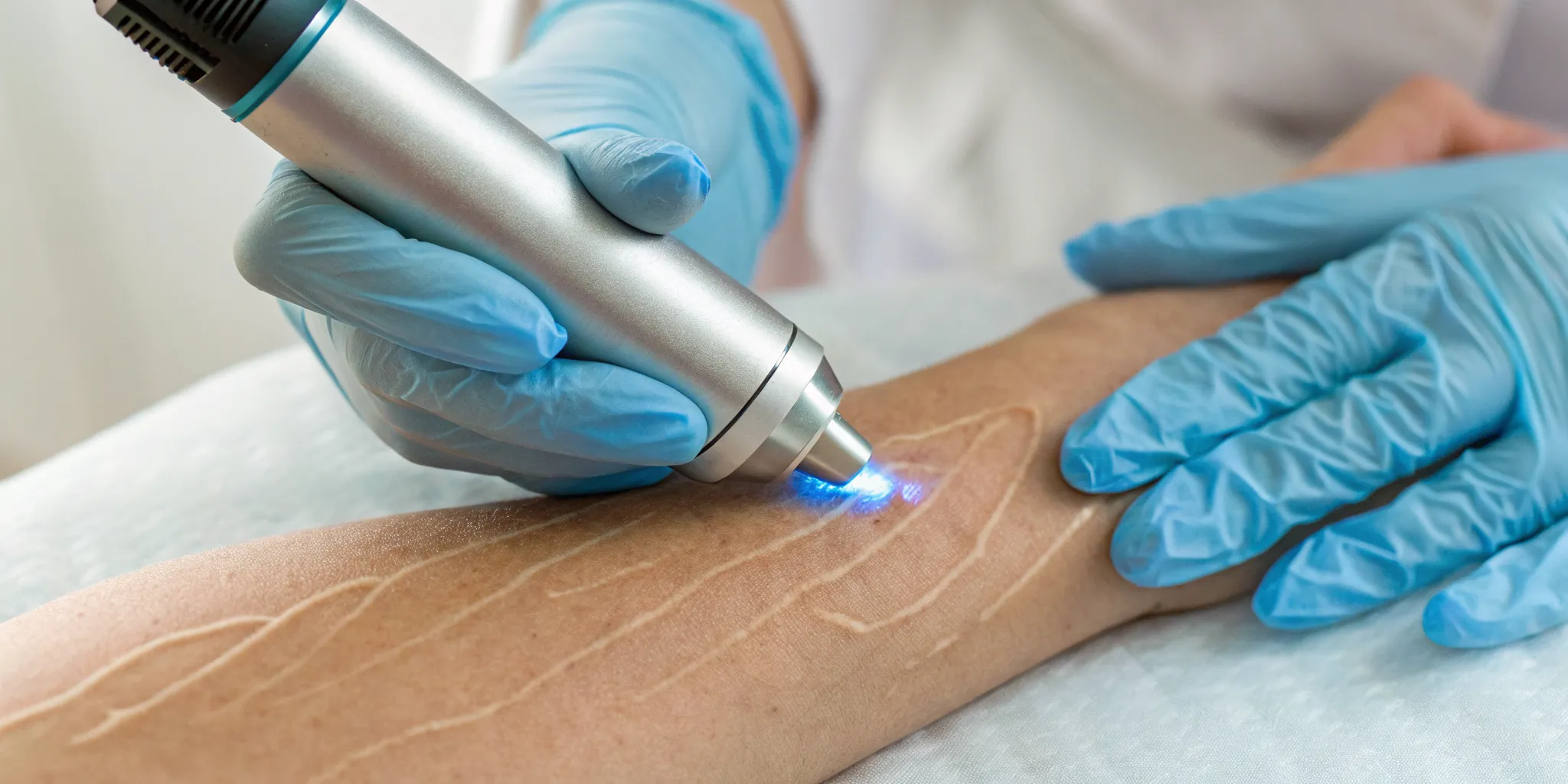
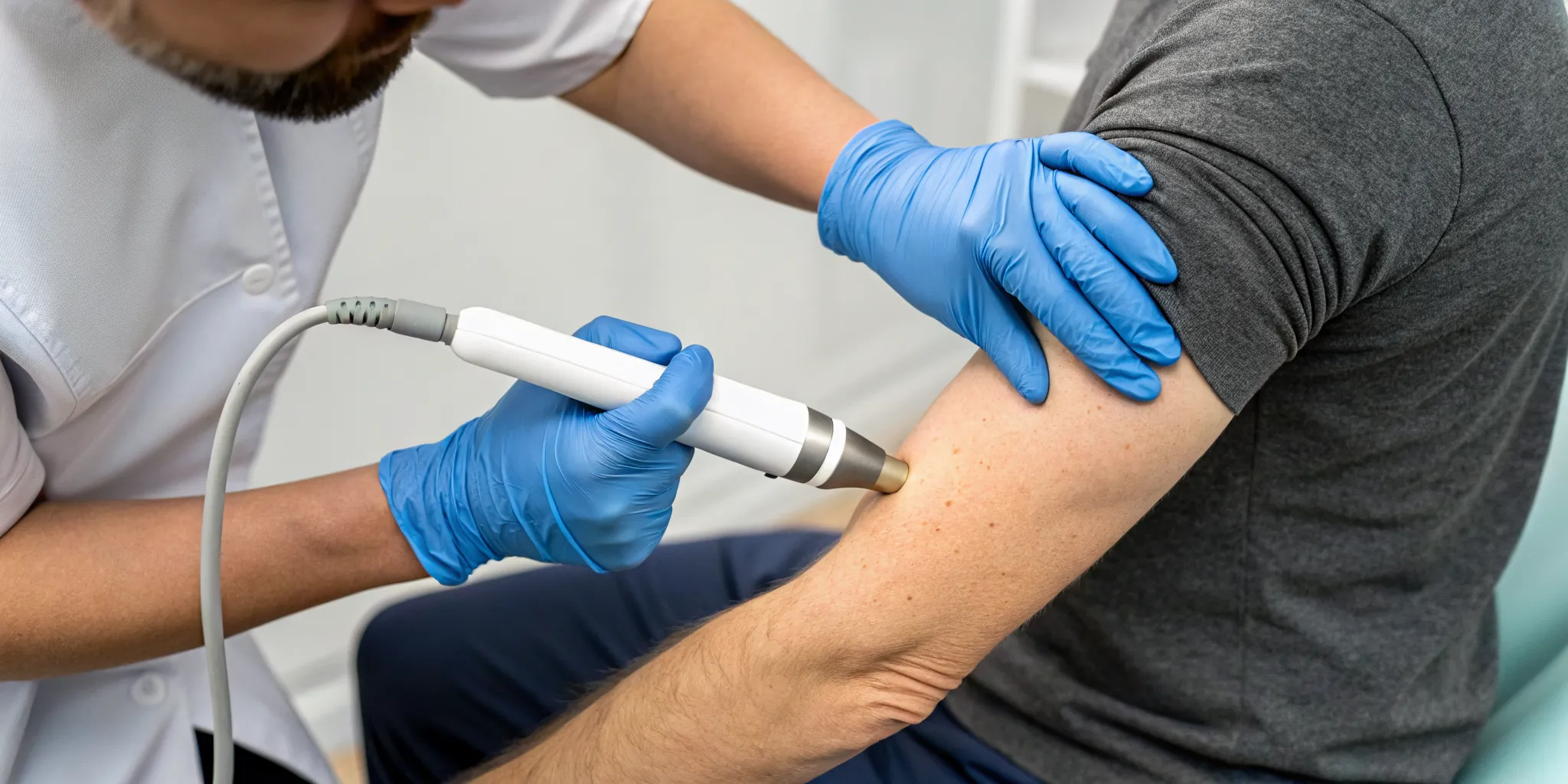
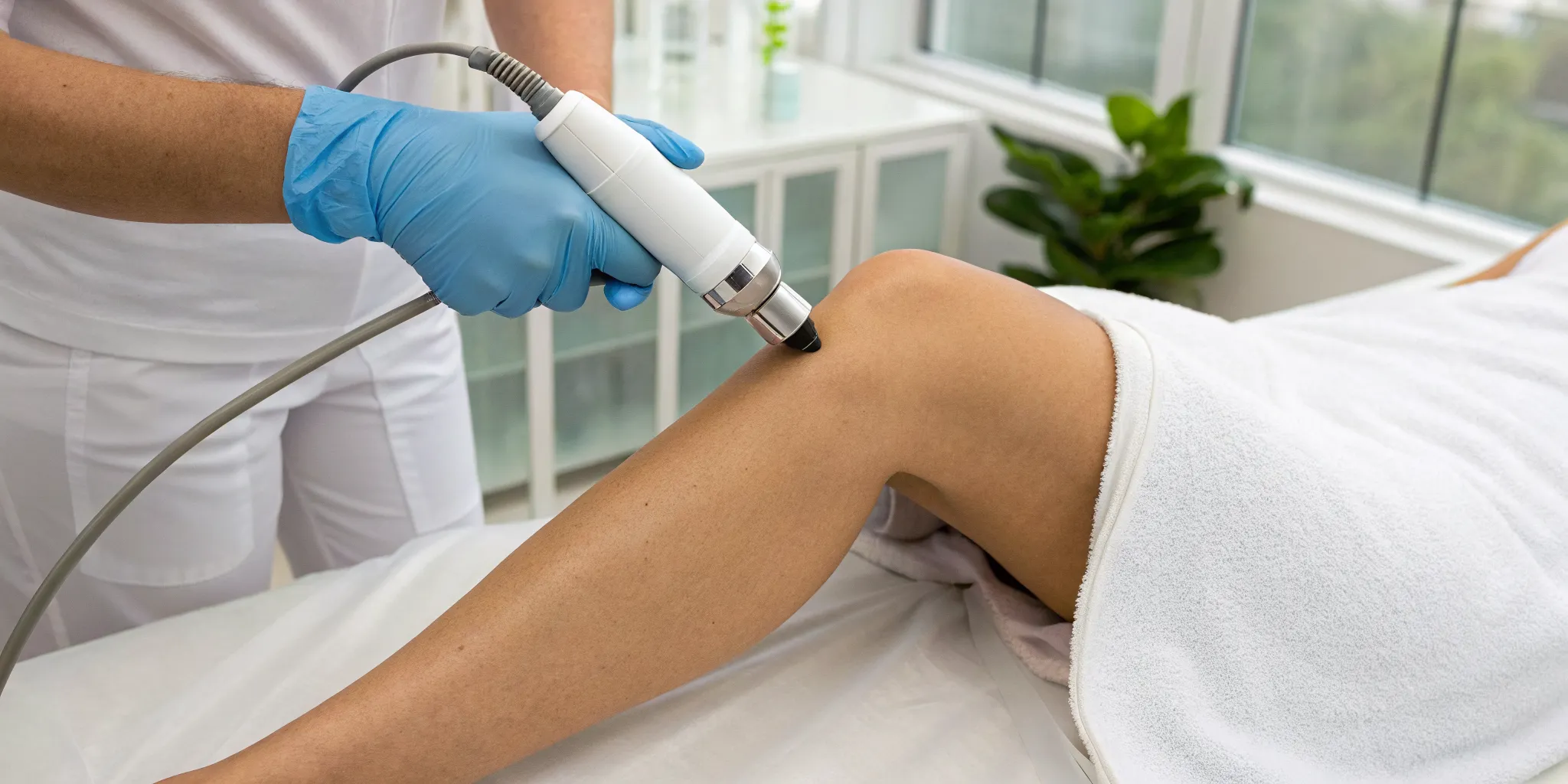
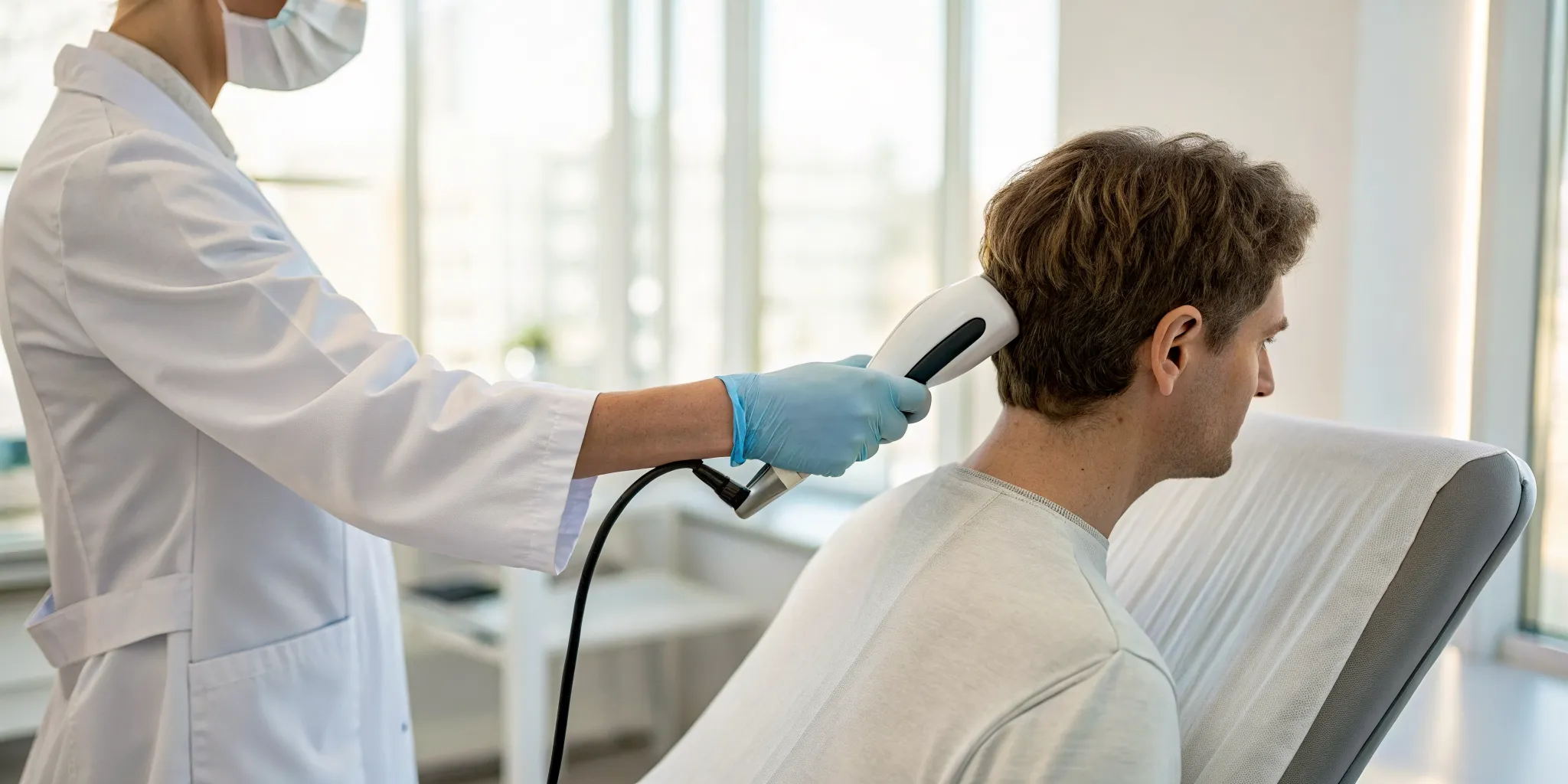
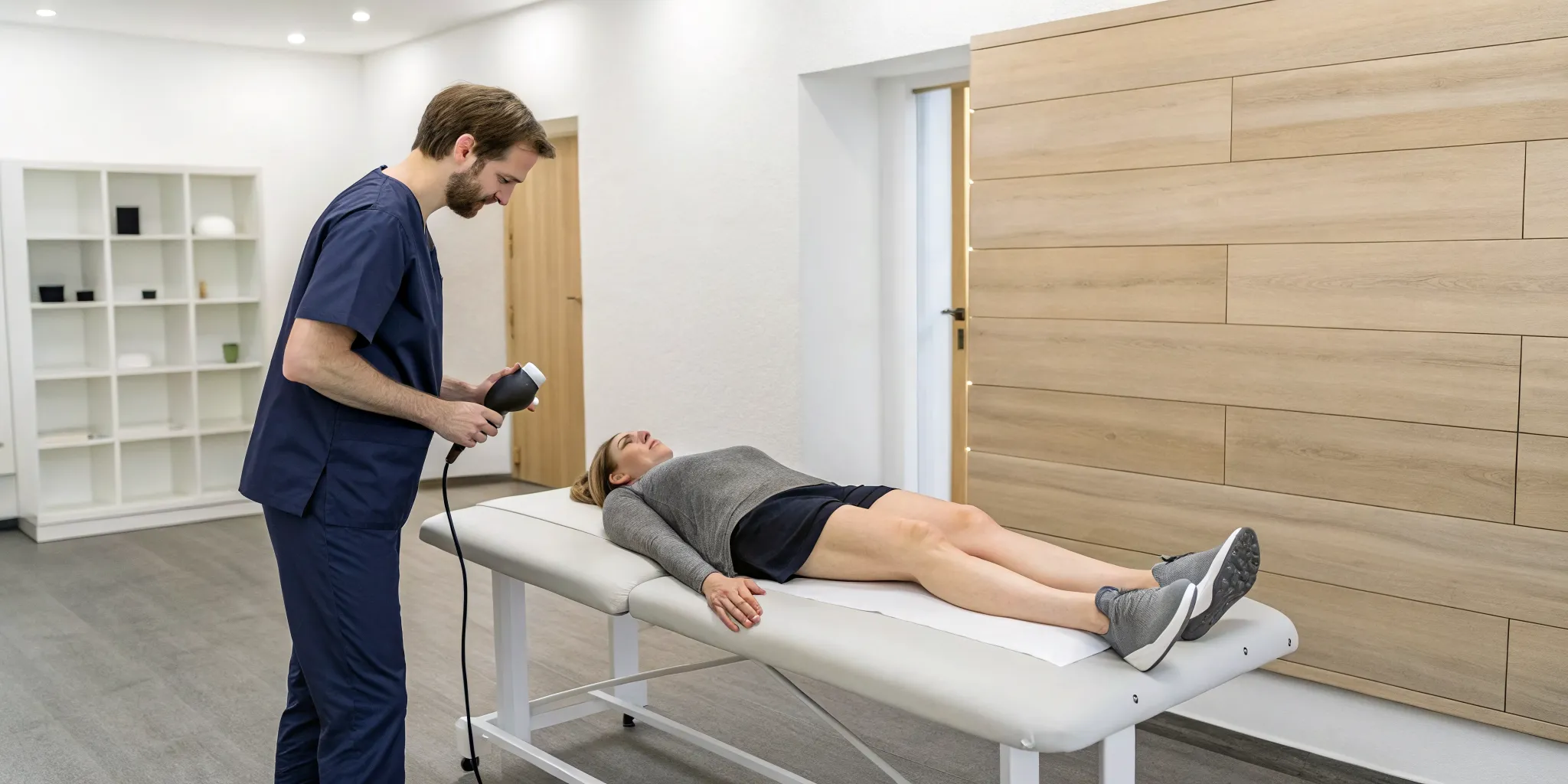
At its core, shockwave therapy is a non-invasive treatment that uses targeted sound waves to accelerate tissue repair and cell growth. Think of it as a way to create a controlled, micro-level response in the body. These acoustic waves increase blood circulation and stimulate metabolic activity in the affected area, which is crucial for healing. This process helps break down scar tissue and calcifications, reduces pain, and improves mobility without the need for more intensive procedures. For practitioners, it’s an incredible tool to have in our physical medicine toolkit, allowing us to address the root cause of pain and facilitate genuine, long-term healing for our patients.
Conditions that respond best to treatment
One of the most compelling aspects of shockwave therapy is its versatility. It’s highly effective for a wide range of musculoskeletal issues, especially chronic tendinopathies that haven't responded to other treatments. We see fantastic results with conditions like plantar fasciitis, Achilles tendinopathy, tennis elbow, and rotator cuff pain. By targeting the specific area of injury, the therapy kickstarts a stalled healing process. Beyond orthopedics, its ability to improve blood flow makes it a promising option for addressing issues like erectile dysfunction and even reducing the appearance of cellulite. This broad applicability means you can help a diverse group of patients find relief from many of the conditions we treat every day.
Reviewing clinical outcomes and patient benefits
Integrating shockwave therapy can be a game-changer for a practice, both in clinical outcomes and patient satisfaction. When patients who have been struggling with chronic pain for months or even years finally find relief, their gratitude is immense. These successful outcomes build a loyal patient base that trusts your expertise and approach. Happy patients are also your best advocates, leading to powerful word-of-mouth referrals that can help your practice grow organically. Seeing these positive transformations firsthand is incredibly rewarding and reinforces our commitment to providing care that truly makes a difference, as you can see in our patient testimonials. A well-chosen device can deliver consistent results for years, making it a sound investment in your patients' well-being and your practice's future.
Comparing Shockwave Therapy Devices
When you begin exploring shockwave therapy, you'll quickly find that not all devices are the same. The term "shockwave" actually covers a few different technologies, each with its own method of generating and delivering energy to the body. The primary distinction comes down to radial versus focused systems. Each type has unique characteristics that make it better suited for certain conditions and tissue depths. Understanding these differences is the first step in determining which technology aligns with your clinical goals and patient needs.
These systems are powerful tools within a comprehensive physical medicine approach, designed to work with the body’s own healing processes. While both radial and focused shockwave therapies aim to reduce pain and restore function, the way they achieve this is quite different. One creates a wider, more superficial effect, while the other can be precisely aimed at a specific point deep within the tissue. Let's look at how each system works so you can better appreciate their individual strengths and applications.
Radial shockwave systems
Radial systems generate what are more accurately called pressure waves. Think of them like ripples spreading from a stone dropped in water. The energy is highest at the point of contact with the skin and disperses as it travels into the tissue. This makes Radial Pulse Shockwave Therapy (RSWT) an excellent choice for treating conditions that are more superficial or spread over a larger area.
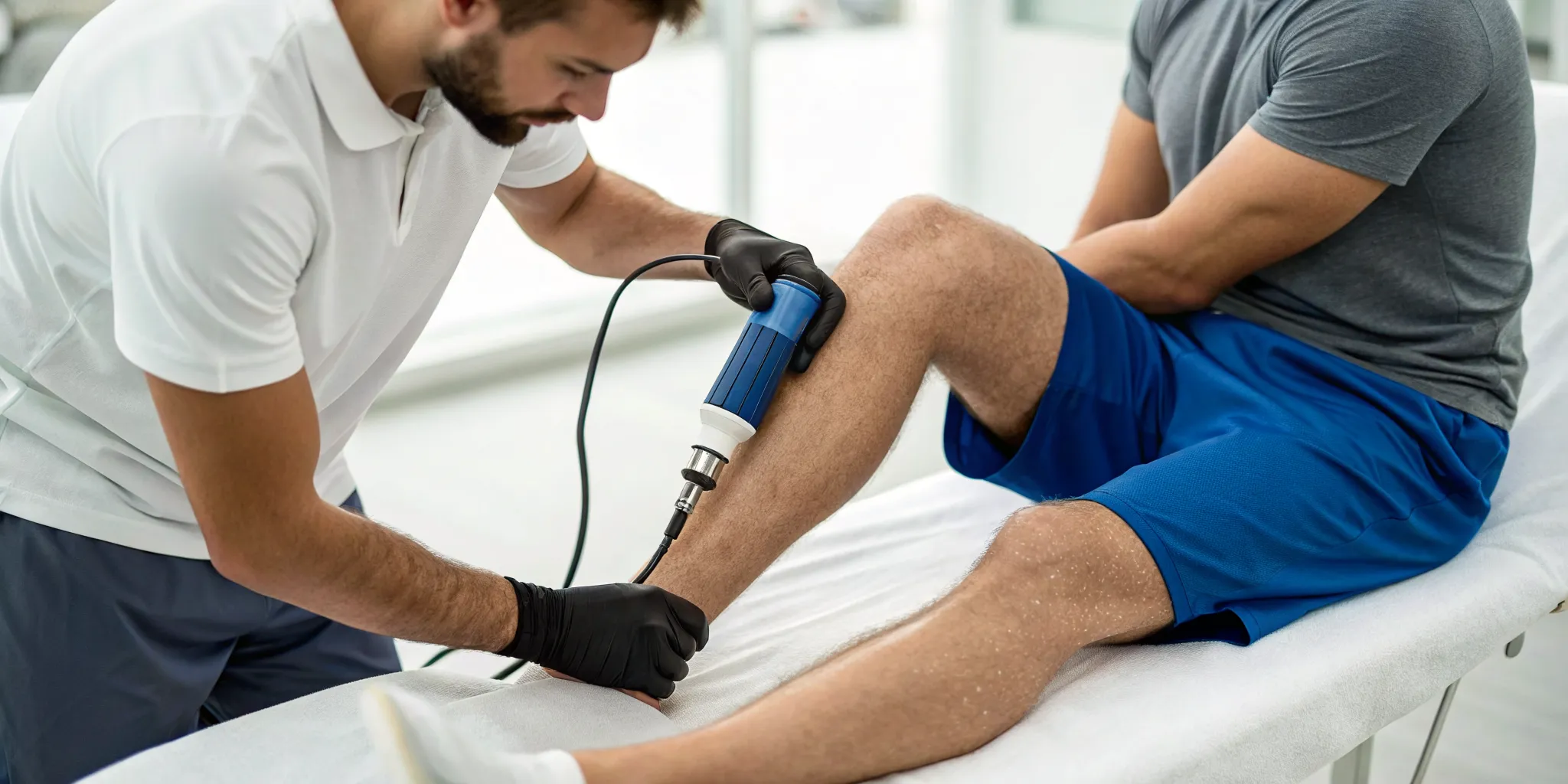
This type of therapy is particularly effective for issues like tennis elbow, jumper's knee, and plantar fasciitis. The pressure waves stimulate metabolic activity, enhance blood circulation, and help initiate the body's natural healing response. Because the procedure is minimally invasive, it’s a well-tolerated option for patients looking for an alternative to more intensive treatments for chronic tendinopathies and other musculoskeletal complaints.
Focused shockwave systems
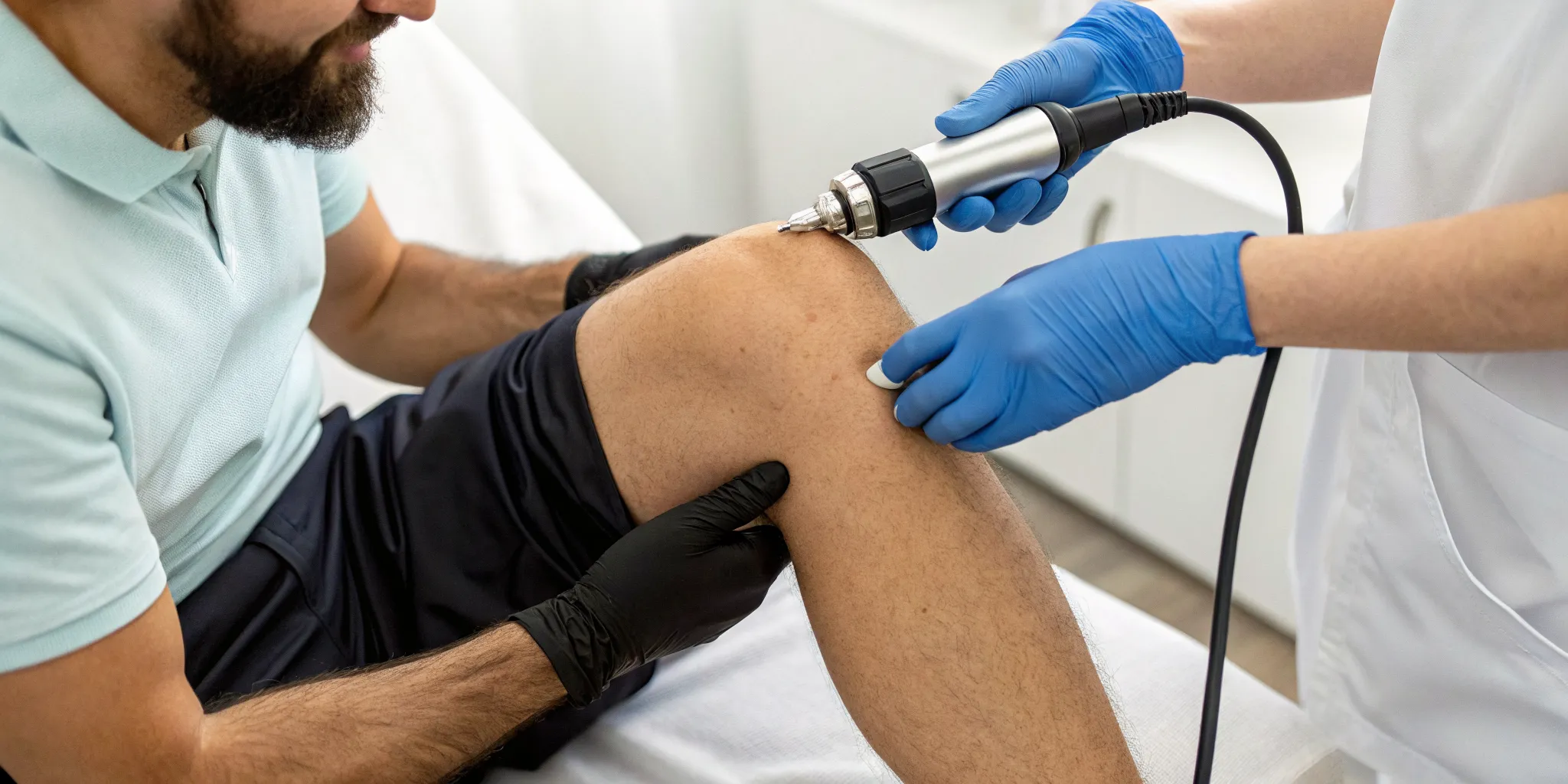
Focused shockwave therapy, or ESWT, operates differently. Instead of radiating outward, it concentrates a high-energy acoustic wave on a single, precise point deep within the body. This technology allows the practitioner to adjust the focal depth, targeting specific tissues like a stubborn tendon attachment or a calcification without significantly affecting the surrounding area. This precision makes it a powerful tool for addressing chronic conditions that haven't responded to other treatments.
Because focused shockwaves can penetrate deeper, they are often used for issues like calcific shoulder tendinitis or chronic plantar fasciitis. The targeted energy helps break down scar tissue and calcifications while stimulating cellular regeneration. The ability to choose the right shockwave therapy device with adjustable depth gives you incredible control over the treatment, leading to effective outcomes for challenging cases.
Understanding EPAT® and EMTT®
As you research devices, you'll likely encounter specific brand names and related technologies like EPAT® and EMTT®. EPAT®, which stands for Extracorporeal Pressure Activation Therapy, is a term used for a highly regarded form of radial pressure wave therapy. It functions on the same principles as other radial systems, using pressure waves to stimulate healing in soft tissues.
On the other hand, EMTT® (Extracorporeal Magnetotransduction Therapy) is a different modality altogether, though it's often used in conjunction with shockwave. Instead of acoustic waves, EMTT® uses high-energy magnetic fields to influence tissues at a cellular level. This process can help reduce inflammation and support tissue regeneration. While both EPAT® and EMTT® are designed to promote healing, they work through distinct biological mechanisms.
How to Choose a Shockwave Therapy Device
Selecting the right shockwave therapy device for your practice is a significant decision that directly impacts patient outcomes and your clinical efficiency. With various systems on the market, it’s easy to feel overwhelmed by the technical specifications and marketing claims. The key is to look past the flashy brochures and focus on the factors that truly matter for delivering safe, effective, and personalized care. A thoughtful evaluation ensures you invest in technology that aligns with your treatment philosophy and meets the specific needs of the people you serve. By breaking down the process into a few key steps, you can confidently choose a device that becomes a cornerstone of your practice.
Verify FDA status and clinical evidence
Before you consider any other feature, confirm the device’s regulatory status and the science behind it. You’ll want to choose systems that are FDA-cleared and supported by solid clinical studies demonstrating their safety and effectiveness. This isn't just about compliance; it's about your commitment to patient safety and trust. A device with a proven track record gives you and your patients peace of mind. At Ascend Functional Health, we build our protocols around proven, research-backed modalities, and we believe every practitioner should hold their equipment to the same high standard. This foundational step ensures you’re investing in a tool that delivers real, predictable results.
Evaluate treatment precision and depth control
The ability to tailor treatment to each patient’s unique anatomy and condition is what separates good results from great ones. Look for devices that offer precise treatment targeting and adjustable depth control. Different injuries and tissues require different levels of energy and penetration. For example, treating a superficial tendon requires a different setting than addressing deeper muscle tissue. A system that allows you to fine-tune these parameters gives you the flexibility to create truly personalized protocols. This level of control is essential for maximizing therapeutic benefits while ensuring each session is both comfortable and effective for your patient.
Prioritize user-friendly controls and design
A powerful device is only useful if it’s practical for daily clinical use. Pay close attention to the ergonomics and interface of the system. A well-designed, easy-to-use handpiece can reduce practitioner fatigue and make administering treatment smoother and more intuitive. The control panel should be straightforward, allowing you to adjust settings quickly without disrupting the flow of a session. When a device is designed with the user in mind, it minimizes the learning curve and helps ensure consistent, repeatable treatments from day one. This focus on usability ultimately translates to a better experience for both you and your patient.
Inquire about training and ongoing support
Your relationship with a manufacturer shouldn't end once the device is delivered. Comprehensive training is crucial for getting the most out of your new technology and using it safely. Before purchasing, ask about the company’s training process and what kind of ongoing support they offer. Do they provide hands-on instruction? Is there a clinical support team you can contact with questions? Reliable, accessible help is invaluable, especially as you begin integrating the device into your practice. A manufacturer that invests in your success is a true partner in patient care.
Match the device to your patient population
Finally, step back and think strategically about your practice and the people you help. What are the most common issues your patients face? Are you primarily treating chronic tendon injuries, muscle pain, or other specific conditions? Answering these questions will help you determine which type of shockwave device best fits your clinical focus. Consider both your current patients and the new types of cases you could attract with this technology. By aligning the device’s capabilities with the specific conditions we treat in our community, you ensure your investment directly serves your patients’ needs and supports your practice’s growth.
Key Safety Considerations and Contraindications
While shockwave therapy is a powerful tool in our physical medicine toolkit, it’s not a universal solution for every patient or condition. As with any effective treatment, understanding its safety profile and limitations is essential for achieving the best possible outcomes. A responsible practitioner always begins with a thorough evaluation to determine if a patient is a good candidate. This involves a detailed health history, a physical examination, and a clear understanding of the patient’s goals. This initial step is non-negotiable because it sets the foundation for a successful and safe treatment journey. It allows us to see the full picture of your health, not just the single symptom that brought you to our office.
This careful screening process ensures that the therapy is applied where it can be most beneficial and avoids situations where it could be ineffective or contraindicated. It’s about matching the right technology to the right person at the right time. By prioritizing patient safety and suitability, we can confidently apply shockwave therapy to stimulate healing and reduce pain, knowing we’ve taken every precaution. The goal is always to facilitate the body’s natural healing processes in the safest, most effective way possible. We believe in empowering our patients with knowledge, and that starts with a transparent conversation about whether a particular therapy is the right fit for them.
Common temporary side effects to expect
One of the great things about shockwave therapy is that it’s non-invasive and generally very well-tolerated. Most patients complete a session with little to no discomfort. However, it’s normal to experience some mild, temporary side effects as your body kicks its healing response into high gear. You might notice some redness, minor swelling, or tenderness at the treatment site, similar to how you might feel after a deep tissue massage.
These effects are typically short-lived, often resolving within a day or two. They are positive signs that the therapy is working by increasing blood flow and metabolic activity in the targeted tissue. We always discuss what to expect with our patients beforehand so they feel prepared and confident in their body’s response to the treatment.
Patient conditions that preclude treatment
Shockwave therapy isn’t for everyone, and a key part of our process is identifying who shouldn’t receive this treatment. Certain health conditions make shockwave therapy an unsuitable option. For example, we would not perform this therapy on patients who are pregnant, have a pacemaker, have active cancer in the treatment area, or have certain blood-clotting disorders. It’s also avoided over open growth plates in younger patients.
This is why a comprehensive health history is so important. We take the time to understand your complete health picture before recommending any treatment plan. Being transparent about your medical history allows us to ensure your safety and select the most appropriate and effective therapy for your unique needs.
When another modality may be a better fit
A precise diagnosis is the foundation of any successful treatment plan. While shockwave therapy is incredibly effective for many musculoskeletal issues like tendonitis and plantar fasciitis, it’s not the ideal choice for every type of pain. For instance, pain originating from nerve-related problems or widespread, systemic inflammation may respond better to other approaches within functional or physical medicine.
Our goal is to address the root cause of the specific conditions our patients face. If our assessment indicates that another modality would provide a better outcome, we’ll recommend that path. Effective care is about having a diverse set of tools and the expertise to know which one to use for each individual’s situation, ensuring a truly personalized approach to healing.
Breaking Down the Cost of a Shockwave Device
When you’re considering adding a new modality to your practice, the financial investment is always a key factor. The cost of shockwave therapy devices can vary significantly, from a few thousand dollars to the price of a new car. Understanding the different tiers of equipment will help you determine which system aligns with your practice’s budget, patient needs, and long-term goals. The price generally reflects the technology inside, whether it’s a radial or focused system, its power, precision, and the number of included features.
Think of this as an investment in your clinic’s capabilities and your patients' outcomes. A more advanced machine might allow you to treat a wider range of conditions, while a more basic model can be a great entry point into offering this effective therapy. Let’s look at what you can expect at different price points.
What to expect from entry-level systems
Entry-level shockwave devices typically fall in the $3,000 to $5,000 range. These machines are a practical starting point for practices just beginning to incorporate acoustic wave therapy. While they may not have all the bells and whistles of more expensive models, they are perfectly capable of delivering effective treatments for many common musculoskeletal issues. These systems are often ideal for a physical medicine setting focused on conditions like plantar fasciitis or tennis elbow. They provide a straightforward way to introduce shockwave therapy to your patients and see the benefits firsthand without a major upfront capital expense.
Features of mid-range systems
For a price between $7,000 and $12,000, you can find mid-range shockwave therapy systems. These devices represent a step up in both features and versatility. You’ll often find they come with more applicators, a wider range of frequency and pressure settings, and pre-set protocols for various conditions. This allows for greater precision and the ability to tailor treatments more specifically to each patient. For a practice looking to expand its services and treat a more diverse set of patient concerns, a mid-range unit offers a great balance of advanced capability and reasonable cost, providing a solid return on investment through enhanced patient care.
Capabilities of high-end clinical systems
High-end, clinical-grade shockwave machines command a price of $13,000 to $39,000 or even more. These are the top-tier systems designed for practices that require maximum performance and versatility. They often feature the most advanced technology, including focused shockwave capabilities, superior depth penetration, and extensive customization options. These devices are built for high-volume clinics and practitioners who treat complex or chronic conditions that may not respond to standard therapies. While the initial investment is significant, their effectiveness in addressing root causes aligns perfectly with a functional medicine approach and can quickly establish your practice as a leader in regenerative care.
Our Approach to Shockwave Therapy at Ascend Functional Health
At Ascend Functional Health, we see shockwave therapy not as an isolated fix, but as a powerful tool within our comprehensive healing framework. Our approach is always rooted in understanding the complete picture of your health. We don’t just treat the site of your pain; we integrate advanced therapies like shockwave to support your body’s innate ability to heal while we work to uncover the root cause of your condition. This method ensures that we’re creating lasting results, not just temporary relief.
By combining shockwave therapy with our three pillars of healing, we can address chronic pain and dysfunction from multiple angles. It becomes a catalyst for recovery, helping to accelerate tissue repair and reduce inflammation so you can get back to living your life more fully. Our goal is to create a personalized protocol where every component, including shockwave, works in harmony to restore your health and vitality. We believe that true healing happens when we address the body as an interconnected system. Shockwave therapy helps us do just that by targeting specific areas of injury or chronic stress, which in turn reduces the burden on your entire system. This allows other interventions, from nutritional adjustments to corrective exercises, to be even more effective. It’s about creating the ideal environment for your body to repair itself, and shockwave is a key part of that process for many of our patients.
How we integrate shockwave into physical medicine
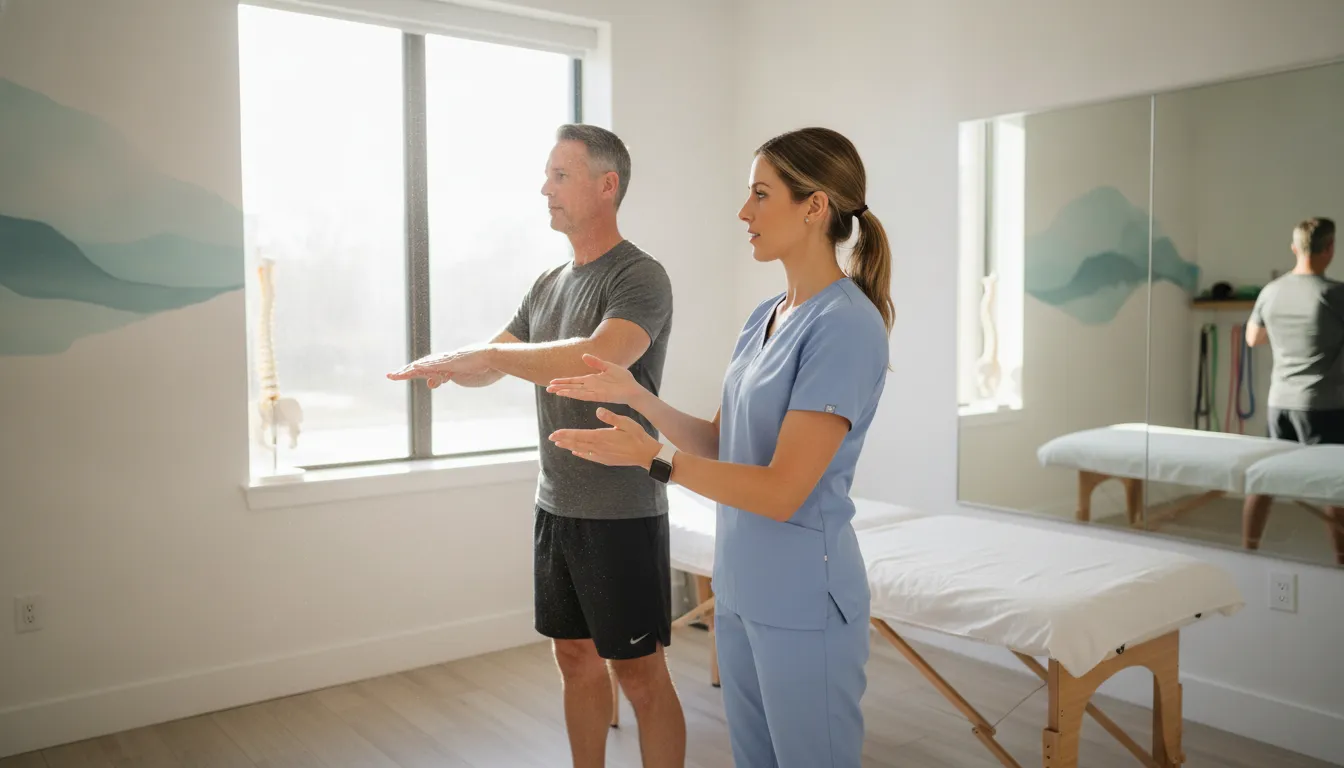
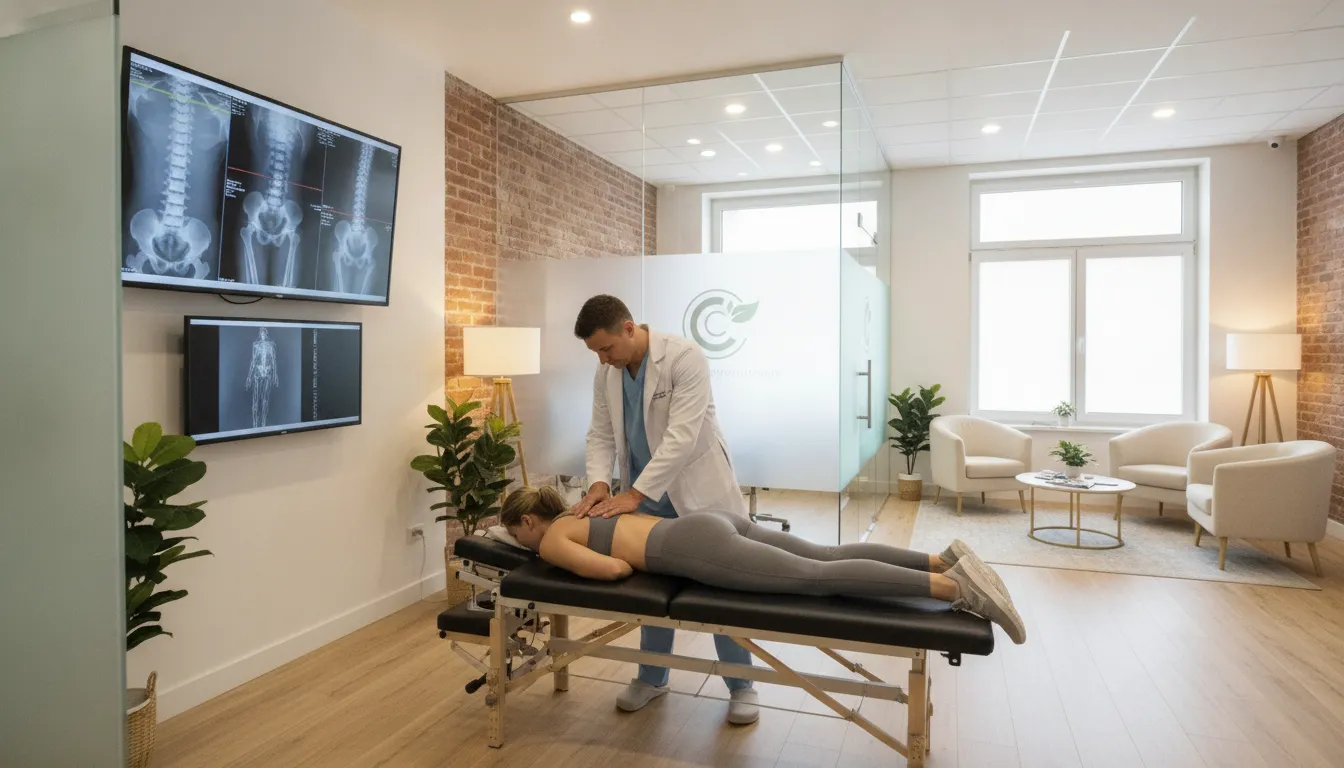
We view shockwave therapy as a natural extension of our physical medicine services. When you’re dealing with chronic issues like tendonitis, plantar fasciitis, or persistent shoulder pain, movement can be difficult. Shockwave therapy helps kickstart the healing process in these stubborn tissues by using acoustic waves to stimulate blood flow and cell regeneration. This non-invasive treatment works alongside chiropractic adjustments and corrective exercises to improve mobility and reduce pain. By preparing the tissue for healing, it allows you to get more out of your physical rehabilitation, helping you build strength and resilience faster.
Its role in functional and longevity protocols
Pain is often a signal of deeper imbalances in the body. That’s why our use of shockwave therapy extends into our functional and longevity protocols. Chronic musculoskeletal pain can create systemic inflammation, which we address through targeted nutritional and lifestyle changes. By using shockwave to manage the local pain and inflammation, we can improve your overall well-being and ability to stay active, a cornerstone of longevity medicine. We carefully calibrate the intensity and frequency of the treatment to your specific condition, ensuring the right therapeutic dosage is applied to promote optimal healing without overstressing the body.
Our philosophy on selecting the right technology
Providing effective care starts with using the right tools. We are incredibly selective about the technology we bring into our practice because we know that clinical precision and quality are essential for patient outcomes. Our team invests significant time in vetting devices, choosing only those with strong clinical evidence and the ability to deliver targeted, controlled treatments. This commitment ensures we can address your specific condition with the appropriate depth and intensity. By prioritizing proven, high-quality technology, we can confidently create treatment plans that are both safe and effective for our patient community here in Tampa.
Is Shockwave Therapy Right for Your Practice?
Adding a new modality to your clinic is a significant decision that goes beyond the technology itself. It’s about finding a tool that aligns with your treatment philosophy and genuinely serves your patients. Shockwave therapy offers a powerful, non-invasive option for addressing persistent musculoskeletal issues, but its value ultimately depends on how well it integrates into your existing practice. Before making a choice, it’s helpful to consider if this technology fills a gap in your current care, how it might support your practice’s long-term goals, and the specific ways it can enhance the treatments you already provide.
Thinking through these key areas will help you determine if bringing shockwave therapy into your clinic is the right strategic move for you and your patients. At Ascend Functional Health, we've found it to be an invaluable part of our physical medicine toolkit, but every practice is unique. This decision requires a careful look at your specific patient population and clinical objectives. It's a popular, non-surgical way to help patients heal and reduce pain, which can be a major draw. An investment in the right device can greatly improve patient care and set your practice apart as a leader in innovative, results-driven therapies.
Assess your current patient needs
The first question to ask is simple: What problems do your current patients have that this device could help with? Take a look at your patient files. Are you consistently seeing individuals with chronic tendinopathies, plantar fasciitis, or stubborn trigger points that only partially respond to your current protocols? If you find yourself wishing you had another tool for these challenging cases, shockwave therapy might be the answer. The most successful additions to a practice are those that solve an existing problem, rather than creating a service in search of a patient. By identifying a clear need within your community, you ensure the technology will be put to good use from day one, improving outcomes for the people you already serve.
Evaluate the potential for practice growth
Beyond serving your existing patients, consider how shockwave therapy could attract new ones. Offering an advanced, non-invasive treatment can set your practice apart and draw in individuals who are actively seeking alternatives to conventional approaches. It signals that your clinic is committed to providing comprehensive and modern care. This can be especially effective if few other practices in your area offer the modality. Integrating this technology can enhance your reputation as a leading-edge provider and broaden the scope of conditions we treat in our clinic. Ultimately, adding a sought-after service like shockwave therapy can become a key driver for expanding your practice and reaching more people in your community who need your help.
How shockwave can complement your existing services
Shockwave therapy rarely stands alone; its strength lies in its ability to integrate with and enhance your current treatment plans. Think of it not as a replacement, but as a powerful adjunct to your existing services. For example, it can be used alongside manual therapy, corrective exercise, or chiropractic adjustments to accelerate tissue healing and improve functional outcomes. It’s particularly effective for patients whose progress has stalled or for whom other conservative treatments haven't provided complete relief. By incorporating shockwave therapy, you can create more robust, multi-faceted protocols that address complex conditions from multiple angles, leading to better, more lasting results for your patients.
Related Articles
- SoftWave Tissue Regeneration Therapy in Tampa | Alessi Functional Health
- SoftWave TRT Therapy in Tampa, FL - Alessi Functional Health
- The Ultimate Guide to Myofascial Release Therapy
- What Is Soft Tissue Therapy? A Complete Guide
- What Is Graston Technique Therapy? A Beginner's Guide
Frequently Asked Questions
What does a shockwave therapy session actually feel like? Most people describe the sensation as a strong, rhythmic tapping or pulsing against the skin. We can adjust the intensity to your comfort level, and while you might feel some tenderness over a particularly sensitive area, the treatment itself is quite brief. The goal is to create a therapeutic response, so we work with you to find a level that is effective without being overly uncomfortable.
How many treatments will I need before I notice a difference? This really depends on your specific condition, how long you've been dealing with it, and how your body responds. It's not a one-and-done fix. Generally, we find that a series of three to six sessions, spaced about a week apart, yields the best results. We will create a personalized plan for you and assess your progress along the way to make sure we're on the right track.
How do you determine whether to use radial or focused shockwave therapy? The choice comes down to your diagnosis and the specific tissue we need to treat. After a thorough assessment, we decide which technology will be most effective. Radial therapy is excellent for conditions that are more spread out or closer to the surface, like tendinopathies. Focused therapy is our tool for targeting a very precise point deep within the tissue, such as a stubborn calcification that other treatments haven't helped.
Can I receive shockwave therapy on the same day as a chiropractic adjustment? Yes, and in many cases, we recommend it. We often find that these therapies work together beautifully. Shockwave therapy can help relax tight muscles and stimulate blood flow in an injured area, which can make the tissues more responsive to a chiropractic adjustment or corrective exercises. It’s all part of our integrated approach to help you heal more efficiently.
What should I do or avoid doing after a shockwave session? After a session, we recommend you take it easy for the rest of the day. It’s best to avoid any strenuous, high-impact activities that stress the treated area for about 48 hours. We also suggest you avoid taking any anti-inflammatory medications, as the therapy works by initiating a natural healing response from your body, and we don't want to interfere with that important process.