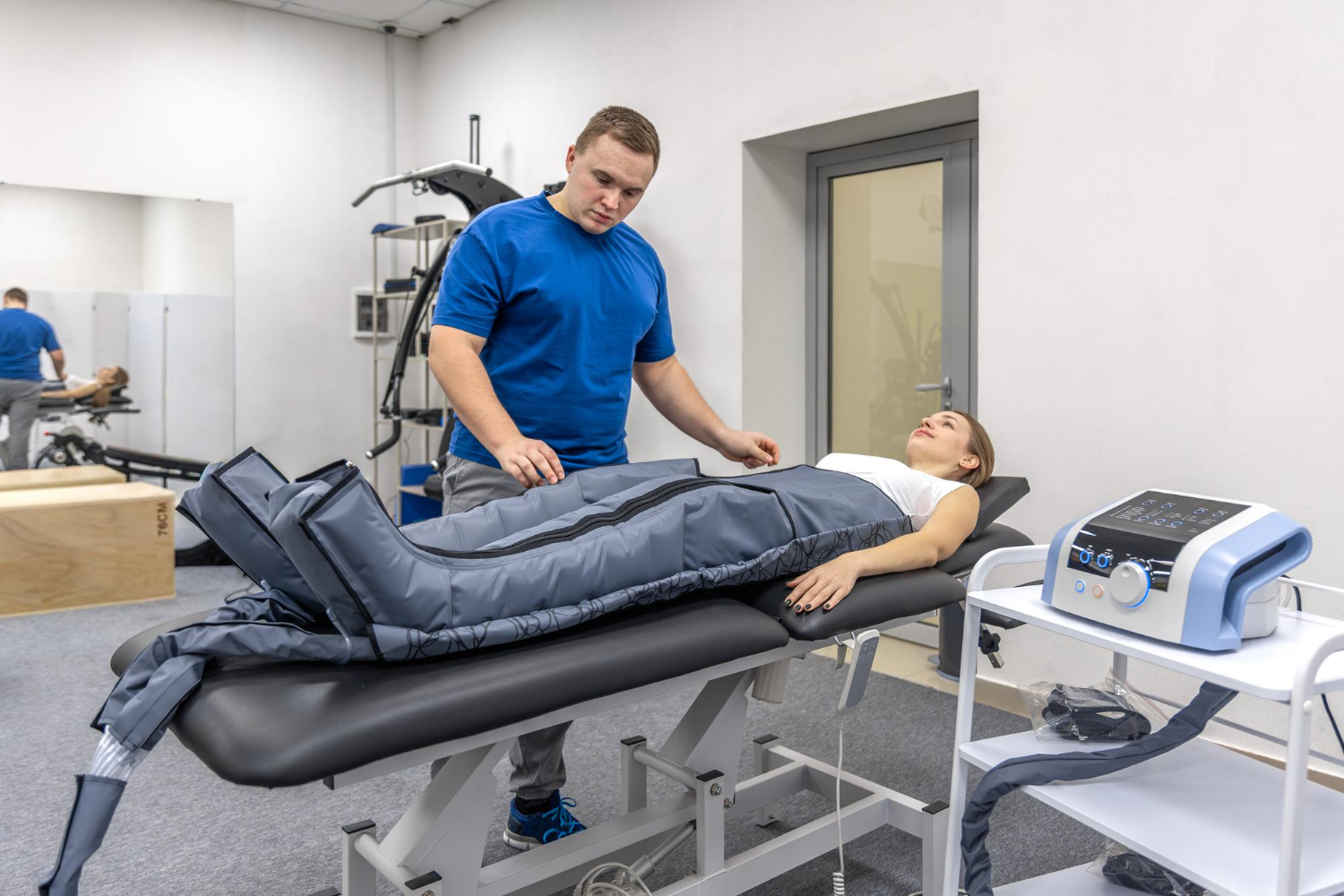
It’s a common frustration: you’re paying out-of-pocket for holistic treatments that work, while your health savings account sits untouched. Many people assume that services like functional medicine consultations or therapeutic massage aren’t eligible for reimbursement. The truth is, they often are, but they require one extra step. A formal letter from your provider can bridge the gap between a general wellness expense and a qualified medical one. This is where a Letter of Medical Necessity holistic medicine HSA strategy becomes essential. It provides the clear, official documentation needed to validate your care plan and use your pre-tax funds for your health journey.
Key Takeaways
- Make your holistic care eligible for HSA/FSA funds: A Letter of Medical Necessity is the key document that proves your treatments are medically required, allowing you to use pre-tax dollars for services like chiropractic adjustments, functional medicine, and specific products prescribed by your provider.
- Ensure your LMN is detailed and specific: To avoid rejection, your letter must connect a clear diagnosis to a precise treatment plan. It should outline the exact services, their frequency, and explain why they are essential for your health, not just for general well-being.
- Partner with your provider and keep good records: Start by scheduling a dedicated appointment to discuss your LMN. Once you have the signed letter, submit it to your plan administrator and keep a copy with all related receipts to create a clear and defensible paper trail for your expenses.
What Is a Letter of Medical Necessity (LMN)?
A Letter of Medical Necessity (LMN) is a formal document from your healthcare provider that explains why a specific treatment or service is essential for your health. Think of it as a prescription, but for therapies, products, or tests that might not be automatically recognized by your health savings account (HSA) or flexible spending account (FSA) administrator. This letter connects your diagnosis to a recommended treatment, showing that it’s a targeted solution for a specific medical need, not just a general wellness expense. For anyone pursuing a personalized path to health, an LMN can be a crucial tool.
How It Helps You Use HSA/FSA Funds
Your HSA and FSA are valuable resources, but they operate under specific rules about what constitutes a qualified medical expense. An LMN is often the key to using these pre-tax funds for a broader range of therapies, especially those common in functional medicine. Many preventive or lifestyle-focused treatments only become eligible for reimbursement once you have an LMN on file. The letter serves as official proof that your expense is directly tied to a qualified medical service, which helps prevent your plan administrator from denying the claim. It validates your expense as a legitimate part of your healthcare journey.
Why Holistic Care Often Needs an LMN
Holistic approaches are designed to address the root cause of your health issues, but they don't always fit neatly into standard administrative categories. Treatments like specialized lab testing, professional-grade supplements, or certain physical therapies must be linked to a specific medical condition to qualify for HSA/FSA spending. An LMN is what makes that connection official. It demonstrates that the care you’re receiving is a necessary part of your treatment plan for one of the health concerns you're addressing, like chronic headaches or digestive problems. This letter ensures your personalized care plan is properly recognized as a valid medical expense.
What Holistic Treatments Can an LMN Cover?
A Letter of Medical Necessity (LMN) can be your key to using your Health Savings Account (HSA) or Flexible Spending Account (FSA) for a wide range of holistic health services. While some of these treatments might not be automatically approved, an LMN provides the formal documentation needed to show they are essential for treating, diagnosing, or preventing a specific health condition. This simple document can help you direct your healthcare funds toward the treatments that truly support your well-being. From targeted physical therapies to specialized lab tests, an LMN validates your care plan, making it a qualified medical expense.
Chiropractic and Physical Medicine
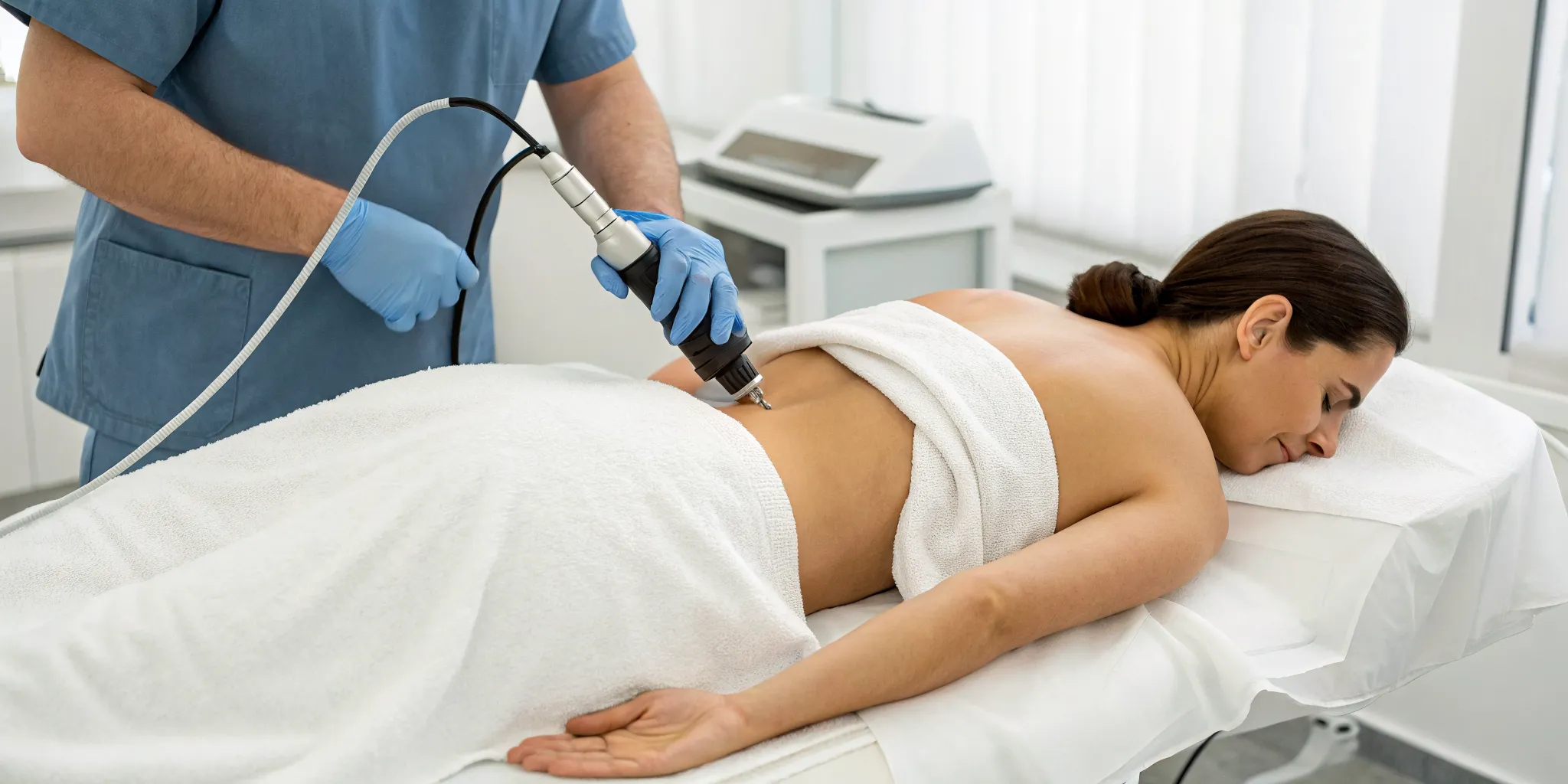
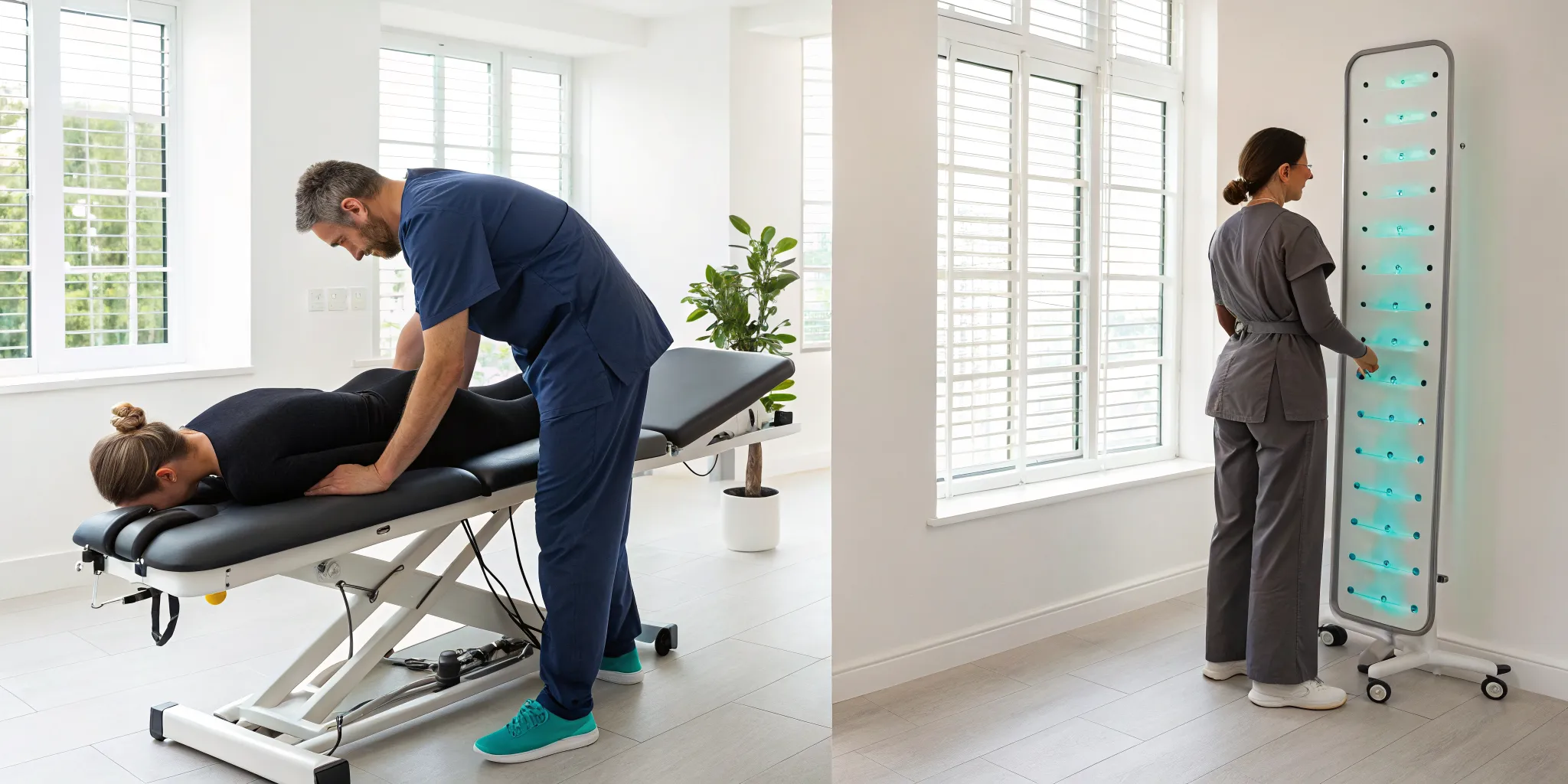
Many people find that their health funds have "zero or very limited coverage for treatments such as... chiropractic... or other therapies that may benefit your health." This is where an LMN becomes incredibly valuable. If you're dealing with chronic back pain, sciatica, or persistent headaches, a letter from your provider can formally connect your condition to a prescribed treatment plan. This documentation justifies expenses for services like chiropractic adjustments, spinal decompression, and other forms of physical medicine as necessary for your recovery and long-term health, not just general wellness.
Functional Medicine and Specialized Testing
It's a common misconception that in-depth, root-cause-focused care isn't a valid use of health savings funds. However, "many patients don’t realize that Health Savings Accounts (HSA) and Flexible Spending Accounts (FSA) can be used to cover a variety of Functional Medicine services." An LMN can authorize payment for consultations, advanced lab work like stool tests or comprehensive blood panels, and other diagnostic tools used to uncover the source of your symptoms. By documenting the medical need for this deeper investigation, an LMN makes it easier to use your funds for care that addresses your health at its foundation.
Acupuncture, Massage, and Nutritional Support
Services like acupuncture and therapeutic massage often fall into a gray area for HSA/FSA spending. As one source notes, "getting acupuncture or acupressure may count as HSA-qualified medical expenses, and in some cases, will require an LMN." The letter is what separates a wellness treatment from a medical one. For example, a massage prescribed to alleviate chronic muscle tension from a diagnosed condition is very different from a relaxation massage. The same applies to nutritional counseling when it's part of a documented plan to manage a health issue. An LMN provides the necessary context for these valuable holistic services.
Professional-Grade Supplements and Wellness Products
You generally can't use your HSA or FSA card to purchase vitamins or supplements off the shelf. However, when a specific product is recommended by your provider to treat a diagnosed condition, an LMN can make it a qualified expense. As experts explain, "a letter of medical necessity explains why a specific treatment or product is essential for your health." The letter must detail the exact supplement, the dosage, and the medical reason for the prescription, such as addressing a nutrient deficiency identified through bloodwork. This allows you to use your funds for high-quality, professional-grade products that are integral to your treatment plan.
Key Elements of a Strong LMN
A Letter of Medical Necessity is more than just a doctor's note; it's a detailed document that builds a case for why a specific treatment is essential for your health. For an LMN to be effective, it needs to be clear, comprehensive, and professional. Think of it as telling a complete story: who you are, what your health challenge is, what the proposed solution is, and exactly why that solution is the right one for you. Each part plays a critical role in demonstrating the medical need for your care plan. Let's look at the five essential elements that make an LMN strong and successful.
Your Details and Your Provider's Information
First things first, your LMN needs to clearly identify everyone involved. This section is all about the basics, but getting them right is crucial. The letter should be on your provider’s official letterhead and include their full name, title, contact information, and professional license numbers. This establishes their credibility right away. For your part, the letter must include your full name, date of birth, and the ID number for your health spending account. Think of this as the formal introduction; it ensures that the request is tied to the right person and a licensed professional. Our team at Ascend Functional Health ensures every LMN we prepare contains all this necessary information, starting the process on a solid, professional foundation.
A Clear Diagnosis
An LMN must state your health condition in clear, medical terms. A vague description like "feeling tired" won't be enough; the letter needs to specify a diagnosis, such as "adrenal fatigue" or "chronic inflammatory response syndrome." This diagnosis is the cornerstone of your letter, as it provides the medical context for the treatment your provider is recommending. During your consultation, your provider will work to identify the root cause of your symptoms to arrive at a specific diagnosis. This step is essential because every part of the LMN that follows will connect back to this initial health concern, justifying the need for a personalized care plan.
Your Prescribed Treatment Plan
This is where specificity is your best friend. Your LMN must outline the exact treatment plan your provider has prescribed. It’s not enough to say "nutritional supplements"; the letter should list the specific product, the dosage, and the frequency (for example, "5000 IU of Vitamin D3, taken once daily with a meal"). If the treatment is a service like chiropractic care or acupuncture, it should specify the frequency and duration of the sessions. This level of detail demonstrates that the treatment is a targeted, professional recommendation, not a general wellness suggestion. It shows that your provider has created a precise plan to address your specific health needs.
The "Why": Connecting Treatment to Your Diagnosis
This is the heart of your LMN. In this section, your provider explains why the prescribed treatment is medically necessary for your specific diagnosis. It connects the dots for the administrator, detailing how the recommended service or product will treat your condition, alleviate your symptoms, or prevent your health issue from worsening. For example, the letter might explain how specific functional medicine protocols can help regulate your gut microbiome to resolve digestive distress. This justification is the most persuasive part of the letter, as it showcases the clinical reasoning behind your provider’s recommendation and highlights the expected health benefits.
An Official Provider Signature and Credentials
Finally, to make it all official, the letter must be signed and dated by your healthcare provider. This signature acts as a final stamp of validation, confirming that a licensed professional stands behind the diagnosis and the prescribed treatment plan. The letter should be printed on official letterhead that includes the provider's credentials and contact information. This simple but critical step authenticates the document and reinforces its legitimacy. It’s the final piece that ties everything together, presenting a complete and professional request for your care.
How to Get an LMN for Holistic Care: A 5-Step Guide
Getting a Letter of Medical Necessity can feel like a formal process, but it’s a straightforward path to using your pre-tax health funds for the care you truly need. Think of it as a partnership between you and your provider to document the "why" behind your treatment plan. Following these five steps will help you get a clear, effective letter that supports your health goals.
Step 1: Book an Appointment with Your Provider
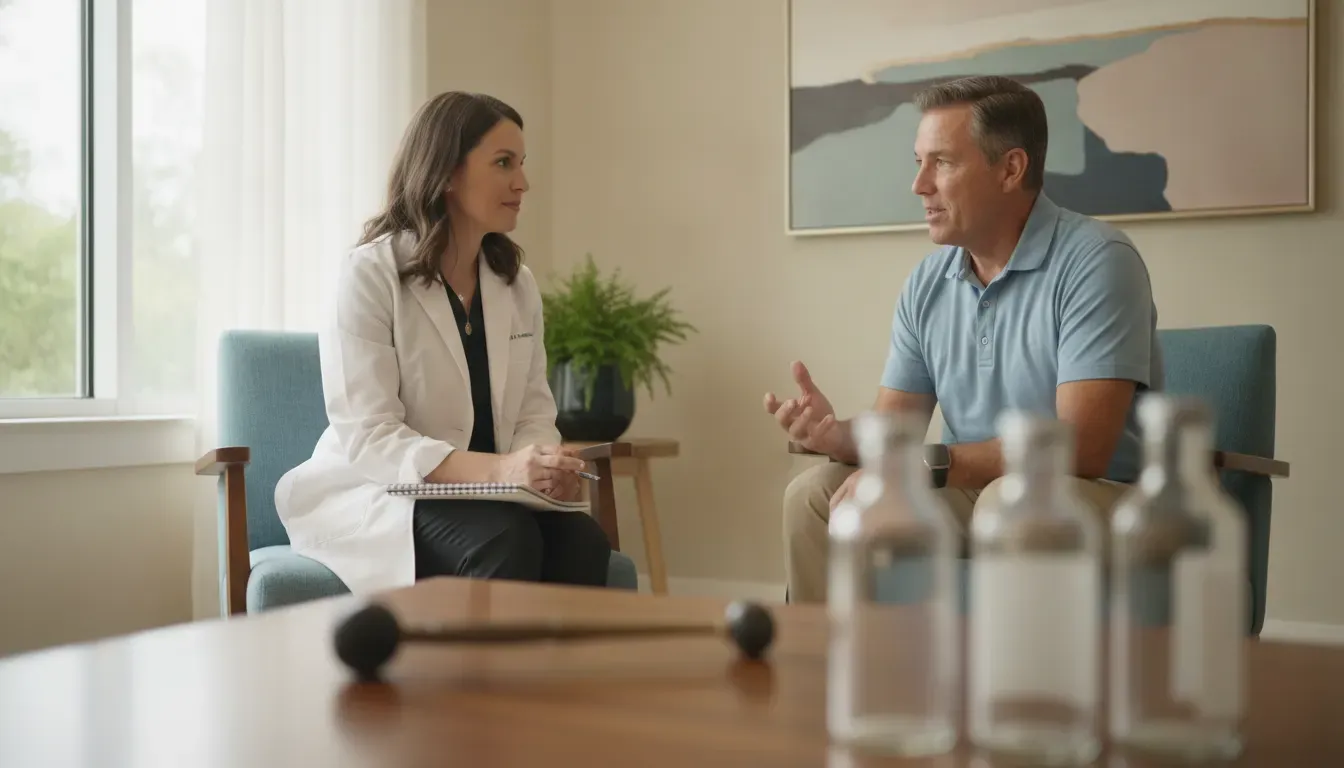
First things first: you need to have a dedicated conversation with your provider. Schedule an appointment specifically to discuss your health concerns and your goal of getting an LMN for a particular treatment. When you book your visit, be upfront about your intentions. This isn't a conversation to squeeze in at the end of a regular check-up. You want your provider's full attention so they can understand your needs and write a strong, effective letter. They will need to clearly explain why a specific service, like chiropractic care or functional medicine testing, is medically necessary for your condition. This initial meeting sets the stage for the entire process.
Step 2: Gather Your Medical History
To make your appointment as productive as possible, come prepared. Gather all relevant documents related to your medical history. This includes past diagnoses, lab results, imaging reports, and a list of treatments you’ve tried that didn't work. Your provider will review your history to build a comprehensive case for the recommended treatment. Providing this information helps them connect the dots and write a more detailed justification in the letter. It shows the full story of your health journey and demonstrates why the holistic care you're seeking is a necessary next step for the conditions we treat, not just a general wellness preference.
Step 3: Discuss Your HSA/FSA Goals
Don't be shy about discussing the financial side of things. Your provider needs to know that you plan to use your Health Savings Account (HSA) or Flexible Spending Account (FSA) for your care. An LMN is the key that allows you to use these pre-tax funds for expenses that aren't automatically considered qualified medical expenses. Explaining your goal helps your provider frame the letter correctly. They can then focus on articulating why the functional medicine or physical therapy you need is essential for diagnosing, treating, or preventing a specific medical issue, which is exactly what your account administrator needs to see.
Step 4: Review the Draft Letter
Once your provider has drafted the letter, ask for a chance to review it before it’s finalized. A strong LMN is clear, detailed, and leaves no room for interpretation. Check to make sure it includes all the key elements: your personal information, the provider’s credentials, a specific diagnosis, the exact treatment being prescribed, and a clear justification connecting the treatment to your diagnosis. The letter should be signed and dated by your provider. The Ascend Functional Health team is committed to partnering with you, and we want to ensure your letter is as solid as possible. Don't hesitate to ask for clarification or suggest edits if something seems vague.
Step 5: Submit and Save Your Records
With your finalized LMN in hand, the next step is to submit it to your HSA or FSA administrator according to their procedures. Some may require it before you pay for the service, while others ask for it with your reimbursement claim. Either way, always keep a copy for yourself. We recommend saving both a digital file and a physical copy in a dedicated folder with your other health-related financial documents. This simple habit will save you a lot of headaches if you ever need to verify your expenses. Our patients' experiences show that staying organized is a key part of a successful health journey.
HSA vs. FSA: What's the Difference for Holistic Care?
Understanding how to pay for your health journey can feel like a puzzle, especially when it comes to using tax-advantaged accounts like an HSA or FSA. Both a Health Savings Account (HSA) and a Flexible Spending Account (FSA) let you set aside money before taxes to pay for qualified medical expenses. The main difference lies in who owns the account and what happens to the money at the end of the year.
An HSA is a personal savings account that you own. The funds roll over year after year, so you don’t have to worry about losing them. This makes it a fantastic tool for long-term health planning. An FSA, on the other hand, is typically owned by your employer, and you usually need to spend the funds within the plan year.
Both accounts can be used for holistic treatments, but it’s not always as simple as swiping a card. Many holistic services require a Letter of Medical Necessity (LMN) to prove the treatment is for a specific medical condition. Knowing the rules for your specific account is the first step in confidently using your funds for services like functional medicine and chiropractic care.
Using Your HSA for Holistic Treatments
Think of your Health Savings Account (HSA) as your personal health fund. It’s a savings account that lets you put aside pretax money to pay for qualified health care expenses, and the money is yours to keep, even if you change jobs. A huge benefit is that HSAs can be used to pay for medical expenses that your standard health plan might not cover.
This is where it gets exciting for holistic care. Services like acupuncture, chiropractic adjustments, and specialized testing can often be paid for with your HSA funds. However, for some treatments, you may need an LMN to show that the service is medically necessary. For example, getting acupuncture may count as a qualified medical expense, but your plan might require an LMN to approve it.
Using Your FSA for Holistic Treatments
A Flexible Spending Account (FSA) is another great tool for managing health costs with pre-tax dollars. The key difference is that FSAs often have a "use it or lose it" rule, meaning you must spend the funds by the end of the year. This makes it important to plan your expenses carefully.
Like an HSA, an FSA can be used for a wide variety of eligible expenses. When it comes to holistic care, most alternative treatments should qualify, but there’s a catch: they must be for treating a specific medical condition, not just for general wellness. This is why an LMN is so critical when using your FSA. It provides the official documentation that connects your physical medicine or nutritional support plan to a diagnosed health issue, ensuring the expense is eligible.
Questions to Ask Your Plan Administrator
To avoid any surprises, it’s always best to talk to your HSA or FSA plan administrator before you pay for a service. Being proactive helps ensure you use your account properly, which is important in the event of an IRS audit. The rules can sometimes feel like a gray area, but asking a few direct questions can provide the clarity you need.
Here are some key questions to ask your administrator:
- What is your specific process for submitting a Letter of Medical Necessity?
- What documentation do you require for services like chiropractic care, functional medicine testing, or massage therapy?
- Can you confirm the eligibility of professional-grade supplements with an LMN?
- How long does it typically take to get a reimbursement after submitting my claim and LMN?
Getting these answers upfront will help you move forward with confidence. If you need help obtaining an LMN, you can always reach out to our team.
Common Myths About LMNs and HSAs/FSAs
When it comes to using your health savings account (HSA) or flexible spending account (FSA) for holistic care, a lot of misinformation can get in the way. It’s easy to feel overwhelmed or assume it’s not worth the effort. The good news is that using these pre-tax dollars for services like functional medicine and chiropractic care is often more straightforward than you think. Let’s clear up a few common myths so you can feel confident about putting your health funds to work for you.
Myth: "All holistic treatments qualify automatically."
It’s a common belief that any service labeled "holistic" or "natural" will automatically be an eligible expense. In reality, the key factor is medical necessity. For a treatment to qualify, it must be for the primary purpose of treating a specific medical condition, not just for general health or well-being. For example, while a massage for relaxation might not be covered, therapeutic massage prescribed to address chronic back pain or sciatica likely would be. This is why a clear diagnosis from your provider is so important; it establishes the medical reason for the care you’re receiving.
Myth: "An LMN guarantees reimbursement."
A Letter of Medical Necessity is a powerful tool, but it’s not a golden ticket. Think of it as the official justification for your expense, not an automatic approval. An LMN is a formal letter from your provider that explains why a specific treatment or service is essential for your health. It connects the dots for your HSA/FSA administrator or for your own records, showing that the expense is a legitimate medical need. While a strong, detailed LMN significantly improves your chances of approval, the final decision can still rest with your plan administrator, so it's always best to keep clear records.
Myth: "The process is too complicated to be worth it."
This is probably the biggest myth holding people back. While there are a few steps involved, the process is very manageable, especially with a provider who knows how to help. Many people don't realize they can use their HSA and FSA for functional medicine services, making it easier to access the root-cause care you need. By working with a team that understands the requirements, you can get a proper LMN without the headache. The savings from using pre-tax dollars can be substantial, making the small amount of administrative work well worth the effort.
Why LMNs Get Rejected (and How to Avoid It)
Getting a Letter of Medical Necessity rejected can feel like a major setback, but it’s usually due to a few common, fixable mistakes. Think of your LMN as a clear and direct conversation with your HSA or FSA administrator. It needs to be detailed, specific, and persuasive to show them why a particular treatment is essential for your health. When key information is missing or presented vaguely, they simply can’t approve the expense, leaving you to cover the cost out of pocket. It's not personal; it's procedural.
The good news is that once you understand what administrators are looking for, you can work with your provider to make sure your letter has everything it needs from the very beginning. Most rejections happen because of simple oversights, not because your treatment isn’t valid. By addressing these potential issues proactively, you can create a strong letter that clearly communicates your needs and connects your prescribed care to a specific diagnosis. Partnering with a team that understands this process, like the one at Ascend Functional Health, can make all the difference in getting your holistic care expenses approved and helping you use your health funds effectively.
Vague or Missing Diagnosis
One of the quickest ways for an LMN to get rejected is with a diagnosis that’s too general. Your letter needs to clearly state your specific medical condition to provide context for the treatment. For example, instead of simply stating “back pain,” a strong LMN would specify a diagnosis like “chronic lumbar strain with associated sciatica.” This level of detail helps the administrator understand the severity and nature of your condition. A clear diagnosis is the foundation of your letter, as it establishes the medical reason for every treatment that follows. You can see the types of specific conditions we treat to get a better idea of what a clear diagnosis looks like.
Lack of Provider Credentials
An LMN is only as credible as the provider who signs it. If the letter is missing your provider’s information, it can be dismissed immediately. A strong LMN should always be on official letterhead and include the provider’s full name, title, contact details, and license numbers. This information confirms that a qualified professional has diagnosed your condition and prescribed the treatment. It’s not just a formality; it’s proof of legitimacy. When you work with our team, we ensure every letter we provide contains all the necessary credentials to establish its authority and support your request for using your HSA or FSA funds.
Framing Medical Care as General Wellness
This is a common pitfall, especially with holistic care. Many treatments that are essential for managing a chronic condition can be mistaken for general wellness activities if they aren’t framed correctly. For instance, “massage” sounds like a spa treatment, but “manual therapy to treat myofascial pain syndrome” is clearly a medical intervention. Your LMN must connect the treatment directly to your diagnosis, explaining why it’s necessary for your health, not just a nice-to-have. This is especially important for functional medicine services, which focus on addressing the root cause of your symptoms through targeted, personalized protocols.
Missing Treatment Specifics
A successful LMN doesn’t just name a condition and a treatment; it outlines a clear and detailed plan. The letter must explain exactly what the treatment involves, including the frequency and duration. For example, instead of just recommending “supplements,” it should list the specific products, dosages, and the medical reason for each one. This shows the administrator that there is a structured protocol in place designed to treat your specific health issue. Detailing your physical medicine plan, for instance, demonstrates that the care is targeted and methodical, making it much easier to approve.
What If the IRS Audits Your HSA?
The thought of an IRS audit can be intimidating, but when it comes to your Health Savings Account, being prepared makes the process straightforward. The IRS isn't trying to catch you; they simply need to confirm that your tax-advantaged funds were used for qualified medical expenses. With a little organization, you can confidently show that every dollar was spent appropriately on your health.
The Importance of Good Records
Think of your records as your financial peace of mind. It is very important to use your HSA properly in case you are ever audited. When you pay for holistic services, maintaining a clear paper trail is the best way to demonstrate that your expenses are valid. This isn’t about creating extra work for yourself. Instead, it’s about being a proactive and empowered manager of your own health and finances. Good records transform a potential headache into a simple verification process, allowing you to focus on what truly matters: your well-being.
What to Keep in Your Files
Your goal is to create a file that tells a clear story. The cornerstone of this file is your Letter of Medical Necessity (LMN). A well-written letter of medical necessity is the most critical piece of documentation, as it officially connects your diagnosis to your treatment plan. Alongside the LMN, you should keep:
- Itemized Receipts: Save every receipt for services, tests, or products paid for with your HSA.
- The LMN: Keep a digital and physical copy of the signed letter from your provider.
- Supporting Documents: This includes your medical history, diagnostic results, and any other records that substantiate the need for your care plan at Ascend Functional Health.
These documents work together to create an indisputable record of your qualified medical expenses.
Partner with Ascend Functional Health for Your LMN
Taking charge of your health means using every tool available, and that includes making the most of your health savings accounts. At Ascend Functional Health, we see ourselves as your partners in this process. We know that paperwork for a Letter of Medical Necessity can feel like another hurdle, but we're here to help you clear it with confidence.
Our team is experienced in creating the detailed documentation required for a strong LMN. We work with you to connect your specific diagnosis to a personalized treatment plan, clearly explaining why certain services are medically necessary for your well-being. This isn't just about filling out a form; it's about building a clear, compelling case for the care you need. We ensure your LMN accurately reflects your unique health journey and the treatments designed to address the root cause of your concerns.
You don't have to figure this out on your own. We believe that financial considerations shouldn't stand in the way of achieving true health. By partnering with us, you gain an advocate who is committed to helping you access the full range of treatments that can restore your vitality. If you're ready to explore how our holistic solutions can help you and want to learn more about using your HSA or FSA funds, we invite you to contact our team. Let's create a plan that puts your health first.
Related Articles
- How to Find a Functional Medicine Doctor: A Guide
- Functional Medicine in Tampa | Root Cause Care | Ascend Functional Health
- Spinal Health Chiropractic: A Complete Guide
- Physical Medicine in Tampa | Chiropractic & Rehab Care | Ascend Functional Health
- Functional Medicine Doctor: A Patient's Guide
Frequently Asked Questions
Do I need a new Letter of Medical Necessity for every single purchase? Not usually. A well-written LMN typically outlines a treatment plan for a specific duration, often up to a year. This means one letter can cover recurring expenses, like a series of chiropractic adjustments or a monthly supplement regimen, as long as they are part of the original prescribed plan. Think of it as an authorization for a course of care, not just a single transaction.
What’s the difference between an LMN and a regular prescription? A prescription is a specific order for a medication that you take to a pharmacy. A Letter of Medical Necessity serves a different purpose: it’s a formal justification for a broader range of medical expenses for your HSA or FSA. It explains why a particular service, product, or therapy is essential for treating your diagnosed health condition, making it a qualified medical expense in the eyes of your plan administrator.
What if my LMN gets rejected? Is that the end of the road? A rejection is rarely a final "no." More often, it’s a request for more information. If your letter is rejected, the first step is to find out the specific reason. It may be that the diagnosis was too vague or the treatment plan lacked detail. You can then work with your provider to revise the letter, adding the necessary specifics to create a stronger case. It’s usually a fixable problem.
Why can't I just use my HSA or FSA card for supplements without an LMN? Your HSA and FSA funds are designated for qualified medical expenses, not general wellness. When you buy a vitamin off the shelf for general health, it doesn't qualify. However, when your provider prescribes a specific, professional-grade supplement to treat a diagnosed condition, like a nutrient deficiency found through bloodwork, it becomes a medical expense. The LMN is the official document that proves this distinction.
Can I get an LMN for services or products I've already paid for? It is always best to get your Letter of Medical Necessity before you pay for a service or product. However, some HSA or FSA administrators may accept an LMN retroactively when you submit your claim for reimbursement. This can vary greatly between plans, so we recommend contacting your administrator directly to ask about their specific policy on submitting documentation for past expenses.