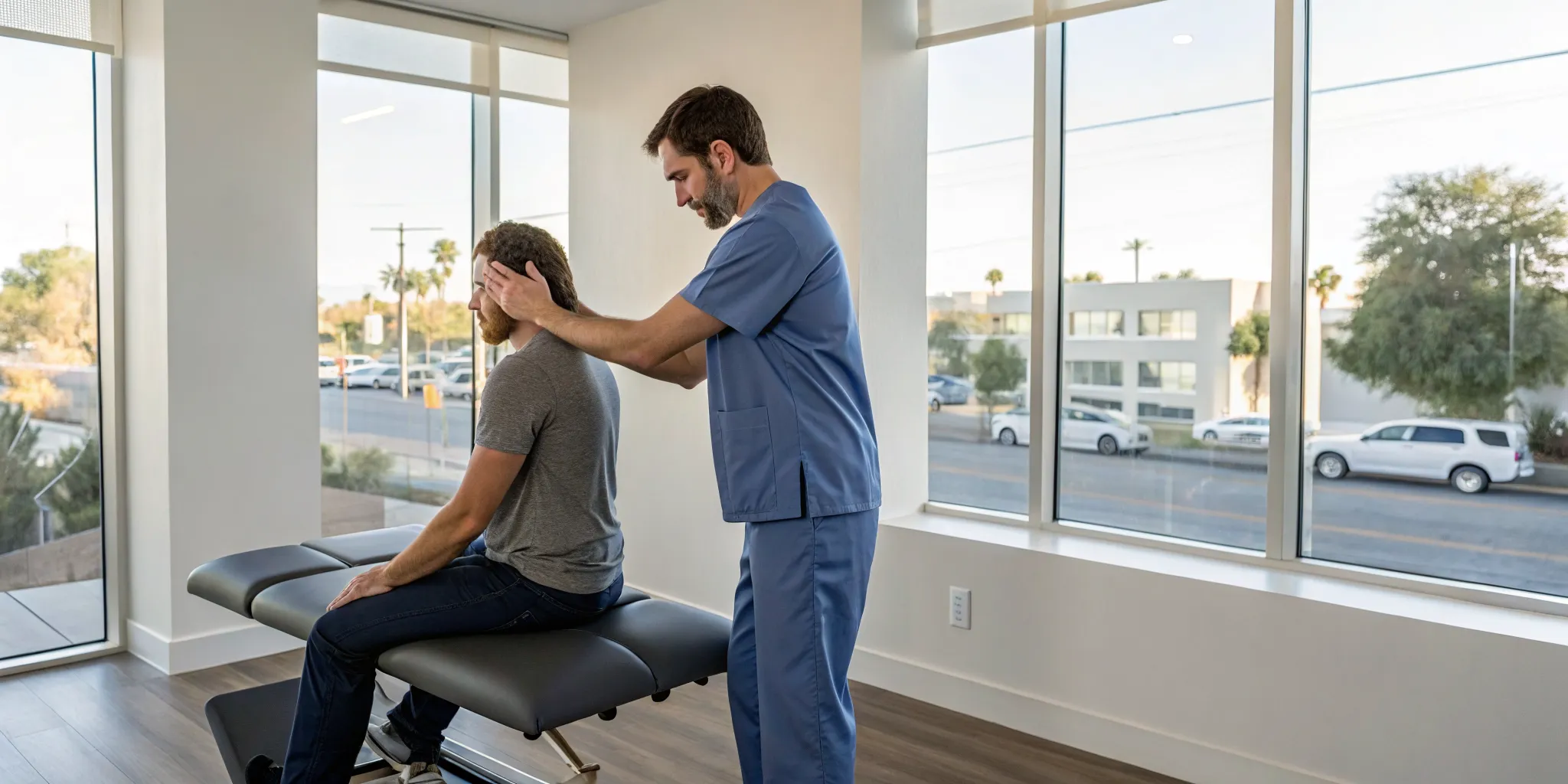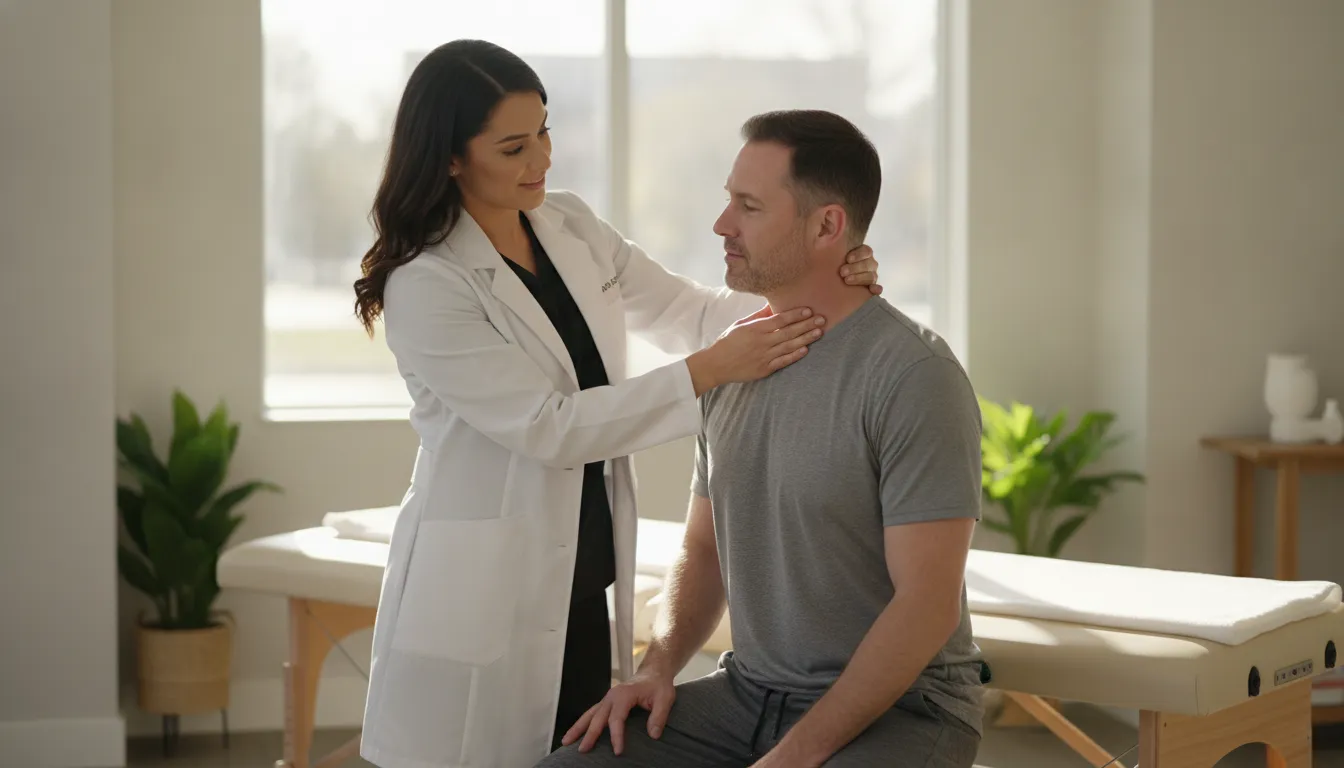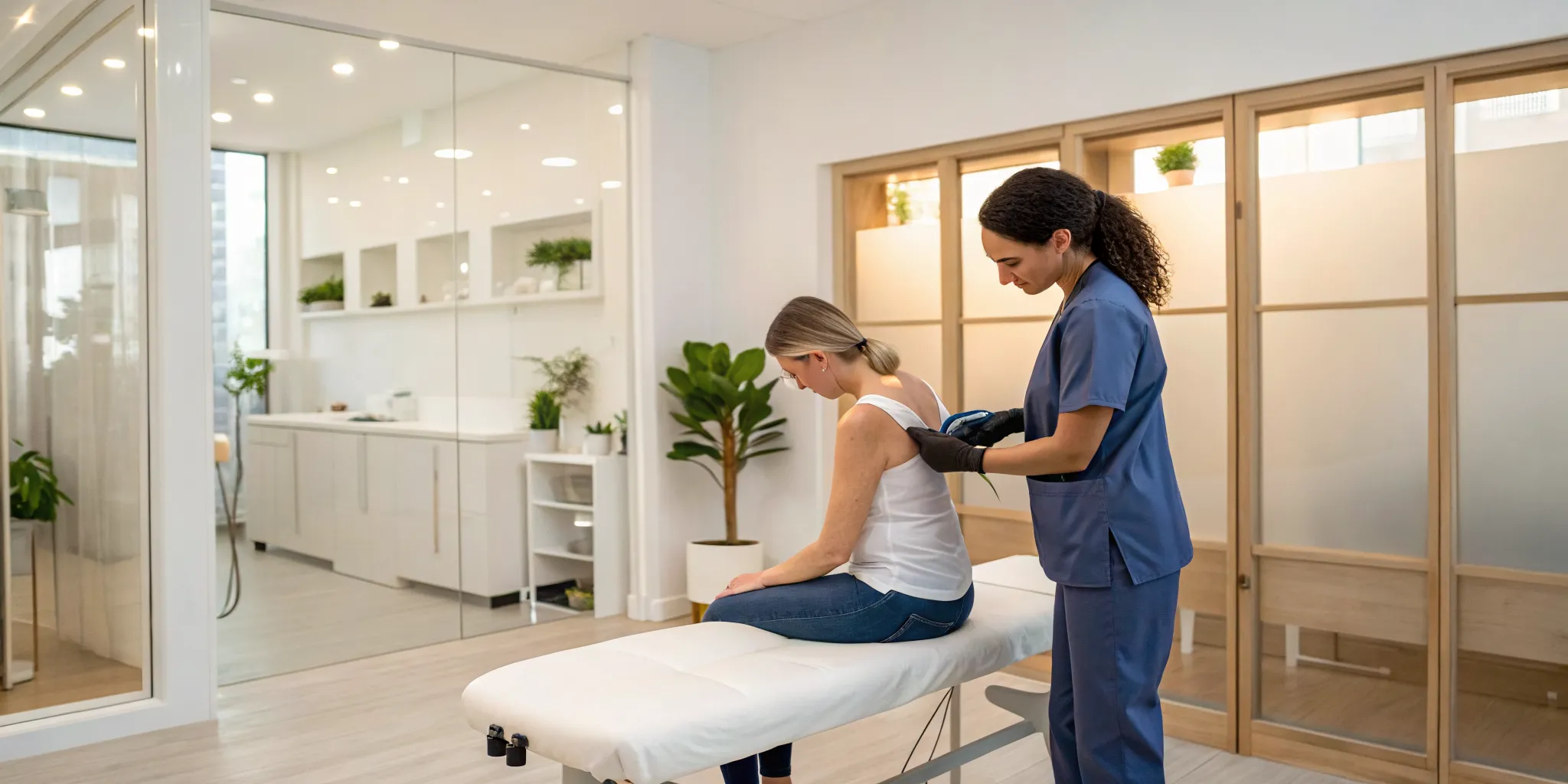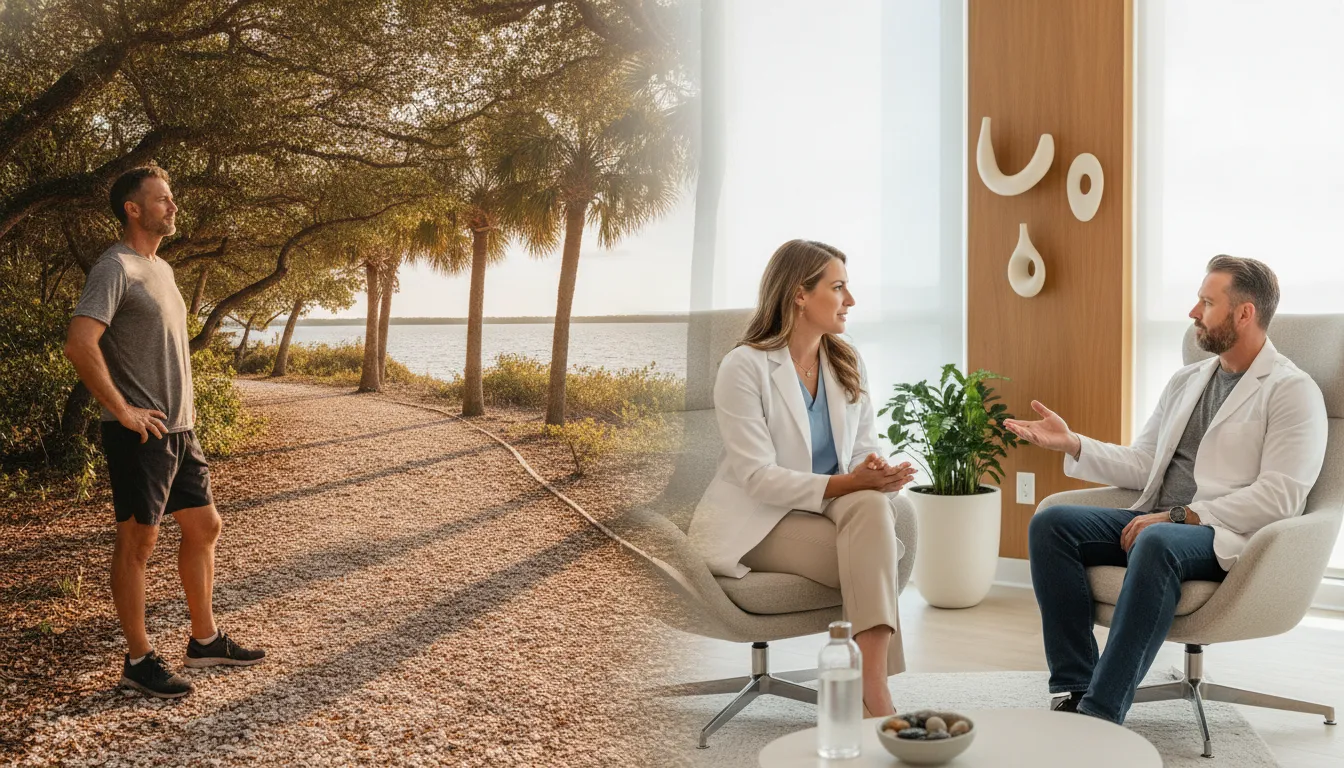
For a dedicated runner, nothing is more frustrating than being told to simply “rest.” While rest is important, it doesn’t always fix the underlying issue, especially with chronic injuries like plantar fasciitis or Achilles tendinopathy. These conditions often get stuck in a cycle of inflammation and pain that rest alone can’t break. What if there was a way to actively heal while maintaining your fitness? Shockwave therapy for runners offers this unique advantage. This treatment stimulates your body’s natural repair mechanisms without requiring you to stop training completely. It allows you to work toward recovery while preserving your hard-earned conditioning, making for a smarter and more efficient return to the road.
Key Takeaways
- Promotes natural healing: Shockwave therapy uses targeted acoustic waves to restart your body's repair process, increasing blood flow and stimulating cellular activity to heal damaged tissue from the inside out.
- Addresses stubborn running injuries: This non-invasive treatment helps resolve chronic conditions like plantar fasciitis and Achilles tendinopathy that haven't responded to traditional methods, offering a path to recovery without surgery.
- Supports your training schedule: Unlike treatments that require complete rest, shockwave therapy often allows you to continue running with modifications, helping you maintain your fitness while you heal.
How Shockwave Therapy Helps Runners Heal
When you're a runner, a nagging injury can feel like a roadblock you just can’t get past. You’ve tried rest, ice, and stretching, but the pain lingers, holding you back from the sport you love. This is where shockwave therapy comes in. It’s a modern approach that works with your body to address the root cause of chronic pain, helping you heal from the inside out without resorting to invasive procedures. It focuses on repair, not just masking symptoms, so you can get back on your feet for good.
The Science: How Acoustic Waves Promote Healing
Think of shockwave therapy as a way to restart your body's natural healing process. The treatment uses targeted acoustic waves, which are essentially strong sound waves, to stimulate the injured area right where it needs it most. These waves increase blood flow, bringing more oxygen and nutrients to your damaged tendons or tissues.
This process helps reduce inflammation and breaks down stubborn scar tissue that often keeps an injury from fully resolving. It’s a key part of our physical medicine approach because it prompts your body to get back to work repairing itself more effectively. By creating this healing response at a cellular level, the therapy encourages stronger, healthier tissue to form.
What to Expect During a Treatment Session
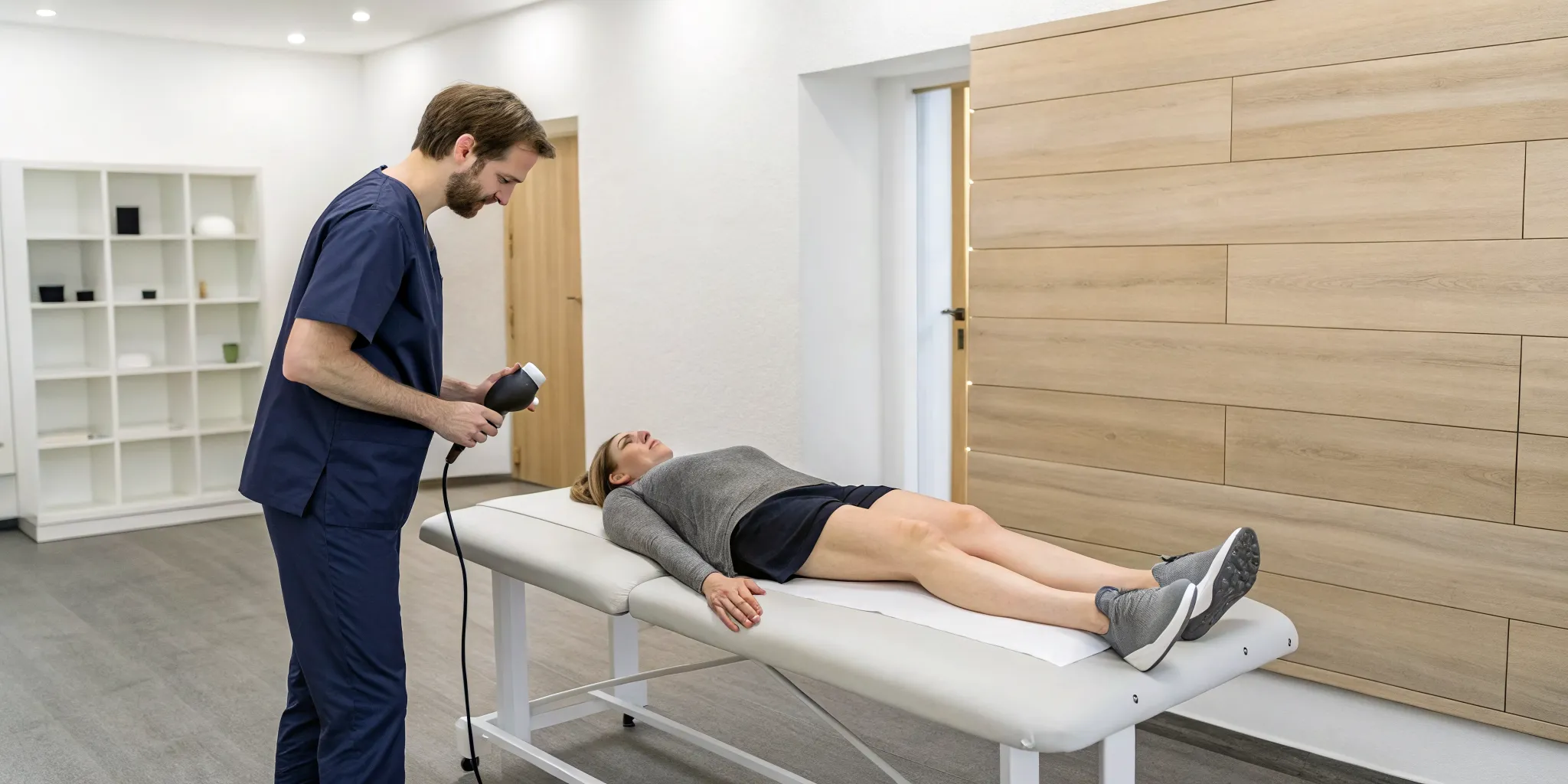
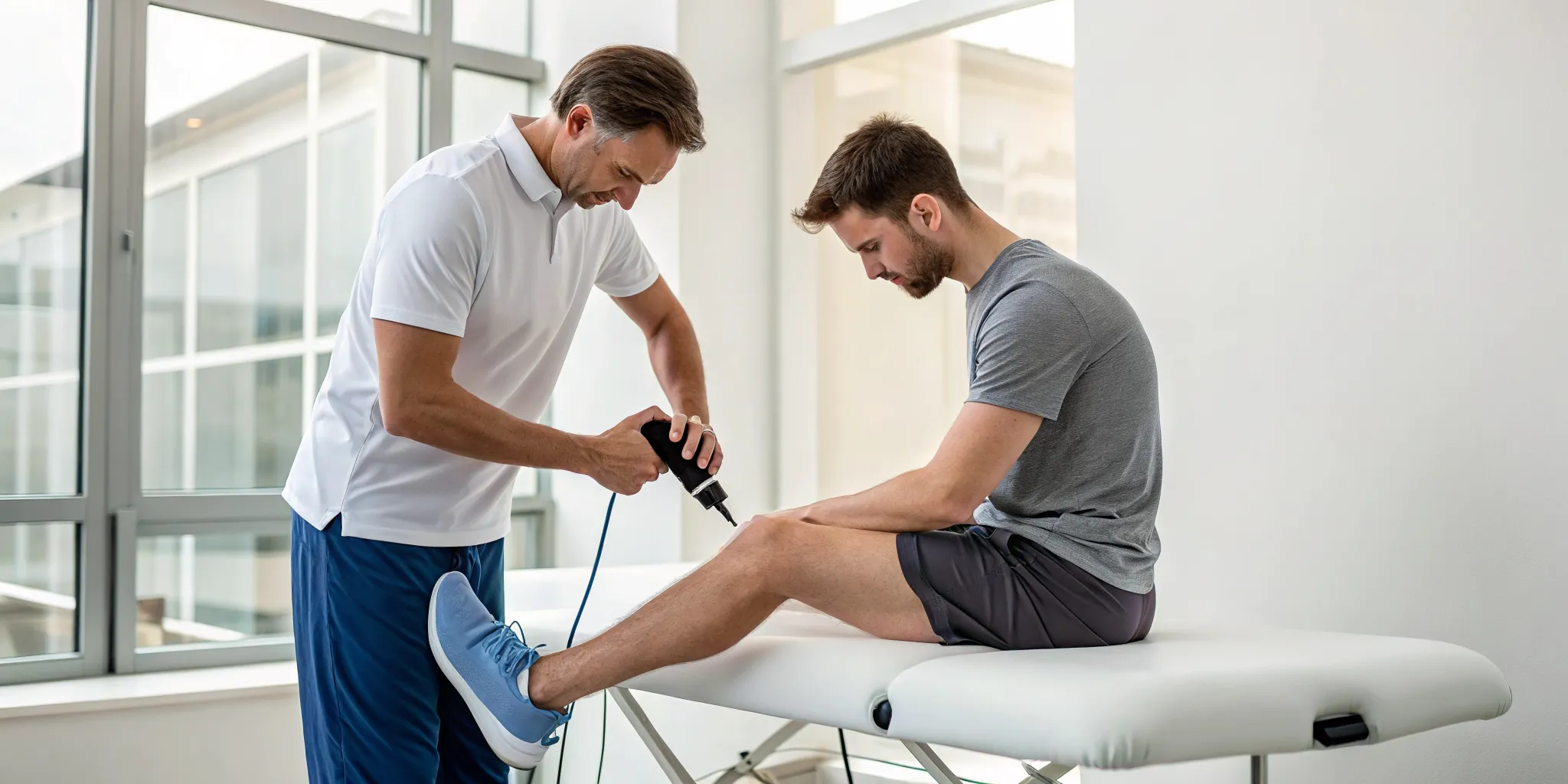
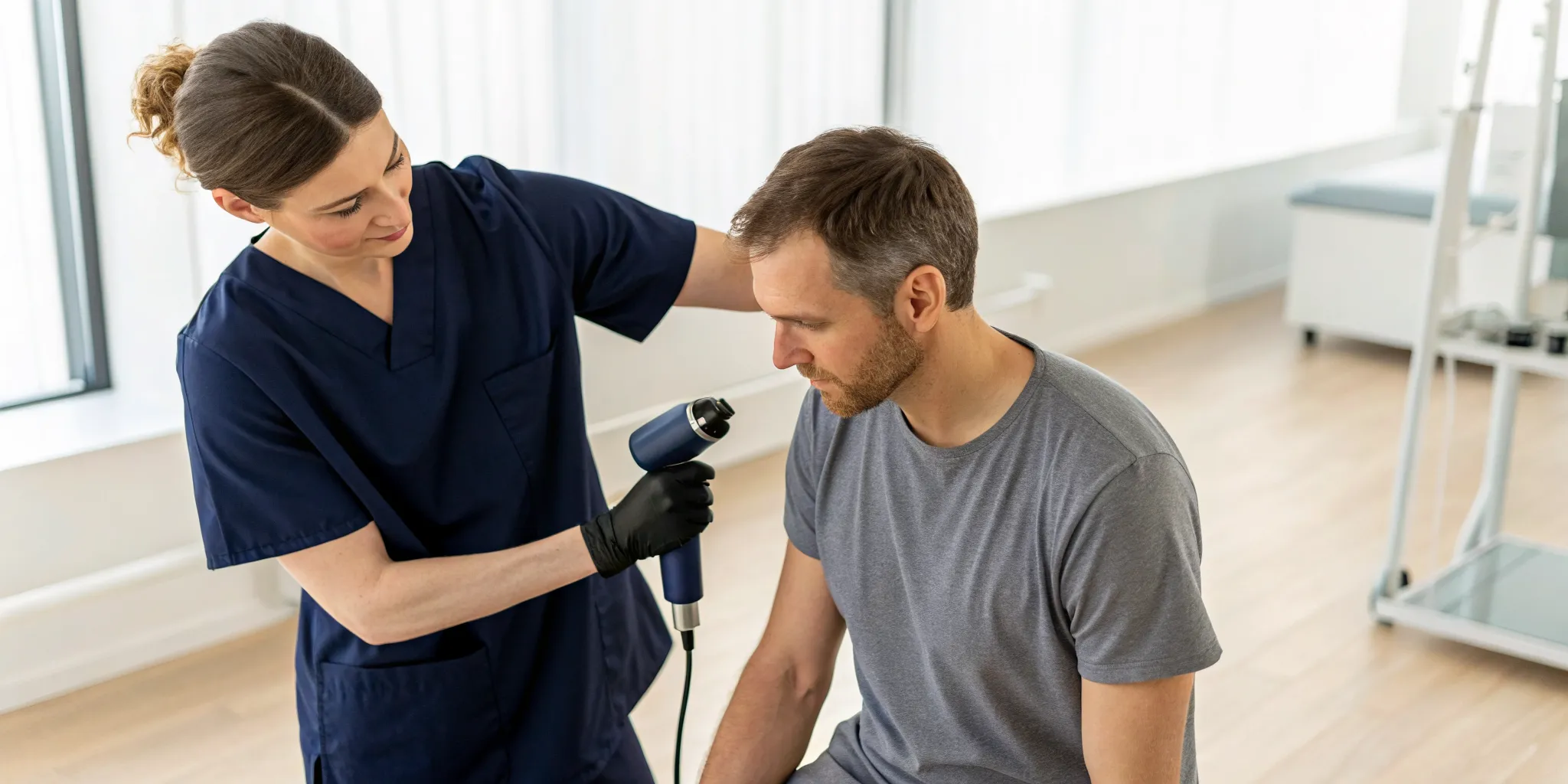
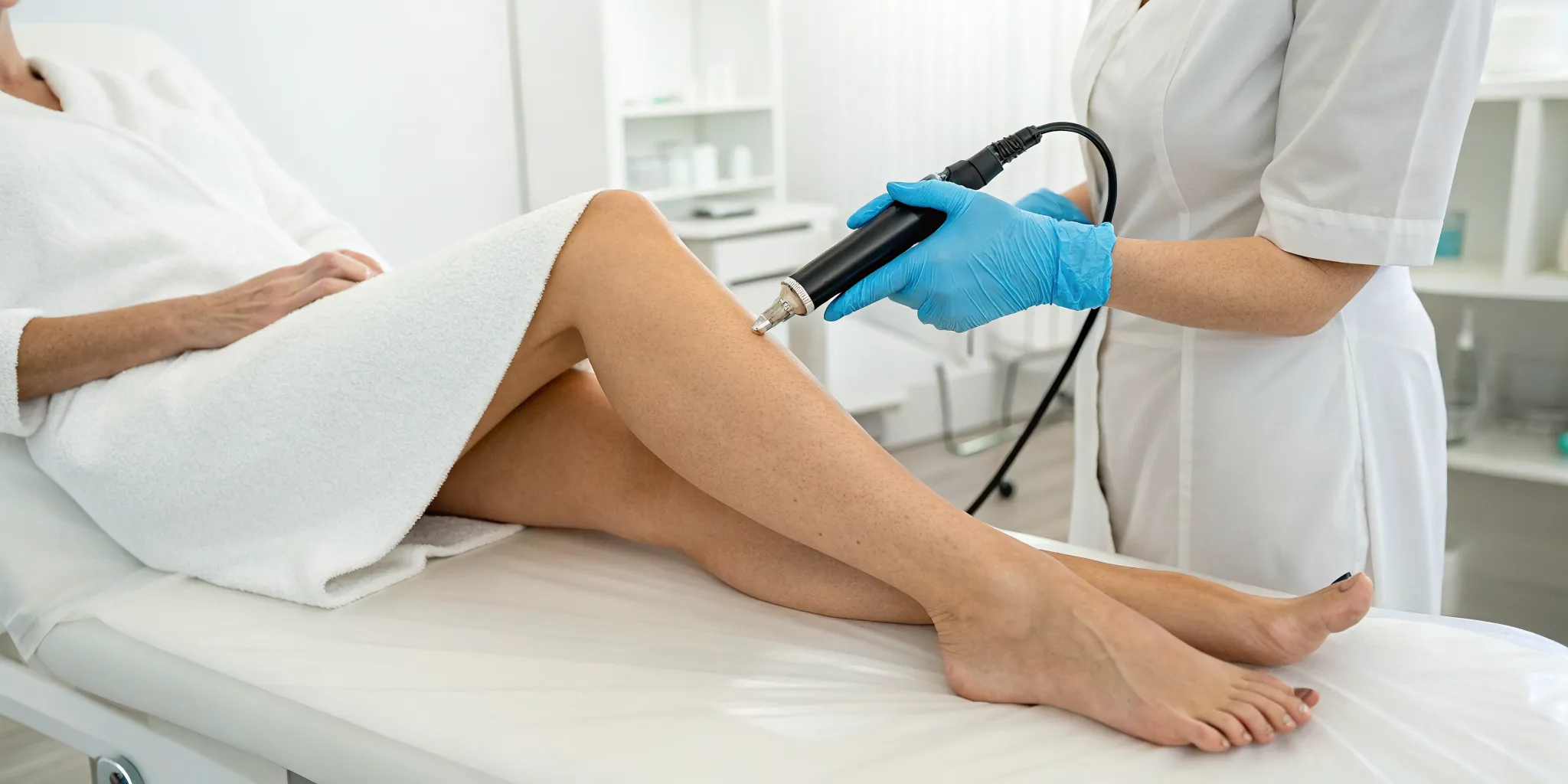
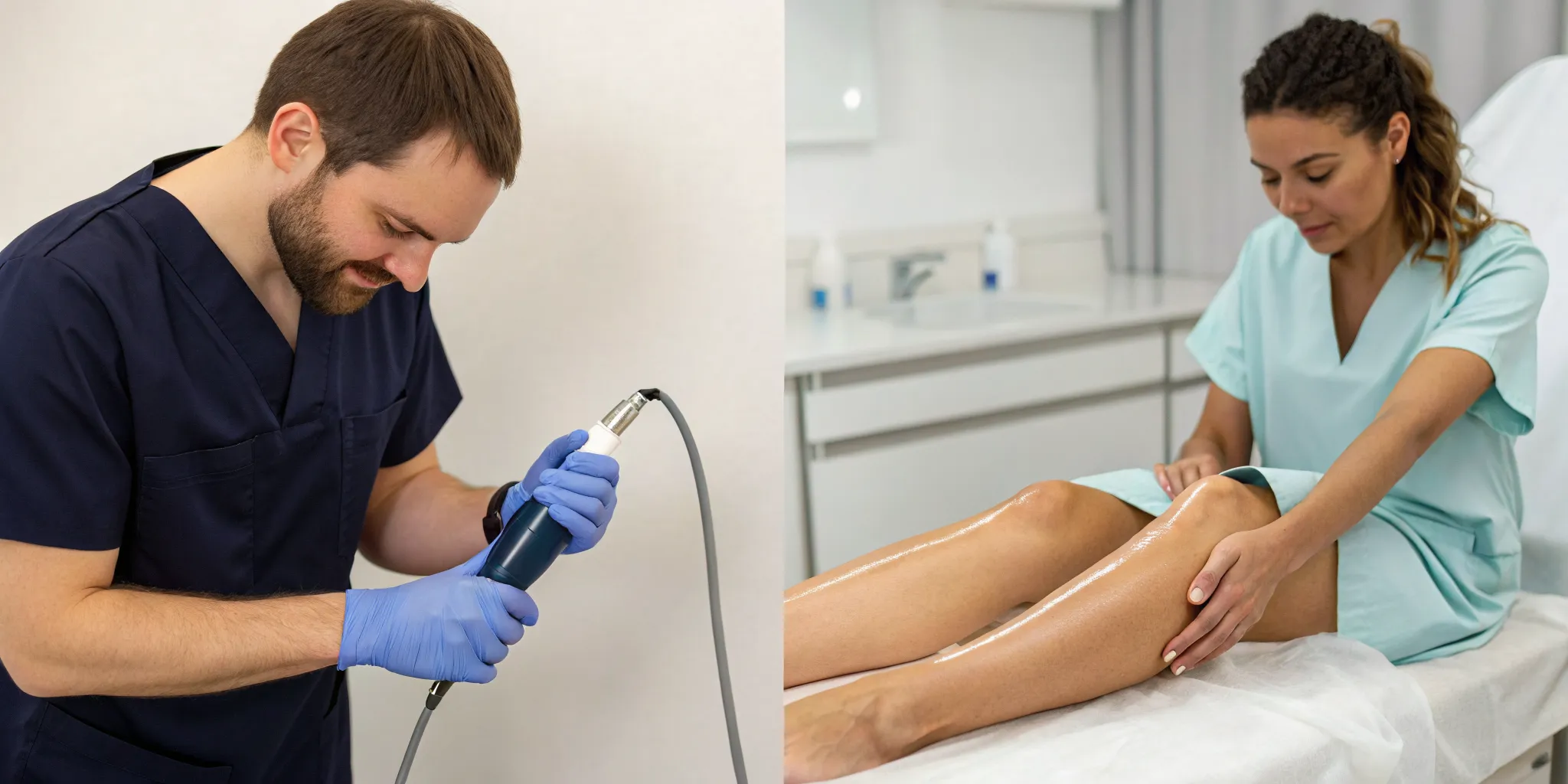
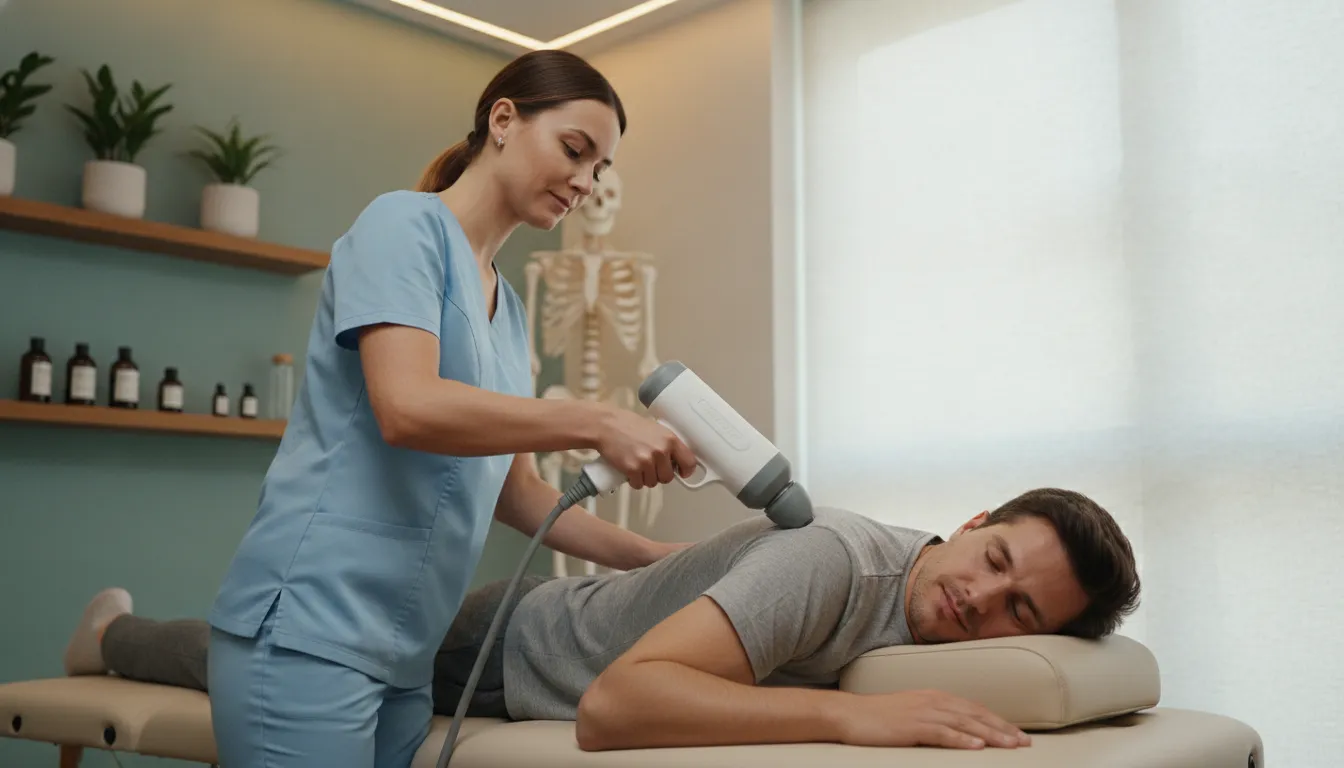
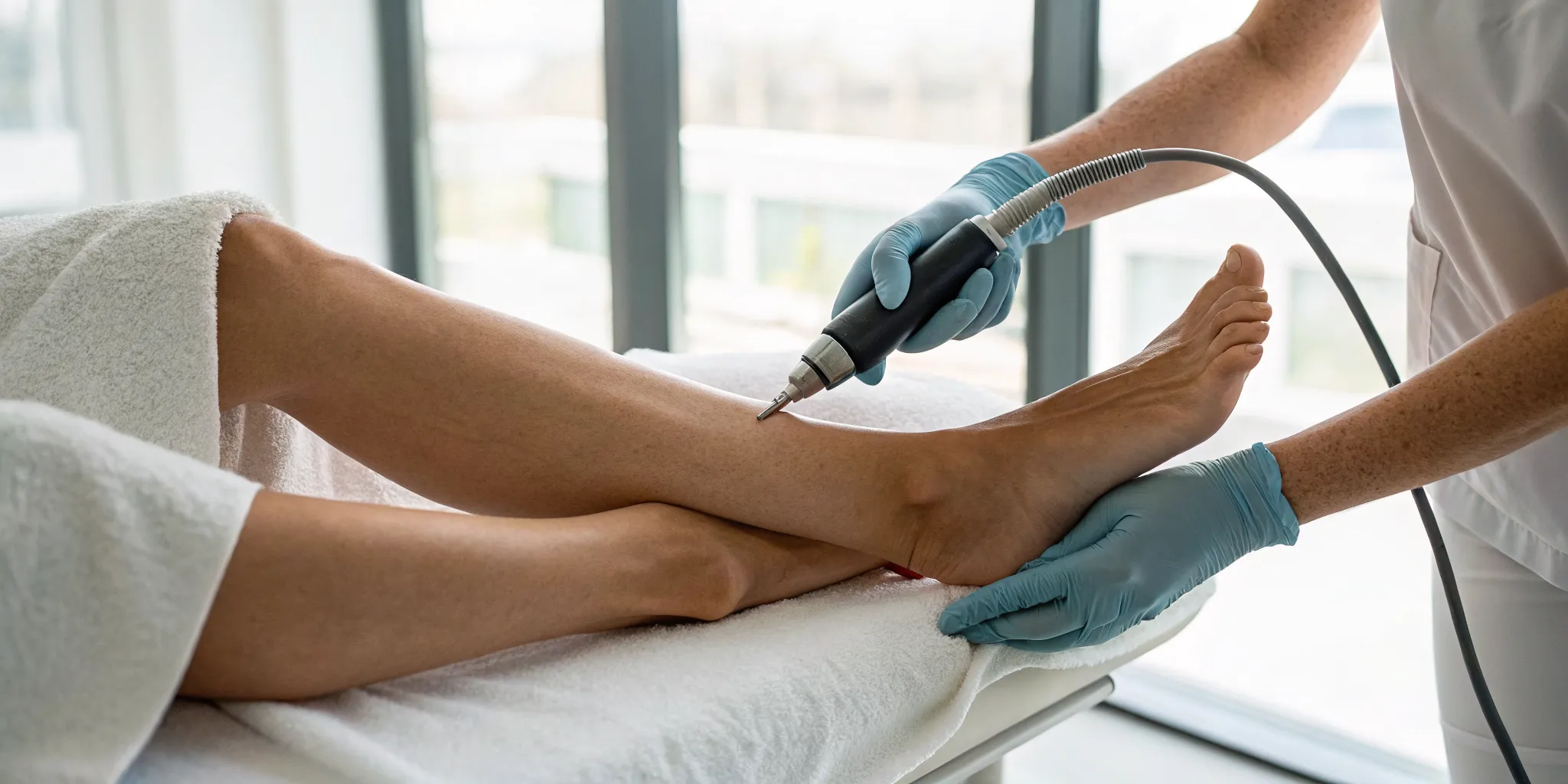
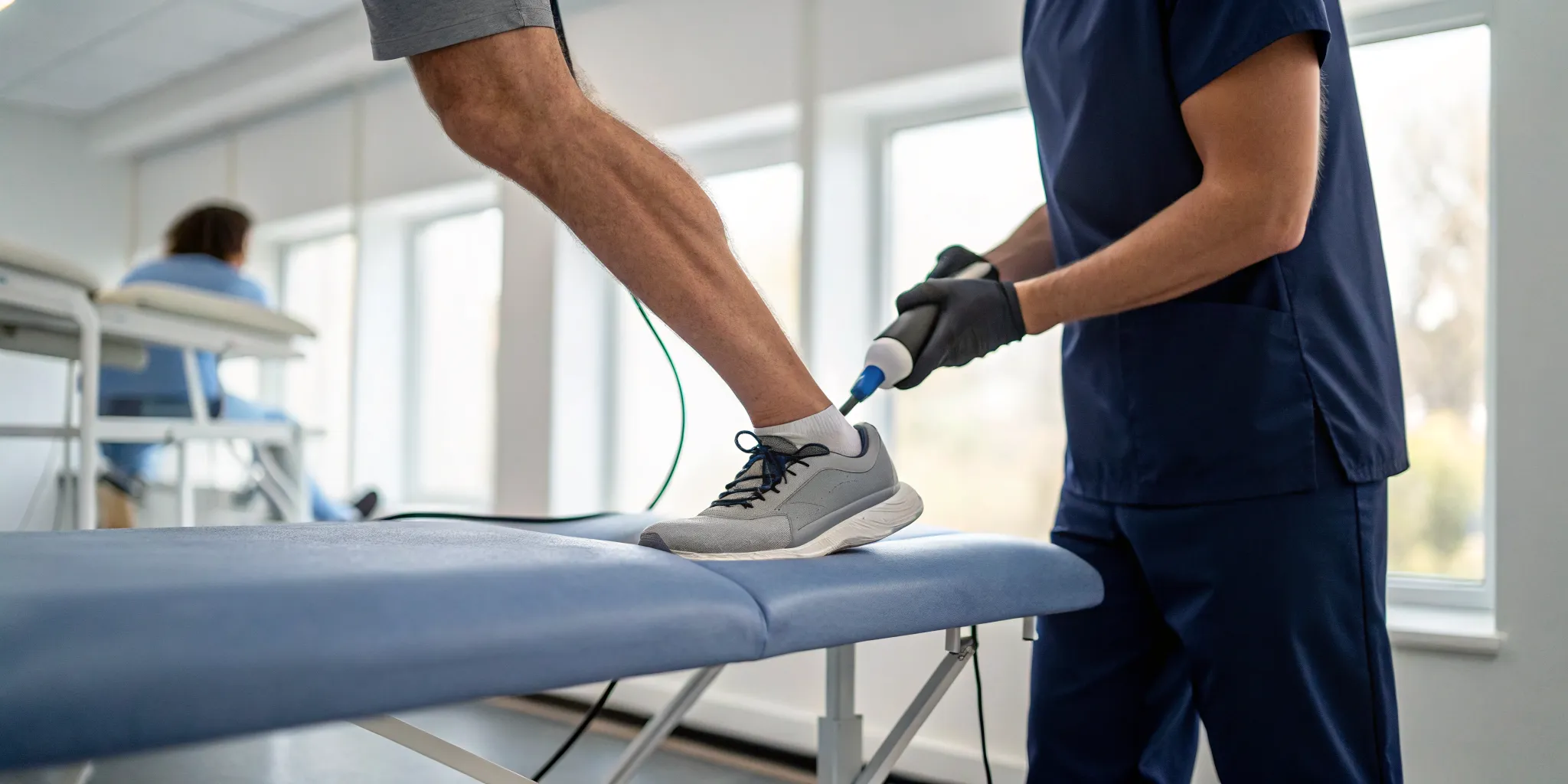
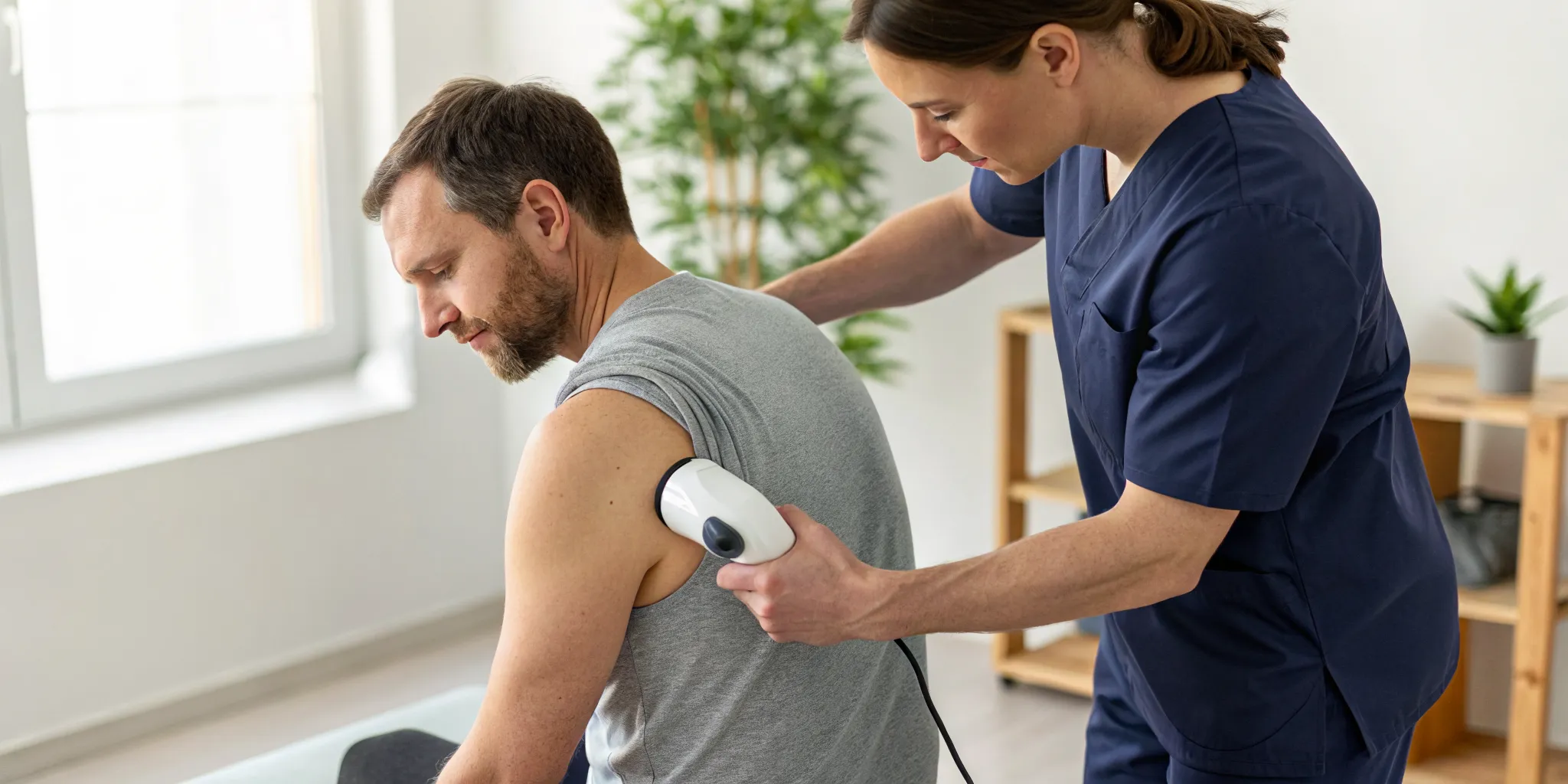
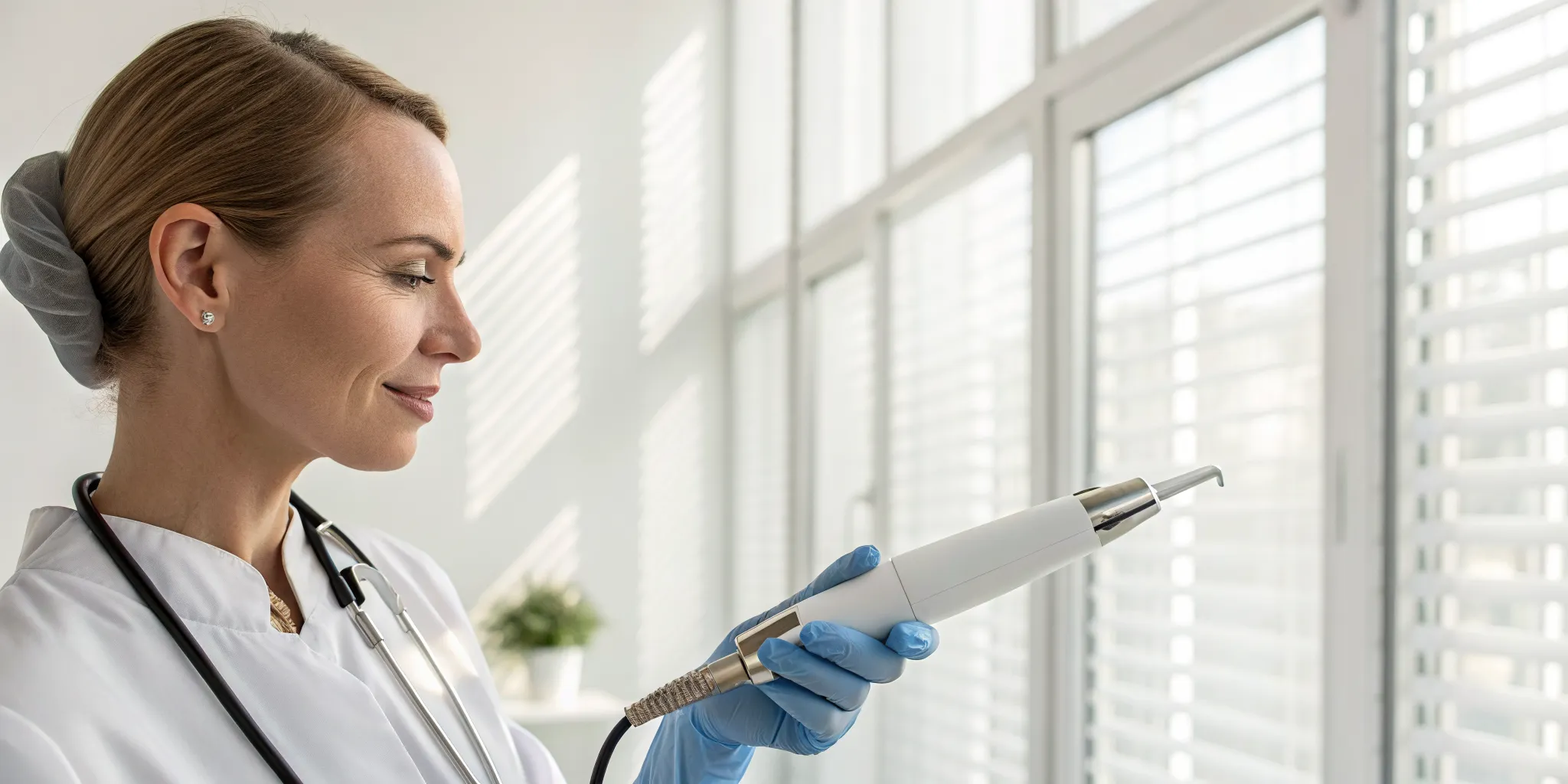
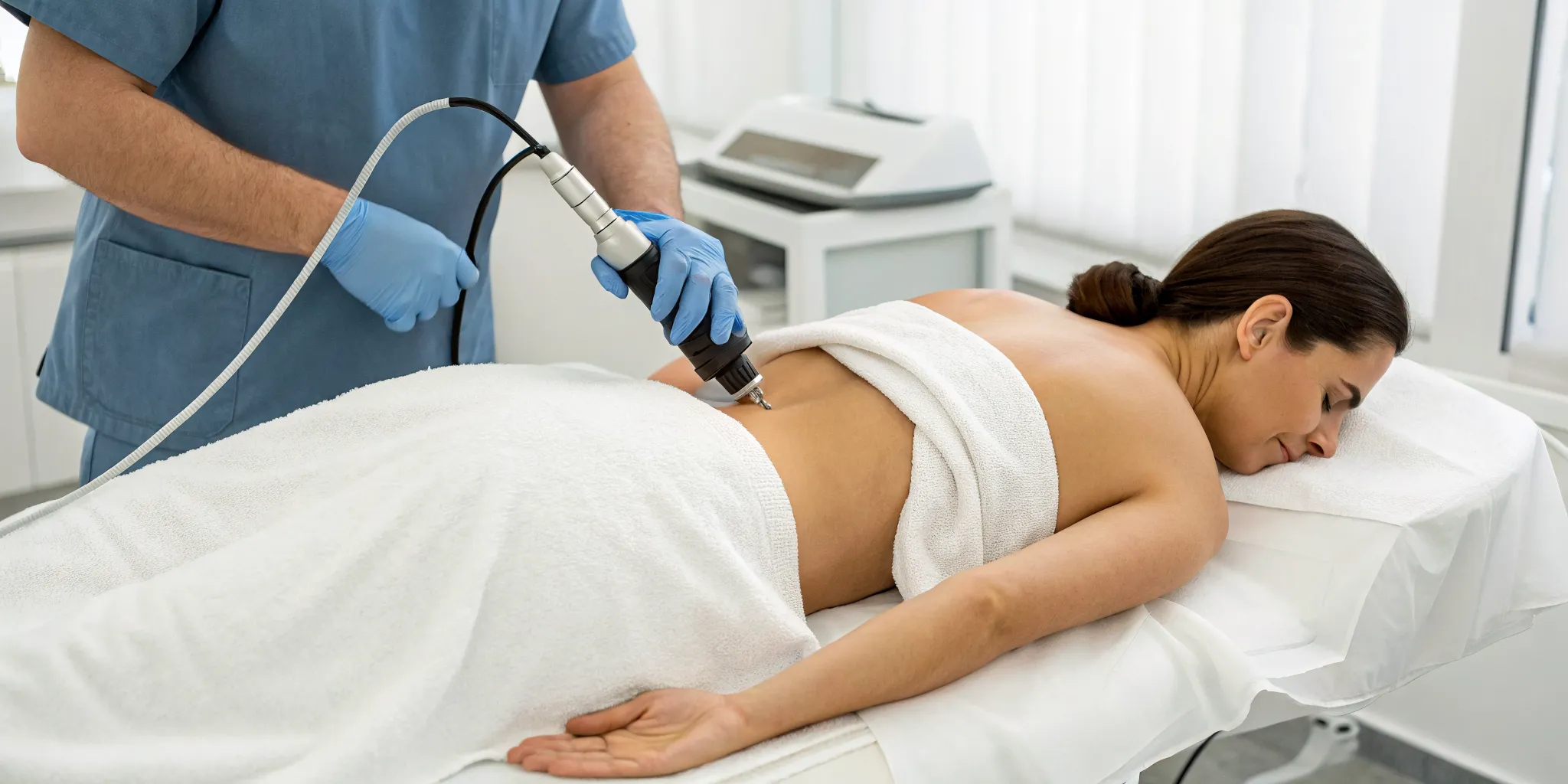
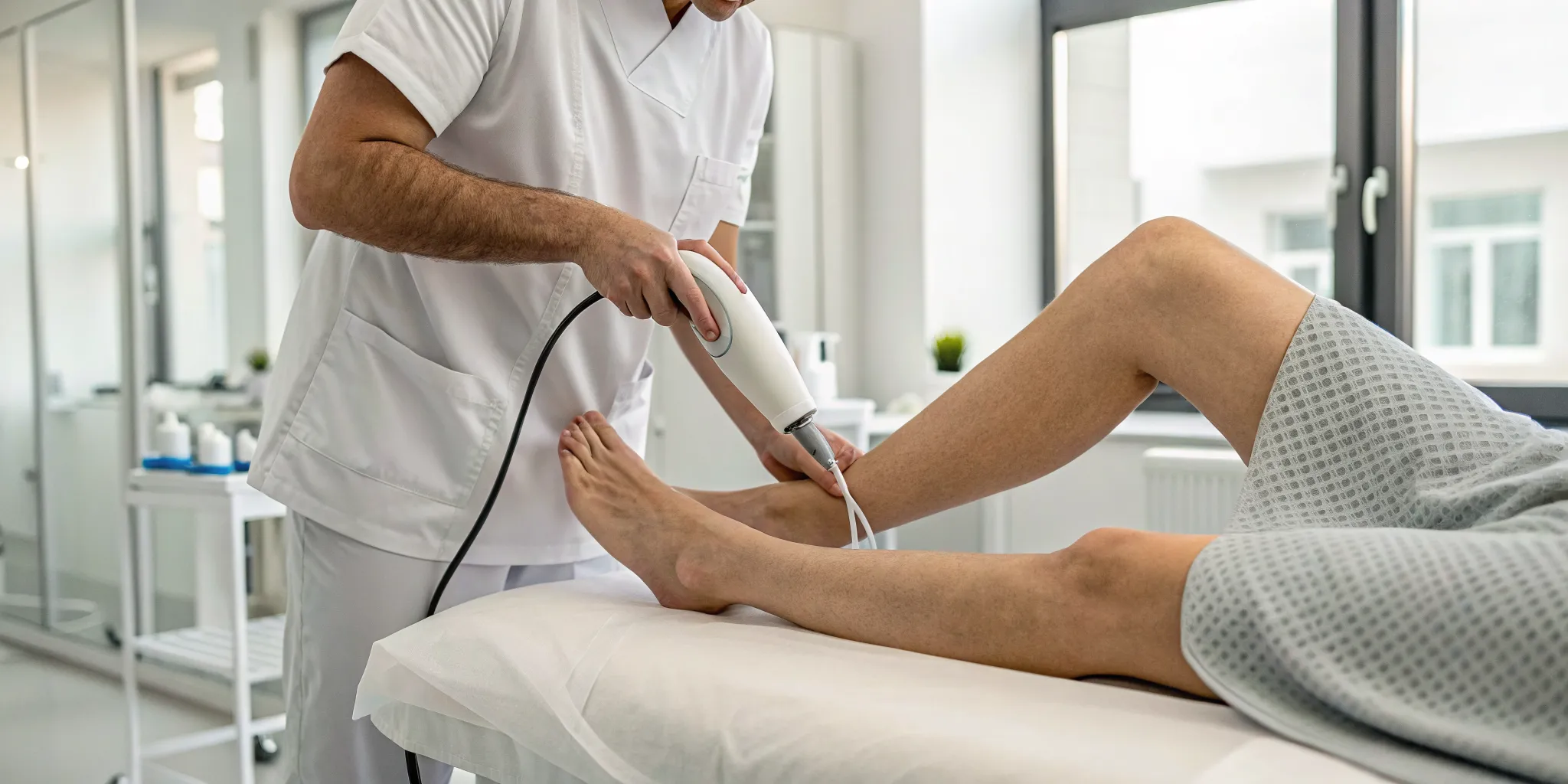
If you're picturing something intense, you can relax. A shockwave therapy session is a straightforward and non-invasive process. First, we apply a gel to the skin over your injury, much like you’d have for an ultrasound. Then, we use a handheld device to deliver the acoustic waves directly to the source of your pain. You’ll likely feel a tapping or pulsing sensation during the treatment.
Some people experience mild soreness during or immediately after the session, but this typically fades within a day or two. The entire process is relatively quick, allowing you to get back to your day without significant interruption. If you have more questions about the process, we're always happy to talk you through it.
Understanding Your Treatment Timeline
Healing is a process, not an overnight fix, and your recovery timeline will be unique to you. Most people find significant relief after about three sessions, which are typically scheduled one week apart to give your body time to respond. For more persistent injuries, we might recommend up to five sessions to achieve the best results.
The goal is to create lasting change, not just a temporary patch. We develop a personalized plan based on your specific injury and goals. This targeted approach helps many athletes return to their training routines faster by addressing the underlying issues that cause pain. We see this with many of the common running conditions we treat at our clinic.
Common Running Injuries It Can Address
If you're a runner, you know that certain injuries seem to pop up again and again. From that first painful step out of bed to the sharp twinge mid-stride, these issues can be incredibly frustrating. The good news is that shockwave therapy is a versatile tool that can address many of these stubborn, chronic problems. By targeting the root cause of the pain and stimulating your body’s natural healing processes, it helps you get back on your feet and back to your training schedule. Let's look at some of the most common running injuries that respond well to this treatment.
Plantar Fasciitis
That sharp, stabbing pain in your heel, especially with your first steps in the morning, is the classic sign of plantar fasciitis. This condition happens when the thick band of tissue on the bottom of your foot becomes inflamed and irritated. Stretching and icing can help, but for persistent cases, shockwave therapy offers a powerful solution. The acoustic waves penetrate deep into the tissue, stimulating blood flow and triggering your body’s repair mechanisms. This process helps reduce inflammation and heal the micro-tears in the fascia, providing lasting relief so you can walk, run, and live without that constant pain.
Achilles Tendinopathy
The Achilles tendon is a powerhouse, connecting your calf muscles to your heel bone, but it's also prone to overuse injuries. Achilles tendinopathy causes pain, stiffness, and sometimes swelling along the back of your ankle. This can make running feel impossible and even affect your daily walk. Shockwave therapy directly targets the damaged tendon fibers, breaking down scar tissue and promoting the growth of new, healthy tissue. By increasing circulation and reducing inflammation in the area, this treatment helps restore the tendon's strength and flexibility, allowing for a smoother, more comfortable return to activity.
IT Band Syndrome
If you've ever felt a sharp, debilitating pain on the outside of your knee during a run, you may have met your IT band. IT Band Syndrome occurs when the iliotibial band, a long strip of connective tissue running from your hip to your shin, becomes tight and inflamed. This friction can bring your training to a halt. Shockwave therapy is particularly effective for this stubborn injury because it can precisely target the inflamed area. The energy waves help release tension, break up adhesions, and encourage healing, addressing the root of the friction and pain so you can get back to logging miles.
Runner's Knee (Patellar Tendinopathy)
Runner's knee is a broad term, but it often refers to patellar tendinopathy, which is pain felt in the tendon connecting your kneecap to your shinbone. It’s a dull ache that can worsen with activity, especially going up or down stairs. This is another overuse injury where shockwave therapy can make a real difference. The treatment focuses acoustic energy on the patellar tendon to stimulate cellular activity and improve blood flow. This encourages the damaged tissue to repair itself without the need for more invasive options. It’s a way to support your body’s own healing power and address one of the most common conditions we treat in runners.
Shin Splints
Shin splints, or Medial Tibial Stress Syndrome, are notorious for derailing training plans with persistent pain along the inner edge of the shinbone. This pain comes from inflammation of the muscles, tendons, and bone tissue in the area due to repeated stress. While rest is crucial, shockwave therapy can significantly speed up the recovery process. By delivering targeted energy waves to the affected area, the treatment reduces inflammation and stimulates the metabolic activity needed for repair. This helps you heal more thoroughly than with rest alone, building resilience in the tissue to help prevent future flare-ups.
The Runner's Advantage: Key Benefits of Shockwave Therapy
For any runner, the thought of being sidelined by an injury is frustrating. You have goals to hit and miles to log. The good news is that healing doesn’t always have to mean a complete halt to your routine. Shockwave therapy offers some significant advantages that align perfectly with a runner's mindset, focusing on efficient recovery and a quick return to form. It’s a modern approach that helps you get back on your feet and back to your training schedule without the long recovery periods associated with more intensive treatments. Let's look at the key benefits that make this therapy a standout choice for runners.
A Non-Invasive Path to Recovery
One of the most appealing aspects of shockwave therapy is that it's completely non-invasive. This means no needles, no anesthesia, and no surgical incisions. The treatment uses targeted acoustic waves applied to the skin's surface to stimulate healing deep within the injured tissue. As a proven, non-invasive treatment, it helps runners recover from stubborn injuries without the risks and downtime that come with more aggressive procedures. This approach is a core part of our physical medicine philosophy, which focuses on helping the body heal itself. It’s an excellent option for athletes looking for a powerful yet gentle way to address chronic pain and get back to their sport.
Keep Up with Training While You Heal
Perhaps the biggest benefit for a dedicated runner is the ability to continue training during the treatment process. A major advantage of shockwave therapy is that runners can often keep training during their treatment, unlike with some other methods that require complete rest. While your provider might recommend modifying your routine, like reducing mileage or intensity, you likely won’t have to stop running altogether. This allows you to maintain your cardiovascular fitness and conditioning, which is crucial for both physical performance and mental well-being. At Ascend Functional Health, we create a personalized plan that supports your recovery without forcing you to give up the activity you love.
Encourages Faster Tissue Repair
Shockwave therapy actively speeds up your body's natural healing process. It uses sound waves to help tissues repair themselves, lessen pain, and reduce inflammation. These acoustic waves create a response in the body that increases blood flow and metabolic activity around the injured area. This process helps break down scar tissue and stimulates the formation of new, healthy tissue and blood vessels. In short, it gives your body the resources it needs to repair damaged tendons and ligaments more effectively. By addressing the root cause of conditions like runner's knee or shin splints, it promotes a more complete and lasting recovery.
An Effective Option for Stubborn Injuries
Many runners deal with injuries that just don't seem to go away with rest, stretching, or standard physical therapy. If you’re struggling with a chronic issue like plantar fasciitis or Achilles tendinopathy that has lingered for months, shockwave therapy can be a game-changer. It is particularly effective for these stubborn injuries that have become stuck in a cycle of inflammation and pain. By stimulating a new healing response in the tissue, this therapy can finally break that pattern and allow the area to repair itself correctly. If you feel like you've tried everything, it might be time to contact us to see if this approach is the solution you've been looking for.
How Shockwave Therapy Compares to Other Treatments
When you're dealing with a nagging running injury, you've probably tried the usual advice: rest, ice, stretching, and maybe some foam rolling. While these are important, they don't always resolve chronic pain. You might then consider other options, like injections or just waiting it out, but these can come with their own downsides, such as long recovery periods or only providing temporary relief. Shockwave therapy offers a different path. It stands apart by actively stimulating your body's own healing mechanisms without invasive procedures. It’s a modern approach that works to repair the tissue at the source of the pain, helping you build a stronger, more resilient foundation for your running.
Supports a Faster Recovery Window
For any runner, being told to take weeks or months off is frustrating. You lose fitness, miss races, and feel disconnected from something you love. While rest is a key part of healing, shockwave therapy can help speed up the process. By promoting blood flow and stimulating cellular repair, this treatment can help athletes heal faster, getting you back on your feet sooner than you might with rest alone. Instead of just waiting for the inflammation to go down, you’re actively encouraging the damaged tissue to rebuild. This means less time on the sidelines and a quicker, more confident return to your training routine.
Aims for Long-Term Relief, Not a Temporary Fix
Some treatments, like certain injections, can provide fast pain relief, but they often act as a temporary band-aid. They can mask the pain without fixing the underlying problem, and the discomfort frequently returns once the effects wear off. Shockwave therapy works differently. It’s designed to create lasting results by addressing the root cause of your injury. The acoustic waves trigger a healing response deep within the tissue, encouraging regeneration and repair. Unlike treatments that may require you to stop or limit their training for an extended period, shockwave therapy helps you heal while maintaining your fitness, setting you up for long-term success without the cycle of recurring pain.
Works with Other Therapies for Better Results
Shockwave therapy is a powerful tool, but it’s even more effective when it’s part of a comprehensive treatment plan. Think of it as one component of your healing journey, not the entire solution. It works best when combined with a planned exercise program and other corrective care. At Ascend Functional Health, we integrate shockwave therapy into our holistic approach to physical medicine. By pairing it with chiropractic adjustments, targeted exercises, and other supportive therapies, we can address your injury from all angles. This ensures we’re not just treating the symptom but correcting the imbalances that may have contributed to the injury in the first place.
How Quickly Will You See Results?
One of the first questions every injured runner asks is, "How long until I can run pain-free again?" It's a completely valid question, and the uncertainty can be one of the most frustrating parts of an injury. While every person and every injury is unique, shockwave therapy is known for producing noticeable results in a relatively short timeframe. Unlike approaches that simply mask symptoms with temporary fixes, this treatment works by stimulating your body’s own repair processes. The acoustic waves trigger a healing response deep within the tissue, addressing the root cause of the pain. This means the recovery you experience is genuine and built to last.
Many runners report feeling better after just a few sessions. The goal is to get you back to your training schedule safely and efficiently, without the long recovery periods associated with more invasive procedures. Your progress depends on a consistent treatment plan and a few key personal factors, but the path to recovery is often clearer and quicker than you might expect. At Ascend Functional Health, we don't believe in one-size-fits-all solutions. We create a personalized plan that maps out your treatment schedule so you know exactly what to anticipate as you heal, giving you confidence and control over your recovery journey. We'll be with you every step of the way, adjusting as needed to ensure you're getting the best possible results.
A Typical Treatment Timeline
Most runners find that a series of three to five weekly sessions is enough to achieve significant, lasting relief. It’s common to feel a difference after just one or two treatments, with improvements building as you complete your plan. Each session is quick, usually lasting about 10 to 15 minutes, making it easy to fit into your schedule. A major advantage for athletes is that you can often continue training during your treatment course. Unlike other methods that may require you to stop activity, shockwave therapy is one of the physical medicine treatments that works with your active lifestyle, not against it.
Factors That Influence Your Recovery Speed
Your recovery timeline is influenced by more than just the treatment itself. Several factors play a role, including the type and severity of your injury, how long you’ve been dealing with the pain, and your overall health. Newer injuries tend to respond more quickly than long-standing, chronic conditions. Your body’s unique healing capacity and your commitment to any complementary therapies or at-home care we recommend will also affect your results. Because shockwave therapy is non-invasive, it helps you avoid the extended downtime that often comes with other interventions. Our team at Ascend Functional Health will assess all these factors to give you a realistic outlook on your recovery.
Are There Any Risks or Side Effects?
It’s smart to ask about the potential risks of any new treatment, and shockwave therapy is no exception. The good news is that it’s considered a very safe procedure, especially when performed by a trained professional. The most common effects are temporary and are actually signs that your body is kicking into healing mode. However, it’s not the right fit for every person or every situation, which is why a thorough evaluation is always the first step. Understanding the full picture helps you make an informed decision about your recovery.
Common, Temporary Reactions After Treatment
After a session, it’s normal to notice some mild swelling or redness in the treated area. You might also feel a bit of soreness for a day or two, similar to how you’d feel after a tough workout. Try not to worry, this is a positive sign. It means the acoustic waves have successfully stimulated your tissue and triggered the body’s natural inflammatory and repair processes. This temporary discomfort is a clear signal that your body has started the work of healing the underlying injury from the inside out.
When to Consider a Different Approach
While shockwave therapy is beneficial for many, there are a few situations where it’s best to hold off. This treatment may not be suitable if you have a blood clotting disorder or are taking blood-thinning medication. It’s also avoided if there’s an active infection in the area we need to treat or if you’ve had a steroid injection for the same issue within the last 12 weeks. During your initial consultation, we’ll go over your complete health history to make sure this is the safest and most effective path for you. A personalized approach is key to our physical medicine services.
Questions to Ask Your Provider
Feeling confident in your treatment plan is important, so don’t hesitate to ask questions. Shockwave therapy is approved by the U.S. Food and Drug Administration (FDA) for several conditions and is very safe when administered by an experienced provider. You can ask about our team’s specific training and experience with the technology. It’s also helpful to ask, "Based on my specific running injury, what kind of results can I realistically expect?" A professional evaluation will provide clear answers and help determine if this is the right solution to get you back on track.
Is Shockwave Therapy the Right Fit for Your Injury?
Deciding on a new treatment can feel like a big step, especially when you’ve already tried other methods without success. Shockwave therapy is a powerful tool, but it’s not a universal solution for every ache and pain. The key is understanding if your specific situation aligns with what this therapy does best. If you’re dealing with a running injury that just won’t quit, it’s worth exploring whether this non-invasive approach could be the missing piece in your recovery puzzle.
This therapy is designed to target specific types of tissue damage common in runners. By figuring out if your injury fits the profile, you can make a more informed decision and have a productive conversation with a healthcare provider. Let’s look at the signs that shockwave therapy might be a great option for you and why a professional evaluation is a non-negotiable next step.
Signs It Might Be Your Solution
If you’re a runner dealing with an injury that has overstayed its welcome, you know the frustration. You’ve rested, stretched, and maybe even gone to physical therapy, but the pain lingers. This is where shockwave therapy often shines. It’s particularly effective for those stubborn injuries that disrupt your training and don’t seem to respond to traditional first-line treatments. If you’re dealing with a chronic issue that’s been holding you back for weeks or months, this could be a game-changer.
The therapy is also proven to help with specific problems that runners frequently face, like small bone cracks such as stress fractures. It targets the root of the problem by stimulating your body’s natural healing processes. If you’re tired of temporary fixes and are looking for a solution that addresses the underlying cause of your pain, exploring the conditions we treat with this method is a great place to start.
The Importance of a Professional Evaluation
While it’s helpful to know the signs, self-diagnosing is never the answer. A thorough professional evaluation is essential to confirm if shockwave therapy is the right move for you. During a consultation, a provider can assess your injury, review your health history, and determine the precise cause of your pain. This step ensures you’re getting the most appropriate and effective care for your specific needs. It’s a non-surgical treatment that uses sound waves to promote healing, but it needs to be applied correctly.
A major advantage that your provider can discuss is how this therapy often allows runners to continue training during their treatment period, which isn’t always possible with other methods. A professional can create a comprehensive plan that may include shockwave therapy alongside other supportive treatments. To get a personalized assessment and see how our physical medicine services can help, scheduling a consultation is the best way to move forward.
Take the Next Step with Shockwave Therapy in Tampa
If you're a runner in Tampa struggling with an injury that just won’t quit, it might be time to consider a different approach. Shockwave therapy could be the solution you've been looking for, especially when rest and stretching haven't been enough. This innovative treatment is a safe, non-invasive option that has been proven to help runners finally recover from stubborn injuries that keep them from performing their best. It’s particularly effective for chronic conditions that have lingered for months.
The therapy works by using acoustic waves to enhance blood flow, reduce swelling, and break down old scar tissue. This process supports your body’s natural ability to heal damaged tissues, like tendons, which are often the source of a runner's pain. One of the biggest advantages is that you can often continue training during your treatment, a significant benefit compared to other methods that may require you to stop completely. Our approach to physical medicine focuses on getting you back to your routine safely and effectively.
For many runners, injuries can feel like a frustrating cycle. Shockwave therapy offers a promising path forward, especially for tendon pain that hasn't responded to other treatments. If you’re tired of being sidelined by pain and are ready to find a lasting solution, we can help. Understanding the root cause of your injury is the first step toward true recovery. We invite you to schedule a consultation with our team to see if shockwave therapy is the right fit for your healing journey.
Related Articles
- SoftWave TRT Therapy in Tampa, FL - Alessi Functional Health
- SoftWave Tissue Regeneration Therapy in Tampa | Alessi Functional Health
- Regenerative Medicine for Pain Recovery | Ascend Functional Health
- What Is Soft Tissue Therapy? A Complete Guide
- Neuromuscular Reeducation 101: The Full Guide
Frequently Asked Questions
Does the treatment hurt? Most people describe the sensation as a strong tapping or pulsing against the skin. While it can be a bit uncomfortable, especially over a very tender area, it’s generally well-tolerated and the sessions are very quick. You might feel some soreness for a day or two afterward, but this is a good sign that the therapy has activated your body’s healing response.
Can I keep running during my treatment plan? This is one of the biggest advantages for dedicated runners. In many cases, you can continue running, though we will likely recommend modifying your routine. This might mean reducing your mileage, speed, or intensity to give your body the space it needs to heal properly. We work with you to create a plan that helps you recover without forcing you to completely stop the activity you love.
How is this different from other treatments I've already tried? If you've been dealing with a stubborn injury, you've probably tried rest, ice, and stretching with limited success. Unlike those passive approaches, shockwave therapy actively stimulates your body to repair itself at a cellular level. It’s not a temporary fix that just masks pain; it works to resolve the underlying issue by breaking down scar tissue and promoting the growth of new, healthy tissue for lasting relief.
How long does it take to feel better? While healing is a unique process for everyone, many runners start to feel a noticeable improvement after just one or two sessions. A full treatment plan typically involves three to five sessions scheduled about a week apart. The exact timeline depends on factors like how long you've had the injury and its severity, but the goal is always to get you back to running comfortably and confidently as efficiently as possible.
Is this a permanent fix, or will my injury come back? The goal of shockwave therapy is to create a long-term solution. By helping your body rebuild damaged tissue, it creates a stronger, more resilient foundation that is less prone to reinjury. However, the best results come from a comprehensive approach. We often pair the therapy with corrective exercises to address any underlying movement patterns that may have contributed to the injury in the first place, setting you up for lasting success.