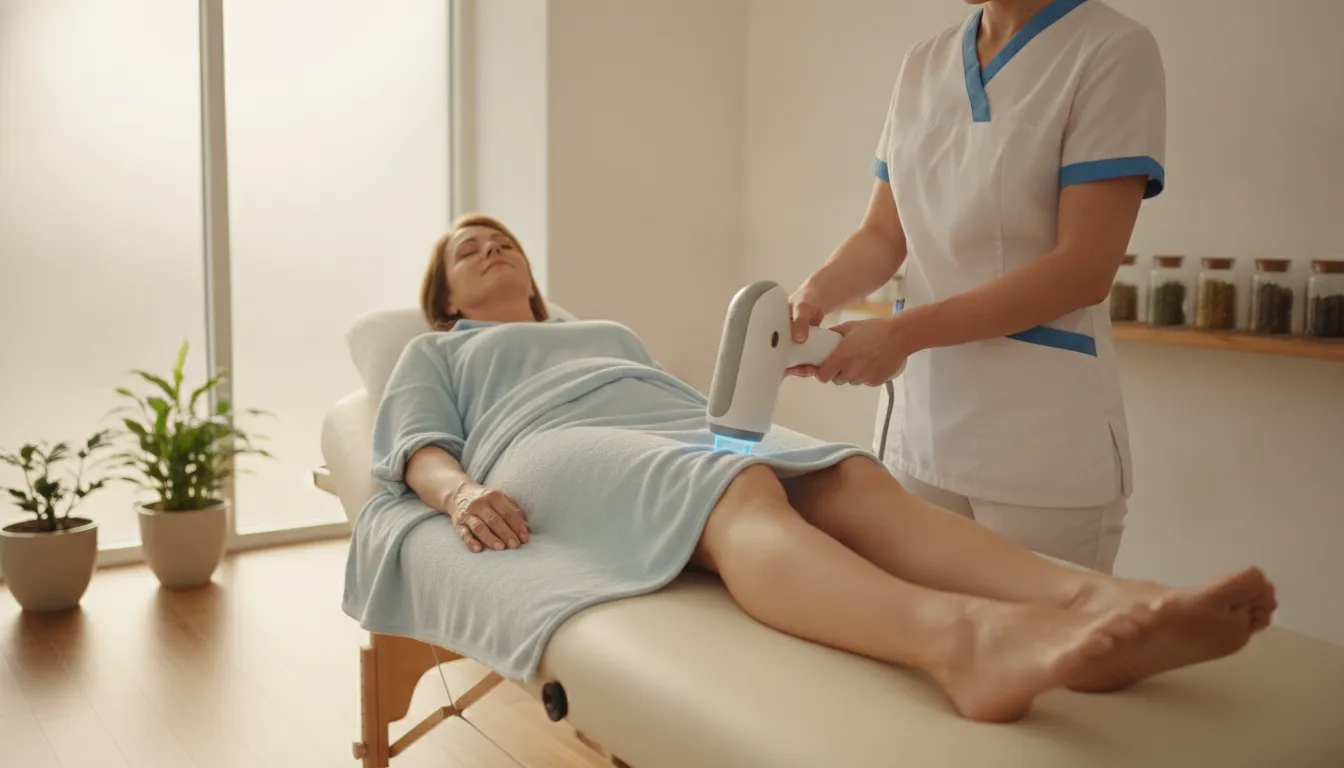
Feeling like you've lost control over your own body due to persistent pain is a deeply frustrating experience. A herniated disc can make you feel powerless, dictating what you can and can't do each day. The radiating pain and numbness can be constant reminders of your physical limitations, leaving you searching for a way to reclaim your life. If you're ready to take an active role in your recovery, you're likely asking, "Can chiropractic care help with herniated disc pain?" This approach is a partnership. It combines professional, hands-on care with education and support, empowering you to understand your body and contribute to your own healing. We'll explain how gentle adjustments, corrective exercises, and lifestyle guidance work together to not only relieve your current discomfort but also build a more resilient spine for the future.
Key Takeaways
- Look beyond the symptoms: Effective herniated disc care addresses the root mechanical problem, such as nerve pressure or spinal imbalance. This approach aims for long-term correction, not just temporary pain management.
- Gentle, targeted care promotes healing: Chiropractic treatment involves specific, non-invasive methods like spinal adjustments and decompression. This personalized approach helps relieve pressure on the affected nerve and creates the right conditions for your body to heal itself.
- Healing extends beyond the office: Your daily habits are essential for recovery. Pairing professional care with mindful posture, safe movement, and good nutrition helps support your spine and prevent future issues.
Decoding Herniated Disc Pain
That sharp, radiating pain in your back, leg, or arm might be more than just a simple muscle strain. If the discomfort is persistent and accompanied by numbness or weakness, you could be dealing with a herniated disc. Understanding what’s happening inside your body is the first step toward finding lasting relief. It’s not just about managing the pain; it’s about addressing the source of the problem so you can get back to living your life comfortably. Our approach focuses on identifying the root cause of your discomfort to create a personalized path to healing.
What happens when a disc herniates?
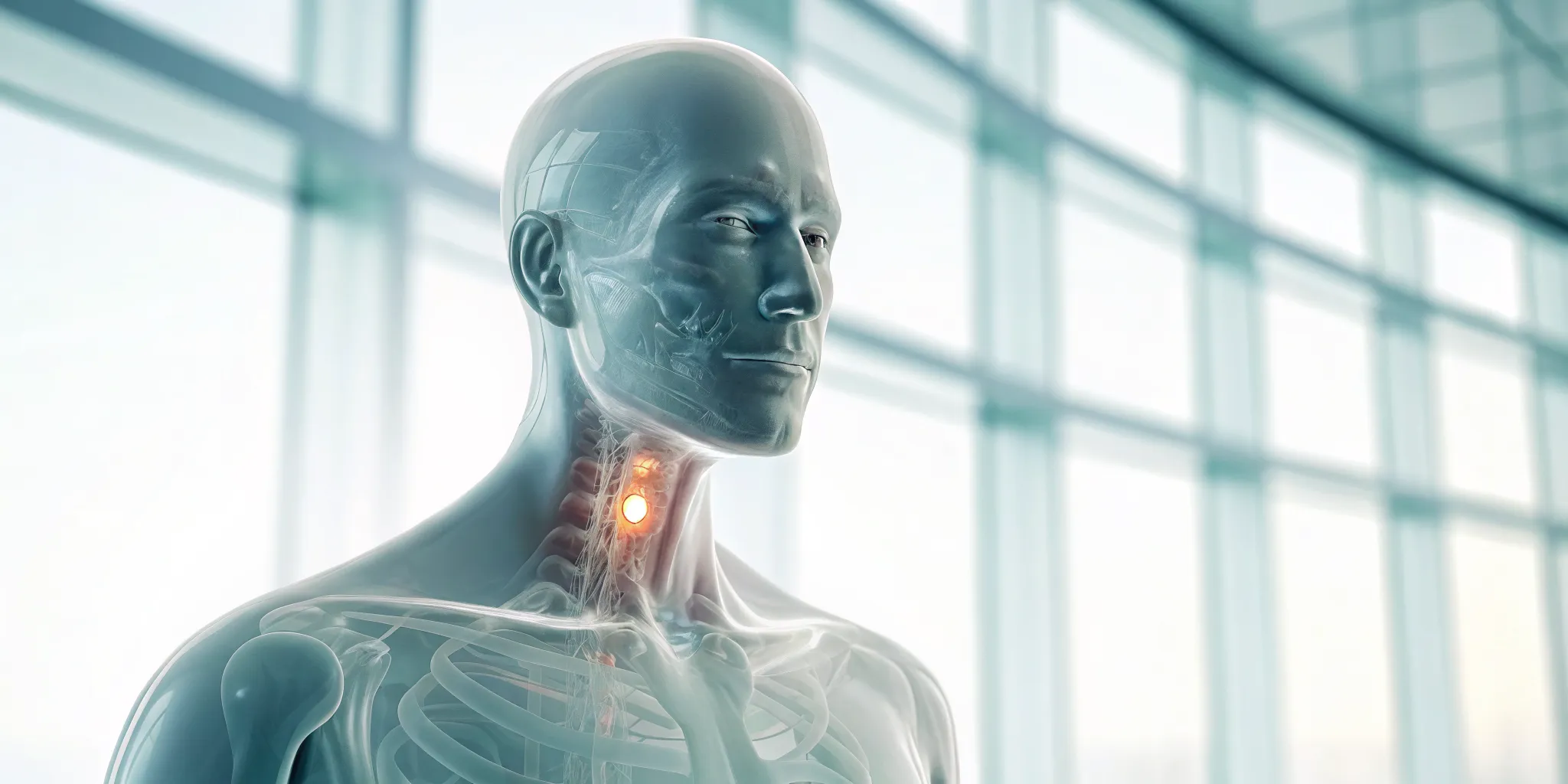
Your spine is made of bones called vertebrae, and in between them are soft, cushion-like discs. Think of these discs as tiny jelly donuts, with a tough outer layer and a soft, gel-like center. A herniated disc occurs when that soft center pushes out through a tear in the tougher exterior. While you might hear terms like a “slipped disc,” that’s not quite accurate. The disc doesn’t actually slip out of place. Instead, the tear in the outer wall allows the inner material to bulge or leak out, which can put pressure on the surrounding nerves, leading to significant discomfort and other symptoms.
Recognizing the common symptoms
The symptoms of a herniated disc can vary widely depending on which disc is affected and which nerves it’s pressing on. You might feel a sharp, shooting pain that travels from your lower back down your leg, a condition often known as sciatica. Other times, the pain is localized to your neck or back. It’s also very common to experience numbness, tingling, or a "pins and needles" sensation. You might even notice weakness in certain muscles, making it difficult to lift objects or even walk normally. These are some of the primary conditions we treat with our comprehensive, whole-body approach.
Which parts of the spine are most affected?
While a disc can herniate anywhere along your spine, it’s most likely to happen in one of two areas: the lower back (lumbar spine) or the neck (cervical spine). Your lumbar spine supports much of your body’s weight and is involved in bending and twisting, making it vulnerable to strain. Herniations here often cause pain that radiates down the leg. Your cervical spine, which supports your head, is also susceptible due to its flexibility and range of motion. A herniated disc in the neck can lead to pain, numbness, or weakness in the shoulder, arm, and hand. Our physical medicine services are designed to address these specific issues.
How We Diagnose a Herniated Disc
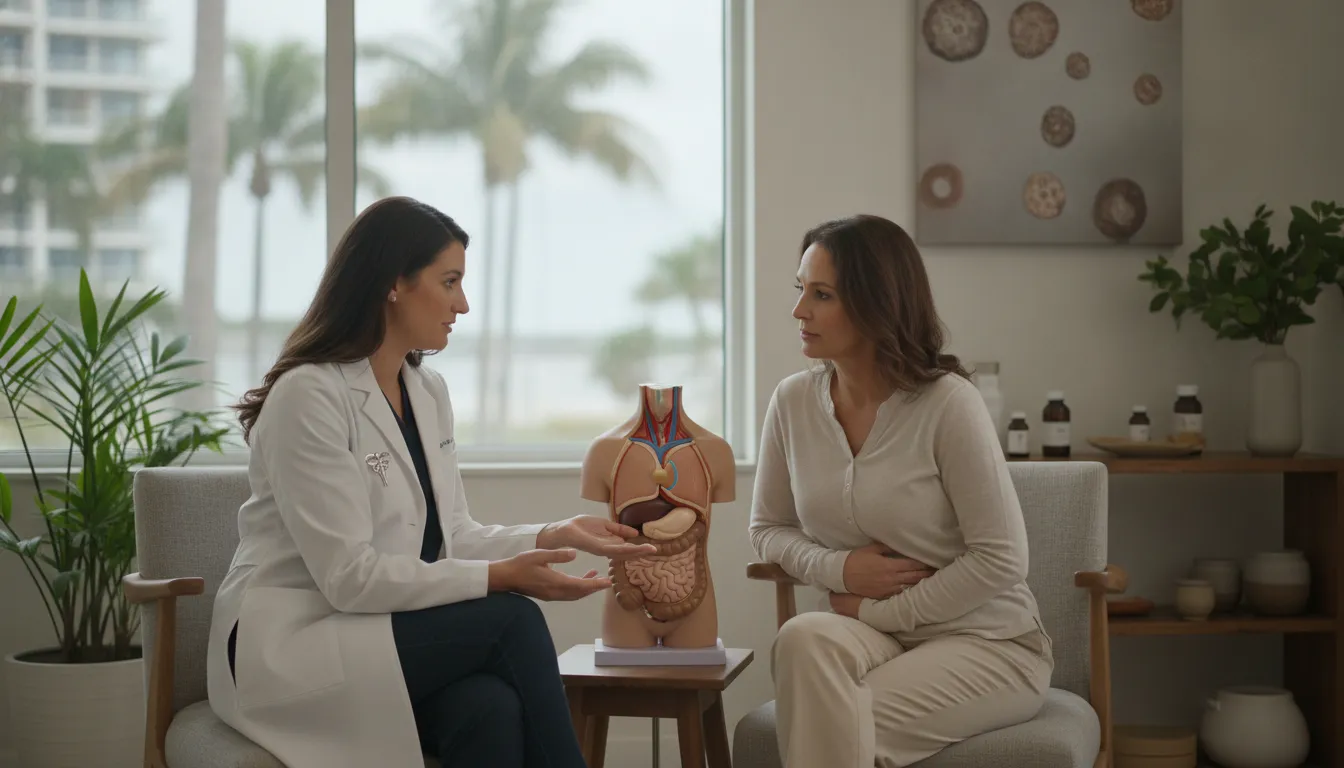
Finding the source of your pain is the first step toward feeling better. At Ascend Functional Health, we use a detailed, multi-step process to understand exactly what’s happening with your spine. It’s not about guesswork; it’s about gathering the right information to build a plan that truly addresses the root cause of your discomfort. We combine a hands-on evaluation with modern diagnostic tools to get a complete picture of your spinal health, ensuring your care is precise, personalized, and effective from day one.
Your initial physical evaluation
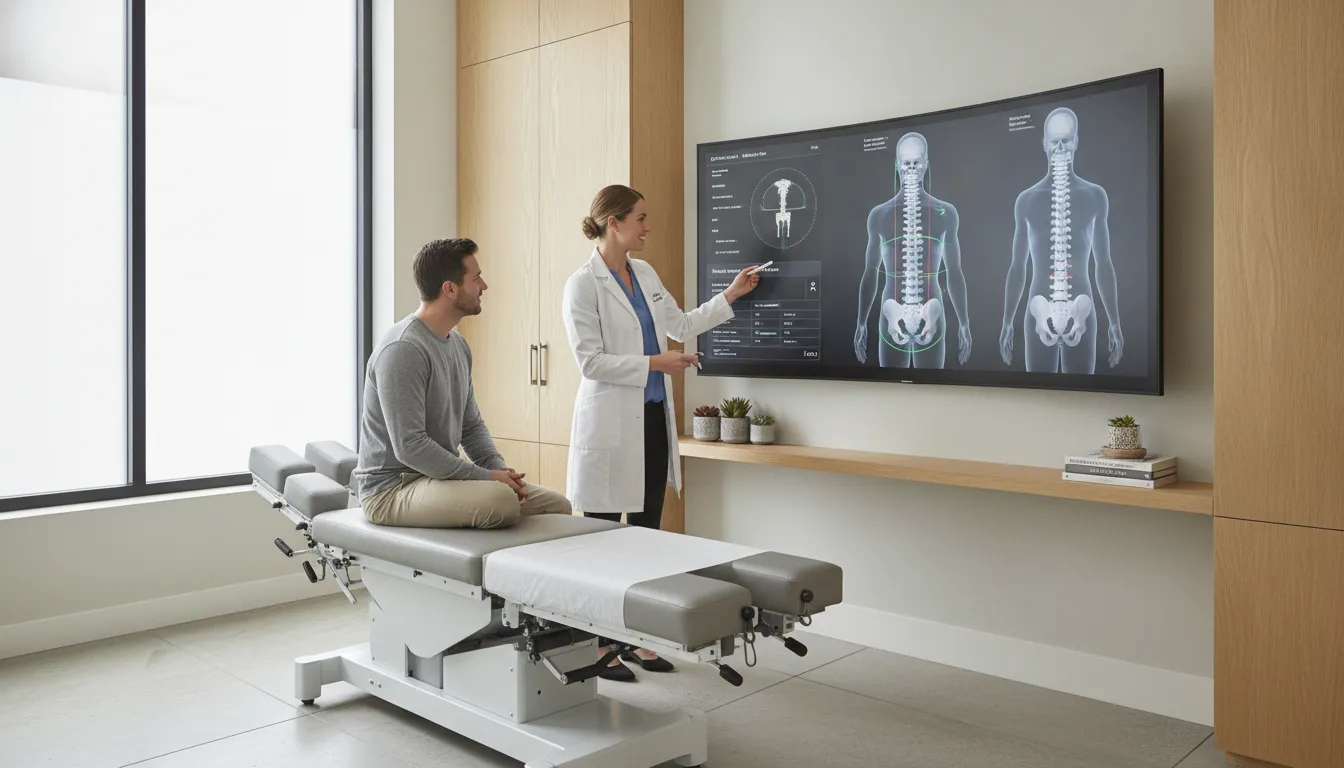
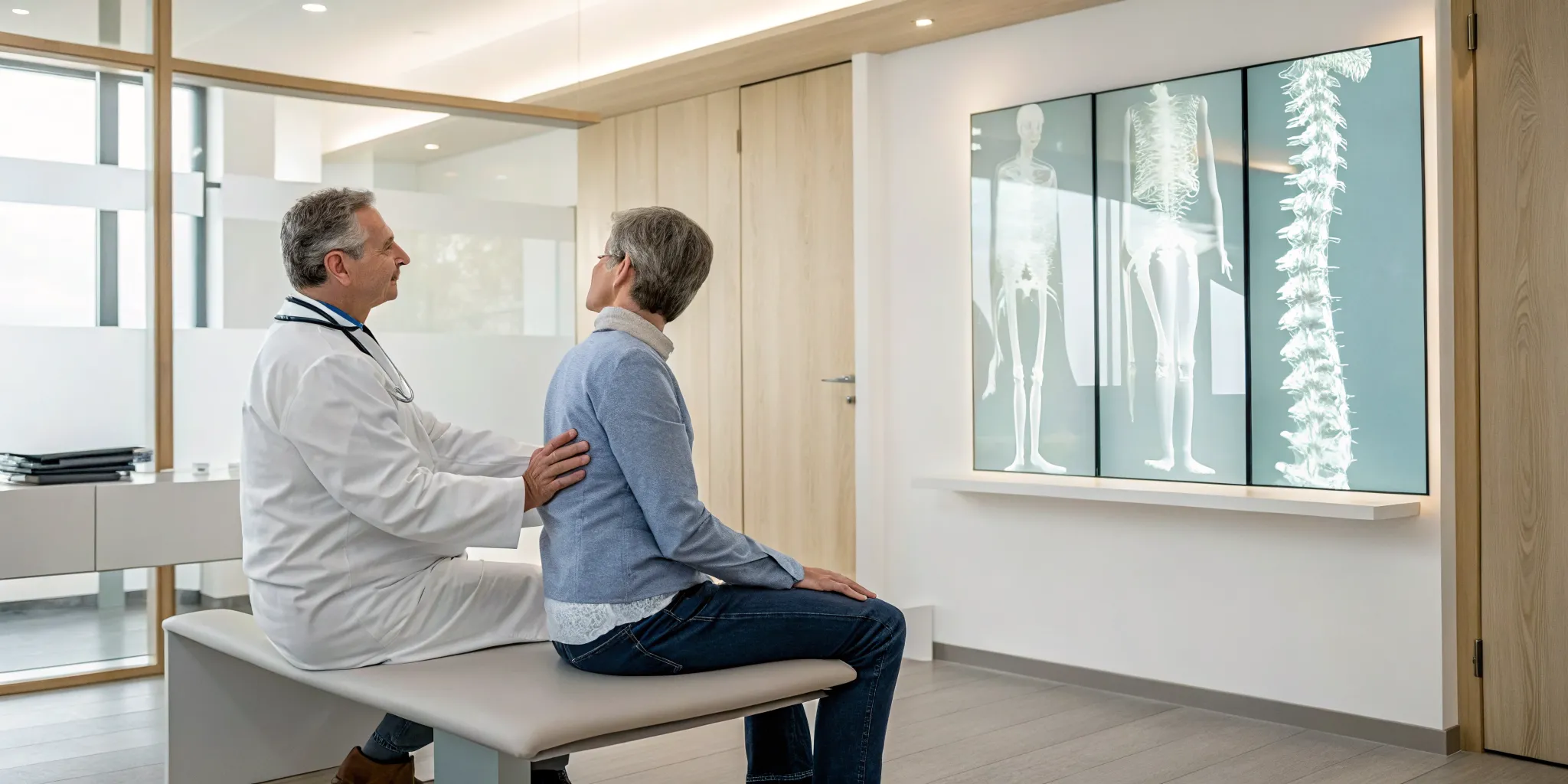
Our diagnostic process begins with a thorough conversation about your symptoms and health history, followed by a comprehensive physical exam. We are skilled at identifying herniated discs through careful evaluation. We’ll check your reflexes, muscle strength, and range of motion to see how your nerves and muscles are functioning. By considering where you feel pain, tingling, or weakness, we can start to pinpoint which disc and nerve root are affected. Our physical medicine approach involves looking at your entire spine, not just the one area that hurts, because we know everything is connected. This helps us build a complete picture of your condition.
A closer look with diagnostic tools
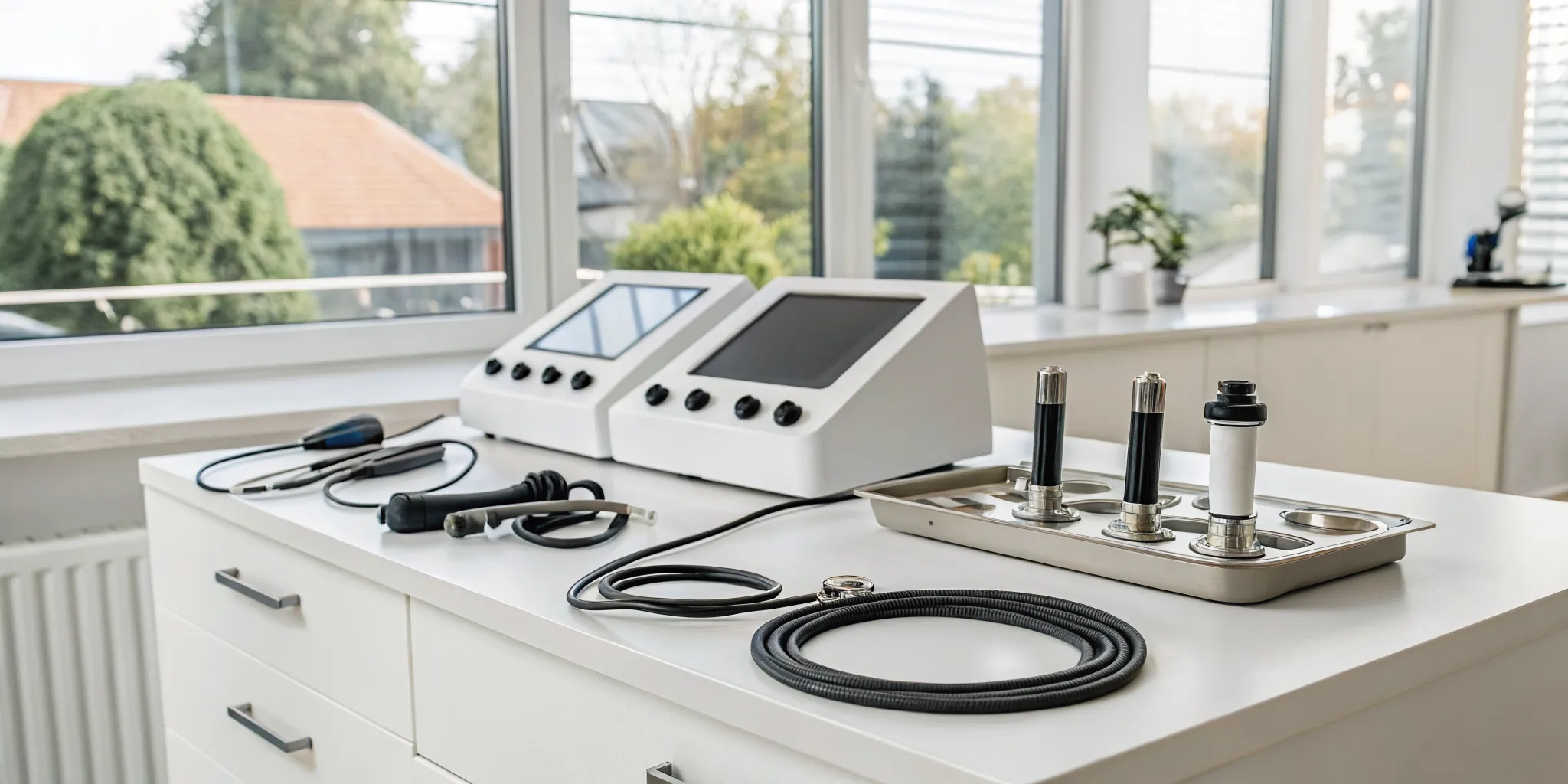
While a physical exam tells us a lot, sometimes we need to see what’s happening inside. If necessary, we may refer you for imaging tests to get a clearer view of your spine’s structures. An X-ray can help us rule out other potential causes for your pain. For a more detailed look at the soft tissues, an MRI or CT scan is often used to show the exact location and size of the herniated disc and see if it’s pressing on any nerves. These tools allow us to confirm a diagnosis with certainty and move forward with a targeted and effective plan.
Determining the severity of the herniation
Once we have all the information from your exam and any imaging, we can determine the severity of the herniation. Understanding whether it's a small bulge or a more significant issue is crucial for creating the right care plan for you. Most herniated discs respond very well to chiropractic and corrective therapies. However, our patient-first philosophy means we always consider what is best for your specific situation. If your case is particularly complex, we will work with other trusted medical professionals to ensure you receive the most appropriate care. Our goal is always to guide you toward the most effective path to healing.
Chiropractic Approaches for Herniated Disc Relief
When you're dealing with the pain of a herniated disc, the last thing you want is an aggressive, one-size-fits-all treatment. Chiropractic care offers a different path. It uses a variety of gentle, targeted techniques designed to address the specific cause of your pain without invasive procedures. The goal is to relieve the pressure on your spinal nerves, restore proper movement, and create an environment where your body can heal itself. This approach recognizes that your body has an incredible capacity for healing; it just needs the right support. Instead of simply masking the pain, we aim to correct the underlying mechanical issues that are causing it.
At Ascend Functional Health, we don't just focus on the symptom; we look at the entire picture of your spinal health. Our physical medicine approach involves a combination of methods tailored to your unique situation. We understand that a herniated disc affects more than just one spot on your spine; it can impact your muscles, your posture, and your daily life. By using these specific therapies, we can help reduce inflammation, ease pain, and guide you toward lasting recovery. It’s about working with your body to correct the problem at its source, helping you get back to moving comfortably and confidently.
Gentle spinal adjustments
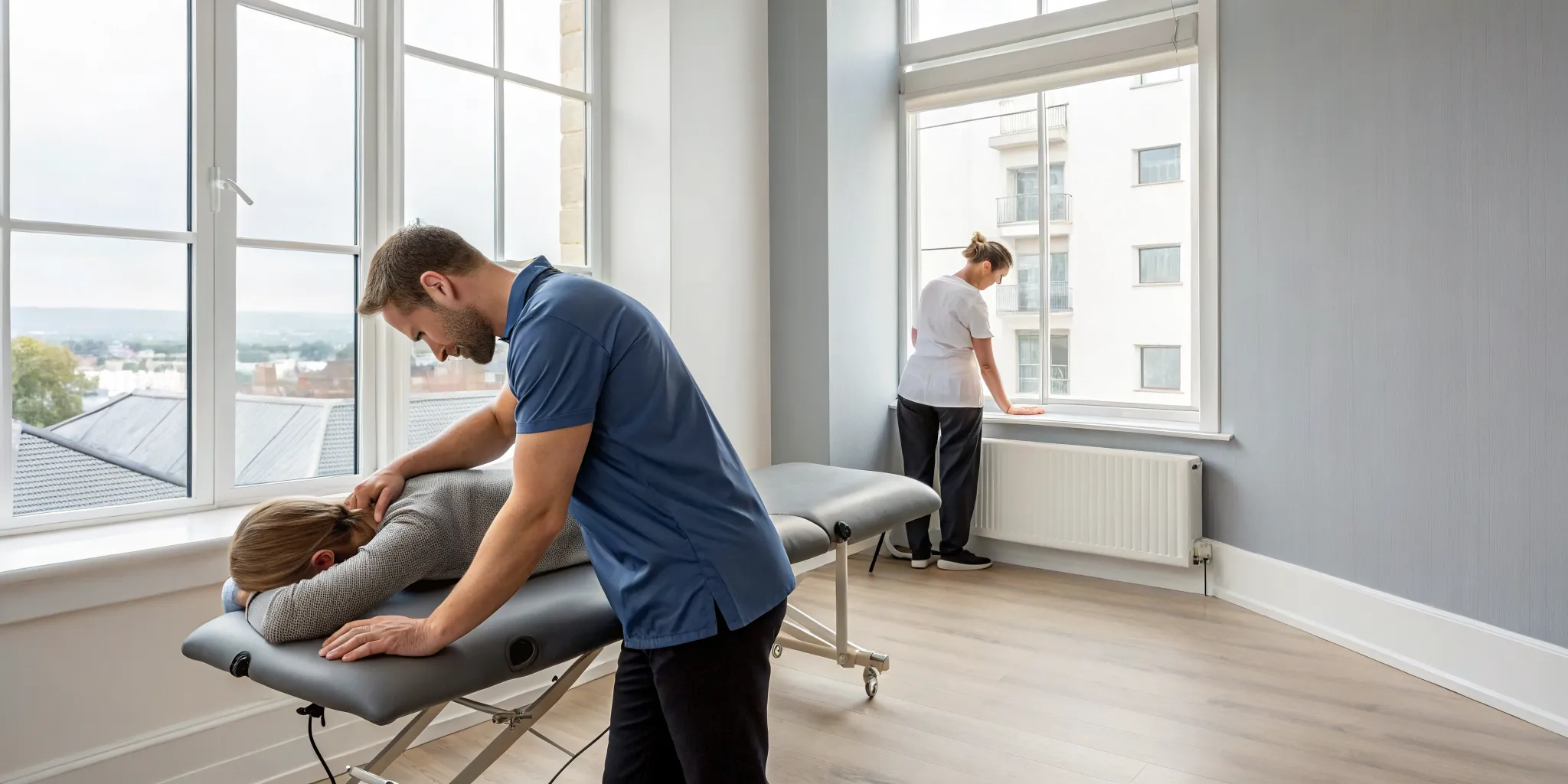
A cornerstone of chiropractic care is the spinal adjustment. This isn't about forceful cracking or twisting. Instead, it involves a highly specific and gentle force applied to the joints of your spine that aren't moving correctly. When a disc herniates, it often causes surrounding spinal segments to become restricted, leading to more pain and dysfunction. By carefully restoring motion to these joints, we can help take pressure off the irritated nerve and the injured disc itself. This process improves your spine's overall alignment and mechanics, which is fundamental to healing. Our practitioners are experts in applying the precise adjustments needed to encourage your body’s natural healing abilities and provide relief.
Flexion-distraction therapy
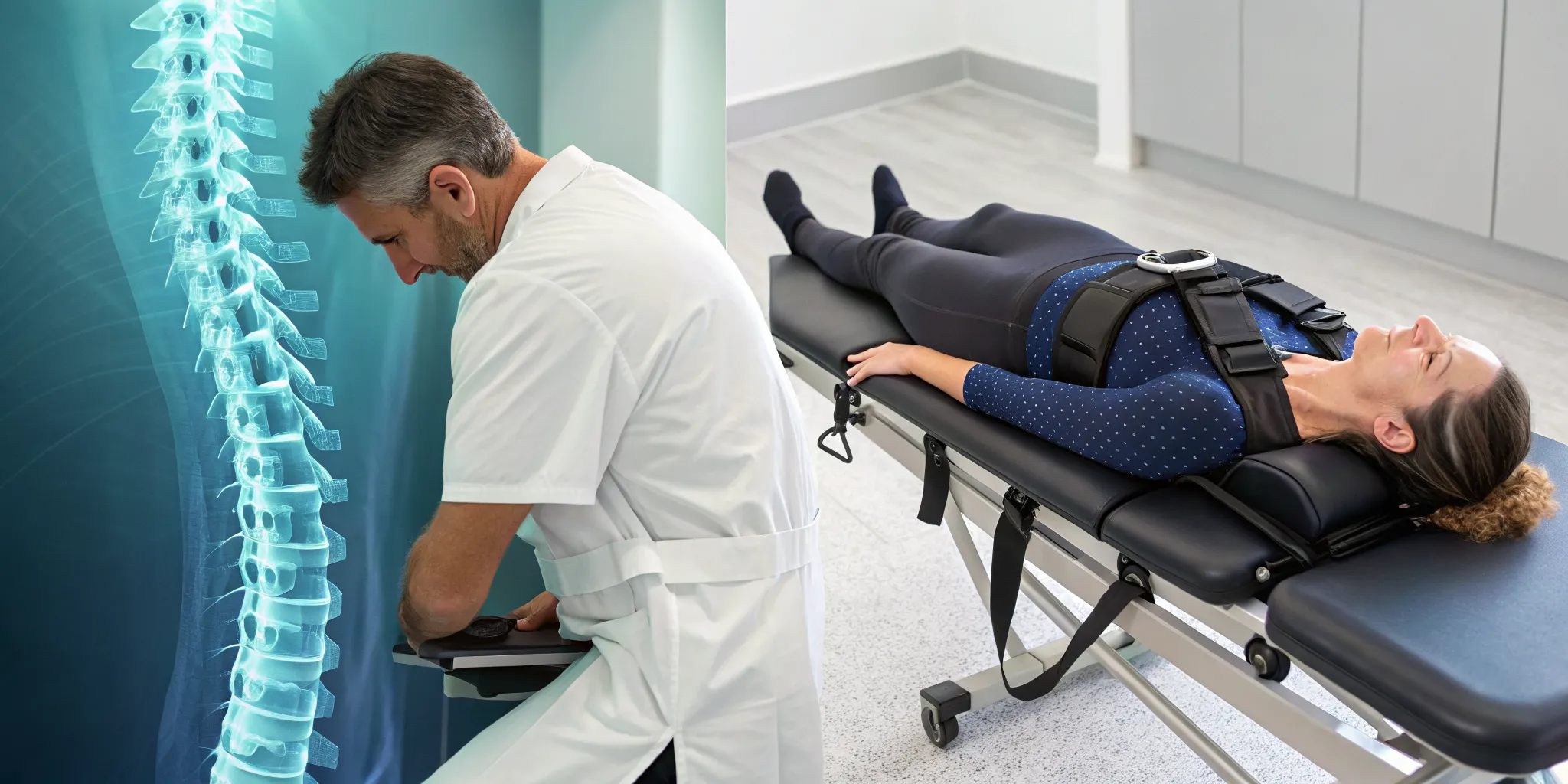
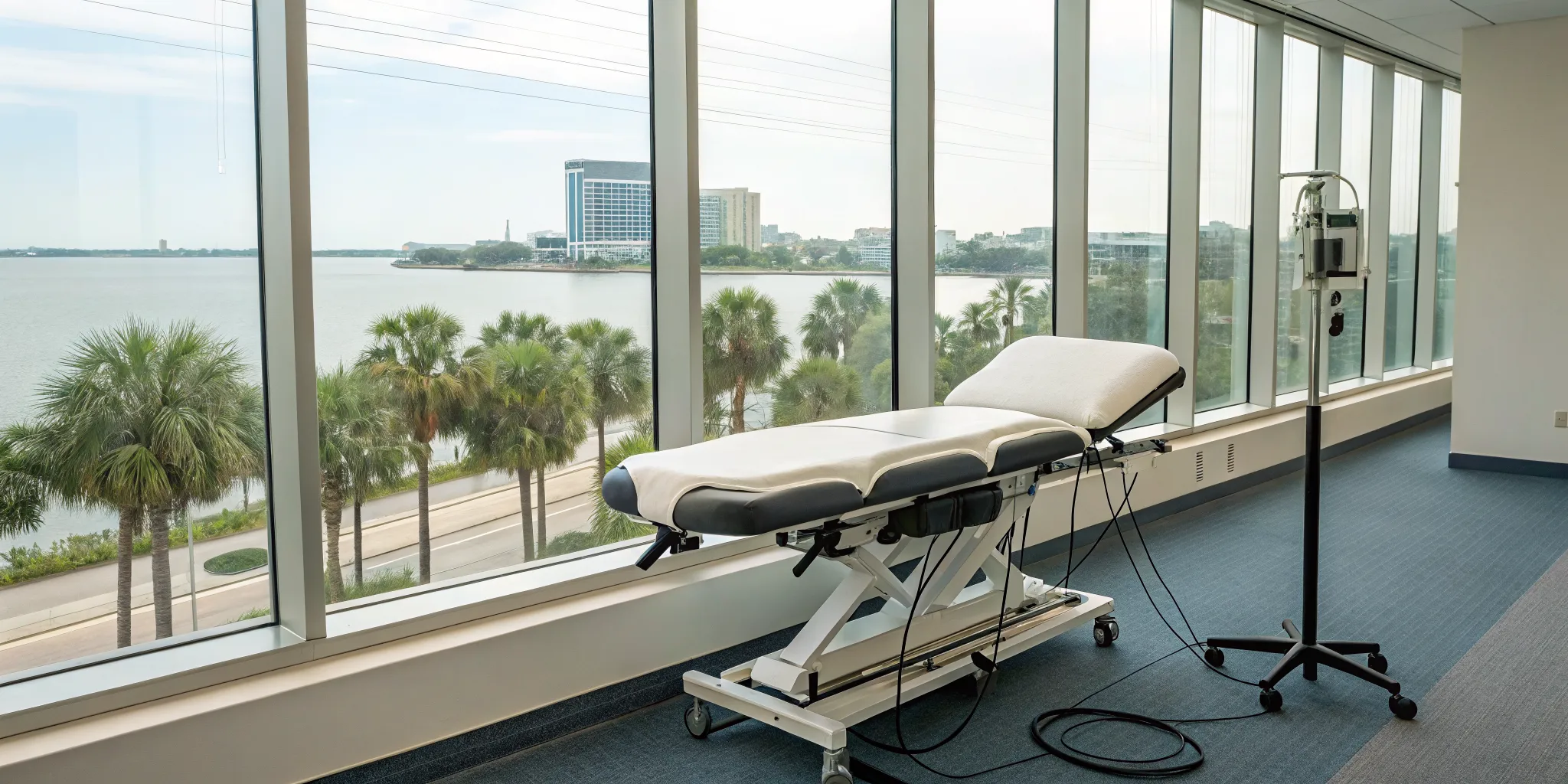
Flexion-distraction is a gentle, non-invasive technique that has shown great results for herniated discs, particularly in the lower back. During this therapy, you’ll lie on a special table that moves in a slow, rhythmic motion. This movement gently stretches your spine, which helps to open up the space around the compressed disc and nerve. The primary goal is to create a negative pressure that can help draw the bulging disc material back away from the nerve it’s pressing on. Think of it as carefully decompressing the spine to give the disc room to heal. This technique is often very comfortable for patients and can provide significant relief from leg pain (sciatica) associated with a lumbar herniated disc.
Spinal decompression therapy
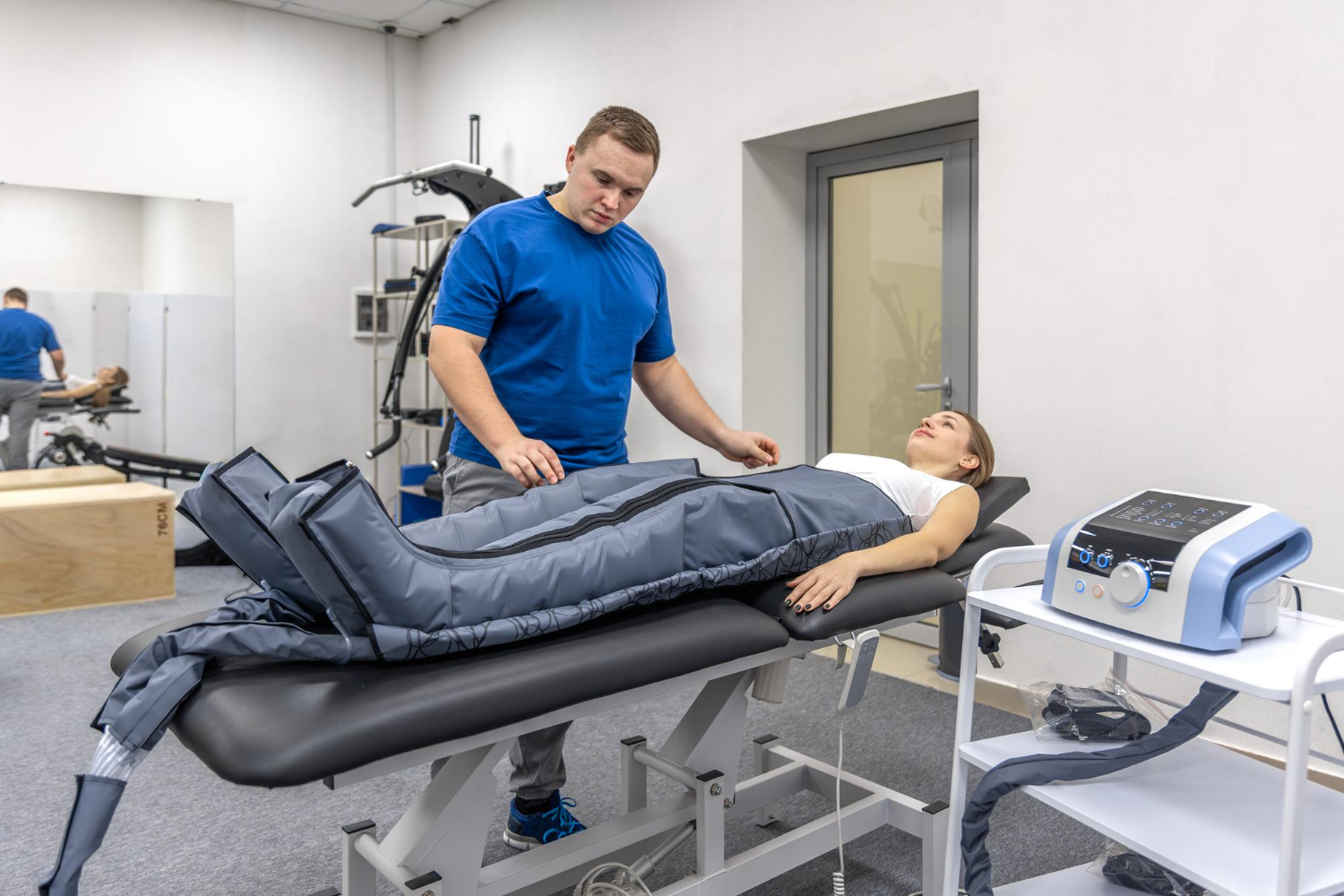
Similar to flexion-distraction, spinal decompression therapy is another powerful tool for treating herniated discs. This technique uses a specialized traction table to gently and methodically stretch the spine. By creating negative pressure within the disc, this therapy helps pull the herniated material back into place and allows for an increased flow of oxygen and nutrients to the area. This improved circulation is crucial for healing, as spinal discs have a naturally limited blood supply. Spinal decompression is a key part of how we treat many spinal conditions because it directly addresses the mechanical stress on the disc. It’s a safe and effective way to promote long-term healing and reduce the likelihood of future flare-ups.
Soft tissue and corrective therapies
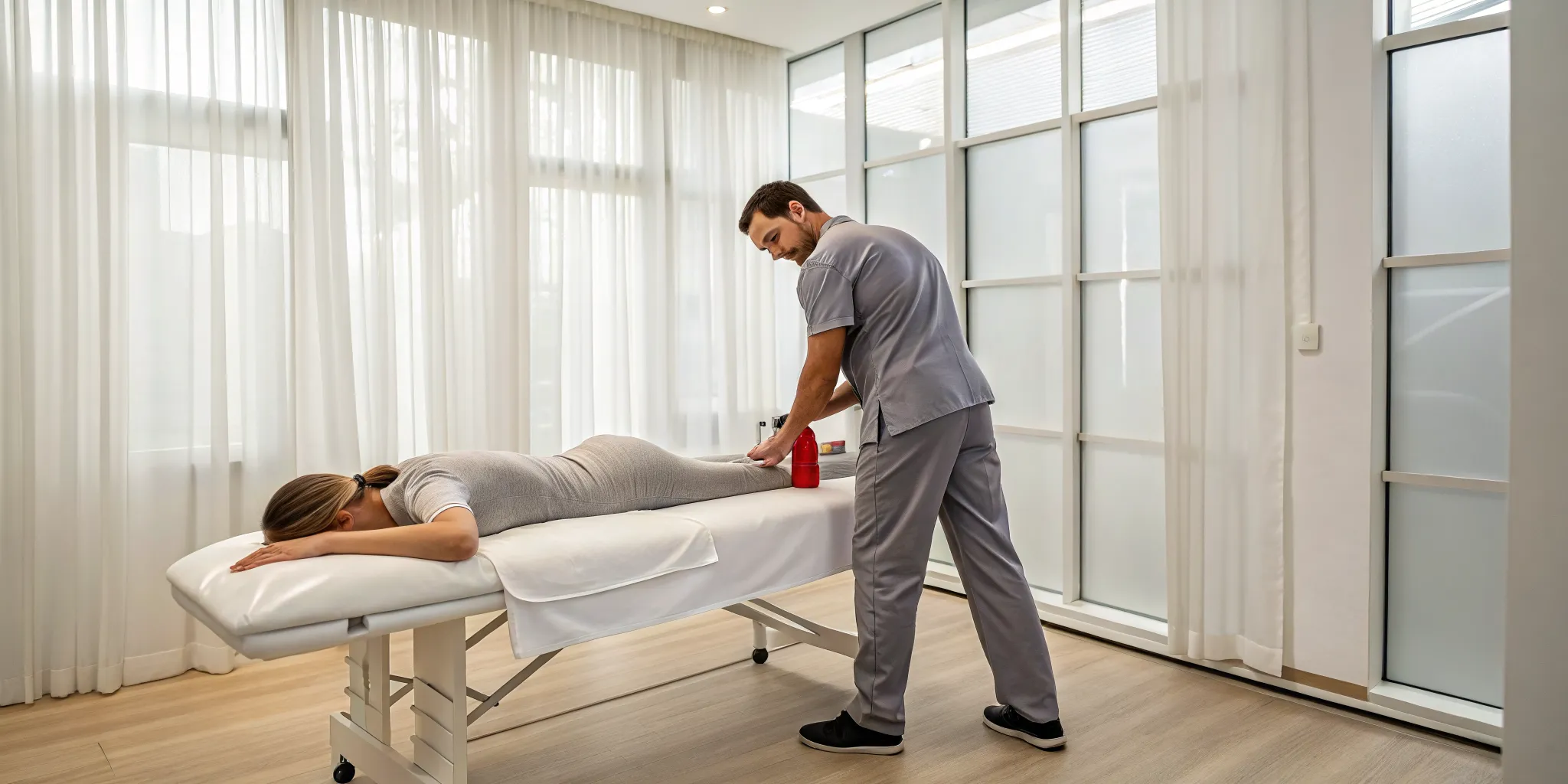
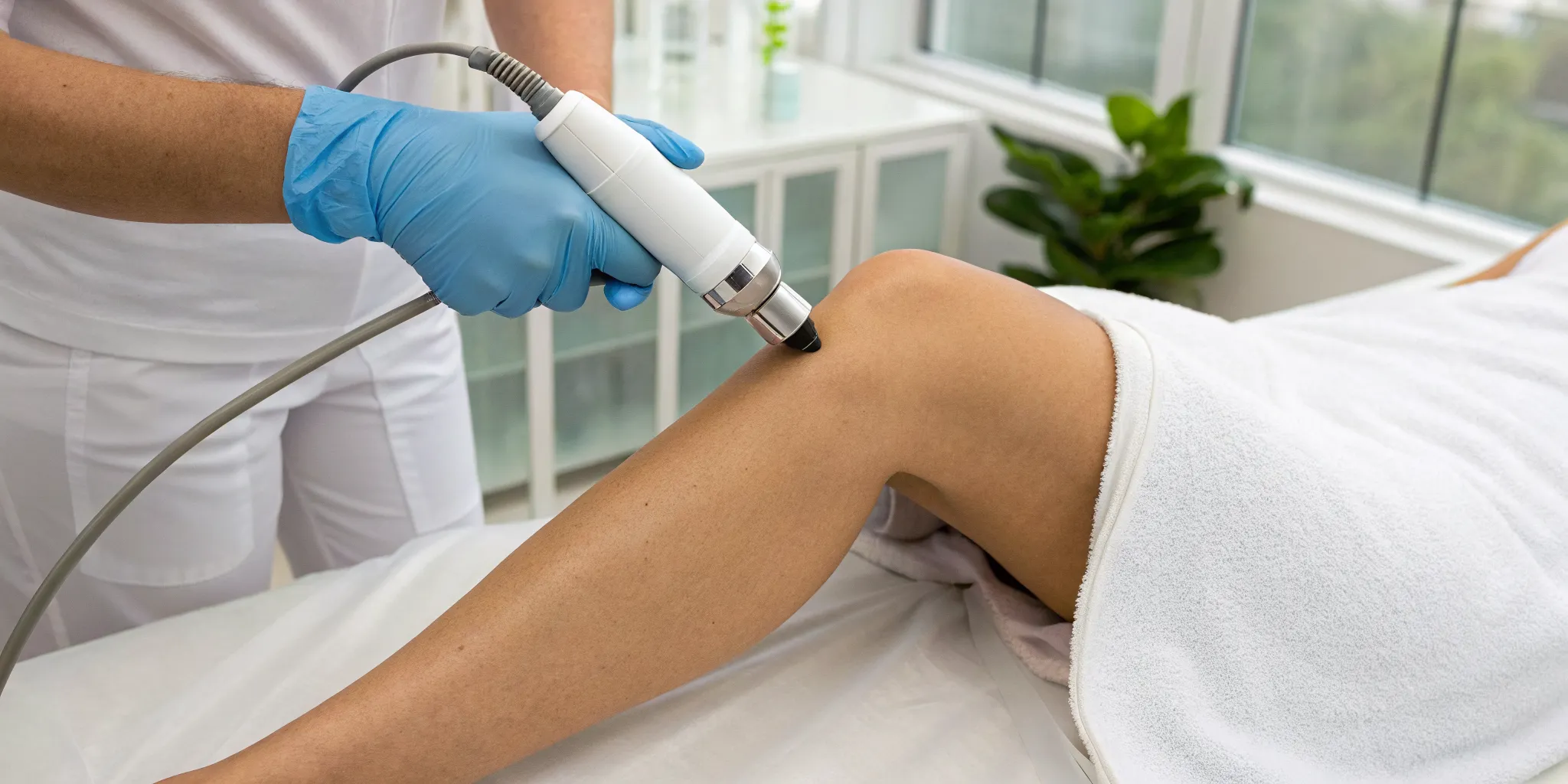
A herniated disc rarely exists in isolation. The pain and inflammation often cause the surrounding muscles in your back to become incredibly tight and guarded. This muscle tension can contribute to your pain and limit your mobility even further. That’s why we incorporate soft tissue therapies into your treatment plan. Techniques like therapeutic massage and myofascial release work to relax these tight muscles, break up adhesions, and improve blood flow. Releasing this tension not only provides immediate relief but also makes your spinal adjustments more effective and longer-lasting. It’s a crucial step in treating the whole problem, not just the spinal joint.
Targeted exercises and posture correction
True healing goes beyond what happens in the treatment room. To ensure lasting relief and prevent future injuries, it’s essential to strengthen the muscles that support your spine and improve your daily habits. We’ll guide you through targeted corrective exercises designed to build core strength and stabilize your back. We also focus on education, teaching you how to move, sit, and stand in ways that protect your spine. Simple changes to your posture and workspace ergonomics can make a world of difference. By empowering you with these tools, we help you take an active role in your recovery and maintain a healthy, resilient spine for years to come. You can find more helpful tips on our blog.
Why Choose a Chiropractic Approach?
When you’re dealing with the persistent pain of a herniated disc, you want a solution that does more than just quiet the symptoms for a little while. You want real, lasting relief. A chiropractic approach offers a path to healing that is fundamentally different from conventional methods. It’s a partnership with your body, designed to support its incredible ability to heal itself from the inside out.
Instead of focusing only on the site of the pain, we look at the entire system to understand why the disc became vulnerable in the first place. This perspective allows us to create a plan that not only addresses your immediate discomfort but also builds a stronger, more resilient foundation for your long-term spinal health. It’s about empowering you with the tools and support you need to get back to living your life fully.
A non-invasive alternative
One of the most significant reasons people explore chiropractic care is that it’s a non-invasive way to find relief. Chiropractors are experts in the spine and joints, and they use gentle, hands-on methods to address the source of your pain without invasive procedures or reliance on medication. This approach means we work with your body, not against it.
Our goal is to restore proper motion and alignment, which can take pressure off the affected nerves and disc. By using techniques like spinal adjustments and decompression, we can create an environment where your body can begin its natural healing process. This focus on physical medicine helps you avoid the lengthy recovery times and potential complications that can come with more aggressive interventions.
Moving beyond symptom management
Pain from a herniated disc is a signal that something is wrong. While it’s tempting to focus only on making the pain disappear, that’s often just a temporary fix. Chiropractic care aims to move beyond simple symptom management. While the care itself doesn't "repair" the torn disc, it works to reduce nerve pressure, decrease inflammation, and improve your body's overall function so you can live without constant discomfort.
We look at the bigger picture of your health. By improving spinal mechanics and addressing related issues in your muscles and nerves, we help your body become more stable and efficient. This holistic view is a core part of functional medicine, where the objective is to enhance your body’s systems for sustainable well-being, not just patch up problems as they appear.
Getting to the root of the problem
Ultimately, the goal of chiropractic care is to correct the underlying cause of your herniated disc pain. Symptoms are just the tip of the iceberg. Chiropractors work to relieve pressure on injured discs and improve spinal alignment, which helps the body heal naturally. The focus is on fixing the root of the problem, such as misaligned vertebrae and pinched nerves, rather than just covering up the pain.
By identifying and addressing these core issues, we can help you find more permanent relief. We investigate why the disc herniated in the first place, whether it’s due to posture, movement patterns, or spinal imbalances. Understanding the full scope of conditions we treat helps us create a personalized strategy that not only alleviates your current pain but also helps prevent it from returning.
The Benefits of Chiropractic Care for Herniated Discs
When you're dealing with the persistent pain of a herniated disc, finding a path to relief that feels both effective and sustainable is the top priority. Chiropractic care offers a powerful, non-invasive option that goes beyond simply managing symptoms. Instead of just masking the pain, this approach focuses on addressing the underlying mechanical issues in your spine. The goal is to restore proper function, reduce nerve irritation, and empower your body to heal itself, which is a core principle of our work.
At Ascend Functional Health, we see the benefits firsthand every day with our patients. By using gentle, precise techniques, we can help alleviate the pressure that a herniated disc places on surrounding nerves. This isn't about forceful cracking or uncomfortable procedures; it's a strategic and thoughtful process designed to improve your spinal alignment and mobility. Our approach to physical medicine is integrated into a larger wellness strategy, ensuring we look at your entire system to support your recovery. We believe in building a foundation for lasting spinal health so you can get back to your life with less pain and more freedom. It’s a partnership focused on your well-being.
Find relief and move more freely
One of the most immediate goals of chiropractic care for a herniated disc is to reduce your pain and improve your range of motion. As experts in spinal health, chiropractors use gentle, drug-free methods to relieve the intense pressure on the injured disc and nearby nerves. By carefully adjusting the spine, we can help create more space for the disc, which often leads to a significant decrease in pain, tingling, and numbness. This process helps calm inflammation and allows your body to begin its natural healing process. The result is not just feeling better in the moment, but being able to move more freely and confidently throughout your day.
Receive a plan tailored to you
Your body is unique, and your treatment plan should be too. Chiropractic care begins with a thorough physical evaluation to understand the exact nature of your herniated disc. We’ll check your reflexes, test your muscle strength, and assess your posture to see how your whole body is being affected. This detailed assessment allows us to pinpoint the source of the problem and design a personalized treatment protocol. This holistic approach means we aren't just focused on the one painful spot; we're treating your body as an interconnected system to ensure we address the root cause of your discomfort, not just the symptoms.
Support lasting spinal health
True healing is about more than just short-term relief. A key benefit of chiropractic care is its focus on long-term spinal stability and health. Beyond the adjustments you receive in our office, we’ll guide you through specific corrective exercises and stretches designed to strengthen the muscles supporting your spine. These exercises can help stabilize the affected area and reduce the risk of future injury. We also provide practical advice on posture and ergonomics for your daily life. By empowering you with these tools, we aim to help your disc heal naturally and give you the knowledge to maintain a healthy, resilient spine for years to come.
Is Chiropractic Care Right for You?
Deciding on the right approach for your health can feel overwhelming, but understanding your options is the first step toward relief. Chiropractic care offers a powerful, hands-on path for many people dealing with herniated disc pain. It focuses on addressing the root cause of your discomfort rather than just masking the symptoms. Let's walk through who it helps, what to consider, and when it's part of a bigger picture.
Who can benefit from chiropractic care?
If you're looking for a non-invasive, drug-free way to manage pain and improve your body's function, chiropractic care could be an excellent fit. Chiropractors are experts in the spine and joints, using specialized techniques to restore alignment and mobility. This approach is beneficial for people experiencing pain from a herniated disc, but its advantages don't stop there.
Our physical medicine services can help with a wide range of conditions, from chronic headaches to joint stiffness. The goal is not only to address your current issues but also to support your body’s structure to prevent future problems. By getting to the source of the pain, we help your body heal itself and function at its best.
Considering the severity of your herniation
While chiropractic care is effective for many herniated disc issues, it’s important to be realistic. Most cases respond very well to gentle, targeted adjustments. However, if your condition is particularly severe, another path may be more appropriate. Signs that you might need to explore other options include significant muscle weakness, a progressive loss of sensation in your limbs, or changes in reflexes.
In these situations, a thorough evaluation is key. A dedicated practitioner will assess your specific condition and, if necessary, collaborate with other specialists to ensure you receive the most suitable care. The best way to know for sure is to have a conversation with a professional who can evaluate your unique situation. You can schedule a consultation with our team to determine the right approach for you.
Knowing when to explore other options
It's helpful to understand what chiropractic care does for a herniated disc. The adjustments don't magically "repair" the tear in the disc itself. Instead, the focus is on creating an optimal healing environment. By gently adjusting the spine, we can reduce pressure on the affected nerve, decrease inflammation, and improve your body's overall mechanics. This allows your body to begin its own natural healing process so you can get back to living without constant pain.
This approach supports your body’s innate ability to heal. For some, a comprehensive strategy that includes other modalities provides the best results. By integrating functional medicine, we can also address underlying factors like inflammation and nutrient deficiencies that may contribute to your condition, creating a truly holistic path to wellness.
Simple Lifestyle Habits to Support Your Spine
Chiropractic care is a powerful tool for finding relief, but what you do outside of our office matters just as much. Creating healthy habits that support your spine is key to not only feeling better now but also preventing future problems. Think of these as small, daily investments in your long-term health. By pairing professional care with mindful daily practices, you create a powerful partnership for healing. These simple adjustments to your routine can make a significant difference in your recovery and overall well-being.
How to stay active safely
When you’re in pain, your first instinct might be to stay perfectly still. While rest is important, gentle movement is actually a crucial part of the healing process for a herniated disc. Staying active helps reduce inflammation and encourages the disc to heal properly. The key is to move safely and intentionally. We can guide you through specific corrective exercises designed to relieve pressure on your nerves and strengthen the muscles supporting your spine. It’s not about pushing through pain, but rather about finding the right movements that support your body’s recovery.
Improve your daily posture and ergonomics
Think about how many hours you spend sitting at a desk, looking at a phone, or driving. Each of these activities puts stress on your spine, especially if your posture isn't aligned. Making small ergonomic adjustments can have a huge impact. Sit with your feet flat on the floor, keep your shoulders back, and position your computer screen at eye level. When you stand, distribute your weight evenly and avoid slouching. Learning how to sit, stand, and move correctly reduces pressure on your spinal discs. These mindful changes help address the root cause of strain and prevent future injuries from developing.
Nourish your body to aid recovery
Healing happens from the inside out, and your spine is no exception. Your spinal discs need proper nutrition and hydration to stay healthy and repair themselves. Drinking plenty of water throughout the day is one of the simplest and most effective things you can do, as hydrated discs are more resilient and flexible. Pairing this with a diet rich in anti-inflammatory, nutrient-dense foods gives your body the building blocks it needs for recovery. Our functional medicine approach emphasizes how the right foods can support your body’s innate ability to heal, helping you recover more effectively and build a stronger foundation for lasting health.
Your Path to Relief at Ascend Functional Health
Finding the right care for a herniated disc can feel overwhelming, especially when pain disrupts your daily life. You don’t have to figure it out alone. At Ascend Functional Health, we start by listening. Your journey begins with a real conversation, where we take the time to understand your symptoms, your health history, and what you hope to achieve. We know that you are more than just your symptoms, and we want to understand how this condition is affecting your work, your hobbies, and your overall quality of life. From there, we build a strategy that is designed for your body’s specific needs. Our approach combines detailed diagnostics with personalized care to address the source of your discomfort and help you get back to living your life more comfortably. We believe in empowering you with a clear, actionable plan, so you feel confident and supported every step of the way toward recovery.
Your comprehensive evaluation and personalized plan
Your path to relief starts with a comprehensive evaluation to understand exactly what’s happening within your spine. We perform a detailed physical exam, paying close attention to the area of concern while also assessing your overall spinal health, posture, and movement patterns. This includes testing your reflexes and muscle strength to determine if nerve function is affected, which helps us pinpoint the source of your pain, numbness, or weakness. In some cases, we may recommend advanced imaging like an X-ray or MRI to get a precise look at the disc and surrounding structures. This thorough process allows us to gather all the necessary information to create a personalized plan that directly addresses your unique situation and sets you on the right course for recovery.
Integrating our physical medicine approach
Once we have a clear picture of your condition, we integrate our physical medicine approach to provide targeted relief. As experts in the spine and joints, we use gentle, non-invasive methods designed to address the root cause of your pain. Your personalized plan may include a combination of techniques such as specific spinal adjustments to restore proper motion and alignment, flexion-distraction therapy to gently decompress the spine and create negative pressure that helps the disc retract, and corrective therapies to support healing in the surrounding soft tissues. Our goal is to reduce pressure on the affected nerve, alleviate your symptoms, and improve your body's function without relying on medications or more invasive procedures.
Creating your holistic healing strategy
We believe that true wellness goes beyond just treating symptoms. Our focus is on creating a holistic healing strategy that supports your body’s innate ability to repair itself. By relieving pressure on the injured disc and improving spinal alignment, we help create the optimal environment for natural healing to occur. This approach is about more than just temporary relief; it’s about correcting the underlying issue, whether it’s a misaligned vertebra or a pinched nerve. We look at the complete picture of your health, considering how factors like posture, movement habits, and inflammation may contribute to your condition. We build a long-term strategy that not only helps you feel better now but also supports lasting spinal health for the future.
Related Articles
- Is Lumbar Decompression Chiropractic for You?
- Disc Bulge Therapy: A Complete Guide to Healing
- Bulging Disc Therapy Treatment: A Complete Guide
- Revitalize Your Spine with Spinal Decompression Therapy in Tampa, FL
Frequently Asked Questions
I’m in a lot of pain. Will chiropractic adjustments make my herniated disc worse? This is a very common and understandable concern. Our approach is specifically designed to be gentle, especially when you're in pain. We use targeted, low-force techniques like flexion-distraction and spinal decompression that are meant to reduce pressure on the disc and nerve, not add to it. The goal is to create space and calm the area to encourage healing, and many people find these methods to be quite comfortable and relieving.
How long will it take for my herniated disc to feel better? Because every person and every injury is unique, there isn't a single timeline for recovery. Some people notice a decrease in their pain after just a few visits as we reduce inflammation and nerve pressure. However, our primary goal is to create lasting correction, not just a temporary fix. Your personalized plan will outline the expected phases of care, and we will be with you every step of the way, adjusting the plan based on your progress.
Can chiropractic care actually fix the tear in my disc? This is a great question that gets to the heart of how our care works. Chiropractic adjustments don't directly patch up the tear in the disc itself. Instead, our focus is on correcting the underlying mechanical issues, like poor joint movement and spinal misalignment, that put stress on the disc in the first place. By restoring proper function and taking pressure off the nerve, we create the ideal environment for your body to manage inflammation and heal the area on its own.
What if my herniated disc is too severe for chiropractic care? Your safety and well-being are our top priorities. Our comprehensive initial evaluation is designed to determine if you are a good candidate for our care. The vast majority of herniated disc cases respond very well to our methods. However, if we find that your condition is too severe or requires a different type of intervention, we will be upfront about it and help guide you to the most appropriate medical professional for your situation.
Is treatment just about the adjustments I get in the office? The work we do in the office is only one part of the healing equation. True and lasting recovery involves you as an active partner. We provide you with targeted corrective exercises to help strengthen and stabilize the muscles that support your spine. We also offer practical guidance on posture and daily habits to reduce strain on your back. This combination of in-office care and at-home support is what helps you build a more resilient spine for the long term.