Living with plantar fasciitis means more than just dealing with foot pain; it means missing out on the life you want to live. Maybe it’s keeping you from your morning walks along Bayshore Boulevard or making a day of shopping feel like an impossible task. When pain dictates your daily activities, it’s time for a different approach. Instead of just masking the symptoms, our goal is to resolve the underlying issue so you can get back to enjoying everything our community has to offer. We provide advanced, non-invasive solutions like SoftWave therapy for plantar fasciitis Tampa residents can trust to get them back on their feet and moving with confidence.
Key Takeaways
- Your heel pain is stubborn for a reason: Standard treatments often only manage symptoms, failing to address the underlying tissue damage and poor blood flow that prevent true healing.
- SoftWave therapy targets the source: This non-invasive technology uses acoustic waves to improve circulation, calm inflammation, and signal your body to begin repairing the injured tissue from the inside out.
- Focus on repair for lasting relief: By helping your body fundamentally rebuild the damaged fascia, SoftWave offers a path to long-term recovery, providing a non-invasive option before considering injections or surgery.
Why Is Plantar Fasciitis So Stubborn?
If you’re dealing with plantar fasciitis, you know it’s more than just a little foot pain. It’s that sharp, stabbing sensation in your heel that greets you first thing in the morning and can turn simple activities like walking or standing into a painful ordeal. You’ve likely tried stretching, icing, and resting, only to have the pain return with a vengeance. It’s a frustrating cycle that can leave you feeling defeated and wondering if you’ll ever find lasting relief from this persistent problem. Many people feel like they're on a merry-go-round of temporary fixes, never quite getting to the bottom of the issue.
The stubborn nature of this condition isn't in your head. It’s rooted in the very structure of your foot and the way the affected tissue struggles to heal. The plantar fascia is a tough, fibrous band, and once it's injured, its healing process is notoriously slow. Traditional approaches often fall short because they focus on managing the symptoms instead of addressing the core problem of tissue damage and poor circulation. To truly move past the pain, we first need to understand what’s happening inside your foot and why common remedies aren’t always enough to fix it. This understanding is the first step toward finding a solution that finally works and gets you back on your feet for good.
Understanding the Source of Your Heel Pain
That intense pain in your heel comes from a thick band of tissue on the bottom of your foot called the plantar fascia. Think of it as a bowstring that supports the arch of your foot and absorbs shock when you walk. When this tissue is over-stressed, it develops tiny micro-tears and becomes inflamed, leading to the condition known as plantar fasciitis. This is why the pain is often sharpest with your first steps after waking up or after long periods of rest; the fascia tightens overnight and is painfully stretched when you put weight on it. The constant strain of daily life makes it difficult for these micro-tears to properly heal, creating a chronic cycle of pain and inflammation in your foot.
Why Standard Treatments Don't Always Work
Many standard treatments for plantar fasciitis, like stretching, night splints, and icing, are aimed at temporarily easing discomfort. While they can provide some relief, they often fail to address the root cause of the problem: the damaged tissue itself. These methods don't always effectively increase blood flow to the injured area, which is essential for carrying the nutrients and oxygen needed for healing. Because they primarily manage symptoms, the relief is often short-lived. As soon as you return to your normal activities, the underlying tissue damage can easily become aggravated again, and the pain comes right back. This is why a different approach, one that focuses on true tissue repair, is often necessary for lasting results.
How SoftWave Therapy Heals Plantar Fasciitis
If you've been struggling with plantar fasciitis, you know that finding a solution that provides lasting relief can feel like an uphill battle. Many treatments simply mask the pain without addressing the underlying tissue damage. SoftWave therapy is different. This innovative approach works on a cellular level to activate your body’s own healing abilities, offering a path to genuine recovery without invasive procedures. It’s a cornerstone of our physical medicine services because it gets to the root of the problem.
What Is SoftWave Technology?
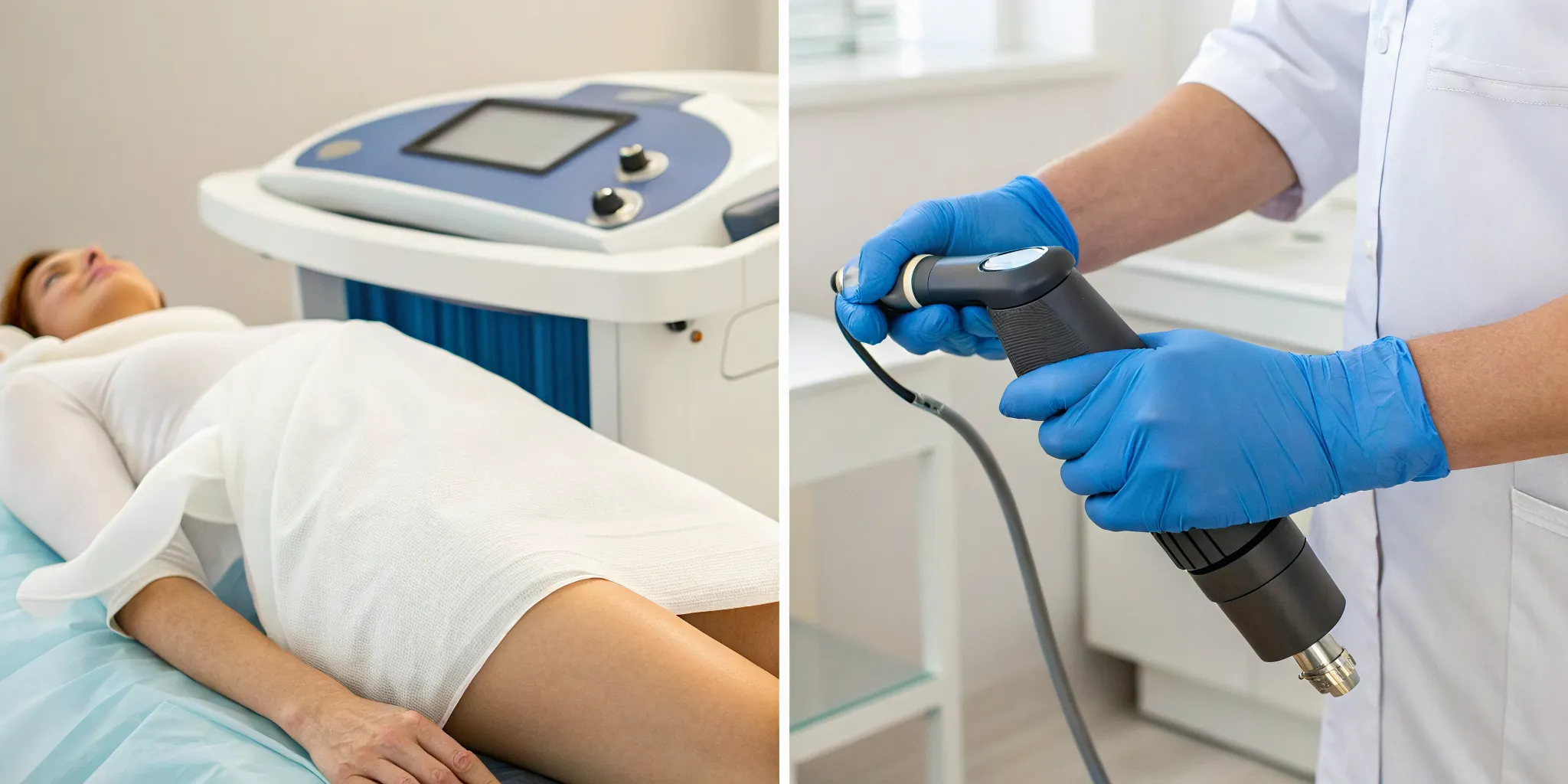
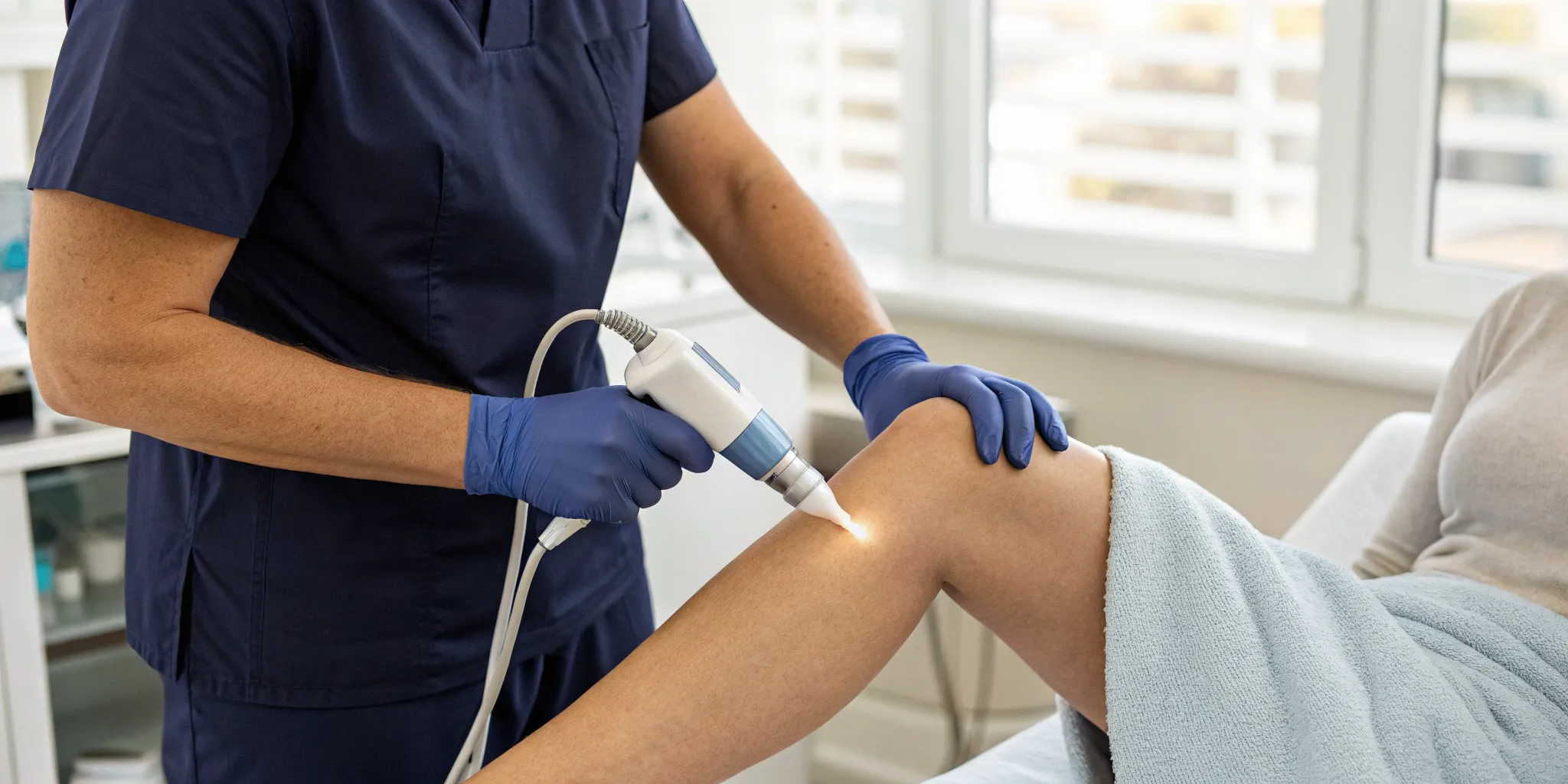
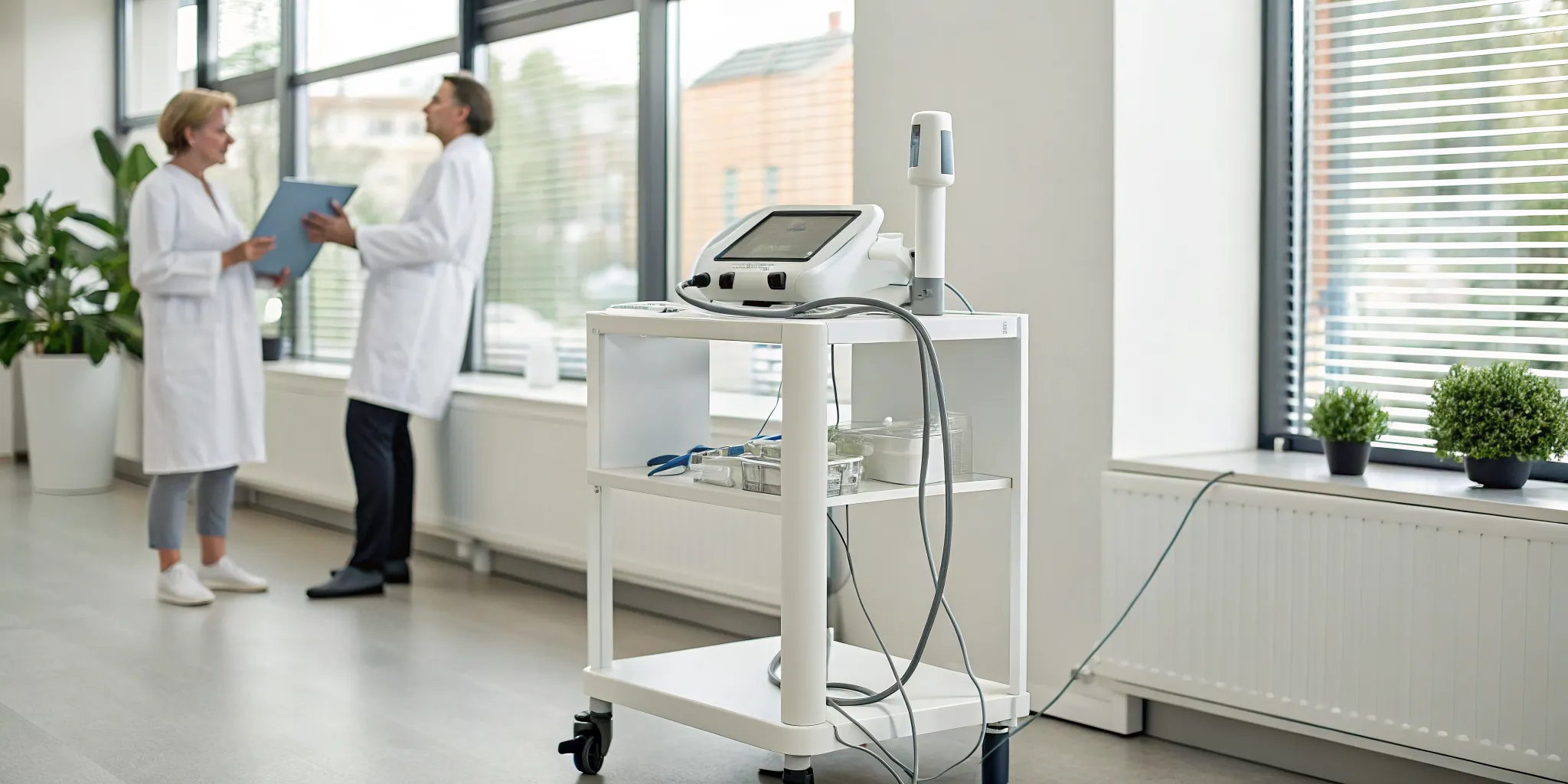
SoftWave therapy is a non-invasive treatment that uses patented technology to kickstart healing deep within your tissues. Think of it as a way to gently wake up your body’s repair crews. The device sends electrohydraulic supersonic acoustic waves through the skin to the injured area of your foot. These waves are not painful; instead, they stimulate your cells, improve blood supply, and trigger your body’s natural healing cascade. It’s a sophisticated way to help your body do what it’s designed to do: repair itself. This approach allows us to encourage healing from the inside out, without any needles or downtime.
Targeting Heel Pain at the Source
One of the main reasons plantar fasciitis is so persistent is the poor blood flow to the fascia ligament. Without a steady supply of oxygen and nutrients, the tissue struggles to repair itself. SoftWave therapy directly counters this problem by focusing precisely on the inflamed area. The acoustic waves create a biological signal that recruits stem cells and increases circulation, bringing vital resources to the damaged tissue. By enhancing blood flow and managing inflammation at the source, we can address the biomechanical issues that contribute to your heel pain. This method is central to how we treat chronic conditions like plantar fasciitis and help you get back on your feet.
SoftWave vs. Traditional Shockwave Therapy
You may have heard of shockwave therapy before, but SoftWave is a significant advancement in this field. While traditional shockwave treatments use focused, high-intensity waves that can sometimes be uncomfortable, SoftWave uses a patented design to deliver unfocused, low-intensity waves over a wider area. This makes the treatment more comfortable while still being incredibly effective. Clinical studies have long shown the benefits of shockwave therapy for plantar fasciitis, and SoftWave represents the next generation of this technology. Our commitment to providing the best care is why we invest in revolutionary approaches that offer our patients better, longer-lasting results.
What Are the Benefits of SoftWave Therapy?
The real power of SoftWave therapy is how it partners with your body’s natural healing abilities. It’s not about temporarily masking the sharp pain you feel with every step; it’s about triggering a genuine healing cascade from within. By addressing the underlying issues that make plantar fasciitis so persistent, this therapy offers a path toward lasting recovery. The benefits go beyond simple pain management, focusing instead on rebuilding healthier, more resilient tissue in your foot. Let's look at exactly how it gets this done.
Improves Blood Flow
One of the main reasons plantar fasciitis is so difficult to resolve is that the ligament itself has a very poor blood supply. Without adequate blood flow, the damaged tissue can't get the oxygen and nutrients it needs to repair itself. SoftWave therapy directly addresses this problem. The acoustic waves create a biological signal that improves circulation to the bottom of your foot. This enhanced blood flow is a critical first step, creating the ideal environment for healing to finally begin. Our approach to physical medicine is built on making these kinds of foundational repairs.
Reduces Inflammation and Swelling
That constant, throbbing pain in your heel is a classic sign of chronic inflammation. While some inflammation is a normal part of the healing process, it can get "stuck" when an injury doesn't resolve, creating a cycle of pain that prevents recovery. SoftWave therapy helps to break this cycle. The waves effectively reduce the trapped inflammation that contributes to pain and swelling. By calming this persistent inflammatory response, the therapy clears the way for your body to shift from a state of chronic irritation to one of active, productive healing.
Repairs and Regenerates Tissue
This is where the deep, structural healing happens. SoftWave therapy is a form of regenerative medicine, meaning it stimulates your body to repair itself on a cellular level. The acoustic waves act as a powerful signal, recruiting your body's own stem cells and growth factors to the site of the injury. These are the master repair crews that get to work rebuilding the microscopic tears in your plantar fascia. This process helps regenerate damaged tissue and encourages the formation of new blood vessels, building a stronger, healthier foundation in your foot. This is one of the many regenerative services we use to help our patients heal.
Provides Long-Lasting Relief
Because SoftWave therapy helps your body fundamentally repair the damaged tissue, the results are built to last. Unlike treatments that only offer temporary comfort, this approach addresses the root cause of the pain: the unhealthy tissue itself. By improving blood flow, reducing chronic inflammation, and regenerating the fascia, you’re not just getting relief; you’re getting true recovery. Many people experience benefits that extend for months and even years because their foot is genuinely healthier. This aligns with our core philosophy of finding and addressing the source of a problem for durable, long-term wellness.
SoftWave Therapy vs. Other Treatments
When you’re dealing with persistent heel pain, it’s smart to look at all your options. You’ve likely heard of common treatments like cortisone shots, physical therapy, or even surgery. While these approaches have their place, it's important to understand how they differ from SoftWave therapy. Instead of just managing symptoms, SoftWave aims to resolve the problem at its source by activating your body’s own healing mechanisms. Let's compare how this technology stacks up against more traditional methods for treating plantar fasciitis.
SoftWave vs. Cortisone Injections
Cortisone injections are often suggested to manage the intense pain of plantar fasciitis. They work by delivering a powerful anti-inflammatory directly to the site of irritation, which can provide noticeable, temporary relief. However, this relief often fades, as the injection doesn't repair the underlying damaged tissue. Many people find the pain returns once the cortisone wears off.
SoftWave therapy offers a different path. Instead of masking the problem, it addresses the root cause by stimulating your body’s natural repair processes. The acoustic waves promote increased blood flow and stem cell activity, which helps reduce inflammation and regenerate damaged tissue for more sustainable results. It’s a strategy focused on long-term healing, which is central to our approach for the conditions we treat.
SoftWave vs. Physical Therapy
Physical therapy is a cornerstone of recovery for many musculoskeletal issues, including plantar fasciitis. Stretches and strengthening exercises are crucial for improving flexibility and building support in your foot’s structures. But if the tissue is highly inflamed and damaged, starting physical therapy can be a slow and painful process. You might feel like you’re taking one step forward and two steps back.
This is where SoftWave therapy can be a game-changer. By first reducing inflammation and kick-starting tissue repair, SoftWave creates a healthier foundation for movement. It helps awaken your body’s innate healing ability, making the tissue more receptive to the benefits of physical therapy. Our approach to physical medicine often involves combining treatments like these to help you get better, lasting results.
SoftWave vs. Surgery
For severe or chronic cases of plantar fasciitis, surgery might be presented as a final option. However, this invasive path comes with considerable downsides, including the risks of infection, nerve damage, and a lengthy recovery period that can keep you off your feet for weeks or months. Even after all that, a successful outcome isn't guaranteed.
SoftWave therapy stands out as a non-invasive alternative that can help you avoid these complications. Because the treatment is done from outside the body, you can sidestep the risks and extended downtime associated with a surgical procedure. Patients can get back to their daily lives right after a session. Exploring our full range of services can give you a better idea of the non-invasive options available before you consider a more drastic measure.
Is SoftWave Therapy Right for You?
Deciding on a new treatment can feel overwhelming, especially when you’ve been dealing with persistent pain. You want to know if it will actually work for you, what it feels like, and how long it will take. SoftWave therapy is a remarkable technology, but it’s important to understand if it aligns with your specific situation and health goals. Let’s walk through what makes someone a good candidate for this treatment and what you can expect from the process at our Tampa clinic.
Who Can Benefit from SoftWave?
If you're struggling with stubborn plantar fasciitis, you are exactly the person this technology was designed to help. SoftWave has become a leading-edge approach for heel pain because it addresses the problem at its source. Beyond plantar fasciitis, this therapy is also highly effective for other chronic issues like tendonitis and persistent joint pain. It’s an excellent option for individuals who feel like they’ve exhausted other avenues without finding lasting relief. By promoting your body’s own healing mechanisms, SoftWave offers a path forward for many of the conditions we treat that cause daily discomfort and limit your activities.
Important Considerations Before Treatment
SoftWave therapy is a very safe, non-invasive procedure with a high success rate. Most people experience no issues, but it’s good to be aware that some might notice mild, temporary side effects. This can include localized redness, slight swelling, or a bit of soreness in the treated area, which typically fades quickly. Open communication with your provider is key. During your session, we encourage you to share what you’re feeling so we can adjust the treatment for your comfort. If you have any questions before getting started, we’re here to answer them and ensure you feel confident in your care plan. You can always contact us to discuss your concerns.
What to Expect During a Session
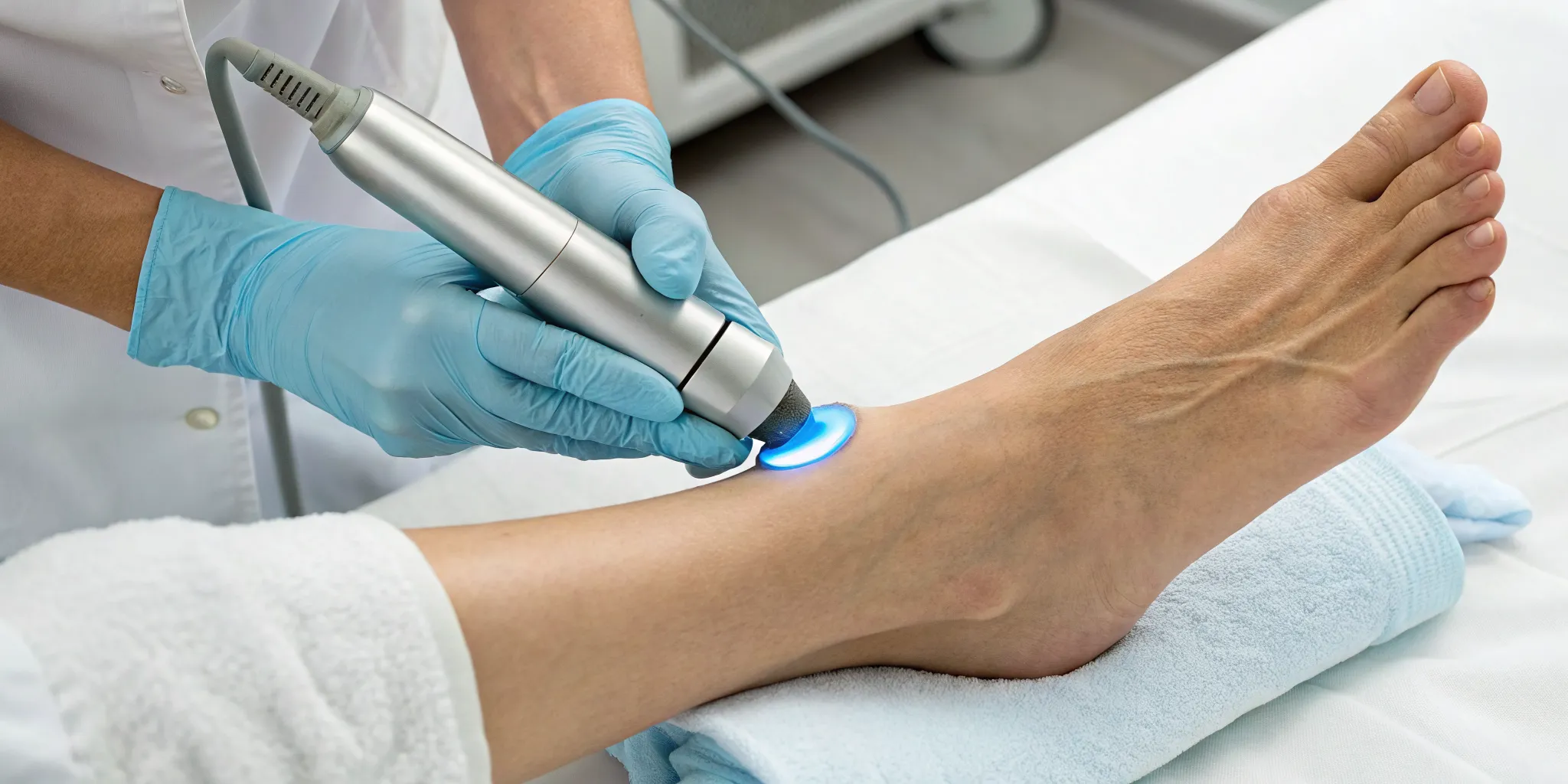
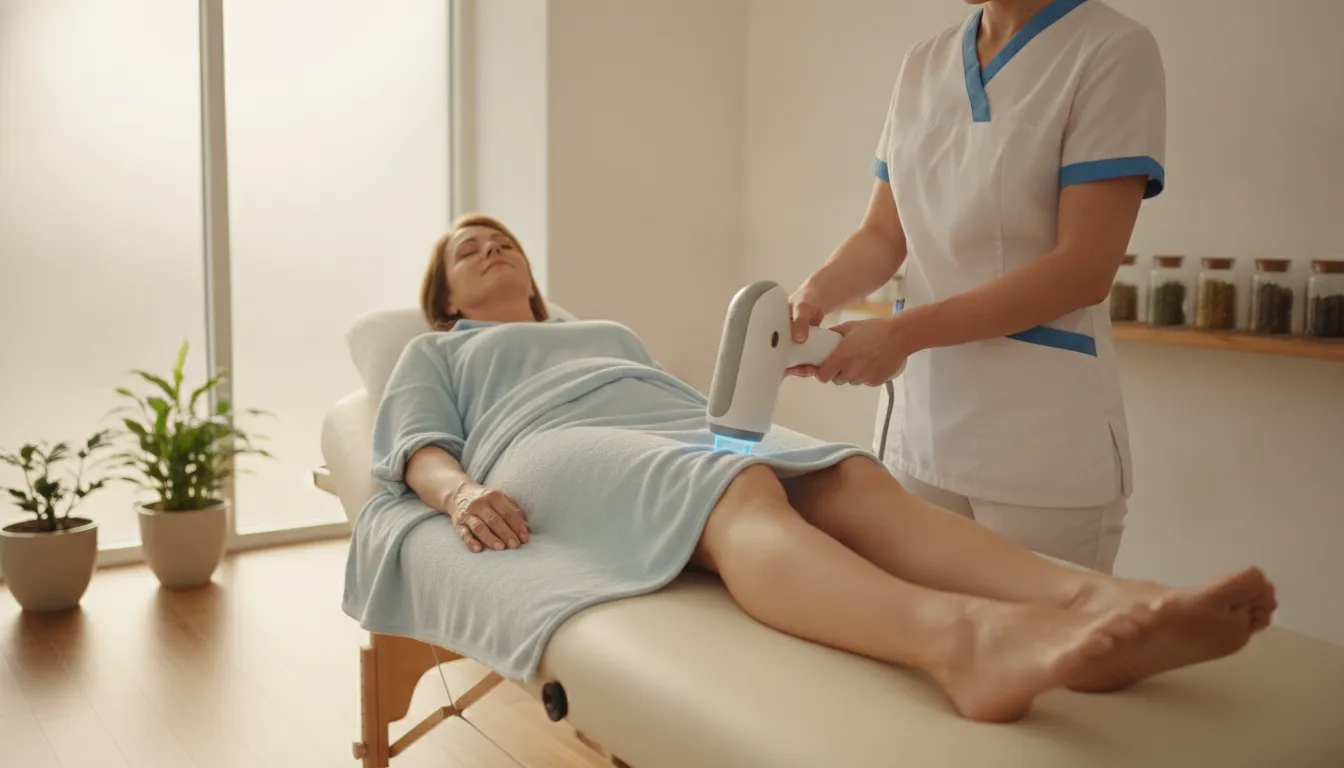
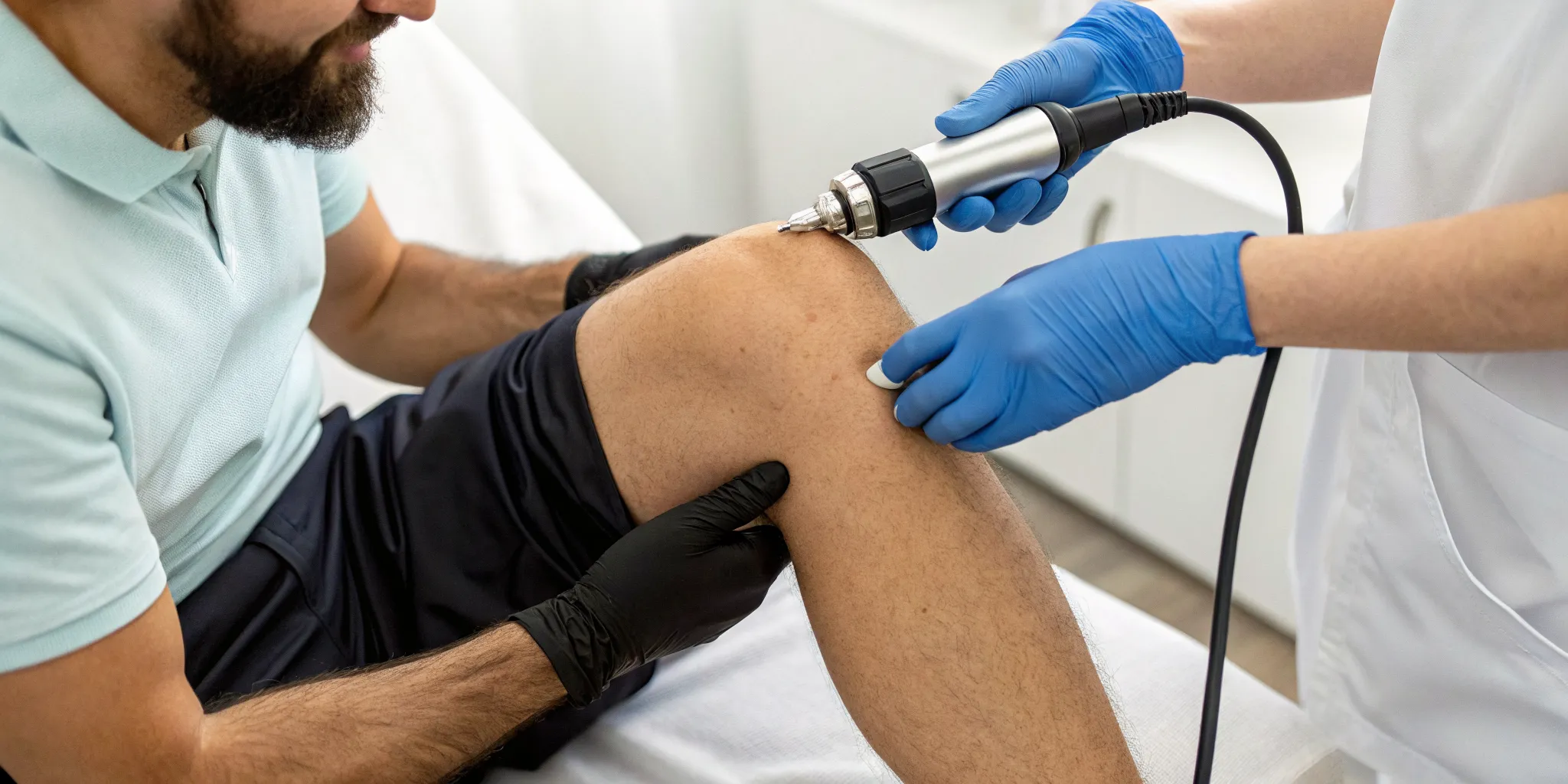
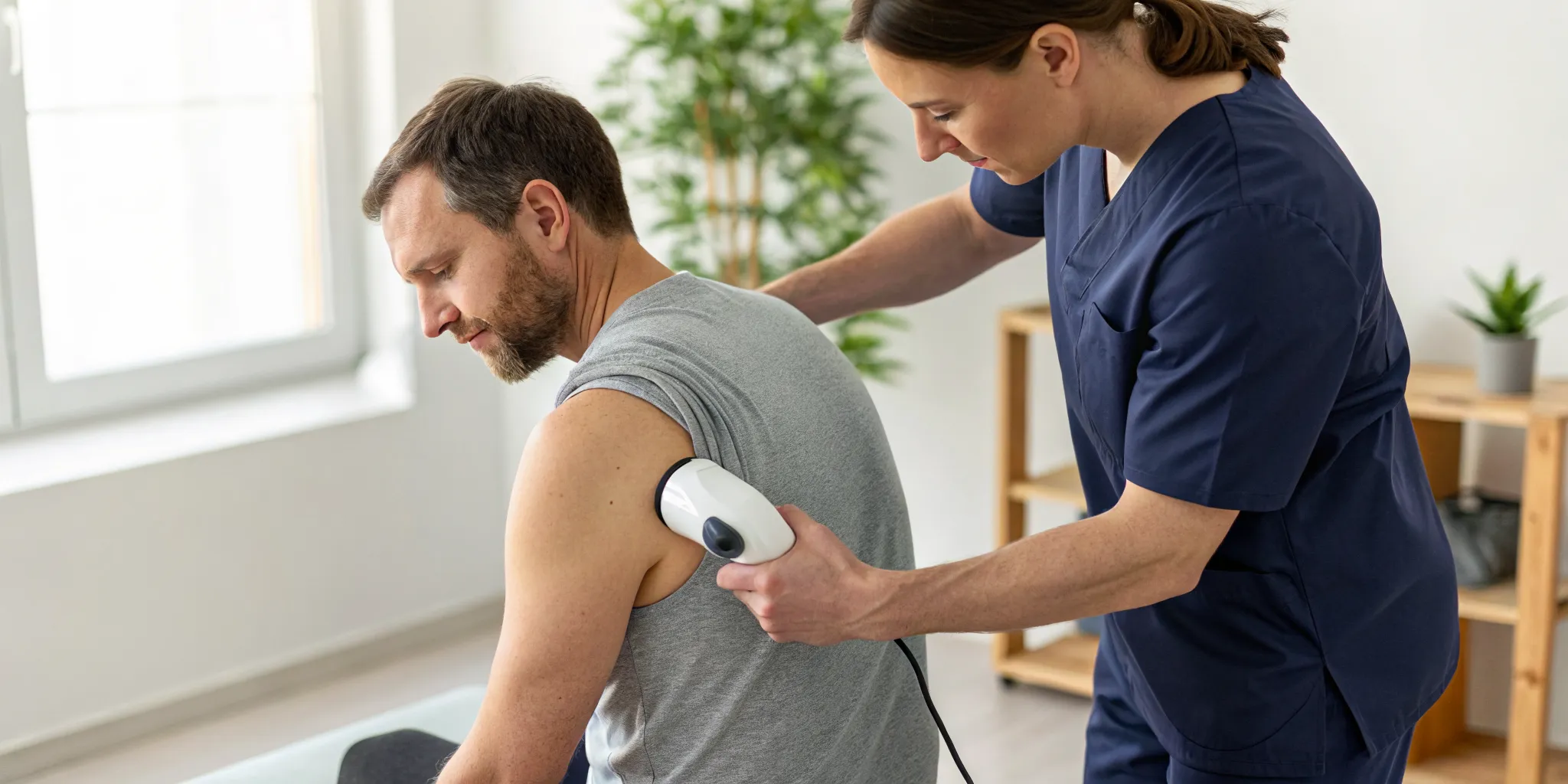
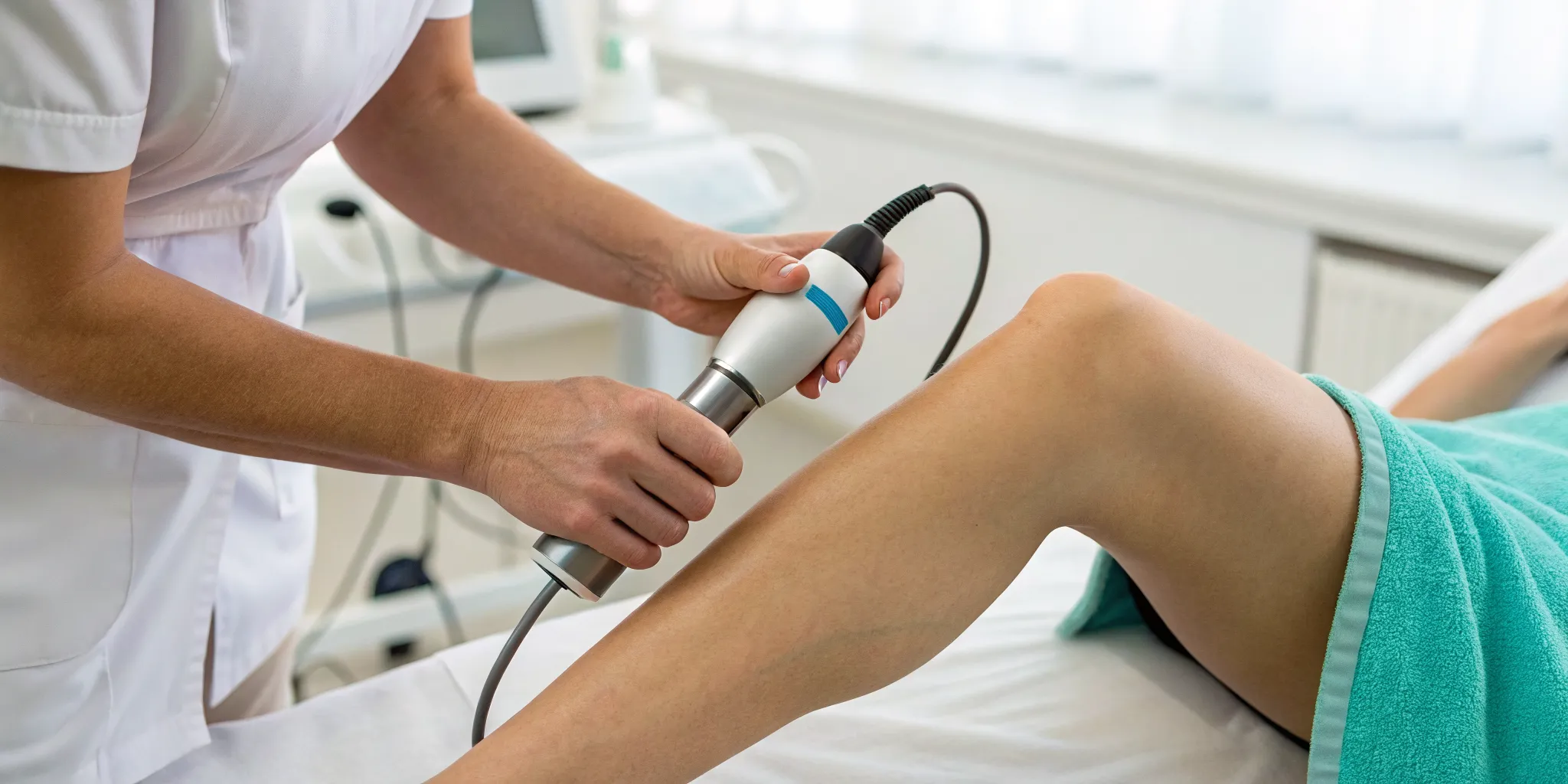
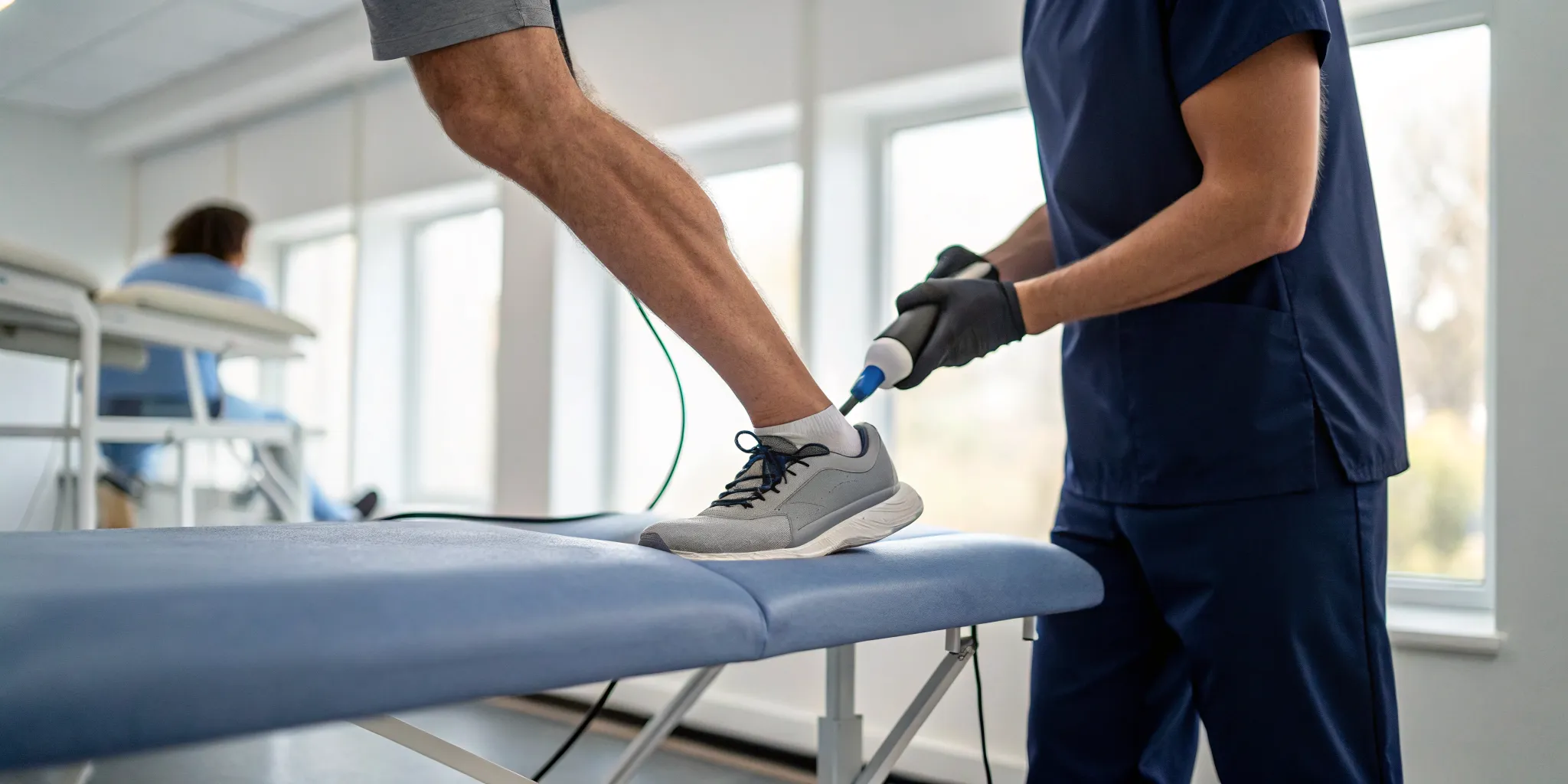
Your SoftWave therapy session is straightforward and surprisingly quick. This non-invasive treatment uses a patented device to deliver unfocused sound waves deep into your injured tissue. These waves trigger your body’s natural healing response on a cellular level, increasing blood supply and jumpstarting the repair process. During the treatment, a team member will apply a gel to your skin and move the applicator over the painful area. You might feel a tapping or pulsing sensation as the sound waves go to work. Each session is completed right here in our office and usually lasts between 15 and 30 minutes, making it easy to fit into your day.
How Many Sessions Will You Need?
The number of sessions you’ll need depends entirely on your specific condition, its severity, and how your body responds to the treatment. We create a personalized plan for every patient. Many people report feeling a noticeable improvement after just one or two sessions. However, for the body to fully repair the damaged tissue and for you to experience long-term relief, a series of treatments is typically recommended. Most of our patients achieve their desired results within 3 to 12 sessions, scheduled over a few weeks. This focused approach helps you get back on your feet and back to your life without months of drawn-out protocols.
Find Relief from Plantar Fasciitis in Tampa
Living with the constant, sharp pain of plantar fasciitis can feel like a daily battle. That first step out of bed in the morning shouldn't set the tone for a day of discomfort. At Ascend Functional Health, we see many people from the Tampa community who feel like they've tried everything without finding lasting relief. We want you to know that there is a path forward, and it doesn’t involve invasive procedures or temporary fixes. Our team is dedicated to helping you understand and resolve the root cause of your foot pain using advanced, non-invasive therapies.
Our Approach to Healing at Ascend Functional Health
We focus on treatments that work with your body, not just on it. That's why we utilize SoftWave Therapy, a breakthrough technology that uses unfocused shockwaves to stimulate your body's natural healing processes right at the source of the pain. This therapy helps increase blood flow, reduce inflammation, and trigger the repair of damaged tissue in the plantar fascia. Instead of just masking the pain, our holistic approach aims to resolve the underlying condition, helping you build a foundation for long-term health and mobility. We want to get you back to your life, pain-free.
Your First Appointment with Us
We know that trying a new treatment can feel intimidating, so we make your first visit as straightforward and comfortable as possible. When you come in for your consultation, we’ll start with a comprehensive assessment to fully understand your history with foot pain and your specific condition. From there, we can map out the best course of action. The SoftWave session itself is quick, typically lasting only 10 to 15 minutes. Best of all, there is no downtime afterward, so you can walk out of our office and get right back to your day.
Take the First Step Toward Relief
You don't have to accept foot pain as a permanent part of your life. If you're ready to move beyond temporary solutions and address the cause of your plantar fasciitis, we're here to help guide you. Taking that first step is often the hardest part, but it's also the most important one on your journey back to an active, comfortable life. We invite you to schedule an appointment with our team in Tampa. Let's work together to get you back on your feet and moving with confidence.
Related Articles
- SoftWave Therapy for Foot Pain: A Guide to Relief
- SoftWave Therapy for Pain Relief: The 2026 Guide
- How SoftWave Therapy for Inflammation Works
- SoftWave Orthopedic Treatment: What to Expect
- Can SoftWave Therapy Ease Pain & Inflammation?
Frequently Asked Questions
What does a SoftWave session feel like? A SoftWave session is a quick and straightforward process. We apply a gel to the bottom of your foot, and as we move the applicator over the area, you will likely feel a light tapping or pulsing sensation. The treatment is not painful, and since it is non-invasive, there are no needles or incisions involved. The entire session is usually finished in about 15 to 30 minutes.
How is SoftWave different from a cortisone injection? While a cortisone injection can offer temporary relief by reducing inflammation, it doesn't address the underlying tissue damage. SoftWave therapy works differently by stimulating your body's own repair mechanisms. Instead of just masking the pain, the acoustic waves encourage increased blood flow and cellular regeneration to help your body actually heal the injured fascia for more sustainable results.
How many treatments are needed to see results? The number of sessions required is tailored to your specific situation and how your body responds. Many people report feeling a difference after just one or two treatments. However, to achieve deep, lasting repair of the tissue, a series of sessions is usually best. Most of our patients get the results they're looking for within 3 to 12 sessions spaced out over several weeks.
Are the results from SoftWave therapy long-lasting? Yes, the goal of this therapy is to provide durable, long-term relief. Because SoftWave helps your body fundamentally repair the unhealthy tissue in your plantar fascia, the improvements are built to last. By addressing the root cause of the pain, rather than just managing the symptoms, you are building a stronger, healthier foundation in your foot.
Can I continue my normal activities after a treatment? Absolutely. One of the great things about SoftWave therapy is that there is no downtime. You can get back to your daily routine immediately after your session. Some people might experience mild, temporary soreness in the treated area, but this typically resolves quickly and shouldn't interfere with your day.