Chronic back pain doesn't just hurt; it takes things from you. It can mean missing out on weekend activities, struggling through a workday, or simply not being able to play with your kids the way you want to. When you’re facing that reality, the promise of a surgical fix can seem tempting, but the long recovery period presents its own set of challenges. What if there was a way to get your life back without putting it on hold for months? Exploring how spinal decompression can help avoid back surgery is the first step. This non-invasive therapy targets the source of your pain, helping your body heal itself so you can find lasting relief and return to the life you love.
Key Takeaways
- Spinal decompression creates space in your spine: This gentle, non-surgical therapy uses a specialized table to carefully stretch the spine. This process creates negative pressure that helps relieve pinched nerves and allows healing nutrients to reach your spinal discs.
- It provides relief for specific conditions: Decompression therapy is highly effective for pain stemming from bulging or herniated discs, sciatica, and degenerative disc disease. By addressing the underlying mechanical issue, it offers a targeted solution instead of a temporary fix.
- It's a conservative first step to avoid surgery: Before considering an invasive procedure, exploring spinal decompression offers a path to relief without the risks or long recovery. When part of a complete care plan, it can help your body heal and may prevent the need for a surgical operation.
How Does Spinal Decompression Work?
If you're dealing with persistent back pain, you might picture treatment as something intense or invasive. Spinal decompression therapy is the opposite. It’s a gentle, non-surgical approach that uses sophisticated technology to relieve pressure on your spine. Think of it as creating space for your body to heal itself. At Ascend Functional Health, we use this therapy as part of our Physical Medicine services to address the root cause of discomfort, not just mask the symptoms. Let’s walk through exactly how it works.
The Science of Gentle Spinal Stretching
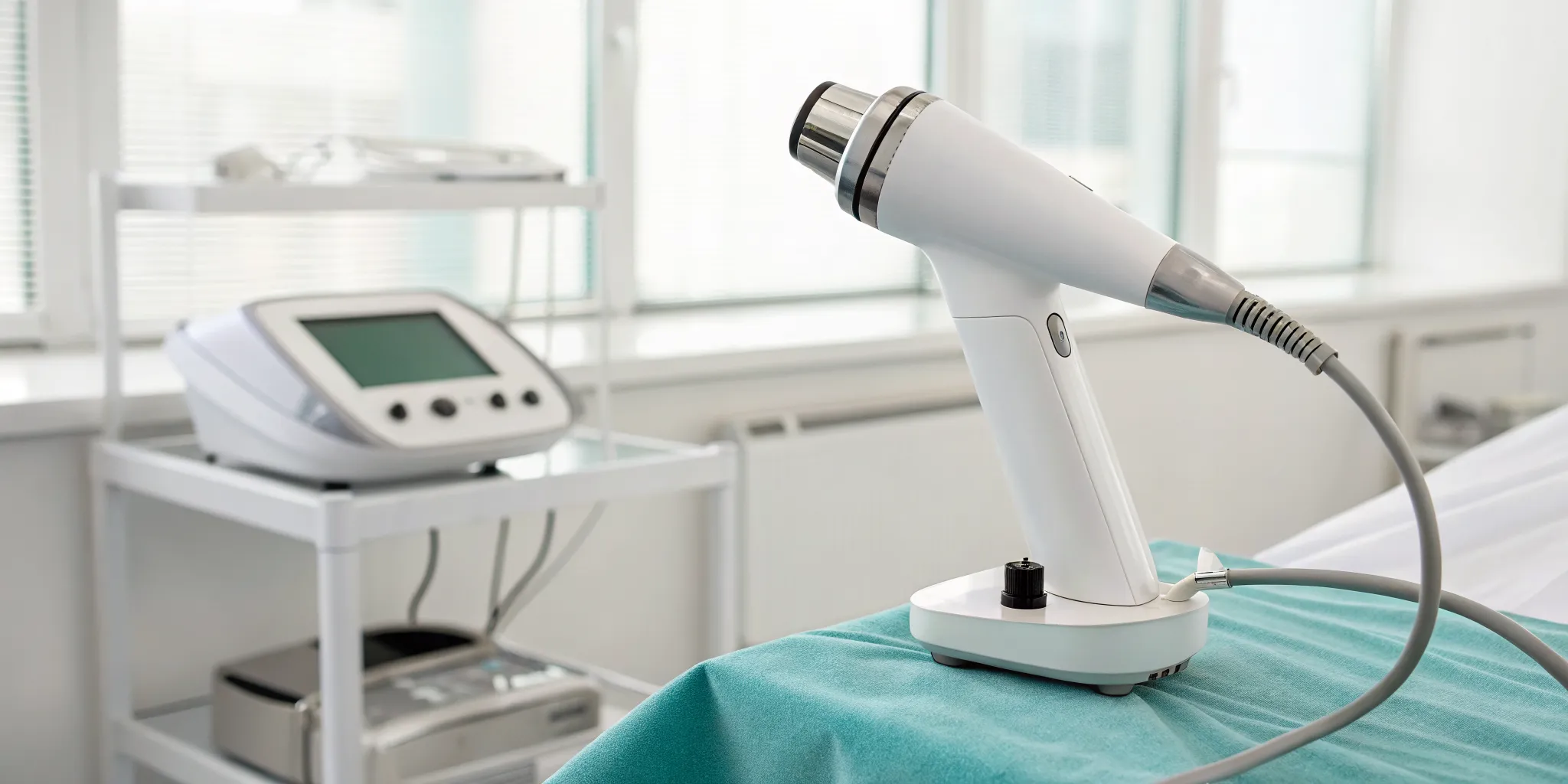
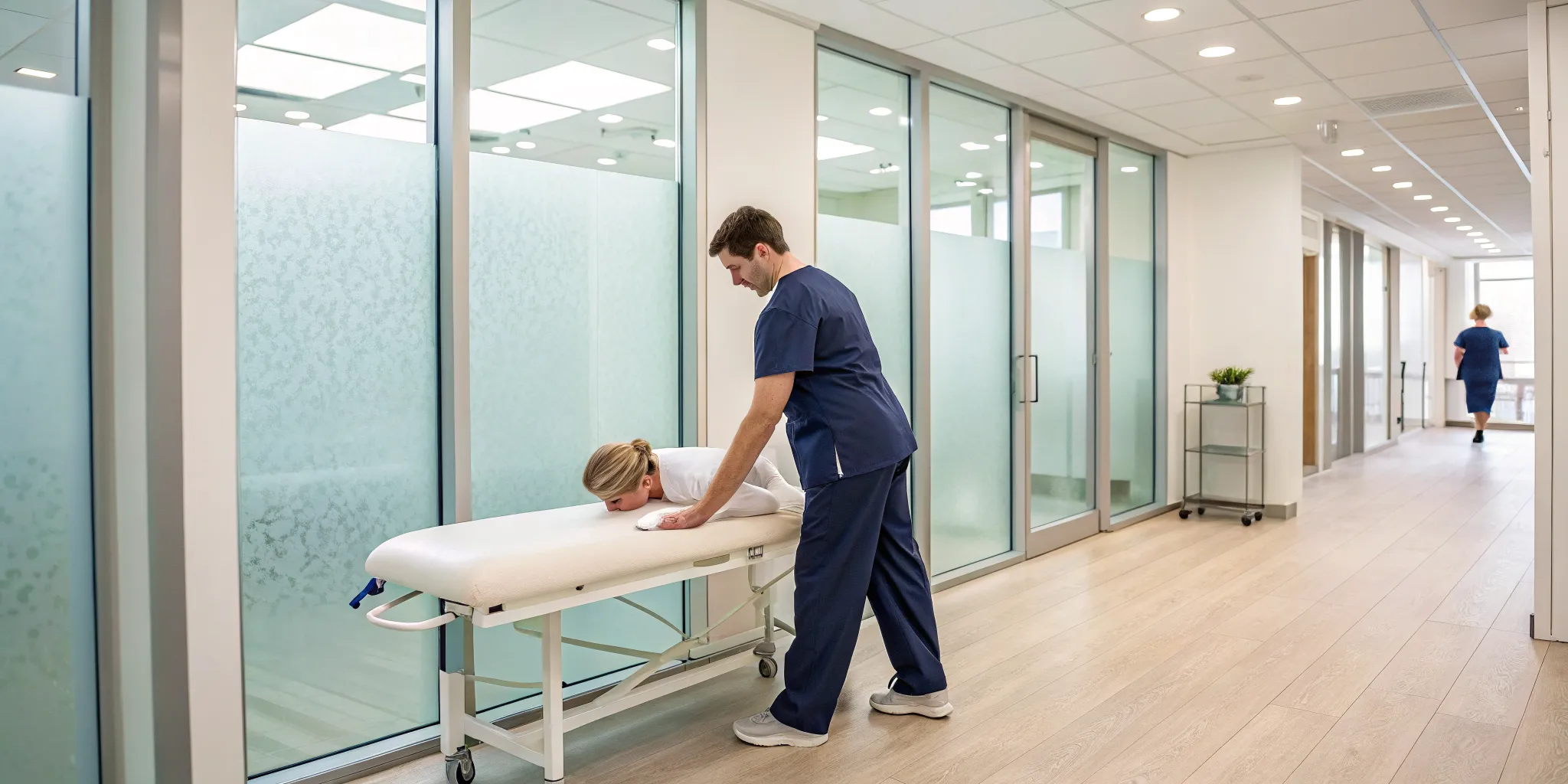
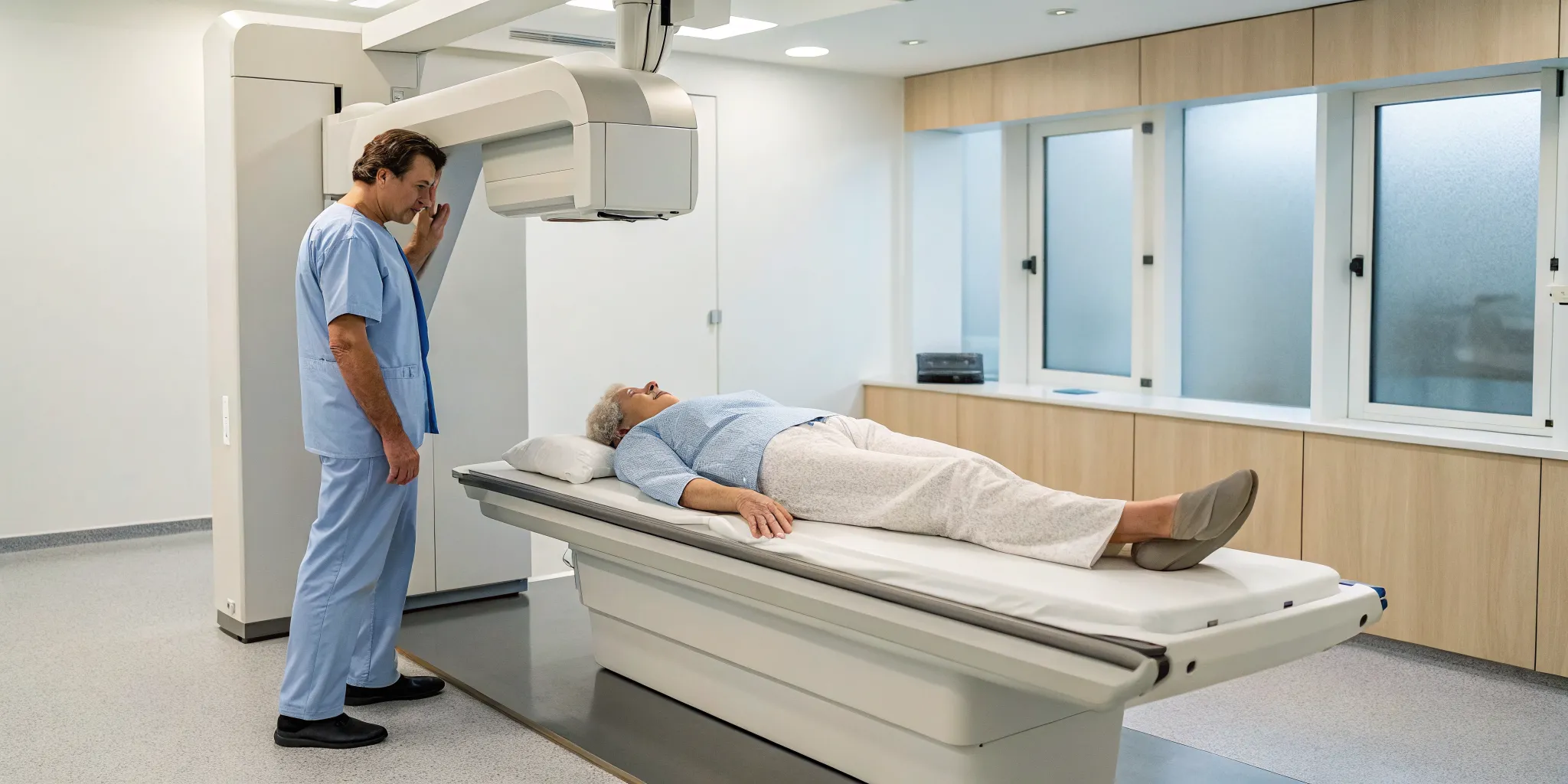
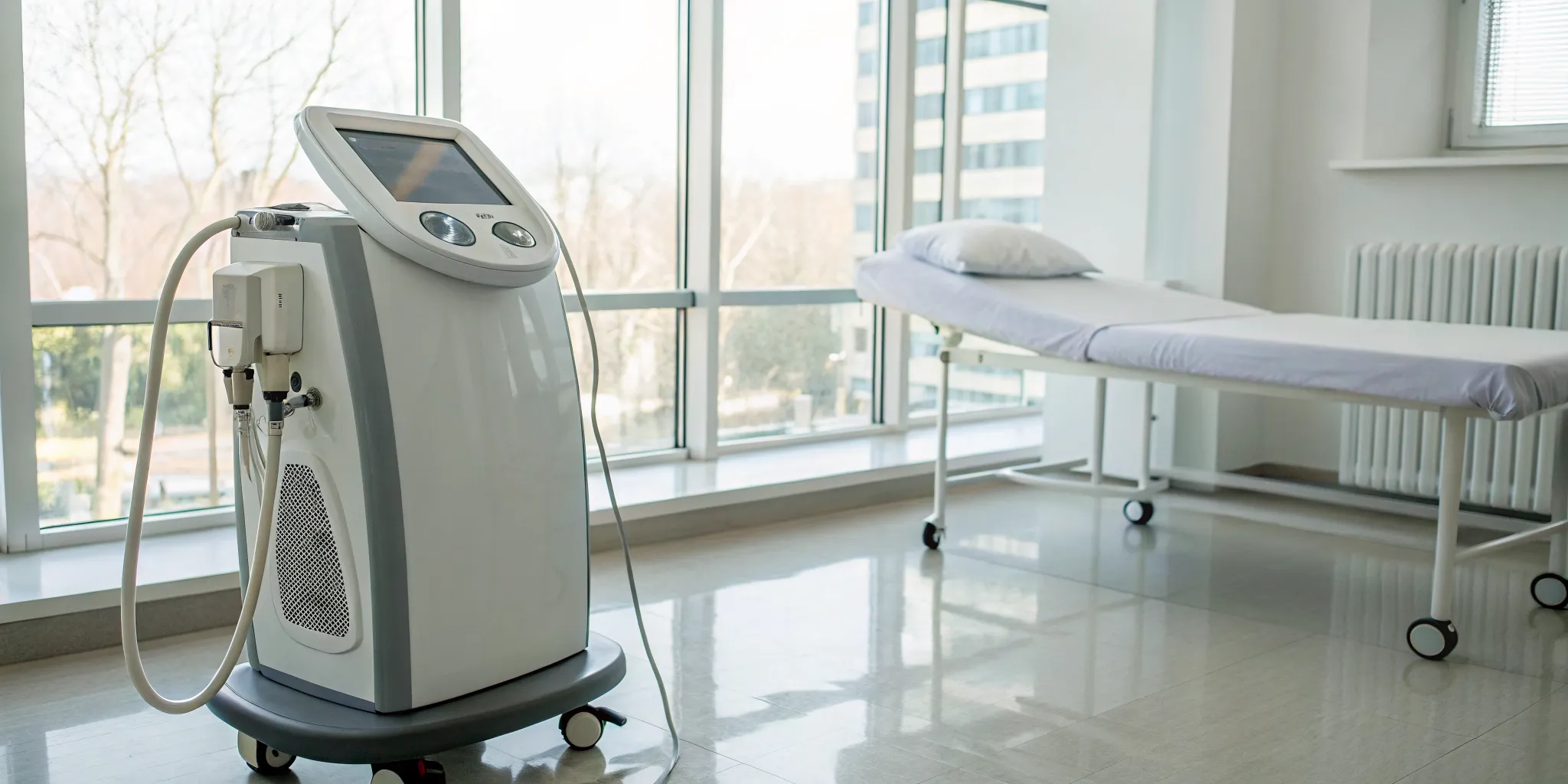
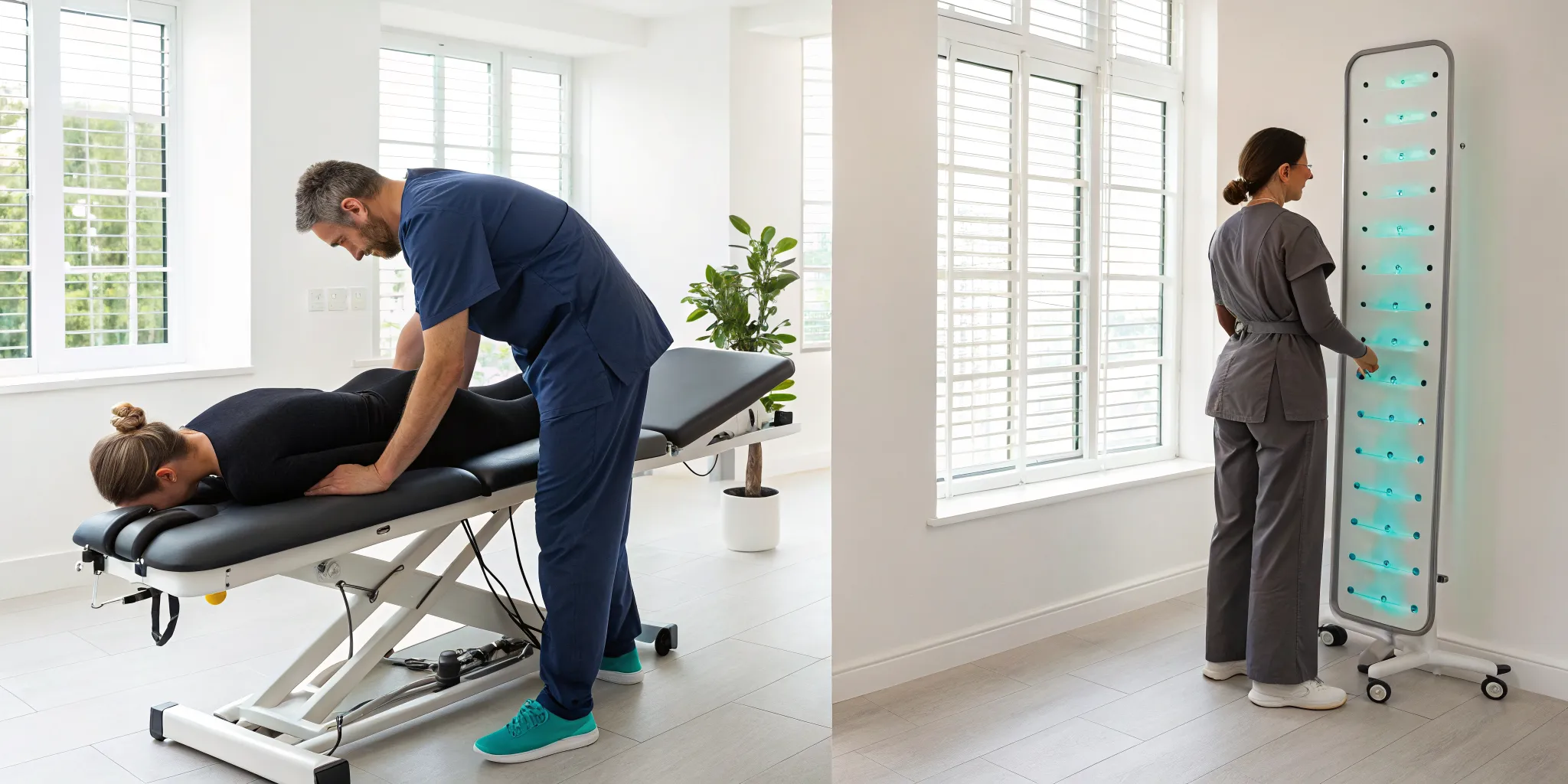
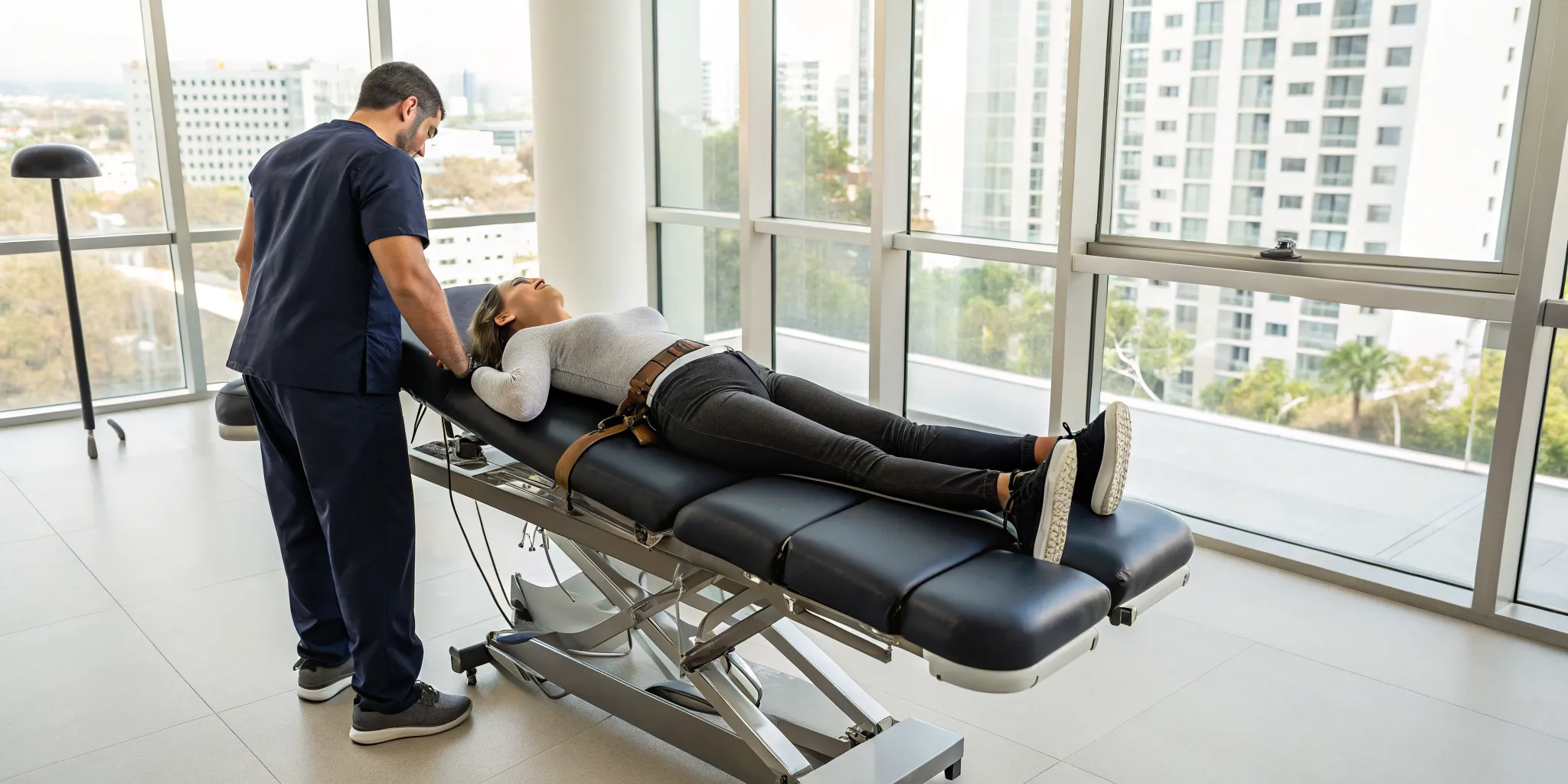
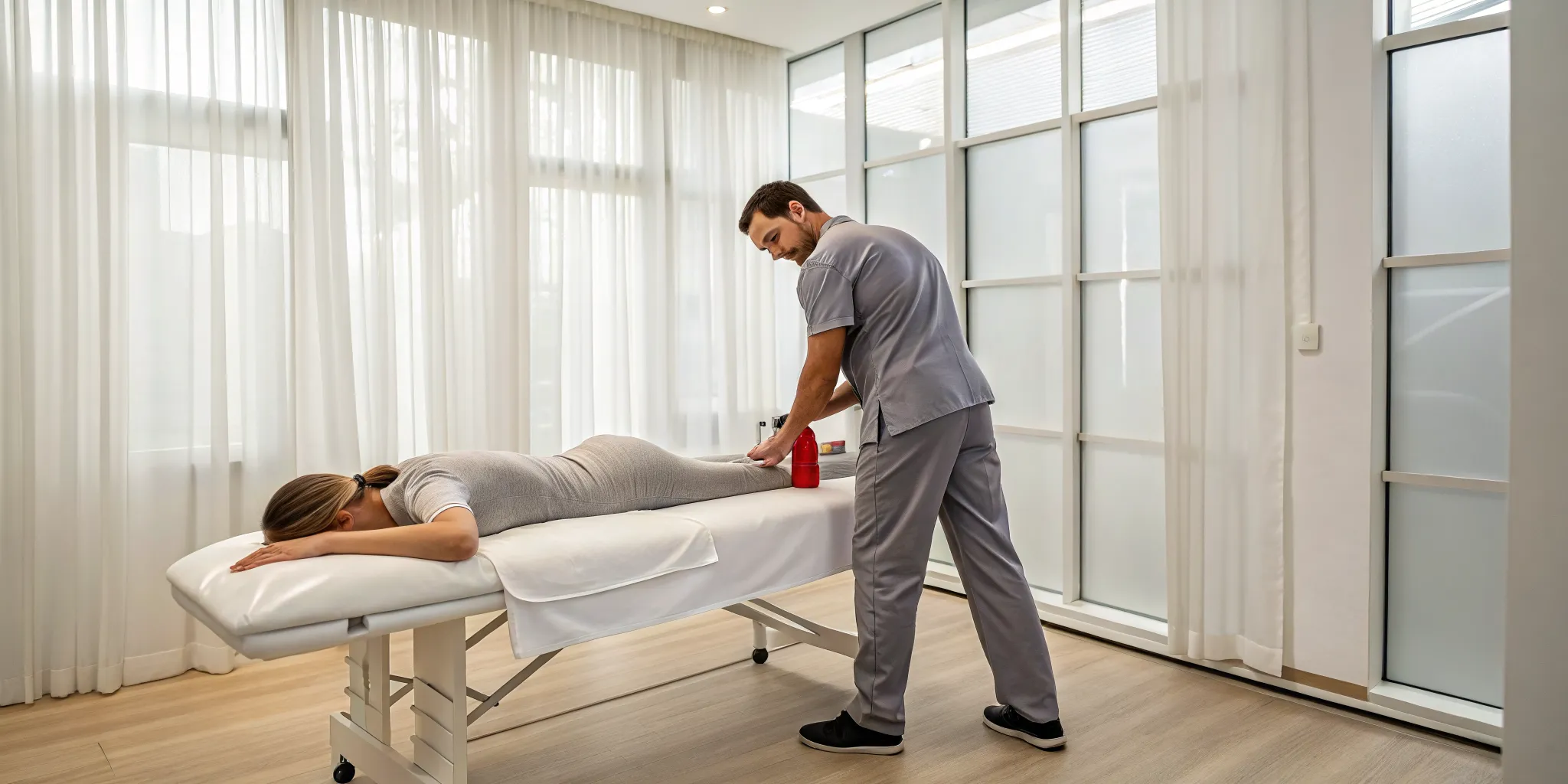
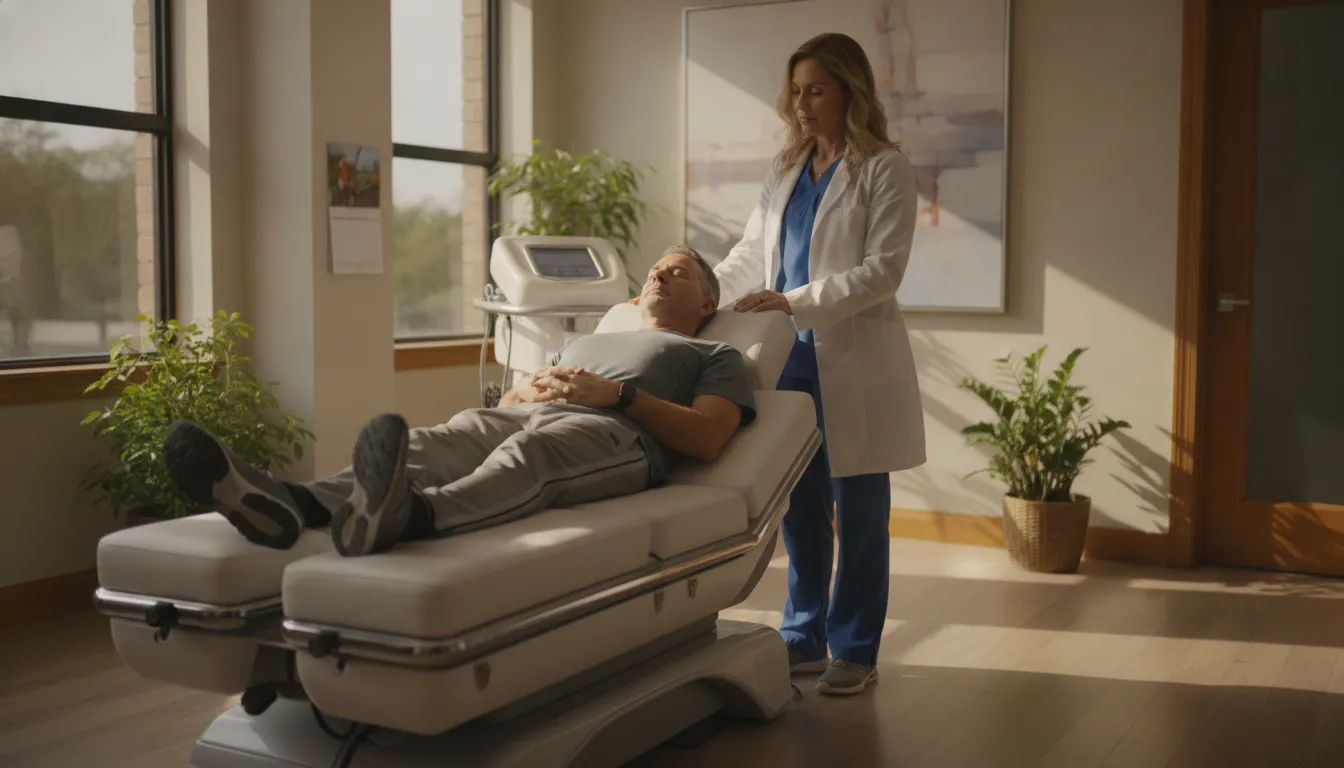
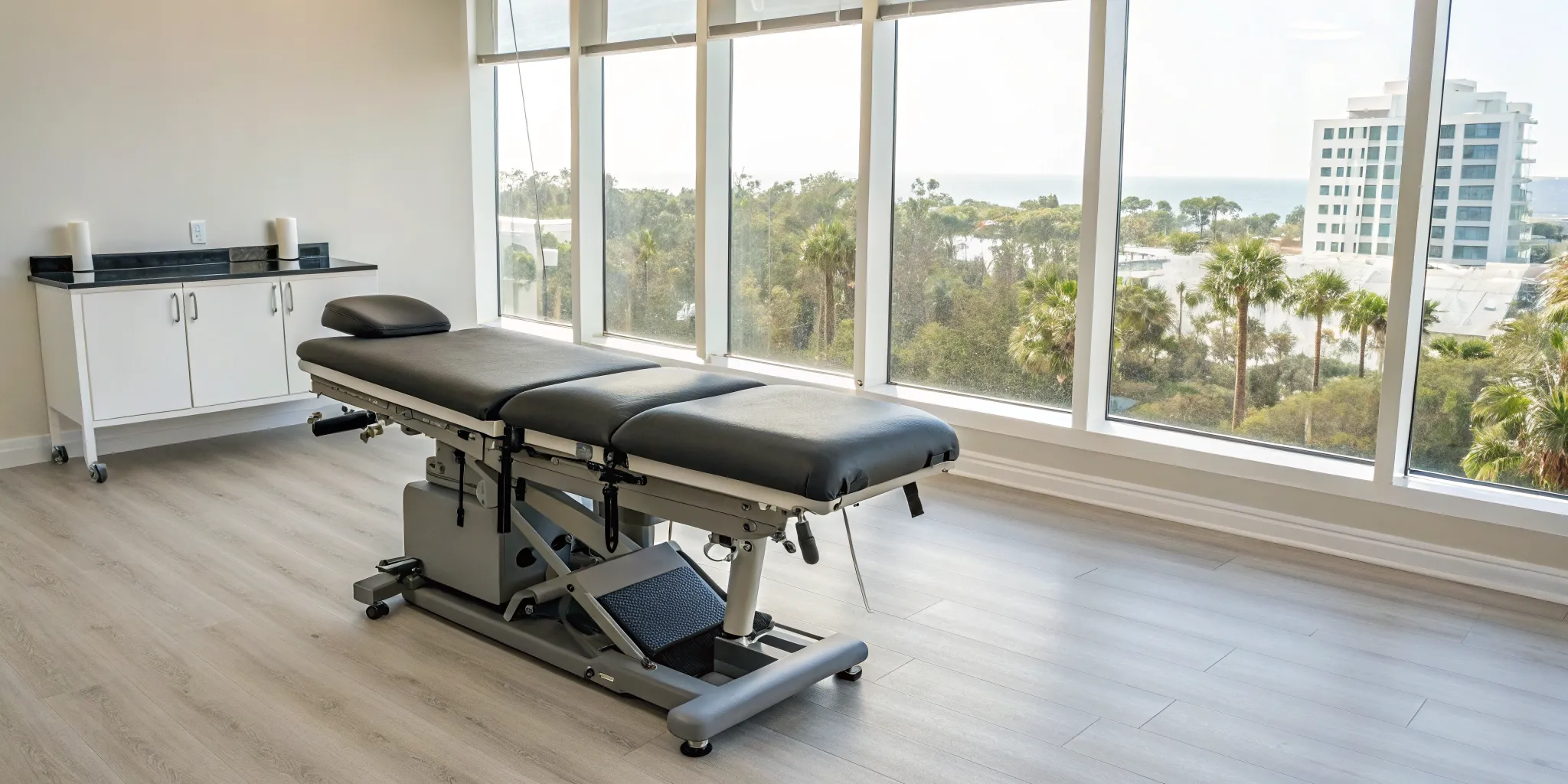
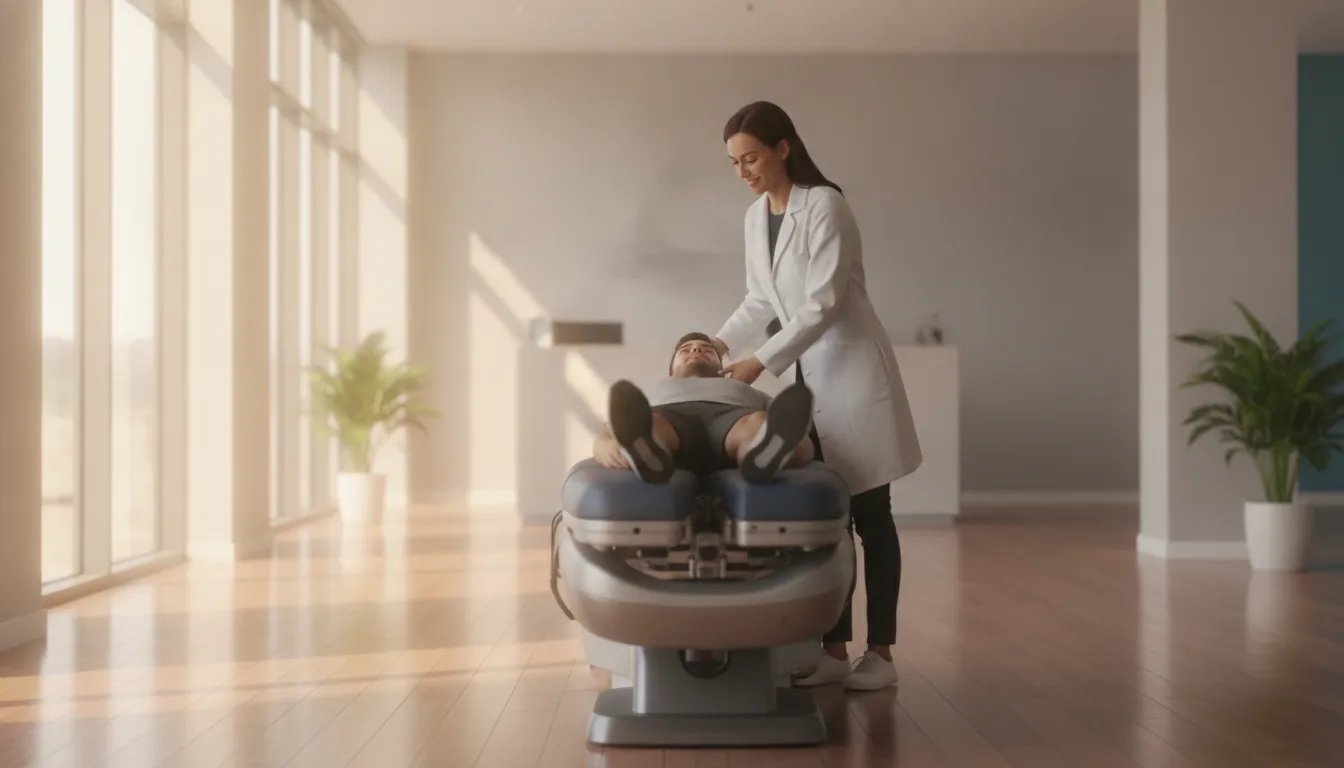
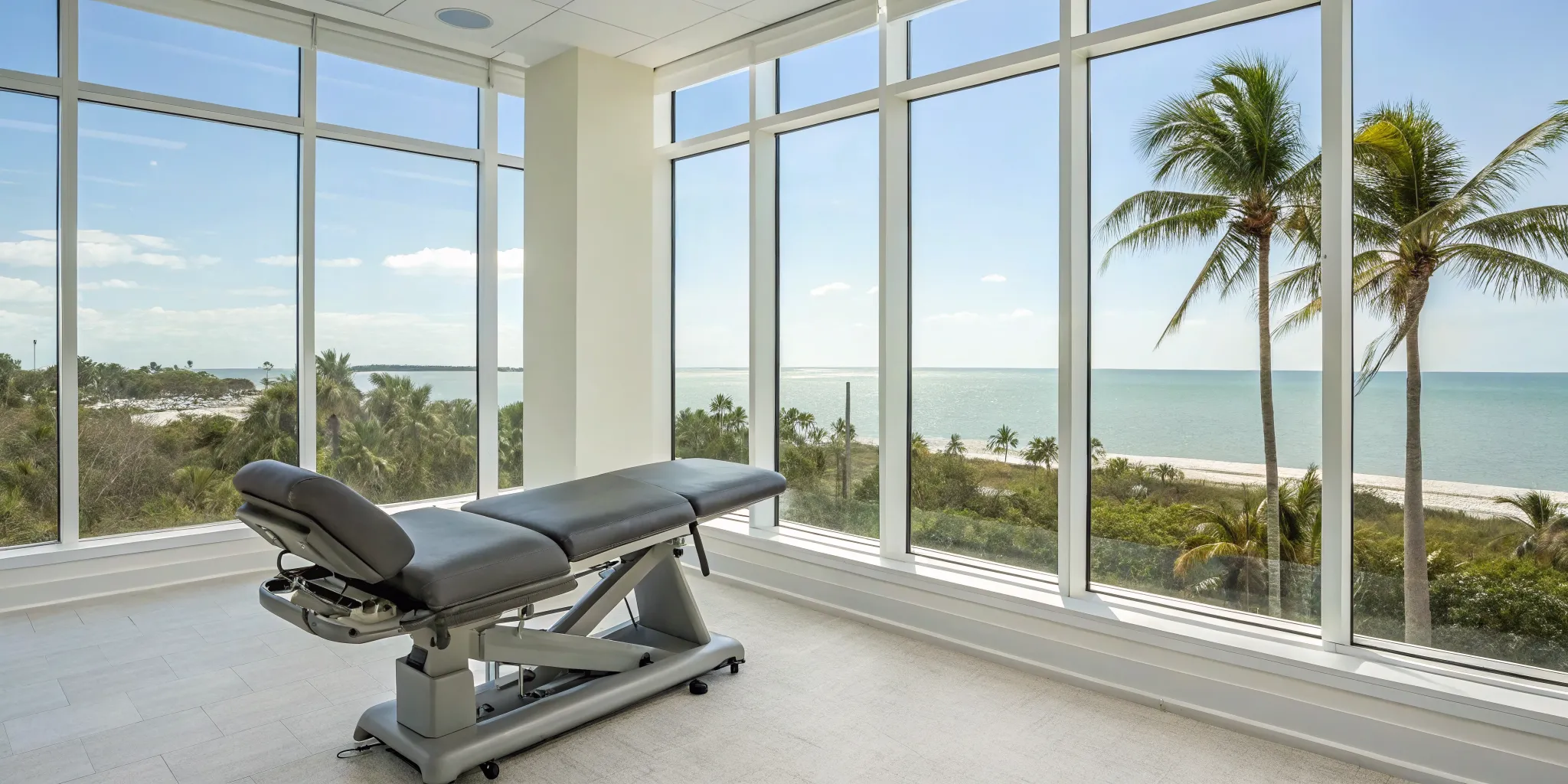
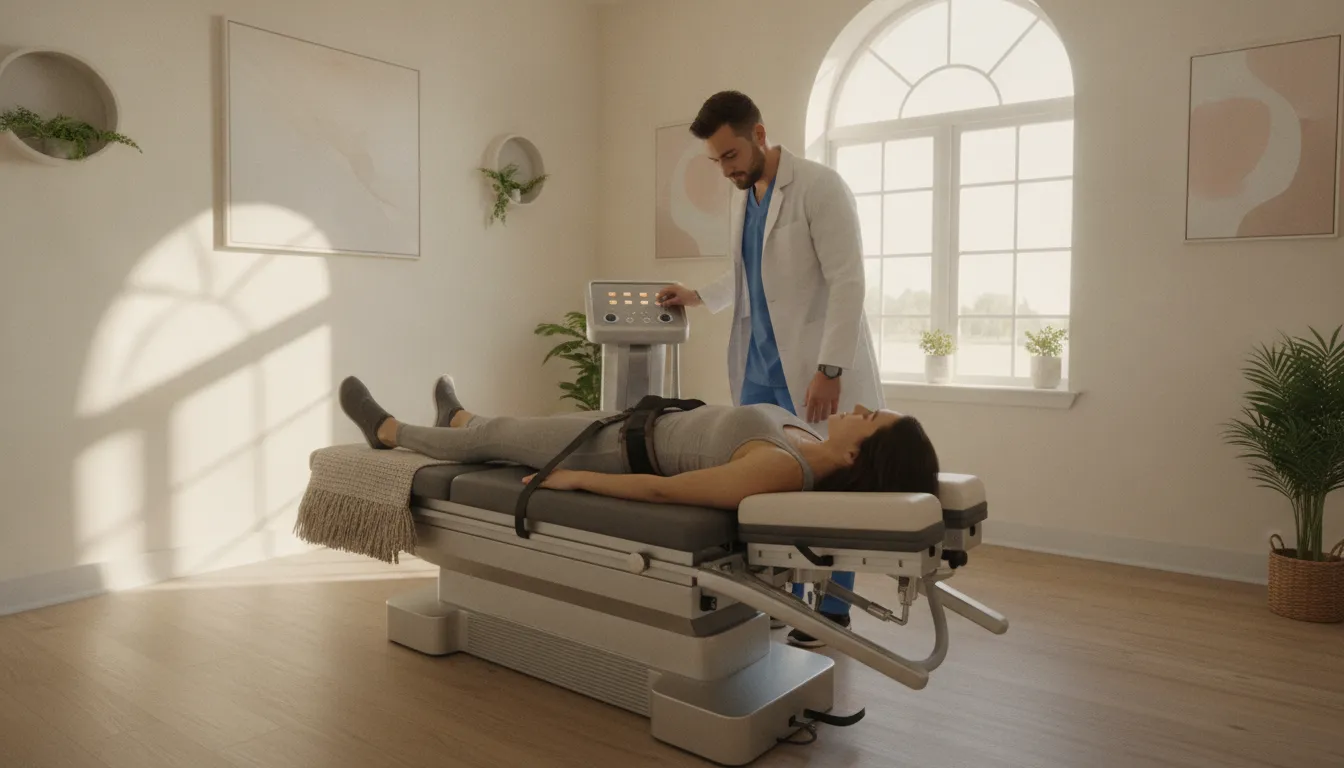
Spinal decompression therapy is centered on a simple yet powerful principle: gently stretching the spine. During a session, you lie comfortably on a specialized, computer-controlled table. A harness is placed around your hips and is attached to the lower part of the table, which slowly and gently moves back and forth. This movement provides a precise and controlled stretch to your spine. The goal is to create negative pressure within your spinal discs, the small cushions between your vertebrae. This subtle force helps to take pressure off pinched nerves and misaligned discs, which is often the source of significant back pain.
What Happens to Your Discs During a Session
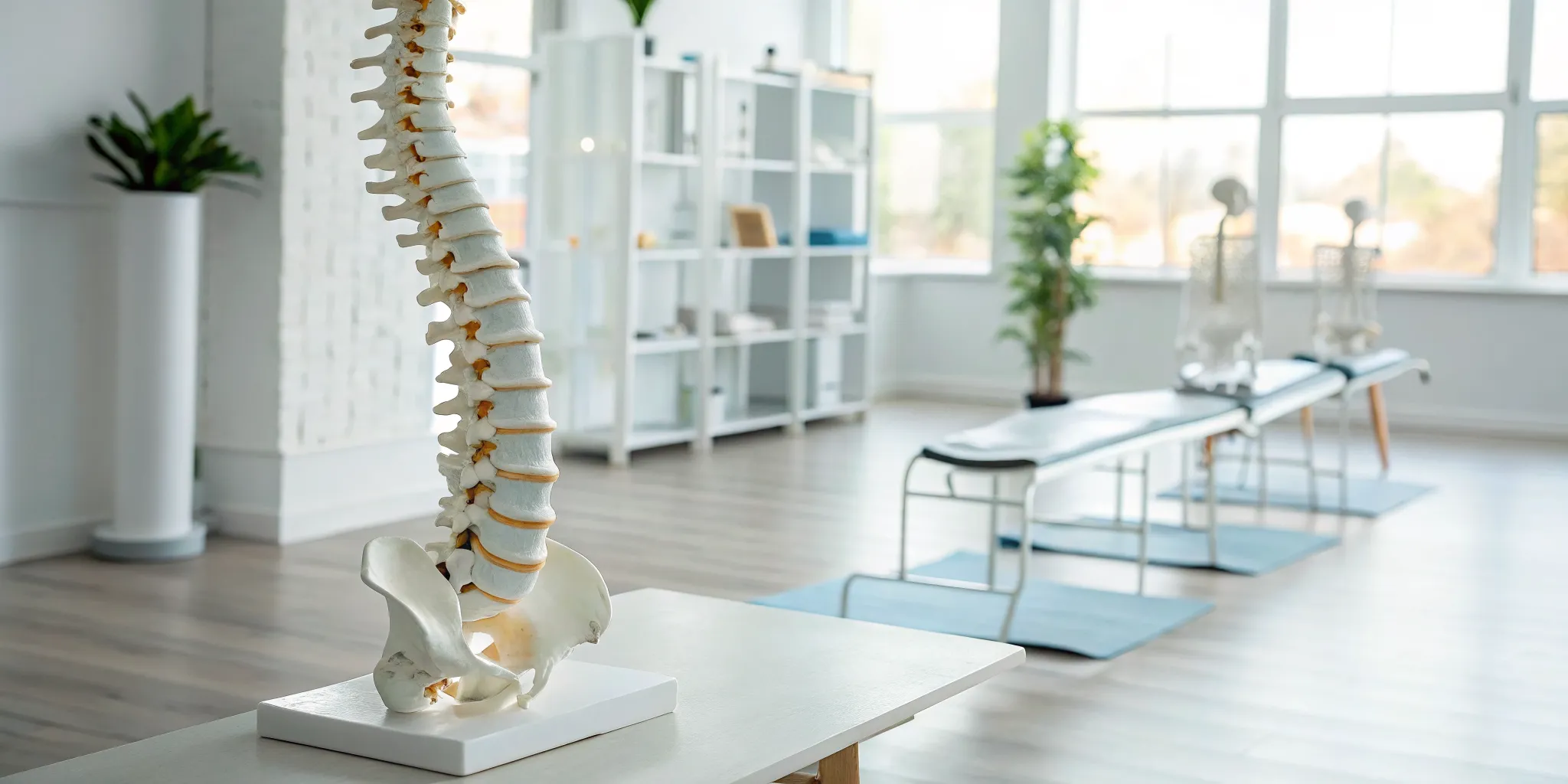
That gentle stretching creates a vacuum-like effect inside your discs. If you have a bulging or herniated disc, this negative pressure can help draw the displaced disc material back into its proper position. This process gives your spinal nerves more room, which can immediately reduce pain, tingling, or numbness. Beyond the structural adjustment, this therapy also improves circulation around the discs. An influx of oxygen, water, and other healing nutrients can flow into the affected area, supporting the disc's natural repair process. It’s a key therapy for many of the conditions we treat, from sciatica to degenerative disc disease.
The Role of Computer-Controlled Precision
This isn't old-school traction. Modern spinal decompression relies on a highly advanced, computer-guided system. The computer controls the precise angle and force of the stretch, tailoring the treatment specifically to your body and condition. It alternates between gentle pulling and relaxation phases. This cycling is crucial because it helps prevent your back muscles from tensing up or guarding, which would work against the therapy. The precision of the computer ensures that the treatment is not only effective but also comfortable and safe. This level of personalization is central to all of our services, allowing us to provide targeted care that gets results.
Could Spinal Decompression Help Your Back Pain?
If you're dealing with persistent back pain, you might be wondering what your options are beyond temporary fixes. Spinal decompression is a non-surgical therapy that addresses the structural source of pain for several common conditions. It's a core part of our physical medicine approach, focusing on helping your body heal itself. By gently stretching the spine, this therapy can relieve pressure on your discs and nerves, creating an environment where your body can begin to repair the damage. This process can be a game-changer for many who feel like they've tried everything. Let's look at a few specific types of back pain and see how this gentle, targeted therapy could make a difference for you.
Herniated and Bulging Discs
The discs between your vertebrae act as cushions, but sometimes they can bulge or herniate, putting pressure on surrounding nerves and causing significant pain. It’s a common reason for that sharp, localized discomfort in your back. Spinal decompression therapy offers a gentle, non-invasive way to address this. The process involves carefully stretching the spine, which creates a pulling effect inside the discs. This negative pressure can help a bulging or herniated disc retract, pulling it away from the nerve. By giving the disc and nerve more room, this therapy can relieve the pressure that causes pain and allow the disc to start healing properly.
Sciatica and Radiating Leg Pain
If you've ever felt a shooting pain that travels from your lower back down your leg, you might be familiar with sciatica. This happens when the sciatic nerve gets compressed or irritated, often by a herniated disc or bone spur. It can feel like a constant ache, a sharp jolt, or even numbness and tingling. Decompression therapy can be very effective for this kind of radiating pain. By using a specialized table to gently stretch your spine, the therapy creates negative pressure within your discs. This helps take pressure off the nerves that are being pinched, including the sciatic nerve. The goal is to reduce that radiating pain and restore feeling and function to your leg.
Degenerative Disc Disease
Over time, our spinal discs can wear down from age and activity, a condition known as degenerative disc disease. This can cause the discs to lose height and hydration, leading to pain, stiffness, and reduced flexibility as the vertebrae get closer together. While this is a natural part of aging for many, it doesn't mean you have to live with the pain. Spinal decompression can help by gently separating the vertebrae and reducing the pressure on these worn-down discs. This process encourages the flow of water, oxygen, and nutrient-rich fluids into the discs so they can rehydrate and heal. It's an effective therapy for the mechanical pain associated with many of the conditions we treat.
Spinal Stenosis
Spinal stenosis is the narrowing of the spaces within your spine, which can put pressure on the nerves that travel through it. This pressure can cause pain, tingling, numbness, and muscle weakness, often in the lower back and legs. While it sounds serious, many people find relief without resorting to invasive procedures. Spinal decompression is a safe, non-invasive option that works by gently stretching the spine to create more space in the spinal canal. This can alleviate the pressure on the nerves and reduce the painful symptoms of stenosis. For many, it’s a way to manage their condition and improve their quality of life without the long recovery times associated with other interventions.
Spinal Decompression vs. Surgery: A Comparison
When you’re dealing with persistent back pain, the path forward can seem overwhelming. You want relief, but you also want to make the choice that’s best for your body and your life. For many, the decision comes down to two main options: spinal decompression therapy or a surgical procedure. Understanding the fundamental differences in their approach, risks, and recovery process is the first step toward feeling confident about your health care journey. While both aim to relieve pressure on your spinal nerves, they get there in vastly different ways. Let's walk through what each path looks like so you can have a clearer picture.
Understanding the Risks
Every medical approach has its own set of considerations, and it’s important to be aware of them. Surgical interventions for the spine are invasive procedures that carry inherent risks, such as the potential for infection, bleeding, or adverse reactions to anesthesia. There can also be risks of damage to nerves or surrounding tissues. In contrast, non-surgical spinal decompression is a gentle, external therapy. Because it doesn't involve any incisions, it sidesteps the risks associated with a surgical operation. The process is controlled and designed to work with your body’s natural healing abilities, making it a well-tolerated option for many people seeking relief from chronic back pain.
Recovery Time and Impact on Your Life
One of the most significant differences between these two approaches is what happens after the procedure. Recovering from a spinal operation is a major commitment. It often involves a stay in the hospital followed by weeks or even months of rehabilitation before you can return to your normal routine. This downtime can disrupt your work, family life, and daily activities. Spinal decompression therapy, on the other hand, is designed to fit into your life with minimal interruption. A typical session is comfortable and lasts less than an hour. Most people can head right back to their day afterward, without the lengthy and often challenging recovery period that follows an operation.
Comparing Long-Term Results
Your ultimate goal is lasting relief, so it’s crucial to think about the long-term outcomes. For some specific and severe conditions, a surgical procedure may be presented as the most direct route to improvement. However, it’s not the only route. The goal of our physical medicine approach is to address the underlying cause of your pain, not just the symptoms. By gently creating space in the spine, decompression therapy helps relieve pressure, allowing discs to receive more oxygen and nutrients. This process supports your body's ability to heal itself, which can lead to sustainable, long-term relief and, in many cases, help you avoid an operation altogether.
Can Spinal Decompression Help You Avoid Surgery?
If you're dealing with persistent back pain, the thought of surgery can be daunting. It often feels like a last resort, a major step with a long recovery and no guarantee of success. But what if there was another way to find relief? For many people, spinal decompression therapy offers a gentle, non-surgical path forward. This approach is a powerful tool for treating chronic back pain and, in many cases, can help people avoid the need for invasive procedures altogether. Instead of just masking symptoms, decompression aims to address the underlying mechanical issues in your spine, getting to the source of the problem.
The goal is to create an environment where your body can begin to heal itself. By gently stretching the spine, this therapy reduces pressure on your discs and nerves, which is often the root cause of the pain. It’s a proactive approach that aligns with a holistic view of health, focusing on restoring function rather than simply intervening with an operation. Exploring conservative treatments like spinal decompression first is a logical step for anyone looking for lasting relief without the risks and recovery time associated with surgery. Our team at Ascend Functional Health can help you understand if this is the right path for the specific conditions we treat.
Who Is a Good Candidate for This Therapy?
Spinal decompression isn't for every type of back pain, but it’s highly effective for specific conditions. If you're struggling with bulging or herniated discs, you’re a prime candidate. The therapy helps create negative pressure within the disc, which can help retract the bulging material and take pressure off your nerves. This is also why it works so well for sciatica, where pain radiates down your leg due to nerve compression.
People with degenerative disc disease or spinal stenosis (a narrowing of the spinal canal) can also find significant relief. As discs wear down or the spinal canal narrows, pressure builds. Decompression helps to gently create more space, alleviating that pressure and reducing pain. It’s a targeted solution for these common, and often debilitating, structural problems.
Pairing Decompression with Other Therapies
Spinal decompression is incredibly effective on its own, but its true power is often seen when it's part of a comprehensive treatment plan. Think of it as one piece of your healing puzzle. For the best results, we often combine decompression with other supportive therapies. This might include specific chiropractic adjustments to improve spinal alignment and mobility, which complements the work of the decompression table.
We also incorporate therapeutic exercises to strengthen the core and supporting muscles around your spine, creating long-term stability. This holistic strategy ensures we’re not just relieving pressure but also building a stronger, more resilient back. Our personalized services are designed to create a synergistic effect, helping your body heal more completely and reducing the chances of future pain.
Understanding When Surgery Might Be Necessary
While our goal is always to help you heal with the most conservative methods possible, it's also important to be realistic. Surgery does have its place in treating back pain. Typically, a surgical procedure is only recommended when other treatments haven't provided relief and your symptoms are severe, persistent, and significantly impacting your quality of life. It’s generally considered after options like physical therapy and chiropractic care have been exhausted.
The decision to have surgery is a serious one, and it’s a conversation you should have with a trusted healthcare provider. By exploring options like spinal decompression first, you give your body a chance to respond to a less invasive approach. Many of our patients who were told surgery was their only option have found lasting relief through our comprehensive care plans. We encourage you to contact us to discuss your situation and see if you might be a candidate.
Is Spinal Decompression Right for You?
Deciding on the best path forward for your back pain can feel overwhelming, but you don't have to make that choice alone. Understanding what spinal decompression involves, who it helps, and what to expect is the first step toward finding relief. This therapy is a cornerstone of our physical medicine services, offering a gentle and targeted approach for many people dealing with chronic discomfort. Let's walk through some key considerations to help you determine if it could be the right fit for your health journey.
Common Myths About Spinal Decompression
For a long time, many people believed that major back surgery was the only real answer for persistent disc-related pain. It’s understandable why that was a common thought, but thankfully, our approach to spine health has evolved. The idea that you must choose between living with pain or undergoing an invasive procedure is one of the biggest myths we encounter. Non-surgical spinal decompression has emerged as a highly effective and trusted therapy. It directly addresses the mechanical cause of pain for many, providing a path to relief without the extensive recovery associated with surgery.
Factors to Consider Before Starting Treatment
Spinal decompression is a fantastic option for many, but it isn't a universal solution. This therapy is most effective for individuals with pain stemming from specific conditions like herniated discs, bulging discs, sciatica, or degenerative disc disease. However, it may not be suitable for those with certain types of spinal instability or other specific structural issues. This is why a thorough evaluation is so critical. A one-on-one consultation with our team allows us to understand your unique situation and determine if decompression therapy aligns with your body's needs and your wellness goals.
What to Expect During Your First Session
Your comfort is our priority, and many people are pleasantly surprised by how relaxing a spinal decompression session can be. You’ll lie down on a specialized, computer-controlled table. A harness is comfortably fitted around you, and the system then applies a gentle and precise stretching force to your spine. This process creates a negative pressure within your spinal discs, which helps retract bulging or herniated material and takes pressure off pinched nerves. Each session is painless and typically lasts around 30 to 45 minutes. Afterward, you can usually return to your daily activities without any downtime.
Explore Spinal Decompression at Ascend Functional Health
Living with chronic back pain is draining, and the thought of a major surgical procedure can feel overwhelming. At Ascend Functional Health, we believe in exploring effective, non-invasive options first. Our physical medicine services include spinal decompression therapy, a treatment that offers a path toward relief without the long recovery times associated with surgery. This therapy is a gentle, non-surgical approach designed to alleviate the pressure that causes so much discomfort.
Spinal decompression works by carefully stretching your spine on a specialized, computer-controlled table. This creates a negative pressure within your spinal discs, which can help retract bulging or herniated material and take pressure off pinched nerves. The Cleveland Clinic explains that this gentle stretching can lead to effective pain management and recovery. For many people dealing with conditions like sciatica or degenerative disc disease, this process provides significant relief and restores mobility.
Consistent treatment can be a powerful tool in your health journey. Research suggests that a regular course of spinal decompression can help many individuals delay or even prevent the need for back surgery. By addressing the mechanical cause of the pain, we can support the body’s natural healing processes. Our team is dedicated to creating a personalized plan that addresses your specific needs, helping you find lasting relief and improve your quality of life. If you're ready to learn more about your options, we invite you to contact our Tampa office to see if spinal decompression is right for you.
Related Articles
- Revitalize Your Spine with Spinal Decompression Therapy in Tampa, FL
- Spinal Decompression Hurts Lower Back: Normal or Not?
- Is Lumbar Decompression Chiropractic for You?
- Spinal Decompression Therapy in Tampa, FL - Alessi Functional Health
Frequently Asked Questions
What does a spinal decompression session actually feel like? Is it painful? Not at all. In fact, most people find the sessions to be quite relaxing. You’ll be lying comfortably on a specialized table as a harness is placed around you. The therapy itself feels like a slow, gentle stretching of your spine that cycles between pulling and resting. The entire process is computer-controlled and painless, designed to be soothing while it works to relieve pressure.
How is this different from older forms of traction? That's a great question. While both involve stretching the spine, modern spinal decompression is far more sophisticated than old-school traction. The key difference is the computer-guided system, which allows for a precise and targeted pull at a specific angle. It also alternates between stretching and relaxation phases, which helps prevent your back muscles from tensing up and resisting the therapy. This makes the treatment more effective and comfortable.
I was told I might need an operation. Can this therapy really help me avoid it? For many people, the answer is yes. While a surgical procedure is sometimes necessary, it is an invasive option with a significant recovery period. Spinal decompression offers a non-surgical alternative that addresses the root cause of pain for conditions like herniated discs and sciatica. By creating negative pressure to help the disc heal, it can provide lasting relief and, in many cases, help people avoid the need for an operation altogether.
Is spinal decompression a standalone treatment, or is it part of a bigger plan? While spinal decompression is a powerful therapy on its own, we find it delivers the best and most lasting results as part of a comprehensive care plan. To support the healing process, we often pair it with other therapies like chiropractic adjustments to restore proper movement and corrective exercises to strengthen your core. This strategy helps create long-term stability for your spine, addressing the problem from multiple angles.
How do I know if spinal decompression is the right choice for my specific back pain? This therapy is highly effective for pain caused by specific mechanical issues, such as bulging or herniated discs, sciatica, and degenerative disc disease. However, it isn't the right fit for every type of back problem. The only way to know for sure is to have a thorough evaluation. A proper assessment allows us to pinpoint the source of your pain and determine if you are a good candidate for this therapy.