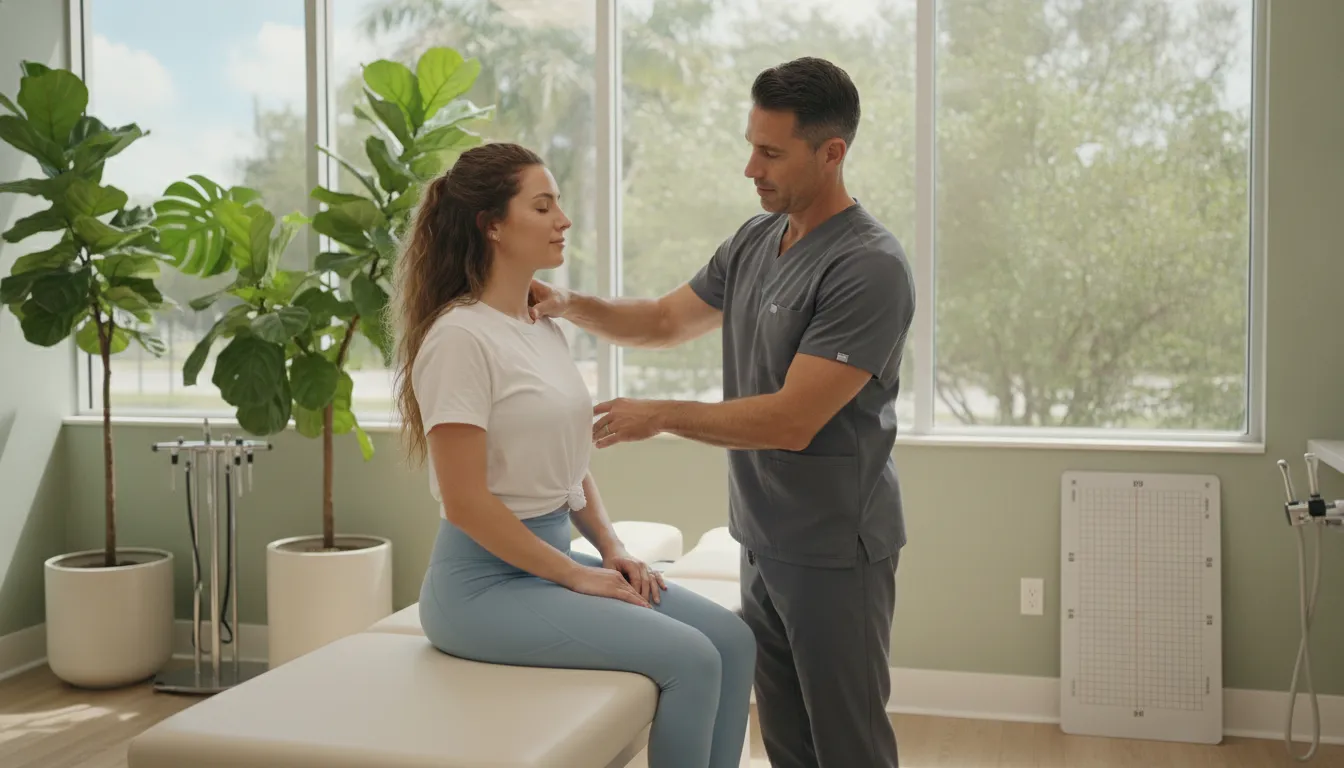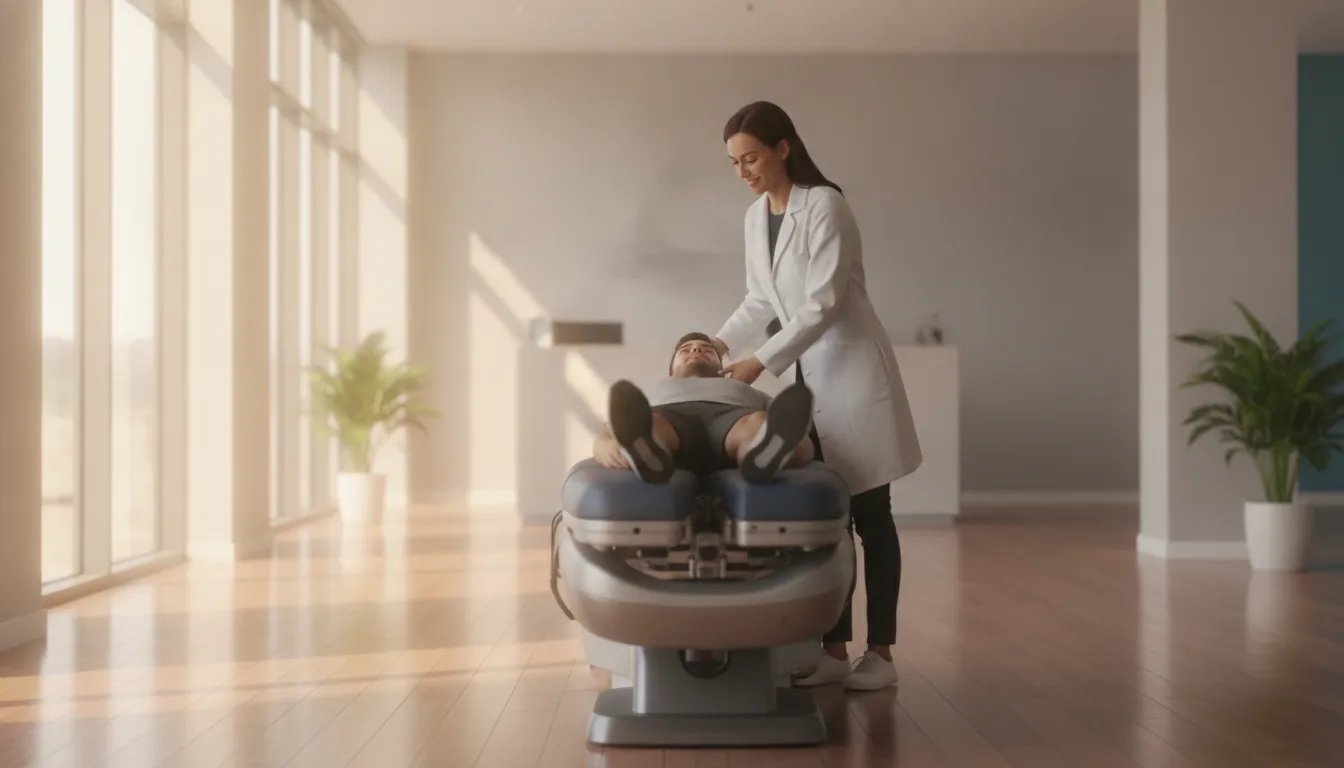
Living with a nagging injury can feel like your body has forgotten how to heal itself. The initial recovery process starts, but then it hits a wall, and you’re left with discomfort that limits your daily life. Think of shockwave therapy as a way to send a clear signal to that stalled healing process. It uses powerful, yet gentle, sound waves to stimulate blood flow, activate cellular repair, and encourage tissue regeneration right where you need it most. This method is a cornerstone of modern wellness because it works with your body’s innate intelligence. By leveraging shockwave therapy for regenerative medicine, we can help prompt your system to get back to the business of healing.
Key Takeaways
- Activate your body's natural repair crew: Shockwave therapy uses targeted sound waves to signal your body to heal itself, promoting better blood flow and new tissue growth to resolve injuries at their source.
- Find relief for stubborn injuries: This therapy is a great option for persistent issues like plantar fasciitis, tendinitis, and shoulder pain, especially when your body's healing process has stalled and other treatments haven't provided lasting results.
- Heal without the downtime: As a non-invasive treatment, shockwave therapy sessions are quick and require no recovery period, allowing you to address the root cause of your pain without putting your life on hold.
How Does Shockwave Therapy Work?
It might sound like something from a sci-fi movie, but shockwave therapy is a straightforward and effective treatment that uses acoustic waves to kickstart your body’s own healing abilities. Think of it as a way to gently "wake up" injured areas that have been stuck in a cycle of chronic discomfort or slow recovery. By delivering targeted energy to the source of your issue, this therapy encourages your body to get back to the business of repairing itself, all without invasive procedures. Let's look at how it works on a deeper level.
The Science Behind the Sound Waves
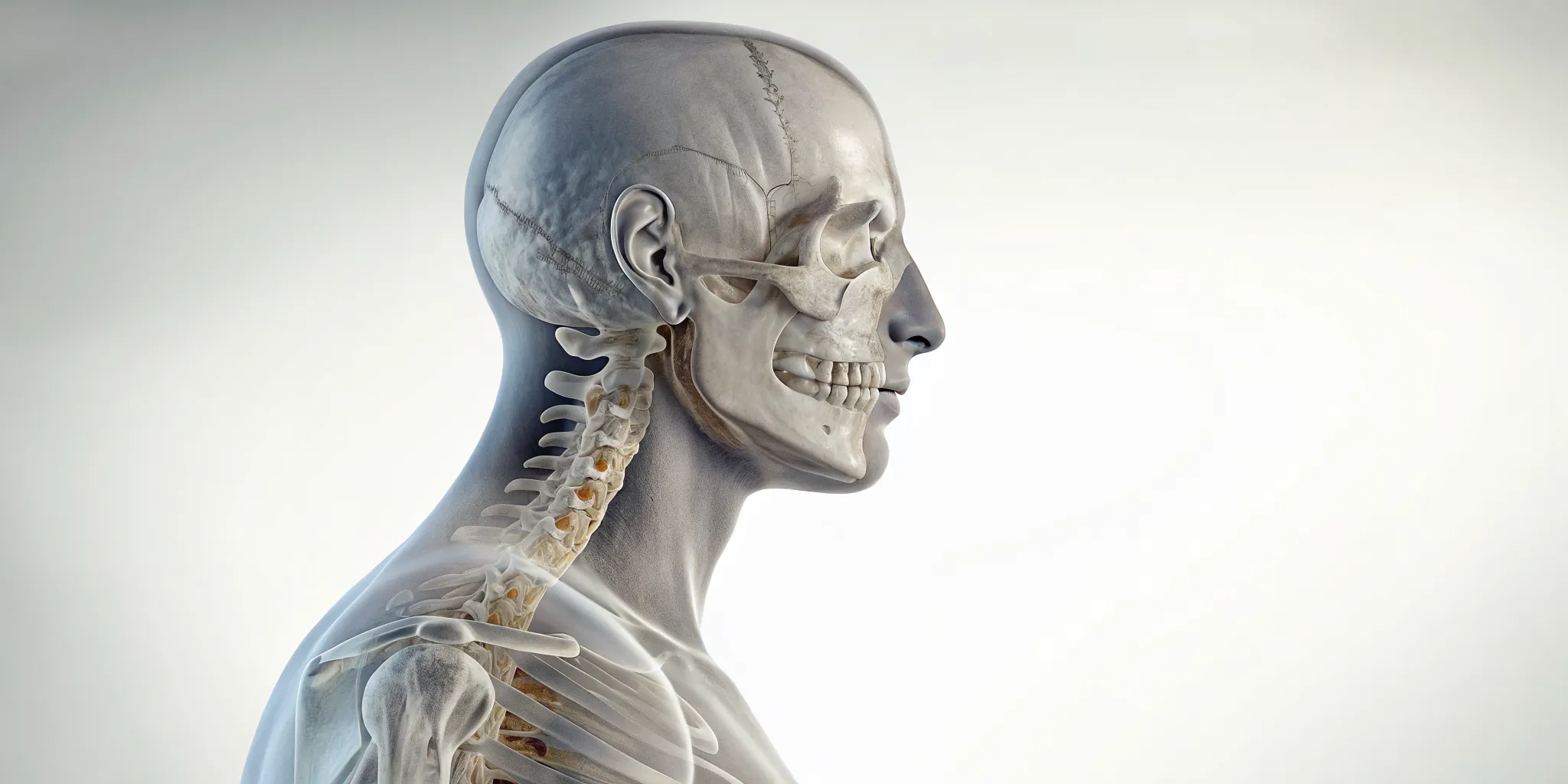
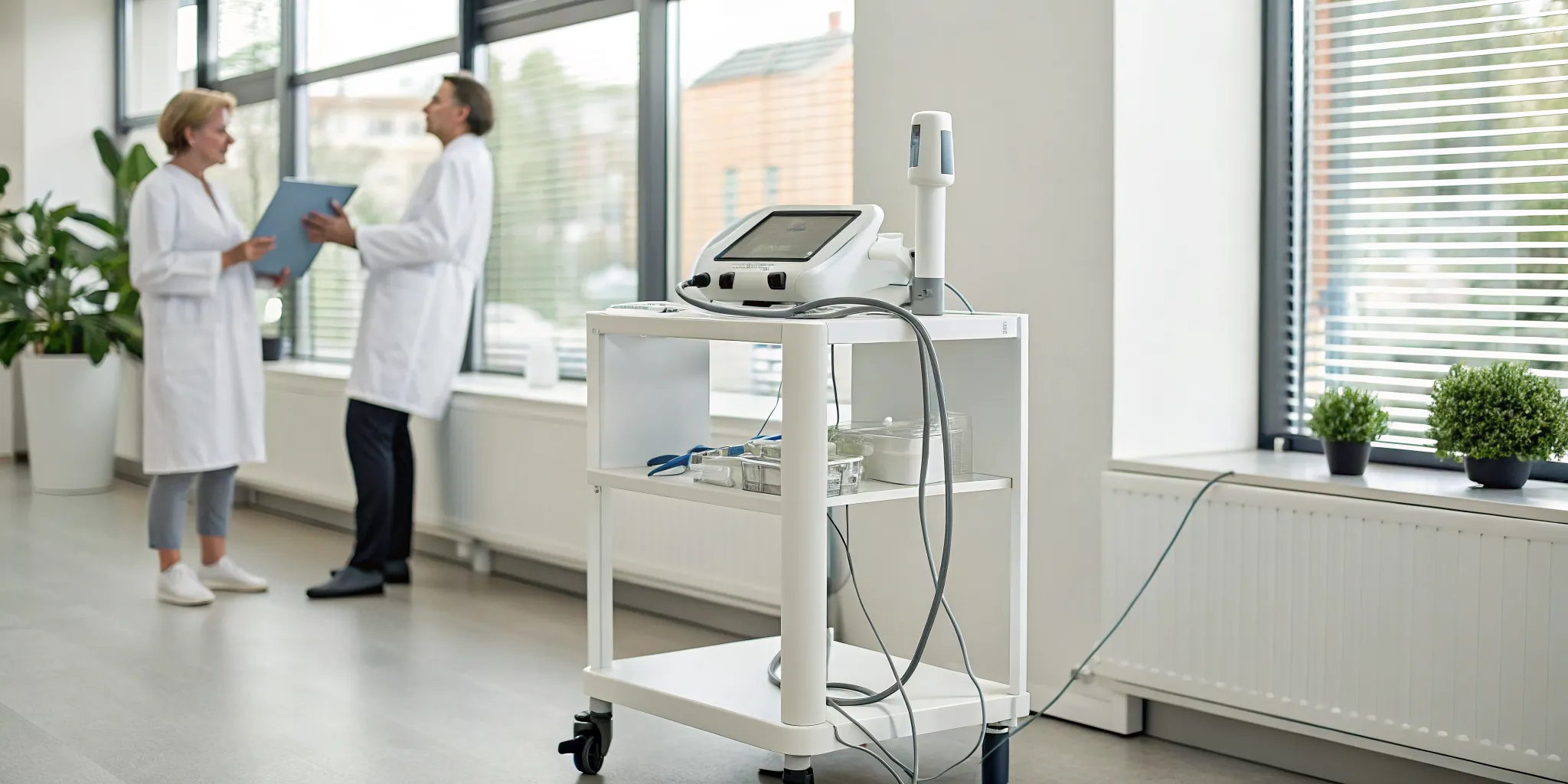
At its core, shockwave therapy uses a special device to send high-energy sound waves into your soft tissues. These waves create a controlled, therapeutic effect that stimulates your body’s natural repair mechanisms. This process promotes the release of growth factors and helps your cells regenerate. It also encourages the formation of new blood vessels, which brings more oxygen and nutrients to the injured area, speeding up recovery. At the same time, it helps ramp up collagen production, a key protein your body needs to rebuild healthy, resilient tendons and ligaments. It’s a powerful way to address the root cause of tissue damage.
Focused vs. Radial: Which Type Is for You?
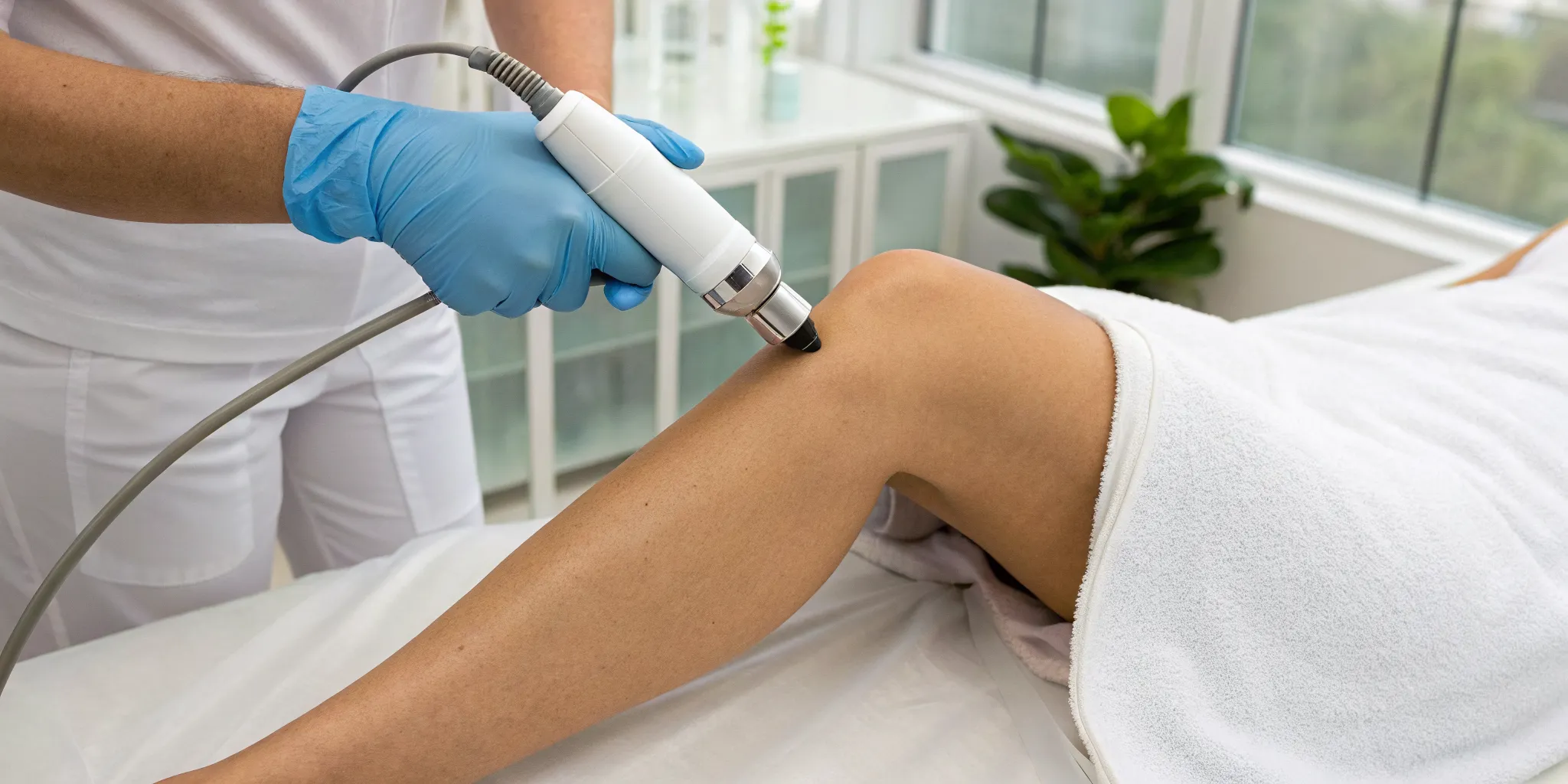
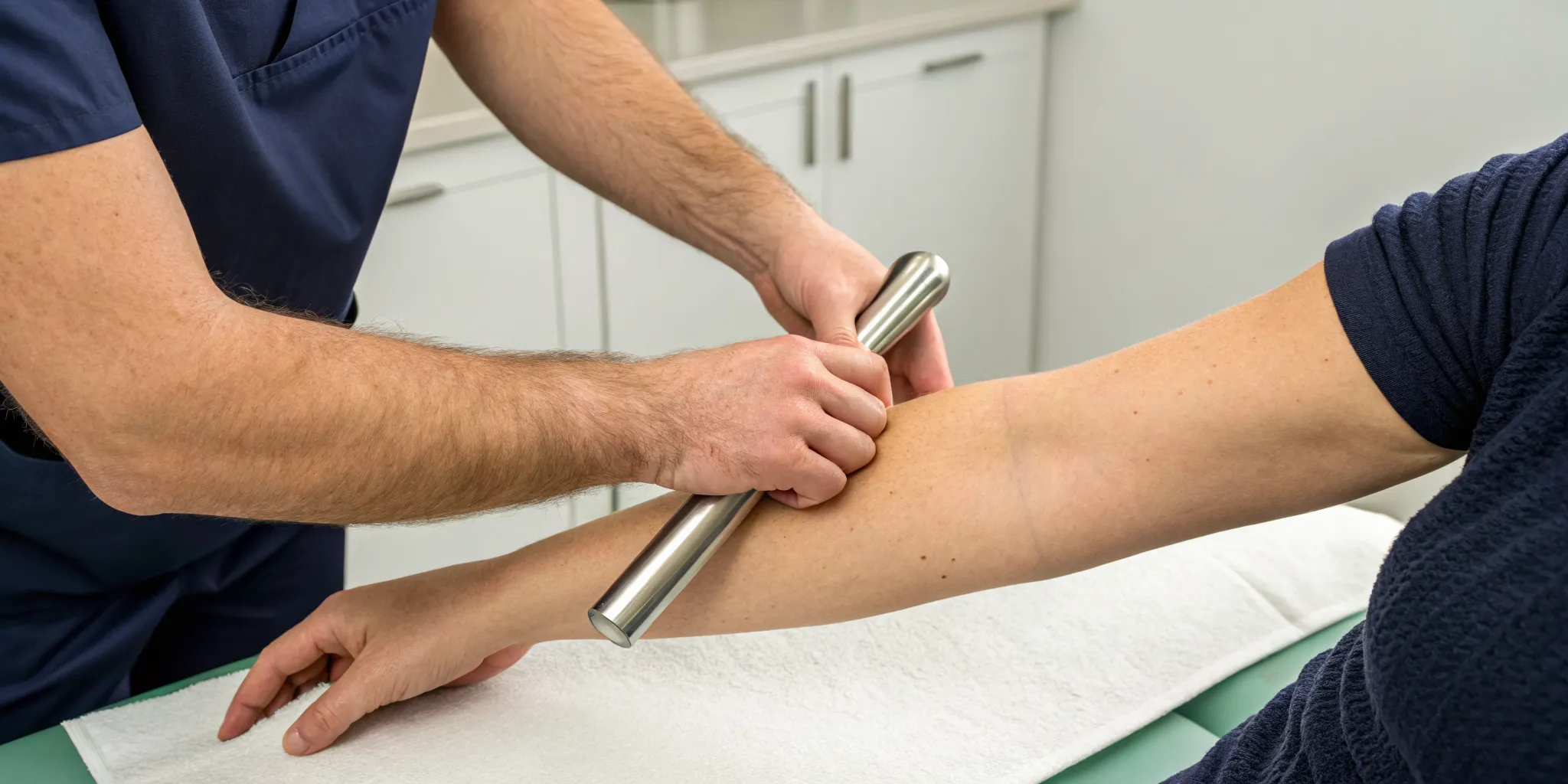
Shockwave therapy isn't a one-size-fits-all solution; it comes in two main forms. Focused shockwave therapy uses precise, high-energy waves that can penetrate deep into tissues, making it ideal for targeting specific points of injury within muscles or joints. On the other hand, radial shockwave therapy uses waves that spread out over a broader, more superficial area. This makes it well-suited for larger muscle groups or conditions closer to the skin's surface. The right approach depends entirely on your unique condition, which is why a thorough evaluation is a key part of our physical medicine services. We’ll determine which type will give you the most effective results.
Sparking Your Body's Natural Healing Process
Shockwave therapy doesn’t just put a temporary patch on your pain. Instead, it works by prompting a powerful healing response from within your own body. Think of it as a wake-up call for your cells. The acoustic waves create a series of micro-effects in the tissue, signaling your body to kickstart its natural repair and regeneration cycles. This process gets to the heart of the problem, encouraging long-term healing rather than simply masking symptoms. When an injury becomes chronic, the body’s healing process can stall. Shockwave therapy essentially reawakens that process, reminding the area that it still needs attention and resources.
By stimulating your body’s innate ability to heal, this therapy helps you recover from chronic injuries and pain. It’s a foundational part of our physical medicine approach, which focuses on addressing the root cause of your discomfort. Instead of introducing foreign substances or creating dependency on temporary solutions, we’re giving your body the tools it already has to rebuild and restore itself. This creates a healthier, more resilient foundation for lasting wellness. It’s about working with your body’s own intelligence to create change that lasts, helping you get back to your life with strength and confidence.
Repairing Tissue at the Cellular Level
At its core, shockwave therapy helps your body rebuild from the ground up. The sound waves stimulate your cells, encouraging them to produce essential proteins like collagen, which is the primary building block for your tendons, ligaments, and other connective tissues. This process helps turn dysfunctional, injured cells back into healthy, productive ones. It’s like flipping a switch that tells your body to get back to the business of tissue repair. By targeting the injury at a cellular level, the therapy helps create stronger, more resilient tissue that can better withstand daily demands and reduce the likelihood of future injury.
Improving Blood Flow and Collagen
Healing requires a steady supply of oxygen and nutrients, and that’s where your circulatory system comes in. Shockwave therapy promotes the formation of new blood vessels in and around the injured area. This improved blood flow acts like an express delivery service, bringing all the necessary resources directly to the site of injury to accelerate healing. More blood flow means more oxygen, more nutrients, and a more efficient process for clearing out waste products. This not only speeds up recovery but also ensures the new tissue being formed is healthy and well-nourished, which is crucial for a full return to function.
Activating Your Body's Stem Cells
Your body has its own team of master repair workers: stem cells. These incredible cells have the ability to develop into different types of cells wherever they are needed most. Shockwave therapy has been shown to activate and attract these stem cells to the injured area. Once they arrive, the therapy helps guide them to differentiate into the specific cells needed for repair, whether it's for a tendon, muscle, or bone. This targeted activation gives your body a powerful advantage in regenerating damaged tissue and resolving injuries that have been stuck in a chronic, non-healing state for months or even years.
Interrupting Pain Signals at the Source
While deep healing is the ultimate goal, finding relief from persistent pain is often the first priority. Shockwave therapy helps by directly addressing the nerve fibers that transmit pain signals. The acoustic waves can help calm overactive pain receptors, providing noticeable relief. This process also encourages your body to release its own natural pain-relieving substances, like endorphins. By interrupting the pain cycle, shockwave therapy gives your body the space it needs to heal without the constant stress of discomfort, making it an effective tool for many of the chronic pain conditions we treat.
What Conditions Can Shockwave Therapy Help?
If you're dealing with persistent pain that just won’t go away, you know how frustrating it can be. You’ve likely tried stretching, resting, and maybe even other treatments without finding lasting relief. Shockwave therapy offers a different approach by targeting the source of your pain and activating your body’s own healing mechanisms. It’s a versatile tool that our team uses to address a wide range of musculoskeletal conditions, from nagging tendon pain to more complex joint issues. By promoting tissue repair and improving blood flow, this therapy can help you get back to your life without discomfort.
Instead of simply managing symptoms, shockwave therapy gets to the heart of the problem, encouraging your body to rebuild and restore itself from the inside out. This aligns perfectly with our philosophy of finding and treating the root cause of health concerns. It’s not a temporary patch; it’s a way to stimulate a long-term healing response so you can achieve genuine, lasting results. This makes it a powerful component of a comprehensive healing plan designed to restore your body’s function and vitality. Let’s look at some of the specific conditions where shockwave therapy can make a real difference.
Tendinitis and Soft Tissue Injuries
Dealing with the persistent ache of tendinitis in your elbow, knee, or Achilles can sideline you from the activities you love. Shockwave therapy is an effective, non-invasive treatment that uses acoustic waves to address inflamed and injured soft tissues. The energy from these waves stimulates metabolic activity in the affected area, which helps reduce inflammation and kickstart the repair process for damaged tendons. This approach is particularly helpful for chronic conditions where the body’s healing process has stalled. Instead of just masking the pain, we use shockwave therapy as part of our physical medicine protocols to encourage genuine tissue regeneration and help you find long-term relief.
Plantar Fasciitis and Heel Discomfort
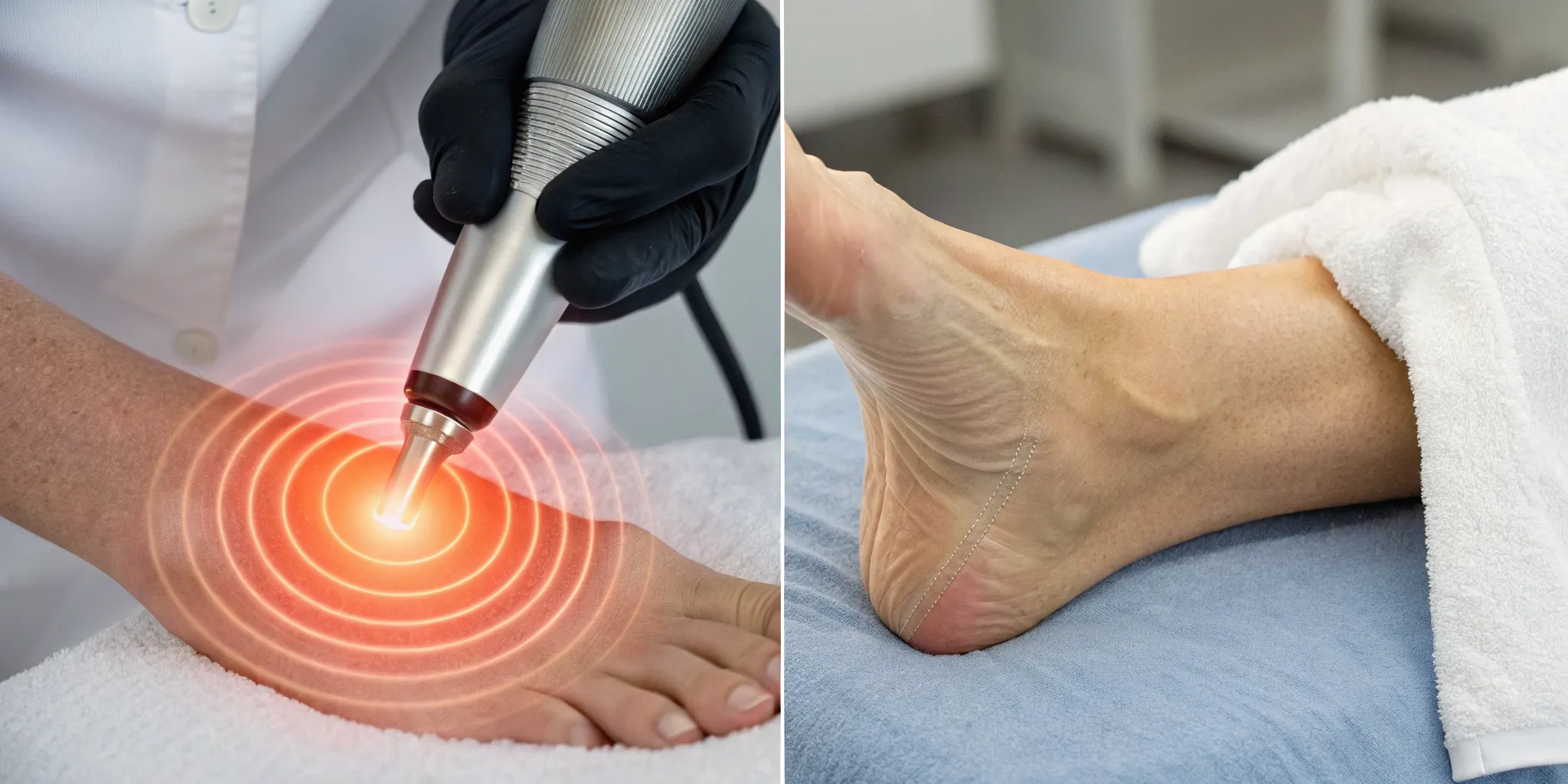
That sharp, stabbing pain in your heel with your first steps in the morning is the classic sign of plantar fasciitis. This condition can be notoriously stubborn, but shockwave therapy has a high success rate in treating it. Research shows that this therapy can be effective for a majority of people with plantar fasciitis. The sound waves work by creating microtrauma in the thickened and inflamed plantar fascia tissue, which triggers a new healing response from your body. This process increases blood flow and stimulates the production of new, healthy tissue, helping to finally resolve the underlying cause of your heel discomfort and get you back on your feet comfortably.
Rotator Cuff and Shoulder Issues
Shoulder pain can make simple tasks like reaching for something on a high shelf or even getting dressed feel impossible. Often, this pain is caused by calcific tendinopathy, where small calcium deposits form within the rotator cuff tendons, causing inflammation and limiting your range of motion. Shockwave therapy is excellent for these types of shoulder issues because it can help break down these calcium deposits. The acoustic waves effectively fragment the calcifications, allowing your body to absorb and clear them away naturally. This process not only relieves pain but also helps restore mobility and function to your shoulder joint.
Chronic Joint Pain
When you live with chronic joint pain, it can feel like your body is working against you. Shockwave therapy helps turn that around by supporting your body's innate ability to heal. The therapy works at a cellular level to encourage the growth of new blood vessels, which is a process called neovascularization. This improved circulation brings more oxygen and vital nutrients to injured areas, which is essential for repairing damaged tissues like cartilage and ligaments. By enhancing your body's own repair mechanisms, shockwave therapy can address the root causes of joint pain, making it a key part of our approach to the conditions we treat at Ascend.
Stubborn Bone and Stress Injuries
For athletes and active individuals, stress injuries or bones that are slow to heal can be a major setback. Shockwave therapy has shown remarkable promise in these difficult cases. It has been found to be an effective tool for non-healing bone issues by stimulating the cells responsible for bone formation and repair. By applying targeted sound waves, the therapy can speed up the healing process in areas where bone growth has stalled. This regenerative effect can help you recover more completely from stubborn injuries, providing a path forward when other methods haven't delivered the results you need.
The Advantages of Shockwave Therapy
When you're dealing with persistent pain, the thought of invasive procedures can be daunting. That’s why so many people are turning to regenerative options that work with the body, not against it. Shockwave therapy stands out as a powerful tool in our physical medicine toolkit because it addresses pain at its source without the need for incisions or a long recovery. It’s a scientifically-backed approach that does more than just quiet your symptoms; it actively encourages your body to rebuild and repair damaged tissue. This method uses targeted sound waves to kickstart healing on a cellular level, making it a go-to for chronic issues that haven't responded to other treatments.
The benefits go beyond just avoiding surgery. This therapy is about achieving genuine, long-term healing so you can get back to your life with confidence. It stimulates your body’s own powerful regenerative processes, improving blood flow and waking up the cells responsible for repair. Think of it as flipping a switch that tells your body to focus its healing resources on a specific area of injury. Best of all, it allows you to remain active, supporting your healing journey without putting your life on hold. For anyone looking for a solution that offers lasting relief and aligns with the body's natural ability to heal, the advantages of shockwave therapy are clear. It represents a modern approach to healing that is both effective and empowering.
A Non-Invasive Path to Healing
One of the most significant benefits of shockwave therapy is that it's completely non-invasive. The treatment uses targeted acoustic waves, delivered through the skin, to stimulate healing deep within the tissue. There are no needles, no anesthesia, and no surgical incisions involved. This approach sidesteps the risks and lengthy downtime associated with surgery, making it a much more approachable option for many chronic conditions. Instead of cutting into the body, we are sending a signal to it, prompting a natural healing cascade that repairs tissues from the inside out. This makes it an excellent strategy for the various conditions we treat, from tendonitis to chronic joint pain.
Find Lasting Relief, Not a Temporary Fix
Many conventional treatments for pain focus on managing symptoms, offering a temporary patch that doesn't address the root cause. Shockwave therapy is different. Its goal is to create a lasting solution by promoting true tissue regeneration. The acoustic waves stimulate metabolic activity and trigger a healing response that actually repairs the damaged area. This means the results aren't just masking the pain; they are resolving the underlying problem that was causing it in the first place. By helping your body rebuild stronger, more resilient tissue, shockwave therapy helps you find sustainable relief and get back to the activities you love without the constant worry of your pain returning. Our patient testimonials often highlight this very benefit.
Supports Your Body's Innate Healing Power
Your body has an incredible, built-in capacity to heal itself. Shockwave therapy simply gives it a helpful nudge in the right direction. The energy from the sound waves creates what’s called “neovascularization,” which is the formation of new blood vessels. This process is critical for healing, as it delivers a fresh supply of oxygen and nutrients directly to the injured area, accelerating repair. This approach is a cornerstone of functional medicine, where the focus is always on supporting the body’s inherent functions. By enhancing circulation and stimulating cellular activity, shockwave therapy empowers your own biology to fix the damage, leading to stronger, healthier tissue.
Stay Active While You Heal
A long, restrictive recovery period can be one of the biggest downsides of treating an injury. With shockwave therapy, you can largely avoid this. Because the treatment is non-invasive and doesn't create new trauma to the body, the downtime is minimal. Most people can continue with their regular daily activities right after a session. While we may advise you to modify certain high-impact movements temporarily, you won't be sidelined for weeks on end. This is particularly beneficial for athletes and active individuals who want to maintain their fitness. Staying active can even support the healing process by promoting blood flow and preventing the muscle weakness that often comes with immobilization.
Does Shockwave Therapy Hurt?
This is probably the first question on your mind, and it’s a completely valid one. The word "shockwave" can sound a bit intense, but the reality of the treatment is much gentler than the name suggests. While everyone’s comfort level is different, most people find the sessions to be very manageable. The goal of this therapy isn't to cause pain, but to stimulate your body's own healing mechanisms in a targeted way.
It’s important to remember that not all shockwave therapy is the same. The technology we use and the way we apply it are designed for your comfort while still being effective. Our team is always focused on making sure you feel safe and informed throughout the entire process. We'll talk you through every step, so you know exactly what to expect.
What Does a Treatment Session Feel Like?
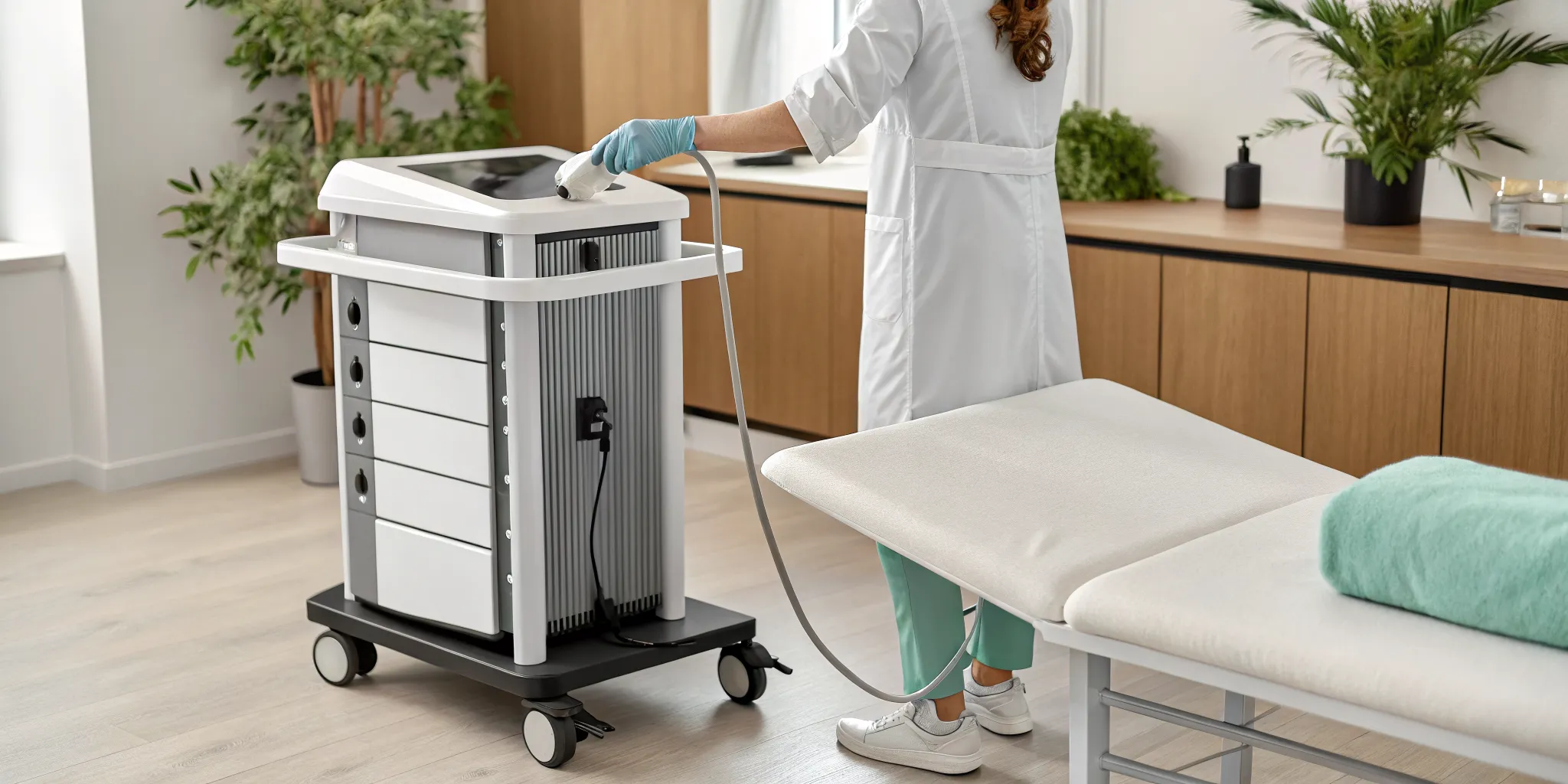
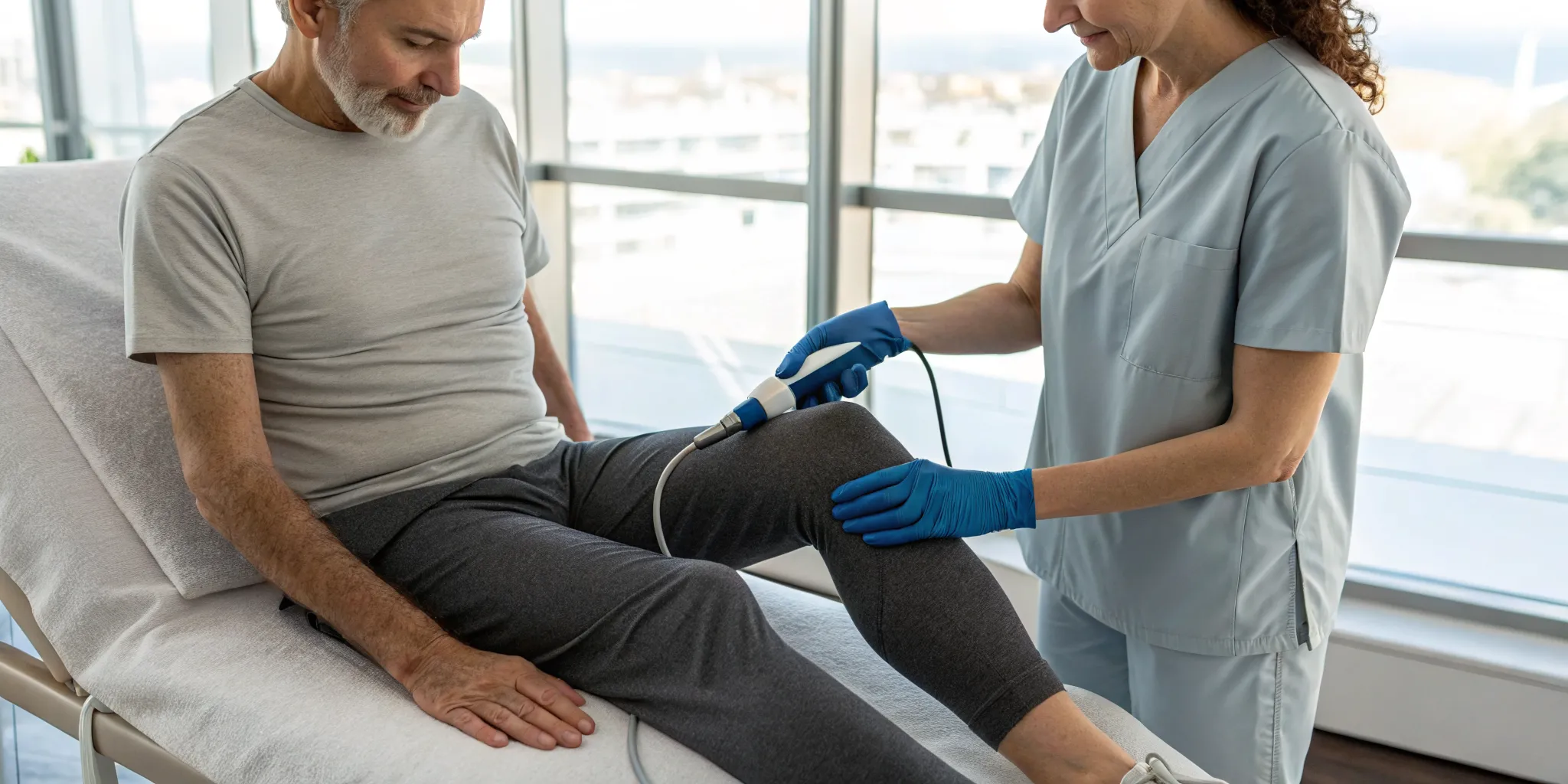
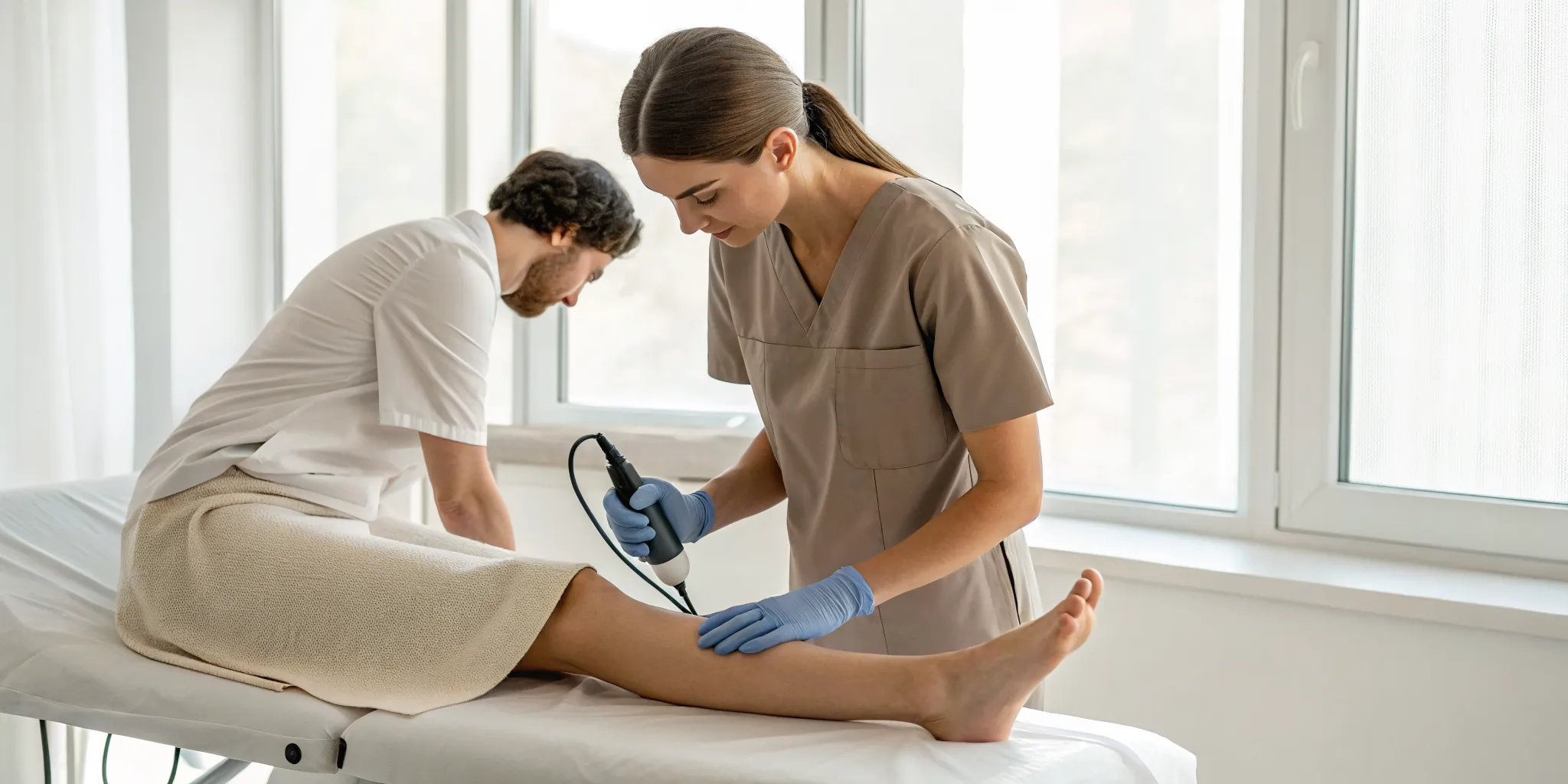
During a shockwave therapy session, you’ll likely feel a tapping or pulsing sensation against your skin. We apply a special gel to the treatment area, similar to what’s used for an ultrasound, and then move a handheld applicator over the spot. The intensity of the pulses can be adjusted to your comfort level, and we always start low and gradually increase it.
Most sessions are surprisingly quick, often lasting just 5 to 10 minutes. It’s a minimally invasive procedure, which means you can get right back to your day afterward with no downtime required. Many of our patients are surprised by how tolerable the treatment is. Our approach to physical medicine is centered on effective, manageable solutions that fit into your life.
Understanding Potential Side Effects
It’s reassuring to know that shockwave therapy is considered very safe and has few associated risks. The most common side effects are minor and temporary. You might experience some redness, mild swelling, or soreness in the treated area for a day or two. Many people compare this feeling to the soreness you might have after a deep-tissue massage.
These reactions are actually a positive sign that the therapy is working. They indicate that your body has started the inflammatory process necessary for healing and repair. These effects typically resolve on their own quickly. We see this therapy as an effective tool for many of the conditions we treat, and our priority is always your long-term health and well-being, not just a temporary fix.
Is Shockwave Therapy Right for You?
Shockwave therapy is a powerful tool for healing, but it’s not the right fit for everyone. Making an informed decision starts with understanding your own health and finding a provider who takes the time to understand it, too. Before you begin any new treatment, it's important to consider if it aligns with your body's needs and current condition. Let's walk through some key factors to help you determine if shockwave therapy could be part of your healing plan.
Who Might Not Be a Good Candidate
While shockwave therapy is incredibly versatile, there are certain situations where it isn't recommended. This treatment should be avoided if you have tumors or active infections in the area being treated. The same goes for open wounds or skin abrasions, as the therapy should only be applied to intact skin. People with certain health conditions, such as serious circulatory problems, severe osteoporosis, or a current fever, may also not be suitable candidates. Being upfront about your full health history is the first step toward a safe and effective treatment plan, ensuring the therapy works for you, not against you.
Important Health Factors to Consider
Before starting your first session, it’s wise to have a clear picture of the treatment, including its potential side effects and risks. While shockwave therapy is known for being safe and non-invasive, every medical procedure comes with factors to consider. Your overall health, medical history, and the specific nature of your injury all play a role in your body's response. Understanding these elements helps you and your provider set realistic expectations and create a plan that supports your well-being. This isn't about causing alarm; it's about empowering you to be an active participant in your own healing journey.
Why Your Provider's Expertise Matters
The success of your shockwave therapy treatment heavily depends on the skill of the person performing it. When administered by a qualified professional with specialized training, the therapy is both safe and effective. A key part of this is a thorough patient assessment before treatment even begins. Your provider should take a deep dive into your health history and condition to confirm that shockwave is the best approach for you. This careful evaluation ensures you get the best possible results while minimizing any risks. Choosing a provider who prioritizes a personalized assessment is your best bet for a successful outcome.
Shockwave Therapy vs. Other Regenerative Options
When you’re exploring ways to heal from chronic pain, you’ll likely come across a few different regenerative options. While shockwave therapy is a powerful tool, it’s helpful to see how it fits in with other treatments like Platelet-Rich Plasma (PRP) and stem cell therapy. Understanding the differences can help you and your provider decide on the best path forward for your specific needs. Each approach has a unique way of working with your body to promote healing, and sometimes, they can even be used together for better results.
Shockwave vs. PRP Therapy
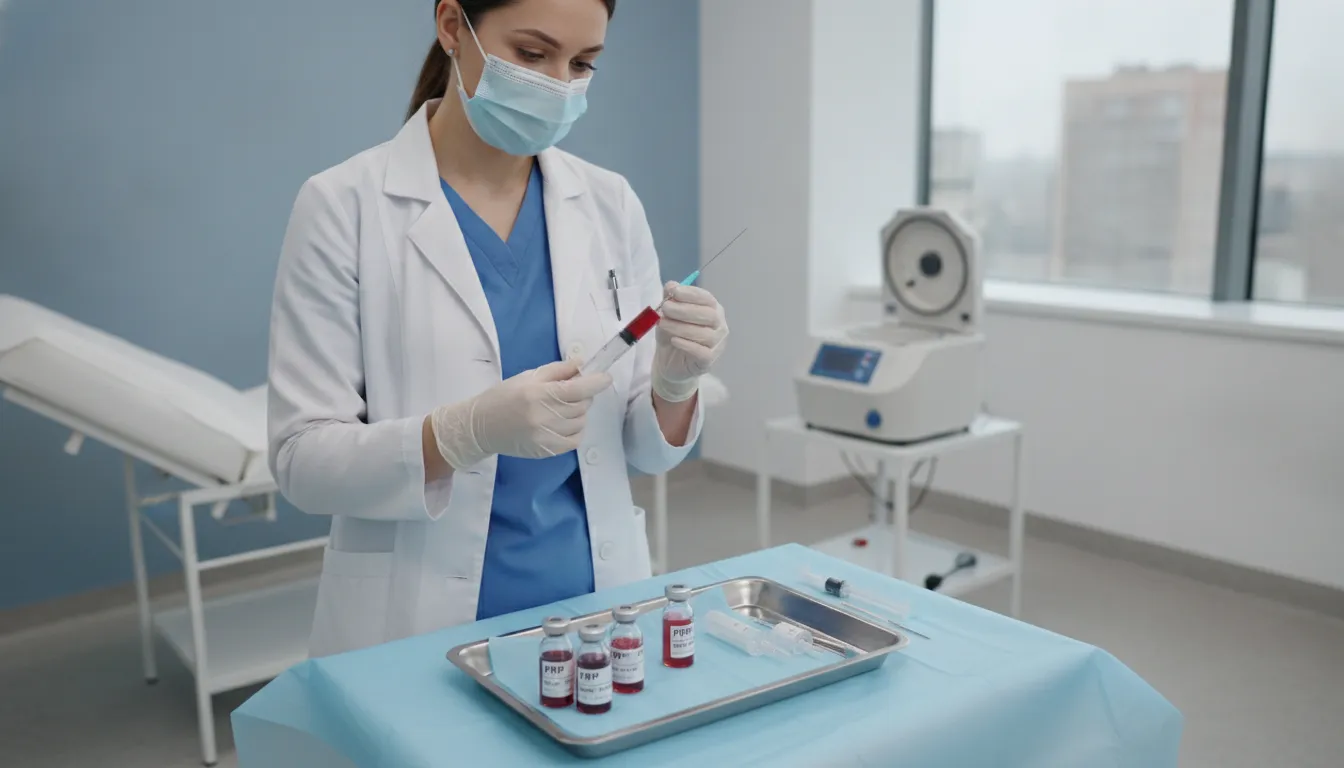
Platelet-Rich Plasma (PRP) therapy is another method used to accelerate healing. This process involves drawing a sample of your own blood, concentrating the platelets (which are rich in growth factors), and then injecting the solution into the injured area. The goal is to recruit your body’s own healing mechanisms directly at the source of pain.
While PRP uses your body’s own biological material, it is an invasive procedure that involves needles. Shockwave therapy, on the other hand, is completely non-invasive and works from outside the body. It uses acoustic waves to stimulate healing processes without any injections. The effectiveness of PRP can also depend on factors like the specific injury and your overall health, whereas shockwave therapy is a consistent and reliable way to stimulate tissue repair and blood flow.
Shockwave vs. Stem Cell Therapy
Stem cell therapy is often considered a more advanced regenerative treatment. It typically involves harvesting regenerative cells, sometimes from your own bone marrow or fat tissue, and injecting them into the damaged area. These cells have the potential to develop into new, healthy tissue, helping to rebuild and restore function from the inside out. This process is more complex and invasive than both shockwave and PRP therapy.
In contrast, shockwave therapy provides a non-invasive way to activate your body’s own dormant stem cells that are already present in the tissue. Instead of introducing new cells, shockwave sends a signal that wakes up the local stem cells, encouraging them to begin the repair process. This makes it a gentler approach within the world of Physical Medicine that supports your body’s inherent ability to heal.
Combining Therapies for Better Results
Choosing a regenerative treatment doesn’t always have to be an either-or decision. In fact, shockwave therapy can be an excellent partner to treatments like PRP and stem cell therapy. Think of it as preparing the soil before planting a seed. Shockwave therapy improves blood flow, reduces inflammation, and stimulates the tissue, creating an optimal environment for the injected platelets or stem cells to do their work more effectively.
This combined approach can lead to more comprehensive and lasting results. By using shockwave to prepare the injured area, you can enhance the regenerative potential of other treatments. Discussing a combination of services with your provider can help create a synergistic healing plan tailored specifically to you, ensuring you get the most out of your treatment.
When to Start with Shockwave Therapy
Because it’s non-invasive, effective, and has very few risks, shockwave therapy is often an ideal first step in addressing musculoskeletal pain. It’s a fantastic option for a wide range of issues, from nagging tendinitis to chronic joint discomfort. Starting with shockwave allows you to tap into your body’s natural healing processes without immediately turning to needles or more complex procedures.
For many of the conditions we treat, shockwave therapy alone is enough to resolve the problem and provide lasting relief. If the issue is more complex or stubborn, the therapy can then be used to complement other regenerative treatments. By beginning with a safe and proven method like shockwave, you can take a measured and effective approach to getting back to feeling your best.
What to Expect from Your Treatment Plan
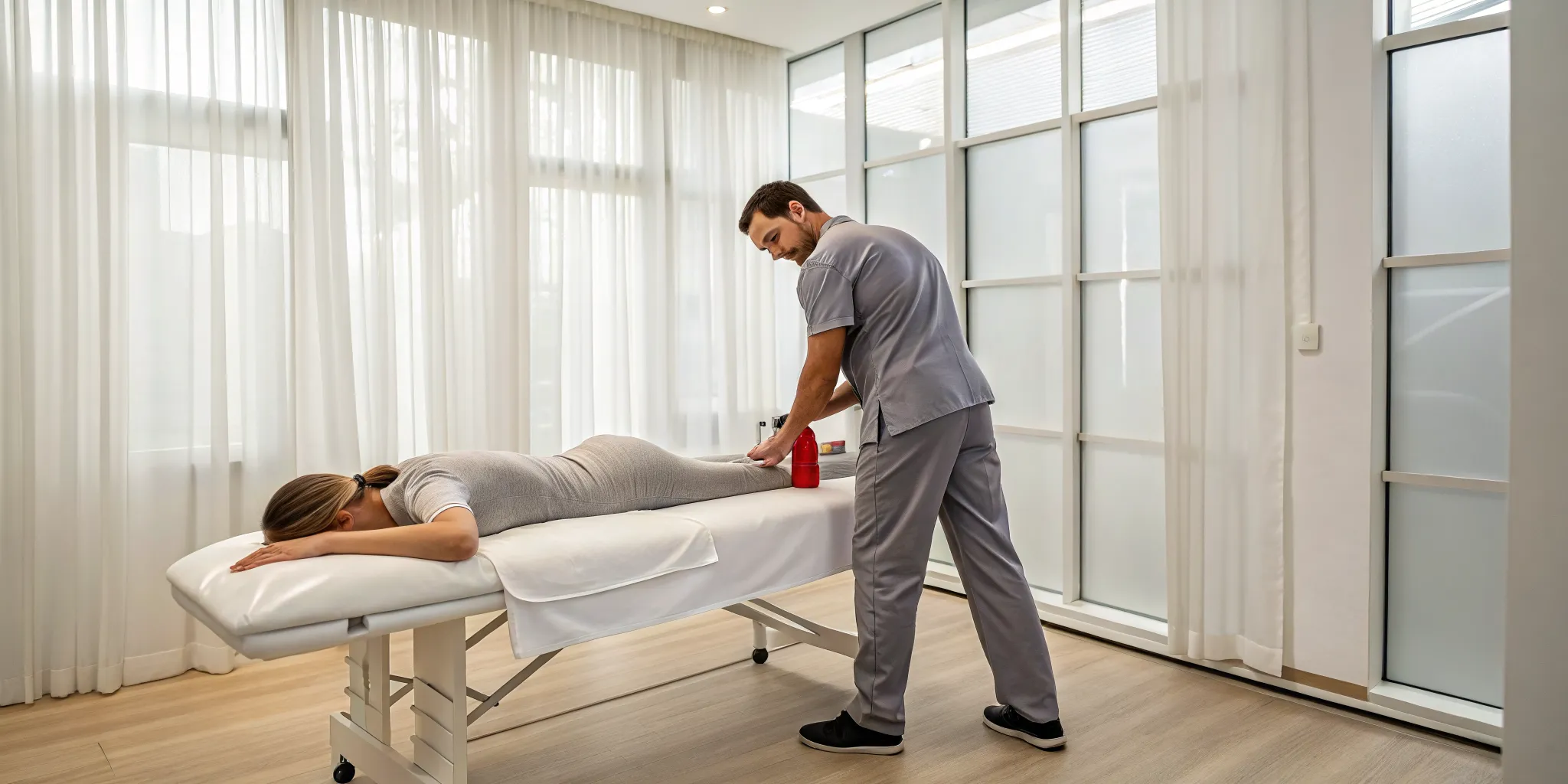
When you begin shockwave therapy, you’re starting a partnership with your body’s own healing abilities. Your treatment plan is designed to support this process from start to finish. At Ascend Functional Health, we create a personalized roadmap for you, ensuring each step is clear and tailored to your specific needs. We’ll discuss the frequency of your sessions, what to expect during each visit, and how we’ll track your progress together. This approach allows us to make real-time adjustments and ensure you’re getting the most out of every single treatment.
How Many Sessions Will You Need?
While every person’s healing journey is unique, a full treatment plan typically involves three to four sessions, spaced about one week apart. This schedule gives your body the time it needs to respond to the therapy and begin the regenerative process. Research shows this method is highly effective for many of the stubborn conditions we see, including plantar fasciitis and calcified tendinopathy in the shoulder. The goal isn't just to provide temporary comfort but to create lasting change by addressing the root cause of the discomfort, and a structured series of treatments is the best way to achieve that.
Why Multiple Sessions Lead to the Best Results
Think of shockwave therapy as a way to wake up your body’s internal repair crew. The first session sends the initial signal, and each subsequent session acts as a reminder, amplifying the healing response. This cumulative effect is key to achieving significant, long-term results. Spacing out the treatments allows us to build on the progress from the previous week, stimulating more blood flow, encouraging tissue repair, and reducing discomfort over time. This multi-session approach to physical medicine also lets us fine-tune the therapy based on your feedback, ensuring your plan is perfectly adapted to your body’s response.
Debunking Common Myths About Shockwave Therapy
When you’re exploring new ways to heal, it’s easy to run into misinformation. Let's clear the air and tackle some of the most common myths about shockwave therapy so you can feel confident about your options for recovery.
Myth: It’s Just for Athletes
You’ve likely heard about professional athletes using shockwave therapy to recover faster, and it’s true that it’s a powerful tool in sports medicine. But its benefits are not reserved for the pros. This treatment is for anyone dealing with stubborn pain from musculoskeletal issues, regardless of your activity level. Whether you have nagging heel pain from your morning walks or shoulder tension from hours at a desk, shockwave therapy can help. It addresses the root cause of many common conditions we treat, making it an effective option for anyone looking to get back to living without discomfort.
Myth: It’s the Same as Electric Shock
The word “shock” can be a little intimidating, but let's be clear: shockwave therapy has nothing to do with electricity. Instead of an electric current, this treatment uses acoustic waves, which are essentially high-energy sound waves. These waves create a gentle, pulsing or tapping sensation on the skin, targeting damaged tissue deep beneath the surface to stimulate your body’s natural healing response. It’s a key part of our physical medicine approach precisely because it’s non-invasive and works with your body, not against it. There are no jolts, just focused sound energy doing its job.
Myth: It’s an Unproven, Experimental Treatment
While it might be new to you, shockwave therapy is far from experimental. This technology has been used successfully in medical settings for decades, first gaining popularity for breaking up kidney stones before being adapted for musculoskeletal healing. It is a well-researched, established therapy with a long track record of helping people find lasting relief from chronic pain. At Ascend, our entire approach is built on providing personalized, research-backed protocols. We stand by shockwave therapy because we know it’s a proven method for activating your body’s innate ability to repair itself, which you can learn more about us and our philosophy.
Integrating Shockwave Therapy into Your Healing Plan
Adding shockwave therapy to your healing plan means incorporating a powerful, non-invasive tool into your recovery toolkit. Think of it less as a single treatment and more as a catalyst that works with your body’s own incredible ability to heal. This therapy uses high-energy sound waves to gently stimulate areas of chronic pain or injury, effectively waking up the cells and prompting them to get back to work. It’s a way to encourage your body’s natural healing response, particularly in spots where recovery has stalled or for conditions that haven't responded to other methods.
The science behind it is fascinating. These sound waves help reduce pain by directly affecting nerve fibers, giving you relief while the deeper healing happens. More importantly, they kickstart tissue regeneration by encouraging the growth of new blood vessels and helping your cells produce more collagen, the protein that’s essential for repairing muscles, tendons, and other tissues. This focus on rebuilding from the inside out is why shockwave therapy can provide such long-lasting results for muscle and bone pain. It’s a key part of a comprehensive physical medicine approach that aims to resolve issues at their source, not just quiet the symptoms.
Working in Harmony with Other Therapies
Shockwave therapy doesn’t have to be a solo act. In fact, it often works best when combined with other regenerative treatments. Because it stimulates your body’s foundational healing processes, it can create a better environment for other therapies to succeed. For example, studies show that using shockwave therapy can enhance the effectiveness of other regenerative medicine techniques by promoting the growth and activity of stem cells, which are vital for tissue repair. This collaborative approach ensures you’re addressing your health from multiple angles, giving your body the best possible support. By looking at all the services available, you and your provider can build a truly holistic plan.
Crafting Your Personalized Plan
While shockwave therapy is effective for many musculoskeletal conditions, it’s not a one-size-fits-all solution. The most important step is to determine how it fits into your specific health picture. A thorough consultation with a healthcare professional is essential to create a plan tailored to your body and your goals. Your provider will assess your condition, discuss your health history, and decide if this therapy is the right move for you. This is especially true for chronic issues where other treatments have fallen short. A personalized strategy ensures you receive the right application of the therapy to achieve optimal health and a successful recovery.
Related Articles
- SoftWave Tissue Regeneration Therapy in Tampa | Alessi Functional Health
- Regenerative Medicine for Pain Recovery | Ascend Functional Health
- SoftWave TRT Therapy in Tampa, FL - Alessi Functional Health
- Regenerative Medicine for Knee Arthritis: What to Know
- What Is Soft Tissue Therapy? A Complete Guide
Frequently Asked Questions
What should I expect during my first shockwave therapy appointment? Your first appointment is typically straightforward and quick. After we confirm the target area, we will apply a gel to your skin, which helps the sound waves travel more effectively. You will then feel a tapping or pulsing sensation from the applicator as we move it over the injured spot. We can adjust the intensity to ensure you remain comfortable throughout the session, which usually lasts between 5 and 10 minutes. Afterward, you can go right back to your day.
How soon will I feel results from the treatment? While some people notice a reduction in pain after the first session, the real magic happens over time. Shockwave therapy works by stimulating your body's own repair cycle, which is a gradual process. The most significant and lasting results typically develop in the weeks following your full series of treatments as your body rebuilds tissue and improves circulation to the area. Patience is key, as you are healing the root cause of the problem, not just masking it.
Why are multiple sessions necessary if the therapy is so effective? Think of it as reminding your body to stay focused on healing. The first session acts as a wake-up call to the injured tissue, and each follow-up treatment builds on that momentum. This cumulative effect is what creates a powerful and lasting healing response. Spacing the sessions out gives your body time to react and begin repairing itself, allowing us to amplify that process with each visit for the best possible long-term outcome.
Can I continue my normal activities while undergoing treatment? Yes, one of the major advantages of shockwave therapy is the minimal downtime. Most people can continue with their daily routines immediately after a session. We may suggest you avoid high-impact or strenuous activities that directly stress the treated area for a day or two, but you won't be sidelined. Staying active in a gentle way can even support the healing process by promoting healthy blood flow.
Why choose shockwave therapy before trying more invasive options like injections? Shockwave therapy is an excellent first-line approach because it is completely non-invasive and works by supporting your body’s natural ability to heal. It addresses the underlying issue by stimulating tissue repair and improving blood flow without introducing any substances into your body or requiring needles. For many chronic conditions, this is enough to achieve lasting relief, making it a safe and effective way to resolve pain before considering more complex procedures.