Getting a straight answer about healthcare expenses can feel impossible. We believe in transparency, which is why we want to talk openly about the cost of spinal decompression therapy. There isn’t a single price tag, because your care shouldn’t be a one-size-fits-all solution. The total investment depends entirely on your unique condition, the provider’s expertise, and the specific technology used to help you heal. Instead of giving you a vague estimate, this article will walk you through every factor, from the price per session to the cost of a full treatment plan, so you can understand the value and plan effectively for your journey back to wellness.
Key Takeaways
- Understand the full investment: A complete spinal decompression plan typically costs between $1,000 and $5,000, which covers a personalized series of treatments designed for your specific condition, not just individual session fees.
- Commit to the process for lasting results: Effective spinal decompression is a process, not a single event. Lasting relief requires a consistent series of treatments over several weeks to properly address the underlying cause of your pain.
- Choose your provider based on expertise: The quality of your provider is more important than the price tag. Look for a team with specialized experience that creates personalized plans and communicates costs clearly to ensure you receive the best possible care.
How Much Does Spinal Decompression Therapy Cost?
Thinking about the cost of any health treatment is a practical and important step. When it comes to spinal decompression, viewing the expense as an investment in your long-term well-being can help frame your decision. The total cost isn't a single number; it's a range that depends entirely on your unique situation and the personalized care plan designed to get you back to feeling your best.
The price reflects a comprehensive approach aimed at addressing the root of your discomfort, not just masking symptoms. Factors like the provider's expertise, the technology used, and the specifics of your condition all play a role in determining the final cost. At Ascend Functional Health, we focus on creating a clear and transparent plan that aligns with your health goals. Our team is dedicated to guiding you through your physical medicine options so you can make an informed choice for your health journey.
Understanding the Price Per Session
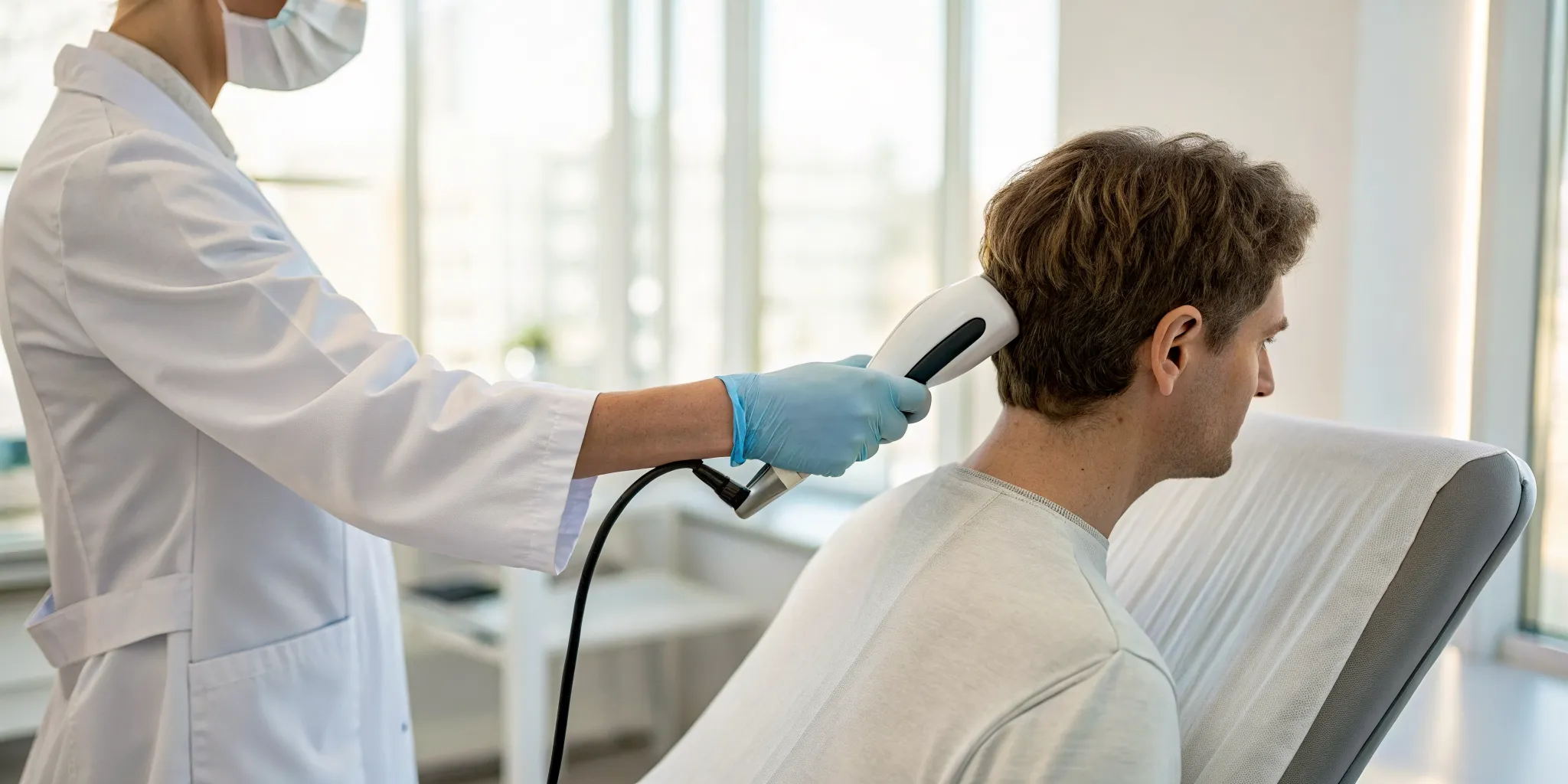
When you look at the cost of spinal decompression, it’s helpful to start with the price per session. Generally, a single session can range from about $75 to $125, though some clinics may fall outside this window. This variation often comes down to the clinic’s location, the practitioner’s level of experience, and the specific type of decompression table being used. A more advanced table might contribute to a higher session price, but it can also provide a more precise and comfortable experience. Think of it less as a standard fee and more as a reflection of the quality and specificity of the care you are receiving during each visit.
Estimating the Cost of a Full Treatment Plan
Spinal decompression is a process, not a one-time fix. To achieve lasting relief, you’ll need a series of treatments. A complete plan typically involves 15 to 30 sessions spread over several weeks. Based on the per-session rate, a full course of treatment can range from around $1,000 to $5,000. This structured approach is designed to gently and consistently relieve pressure on your spinal discs, giving your body the time it needs to heal properly. Understanding the full scope of the treatment plan from the start helps you prepare for the commitment required to address the underlying conditions we treat and achieve meaningful, long-term results.
How Treatment Frequency Affects Your Total Investment
The frequency of your sessions is a key factor in your total investment. Someone dealing with a more recent injury might see results with fewer sessions, while a person with a chronic, long-standing issue like sciatica or a herniated disc may require a more intensive plan. Your provider will create a schedule based on the severity of your condition and how your body responds to the initial treatments. The goal is always to provide the most effective care path. This personalized approach ensures your treatment plan is tailored to you, which is central to our philosophy of addressing the root cause of health concerns.
What Factors Influence the Price?
When you're exploring spinal decompression, you'll find that the total investment can vary. This isn't because clinics are picking numbers out of a hat; it's because several key factors shape the cost of a truly personalized treatment plan. Understanding these elements will help you see the full picture and make an informed decision about your health.
Provider Experience and Clinic Setting
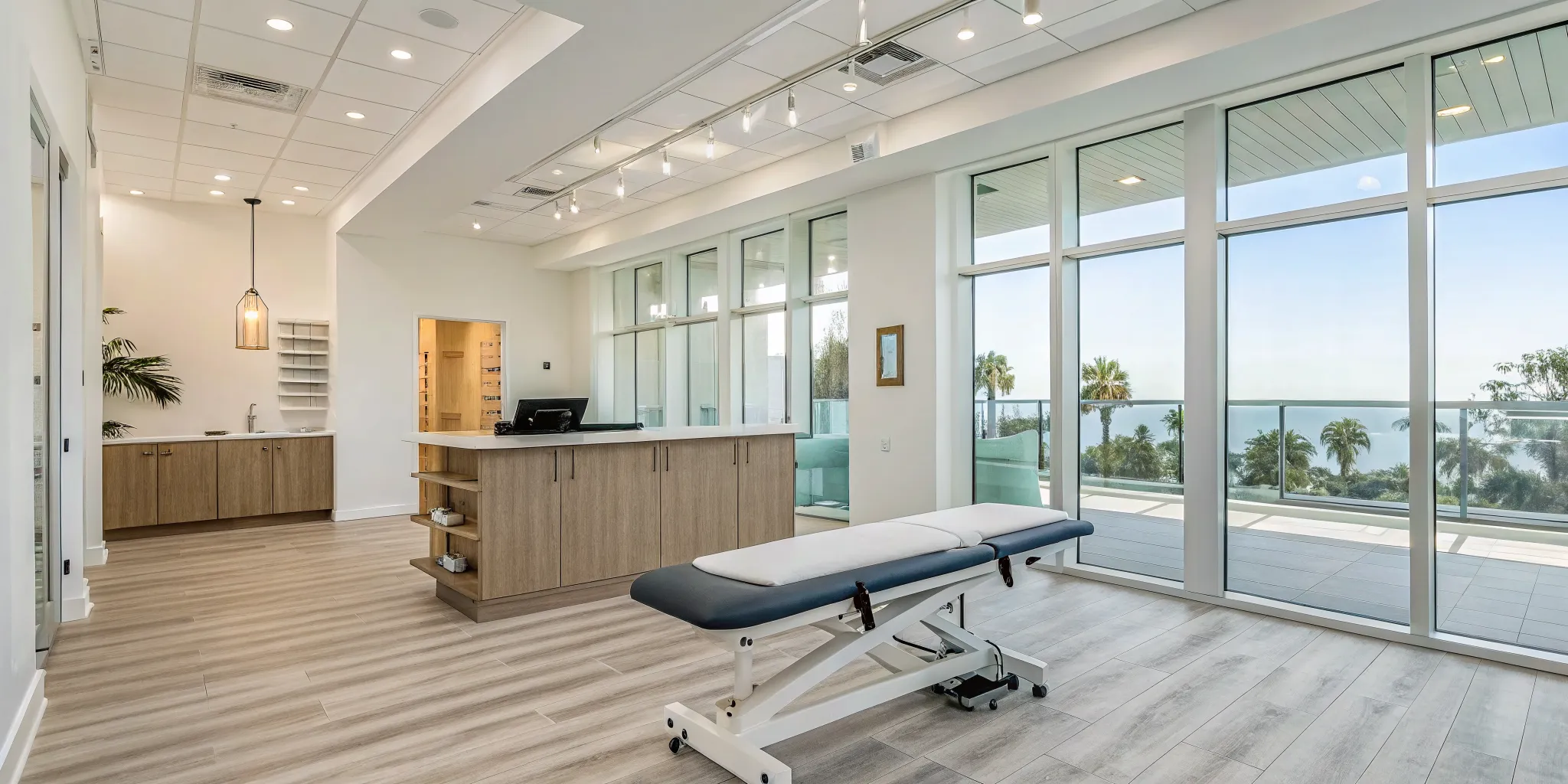
The level of expertise a provider brings to the table is a significant factor. A practitioner with years of specialized experience in spinal health and decompression therapy has a deep understanding of the body's mechanics and what it takes to achieve lasting results. At Ascend Functional Health, our team is dedicated to providing expert care, and we believe that the right experience is fundamental to your healing journey. A clinic's setting and its commitment to patient-centered care also play a role in the overall value you receive.
The Severity of Your Condition
Your body and your health history are unique, so your treatment plan should be, too. The price of spinal decompression therapy often reflects the complexity of your specific condition. Someone dealing with a recent, minor issue may require a different approach than someone who has been managing chronic pain for years. A thorough physical medicine assessment allows a provider to create a tailored protocol that addresses the root cause of your discomfort, ensuring the treatment plan matches the level of care you need to get back to feeling your best.
Your Geographic Location
Where a clinic is located can also influence the price of its services. You might notice that practices in major metropolitan areas have different pricing structures than those in smaller towns. This is often tied to the higher operational expenses of running a business in a bustling city like Tampa. While location is a factor, it's most important to find a provider you trust. We recommend focusing on the quality of care and the expertise of the team when making your decision. You can find our Tampa clinic location and see if it's a convenient fit for you.
The Technology and Equipment Used
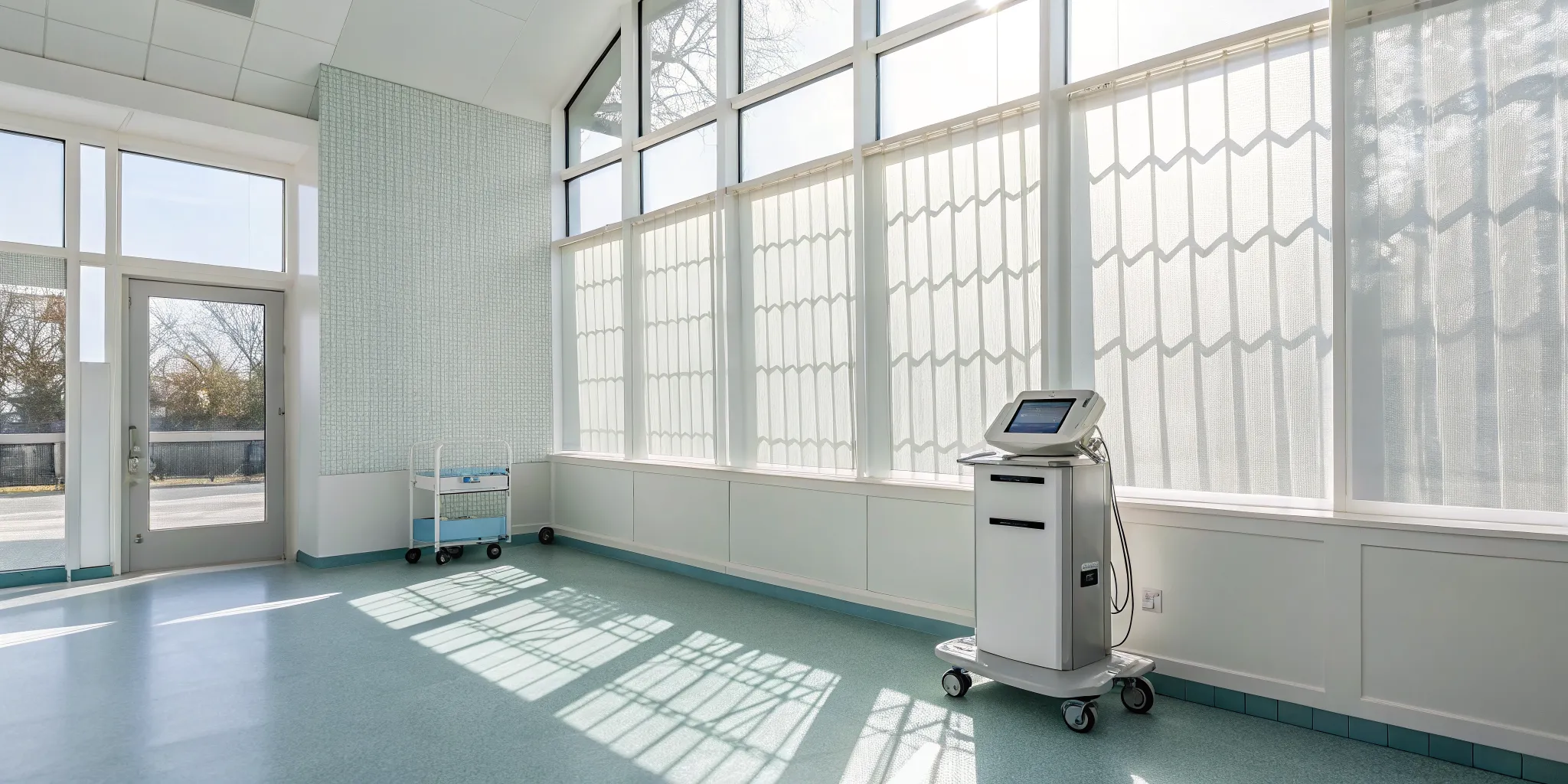
The quality of the equipment used during your sessions matters. Clinics that invest in state-of-the-art spinal decompression technology are committed to providing effective and comfortable treatments. Advanced equipment allows for precise, gentle adjustments that are tailored to your body’s needs. While this cutting-edge technology can influence the overall price, it's a critical part of a high-quality treatment plan. When you see a clinic using modern equipment, it’s often a sign that they are dedicated to offering the best possible services and outcomes for their patients.
Planning for the Full Picture: Other Costs to Consider
When you’re thinking about the cost of spinal decompression, it’s helpful to look beyond the price of a single session. A successful treatment plan is a journey, and understanding all the potential costs from the start helps you plan your investment in your long-term health. Think of it less like a one-time purchase and more like a complete, personalized program designed to get you back to feeling your best. To give you a clear view of what to expect, let’s walk through the different components that make up the total cost of care. This way, you can feel confident and prepared as you take the next step toward relief.
Your Initial Consultation and Diagnostic Imaging
Your path to healing begins with a thorough initial consultation. This first appointment is all about understanding you, your health history, and the root cause of your discomfort. It’s a detailed conversation where your provider can assess your needs and determine if spinal decompression is the right fit for you. The price for this comprehensive evaluation typically ranges from $150 to $300. To get the most accurate diagnosis, your provider may also recommend diagnostic imaging, like an MRI. This allows for a precise look at what’s happening so we can tailor a plan specifically for the conditions we treat and ensure the best possible outcome.
Follow-Up Visits and Maintenance Care
Spinal decompression therapy delivers its best results through consistency. It’s not a one-and-done treatment but a process that gently and steadily works to relieve pressure and promote healing over time. A typical treatment plan involves a series of sessions, usually between 12 and 20 visits spread over four to six weeks. The total investment for a full course of treatment often falls between $1,000 and $5,000. Each follow-up visit generally costs between $50 and $250. This structured approach is a core part of our physical medicine protocols, as it supports your body’s ability to heal for lasting relief.
Supplemental Therapies and Recommended Products
To help you get the best results, your provider may suggest combining spinal decompression with other supportive therapies. A truly holistic approach might include corrective exercises, massage, or other treatments that complement the work of the decompression table. Adding these elements can sometimes adjust the per-visit price, but it often enhances the effectiveness of your treatment, potentially reducing the total number of sessions you need. Your personalized plan may also include recommendations for products like special support belts or nutritional supplements to aid your body’s healing process. These are all part of the comprehensive services designed to support you from every angle.
Common Myths About Spinal Decompression Costs
When you're dealing with persistent back or neck pain, you want a solution that works. Spinal decompression therapy can be an incredible option, but it's easy to get tangled up in misconceptions about the cost. Let's clear the air and look at some of the most common myths. Understanding the financial side of your care plan helps you make confident decisions about your health journey. It’s about finding a path to relief for conditions like sciatica or herniated discs that fits your goals and expectations.
"My health plan will cover it."
It’s a common assumption that your health benefits will automatically take care of the cost for any recommended therapy. However, many health plans consider non-surgical spinal decompression to be an elective or "experimental" service. Because of this classification, they may not contribute to the expense, leaving you to handle the full investment yourself. It’s always a good idea to understand the specifics of your benefits package ahead of time so you can plan accordingly and avoid any surprises down the road. This proactive step ensures you have a clear financial picture before you begin treatment.
"The lowest price is always the best deal."
When you're in pain, it can be tempting to look for the most budget-friendly option available. But when it comes to your health, the lowest price tag doesn't always equal the best value. A provider offering a rock-bottom price may be cutting corners on technology, experience, or the time they spend with you. Instead, look for a clinic that offers transparent pricing and focuses on your long-term well-being. The goal is to find a partner in your health who provides a comprehensive plan designed for lasting results, which is a far better investment than a temporary, low-cost fix.
"One or two sessions will be enough."
Spinal decompression provides relief by gently stretching the spine over time, and that process isn't a one-and-done event. It’s a therapeutic process that requires consistency to be effective. Most people need a series of sessions, typically scheduled over several weeks, to achieve significant and lasting results. Thinking of it as a single appointment is a common mistake. Instead, you should expect a dedicated treatment schedule. This commitment is what allows your body the time it needs to heal properly, helping you get back to living your life with less pain.
"All clinics offer the same quality of care."
The truth is, the quality of care can differ greatly from one clinic to another. A provider’s level of experience, the sophistication of their equipment, and their overall approach to patient wellness all contribute to your outcome. A clinic that invests in advanced technology and creates truly personalized treatment plans may have a different price structure than one with a more generic approach. Choosing the right provider is about more than just cost; it's about finding an expert you trust to guide your healing process and deliver the best possible results for your specific condition.
How to Plan for the Cost of Spinal Decompression
Thinking about the financial side of your health journey is a practical and important step. When considering spinal decompression, having a clear plan can make the process feel much more manageable. It’s about understanding the potential expenses and exploring the resources available to you, so you can focus on what truly matters: getting back to feeling your best. By preparing ahead of time, you can approach your treatment with confidence and clarity, knowing you’ve made an informed decision for both your health and your budget. Let’s walk through how you can effectively plan for the cost.
Understanding Coverage Limitations
One of the first questions people have is about what their health benefit plan might contribute. It’s helpful to know that many health plans currently view non-surgical spinal decompression as an elective or developing therapy. Because of this, they often do not assist with the expense when it's a standalone treatment. However, the situation can be different when decompression is integrated into a comprehensive care strategy. When it's part of a broader physical medicine plan that includes other corrective therapies, some portions of your overall care may be eligible for assistance. It’s always best to clarify these details directly with your benefits provider.
Using Your HSA/FSA and Exploring Payment Options
Even if your health plan doesn't assist with the cost, you still have great options for managing the expense. Many people use tax-advantaged funds from a Health Savings Account (HSA) or Flexible Spending Account (FSA) to pay for their treatment. This is a fantastic way to use pre-tax dollars for your health care. Additionally, most clinics understand that this is a significant investment in your well-being and offer ways to make it more accessible. Don't hesitate to ask our team about available payment structures or if they offer packages for a full series of sessions, which can sometimes present a better value than paying one visit at a time.
Key Questions to Ask Before Starting Treatment
Before you begin any new therapy, you should feel completely confident in your provider and your treatment plan. A great way to build that confidence is by asking plenty of questions during your initial consultation. This helps you understand the process and ensures the clinic is the right fit for you.
Consider asking questions like:
- What is your experience in treating conditions similar to mine?
- What kind of technology do you use, and why did you choose it?
- How many sessions do you typically recommend for someone with my condition?
- How will we track and measure my progress?
- What does a full treatment plan look like beyond the decompression sessions?
A provider who is transparent and thorough in their answers is a great sign that you’re in good hands. Learning about the clinic's approach and the team's expertise will empower you to make the best decision for your health.
Is Spinal Decompression a Worthwhile Investment in Your Health?
When you're dealing with persistent back or neck pain, it’s easy to focus on the immediate price of treatment. However, it’s more helpful to think of it as an investment in your long-term well-being. The true value of spinal decompression isn't just about the sessions themselves; it's about what you get back in return, like pain-free days, better mobility, and a higher quality of life. Deciding if it's the right investment for you comes down to understanding its effectiveness, comparing it to temporary fixes, and clarifying your personal health goals.
Examining Success Rates and Long-Term Results
It’s natural to wonder if spinal decompression really works. While no treatment is a guarantee for everyone, the results are very encouraging. Studies show high success rates, with some research indicating that 70% to 90% of patients experience significant pain reduction. For specific conditions like herniated discs, some reports find that around 86% of people get much better with this therapy. The key to lasting success often involves combining decompression with other supportive care. At Ascend, we integrate it into a broader physical medicine plan that may include corrective exercises to strengthen your body and prevent future issues, giving you the best chance for long-term relief.
The Value of Long-Term Relief vs. Short-Term Fixes
Many common approaches to back pain only offer temporary relief by masking the symptoms. Spinal decompression is different because it’s designed to address the underlying cause of your pain: pressure on your spinal discs and nerves. By gently creating space in the spine, it helps alleviate the root problem, paving the way for lasting results. While the initial investment might be more than a short-term solution, the long-term value is often far greater. Think about the cumulative expense and time spent on treatments that only last for a short while. Investing in a solution that provides durable relief from the conditions we treat can ultimately give you back your freedom and function.
How to Evaluate Your Personal Treatment Goals
Ultimately, the best way to know if spinal decompression is right for you is to get clear on your personal goals. What does a life without pain look like for you? Do you want to get back to playing golf, gardening, or simply lifting your kids without wincing? Are you hoping to find a non-surgical solution to your chronic discomfort? A thorough pre-treatment evaluation and a conversation with a knowledgeable provider are critical. This is your opportunity to discuss your health history, your goals, and your concerns. A professional can help you understand if you are a good candidate and what a realistic outcome looks like. You can start that conversation with our team to see if this treatment aligns with your vision for a healthier future.
Comparing the Cost to Other Treatment Options
When you’re dealing with persistent back or neck pain, it’s natural to weigh all your options. Thinking about the cost of spinal decompression therapy is more meaningful when you compare it to the financial and personal costs of other common treatments. While every person’s path to healing is unique, understanding the full picture of what each approach entails can help you make a confident and informed decision for your long-term health. Let's look at how spinal decompression stacks up against surgical procedures, ongoing pain management, and physical therapy.
Spinal Decompression vs. Surgical Procedures
Surgery is a serious step, often seen as a last resort for chronic spinal pain. The financial commitment is significant, with invasive back operations potentially costing between $50,000 and $150,000. Beyond the price tag, there's the extensive recovery period, which can last anywhere from six to twelve months, keeping you away from work, family, and the activities you love. Spinal decompression offers a non-invasive alternative that helps many people find relief without the risks and downtime of an operation. By gently creating space in the spine, it addresses the root of the problem, making it a proactive step you can take to potentially avoid more drastic measures.
Spinal Decompression vs. Ongoing Pain Management
Managing chronic pain often involves a cycle of appointments and prescriptions that only mask the symptoms. Relying on pain-relieving pills can become a costly long-term strategy, with expenses running from $100 to $300 every month for years. This approach doesn't fix the underlying issue and can add up to thousands of dollars over time. Furthermore, living with unresolved chronic pain can impact your ability to work, leading to an estimated $8,000 to $12,000 in lost wages each year. Investing in a corrective treatment like spinal decompression targets the structural cause of your pain, offering a path toward lasting relief and freedom from a cycle of managing symptoms.
Spinal Decompression vs. Physical Therapy
Physical therapy is an excellent tool for strengthening the muscles that support your spine and improving mobility. However, for specific issues like herniated discs, sciatica, or degenerative disc disease, general exercises may not be enough. Spinal decompression is a specialized therapy designed to do one thing exceptionally well: relieve pressure on your spinal discs and nerves. This targeted approach is a safe, non-invasive way to create negative pressure within the disc, which can help retract bulging material and draw in healing nutrients. At Ascend Functional Health, we often integrate it with other physical medicine techniques to create a comprehensive plan that both stabilizes and heals your spine for the best possible outcome.
How to Choose the Right Spinal Decompression Provider
Finding the right provider is just as important as the therapy itself. You’re not just buying a service; you’re choosing a partner for your health journey. The right team will not only have the technical expertise but will also provide the support and personalized attention you need to see lasting results. Your experience and outcome are directly tied to the quality of care you receive, so it’s worth taking the time to find a clinic that truly aligns with your health goals. A great provider will listen to your concerns, understand your history, and work with you to create a path toward relief.
Look for Credentials and Experience
When you’re exploring your options, start by looking at the provider’s credentials. It’s important to find a doctor who is licensed and specifically trained in spinal decompression therapy. Don’t be shy about asking about their experience. How long have they been offering this treatment? What kind of success have they seen with conditions similar to yours? A provider with a deep well of experience in physical medicine can make a significant difference in the effectiveness of your treatment. Their expertise helps ensure the therapy is applied correctly and adjusted perfectly for your body’s needs, leading to a safer and more successful outcome.
Ensure They Create Personalized Treatment Plans
Spinal decompression should never be a one-size-fits-all approach. A reputable provider will begin with a thorough assessment to understand the root cause of your pain before recommending a course of action. They should develop a treatment plan tailored specifically to you. During your consultation, ask how many sessions they anticipate you’ll need and what their approach is for patients with similar health concerns. This kind of personalized strategy shows that the provider sees you as an individual and is committed to finding a solution that works for your unique situation, rather than just applying a standard protocol.
Ask for Transparent Pricing and Clear Communication
Clear and honest communication about costs is a hallmark of a trustworthy provider. Instead of just asking for the price per session, request a complete breakdown of the estimated cost for your entire treatment plan. This helps you understand the full financial picture from the start. It’s also wise to clarify what that total includes. Does it cover the initial consultation, any necessary diagnostic imaging, or follow-up visits? A provider who is upfront and transparent about all potential costs is one you can feel confident in. If you have questions, a good team will be happy to answer them without hesitation.
Start Your Path to Relief at Ascend Functional Health
Making an informed decision about your health is the most important step you can take. Now that you understand the factors involved with this therapy, you can focus on finding a provider who aligns with your long-term wellness goals. At Ascend Functional Health, we specialize in helping people move past chronic pain by addressing the underlying cause of their discomfort. Our approach to physical medicine is designed to create lasting results, not just temporary relief.
We believe that effective care is never one-size-fits-all. Your journey with us begins with a comprehensive evaluation where we listen to your story, understand your specific symptoms, and map out your health objectives. Spinal decompression is a highly effective therapy for many of the conditions we treat, but we see it as one part of a larger, personalized strategy. By integrating advanced therapies with a holistic view of your health, we create a plan that supports your body’s natural ability to heal.
If you are in the Tampa area and ready to find a sustainable solution for your back or neck pain, we invite you to start a conversation with our team. We are committed to providing transparent communication and dedicated support throughout your entire healing process. You don’t have to manage your pain alone. Contact our office today to schedule your initial consultation and learn how our patient-centered approach can help you reclaim an active and comfortable life.
Related Articles
- Is Lumbar Decompression Chiropractic for You?
- Spinal Decompression Hurts Lower Back: Normal or Not?
- Revitalize Your Spine with Spinal Decompression Therapy in Tampa, FL
- Spinal Decompression Therapy in Tampa, FL - Alessi Functional Health
Frequently Asked Questions
Why isn't there a single price for spinal decompression? The cost of spinal decompression isn't a one-size-fits-all number because your treatment plan shouldn't be, either. The total investment reflects a program designed specifically for you, taking into account the severity of your condition, your health history, and your personal goals. A provider creates a unique protocol to address the root of your pain, so the final price depends on the number of sessions and any supportive therapies needed to achieve lasting results.
Will my health plan help with the cost? It's a common question, and the answer can be complex. Many health benefit plans consider non-surgical spinal decompression an elective therapy, so they may not contribute to the expense when it's a standalone service. However, some plans might assist with parts of a comprehensive physical medicine program. The best first step is to use tax-advantaged funds from an HSA or FSA, and you should always ask the clinic about their payment options and packages to make the investment more manageable.
Why do I need so many sessions? Can't I just do a few? Spinal decompression works by gently and consistently relieving pressure on your spinal discs over time, which gives your body the space it needs to heal. Think of it as a therapeutic process rather than a quick fix. A single session can provide some relief, but a series of treatments is necessary to create lasting structural change and durable results. This methodical approach is what helps you get back to your life without the pain returning.
Is spinal decompression really worth the investment compared to other treatments? When you compare spinal decompression to options that only mask symptoms, its value becomes clear. While some treatments offer temporary relief, they often require continuous expense and time without addressing the underlying problem. Spinal decompression is an investment in a long-term solution. By targeting the root cause of the pressure on your nerves and discs, it offers a path to genuine, lasting relief, which can save you from years of recurring costs and discomfort.
What happens during the initial consultation, and what does it cost? Your first visit is a comprehensive evaluation where we get to know you and your health story. It's a conversation focused on understanding your pain, your lifestyle, and your goals for recovery. This appointment, which typically costs between $150 and $300, allows the provider to determine if you are a good candidate for the therapy. They may also recommend imaging to get a precise diagnosis, ensuring any future treatment plan is built on a solid foundation.