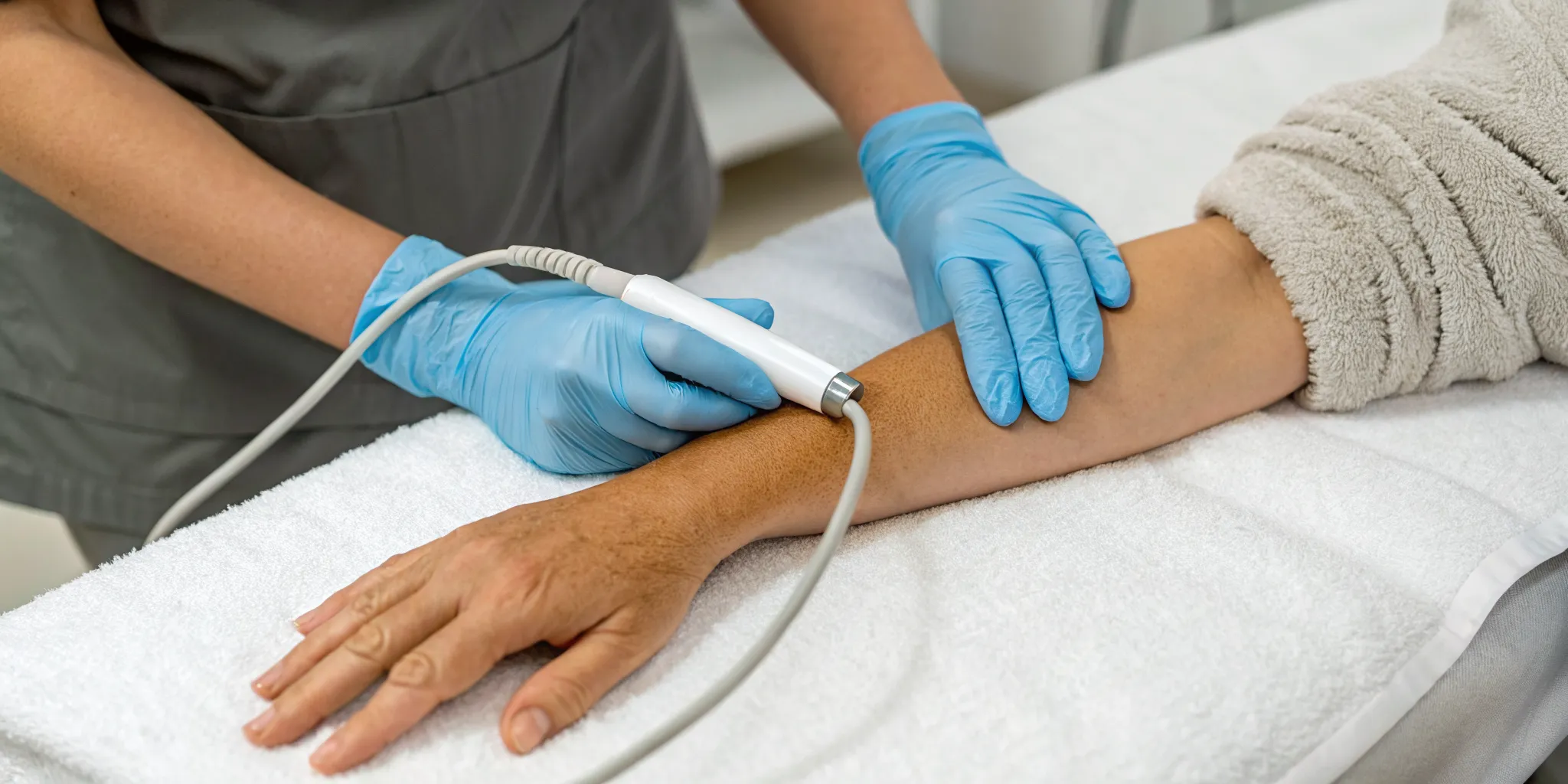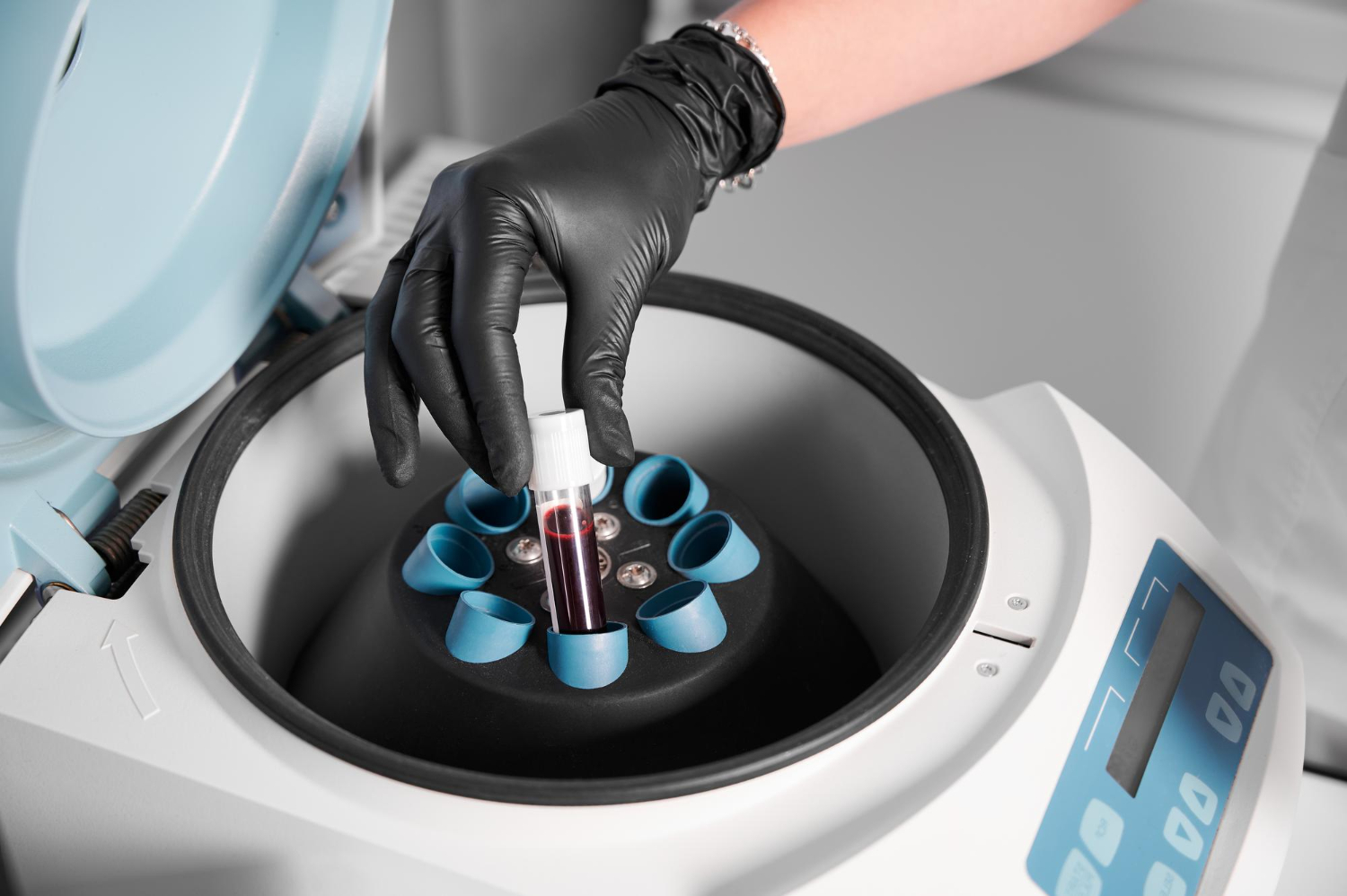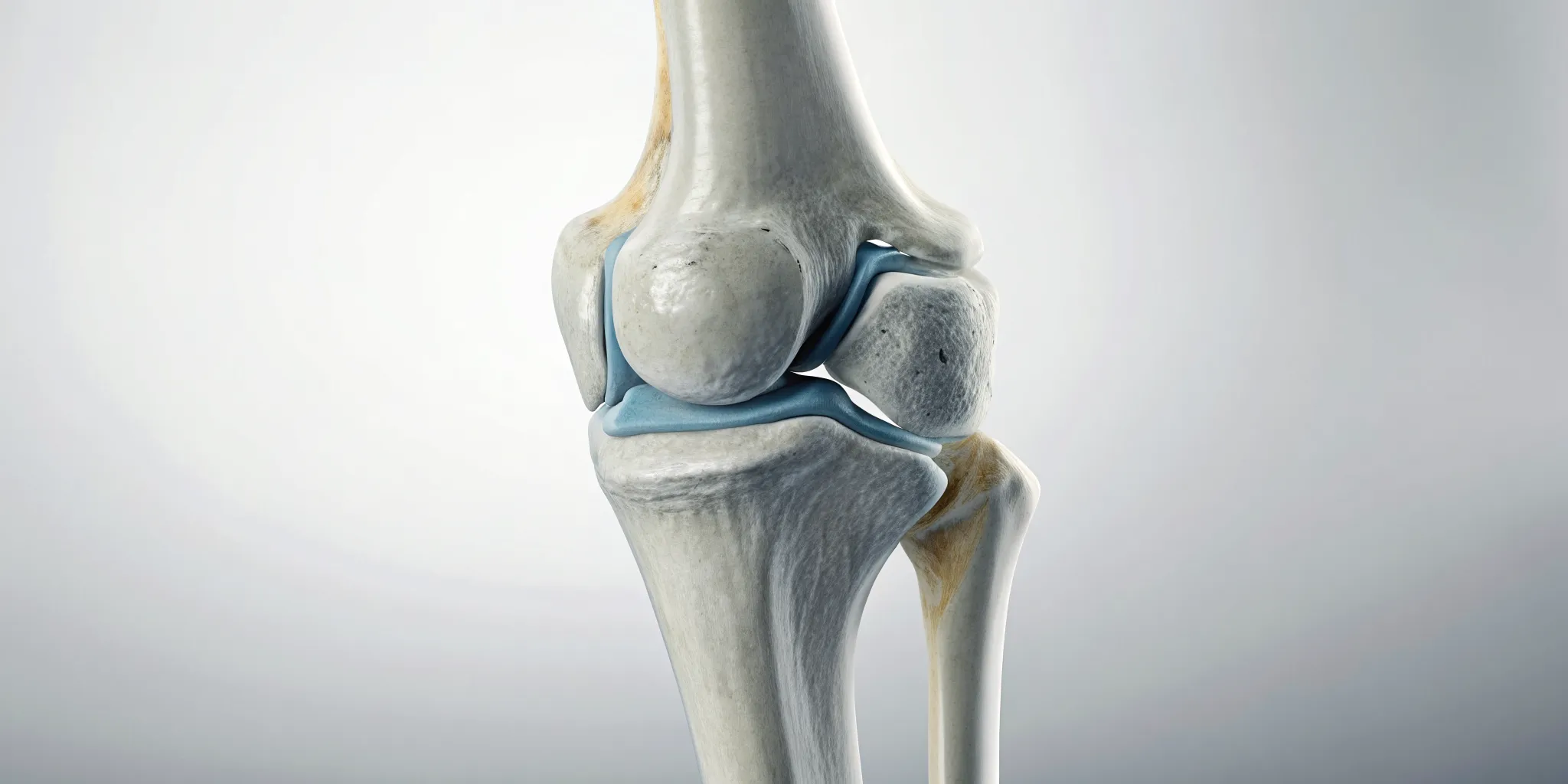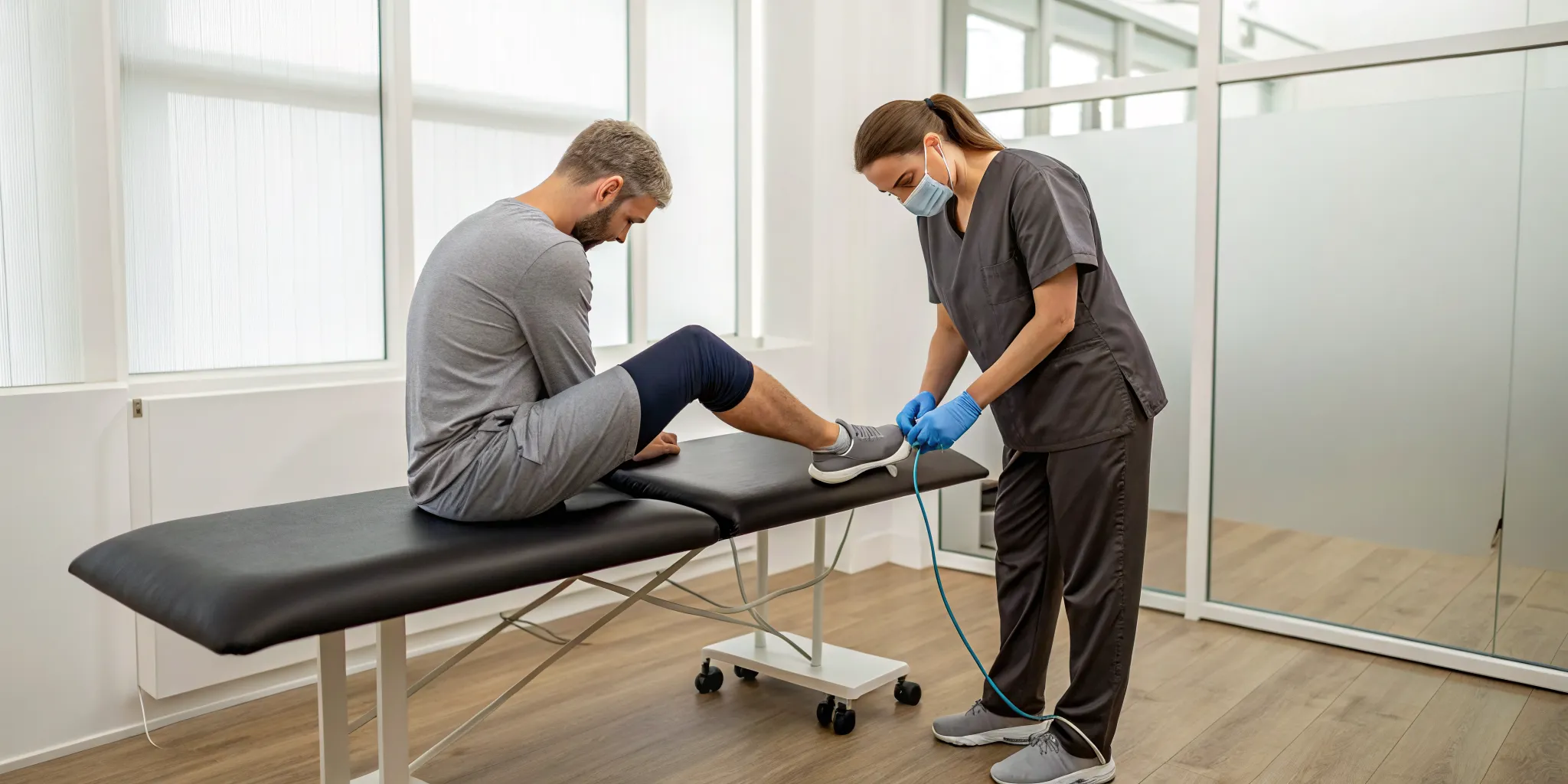

Men's health screening searches in Tampa often come from men who want a clearer plan for staying well as they get older. A useful screening conversation is not a one-size-fits-all checklist: age, personal and family history, current concerns, and preferences all shape which topics deserve attention. This guide offers men over 40 a practical way to prepare and decide what to discuss with a clinician.
Explore Physical Medicine care options
Mens Health Screening Tampa: Which Topics Should Men Over 40 Raise?
A screening visit is a chance to review preventive care, changes in how you feel, and factors that may shape your future health. Bring questions rather than assuming every test belongs on every person's checklist.
Start with the reason for the visit. You might want to review routine preventive care, understand a change in energy or sleep, or discuss how an old injury affects daily movement. Naming your priorities helps the clinician focus the conversation and clarify which issues need a separate, more detailed evaluation.
Common topics to raise include:
- Blood pressure, cholesterol, blood sugar, and other checks a clinician considers appropriate for your age and history.
- Prostate health, including the potential benefits and limitations of screening and how personal risk may affect the decision.
- Colorectal cancer screening options and timing, based on your health history and current guidance.
- Sleep quality, energy, mood, sexual health, and changes in body composition or strength.
- Heart health, tobacco or alcohol use, nutrition, movement, and recovery habits.
- Vaccines and other preventive services that may fit your age and circumstances.
Not every subject requires a test, and a test is not automatically useful just because it is available. Ask what a proposed check is intended to clarify, what a result could mean, and whether another approach makes sense for you. The U.S. Department of Veterans Affairs provides a general overview of recommended screening tests and immunizations for men; your own clinician can help interpret which recommendations apply to your situation: VA guidance on men's preventive screenings.
A useful way to organize the conversation is to separate prevention from symptoms. A preventive question may be, "Which checks are due based on my age and history?" A symptom question may be, "This change has lasted several weeks; what kind of evaluation would help clarify it?" Making that distinction keeps a broad check-in from becoming a rushed attempt to resolve every concern at once.
How do personal and family history shape the discussion?
Your health history can change which questions matter most and when a clinician may recommend follow-up. A concise timeline of relevant details can make the visit more useful than trying to recall everything on the spot.
Before the appointment, write down significant diagnoses, procedures, previous test results, and ongoing symptoms. Include the approximate date each issue began and whether it has changed. Note close relatives' major health conditions and the age they were diagnosed, if known. Family history is context for a conversation, not a prediction of what will happen to you.
Be specific about symptoms. Instead of saying only "I feel off," describe what has changed, when it began, how often it happens, and what makes it better or worse. For example, a man may note that his energy dips most afternoons, sleep is interrupted several nights a week, or stiffness is more noticeable after a long drive. Those details help a clinician decide whether a concern belongs in a routine screening conversation or calls for a separate assessment.
Also mention relevant routines and life changes. Work demands, travel, caregiving, physical activity, and a return to sport can affect sleep, stress, movement, and recovery. Share what has changed without assuming a single cause. A careful review can help distinguish a broad preventive discussion from a focused evaluation.
When details are uncertain, label them as estimates. For instance, "I think my last cholesterol check was two or three years ago" is more useful than presenting a guess as an exact date. If a close relative's diagnosis or age is unknown, say that too. The clinician can work with what you know and tell you whether additional records could change the discussion.
It can also help to track a pattern for a short period before the visit. Keep simple notes on timing, frequency, and effect on daily activities rather than trying to interpret the cause yourself. A compact record, for example, noting that sleep disruption occurs on certain nights or that a movement limitation appears after sitting, gives the clinician something concrete to explore.
Which tests or checks might a clinician discuss?
The right checks depend on your age, health history, risk factors, and the purpose of the visit. Ask the clinician to explain the reason for each proposed test and how its result could guide a next step.
A screening test looks for a concern before symptoms are apparent or evaluates a potential risk. It is different from a diagnostic test used to investigate a particular symptom. Some screening decisions involve trade-offs: a result may prompt more testing, while declining a test also has considerations. For prostate screening in particular, ask how benefits, limitations, personal history, and your preferences fit together rather than treating a single approach as right for everyone.
| Topic | What to ask | Useful preparation |
|---|---|---|
| Routine preventive checks | Which checks fit my age and history, and how often should we revisit them? | Bring available dates and results from prior evaluations. |
| Prostate health | What are the possible benefits and limitations of screening in my situation? | Share relevant family history and your questions or preferences. |
| Colorectal screening | Which approach and timing are appropriate for my history? | Note prior screening, related family history, and digestive changes. |
| Energy, sleep, or sexual health | Could this concern merit a focused evaluation beyond routine screening? | Track when it started, how often it occurs, and how it affects daily life. |
| Movement and recovery | Would an assessment of posture, mobility, or a recurring limitation be useful? | Describe affected activities and what movements bring on the concern. |
The table is a conversation aid, not a personal testing schedule. Recommendations can change, and your clinician can explain current guidance and how it applies to your circumstances. If a screening result needs further evaluation, ask who will coordinate that process and when you should expect follow-up.
Before agreeing to a test, make sure you understand its purpose, how to prepare, when and how results will be shared, and what kinds of follow-up could follow. A practical question is, "If the result is normal, does that change anything about my plan? If it is outside the expected range, what would we do next?" These questions can clarify whether a check answers the concern you brought in.
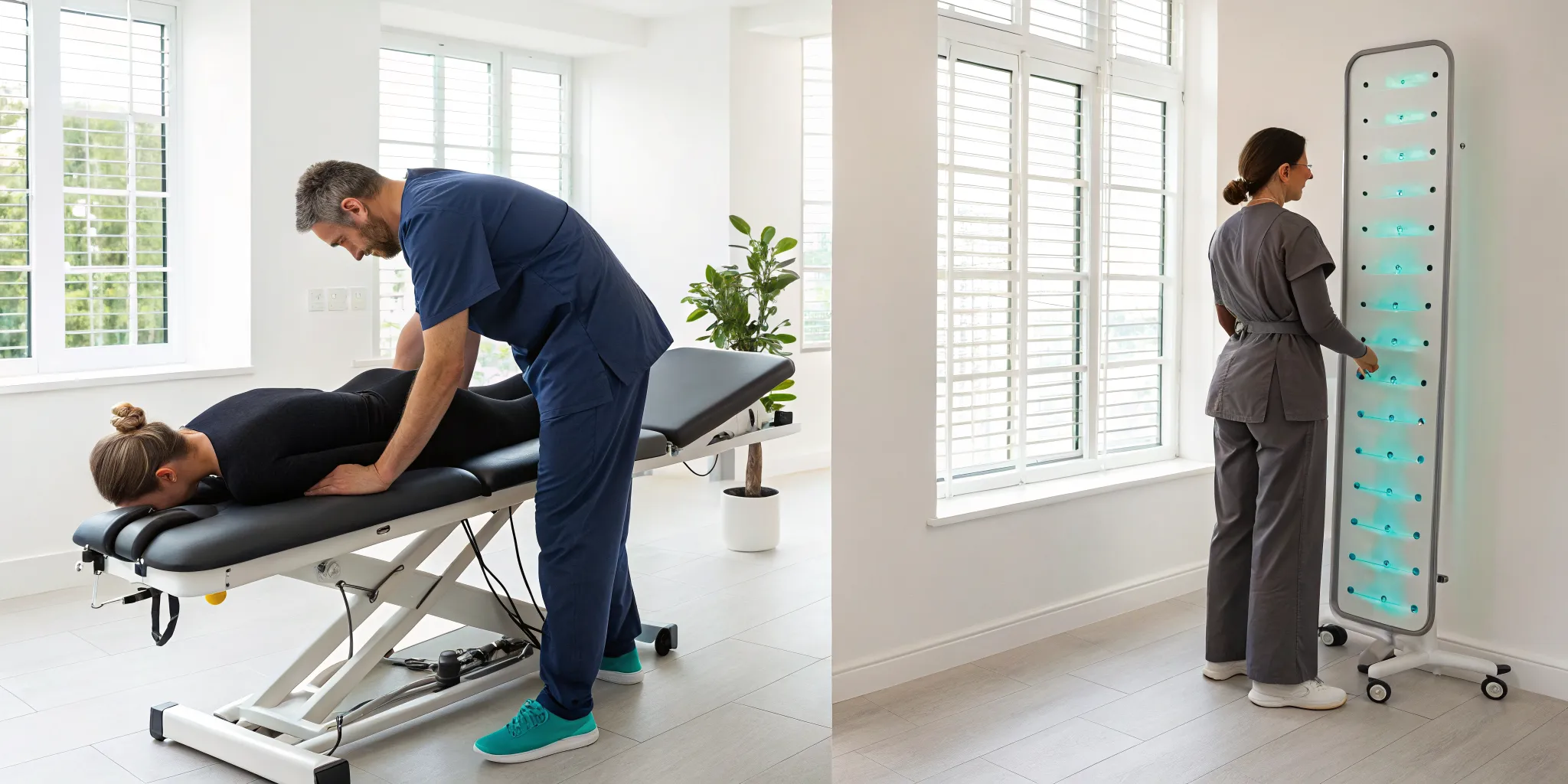
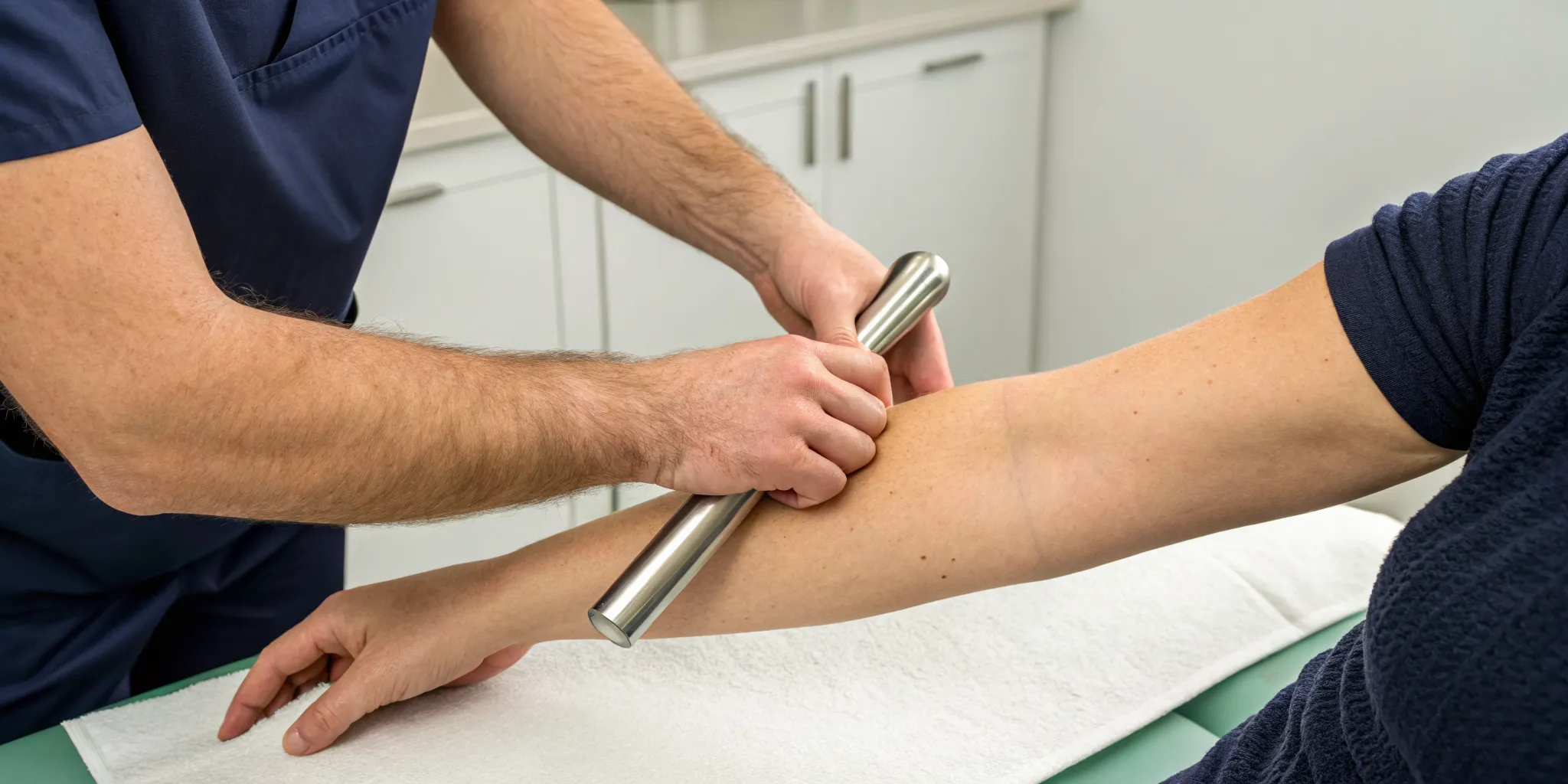
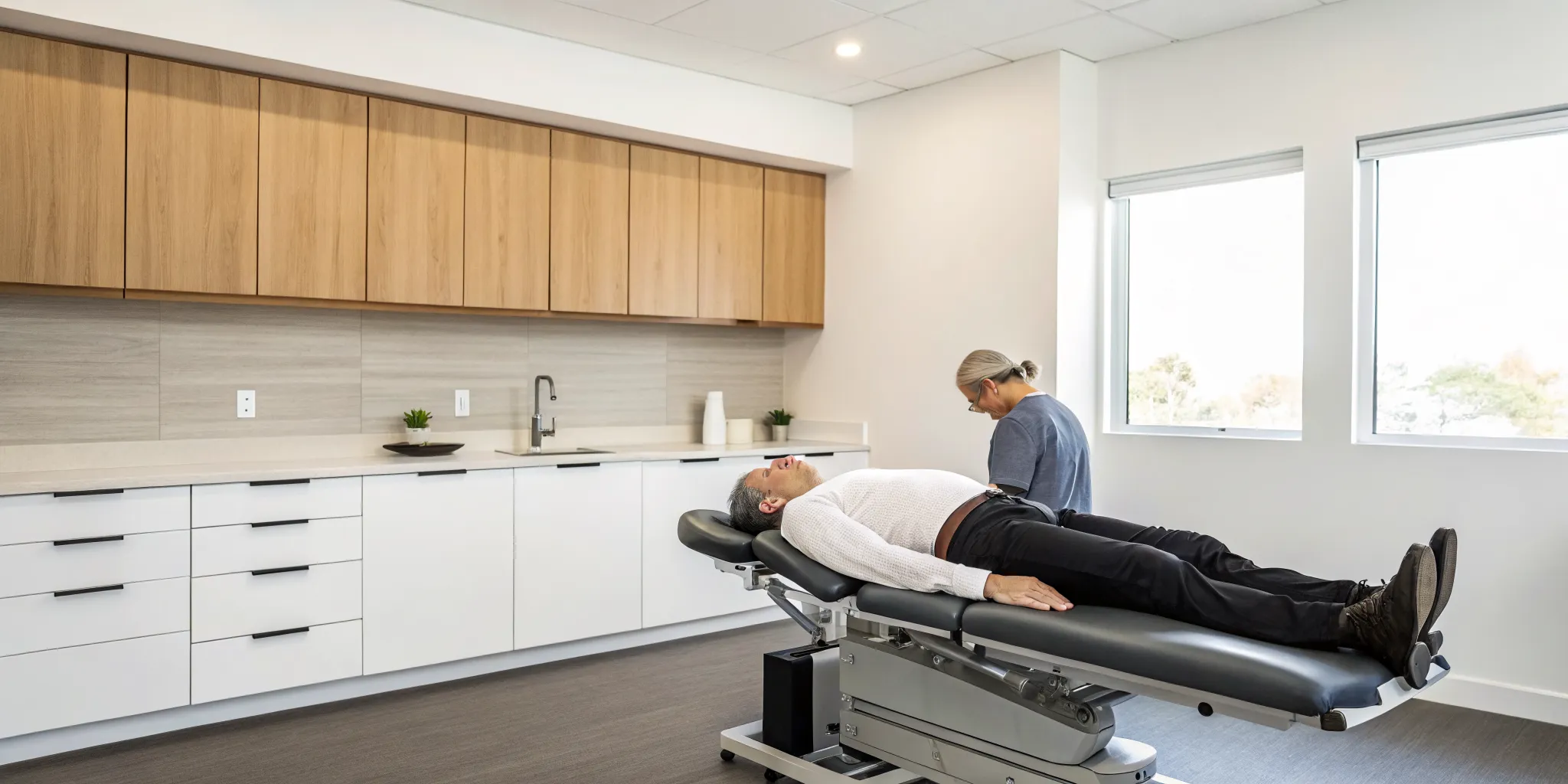
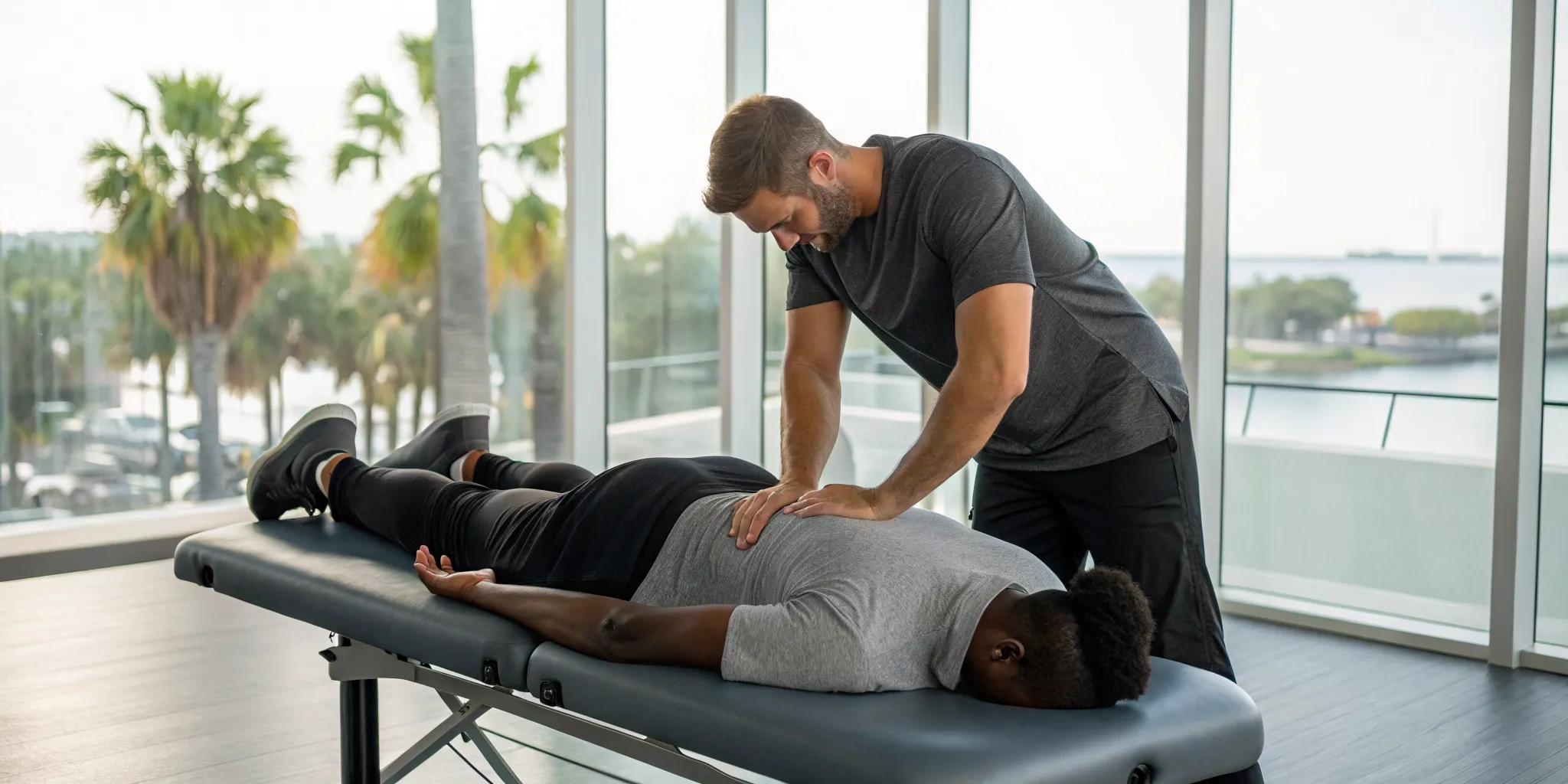
For a concern involving mobility or recurring physical limitations, you may also ask whether a separate movement-focused visit is appropriate. Ascend describes its chiropractic and related approaches within its Physical Medicine services. Screening and hands-on care serve different purposes, so clarify which kind of appointment addresses your question.
Mens Health Screening Tampa: How Can You Prepare for a Focused Appointment?
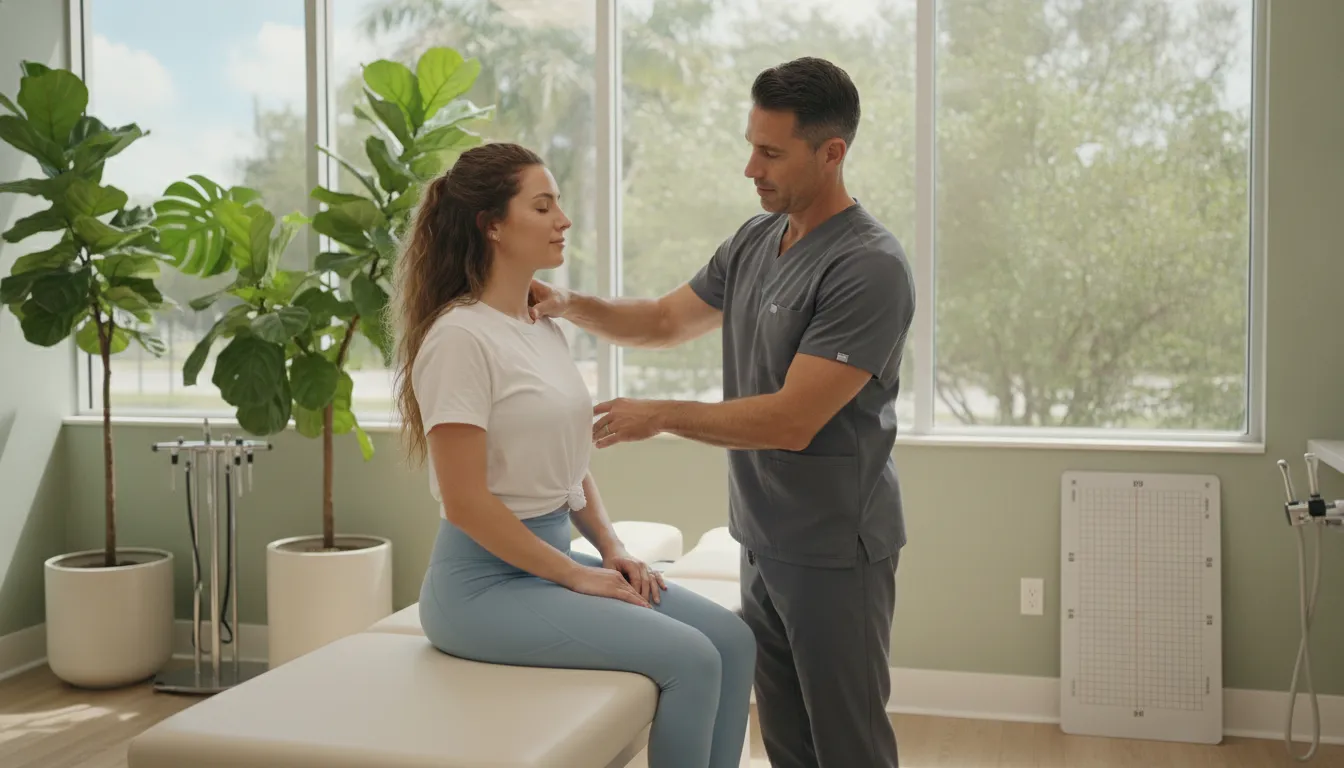
A little preparation helps you use the visit to discuss your priorities, understand options, and agree on what should happen next. You do not need a perfect record; a short, organized list is a practical start.
- Choose your top concerns. Write down the two or three questions you most want answered. Put the issue that matters most to you first.
- Make a timeline. Note when a symptom or change began, whether it is improving or worsening, and how it affects work, sleep, relationships, or activity.
- Gather available records. Bring prior screening dates and results, relevant imaging or lab reports, and a list of current prescriptions or other products you use. If a record is not available, say so rather than guessing.
- Record family history. Focus on close relatives and the condition and approximate age at diagnosis. Mark details you are unsure about.
- Describe your goals. Be clear about what you hope to maintain or do more comfortably, such as keeping up with family activities or returning to a regular walking routine.
- Ask about the process. Find out whether the visit includes a review of your history, whether any testing is being considered, and how results and follow-up will be discussed.
During the conversation, it is reasonable to ask for plain-language explanations. Useful questions include: "What are we looking for?" "How would the result change the plan?" "Are there other options?" and "When should I check back?" If you are uncertain about a recommendation, say what concerns you. Shared planning gives you and the clinician a chance to weigh the information together.
Ascend Functional Health describes its approach as personalized care organized around Physical Medicine, Functional Medicine, and Regenerative Medicine. For a broader overview of its Functional Medicine approach, review the practice's service information before deciding whether a consultation matches the subject you want to discuss. A visit should clarify fit and next steps, not assume that every concern needs the same evaluation.
You can make the visit easier to follow by bringing a short written list and leaving room to add answers. If a question cannot be addressed during that appointment, ask whether it needs another visit or a different kind of evaluation. Before leaving, repeat the plan in your own words: what will happen, who is responsible for each follow-up, and when you should expect an update. This simple recap can prevent an important next step from getting lost.
How can movement and recovery concerns fit into a screening conversation?
Changes in movement and recovery are worth describing, especially when they affect activities you value. A general preventive visit may help you frame the concern, while a focused assessment can explore it in greater depth.
Think about function rather than only a label. Can you climb stairs, sit through a workday, carry groceries, or enjoy a familiar activity as comfortably as before? Note any limits, how long they have been present, and whether they vary with activity or rest. Avoid assuming that a change is simply part of getting older; share the pattern and ask what kind of evaluation is appropriate.
A concrete comparison can help: "I used to take a long walk without needing to pause, but lately I slow down after a shorter distance," or "I can do normal tasks, but turning my neck while driving feels restricted." Such descriptions do not diagnose the cause. They give the clinician a clear account of function, duration, and impact, which can help identify whether the issue belongs in this visit or should be assessed separately.
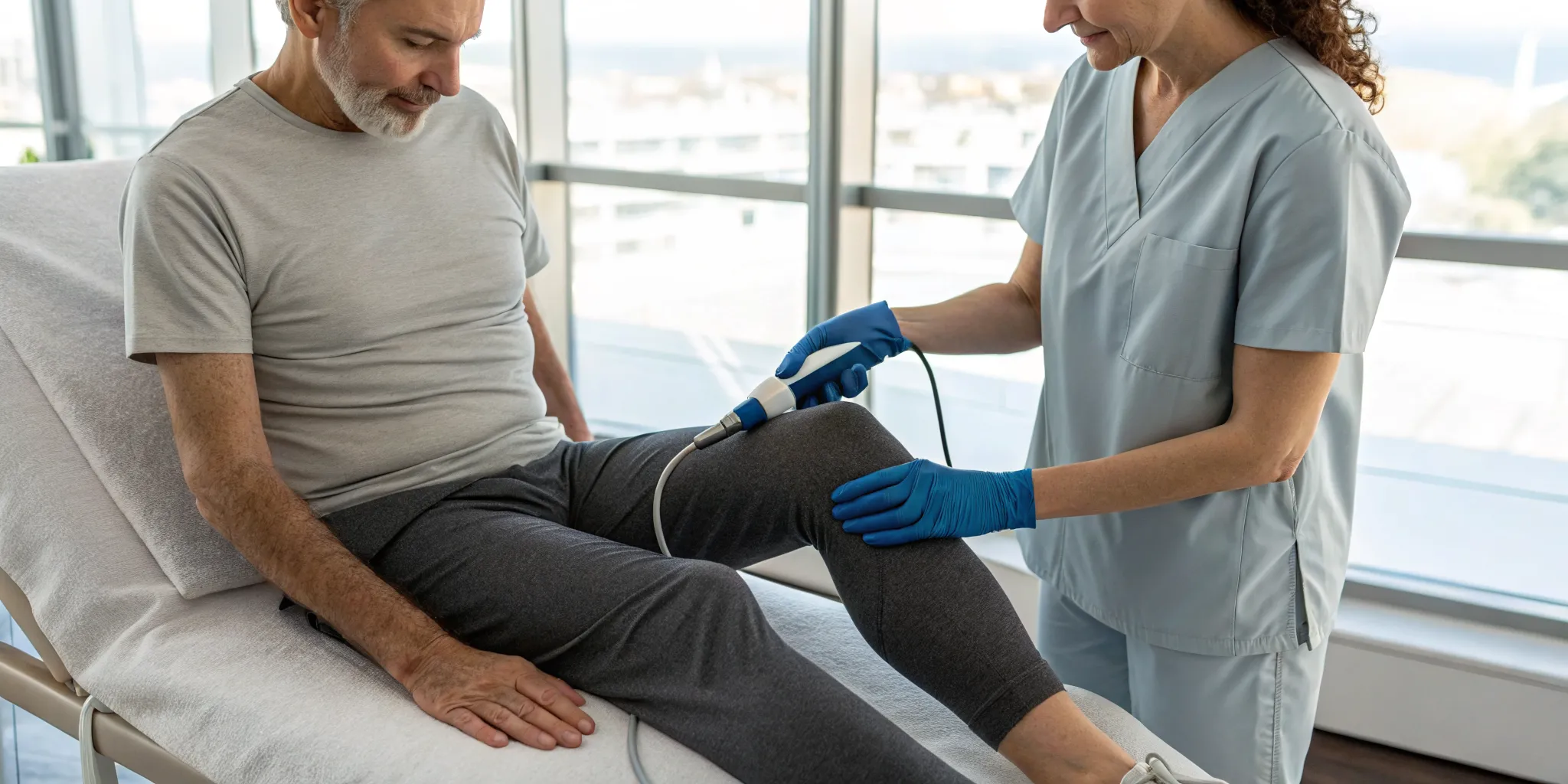
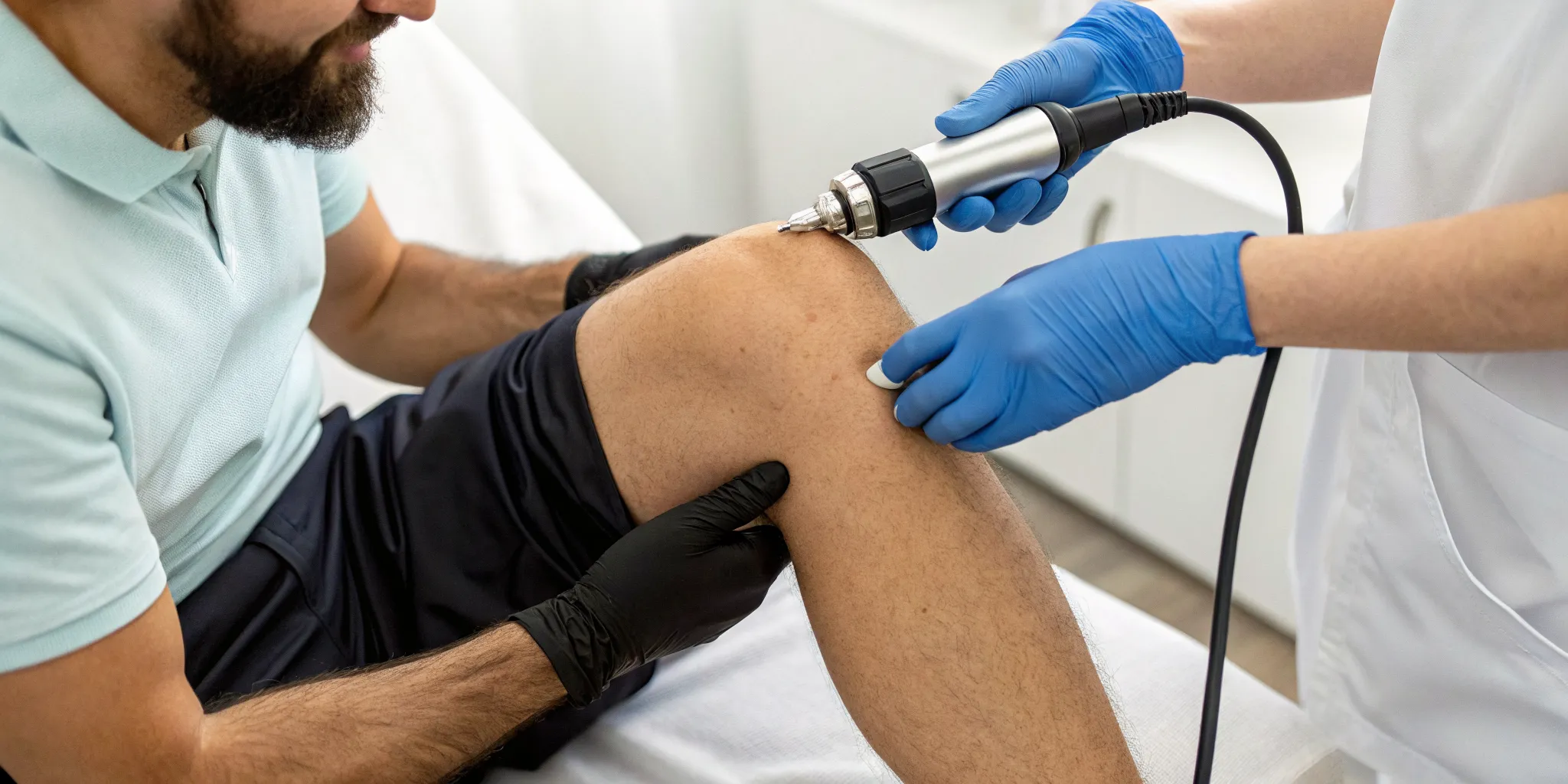
Physical Medicine may be relevant when the discussion centers on posture, mobility, chiropractic care, decompression, or soft-tissue concerns. Ascend's services overview explains the practice's broader care pillars. These services are not a substitute for routine preventive screening, and the right fit depends on your concern and an individualized evaluation.
Men who are also considering a conversation about hormone-related symptoms can read Ascend's guide to hormone optimization for men over 40. Keep the questions distinct: a screening discussion reviews preventive care, while an assessment of a specific concern considers relevant history and appropriate evaluation. A clinician can help you decide how the topics relate without presuming a particular cause.
How do you decide on the next step?
A useful next step is one you understand and have chosen after discussing the reason, options, and follow-up. You can ask for time to consider a non-urgent recommendation or request clarification if the plan is not clear.
Before the visit ends, summarize what you heard. Confirm any tests or records to arrange, who will review results, and when you should follow up. If the conversation identifies a concern outside the scope of a general screening, ask which clinician or type of evaluation is appropriate. Keep a copy of the plan so that you can revisit it later.
For a Tampa-area consultation with Ascend, use the contact page to ask about fit and next steps. You can also review the practice's frequently asked questions before reaching out. A consultation is a chance to discuss goals and concerns; it does not establish that a specific service or test is right for every person.
Talk with Ascend about your next step
Frequently Asked Questions
These brief answers can help you prepare, but an individualized conversation is needed to decide which checks fit your health history.
Should every man over 40 have the same screening tests?
No. Appropriate checks and timing depend on personal history, risk factors, current guidance, and preferences. Ask a clinician to explain why a test may or may not fit your situation.
Should I bring previous test results to a screening visit?
Yes, if they are available. Dates and results can help the clinician understand what has already been reviewed and whether follow-up is needed. Do not delay a conversation because you cannot locate every record.
Can I ask about prostate screening even if I have no symptoms?
Yes. A screening conversation can take place before symptoms arise. Ask about potential benefits and limitations, how personal and family history matter, and how your preferences factor into the decision.
What should I do if I have a concern that is not part of routine screening?
Describe the concern, when it began, and how it affects daily life. Ask whether it needs a separate evaluation and which clinician is appropriate to address it.
Can a health screening include questions about movement or recovery?
Yes. Share changes that affect the activities you value. The clinician can help determine whether to discuss the concern during that visit or arrange a more focused movement assessment.
Explore Functional Medicine care options
This article is for educational purposes only and is not medical advice; consult your clinician before acting on health information or changing your care.